Tag: asia

  • Bridgestone to establish auto parts JV in Indonesia

    Bridgestone to establish auto parts JV in Indonesia

    Bridgestone Corp. plans to establish a joint venture company to produce anti-vibration rubber products for automotive vehicles in Indonesia.

    The agreement was concluded on July 2 with PT Astra Otoparts Tbk, which manufactures and sells automotive parts in Indonesia.

    The JV is to build a manufacturing plant of anti-vibration rubber products, which is set to start operations in January 2016, according to a Bridgestone statement. The total amount of the investment by Bridgestone and Astra Otoparts will be $13 million.

    Bridgestone has seven facilities in five countries to manufacture automotive anti-vibration components. To achieve further global expansion, the firm said it needed a manufacturing base in Indonesia, a major car making state in the ASEAN region.

  • Jia Plus Taiwan opens in Suzhou

    Jia Plus Taiwan opens in Suzhou

    Chinese homewares company Jia has opened its first store in Taiwan.

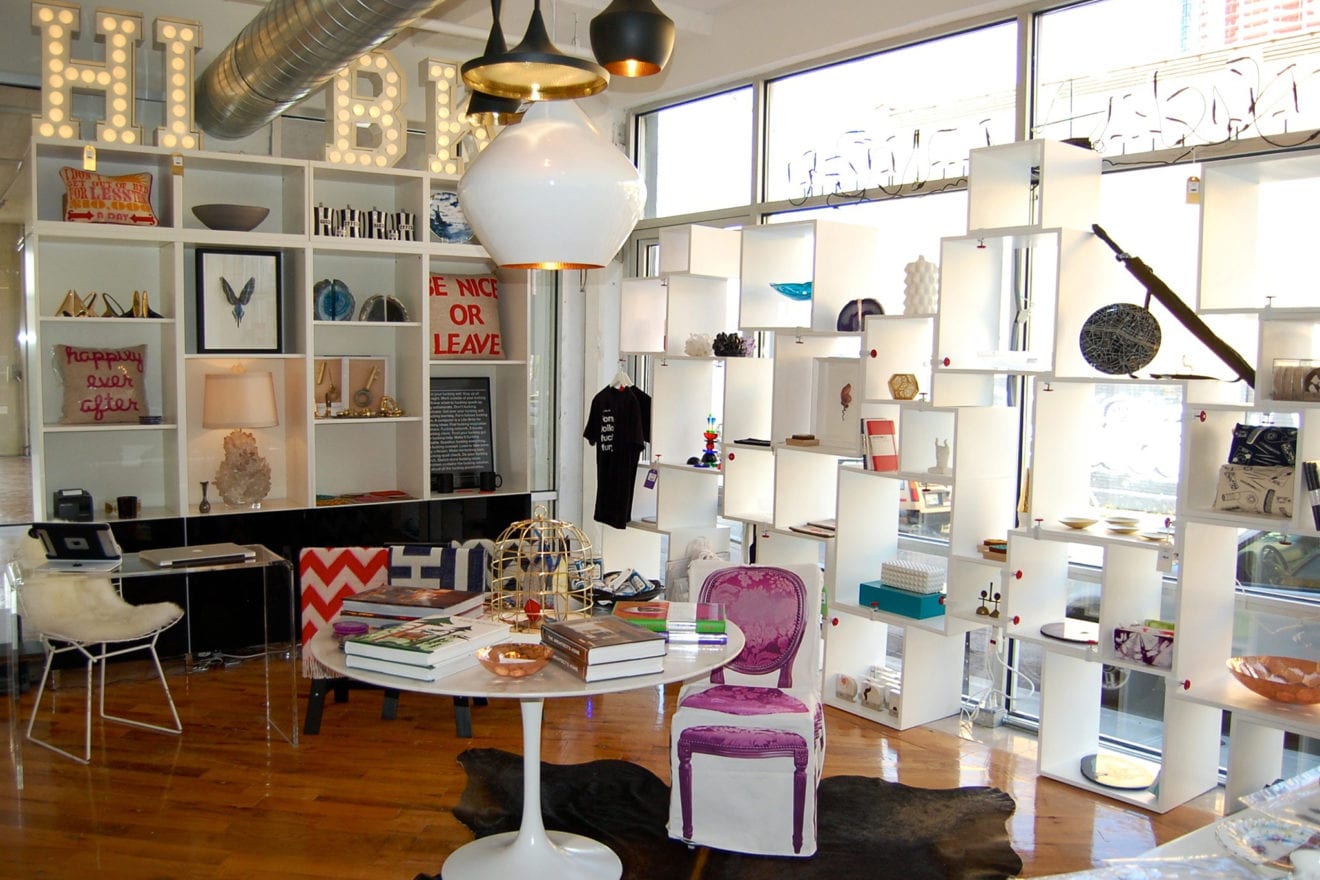
    Jia Plus Taiwan opened this week in Shin Kong Place, Suzhou. It features a curated collection of home and kitchen wares sourced from its own portfolio, along with European brands including Italesse Italian cutlery, Denmark’s Menu, German cutlery label Mono and French wine accessories maker L’Atelier du Vin.

    The Chinese retailer says the store aims to provide “a guide to a better life”.

    “Starting off from the kitchen essentials, Jia aims to unify Hong Kong’s civilisation, Taiwan’s creativity and China’s cultures into one important Chinese [statement] to the world,” said Jia founder Christopher Lin.

    “And that nothing is greater than food – the most basic necessity for everyday people. At the same time, Jia designs splendid homeware products and successfully establishes the brand as the leading Chinese design brand in the international homeware market, showing the world the cumulative synergy that Chinese culture has to offer.”

    The new store features a garden on the ground floor designed by Taiwanese architect An Yu Qian, inspired by journeys on the Silk Rd.Jia Plus’ open space concept features intertwined metal bars and earth-toned wood. The products are grouped by category.

  • Uniqlo ‘modest wear range’ targets Muslims

    Uniqlo ‘modest wear range’ targets Muslims

    A new Uniqlo modest wear range designed in partnership with UK designer and blogger Hana Tajima has gone on sale in Malaysia and Singapore.

    The Uniqlo X Hana Tajima Collection is launched today, July 3, at Uniqlo’s 313@Somerset store on Singapore’s Orchard Rd, and online at www.uniqlo.com/sg.

    A promotional campaign is fronted by Malaysian singer Yuna and the range is expected to be launched in Asian markets with large Muslim populations, such as Malaysia and Indonesia.

    Uniqlo says in line with its ‘LifeWear concept’, the collection is designed to meet the needs of women who value comfortable and relaxed wear. This inaugural collection takes inspiration from an international approach in appreciation of diverse culture and style.

    “Although Uniqlo X Hana Tajima caters to ladies who embrace modest fashion, this collection has been carefully designed to suit contemporary tastes and is versatile to complement a fashionista’s wardrobe easily,” the company said in a statement.

    The collection features pants (SG$49.90), skirts ($49.90), rayon blouses ($49.90) and long dresses ($49.90-$59.90) with a comfortable, relaxed fit which Uniqlo says makes them appropriate for an office and perfect as casual outfits.

    “Our conservative customers will certainly delight at the variety of stylish hijab headscarves ($24.90-$29.90), as well as inner AIRism hijab headscarves ($4.90) and headbands ($14.90). AIRism is a Uniqlo patented material that is thin, light and absorbs moisture for extraordinary comfort especially in tropical climates.

    Taku Morikawa, CEO of Uniqlo Singapore, said the Hana Tajima collection illustrates Uniqlo’s ambition of making fashionable, high quality products for all to wear, while enhancing their lifestyle at the same time.

    “We worked with Hana to determine what would be internationally appealing while keeping to the concept of modest wear. We are thrilled with the results of this unique collaboration which produced a desirable collection that does not sacrifice style for utmost comfort.”

    Hana Tajima, who oversaw the design of every piece in this collection, said: “We want to create a collection that not only appeals to modern ladies who prefer to dress modestly, but also an international audience who desire clothes that fit comfortably and look contemporary. My collection is specially designed to allow effortless mix and match for the today’s women to express their own style.”

  • KFC China accepts Alipay

    KFC China accepts Alipay

    More than 700 KFC China stores have started to accept customer payments via Alipay’s smartphone-based payment technology.

    The stores, in Shanghai and Zhejiang Province are the first of some 5000 outlets across Mainland China which will adopt the payment option in coming months.

    The the partnership with Alibaba, KFC China customers can pay for their meals in local KFC restaurants by using the Alipay Wallet app on their smartphones. The cashless payment solution is expected to enhance operational efficiency of the fast food chain.

    The tie-up with KFC is the first major move of the newly established Koubei, a 50-50 joint venture between Alibaba Group and its affiliate Ant Financial that focuses on increasing the availability of local services through O2O (online-to-offline) eCommerce.

    Koubei plans to integrate Alibaba’s existing food ordering and delivery service Taodiandian and Ant Financial’s merchant services.

    KFC China, which launched in 1987, has been upgrading its restaurants for mobile commerce. Wi-Fi is now available in 2200 KFC China outlets and the company has launched a mobile application for food ordering in Shanghai and Hangzhou.

    According to iResearch, Alipay, a subsidiary of Ant Financial, accounted for 82 per cent of China’s third-party mobile payment sector in 2014. In May, 25 Walmart supermarkets and hypermarkets in Shenzhen began accepting Alipay’s mobile payments.

  • Sportsdirect.com Malaysia expands

    Sportsdirect.com Malaysia expands

    Sportsdirect.com, the leading UK sporting goods retailer, opened its 13th Malaysian store this week.

    The new outlet is in the Oceanus Waterfront Mall in Kota Kinabalu.

    Sportsdirect.com Malaysia plans a further four new stores by November. The foray marks UK-headquartered Sportsdirect.com’s first direct retail investment in Asia, a partnership with Malaysian-owned MST Golf Group of companies, an established regional golf retailer.

    “We are delighted to be opening our next superstore at the Oceanus and to bring a variety of authentic sports brands and categories to Sabah consumers at unbeatable value,” said Sportsdirect.com Malaysia MD Paul Gibbons in a statement.

    At 10,000 sqft, the new store is the largest sports store in Sabah. Sportsdirect.com is a well-known sports shopping destination in UK and Europe with over 900 stores and annual sales revenue of RM15 billion.

    Sportsdirect.com offers a wide selection of global brands in sportswear, footwear and sports equipment, including leading brands such as Nike, Adidas, Puma, Yonex, Li-Ning, Speedo and Arena, alongside its exclusive portfolio of 28 internationally recognised sport, fashion and lifestyle brands including Dunlop, Slazenger, Everlast, Lonsdale and Karrimor.

    Malaysia customers experience the same look, feel and flow of the most modern UK stores, providing the widest and most in-depth range of equipment by brand, technical innovation and value.

    The stores are zoned by key sports categories: the Boot Room for football; Sheruns Heruns for running; Fitness Zone for fitness, cross training, gym equipment, weights, boxing, martial arts and yoga; Racket Centre for badminton, squash and tennis; Swim Shop for pool, beach, water sports and activities; Field & Trek for outdoor and winter, hiking, tracking and camping; the Games Room for table games, darts, table tennis; Big Action for bikes and skates; Men Sports Lifestyle; Women Sports Lifestyle and Kids Sports Lifestyle.

  • New leadership for Foodpanda Malaysia

    New leadership for Foodpanda Malaysia

    Foodpanda, the global mobile food delivery marketplace has appointed new executives to lead the company’s Malaysian subsidiary.

    Joon Chan and Uffe Jordan have been appointed MDs of Foodpanda Malaysia.

    Chan is described as “a seasoned entrepreneur and executor” who after working in the venture capital industry, founded two regional startups and consulted for many across Southeast Asia for Foodpanda’s parent Rocket Internet.

    With Foodpanda having a virtual monopoly on home delivery food services in Malaysia, Chan says he is focused on improving the overall delivery experience of customers.

    “Our main goal is to be the best food delivery service in Malaysia and we will only strive to be the best”, he said.

    Uffe Jordan holds a Master of Science in Finance and Accounting from Copenhagen Business School. He worked more than five years for a Danish private equity firm before joining Foodpanda Malaysia.

    Uffe believes that there is still room for Foodpanda Malaysia to grow and says he will be expanding “the melting pot of restaurants” on Foodpanda, especially Malaysian favorites, with an emphasis of quality over quantity.

    Including the last funding round of US$100 million, Foodpanda globally has now raised over US$310 million since its launch in 2012. After acquiring key competitors in India, Mexico, Russia, Brazil, Eastern Europe and Southeast Asia, the company will use the recent investment to further expand its own delivery activities and improve overall customer experience across its 40 markets.

    Last-mile delivery has been part of Foodpanda’s operations since the beginning, and it says it will now accelerate its efforts to drive customer satisfaction, aiming to offer the most convenient way of ordering food – from the mobile app and online.

  • Matahari Hypermart marks 111

    Matahari Hypermart marks 111

    Matahari Putra Prima has opened its 111th hypermarket, at Lombok Epicentrum Mall, Mataram

    Director of communications and PR, Danny Kojongian, says the new Matahari Hypermart features the new G7 design concept the company is rolling out across its hypermarkets in Indonesia.

    The decision to open in Lombok is due to rising consumer spending in Indonesia’s east.

    “This outlet is expected to follow the success of the previous Hypermart outlet which is also located in Mataram, Lombok,” he said in a statement.

    “With the development of tourism and infrastructure projects underway, Lombok has a huge potential to grow rapidly.

    “With the latest G7 concept, this Hypermart store expected to be a main shopping destination for daily and monthly needs that offers comfort and leading-edge services to customers.”

    Matahari is a multi-format modern retailer in Indonesia which operates Hypermart, Foodmart and Boston Health & Beauty branded stores.

    In line with the G7 concept, the new store features a new style of gondola shelving with wider aisles to allow easier navigation for customers, and a larger fresh area than previous stores. The fashion and beauty departments are upgraded and expanded to fit the evolving consumers’ lifestyles. Bakery, Ready to Eat, Fresh Food, Bulk Food, Home and Living categories are all also expanded and offer a wider range of products with modern concepts. In the operation, the outlet is engaged with the concept of environmentally friendly by using LED technology.

    Today (July 2) Matahari will also reopen its outlet in Bali Galeria. Hypermart Bali Galeria will adopt the latest concept of G7 to follow the modern lifestyle of the locals and tourists.

  • XL Axiata launches LTE in Lombok; Indosat to accelerate 4G rollout

    XL Axiata launches LTE in Lombok; Indosat to accelerate 4G rollout

    Indonesian mobile operator XL Axiata today launched a commercial 4G Long Term Evolution (LTE) service in the 1800MHz band in Mataram, Lombok. The firm’s director of service management Ongki Kurniawan explained that the decision to choose Lombok was based on its ‘special relationship’ with the area. ‘Since entering this region, we [have built an] affinity [with the people living here]. People accept and have confidence in XL when it comes to their telecommunication needs, and [that relationship is] now evolving into data and internet services. Our market share currently stands at more than 85% in Lombok,’ he said, ahead of the official launch of the service in the area.

    XL Axiata has deployed 14 4G base transceiver stations (BTS) in the Capital NTB area, as well as covering centres of government and business, and some shopping centres such as Mataram Mall. The cellco claims it can offer peak download speeds of 100Mbps on the new network which is supported by a range of affordable 4G handsets and devices from the likes of LG, Sony, Huawei, Sharp, Siemens and Lenovo. Its new service also supports Voice-over-LTE (VoLTE) it says and, having launched in Mataram, XL Axiata is now looking to roll out 1800MHz BTS in Bandung, Surabaya, Denpasar and Jakarta later this year. Additionally, the operator notes that cities that already have 4G LTE service capability in the 900MHz band – namely Medan, Bogor, and Yogyakarta – will also benefit from 1800MHz services in the near future. To date, it claims to have deployed more than 200 LTE-900 BTS in these cities and has amassed a total of 200,000 4G subscribers.

    In a separate development, XL Axiata rival PT Indosat claims that it is ready to accelerate its own 4G rollout throughout Indonesia. The cellco says its readiness to speed up its LTE deployment is thanks to its nationwide Indosat Network Modernisation programme which is designed ultimately to upgrade its entire infrastructure to support LTE with peak speeds of 185Mbps/41Mbps (down/uplink). The national programme kicked off two years ago, initially with the aim of boosting coverage, improving internet access speeds and providing clearer voice call quality (i.e. high definition voice) services. By the end of this year Indosat aims to have upgraded 42 cities and their environs (equivalent to districts/municipalities across Indonesia), under the expansion plan. IndoTelko quotes Indosat head of corporate communications, Fuad Fachroeddin, as saying that in April it launched its Super 4G-LTEservice in Jakarta, Bandung, Yogyakarta and Bali, and aims to add other cities throughout Indonesia in the near future. ‘We are optimistic we will soon be able to accelerate the deployment of 4G LTE throughout Indonesia under the ongoing Network Modernisation programme,’ he said.

  • Garuda adds 5 extra flights  after fire

    Garuda adds 5 extra flights after fire

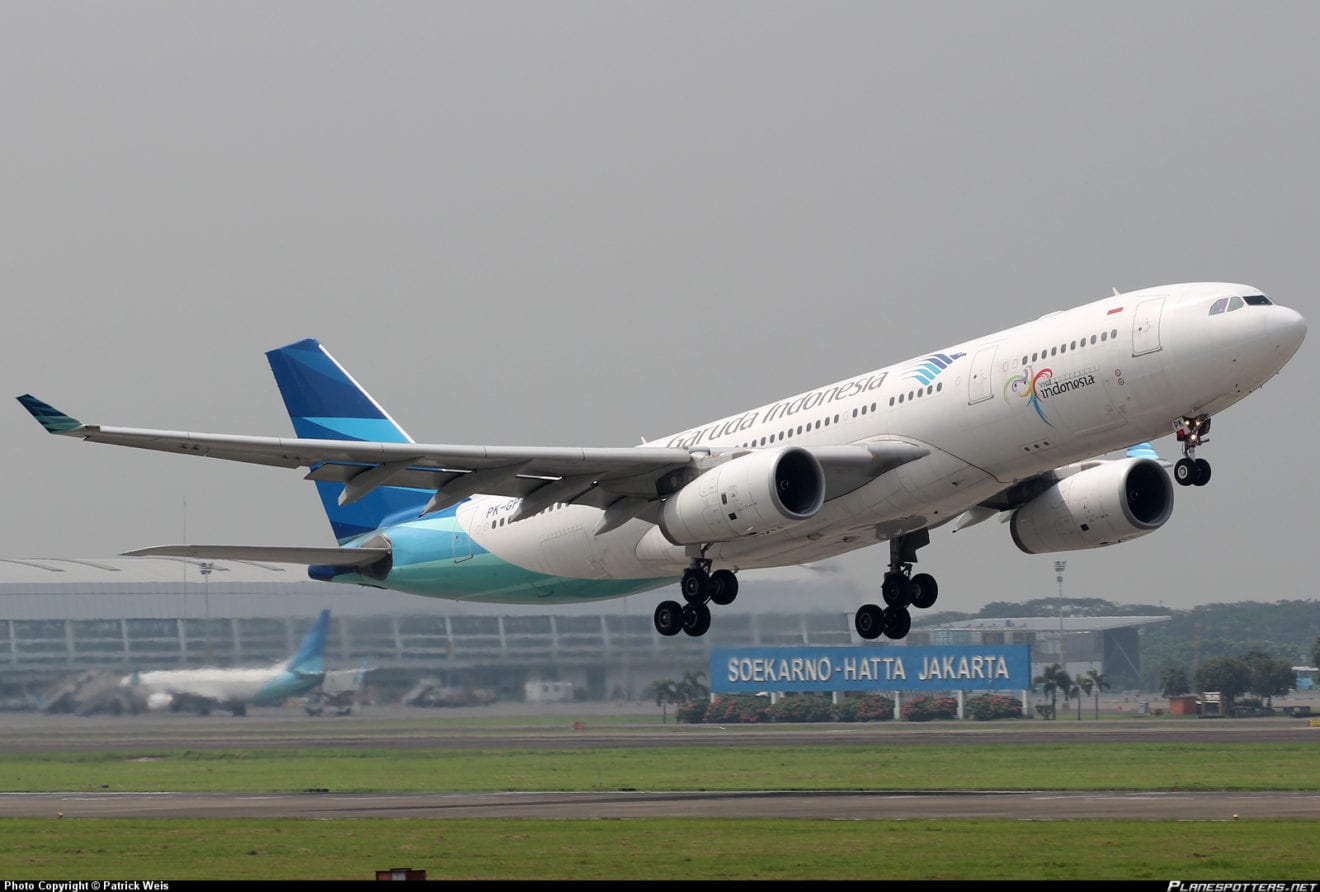
    National flag carrier Garuda Indonesia said on Monday that it had prepared five additional flights for passengers caught in delays and cancellations following a fire at Soekarno-Hatta International Airport’s Terminal 2E on Sunday morning.

    “We aim for all flights leaving this morning,” Garuda spokesperson Ikhsan Rosan said as quoted by tempo.co

    The additional flights will serve five routes from Jakarta to Batam, Riau; Jakarta to Semarang, Central Java; Jakarta to Pontianak, West Kalimantan; Jakarta to Surabaya, East Java and Jakarta to Denpasar, Bali.

    “We will also operate two wide-body planes, Boeing 747-400s, to carry passengers to Surabaya and Depansar,” Ikhsan added.

    Ikhsan admitted there were still several flights that were delayed until early this morning.

    “We put them [the passengers] up in hotels,” he said.

    He gave an assurance that the extra flights would not disrupt other regular flights.

    “Today’s flights will run normally as scheduled,” he said.

    A fire broke out in a VIP lounge at the airport on Sunday morning, causing disruption to departures and arrivals.

    Airport police suspect the fire was caused by an electrical short circuit in the lounge.

  • Manpower issues harm Sasa Singapore

    Manpower issues harm Sasa Singapore

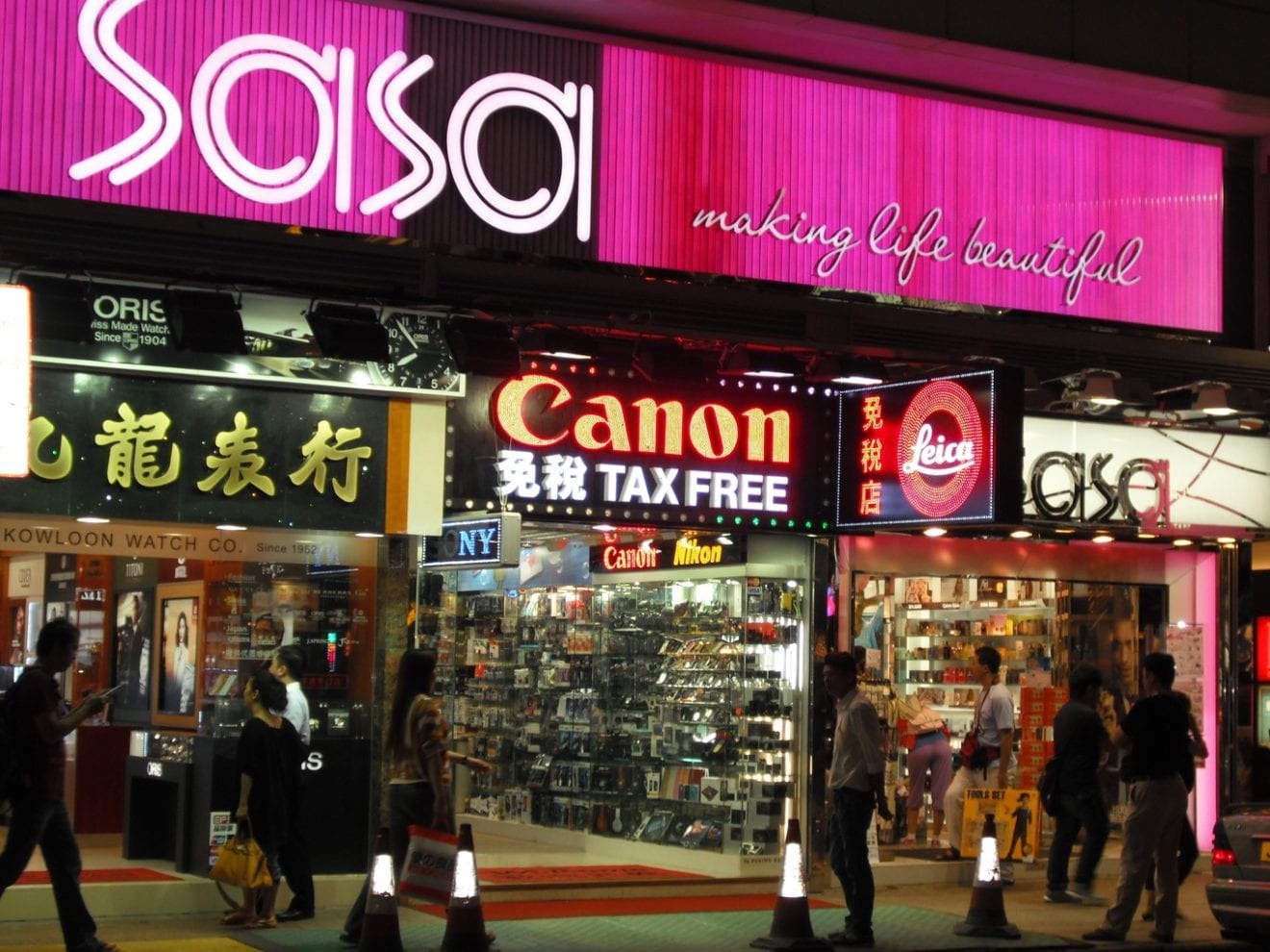
    Sasa Singapore says government restrictions on staff hiring are adversely affecting its business in the city state.

    As a result, the company plans to rationalise its store network and exit some leases early.

    The Hong Kong-headquarter retailer says that during the year to March 31, turnover in Singapore decreased by 2.6 per cent in local currency to HK$243.7 million. Same store sales dropped by 5.9 per cent in local currency.

    “The challenge of filling vacancies for frontline staff and Singapore’s acute manpower constraints adversely affected our store productivity,” the company said in its stock exchange filing in Hong Kong.

    “Moreover, persistent high rental costs and dilution of sales due to the excessive increase in overall Singapore retail space contributed to the losses.”

    In the year ahead, Sasa says it will close inefficient stores, and open stores in new malls with good potential.

    “To cope with the persistent constraints in manpower, we will enhance staff product knowledge and monitor staff productivity. The group will also work on staff retention to minimise the loss of experienced sales staff and convert more job scopes into automation so that employees can concentrate on analytical and quality enhancement.”

    Sasa says its Singapore sales decline was mainly due to slower domestic income growth, resulting in weaker retail sentiment.

    “Tourism was also affected by the tragedy of the missing Malaysian Airlines passenger plane, with the top two tourist originating countries of Indonesia and China both seeing shrinkage in arrivals during the year.”

    In Malaysia, turnover increased 6.1 per cent in local currency to HK$340.3 million. Same store sales decreased 0.2 per cent.

    “Our retail sales and profit growth were impacted by changes in the management team, which adversely affected store productivity and our performance during the transitional period,” the company said.

    Malaysia sales were also affected by the Malaysian Airlines tragedy, resulting in a drop in tourism numbers.

    “We continued to expand our store network to provide enhanced service to our customers and to increase our competitiveness.”

    In Taiwan, Sasa’s turnover grew 5.7 per cent in local currency to HK$289.2 million. Same store sales grew by 1.6 per cent.

    “Sales were boosted by the enhanced house brand product mix and introduction of lower priced products and promotions, which drove traffic and sales through cross-selling. Our strategic store expansion plan began to bear fruit and we were able to capture the growth potential of increasing numbers of Mainland Chinese visitors,” the company reported.

  • Generation Z to make big retail impact

    Generation Z to make big retail impact

    New challenges lie ahead for retailers in Asia as Generation Zers embrace technology and earn more.

    In its newly released report How We Like to Shop Online, CBRE says Generation Z is expected to have significant influence over the retail market in the coming years as their income levels are set to increase rapidly upon joining the job market.

    Generation Z refers to people born after the Millennial Generation, loosely defined as from around 2000.

    “Having spent most of their lives using the internet and other related technology, Generation Z’s demographic of consumers has distinct shopping behaviors in comparison to other demographic segments,” says Jonathan Hsu, head of occupier markets research, CBRE Asia Pacific.

    “Key aspects of their online shopping habits include stronger trust in online information; more activity on social media; and needing a sense of differentiation. These factors demonstrate the increasingly important role of technology in shaping the decision-making process of consumers,” said Hsu.

    In order to remain competitive in the digital age, retailers and landlords need to be proactive in reaching out and engaging with their consumers. Mobile shopping is most prevalent in emerging markets, and in many places, smartphones are the first – and sometimes only – point of internet access for many consumers, therefore, are playing a key role in driving the growth of online retail.

    Smartphone apps and social media can provide valuable information and insights into consumer behavior, for example, push notifications for smartphone apps or social media platforms based on consumers’ shopping history, location and preferences can help personalise their shopping experience.

    “Landlords and retailers need to be more digital-savvy, keeping pace with the latest trends in smartphone applications and social media so they can build a stronger relationship with consumers especially those from Generation Z,” said Joel Stephen, senior director, head of retailer representation, CBRE Asia.

    “These digital platforms are two essential mediums of online retailing, which should be integrated into retailers’ omni-channel strategies in order to capture Online-to-Offline (O2O) business opportunities.”

    With around 70 per cent of consumers in Asia Pacific collecting their online orders in-store – and 90 per cent of them purchasing additional items when picking up their online order – click-and- collect services are also an effective way to drive in-store sales, creating a synergy between both online and offline platforms.

    CBRE says landlords should thus collaborate with tenants to help merge their online and offline offering by providing the necessary facilities and regular renovations.

  • Sanrio Partners with Universal Parks & Resorts for New Hello Kitty® Retail Store Concept

    Sanrio Partners with Universal Parks & Resorts for New Hello Kitty® Retail Store Concept

    Sanrio, the global lifestyle brand best known for beloved pop icon Hello Kitty, and Universal Parks & Resorts have announced their partnership to develop Hello Kitty interactive retail experiences
    scheduled to open later this year at Universal Orlando Resort and in the future at Universal Studios Hollywood.

    This will mark Hello Kitty‘s official retail debut at theme parks in North America and offer specialty merchandise including stationery, home goods, apparel, accessories and collectibles. The majority of merchandise will be devoted to Hello Kitty; Sanrio properties Chococat®, My Melody®, Badtz-Maru®, Purin™ and Keroppi® will also have a presence. Hello Kitty confectionery and specialty co-branded Hello Kitty Universal park-exclusive products will also be available.

    The Hello Kitty stores at Universal Studios will also offer enhanced interactive retail experiences. Customers can shop for custom designed merchandise, enjoy photo opportunities with Sanrio properties, create souvenir versions of Hello Kitty‘s signature bow, and even meet Hello Kitty herself.

    “Our partnership with Universal brings Sanrio’s experiential entertainment presence to a new level,” said Janet Hsu, President and COO of Sanrio, Inc. “We look forward to this introduction into Universal theme parks to offer new connection points to Sanrio fans of all ages.”

    Sanrio’s partnership with Universal Parks & Resorts highlights the brand’s continued expansion into lifestyle entertainment. Recent projects include the successfully unprecedented ‘Hello Kitty Con’ fan convention and ‘Hello! Exploring the Supercute World of Hello Kitty’, a record-breaking museum exhibition at the Japanese American National Museum in Los Angeles. Hello Kitty’s Supercute Friendship Festival, a live entertainment show and interactive fan festival that has reinvented the concept of a live character show, is currently touring select cities in the U.S. and Canada. Sanrio’s unique approach to lifestyle entertainment has proven to be a highly effective way of connecting with their legions of fans of all ages across the country.

    About Sanrio
    Sanrio is the global lifestyle brand best known for pop icon Hello Kitty, who recently celebrated her 40th Anniversary.  Home to many endearing characters including Chococat, My Melody, Badtz-Maru and Keroppi, Sanrio was founded on the ‘small gift, big smile’ philosophy – that a small gift can bring happiness and friendship to people of all ages. Since 1960, this philosophy has served as the inspiration for the broad spectrum of unique products and experiences.  Today, more than 50,000 Sanrio-branded items are available in over 130 countries and upwards of 15,000 U.S. retail locations including department, specialty, national chain stores and over 80 Sanrio boutiques. For more information please visit www.sanrio.com and www.facebook.com/hellokitty.

    About Universal Parks & Resorts
    Universal Parks & Resorts, a unit of Comcast NBCUniversal, offers guests around the globe today’s most relevant and popular entertainment experiences. With three-time Academy Award winner Steven Spielberg as creative consultant, its theme parks are known for immersive experiences that feature some of the world’s most thrilling and technologically advanced film- and television-based attractions. Comcast NBCUniversal is a global media and technology company that owns and operates a valuable portfolio of news, sports and entertainment networks; Universal Pictures, a premier motion picture company; significant television production operations; a leading television stations group; and world-renowned theme parks.

    Comcast NBCUniversal wholly owns Universal Studios Hollywood, which includes Universal CityWalk Hollywood. It also owns Universal Orlando Resort, a world-class destination resort featuring two theme parks (Universal Studios Florida and Universal’s Islands of Adventure), four resort hotels, and Universal CityWalk Orlando.  Comcast NBCUniversal also has license agreements with Universal Studios Japan in Osaka, Japan and Universal Studios Singapore at Resorts World Sentosa, Singapore.  In addition, Comcast NBCUniversal has recently announced plans for a theme park in Beijing and an indoor theme park to be developed as part of the Galactica Park project in Moscow.

  • Ford’s Retail Sales in China Increase 4% in May

    Ford’s Retail Sales in China Increase 4% in May

    Ford Motor Co. F sold 91,013 vehicles in China in May 2015. This reflects a 4% year-over-year increase from 87,887 units sold in May 2014. Sales of Ford in the world’s largest automobile market totaled 459,982 units in the first five months of 2015, up 1% from 456,594 vehicles sold in the same period of 2014. It is worth noting that Ford has started reporting only retail sales from May as opposed to wholesale figures reported earlier.

    Meanwhile, Ford’s passenger car joint venture, Changan Ford Automobile (“CAF”) witnessed a 3% year-over-year rise in vehicle sales to 67,357 units in May 2015. Sales of CAF inched up 1% to 332,999 vehicles in the first five months of 2015.

    Further, Ford’s commercial vehicle investment in China, Jiangling Motors Corporation (“JMC”), sold 20,910 vehicles in May. Sales improved 7% from 19,569 vehicles sold in May 2014. Moreover, JMC’s sales in the first five months of 2015 grew 4% year over year to 114,638 vehicles.

    In order to support the demand in China, Ford inaugurated an assembly plant – Changan Ford Hangzhou Plant – in Hangzhou in March. Changan Ford Hangzhou, Ford’s sixth assembly plant in China, required an investment of $760 million. It has a production capacity of 250,000 vehicles.

    Ford currently carries a Zacks Rank #3 (Hold). Better-ranked automobile stocks include The Goodyear Tire & Rubber Company GT , PACCAR Inc. PCAR and U.S. Auto Parts Network, Inc. PRTS , all carrying a Zacks Rank #2 (Buy).


  • Strong Visitor Figures for Regional Duty Free and Travel Retail Event

    Strong Visitor Figures for Regional Duty Free and Travel Retail Event

    TFWA Asia Pacific Exhibition & Conference 2015, the 20th event for the duty free & travel retail industry in Asia Pacific, closed on 14th May in Singapore after a very successful week.

    With occupied exhibition space topping previous years at 9,118 m2 – up 9% on 2014 – and 292 exhibiting companies present (+12%), of which 73 were new to the show, there was a huge variety of products on display for the benefit of visiting buyers and agents.

    Visitor numbers were considered satisfactory by organisers TFWA in a year which has been challenging for the duty free and travel retail industry, with aviation accidents, a new approach to gift giving and luxury consumption among the all-important Chinese travellers, financial instability and political tension in several countries and the resulting slowdown in the growth of air passenger traffic.

    A total of 2,655 trade visitors attended the show, equivalent to last year, from 1,053 companies (+3%) of which more than a third were “key buyers” – duty free & travel retail operators and landlords from airports, airlines, ferry and cruise companies, cross-border and downtown duty free stores.

    “I was very impressed by the quality of the stands, the assortment of products on display and the energy around the show,” said Erik Juul-Mortensen, President TFWA. “This year has not been easy for the industry in this region and, in light of that, we are really very satisfied with the number of companies present and the quality of the visitors.”

    Duty free & travel retail sales in the Asia Pacific region in 2014 totalled US$23.6 billion, up 5.5% on the previous year, according to provisional figures from independent analysts Generation Research, which ranks the region top in the global industry with 38% of total sales. The second largest region is Europe, followed by Americas, Middle East and Africa.

    Forthcoming events organised by TFWA include TFWA World Exhibition & Conference from 18th to 23rdOctober 2015 in the Palais des Festivals, Cannes and the Middle East & Africa Duty Free Association Conference from 22nd to 24thNovember 2015 at the King Hussein Bin Talal Convention Centre, Dead Sea, Jordan. Details of these events can be found at https://www.tfwa.com.


  • India’s GirnarSoft set to fight Rocket and iCarAsia for Indonesia’s auto classifieds space

    India’s GirnarSoft set to fight Rocket and iCarAsia for Indonesia’s auto classifieds space

    A combination of low interest rates, a growing middle class, and the absence of strict regulations on car ownership has led tech companies to take a keen interest in the Indonesian market. Rocket Internet’s car classifieds site Carmudi has been operating in Jakarta for nearly one year now, although it’s currenly only seeing around 300,000 visits per month. iCarAsia’s Indonesian portal Mobil123 is doing a little better with around740,000 monthly visits, as per SimilarWeb.

    According to the Indonesian Automotive Manufacturers Association, there were 1,208,019 new car sales last year in the archipelago. This is a slight dip from the year before, which saw 1,229,916. Local financial portal Indonesia-Investments credits the drop to a weakening Rupiah against the US dollar, coupled with inflation, and an economy that may be losing steam. For consumer-to-consumer car classifieds sites, however, the drop in new car sales may actually be a negligible factor. If fewer people are strolling into Astra Motor dealerships on the weekends to pick up new coups, odds are they’re looking into used vehicle alternatives.

    Regardless of what caused the dip, India’s GirnarSoft, which ownsCarDekho, still sees Indonesia as a green opportunity, having recently launched CarBay in Jakarta.

    GirnarSoft was valued at US$300 million when it raised series B fundingthis past January. The company is backed by investors like Sequoia Capital, Hong Kong-based Hillhouse Capital, and Tybourne Capital. CarDekho is GirnarSoft’s largest venture, and claims to be the number one auto portal in India with around 3 million monthly visits.

    carbay id

    Testing the waters without classifieds

    Indonesia’s CarBay is not a classifieds site yet. Instead, it’s just a content provider and resource for folks who are interested in making a purchase but still doing their homework. On the site, users can hunt for vehicles they want to know more about, filtering via price, brand, fuel efficiency, model, number of passengers, and more. Essentially, CarBay acts as a decision-making aid, and lets users easily find various dealers in Indonesia.

    CarBay also lets users do instant side-by-side comparisons of up to four different vehicles at a time. The comparisons are quite thorough, and include everything from engine stats and safety features to luxury options and performance specs.

    At the moment, it’s unclear how CarBay plans to monetize outside of charging its partner dealerships for content on its portal. It’s likely that the firm is simply trying to test local waters by building up its user base before plowing full-steam ahead with a classifieds play. If CarDekho’s business model is any indicator, CarBay will probably go head-to-head with the likes of Rocket Internet’s Carmudi and iCarAsia’s Mobile123.

    A slowing but still favorable car market

    CarBay claims vehicle sales in Indonesia have been rising at a steady 11 percent compound annual growth rate. This figure is probably referring to new and used cars alike. The company cites the nation’s annual GDP growth as one of its most encouraging stats.

    Indeed, the archipelago has been experiencing economic growth of roughly six percent annually. However, the economy only advanced by 4.71 percent this past year, which was the slowest expansion since the third quarter of 2009. Car sales are one of the key indicators by which to measure local consumers’ purchasing power as well as the general state of the economy. As of May, only 443,328 new cars had been sold in the archipelago thus far in 2015.

    “Indonesia is at a good stage of economic development and online products like CarBay will set new benchmarks for organized car buying and selling in the country,” Amit Jain, CEO and co-founder of GirnarSoft said in a release. “Our rapid growth has been due a great web and mobile product, which we feel will do well in Indonesia too.”

    carbay id 1

    From what can be seen on the site, it looks like CarBay has no intention of getting into motorcycles, a segment which dominates the nation’s personal vehicle market.GirnarSoft is one of several Indian firms to have recently come to Jakarta looking for greenfield tech startup opportunities. Earlier this week, Tech in Asia spoke with a venture capital firm called Aavishkaar, which recently locked in US$45 million to invest in Indonesia and other emerging markets. Indian tech companies setting sail for Jakarta could be an interesting trend to keep an eye on for Q3.