Tag: asia

  • Who will dominate Korea’s mobile payment market?

    Who will dominate Korea’s mobile payment market?

    South Korean heavyweights ranging from Internet to retail to tech companies are all paying keen attention to preoccupy the mobile payment system market, which hasn’t yet taken off.

    Since Daum Kakao first ignited the competition by rolling out its mobile payment Kakao Pay last year with its 4 million subscribers. Korea’s largest portal operator Naver unveiled Naver Pay this July, by joining hands with 50,000 partner stores.

    Retail giants are also following suit. Lotte and Shinsegae are currently developing L Pay and SSG Pay respectively in order for consumers to more conveniently buy goods with retail technologies. They plan to let customers to save all the information of credit cards, gift cards, cash and coupons on smartphones to easily pay for things. Membership points will be accumulated on smartphone apps.

    Smartphone conglomerates are no exceptions here. Korea’s largest smartphone maker Samsung Electronics is set to unveil its new mobile payment system Samsung Pay in September. It is expected to be embedded in its latest smartphones like Galaxy S6 and Galaxy S6 Edge. As the tech giant recently acquired Boston startup LoopPay, which has magnetic secure technology, Samsung Pay will be compatible with existing magnetic card readers. This way, stores do not have to change their readers separately to use the service.

    In the smartphone market, Samsung has to compete with its global rivals Apple and Google. American search giant Google unveiled Android Pay at its I/O Conference 2015 late in April at San Francisco. Samsung’s arch rival Apple unveiled Apple Pay last October, and is now in discussion with China’s biggest e-commerce company Alibaba in a bid to make forays into the China’s market.

    Market watchers say the mobile payment system, which heralds the opening of the Fintech market – a combination of finance and technology – will have a great impact on the local financial market. Commercial banks have so far been in charge of small sum transaction but it is likely to be shifted to non-financial institutions if the mobile payment service takes off.

    Daum Kakao’s Kakao Pay, which is the first mobile payment service in Korea, already saw more than 4 million subscribers last month. Though it still does not have a great impact on the market with a limited number of partner stores, analysts say they have secured a meaningful number of clients.

    Korea’s financial watchdog said when the number of Kakao Pay’s subscribers reach 2 million, it will have a significant meaning as a financial transaction tool. Currently, no official figure of daily transaction has been unveiled.

    The local mobile payment market is expected to continue to grow, according to market observers. In a nation dubbed as IT powerhouse, many users still find it difficult to buy goods online as they have to install various programs such as Active X and keyboard security programs. Also, they have to type in their credit card information or personal information every time they pay.

    However, the emergence of the mobile payment system is removing all the hassles and only requires simple authentications such as smartphone numbers or password.

    According to research firm Gartner, the local mobile payment service market came to around 3.8 trillion won in the fourth quarter of last year, up 65 percent during the same period of the previous year. The global mobile payment service market also continued to grow around 30 to 40 percent annually for the past years. It would reach around 721 trillion won by 2017.

    “There is not yet a dominant player in the local mobile payment service market. Thus, fierce competition among tech firms hoping to preoccupy the market is expected in the second half of this year,” according to a market observer.

  • China cuts retail oil prices

    China cuts retail oil prices

    The prices of gasoline and diesel in China will respectively be cut by 110 yuan and 105 yuan (18 U.S. dollars) per tonne, the National Development and Reform Commission (NDRC), China’s top economic planner, said in a statement Monday.

    The adjustment will come into effect Tuesday. The benchmark retail price of gasoline will drop by 0.08 yuan per liter and that of diesel by 0.09 yuan.

    Prices of refined oil products in China are adjusted when international crude prices translate into a change of more than 50 yuan per tonne for 10 working days.

    Crude prices fell last week, weighed on concerns of oversupply after the Organization of the Petroleum Exporting Countries (OPEC) decided to keep its daily output at 30 million barrels for the next six months.

    The NDRC has reduced oil prices for four times and raised them five times this year, tracking changes in international crude oil prices.

  • Retail Sales Hit Hard by MERS

    Retail Sales Hit Hard by MERS

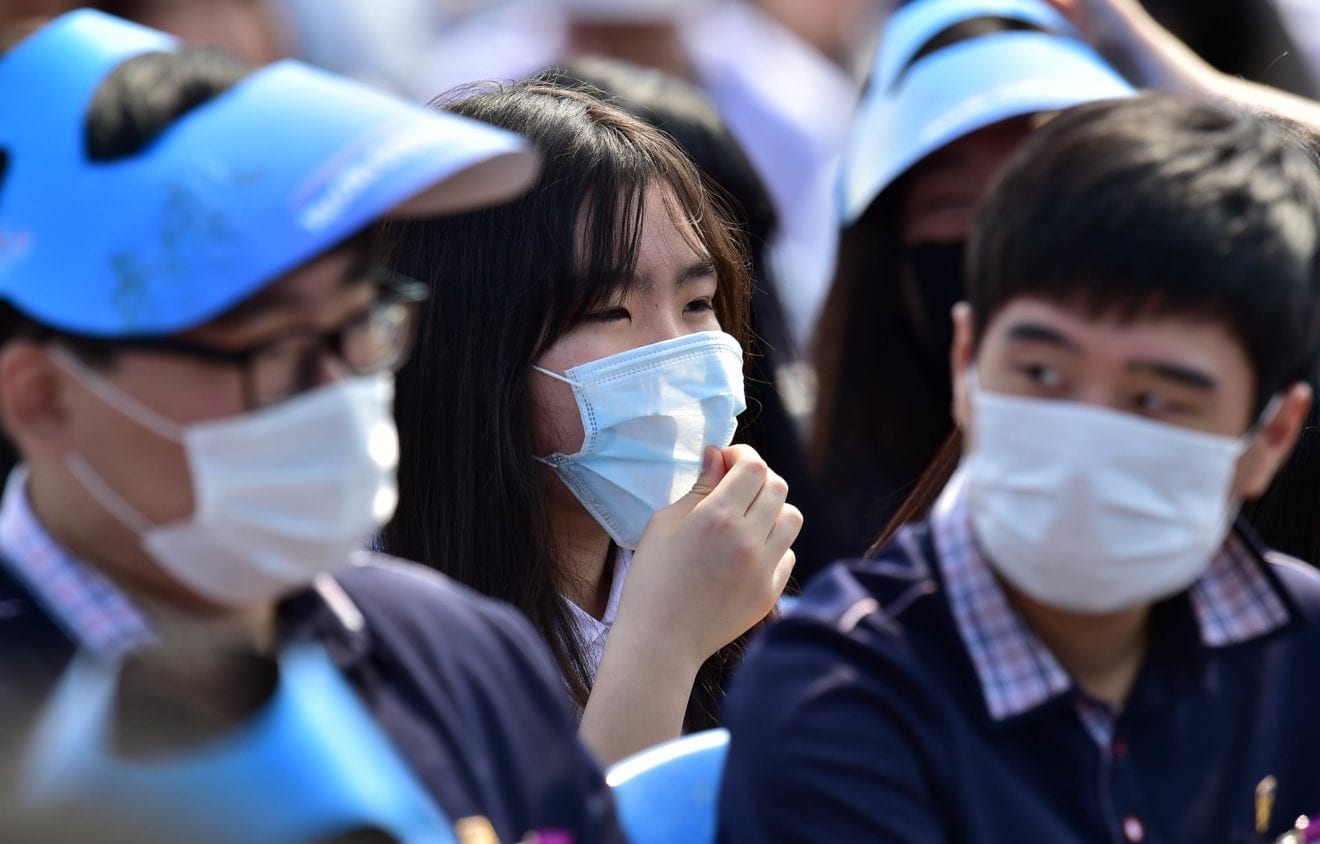
    The ripple effect of the Middle East respiratory syndrome (MERS) is spreading throughout Korea’s retail industry, including department stores, discount stores, restaurants, and cosmetic shops.

    Amid rising concerns about possible infection by the MERS virus, an increasing number of consumers are avoiding crowded places, dealing a blow against the sales of offline stores, including department stores.

    As the MERS crisis prolongs, the number of foreign tourists, including Chinese ones, declines, giving a negative impact on the cosmetics industry. According to industry sources on June 5, Lotte Department Store suffered an 8.4-percent decline in sales during the period from June 1 to 4, compared to a year ago.

    Shinsegae Department Store also suffered a 3.7-percent decline in sales during the same period. E-Mart, the largest discount store in Korea, recorded a 7.8-percent plunge in sales during the period. In particular, its outlet in Dongtan and Pyeongtaek, in southern Gyeonggi Province where the highest number of MERS cases were reported, suffered a 19.7-percent and a 16.2-percent plunge in sales during the period.

  • B2B Marketplace Bizzy.co.id Launches in Indonesia With $2.5 Million Investment

    B2B Marketplace Bizzy.co.id Launches in Indonesia With $2.5 Million Investment

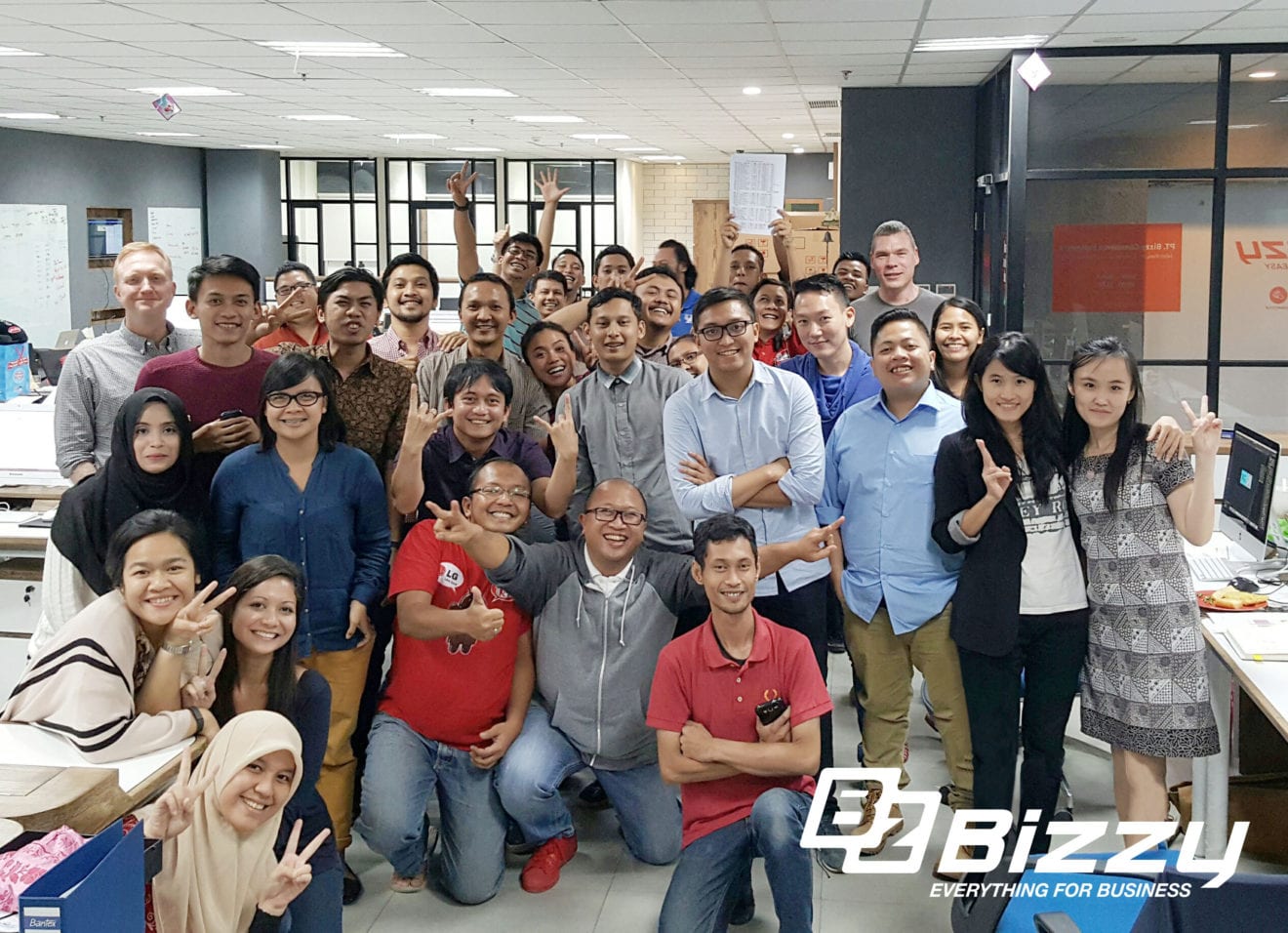
    Ardent Capital today announced the launch of one of Indonesia’s first B2B ecommerce marketplaces with a $2.5 million commitment to Bizzy.co.id, amidst a growing investor gold rush to ecommerce ventures in the country.

    Bizzy will solve a pain point with procuring inventory, supplies and services from other businesses. The platform carries thousands of products from hundreds of merchants in business supplies, electronics, cleaning, pantry and services.

    “Globally B2B ecommerce has gained massive traction. In Korea we’re talking 91 percent penetration, while in Indonesia this type of ecommerce is in its infancy so the opportunity is huge. Just 11 percent of all startup endeavours in Indonesia are dedicated to B2B,” said Adrian Vanzyl, CEO of investor Ardent Capital.

    Disrupting the Traditional B2B Climate

    Bizzy CEO and co-founder Peter Goldsworthy spent the past eight years building businesses in Indonesia and saw a lack of innovation in business supplies and services.

    “I was constantly frustrated with ordering supplies and services. In particular I felt the entire process of sourcing, approval and shipping could easily be improved upon,” Peter said.

    Through market research Bizzy discovered that many distributors and principal brands were having difficulties reaching and servicing their direct B2B customers.

    “Merchants were struggling to meet the needs of businesses. What we were seeing was that the way businesses shop was much more complex than how an individual would and this was causing problems at both ends of the transaction,” Peter explained.

    Bizzy helps merchants make the shift to online and meet the logistical demands of B2B business customers, by integrating multiple shipments from multiple vendors, known as ‘crossdocking’, through the fulfilment center of partner aCommerce.

    Enticing Millennials

    The demographics of those making B2B purchasing decisions has shifted rapidly. In a Google- and Millward Brown Digital-partnered B2B marketplace report this year, data showed that between 2012 and 2014 the age of those doing B2B research increased 70 percent in the 18- to 34-year-old age group. The data also showed that by 2014 this millennial age group was also accounting for 46 percent of B2B purchasing decisions.

    “Millennials are now the key decision-makers for company sourcing. This changing of the guard means they expect the same information available for personal purchases when they search for business solutions. Bizzy addresses that need,” Peter added.

    Bizzy will actively support not just tech startups but charities, hospitals and universities by offering wholesale pricing through a complimentary year of ‘Bizzy Wholesale’ membership, entitling them to wholesale purchase rates irrespective of purchase quantity.

    With customers like Tiket.com, Traveloka, Halomoney and Grabtaxi already onboard, Bizzy is generating the buzz to make 2015 the year of B2B.

    Snapshot: Penetration of B2B Ecommerce in Asia

    In the US, B2B ecommerce represents a $1 trillion opportunity, while in mature Asian markets B2B ecommerce already accounts for a large and growing share of total online transactions:

    • In China B2B ecommerce is estimated to have a potential value of $2.1 trillion by 2020
    • In South Korea 91 percent of online transactions are B2B
    • In Thailand B2B represents more than 50 percent of all online transaction value, yet by startup founder type, captures less than 20 percent of all founders who launch businesses
    • In Indonesia the current split between B2B and B2C revenue is just 11 percent
  • Qantas still positive about Jetstar’s Asian growth plans

    Qantas still positive about Jetstar’s Asian growth plans

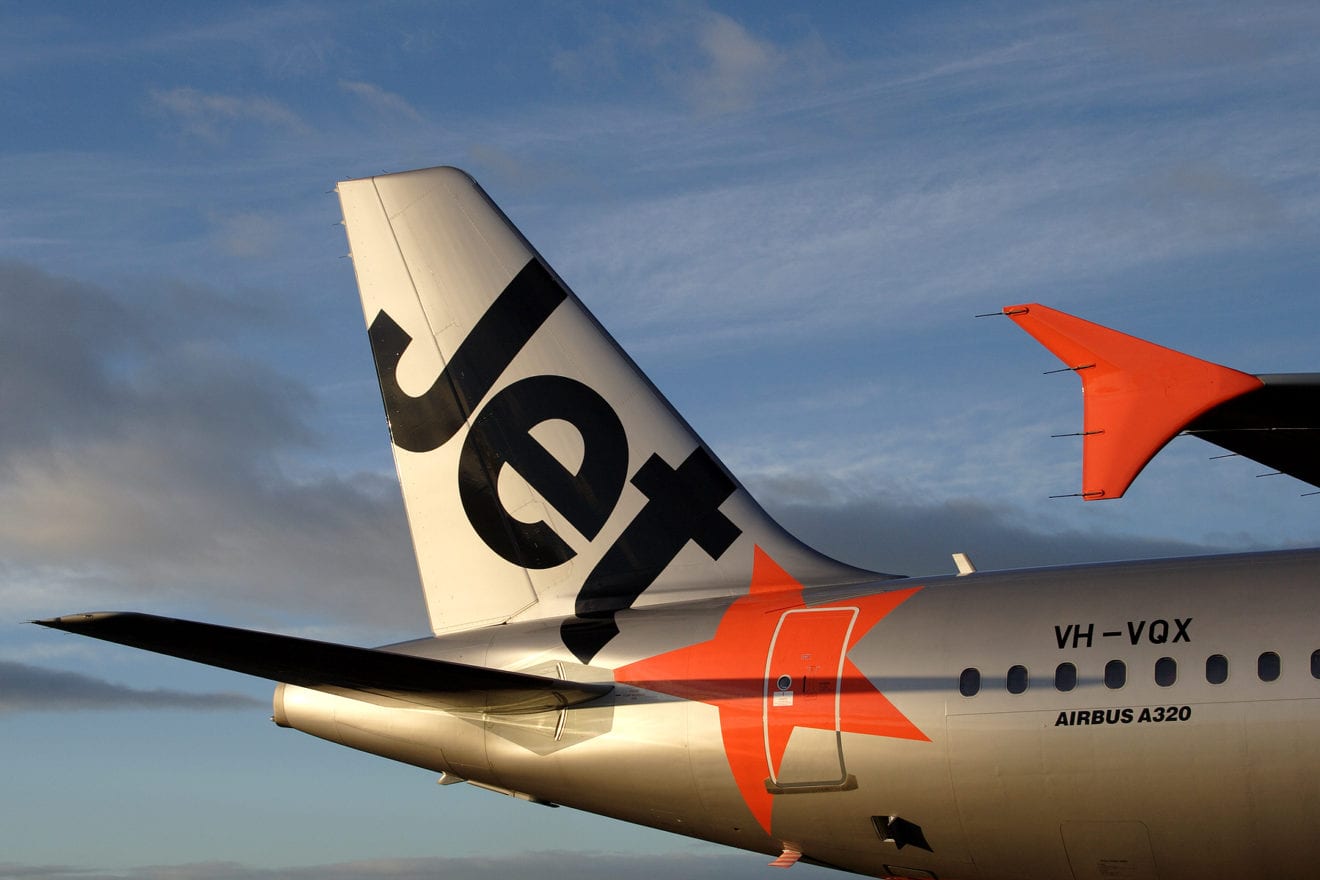
    Jetstar’s Asian division reported an underlying loss before interest and tax of $33 million in the first half of the financial year.

    Qantas Airways has no plans of abandoning its investment in Jetstar’s Asian arms despite disappointing returns to date because the growth potential is so big, says Qantas chief executive Alan Joyce.

    All of the airline’s other divisions are expected to report returns exceeding their cost of capital this financial year, amid forecasts the carrier could report an underlying pre-tax profit approaching $1 billion. But Jetstar’s Asian division, including businesses in Singapore, Japan, Vietnam and Hong Kong, reported an underlying loss before interest and tax of $33 million in the first half of the financial year.

    “What we are investing in Asia for the group, it is a very small amount of capital,” Mr Joyce said on Sunday on the sidelines of the International Air Transport Association annual meeting in Miami. “It is done in a very capital-light way. So for the group to get its cost of capital, this year as an example, [Jetstar in Asia] won’t return its cost of capital but the overall group will. For us these are low capital cost investments for huge growth potential.””For us these are low capital cost investments for huge growth potential.”: Qantas boss Alan Joyce.

    Mr Joyce noted the Asian market is the fastest-growing aviation market in the world, and said he believed it would eventually become the most profitable aviation market in the world. Qantas has invested in Jetstar’s Asian arms through joint ventures with local shareholders.

    Jetstar Group chief executive Jayne Hrdlicka said Singapore-based Jetstar Asia an Vietnam-based Jetstar Pacific are expected to be profitable in the second half of the financial year.

    “Significant capacity has come out of the [Singapore] market post the FY14 results,” she said. “Everybody did it tough with too much capacity coming into the market. So that has rationalised. A little bit of it is starting to come back in because the Singapore dollar is so strong. But we are very confident that the outlook will improve.

    In the meantime, Jetstar Japan remains loss-making and Jetstar Hong Kong has yet to receive long-delayed government approvals to begin flying and it has sold all but one of its original nine aircraft.

    Ms Hrdlicka admitted Jetstar had misjudged the ease of gaining regulatory approvals in Hong Kong.

    “Our expectations were not lined up with the reality of the way this government is making decisions in Hong Kong,” she said.

    But she said fellow Jetstar Hong Kong shareholders China Eastern and Shun Tak Holdings were more “patient and longminded”, especially now that the Hong Kong government has committed to a third runway at the busy Hong Kong International Airport.

    “The other aspect that is brewing confidence in our shareholders is the Hong Kong economy needs the tourism flows into Hong Kong,” she said. “Chinese tourism is significantly down. For some retail sectors in Hong Kong, they are off by 30 per cent. So that flow of customers who need low fares to make Hong Kong affordable, to have the Hong Kong experience is really important to the Hong Kong economy and supports the Hong Kong people.”

  • Zooming in on market niches lets Maybank flourish

    Zooming in on market niches lets Maybank flourish

    Navigating Singapore’s crowded banking landscape is not easy, and Maybank’s retail banking unit says it needs to be nimble by zooming in on market niches.

    The bank last month launched a Maybank Save Up programme tailored for young workers in Singapore after noticing that many are increasingly keen on financial planning.

    And, noting that young children are often neglected by lenders, it launched last September the Maybank Family Plus programme to encourage parents to help kids save.

    Maybank is also focusing on long-term relationships and on catering to customers’ needs at every stage of their lives.

    “I think (Singapore) is probably one of the most highly- banked markets, even for retail,” said Mr Choong Wai Hong, the bank’s head of community financial services. “But that said, I find the Singaporean consumers, the account holders, they are quite savvy.”

    In an interview with The Straits Times on Thursday, he said consumers are often willing to snap up new products and services. “Their sensitivity to change, to go for a product, is quite high. So if you can find the right market niche for them, the willingness to move is quite high”.

    What Maybank does in Singapore is closely-watched by rival lenders as it is one of the very few foreign banks with a large retail presence here.

    Its three entities in Singapore – Maybank, Maybank Kim Eng brokerage and Etiqa Insurance – employ 2,400 staff.

    Singapore’s central bank last month named Maybank one of the inaugural seven “domestic systemically important banks” in the Republic.

    The seven each has a significant impact on the financial system’s stability and proper functioning of the broader economy, the Monetary Authority of Singapore said.

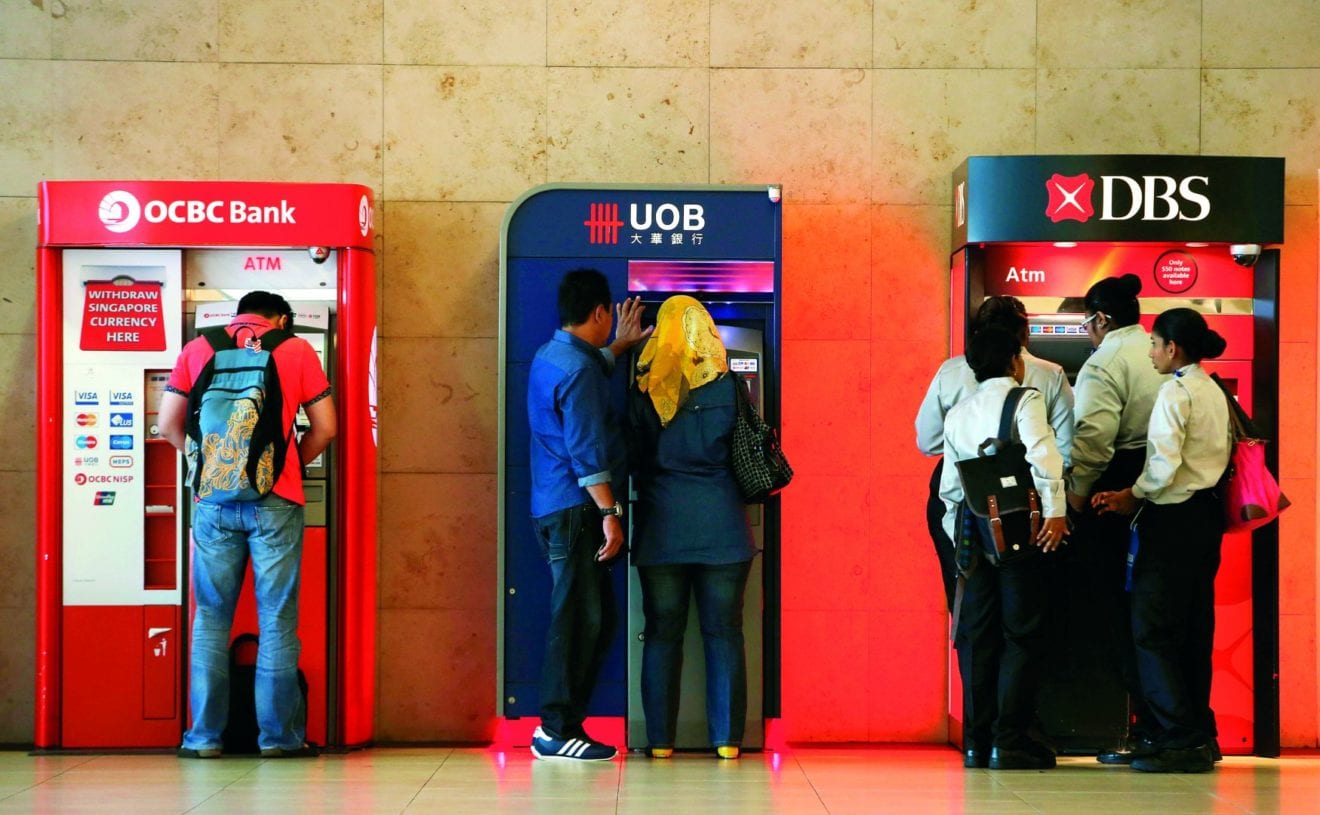
    The three domestic lenders in the list are DBS Bank, OCBC Bank and United Overseas Bank. And apart from Maybank, the other foreign banks are Citibank, Standard Chartered and HSBC.

    Maybank has 22 full-service branches in Singapore – the largest for a foreign bank here, but nowhere near the hundreds of branches operated by the three local lenders.

    It is sometimes known as the “time deposit bank”, owing to its competitive retail deposit rates. Mr Choong said Maybank has 10 per cent to 11 per cent share of the time deposit market in Singapore.

    Its other strength is in the vehicle loan market where it has a 22 per cent market share.

    The Maybank group in Singapore last week reported profit before tax for the first quarter of $93.75 million, down from $110.9 million a year earlier.

    Asked about its retail lending profile, Mr Choong said the major segments are about 45 per cent in mortgages, 18 per cent in auto loans, 22 per cent in retail small and medium enterprises and commercial loans. Other consumer loans make up the other 15 per cent.

    Maybank, he said, has an advantage that other foreign banks here might not have – the group offers the full spectrum of services including retail banking, Maybank Kim Eng brokerage, Etiqa Insurance and Maybank Private Wealth.


  • Chow Tai Fook Quarterly Retail Sales Fall 6% on Hong Kong, Macau

    Chow Tai Fook Quarterly Retail Sales Fall 6% on Hong Kong, Macau

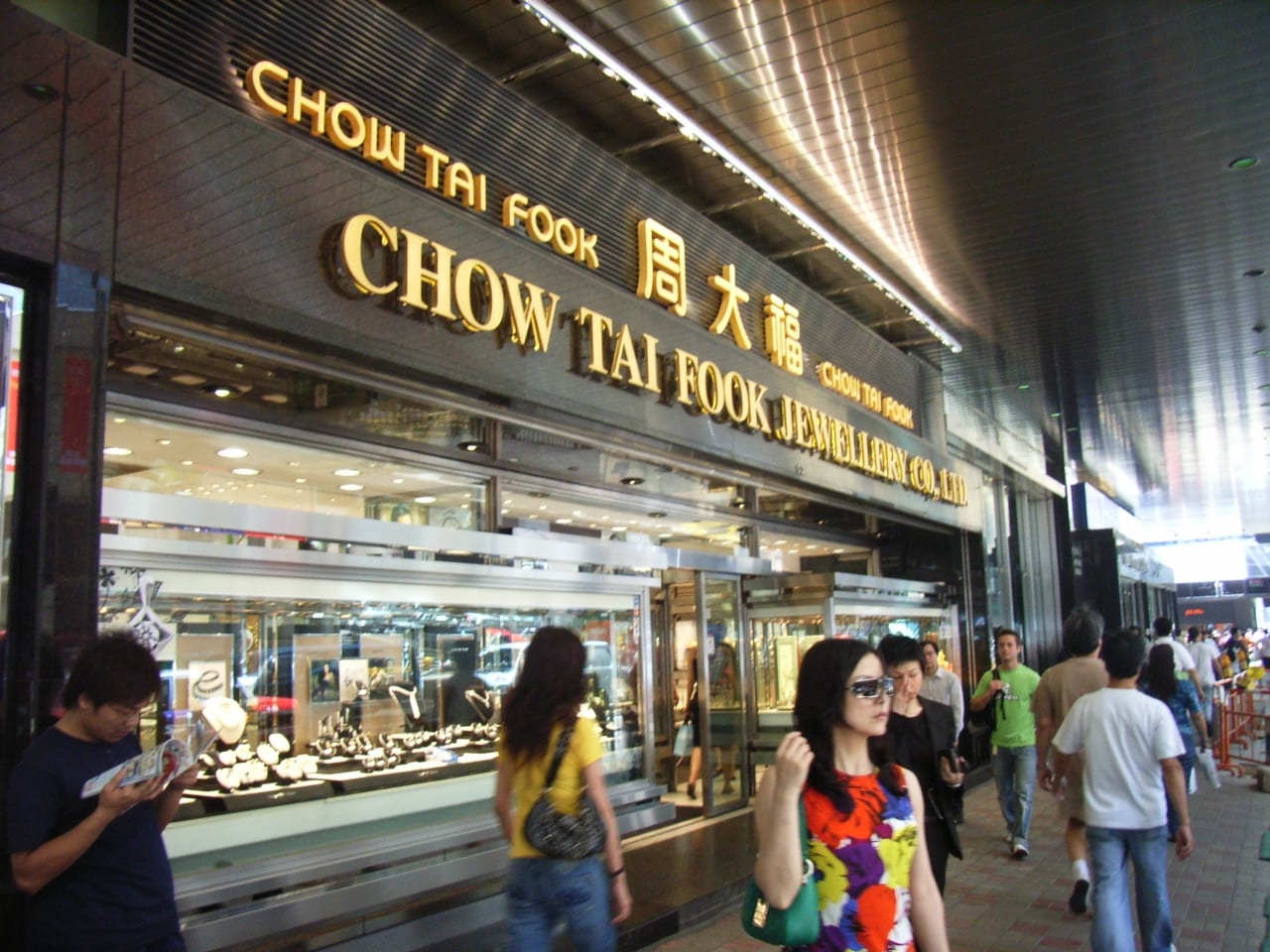
    Same-store sales fell by 7 percent in mainland China, and were down 24 percent in Hong Kong and Macau in the fiscal first quarter ending June, the jeweler said in a statement Thursday.

    Hong Kong-based Chow Tai Fook has been hurt by China’s slowing economic and a government-led austerity campaign, which prompted shoppers to cut back on luxury purchases. The jeweler saw net income plunge 25 percent for its fiscal year ending March as stores in mainland China, Hong Kong and Macau suffered.

    The jeweler had cut prices for some of its diamond-set products by as much as 30 percent in June, in a bid to reduce inventories bloated by weaker-than-expected sales in the city.

  • Metro Gaisano develops waterfront township in Cebu

    Metro Gaisano develops waterfront township in Cebu

    Metro Gaisano’s real estate company Taft Properties and Asia’s premier real estate developer and investment group Hongkong Land partnered to develop the first waterfront township in Mandaue City, Cebu.

    Although the real estate developer did not say when it will be finished and how much it is earmarked for the project, Metro Gaisano said the waterfront township will occupy a 20-hectare prime property right along the Mactan Channel.

    “This partnership will help jumpstart Mandaue City’s transformation into a dynamic lifestyle hub,” Jack Gaisano, Chairman of Taft Properties, said in a statement.

    “With Taft Properties’ local expertise and Hongkong Land’s international experience, this alliance will bring in new standards in design and construction while being in keeping with the local culture and tastes.” Gaisano added.

    A portion of the township will be allotted for open spaces such as a central linear park, al-fresco establishments and a waterfront promenade.

    Hongkong Land and Taft Properties Executives (L to R) Finn R. Carew, Alan R. Cruz, Tan Wee Hsien, Jack S. Gaisano and Christopher G. Narciso. Photo from Metro Gaisano

    “We are committed to creating an environmentally and economically sustainable community. The development will create jobs, and provide a significant stimulus to Cebu’s economy,” Tan Wee Hsien, Hongkong Land head of Residential Property for South Asia, said

    Hongkong Land owns and manages almost 800,000 square meters of prime office and luxury retail property in key Asian cities, principally in Hong Kong and Singapore.

    Hongkong Land is also developing a number of largely residential projects, in cities across Greater China and Southeast Asia. Hongkong Land Holdings Limited is incorporated in Bermuda and has a standard listing on the London Stock Exchange as its primary listing, with secondary listings in Bermuda and Singapore.

    Metro Gaisano’s retail arm Metro Retail has a network of 44 stores comprised of department stores, hypermarkets and supermarkets. Half of its store network is in Cebu.

  • Hollys Espresso set for Vietnam debut

    Hollys Espresso set for Vietnam debut

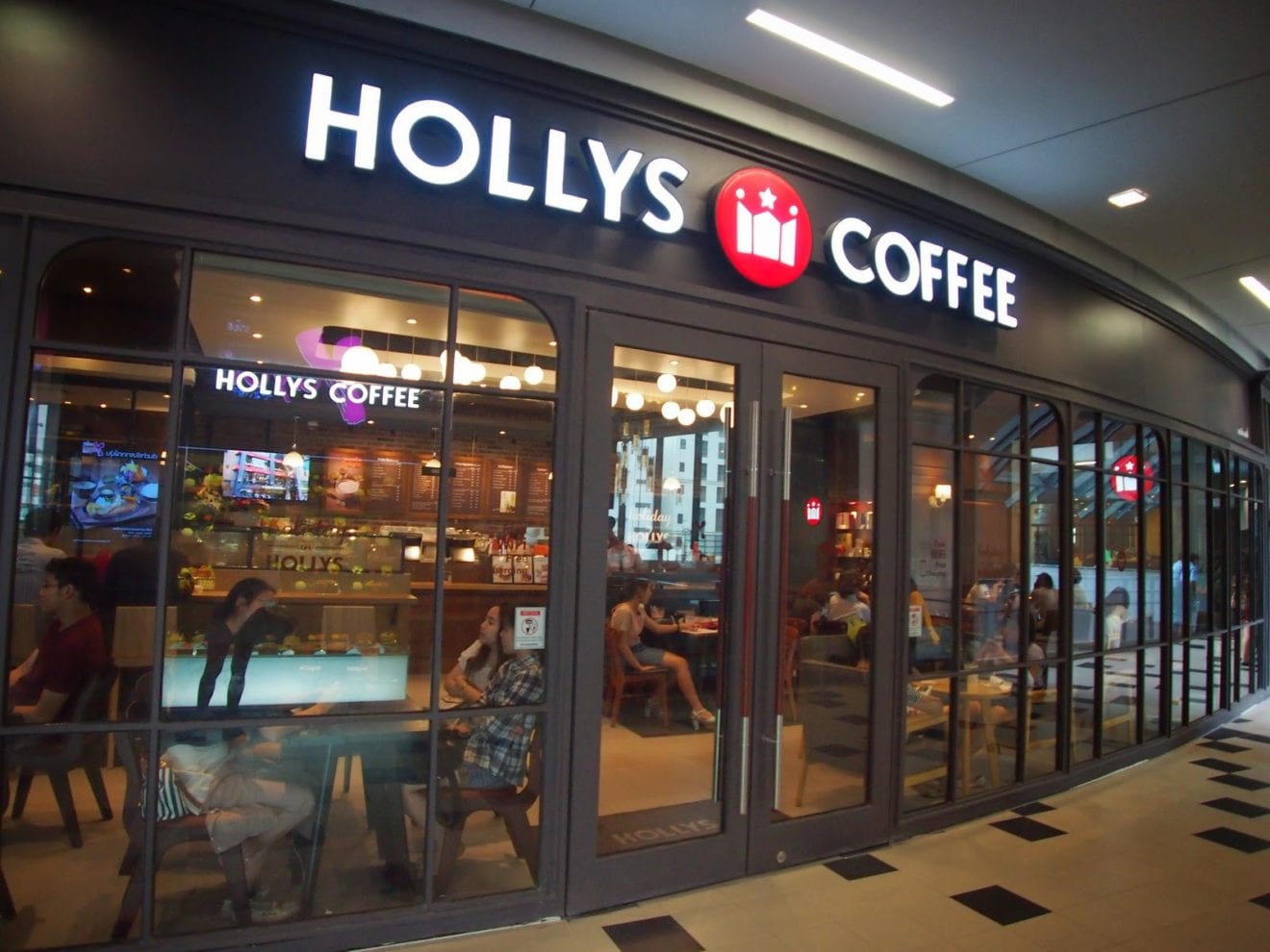
    Hollys Espresso, the Korean cafe chain with a particular Parisian decor, will open its first outlet in Vietnam on July 9.

    The flagship retailer can be situated in Ho Chi Minh Metropolis and would be the first of three to be buying and selling in Vietnam by the yr’s finish.

    Hollys Espresso’s native franchise associate is TNC Holdings, which just lately gained the native franchise rights for Chilly Stone Creamery ice cream cafe chain.

    Director of franchising with TNC, Vercy Luu, informed Inside Retail Asia the primary two Chilly Stone Creamery shops will open this calendar yr. As beforehand reported, TNC plans 30 Chilly Stone shops in Vietnam, the primary in Ho Chi Minh Metropolis.

    TNC additionally has the Incito Espresso franchise and operates 5 cafes in Ho Chi Minh Metropolis and Vietnam’s capital Hanoi.

    And it operates two Mizuchi Japanese scorching pot eating places in Hanoi, with plans to open 5 in Ho Chi Minh Metropolis over the subsequent six months.

    TNC has a imaginative and prescient to be one of many prime 10 shopper and retail corporations in Vietnam, grossing US$1 billion by 2020.

    “Chilly Stone Creamery is a premium American ice cream idea and the product will probably be very inviting to the Vietnamese individuals,” Phan Duc Binh, CEO of TNC, stated on the time of the awarding of the Chilly Stone rights.

    TNC specialises in branding, distribution and manufacturing of fast paced shopper items, together with drinks, particularly espresso and tea, and private care merchandise. TNC additionally owns retail manufacturers and franchises, together with comfort shops, supermarkets and F&B chains.

  • 320 Under Singapore expands into Malaysia

    320 Under Singapore expands into Malaysia

    Singapore nitro ice cream cafe 320 Under has opened its first worldwide retailer, in Kuala Lumpur’s 1 Utama purchasing centre.

    320 Under has three cafes working in Singapore – in Geylang, Tampines and Tanjong Katong Rd.

    The idea makes use of liquid nitrogen to create recent ice cream, sorbet and yogurt desserts to buyer order, mixing theatre and flavour into an experiential eating vacation spot. The top product is described as “clean and freezing chilly till the final chew”.

    The 320 Under retailer is situated on the primary flooring of the enormous 1 Utama complicated in Petaling Jaya, Selangor.

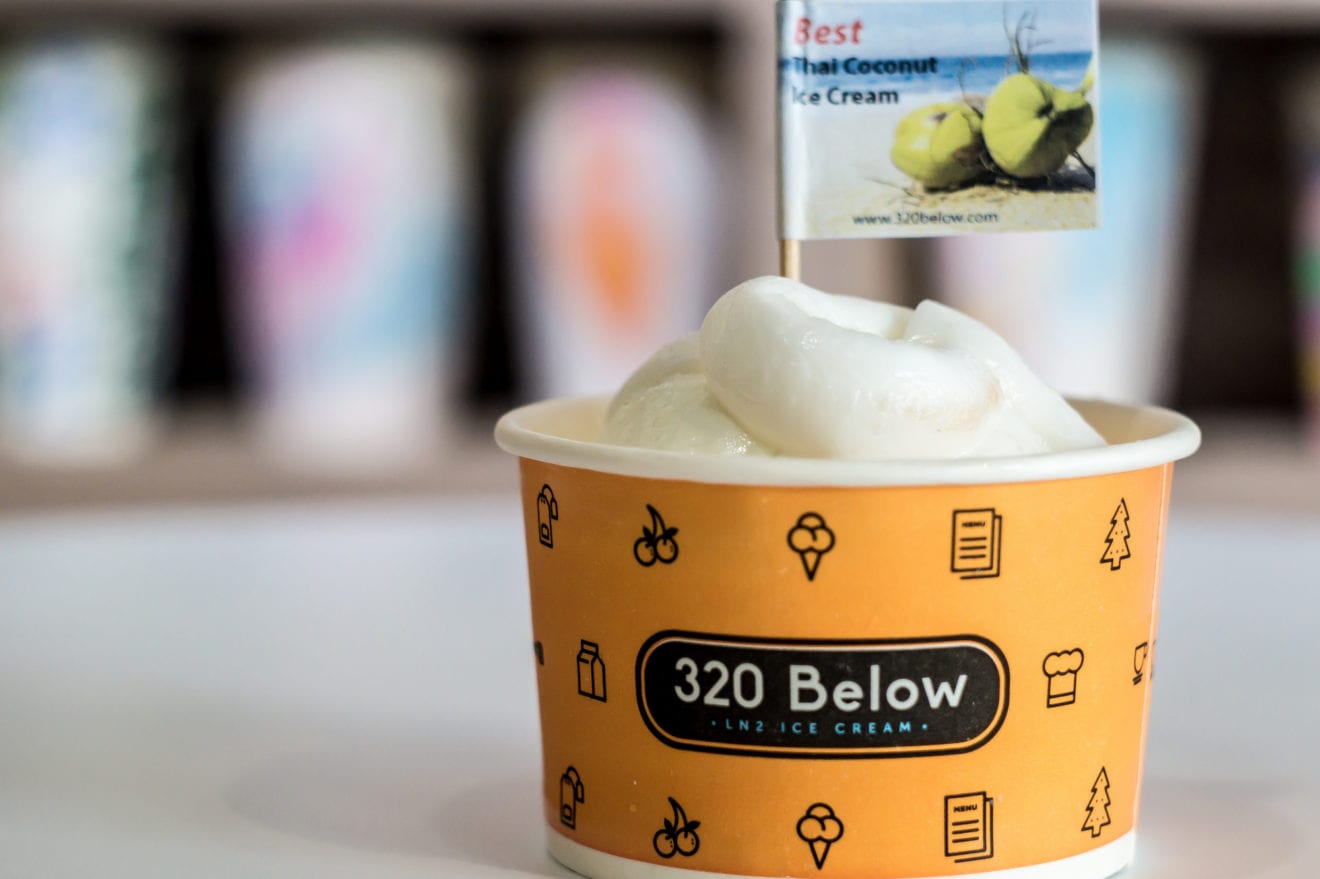
    The operators say buyer response to the brand new idea has been “overwhelming” with the model’s signature Thai coconut ice cream bought out on Saturday and Sunday, its first weekend of buying and selling.

  • Perennial moves into China healthcare

    Perennial moves into China healthcare

    Perennial Real Estate Holdings is diversifying from real-estate business in China by riding on the country’s growing healthcare industry.

    On Thursday, mainboard-listed Perennial entered into a joint venture with Guangdong Boai Medical Group to develop and manage hospital and medical service businesses in the massive market.

    The real-estate developer, which has its headquarters in Singapore, will acquire a 40 per cent stake in the joint venture for 286.7 million yuan (S$62 million). Guangdong Boai Medical Group, a unit of one of China’s largest private hospital and medical services operators, China Boai Medical Group, will hold the remaining 60 per cent stake.

    Perennial chief executive Pua Seck Guan told the media yesterday that the collaboration would see both groups combining their skills and expertise to develop and manage between 30 and 50 hospitals in the next five to seven years.

    Boai, which owns 120 hospitals in China, is well established in the medical field, while Perennial has a portfolio of large-scale integrated developments in Chengdu, Xi’an, Beijing, Zhuhai and Shengyang.

    Mr Pua said: “China is trying to revamp its healthcare business. Last year, it allowed foreigners to own 100 per cent of the medical businesses in some of the provinces.”

    The Chinese government has noted the growing demand in healthcare and has allowed doctors from public hospitals to work in private hospitals, he added.

    With spending in medical services set to surge from US$357 billion (S$481.4 billion) in 2011 to US$1 trillion by 2020, Perennial saw a chance to diversify into healthcare, said Mr Pua. The joint venture with Boai would set the stage for Perennial’s strategic expansion.

    The joint venture will acquire its first operational medical business, Modern Hospital Guangzhou, a leading tumour and cancer hospitals in Guangzhou, from Boai.

    The collaboration will focus on eight core medical fields, comprising oncology, fertility, plastic surgery, aesthetic medicine, orthopaedics, paediatrics, and ear, nose, throat and eye speciality medicine.

    The others are dentistry and cardiology and cardiovascular surgery.

    To meet demand for healthcare services, Perennial Dongzhan Mall, part of the Chengdu East High-Speed Railway Integrated Development, now being built, will be repositioned from a retail mall to a medical and retail integrated hub.

    Dr Wong Weng Hong, who has over 20 years’ experience in setting up, acquiring and managing medical assets here and in China, will develop and scale up Perennial’s new engine of growth, said Mr Pua.

    Perennial’s assets here include Chijmes, TripleOne Somerset, Capitol Singapore and AXA Tower. In China, it has integrated developments with mainly retail, residential, office and hotel components.

    To meet demand for healthcare services, Perennial Dongzhan Mall, part of the Chengdu East High-Speed Railway Integrated Development, now being built, will be repositioned from a retail mall to a medical and retail integrated hub. The development will be renamed Perennial International Health and Medical Hub.

    Mr Pua said: “Within a travel distance of two hours, we can cover a population of 100 million… When a patient comes, they usually bring two to three relatives. Where do they stay? In our projects… we have service apartments and hotels. So it is a good synergy.”

    To meet demand for healthcare services, Perennial Dongzhan Mall, part of the Chengdu East High-Speed Railway Integrated Development, now being built, will be repositioned from a retail mall to a medical and retail integrated hub.

  • Singapore to remove distinction between international and domestic banking

    Singapore to remove distinction between international and domestic banking

    The Monetary Authority of Singapore (MAS) plans to change accounting rules that split domestic and offshore banking into separate ‘units’. 03 Jul 2015

    Since 1968, banks have had to separate operations into domestic banking units (DBSs) and Asian current units (ACUs). Domestic operations, which are predominantly denominated in Singapore dollars, are accounted for through a bank’s DBU, while offshore operations, which are entirely denominated in foreign currency, are accounted for through the ACU.

    However, global regulatory developments over the past five years have created a situation where the split system is no longer useful, Singapore’s minister of finance Tharman Shanmugaratnam said.

    The initial aim of the divide was to safeguard domestic financial stability, Tharman said.

    “For example, MAS imposed liquidity requirements on banks’ Singapore dollar liabilities – that is, only within the DBU. In addition, DBU activities were subject to large exposure and equity investment limits,” he said.

    The divide also made it easier to offer incentives to encourage offshore banking activities out of Singapore, Tharman said, but focusing incentives in the ACU.

    “The DBU- ACU divide served us well for decades, but has been losing its relevance,” Tharman said.

    “Since 2004, our development incentives have no longer been based on the domestic versus offshore distinction, and the divide between domestic and offshore banking has in practice become increasingly porous,” he said.

    In addition, global regulatory changes have meant that banks’ offshore activities are now subject to rules that are broadly similar to those governing DBUs in Singapore. These rules have increased the amount and quality of capital and the liquidity buffers that banks need, Tharman said.

    “These global regulatory reforms have put all banks on a sounder footing. It has also reduced the relevance of MAS rules that distinguish between offshore and domestic banking activities of foreign banks, since home regulators will now be requiring their banks to meet enhanced standards on a group-wide basis,” he said.

    Changes to MAS’s own regulations have also made the divide less relevant, Tharman said.

    All banks in Singapore will have to meet liquidity requirements across the entirety of their operations by January 2016, while banks that are designated as ‘domestic systematically important banks’ will be subject to extra measures on both domestic and offshore business, he said.

    In addition, Tharman said, “where a foreign bank branch has significant retail presence in Singapore, it will also be required to locally incorporate its retail operations. The subsidiary will be subject to the same suite of regulation as the local banks, and the same supervisory regime aimed at minimising risks to local depositors”.

    MAS will therefore remove the divide from banking regulations, and details will be released in a consultation paper by August, Tharman said.

    “There is no rush. We will implement the changes in close consultation with the banking community, and phase them in over time,” he said.

  • Japan’s households begin opening their wallets

    Japan’s households begin opening their wallets

    Japan’s households opened their wallets a bit wider than anticipated in Might, with family expenditures leaping for the primary time in additional than a yr.

    Family expenditures rose four.eight % on yr in Might, topping a Reuters ballot forecast for three.four % and marking the primary on-year improve because the nation elevated its consumption tax in April of 2014.

    Some took the leap as a transparent constructive.

    “Most individuals have been extraordinarily skeptical on the entire Japanese package deal. 90 % of out of doors observers stated there was no means a rustic in a state of decline for 20 years might flip itself round,” Mark Matthews, head of analysis for Asia at Julius Baer, stated in a telephone interview. “These good numbers present there’s some momentum within the financial system.”

    Japan’s policymakers have struggled to kick begin the financial system after many years of deflation, with the Financial institution of Japan launching an enormous easing program in 2013 as a part of “Abenomics,” Japanese Prime Minister Shinzo Abe’s plan to return the nation to progress.

    However after a consumption tax hike to eight % from 5 % in April of 2014, the financial system acquired clobbered when shoppers stopped spending, forcing the federal government to postpone a second gross sales tax initially due this October.

    Different knowledge launched concurrently the family expenditures have been extra muted. Japan’s core shopper worth index (CPI) rose zero.1 % on-year in Might, only a tad above a Reuters ballot forecast for a flat studying and down from a zero.three % rise in April. The unemployment fee was regular at three.three % in Might, as anticipated.

    A few of Japan’s financial knowledge has supported the restoration expectations, with gross home product (GDP) progress for the primary quarter revised greater to an annualized three.9 %, up from 1.5 % within the October-to-December quarter, amid better-than-expected capital spending.

    To make certain, not everyone seems to be shopping for into the restoration story.

    “The large image stays that there’s nonetheless substantial spare capability within the financial system which is dragging down costs,” Marcel Thieliant, a Japan economist at Capital Economics, stated in a word Friday. “There are scant indicators that the tighter labor market has resulted in stronger worth strain,” he added, noting that the determine was barely above expectations on account of an increase in risky recent meals costs. He expects costs will fall within the third quarter.

    Thieliant additionally does not see a lot to get enthusiastic about from the family spending knowledge.

    The rise adopted a pointy drop in April, he famous.

    “Even when spending continued to rise by one other 2 % month-on-month in June, personal consumption might subsequently have stagnated final quarter,” he stated.” The upshot is that GDP progress ought to have slowed sharply within the second quarter.”

    The Japanese yen held flat at round 123.59 towards the U.S. greenback after the info.

  • Stomachs flip by 40-year-old meat peddled by merchants

    Stomachs flip by 40-year-old meat peddled by merchants

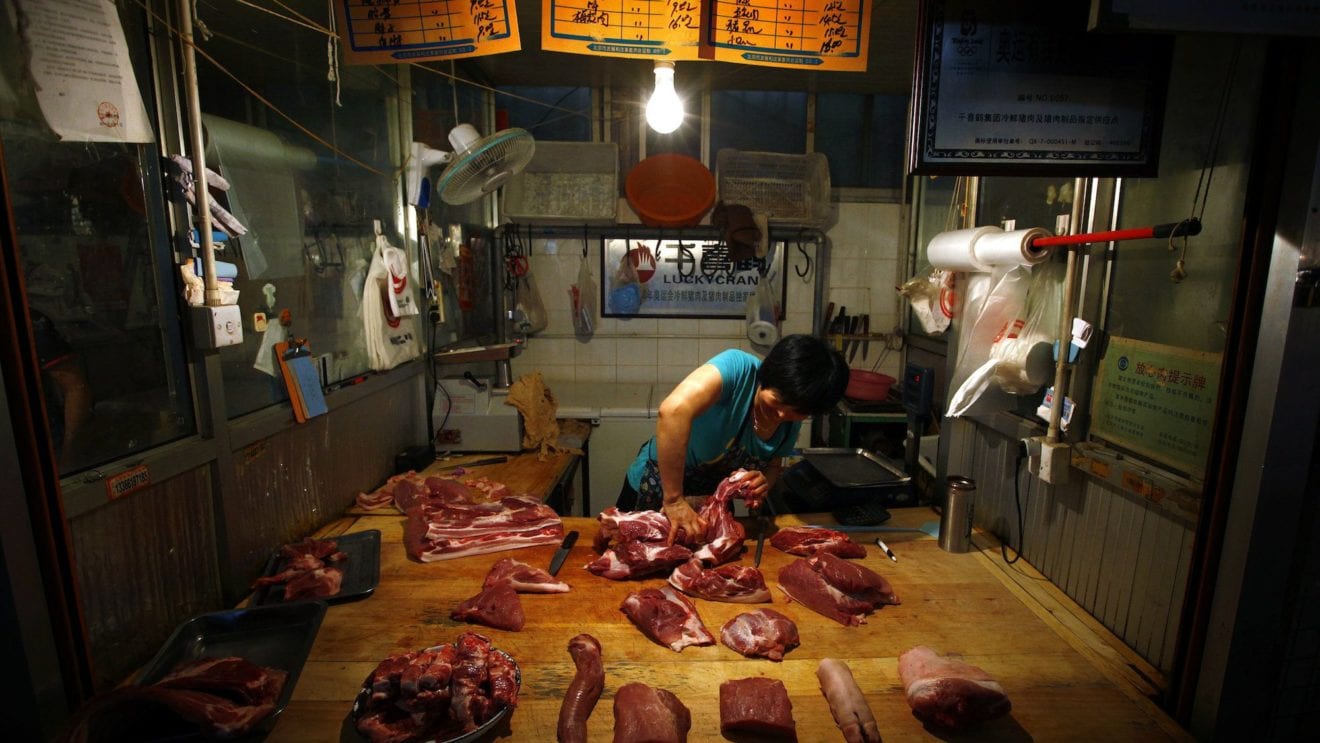
    From rat meat masquerading as lamb to tainted milk to exploding watermelons, Chinese language shoppers have turn into inured to stomach-churning meals scandals. However on Tuesday, numerous individuals have been pressured to ponder the advantages of vegetarianism after information stories emerged that unscrupulous meat merchants had been peddling tons of beef, pork and hen wings that in some instances had been frozen for 40 years.

    The Chinese language information media introduced that the authorities had seized almost half a billion dollars’ value of smuggled frozen meat this month throughout China, a few of it courting to the 1970s. The caches of beef, pork and hen wings, value as much as three billion renminbi, or $483 million, have been found in a nationwide crackdown that spanned 14 provinces and areas, the state information company Xinhua reported.

    Sometimes, the meat was shipped from overseas to Hong Kong after which delivered to Vietnam, the place merchants would smuggle the product throughout the Chinese language border with out declaring it to customs officers or going via required inspection and quarantine procedures. From there, criminals would typically transport the meat in unrefrigerated vans to save lots of prices and refreeze it a number of occasions earlier than it reached clients.

    “It was too smelly. A truck filled with it. I virtually threw up when the door opened,” Zhang Tao, a customs administration official in Changsha, the capital of central Hunan Province, was quoted as saying by Xinhua. The authorities in Changsha seized 800 tons of frozen meat on June 1 and arrested 20 suspected members of two gangs.

    In accordance with the Changsha Administration of Customs, one-third of the meat on sale on the largest wholesale market within the metropolis was discovered to be illegally imported. Whereas the origin of the smuggled meat was unclear, a report on the official Hunan propaganda division web site stated that the contraband had come from the border with Vietnam.

    Within the area of Guangxi, which borders Vietnam, customs officers discovered that a few of the smuggled frozen meat “was greater than 40 years previous,” based on The China Every day newspaper. Chinese language officers didn’t clarify the place the meat originated or the way it had been saved for nearly two generations. After being refrozen, the meat was bought to retailers, supermarkets and eating places throughout the nation. China Central Tv, the state broadcaster, confirmed staff within the southern metropolis of Shenzhen repackaging the imported meat with Chinese language labels, regardless that imported merchandise, if authorized, are typically extra worthwhile.

    A number of the meat was bought on the Web. Many meat retailers have arrange profiles on Taobao, the web buying web site owned byAlibaba, providing native and imported meat. Some declare to be promoting beef imported from the USA, although such beef has been barred from the Chinese language mainland since 2003, after outbreaks of bovine spongiform encephalopathy, or mad cow illness.

    Meals scandals are a politically delicate situation in China, the place tainted meals has sickened big numbers of individuals. In 2008, milk powder tainted with melamine, a poisonous industrial compound, made 300,000 infants sick and 6 died. Since then, the nation has encountered watermelons that exploded from the misuse of a progress accelerator chemical, pork soaked in a detergent additive, steamed buns tainted with pesticides, and 15,000 lifeless pigs drifting down the Huangpu River in Shanghai.

    However the information of 40-year-old frozen meat being bought to shoppers has left even probably the most seasoned specialists in shock. Bob Delmore, an professional on meat science at Colorado State College, stated that though it was attainable for meat to final that lengthy frozen, it might be coated by “an incredible quantity of freezer burn” because the product misplaced moisture and the flesh degraded. However as soon as it started to thaw, a shopper would instantly know one thing was incorrect. “The lifeless giveaway can be the odor and the style,” he stated.

    In China, individuals turned to social media to complain concerning the newest scandal, with some contemplating vegetarianism, or at the least a very good wine classic to make the danger go down simpler. “A bottle of 1982 Lafite plus a bit of 70s steak and a pair of 80s hen wings,” wrote one consumer on the Sina Weibo microblog. “Bon appétit!”