Tag: asia

  • IKEA to invest USD95.7m in 3 stores in India’s Maharashtra

    IKEA to invest USD95.7m in 3 stores in India’s Maharashtra

    The Bharatiya Janata Party (BJP)-led government in the Indian state of Maharashtra on Friday signed a memorandum of understanding (MoU) with the Swedish furniture retailing giant, IKEA, to set up two to three stores. Maharashtra is one of four states, including Telangana, Karnataka and Delhi-National Capital Region (NCR), identified by IKEA to open its stores. One store will need more than eight acres (350,000 square feet). The company is on the lookout for locations in these states.

    State Industries Minister Subash Desai told the Business Standard: ”Each store IKEA proposes to start in Maharashtra entails an investment of INR600 crore (INR6 billion, USD95.7 million). Each store will generate jobs for more than 1,000 people. Maharashtra is one of few states in India supportive of foreign direct investment in single-brand retailing.”

  • British bag brand Zatchels eyes Asia

    British bag brand Zatchels eyes Asia

    Hip British bag brand Zatchels says it plans to make inroads into Asia as its young brand gains international awareness.

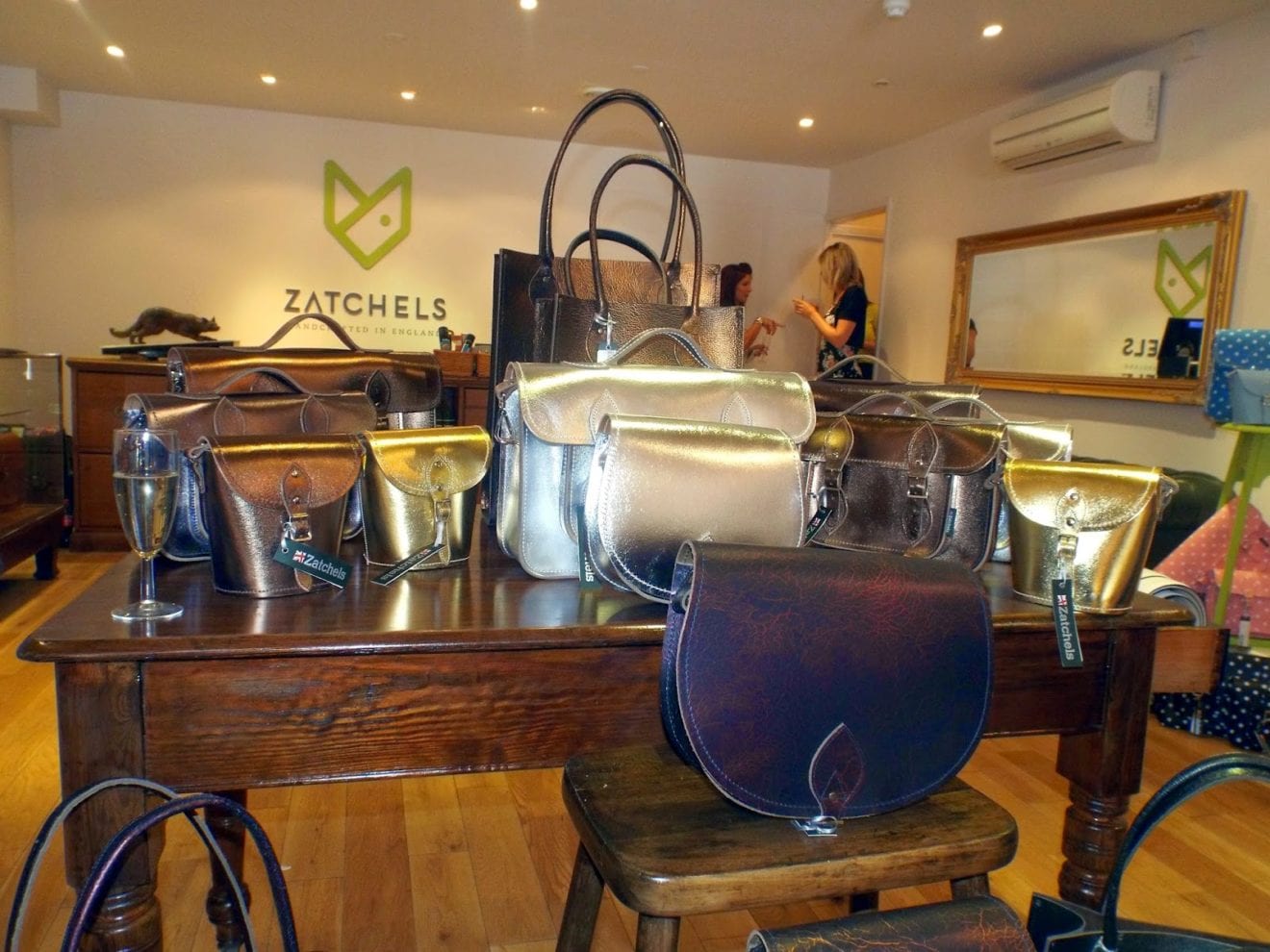
    Zatchels was established in April 2011 and has its manufacturing base in Leicester, UK.  A multi-channel retailer, it has shops in York, Westfield London and now Bath.

    Now it says it wants to enter Vietnam, Thailand, Cambodia and Singapore to make the most of their young populations and a growing love of products made in Britain among southeast Asians.

    The company manufactures and retails, with boutique stores in the UK. Overseas stores are usually operated as concessions in department stores.

    The manufacturer already exports a third of the designer satchels and bags made at its factory near Leicester’s city centre to around 90 countries. It makes more than 25 styles of bags, turns over £3.5 million annually and employs 70 people in manufacturing and retail.

    Zatchels store York 315*The Zatchels store in York.

    The business has just hosted a visit by Douglas Barnes, HM Consul General to Ho Chi Minh City and Director of Trade and Investment Vietnam, to discuss the opportunities available.

    MD Dean Clarke, who founded Zatchels with business partner Brian Brady, said exports are a growing and vastly important part of the company’s business plan for 2015 onwards.

    “We hope to include Vietnam in those plans, along with other important areas of South East Asia and the Pacific region,” Clarke said in an interview with the Leicester Mercury newspaper.

    “Meeting with Mr Barnes gave us the opportunity to further investigate this emerging high growth country in more detail and potentially make influential contacts to help us grow our business in this exciting market.”

    Barnes said Vietnam is one of the fastest-growing retail markets in the world and there is a huge demand for products as consumer spending power grows.

    “It has a young and dynamic population – with 60 per cent under the age of 30. I am impressed with Zatchels’ hugely ambitious approach to exports which has placed them at the top of their game and I’m keen to help them develop their business in Vietnam.”

    Zatchels focuses on making quality leather goods, with each bag made to order. Zatchels currently has 10 Collections designed for men, women and children as well as a range of accessories.

    Zatchels people inside 315


  • Hugo Boss takes control in Asia

    Hugo Boss takes control in Asia

    German luxury fashion retailer Hugo Boss is forging ahead with plans to take direct control of its Asian store network as it looks to the region to offset stagnant sales growth in Europe.

    Hugo Boss says it will take over 17 franchise stores in South Korea and set up its own distribution company in Dubai.

    It will also take over all of its stores in China, currently operated by a joint venture, with plans for 130 shops in the mainland.

    The Russian market is crumbling, on concert with its currency, the rouble. And Germany’s luxury fashion market has lost its lustre in recent times. Fashion retail sales slid eight per cent in the fourth quarter of 2014 according to independent data. Investment house Goldman Sachs Group has advised clients to sell Hugo Boss shares, predicting little growth for the company in 2015.

    But the German company remains optimistic, focusing its hopes on Asia, especially China, where it says there is a growing thirst for luxury fashion.

    “Looking ahead over the next few years, Hugo Boss faces excellent prospects for growth,” said Claus-Dietrich Lahrs, CEO, in a statement.

    In its latest quarterly earnings statement, Hugo Boss reported group-wide sales growth of five per cent to US$721 million and pre-tax earnings of $176 million.

  • Foodpanda Malaysia eats up rival

    Foodpanda Malaysia eats up rival

    Foodpanda Malaysia is now the largest food delivery service in the country after the US$110 million funding and acquisition of rival Food Runner Group.

    Sidney Ng, country manager of foodpanda Malaysia said the funding from investors underlined the confidence in the venture’s business model and the acquisition of Room Service brought significant synergies.

    Room Service has been in the food delivery industry since 2003 focusing mainly on high end restaurant food delivery in the Klang Valley.

    “With Room Service’s expertise in delivery system and Foodpanda’s strong online marketing, we believe that this synergy will bring in greater food variety and greater delivery efficiency to further delight our customers. This cements our commitment to bring the best restaurant experience directly to the doorsteps of Malaysia,” said Ng.

    Ralf Wenzel, co-founder and CEO of the Foodpanda Group said the investment and acquisition were further steps in the company becoming the leading online food delivery marketplace across the most promising and fastest growing emerging markets internationally.

    “The new funding allows us to fully focus on user experience and customer service with the aim of completely disrupting the way people order food by establishing a real alternative to pizza flyers and phone calls.”

    Foodpanda Group is active in 39 countries on five continents. The company enables restaurants to become visible in the online and mobile world and provides them with a constantly evolving online technology. For consumers, the group’s Foodpanda  and Hellofood brands offer the convenience of ordering food online and the widest gastronomic range, from which they can choose their favorite meal on the web or via an app.

  • French Connection on comeback trail

    French Connection on comeback trail

    UK fashion chain French Connection has reduced its full year loss as sales recover.

    FCUK has reported an £800,000 underlying operating loss for the year to January 31 – vastly better than the £4.4 million loss in the year to January 31, 2014.

    The retailer, once notorious for its casual fashion items bearing slogans with its abbreviated name FCUK, had fallen out of favour with customers when the ‘joke’ wore off. It subsequently changed its labeling to French Connection and tried to move more upmarket path with its design positioning. But that change took years to gain favour with shoppers.

    The company spent the last year closing unprofitable stores and redesigning its product range.

    Announcing its figures this week, FCUK said same store sales across the UK fell by three per cent year-on-year, citing unusually warm weather in the second half of the year for the drop, in concert with its rivals.

    Wholesale revenues rose 4.6 per cent.

    Chairman and CEO Stephen Marks said despite “difficult retail trading conditions” in the second half the results demonstrated the company has made another step towards returning to profitability.

    “Although we are encouraged by forward orders in our wholesale business, trading on the high street remains challenging and we are planning accordingly.”

  • Sharp to cut 6,000 jobs, spend over USD1.7b to restructure

    Sharp to cut 6,000 jobs, spend over USD1.7b to restructure

    Japan’s loss-making electronics firm Sharp plans to cut around 6,000 jobs, over 10 percent of its workforce, in a global restructuring that will cost over 200 billion yen ($1.7 billion), a person familiar with the plan said on Thursday.

    The job cuts will include around 3,000 in Japan through early retirement and 3,000 overseas, according to the person, who was briefed on the matter but asked not to be named. The company had around 50,000 employees at the end of 2014.

    The display maker expects to post its third annual net loss in four years after weak sales of smartphone screens in China, aggravated by an unexpected comeback by rival Japan Display, derailed its recovery efforts. Last month it forecast a net loss of around 30 billion yen for the fiscal year ending in March, compared with the 30 billion net profit it previously estimated.

    Sharp Chief Executive Kozo Takahashi has been in negotiations with the firm’s main lenders, Mizuho Financial Group, Mizuho Bank and Bank of Tokyo-Mitsubishi UFJ, part of Mitsubishi UFJ Financial Group, for the company’s second major bailout since 2012, people familiar with the matter have said.

    The firm’s banks agreed in September 2012 to provide Sharp with loans and credit lines worth 360 billion yen, or $3 billion at today’s exchange rates, in exchange for promises to return to profit by this year. So far, it has exited the European TV market and closed solar-panel businesses in Europe and the United States.

    One person familiar with the matter previously said Sharp has also asked Japan Industrial Solutions, a corporate turnaround fund, to invest up to $250 million in capital.

    The Nikkei reported earlier on Thursday that Sharp could also shed its North American television business and lower the pay scale for workers in Japan. The Yomiuri newspaper reported Sharp was considering closing its TV factory in Mexico and cutting the size of its North American sales division.

    The company, which is expected to include the restructuring plan in a medium-term business strategy due to be announced in May, said it was considering various options to restructure its business but no decisions had been made.

  • Crocs India terminates franchise deal

    Crocs India terminates franchise deal

    US shoemaker Crocs has cancelled its exclusive franchising agreement in India with Chogori Retail.

    The Colorado-based company, renowned for its unsightly but comfortable shoes, says it will now partner with several retail companies and will ramp up its store roll-out program.

    Crocs debuted in India in 2007 after entering into an exclusive joint venture deal with Chogori retail. Later the contract was converted into a franchise agreement.

    But the venture has been far from successful to date. After eight years the brand has just 30 stores in India, after closing about 12 during the last eight months.

    Crocs says by opening the door to other partners in the fast growing market it can open about 60 new stores over the next three years. The company also has a successful eCommerce operation which already accounts for 10 per cent of its India sales.

    “We have planned out a strategy of having few but strong franchise and shedding some of the partners that don’t, can’t or won’t want to grow with us whatever the reason might be,” said Nissan Joseph, Crocs India GM.

    The last of the Chogori JV stores would close by June.

    “Some will close and reopen, some will reopen in different locations inside the mall and some will reopen through new franchise partners,” he said.

    Chogori, meanwhile, has other priorities. It is the India licensee for Hi-Tec, amongst other brands, and has recently announced a partnership with US adventure wear brand Columbia Sportswear to open 25 stores.

  • Vipshop takes stake in Ensogo

    Vipshop takes stake in Ensogo

    Chinese eCommerce company Vipshop has taken a cornerstone stake in southeast Asian online retailer Ensogo.

    The deal will open the way for Vipshop’s inventory to be offered on Ensogo and for the two parties to share commercial and business expertise to drive Ensogo’s growth.

    Australian Stock Exchange listed Ensogo has also raised US$7.5 million from the issue of nearly 60 million shares to equity fund investor Ward Ferry, through a subsidiary WF Asian Reconnaissance Fund.

    Ward Ferry will now hold a 10.6 per cent stake and Vipshop 12.2 per cent. The total capital raised in the two transactions is approximately $12 million.

    Ensogo CEO Kris Marszalek said to have an investor of the caliber of Ward Ferry was exciting.

    “The additional AU$10m of funding means we are perfectly positioned to execute on the tremendous opportunity our strategic relationship with Vipshop brings, as well as on the enormous opportunity for eCommerce in Southeast Asia.

    “As a part of the (Vipshop) strategic investment, the companies will also enter a strategic operating partnership, whereby Ensogo will have access to Vipshop’s vast volume and selection of existing inventory, all to be made available for immediate shipping. The companies also intend to cooperate in the areas of logistics, merchandising, technology, marketing and user acquisition; the very expertise, which enabled Vipshop to scale its revenues from US$32 million in 2010 to US$3.77 billion in 2014,” said Marszalek.

    “We’re excited to be in the perfect position to build the Vipshop of Southeast Asia.”

  • Bitcoin breakthrough

    Bitcoin breakthrough

    Japanese eCommerce giant Rakuten will start to accept bitcoin, the ‘cryptocurrency’ on its global marketplaces.

    TechinAsia.com reports the payment format will begin its roll out in America and then spread to Rakuten Germany and Rakuten Austria.

    Bitnet, an enterprise-focused developer that creates bitcoin platforms, is Rakuten’s partner in the rollout. Bitnet is a young company, founded in January 2014, but it is not your average startup. The team behind the firm also created CyberSource, a payment gateway sold to Visa for US$2 billion.

    “Rakuten’s mission is to empower the world through the Internet,” commented Yaz Iida, president of Rakuten US in a statement. “Not only can Bitcoin support this vision by helping our merchants better compete globally, but it also has the potential to benefit society by enhancing the security, privacy, and convenience of financial transactions. This is one of the reasons why we invested in Bitnet last year and we look forward to working with them on our US marketplace.”

    Rakuten’s move indicates that it is moving closer and closer to accepting Bitcoin. Already, its American logistics subsidiary accepts the currency. With its core ecommerce operations now getting integrated, it could just be a matter of time before the Japan office follows suit, writes David Corbin of TechinAsia.com

    It would not be the first Japanese tech titan to accept Bitcoin. GMO Internet set that precedent last September. However, Rakuten’s integration of bitcoin domestically could be the sort of move that pushes the currency into the mainstream. Rakuten is used by almost every adult in Japan. It has over 97 million registered users while Japan itself has a population of 127 million. Those users drove US$16.5 billion worth of sales last year.

    For Japanese bitcoin enthusiasts, the march towards widespread acceptance in their country is a long slog. With Rakuten’s latest signal of support, the goal becomes less of a mirage and more of an steadily approaching reality.

  • Spotlight Malaysia opens second store

    Spotlight Malaysia opens second store

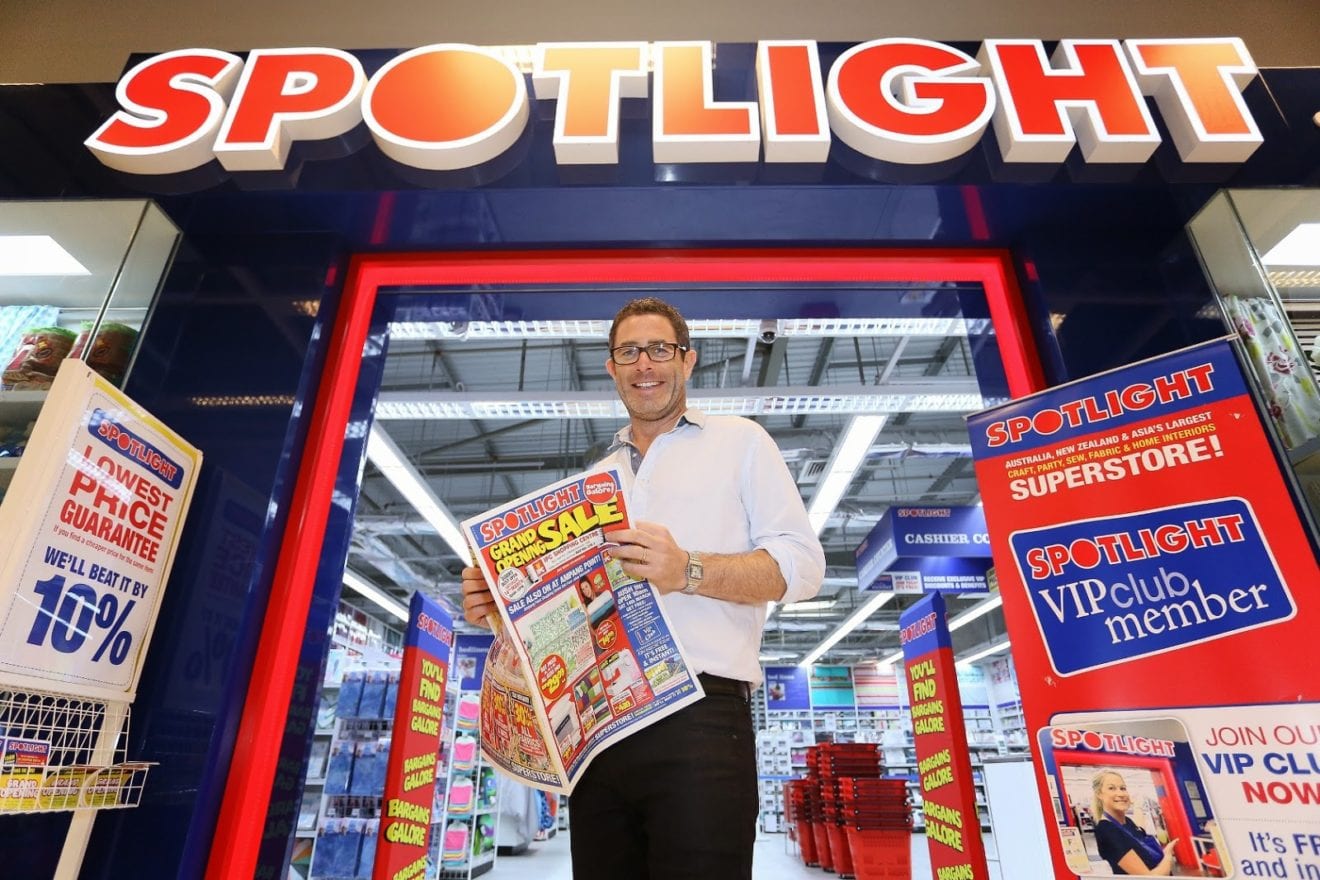
    Australian fabric, craft, party and home and living superstore Spotlight has opened its second store in Malaysia.

    The new stores is in the IPC Shopping Centre, Mutiara Damansara in Petaling Jaya, near Kuala Lumpur. It follows one in Ampang Point, Kuala Lumpur, which opened last July.

    Spotlight Malaysia 7-315.

    The store offers 2000sqm of retail space, and stocks 70,000 products in six categories: home furnishings and decor, bedding, dress and fashion fabrics, crafts, hobby and party essentials.

    Spotlight Malaysia 315

    Spotlight GM Juno Gelfand said the expansion to the IPC mall was part of Spotlight’s philosophy “to be able to offer more neighbourhoods the largest possible choice of fashionable and affordable products”.

    Spotlight Malaysia 6-315.

    “We know too well the inconvenience of searching far and wide, running from store to store just to find that one (or more) beautiful decor piece.

    Spotlight Malaysia 4- 315.

    “Here, with all-time popular home essentials and seasonal selections of products for every room of the house available under one roof, we are certain that sprucing up the home will be less stressful and hassle-free,” he said.

    Spotlight Malaysia 3- 315.

    Spotlight Malaysia 2- 315.

    “Think of it as a pit-stop whenever you are preparing for a party, breathing new life into your home interiors, or pursuing your hobbies.”

    Spotlight Malaysia 5- 315.Spotlight Malaysia 1 - 315.

    Spotlight is targeting home decorators, dressmakers, hobbyists and DIY enthusiasts as well as party organisers.

  • SF aims to revolutionise community mall business in Thailand

    SF aims to revolutionise community mall business in Thailand

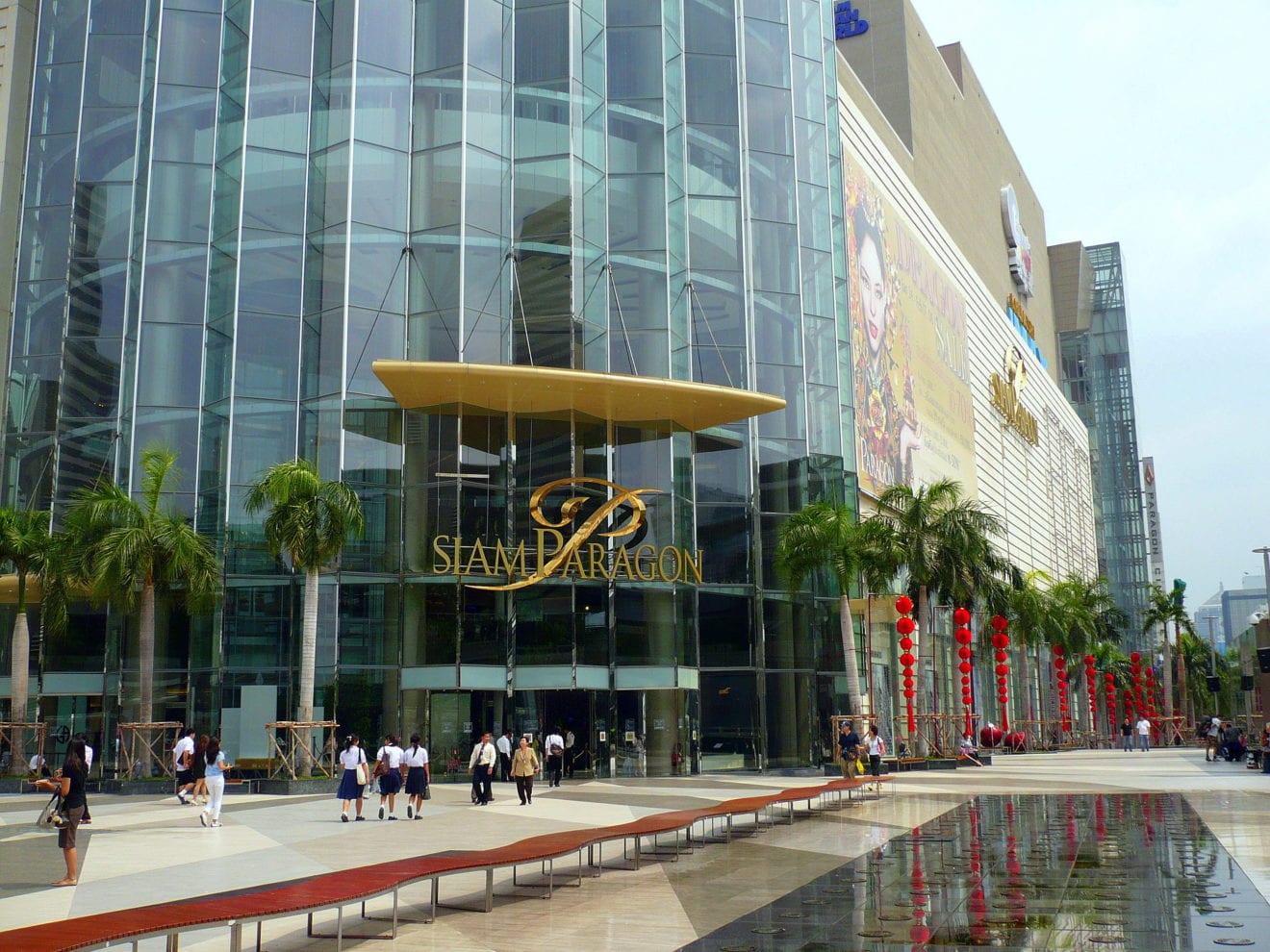
    Siam Future Development Plc (SF), a SET-listed community mall developer, will resume its expansion by allocating 1.5 billion baht to develop up to three new community malls in the next three years.

  • Tag Heuer latest luxury brand to tweak prices on forex

    Tag Heuer latest luxury brand to tweak prices on forex

    Tag Heuer, French luxury group LVMH’s biggest watch brand, said on Wednesday it planned to freeze prices in some markets while it cuts them elsewhere in a move to balance out the impacts of the recent jump in the Swiss franc.

    Prices will drop an average 8 per cent in Switzerland, China, the United States, the Caribbean, and Central and South America, 7 per cent in the UK and 13 per cent in Hong Kong, but Tag Heuer said it would not raise prices in the eurozone, Japan or Singapore.

    “Tag Heuer is seizing the opportunity of the recent appreciation of the Swiss franc to rebalance its international price policy,” it said in a statement.

    The news follows a decision by French fashion house Chanel this week to hike prices in Europe and cut them in Asia to counter the euro’s decline and discourage customers from buying fakes, while Swiss family-owned watch brand Patek Philippe was reported to have already made similar moves.

    The Swiss National Bank’s surprise decision two months ago to abandon its longstanding 1.20 Swiss franc per euro cap caused the currency to surge to 0.86 per euro. The franc is currently trading at 1.064 per euro.

    The euro has lost almost a quarter of its value against the dollar in the last 12 months, meanwhile, including 12 per cent since the start of this year.

    “While price harmonisation is easier said than done and forex volatility tends to make things quite complicated, we believe the era of global, unique pricing in the industry is not that far-fetched nor that far away,” HSBC luxury analysts wrote. “Chanel and Patek are showing the way.”

    The analysts said they did not expect many other brands to increase prices significantly short-term in Europe “as there is a risk of alienating what little is left of local European consumer interest”.

    However, they expected most moves to come in Asia, “with likely further brands trimming in Hong Kong and in mainland China, but also likely increasing prices in Tokyo”.

    Patek Philippe did not immediately respond to an email seeking comment.

  • Asia leads Samsonite sales boom

    Asia leads Samsonite sales boom

    Asia led a global sales boom for luggage specialist Samsonite last year.

    Samsonite Group’s net sales in Asia soared 16.1 per cent to US$892.3 million in the year to December 31. Excluding foreign currency effects, net sales increased by 18 per cent.

    Samsonite Group worldwide posted double-digit growth in both net sales and adjusted EBITDA for the fifth year running in 2014. Net sales rose 17.3 per cent to a record US$2.3517 billion with strong growth across all regions.

    The group attributed its success in Asia to a continued focus on country-specific product and marketing strategies to drive increased awareness of and demand for its products. It expanded its range and increased the number of point of sale region-wide.

    Sales of the American Tourister brand accounted for 43.2 per cent of the increase in net sales in Asia. The Samsonite Red sub-brand in the group’s casual category, which was first launched in South Korea in 2010 and is aimed at young fashion-conscious consumers, continued to be popular, with net sales increasing by 91.9 per cent on a constant currency basis to US$57.9 million in 2014.

    On the back of the success of American Tourister, Samsonite and Samsonite Red, China continued to lead in terms of sales and performance, contributing 25.5 per cent of the region’s net sales and recording 18.4 per cent year-on-year net sales growth, or 18.7 per cent on a constant currency basis, despite a slowing economy which affected consumer spending.

    Japan posted strong constant currency net sales gains of 32.3 per cent, driven by the Samsonite brand and the Gregory acquisition.

    South Korea, with constant currency net sales up 12.8 per cent year-on-year, continued to experience robust sales growth driven by American Tourister and Samsonite Red, while India and Hong Kong posted healthy constant currency net sales gains of 19.9 per cent and 12.2 per cent, respectively.

    Direct retail

    Over 300 points of sale were added in Asia during 2014, including 41 net new company operated retail locations, taking the total to more than 7200 points of sale.

    Samsonite’s direct retail sales accounted for 20.2 per cent of its global sales, with the 79.4 per cent balance wholesale to retailers.

    Excluding foreign currency effects, net sales in the wholesale channel increased year-on-year by 17.2 per cent, while net sales in the retail channel increased by 18.3 per cent. On a same store, constant currency basis, net sales in the retail channel increased by 7.9 per cent.

    Direct to consumer eCommerce sales accounted for 6.6 per cent of the group’s net sales in 2104, compared to 5.6 per cent the previous year.

    The group expanded its points of sale by approximately 3600 during the year to a total of over 49,000 points of sale in over 100 countries.

    In February this year, the group acquired Rolling Luggage, further expanding its retail footprint and adding some of the world’s leading airports to its network.

    CEO Ramesh Tainwala said 2014 saw Samsonite pushing for a more balanced channel mix.

    “We are integrating both online and offline distribution to create an omni-channel presence that will strengthen our engagement with consumers, increase visibility for our products and drive sales. Given the explosive growth in online retail, we believe eCommerce will be a new driver of profitable growth for our business and will be the way in which many of our newer and younger customers experience our brands.

    “As for bricks-and-mortar, we are aggressively expanding our own retail footprint around the world, including in airports under the Rolling Luggage name as well as through opening multi-brand bag and luggage specialty stores under the JS Trunk & Co name.

    “We believe an omni-channel model has the potential to grow the proportion of retail sales from around 20 per cent of our net sales in 2014 to perhaps as much as 50 per cent over the medium term.”
  • Apple Watch knock-offs hit China stores

    Apple Watch knock-offs hit China stores

    Apple’s new Watch range won’t be on sale until late next month.

    But Chinese consumers whose appetite for the wrist-mounted communications technology has been whetted by the high profile Apple Watch launch last week can already buy similar products at a fraction of the price.

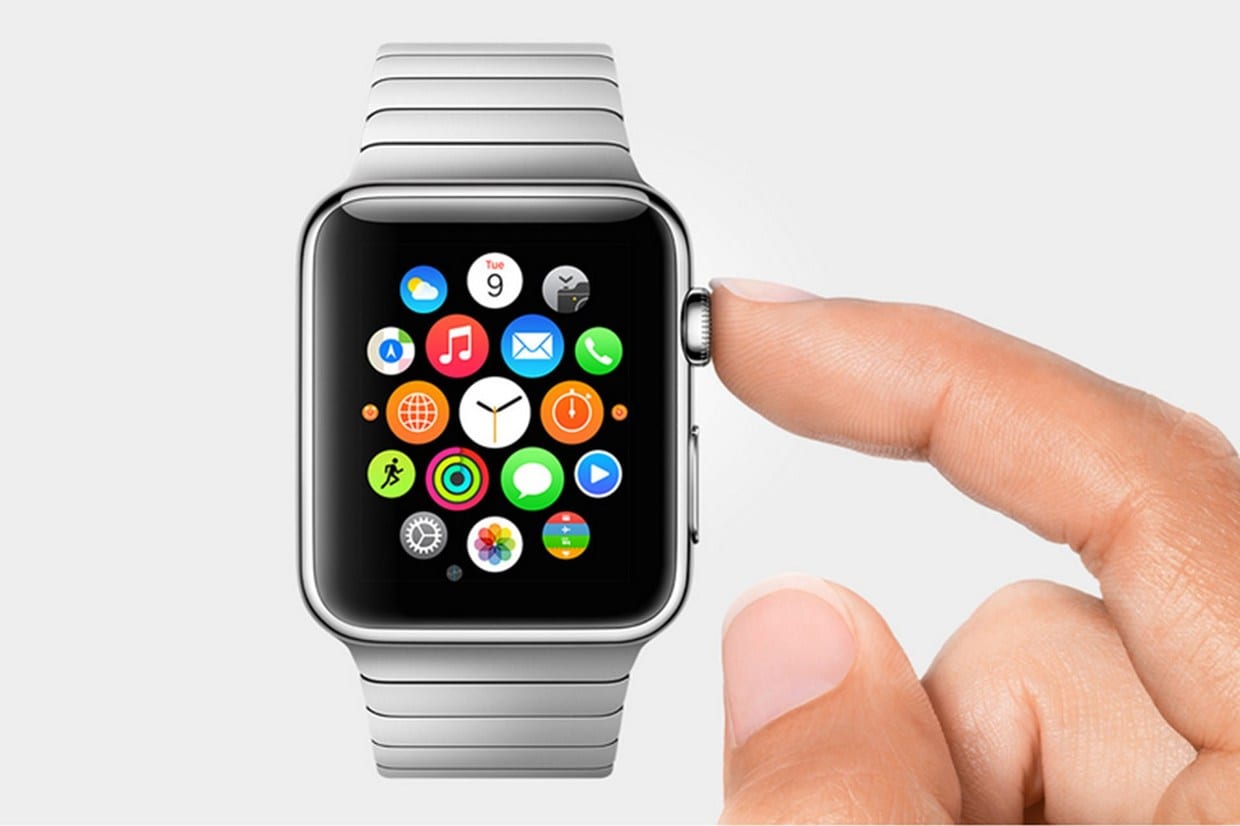
    Apple Watch real and copy 315One is real, the other is a copy. Can you tell which is which? Answer at the end of the story.
    Knock-offs, copies, imitations, fakes – it’s hard to categorise the new breed of rival products hitting retail store shelves. For sure, some are blatant copies of the Apple Watch and their makers are likely to find themselves on the receiving end of litigation from Cupertino. But others fit into a large grey field of the retail landscape: conceptually they may be similar, they may even look alike (a watch is a watch, right?) but some operate on Google’s Android operating system making it extremely difficult to dub them fakes.

    The official Apple Watch goes on sale in three styles, ranging in price from US$350 to $17,000.

    But already Alibaba’s Taobao is selling a watch called the AW08 for $59 which can be connected to devices running Google Android and delivered within 24 hours. Other similar products cost as little as $39.

    According to tech news website Geekwire.com, other “knock-offs” branded D-Watch, Airwatch A8 and Ai Watch are also available on Taobao at prices substantially below the Apple Watch and “designed to look just like the Apple Watch”.

    Some commentators question whether the knock-off phase will damage Apple, in a nation where image and status is of growing importance, or if all the hoopla will actually help Apple’s brand and product awareness, driving sales of the ‘real McCoy’.

    “Most people who buy them will do so knowing they are not Apple’s real Watch,” Matthew Forney, president of the business consultancy Fathom China, told the BBC.

    “Apple products are very popular in China, and it’s possible that Chinese consumers will want to be seen to be the first person on their block to wear its Watch. However, I think most of those consumers are aware that there has been an issue with fakes and copycats on Taobao and would be highly suspicious of the devices.”

    Others are worried about the damage such businesses do to brands in general.

    “These guys are specialists,” Laurent Le Pan, founder and CEO of the Omate smartwatch maker told CNN Money.

    “The speed at which they can bring copies on the market is amazing. The hardware is not the big challenge – the hard part is on the software and the application side. In the end, you sometimes need to be an expert to tell the difference between real and fake.”

    For now, Apple might own the Watch space with the perception it is the first to market – other brands have already released smart watches of their own, but to date few if any connect to smartphones, their features largely limited to exercise measuring and physical fitness monitoring. But that won’t hold for too long, with Apple’s second wave of competition coming from established genuine brands rather than the armada of copycats.

    Swatch, the world’s largest watchmaker, plans to launch a smart watch to undercut Apple and other legitimate rivals featuring Near Field Communication (NFC) chips later this year, which will allow payments by watch, among other features.

    Rival manufacturers will have to be compatible with iOs or Android, so most will focus on Android given the likely barriers Apple will place on sanctioning direct competitors on its own OS.

  • Inditex sales, profit rise

    Inditex sales, profit rise

    Same store sales and group profit both increased by five per cent at Spanish apparel giant Inditex in 2014.

    In financial statements just released, Inditex said its key same store sales growth indicator stands at 23 per cent over the past five years. Net profit totalled €2.5 billion. Group sales revenue rose by eight per cent in the year to January 31, to €18.12 billion.

    Inditex owns Zara, Zara Home, Pull&Bear, Bershka, Oysho, Stradivarius, Massimo Dutti and Uterque.

    The group has announced a profit sharing plan under which employees will participate in earnings growth in the next two years, benefitting workers in stores, manufacturing, logistics, concepts and subsidiaries all over the world, so long as they have been working for Inditex for at least two years. That adds up to about 70,000 beneficiaries in 54 markets.

    In 2014 the group generated 8741 new jobs worldwide, 1800 of them in Spain. Inditex’s headcount totalled 137,054 at January 31.

    In 2014 Inditex opened 343 stores in 54 markets, taking its network total to 6683 in 88 markets. It debuted in just one new market last year – Albania.

    In total it opened new establishments in 54 markets worldwide. Some of the most noteworthy openings included flagship Zara stores in Zurich (Bahnhofstrasse), Miami (Lincoln Rd), Madrid (Serrano), Krakow (Rynek Glowny), Hong Kong (Queens Rd) and Shanghai (East Nanjing Rd) to take its total number of stores in China to over 500 across 60 cities.

    The group’s other chains also opened high-profile stores such as the Pull&Bear stores in Milan (Vittorio Emanuelle II) and Amsterdam (Kalverstraat); the Massimo Dutti stores in Vienna (Kholmarkt) and Palma de Mallorca (Born); the Bershka store in Turin (Via Roma); the Uterqüe store in Madrid’s airport; the Stradivarius store in Osaka (Shinsaibashi); the new image Uterqüe store in Barcelona’s airport; the Oysho store in Barcelona (Pelai); and the Zara Home flagship in London (Kensington High St). In 2015, Zara Home has opened its first stores in Australia, making it the second chain in the group to boast a presence in the market, after Zara.

    New stores planned for 2015 include prominent openings on Oxford St 61 (London), in Plaza Cataluña (Barcelona) and a number of openings in various US cities, including three in New York: one on Fifth Avenue and 42nd street, inaugurated last week, another in the new World Trade Centre, in the heart of the New York’s financial district, and a third in SoHo, in a building recently acquired by the group.