Tag: asia

  • Retailers close for founder’s funeral

    Retailers close for founder’s funeral

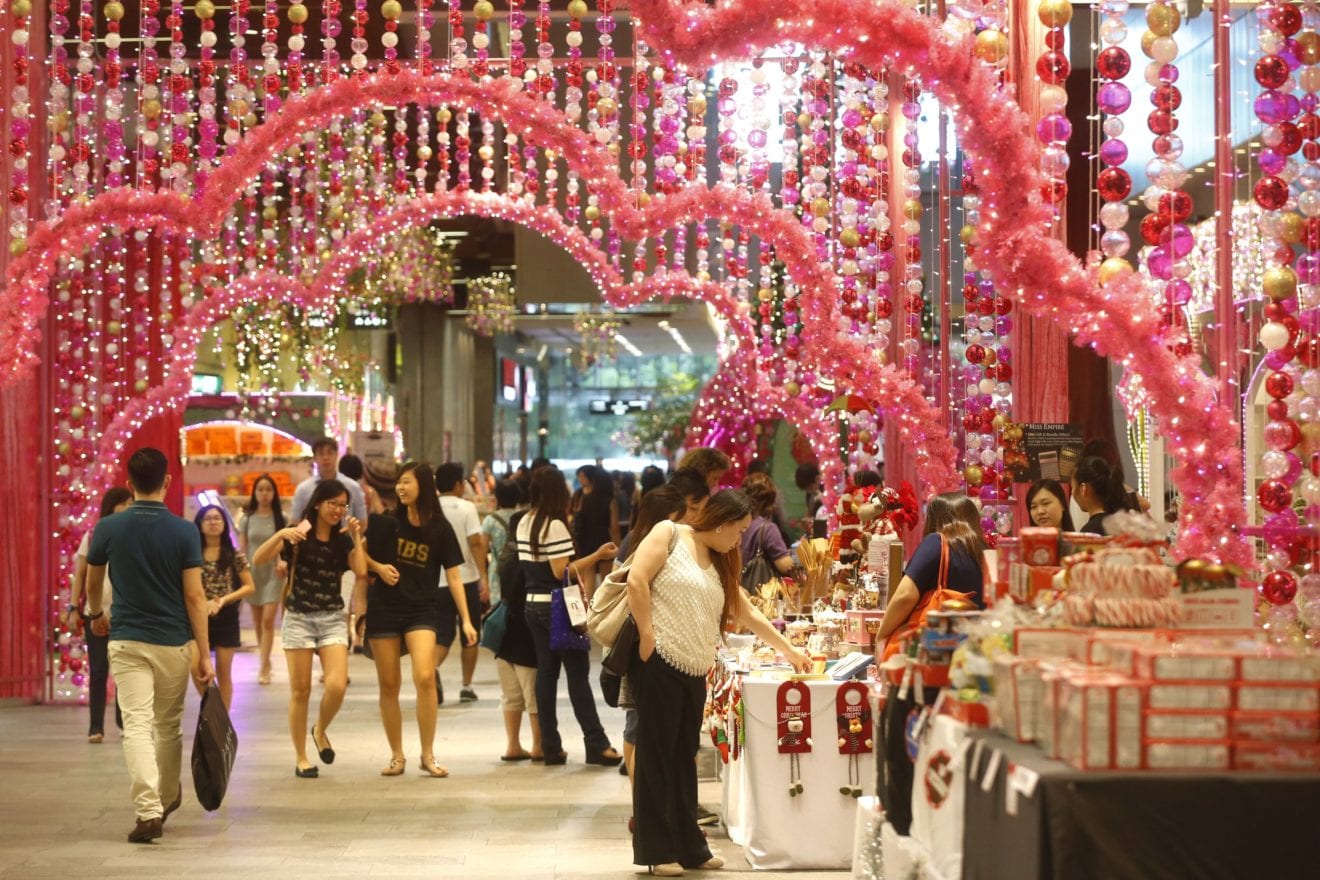
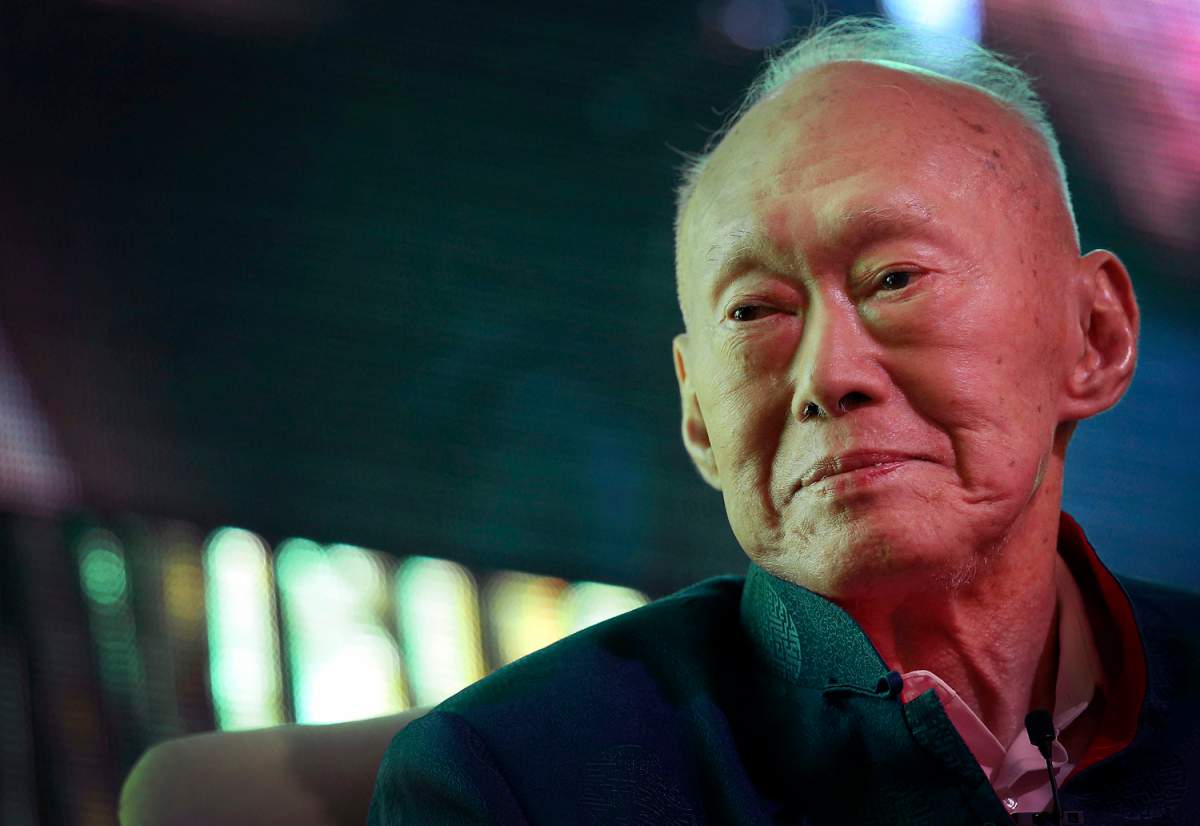
    Department stores Metro and Tangs will close their Singapore outlets all day on Sunday, when the state funeral for the nation’s founder and former prime minister Lee Kuan Yew will be held.

    Retailers Mothercare Accessorize, Island Shop boutiques, Cache Cache and King Kow are among others to announce their closure.

    All Singapore Pools (betting) retail outlets will close all day.

    The closures were announced as a gesture of respect to the much admired former leader.

    The Straits Times newspaper quoted Metro’s advertising and promotions manager Veronica Lee saying: “We felt that we should do so as a mark of respect. Staff will also get a day off to show thanks and reflect.”

    Normal operations will resume on Monday.

    Earth Hour activities planned for City Square Mall on Saturday by City Developments were cancelled.

    The newspaper reports that three retailers in The Shoppes at Marina Bay Sands have postponed events, including Cath Kidston’s island-wide marketing campaign and the official store opening event of Kate Spade New York. Other sale promotions have been suspended.

  • Harvey Nichols Baku opens

    Harvey Nichols Baku opens

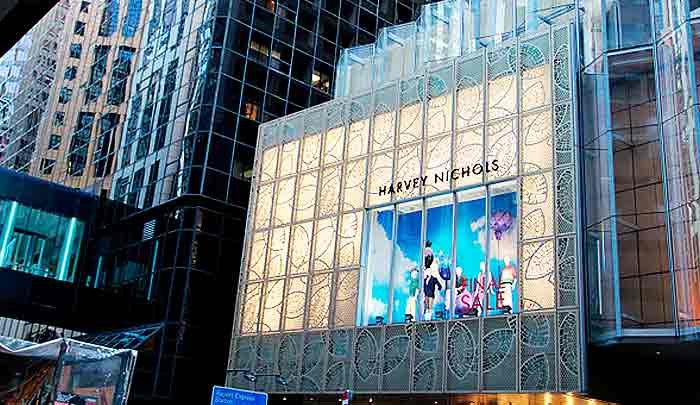
    The once Soviet state of Azerbaijan has become British department store Harvey Nichols’ newest overseas market.

    A new seven-storey Harvey Nichols store has opened in the fast-growing capital city of Baku offering 110,000 sqft of space selling more than 500 labels in men’s, women’s, children’s and bridalwear; a cosmetics hall, perfumery, cafe, restaurant, lounge and club.

    Stacey Cartwright, group CEO of Harvey Nichols, said in an interview Azerbaijanis were showing an increasing demand for luxury goods and the market was “fast becoming one of the top luxury retail destinations in the world”.

    Harvey Nichols already has stores in London, Hong Kong, Saudi Arabia, Turkey, Dubai and Kuwait.

    Harvey Norman Baku opens amidst esteemed neighbours, with Burberry, Armani, Valentino and Dior already operating stores in the city, and Donald Trump planning to open a hotel there in June.

    Baku will host a Formula One Grand Prix on a street circuit from 2016.

    Located on shore of the Caspian Sea, Baku has a population in excess of 2 million.

  • Levi’s saved 1 billion litres of water through sustainability initiatives

    Levi’s saved 1 billion litres of water through sustainability initiatives

    Levi Strauss & Co (Levi’s) has saved 1 billion litres of water since 2011 through its Water<Less process, which reduces the water used in garment finishing by up to 96 percent, the clothing company said on Wednesday.

    It has also released an update on it 2007 study that examined the environmental impact of Levi’s products – Product Lifecycle Assessment (LCA). The new study analysed the complete product lifecycle, probing deeper into the environmental impacts of cotton in key growing regions, apparel production and distribution in a range of locations, and consumer washing and drying habits in key markets.

    The study shows that of the nearly 3,800 litres of water used throughout the lifetime of a pair of jeans, cotton cultivation (68 percent) and consumer use (23 percent) continue to have the most significant impact on water consumption. Consumer care is also responsible for the most significant energy use and climate impact, representing 37 percent of the 33.4 kilograms of carbon dioxide emitted during the lifecycle of a jean. The new LCA expands on previous research to better understand the impact of cotton cultivation and includes data from the world’s primary cotton producing countries, including the United States, China, Brazil, India, Pakistan and Australia. It also analyses consumer care data from new markets, including China, France and the United Kingdom, to understand the costs and benefits of differences in washing habits.

    To reduce the impact of cotton consumption, Levi’s is working with the Better Cotton Initiative (BCI) to train farmers to grow cotton using less water. Based on the latest BCI harvest data available, in 2013, cotton farmers in China reduced their water use by 23 percent compared with farmers who were not using BCI techniques. Levi’s plans to continue working with its global suppliers with the goal of sourcing approximately 75 percent Better Cotton by 2020, up from 6 percent today.

    The denim company will also continue to work toward using less water during manufacturing by expanding the Water<Less process to include more Levi’s products, such as tops. By 2020, the Levi’s brand aims to make 80 percent of its products using Water<Less techniques, up from nearly 25 percent today.

    The new LCA also reveals that Americans use more water and energy to wash their jeans than consumers in China, France and the UK It shows that consumers in China wear their jeans, on average, four times before tossing them into the wash – and if American consumers did this, they could reduce the water and climate change impact from washing their jeans by 50 percent.

    “It’s time to rethink autopilot behaviours like washing your jeans after every wear because in many cases it’s simply not necessary,” said Chip Bergh, CEO and president of Levi’s. “Our LCA findings have pushed us as a company to rethink how we make our jeans, and we’re proud that our water stewardship actions to date have saved 1 billion litres of water. By engaging and educating consumers, we can fundamentally change the environmental impact of apparel and, ideally, how consumers think about the clothes they wear every day.”

  • Apple plans China iPhone trade-in program with Foxconn

    Apple plans China iPhone trade-in program with Foxconn

    Apple Inc plans to introduce a trade-in program for iPhones in China in association with the Foxconn Technology Group, Bloomberg reported, citing people familiar with the effort.

    Under the program, consumers will be able to exchange older iPhones at Apple stores in China for credit against the company’s products starting 31 March, Bloomberg reported.

    Chinese demand for larger-screen iPhones helped fuel Apple’s record profit of USD18 billion in the final quarter last year.

  • Malaysia retail sales slip

    Malaysia retail sales slip

    Retail sales in Malaysia fell by nearly one per cent in the last quarter of 2014 as consumers cut back spending, spooked by the looming introduction of GST.

    On April 1, Malaysia’s government introduces a goods and services tax on most items, excluding food, of six per cent.

    Sales in the fourth quarter fell 0.8 per cent year-on-year – the worst quarterly performance on record, and below predictions by the Malaysia Retailers Association (MRA).

    The poor fourth quarter lowered the full year figure to 3.4 per cent growth, compared with 4.5 per cent growth in the previous year.

    Retail Group Malaysia (RGM), in a report released this week titled Malaysia Retail Industry Report, said Christmas, lower fuel prices and the year-end sale season all failed to lift sales.

    “Furthermore, the (impending) implementation of the goods and services tax (GST) next month did not stimulate consumption during the last quarter (of 2014). Retailers used heavy discounts to encourage consumers to shop, but failed to generate higher sales. During the quarter, many retailers suffered declines in profit margin growth,” the report said.

    Department store sales fell 5.7 per cent last quarter, while hypermarket sales rose just one per cent. Fashion and accessory sales fell 2.2 per cent.

    Miscellaneous retailing – including optical products, second-hand goods, health and fitness equipment, toys, souvenirs, duty-free goods, arts and crafts, photographic equipment – and foodservice, believe it or not – performed the worst, with sales contracting 6.7 per cent.

    RGM is concerned consumers do not understand the potential impact – or lack thereof – on retail prices post-April 1.

    “Retail sales performance during the first two months of this year was below expectation as consumers were confused by different public messages on the prices of retail goods and services after March 2015,” it said.

    Possible rushed purchases – to avoid paying six per cent on big ticket items – may power sales growth in the first quarter of 2015. In the survey, MRA members said they were hopeful of a recovery, RGM estimating growth of 5.8 per cent.

    But RGM has lowered its 2015 full year prediction from 5.5 per cent growth to 4.9 per cent growth.

    “Malaysian consumers will get used to GST by the last quarter of 2015. Retail spending will return to normal again by this period. Retail is expected to recover strongly with a 6.9 per cent growth rate,” it said.
     

  • Foodpanda Malaysia reaches 700

    Foodpanda Malaysia reaches 700

    In just three years, Foodpanda Malaysia has expanded its offer from 40 restaurants to more than 700.

    The online restaurant food delivery service this month markets its third birthday, with country manager of Foodpanda Malaysia, Sidney Ng, reflecting on how the business launched with just 40 restaurants operating in the Klang Valley, home to capital Kuala Lumpur..

    Now Ng says the network is larger than 700 and covers most major cities in the country, including Johor Bahru, Penang, Ipoh and Melaka.

    “Foodpanda Malaysia has come a long way,” said Ng.

    “From just taking orders via our website, progressing to a mobile friendly site and finally developing a mobile application.

    “We recognise modern consumers are moving towards mobile technology and we want to make ordering food as seamless as just a few taps on our app. We will also be launching a new version of our app very soon that will simplify the order process.”

    Foodpanda Malaysia has plans to expand its current delivery zones within the Klang Valley and to launch operations in Kota Kinabalu. It also plans to add more restaurants and to further develop its website, mobile application and overall operations.

    “We treasure our partnership with Foodpanda – they have definitely improved with leap and bounds in terms of both number of orders and operation efficiency since they started,” says Billie, the owner of Puzzini Pizza – one of Foodpanda’s early restaurants.

    Foodpanda Group is the leading global food delivery marketplace, active in 39 countries in five continents.

  • Chow Tai Fook to partner in Vietnam casino

    Chow Tai Fook to partner in Vietnam casino

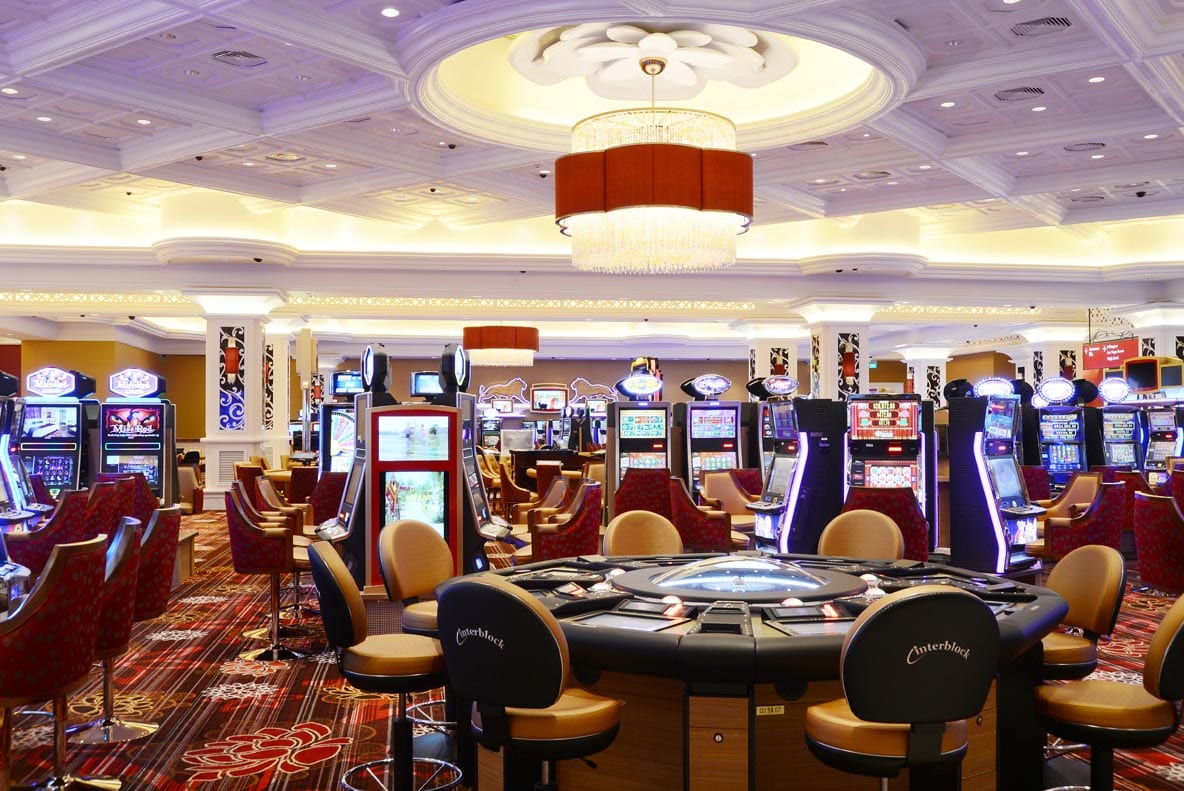
    Hong Kong based retail jeweller Chow Tai Fook is to partner in a US$4 billion casino project in Vietnam.

    Chow Tai Fook Enterprises, an affiliate of Chow Tai Fook Jewellery Group, the world’s largest jewellery retailer by market value, has already committed to investing in casino resorts in Brisbane, in the state of Queensland, Australia, and in South Korea.

    Now it will partner with Vietnamese investment group VinaCapital and Suncity, a Macau-based casino tour operator.

    Strict regulations in Vietnam prevent locals from gambling inside the country, however the government allows developments to serve tourists or those locals who hold a foreign passport. New casino licences will only be issued to developments with an investment value in excess of $4 billion, which deters minor players.

    Other international gambling businesses, like Sheldon Adelson’s Sands Group have gone as far as creating plans for integrated resorts featuring casinos, but have stopped short of commencing construction until the government loosens restrictions on locals playing.

    Reuters reports the new resort will be located in Quang Nam in the central part of Vietnam

    The news agency said Chow Tai Fook’s involvement was confirmed by VinaCapital after the jeweller issued no comment beyond confirming “preliminary studies”.

    Chow Tai Fook has reportedly replaced Malaysian casino operator Genting which withdrew from the project in 2012 due to the local gambling restrictions.

    Reuters said the government was “mulling” a change in the legislation but has not released a policy as yet.

  • Amazon to acquire Net-A-Porter?

    Amazon to acquire Net-A-Porter?

    Speculation is rife that e-commerce giant, Amazon, is in talks with online luxury retailer Net-A-Porter for what could be its biggest acquisition yet.

    Luxury goods group, Richemont, bought Net-A-Porter in 2010 for around €350 million (A$492.35 million).

    Net-A-Porter, has seen huge growth in the last few years, and is reportedly worth more than £2 billion globally.

    Founded in 2000, Net-A-Porter stocks more than 350 designers including Alexander McQueen, Chloé, Dolce & Gabbana, Isabel Marant, Jimmy Choo, Miu Miu, Stella McCartney, and Valentino.

    In 2009, the company launched discount fashion website, The Outnet, and in 2011 created menswear website, Mr Porter. In 2014, Net-A-Porter Group’s publishing division  launched the company’s first ever consumer magazine, Porter.

    Following a series of investments, including a significant push into fashion, Amazon surprised the market with far better than anticipated Q4 profit results.

    Amazon posted earnings of $US214 million ($A275.88 million) in the fourth quarter as sales jumped 15 per cent to $US29.3 billion, swinging to profit after two consecutive losing quarters.

    The Seattle-based company faced pressure from shareholders to deliver profits even as founder Jeff Bezos invested in a vast array of projects.

    For the full year 2014, Amazon posted a net loss of US$241 million on sales of US$89 billion.

    Amazon has denied speculation of the Net-A-Porter acquisition.

  • China sinks Prada profit

    China sinks Prada profit

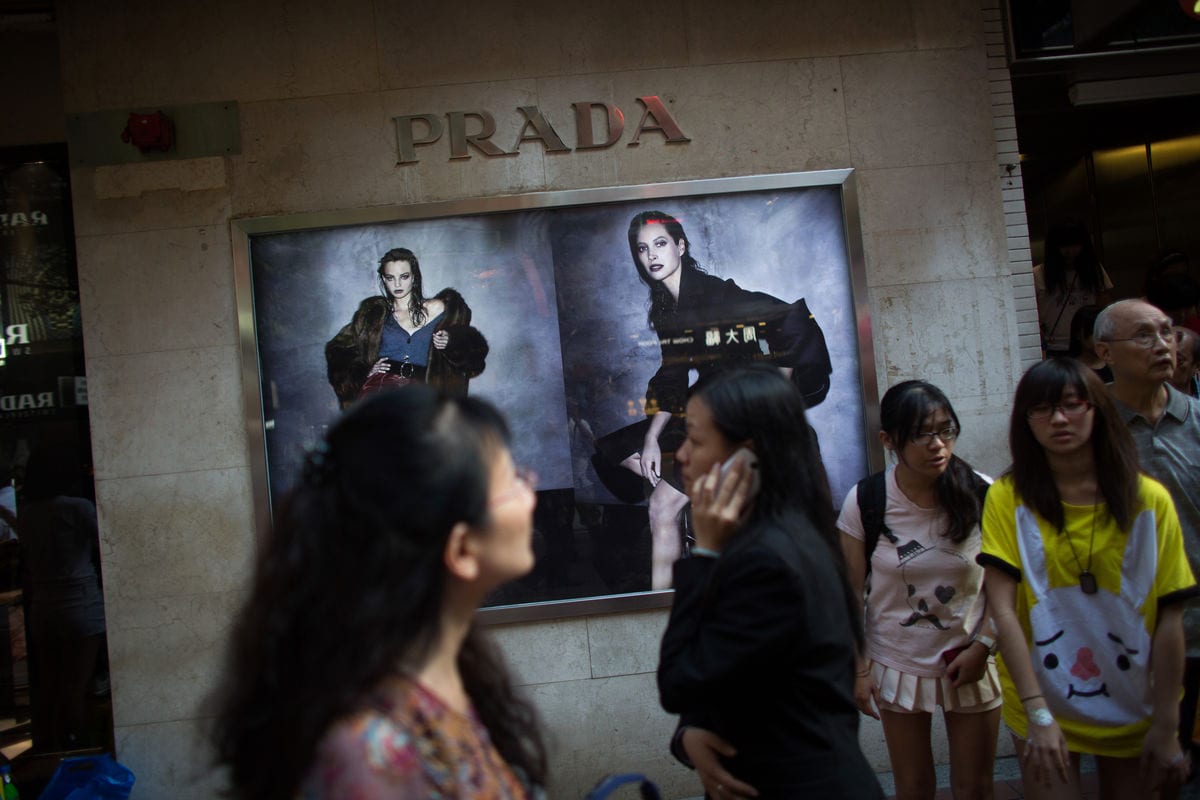
    Luxury retailer Prada Group has blamed China for a 28 per cent slump in profit last year.

    The Italian company says sales in its key Asia-Pacific market – which contributes 35.7 per cent of its global turnover – slid 3.1 per cent.

    This was largely due to the clampdown in corporate gift giving as China tries to reduce graft, and changing purchasing patterns in Hong Kong, which cashed up Chinese are spurning for other travel destinations.

    “Results in the region were hit by the negative performances recorded in Hong Kong and Macau. The Greater China area still benefited from growth on the [mainland] Chinese domestic market and ended the year with net sales of 774.1 million euros, a decrease of 6.3 per cent,” the company said.

    While Prada accounts for 81.2 per cent of the group’s sales, Miu Miu and Church’s both improved globally, while the smallest, Car Shoe, returned a sales drop of 11.9 per cent.

    Prada opened 21 new stores in Asia Pacific in the year to January 31 and closed three. Retail sales slid 5.5 per cent, but this was in part compensated for by a double digit growth in the wholesale division, largely due to increasing numbers of inbound tourists into South Korea. In the Americas, sales were up 0.9 per cent.

    In Europe, sales fell 4.9 per cent, but in Japan (which is not included in the Asia-Pacific figures) sales rose 7.9 per cent, despite store network rationalisation.   Prada said overall revenue for the year dipped by one per cent to 3.55 billion euros, while net income dropped to 450.7 million euros from 627.8 million euros a year earlier. Its operating margin was down from 31.9 per cent to 26.9 per cent, largely due to store openings.

  • Paytm looks to double headcount in FY16

    Paytm looks to double headcount in FY16

    With most players in the sector looking to aggressively ramp up their teams, Indian mobile commerce platform Paytm plans to double its employee base in FY16 from around 3,000 currently. The company has added around 1,500 persons to its total headcount in FY15.

    “A large part of the hiring will be in operations and sales. We will also hire for technology roles,” Amit Sinha, vice president-business and people at Paytm told Business Standard. “We have given over 100 offers to students at top management and engineering colleges. We are still visiting campuses and that number will go up further.”

  • Flipkart may be readying itself for Nasdaq listing

    Flipkart may be readying itself for Nasdaq listing

    E-commerce major Flipkart is believed to be working on an international listing, with Nasdaq in the US emerging as the preferred destination. Experts say before an initial public offering (IPO), expected in 12 to 18 months, the Bengaluru-based company must strengthen its financials and organisational structure.

    “The choice of stock exchange will be a challenge, as listing in India is fairly impossible because of issues such as profits and the traditional definition of promoter, etc,” said Harish H V, partner at Grant Thornton. He added Nasdaq seemed the best choice, considering it was known for listing technology companies and the fact that it was much easier to list there. Flipkart might consider Singapore, too, as listing norms in that country aren’t as strict as in many others, it is learnt.

    Consultants said if an IPO was launched in the next six to eight quarters, Indian stock exchanges wouldn’t be considered, considering the requirements related to a company’s profits. For public issues of companies without a three-year ‘profitability’ record, the Securities and Exchange Board of India had, in 2012, reduced the retail investor quota from 35 percent to 10 percent of the issue size. The move, aimed at protecting retail investors (those investing up to INR2 lakh) from IPOs of loss-making companies, limited the participation of small investors in successful IPOs such as those of Just Dial and Snowman Logistics.

  • Kemenys sales and profits down in tough liquor market

    Kemenys sales and profits down in tough liquor market

    One of Australia’s largest independent liquor retailers, Kemenys, has suffered a drop in sales and profits in its latest financial year and faces an even tougher time this year as it tries to counter the full impact of a Dan Murphy’s superstore owned by Woolworths that opened nearby in a prime eastern Sydney site in mid-2014.

    Kemenys, which runs a large retail store in the beachside Sydney suburb of Bondi and has more than 100,000 mail-order and online customers it services from a separate warehouse, is owned by the Kemeny family. The business has been operating since 1960.

    It has remained independent in a fiercely competitive liquor retailing market where Woolworths and Coles have been increasingly dominant, even though there was a formal process in 2005 when investment bank Grant Samuel tested the appetite of potential buyers of the business.

  • Facebook buys shopping search engine TheFind

    Facebook buys shopping search engine TheFind

    Facebook yesterday waded further into e-commerce with the acquisition of shopping search engine TheFind.com.

    “For the last nine years we’ve worked hard to bring you a shopping experience that’s easy, efficient and fun – searching all the stores on the web to find just the right products you’re looking to buy,” TheFind said in a message at its website.

    “We are now starting our next chapter by combining forces with Facebook to do even more for consumers.”

    Terms of the deal were not disclosed.

    Members of TheFind team are joining Facebook, where they plan to put their technology to work making ads at the leading social network “more relevant,” according to the post.

    The acquisition will result in TheFind.com shutting down in the next few weeks.

    Facebook has been playing catch-up regarding searching for information at the social network and becoming a middleman of sorts for online commerce.

    “Together, we believe we can make the Facebook ads experience even more relevant and better for consumers,” the social network said in statement.

    TheFind – “Everything you need when shopping to quickly decide what to buy and where to buy it” – will shutter the Silicon Valley base it has operated from since launching in 2006 and move team members to Facebook’s campus in Menlo Park, California.

  • FamilyMart in talks to buy Cocostore

    FamilyMart in talks to buy Cocostore

    FamilyMart Co. is in talks to buy Cocostore Corp., which operates convenience stores in central and western Japan, sources familiar with the matter said on Friday.

    FamilyMart, Japan’s third largest convenience store chain, recently announced it is negotiating with the smaller rival operating Circle K Sunkus stores, Uny Group Holdings Co., in an attempt to obtain the number two position behind industry leader Seven-Eleven Japan Co.

    If the integration is realized, FamilyMart’s acquisition of Cocostore will add momentum to moves toward the reorganization of the domestic convenience store industry.

  • Xiaomi to open new store in Taiwan this year

    Xiaomi to open new store in Taiwan this year

    Chinese smartphone maker Xiaomi Inc. said that it will open a facility in Taiwan in the next few months to showcase its products and provide better after-care service. Xiaomi, whose low-cost, feature-rich phones are sold largely online, previously planned to set up a store in Taiwan by the end of 2014, but the timetable was postponed because the company needed more time to find an appropriate location, said Bin Lin, Xiaomi’s co-founder and president.