Tag: asia

  • Indonesia’s 1st Aeon Mall to open in May

    Indonesia’s 1st Aeon Mall to open in May

    Shopping mall developer Aeon Mall Indonesia and real-estate giant Sinar Mas Land, have joined forces to open Indonesia’s first Aeon Mall on May 30, a company executive revealed on Wednesday.

    The new joint entity behind the shopping center has been named Aeon Mall Sinarmas Land Indonesia, or AMSL

    The announcement confirms a report  detailing the endeavor in GlobeAsia last October, which also quoted Sinar Mas Land director Ishak Chandra in estimating that the project would cost between $150 million and $200 million.

    Located in BSD City, a Sinar Mas Land township in Tanggerang on the southern outskirts of Jakarta, the mall will house 280 stores — 47 of which are part of popular Japanese franchises.

    Nearly half of these brands are completely new to Indonesia, AMSL operations manager Adrian Pranata said.

    Ryuma Okazaki, president director of both AMSL Indonesia and Aeon Mall Indonesia, said the joint venture is expected to attract 12 million visitors a year.

    Its main target market is middle to high-income consumers living in BSD City, Tanggerang, West Jakarta and North Jakarta, he added.

    Land and construction costs of the 100,000-square meter mall ultimately reached $160 million.

    Aeon Mall Indonesia is a local arm of Japan-based shopping mall developer and operator Aeon, while Sinar Mas Land is the property holding company of giant conglomerate Sinar Mas Group, which owns a diversified businesses across the country. Aeon Mall Indonesia contributed 67 percent of the shopping center’s investment.

    Okazaki also confirmed Aeon’s plan to open 20 new malls in Indonesia, mainly in West Java and the Greater Jakarta area — which includes Bogor, Tanggerang, Bekasi and Depok — to tap into Indonesia’s rapidly growing middle class.

    The Japanese company had set a five- to eight-year investment plan worth 80 billion yen ($667.57 million) in 2013.

    Okazaki added that the investment costs may have surged by now, due to inflation, foreign exchange fluctuations and higher construction costs.

    Adrian of AMSL said Indonesia’s second Aeon mall will likely be located in Jakarta Garden City, a township in East Jakarta developed by Sinar Mas land rival Modernland Realty.

    Construction is scheduled to commence in May, he added.

  • Amazon launches button for instant product ordering

    Amazon launches button for instant product ordering

    Online retailer Amazon.com Inc has launched a hardware that allows its Prime members to order a product by pushing a button.

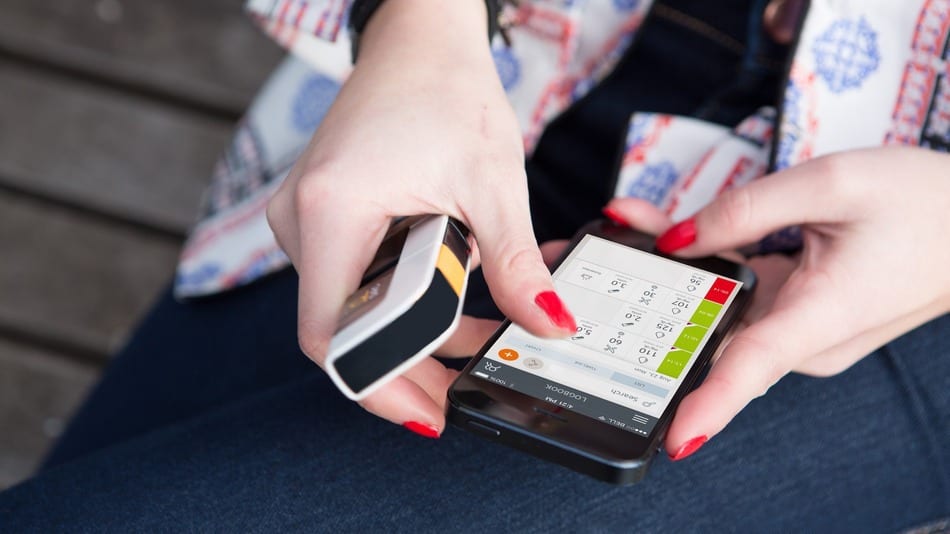
    The ‘Dash button’, which is connected with the Amazon app through Wi-Fi, is brand specific and the company has tied up with household names such as Tide, Huggies and Gillette.

    The ‘Dash button’ comes with an adhesive and a hook and can be hung or hooked anywhere in the home.

    The offer, limited to three Dash buttons per customer, is only open to members who receive an email from the company with an invitation to receive a free Dash Button.

    Reuters had reported in September that Amazon would boost staffing at its secretive Silicon Valley-based hardware unit as it tests Internet-connected “smart” home gadgets.

  • WeChat makes e-commerce push to serve growing users in Indonesia

    WeChat makes e-commerce push to serve growing users in Indonesia

    The developers of the popular multi-platform messaging app WeChat have rolled out an e-commerce offering through the app to tap the boom in the number of Indonesians using smartphones and engaging in online transactions.

    The app now offers a new feature called Official Account, which provides digital marketing platforms for companies that makes it easy to promote information and services to customers through the application.

    Through these features, WeChat users can reserve a hotel room, order a take-out meal, sign up for a coupon program, or carry out a financial transaction, according to Benny Ho, the Hong Kong-based director of business development at Tencent, the Chinese internet giant behind WeChat. Ho said the possibilities were “limitless”, depending on what service a company wanted to provide to its customers.

  • adidas to shift some production from Asia in robot revolution

    adidas to shift some production from Asia in robot revolution

    adidas announced plans to revolutionize the way it manufactures goods to speed up production and allow shoppers to customize more shoes and clothes, to help it accelerate sales and profit growth over the next five years.

    The German sportswear firm, which has been losing ground for years to fast-growing rival Nike, said it was testing automated production units that would allow it to shift manufacturing from Asia closer to consumers and even into stores, where shoppers will be able to personalize their goods.

    “We will bring production back to Europe. We will bring production back to where the main markets are,” said Chief Executive Herbert Hainer, adding the current six weeks it took to ship from Asia to Europe was too long.

  • Starbucks who? The other java king named Schultz

    Starbucks who? The other java king named Schultz

    When I first entered the coffee industry in 2002, it was one dominated by Starbucks. Not much has changed.

    However, when a consumer industry is dominated by one player, I look at that as an opportunity. Consumers will always want choice, whether that is in the US, Japan, China or, to be honest, anywhere in the world. Starbucks created an industry that did not exist 25 years ago, but it is impossible for a company to be all things to all people, no matter how dominant.

    Over the past five years, Honolulu Coffee has grown from six stores in Hawaii to 32 stores in Tokyo, Osaka, Shanghai, Guam and Hawaii, with another 10 to 15 stores scheduled to open this year.

    Our growth is attributable to three factors: 1) well-developed points of differentiation, 2) efficient use of capital and 3) continual focus on quality over competing for the lowest price point.

  • Tesco Lotus slashes prices

    Tesco Lotus slashes prices

    The Thai operator of Tesco Lotus hypermarket chain is cutting the prices of essential fresh foods by 10-50 percent for six weeks to revive consumer spending.

    Prices of more than 100 fresh food items including meat, seafood, vegetables, fruit and eggs are being reduced by up to half to help consumers during the difficult economic situation.

    The campaign began on Thursday at Tesco Lotus hypermarkets nationwide and will run for six weeks.

  • First Lush Spa to open in Hong Kong in 4Q15

    First Lush Spa to open in Hong Kong in 4Q15

    UK eco-friendly cosmetics company Lush is going to open the first Lush Spa in Hong Kong in the fourth quarter of 2015, the beauty retailer said yesterday.

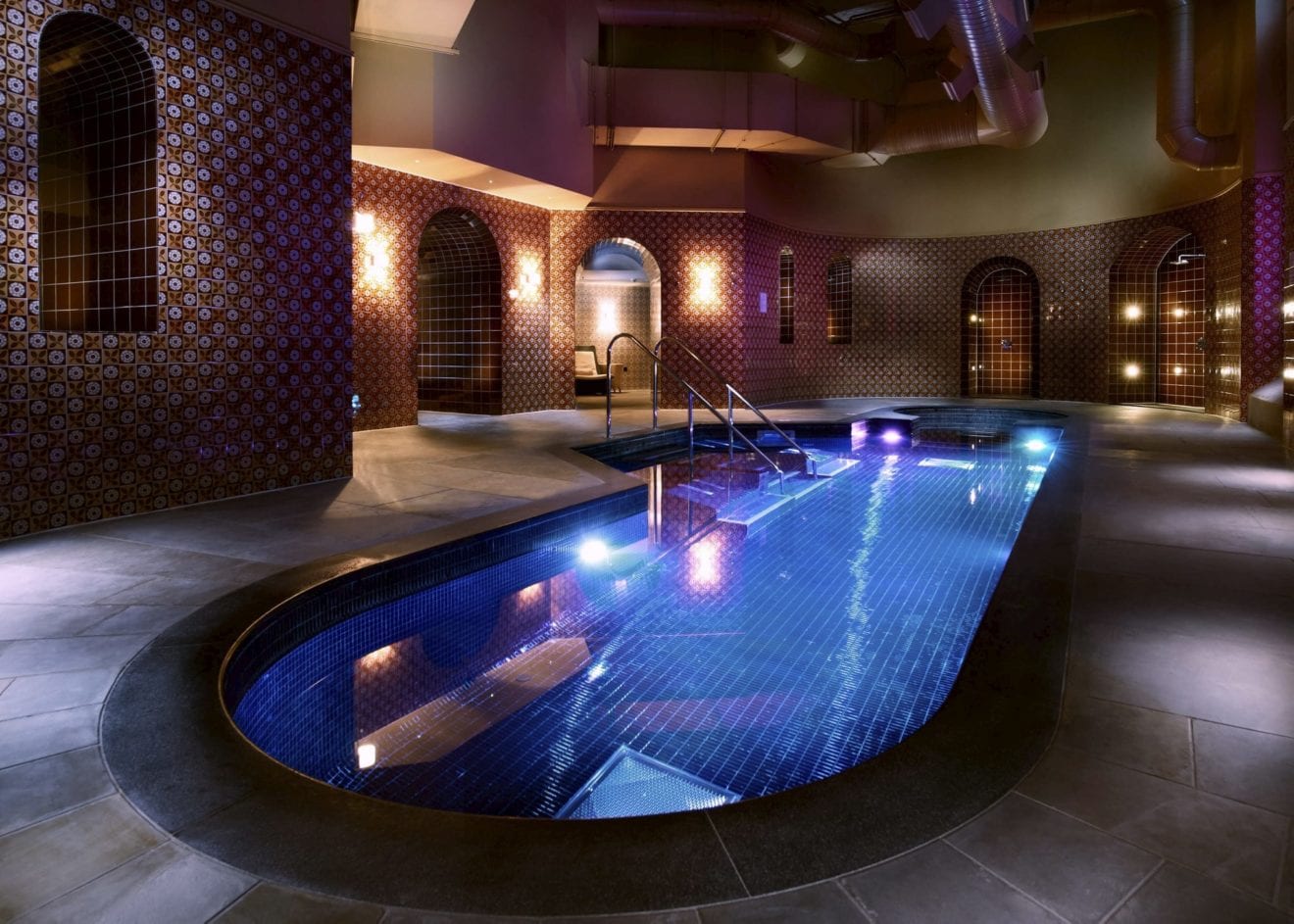
    Located at Lyndhurst Terrace of Soho Square in Central, the five-storey Lush spa will have a total space of 6,909 square feet, with retail area on the ground floor and the treatment area on the second floor to fourth floor.

    “Hong Kong is a very exciting market for us, one which we have seen rapid growth and year to date LFL of 89 percent. Launching the spa starts another exciting new chapter for us here and offers our customers a unique and luxurious experience,” said Annabelle Baker, Director of Lush Asia Limited.

    Founded in 1995, the UK health and beauty brand places great emphasis on using fresh ingredients to produce handmade beauty products. Lush is the pioneer in advocating environmental protection and operating strict policies against animal testing in the cosmetics industry.

    Hong Kong & Macau have been wholly owned by Lush since the end of 2012. The company currently have seven shops in the two cities. It’s also opening a 10,000 sqf shop on Europe’s busiest shopping area – London’s Oxford Street.

    The company has launched Lush Spa in in the UK, Japan, France, Korea, Brazil and US. Hong Kong will be the third Asian market to have Lush Spa.

  • Big Cyber to open 20 “makers” stores in China by year end

    Big Cyber to open 20 “makers” stores in China by year end

    A retail subsidiary of Hon Hai Precision Industry Co., the world’s largest contract electronics manufacturer, plans to open 20 stores in China for technology innovators known as “makers”, by the end of the year, a company executive said on Sunday. According to Wang Jung-ching, general manager of Big Cyber, a new retail brand under Hon Hai’s Cybermart consumer electronics chain in China, his firm will open new stores in Beijing and Guangzhou in April and May after already opening a first store in Shanghai.

  • Surfwear retailer Billabong rejects class action claim

    Surfwear retailer Billabong rejects class action claim

    Struggling surf-wear retailer Billabong said on Thursday it received notice of a shareholder class action lawsuit over market disclosures it made four years ago.

    The Federal Court of Australia online register said law firm Slater & Gordon filed a statement of claim a day earlier. A Slater & Gordon spokesperson was not immediately available for comment.

    The law firm said a year ago that it planned to seek compensation for shareholders, alleging the company gave earnings guidance for the 2012 financial year that lacked reasonable grounds.

  • Lenovo creates new post for Lanci

    Lenovo creates new post for Lanci

    Lenovo Group Ltd has appointed Gianfranco Lanci as its corporate president, a newly created position, as part of the company’s organizational structure change for global market and business growth, the world’s No. 1 personal computer maker said on Tuesday.

    Lanci, a 30-year veteran of PC industry, will take up the new position from 1 April. The new post is seen as the number two executive behind Lenovo’s Chairman and Chief Executive Yang Yuanqing.

    Lanci, who will retain his current position as chief operating officer and head of the PC business, will head Lenovo’s PC sales and marketing efforts worldwide.

  • Flipkart to create 2 million jobs in 2015

    Flipkart to create 2 million jobs in 2015

    Indian leading e-commerce company Flipkart on Wednesday said it would directly and indirectly create about two million jobs in 2015 through its marketplace and ancillary services.

    Among other segments, logistics and warehousing would be key employment generators, the company said. In 2014, the e-commerce industry created about half a million jobs, according to Flipkart.

    The Bengaluru-based company employs about 33,000 people. Earlier this week, Flipkart said it planned to double the size of its technology team in 2015 to 2,000.

  • Connected gadget sales soar in Singapore

    Connected gadget sales soar in Singapore

    Singaporeans’ thirst to be online has seen sales of connected gadgets more than double in just five years.

    While the connected devices sector in Singapore was valued at only USD 950 million five years ago, it has expanded to more than US$1.8 billion in 2014, according to research house GfK.

    ‘Connected devices’ comprise of 20 wireless and connected electronic/digital products tracked by GfK in Singapore, including computers, internet TVs, smart cameras, PC accessories, headphones, headsets, routers and also the latest gadgets – smart watches and health fitness trackers.

    The growth is being powered by Singapore’s affluent and well-developed internet infrastructure, says Gerard Tan, account director for Digital World at GfK.

    “In line with the country’s high internet usage and technology adoption rate, wireless devices with internet connectivity have been growing every year from 2010 to 2013, registering an additional 3.1 million devices sold within this four year span.

    “On the other hand, our sophisticated society is less interested in non-connected devices, with steep falling demand year after year since 2012.”

    Sales reached a peak in 2013 with consumers splurging more than USD 2.1 billion on over 5.2 million connected devices, following which market saturation led to a slowdown in the 2014. By comparison, non-connected, wired devices within the same product categories witnessed an even steeper decline of 29 per cent in value, considerably higher compared to the 15 per cent fall registered in the connected segment.

    In spite of overall decrease in consumer demand, some connected gadgets continued to register growth in 2014, including smart watches, health fitness trackers, phablets, wireless printing devices, smart cameras, and loudspeaker soundbars. The top three fastest growing connected devices in Singapore last year were docking/mini-speakers, phablets and loudspeakers/soundbars at 162, 60 and 55 per cent increased sales respectively over 2014. Despite the easing in sales, manufacturers are launching more new models of connected devices. According to GfK findings, the number of market offerings across all products rose by 15 per cent to hit 4920 – a strong indication of the positive market sentiment going forward.

    “The soaring popularity of this market means we can anticipate more of such products being launched, and the introduction of more new and exciting features, for instance, the function of easy syncing across different products,” said Tan.

    “With today’s heavy reliance on the internet, it becomes even more essential for modern technology to be equipped with the connectivity feature,” he concluded.

  • 1000 Degrees heads for Malaysia

    1000 Degrees heads for Malaysia

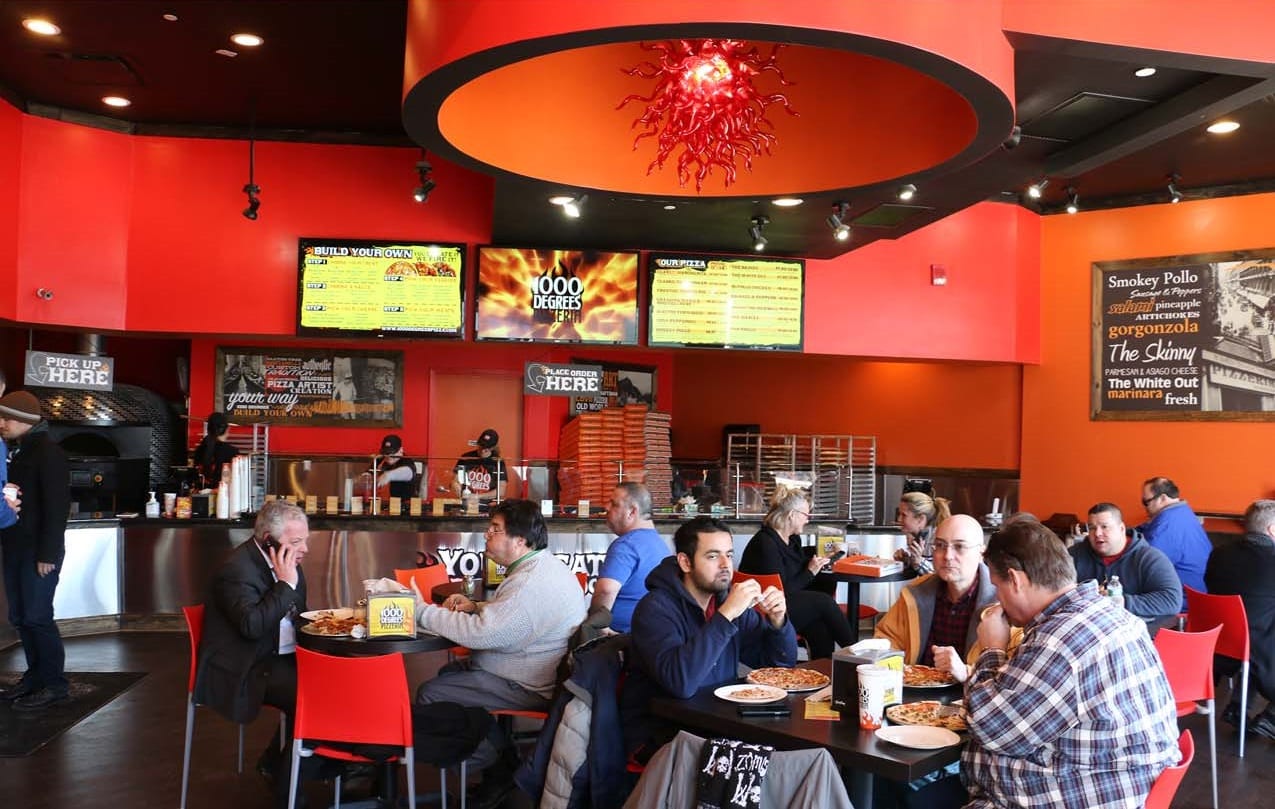
    US pizza company 1000 Degrees Pizzeria has chosen Malaysia as its first international market.

    The company said it would open its first pizza outlets in Kuala Lumpur, later this year in Kuala Lumpur, the federal capital, with an unidentified local partner.

    1000 Degrees says while Malaysia will be its first international market outside its US home base, talks are already underway with potential partners in Panama City, Qatar and Dubai.

    “We are excited to bring our spin on traditional Neapolitan Pizza, served in a fast-casual environment to the citizens of Kuala Lumpur,” said a company spokesman.

    1000 Degress pizza store 315

    “We feel as if this city, which is experiencing tremendous growth, is ready for something new in the name of pizza.”

    1000 Degrees has grown rapidly during the past six months and expects over 60 franchisees to be signed by the end of third quarter of 2015.

    The franchise was started in northeastern US, but quickly has gained traction in 16 of the 50 states.

    The spokesman said Malaysia was chosen for its international debut because it was “an exciting place” and the company is working with “an exciting group of experienced operators” in Kuala Lumpur.

    1000 Degrees offers both single and multi-unit operators an opportunity to serve what they feel is the best pizza in the nation, for as little as $250,000 per unit.


  • New stores, eCommerce drive Gome growth

    New stores, eCommerce drive Gome growth

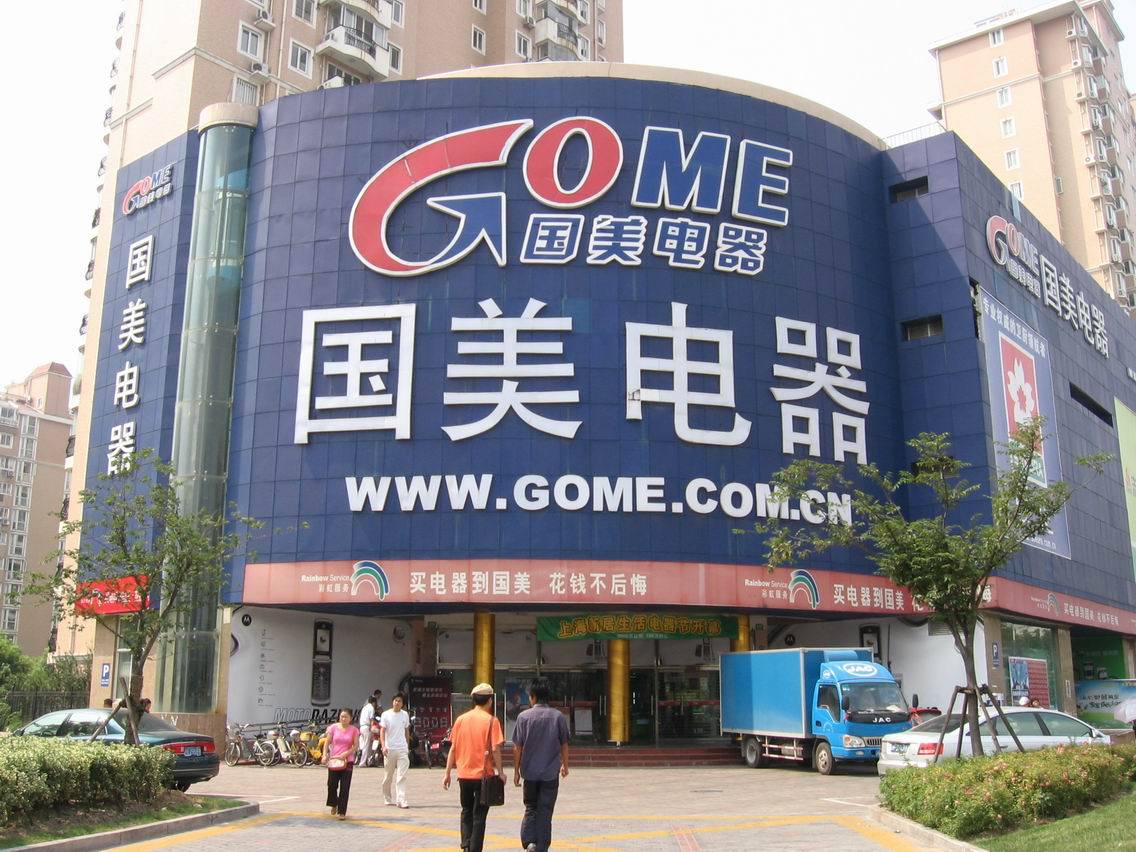
    China’s Gome Electrical Appliances boosted online sales by 84 per cent last year helping fuel a 43.5 per cent boost in annual profit.

    The full year surplus was 1.28 billion yuan, (US$206.2 million).

    The booming online operation is clearly still growing with a quarter on quarter sales boost of 117 per cent in the three months to December 31.

    At the same time, Gome says it continued to refurbish its bricks and mortar store network and revamp its supply chain, procurement and distribution operations.

    In annual figures released Monday, Gome said it continues to pursue its goal of becoming an ‘Open Omni-channel Retailer’ by optimising its open supply chain platform, driving further improvements in the areas of procurement, logistics, information system and financial services, and building an open omni-channel platform encompassing ‘online + offline + mobile terminal + other socialised channels’.

    “The group has managed to provide cross-regional and cross-channel full services to consumers as a whole. The launch of this strategic transformation, supported by the low-cost highly-efficient open supply chain, has enabled the group to achieve year-on-year growth in key financial indicators for eight consecutive quarters and increase its operating efficiency,” the company said in a statement.

    As well as renovating 100 existing stores, Gome continued its push into tier 2 markets, strengthened partnerships with supermarkets and department stores and promoted its eCommerce development. Last year it opened 145 new stores, 78 of them in tier 2 cities. A further 154 concessions were opened.

  • Bulgari to open 300th boutique this year

    Bulgari to open 300th boutique this year

    LVMH’s watch and jewellery flagship brand Bulgari is eyeing double digit growth in 2015, despite the lacklustre global luxury market.

    Bulgari expects to surpass 300 boutiques this year, part of a strategy by CEO Jean-Christophe Babin to maintain its position as one of the fastest growing brands in the Louis Vuitton group’s 60-strong stable.

    “We had a very good beginning of the year, so all else remaining equal, we think that we will do better this year than in 2014 with a double-digit growth rate,” said Babin in an interview with Reuters.

    Bulgari ended 2013 with 290 stores globally and expects to end 2015 with as many as 312.

    LVMH does not break down its trading figures by brand, but analysts estimate Bulgari achieves annual sales of between 1.5 billion and 2 billion euros.

    It is ranked third in size behind Cartier and Tiffany.