Tag: asia

  • Ikea Korea boosts furniture sector

    Ikea Korea boosts furniture sector

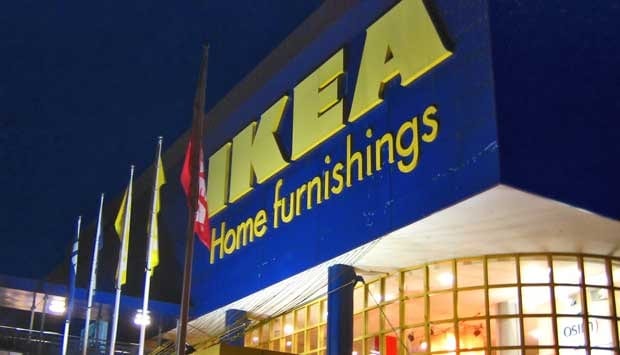
    Before the opening of the first Ikea store in Korea last year, Korean furniture companies were worried about the threat posed by the Swedish behemoth.

    Many industry observers said the impact of Ikea in Korea would be felt across the industry.

    Without a doubt, Ikea has been big hit in Korea over its first 100 days trading According to Ikea Korea, it welcomed 2.2 million customers as of March 18, and local shoppers had signed up for 300,000 “Ikea Family” memberships. Visitors praised the reasonable price tags and practical designs, and most said that they planned to revisit the store.

    However, 100 days after Ikea Korea’s debut, the real winners are Korea’s major furniture makers, who are laughing all the way to the bank thanks to the “Ikea effect”, which has helped them attract more customers.

    Sales at Hanssem, the largest furniture maker in Korea, reached 1.32 trillion won last year, a 31.5 per cent increase over the previous year. Similarly, Hyundai Livart’s revenue increased 15.92 per cent to 643 billion won last year.

    Ironically, their shops near Ikea’s Gwangmyeong store saw increases in customer visits in January and February this year. During this period, the revenue of Livart’s Gwangmyeong branch increased 27 per cent, while Hanssem’s Gwangmyeong store saw a 10 per cent increase in sales over the same period of the previous year.

    An official at Hanssem said: “The sales increase at the store was thanks to Ikea. Seventy per cent of customers visiting our Gwangmyeong branch came from Ikea. Those who could not find what they wanted at Ikea visited our store looking for alternatives. It’s the ‘Ikea attraction.’”

    To cope with the Swedish giant’s low-prices and do-it-yourself marketing power, local furniture makers armed themselves with “high quality and service” as their core competitiveness. Hanssem tried to reduce its production costs through automation and standardisation of parts. In addition, it opened its sixth flagship store, and focused on improving its customer service.

    Livart, Korea’s second largest furniture company, implemented an aggressive marketing strategy aimed at younger generation buyers looking for mid- and low-priced products. It strengthened its online sales channel, broadening its offerings to include kitchen and office furniture.

    At the center of their efforts to increase revenue against the threat of Ikea are free delivery and assembly services.

    Ikea visitors calculate the price of the products, delivery charge and unseen cost of DIY together. For example, Ikea’s Brimnes triple dresser (78cm x 95cm) costs 99,000 won, but a similar sized Hanssem triple dresser (80cm x 73cm) sells for 109,000 won. One can save 10,000 won when buying the Ikea product. However, Ikea customers also need to pay 29,900 won for delivery and 40,000 won for assembly, if they require those services.

    Choi Yang-ha, CEO and vice chairman of Hanssem, said: “Ikea is famous for its reasonable pricing and wide variety of products. However, if customers use its delivery and assembly services, its price competitiveness falls behind Korean competitors. We have our own strategy, offering free delivery and assembly services, and providing products through various distribution channels.”

    However, smaller furniture makers have been left in the cold, as they do not produce products of interest to typical Ikea visitors. As a result, small furniture shop owners have seen their revenue fall 71.8 per cent since Ikea’s Gwangmyeong store opened.

    To support small sized furniture manufacturers, Gyeonggi Province plans to invest a total of 87.5 billion won to raise its competitiveness and to revitalize the furniture industry in the province.
  • Miu Miu Japan opens new flagship

    Miu Miu Japan opens new flagship

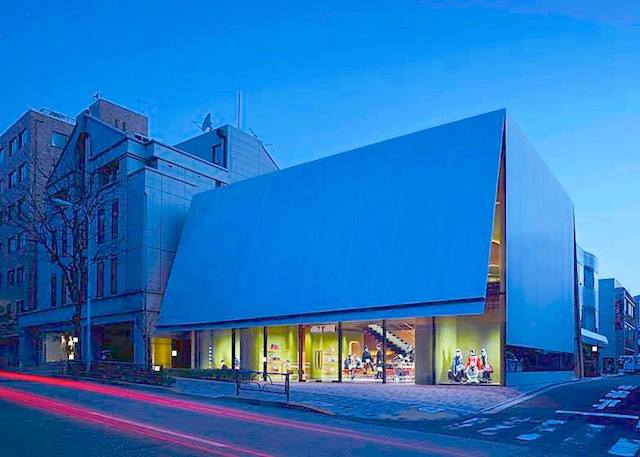
    Prada brand Miu Miu has unveiled a new project with Swiss architects Herzog & de Meuron, the centrepiece of its Japanese operations.

    The 720 sqm building on Miyuki St in the Aoyama District of Tokyo will be the cornerstone of the brand’s Japanese activities. Based in Paris, Miu Miu was established by Miuccia Prada in 1993 as a platform for design explorations beyond her legendary Prada line. Since opening its first boutique in Aoyama in 1999, Miu Miu has maintained a significant presence in Japan and now has 23 boutiques across the country including nine in Tokyo.

    Miu Miu Aoyama Tokyo 415

    Prada says the new building continues the company’s tradition of collaboration with world-class architects and re-emphasises Miu Miu Japan’s dedication to the Japanese market.

    The project for Miu Miu is sited diagonally across the street from the Prada Tokyo Epicenter – also designed by Herzog & de Meuron – in an elegant neighborhood that has, over the past two decades, become a showplace of architectural invention. In contrast to the transparency of the all-glass Prada building, however, the understated metallic surface of the Miu Miu façade is opaque, which lends a more intimate feel.

    Miu Miu in Aoyama Tokyo 415

    The architects say: “Contrary to expectations for a site that is home to so many luxury brands, Miyuki St in Aoyama Tokyo is not particularly beautiful or elegant. The architecture is heterogeneous – a hodgepodge of freestanding buildings of different heights and shapes, with neither historical tradition nor common standards.

    “Never meant to be a space of its own, the street is a purely technical and functional link between Omotesando and the Aoyama Reien cemetery farther down the road. Despite single trees here and there, the atmosphere is not inviting, like a boulevard or a plaza. Tokyo is pure, quintessential city, its territory exploited to the full with absolutely no leeway for the individuality that we take for granted in European cities.

    Miu Miu in Aoyama Tokyo.415

    “We already noticed this over 10 years ago when we were planning the glass building for Prada Aoyama,” they continued.

    “At that time, we were interested in counteracting the situation – on one hand, by placing a small plaza to the side of the building, and on the other, by making the structure completely see-through so that one can see into the interior from all sides and can also look out from inside at specifically targeted views of the city.

    “Over the past decade, the distinctive building has become a much-frequented location and it was therefore important to Prada, our client Prada Japan and also to us as architects to take this into account in planning the Miu Miu store located in the immediate vicinity on the opposite side of the street. We started out by trying several different architectural typologies. Since zoning regulations called for less height, we explored the potential of a smaller, more intimate building. We used the following thoughts to channel our ideas: more like a home than a department store, more hidden than open, more understated than extravagant, more opaque than transparent.

    Miu Miu in Aoyama, Tokyo 415

    “The typological model that best suited these considerations and specifications was a box placed directly at the level of the street, its cover slightly open to mark the entrance and allow pedestrians to look inside. Only then do they realise that the building is a shop.

    “Here, under the oversized canopy, the two-storey interior is visible at a single glance, as if the volume had been sliced open with a big knife, turning the inside out. The rounded, soft edges of the copper surfaces inside meet with the razor-sharp steel corners on the outside of the metal box, while the cave-like niches clad in brocade face the central space of the shop like loges in a theatre.

    “The shop on two tall storeys not only presents enticing goods on tables and in display cases; it is also like a spacious and comfortable home with inviting sofas and armchairs.”

    The façade has neither logo nor pomp; it is a polished, mirror-smooth surface, as if one single giant brushstroke had swept smooth the ordinarily matte surface of the steel panelled façade. This surface attracts the gaze and curiosity of passing pedestrians. But instead of affording a view inside, as in a shop window, the gaze is inverted; instead of the anticipated see-through window, viewers encounter self-reflection.

    Miu Miu in Aoyama Tokyo 415.

  • Lend Lease wins Singapore bid

    Lend Lease wins Singapore bid

    Lend Lease has won a joint venture bid to buy a strategically significant plot of land in suburban Singapore on which it will build a mixed use development.

    The Australian property developer, which already has extensive interests in Singapore and neighbouring Malaysia, was the highest bidder in the government auction of a site at Paya Lebar Central. It owns 30 per cent of the JV with the balance owned by an unidentified international investment partner.

    According to a statement, the joint venture will pay S$1.672 billion (US$1.222 billion) for the site which has capacity for a development of about 165,000 sqm, including office, retail and residential / serviced apartment use. The site has direct connections to the Paya Lebar Mass Rapid Transit (MRT) Interchange that serves both the Circle and East-West lines.

    The award of the site is subject to the issue of the tender acceptance letter by the Urban Redevelopment Authority, who manages the Government land sales process.

    Lend Lease says the development will be funded by a combination of non-recourse, project level debt and equity.

    Lend Lease Group CEO and MD Steve McCann said the site offered a great opportunity for the company to continue its success in the region, leveraging Lend Lease’s global capabilities to develop large scale urban regeneration projects in major cities around the world.

    “It further cements Lend Lease’s position in the Singapore market and leverages its leading integrated property capabilities encompassing development, construction, investment management and asset and property management platforms.”

  • Uniqlo founder tops Japan’s rich list

    Uniqlo founder tops Japan’s rich list

    Retail mogul Tadashi Yanai has topped Forbes magazine’s list of the richest people in Japan.

    The Uniqlo founder is reported to have a net worth of US$21.1 billion.

    Last year, Yanai, 66, whose company Fast Retailing also owns a raft of other apparel brands including GU, was ranked second. But Forbes says soaring sales of his clothing empire have added $3.3 billion to his net worth.

    Last year’s list topper, internet pioneer Masayoshi Son, who owns Softbank, was displaced into second, his net worth now estimated at $13.9 billion.

    The nation’s richest family is that of Nobutada Saji, of beverage giant Suntory, with Saji himself ranking third and worth $10.9 billion.

    Hiroshi Mikitani, the founder of online retail powerhouse Rakuten, is ranked fourth at $10.5 billion. His fortune soared 36 per cent in the last year alone, partly due to acquisitions of US website Ebates and investment in Uber rival Lyft.

    The other retailer to make the top 10 is Masatoshi Ito, founder of the Ito-Yokado Group, parent of 7-Eleven, the Ito-Yokado supermarket chain, department stores, restaurants and speciality shops. His estimated worth is $3.8 billion.

  • Taco Bell Japan makes comeback

    Taco Bell Japan makes comeback

    US fast food brand Taco Bell is to make a comeback in Japan.

    Restaurant chain operator Asrapport Dining Co has partnered with the Taco Bell brand’s parent Yum! Brands and will open the first store in Shibuya, Tokyo, on April 21.

    It will be the brand’s first outlet in Japan in more than 20 years.

    Taco Bell Japan will serve the staples of the US fast food menu – burritos, tacos and quesadillas, along with items unique to the Japanese market, to suit the local population: a shrimp and avocado burrito and something called ‘taco rice’.

    “Taco rice will be a plate of taco meat and vegetables served on top of rice,” a spokeswoman told Japanese media.

    An unspecified number of stores is planned, with a distinct layout including an open kitchen where customers can see food being prepared.

    A combination meal is likely to be priced at about ¥800 ($US6.70).

    Taco Bell originally entered Japan in the 1980s but its foray was short lived, its Mexican style cuisine failing to excite the Japanese palate.

    Some Taco Bell outlets operate in Japan within US military bases, inaccessible to the general public.

  • Robinsons expands loyalty card program

    Robinsons expands loyalty card program

    Filipino retailer Robinsons Retail Holdings expects to boost the ranks of its loyalty program membership beyond 1 million by the year’s end after forging a new partneship with Caltex.

    Robinsons, the Philippines second largest retail group, says its Robinsons Rewards Card membership has grown rapidly throughout the last year to about 850,000 now. At the current growth rate, it is on track to reach the new milestone within this year.

    RRHI president and COO Robina Gokongwei-Pe said a new  partnership with Chevron Philippines (Caltex), will help build critical mass. It is the first non-Robinson retail brand to join the program.

    Robinsons Rewards Card holders can now earn points through purchasing fuel and other products at Caltex stations and points can be redeemed and used as a discount card to 21 Robinsons Retail brands as well as in Caltex stations nationwide.

    The other Robinsons Retail brands are Robinsons Department Store, Robinsons Supermarket, Robinsons Selections, Robinsons Easymart, Robinsons Appliances, Toys “R” Us, Handyman, True Value, AM Builders Depot, Daiso Japan, Topshop, Topman, Dorothy Perkinsm Miss Selfridge, Warehouse, River Island, Shana, G2000, Shiseido, and Benefit.

  • Fitness First Thailand to expand

    Fitness First Thailand to expand

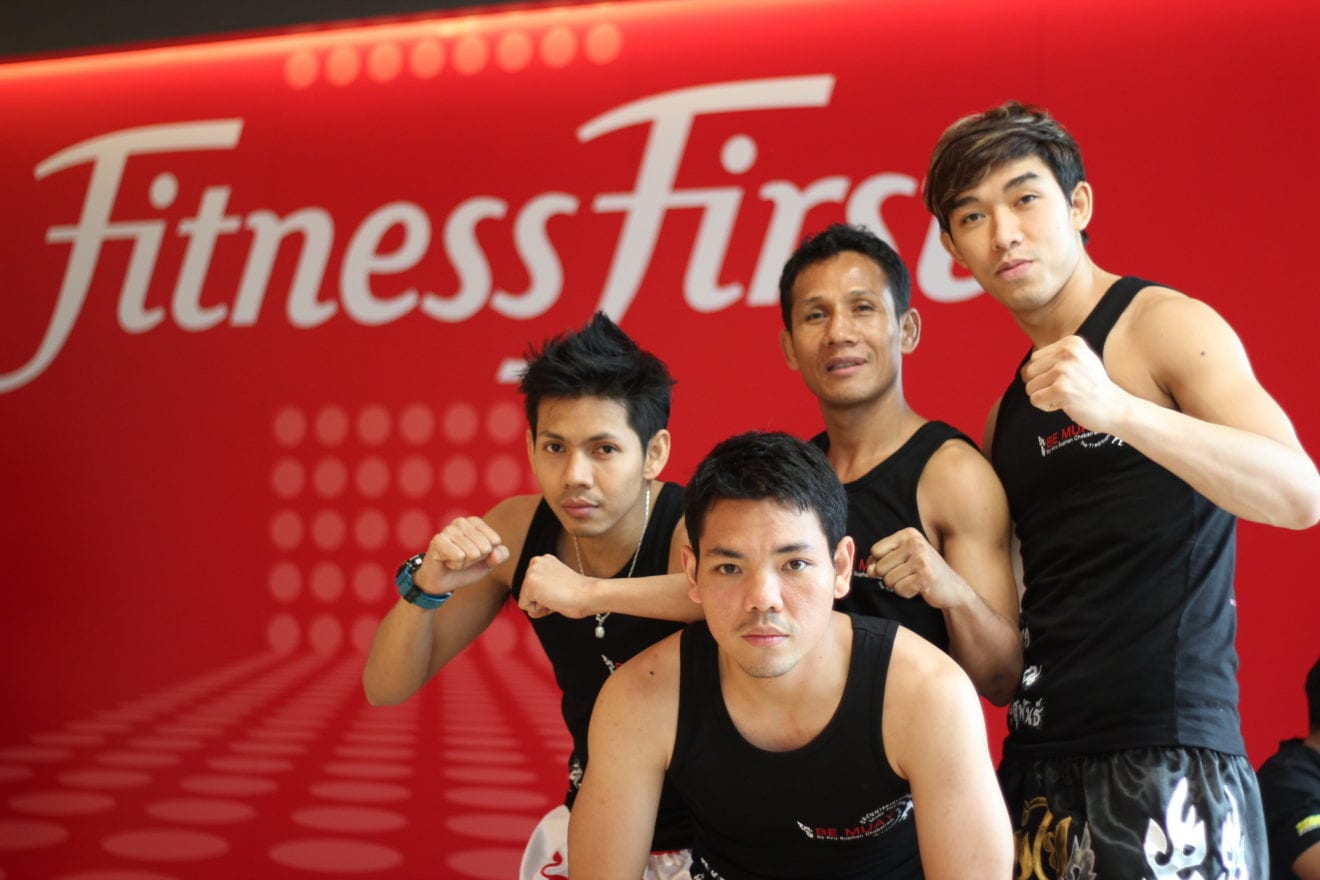
    The UK-based chain operates 27 gyms, or ‘fitness clubs’ in Thailand already, part of a broad international network.

    The new gyms will be opened in at Crystal SB mall on Ratchaphruek Rd, AIA Capital Center, CentralPlaza Rama 2 and Crystal Park.

    In an interview with the Bangkok Post newspaper, Fitness First Thailand MD Mark Buchanan said the company would invest 1 billion baht (US$30.8 million) in opening the new stores and in developing a new digital communication tool to improve engagement with its membership base.

    He said the fitness industry was showing positive signs of growth in a subdued Thai economy.

    “Health-related businesses still have huge room to grow, because Thais are more health-conscious,” he said.

    Fitness First Thailand’s turnover grew by about 10 per cent in 2014 and it now has 66,000 members across Thailand.

    The Bangkok Post reports the the Thai fitness industry is worth US$155 million annually, with 200,000 people belonging to 480 gym operators across the nation.

  • Gelatissimo seeks new Malaysian partner

    Gelatissimo seeks new Malaysian partner

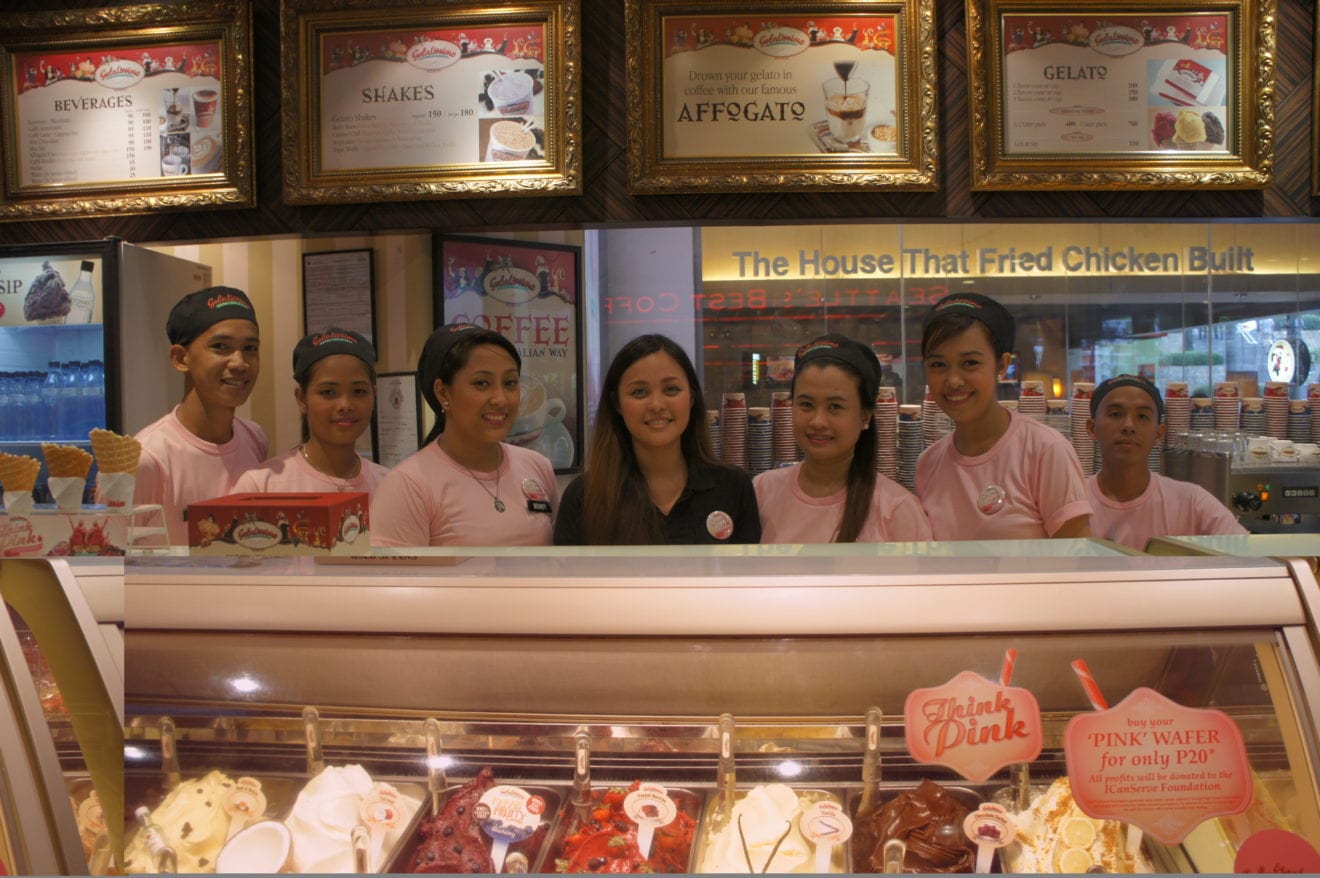
    Australian gelato chain Gelatissimo is searching for a new franchise partner in Malaysia – but says its expansion strategy in Asia and beyond remains on track.

    Gelatissimo’s sole store in Malaysia, at The Gardens mall in Mid Valley, closed late last year after the partnership proved less than successful, but Carlos Antonius, the company’s international franchise development manager, says it remains committed to Malaysia.

    “We are currently in the market for a new franchise partner to capitalise on the brand equity already developed in Malaysia,” he told InsideRetail.Asia by email.

    Meanwhile, Gelatissimo operates successfully in international markets of Singapore, the Kingdom of Saudi Arabia, Kuwait and the Philippines.

    “We are working collaboratively with our existing franchise partners to further develop our presence in these markets and are continually reviewing all aspects of our operations to drive the business forward,” said Antonius.

    “At the same time we are investigating additional market entry options into South East Asia and the Americas.”

    Gelatissimo launched in Australia with a concept store in 2002 and after quickly finding favour with customers, commenced franchising two years later.

  • TWG success: like selling ice to Eskimos

    TWG success: like selling ice to Eskimos

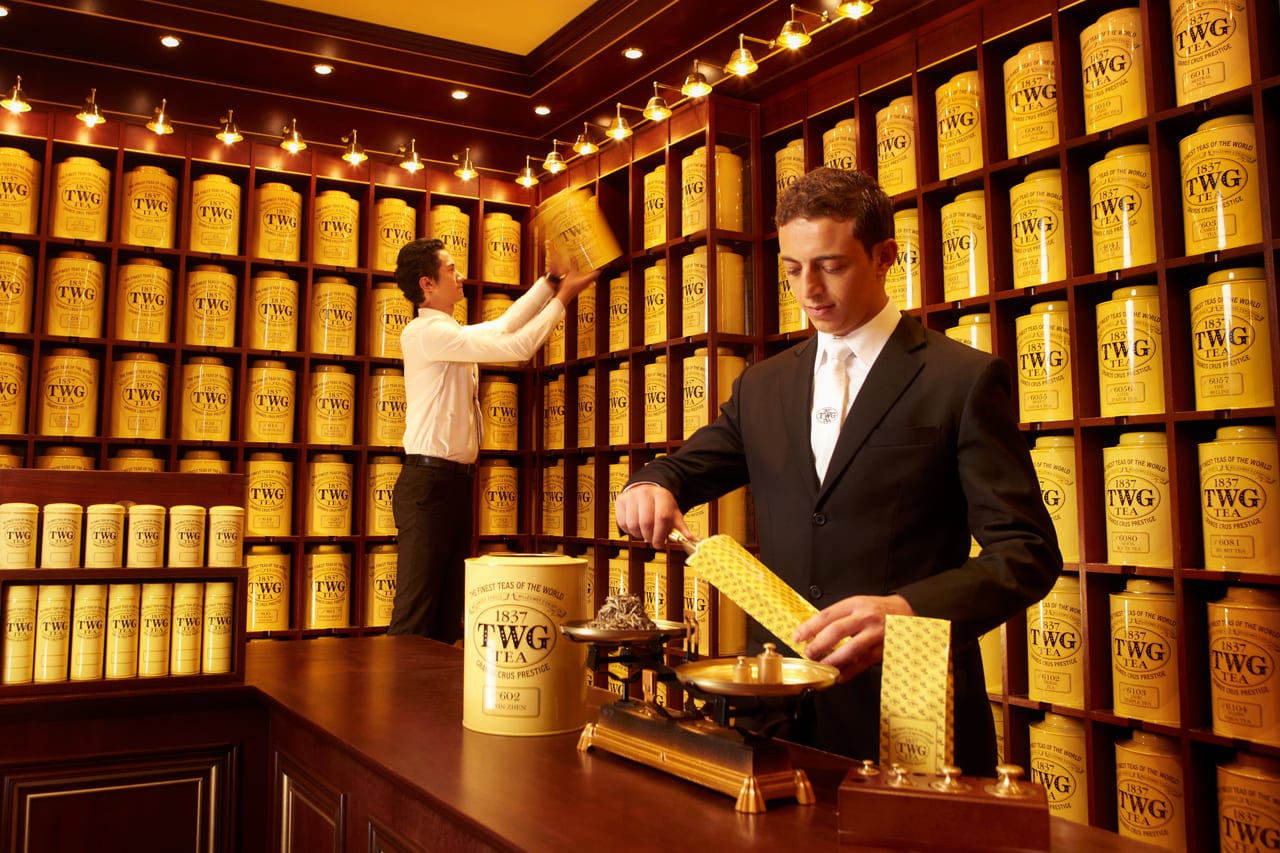
    In just seven years, Singapore tea house chain TWG has expanded from a single cafe to a network of 44 spanning 15 countries. From three employees to 3000.

    In an interview with Channel NewsAsia for its Women at the Top series, TWG co-founder Maranda Barnes described her success as akin to selling ice to Eskimos: last year the company opened its first store in China, the world’s most populous nation of tea drinkers.

    Barnes had a background in luxury retailing prior to founding TWG, experience working with fragrances and high-end fashion brands preparing her well for marketing upmarket teas.

    “I knew about luxury packaging,” she told ChannelNews Asia. “I knew how you are supposed to talk about luxury products, how important the ceremony was and these small little details.”

    But she says it was still a challenge tackling Asian markets.

    “In the beginning, it was a bit of a scary challenge because it was like selling ice to the Eskimos. Here we are, coming from overseas to sell a product to Asia and the Asians are the connoisseurs of tea. But at the same time, I sometimes feel like it takes a foreigner to see the value and the beauty in a product that has become very mundane.”

  • Johnny Rockets China plan signed off

    Johnny Rockets China plan signed off

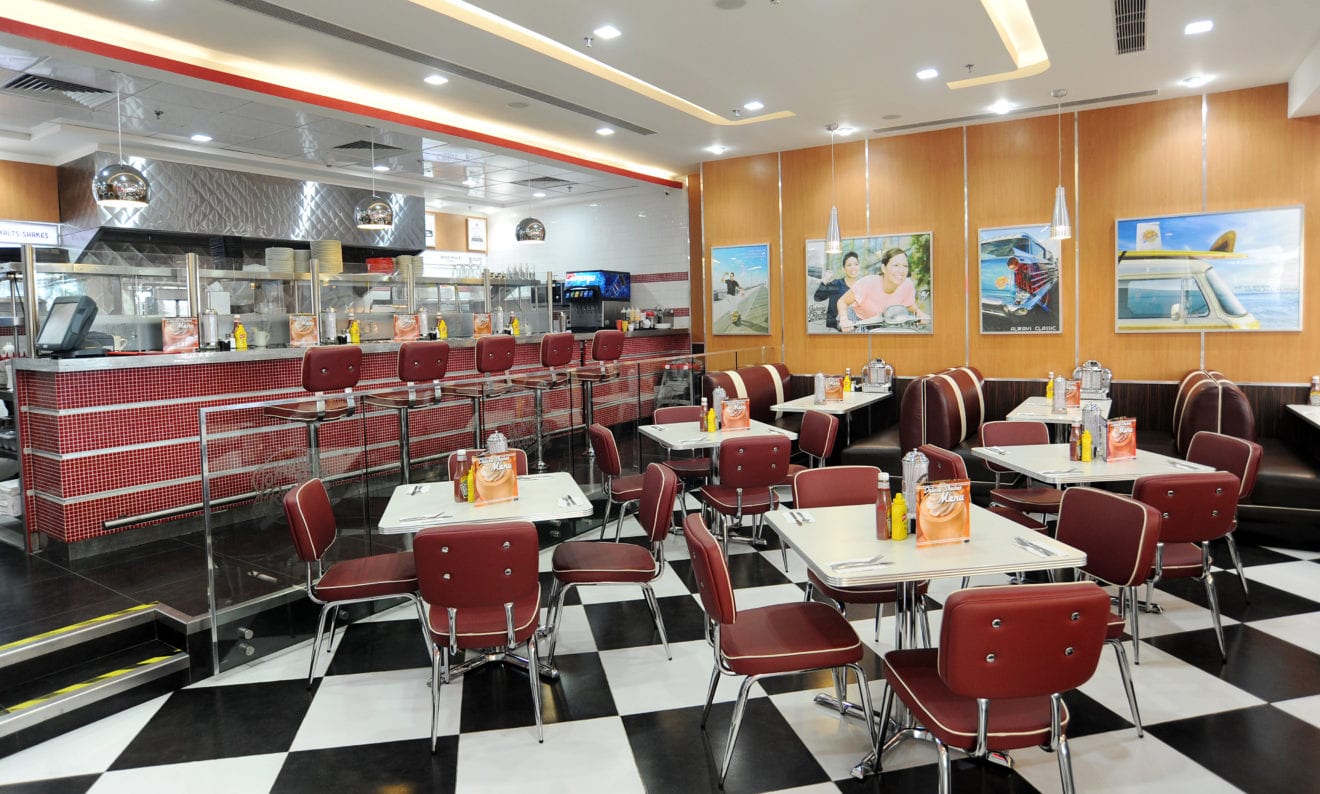
    Johnny Rockets has signed the largest development deal in its history: for 100 restaurants in China.

    Johnny Rockets has entered into a partnership with a joint venture between AUM Hospitality and its parent Parkson Retail Group.  The first restaurant will open in 2016. AUM Hospitality is a multi-brand food and beverage developer and currently works as franchise partner and operator for Johnny Rockets in Malaysia.  Parkson Retail Group is a member of a conglomerate based in Malaysia and a department store operator with an extensive network of more than 130 stores, including over 60 in the China market.

    The same companies are partnering in the rollout of 1500 Quiznos sandwich stores across China.

    The initial plan is to open stores within Parkson department store complexes, which will also likely feature Quiznos and other food brands as Parkson builds a food-anchored retail concept in China.

    Scott Chorna, SVP of international development for Johnny Rockets, said AUM Hospitality’s success in the food and beverage industry and Parkson Retail Group’s proven track record in operating major retail outlets, made for an ideal partnership for his company’s Chinese entry.

    “Moreover, there is a strong demand in China for American brands as well as a growing middle class population with more spending power. Our partners have a keen sense of consumer preferences and shopping habits.

    “While they will be showcasing Johnny Rockets all American menu including our world famous made-to-order hamburgers and hand-spun shakes as well as our unique signature guest experience that includes dancing servers, they will also be able to offer regional tastes and flavors to our extensive menu items,” Chorna said.

    Johnny Rockets has already launched successful development partnerships in the Philippines, Malaysia, Korea and Indonesia.

    Johnny Rockets’ franchise partners currently operate more than 125 restaurants outside the US and the brand’s global strategy is to double that number by 2017.

  • Major rebuild for Siam Discovery

    Major rebuild for Siam Discovery

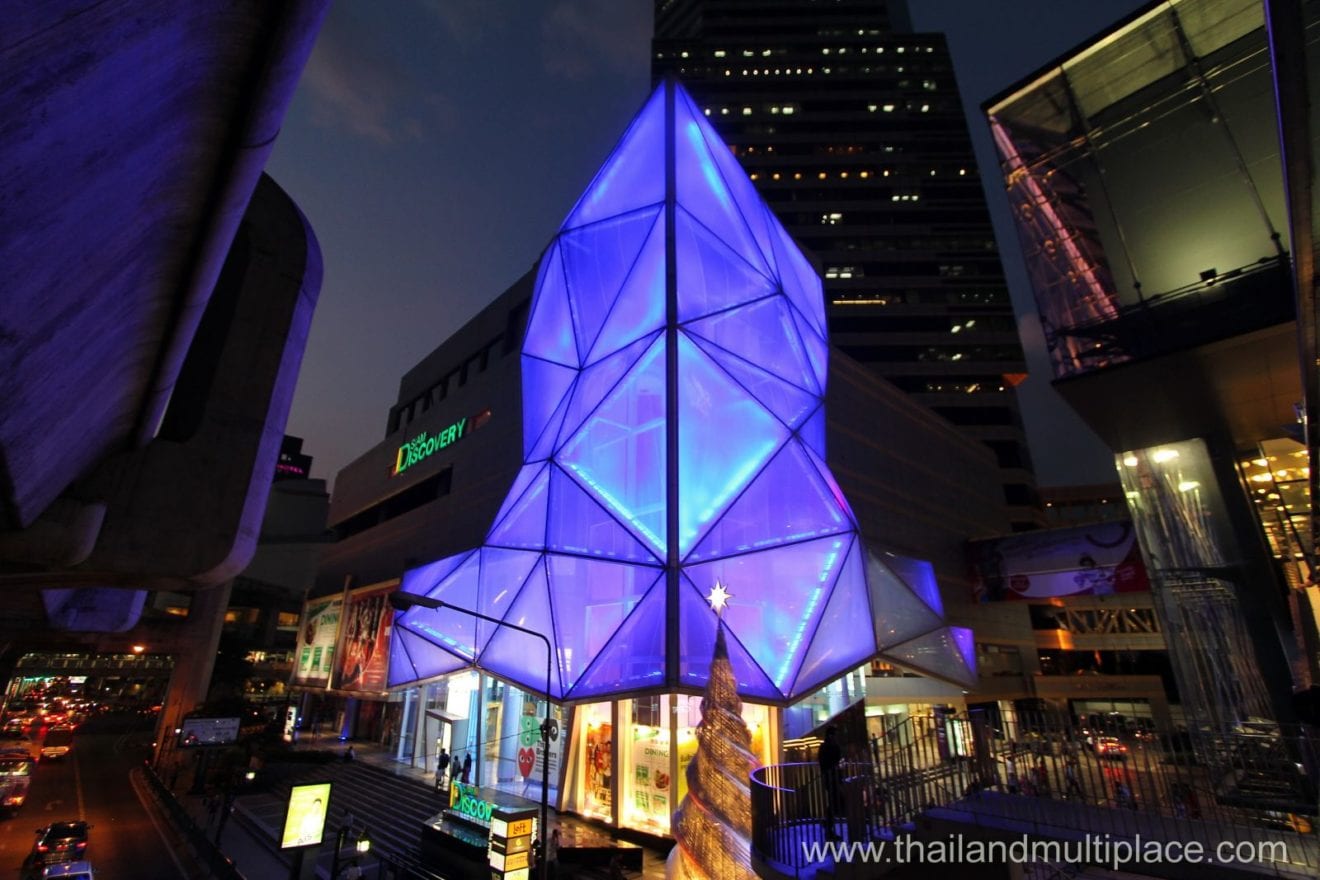
    Thai mall developer Siam Piwat is planning a 4 billion THB (US$125 million) rebuild of its downtown Bangkok Siam Discovery shopping mall.

    Siam Piwat, which owns the adjacent Siam Square and Siam Paragon malls, says it is planning a total renewal for both the center’s interior and exterior. When the result is unveiled to the public in early 2016, the centre’s theme will be “Breaking All The Rules”.

    The centre will host a ‘groundbreaking sale” from April 23 to May 5 before it closes down for the refurbishment.

    When it reopens, Siam Piwat promises “a first-time phenomenon with a number of original ideas never before seen in Thailand.”

    Siam Piwat spokesperson Siriphen Intuputi said the 4 billion THB investment is additional to the five year, 55 billion investment announced last year covering new properties and refurbishments.

    Mrs. Siriphen Intuputi, senior executive for Marketing and Public Relations, Siam Piwat Co., Ltd 415

    The 18 month old centre has always struggled in the shadows of its neighbours, Siam Centre, Bangkok’s oldest modern day shopping centre, and the massive Siam Paragon which, when it opened, was Thailand’s largest shopping centre. Siam Centre reopened in 2013 after a comprehensive renovation which has drawn praise from retail experts and designers and been an unequivocal trading success.

    “The success of our renovation of Siam Center two years ago where we received amazingly good feedback from tenants and visitors made the management and staff of Siam Piwat confident in the company’s approach to maintaining its lead in introducing innovations to the retail industry,” the company said in a statement.

    “So the company decided to give [Siam Discovery] a total renewal in order to bring new experiences of the era to Thai shoppers and international visitors who will come to Thailand in great numbers following the creation of the ASEAN Economic Community (AEC).”

    Siam Discovery 2-415

    Observed Siriphen: “We believe that after the AEC takes effect, Thailand’s retail industry will grow by more than 25 per cent. There is a lot of new investment in the retail sector in anticipation of future economic growth. This includes Siam Piwat’s planned investment during 2015 – 2019, with the renewal construction of Siam Discovery a part of the plan.”

    During the course of the rebuild, the entrance to Madame Tussauds Bangkok will be changed to  within Siam Tower. Well-known brands with stores inside Siam Discovery have been given temporary space within Siam Center and Siam Paragon..

    “Siam Piwat has drawn a detailed plan for the total renewal of Siam Discovery and we are confident that when the new Siam Discovery opens, it will be an unprecedented phenomenon in the retail industry with many original and trendy ideas.  It will be the talk of the town just like when the new Siam Center was unveiled,” said Siriphen.

    She said details of the unique new concept will be revealed later.

    Siam Discovery, Thailand’s first lifestyle shopping mall 415

  • Quiznos China plans 1500 stores

    Quiznos China plans 1500 stores

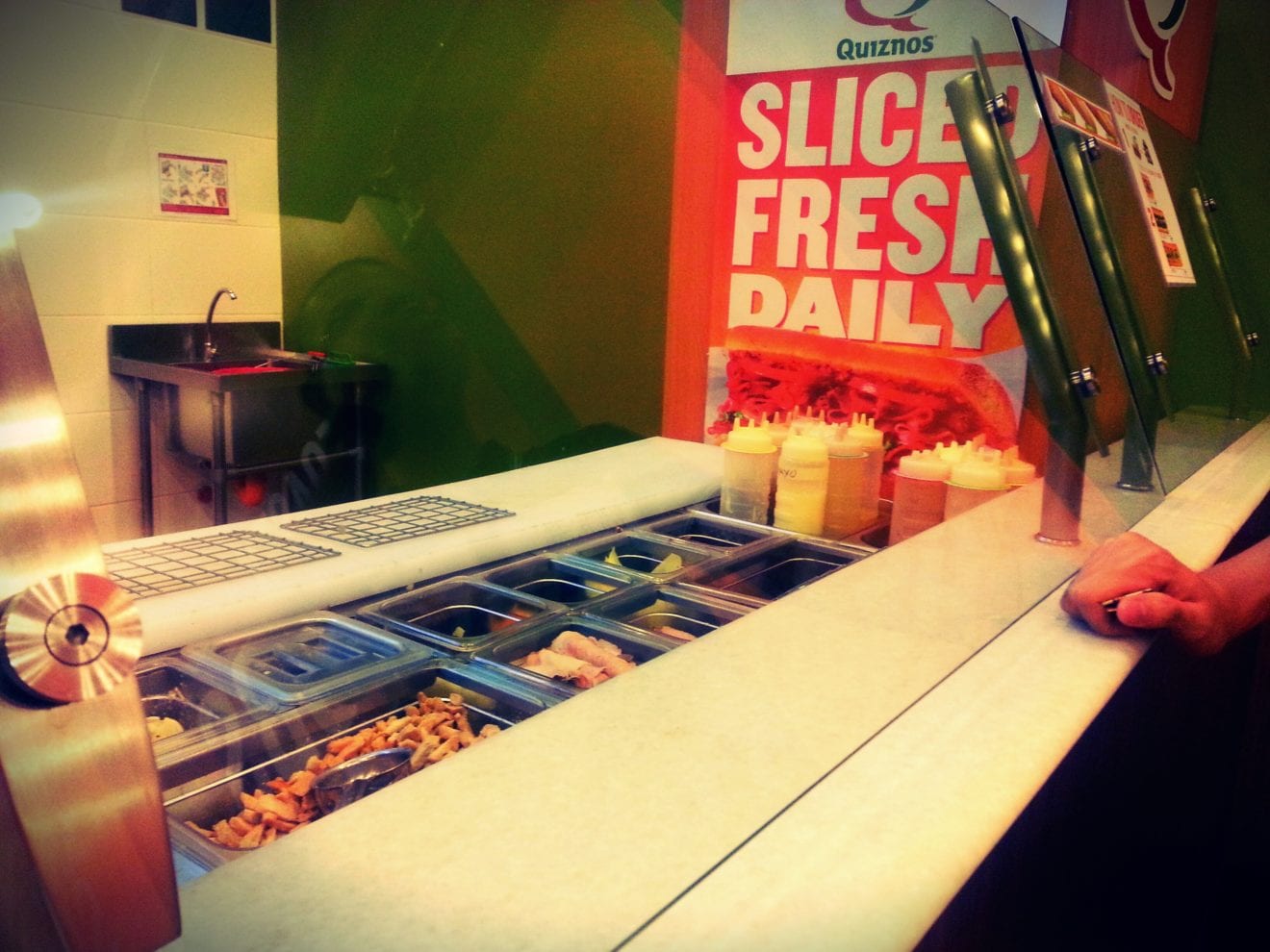
    US fast food chain Quiznos has revealed more details of its plan to roll out a massive 1500 strong network across China.

    Last October, Quiznos signed a deal with a subsidiary of Lion Group’s Parkson Retail Group to roll out 1500 stores across China.

    In the US the deal has been described as possibly the largest franchise deal in history, but the planned roll out does span a lengthy 15 year timeline – now a four year longer timeline than originally announced last year.

    The deal was originally launched with Malaysian company AUMH, which Parkson bought a stake in last year.

    “We are looking forward to paving the way for Quiznos in China,” said AUMH director Tham Lih Chung last year. “The brand’s long standing history of international accomplishments, combined with our knowledge of the region and culture, is sure to be met with success in China.”

    But this month, Quiznos International president Ken Cutshaw has revealed further details of the plan in an email interview with QSR magazine online.

    “To be the foundation of a China [food and beverage] group that has already established its successful roots in the China retail sector‎ is exciting for the Quiznos brand,” he said.

    Three Quiznos will open in Shanghai this year, then a further 100 in 2016. Parkson will then focus on the Shanghai market before expanding into other parts of China. With about 60 department stores in China, it shouldn’t find it too hard establishing an early foothold there.

    Cutshaw said he believes the scale of the Parkson partnership marks the most ambitious ever of a franchised food network, eclipsing the 1400-strong Dunkin’ Donuts deal of last year.

    Tham Lih Chung, a spokesman for The Lion Group, told QSR magazine Quiznos will do well in China because western brands are widely accepted there.

    Meanwhile, Cutshaw said Quiznos will continue its aggressive international expansion while its US operation restores its balance sheet (the US parent company was placed in Bankruptcy Protection a year ago).

    New stores are opening in Malaysia, Taiwan, Indonesia, Iraq, Pakistan and the United Arab Emirates.

    “Every successful global restaurant chain begins with a successful US foundation,” he said. “Quiznos is no exception. And Quiznos will continue to expand its presence both domestically and internationally with strong franchisees like The Lion Group of China.”

  • L’Oreal posts slower growth in China

    L’Oreal posts slower growth in China

    L’OREAL, the world’s largest cosmetics group, said growth in China slowed to 7.7 percent last year from that of 10.2 percent in 2013, as consumption growth slowed in China and globally.

    The French company’s total sales in China were 14.3 billion yuan (US$2.28 billion) last year, as the country remained its the third-largest market.

    Globally, like-for-like sales was up 3.7 percent under fixed exchange rate to 22.5 billion euros.

    “Moderate growth in the fast moving consumer goods sector is becoming a normal situation under China’s new economic scenario,” said Jason Yu, general manager of Kantar Worldpanel China.

    “Beauty market growth is boosted by trading up from a more sophisticated group of consumers, and we’ve seen high-end product lines growing at a much faster pace than mass market products,” he added.

    Alexis Perakis-Valat, L’Oreal Group Executive vice president for Asia Pacific and CEO of L’Oreal China, said future growth would come from more tailor-made products for local consumers and geographical expansion into lower tier cities, especially for luxury product division.

  • DAISO Japan under investigation, say Taipei prosecutors

    DAISO Japan under investigation, say Taipei prosecutors

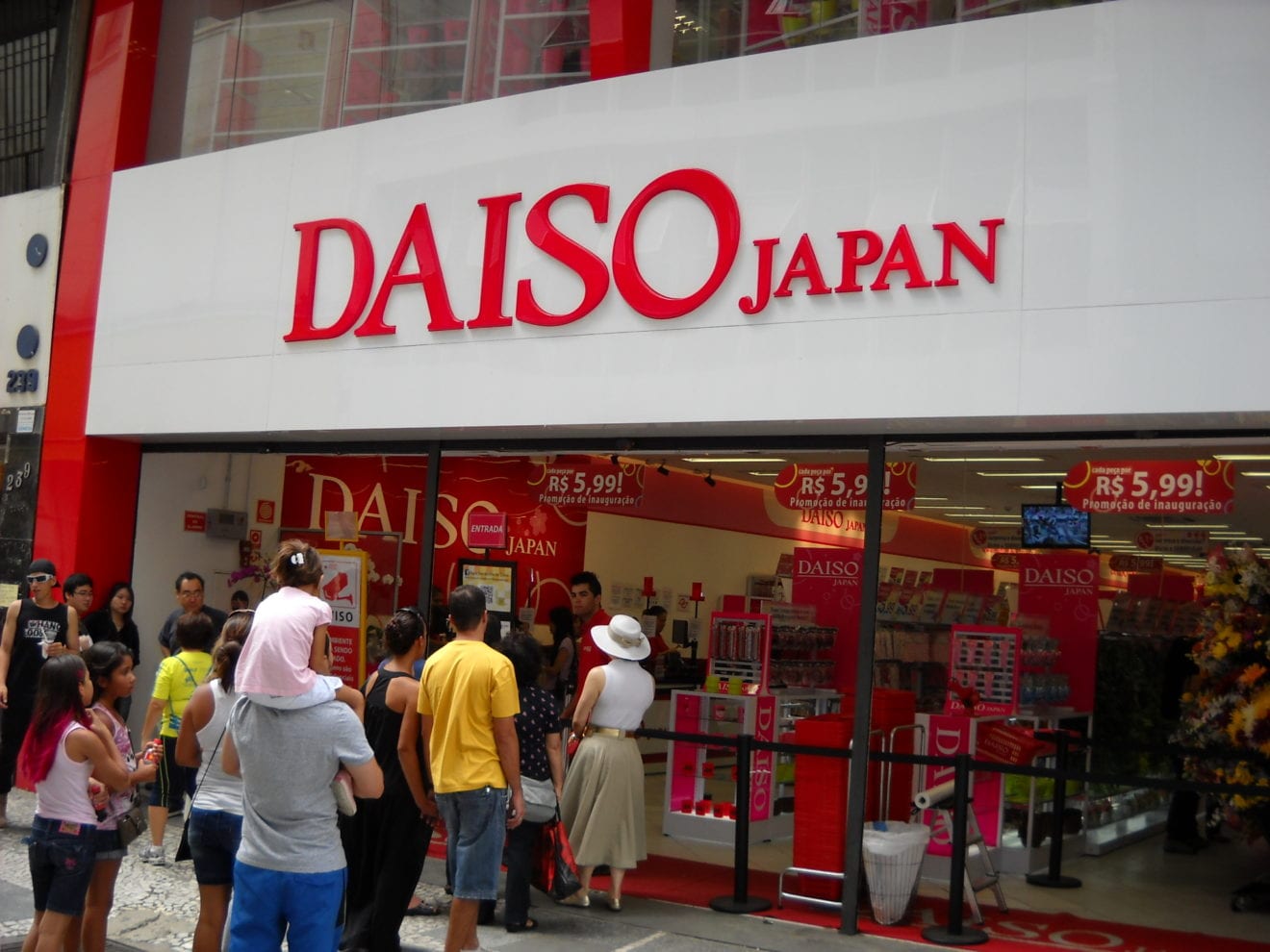
    Well-known Japanese store, DAISO Japan (大創), was raided by investigators yesterday for failing to report its mislabeled Japanese food products back to the government, according to the Taipei District Prosecutors Office.

    Taipei City’s Health Bureau sent officials to investigate DAISO Japan headquarters yesterday, after Taoyuan’s Health Burearu discovered restricted products in the city’s Luchu District (桃園市蘆竹區) warehouses on Saturday.

    Taipei officials report having uncovered 28 products at the headquarters, among which 13 are said to come from nuclear-stricken areas and 15 are of unknown origin.

    Investigation teams found 13 products that came from nuclear-stricken prefectures in the Luchu District warehouses. DAISO Japan had silently pulled restricted products from shelves, but never reported back to the government, officials said.

    Taipei Department of Health official Wang Ming-li (王明理) said they are inspecting DAISO Japan’s headquarters and chain stores. Penalty fines will be discussed once its import declarations are finalized.

    No High-level Residue Detected in Japanese Food Products: AEC

    Atomic Energy Council (AEC, 原能會) Deputy Minister Huang Tsing-tung (黃慶東) said at the Legislative Yuan yesterday that among the 451 food products that passed radiation residue tests, he also promised not a single imported product was detected to have exceeded radiation standards.

    “200 becquerels (BQ) was the highest detected radiation residue level, but none of the products since 2011 had exceeded the international standard 370 BQ” Huang said, emphasizing that most detected products had relatively low residue levels and were harmless to human beings.

    Lift Ban on Nuclear-stricken Products?

    Minister for Health and Welfare (MHW, 衛福部) Chiang Been-huang (蔣丙煌) said that Japan had proposed Taiwan lift restrictions on products from at least four of the radiation-stricken areas from the Fukushima nuclear disaster. This proposal is under further discussion, Chiang said.

    The lifting of restrictions on food products from the five nuclear-stricken areas in Japan could be discussed, said DPP Legislator Chao Tien-lin (趙天麟) during a meeting of the Legislative Yuan’s Social Welfare and Environmental Hygiene Committee (立法院衛環委員會).

    Apart from the continual restriction on nuclear-stricken prefectures, the plan to require Japan to provide product origin and radiation testing results is undergoing debate, but Chao points out this plan could hinder trade with Japan.

    Chao proposed that Japan should only provide the necessary documents of products from the five disaster-stricken areas. Importing products from nuclear-stricken areas could be discussed by referring to international practices.

    While high-risk areas should still be prioritized and bad suppliers will always exist, Taiwan should not damage friendship ties with Japan by insisting on trade obstacles, Chao stressed.


  • Prada 2014 profit falls for first time since listing as China, Europe weaken

    Prada 2014 profit falls for first time since listing as China, Europe weaken

    Italian luxury goods company Prada SpA reported its first drop in annual net profit since it listed in Hong Kong four years ago, as growing retail sales in the Americas and Japan failed to offset declines in Greater China and Europe.

    The company reported on Monday its 2014 net profit fell 28 percent to EUR450.7 million (USD489.8 million), slightly below forecasts, as overall annual sales dropped 1 percent. Asia-Pacific sales, which accounted for more than a third of the Milan-headquartered company’s business, also fell 3.1 percent.

    Like other luxury goods makers, Prada has seen weaker sales in China and Hong Kong amid a government crackdown on corruption, including bribery which often takes the form of lavish gifts to officials.