Tag: asia

  • Giant IFS malls sprout in China

    Giant IFS malls sprout in China

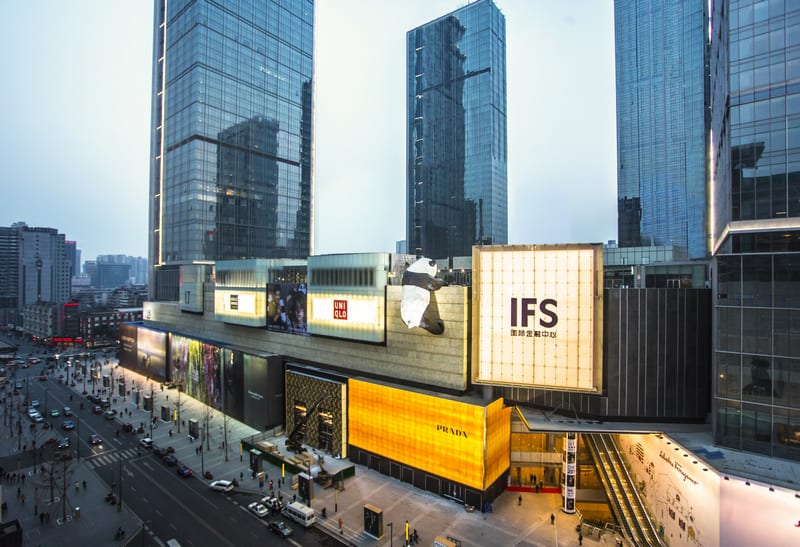
    Listed Hong Kong property developer The Wharf Holdings has two IFS malls under construction in fast-growing Chinese cities.

    The new malls are all located in high profile commercial developments and/or linked to metro lines, ensuring high footfalls.

    Changsha IFS, located in Furong District’s Jiefang Rd, is best-placed to be “the new landmark of the core CBD,” the group believes.

    Modelled on Harbour City in Hong Kong, Changsha IFS boasts a total development area of 1026 million sqm and has retail street frontage exceeding 700 metres. It will be linked underground to a future Wuyi Plaza Station (metro lines 1 and 2) and is in close proximity to one of the busiest pedestrian streets in China (Huang Xing).

    It is flanked by financial institutions including the People’s Bank of China on one side and a traditional shopping cluster on the other.

    “Such dual cluster can be aptly dubbed as a combination of Hong Kong’s Central CBD, Causeway Bay and Tsim Sha Tsui,” the The Wharf Holdings in a briefing document.

    The development features a 452-metre tower and a 315-metre tower above a mega mall of 230,000 sqm, offering upscale retail, Grade A offices and a premium hotel. Designed by Benoy, the retail mall will offer world-class lifestyle, retail, entertainment, and dining offering under one roof. The development will be completed in phases from 2016.

    Chongqing IFS is strategically located in Jiangbei District, Chongqing’s new CBD, where the Yangtze River meets the Jialing River.

    “Chongqing IFS enjoys a fabulous panoramic river view and convenient connectivity through three nearby bridges,” says The Wharf.

    With light railway lines 6 and 9 set to pass that area with respective stations nearby, the development is adjacent to the Chongqing City Grand Theatre, the Chongqing Science Museum and the Central Park. The 50:50 joint venture development (with China Overseas) features a 300-metre landmark tower and four other towers above a 102,000 sqm retail podium. The boutique-sized Harbour City, providing a wide and dynamic range of offerings, is positioned to be a one-stop shopping and entertainment hub.

    Retail leasing is progressing well with more than 50 per cent of the floor plates under offer. Key anchors and other international retailers across different categories are in negotiations. The office towers are gradually being completed with the entire development scheduled to be open in 2016.
  • Stuart Weitzman names Alyssa Mishcon President of Global Retail

    Stuart Weitzman names Alyssa Mishcon President of Global Retail

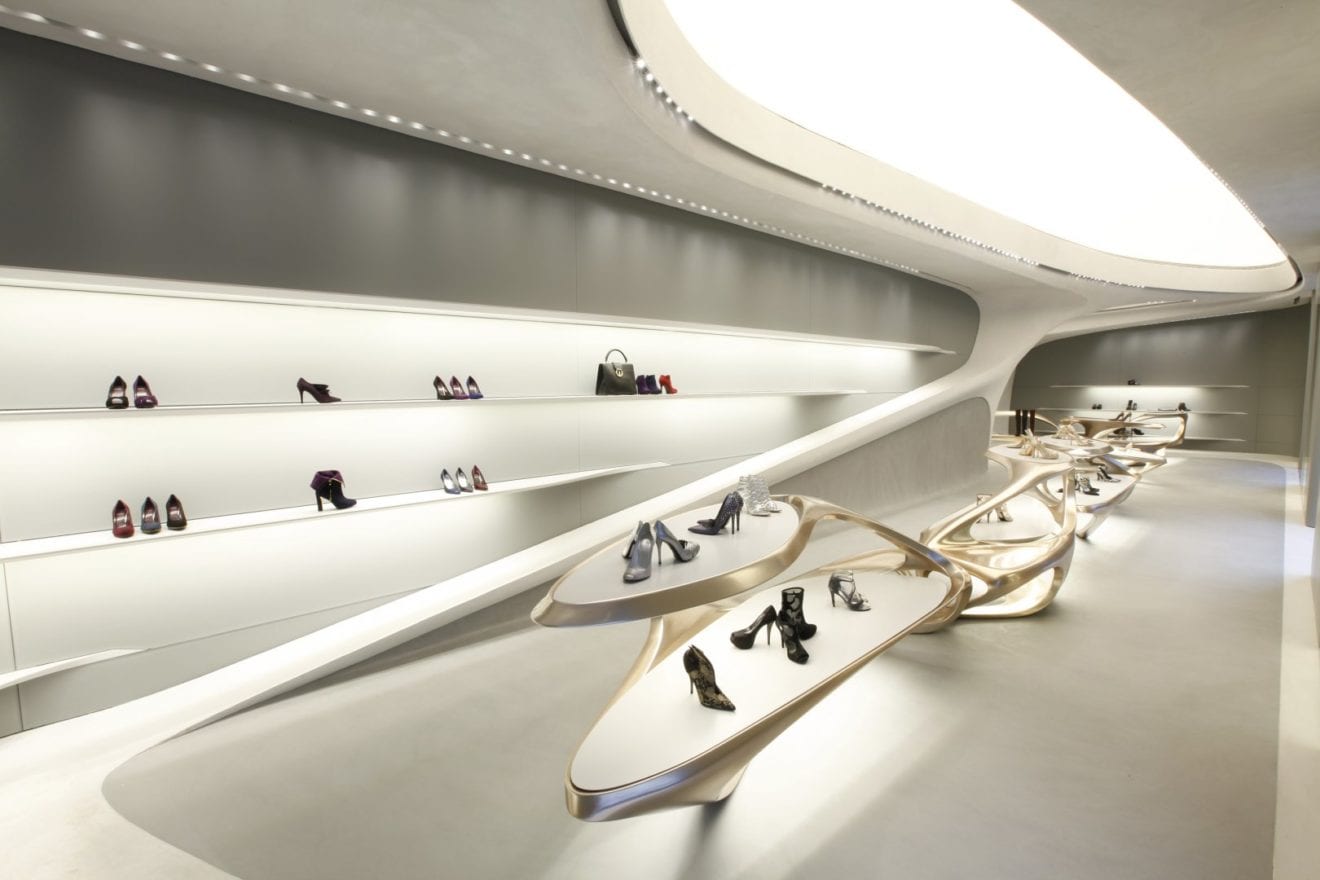
    Luxury shoe brand Stuart Weitzman named Alyssa Mishcon President of Global Retail on Monday. Mishcon will oversee all aspects of the global retail business including customer experience and relationship management, strategic operations development, merchandising and international retail growth. She will report directly to Wayne Kulkin, CEO, and will be based out of international headquarters in New York City.

    Mishcon brings more than 15 years of experience in multi-channel luxury brands, working most recently as President of Thomas Pink Inc., LVMH Fashion Group and then previously as Vice President Strategy, Merchandising & Retail at TAG Heuer, LVHM Watch & Jewelry Division.

    Stuart Weitzman operates 45 retail stores across the US. It also has 75 international stores, 14 international shop-in-shops, and e-commerce sites in the United States, Canada, Europe and Hong Kong. Stuart Weitzman footwear and accessories are sold in more than 70 countries.

  • Groupon market value seen as high as USD6b with divestments

    Groupon market value seen as high as USD6b with divestments

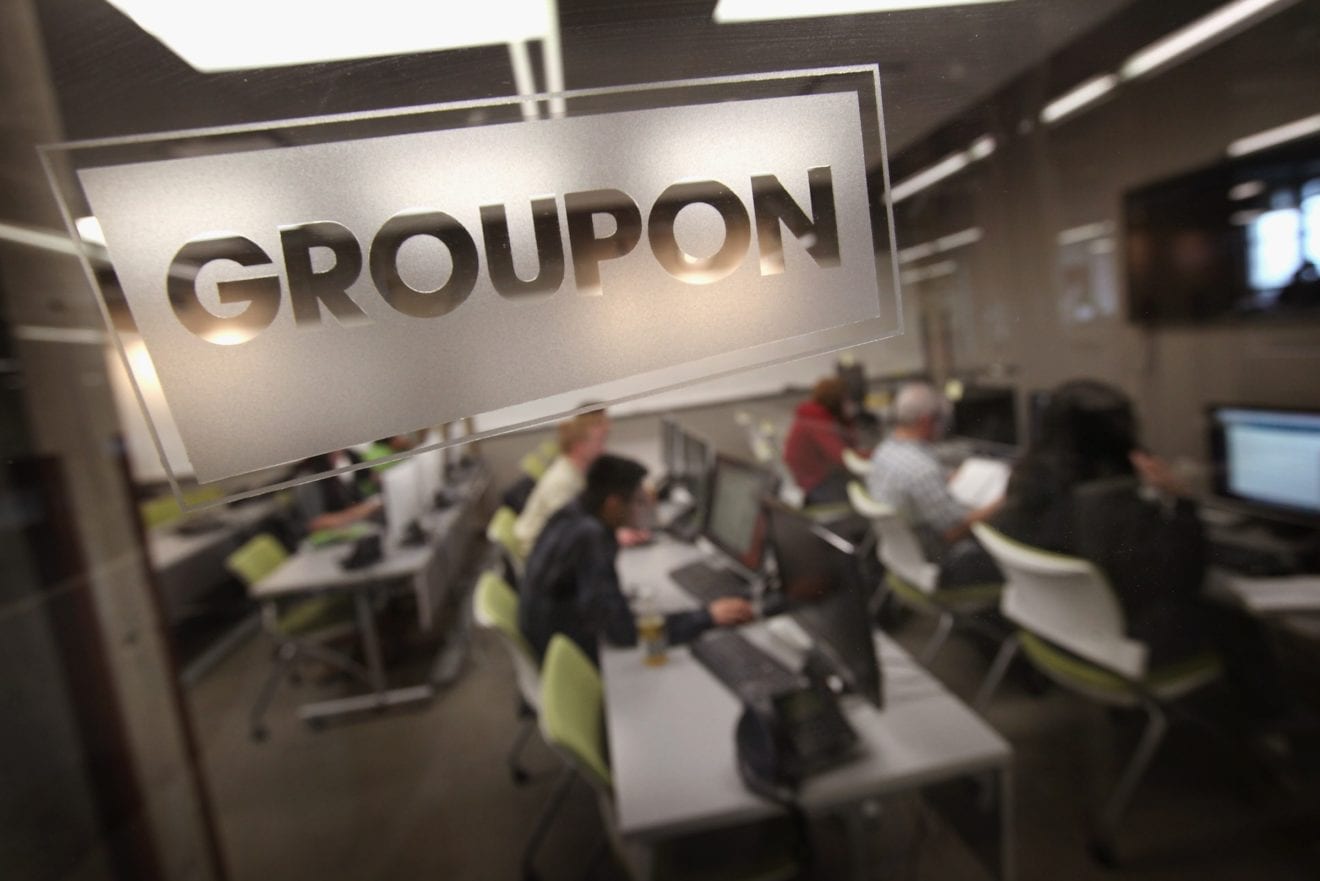
    Groupon could divest four businesses in the next two years, netting as much as USD730 million, to raise cash as it expands into an e-commerce marketplace, according to Gene Munster, an analyst at Piper Jaffray Cos.

    Groupon has a market value of about USD5 billion, though it should be closer to USD6 billion because those businesses are undervalued, Mr Munster said. A majority stake in its Ticket Monster business, which offers daily deals and e-commerce services in South Korea, could fetch about USD500 million, while smaller units might yield between USD30 million and USD100 million each, he said.

    “What is safe to say is that Groupon has several stealth assets that are generally underappreciated by investors as far as overall value,” said Mr Munster, who is based in Minneapolis. Private equity firms are the most likely buyers, he said.

  • Arvind Brands to open 25 Calvin Klein innerwear stores in India in 3yrs

    Arvind Brands to open 25 Calvin Klein innerwear stores in India in 3yrs

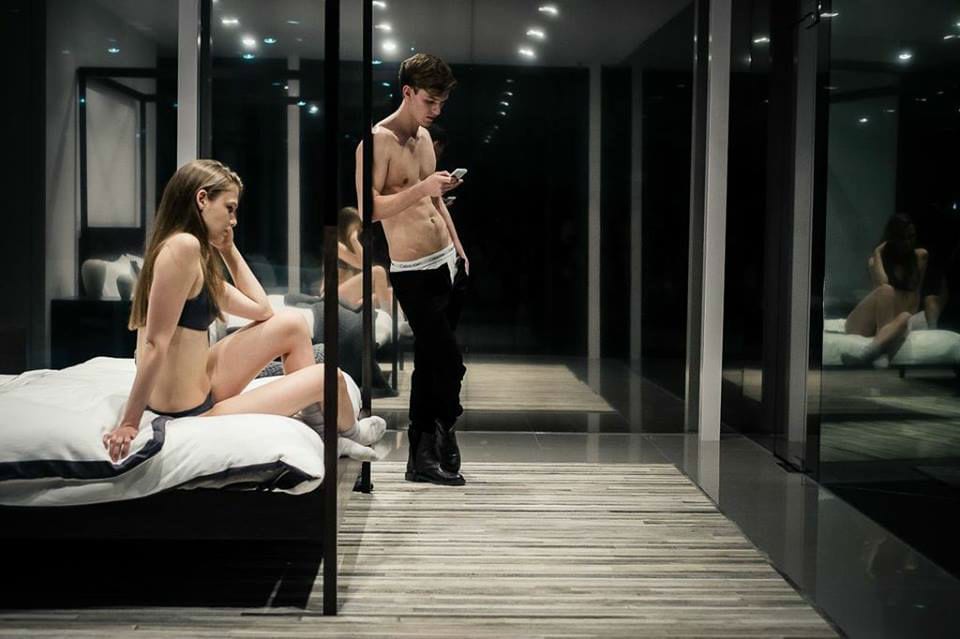
    Arvind Brands will open 25 Calvin Klein standalone innerwear outlets in three years as it sees the category growing by 25-30 percent annually.

    Arvind Brands, which bagged rights to market Calvin Klein products in India in March last year, will also launch Calvin Klein’s formal and casual wear by mid-2016.

    “We plan to open 20-25 standalone Calvin Klein underwear outlets in three years. Underwear category in India is pegged at USD1.2 billion and we expect the segment to grow by 25-30 percent for the next few years,” Arvind Lifestyle Brands Managing Director J Suresh told PTI.

  • Kalyan Jewellers to set up 22 stores in India during current fiscal

    Kalyan Jewellers to set up 22 stores in India during current fiscal

    US-based PE fund Warburg Pincus-backed Kalyan Jewellers to invest around INR800 crore (INR8 billion, USD128.3 million) during the current fiscal. The Kerala-based jewellery brand said that it will open 22 showrooms during the current fiscal.

    T S Kalyanaraman, chairman and managing director, Kalyan Jewellers, who was in Chennai to announce Kalyan Jewellers new showroom, which he claims is the world’s largest jewellery showroom, said that with the new showroom in Chennai number of Kalyan Jewellers showroom will be increased to 78 and by end of this fiscal this it will be increased to 100.

    The new showroom, which will spread over in 40,000 sq ft in Chennai, was set up at a cost of around INR200 crore. “This will be the largest investment by us in a single store,” said Ramesh Kalyanaraman, executive director, Kalyan Jewellers.

  • Toys “R” Us Australia accumulates USD344m in losses

    Toys “R” Us Australia accumulates USD344m in losses

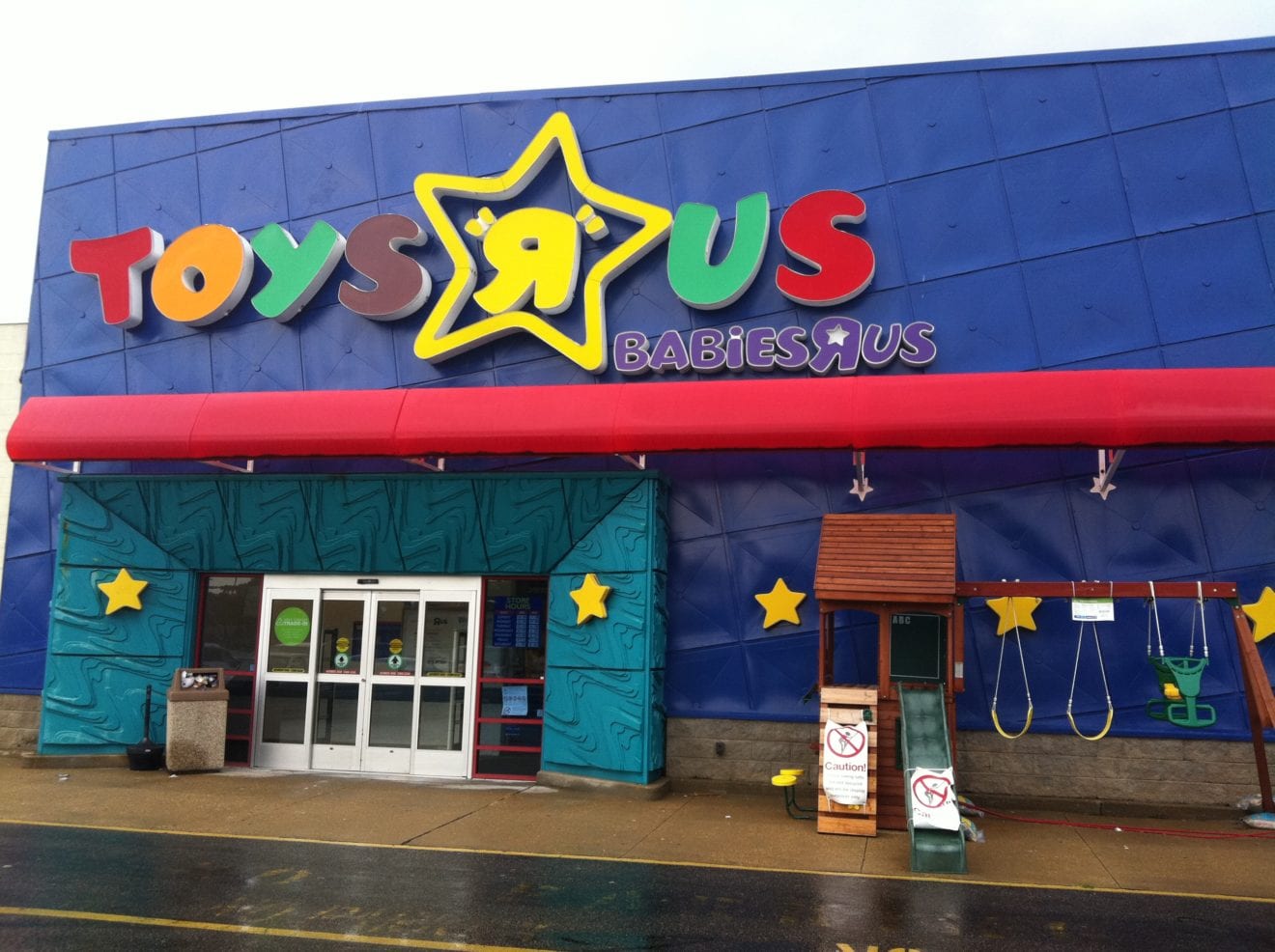
    Toys “R” Us, the self-described “world’s first toy supermarket”, has racked up accumulated losses of almost AUD450 million (USD343.9m) since arriving in Australia.

    The US-based toy and baby products retailer has operated in Australia for more than two decades. It has more than 30 stores, 11 Babies “R” Us Superstores, online operations and about 1600 employees.

    Researchers IBISWorld said it had lost market power over the past five years, but was the second-biggest player in the AUD850 million toy and game retailing industry.

  • Indian stores to sell Xiaomi phones

    Indian stores to sell Xiaomi phones

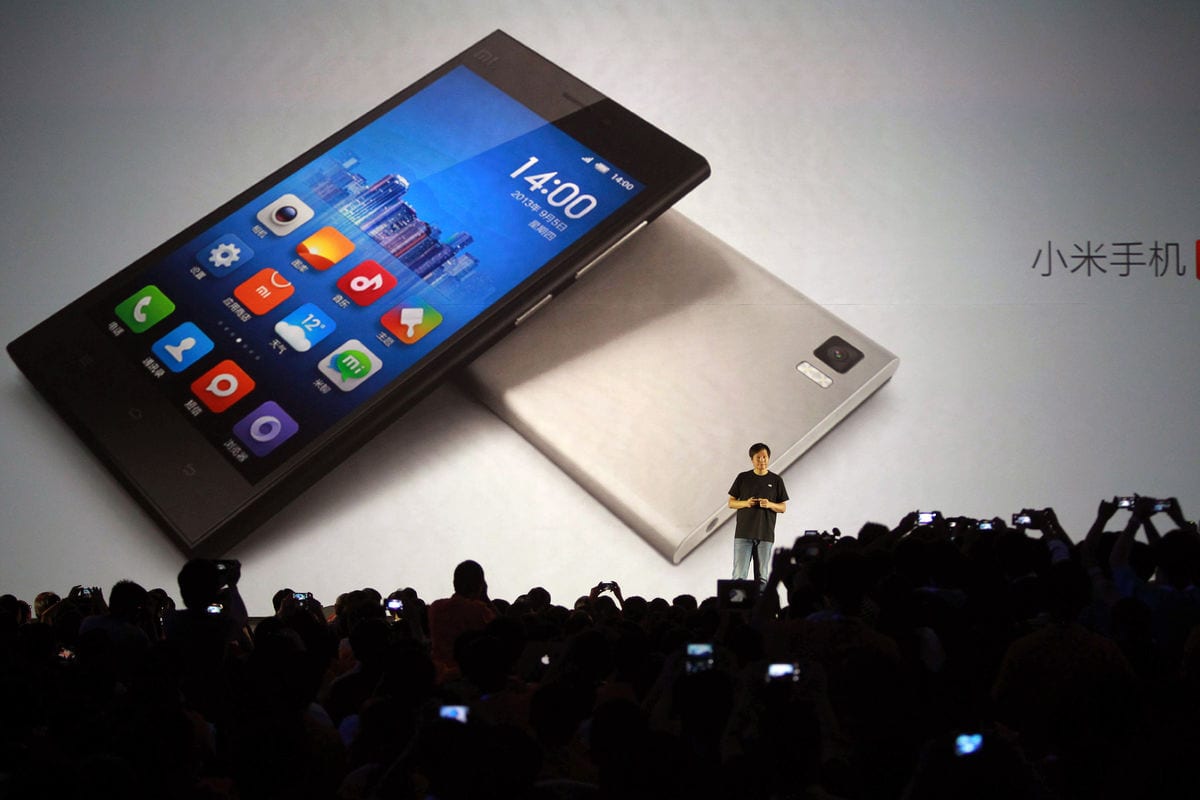
    Chinese smartphone maker Xiaomi Inc has decided to sell devices through a leading electronics retail chain in India, part of its effort to move away from online-only sales and boost growth in the world’s third-largest smartphone market.

    Xiaomi launched its India operations with online marketplace Flipkart.com in July, selling its phones through flash sales where availability is limited to short timeframes.

    The company this year decided to sell its Redmi Note 4G handsets through shops of carrier Bharti Airtel Ltd, but that would still need an online registration.

  • Indonesia plays hardball with smartphone manufacturers

    Indonesia plays hardball with smartphone manufacturers

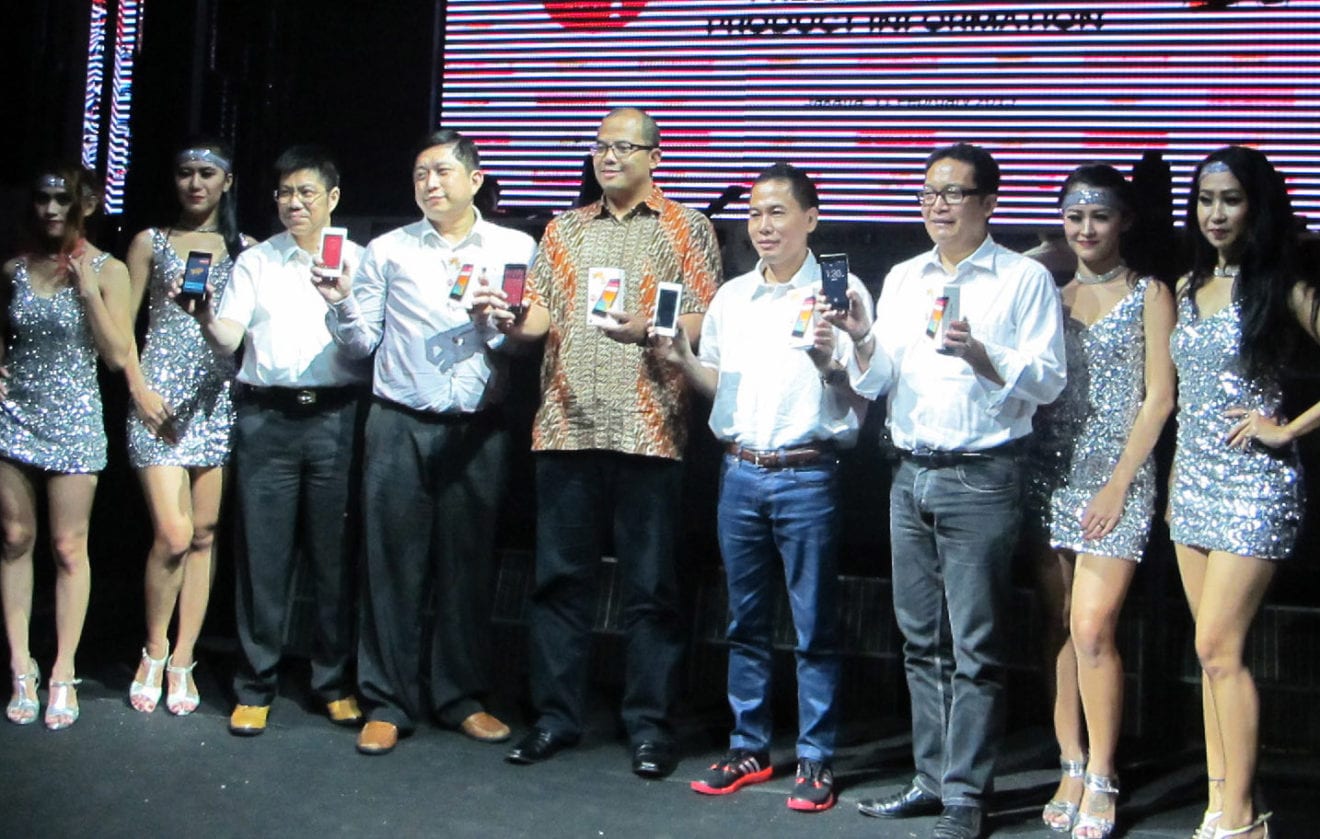
    When Polytron became the first Indonesian company to produce 4G-capable smartphones last year, it changed the “Manufactured in China” inscription on its handsets to “Made in Kudus”, a town in Central Java.

    Polytron relocated production from China to comply with “local-content” rules introduced in 2012. The regulations have raised concerns about higher manufacturing costs and hung question marks over an industry championed by the Indonesian government.

    The United States has pressed Indonesia to relax the rules, which it says will hamper efforts of tech giants such as Apple to expand into one of the world’s last big markets where use of smartphones has yet to truly take off.

  • Global Fashion Group names CEO, CFO

    Global Fashion Group names CEO, CFO

    Global Fashion Group, a fashion e-commerce group formed by five emerging market fashion sites Dafiti, Lamoda, Jabong, Zalora and Namshi, on Wednesday named Romain Voog as CEO and Nils Chrestin as CFO.

    Voog and Chrestin will be responsible for the overall strategic and operational development of GFG as well as the various group functions.

    Romain Voog joins GFG with 13 years of online and offline retail experience and a background as a strategy consultant. He spent the last seven years at Amazon, most recently as the company’s President and Managing Director for France. Prior to Amazon, he spent 6 years at Carrefour in various leadership roles and is a former strategy consultant from Boston Consulting Group and Bain & Company in Europe and in Asia.

    Nils Chrestin has spent the last two years as Managing Director and CFO of Lamoda in Moscow prior to becoming GFG’s CFO in January 2015. Prior to his role at Lamoda Nils was a private equity investor at Morgan Stanley Private Equity.

    Last month, GFG received an additional EUR32 million investment from existing shareholders Tengelmann Ventures and Verlinvest. The investment, completed at the same valuation as the one used for the merger and creation of GFG, implies a post- money valuation of EUR2.8 billion. Pro forma for the transaction Kinnevik owns 25.4 percent and Rocket Internet owns 23 percent of the company.

  • Gap’s key sales metric up 2pc in March

    Gap’s key sales metric up 2pc in March

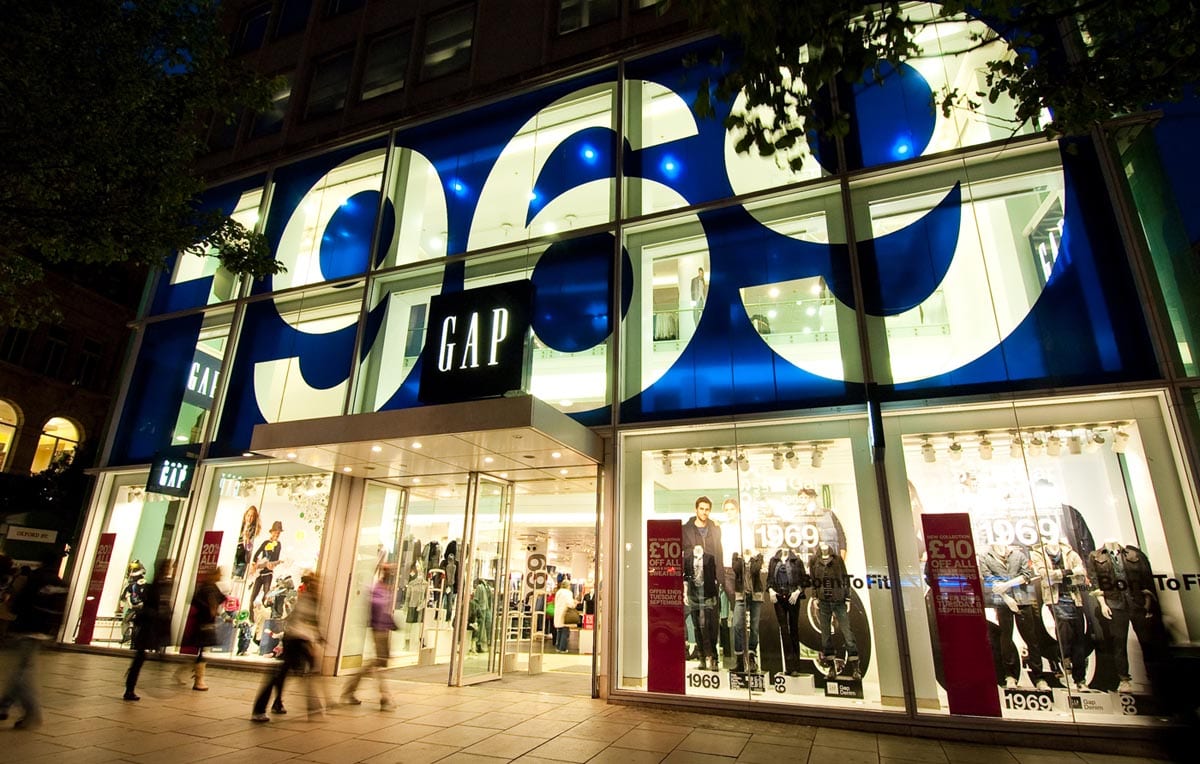
    Gap Inc. reported a 2 percent increase in a key revenue metric for March as surging business at Old Navy offset sales declines at its namesake division and its Banana Republic stores.

    The results, which were released after the regular markets closed on Thursday, beat estimates for a 0.6 percent increase in sales in stores open at least a year, according to Thompson Reuters. But the figure was compared to a 6 percent drop in the same year-ago period. Shares fell in after-hours trading.

    Revenue from stores open at least a year is considered a key indicator of retail performance because it strips away the impact of recently opened or closed stores.

  • PayPal taps Libby Roy to lead Australian team

    PayPal taps Libby Roy to lead Australian team

    PayPal Australia has passed the managing director baton to an outsider by announcing former AMP corporate super director Libby Roy has taken the reins from Jeff Clementz who is returning to the US.

    The changing of the guard comes at an important time for financial services and payments companies, which are awaiting the federal government’s response to the sweeping financial system inquiry.

    Ms Roy, joined as a vice-president and head of Australia, and will also serve as an executive committee member in the PayPal Asia-Pacific leadership team, the company said in a statement. Mr Clementz will take up the new role of vice-president of compliance and operational excellence in global operations.

  • MatahariMall snares Zalora’s Hadi Wenas to steer online retail plans

    MatahariMall snares Zalora’s Hadi Wenas to steer online retail plans

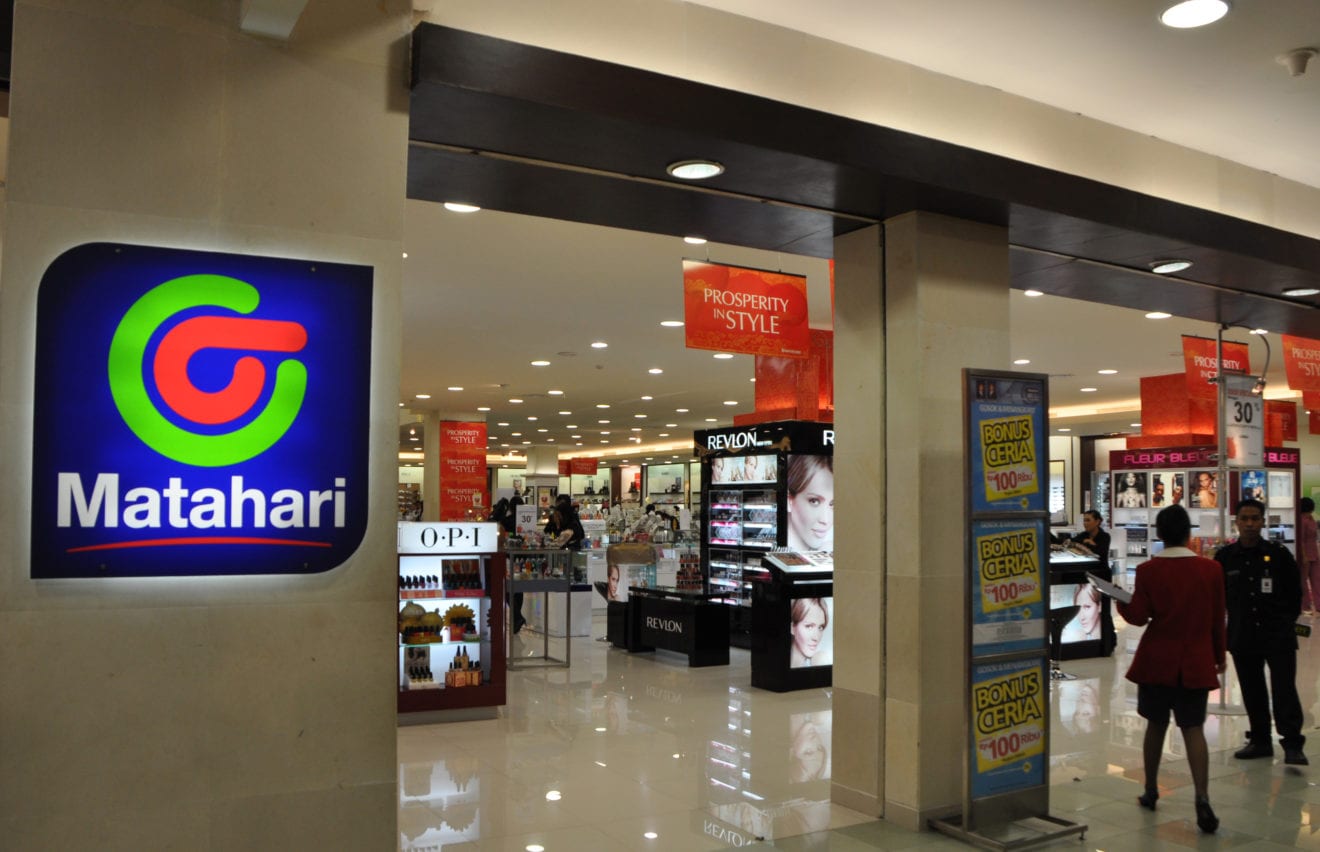
    Lippo Group, one of Indonesia’s largest business conglomerates, has appointed seasoned technology entrepreneur Hadi Wenas to head its online venture MatahariMall, highlighting its commitment to tap into the growing e-commerce industry.

    Educated in the US’s Stanford University, Hadi was previously the co-chief executive of aCommerce, an end-to-end e-commerce logistics and service provider for Southeast Asia. He was also one of the founders of local online shopping platform Zalora Indonesia in 2012.

    Lippo has brought on board several additional top executives to its latest enterprise, including Emirsyah Satar, former president director of national flag carrier Garuda Indonesia and former Google Indonesia country director Rudy Ramawy as chairman and vice chairman, respectively.

  • Fast fashion future for Victoria’s Secret

    Fast fashion future for Victoria’s Secret

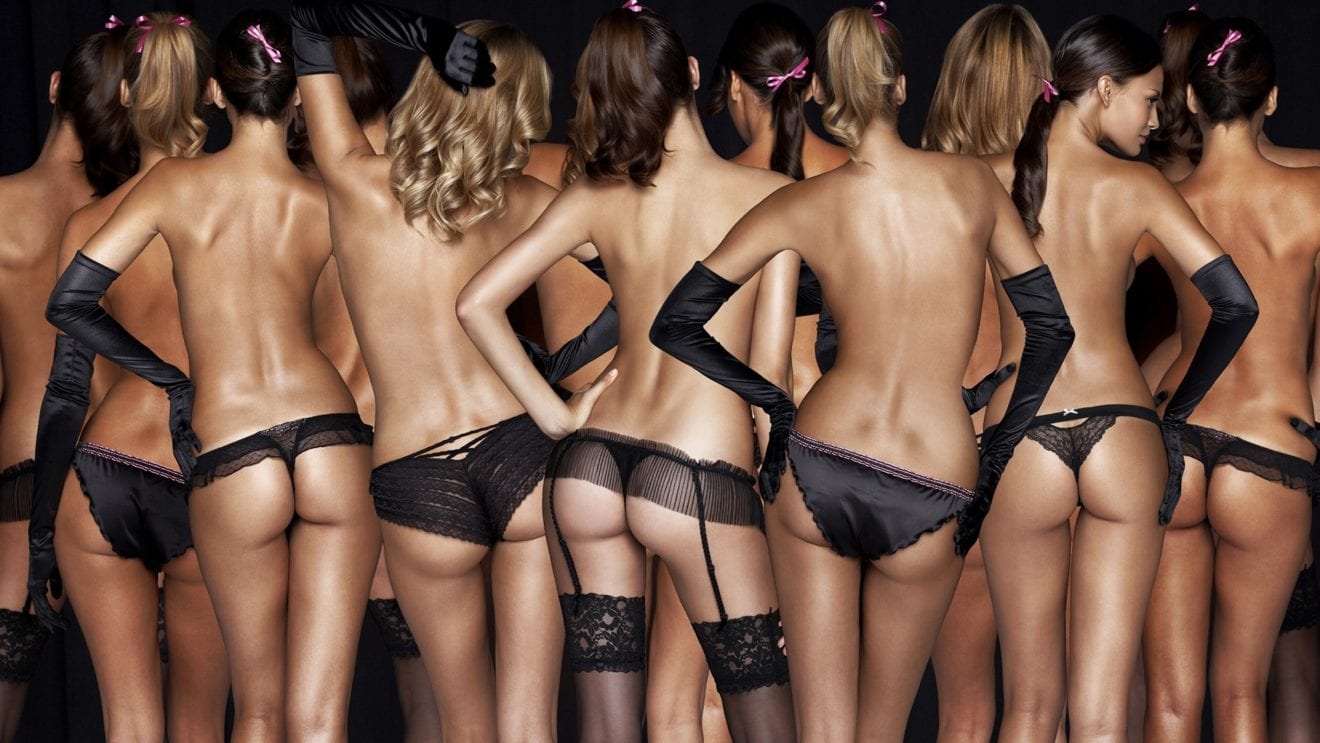
    The stunning global success of European fast fashion experts Zara and H&M is promoting a shift in strategy for what is possibly the world’s best known lingerie brand, Victoria’s Secret.

    According to a report by Business Insider, Victoria’s Secret is getting into fast fashion.

    The US-based brand revealed in a conference call with analysts the company plans to hasten its design and re-stocking process

    “Basically almost all of our panties today are on some kind of speed program,” CEO Sharen Turneysaid in the conference call.

    “And those speed programs allow us to read the business on a Monday and be back in stock in the stores within 15 to 25 days.”

    It also wants to shorten the timeline between design and shelf, the report said.

    “We’ve already taken probably four months out of our development time and believe there is probably another two months to continue to work in,” Turney said.

  • Shinsegae Vietnam prepares for launch

    Shinsegae Vietnam prepares for launch

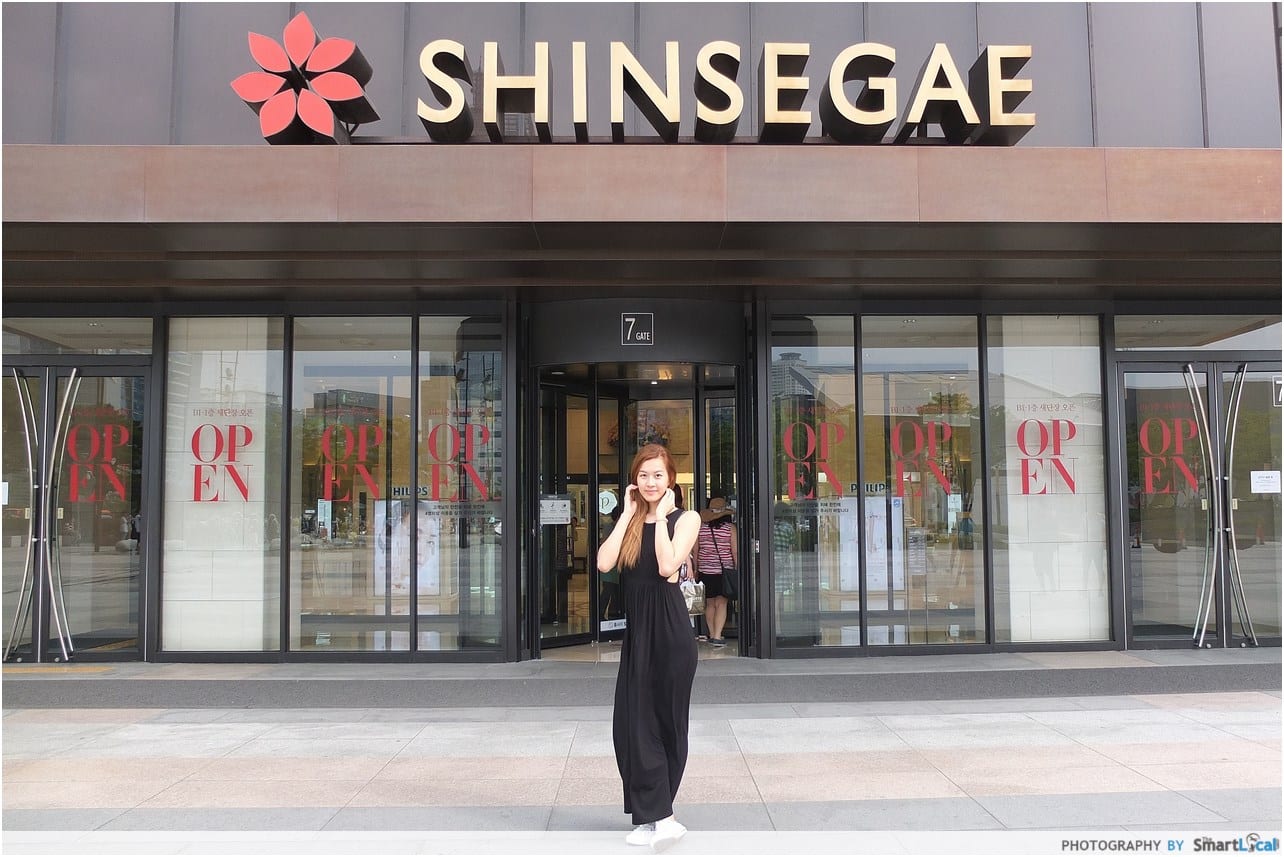
    South Korean retailer Shinsegae Group will launch in Vietnam by the end of 2015.

    Shinsegae Vietnam subsidiary E-mart will roll out discount stores in the fast-growing retail economy after five years of research and planning.

    Shinsegae has secured at least two sites in Ho Chi Minh City, the first in an undisclosed part of the city where it will build a flagship discount store on a 20,000sqm site, the second near Tan Son Nhat international airport.

    The Korean company has worked closely with Vietnamese government officials and last week in a public ceremony announced a charity initiative to donate 10,000 motorcycle helmets annually to children in Ho Chi Minh City after signing a Memorandum of Understanding.

    The Korea Herald reports that the corporate social responsibility program is an E-mart marketing strategy “to enhance its corporate image with government officials and Vietnamese consumers”.

    “E-mart has been preparing for this project, which will become an important momentum that signals the beginning of its business in Vietnam,” said Choi Gwang-ho, general director of E-mart Vietnam.

    “We will focus on maximising the corporate brand image to stabilise our business here by persistently carrying out campaigns in which the Vietnam government and other civil organizations can participate,” Choi said.

    With a population of more than 90 million, rising disposable incomes and a retail industry dominated by traditional markets, retailers like Shinsegae see enormous potential if they establish a foothold in the market now, despite the near certainty of losses while initial customer numbers grow.

    The Korea Herald reported E-mart will be keen not to repeat its “bitter Chinese experience” in Vietnam. In December the company closed four stores in Tianjin leaving it with just 10, 17 fewer than at its peak in 1997. Since 2014, it has posted accumulated losses in China nearing US$50 million.


  • Miu Miu Thailand unveils third store

    Miu Miu Thailand unveils third store

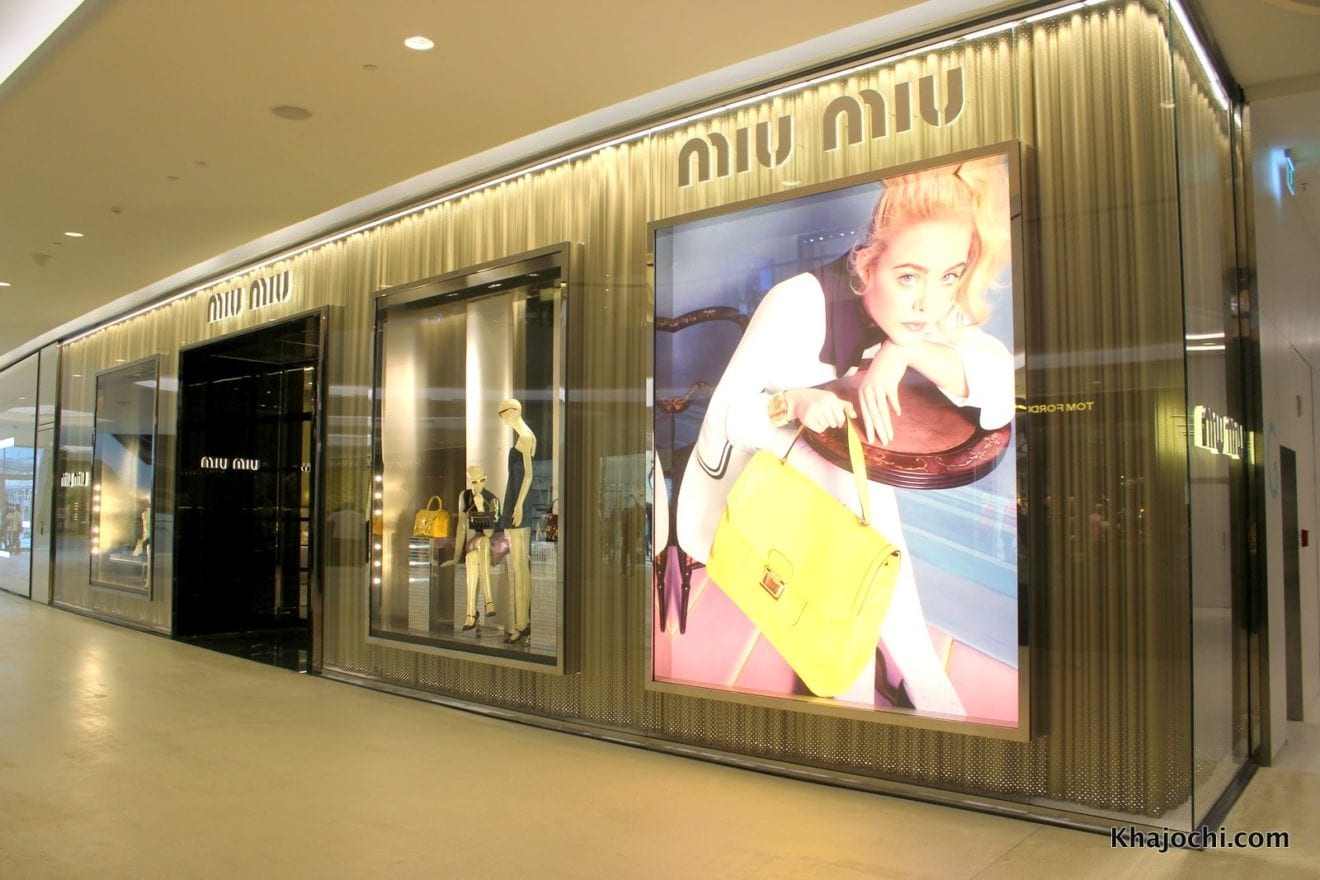
    Miu Miu Thailand has opened its third store in the Thai capital Bangkok.

    The 250 sqm store is located in the newly opened EmQuartier luxury shopping mall on Sukhumvit, close to its parent brand Prada’s new store.

    Designed by the architect Roberto Baciocchi, the space extends over a single level and features ready-to-wear, footwear, bags and accessories.

    Miu-Miu-Bangkok-Emquartier-3-415

    A plate glass facade hung with back-lit perforated metal curtain expresses the character of the brand. Imposing light boxes framed with brushed steel punctuate the exterior and allow for an impactful showcase of Miu Miu’s pioneering print campaigns.

    The interior is divided into two large and distinct areas: The first is home to leather goods and defined by walls covered in floor-to-ceiling mirrors and iconic gold damask fabric inset with sparkling display niches edged with polished steel.

    Miu-Miu-Bangkok-Emquartier-2-415

    A broad corridor clad in more mirror leads into the second room, featuring footwear and ready-to-wear. Here, damask walls, mirrored niches and small lounge areas furnished with velvet mohair armchairs reflect the “intimate and refined atmosphere” typical of Miu Miu stores, the company explains.

    A black Palladian marble floor provides a feel of classic grandeur and a back-lit cellular ceiling ensures softly diffused light.

    The space is finished with delicate glass and polished steel counters placed centrally in each room and with green velvet poufs.