Tag: asia

  • Denmark’s Wood Wood arrives in Bangkok

    Denmark’s Wood Wood arrives in Bangkok

    Danish fashion brand Wood Wood has opened its first store in Asia.

    Wood Wood, known for sporty silhouettes, and a hallmark Scandinavian style, has opened a store inside The Mall Group’s new EmQuartier shopping centre on Bangkok’s Sukhumvit Rd.

    Wood Wood Bangkok 4-415

    The store is a partnership with Thai brand UnCensored and described as “an exhibitional retail space” with an urban-boutique feel. It is in the centre’s Helix Quartier.

    The Wood Wood boutique features a black-and-white graphic design on the walls.

    Wood Wood Bangkok 3-415

    Thailand is Wood Wood’s third overseas market, following Berlin, where it has two stores, and Moscow. It has three stores in hits home market.

    THe fashion brand was founded in 2002 by Karl-Oskar Olsen and Brian SS Jensen who grew up in the 90s when graffiti and street culture was popular.

    Wood Wood Bangkok 2-415

    They mix high fashion, sports and streetwear with youth culture, art and music creating clothing they believe is balanced between style and function.

    “Wood Wood is much more than a brand. It’s about style and attitude. We were raised with the desire to constantly evolve and we’ll keep on taking the brand even further by combining elements of underground and high-end into our very own aesthetic,” says Karl-Oskar Olsen.

  • Rebecca Minkoff plans Asian assault

    Rebecca Minkoff plans Asian assault

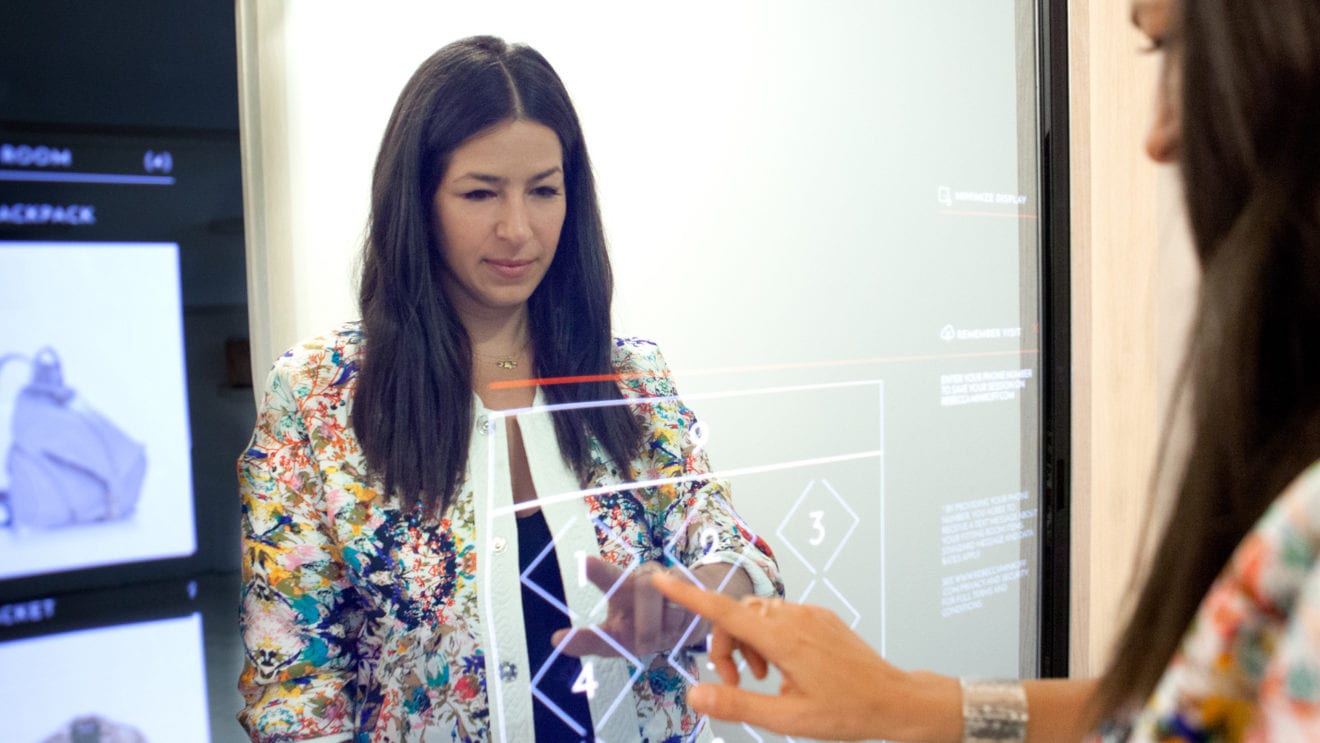
    Fashion brand Rebecca Minkoff plans to open up to six stores in Hong Kong by 2018 as part of a broader Asian rollout.

    The new 585 sqft store in Hong Kong’s Ocean Terminal in Tsim Sha Tsui marks not only its standalone store debut, but the first step in a planned Greater China entrance.

    It will also expand its stores in Korea and within the next 18 months open in the Philippines, Thailand, Singapore, Malaysia and Indonesia.

    At the same time it is targeting the US, with a Los Angeles stores planned by June this year and another in Chicago by year’s end.

    “We want to focus on these really great supercities and Hong Kong is definitely one of them,” Minkoff said in an interview with WWD.

    “I love the fashion here. It’s a very edited view and I think they take more risks.”

    Japan has marked the only blemish to date in the brand’s Asian ambition. While it has 12 points of sale there it had to close its flagship in Tokyo’s Ginza last year.

    “We found that’s not the right location for our customer. That’s a very Fifth Avenue-type of customer whereas we [attract] a more [Greenwich] Village and SoHo-type customer,” Minkoff said.

  • McDonald’s Japan to close 131 stores

    McDonald’s Japan to close 131 stores

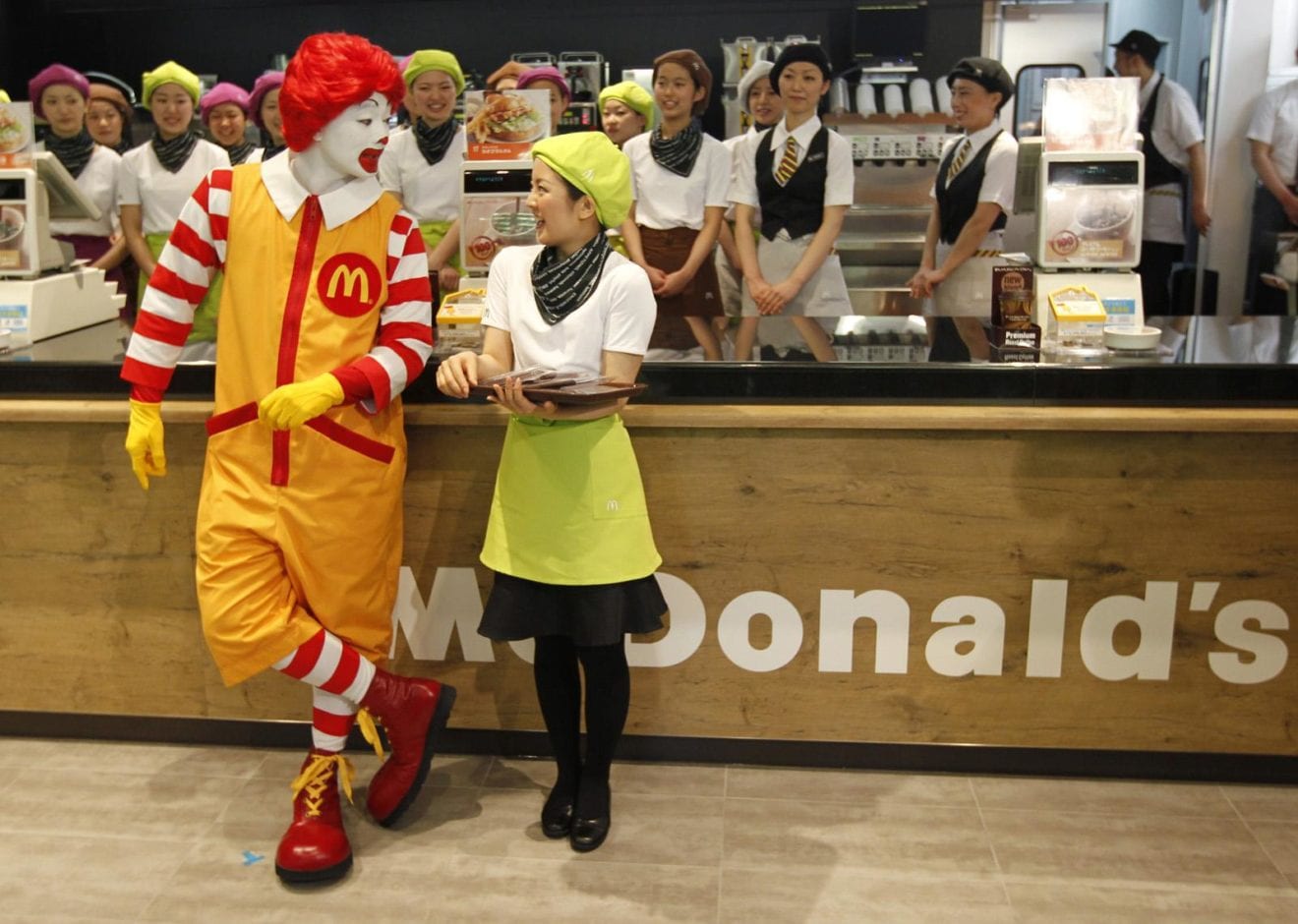
    McDonald’s Japan will axe 131 stores, revamp its menu and refurbish 500 stores this year as it tries to reduce a projected US$319 million loss.

    Listed McDonald’s Holdings Company (Japan) said it expects sales to fall by 14 per cent this calendar (and financial) year. Worse, it projects a loss of 38 billion yen (US$319 million) reflecting the ordinary loss and impairments. System-wide sales combine company sales and those of its franchisees.

    The company says in the year ahead it will implement a Business Revitalization Plan aimed to “bring our customers visible points of change and become a Modern Burger Restaurant that Connects with Customers”.

    The plan has four pillars: New customer focused initiatives, speeding up restaurant revitalisation, localising its business structure and improving cost and resource efficiency.

    McDonald’s Japan outlined the four pillars in a statement:

    • Customer Focused Initiatives

    “We strive to bring more comfortable dining experience for our customers. Some immediate initiatives currently under trial and to be announced in the very near future include:

    ✧ New set menu that provide more customised choice and wider variety for our customers.

    ✧ New Happy Meal options.

    ✧ A new personalised digital loyalty program with relevant coupons.

    ✧ A mobile app which gathers real-time feedback from our customers.”

    • Accelerate Restaurant Revitalisation

    “We will further accelerate remodeling of existing restaurants to provide more modern, clean, inviting restaurants environment for our customers to enjoy their meals. Presently, only 25 per cent of our restaurants fit our vision of a Modern Burger Restaurant; we plan to remodel approximately 2000 restaurants aiming to have 90 per cent of our restaurants upgraded to modern within four years. In 2015, we are targeting to remodel approximately 500 restaurants located in food courts or shopping malls. In addition, we will close 131 underperforming restaurants this year that have no long-term growth potential, and will reallocate resources resulting from the strategic closures to invest in remodeling restaurants with greater growth potential.”

    • Localise Our Business Structure

    “Broad-scale national strategies, such as national marketing, menu development and operation system development, are defined as ‘Big M’, whereas the activities rooted in restaurants and/or local communities are defined as ‘Little M’. We will strengthen ‘Little M’ activities and operate our business in a manner more rooted in local communities and restaurants.

    “In order to realise management from a position that is closer to our customers, we will introduce Regional Headquarters. We will reorganise McDonald’s Japan into three regions. Each region will have business functions such as marketing, HR and finance, and have full business execution responsibility for their region, which will enable each region to reduce the layers within organisation and to implement activities rooted in the local community and customers. Also, we will further strengthen Marketing activities to meet the demands of the local communities and customers.”

    • Improve Cost and Resource Efficiency

    “To concentrate our resources into investments for long-term business growth, we will effectively allocate our resources such as people and capital, and drastically transform our cost structure.

    Accelerate Restaurant Revitalisation: New restaurant development will be very carefully selected and we are shifting our resource from new store openings to remodeling existing stores. We will prioritise remodeling of existing restaurants rather than new opening to offer great restaurant experiences and bring our customers visible points of change.

    On the other hand, we will secure capital for investment through strategic closures. Strategic closures are expected to incur non-recurring cost of approximately 4 billion yen and improvement in profitability of about 2.4 billion yen (annualised).

    Re-engineer our costs structure: To maximise the effect of the regional HQ structure, we will review and reprioritise the HQ functions and operations and will put the right people into the right jobs. This involves the offering of voluntary early retirement packages to approximately 100 permanent positions in our Tokyo HQ and the field.

    We have identified more than 12 billion yen in cost saving potentials across food & paper, logistics and labor and we will promote cost optimisation.

    Financial support to franchise owners: We will continue to provide financial support to franchise owners this year to offer continuous great restaurant experiences to all of our customers.

    Borrowing facilities: To secure capital required to execute our Business Revitalization Plan, we have increased borrowing facilities and borrowed 22 billion yen.

    McDonald’s Japan said the board accepts responsibility for recent results and the disappointing forecast, so will reduce the pay of its board and senior executives by between 10 and 20 per cent.

    “We expect to post a huge loss for FY2015 impacted by non-recurring one-time cost and investments associated with the above-mentioned Business Revitalization Plan. However, by executing this Business Revitalization Plan, we expect to return to profitability in FY2016.”

  • Pull&Bear Shanghai opens new flagship

    Pull&Bear Shanghai opens new flagship

    Inditex Group-owned youth fashion brand Pull&Bear opened its new two-storey East Nanjing Rd flagship this week.

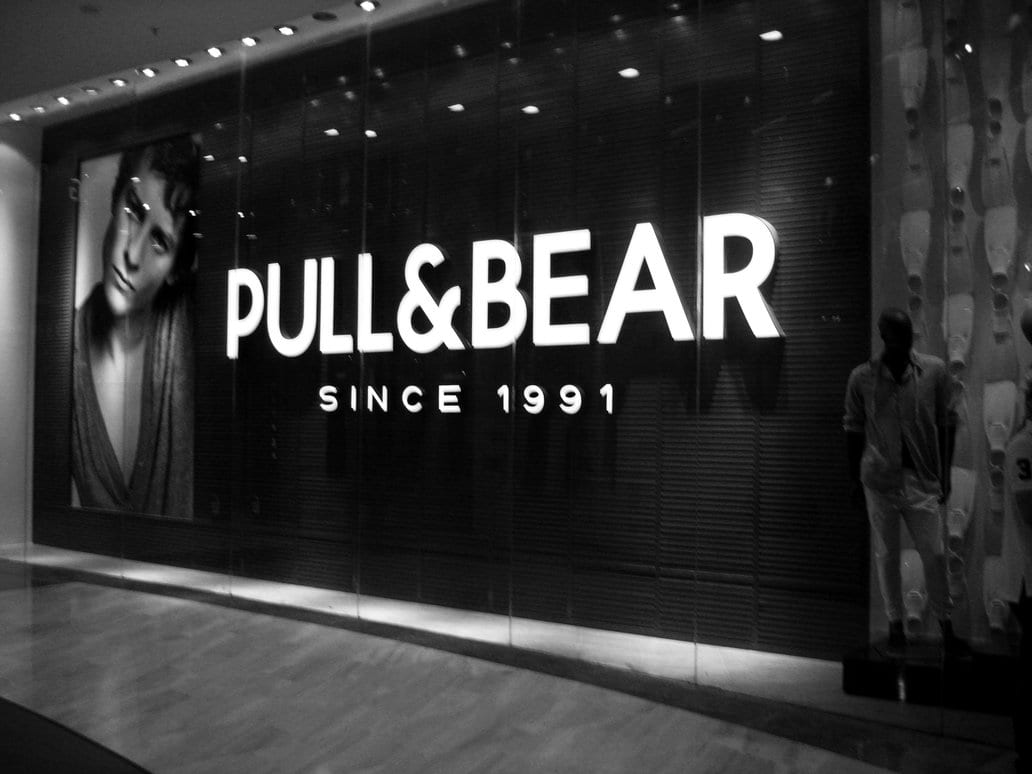
    Pull&Bear features in 70 markets worldwide with a network of over 900 stores. The new Shanghai store is the first in the city to present the brand’s new image, which draws inspiration from the Californian atmosphere of Palm Springs.

    The 700 sqm store displays Pull&Bear’s collections on two floors. The ground floor, which can be entered either from the street or from the Mosaic Plaza shopping centre, sells womenswear and the first floor is devoted to menswear.

    The striking facade uses traditional glass bricks and LED lighting to project the brand anfd welcome customers with an air of light and transparency. Instead of a traditional display windows, the facade features visual projections, inviting passersby to come into the shop and discover the new space.

    Once inside, materials typical of DIY or building projects, such as painted concrete, OSB, pine wood and textured paint combine to create a richly varied setting of colours, materials and textures.

    This opening enhances Pull&Bear’s presence in China, the brand’s third market by number of stores (only behind Spain and Russia), with 63 points of sales open throughout the country’s major cities. It is the fourth Shanghai store for the brand.

  • Taubman Asia reveals Studio City retail plan

    Taubman Asia reveals Studio City retail plan

    Taubman Asia and Melco Crown entertainment have revealed details of the new shopping centre planned to open in Studio City, Macau in the third quarter of this year.

    Taubman Asia will tenant and manage the 70-store single story shopping complex on Melco’s behalf. While the two companies won’t reveal what percentage of the 300,000 sqft retail space has been leased so far, a Taubman Asia spokesperson told INside Retail Asia leasing was “progressing well”.

    Melco Crown Entertainment 5-415

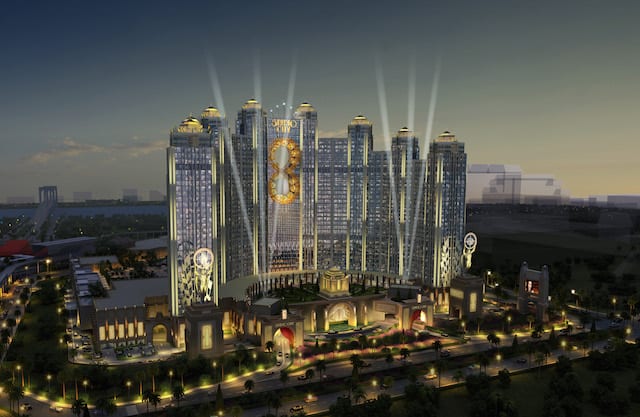
    The two companies plan a “unique, entertainment-centered shopping experience” at the new Studio City, which has a distinct Gotham architectural look, a Batman experiential ride attraction and Hollywood movie themes throughout.

    Melco Crown Entertainment 4-415

    The Boulevard at Studio City, as the retail component will be called, is described as an ‘immersive’ retail entertainment environment.

    “It will bring the world’s best shopping to life in Macau by transporting guests to high-energy street-scapes, entertaining them at every turn with featured streets and squares inspired by iconic shopping and entertainment locations, including New York’s Times Square and Hollywood’s Beverly Hills,” the two companies said in a media statement Thursday.

    Melco Crown Entertainment 6-415

    “Taubman Asia is in the business of creating world-class experiences for our customers,” said René Tremblay, president of Taubman Asia.

    “Along with Melco Crown Entertainment, we are developing a one-of-a-kind retail entertainment experience that will cater to the discerning tastes of Greater China’s consumers.”

    Melco Crown Entertainment 2-415

    Robert S Taubman, chairman, president and CEO of US-based Taubman Centers said The Boulevard is poised to be “one of the most exciting shopping destinations in Macau”.

    “We look forward to a long and fruitful relationship with Melco Crown Entertainment.”

    Taubman Asia is providing merchandising, marketing and management services for its retail project.

    A spokesman told Inside Retail Asia the company wants to create a unique retail offer at the resort, not replicate existing retail offers in the territory.

    “We are targeting fashion forward brands which are more progressive, more edgy, contemporary.” Tenants will be encouraged to offer ranges or lines exclusive to the Studio City stores to make them a destination for locals as well as visitors.

    Melco Crown Entertainment 3-415

    A foodcourt area will be focused on casual dining style. “Food will be a major drawcard,” the spokesperson said.

    Lawrence Ho, co-chairman and CEO of Melco Crown Entertainment said Studio City is an entertainment-inspired leisure destination that will fulfil Melco Crown Entertainment’s aims to be a strategic catalyst in furthering Macau’s economic diversification from a pure gambling destination.

    “With the combination of Melco Crown Entertainment’s expertise in developing world-class integrated entertainment resorts and Taubman Asia’s deep experience in the global retail industry, I am confident that The Boulevard at Studio City will deliver an exciting and dynamic shopping environment that will delight customers and bring a further, new and unique non-gaming attraction to Macau.”

    Studio City’s distinctive art-deco facade includes a “Golden Eye” gondola ride which straddles the resort’s two-tower hotel at a height of some 130 metres.

    Its entertainment offer will include the “Studio City Event Center”, a 5000-seat multi-purpose entertainment center designed to host live concerts, theatrical and sporting events. The entertainment experiences also include a magic theatre “The House of Magic” and a Warner Bros. Batman-themed motion ride “Batman Dark Flight”, a 36,000 sqft family entertainment center “Warner Bros. Fun Zone” for kids filled with Warner Bros.’ and DC Comics’ franchise characters and play-rides, together with “Pacha Macau” which will bring Ibiza-style nightlife to Macau.

    Melco Crown Entertainment 1-415

  • Sa Sa wins investor honours

    Sa Sa wins investor honours

    Beauty products retailer Sa Sa International Holdings has been named “Best Investor Relations Company (Hong Kong)” for the fourth consecutive year by Corporate Governance Asia Magazine at the 5th Asian Excellence Awards.

    And CFO and executive director Dr Guy Look was named “Asia’s Best CFO (IR)”.

    Sa Sa says the awards testify to the recognition from the investment and finance community on the group’s operational strategies, financial performance, investor relations, corporate governance and ethics, as well as corporate social responsibility.

    Look said the company was “deeply honored” to win the dual awards.

    “Sa Sa has always strived to be accountable to our stakeholders and in particular the investment community. We uphold strong corporate governance and incorporate it into our corporate culture and operations. These two awards are definitely a great encouragement to our team.

    “We will continue to make ongoing efforts to improve our investor relations work, and thrive to attain the highest standards in the industry.”

    The IR honour reflects Sa Sa’s “transparent and effective communication with stakeholders through detailed, timely and fair disclosures” while the CFO accolade is given to CFOs in recognition of their ability to lead a team with vision and experience to maintain outstanding financial performances and operational strategies regardless of economic conditions.

  • VivoCity Saigon opens doors

    VivoCity Saigon opens doors

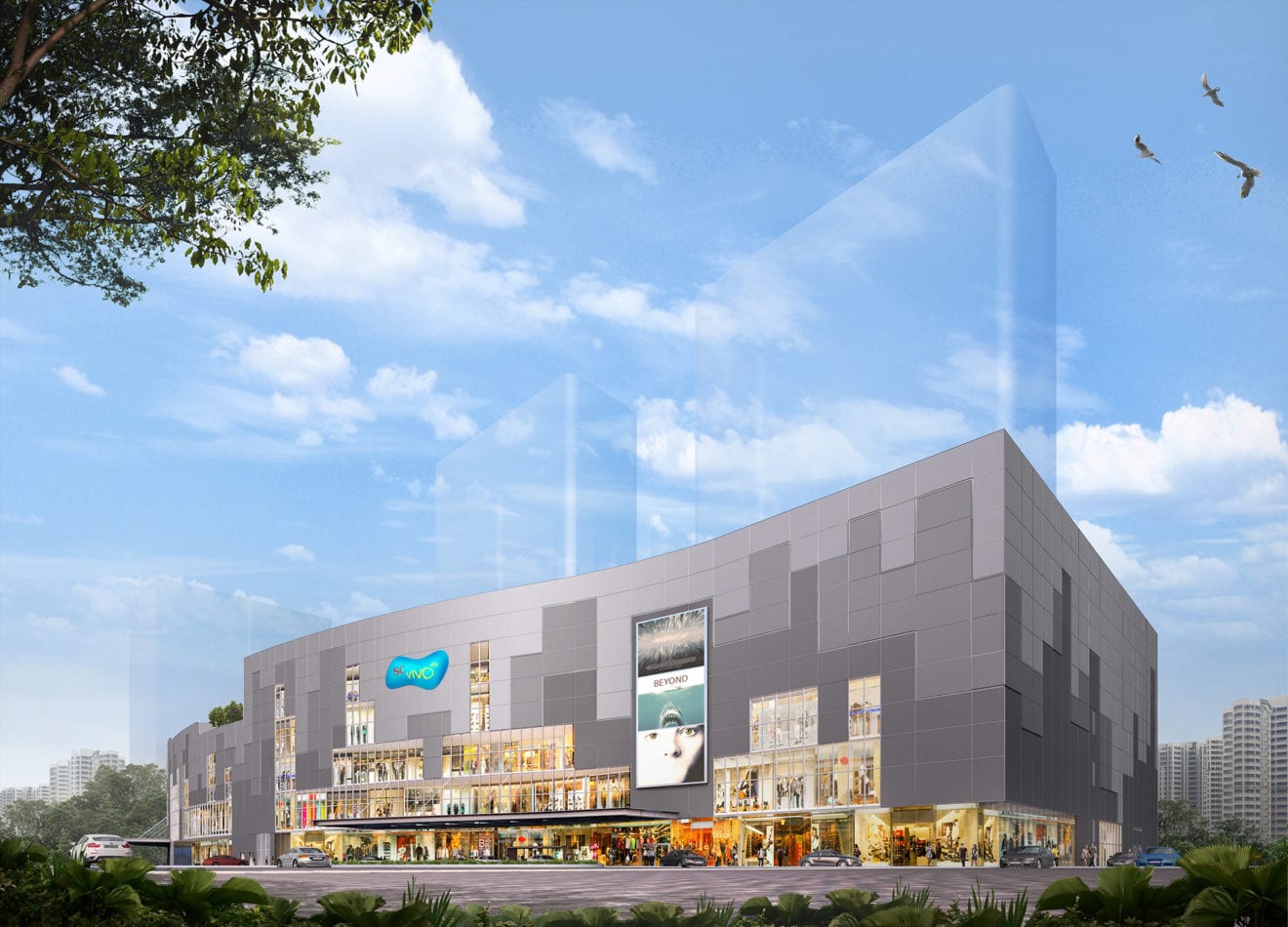
    VivoCity Saigon opened its door Sunday (April 19) making it the second international shopping mall brand to enter Vietnam, behind Japan’s Aeon.

    SC VivoCity is a joint venture between Singapore-based Mapletree Investments and local supermarket operator Saigon Co-op. Mapletree will manage the centre, its fifth internationally to carry the brand; the other three are in China.

    The centre is located on Nguyen Van Linh Boulevard in Ho Chi Minh City’s District 7, a suburb popular with Asian expats including Koreans and Singaporeans, and a stone’s-throw from the Royal Melbourne Institute of Technology campus. It is very close to the Crescent Mall development which has struggle to attract customers since its opening more than three years ago.

    Mapletree and Saigon Co-op say SC VivoCity Saigon embraces the popular features of the Singapore VivoCity, which in 2011 was voted one of the Top 10 shopping destinations in the world.

    Vivo city Ho Chi Minh inside 415

    “With Mapletree’s expertise in developing large-scale projects and commercial complexes throughout Asia, as well as Saigon Co-op’s experience in retail and real estate investment in Vietnam, this partnership is expected to bolster commercial activities in the city, at the same time as offering consumers new services and international retail standards,” the two companies said in a statement.

    “With its modern architecture, impressive and striking design, SC VivoCity is sure to become a momentous part of the city skyline, while housing famous trademarks, offering the most popular food brands along with year-round festivals and events that will draw repeated visits from both local residents and foreign visitors.”

    With a total area of 41,000 sqm, the five-storey mall offers fashion, entertainment and lifestyle tenancies, a hypermarket, an education centre, and food and beverage outlets. Tenants include McDonald’s (the company’s third restaurant in Ho Chi Minh City), CGV cinemas (from Korea’s CJ Group) and a Harley-Davidson Black Label store.

    “SC VivoCity aims to create a vibrant, multi-experience destination which will constantly surprise visitors with its mix of unique, ever-evolving and refreshing, new-to-market retail and lifestyle brands and concepts,” the two companies said.

    SC VivoCity is the first phase development of Saigon South Place, a 4.4 ha integrated mixed-use project which will also house Grade-A office buildings and internationally operated serviced apartments.

  • Lingerie icon calls time

    Lingerie icon calls time

    Frederick’s of Hollywood, the 69-year old lingerie retailer, has closed all of its stores and sought Chapter 11 bankruptcy protection.

    The company has placed a notice on its website saying it will now only sell products online.

    It is the second time since 2000 Frederick’s has filed for bankruptcy protection.

    After a three year long restructure which saw it strengthen its balance sheet, reinvigorate its product range and return to profitability, the retailer emerged from the last one in 2003.

    But it suffered a body blow last year from Californian legislation requiring companies to disclose if any carcinogens were present in their products. Frederick’s was thus required to disclose its bras might contain lead and some analysts have suggested this may have driven customers away.

    Last year, a group of investors, including private equity investor Harbinger Group, bought the business for a modest US$24.8 million. In February, Frederick’s of Hollywood said it would close one third of its stores and inventory liquidation specialist Great American Group was engaged to sell off stock.

    US media reports suggest a buyer is waiting in the wings to rescue the company, most likely reshaping it as an online only brand.

  • Legoland Shanghai to anchor shopping mall

    Legoland Shanghai to anchor shopping mall

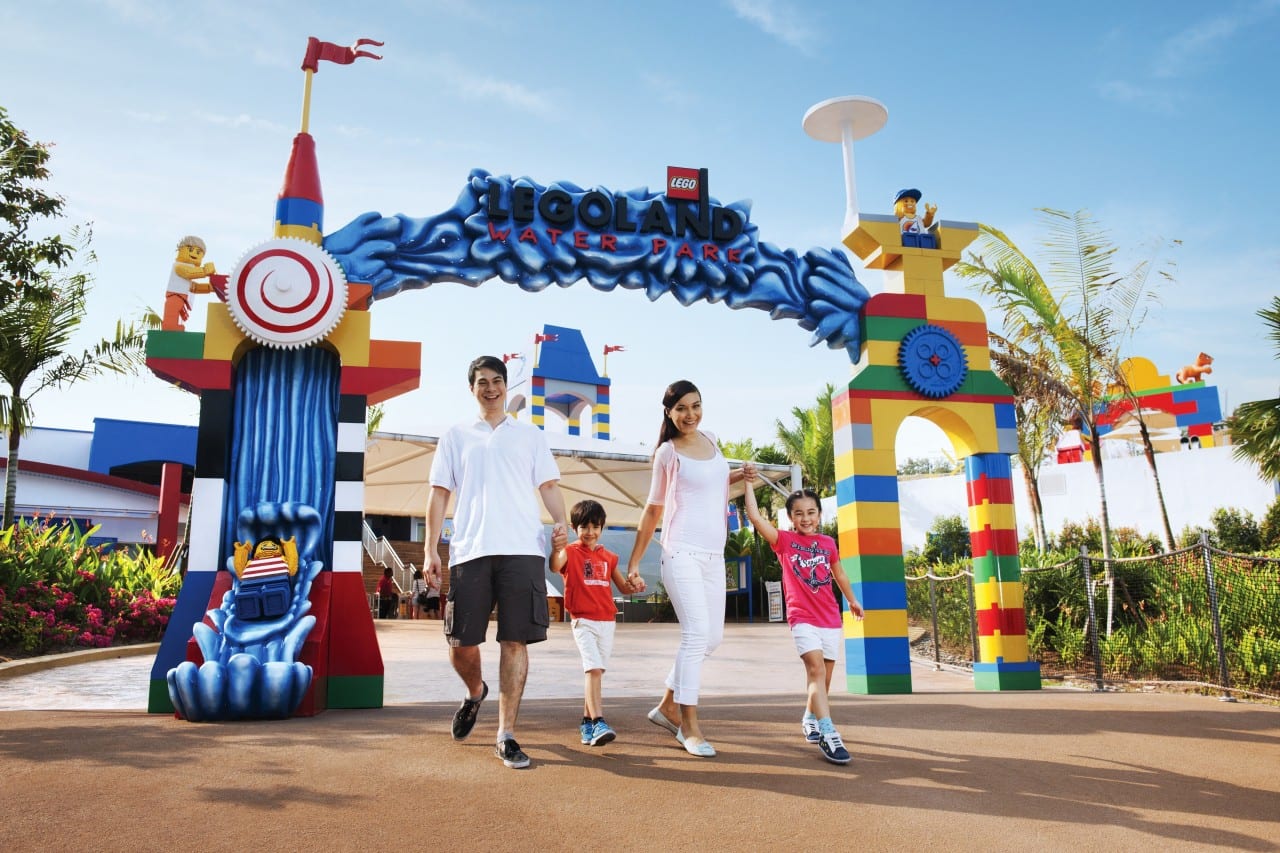
    Merlin Entertainments will open its first Legoland in China at Parkside Plaza shopping centre in Shanghai.

    Plans and designs are already in place for the 3000 sqm attraction and construction of Legoland Shanghai will start soon, with its opening scheduled for 2016.

    Owned by UK-based Grosvenor Fund Management, Parkside Plaza is located on the Suzhou Riverbank adjacent to the Changfeng Park. With a total floor area of 126,000 sqm, it is home to international brands including Tesco, H&M, Uniqlo and C&A and a variety of entertainment including HB Cinema, Vigor-100 KTV and Hani rock climbing space. And soon it will be home to Legoland Shanghai.

    The Legoland Discovery Center is a unique indoor attraction offering an interactive and educational two to three hour experience specifically designed for families with children aged three to 10. It consists of a range of Lego play areas including brick pool, Lego Factory Tour, Lego model car racing area, master classes from the Lego master model builder; party rooms, a Lego themed ride, a 4D cinema and Miniland – an exhibit featuring replicas of Shanghai landmarks made from Lego bricks.

    Parkside_Plaza_Shanghai.1-415

    James Raynor, GFM CEO, said the Legoland tenancy reaffirms the company’s strategy of making Parkside Plaza one of the region’s best family-oriented shopping destinations.

    “Legoland Discovery Center is a globally recognised family entertainment brand that will deliver a fantastic leisure experience for our visitors and add to the appeal of Parkside Plaza.”

    Glenn Earlam, MD of Merlin’s Midway Attractions Operating Group said the concept has been a huge success across the globe, particularly as part of a family day out which may also include shopping and eating out together.

    “Given the popularity of the Center in Tokyo which opened last year, we are confident people will also love the attraction in Shanghai.”

    Lego models for the Shanghai attraction will be made in Merlin’s specialist studios around the world and shipped in during construction.

    GFM currently has £3.2 billion of assets under management across Asia, North America and Europe. The retail sector is a strategic focus across these regions and 73 per cent of the international portfolio is retail assets. This includes Liverpool One in the UK, a portfolio of 31 historical buildings in the heart of Lyon, France and the recently acquired Skarholmen shopping centre in Stockholm, Sweden.

  • Huy Vietnam secures offshore funding

    Huy Vietnam secures offshore funding

    Private equity firms in Singapore and Hong Kong have invested US$15 million into Huy Vietnam Group, Vietnam’s largest operator of local Vietnamese food restaurants.

    The Series C round of funding will be used to support the company’s network expansion in Ho Chi Minh City, Hanoi and other cities in Vietnam – as it clearly works towards regional expansion.

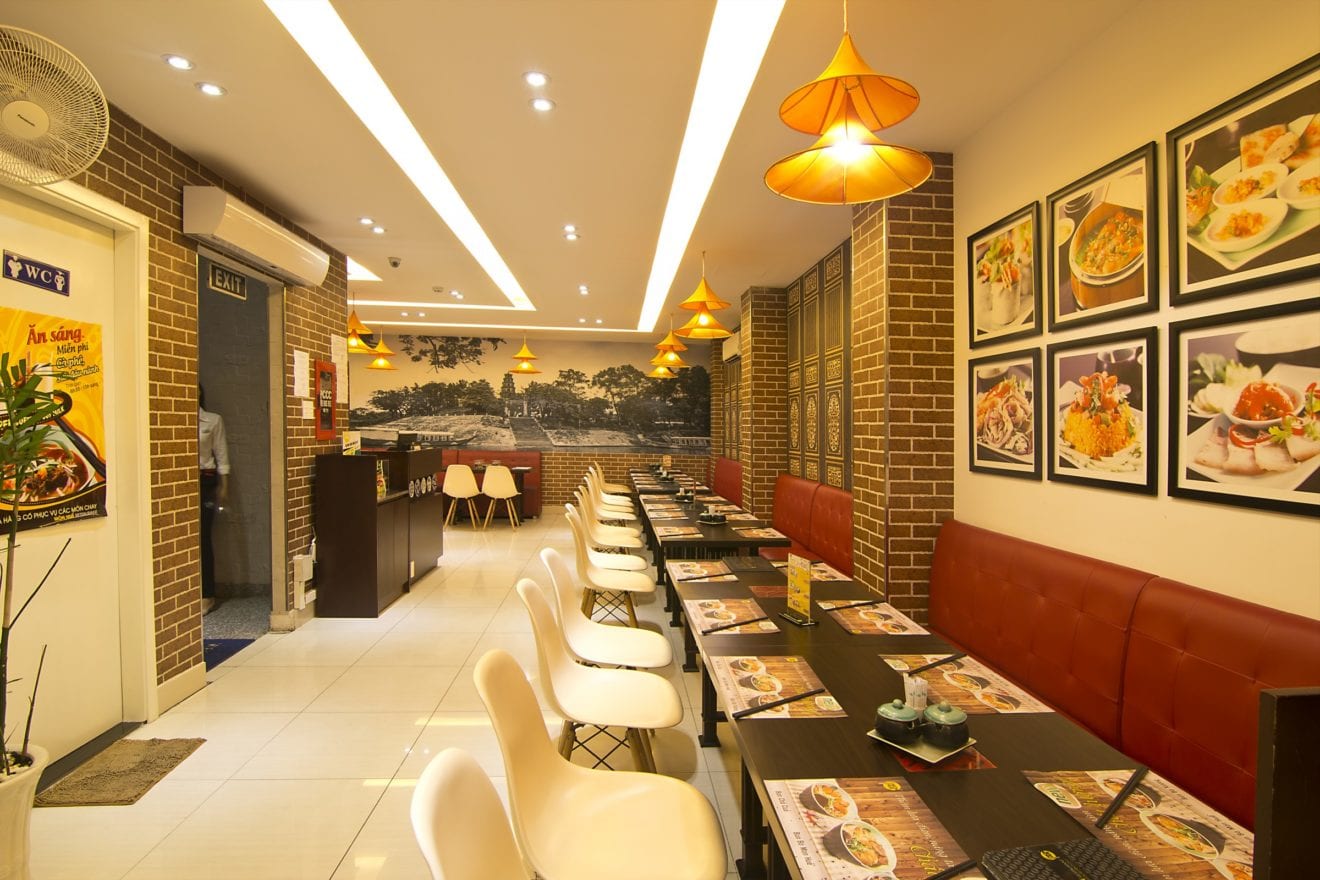
    Just five years old, Huy is one of Vietnam’s first international, professionally managed restaurant companies serving traditional Vietnamese food prepared from formulated family recipes. It already runs over 70 restaurants under the Mon Hue Vietnam, Com Express and Pho Ong Hung brands, serving affordable and authentic local Vietnamese cuisines.

    Mon Hue restaurant 1-415

    Huy Vietnam plans to continue opening additional Mon Hue, Com Express and Pho Ong Hung restaurants during the course of 2015. It also intends to expand its geographical footprint to include restaurants in Nha Trang, Hue and Dalat in the second half of 2015.

    KY Huy, co-founder, chairman and CEO of Huy Vietnam said the Series C financing allows the company to leverage its multi-restaurant brand strategy in Ho Chi Minh City and Hanoi and expand to second tier cities in Vietnam.

    Dennis Nguyen, co-founder, vice chairman of Huy Vietnam and chairman of New Asia Partners, a Hong Kong-based private equity group and a cornerstone Huy shareholder, said the investors in this round include Templeton Strategic Emerging Markets Fund, Welkin Capital and Prosperous Alliance.

    “I especially look forward to working with Templeton on the Huy Vietnam board as it brings well-respected market analysis and corporate governance to the company,” said Nguyen.

    Mark Mobius, chairman of Templeton Emerging Markets Group, said Huy has impressed investors by successfully growing its restaurant chains, satisfying local Vietnamese and foreigners alike with its cuisine and comfortable restaurant ambience.

    Mon Hue restaurant 2-415

    “We are excited about the company’s prospects under its existing brands and others which may come. Templeton is therefore happy to be able to play a part in Huy Vietnam’s growth.”

    Johnny Kong, CEO of Welkin, a Hong Kong-based private equity firm, provided a hint at the company’s broader long term ambitions beyond Vietnam’s shores.

    “Welkin is proud to make Huy Vietnam its first China-plus investment. We are confident in the leadership of Mr Huy and his management team and we look forward to working together to continue developing the company as a leading restaurant chain in Vietnam and across the region.”

    Vietnam is forecast to achieve 6.5 per cent GDP growth in 2015 and has averaged more than seven per cent annually over the past decade. That strong growth has fuelled the development of the restaurant business in Vietnam due to the local culture of eating out, and many international QSR concepts have entered in the market during the last three years, including, McDonald’s Starbucks, Dunkin Donuts, Popeye’s and Texas Chicken.

    Huy’s brands focus on different regional Vietnamese cuisines: Mon Hue on central foods, Com Express on southern Vietnamese rice cuisine and Pho Ong Hung on northern Vietnamese noodles.

    Huy says the chains are each continuing to expand their market share.

  • Yum! China opens luxury restaurant

    Yum! China opens luxury restaurant

    US fast food giant Yum! Brands has opened a luxury restaurant overlooking Shanghai’s Bund to test menu concepts on locals.

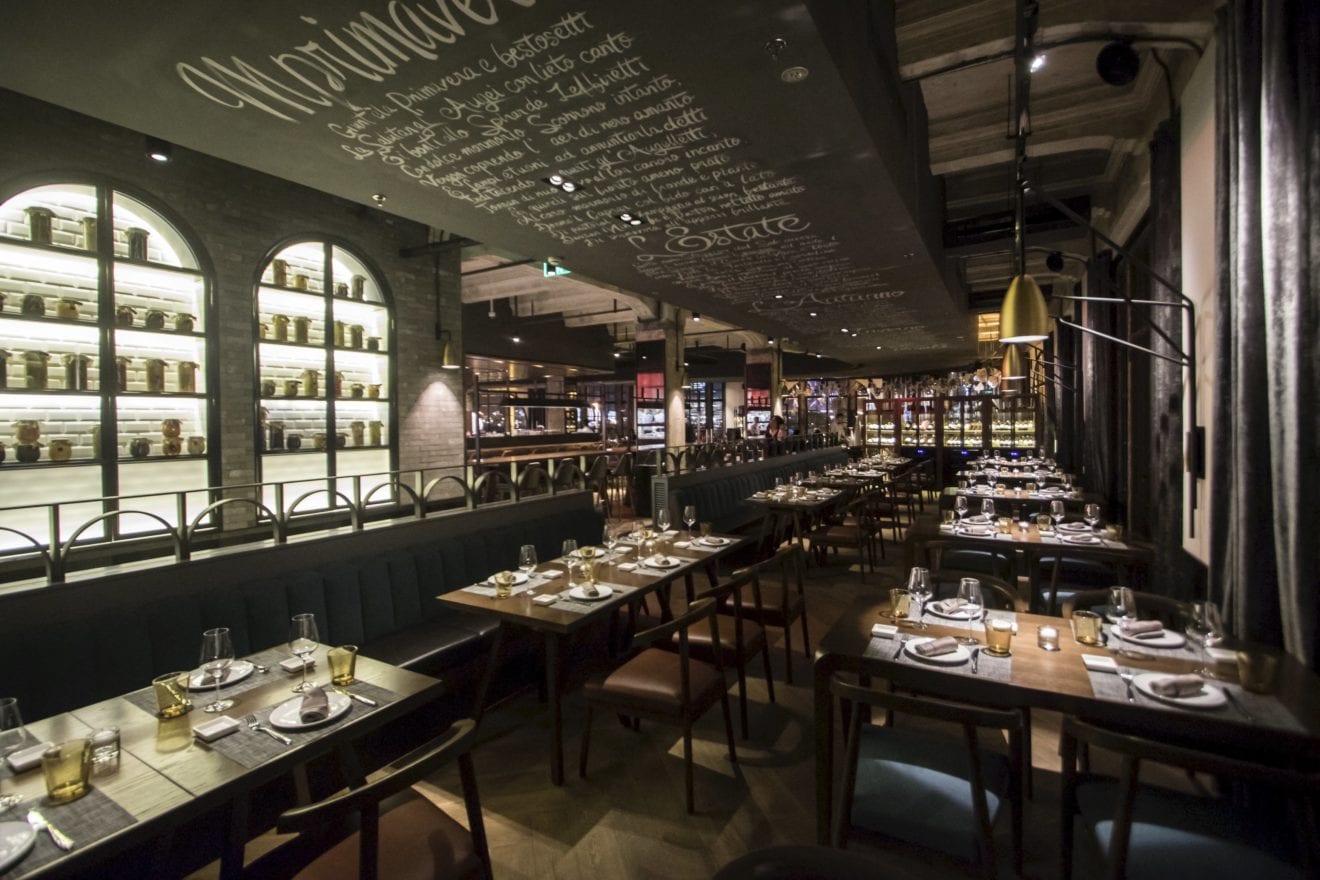
    Atto Primo, complete with its Italian name, is as far from the fast fried chicken concept of KFC or Pizza Hut as you could possibly get. The expansive restaurant is located in a historic building more than 100 years old. The decor is heavy on design and atmosphere, the dining environment with dim light, captivating wall murals, natural wooden furniture – and it has an expansive bar.

    Atto Primo 415

    “Atto Primo also houses a bar, and the design here stems from a puppet theatre concept,” wrote on Shanghai food blogger, seemingly unaware of the identity of the owner. “When diners make their order, bartenders, baristas, pizza and grill chefs leap into action, preparing cocktails and coffee, pizzas and meat, much like a puppet being pulled along by its strings, acting on the fancies of its masters.”

    Atto Primo The Bund interior

    So far from fast food is Atto Primo, Inside Retail Asia crossed checked multiple sources to be sure it was a Yum! Brands project. Sure enough, both Forbes and Reuters have reported on the concept, without going into any detail of how stunning the restaurant looks.

    To us, it’s as if Primark had suddenly unveiled a $5000 Vera Wang style wedding dress!

    Yum! China has apparently dubbed the venture a “lab” and while the investment has not been revealed, just the location and the decor, not to mention the sheer size of the venue, suggests a serious chunk of the R&D budget has gone into this experiment.

    “A high-end test kitchen will let Yum! test the waters with new menus and concepts and get feedback from more sophisticated diners – helpful if you want to go a bit upmarket,” Ben Cavender, a principal at China Market Research Group, told Reuters.

    Atto Primo The Bund wall mural

    Yum! China has been experiencing serious challenges in China, which started with, but are by no means all linked to, food safety scares when suppliers were outed using dodgy hygiene standards. The company has about 7000 QSR restaurants across the country, but its early-to-market advantage from being one of the first multinational food chains to enter China has been eroded by an increasingly sophisticated army of local chains more attuned to Chinese eating habits and tastes. Yum!’s same store sales slumped 16 per cent in the last quarter of 2014. Some analysts describe the company’s predicament as “brand fatigue”.

    In an email to Reuters, Yum! China spokesman Jonathan Blum described Atto Primo has “an innovation lab to help us learn more about the evolving tastes of Chinese consumers”.

    Atto Primo The Bund table

    Somehow, in an environment where diners can expect to splash $50 on a dinner, Yum! will learn recipes and dining solutions it can sell at the bottom end of the market over the counter of a KFC or Pizza Hut.

    English language blog Shanghai Wow describes Atto Primo as “a fine balance between classy, fashionable interiors and a good, authentic menu”, again with no obvious awareness it is a Yum! establishment.

    It has a heavy Italian theme, suggesting it may be more about developing menu solutions for Pizza Hut than KFC.

    Atto Primo  415

    Designer Lance Smith has blended modern design elements with the building’s historical architecture for an “east meets west” end result. Think wine red colours, turquoise green, heavy theming such as a giant mural of a bull (surely more Spanish than Italian).

    Atto Primo food pic 1

    The restaurant is divided into three main areas – Sonetto, Drama, and Satira.

    “The Drama section features Pirandello’s famous masks. It’s dynamic, jarring, very dramatic, almost like being seated on the stage of a grand Italian play,” writes Wow Shanghai.

    “The Sonetto area is located beside the building’s 100-year old floor-to-ceiling colonial windows. Overhead, Vivaldi’s quatrain lyrics that inspired his famous “Quattro Stagioni” concerts are etched across the ceiling.

    “The Satira area, where the main focal point is a large mural of a bull made up of different vegetables against a backdrop of red. The painting is inspired by the works of 16th century Italian painter Giuseppe Arcimboldo.”

    Atto Primo   1-415

    A Forbes columnist observed Yum! is calling the restaurant a lab for now, but “I suspect it could quickly expand the concept with new outlets if it proves popular”.

    • We doubt that very much, but we can see the potential in some of the images of food dishes shared by That’s Shanghai  for low cost versions suited to QSR restaurants.

    A trendy eatery being managed by a fast food specialist is a hard concept to embrace. But then one has to not-so-grudgingly admire any multinational brave enough to venture into such a costly and experiential form of research in order to understand a local market.

    KFC China is at the bleeding edge; Atto Primo is at the leading edge. Somewhere in the middle there surely has to be a compromise of convenience and innovation which could well lead to a profitable change of strategy for a business with such a large store network and reach.
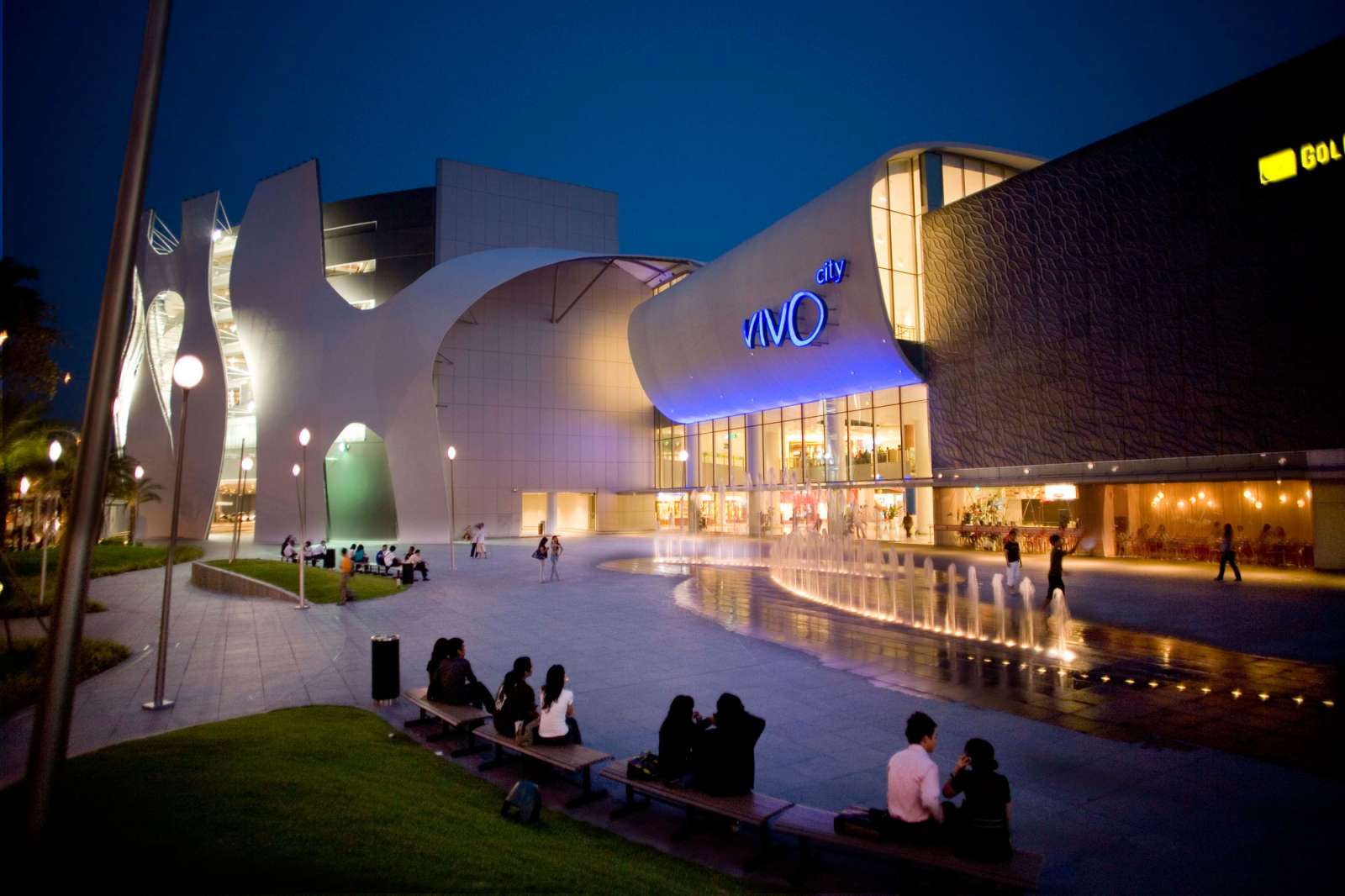
  • Vivo City Singapore completes expansion

    Vivo City Singapore completes expansion

    Vivo City Singapore has finally unveiled its 15,000 sqm basement conversion.

    The waterfront Singapore shopping centre has added US fashion brand American Eagle Outfitters as an anchor of the new basement retail area. The other tenants are Aéropostale, Rabeanco, Steve Madden and Thomas Sabo; beauty brands Etude House, Innisfree and Lab Series; and multi-brand lifestyle retailer Weekends.

    The Basement 1 expansion project – comprising nine new retail spaces – is part of an ongoing effort to “energise the mall and keep it relevant to shoppers”, the company says.

    Targeting “trendy and fashionable shoppers”, the new retail space features “carefully curated brands that appeal to the new generation of trend setters with mid-to-high spending power”.

    “We are optimistic about the shoppers’ responses towards the new Basement 1 retail space, which boasts a cohort of coveted brands,” said Joanna Lee, head of retail management with Vivo City’s manager Mapletree Commercial Property Management.

    “These popular retailers complement our current tenant mix and reinforce our leading position as a lifestyle destination mall in Singapore.

    “This new retail space will take advantage of a constant stream of shopper traffic due to its location at the main thoroughfare that connects HarbourFront MRT Station (at Basement 2) to the main shopping areas in the mall as well as the Sentosa Express Station (at Level 3). The addition will create a seamless shopping experience for our customers across all levels of the mall.”

    Benny Low, MD of Weekends parent Trendspot, described the basement level location as “ideal” to reach its target audience.

    “VivoCity is a cosmopolitan shopping mall where we see a high influx of visitors, both locals and tourists, due to its location and positioning, and being situated just opposite the integrated resorts.”

    To attract shoppers to their stores at Basement 1, the retailers will be introducing their seasonal promotions, as well as offering exclusive deals and rewards to customers. Starting 22 April 2015, VivoCity will be conducting a Facebook contest where shoppers can win prizes and shopping vouchers from a new tenant every week.

  • Tunique Hong Kong eyes Paris

    Tunique Hong Kong eyes Paris

    Paris-raised jewellery designer Amandine de Mascarel is plans to take her unique Hong Kong retail concept back to the home of fashion.

    de Mascarel already has three Tunique boutiques in Hong Kong and says a fourth will open in Causeway Bay in about one month from now.

    Tunique-Interiors (3)

    And she has revealed to Inside Retail Asia she wants to open a store in Paris, one of her home countries – she was born in Korea, raised in France and now lives in Hong Kong where she is building a retail brand.

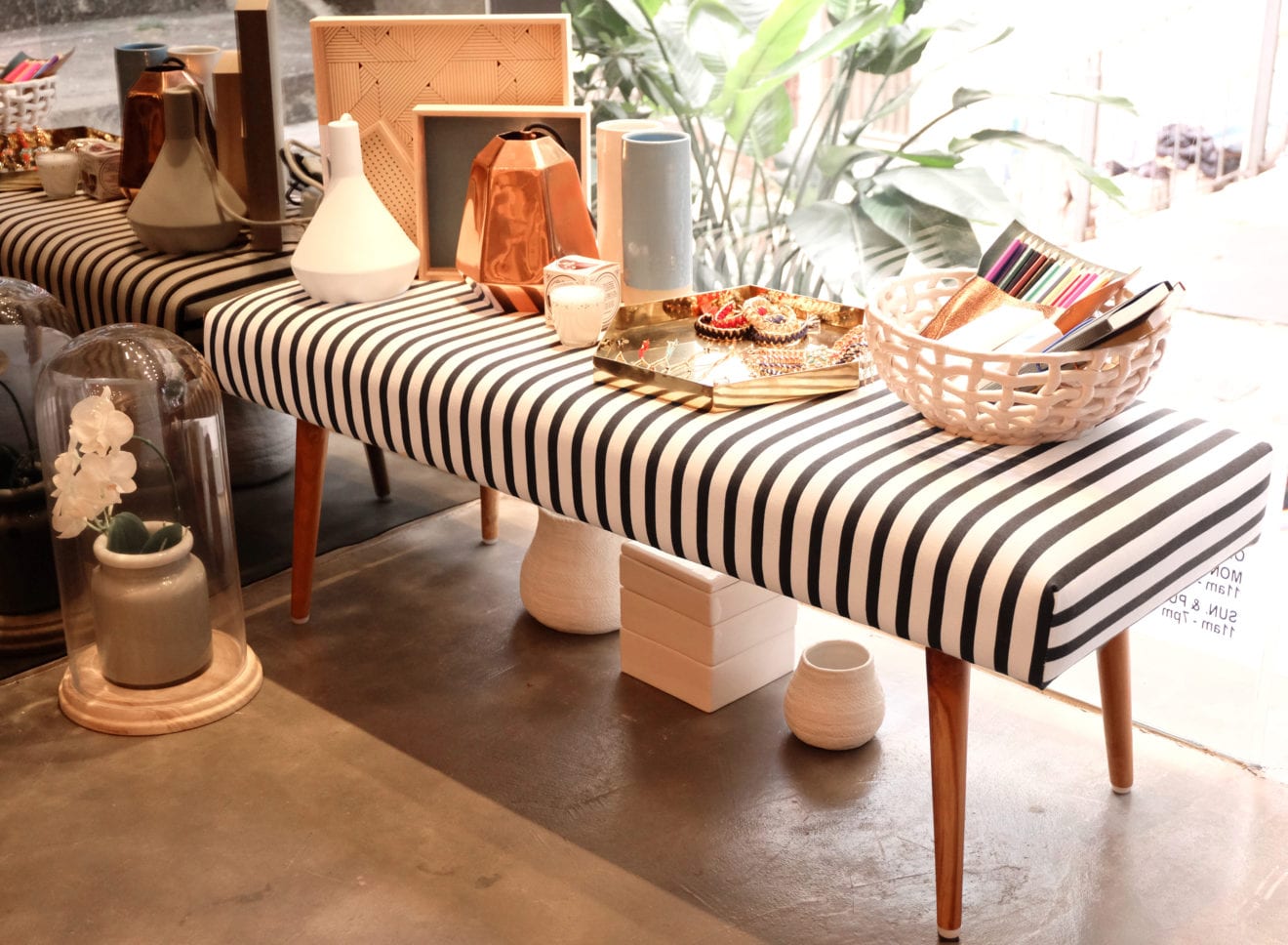
    She describes Uber Tunique – the brand of her larger showcase stores – as a “one-stop, multi-trend lifestyle shop where ethnic chic meets edginess, glam, bohemian and kitsch”.

    Tunique-Stock (6) - 415

    Uber Tunique is “an emporium of stylistic exploration that defines the very essence of founder Amandine de Mascarel and her natural instinct for creativity and style”.

    Prior to opening her stores, de Mascarel worked with global brands including Louis Vuitton and L’Oreal in Paris.

    Tunique-Interiors (2)

    While starting with affordable jewellery, de Mascarel has expanded her concept to include home products, décor, fragrances and textiles, allowing customers to create one-off costume jewellery pieces, as well as a coordinated home environment that truly defines their own individual style. She wants Uber Tunique to be known as ‘the’ Hong Kong gift destination.

    Tunique-Stock (4) - 415

    The first Uber Tunique lifestyle concept stores opened last year in Central and Wanchai along with a Tunique Jewellery and Accessories store in Repulse Bay.

    The new store in nearby Causeway Bay will take the network to four.

    The stores are at: Uber Tunique: Central: 7 Mee Lun St, Shop B; Wanchai: 3 St. Francis St; Tunique: 28 Beach Rd, The Pulse Mall, Repulse Bay.

  • Korean c-store swaps old for new

    Korean c-store swaps old for new

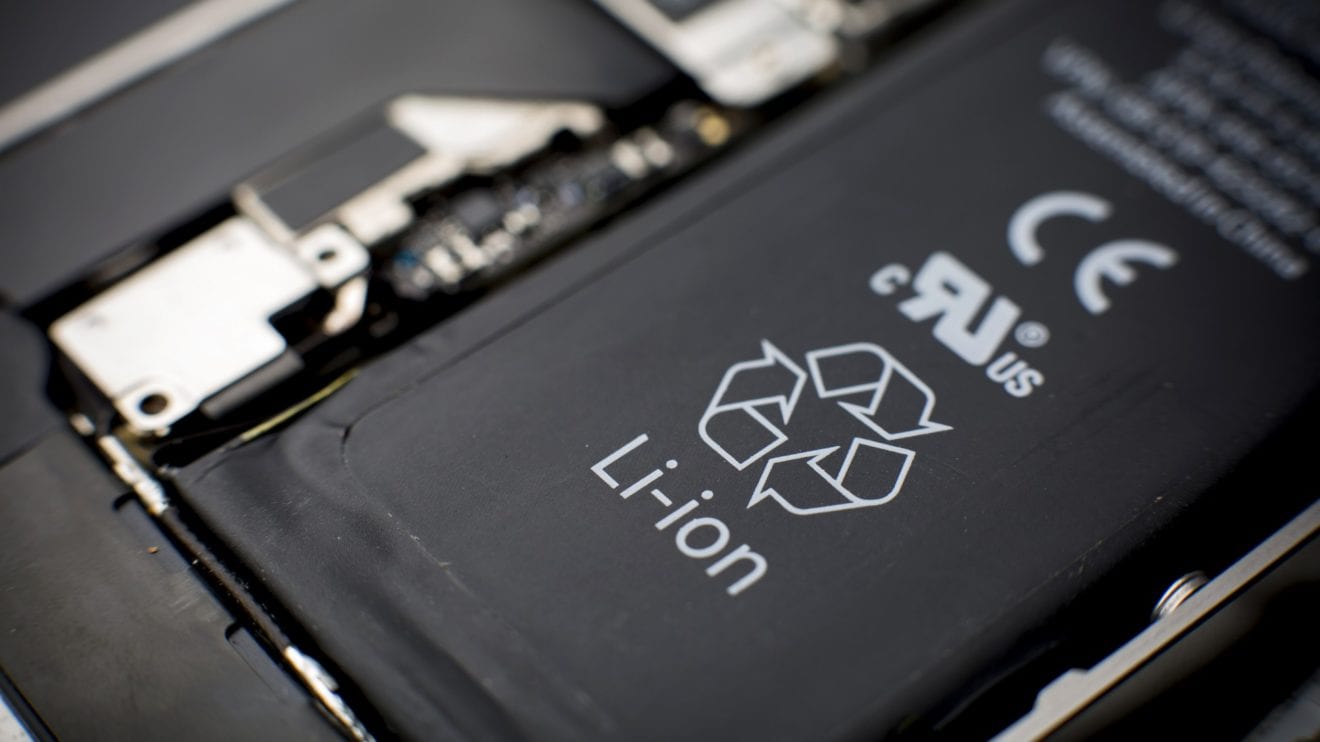
    A convenience store chain in Korea plans to offer affordable smartphone battery replacements instead of time-consuming charging services.

    BGF Retail, the company behind the CU convenience store chain, announced on April 14 that it would begin the battery replacement service in May. The service offers fully charged smartphone batteries to smartphone users in exchange for their discharged ones, after verifying their authenticity.

    Korean c-stores including CU currently offer battery-charging services, which can take up to 40 minutes. By introducing the replacement service, customers can save time while paying the same 3000 won (US$2.74) fee.

    The service will be available for all battery-replaceable smartphone models, and CU will continually add batteries for new models.

    However, the service is not available at all CU convenience stores, only shops that have chosen to participate in the program. CU stores offering the service can be found using the new “Full-charge” smartphone application.

    CU explained that the service was devised to solve the issue of rapidly depleted smartphone batteries, leveraging the accessibility of convenience stores.

    An official at BGF Retail said that as more people use smartphones, there is much anxiety about battery life. “By offering the service, we are presenting a convenient option to customers as they can replace the worn-out smartphone batteries like they are purchasing drinks in our stores.”

    Meanwhile, CU convenience stores are now transforming from simple stores selling items such as snacks, drinks and other daily necessities to “space” providers with lockers, meeting rooms and even concert halls.

    CU’s Itaewon Freedom offers a private locker service that was launched in December of last year, and some stores in university areas have started to offer meeting rooms equipped with tables, whiteboards, and HD TVs for those who seek spaces suitable for small-sized meetings.

    In Daehangno, where many performers and audiences gather together, the CU Marronnier Park store is equipped with a small-sized stage for amateur musicians, and even supplies sound and lighting equipment. It was developed to offer customers the pleasure of enjoying cultural performances highlighting the regional characteristics of the area.

  • Burberry Hong Kong blights sales

    Burberry Hong Kong blights sales

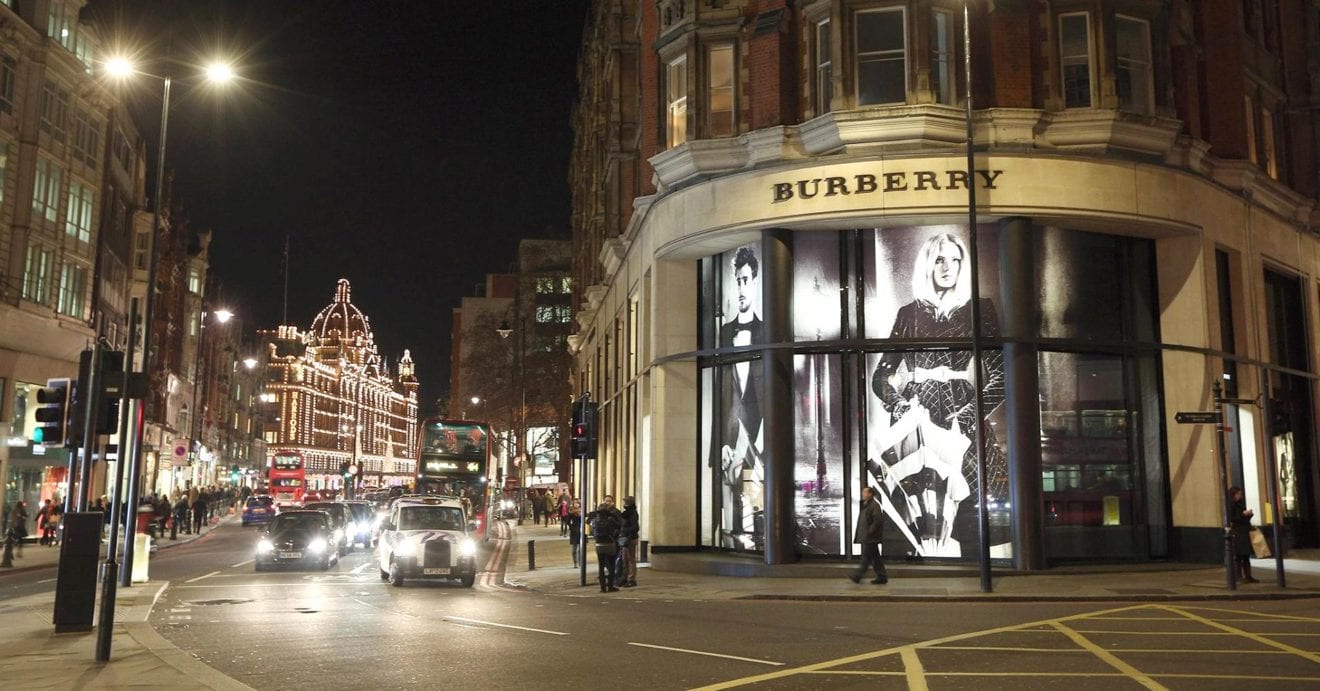
    Burberry says its first half sales rose nine per cent – with double digit growth in the US making up for declining sales in Hong Kong.

    “Asia Pacific delivered low single-digit percentage comparable sales growth,” the company said in a statement.

    Within this, China and Korea grew by a mid single-digit percentage, while Burberry Hong Kong, a high margin market, decelerated further during the period, resulting in a mid single-digit percentage decline in comparable sales in the half.

    Hong Kong’s performance was so bad, it dragged the overall Asia market growth (excluding Japan) to a mere four per cent, by far it lowest performing region.

    “Digital again outperformed in all regions.”

    Burberry’s revenue for the six months to March 31 totalled £1.4 billion. Sales growth was in the double digits for North America and the combined Europe, Middle East, India and Africa region.

    Sales by the company’s own retail channels rose by 13 per cent – significantly outperforming total revenue growth.

    CEO and creative director Christopher Bailey described the half year performance as “robust” despite the Burberry Hong Kong disappointment.

    During the second half, Burberry opened seven mainline stores and closed nine. Openings included a flagship in Rodeo Drive, Los Angeles, a store in the Miami Design District, as well as a second dedicated Beauty store globally, in Seoul, Korea.

    Due to the phasing out of the Japan license arrangement, the company’s licensing sales were down by 40 per cent, but sales from directly-operated stores in the nation rose by more than 30 per cent.

    During the six months, Burberry opened a flagship in Osaka, its fifth free-standing store in Japan, relocated the store in Omotesando, Tokyo, and opened three concessions, taking the network 13.

    Concluded Bailey: “We anticipate external challenges will continue in the current year, but remain confident in our long-term strategy to build the Burberry brand and business globally.”

    At the end of March, Burberry had 214 retail stores globally, 213 concessions, 57 outlets and 67 franchised stores.