Tag: asia

  • New DC Superhero Girls target young females

    New DC Superhero Girls target young females

    A new generation of superheroes is set to create retail merchandising opportunities across Asia.

    From this coming Fall, DC Entertainment, Warner Bros Animation, Warner Bros Consumer Products and Mattel join forces to launch DC Super Hero Girls, “a new universe of Super Heroic storytelling that helps build character and confidence, and empowers girls to discover their true potential,” the companies promise.

    Developed for girls aged 6-12, DC Super Hero Girls centers on the female Super Heroes and Super-Villains of the DC Comics universe during their formative years – prior to discovering their full super power potential. Featuring a completely new artistic style and aesthetic, DC Comics’ icons such as Wonder Woman, Supergirl, Batgirl, Harley Quinn, Bumble Bee, Poison Ivy, Katana and many more make their teenaged introduction. Each character has her own storyline that explores what teen life is like as a Super Hero, including discovering her unique abilities, nurturing her remarkable powers and mastering the fundamentals of being a hero.

    DC Entertainment Girls Superheroes

    The characters are DC Comics’ most powerful and diverse female characters, presented in a new, younger generation. They will roll out across multiple entertainment content platforms and product categories to create “an immersive world”, says Warner Bros.

    “DC Entertainment is home to the most iconic and well-known Super Heroes including Wonder Woman, Supergirl and Batgirl,” said Diane Nelson, president of DC Entertainment. “DC Super Hero Girlsrepresents the embodiment of our long-term strategy to harness the power of our diverse female characters. I am so pleased that we are able to offer relatable and strong role models in a unique way, just for girls.”

    The initial launch of DC Super Hero Girls in Fall 2015 will include an immersive digital experience, original digital content and digital publishing – providing opportunities for girls to interact with characters, learn about the storylines, and engage in customisable play. TV specials, made-for-videos, toys, apparel, books and other product categories will begin to roll-out in retailers in 2016.

    “Developing a Super Hero franchise exclusively for girls that includes all of the key components of a comprehensive entertainment experience – from content to consumer products – is something we are excited to be doing in conjunction with our great partners,” said Brad Globe, president of Warner Bros Consumer Products.

    As master toy licensee, Mattel is collaborating with DC Entertainment, Warner Bros Animation and Warner Bros Consumer Products on DC Super Hero Girls’ narrative creation, interactive digital activations and ultimately a toy line launching in 2016.

    Mattel category-leading firsts include a line of characters for the action figure category, an area of the industry that has been primarily developed with boys in mind, and fashion dolls featuring strong, athletic bodies that stand on their own in heroic poses.

    The Random House Books for Young Readers imprint of Random House Children’s Books has been appointed the master publishing partner for the franchise and will be creating a portfolio of books that will bring the DC Super Hero Girls world to life, beginning in Spring 2016.

    The Lego Group will also be a key to building the DC Super Hero Girls franchise, leveraging its experience and success engaging girls in creative construction play to bolster this universe through an array of Lego building sets designed to inspire girls’ imaginations.

    Additionally, consumer products partners around the world will be engaged in creating a merchandise line dedicated to DC Super Hero Girls across all key categories.

  • Royal Selangor to open in Chelsea, London

    Royal Selangor to open in Chelsea, London

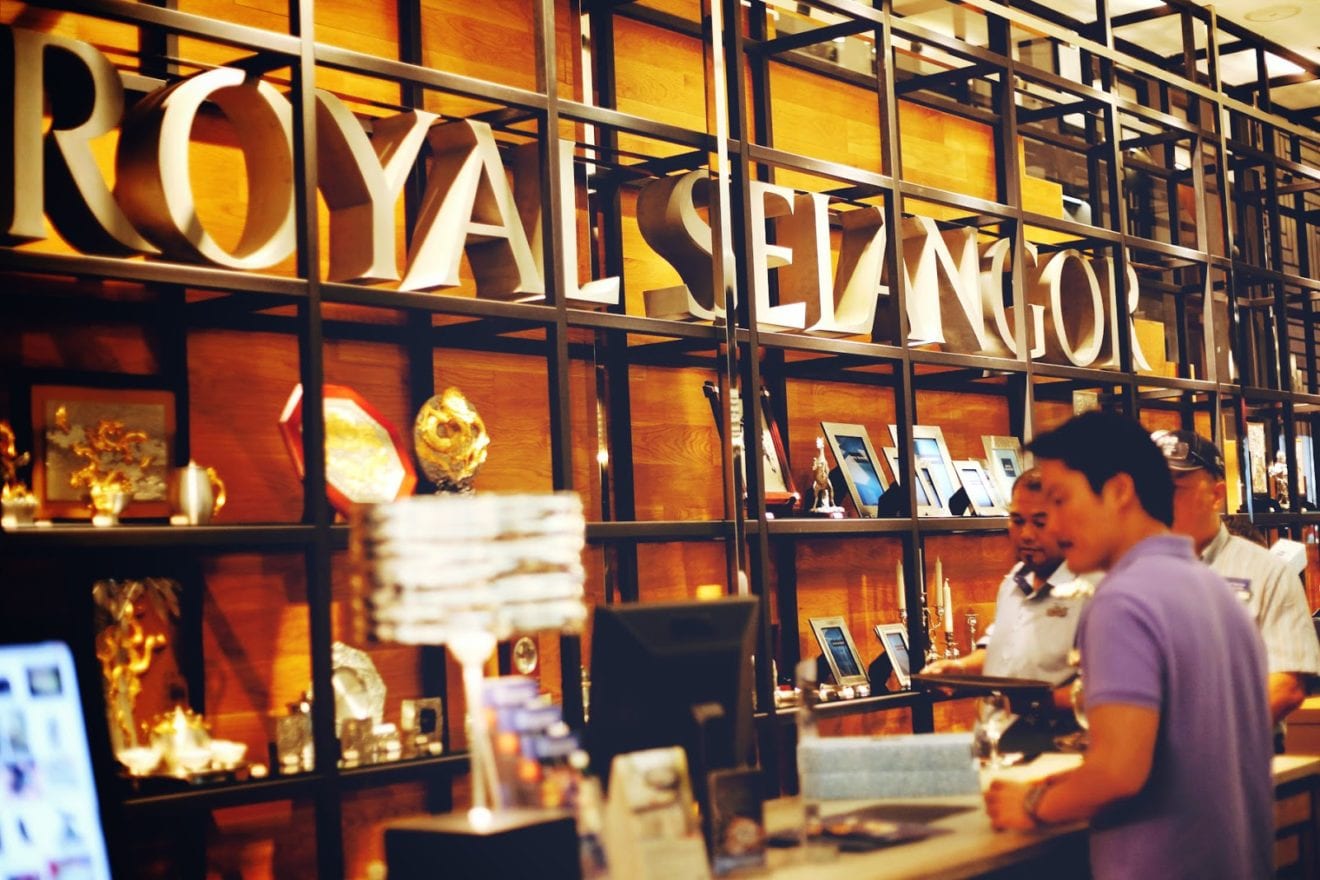
    Malaysia-based pewter brand Royal Selangor is to open its first standalone store in the UK.

    It chose the upmarket London suburb of Chelsea for its debut, a site adjacent to the Designer’s Guild at 261 Kings Rd.

    The 1317 sqft store is due to open as early as June.

    Established in Malaysia in 1885, Royal Selangor is now a global family business with stores in more than 20 countries.  Its UK flagship on King’s Rd will stock customised and designer homewares, as well as ornaments and personalised gifts, all made from pewter. In addition, Royal Selangor’s two complementary brands Selberan jewellery and the 350-year-old sterling silver brand Comyns will both be available in store.

    Royal Selangor is famous for its exclusive collaborations with international designers including Denmark’s Erik Magnussen, Freeman Lau from Hong Kong, and champagne houses Veuve Clicquot Ponsardin, Dom Perignon and Krug. Royal Selangor has also created trophies for numerous Formula One races, the Shanghai ATP 1000 Masters, as well as the Sime Darby LPGA Malaysia Golf Tournaments.

    Peter Coleman, MD of Royal Selangor UK, said the company wanted to launch its first store in a destination that reflects its quality and heritage.

    “The King’s Rd met our requirements perfectly due to the great mix of brands that share a similar ethos to our own and the cachet it holds as one of London’s most significant retail addresses.”

    Richard Everett, estate manager at Sloane Stanley, who brokered the lease deal, said the company is committed to creating a unique mix of retailers with a certain style on the King’s Rd, and the arrival of Royal Selangor is consistent with this strategy.

    “They will appeal to residents and visitors alike, reaffirming the King’s Rd’s position as one of the most important retail streets in London.”

  • Gucci China blamed for Kering slowdown

    Gucci China blamed for Kering slowdown

    Falling sales by Gucci China have been blamed for a higher than expected drop in Gucci parent Kering’s first quarter global sales.

    Sales at Gucci’s own 502 retail stores fell four per cent in the quarter and overall sales, on alike-for-like basis, fell eight per cent.

    The worst performing region was Asia-Pacific, where sales slumped a full 10 per cent. Sales in Greater China “deteriorated compared to earlier in the year”, France-based Kering said in an earnings statement.

    Sales rose six per cent in Western Europe and remained stable in North America.

    Kering has responded with a promise to give its flagship Gucci brand, which accounts for 60 per cent of its sales, a revamp.

    “Our priority is to give Gucci new impetus,” Kering finance director Jean-Marc Duplaix said.

    The company blamed the sales drop off as part of a transition period, following its sacking of the brand’s CEO and design director last December. It has since split the roles, naming Marco Bizzarri as CEO and in-house designer Alessandro Michele as creative head. Bizzarri is credited for having turned around Bottega Veneta.

    Michele’s strategy is to improve its entry-level offer, including small leathergoods and handbags.

    Gucci will also continue to invest in building its online business.

    Bottega Veneta, Kering’s second brand, also experienced slowing sales in the first quarter, but maintained growth at 3.1 per cent on a same store basis.

    The company cited poor trading in Hong Kong and Macao for the drop, specifically a change in the demographic of mainland Chinese tourists. Hong Kong achieved 19 per cent of its sales in Hong Kong and Macau.

  • Ted Baker Hong Kong flagship opens

    Ted Baker Hong Kong flagship opens

    Ted Baker has opened a new flagship in Hong Kong – inspired by the style of the territory.

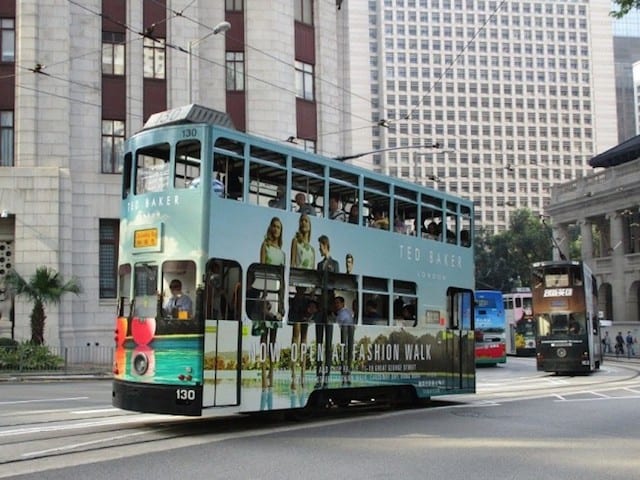
    The UK-based retailer has created a unique store design which incorporates famous Hong Kong themes such as the city’s skinny double decker trams.

    Ted Baker Causebay Hong Kong 415

    The end result is a mix of British and Hong Kong – tongue and groove timber ceilings with train carriage styled lights suspended on both sides give the feel of being inside a vintage Hong Kong tram.

    Ted Baker on tram - Hong Kong 415

    Timber panelling on the lower wall, with a blurred image sitting behind glass evoke the feeling of looking through the window of a speeding tram.

    The front of the Ted Baker Hong Kong store features vertical panels of glazed tiles, similar to those on the London Underground.

    Ted Baker Causebay Hong Kong 3-415

    And as shoppers climb the stairs to the store’s second floor, images of Hong Kong’s modern skyline convey the feel of a steep ascent on the territory’s popular Peak tram.

    Ted Baker Causebay Hong Kong 2-415

    There are rows of model trams at the cashier’s desk and custom designed wallpaper featuring old tram tickets in the fitting rooms.

    Ted Baker Causebay Hong Kong 1- 415

    The store is in the Fashion Walk Mall, Causeway Bay.

  • Matahari Indonesia makes it 110

    Matahari Indonesia makes it 110

    Matahari Indonesia has opened its 110th Hypermart in Tanjung Uncang, Batam.

    The new store has an area of about 6200 sqm stocked with a variety of household goods. It is Matahari’s third hypermart in Batam province.

    Director of communications and PR with Matahari, Danny Kojongian, said that given its developed infrastructure, Batam city has become an attractive destination for investors.

    “This new hypermart strategically strengthens the presence of Matahari in Batam. Two previous hypermart stores are located in downtown and this new outlet is located in the south of Batam which has a huge potential in the future.”

    Kojongian said Hypermart Tanjung Uncang has adopted some of the latest features of Hypermart G7 concept which is expected to strengthen the hypermart brand’s modern concept, with convenient shopping and excellent service.

    Matahari Putra Prima operates Hypermart, Foodmart and Boston Health & Beauty stores in more than 60 cities across Indonesia.

  • Huawei plans 40,000 new stores in two years  April 24, 2015

    Huawei plans 40,000 new stores in two years April 24, 2015

    Chinese phone maker Huawei plans to more than double its global store network from 30,000 to 70,000 by 2017.

    Huawei sees building its retail network is the key to selling more mid-range and high-end smartphones, taking on Apple and Samsung headon.

    More than half its current retail outlets are in China, which means the brand so far has only a modest presence and brand awareness internationally.

    By definition, Huawei’s stores will range from stand alone outlets to concessions and “display zones” where its phones were demonstrated for sale.

    Glory Zhang, chief marketing officer for Huawei’s consumer business group, says the company plans to launch more ‘high-end’ smartphones in international markets by the end of this year.

    Huawei is in the midst of a rapid growth phase. In 2013 it shipped 52 million smartphones, a figure dwarfed last year by 75 million, which made it the world’s third largest phone manufacturer. It is on track to ship well over 100,000 handsets in 2015.

    Within its own product range, high end units comprised just five per cent of its sales last year, but in the first quarter of 2015, they accounted for 34 per cent of sales.

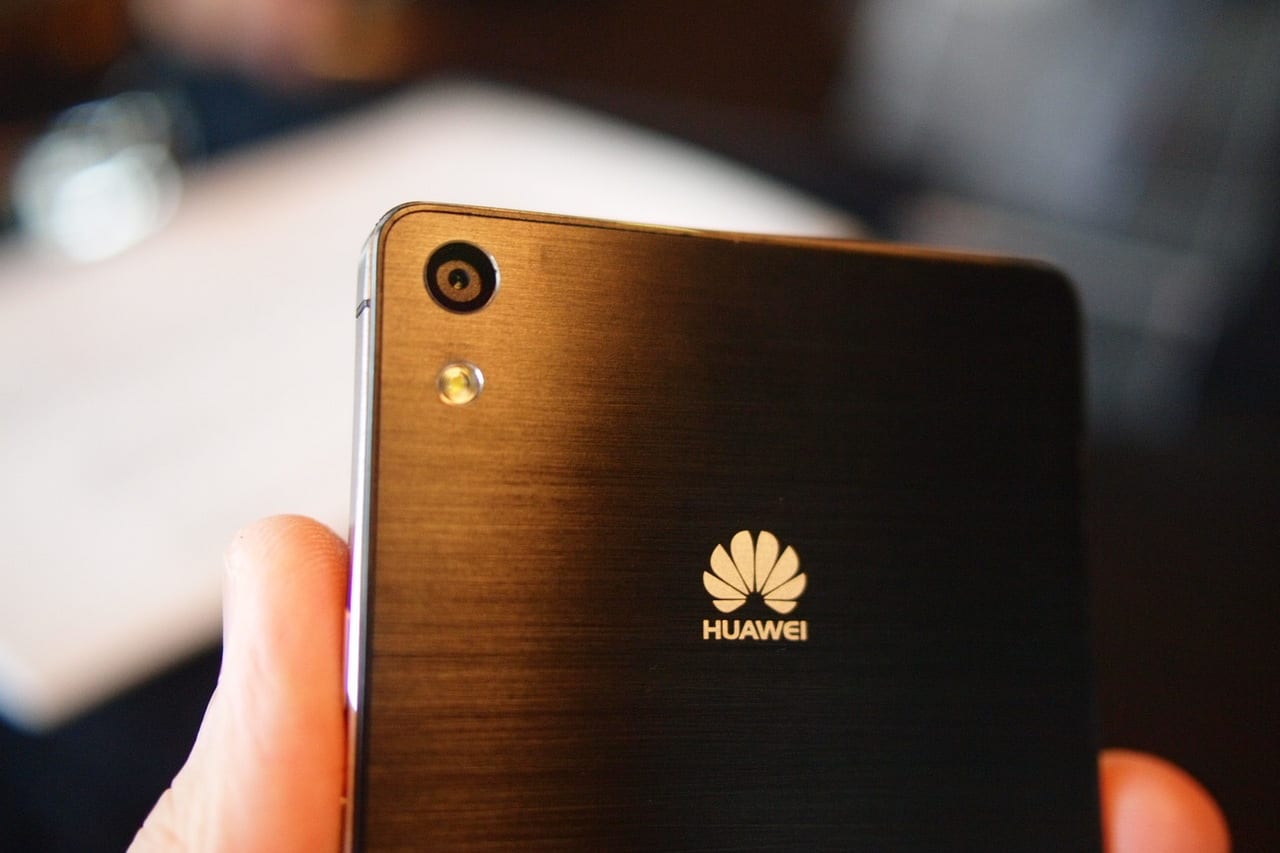
    Its newest showcase model is the P8, with a sleek metal body, (pictured above).

    Besides its retail network ambitions, Huawei has also revealed it plans to create a global service center network with urban customers no more than five kilometres from a repair shop.

    Zhang is confident about the brand’s international ambitions.

    “We’ve done this for a long time. We feel deeply that it’s easy to make a phone, but hard to make a good one.”

  • UNIQLO to expand Australia’s interstate in pursuit of growth

    UNIQLO to expand Australia’s interstate in pursuit of growth

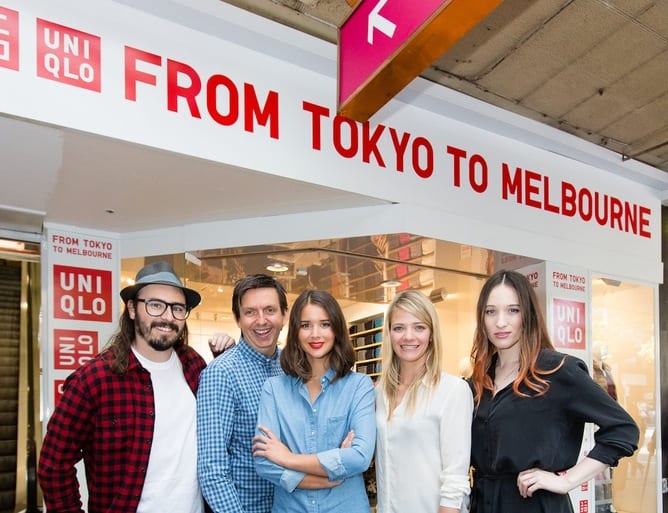
    Japanese retailer Fast Retailing may have to inject new capital into UNIQLO Australia to fund the next phase of growth as the casual clothing chain expands into new states and suburban markets, increasing pressure on department stores and specialty retailers.

    UNIQLO, which opened its first store in Australia a year ago, wants to become the market leader in casual wear by 2020, overtaking established brands such as Just Jeans, Sussan and General Pants, as part of its parent’s goal to become the world’s leading clothing company.

    UNIQLO’s founder, Fast Retailing president Tadashi Yanai, plans to open 200 new stores worldwide this year and Australia figures prominently in his growth ambitions.

  • ValueCommerce and MasterCard to launch inbound B2B marketing service in Japan

    ValueCommerce and MasterCard to launch inbound B2B marketing service in Japan

    ValueCommerce Co., Ltd. and MasterCard have agreed to launch a marketing service that will enable advertisers in Japan to provide reward points and other preferential services when consumers visiting Japan shop at their physical stores beginning from June.

    Advertisers in Japan are expected to use the service to grow their inbound retail businesses by providing international customers with enhanced shopping experiences while traveling in Japan.
    The business-to-business (B2B) service will be offered by ValueCommerce using MasterCard technologies. Currently, advertisers in Japan can only provide such services when shoppers make purchases online, but not in physical stores. This partnership will allow advertisers to close the loop and reward customers for in-store transactions, in order to drive more sales from international shoppers.

    The service will also enable advertisers to send promotional information to customers of Pinpoint Pty. Ltd., a major Australian loyalty-reward service provider acquired by MasterCard last year. Pinpoint manages rewards programs for issuers and merchants throughout Asia-Pacific, including Australia, Greater China, India and Japan.

    Inbound business has been growing in Japan due to fast-rising inbound travel, which has been strongly supported by Japan’s central government. Companies involved in inbound business are becoming increasingly interested in building stronger relationships and offering loyalty rewards to customers who visit Japan.

    Looking ahead, MasterCard and ValueCommerce intend to further leverage their mutual strengths by combining the know-how of ValueCommerce, a pioneer in affiliate marketing, with MasterCard’s global network, extensive experience with loyalty services, analytics capabilities and secure, comprehensive technologies.

    “We are pleased to cooperate with MasterCard to launch a new service in the highly competitive field of inbound business, which is growing as Japan’s inbound tourism continues to rise. In partnership with MasterCard, we aim to maximize the benefits for customers who visit the physical stores of our advertisers. We will leverage our experience and know-how in sending customers from online to offline and O2O solutions,” said Jin Kagawa, Representative Director, President and CEO of ValueCommerce.

    “Inbound business, a key strategy of the Japanese government, is expected to continue growing as more people from overseas visit Japan. Our new service enables international visitors to benefit from various marketing offerings, such as points and rewards in physical stores when they visit Japan, so businesses can use it to add value to their services. We are pleased to partner with ValueCommerce to support inbound businesses. This is a pivotal moment for MasterCard’s loyalty solutions in Japan. Going forward, we will further leverage our leading technology to support payment-based companies with high-value services, as well as provide MasterCard cardholders with an increasing array of benefits,” said Chris Fendley, Asia-Pacific Regional Lead of Loyalty Solutions at MasterCard and CEO of Pinpoint.

  • Heineken in talks with Indonesia on beer ban, underage drinking

    Heineken in talks with Indonesia on beer ban, underage drinking

    Brewing companies and Indonesia’s Trade Ministry will form a joint working group to discuss alternative solutions and programs to prevent underage drinking, Dutch brewer Heineken says.

    Heineken, the largest shareholder in Multi Bintang Indonesia, met with Trade Minister Rachmat Gobel on Sunday just days after the government banned alcohol sales at convenience stores and small shops across the country.

    In a press release obtained by GlobeAsia, Heineken said that the company applies very strict rules about how to market and sell its beer products that include prevention of underage drinking. It also said that Multi Bintang has worked with a large number of minimart operators to train their staff to make sure they do not sell to people below the legal drinking age of 21 years old.

  • Indonesian Finance Ministry mulls plans to tax e-commerce sites

    Indonesian Finance Ministry mulls plans to tax e-commerce sites

    The Indonesian Finance Ministry is considering plans to tighten tax regulations on transactions of foreign-owned online businesses that have yet to set up a local presence, in another strategy to generate more revenue to the state coffers.

    Deputy Finance Minister Mardiasmo said that the ministry is also looking to collaborate with the Ministry of Information and Communication in tracking online transactions through foreign-owned companies, such as Apple’s iTunes store.

    An attempt to tax online transactions from the companies that are based overseas could mean that these companies would be obliged to set up a locally incorporated company in Indonesia – which has become a burgeoning market for tech giants such as Google and Facebook.

  • Mattel sales beat estimates, shares rise

    Mattel sales beat estimates, shares rise

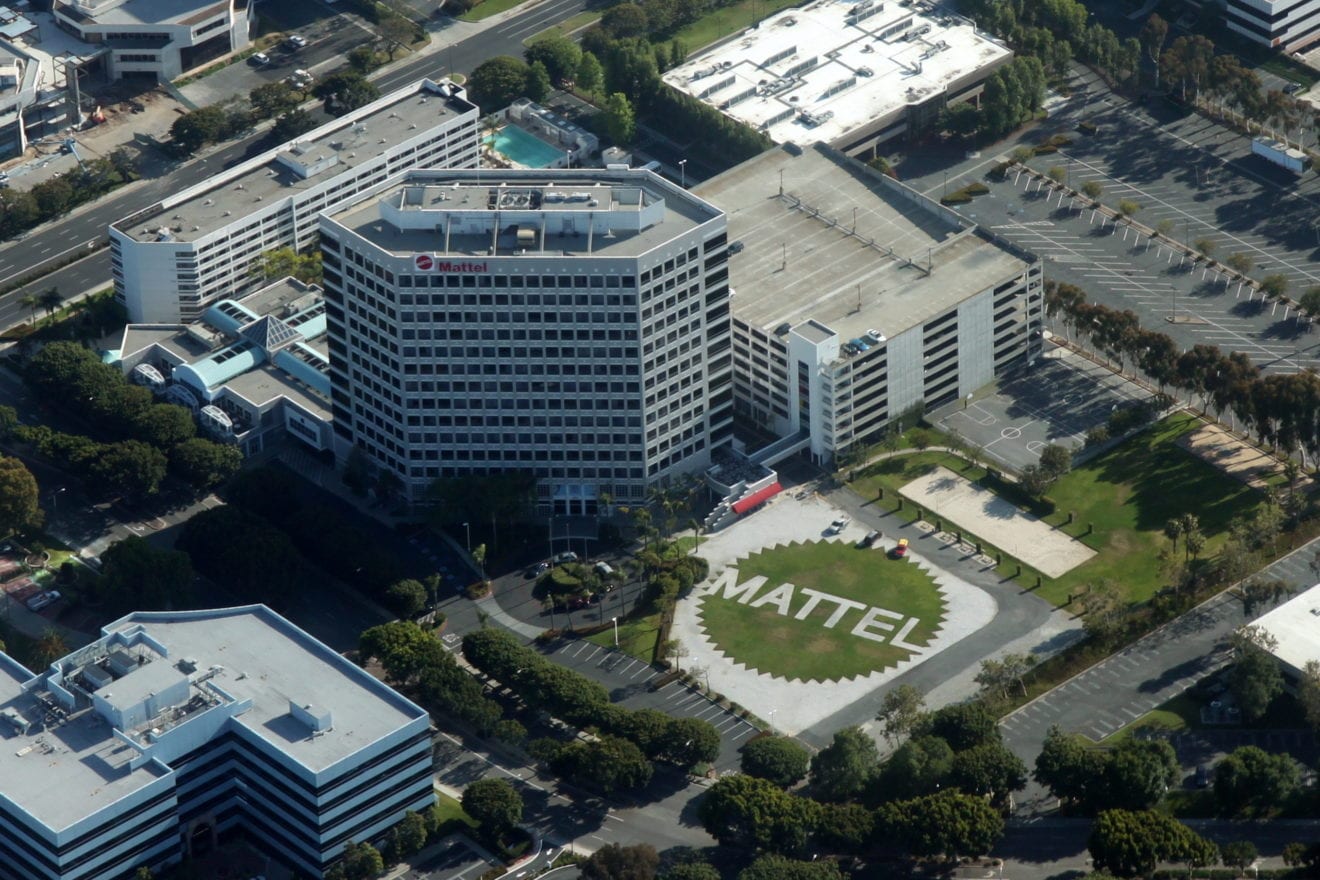
    Mattel Inc’s quarterly net sales topped analysts’ estimates for the first time in six quarters as new Chief Executive Christopher Sinclair focuses on turning around the business in the face of flagging sales of Barbie (pic) dolls.

    The toymaker reported a 2.5 percent decline in net sales in the three months ended on 31 March, during which Sinclair was appointed as interim CEO. He took the post permanently this month. Worldwide sales of Barbie dolls fell 5 percent on a constant currency basis, while sales of Fisher-Price preschool toys rose 3 percent.

    Sinclair, a former PepsiCo Inc executive who has been on Mattel’s board since 1996, has said the company needs to move with a “sense of urgency” to create toys that connect with young customers.

  • IKEA in shopping mall push

    IKEA in shopping mall push

    IKEA, the world’s biggest furniture retailer, plans to spend up to EUR3 billion (USD3.2 billion) on new shopping centres over the next 5-7 years, aiming to cash in on the popularity of its stores by collecting rent from retailers keen to set up nearby.

    The Swedish company formed IKEA Centres last year to group its existing out-of-town shopping malls and retail parks, and further develop a real estate business out of its core retail chain that sells cheap, mainly self-assembly furniture.

    The division’s boss, John Tegner, told Reuters that shopping centres helped the group by attracting more customers to its stores, which lie at the heart of the centres, while providing revenues from tenants and assets that have grown in value.

  • FitFlop unflappable about Thailand investment scheme

    FitFlop unflappable about Thailand investment scheme

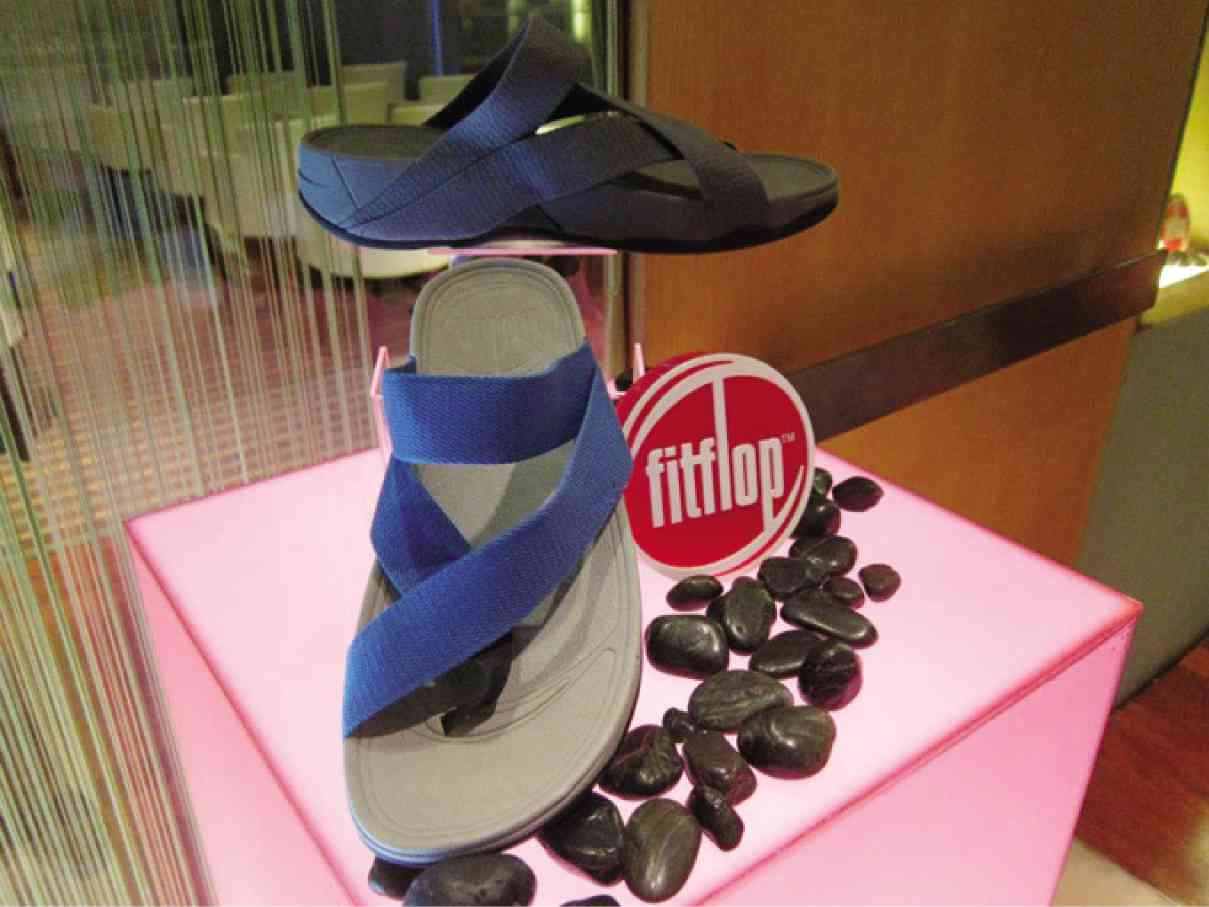
    The Primer Group of Companies, a Philippines lifestyle fashion company, believes sales of FitFlop shoes in Asia-Pacific this year will outpace last year’s with Thailand driving growth.

    Camille Karaan, deputy director and vice-president of Primer International Management Ltd, the operator of FitFlop shops in Asia-Pacific, said despite the Thai economy slowing it would maintain its investment in the Thai market, particularly for exclusive product designs.

    The company started producing exclusive shoe designs for Thailand three years ago, which received a warm response from ASEAN customers, particularly the Shasha collection. About 150,000 pairs of Shasha sandals were sold in Asia-Pacific last year, compared with a record high of 100,000 pairs for its regular collections.

  • China fines Alibaba USD129,000 for pricing violations

    China fines Alibaba USD129,000 for pricing violations

    China’s e-commerce giant, Alibaba Group, has been fined CNY800,000 (USD129,000) by the price bureau in eastern Zhejiang province for violations by third-party sellers during promotions on its e-commerce platforms.

    Since Alibaba turned “Singles’ Day”, a November 11 Chinese response to Valentine’s Day, into an online shopping festival in 2009, the event has grown to similar proportions as Cyber Monday and Black Friday in the United States.

    Sales of more than USD9 billion were achieved at last year’s event, and the company has copyrighted the phrase “Double 11”, a reference to the date (11/11), which in turn, refers to the status of single people.

  • Grocery to be next gateway for Paytm

    Grocery to be next gateway for Paytm

    Alibaba-backed payment platform Paytm is set to enter the online grocery market under a new business vertical to be headquartered in Bengaluru. The development, at a time when domestic e-commerce giant Flipkart is also preparing to start grocery retailing, a space currently dominated by small and mid-sized players, suggests investors and analysts are viewing grocery as the next big growth avenue in e-commerce.

    Through affiliate Ant Financial Services, Chinese e-commerce giant Alibaba is infusing USD575 million in Paytm, whose wallet user base recently touched 50 million. Paytm is going to use part of the fresh funding for its foray into the new business of grocery retailing.

    Paytm’s grocery segment, initially with a team of about 20, is likely to begin operations soon. Online grocery is expected to help boost its transaction rates and customer acquisition, both important benchmarks for investors at the time of valuing a company for fresh funding.