Tag: asia

  • Greater China launch for Joseph

    Greater China launch for Joseph

    London label Joseph fashion will launch in Beijing later this month, the first step in a Greater China roll-out.

    While based in Great Britain, Joseph is owned by Japan’s Onward Kashiyama group, which bought the business in 2005. The brand’s founder Joseph Ettedgui died of cancer in 2010.

    “Like all our stores globally, our Beijing store will offer the foundations of a sophisticated wardrobe with our luxury essentials along with our catwalk pieces,” said Takehiro Shiraishi, Joseph MD.

    The China launch for Joseph in Beijing will be followed over the next five years by store openings in Hong Kong, Macau, Shenzhen and other cities.

    “After having seen a period of luxury market growth in China, we feel there is an expansion of sophisticated highly fashion-conscious consumers,” says Shiraishi, bullish about the brand’s prospects in China.

    “We feel the market is maturing and needs affordable products.”

    Joseph Ettedgui was credited with introducing the narrow-legged stretch pant in the 1990s, a line which remains a centrepiece of the the brands often androgynous range today.

    Louis Trotter, Joseph’s current creative director, whose past credits include Calvin Klein and Tommy Hilfiger, believes the range will appeal to Chinese consumers.

    “Our customer has a certain attitude, Joseph is not overtly branded, it is quite discreet and it takes a certain type of woman to appreciate our product.”

  • Huawei plans 40,000 new stores in two years

    Huawei plans 40,000 new stores in two years

    Chinese phone maker Huawei plans to more than double its global store network from 30,000 to 70,000 by 2017.

    Huawei sees building its retail network is the key to selling more mid-range and high-end smartphones, taking on Apple and Samsung headon.

    More than half its current retail outlets are in China, which means the brand so far has only a modest presence and brand awareness internationally.

    By definition, Huawei’s stores will range from stand alone outlets to concessions and “display zones” where its phones were demonstrated for sale.

    Glory Zhang, chief marketing officer for Huawei’s consumer business group, says the company plans to launch more ‘high-end’ smartphones in international markets by the end of this year.

    Huawei is in the midst of a rapid growth phase. In 2013 it shipped 52 million smartphones, a figure dwarfed last year by 75 million, which made it the world’s third largest phone manufacturer. It is on track to ship well over 100,000 handsets in 2015.

    Within its own product range, high end units comprised just five per cent of its sales last year, but in the first quarter of 2015, they accounted for 34 per cent of sales.

    Its newest showcase model is the P8, with a sleek metal body, (pictured above).

    Besides its retail network ambitions, Huawei has also revealed it plans to create a global service center network with urban customers no more than five kilometres from a repair shop.

    Zhang is confident about the brand’s international ambitions.

    “We’ve done this for a long time. We feel deeply that it’s easy to make a phone, but hard to make a good one.”

  • Brazilian Investor Mulls Rp 1t Plan for Cattle Breeding on Indonesian Prison Island

    Brazilian Investor Mulls Rp 1t Plan for Cattle Breeding on Indonesian Prison Island

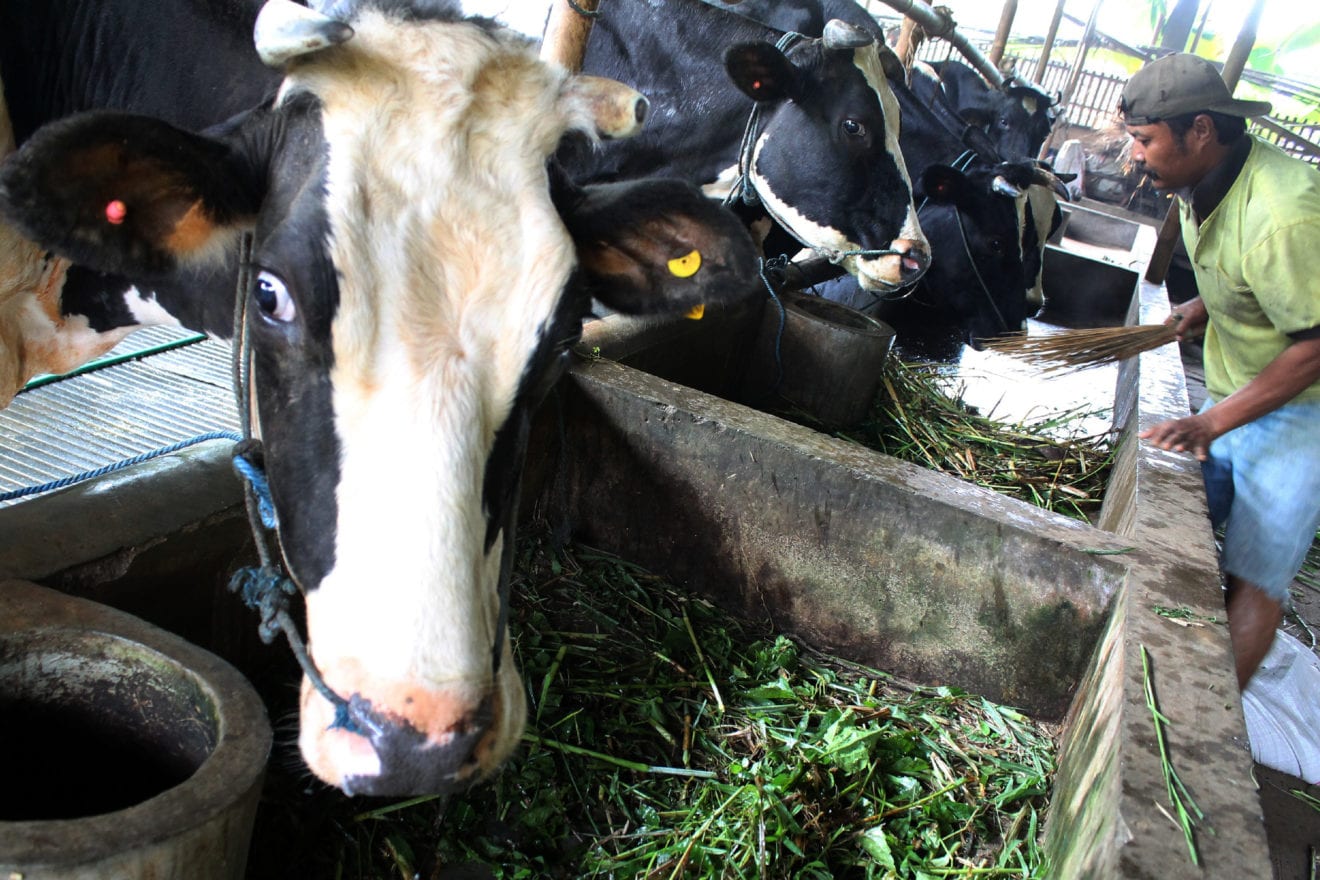
    A Brazilian investor has expressed interest to invest Rp 1 trillion ($77 million) for cattle breeding on Buru island in Maluku, competing with other investors to tap Indonesia’s lucrative but under-supplied beef market.

    Aside from Brazil, Australia and several local investors are attracted in investing in cattle breeding on Buru Island, which was largely transformed into farmland by political prisoners during the New Order era under Suharto.

    The government expects to sign on Monday the memorandum of understanding of the investment plan with the Brazilian investor, whose plan includes total capacity of producing 200,000 cattle a year.

    “There are five [who are attracted to invest] and local investors, but this [Brazilian investor] is the one we might expect,” said Agriculture Minister Amran Sulaiman on Sunday.

    Misguided policies and corruption among government officials have long hindered the country’s ability to meet local demand of beef, let alone being self sufficient in production.

  • Benoy chosen for IFS China mall designs

    Benoy chosen for IFS China mall designs

    Benoy has been chosen to design two further International Finance Square (IFS) malls being developed by Hong Kong property company The Wharf Holdings (Wharf).

    Wharf has appointed Benoy for master planning, retail architecture, interior and graphic design for its IFS China developments in Chongqing and Changsha (picture above), following its success with the already completed Chengdu IFS.

    “Chengdu IFS has proven to be an extremely successful collaboration between our two companies, in terms of both design and commercial viability,” said Benoy director Ferdinand Cheung.

    “We are excited to continue creating architecture that speaks of its time while also developing exciting yet timeless spaces for the people of these cities.”

    The new IFS China malls are located in fast-growing cities as Wharf launches and grows its commercial portfolio in China. Like Chengdu IFS which established a diverse ‘City within a city’ commercial landmark in Western China, the developments in Chongqing and Changsha will look to set a new benchmark for their catchments.

    “These projects are challenging in both their size and scale, Changsha IFS being the largest of the three schemes. As the sector evolves, the complexity of the programs and connectivity within these mixed-use developments continues to increase,” explained Cheung.

    Covering a total development area of 1,026,000 sqm, Changsha IFS will be located in the Furong District’s Jiefang Rd in the core of the CBD. Ensuring ultimate connectivity and high footfalls, the scheme will be connected to the future underground interchange hub for metro lines 1 and 2. The mall will also act as an extension to one of the busiest pedestrian streets in China — Huang Xing Pedestrian Shopping Street — sitting opposite to the entrance of the well-known area.

    Changsha IFS will have a retail street frontage of more than 700 metres, forming the longest ‘Street’ experience in Wharf’s portfolio. The 230,000 sqm retail mall will have premium offers spanning entertainment, lifestyle, retail, culture and food & beverage. The podium will also interface with two towers soaring to 452 metres and 315 metres, each featuring a hotel, to create a diverse commercial destination.

    In Chongqing’s new CBD, where the Yangtze River meets the Jialing River, the site for Chongqing IFS is being developed as a joint venture between Wharf and China Overseas Land.

    Creating a highly efficient commercial footprint, the project combines four adjacent sites into one to form a stately and innovative masterplan. Two light railway lines are set to pass through the area with respective stations nearby, establishing excellent transportation links.

    The scheme sits adjacent to the Chongqing City Grand Theatre, the Chongqing Science Museum and the Central Park, to bring further diversity to the Jiangbei Commercial District. Flanked by a 300 metre landmark tower and four additional towers, the 102,000 sqm retail podium will unite retail, commercial offices and hospitality with panoramic views across the river.

    Positioned as a boutique retail mall, Chongqing IFS will showcase celebrated brands and a wide spectrum of fine dining and entertainment anchors including a cinema and ice rink.

    Chongqing IFS is due for full completion in 2016 and Changsha IFS will complete in phases starting from 2016.

  • Nespresso opens cafe concept

    Nespresso opens cafe concept

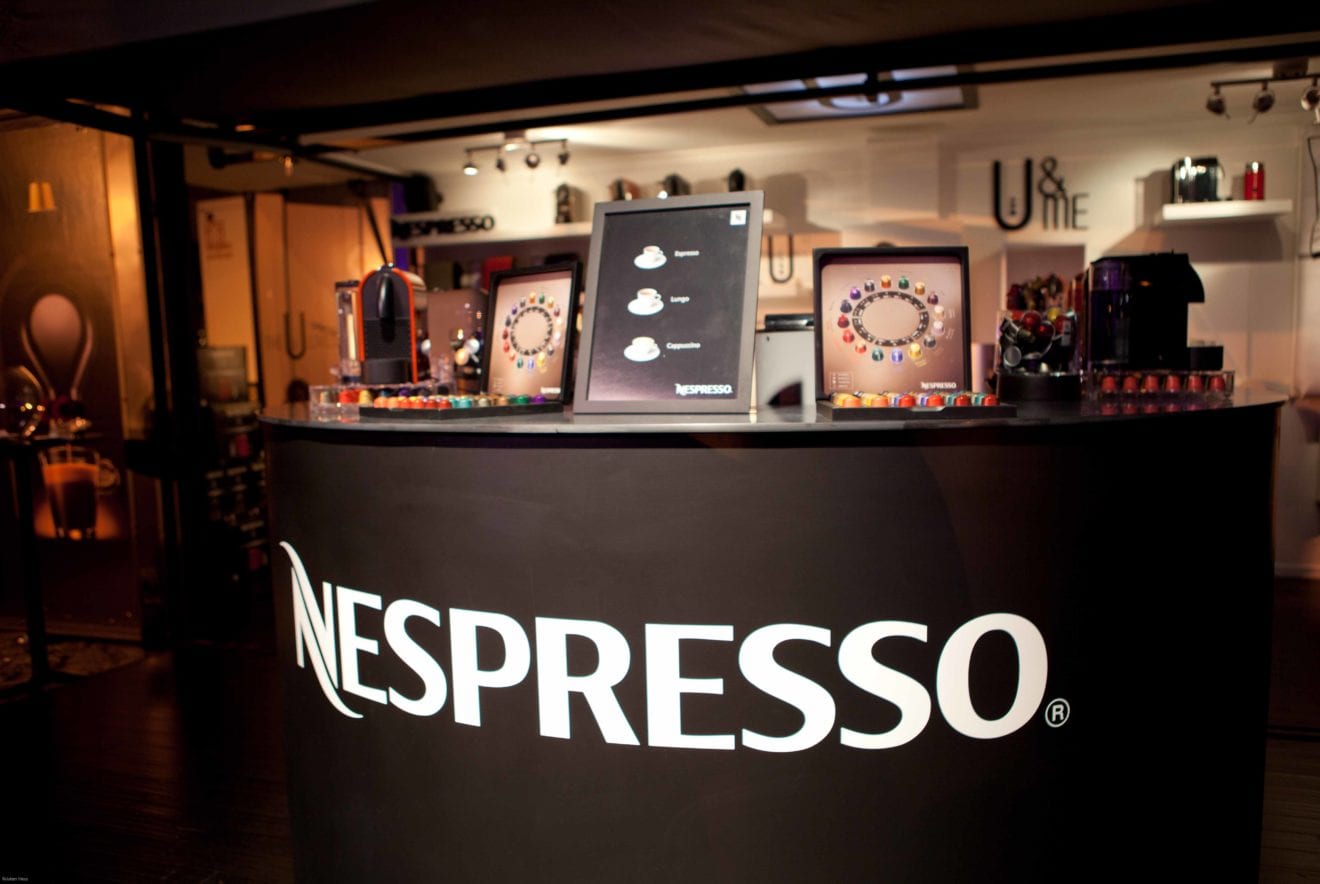
    Capsule coffee brand Nespresso has opened a global pilot cafe concept in Vienna, Austria.

    The cafe, located in the Mariahilferstrasse, is part of a joint venture with ‘super premium food caterer’ Do&Co. This new cafe boutique concept combines a premium coffee shop and take-away service with the Nespresso Cube, an automated retail solution for the convenient purchasing of Nespresso coffee sleeves, bringing an exclusive and personalised luxury experience to consumers.

    “The Nespresso Cafe is the latest in our pipeline of retail and service innovations. It is a true embodiment of our brand. Not only can consumers indulge in the Nespresso experience, they will also be able to purchase our Grand Cru coffees through our automated boutique, the Nespresso Cube,” said Jean-Marc Duvoisin, CEO of Nestle Nespresso SA.

    “Our partnership with Do&Co is highly complementary in terms of their expertise in providing super premium food expertise to enrich the experience.”

    Nestle says the Nespresso Cafe offers coffee lovers the opportunity to enjoy the Nespresso experience at their own pace. Combining aesthetic design with high-end technology, the cafe features high quality materials with elegant lighting and soft music to provide a refined and relaxing atmosphere.

    Consumers can taste Nespresso Grand Cru coffees and a range of over 20 permanent and seasonal coffee recipes prepared by baristas, who will also be on hand to share their knowledge of Nespresso highest quality coffees.

    Consumers can also dine on savoury and sweet premium delicacies, including salads, macaroons and pastries, specially created for the Nespresso Cafe and tailored to each time of the day.

    The Nespresso Cafe also proposes its food and beverage options as takeaway to cater to Nespresso consumers’ busy lifestyles and the desire to enjoy their favourite Nespresso coffee moment while on the go.

    It features the company’s newest retail innovation: an integrated Nespresso Cube, the first in Austria. The Cube, already implemented in five other countries in 2013 and 2014, is an automated boutique that offers the brand’s 23 Grand Cru or Limited Edition coffees and prepares any personalised multi-product order in a matter of seconds thanks to an advanced, robotised order-picking system.

    The Nespresso Cube contains up to 48,000 capsules, or 4800 sleeves, of all the Nespresso Grand Cru coffees and can service two customers at the same time. Club Members can purchase the capsules using their Nespresso Club card, other consumers can use their credit card.

    As part of Nestle’s sustainability commitment, the cafe accepts used capsules for recycling. In a statement, Nestle said the Nespresso Cafe “embodies the company’s latest step in introducing new innovative services tailored to contemporary living and shopping preferences, and satisfying consumer desire for convenience and choice while at the same time providing exceptional premium experiences”.

  • Shanghai Tang launches fragrance range

    Shanghai Tang launches fragrance range

    Hong Kong born luxury fashion label Shanghai Tang is expanding from fashion and homewares into the fragrance business.

    While Shanghai Tang, now part of French based Richemont Group, has offered scents for some years, this week’s launch takes it into the top tier of parfumeries.

    The Silk Road Fragrance Collection, the company says, “conjures up the spirit of adventure through a sensory journey from East to West – reflecting the essence of the brand which fuses Chinese with Western fashion”.

    “Inspired by the exotic landscapes, rich colors and sense of adventure of the Silk Road, our master parfumier has created for Shanghai Tang a captivating collection of precious fragrances… infused with all the mystery and sensuality of the Silk Road.”

    The parfumier is Carlos Benaim, a past winner of the prestigious American Society for Perfumers Lifetime Achievement Award for his contribution to the world of fragrance who has created signature scents for brands including Armani, Carolina Herrera, Prada and Maison Martin Margiela.

    Drawing on his personal travels in China, Benaim designed the collection to pay tribute to the grandeur of Chinese culture through a suite of eight multi-layered, unique scents – five for women and three for men. Each highlights one or two exceptional ingredients that evoke the romance of the ancient caravans carrying Chinese treasures along the Silk Road to the western world.

    Each fragrance is housed in precious bottle that prominently features the Shou. This Chinese symbol of longevity is cited as one of the Five Blessings: longevity, wealth, health, love and virtue.

  • Massive Hooters Pattaya to open August

    Massive Hooters Pattaya to open August

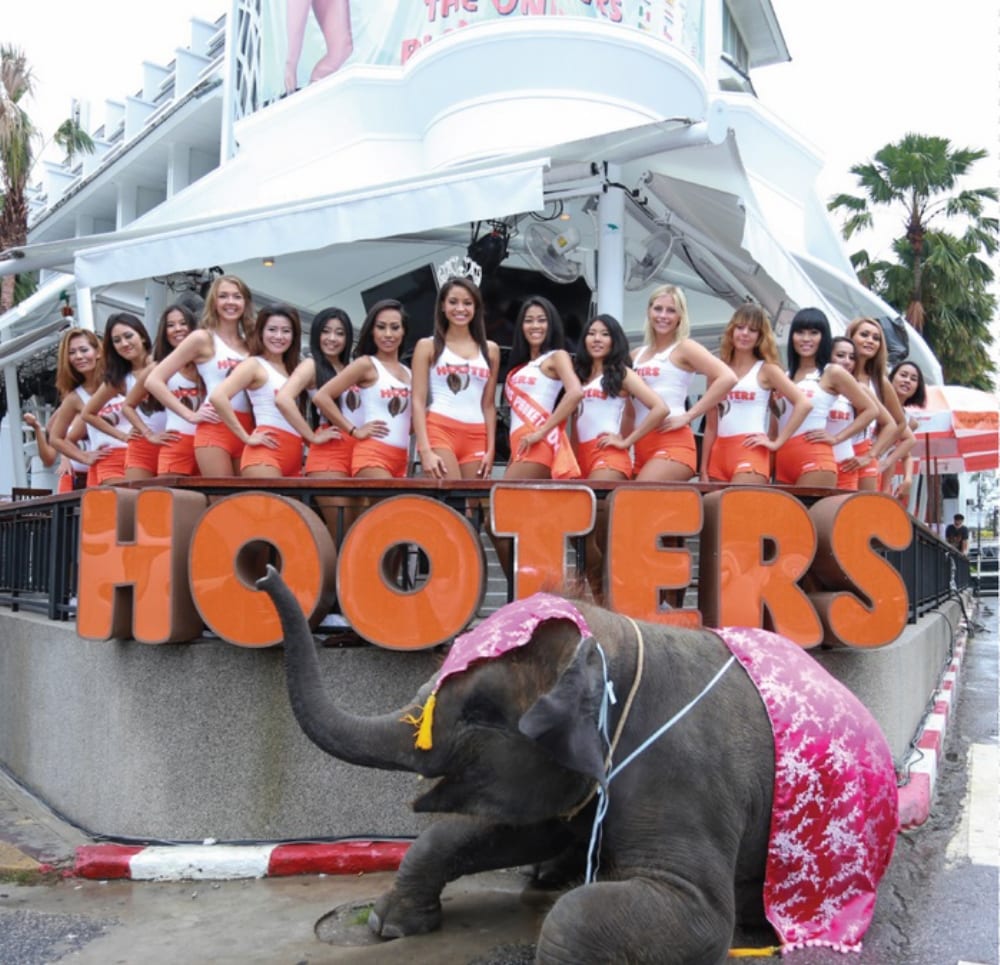
    Hooters will open the largest international Hooters location in Pattaya, Thailand, in August.

    Hooters franchisee Destination Resorts, will open the 11,000 sqft, 564-seat Hooters Pattaya in the thriving tourism and nightlife destination as part of a 30 restaurant development agreement signed earlier this year to expand Hooters throughout Southeast Asia.

    Hooters Pattaya is slated to open in early August on Beach Rd, directly across from Pattaya Beach.

    The restaurant will feature two bars, 50 high-definition televisions and two outdoor patios where guests can relax and take in the scenic views. The “Wild West” themed restaurant will allow locals and tourists to experience great fun, delicious food, world-famous chicken wings and “Hooters Girl hospitality”.

    “With the popularity of the Pattaya Beach area and its multicultural mix of locals, tourists and expats, we saw it as the ideal setting for one of the world’s largest Hooters,” said Gary Murray, CEO, Destination Resorts.

    “We successfully introduced the Hooters dining concept to Thailand last year with Hooters Phuket, and look forward to expanding our footprint in the second most visited city in Thailand.”

    Recruitment for more than 75 local Hooters Girls from Pattaya and neighboring cities has already begun.

    “A hiring road tour is scheduled to pass through Bangkok, Chiang Mai, Khon Kaen, Korat, Pattaya and Udon Thani in search of fun, friendly and outgoing personalities to sport the iconic Orange Shorts and represent the global Hooters brand,” the companies said in a release.

    Headquartered in Bangkok, Destination Resorts is the company behind DoubleTree Resort by Hilton Phuket at Surin Beach, DusitD2 Phuket Resort, Sri Racha International Golf at Sri Racha Hills, Hard Rock Café Phuket at Patong Beach, Novotel Phuket Karon Beach Resort & Spa, Novotel Hua Hin Cha Am Beach Resort & Spa, Swissotel Resort Phuket and Four Points by Sheraton Bangkok Sukhumvit 15.

  • Alibaba freezes hiring as Ma says company needs to be efficient

    Alibaba freezes hiring as Ma says company needs to be efficient

    Billionaire Jack Ma said he is freezing all hiring at Alibaba Group Holding because the e-commerce company is expanding too quickly.

    The hiring freeze also applies to some companies controlled by Alibaba, Ma said in a speech to employees. The current level of 30,000 workers should be enough to maintain operations, Mr Ma said in a transcript posted to an official Alibaba account on the social-media application Laiwang.

    Alibaba, which is Asia’s largest Internet company, processes more than 11 billion orders a year from 334 million active buyers. Mr Ma, who has ambitions to service more than 2 billion consumers by 2019, said Alibaba would only hire a new employee when a current one quits.

    “This year our entire group’s headcount won’t increase by one person,” Ma said in the speech posted Tuesday. “The purpose is simple: we need to get into formation. I think 30,000 people is efficient.”

    Alibaba faces slowing revenue growth in China and is boosting spending to develop its overseas business. Mr Ma wants more than 50 per cent of sales to come from outside China, and the company aims to connect with more than 10 million small businesses abroad.

    The company is betting on emerging markets – including Russia, Brazil and India – to sustain the next wave of exports, and it is trying to help Chinese buyers gain greater access to brands from the US and Europe.

    AliExpress, the company’s market for customers outside of China, was founded in April 2010 and is already the top shopping site in Russia and Brazil.

    As China introduces more policies to make it cheaper to import overseas goods, Alibaba is competing with JD.com Inc to introduce more brands from the U.S. and Europe. The customs agency is allowing seven cities, including Shanghai and Guangzhou, to test cross-border e-commerce.

  • Good logistics key for SMEs to ride the global wave of ecommerce

    Good logistics key for SMEs to ride the global wave of ecommerce

    Online shopping is booming and will continue to grow exponentially – the global online retail market now tops USD1 trillion a year and is set to double within four years.

    Asia is at the centre of that consumer-led, technology-enabled revolution in e-commerce. China alone is tipped to exceed USD1 trillion in retail ecommerce sales in the next three years, making up more than 40 percent of the global ecommerce market.

    With this huge growth set to continue, all kinds of businesses in Asia can benefit from the new world of ecommerce. In fact, being a minnow in the world of big business no longer carries the disadvantage of size.

    A new study by Forrester Consulting found that cross-border e-commerce is a major revenue opportunity for small to mid-sized businesses (SMEs), but they can still be losing out because of logistics concerns. The question they must answer is – are the time and the cost of moving goods across borders going to be worth it for my business?

    Many SMEs in this region have already seized this opportunity. An eBay report on APEC SMEs, for example, showed that the average commercial seller on eBay exported to 36 countries.

    The good news for manufacturers is that the Forrester study showed that physical items dominate online purchases. Clothing and apparel are by the far the most popular, but books, consumer electronics, cosmetics and personal electronics are also frequently purchased.

    Concerns of consumers centre around reliability – how can they be assured that the goods they are buying are exactly what is advertised? What can they do about returns if they have a problem with the product?

    The Forrester research found shipping and logistics at the forefront of consumers’ minds when considering cross-border purchases. It cited shipping cost (51 percent) and long delivery time (47 percent) as the top two concerns.

    Many of the problems with e-commerce logistics are the result of deliberate policy choices by governments. They include high tariffs, cumbersome import procedures, or inefficient transport networks and infrastructure that do nothing to move goods across borders in the easiest and most cost effective way.

    Updating what are often “pre-internet” trade policies is crucial. One issue that is especially important is trade facilitation – making the movement of goods across borders easier and more efficient.
    Other research shows online mass merchants and marketplaces are the most popular destinations for online shoppers who want to buy clothing in China and Japan. In South Korea, mobile applications are key since almost one in three online clothing buyers last bought something via their smartphone.

    Trade facilitation, including customs modernization, can help resolve 21st century logistics issues that might otherwise prevent consumers from buying online from overseas companies.

    For example, the World Economic Forum estimates that cross-border activity by SMEs would jump by 60 to 80 percent if supply chain barriers were addressed.

    Raising the de minimis thresholds to a much higher level – above which full duties and value added tax is levied – would be an important first step in delivering greater economic benefits for SMEs. The current de minimis threshold in the European Union is just EUR22 , while many business groups recommend raising these thresholds globally to several hundred US dollars, if not USD1000.

    Increasing shipment processing hours to a 24 hours a day-customs clearance would also go a long way towards reassuring consumers and supporting ecommerce. So too would increase electronic filing of customs documents and e-payments, preferably through a single window.
    Yet feeling comfortable buying goods from an online supplier or website in your own country doesn’t always translate to cross-border purchases.

    The bottom line is that trade facilitation really does work for SMEs. A 2013 European University Institute working paper concluded “that the gains from trade facilitation accrue to large and small firms alike: all size classes of firms export more in response to improved trade facilitation.”

    Likewise, barriers faced by SMEs can be reduced or even eradicated with access to technology because it helps open doors, quickly and efficiently, to global markets.

    There is little doubt the opportunities for SMEs are out there. E-commerce clearly offers new opportunities for SMEs to expand their reach into overseas markets, but good logistics are key to realizing that opportunity.

    Improved trade facilitation is critical, and it’s the role of business and governments to work together to make that potential a reality for SMEs around the region.


  • Internux Sues Shop for Unlocking Bolt! Modems

    Internux Sues Shop for Unlocking Bolt! Modems

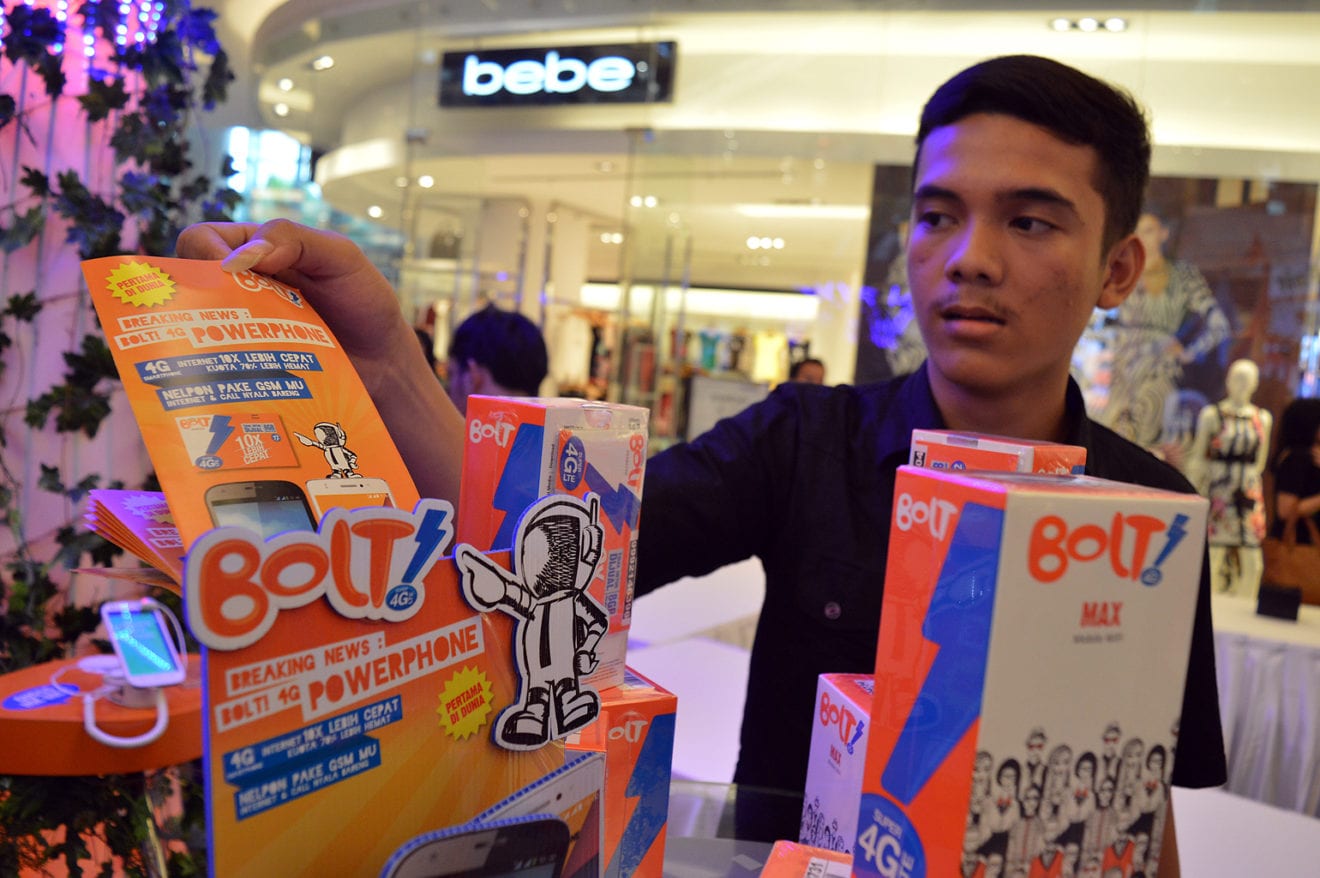
    Internux, the company behind Bolt! 4G mobile broadband service, is suing Cumi Laut Software Development, a local shop, for allegedly providing unlocking services for the company’s modem devices.

    Bolt!, which is the first 4G mobile broadband provider in Indonesia, has been offering its broadband service with modem and smartphones since its introduction last year — attracting more than 1 million customers.

    The company, however, found out that several parties including Cumi Laut, has been unlocking the modem to make it compatible with other operators’ broadband services.

    “[This] is an illegal practice that breaches patents and costs our clients,” said Ignatius Supriyadi, Internux’s lawyer in a statement on Wednesday.

    Dicky Moechtar, Bolt!’s chief executive, said that the company would also take legal actions against other parties besides Cumi Laut.

  • Matahari Department Store Profit Rises on Robust Sales

    Matahari Department Store Profit Rises on Robust Sales

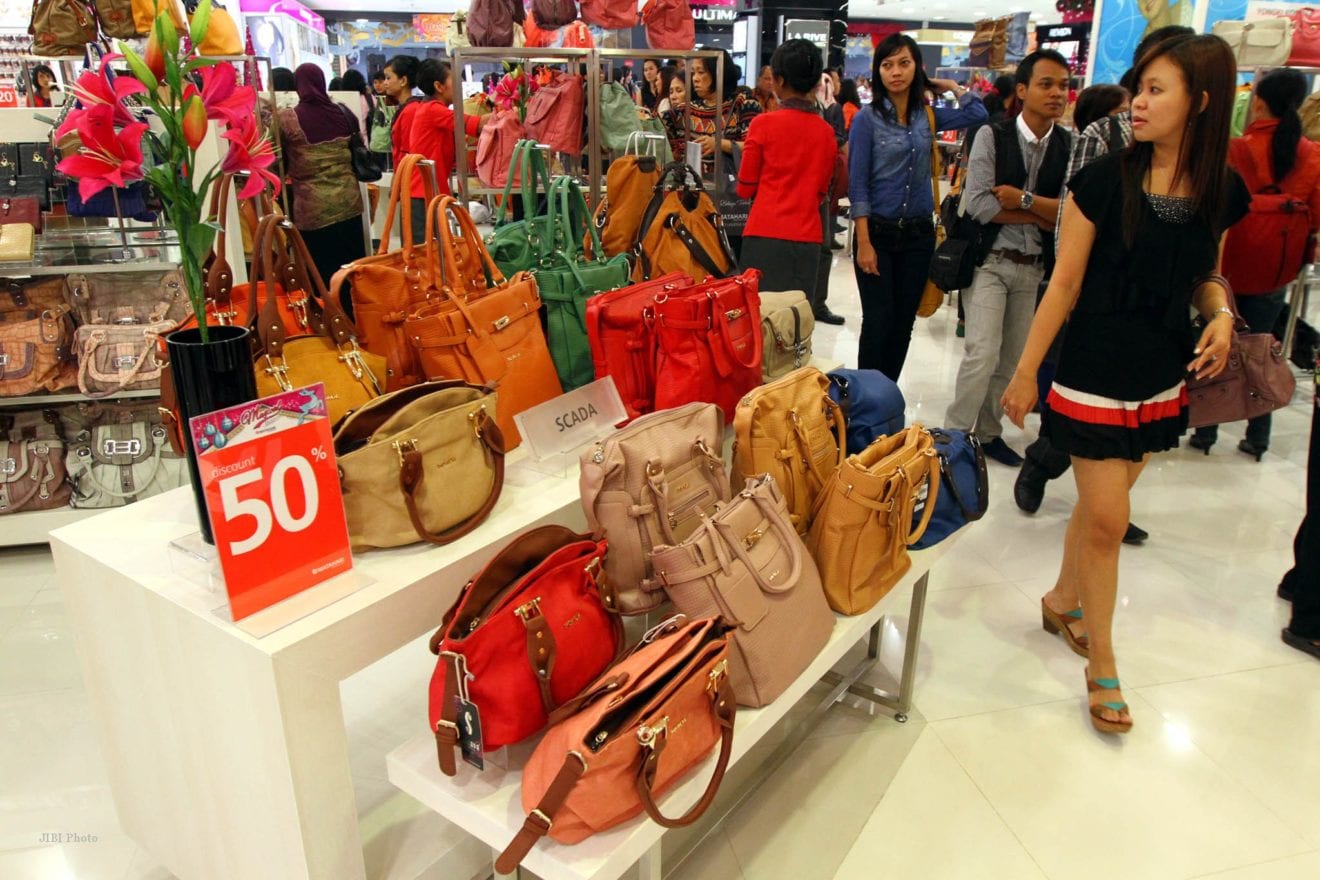
    Net income at Matahari Department Store, Indonesia’s biggest department store chain, rose by half in the first quarter, on the back of  robust sales growth.

    The company booked Rp 185 billion in profit in the January-March period, up 50 percent from Rp 123 billion in the same quarter last year, the company said in a statement on Wednesday.

    Matahari’s same-store sales rose 5.4 percent, reflecting “the resilience of the company’s target middle income segment despite a broader slowdown in consumer activities” in the first quarter.

    Matahari’s gross sales reached Rp 2.9 trillion, up 7.6 percent from Rp 2.7 trillion.

    The company opened four new stores since the start of this year, bringing the total to 134.

    “We are cautiously optimistic in terms of our sales outlook for the balance of the year and are  particularly encouraged by the faster pace of the store openings we are seeing in 2015,” said Michael Remsen, chief executive and vice presidentdirector of the company, said.

  • Amazon launches organic gardening store

    Amazon launches organic gardening store

  • TELIN: Indonesia As A Global Hub For Worldwide Telecommunications

    TELIN: Indonesia As A Global Hub For Worldwide Telecommunications

    The consortium of submarine cable communication system by the Southeast Asia-United States (SEA-US), which consist of global telecommunications company, announced the commencement of construction of the submarine cable projects that directly connects Indonesia to the United States. The construction project undertaken by the NEC Corporation and NEC Corporation of America with an investment of 250 million dollars is expected to be completed in the fourth quarter of 2016.

    The SEA-US consortium consist of PT. Telekomunikasi Indonesia International (Telin), Globe Telecom, RAM Telecom International (RTI), Hawaiian Telcom, Teleguam Holdings (GTA), GTI Corporation (a member of the Globe Telecom group), and Telkom USA.

    Director of Telin, Syarial Sharif Ahmad said, the construction of submarine cable communication system has become one of the important steps to meet the needs of rapid communication in Indonesia as well as proving Telin’s commitment in bringing high-tech telecommunications infrastructure.

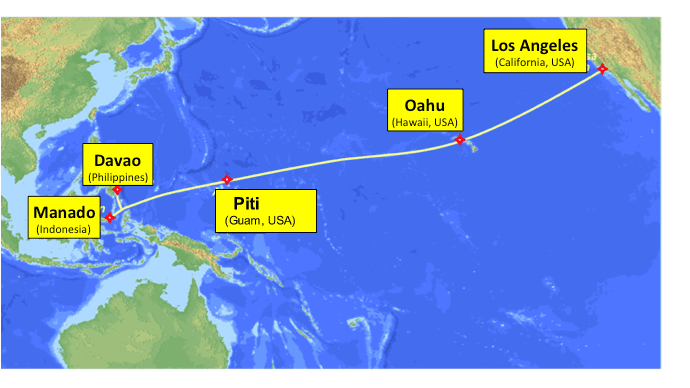
    This submarine cable system will connect five regions of Manado (Indonesia), South Davao (Philippines), Piti in Guam, Honolulu of the island of Oahu Hawaii, and Los Angeles, California in the united states.

    The long submarine cable construction is estimated to reach 15,0000 km and has been designed to avoid areas prone to natural disasters, so as to provide a different route than the existing cable system and ensure a more stable reliability service.

    The cable system provides an additional capacity of terabyte per second (Tb/s) by using technology of 100 gigabyte per second (Gb/s). With this capacity, SEA-US will be able to provide the bandwidth needs of Southeast Asia and North America, which are always increasing with unmatched performance, especially for the two ASEAN countries. The construction of the system will also benefit other countries such as Singapore, Malaysia, Brunei, Papua New Guinea, and Australia.

    The construction of the SEA-US project will later be connected with the SEA-ME-WE 5 (South East Asia – Middle East – West Europe) project by connecting Manado and Dumai via submarine cable communication system “Indonesia Global Gateway” (IGG). The overall submarine cable communication system by Telin is the reflection of Indonesia Global Networks (IGN) that highlights the real role of Indonesia as a global hub for worldwide telecommunications.

  • Walmart China plans major expansion

    Walmart China plans major expansion

    The world’s biggest retailer Wal-Mart Stores believes the best way to achieve profitability in China is to open more stores and lure more customers.

    Walmart China will expand its store network by almost a third between now and 2017 according to CEO Doug McMillon.

    “Our aim is to become an integral part of China’s economy. China is a top priority,” McMillon told a press conference in Beijing.

    Faced with slowing growth in its mature home market, Walmart sees a massive opportunity in China’s rising middle class and booming tier 2 and 3 cities as a means to restoring growth and boosting profits. Cities like Shenzhen and Wuhan.

    But its experiences in China to date have been mixed. Sales declined 0.7 per cent in the quarter to January 31 and same store sales fell 2.3 per cent.

    At the end of January, Walmart had 411 stores in China – and after some underperforming stores are closed should end 2017 with a network exceeding 500.

    The company is also increasing its investment in its online business Yihaodian.com. Launched in 2011 with 18,000 SKUs the online store now boasts more than 8 million products. With more and more Chinese buying online – on both computers and mobile devices – the potential seems unlimited.

    Walmart’s Asian chief, Scott Price, said while the company had seen a softening in sales, it was not all bad news.

    “We’ve gained share in the hypermarket channel.”

  • Korea’s 11street Malaysia launches

    Korea’s 11street Malaysia launches

    Popular Korean actor Lee Min Ho was flown in to front the brand for its launch – ironically held in a bricks & mortar shopping centre.

    11street Malaysia launch- 415

    The company will invest more than RM35 million (US$10 million) to drive seller participation and planned to have 11,000 sellers on board by the end of this month. The site, at www.11street.my already includes popular brand such as Electrolux, Digi mobile, Nestle, Tony Moly Korean cosmetics, The Face Shop, Fujifilm, Domino’s Pizza and Unilever.

    11street Malaysia launch 415

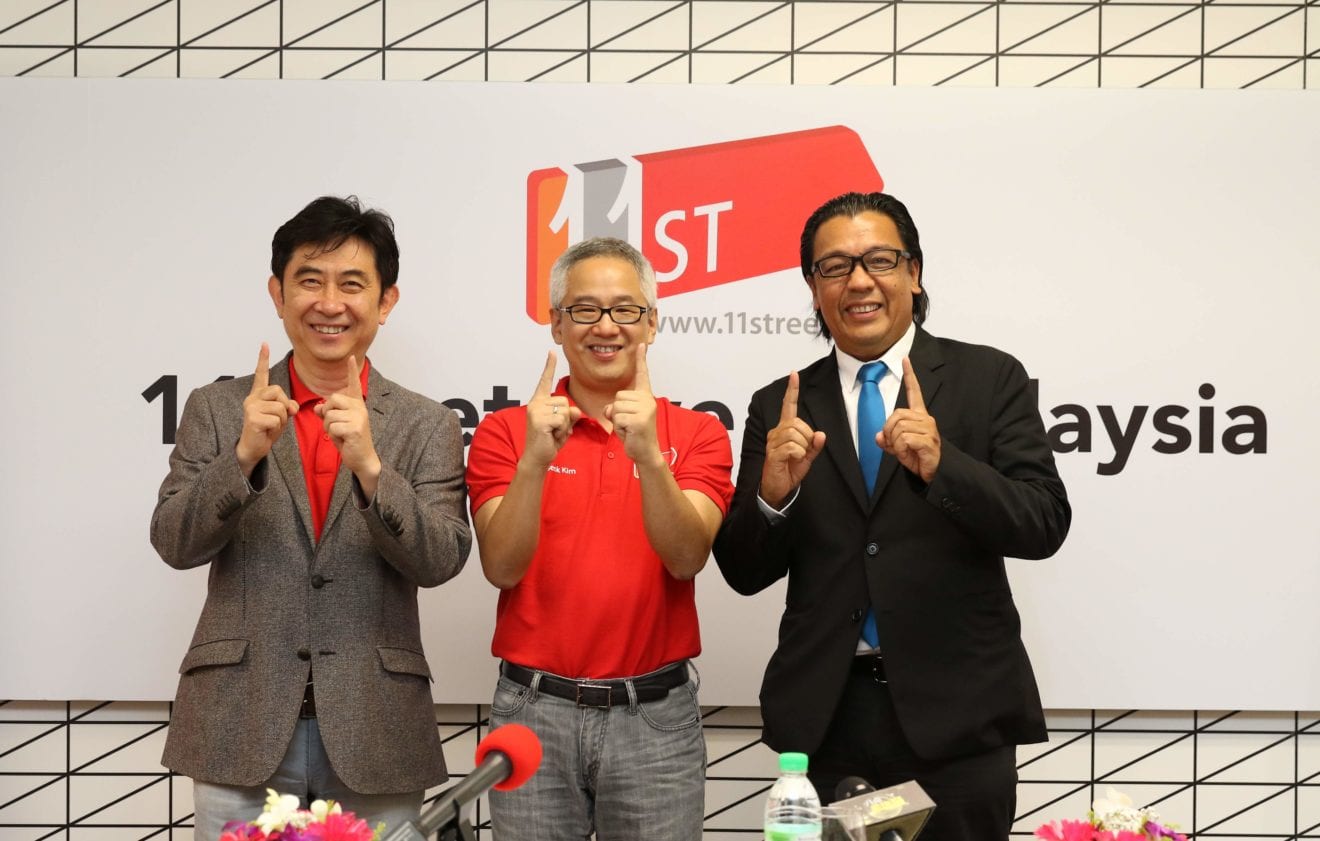
    11street’s Malaysia CEO Hoseok Kim says the company wants the new site to become Malaysia’s largest online marketplace.

    Established in Korea in 2008, 11street now has online marketplaces in Turkey and Indonesia as well as in its home market and boasted a combined network of 22 million sellers, serving 40 million consumers. Shoppers spend $6 billion annually on its sites.

    “The online shopping paradise 11street in Malaysia is the company’s commitment to deliver local consumers a trustable and convenient e-commerce platform where they can shop for a variety of products across a broad range of categories available at anytime, anywhere,” said Kim.

    11street Malaysia 415

    “To deliver greater satisfaction and a more rewarding online shopping experience, it will be the first online marketplace in Malaysia that promotes not only physical products but also deal offerings such as e-vouchers under a single platform.

    “11street’s merchandising approach has a proven track record given that its worldwide ventures have grown remarkably well over the past few years. Against such backdrop, similar approach will be adopted to help Malaysian online sellers to excel in today’s increasingly competitive market.”

    11streeet in Malaysia will be hosted by Celcom Planet, established in November 2014 as a joint venture between Celcom Axiata Berhad and SK Planet – a leading Korean eCommerce open marketplace provider, which is also a wholly-owned subsidiary of mobile operator- SK Telecom.