Tag: asia

  • V-Mart to invest Rs 200 cr, add 200 stores in 5 years

    V-Mart to invest Rs 200 cr, add 200 stores in 5 years

    Retail chain V-Mart will invest around Rs 200 crore to add nearly 200 new stores in different part of the country in the next five years.

    The company is also targeting over four-fold jump in revenue to touch Rs 2,500 crore by 2020 with smaller towns expected to be its key growth drivers.

    “We will have around 300 stores in the next five years with a revenue of around Rs 2,500 crore by then,” V-Mart Retail Chairman and MD Lalit Agarwal told PTI.

    The company had a revenue base of Rs 574.96 crore in FY 2013-14. It is, at present, operating 109 stores in 91 cities.

    Agarwal said: “We have clear vision that smaller towns will be our growth drivers as they have very high potential and aspiration level is growing up.”

    Of the total stores that the company has, 56 are in tier III clusters, 35 are in tier II towns and 18 in tier I cities.

    “Presently, the tier III clusters contribute between 55 to 60% of our revenue and we strongly believe that it would go up to 75% in next three years,” Agarwal said.

    V-Mart is present at district level markets including Purnia, Saharsa, Madhubani, Motihari, Basti, Gonda, Lakhimpur, Bahraich and is in process to expand its base in the Eastern regions of Bengal and Orissa.

    “We are finalising the properties there. Presently we are concentrating on Orissa and Bengal,” he said.

    He said in order to drive up sales further, the company would enhance its in-house labels, while also increasing offering existing brands. Currently, it has 21 in-house labels, which contributes around 25% of the sales.

    “We would increase the ratio to 50% from the existing 25% in the next three years. We would add more labels and expand the depth of the existing ones,” he added.
  • Woolworths ads not so cheap, but Coles ads down, down

    Woolworths ads not so cheap, but Coles ads down, down

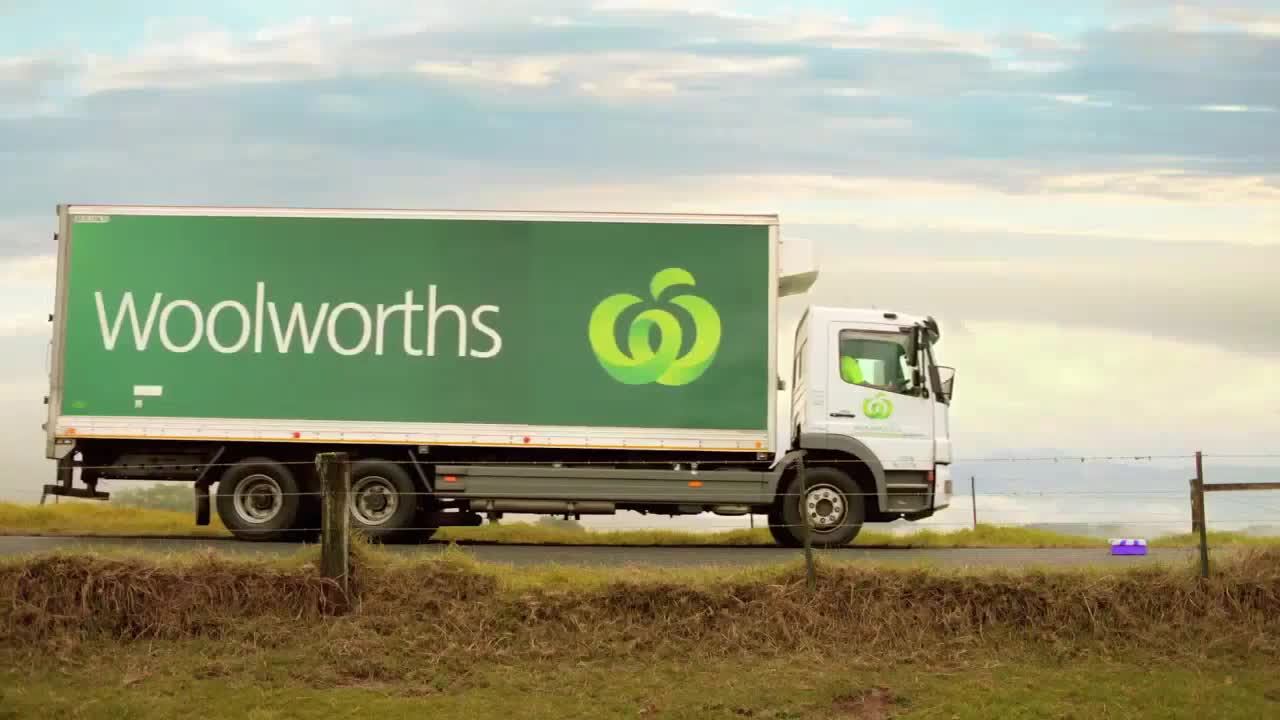
    The supermarket wars have pushed two of Australia’s big advertisers in different directions, with No. 1 supermarket Woolworths revving up its spending while Coles winds its down.

    Woolworths is estimated to have spent $18.8 million on traditional advertising from January to March this year. This was an 8 per cent increase on its $17.4 million supermarket spending in the first three months of last year.

    By contrast, Coles is estimated to have slashed its ad spend to $13.7 million from January to March. This is down 17 per cent from $16.5 million in the same period last year.

    The Nielsen advertising expenditure estimates cover the bulk of the supermarkets’ ad spend, across television, radio, print, outdoor, cinema and some online. It doesn’t cover advertising booked through exchanges, specialist press and social media.

    Credit Suisse analyst Grant Saligari said Woolworths had “increased advertising frequency [on TV] and has been running more promotions in the third quarter [from January 5] than in prior periods.”

    Woolworths and Coles declined to comment.

    Coles’s long-running “Down, Down” campaign, featuring rockers Status Quo, has been widely described as successful but annoying. Woolworths responded last year with a less lauded campaign featuring a “Cheap, Cheap” slogan, animated birds and singer Samantha Jade. Its ‘BrandZAC’ campaign for Anzac Day last month was widely panned.

    Sources have suggested Coles’s lower ad figures this year could be because it was working out its response to Woolworths’ campaign, or because its existing campaign was successful.

    Ben Willee of Spinach Advertising said: “Just because you spend more doesn’t necessarily mean your campaign is more effective. The hardest part is getting your creative right.”

    Woolworths – owner of major retailers including alcohol business Dan Murphy’s and discount department store Big W – and Wesfarmers – owner of Coles and hardware chain Bunnings – are two of Australia’s biggest advertisers.

    Responding to disappointing grocery sales and an improving Coles, Woolworths in February said it would spend at least $500 million on cutting its prices and improving its stores.

    Coles this week reported a marginal increase in market share in the third quarter and tipped independent and specialty retailers would continue to lose market share at the hands of foreign supermarkets Aldi and Costco. Coles has about 25 per cent of the Australian food market, Wesfarmers said.

    Excluding new store openings, Coles food and liquor sales grew by 3.8 per cent in the three months to March 31. Including new stores, Coles food and liquor grew by 5.4 per cent, to $7.1 billion.

    Woolworths is set to hold a strategy briefing day and store visits next week, and is tipped to post third-quarter sales growth of about 0.9 per cent.

  • China to cut consumer good tariffs

    China to cut consumer good tariffs

    China’s government says it will cut tariffs on consumer goods in a bid to get local Chinese to spend more in the mainland.

    The  move may well prove an additional blow to Hong Kong’s retail sector already reeling from reduced spending by mainland visitors.

    Reports from China’s mainland say tariffs on imported consumer goods will be cut “in parts of China” by the end of June. The move is aimed at increasing domestic consumption, shoring up economic growth and reducing the amount of money spent by mainlanders overseas.

    The decision was made last week at an executive meeting of the State Council, presided over by Premier Li Keqiang, who is concerned that mainlanders are now not only buying luxury goods overseas, but everyday items as well.

    The China Daily reports more duty-free stores will open at China’s borders and the individual allowances will be raised. The process of obtaining tax refunds will be eased – in tandem with a greater focus on catching smugglers.

    Chinese now account for an estimated 40 per cent of luxury good sales in France and for 35 per cent of luxury sales in Italy, according to data from the HSBC.

    Mainland retailers and travel specialists say it is difficult to predict the effect of the government’s move until a more detailed tariff schedule is released, along with duty free allowances and clarification on which product categories will be affected.

  • Future Group merger creates Indian giant

    Future Group merger creates Indian giant

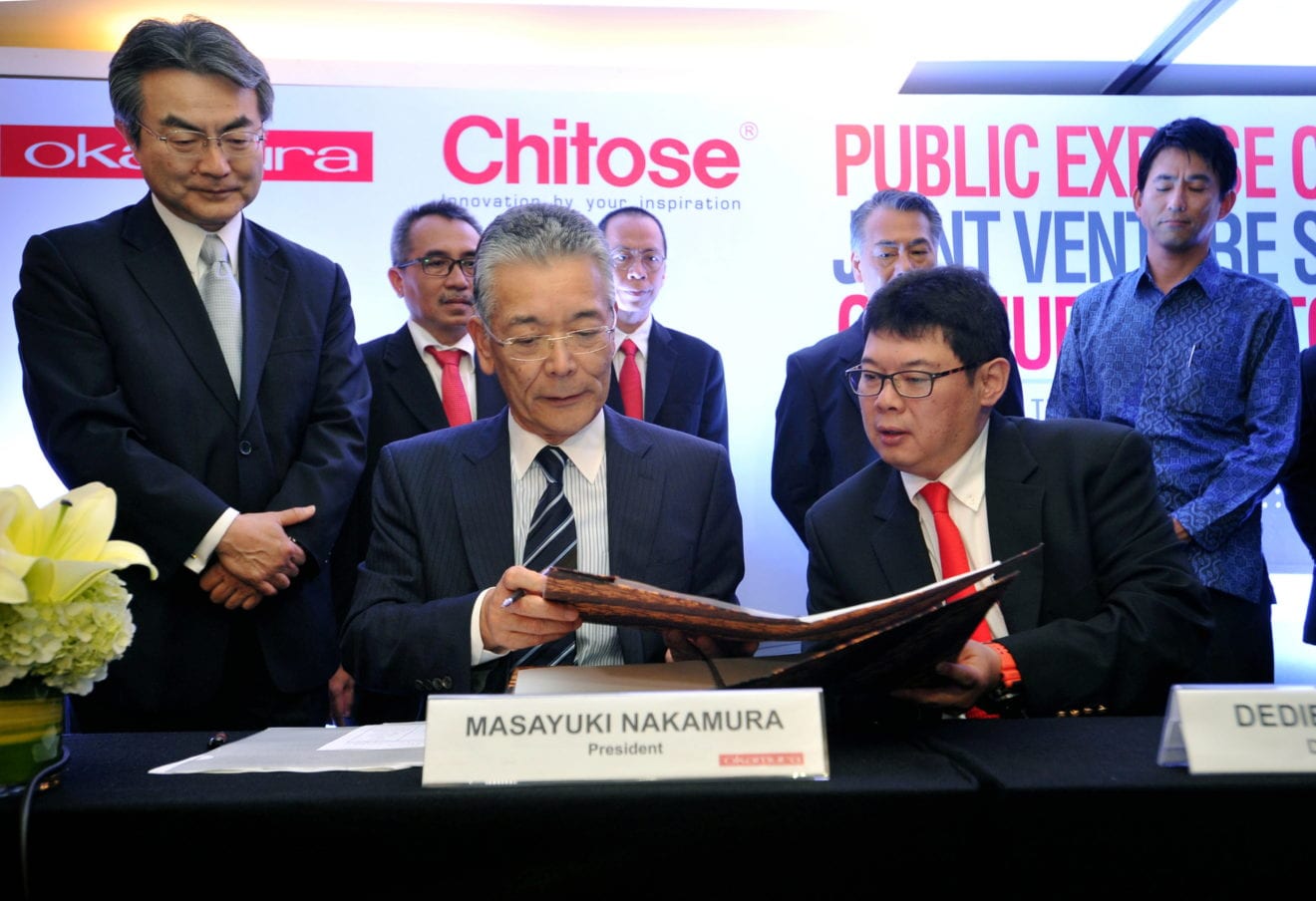
    Future Group, one of India’s highest profile retailers, has agreed to merge its operations with Bharti Retail to create a retail powerhouse with more than 570 stores.

    Bharti Retail currently runs more than 200 Easyday branded stores of multiple formats across 114 Indian cities, traversing Punjab, Haryana, National Capital Region, Western Uttar Pradesh, Uttarakhand and Bangalore.

    Future Group has more than 17 million sqft of retail space in a variety of formats and categories in 166 Indian cities.

    Post merger, the combined group will comprise two organisations, both listed. One, named Future Retail will run the combined store network. The other, Future Enterprises, will manage the assets, and infrastructure of the two companies.

    Post-merger, Future Retail will run stores in 243 cities with 18.5 million sqft of floor space. The network will include 203 Big Bazaar and Easyday hypermarkets, 197 Food Bazaars and Easyday supermarkets and 171 other retail shops including eZone, Foodhall, Home Town and FBB.

    Kishore Biyani, founder and CEO of Future Group said the Bharti operations and network “complement perfectly” with Future Retail’s.

    “It will bring us closer to millions of consumers and provide new opportunities for our supply partners. The operational efficiencies that can be derived from the merger will create significant value for our shareholders,” he said.

  • Horror quarter for McDonald’s Japan

    Horror quarter for McDonald’s Japan

    McDonald’s Japan had already warned investors it would be a nightmare year.

    Earlier this month it announced the closure of 131 stores, a menu revamp and refurbishment of 500 stores in a bid to stem a projected US$319 million loss.

    This week, McDonald’s Holdings Company (Japan) released its first quarter trading results: same-store sales plunged 32.3 per cent due largely to a 24.3 per cent drop in customers and total sales fell 39.9 billion yen (US$332 million) to 83 billion ($691 million).

    Sales were hampered by ongoing food safety issues relating to suppliers, and even a widely reported shortage of fries, which led to unprecedented rationing to customers.

    The result was an ordinary trading loss of 11.1 billion yen ($92.4 million) which after the first round of one-off restructuring costs grew to a total 14.5 billion ($121 million) loss for the three months to March 31.

    But the fast food company said same store sales are trending upwards – with expectation they will turn positive in the third quarter. Provisional figures for April show a drop of 21.5 per cent, nearly a third less than the first quarter.

    For now, the company says its focus is on executing the Business Revitalization plan in order to accelerate the business recovery, lay the foundations for future growth, and achieve mid- and long-term goals.

    “Going forward, regaining customer confidence will remain our number one priority. In addition, we aim to accelerate the pace of business recovery and lay the foundations for future growth through the flawless execution of our Four-pillar Business Revitalization Plan: “Customer Focused Initiatives”, “Accelerate Restaurant Revitalization”, “Localize Our Business Structure”, and “Improve Cost and Resource Efficiency”,” McDonald’s Japan said in its earnings statement.

    “Through these structural changes along with customer and community focused activities, we will strive to achieve our vision of becoming a Modern Burger Restaurant that Connects with Customers.”

  • Tesla Posts Wider Loss, Highlights Energy Storage Demand

    Tesla Posts Wider Loss, Highlights Energy Storage Demand

    Tesla Motors reported a wider first-quarter net loss on Wednesday, but outperformed expectations and stuck to key milestones for the year ahead, despite pressure on margins.

    Chief executive officer Elon Musk said during a conference call that demand for the company’s new line of stationary energy storage systems, unveiled last week, is “off the hook.”

    Over time, it was possible stationary storage could be a bigger business for Tesla than selling cars, he added.

    Tesla said in a letter to shareholders on Wednesday that “total addressable market size for Tesla Energy products is enormous and much easier to scale globally than vehicle sales.”

    Musk said last week that the stationary battery storage systems could be “materially profitable” sometime next year.

    The shares of the Silicon Valley electric car maker rose about 2 percent after hours from their close of $230.43.

    The challenges confronting Tesla’s auto business were illustrated by the company’s continued cash burn and signs of pressure on profit margins.

    Tesla’s cash reserves fell to $1.5 billion as of March 31 from $1.9 billion at the end of 2014. The company said it plans a total of $1.5 billion in capital spending this year, much of it to buy production tools for the Model X, complete its large battery “gigafactory” in Nevada, and for other facilities.

    Musk said Tesla’s cash flow should turn positive later in the year.

    “It’s extremely likely cash flow is really good” by the end of the fourth quarter, he said.

    Chief financial officer Deepak Ahuja said Tesla is looking at establishing asset backed lines of credit to “assure we have a strong balance sheet.”

    Tesla reported an adjusted net loss of 36 cents a share in the latest quarter, excluding certain expenses, compared with a profit of 14 cents a share on the same basis a year ago. Analysts had expected a loss of 50 cents a share on that adjusted basis.

    Tesla had a net loss in the first quarter of $154.2 million, or $1.22 a share, on revenues of $939.9 million. A year ago, Tesla reported a net loss of $49.8 million, on revenues of $620.5 million.

    However, the automaker warned that a “less rich product mix” could push down average selling prices for the Model S sedan, which now starts at $76,200.

    Tesla delivered 10,045 Model S sedans in the first quarter, a 55 percent increase from the year before. The company forecast deliveries of 10,000 to 11,000 vehicles in the second quarter.

    Tesla could face more competition in the future as established automakers field new electric vehicles with longer driving ranges. There is also the potential other well capitalized Silicon Valley companies such as Apple Inc or Google Inc will move into the market.

    Asked about that, Musk said: “I certainly hope Apple gets into the car business. That would be great.”

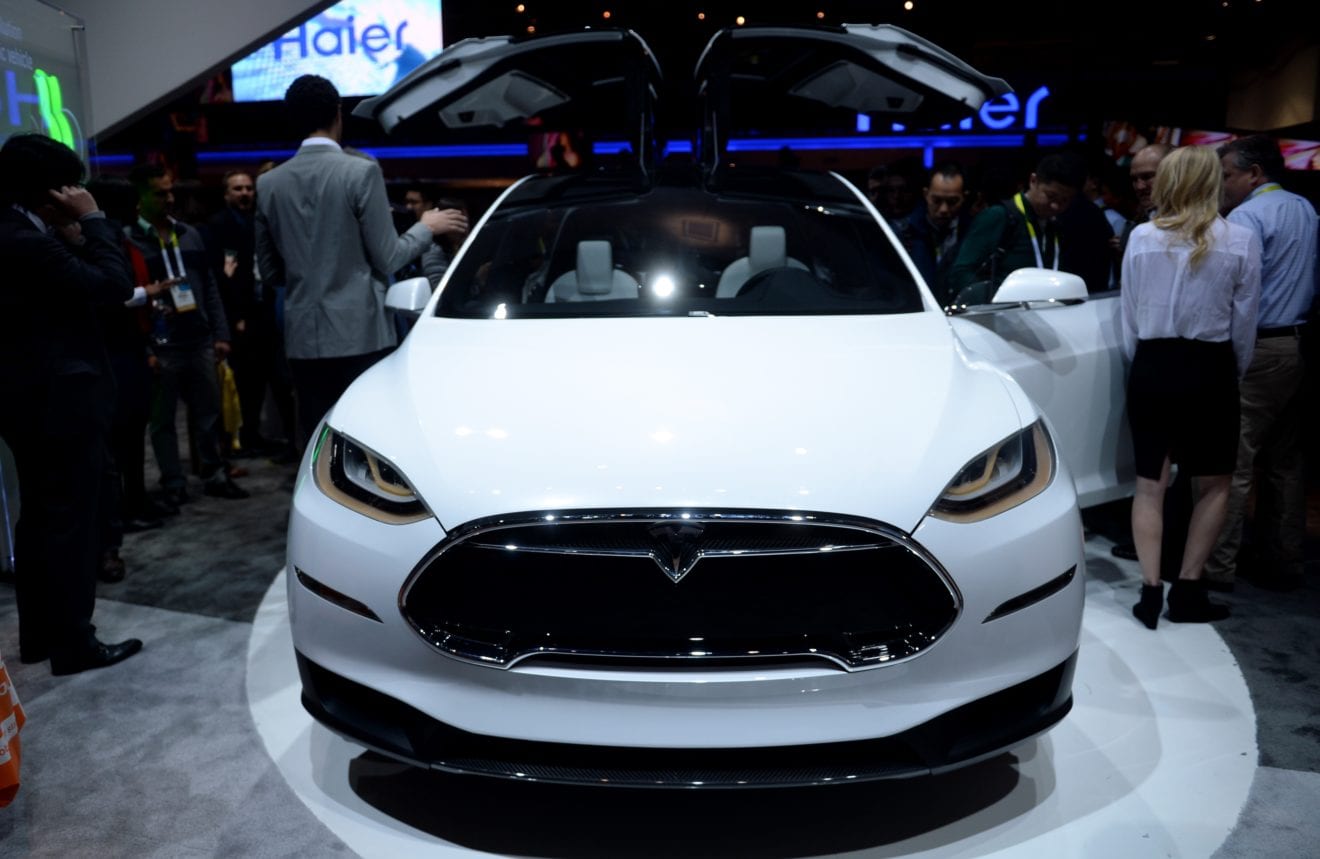
    Tesla said it will start delivering its Model X sport utility vehicle late in the third quarter, still within the window the company promised earlier this year. The Model X is critical to Tesla’s goal of delivering 55,000 vehicles this year.

  • Middle-aged Koreans embrace mobile shopping

    Middle-aged Koreans embrace mobile shopping

    As grocery shopping through major retailers’ mobile shopping platforms is becoming a normal practice among Koreans, women in their forties are increasingly using mobile devices to buy their groceries.

    According to the Ticket Monster social commerce site, 73 per cent of the company’s female customers made purchases through the company’s mobile platform in the first quarter of the year.

    The figure represents a three per cent increase over the average for 2013 as a whole. Women in their thirties were the largest group of purchasers at 52.7 per cent, while women in their twenties and forties stood at 27.4 per cent and 16.1 per cent respectively.

    However, purchases among women in their forties increased the most, with growth of 3.5 per cent, while sales among those in their twenties actually declined by 4.8 per cent.

    These groups purchased groceries the most, including fresh food.

    Customers of both sexes in their thirties were the most frequent buyers of fresh food through the Ticket Monster mobile platform with a 51 per cent share, compared to 23 per cent and 21 per cent for those in their forties and twenties respectively.

    Ticket Monster saw its mobile platform fresh food sales grow threefold in the first quarter compared to the same period last year.

  • Foodpanda seals $110m funding

    Foodpanda seals $110m funding

    One of the world’s best-known merchant bankers has taken a strategic stake in fast-growing food delivery service Foodpanda.

    Just 50 days after securing $110 million cash injection from its parent and other new investors, the Rocket Internet subsidiary says Goldman Sachs has invested another $110 million into the business and will take a seat on its advisory board.

    The funds are being used by Foodpanda to snap up rival delivery services in new and existing markets to help it gain critical mass and eliminate competition. Since its launch in 2012 the business has now raised more than $310 million.

    Its latest acquisitions have been in Malaysia and other Southeast Asian markets, along with Russia, Mexico and Eastern Europe.

    Foodpanda says it will use the Goldman Sachs funds to expand its own delivery activities and improve overall customer experience across its 40 markets.

    Foodpanda’s service standards are slipping in some established markets and customers often lack an alternative supplier due to Foodpanda’s ‘scorched earth’ acquisition strategy. Improving delivery times, the temperature control and delivery condition of food and improving customer response times is becoming a major challenge for the company in some markets.

    “Last-mile delivery has been part of Foodpanda’s operations since the beginning. It will now accelerate its efforts to drive customer satisfaction, aiming to offer the most convenient way of ordering food – from the mobile app and online,” the company said in a statement.

    Ralf Wenzel, co-founder and CEO of Foodpanda group, said Goldman Sachs has deep expertise in online marketplaces and will help the company build the leading mobile food delivery marketplace in Emerging Markets targeting over 3 billion consumers.

    “The Emerging Markets represent the largest opportunity in online food delivery and we are committed to create the most convenient way for ordering and delivering food.”

    Foodpanda now has partnerships with more than 45,000 restaurants across 40 countries, and claims market leadership in 32 of those markets.

  • L’Oréal ‘Brandstorm’ national award goes to Indonesia’s ‘Absolute Jetset’ concept

    L’Oréal ‘Brandstorm’ national award goes to Indonesia’s ‘Absolute Jetset’ concept

    L’Oréal has named ‘Bisnis.com’, a team from the University of Indonesia as the national winner of its’ Brandstorm competition for their ‘Absolute Jetset’ concept for the Lancôme brand.

    Brandstorm is L’Oréal’s business competition for students to unleash their creativity and apply ground-breaking ideas to one of the cosmetics giant’s international brands and distribution channels.

    This Indonesia team consists of three students in their twenties; Daviantri Apsariputri, Rangga Husnaprawira and Nabila Izza Dhia whose concept is a new service for Lancôme’s travel retail stores that replicates first class treatment on planes.

    The goal is to increase the brand’s sales by 60 per cent by developing the travel retail market business unit for travelers at every stage of their journey – from the airport, to duty free stores and aboard the plane.

    The group will represent Indonesia at the international level of the competition in Paris in June, where 45 winning teams will compete for the top three prizes.

    Searching for new talent in the beauty arena..

    L’Oréal’s program has been running over 23 years and was introduced in Indonesia in 2009. 

    Coached by top executives, competing teams also get to work with global advertising agencies in designing a marketing strategy in the area of travel retail.

    According to Restu Widiati, director of human resources, L’Oréal Indonesia; “It is the company’s strategy to identify the best talent to become actively involved in promoting the company and to contribute to the beauty industry in Indonesia. “

    In 2011, Widiati says the national winner of the competition in Indonesia went on to win third place in the international competition in Paris, beating teams from more than 40 countries.

    The HR director says the competition has been unique this year in that students were not given the task of creating new products, but to promote the travel retail business unit.

    “The students were challenged to act as international marketing director for L’Oréal travel retail to design a new experience for one of the iconic beauty brands, namely Lancôme,” he reveals.

  • Golden Eagle suspends Hefei stores trading

    Golden Eagle suspends Hefei stores trading

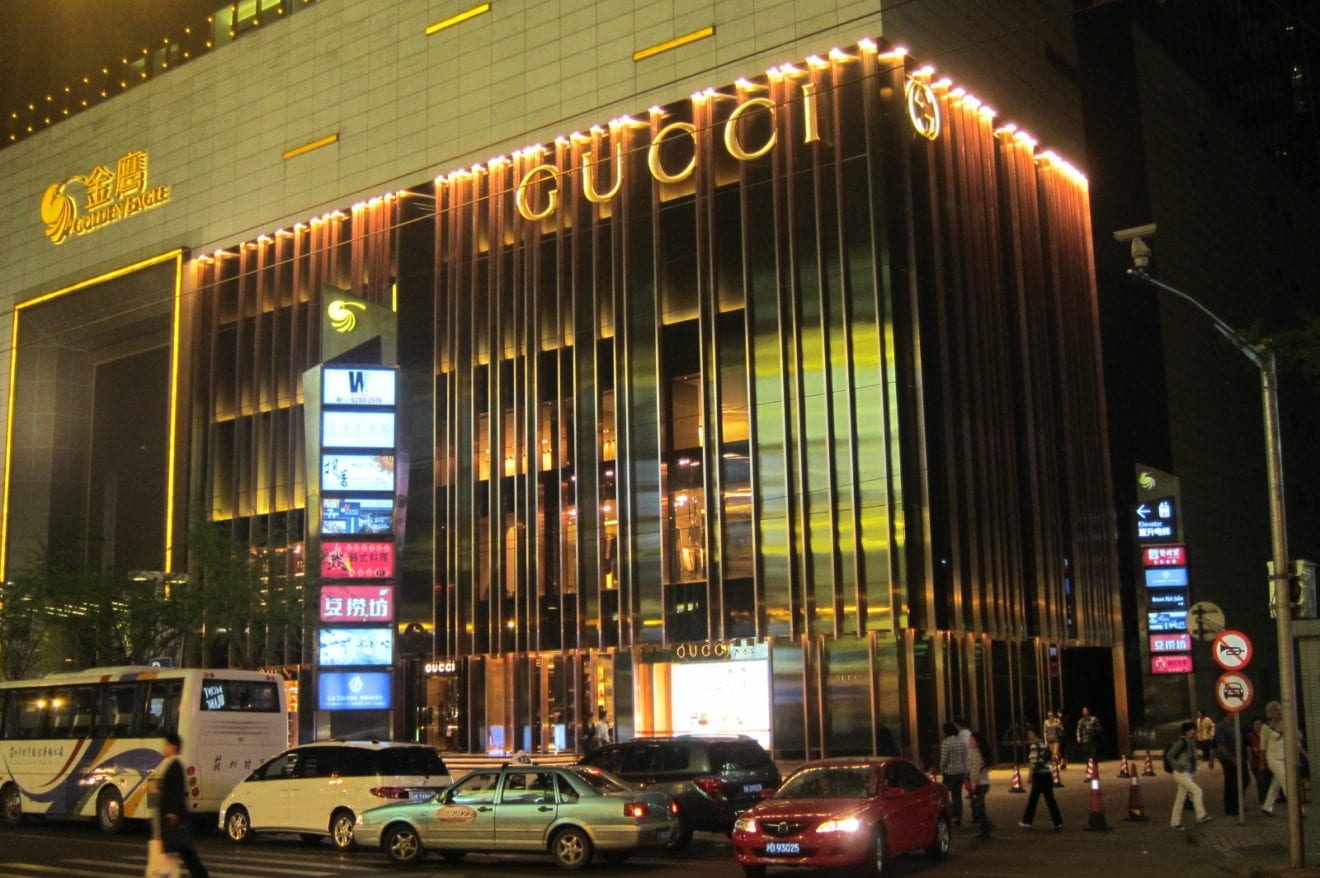
    Chinese retailer Golden Eagle says its Hefei Baihuajing Store and Dadongmen Store will  suspend operations from Sunday May 10, due to a lease dispute and subway renovation.

    Golden Eagle Retail Group said in a statement that the dispute relates to property rights and constraints in operational conditions.

    “Our Baihuajing Store is located at a leased property, which is owned by a third party. A property rights dispute has led to insurmountable difficulty in carrying out our normal operation in Baihuajing Store.

    “Meanwhile, the operation of our Dadongmen Store, which has long been affected by subway construction, is unable to meet Golden Eagle’s consistent standards for customer service. Upon serious consideration, the group has decided to suspend the operation of the two stores”

    Golden Eagle said the suspension of operations would have little material impact on the group’s overall operations and sales.

    “The total gross floor area of the group’s retail chain stores is 1,534,387 sqm, while that of Baihuajing Store and Dadongmen Store are 12,294 sqm and 10,356 square meters, respectively.”

    “Despite the suspension of operation of Baihuajing Store and Dadongmen Store, Golden Eagle will continue to provide customers in Hefei with outstanding and thoughtful services. VIP customers and holders of Golden Eagle’s other membership cards can enjoy the same services in our Hefei Suzhou Road Store (4 Suzhou Rd, Luyang District, Hefei City) or any other Golden Eagle stores all over the country.

    “In addition, our Hefei Suzhou Rd Store will continue to offer one-stop aftersales service to customers for products return or exchange to ensure satisfactory shopping experience,” Golden Eagle said.

  • Tmall Global launches duty-free platform

    Tmall Global launches duty-free platform

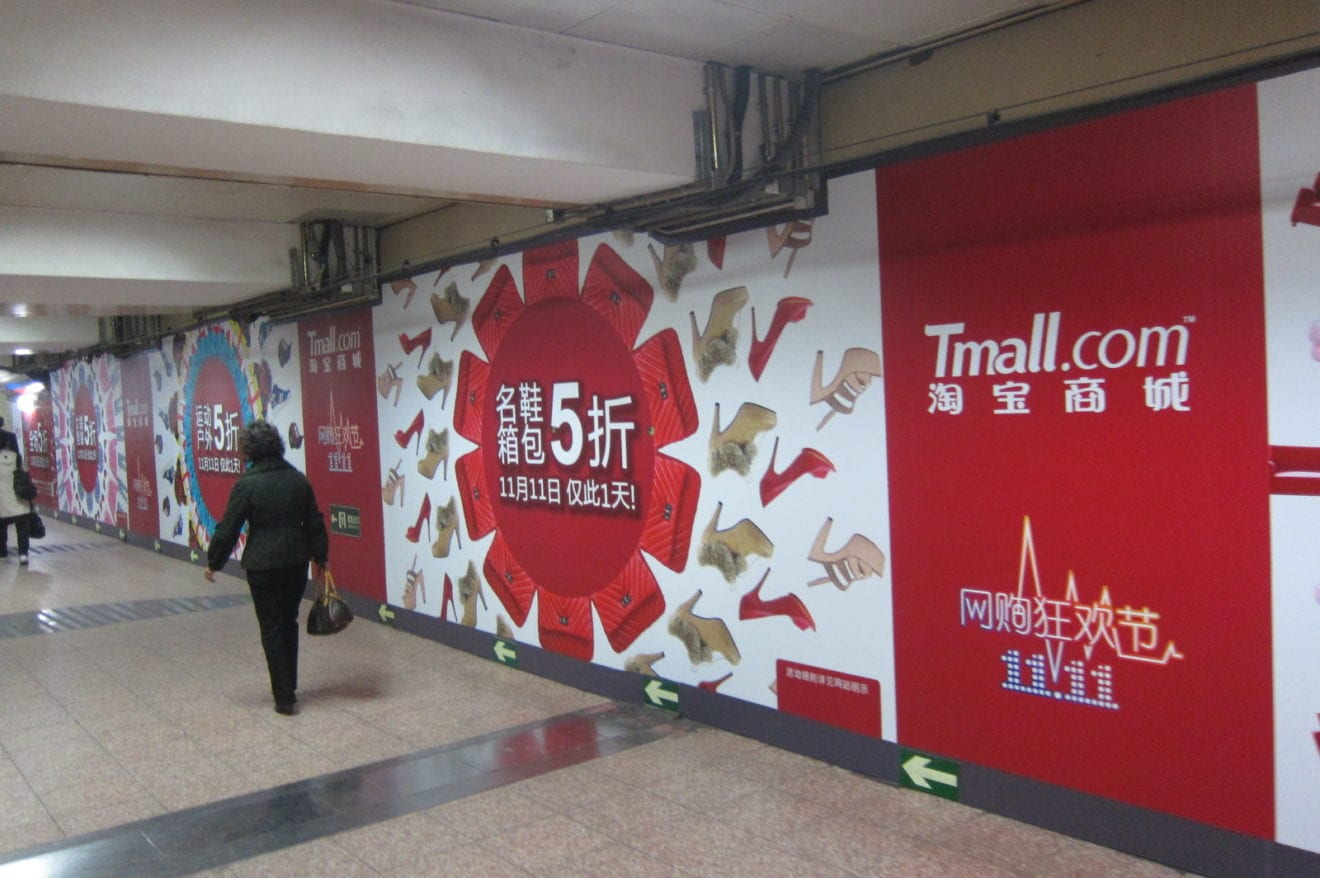
    Alibaba’s Tmall Global is to launching a prepaid duty-free service for Chinese travellers going abroad in the hopes of boosting international eCommerce opportunities.

    Under the World Duty Free service, Chinese travellers can buy prepaid cards online before they go abroad, then purchase items from duty-free shops in the country they’re visiting. Tmall said the service will eventually allow customers to buy specific duty-free products online and pick them up at the airport.

    The service will launch with Thailand’s King Power duty free monopoly.

    Duty-free companies in South Korea, Japan and Europe are working with Tmall to open storefronts on the platform, Tmall says.

    “Cross-border e-commerce has great potential in China and Tmall Global will continue to help brands and retailers sell into China through innovative solutions, at the same time providing Chinese consumers a wide variety of product choice,” Tmall Global head Maggie Wu said in a release.

  • Amazon Business makes online debut

    Amazon Business makes online debut

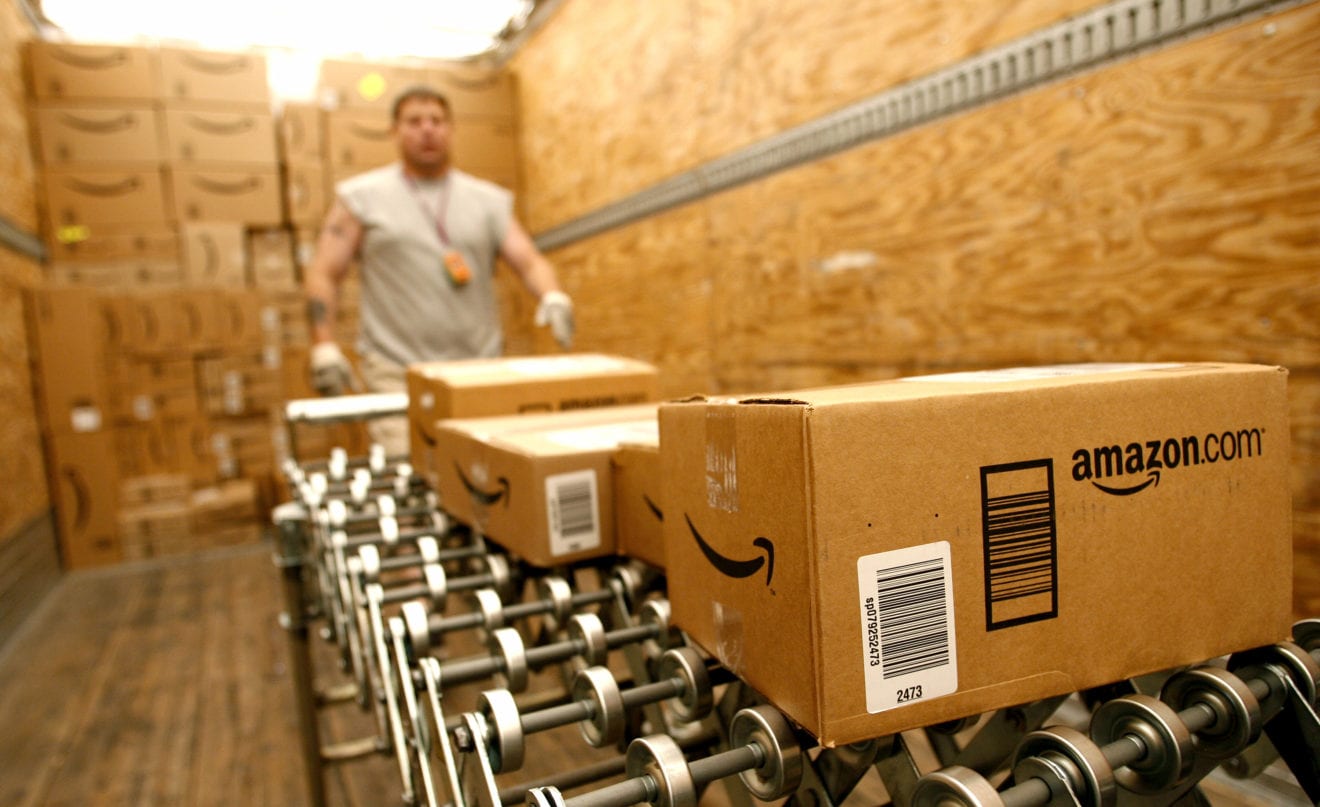
    Amazon has introduced Amazon Business, a new marketplace on Amazon.com.

    On Amazon Business, sellers can list their offers in more than 45 business-specific categories, including office, IT, MRO, tools, scientific and food & beverage. The new store is initially open to US shoppers only, but overseas vendors can list prodicts there.

    Amazon says the portal gives sellers an opportunity to grow their sales by reaching millions of business customers located across America.

    “Selling to businesses has now become as easy as listing your products on Amazon. Amazon Business features exclusive business pricing tools, the ability for sellers to list their credentials and quantity discounts for qualifying purchases,” the company said in a statement.

    “Through Amazon Business, sellers can benefit from Amazon’s eCommerce expertise, visibility for their full product catalog on an established online marketplace and greater access to business customers to grow sales. Amazon Business is available to sellers based domestically and internationally, and compatible with the Fulfillment by Amazon (FBA) service to meet rigorous delivery requirements expected by business customers.”

    Amazon Business features available to sellers now include:

    • Amazon Business Seller Program: Sellers that meet the performance and service requirements will be prominently featured to business customers.
    • Business Pricing and Quantity Discounts: One of the most requested features by business sellers is quantity pricing. Sellers can offer discounts when businesses purchase larger quantities. Sellers can also differentiate pricing to business customers.
    • Seller Credentials: Sellers can add credentials such as ISO 9001 certified, small business, women-, minority- and veteran-owned businesses to their seller profiles, which will be displayed to business customers.
    • Business Product Identifiers: Products that will be easily discoverable by customers using manufacturer and distributor part numbers (MPN/DPN) or National Stock Numbers (NSN) for purchases for government procurement.
    • Fulfillment by Amazon: With FBA, sellers store their products in Amazon fulfillment centers. When customer orders are received, Amazon will pick, pack, ship and provide customer service for these products.
    • Tax Exemption: Sellers participating in Amazon’s Tax Collection Services may also elect to participate in the Amazon Tax-Exemption Program (ATEP). ATEP allows customers to make tax-exempt purchases from participating sellers by providing a tax-exemption certificate and automates the process for participating sellers to accept tax-exemption certificates from customers.
  • Lippo Cikarang Holds Fourth Sakura Matsuri Festival

    Lippo Cikarang Holds Fourth Sakura Matsuri Festival

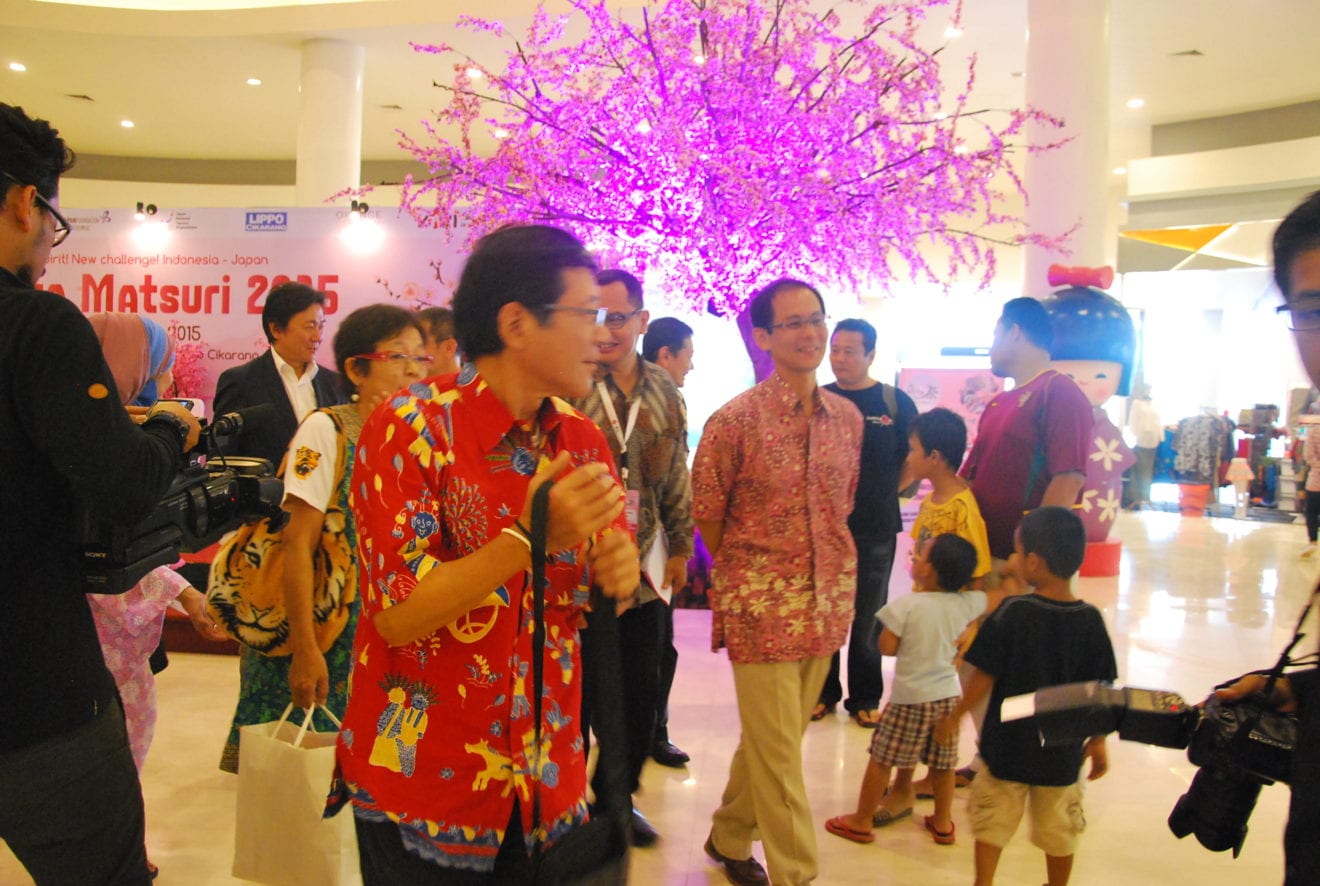
    Lippo Cikarang, an industrial estate developer, held the fourth annual Japanese culture festival Sakura Matsuri, in Maxx Boxx Orange County, an integrated area of commercial and residential development in Cikarang
    industrial park in West Java.

    The two-day event, held on April 25 and 26, was attended by Kenichi Tomiyoshi, the president director of Japan External Trade Organization (Jetro), Yukio Takebe, chairman of Jakarta Japan Club, and Katsuhisa Ishizaki, executive director of Japan’s National Trade Organization.

    Lippo Cikarang’s president director Meow Chong Low attended the event.

    “We present the Sakura Matsuri to the Japanese community in Cikarang industrial estate as part of our appreciation to them, so they can celebrate the ‘Golden Time’ when they usually welcome the flourishing of the Sakura flower [in Japan],” said Low.

    The event was held in conjunction with the Community of Japanese Alumni (KAJI).

  • ‘Go mobile’ urges Alibaba

    ‘Go mobile’ urges Alibaba

    Mobile and differentiation were the key words when Alibaba Group Holding’s top executives introduced their strategy to 800 merchant attendees last week at the annual meeting of sellers on Taobao, its largest Chinese web marketplace.

    About 9 million merchants sell 1 billion items on Taobao.com, according to Alibaba, and mobile has become the marketplace’s major shopping venue. Alibaba reported that purchases from mobile devices accounted for 42 per cent of sales on its Chinese retail marketplaces in the quarter to December 31, 2014.

    Taobao.com is responding by creating new mobile services for merchants, including some that focus on social media marketing. In March, Taobao.com launched Xiaopu (which means “small booth” in Chinese), a feature in the Taobao app that enables merchants to upload product listings more quickly through mobile devices and connect more effectively with consumers through social media.

    “Xiaopu simplifies the steps to manage a store and could reduce the time to upload a product listing from 20 minutes to three minutes. For example, merchants can scan a bar code on a product to post a product,” says Zhang Kuo, director of Alibaba’s mobile business.

    “Xiaopu also allows merchants to post messages on Chinese social network Weibo to reach followers based their location. Consumers could buy products that are close to them, and even get the product from a merchant in person.”

    More than 2 million merchants have begun to use Xiaopu, according to Taobao.com.

    The focus on social media reflects its growing role in driving traffic to Taobao merchants, and the declining traffic from mobile consumers using Taobao’s internal search engine. “The mobile traffic from searches is decreasing. Now only 50 per cent of our mobile traffic comes from search, and more traffic is coming from recommendations in online communities and social media,” Zhang says.

    Alibaba also is taking steps to promote products that are unique or novel, as it tries to move away from its reputation as a wide-open online bazaar where sellers compete solely on price. In its latest move in this direction, Taobao.com launched a promotional event in March called Week of New Forces to sell about 100,000 apparel products through banners in prominent positon on the home page of the marketplace. Almost all the products come from youthful designers or rising web-only apparel brands that target a specific group of young consumers, according to Alibaba.