Tag: asia

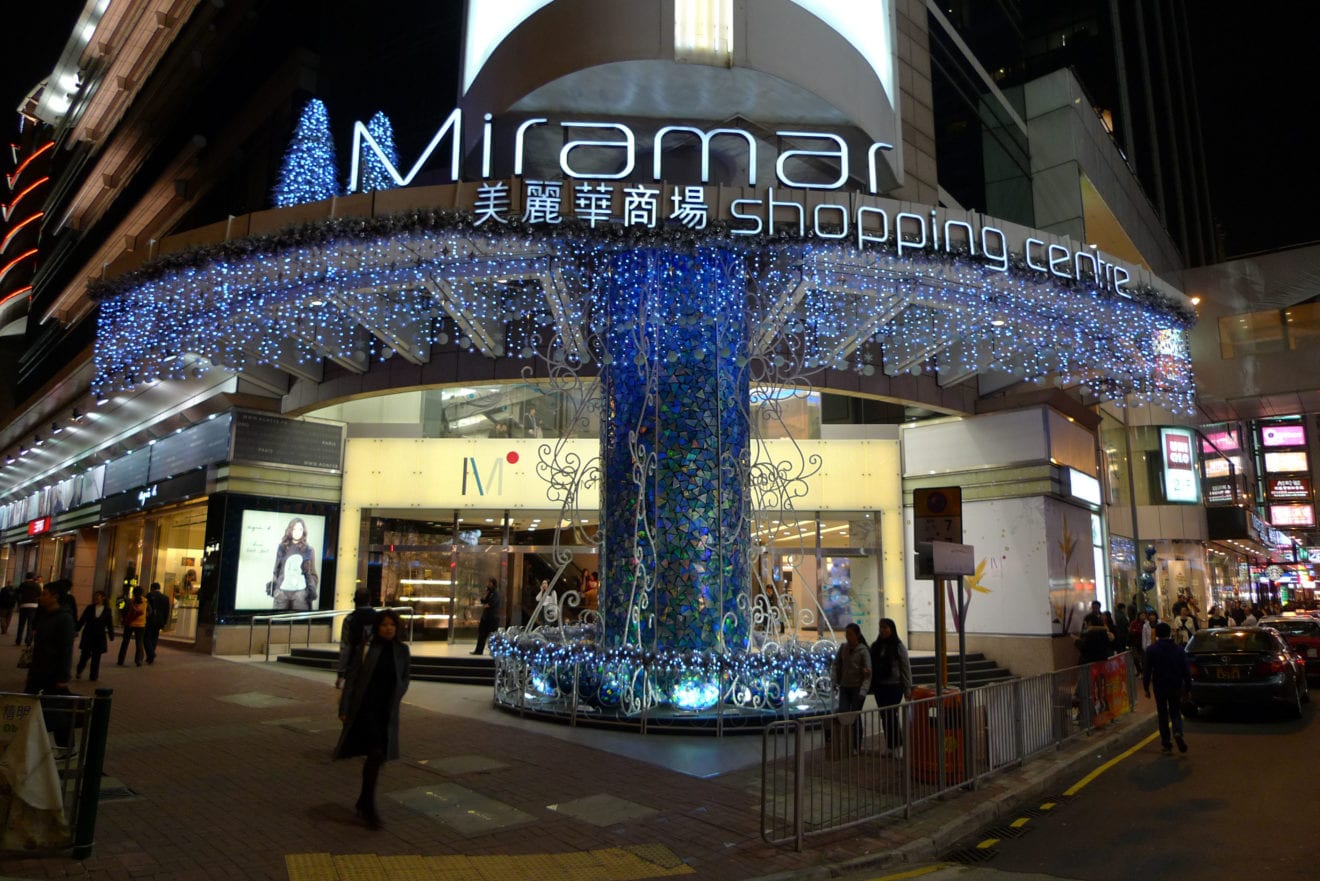
  • Hong Kong’s retail gross sales down 2.9 pct in March

    Hong Kong’s retail gross sales down 2.9 pct in March

    Hong Kong’s worth of complete retail gross sales fell 2.9 % year-on-year to 38.four billion HK dollars ( about four.9 billion U.S. dollars) in March, 2015, the statistics division stated right here on Tuesday.

    The worth of gross sales of jewellery, watches and clocks, and priceless presents misplaced 18.6 % in March from a yr in the past, adopted by gross sales of fuels 16.four %, footwear, allied merchandise and different clothes equipment 11.7 %, Chinese language medicine and herbs eight.four % and optical outlets 5.three %.

    Then again, the worth of gross sales of meals, alcoholic drinks and tobacco rose four.zero %, adopted by gross sales of electrical items and photographic gear 2.eight %, and books, newspapers, stationery and presents 2.three %.

    A authorities spokesman stated the efficiency of retail gross sales remained sluggish in March, with most forms of shops recording year-on-year declines in gross sales, conceivably reflecting the slowdown in inbound tourism.

    The retail gross sales efficiency within the close to time period is more likely to be constrained by the weaker efficiency of inbound tourism, though the secure labor market circumstances ought to nonetheless render help to native shopper sentiment, the spokesman stated.

  • Malls anticipated to submit robust gross sales in April

    Malls anticipated to submit robust gross sales in April

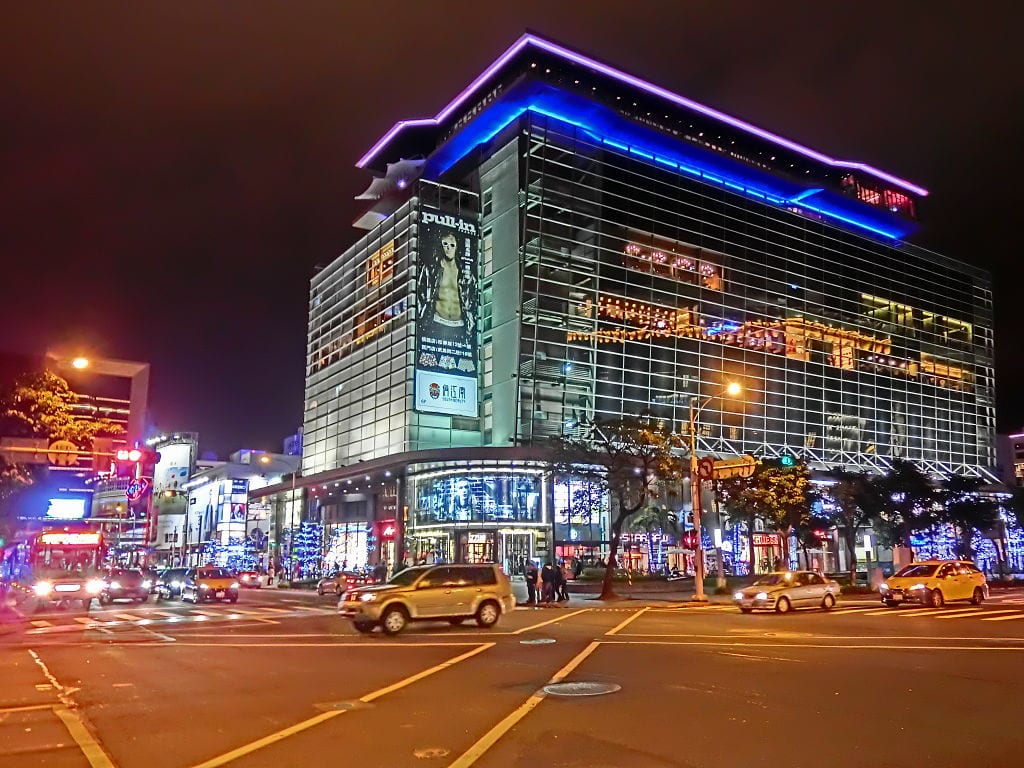
    Malls in Taiwan are anticipated to report robust positive aspects in gross sales in April from the earlier month due to aggressive promotional campaigns forward of Mom’s Day, the Ministry of Financial Affairs (MOEA) stated Friday.

    The MOEA estimated division retailer gross sales in April at NT$25.5 billion (US$83.06 billion), about 23 % greater than a month earlier.

    The gross sales would reverse a 27.5 % month-on month fall recorded in March, which noticed sluggish gross sales as a result of it got here after the Lunar New Yr vacation in February.

    Ought to division retailer gross sales hit NT$25.5 billion in April, it might be the very best quantity ever recorded for the month.

    Expectations that division retailer income rose additionally mirrored the positive factors posted by Taiwan’s inventory market and wage will increase, which left shoppers extra prepared to spend, the MOEA stated.

    In April, the weighted index on the Taiwan Inventory Trade gained 233.61 factors, or about 2.44 %, to shut at 9,820.05 on Thursday, the final buying and selling session of the month.

    In late April, the market’s benchmark index even breached the 10,000-point mark a number of occasions for the primary time in 15 years earlier than falling again under the edge earlier than periods closed.

    The typical nominal wage in Taiwan rose greater than 6 % within the first two months of the yr from a yr earlier with the assistance of larger year-end bonuses, in accordance with Directorate Common of Price range, Accounting and Statistics figures.

    The positive factors constructed by buyers within the inventory market and better wages prompted many shoppers to leap on gross sales promotion campaigns for such items as style gadgets, jewellery and meals providers for Mom’s Day, which falls on Might 10 this yr, the MOEA stated.

    In consequence, main division retailer chains in Taiwan noticed gross sales rise 20-30 % in April, serving to their companies get well from March’s doldrums, the ministry stated.

    Within the first quarter, division retailer gross sales rose 5.eight % from a yr earlier to NT$72.2 billion, which accounted for 26.2 % of all retail gross sales in Taiwan. The expansion topped the 1.eight % year-on-year improve in gross sales posted by Taiwan’s retail sector as an entire.

    The MOEA stated gross sales generated by malls listed here are anticipated to hit a report excessive of about NT$320 billion this yr, up from NT$306.1 billion recorded a yr earlier.

  • Open Sesame? Jack Ma’s Alibaba loses $US70b in market worth as progress disappoints

    Open Sesame? Jack Ma’s Alibaba loses $US70b in market worth as progress disappoints

    After Alibaba Group raised a document $US25 billion ($31 billion) final yr, founder Jack Ma stated the Chinese language e-commerce firm confronted the hazard of excessive expectations. He is perhaps proper.

    About $US70 billion of market worth has evaporated since Ma made that assertion in November as buyers fear about slowing progress. Alibaba’s dominance at residence as a market for consumers and sellers of products is being undermined by a Chinese language financial system projected to develop on the slowest tempo since 1990 and a shopper shift to cellular buying that crimps promoting income.

    Ma’s push outdoors China additionally has but to realize traction — its presence within the US and far of Europe stays negligible. Outcomes due Thursday are anticipated to point out that the tempo of Alibaba’s income enlargement fell under the typical of the earlier seven quarters. Shares of Alibaba closed Tuesday at $US79.54 in New York, a 3rd under their November peak and the bottom because the Hangzhou-based firm bought inventory at $US68 apiece in its preliminary public providing in September.

    “With the general Chinese language financial system slowing down and the market saturating in giant cities, abroad enlargement appears much more essential,” stated Cao Lei, director of the China E-Commerce Analysis Middle in Hangzhou

    Alibaba’s success in China made it the nation’s largest e- commerce operator, with every little thing from garments and meals to jets and automobiles being bought throughout its platforms.

    Russia, Brazil

    Ma needs to duplicate that all over the world, setting a objective of producing half of gross sales and servicing greater than 10 million small companies outdoors China. However whereas the corporate has made inroads into Russia and Brazil, Alibaba at present will get lower than 5 per cent of its income from outdoors China, Ma stated in March on an organization Twitter account.

    Alibaba’s gross sales in all probability rose 41 per cent within the fourth quarter to 16.9 billion yuan ($three.four billion), in line with the typical of 23 estimates compiled by Bloomberg. That compares with a mean of about 50 per cent in the course of the previous seven quarters.

    The corporate’s technique of increasing in under-served areas of China and abroad is driving up advertising prices as extra shoppers store on cellular units, the place advertisements sometimes generate much less income than these on desktop computer systems. Working revenue will in all probability shrink 18 per cent to four.5 billion yuan, based on the estimates.

    ‘Credibility disaster’

    “They’ve confronted hurdles and difficulties that they should overcome to succeed in the subsequent degree of progress,” stated Matthew Kwok, chief strategist at China Yinsheng Asset Administration in Hong Kong. “It has reached such success in China, it will make sense for them to duplicate that enterprise mannequin abroad.”

    Alibaba declined to remark in an e-mail, citing quiet interval restrictions forward of the earnings launch.

    Including to considerations round Alibaba’s progress outlook is the resurfacing of allegations that the corporate’s platforms, together with Taobao Market and Tmall.com, are a haven for counterfeiters. The Chinese language authorities this yr stated Alibaba faces a “credibility disaster” for failing to crack down on shady retailers, pretend items and deceptive promotions.

    Whereas buyers have punished Alibaba, an index of US- traded Chinese language corporations has jumped by 17 per cent this yr. Rival e-commerce operators have additionally surged with JD.com rising 46 per cent in New York and Tencent Holdings gaining 40 per cent in Hong Kong by means of Tuesday.

    The 2 corporations have joined forces to compete towards Alibaba. Tencent is making an attempt to drive the 1 billion customers of its WeChat and QQ chat apps to JD.com, which lately began a service to hurry imports to Chinese language consumers.

    As JD.com, China’s second-biggest e-commerce firm, “ups its recreation,” stated Mark Tanner, founding father of China Skinny, a Shanghai-based analysis and advertising company, Alibaba’s earlier progress “appears unsustainable within the medium time period.”

  • Matahari Putra Prima’s Q1 Revenue Rises 60% on Larger Gross sales

    Matahari Putra Prima’s Q1 Revenue Rises 60% on Larger Gross sales

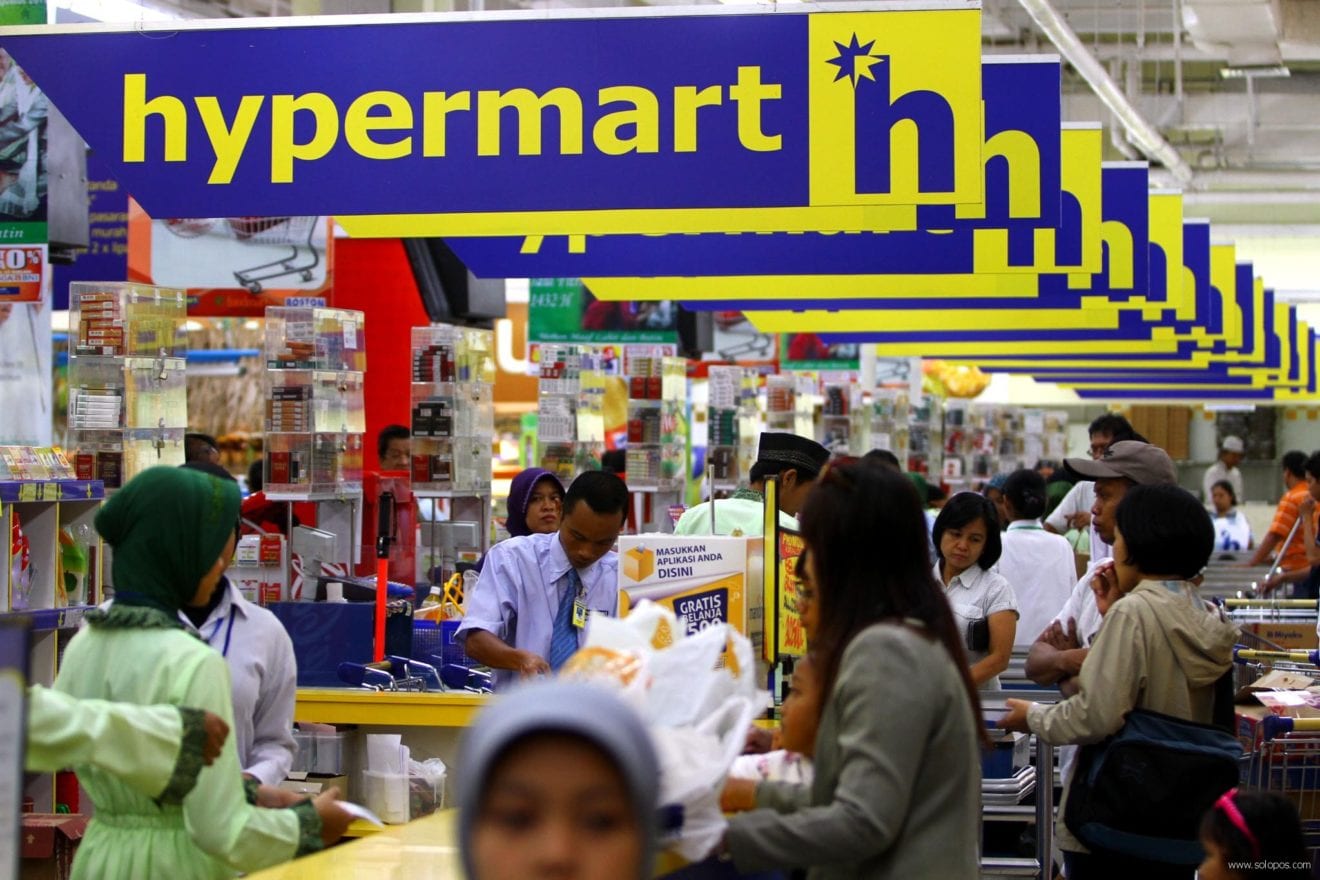
    Matahari Putra Prima — the operator of Hypermart, Foodmart and the Boston Well being & Magnificence retail chain — posted 60 % achieve in revenue within the first quarter, because of regular progress in gross sales.

    Internet revenue rose to Rp 81.6 billion ($6.three million) within the January-March interval from Rp 51.zero billion in the identical quarter final yr, the corporate stated in a press release final week. Internet gross sales rose 7.1 % to Rp three.35 trillion.

    “We’re happy with our internet revenue leads to the primary quarter regardless of a really difficult gross sales surroundings. our enterprise benefited from the productiveness measures taken and realization of expense saving packages initiated in mid-2015 by the administration staff,” stated MPP chief government officer Noel Trinder.

    MPP’s same-store gross sales progress, nevertheless, was 1.eight % decrease because of weak financial progress and aggressive setting amongst present shops in operation, the corporate stated.

    In the course of the quarter, MPP opened 14 new shops together with two for Hypermart, one Foodmart grocery store, 9 Foodmart Categorical and two Boston shops.

    These added to MPP’s 267 shops (107 Hypermart, 58 Foodmart and 102 Boston) in 67 cities throughout Indonesia as of Dec. 31 2014.

  • Indonesia’s Unemployment Fee Will increase as Financial system Slows

    Indonesia’s Unemployment Fee Will increase as Financial system Slows

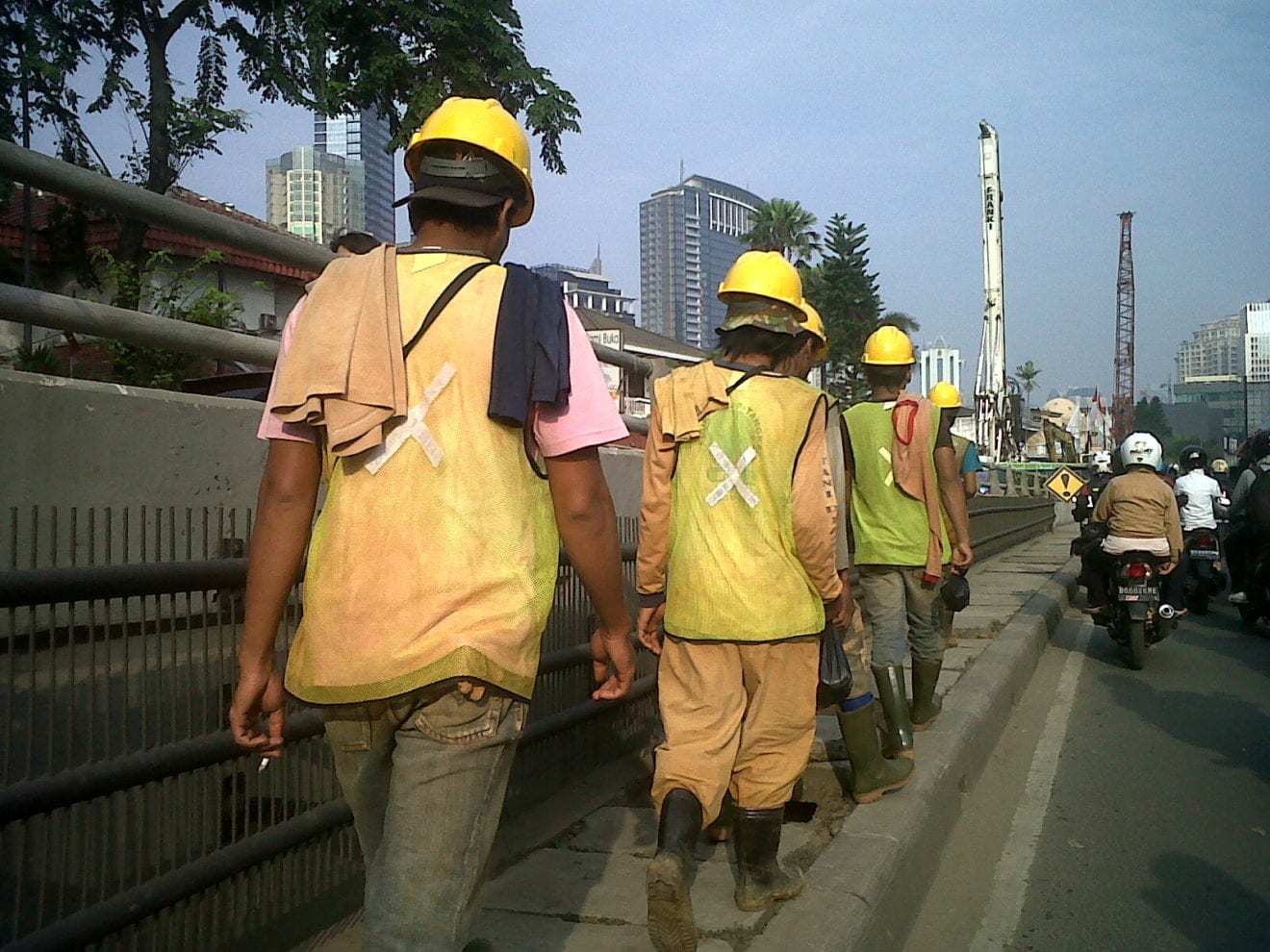
    Indonesia’s unemployment price elevated in February, in response to the newest knowledge from the Central Statistics Company, or BPS, amid slower financial progress.

    BPS’s February 2015 knowledge, launched on Tuesday, confirmed there have been 7.45 million unemployed individuals out of the full workforce of 128.three million within the nation. Because of this the unemployment price stands at 5.81 %.

    As compared, in February final yr the variety of unemployed individuals stood at 7.15 million, representing 5.7 % of the whole 125.32 million workforce.

    Nevertheless, in comparison with the earlier knowledge acquired in August 2014, the unemployment fee declined, though the actual numbers have been nonetheless on the rise.

    In August 2014, 7.24 million individuals have been recognized as unemployed, representing a 5.94 % of the whole 121.87 million individuals.

    BPS additionally launched knowledge that confirmed Indonesia’s financial progress slowed to four.71 %, the weakest it has been in additional than 5 years.

    “Therefore, within the absence of forthright stimulus from each financial and monetary fronts, for Indonesia to regain some progress mojo, there isn’t a different approach than for it to imbibe the bitter drugs of reforms,” stated Wellian Wiranto, an economist at OCBC Financial institution in Singapore.

    “From slicing bureaucratic purple tape to liberating up of land for infrastructure tasks in addition to boosting labor productiveness, there are a lot on the record of issues the Jokowi administration should do to inch nearer to the 7 % goal it has in thoughts,” he stated.

    Franky Sibarani, the chief of the Funding Coordinating Board (BKPM), stated the federal government would keep on with its weapons with a goal to create as much as two million new jobs this yr. “We’ll push for extra job availability,” he stated.

    Nonetheless, knowledge from BKPM confirmed that though complete funding elevated by 16.9 % year-on-year to Rp 124.6 trillion ($9.55 billion) within the first quarter, job absorption declined. Direct funding within the nation absorbed 315,229 staff within the first three months of this yr, a decline from 470,510 within the fourth quarter of final yr.

  • Mainland companies ease hiring employees in Q1

    Mainland companies ease hiring employees in Q1

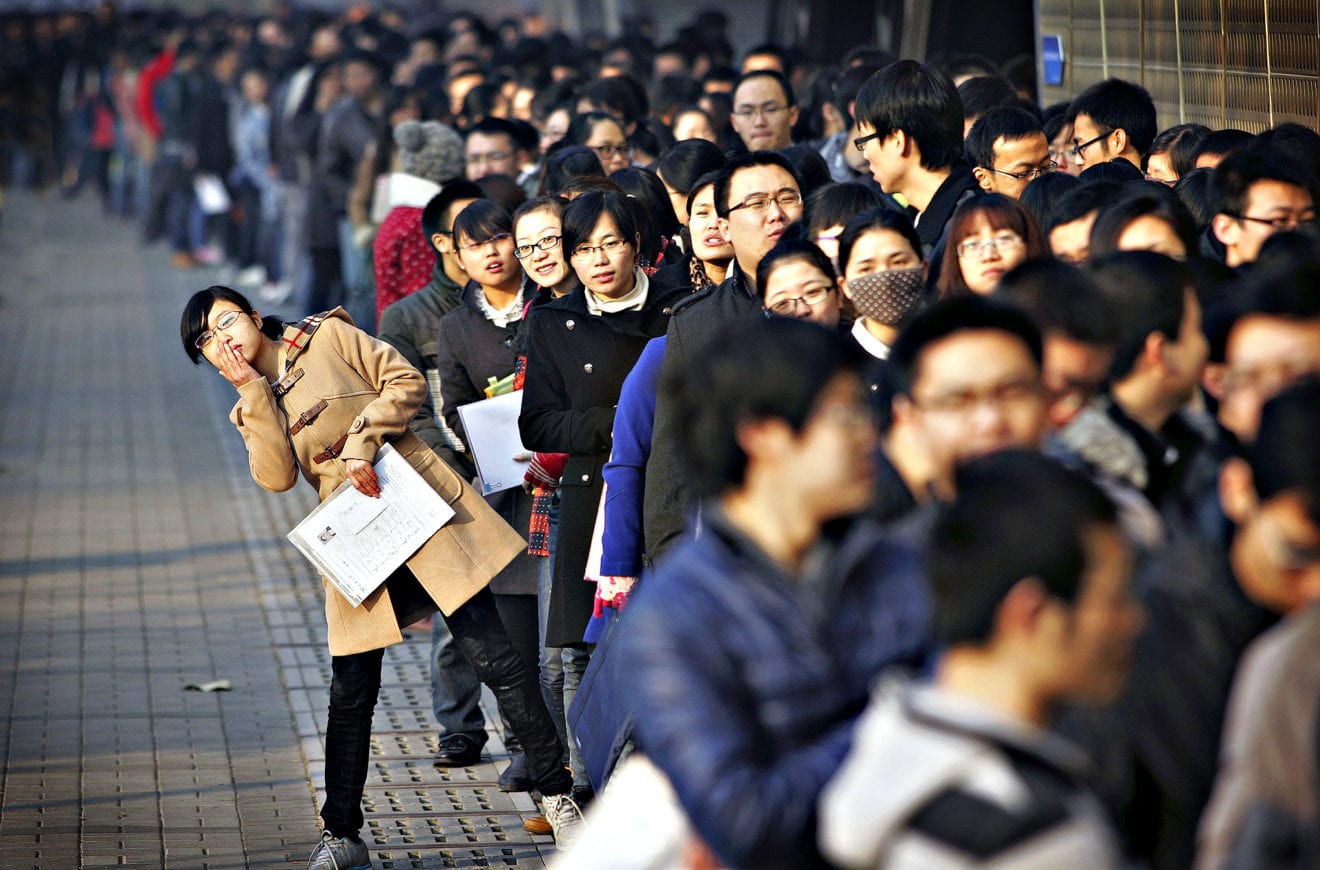
    Employers on China’s mainland have been much less lively in hiring employees within the first quarter, recruitment consultancy Robert Walters stated in a report yesterday.

    The variety of job ads within the mainland print media and main on-line job boards jumped 16 % within the first quarter yr on yr, 9 proportion factors down from the survey carried out in the identical interval of final yr, Robert Walters stated within the report which coated six main economies in Asia.

    However the mainland rose a spot to develop into the second-quickest rising job market after Japan, which surged 33 % pushed by the federal government’s proactive financial insurance policies, the report stated.

    “With the Chinese language authorities setting its GDP goal at 7 % this yr, the job market will possible develop at a secure tempo,” stated Arthur Wang, managing director, Robert Walters China.

    As China shifts its financial system towards consumption-led, “we anticipate to see the creation of extra high-paying jobs inside the shopper and providers sectors so as to encourage spending,” Wang stated.

    The report discovered IT a scorching sector on the mainland because the variety of job ads jumped 53 % yr on yr.

    Advertisements for accounting and finance jobs adopted with a progress of 19 %.

  • Jaguar Land Rover Opens Showroom in Jakarta

    Jaguar Land Rover Opens Showroom in Jakarta

    British automotive firm Jaguar Land Rover formally opened its showroom in Arteri Pondok Indah to offer its buyer with one-stop answer showroom.

    The six-story showroom, which the carmaker claims to be its largest in Southeast Asia, is constructed on a four,500-square meter website, offering automotive unit gross sales, service and spare elements.

    Twelve educated and authorized inner mechanics will work on the showroom.

    “We consider that the Jaguar Land Rover South Jakarta showroom is ready to meet the purchasers’ wants of Jaguar Land Rover merchandise,” stated Darwin Maspolim, who’s vice chairman of Grandauto Dinamika — Jaguar Land Rover’s sole approved distributor — on Wednesday.

  • President Hooks Up Papua to Fiber-Optic Spine

    President Hooks Up Papua to Fiber-Optic Spine

    President Joko Widodo on Sunday inaugurated the Rp three.6 trillion ($275 million) Sulawesi, Maluku and Papua Cable System (SMPCS), a fiber-optic community meant to enhance Japanese Indonesia’s telecommunications connectivity.

    The cable system is part of the state-owned telecommunication agency Telekomunikasi Indonesia (Telkom)’s plans to attach the whole archipelago with fiber-optic know-how by the top of this yr.The SMPCS stretches for eight,772 kilometers throughout 34 districts in North Sulawesi, Southeast Sulawesi, South Sulawesi, North Maluku, Maluku, East Nusa Tenggara, West Papua and Papua. Thus far, Telkom has put in 6,193 kilometers of fiber-optic cable and it plans to complete the rest by September.

    The japanese community is a part of the 76,727-kilometer fiber-optic cable infrastructure that stretches from Sabang within the northwest of Indonesia to Merauke within the southeast.

    “The SMPCS will broaden the connectivity and increase knowledge service capability in areas which have by no means been served nicely earlier than,” Telkom president director Alex J. Sinaga stated.Nonetheless, the cable system is “solely a spine community and Indonesia nonetheless wants the entry [at the consumer level],” Communications and IT Minister Rudiantara advised these current on the inauguration of the community by video-call from Jakarta.

    “To raise the entry high quality, we should migrate and rearrange the frequency at 1,800 megahertz for 4G know-how,” the minister stated. “This has been accomplished in Maluku and North Maluku. We’ll begin doing this in Papua from Tuesday, in Kalimantan and Sumatra on the finish of June and will probably be completed in Jakarta in November.”

    4G Lengthy Time period Evolution (LTE), or the fourth-generation know-how product that gives tremendous quick knowledge switch for cellular units, gives improved obtain speeds in comparison with present 3G know-how provided by many cellular operators.

  • Birlas to merge Madura Clothes into Pantaloons Trend

    Birlas to merge Madura Clothes into Pantaloons Trend

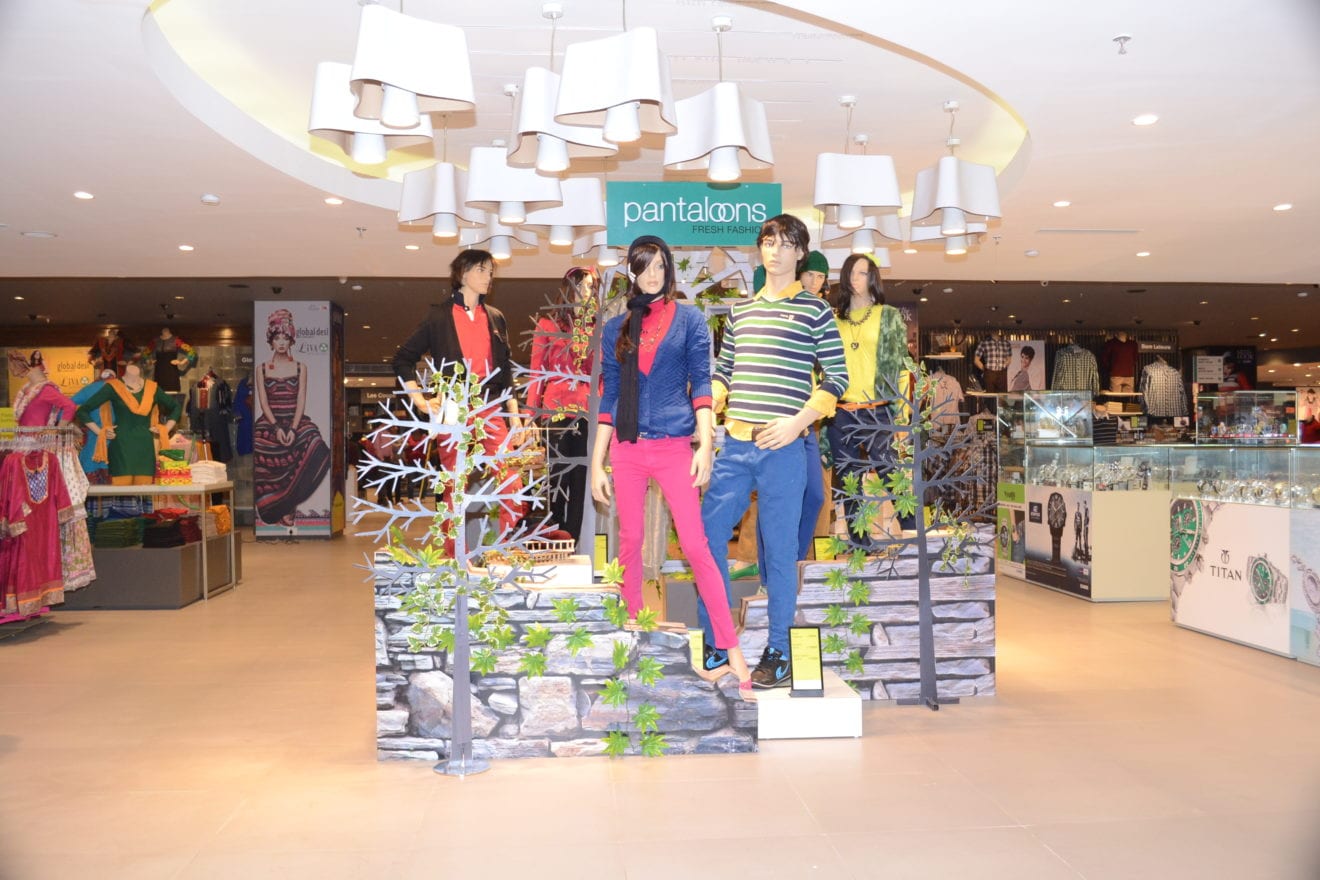
    The Kumar Mangalam Birla-controlled group on Sunday introduced a plan to merge its Aditya Birla Nuvo Ltd (ABNL)-operated trend retailing enterprise with Pantaloons Trend & Retail. This can create India’s largest branded attire participant, valued at Rs 12,000 crore.

    In accordance with the plan, Madura Trend (the branded attire retail division) and Madura Way of life (the posh branded attire retailing arm of ABNL) will probably be demerged into Pantaloons Fashions, a listed subsidiary of the group.

    After the restructuring, Pantaloons Style might be renamed Aditya Birla Trend & Retail Restricted, and have 1,900 shops throughout India. The mixed entity may have a debt of Rs 1,775 crore, after loans of about Rs 475 crore can be handed from Madura to Pantaloons.

    Underneath the merger plan, ABNL shareholders will get 26 new fairness shares of Pantaloons for each 5 ABNL fairness shares held, following the demerger of Madura Style. Equally, shareholders of Madura Clothes will get seven new fairness shares of Pantaloons for each 500 Madura Garment fairness shares held, pursuant to the demerger of Madura Way of life. The choice shareholder of Madura Clothes Way of life will get one new fairness share of Pantaloons. After the deal, Pantaloons’ fairness base will improve from 92.eight million to 772.eight million shares.

    “The thought is to unlock worth for our shareholders in each ABNL and Pantaloons Style,” stated Aditya Birla Group Chairman Kumar Mangalam Birla. He additionally stated style retailing was doing much better than the nation’s financial system, with the mixed entity’s income rising by 40 per cent and Ebitda by 43 per cent, prior to now two years.

    Normal Chartered Financial institution was the advisor for the transaction, and Worth Waterhouse & Co LLP and Bansi S Mehta & Co have been the valuers.

    With this restructuring, an ABNL shareholder holding 100 shares will get 520 Pantaloons shares, along with the 100 ABNL ones. The promoters will personal near a 60 per cent stake in Pantaloons after the restructuring, in contrast with the current 72 per cent. The group determined to maintain its ‘Extra’ branded grocery shops out of the merger scheme, and stated it might not supply any stake within the new firm to non-public fairness gamers.

    “This consolidation will create India’s largest pure-play trend & way of life firm, with a robust bouquet of main style manufacturers and retail codecs. This transfer brings India’s number-one branded menswear and womenswear gamers collectively,” the chairman stated. He added the corporate’s inner accruals have been sufficient to fund its progress plans and the transaction can be accomplished in six to 9 months.

    “Buyers of ABNL had been asking for a demerger for a very long time. This entity will create the most important pure-play trend firm within the nation and take away the holding firm low cost of ABNL,” Kumar Mangalam Birla stated. The Pantaloons model will proceed on the degree of shops, whilst the corporate’s identify will change. The debt-to-equity ratio of Pantaloons will enhance after the scheme.

    “This may also convey all branded attire companies beneath one roof, speed up the expansion of those companies, and assist exploit rising alternatives introduced by the quickly rising Indian attire market,” stated Pranab Barua, the group’s enterprise director (attire & retail enterprise).

    The consolidation would additionally allow tapping of operational synergies on numerous fronts, reminiscent of sourcing, actual property and know-how platforms, the group stated in a press release.

    Commonplace Chartered Financial institution was the advisor for the transaction whereas Worth Waterhouse & Co. LLP and Bansi S. Mehta & Co have been the valuers.

  • ZTE faucets Japan to assist promote 60m handsets globally

    ZTE faucets Japan to assist promote 60m handsets globally

    ZTE Corp goals to increase gross sales in markets within the Asia-Pacific, particularly in Japan, to satisfy its international goal of promoting 60 million smartphones in 2015, China’s largest listed telecommunications gear maker stated yesterday.

    The worldwide gross sales determine for this yr marks a 25 % rise from final yr. Within the Asia-Pacific, it plans to promote 10 million models primarily by rising within the Japanese market.

    “Japan will grow to be our subsequent gross sales progress engine after China and the USA,” stated Zeng Xuezhong, chief government of ZTE’s cellular enterprise.

    In Japan, ZTE companions NTT Resonant to promote handsets. ZTE spends US$500 million on annual procurement in Japan from companies like Sony and Sharp.

    The Shenzhen-listed agency launched a mid-end smartphone referred to as Blade in Japan priced from US$200 to US$300. The system options 5-inch show, 13-megapixel digital camera and ZTE-developed gesture management options.

    In 2014, ZTE’s internet revenue surged 94 % yr on yr because of rising demand for 4G community gear and excessive revenue margins from rising gross sales of smartphones abroad.

    The abroad smartphone markets present ZTE with greater revenue margins, in response to analysts.

  • Buyers favor trendy retail codecs

    Buyers favor trendy retail codecs

    One-third of the Vietnamese shoppers (34 per cent) love purchasing at hypermarkets, supermarkets, and different trendy channels, based on the newest Way forward for Grocery Report ready by Nielsen.

    The report is predicated on a web-based survey of greater than 30,000 respondents throughout 60 nations in Asia-Pacific, Europe, Latin America, the Center East, in addition to Africa and North America. The survey was held to look at how trendy and digital purchasing channels have been altering the retail market scene.

    In response to the report, 42 per cent shoppers within the Philippines have made purchases at supermarkets extra typically up to now 12 months.

    The report additionally highlights the rising significance of comfort shops as one other trendy retail format for shoppers to purchase meals and groceries. Multiple-fourth of the shoppers within the Philippines shopped for meals and groceries at comfort shops extra typically final yr. The figures in different areas are: 22 per cent in Viet Nam, 21 per cent in Thailand, 15 per cent in Indonesia, and 14 per cent globally.

    Kaushal Upadhyay, Nielsen’s government director of shopper service in Southeast Asia, North Asia, and Pacific, stated supermarkets and hypermarkets have already been dominant in developed nations and can appeal to extra shoppers in creating nations in Southeast Asia. Nevertheless, smaller shops have additionally gained a substantial market share, he famous.

    He added that it means producers ought to perceive the place and what shoppers are purchasing. Producers ought to think about items distribution based mostly on the mixture of each channels.

    As well as, the report additionally revealed that on-line purchasing has been an essential approach for retailers to combine digital channels with buying expertise. Some 28 per cent of the Vietnamese shoppers shopped on-line, whereas the worldwide determine for a similar was 25 per cent.

    Merchandise comparable to physique wash, shampoos, and conditioners have been common gadgets shopped on-line by Vietnamese shoppers, based on the survey that was carried out between August 13 and September 5 final yr.

    Vu Vinh Phu, chairman of Ha Noi’s Grocery store Affiliation, advised on-line newspaper vnexpress that smaller shops nonetheless have their benefits as clients could make a fast purchase due to their proximity.

    Phu remarked that these shops can compete with trendy buying channels by providing skilled providers and good high quality merchandise at aggressive costs.

    Some 80 per cent of the time, the way forward for these shops depends upon their house owners, who should develop their very own model names and providers.

    Statistics from the Ministry of Business and Commerce exhibits that by the center of 2014, the nation had 724 supermarkets, 132 business centres, greater than 400 comfort shops and 1 million small outlets. Trendy retail channels accounted for 25 per cent of the market share, a lot decrease than that in different nations within the area.

    The nation is predicted to have 1,200 to 1,300 supermarkets and 337 business centres by 2020.

  • MetaPack expands into Asia with Hong Kong workplace

    MetaPack expands into Asia with Hong Kong workplace

    The MetaPack Group, the main supplier of e-commerce know-how for supply providers, as we speak introduced its enlargement into Asia with the opening of operations in Hong Kong. With workplaces in the UK, France, Germany, Poland and the USA at present, the institution of a Hong Kong workplace is additional proof of MetaPack’s dedication to worldwide progress.

    Asia varieties a serious a part of MetaPack’s evolving international technique to turn out to be the e-commerce supply buyer expertise know-how platform of selection globally. Buying German delivery fulfilment specialist XLogics and US delivery platform suppliers Abol in 2013 and 2014 respectively, MetaPack has seen speedy progress because the launch of its distinctive SaaS platform in 2008. This development is about to proceed because it expands outdoors Europe and the USA.

    The division will probably be headed up by Peter Winslow, who just lately joined MetaPack as VP of Higher China. Previous to becoming a member of MetaPack, Winslow was the managing director at InXpress, an authorised DHL Categorical reseller concentrating on SMEs in Hong Kong. He constructed up his wealthy information of the area’s supply business and tendencies by way of holding a collection of high-level roles at each DHL and UPS in Asia and Australia. MetaPack is planning to capitalise on Peter’s 35 years of expertise in cross-border provide chain freight and categorical enterprise in Asia to focus on sellers who’re delivery their merchandise everywhere in the world.

    Patrick Wall, CEO of MetaPack, stated: “Not solely are we happy to announce the opening of our Far East Asia HQ, however we will really feel assured that the brand new workplace shall be in protected palms with Peter approaching board with us. He has the management expertise, enterprise relationships and business information that may assist us develop quickly within the Far East.”

    Winslow stated: “The Far East is an space the place e-commerce is rising at an outstanding fee, and that’s the reason this can be very thrilling to be getting into the market and facilitating cross border on-line commerce. There’s an awesome alternative to attach European retail manufacturers with Asian shoppers in addition to assist native Asian retailers and carriers rework the web shopper expertise and supply a more sensible choice of extra aggressive supply providers.”

  • Chinese cities make up half of the world’s top 20 shopping center markets

    Chinese cities make up half of the world’s top 20 shopping center markets

    Chinese cities account for half of the top 20 most active shopping center markets globally with a total of 5.7 million square meters of shopping center space completed last year, an industry report released today by CBRE has showed.

    Wuhan in central Hubei Province, among all, saw the largest volume of shopping center space delivered to market with nearly one million square meters spanning 8 projects, said the world’s largest commercial real estate services provider, which has tracked 171 cities globally and is focused on new centers of more than 20,000 square meters excluding retail warehousing and factory outlet centers.

    Chengdu, which topped the list in 2013 by development completions, remained highly active. It closely followed Wuhan with 981,000 square meters of development in 2014. Beijing, with 926,600 square meters, and Chongqing, with 776,000 square meters, are the third and fourth most active markets. Wuhan, Chengdu and Beijing altogether contributed half of the new completions in China last year.

    Globally, more than 39 million square meters of shopping center space were under construction at the end of 2014 with over 32 million square meters being located in Asia Pacific. China, in particular, accounts for over 60 percent of the region’s pipeline and takes 9 spots out of the Top 10 most active markets in the world.

    Shanghai tops the ranking for most new space under construction with 4.1 million square meters, followed by Shenzhen with 3.4 million square meters and Chengdu with 3 million square meters. Each of the three has more than 20 projects in the development pipeline, according to CBRE.

    Around the world, a total of 11.4 million square meters of new shopping center space was completed last year, compared to 10.6 million square meters in 2013.

  • Harman partners with TCL to boost retail, product collaboration

    Harman partners with TCL to boost retail, product collaboration

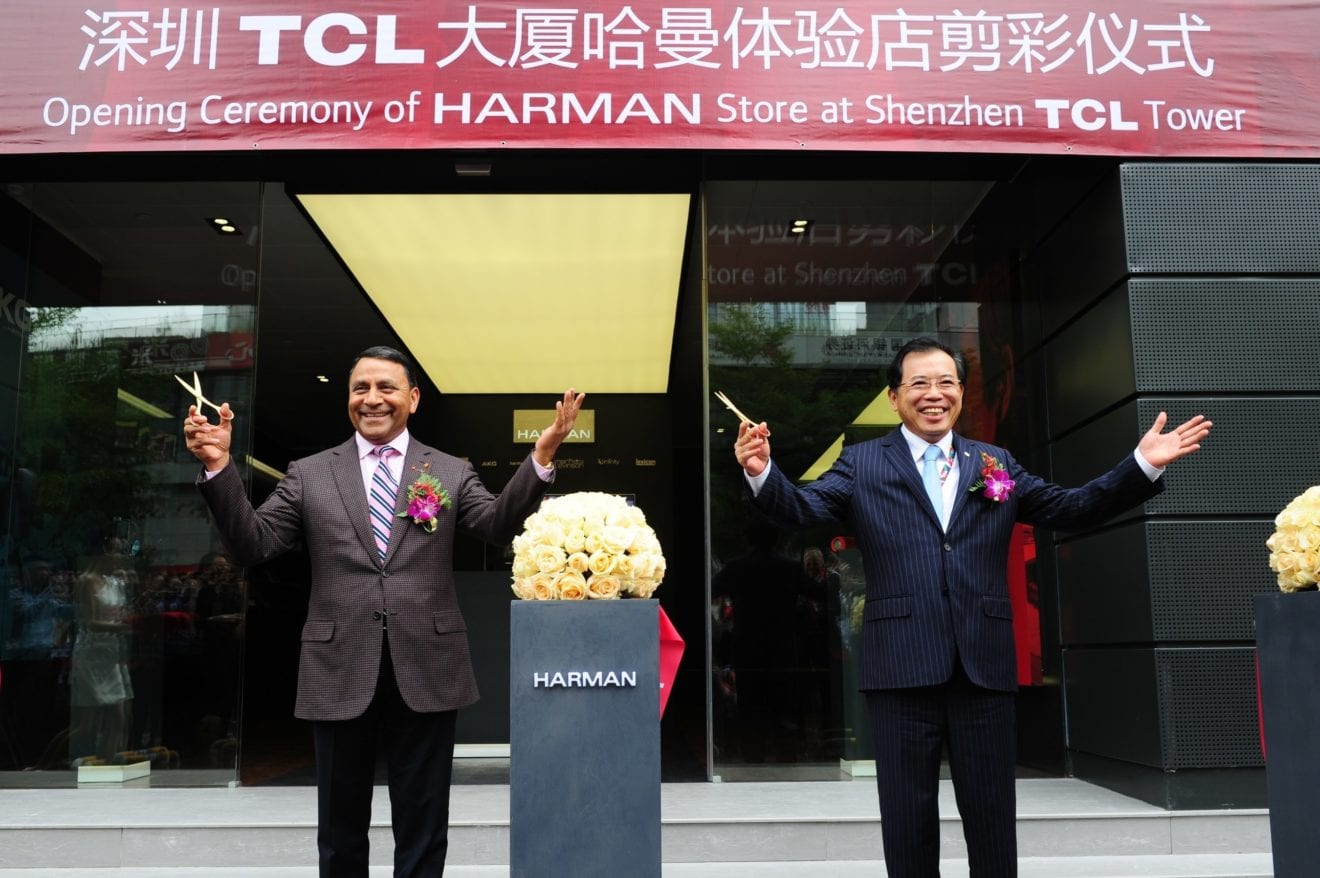
    Chinese audio and infotainment company Harman International opened its flagship store on 23 April at the TCL Tower in High-tech Industrial Park of Shenzhen. Its sister store, the TCL O2O flagship store was also set up the same day. TCL Corporation’s Chairman Li Dongsheng and Harman International’s Chairman Dinesh Paliwal attended the ceremony together, representing the start of a comprehensive partnership between the two corporations.

    Harman develops and produces professional audio electronic products and infotainment systems for various markets, ranging from auto markets, consumer markets, to professional audio markets. Over the past few years, Harman has already established a strong partnership with TCL Corporation, a global manufacturer of smart products and provider of internet application services. With the firm presence in TV and communications industries for years, TCL Corporation was the first TV manufacturer of China to engage in an all-round brand collaboration with Harman Kardon, a noted section of Harman International.

    The comprehensive partnership between TCL and Harman is mainly in the form of retail collaboration and product collaboration. Harman plans to create an online flagship store bearing its name on TCL’s e-commerce platform and identify TCL as its only e-commerce partner. Harman will also provide on-site product supports in 100 high-quality TCL stores. And in terms of product collaboration, Harman will provide diversified product customization services for TCL products.

    According to Li Dongsheng, the two corporations had always maintained a deep collaboration, with substantial progress being made between Harman and TCL’s four business areas including TV, cellphone, Tonly OEM, and O2O

  • Consumption’s ‘sleeping giants’ about to wake up

    Consumption’s ‘sleeping giants’ about to wake up

    Consumers in Southeast Asia are “sleeping giants” who will wake up to their full potential over the next 5-10 years, recent reports show.

    Robust consumption fueled by rising income levels and urbanization are expected to generate an additional $770 billion as 60 million people join the region’s consuming class or move into more affluent consumer segments by 2020, according to a study this month by Accenture involving more than 1,800 people in the region.

    The formation of the Asean Economic Community (AEC), scheduled to take effect this year, will also enhance the attractiveness of Southeast Asia’s consumer markets by making it easier for companies to do business across borders. By 2020, the region could become a $3 trillion economy, making its mark as the world’s sixth biggest, Accenture noted.

    “The spectacular growth of the Southeast Asian economy represents one of the biggest opportunities for consumer goods companies today,” said Dwight Hutchins, managing director in Accenture Strategy, Asia-Pacific.

    Emerging hotspots

    While the region’s “megacities” like Singapore are set to grow further, smaller emerging cities and rural areas are where the potential lie, according to a report released Monday by marketing research firm Nielsen.

    Describing Southeast Asia’s consumers as “sleeping giants of the next decade,” Nielsen said the fastest growth is set to occur in mixed-density cities that have 1-5 million people, like Malaysia’s Johor Bahru and Cebu in the Philippines. Population in these cities are forecast to skyrocket 51 percent by 2025 to a combined 52.6 million people, compared with the 32 percent growth to 69 million expected in megacities.

    Industrial cities, defined as areas with population of 500,000, are also forecast to be consumption hotspots. The size of the already-large cluster could increase 18 percent to 231.8 million over the next decade, accounting for nearly 63 percent of Southeast Asia’s total population, Nielsen said.

    “As costs in bigger cities like Bangkok and Jakarta rise, businesses are going into second-tier cities with cheaper land and labor. This move has created clusters of industrial estates, especially in the smaller provinces of Philippines, like Lipa and Yogyakarta, which has a knock-on effect of stimulating local economies,” Regan Leggett, Southeast Asia, North Asia and Pacific regional director of client services at Nielsen, told CNBC.

    The development of Southeast Asia’s smaller cities drive healthy demographic growth and a rising middle class, which transform consumer spending and offer “considerable rewards,” Nielsen added.

    Challenges

    Wooing Southeast Asian consumers, however, can be a challenge. According to Accenture, the region’s highly-connected consumers have minimal brand loyalty, with almost two-thirds of respondents open to switching brands. Meanwhile, a physically and culturally-fragmented landscape make Southeast Asia difficult to navigate.

    Still, it’s not impossible for businesses to map out strategies applicable across the region.

    For one, many rural consumers in the region are “at the very beginning of their relationships with packaged and branding goods,” and “finding commonalities across cities can be done,” Legget said.

    Businesses must be ready to offer affordable pricing, smaller product sizes or single-use portions for these first-time consumers, he added.