Tag: asia

  • Costs eat into Eu Yan Sang profit

    Costs eat into Eu Yan Sang profit

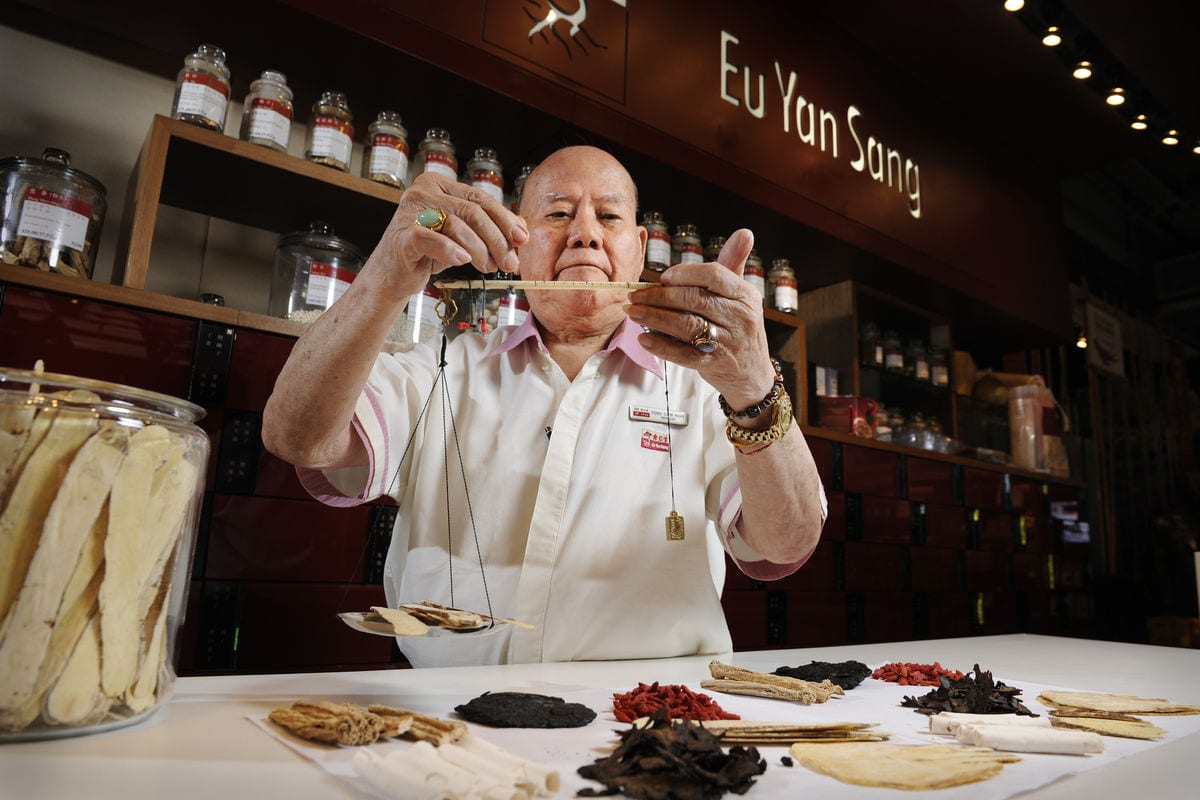
    Chinese herbal medicine retailer Eu Yan Sang has repoted a 38 per cent drop in profit on stable revenues in the first quarter of its current financial year.

    Eu Yan Sang posted a net profit of S$5.45 million on sales of $110 million.

    Improved sales in Australia, Singapore and Malaysia during the Chinese New Year, and in Malaysia where shoppers stocked up ahead of the introduction of GST on April 1, balanced a decline in Hong Kong, where the company says sales were soft due to the fall in mainland visitros.

    Gross margin for the quarter dipped 2.6 per cent due mainly to the impact of sales mix and longer lead time to Chinese New Year. Correspondingly, the group’s operating profit declined due to lower gross margin contribution and increased operating expenses.

    As at 31 March 2015, Eu Yan Sang had 258 company-operated retail outlets and 30 franchises in China, Hong Kong, Macau, Malaysia, Singapore and Australia.

    Group CEO Richard Eu said despite the challenging retail environment in Hong Kong and Macau, where retail revenue fell 21 per cent, most of the company’s key markets showed resilience.

    “Singapore, Malaysia and Australia markets have reported revenue growth. We see long-term opportunities especially in rising health awareness as consumers are becoming more discerning and better educated about wellness issues and are actively seeking for healthy food and natural health remedies. This is a space where we differentiate ourselves from others, where consumers understand product quality over pricing.

    “Rising disposable income in the region also played an important role to our business. In addition, our wellness offerings are easily accessible through ongoing introduction of new, exciting products and the extension of our wholesale channels,” he said.

    Retail revenue rose five per cent driven by increased consumer spending during the longer lead up period to Chinese New Year in Malaysia and Singapore, while the increased sales in company-operated outlets and improvement in same-store sales boosted retail revenue in Australia.

    The wholesale segment dipped by 32 per cent due to the slower offtake in trade as a result of the decline in mainland tourists’ spending in Hong Kong, which was caused by China’s recent move to restrict visitations of its nationals to Hong Kong.

    “In local currency terms, Australia showed the strongest improvement with a boost of 28 per cent in revenue,” the company said in its earnings statement. “This was in line with the increase in number of company-operated outlets and the increase in same-store sales.”

    For the rest of the year, the company expects the softer market to continue in Hong Kong, and in Malaysia where consumers are still adjusting to the impact of GST.

    But after two years of decline, Singapore is showing growth.

    “Given the recent regulations to limit Chinese tourists in Hong Kong and the enforcement of GST in Malaysia, the group expects a protracted recovery in these markets. We believe that the negative impact of GST on retail sales in Malaysia will be a short-term challenge.”

  • Sun Art looks to fresh Fields

    Sun Art looks to fresh Fields

    Chinese hypermarket operator Sun Art Retail Group has bought a controlling interest in Fields Hong Kong, an online retailer of fresh foods and produce.

    No price was disclosed for the 54 per cent stake.

    Fields Hong Kong was established to provide an alternative source of produce in a market where food safety scandals have bred distrust of corporate retailers and fast food chains. Middle class consumers who have the disposable income to afford premium products from vendors they trust are a growing market for online suppliers.

    Sun Art, listed in Hong Kong, is part owned by France’s Auchan Group and Taiwanese billionaire Samuel Yin.

    In a statement the company said the purchase would “further strengthen” its Chinese eCommerce business.

    Fields’ competitors include Amazon.com-backed yummy77.com, kateandkimi.com and epermarket.com.

  • Singapore Customs seizes 700 bags

    Singapore Customs seizes 700 bags

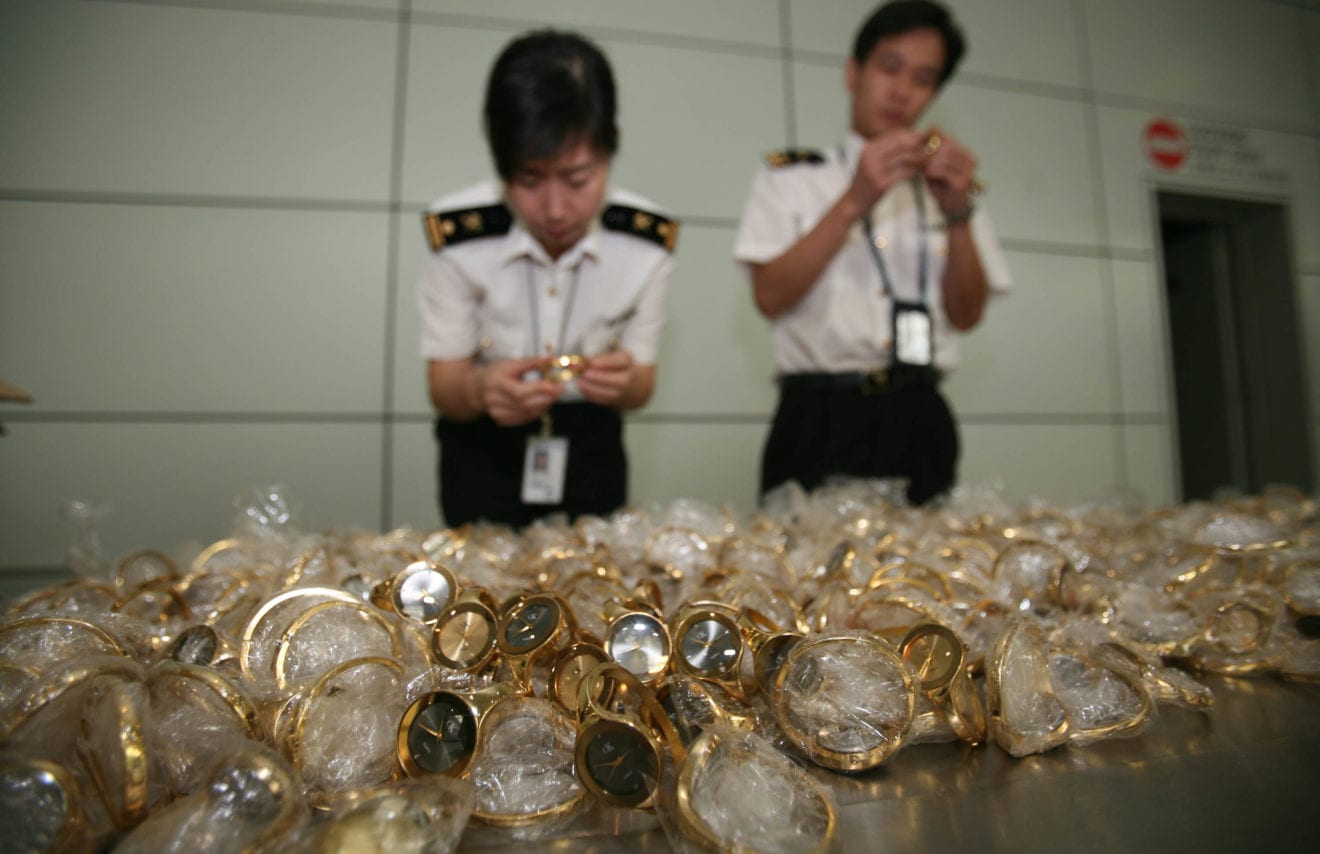
    Singapore Customs has seized some 700 counterfeit women’s bags and wallets imported from China.

    Details of the brands were not officially released but the above image provided by Customs shows clearly distinguishable Cath Kidston branding on some of the seized goods. Other goods bore two other brand names.

    The bags and wallets were discovered during a routine inspection of a consignment of goods at the Tanjong Pagar Distripark.

    Singapore Customs has informed the brand owners of the detained goods and they can now institute infringement actions against the importer under the Trade Marks Act.

    “Singapore does not condone such illegal trading activities and will take firm action against importers of counterfeit goods, and continue to ensure a robust intellectual property rights enforcement regime in Singapore,” said Singapore Customs in a statement.

    Today’s seizure follows another on April 8 involving more than 2300 items including mobile phone accessories, watches, sunglasses, bags and wallets suspected to be counterfeit goods of popular brands. Those items had been air freighted in from China, and included fake Apple accessories, pictured below.

  • Belif Malaysia makes debut

    Belif Malaysia makes debut

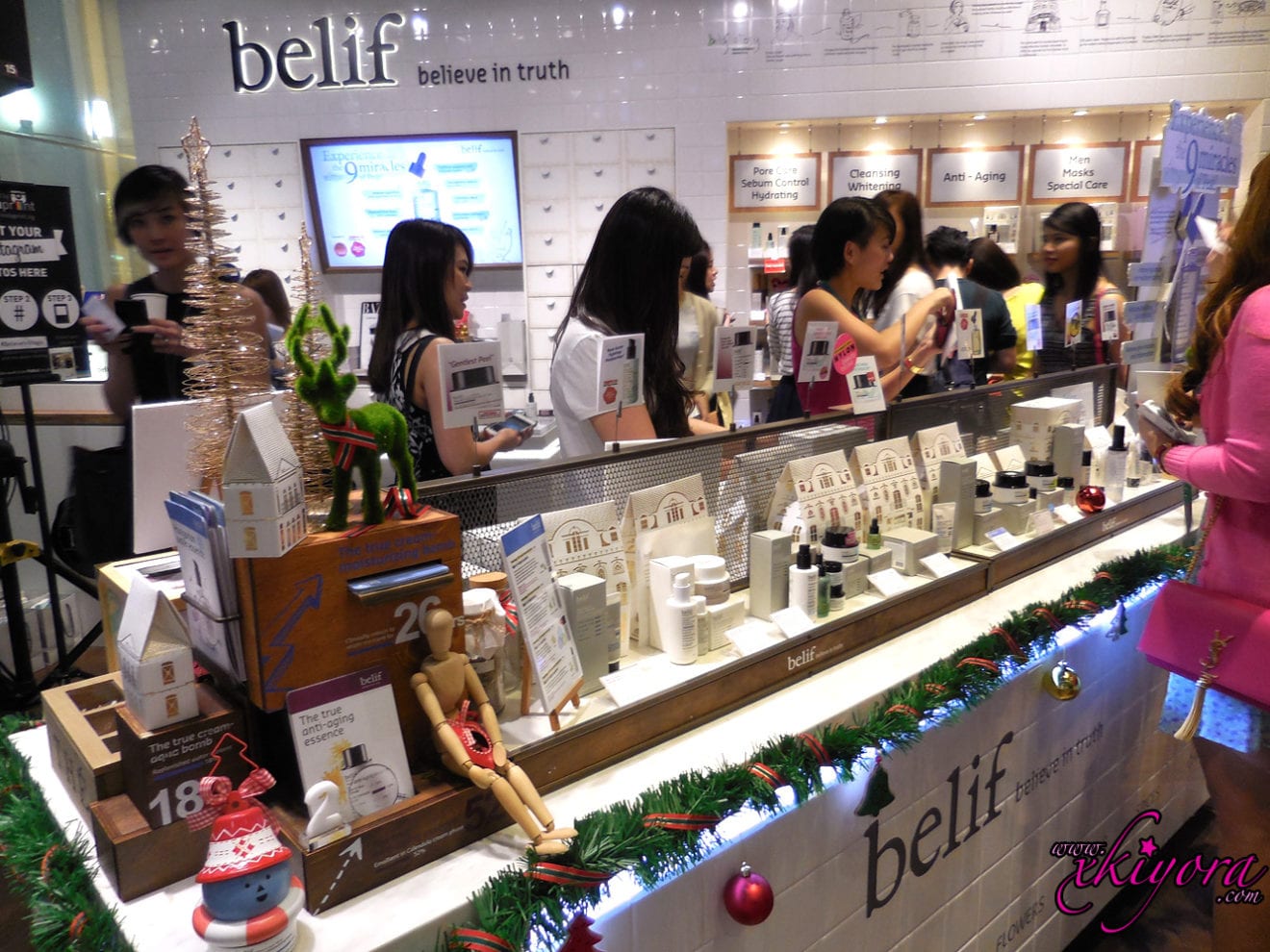
    Korean cosmetics brand Belif has opened its first store in Malaysia in Kuala Lumpur’s Sunway Pyramid Mall.

    Belif Malaysia has been introduced by listed jewellery retailer Tomei which has the rights to other markets in the region but plans to focus on Malaysia for the time being to fully assess its potential.

    Between three and five stores are planned initially.

    Belif is marketed as a herbal lifestyle cosmetics brand based on recipes dating back to Britain in the 1860s and combined with modern day Korean skin science.

    The brand distinguishes itself with packaging which is honest about its ingredients. Each of its products addresses diverse skin types and concerns with formulas that are free of mineral oil, synthetic fragrances, synthetic dyes, synthetic preservatives and animal origin ingredients.

    The debut store in Kuala Lumpur is on Sunway’s ground floor near the Tomei jewellery store.

  • BBQ Chicken Vietnam gets Foodpanda boost

    BBQ Chicken Vietnam gets Foodpanda boost

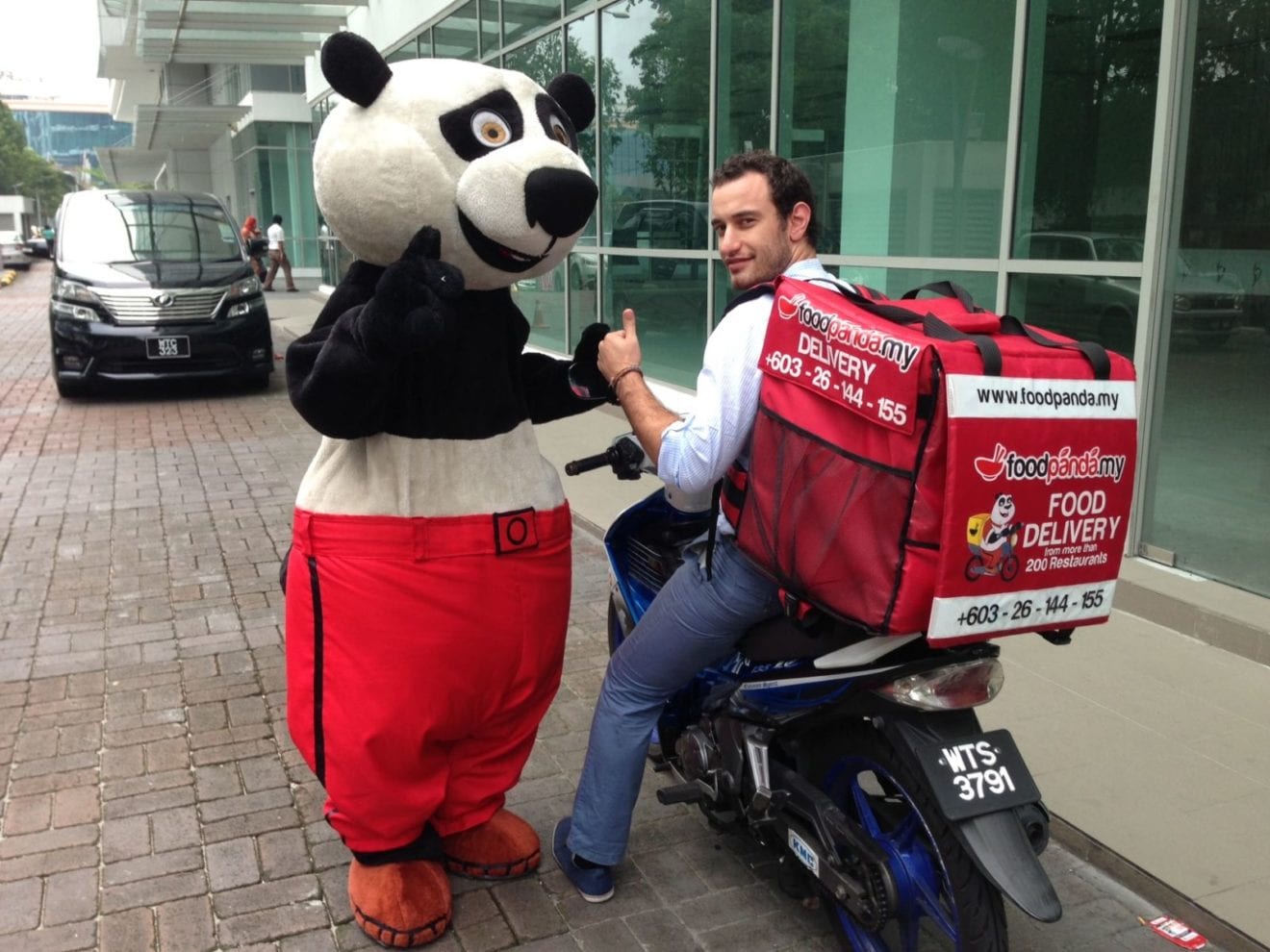
    Online food delivery service Foodpanda has given Korean QSR BBQ Chicken Vietnam a major marketing boost.

    While BBQ Chicken is “better known than KFC, Jollibee or Subway” in Vietnam’s capital city Hanoi, down south it still has some work to do on its brand awareness.

    So Foodpanda and BBQ Chicken have signed an exclusive delivery service partnership nationwide.

    Foodpanda had previously made deliveries on behalf of some individual stores.

    The Rocket Internet subsidiary, in which Goldman Sachs has just invested US$100 million, now has delivery partnerships in Vietnam with 20 franchised chains and some 800 restaurants Vietnam-wide, after only three years in the market.

    Foodpanda has services in six Vietnamese cities: Hanoi, Ho Chi Minh City, Da Nang, Can Tho, Nha Trang and Hai Phong

  • Indonesia targets higher taxes for imported luxury goods

    Indonesia targets higher taxes for imported luxury goods

    Indonesia is planning to impose a higher luxury tax for imported retail goods in its latest attempt to dampen domestic consumption in Southeast Asia’s biggest economy, an official at the finance ministry said today.

    The G20 economy has been struggling to stabilise its external balance sheet, due to persistently high imports and weak structural reforms, which is putting downward pressure on the ailing rupiah currency.

    “For our luxury tax, there are other goods that will be subject for harmonisation — consumer goods,” Deputy Finance Minister Bambang Brodjonegoro said on the sidelines of a Thomson Reuters conference.

    The government in August announced a fiscal package, which include a higher luxury tax on imported cars, to reduce imports.

    The new increase would be significant, said Brodjonegoro, who was unable to give further details on current or the new luxury goods tax plans.

    “Likely, clothes (and) bags,” he added, when asked which luxury items would be hit by the new tax.

    Since June, Bank Indonesia has raised its benchmark reference rate by a total of 175 basis point to discourage lenders from expanding too aggressively.

    Despite intervention by the central bank, the rupiah fell to above 12,000 per dollar in today’s trade.

    Indonesia’s finance ministry is expected to announce further details on the new import taxes soon, including increasing taxes for certain foodstuffs and goods. 

  • Kingold Jewelry opens on Tmall

    Kingold Jewelry opens on Tmall

    Kingold Jewelry, one of China’s leading manufacturers and designers of gold jewellery, ornaments and investment-oriented products, has launched an online retail flagship store on Tmall.com.

    Nasdaq-listed Kingold expects to leverage the Chinese eCommerce platform to sell the Company’s 24-karat gold jewelry and products, including rings, necklaces, bracelets and pendants.

    Additional categories may be added in the future.

    Zhihong Jia, chairman and CEO of the company, said having a presence on Tmall allows Kingold to interact directly with consumers and builds brand awareness in China.

    “We will continue to introduce new products and designs in our online flagship store on a regular basis.”

    Tmall.com provides an online shopping experience for increasingly sophisticated Chinese consumers in search of quality branded merchandise. It was launched in April 2008 as part of Taobao Marketplace and became an independent platform in June 2011.

    Thousands of international and Chinese brands and retail merchants have established storefronts on Tmall.com, part of the Alibaba Group. According to iResearch, Tmall.com was the largest B2C online retail platform in China based on the value of goods transacted as of September 2013.

    Kingold Jewelry, located in Wuhan City, was founded in 2002 and is now one of China’s leading designers and manufacturers of 24-karat gold jewelry, ornaments, and investment-oriented products. The Company sells both directly to retailers as well as through major distributors across China.

  • China’s JD.com posts 62 pct rise in quarterly revenue

    China’s JD.com posts 62 pct rise in quarterly revenue

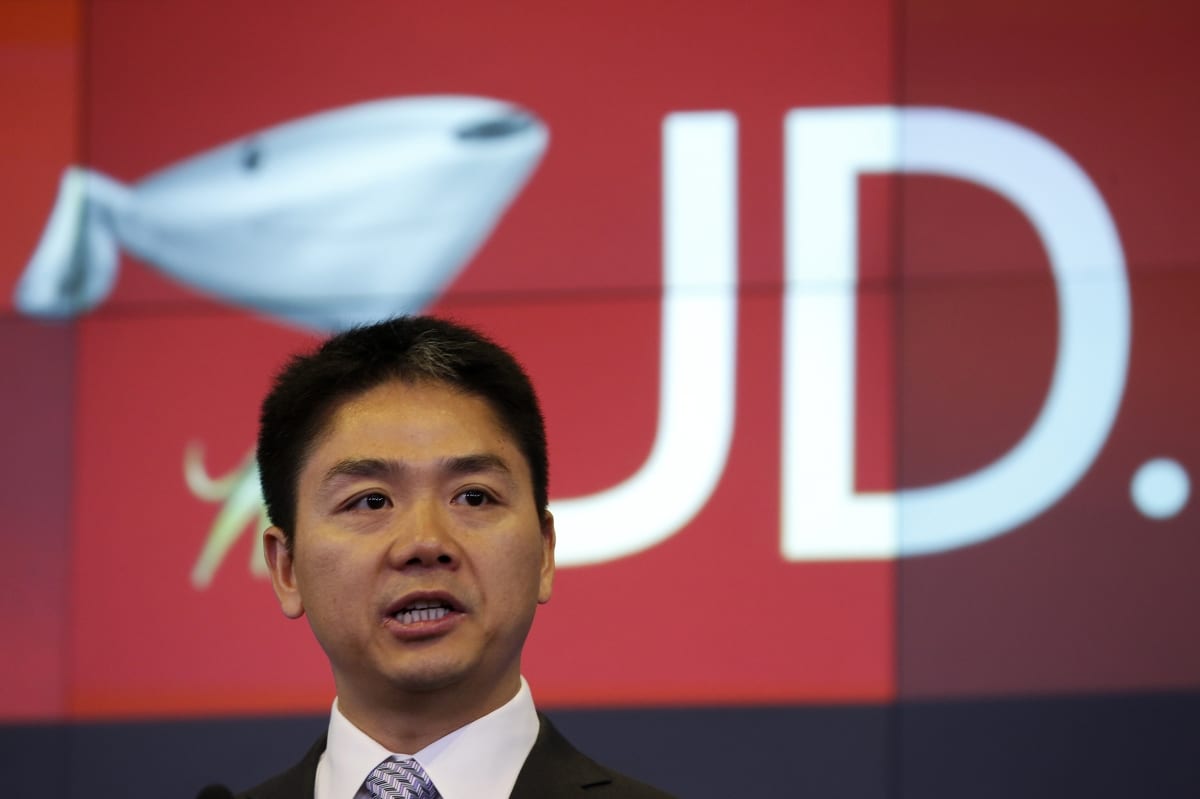
    JD.com Inc, China’s No.2 e-commerce company, reported a 62 percent rise in quarterly revenue, topping analysts’ expectation as the number of active customer accounts across its sites nearly doubled from a year earlier.

    First-quarter revenue of 36.6 billion yuan ($5.90 billion) exceeded analysts’ estimate of 35.65 billion yuan, according to Thomson Reuters I/B/E/S.

    Gross merchandise volume (GMV), or the total value of goods sold on JD.com, nearly doubled to 87.8 billion yuan ($14.14 billion) in the quarter ended March, with roughly 42 percent of all fulfilled orders coming from mobile devices, the company said.

    Excluding certain items, losses widened to 2 cents per American depositary share, from 1 cent, as it spent heavily to broaden its inventory and on marketing.

    The Beijing-based company’s business, like bigger U.S. peer Amazon.com Inc’s, is built on selling products it purchases through its own logistics network. Alibaba Group Holding Ltd, on the other hand, has grown its business quickly by connecting sellers to buyers rather than stocking its own merchandise.

    The difference in business models has allowed JD.com to market itself as a purveyor of authentic goods, while its larger rival has wrestled with occasional, high-profile controversies over fake products.

    When JD.com announced in April that it would sell and warehouse clothes from Japanese giant Uniqlo, the e-tailer touted the deal as an example of its growing ability to offer customers mainstream labels and authentic clothes.

    JD.com last month launched its JD Worldwide cross-border online shopping platform, a challenger to Alibaba’s Tmall Global service.

    It also announced on Friday its participation in a $500 million investment in Tuniu Corp.

    The company’s U.S.-listed shares have risen close to 60 percent since its IPO last May.

    ($1 = 6.2089 Chinese yuan renminbi)

  • Japan’s convenience stores catering more to elderly as demographics shift

    Japan’s convenience stores catering more to elderly as demographics shift

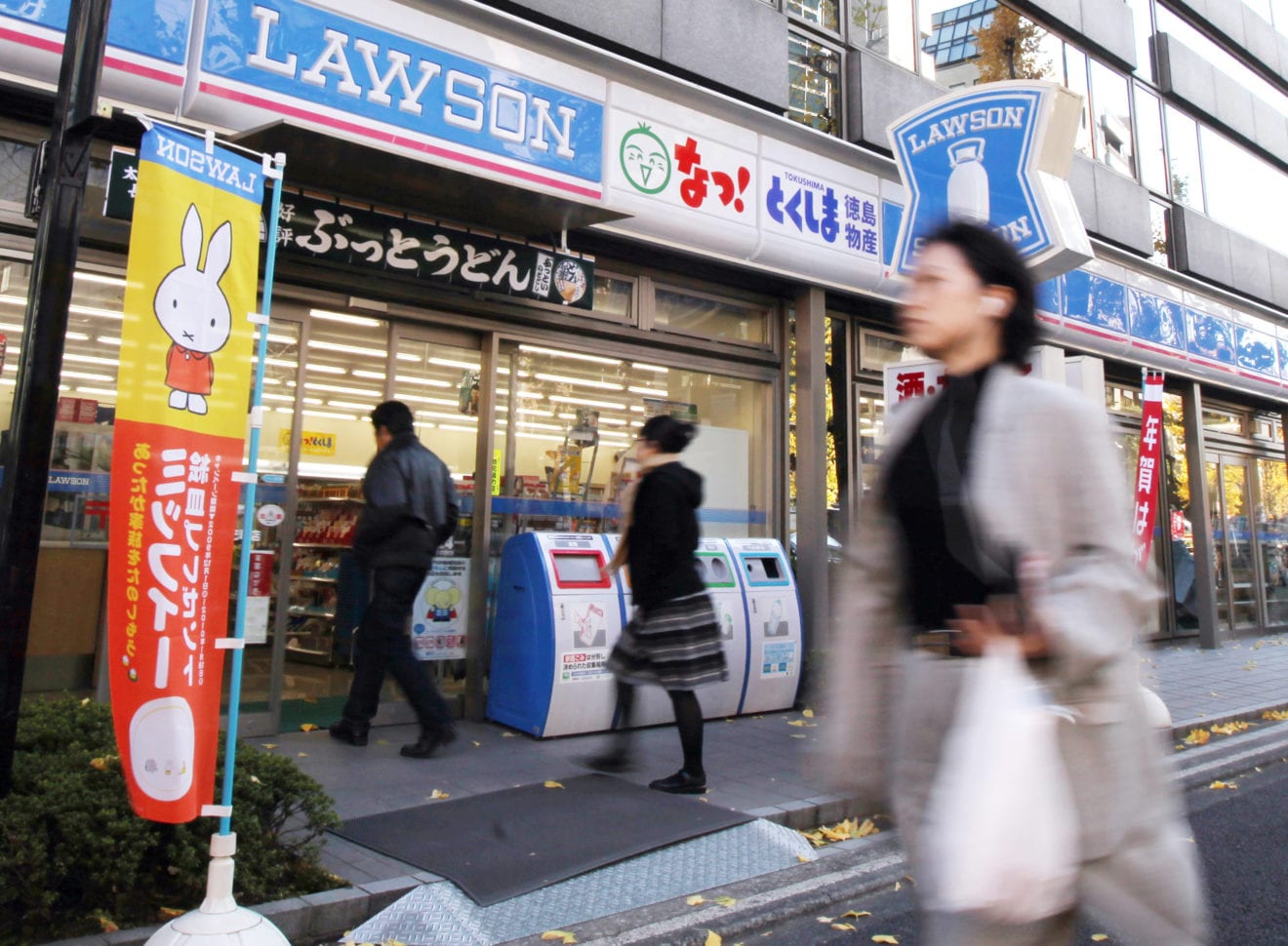
    The nation’s convenience stores are changing with the times, shedding their image as places for young shoppers keen on fast food, concert tickets and comic books, and increasingly catering to older clientele.

    As the population grays and people live longer, the small, near-ubiquitous stores are revising their offerings to suit the tastes and needs of seniors by introducing home delivery, healthy bento boxed meals and a one-stop shop where pharmacies share floor space.

    Some are setting up elderly care support counters, and in a stab at becoming social meeting spots, are offering seating and even karaoke boxes.

    In a move symbolizing the change, second-ranking Lawson Inc. on April 3 opened its first outlet with a nursing care consultation desk in Kawaguchi, Saitama Prefecture. The outlet will have managers and advisers available for consultation all day, every day of the week. The company plans to launch another one in the prefecture by summer.

    In fiscal 1989, people aged 29 and younger at 7-Eleven convenience stores accounted for 63 percent of daily customers. That declined to about 29 percent in fiscal 2013, according to recent statistics from Seven & i Holdings Co.

    Customers 50 or older, who previously represented only 9 percent of all customers, rose to 30 percent in the same period, representing the age bracket with the largest share, according to the statistics.

    FamilyMart Co. says people 50 and older account for about 30 percent of its customers, too.

    Convenience stores specifically targeting the elderly are changing the image of the sector as a testing ground for marketing to teenagers. And while the Lawson outlet may be an extreme example and experimental in nature, others in the industry, while not going that far, have quietly shifted their marketing tack in recent years to focus further on seniors.

    Operators are increasingly changing their food lineups to appeal to older shoppers. They seek, for example, quality, known-to-be-safe products, including higher-end foodstuffs, rather than the cheap, filling bento meals preferred by young shoppers.

    A notable change is their bento and other ready-to eat foods offered under their respective house brands, where the companies are competing with each other to offer healthy ingredients and those that are either locally sourced or from a renowned region.

    Leading the way in this area is Seven-Eleven Japan Co., the top industry player with more than 17,000 outlets and sales totaling ¥4.82 trillion for the year ended in February. The Seven & i Holdings subsidiary’s Seven Premium product lineup generated ¥800 billion in revenue that year, featuring foods consumed at home.

    While its self-service coffee and doughnuts, fried chicken and other fast food offerings remain a key sales driver, the shift is slowly underway. The company aims to boost sales of the products to ¥1 trillion this year.

    Masayuki Kubota, chief strategist at Rakuten Securities Economic Research Institute, said the main focus of convenience stores is not the elderly per se, but the overall shift from young to older shoppers, which is reflected in the food on offer.

    “Until maybe a decade ago, the image of convenience stores was of a place where young people away from home could pick up food of their preference, like fast food restaurants,” said Kubota.

    “At that point, strategies targeting males in their 20s was important. . . . But now female customers in their 40s and 50s are increasing.”

    More conspicuous changes toward a higher customer age range, too, are underway. The top three players — including third-ranking FamilyMart and Lawson — all have introduced home delivery services, stocking meals and cooking ingredients aimed at meeting the demands of health- and quality-conscious seniors who prefer to eat at home.

    The services also target orders for daily necessities ranging from toilet paper and detergent to light bulbs.

    FamilyMart acquired Senior Life Create Co. and launched a home delivery service in December 2012, taking advantage of the latter’s Takuhai Cook 123 bento meal delivery for aged residents. The service is offered in seven districts, including two in Tokyo.

    “A key area that convenience store operators like us need to address is how to close the so-called ‘last mile,’ ” to reach out to residents at home, said Shinsuke Otsuki, manager of FamilyMart’s corporate planning division.

    A Seven-Eleven Japan spokesman said the company’s Seven Meal delivery service is the result of “trying to offer a broad range of services to meet the needs of an aging society.” Of the service, which is offered at some 13,200 outlets nationwide, about 60 percent of the users are over 60, he said.

    Because of the nature of the shift, taking place slowly as customer profiles change to higher age ranges, the changes in marketing remain inconspicuous, at least for now.

    But examples abound. FamilyMart’s Otsuki said the increase in larger bathrooms with grab rails at its outlets are targeted at older customers in general, not only the disabled.

    The company has also set eat-in areas as a standard feature for new outlets — floor space permitting — providing a place for the elderly to gather to chat, especially in rural areas where there are few such facilities.

    FamilyMart is experimenting with over 30 combination outlets that share space with drug stores through a tie-up with Saitama Prefecture-based Drug Ace and Osaka’s Higuchi Yakkyoku drug store chains.

    “We’ve even opened a combination store with a karaoke box in the Kamata district” of Tokyo, said Otsuki. “This may prove a senior-targeting outlet because many senior customers come here in the daytime to practice singing.”

    “I think convenience stores will continue to change as the nation’s demography changes, rather than under management initiatives,” said Rakuten’s Kubota.

    “Currently, food is the main merchandise, but the customer profile is changing to a higher age group, and so I would think demand for food will decline and they may begin to sell more products other than food.”

    He added, convenience stores’ main offerings may shift from goods to services, “because in an economic structural change, there’s the tendency for services to increase. Convenience stores in the future could be centered on services rather than goods.”
  • China’s Alibaba names Daniel Zhang new CEO

    China’s Alibaba names Daniel Zhang new CEO

    China’s e-commerce giant Alibaba Group on Thursday named Daniel Zhang, currently Chief Operating Officer, CEO of the group, effective on 10 May 2015.

    Current CEO Jonathan Lu will remain on the board of directors of Alibaba Group as Vice Chairman. He will work with Daniel to ensure a successful transition in the coming months.

    “In this capacity Jonathan will play an important role in developing future leaders of Alibaba Group. This role is especially important as Alibaba Group continues to build the necessary talent to enable the company to grow and thrive in a rapidly changing environment,” the Chinese largest e-commerce company said in a statement.

    Daniel Zhang has been with the company for eight years and has held top management positions across the organization. He is also one of the founding members of the Alibaba Partnership. Zhang has been Alibaba’s chief operating officer since September 2013. In his role as COO, he oversaw the operations of all Alibaba Group businesses in China and internationally.

    Zhang first joined the company as Chief Financial Officer of Taobao Marketplace in August 2007. In 2008, he was appointed Chief Operating Officer of Taobao Marketplace and general manager of Taobao Mall.

    Under his leadership, Taobao Mall rapidly became one of Alibaba’s most important businesses and was highly recognized by consumers and brands in China and around the world. In 2011, he was named president when it first became an independent business unit, Tmall.com, which has become one of world’s largest online B2C platforms. Zhang was also a key architect of the 11 November Shopping Festival, and led it to become the world’s largest online shopping event.

  • Garuda and LOT Polish Airlines Agree on New Jakarta-Warsaw Flight Route

    Garuda and LOT Polish Airlines Agree on New Jakarta-Warsaw Flight Route

    Garuda Indonesia and LOT Polish Airlines, flag carriers of Indonesia and Poland respectively, have agreed to open a new route connecting Jakarta and Warsaw.

    Garuda Indonesia President Director M. Arif Wibowo said opening a new route to Poland will help Garuda better connect with Eastern and Central Europe. Garuda currently flies to London in the United Kingdom and Amsterdam in the Netherlands.

    “Poland, like Indonesia, is a destination with potentials,” Arif said on Tuesday, as quoted by state-owned news agency Antara. “That’s why Garuda is ready to sign a Special Priority Agreement with LOT Polish Airlines.”

    Sebastian Mikosz, chief executive officer of LOT Polish Airlines, welcomed the plan, adding the agreement was a first step towards better cooperation.

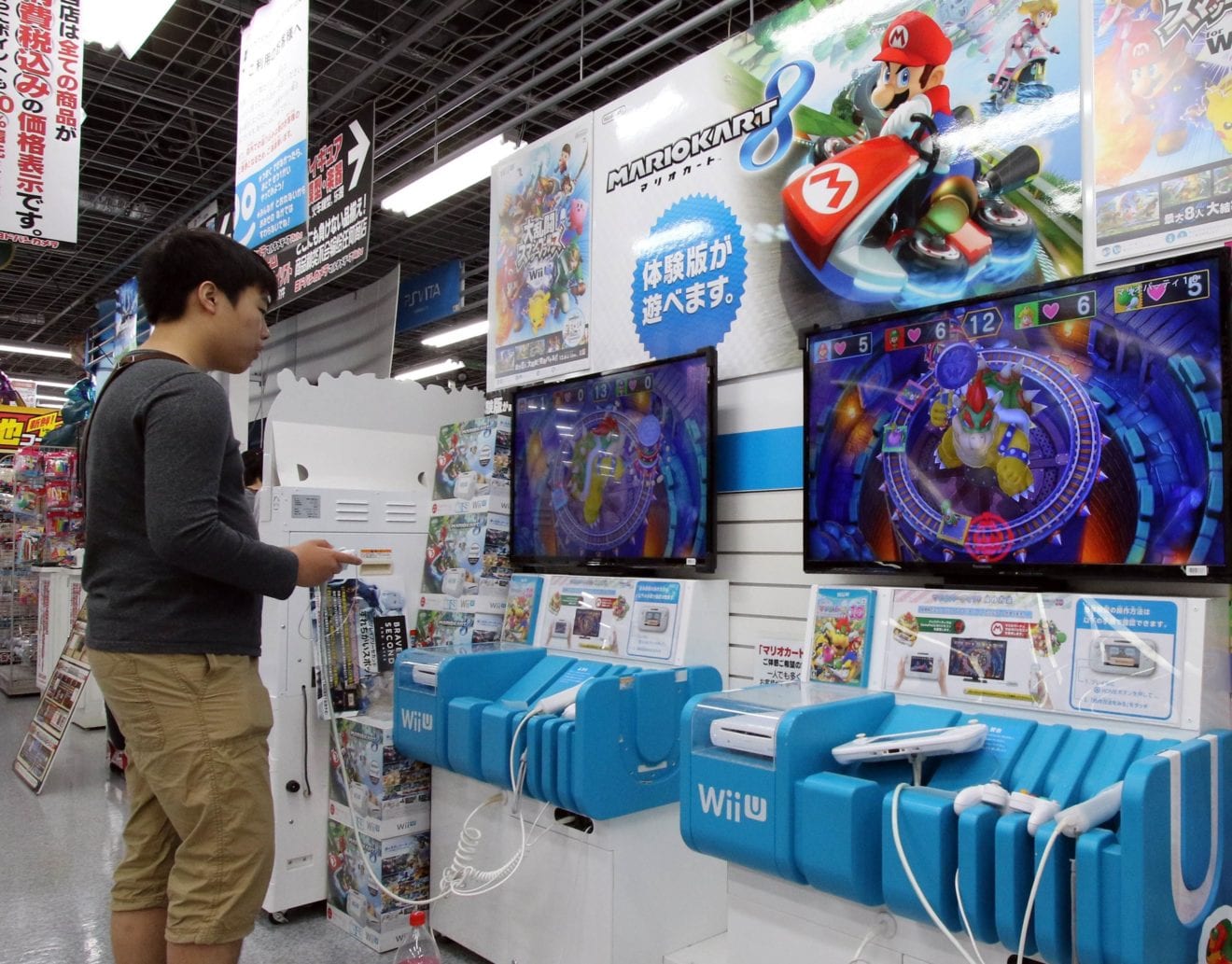
  • Nintendo Delays Rising Market Console in Favor of Smartphones

    Nintendo Delays Rising Market Console in Favor of Smartphones

    Nintendo will delay the introduction of a brand new recreation participant designed for rising markets, preferring as an alternative to check the waters with smartphone choices.

    President Satoru Iwata stated on Thursday that increasing the smartphone video games enterprise will improve its possibilities for fulfillment in rising markets. Titles for cellular units could also be launched as quickly as this yr.

    A yr in the past, Iwata stated the Kyoto-based firm would develop utterly new hardware in 2015 for rising markets moderately than promote cheaper variations of present units such because the Wii U console. Since then, the corporate introduced plans to make use of its iconic characters in smartphone video games, giving it a less expensive method to discover new markets.

    “Launching a brand new console in an rising market and risking failure just isn’t one thing buyers would welcome now,” stated Yasuaki Kogure, chief funding officer at SBI Asset Administration in Tokyo. “Cellular not solely gives an present platform in creating counties, but in addition a low-cost means of testing the market.”

    Nintendo’s shares surged probably the most in seven weeks on Friday after the corporate stated its transfer into cellular gaming will assist double revenue this fiscal yr. The inventory rose as a lot as 9.5 % as of 11:25 a.m. in Tokyo.

    China final yr ended its 14-year ban on online game consoles, spurring Microsoft and Sony to launch their Xbox One and PlayStation four out there. Nintendo has but to announce plans for entry into the world’s largest market.

    “Sensible units have lowered the barrier for individuals all over the world to get to know our video games and characters like Mario,” Iwata stated Thursday. The corporate will say extra about its rising markets plans at a enterprise technique briefing later this yr, he stated.

  • Magento companions with Razorfish in Higher China

    Magento companions with Razorfish in Higher China

    Magento, an e-commerce platform owned by eBay’s Enterprise division, on Thursday stated it has partnered with Razorfish in Larger China to function a gateway for retailer progress within the booming Asia-Pacific market.

    As a part of the brand new partnership, Magento will present Razorfish in Higher China with market improvement instruments and assets to construct Magento Enterprise Version storefronts for retailers in search of to swiftly seize shopper gross sales and capitalize on the huge market alternative.

    Magento offers e-commerce software program and platform options worldwide. It provides merchandise comparable to Enterprise Version, Group Version in addition to e-commerce answer for small companies. Magento’s Enterprise Version is an e-commerce answer for giant companies which helps retailers to drive extra visitors to their shops, convert browsers into consumers, and increase on-line income.

    “Social commerce has quick grow to be the spine of brand name constructing in Higher China. China is now main the world in social commerce, ours is a area getting used as a check marketplace for main international manufacturers creating leading edge social commerce options,” stated Alex Misseri, SVP APAC, Head of Retail & Commerce, Razorfish. “Magento’s open structure, flexibility and modular strategy to customization provides the differentiated shopper experiences that manufacturers search for when establishing commerce operations in Higher China.”

    On-line purchasing in China is rising quicker than anybody initially anticipated. Forrester’s newest on-line retail forecast for China tasks that the nation’s on-line market (B2C and C2C) will move USD670 billion by 2018.

    Digital Dopamine, Razorfish’s 2015 International Digital Advertising Report, exhibits that ecommerce is an plain powerhouse in Larger China. The overwhelming majority of Chinese language shoppers would like to do all their buying on-line. Shopper choice to buy on-line in China is nearly double that of US counterparts. The research exhibits 82 % of Chinese language buyers want they might make all their purchases on-line, in comparison with simply 49 % of these within the US.

    Magento boasts the most important open commerce ecosystem of greater than four,300 Magento licensed professionals and 260 confirmed Answer Companions worldwide. Powering greater than 240,000 websites globally, it stays the preferred platform available on the market based on a 2015 international commerce share report by Hivemind. eBay Enterprise, together with Magento, was additionally acknowledged because the main ecommerce platform for the 2015 Web Retailer Prime 500

  • S Korea’s E.Land to optimise provide chain operation by implementing Manhattan’s know-how

    S Korea’s E.Land to optimise provide chain operation by implementing Manhattan’s know-how

    E.Land World Ltd, the most important attire model in South Korea and the core attire subsidiary of worldwide retail group E.Land, is implementing Manhattan’s Provide Chain Commerce Options to assist fulfil on its service promise to clients and allow future enterprise progress.

    With Manhattan’s know-how, E.Land World will have the ability to present a speedy and constant fulfilment expertise to its clients. The answer deployment is already underway on the firm’s Cheonan distribution centre (DC) in South Korea, a newly constructed 1 million sq. ft. facility using 300 individuals and dealing with 340,000 stock-keeping models.

    The implementation is being carried out by a joint workforce from Manhattan Associates, E.Land IT subsidiary E.Land Techniques Ltd. and native Manhattan associate Worth Chain Consulting & Applied sciences.

    “As a market-leading style model, it’s crucial that E.Land World is supported by an environment friendly, strong and agile provide chain infrastructure,” defined Choon Woo Leem, vice chairman of Logistics at E.Land World. “The Manhattan options will assist us optimise our provide chain operation and provides us a extremely versatile fulfilment functionality, making certain we will meet the more and more refined necessities of our clients.”

    Whereas the primary part of the challenge is focussed on the South Korean distribution centre supporting the attire retail subsidiary, dad or mum firm E.Land plans to roll out the Manhattan know-how to different group companies in a number of geographies. E.Land expects the second part of the challenge to begin with deployments at distribution centres supporting its retail enterprise in China.

    E.Land’s retail operations span a number of markets all over the world together with China, Japan, Sri Lanka, UK, US and Vietnam. It operates companies within the restaurant, leisure, grocery, e-business and development sectors. The attire division of the group boasts 60 totally different style manufacturers and group annual turnover exceeds USD7 billion. In recent times, it has acquired the worldwide advertising rights for Okay-Swiss, the worldwide tennis shoe model and launched the SPAO and MIXXO style manufacturers in Japan.

  • Ex-Google Indonesia Director Employed as Vice Chairman of MatahariMall.com

    Ex-Google Indonesia Director Employed as Vice Chairman of MatahariMall.com

    Lippo Group, one among Indonesia’s largest enterprise conglomerates, has appointed Rudy Ramawy, former nation director for Google Indonesia, as vice chairman of its e-commerce unit MatahariMall.com.

    Rudy served as director of Google Indonesia from January 2012 to March 2015, main the opening of Google’s operations within the nation, Lippo stated in a press release on Monday. At Google, he additionally helped launch YouTube Indonesia and Google Road View.

    Rudy — who studied on the College of California, Berkeley — beforehand served as a programming and manufacturing director at Indonesia’s oldest personal tv operation RCTI.

    Lippo additionally appointed know-how entrepreneur Hadi Wenas as MatahariMall.com’s chairman and Emirsyah Satar, former president director of nationwide flag service Garuda Indonesia, as a commissioner.

    “I really feel very honored to be working with a tremendous staff consisting of Emirsyah Satar and Hadi Wenas. I consider with our group, MatahariMall could possibly be the most important e-commerce [company] in Indonesia,” Rudy stated within the assertion.

    Rudy is optimistic of the rising potential of e-commerce in Indonesia, saying that that in lots of nations, e-commerce has confirmed to be the simplest financial increase that provides equal alternative to small, center and big-sized corporations.

    MatahariMall.com says on its web site that it expects to start out operations in the summertime of 2015.