Tag: asia

  • Children’s Place boosts Rana Plaza fund

    US retailer Children’s Place, has contributed another $2 million to the Rana Plaza Donors Trust Fund, narrowing the shortfall to $2.7 million.

    The fund was set up to provide assistance to victims of the 2013 disaster when 1129 workers were crushed to death when a multistorey building full of sweatshops collapsed.

    The Children’s Place contribution followed another of $1.1 million by Italy’s Benetton earlier this month and $100,000 from H&M, which never actually sourced any clothes from the complex.

    Last Thursday, Children’s Place working with the ILO convened a conference call of major brands and retailers in an attempt to fill the funding gap by the second anniversary of the Rana Plaza disaster.  This call raised over $1 million in donations to the fund. In addition to those donations, Children’s Place contributed another $2 million to the fund, taking its total contribution to the compensation fund to $2.5 million.

    “We have been calling on brands to work together to collectively resolve the funding crisis for months, and we welcome the initiative of The Children’s Place in doing so now,” said Sam Maher of the Clean Clothes Campaign.

    This last minute initiative coincided with a Global Day of Action, for which activists participated in actions around the world, calling on all brands sourcing from Bangladesh to fill the current funding gap in compensation immediately, and to sign the Bangladesh Accord on Fire and Building Safety. There were major events and demonstrations in at least 20 countries.  Global actions included a mass demonstration held by trade unions and garment workers federations in Dhaka, a public art installation forming a concert of sewing machines in Genova, Italy, demonstrations outside stores including Mango, JC Penney, Zara, and Walmart in the US, and a flashmob outside stores in Berlin.

    “There remains hope that brands and retailers will continue to step up and make additional contributions in order to fully fill the fund at $30 million, the amount required to provide the survivors and victims’ families with full and fair compensation,” said Maher.

    “Over the past several months, there have been rumours of a forthcoming donation of around $4 million from the Bangladesh Alliance, which includes Walmart and a number of other US and Canadian brands with production in Bangladesh.

    “The donations of The Children’s Place and others in the run up to the anniversary has brought us close to the target, but frustratingly, not close enough to finally complete this program.”

    “For months Walmart has been delaying any further donation, claiming that instead the Alliance would be making a significant payment. With only $2.7 million left, the Alliance is presented with a unique opportunity to finally close the gap and we are calling on them to make good on this promise by May Day.”

    The urgency and need for full compensation grows with each passing day.  Many survivors have had to use their entirety of their compensation payments to date on medical fees and are living in abject poverty, awaiting the final installments. To date, claimants have only received 70 per cent of their calculated settlements.
     

  • Japan retail sales plunge

    Japan retail sales plunge

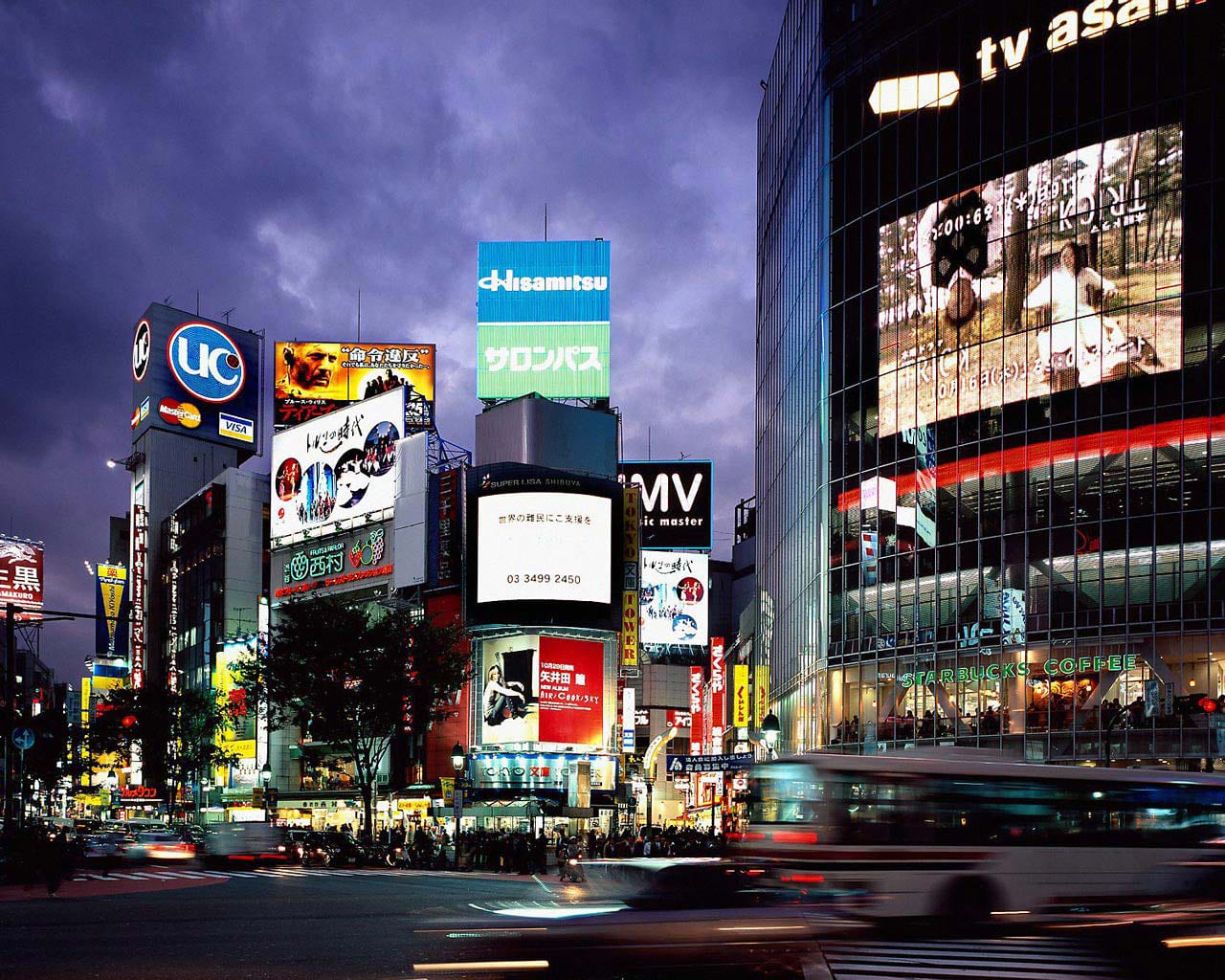
    Japan retail sales plunged nearly 10 per cent in March compared with a year ago.

    The sales slump – 9.7 per cent – was worse than expected, but despite the shock, analysts urged caution in the interpretation of the data. In March 2014, sales were artificially high as Japanese brought forward spending to avoid a sales tax increase that took effect on April 1.

    Analysts had expected a fall of close to seven per cent. February’s fall was just 1.8 per cent. Retail sales have been subdued since Japan raised the consumption tax to eight per cent last April.

    Marcel Thieliant, an economist at Capital Economics, said in a research note that the spending decline suggests private consumption may have fallen for the first time since the sales tax rose.

    “It was widely expected that consumption would benefit from the plunge in energy prices. However, households have chosen to save rather than spend the windfall from cheaper oil.”

    The decrease was the worst March fall since 1998.

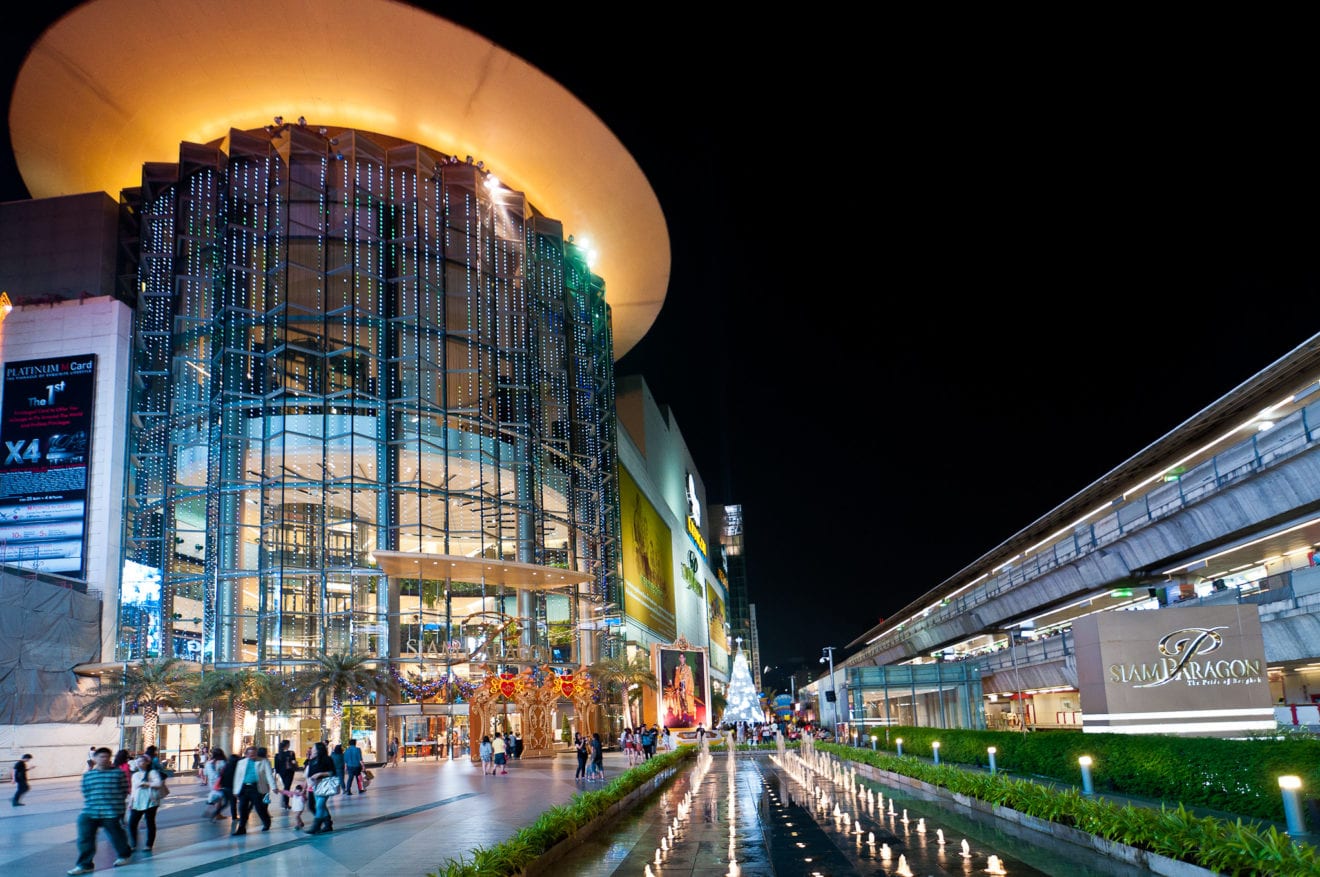
  • Siam Paragon names and shames bad taxis

    Siam Paragon names and shames bad taxis

    The unprofessionality of Bangkok’s taxi drivers is notorious internationally.

    Now a Bangkok shopping centre has teamed with the Department of Land Transport to name and shame bad drivers, in the hope they’ll reform or find fares elsewhere.

    Most residents of, or visitors to, Bangkok relying on taxis to transport them home or to their hotel after a day’s retail therapy have endured frustrating delays due to taxi drivers illegally refusing fares.

    Despite fines and threats of being reported to the hotline – itself overloaded, such is the extent of the problem – drivers try to pick and choose passengers which give them the best profits, leaving others stranded on the pavement.

    DLT has fined 31 of 54 drivers caught refusing fares at the Siam Paragon taxi rank and is hunting down a further 23, according to website Thai Rath Online.

    Meanwhile, the drivers’ taxi registration numbers, taxi co-ops and rental agents have been listed on a sign at the rank so potential passengers are warned, according to DLT director-general Teerapong Rodprasert. The drivers’ names were not listed because drivers often share cars.

    In a crackdown at the rank, DLT officials suspended the licences of two drivers for seven days because it was their second offence.

    Last week, Thai police conducted a blitz on Sukhumvit Rd, catching 34 drivers who refused fares late one night.

    Both locals and tourists report an epidemic of Thai taxi drivers refusing fares or refusing to use the meter and setting flat fees for hires, both illegal.

    A 24 hour hotline – 1584 – allows passengers to lodge complaints, by providing the taxi’s or driver’s registration numbers. There is also a free DLT Check smartphone app available.

  • Tesco Lotus confirms expansion plans

    Tesco Lotus confirms expansion plans

    Tesco Lotus remains committed to Thailand and will continue to invest in expanding its retail and online channels, according to a report in the Bangkok Post newspaper.

    Tesco Lotus has previously announced plans to open five large stores and 50 express stores over the coming year.

    But a cloud descended over the company’s future in the wake of parent Tesco UK’s financial turmoil, with talk the Thai division may be sold off to pay off debt in the UK.

    However, in an interview with the Bangkok Post, CEO John Christie said Tesco will also increase investment in programs to help reduce the prices of fresh food, groceries and household items.

    It would appear that any plan to liquidate Tesco’s Asian assets are at least on ice.

    In its annual result announced last week Tesco said its combined Asian operations posted a profit of £565 million, down 18.4 per cent largely on falling sales in China, where the brand is being phased out. That’s considerably more than the £467 million profit in the UK and £164 million in Europe.

    Christie also said Tesco Lotus has so far invested over 4 billion baht (US$30.6 million) under its Roll Back price campaign to help cut product prices, and another 600 million baht ($18.37 million)to help slash the price of fresh food.

    “Tesco Lotus has made huge investments over the years to help Thais save on their cost of living. We are confident that our investment plan will strengthen our leadership in the modern retail sector, while we continue to work with Thai suppliers and business partners to grow together with us and help Thai people cut the cost of living,” Christie said.

    “Thailand is a strategic market for the Tesco Group. Growth opportunities here remain promising and we will continue to invest to grow our business”.

  • Wearable tech drives fitness tracker boom

    Wearable tech drives fitness tracker boom

    Nearly 19,000 health fitness trackers were sold in Singapore in the last six months as wearable technology meets fitness fad.

    According to data from research house GfK, the tracker market was worth more than US$2.3 million during the last six months,as increasing numbers of enthusiasts are slowly, but surely picking up the new ‘tech toy’.

    More than 100 units were sold every day between September and February.

    GfK commenced point of sales tracking of health and fitness trackers soon after the product entered the mainstream market and started witnessing rising consumer receptivity. At its peak month in December 2014, over 5200 of the gadgets were sold -generating more than US$530,000 in overall sales in one month alone.

    “Still considered at the infancy stage of the product lifecycle as it has barely been a year since the product has been launched here, the health and fitness tracker is currently appealing to the tech-savvy early adopters,” said Gerard Tan, account director for Digital World at GfK. “However, since GfK started tracking sales of the product in September, we have witnessed stable demand, growing the market steadily in into an approximate US$2 million business in the six month span.”

    GfK reports eight major brands of health and fitness trackers offering nearly 50 models in Singapore. A comparison of monthly sales performance in the six months revealed some emerging preferences among local consumers. For instance, devices that are equipped with a wireless feature have been consecutively rising in share of sales volume, from 54 per cent in September to 76 per cent in the latest month.

    And there is growing demand for models which come with the heart rate sensor. In February 2015, two in every five health and fitness trackers purchased have this feature – compared to just six per cent six months ago.

    “Consumers in our developed market are receptive towards the new wearable technology and manufacturers continue to actively launch their flagship models in Singapore first for the Asia region,” said Tan. “As the market starts getting increasingly crowded, manufacturers will need to identify their distinct fitness tracking feature or move away from the traditional form factor to create new wearable designs and experiences in order to stand out and gain edge in the market,” he concluded.

  • Baby supplies chains land in Korea

    Baby supplies chains land in Korea

    Two Global SPA brands for baby supplies have entered the Korean market.

    BabiesRus, the world’s largest baby product retailer, has opened a store at Lotte Mart’s Suwon branch.

    Strollers, baby car seats, supplements for babies and clothes from various global brands can be found at the store.

    With the first BabiesRus store established in New York in 1996, Toys “R” Us, the American toy retailer, now operates 670 BabiesRus stores in 17 countries.

    It was previously reported that Lotte Mart has been in talks with Toys “R” Us for a year to establish BabiesRus stores in Korea. Lotte Mart currently operates 34 Toys “R” Us stores in Korea, starting with its first store at its Guro branch.

    The Korean retailer is also offering a special discounts to families with more than two kids under 13 years old at its Toys “R” Us stores.

    Another SPA brand, ‘Mothercare,’ which originated in the U.K in 1961, has opened four stores at Home Plus branches.

    There are currently 1200 Mothercare stores around the world, and there will be five additional stores in Korea within the year.


  • Smart shopping list concept debuts

    Smart shopping list concept debuts

    Smart brands are quickly moving beyond simple eCommerce, using omni-channel retail to maximise their sales and customer relations.

    New from Australia, Booodl is a smart shopping list which helps consumers get the most out of their physical shopping trips by connecting the online and offline worlds.

    Booodl is a smartphone app that notifies consumers when they come in close proximity to products from their digital wish list. To begin, users create their list adding ‘wants’ online. Then, when they are out and about, the app notifies the customer when one of their ‘wants’ is stocked nearby: the user can then get directions to the shop, message the store or even order an Uber to the location, all within the app.

    They can then either pop in for a closer look or make the purchase and simply visit the shop to collect it.

    Booodl is currently available in Sydney where there are already over 1400 stores onboard. It plans to expand to other cities in the near future.

    Trend spotting service Springwise.com observes it has seen other products such as Amazon’s Dash button looking to create an effortless consumer experience and break down barriers between digital and physical retail environments.

    “How else could online be used to enhance real world purchasing, rather than competing with it?”

  • Five Firms Seek to Buy Thiess’s Cinere-Serpong Toll Road Concession

    Five Firms Seek to Buy Thiess’s Cinere-Serpong Toll Road Concession

    Five investors are interested in acquiring an 80 percent stake in the Jakarta Outer Ring Road (JORR) II project from Thiess Contractors Indonesia after the company was unable to work on the concession due to financial difficulty.

    State-controlled toll-road operator Jasa Marga is among the interested bidders, said its president director Adityawarman over the weekend. The company competes with Astratel Nusantara, an infrastructure unit of Astra International, and Indonesian integrated infrastructure company Nusantara Infrastruktur.

    Jasa Marga set aside Rp 2 trillion ($153 million) to acquire the toll road concession and officially proposed a bid to Thiess — a private contractor working in the resource, infrastructure and energy sectors. Jasa Marga offered to take a 55 percent stake, while Waskita Karya would own 35 percent, and Jakarta Propertindo, another construction firm, would take 5 percent.

    Based on data by the Toll Road Regulatory Agency (BPJT), Thiess owns 80 percent of the Cinere-Serpong toll road and Waskita Karya owns the remaining 20 percent.

  • China powers Apple profit surge

    China powers Apple profit surge

    Apple’s China sales revenue soared 71 per cent to US$16.8 billion in the first three months of this year, putting Greater China ahead of Europe as the tech giant’s second largest market.

    It was the main driver of a sharp 33 per cent increase year-on-year in quarterly Apple profit – to a massive US$13.6 billion.

    In product terms, much of the growth came from the iPhone of which the company sold 61 million during the quarter – or roughly 678,000 phones every day. iPhone sales rose 40 per cent year-on-year.

    Apple’s total sales revenue increased 27 per cent to US$58.01 billion.

    CEO Tim Cook says the company was thrilled by the continued strength of the iPhone, Mac and App store especially.

    “We’re seeing a higher rate of people switching to iPhone than we’ve experienced in previous cycles, and we’re off to an exciting start to the June quarter with the launch of Apple Watch.”

    The massive profit has boosted Apple’s cash reserves to more than US$193 billion, prompting a ramping up of the share buy-back program and a 50 cent per share dividend to shareholders.

    The key to Apple’s improvement was the launch of the larger screen model which has helped lure sales back from Samsung and other brands.

    The only blemish, if you could call it one, was a 23 per cent drop in sales of the iPad to 12.6 million units, with revenues down 29 per cent.

  • China ‘still the land of opportunity’

    China ‘still the land of opportunity’

    China deserves to remain on retailers’ radar says a new report from JLL.

    “China remains a compelling market for global retailers and continues to offer a plethora of untapped opportunities, despite a recent moderation of its GDP growth says Tom Gaffney, regional director, head of retail for JLL in Hong Kong.

    “However, the China market remains complex and diverse. We advise brands to carefully assess their strategic mix of corporate stores and franchises, and to define a strategy that allows them to present a multichannel brand capable of seamlessly merging the worlds of online and offline.”

    His comments come a day after Inside Retail Asia published an analysis of China’s economic growth, largely masked by the single GDP figure which many business leaders and economists focus on.

    JLL’S report, China’s Retail Market: within Reach, offers international food and beverage and fashion retailers’ latest insights on China market expansion strategies. It’s the latest in a series of reports from JLL on China retailing and it comes at a time when many retailers are reconsidering their China strategies to enable the most profitable growth over the long-term.

    At the same time, many foreign brands are planning their first foray into the increasingly maturing Chinese markets.

    Derek Chen, director of retail tenant representation in China, says brands are well advised to make Shanghai and Beijing their starting point and opt for a corporate structure in these markets.

    “Consumers in China’s alpha cities, Shanghai and Beijing, which are among the world’s top five dynamic cities according to JLL’s City Momentum Index, are much more retail-savvy and have high expectations towards customer service. Most importantly, you retain absolute brand protection, which is essential in the China market as you build your brand initially.

    “Due to misalignment of incentives between a franchise partner and the retailer, franchisees are less inclined to focus on building brand longevity even if this adversely impacts the brand’s future. For brands new brand to the market, a corporate structure makes a lot of sense and has many advantages.”

    However, in tier 1.5 markets, such as Tianjin and Nanjing, brands best develop these in a mixed strategy, if corporate control is not an option. These markets offer a level of demand depth and sales productivity potential that can justify corporate control within a few short years, argues JLL.

    “Retailers should only franchise these cities by applying a strategy that would enable them to incrementally regain control over the medium-term. Buying back the top-performing stores prevents the biggest revenue gains from being diluted, and gives the retailer more control over brand marketing in these markets,” the report advises.

    Discussing strategies for third-tier cities and beyond, Chen says third and fourth-tier cities are a new frontier for most international retail brands.

    “We suggest brands use franchises to penetrate these markets quickly over the short and medium term. As these markets lack the degree of sophistication found in major markets and consumers are less discerning, more forgiving and easier to please. [So] the risks of franchising are more contained and manageable, and are usually more cost-effective. In addition, local partners offer valuable local know-how and have a better sense of the psyche of local consumers.”

    Gaffney summarises: “Retailers should fix their China expansion strategy before entering the markets, which will greatly reduce risks down the road. Corporate ownership is advisable for key markets and to build their brands. However, franchises remain irreplaceable when it comes to simultaneously achieving both fast and vast penetration of markets, and to hedge risks.”

  • KL Pavilion endures slowdown

    KL Pavilion endures slowdown

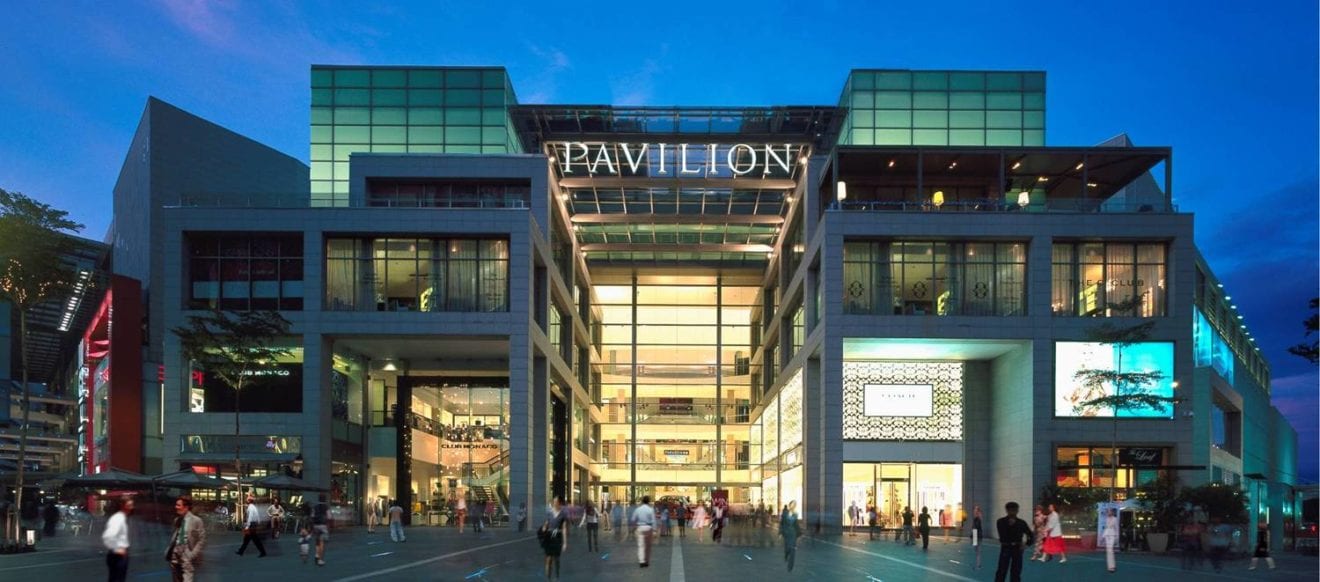
    Kuala Lumpur’s showcase Pavilion mall says it has weathered the sluggish retail market, posting increased earnings this quarter.

    Gross revenue for the first quarter of the current calendar and financial year was RM105.1 million (US$29.6 million) which translated into a net profit of RM60.5 million ($17 million).

    Revenue rose by four per cent year-on-year after renovations were completed last year, and due to an increase in service charges.

    The mall’s occupancy rates were stable and this year just 15 per cent of tenants leases are scheduled to expire. Pavilion mall management expects only a slight relocation and revision of the current tenant mix.

    Renovations are planned of restrooms, parts of level one in the foodcourt area and enhancements of the air conditioning system to reduce power consumption and air flow.

    Pavilion management reports tenants sales were stable through the quarter, but warned April sales are down due to the introduction of GST on April 1.

    In a research note, Hong Leong IB said it expected the slowdown will only be temporary.

    “Consumers will adjust their spending habits after a while.”

  • Xiniya Fashion axes 685 stores

    Xiniya Fashion axes 685 stores

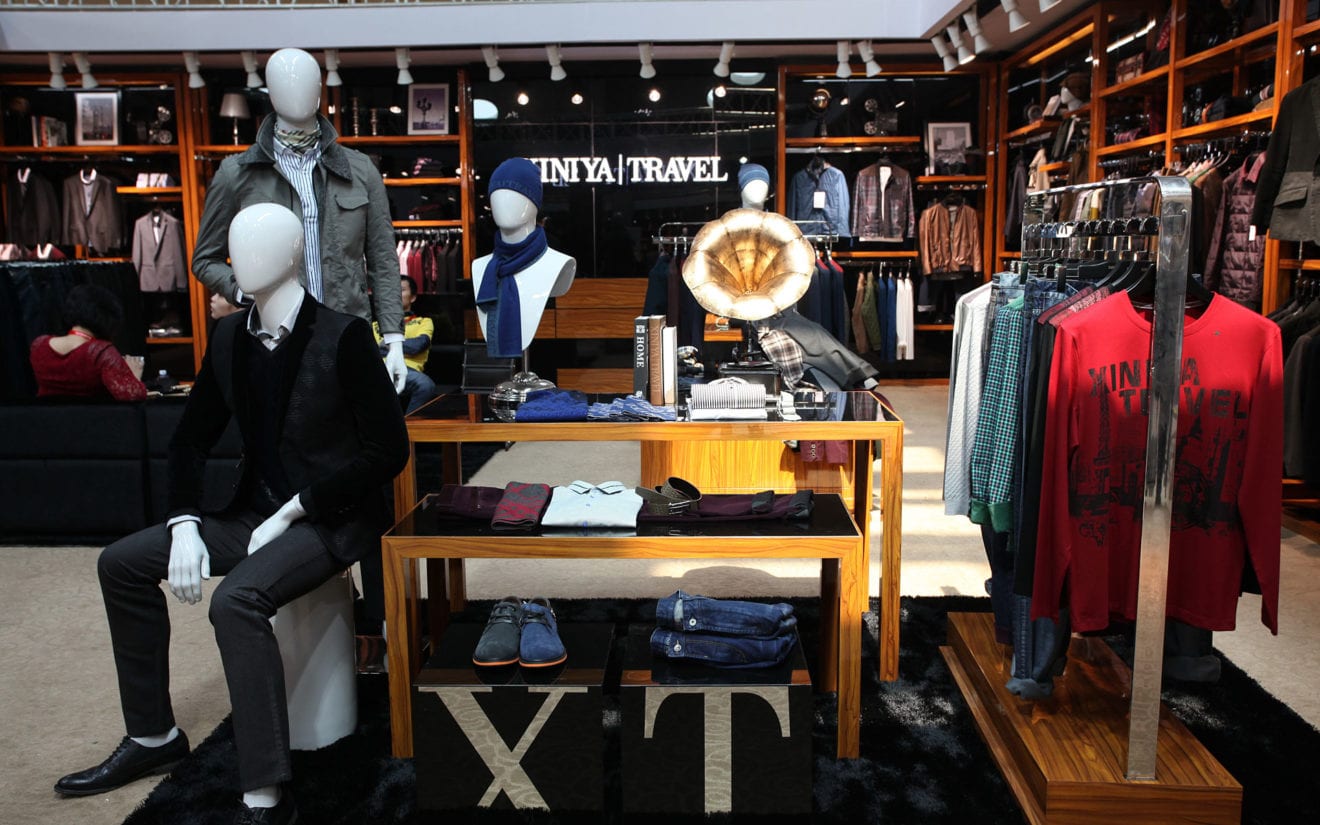
    Chinese menswear chain Xiniya Fashion culled 685 stores last year as part of a major restructure to restore profits.

    It says it opened 180 new retail outlets and closed 864 plus one flagship outlet.

    The result was a 38.4 per cent decline in revenue to RMB813.1 million (US$131 million), compared with RMB1.32 billion in 2013.

    It posted a net loss of RMB170.7 million ($27.5 million), compared with a net profit of RMB97.2 million in 2013.

    Fourth quarter revenue was down 58.6 per cent

    “We continued to focus on stabilising our retail network during the quarter as China’s economy enters a period of slowing growth and the menswear industry faces a crisis of excess capacity and intense competition,” said Qiming Xu, Xiniya’s chairman and CEO.

    “We completed the first phase of our inventory buyback from our distributors during the quarter. Remaining flexible and adaptable is key to the future success of our strategy. We will continue to monitor our distributors and authorised retailers closely during the next phase, and may implement appropriate initiatives accordingly.

    “We are making every effort to sell the remaining inventory, which is mostly composed of more recent products, through our retail network by offering discounts and promotions over 2015.

    “We also implemented a number of cost cutting initiatives such as reducing advertising and promotional expenses during this transition stage. I am confident that these initiatives and changes to our business model will further strengthen our brand’s popularity and allow us to weather these difficult and unpredictable times.”

  • Trent and Sonae take Sport Zone to India

    Trent and Sonae take Sport Zone to India

    Sport Zone, Portugal’s leading sports retail chain, will launch in India through stores managed by Trent.

    Part of the Tata group, Trent is one of India’s largest and fastest growing retail chains.

    Sport Zone, headquartered in Iberia and owned by Sonae, is the largest chain of sports shops in Portugal. The innovative products and equipment developed and marketed by Sport Zone will be available to Indian customers in franchised stores and shop-in-shops in department stores managed by Trent.

    The first such store is the newly launched Commercial St store of Landmark.

    The partnership plans to open the first five Sport Zone stores in India by end of 2016.

    Miguel Mota Freitas, CEO of Sonae SR, said Sonae wants to capitalise on the distinctive factors of its brands worldwide, exploiting their competitive advantages, based on the design and quality of their products.

    “The group’s entry into the Indian market is another important step in this strategy, as it enables us to strengthen our presence in Asia and allows us to have Trent as a benchmark partner in the second most populous country in the world.”

    Established in 1997, Sport Zone offers a wide range of sports goods and equipment of leading international brands as well as exclusive brands and has over 100 stores across the world. Sport Zone also markets its brands and innovations worldwide since its exclusive brands are available through wholesale channels in 22 countries.

    Sonae is one of the largest retail groups in Portugal with two major partnerships in Shopping Centers (Sonae Sierra) and Telecommunications (Sonaecom) businesses. At the end of 2014, Sonae achieved turnover of around 5 billion euros.

  • Indonesia’s Manufacturing Activity Shrinks for 7th Straight Month in April

    Indonesia’s Manufacturing Activity Shrinks for 7th Straight Month in April

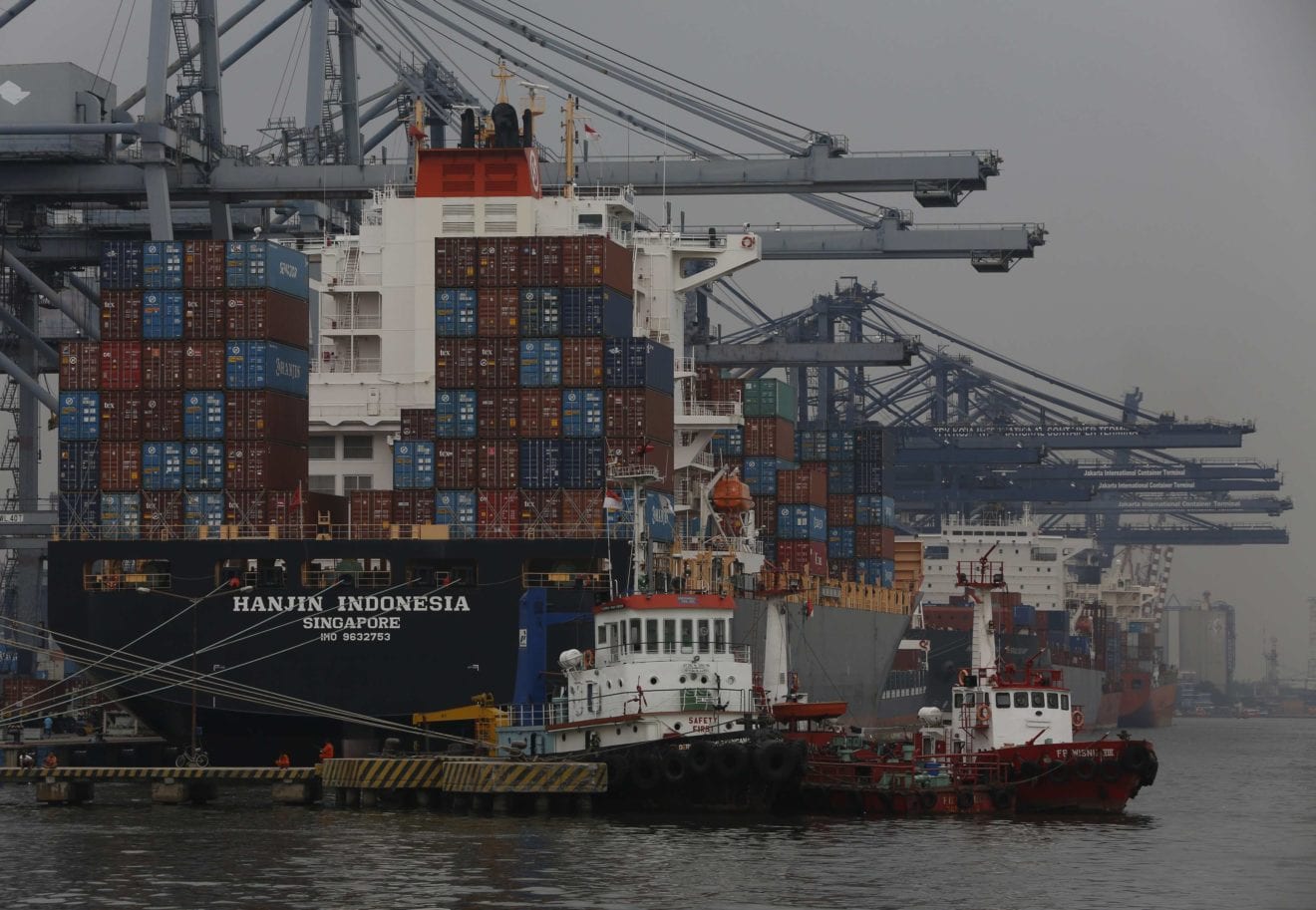
    Indonesia’s manufacturing activity shrank for the seventh straight month in April as export orders continued to decline and domestic demand remained weak, an HSBC Markit survey showed on Monday.

    The purchasing manager’s index (PMI) rose slightly to 46.7 in April from 46.4 in March — the lowest reading since surveys began in April 2011 — but remained well below 50, the level separating contraction from expansion.

    “April’s PMI survey highlights the current fragility of the Indonesian manufacturing sector, with both the domestic and export markets sources of weakness,” said Pollyanna De Lima, economist at Markit.

    “Despite the weaker rupiah, businesses struggled to price competitively at a global level as the cost of imported raw materials increased.”

    Output continued to fall as incoming new work slowed, and poor weather hampered activity. As a result, employers shed staff for the ninth straight month.

    “Companies continued to trim employment, buying levels and pre-production inventories, highlighting an expectation that conditions will remain tough in the near future,” De Lima added.

    Producers also reported increasing inventories in April. The seasonally adjusted stocks of finished goods index rose to the highest reading since the first month of data collection.

  • Mobile-Phone Retailer Erajaya Acquires Laptop Maker Axioo

    Mobile-Phone Retailer Erajaya Acquires Laptop Maker Axioo

    Erajaya Swasembada, a listed Indonesian mobile-phone retailer, has bought a majority stake in local laptop manufacturer Axioo International Indonesia, as part of the company’s expansion.

    Erajaya signed an agreement on Wednesday to buy 51 percent of Axioo’s shares from Exa Nusa Persada for Rp 5.1 billion ($394,000), the company said in a statement to Indonesia Stock Exchange on Wednesday.

    The move follows Erajaya’s acquisition of CG Computers, a Malaysian distributor of Apple products, for Rp 52 billion last year.

    Erajaya’s net income fell 6.3 percent to Rp 75 billion in the January-March period from the same quarter las year, despite sales rising 30 percent to Rp 3.9 trillion.