Tag: asia

  • Menswear startup raises $2 mln in Series A round

    Menswear startup raises $2 mln in Series A round

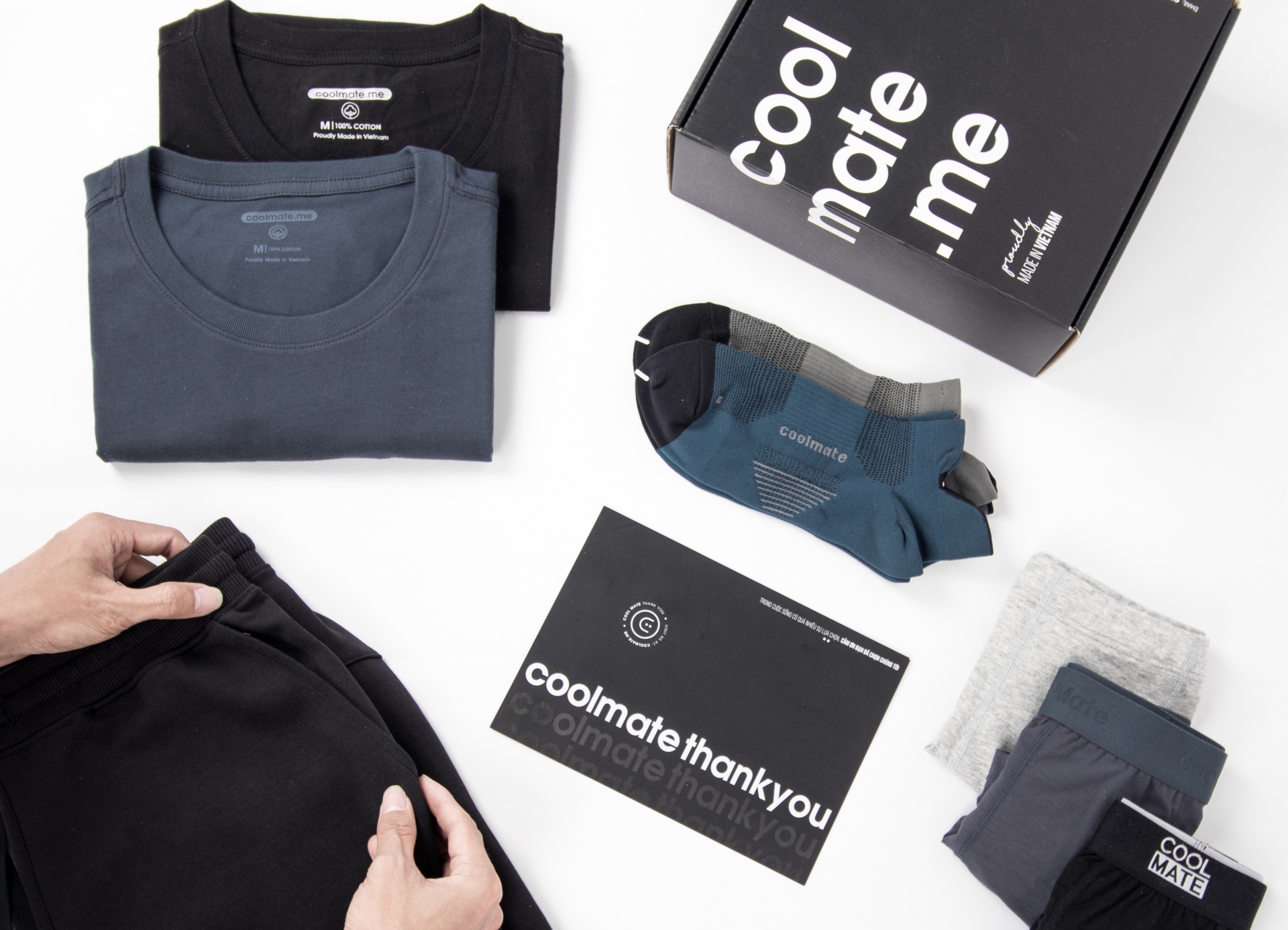
    Coolmate, a Vietnamese menswear brand that is sold online, has raised US$2 million in a Series A funding round from a group of investors.

    The round was led by Access Ventures and included Do Ventures, CyberAgent Capital and DSG Consumer Partners.

    Coolmate intends to use the money to fund research into new products, upgrade its operating system and hire more human resources, its co-founder and CEO, Pham Chi Nhu, said.

    Founded in 2019, the startup has no physical store up to date. It reportedly gets 10,000 orders a day now compared to 2,000 in the first year of operation.

    It expects to achieve $19 million in revenues this year.

  • Gold down to 5-week low

    Gold down to 5-week low

    Gold prices fell to their lowest in five weeks Monday afternoon as they tracked a global fall.

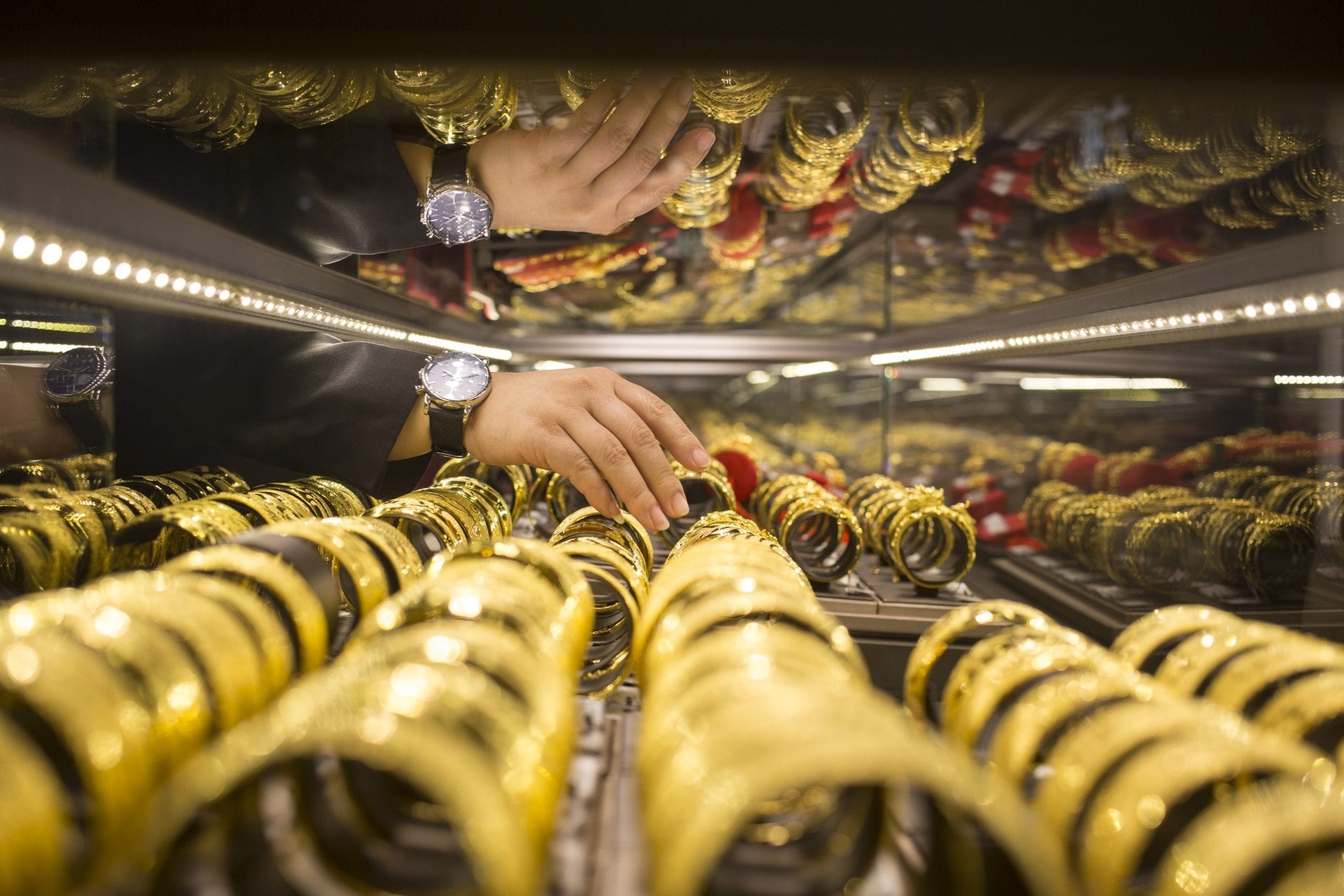
    Saigon Jewelry Company (SJC) sold bullion at VND69.25 million per tael Monday, down 0.39 percent from Sunday. A tael equals 37.5 grams or 1.2 ounces.

    DOJI sold at VND68.9 million, down 1.01 percent.

    It meant prices had fallen by 6.76 percent, or VND5.2 million a tael, since scaling a historic peak in March. Global spot gold dropped by 1 percent to $1,793.12 per ounce Monday afternoon, but then bounced back to above $1,825 by Tuesday morning.

    Gold prices in Vietnam are 27 percent higher than global rates. Tran Minh Toi, a gold seller in HCMC’s District 8, said prices fell on higher U.S. dollar and bond yields.

    It is unlikely that prices will return to the previous peak of VND74.4 million in the medium term unless the conflict in Ukraine escalates, he said.

  • Owndays launches premium concept store in Singapore

    Owndays launches premium concept store in Singapore

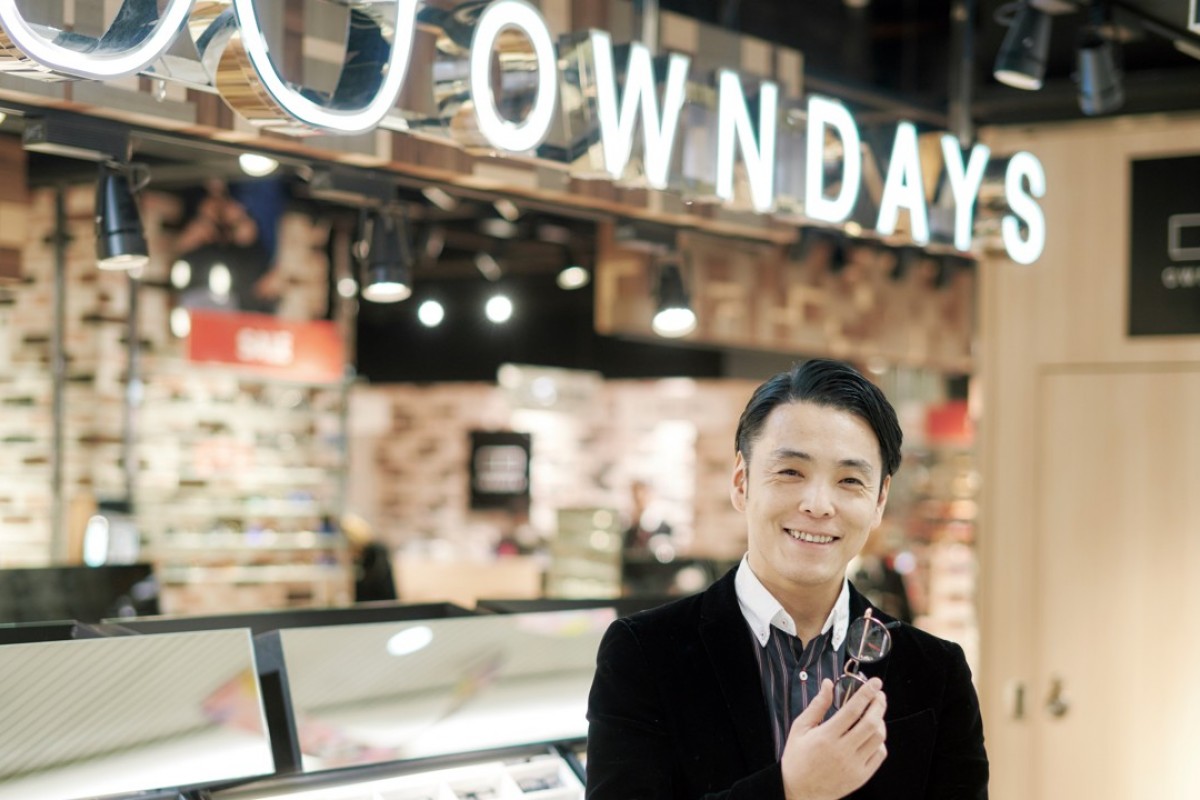
    Japanese fast fashion eyewear brand, OWNDAYS, is pleased to announce the opening of a new store at Takashimaya S.C., Ngee Ann City. This will be the brand’s second premium concept store in the world and its 33rd store in Singapore. The new store will open to public on 20 May 2022 and will house a collection of made-in-Japan eyewear and premium ophthalmic lenses curated exclusively for its premium concept stores.

    The Takashimaya S.C. store mirrors the concept of “Japanese Luxury” originally introduced at its first premium concept store at Marina Bay Sands, offering a premium eyewear shopping experience topped with Japanese hospitality and an extended product offering. Drawing inspiration from Ryoanji Temple, an UNESCO World Heritage Site and a popular attraction in Kyoto, Japan known for its famous rock garden, the new store features a distinct Japanese-styled aesthetics that pays homage to the origins of the brand while incorporating a touch of luxury.

    The main retail floor is flanked by a dry landscape complete with rock arrangements, gravel, moss and shrubs to achieve the Zen Garden interior. Beige wood elements are also heavily featured in the store interior to emphasise a sense of traditional Japanese-ness.

    Také Umiyama, Managing Director/COO of OWNDAYS INC. said, “The Takashimaya S.C. store reflects the core value of OWNDAYS, which is to constantly evolve and innovate in order to deliver quality eyewear to consumers at the best value. With a store that is located right in the heart of Orchard Road, it allows us to make well-designed, good quality eyewear more accessible to our customers. Besides, the new store is a space where we hope local consumers could enjoy a complete Japanese experience without having to physically travel to Japan. We welcome customers to visit the store even when they are not looking to purchase any spectacles and just to feel transported to Japan.”


  • The enormous cost of McDonald’s Russian exit

    The enormous cost of McDonald’s Russian exit

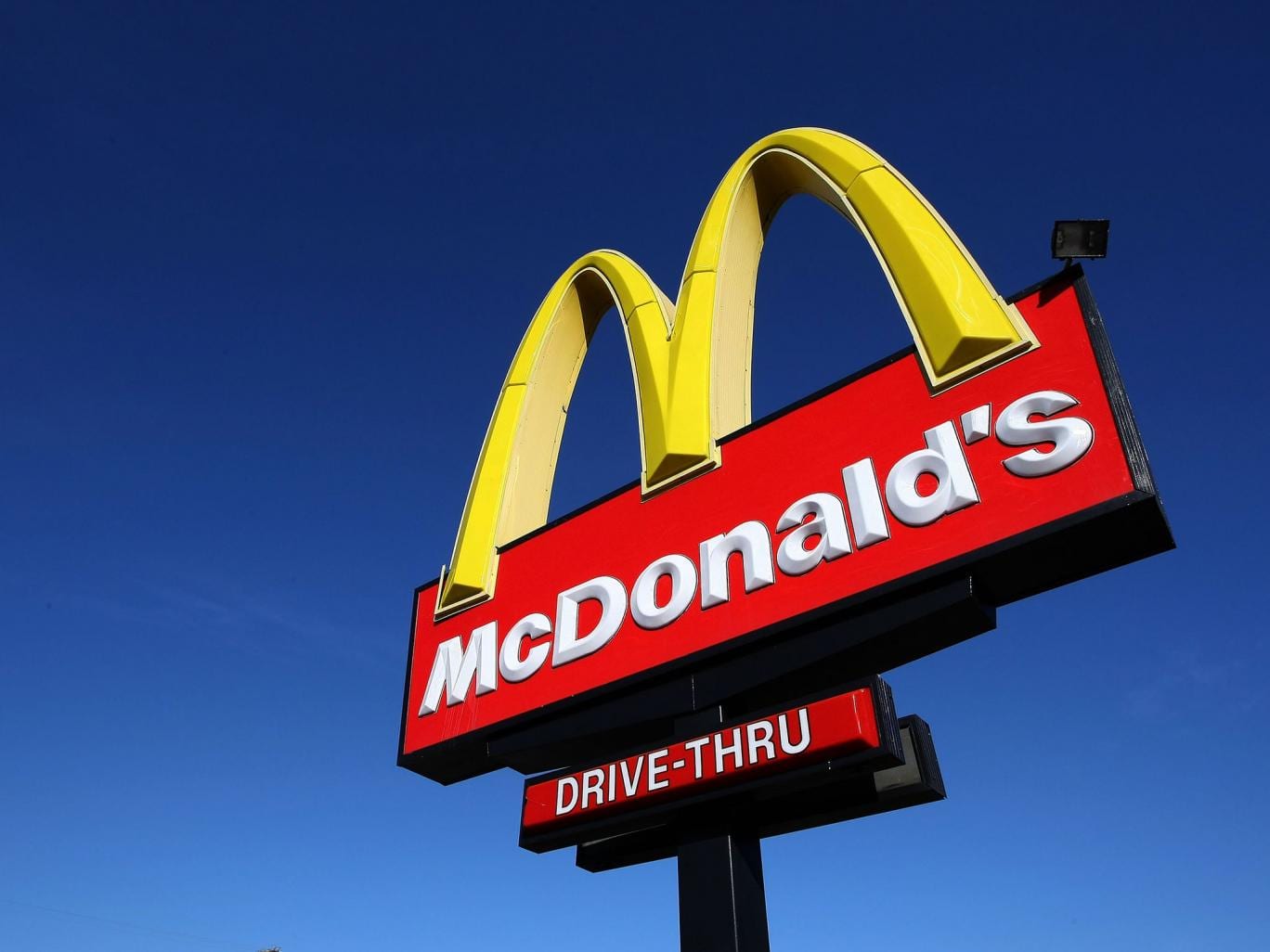
    McDonald’s became the symbol of glasnost in action 30 years ago when it opened its first restaurant in Moscow. But after temporarily shutting down more than 800 restaurants following the invasion of Ukraine, McDonald’s has decided to leave Russia altogether.

    The burger chain will sell its Russia business, saying the “humanitarian crisis caused by the war in Ukraine, and the precipitating unpredictable operating environment, have led McDonald’s to conclude that continued ownership of the business in Russia is no longer tenable, nor is it consistent with McDonald’s values.”
    In March, shortly after the war began, McDonald’s followed other Western companies and temporarily shut down its restaurants in Russia.
    Once the sale is finalized, the Russian restaurants will be “de-Arched,” meaning the locations will no longer be allowed to use the McDonald’s name, logo or menu. McDonald’s said its employees will still be paid until the transaction closes and that “employees have future employment with any potential buyer.”
    CEO Chris Kempczinski said he’s proud of the more than 60,000 workers employed in Russia and said the decision was “extremely difficult.”
    “However, we have a commitment to our global community and must remain steadfast in our values. And our commitment to our values means that we can no longer keep the Arches shining there,” he said.
    The decision brings to a remarkable end McDonald’s three-decade relationship with Russia. McDonald’s opened the doors of its first restaurant in Moscow on January 31, 1990. More than 30,000 were served and the Pushkin Square location had to stay open hours later than planned because of the crowds.
    Its arrival in Moscow was about more than just Big Macs and fries, noted Darra Goldstein, a Russia expert at Williams College. It was the most prominent example of Soviet Union President Mikhail Gorbechev’s attempt to open up his crumbling country to the outside world.
    “There was a really visible crack in the Iron Curtain,” she previously said. “It was very symbolic about the changes that were taking place.” About two years later, the Soviet Union would collapse.
    McDonald’s exit “represents a new isolationism in Russia, which must now look inward for investment and consumer brand development,” said Neil Saunders, managing director of GlobalData said in a note Monday. He added that other Western brands take “principled stance on the concepts of freedom and democracy” and revisit their businesses in Russia.
    McDonald’s will take a significant write-off from exiting Russia — between $1.2 billion to $1.4 billion. Shares were barely changed in early trading.
    “The fact that McDonald’s owns most of its restaurants in Russia means there is an asset rich business to sell,” said Saunders. “However, given the circumstances of the sale, the financial challenges faced by potential Russian buyers, and the fact that McDonald’s will not license its brand name or identity, it is unlikely the sale price will be anywhere near the pre-invasion book value of the business.”
    In its most recent earnings report, McDonald’s said closing its restaurants in Russia had cost it $127 million last quarter. Nearly $27 million came from staff costs, payments for leases and supplies. The other $100 million was from food and other items it will have to dump.
    McDonald’s had 847 restaurants in Russia at the close of last year, according to an investor document. Together with another 108 in Ukraine, they accounted for 9% of the company’s revenue in 2021.
  • Renault Group Signs Agreement To Sell Russia Operations, Avtovaz Stake

    Renault Group Signs Agreement To Sell Russia Operations, Avtovaz Stake

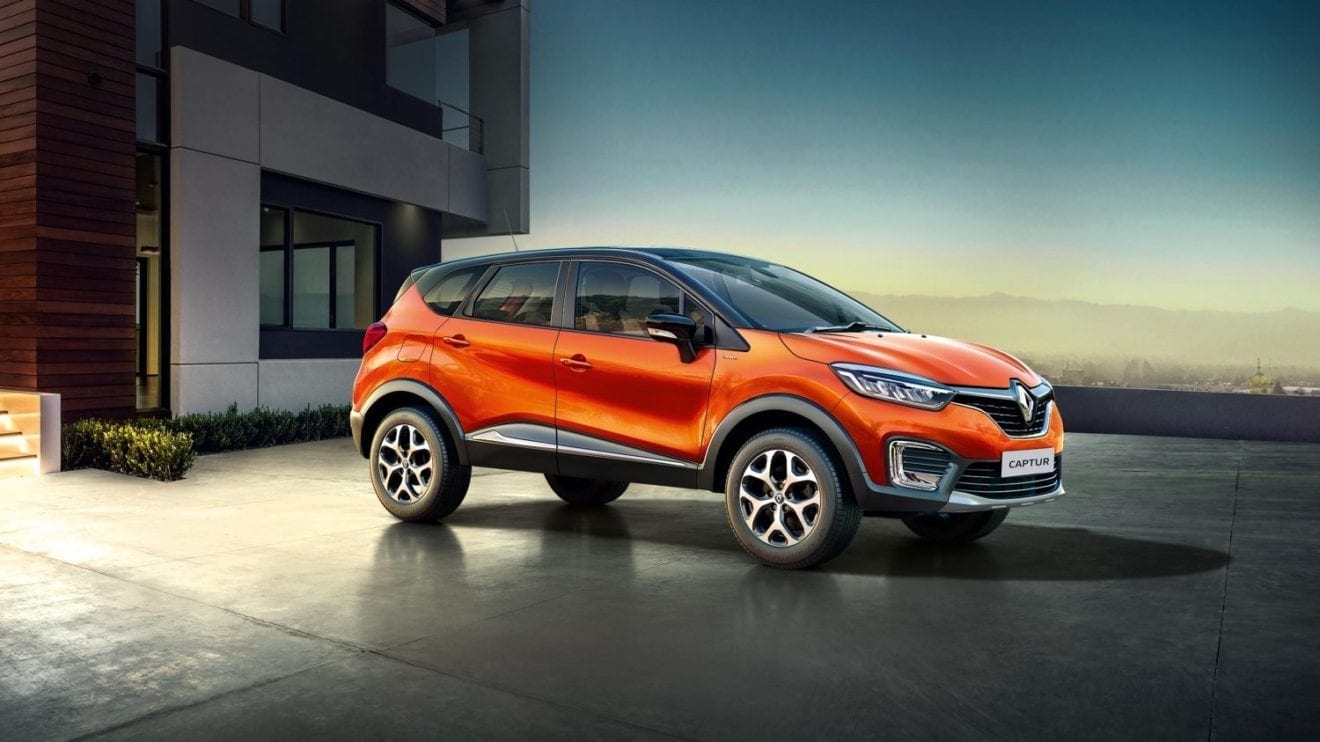
    Renault has announced that it has signed an agreement to sell its entire 100 percent stake in Renault Russia along with its controlling stake in Russian firm Avtovaz. The company said that Renault Russia would be turned over to Moscow City entity while its entire stake in Avtovaz would be turned over to NAMI (Russia’s Central Research and Development Automobile and Engine Institute).

    “The closing of these transactions is not subject to any conditions, and all required approvals have been obtained,” the company said in a statement.

    “Today, we have taken a difficult but necessary decision; and we are making a responsible choice towards our 45,000 employees in Russia, while preserving the Group’s performance and our ability to return to the country in the future, in a different context. I am confident in the Renault Group’s ability to further accelerate its transformation and exceed its mid-term targets,” said Luca de Meo, CEO Renault Group.

    While Renault has given away its entire stake in its Russian operations, the company has retained the option to buy back its 67.69 percent stake in Avtovaz. The company says that the buyback is exercisable at certain times over the next 6 years.

    Renault said that in line with its decision from March 23, the company would record a non-cash adjustment charge amounting to the accounting value of its entire Russian operation including assets, equipment, and goodwill in its financial results for the first half of 2022. The company’s Russian operations would then be deconsolidated in the Group’s consolidated financial statements for the period ending June 30.

    The entirety of Renault’s Russian operations was valued at 2,195 million euros as on December 31, 2021.

  • HSBC Veteran Taking Over at Quintet

    HSBC Veteran Taking Over at Quintet

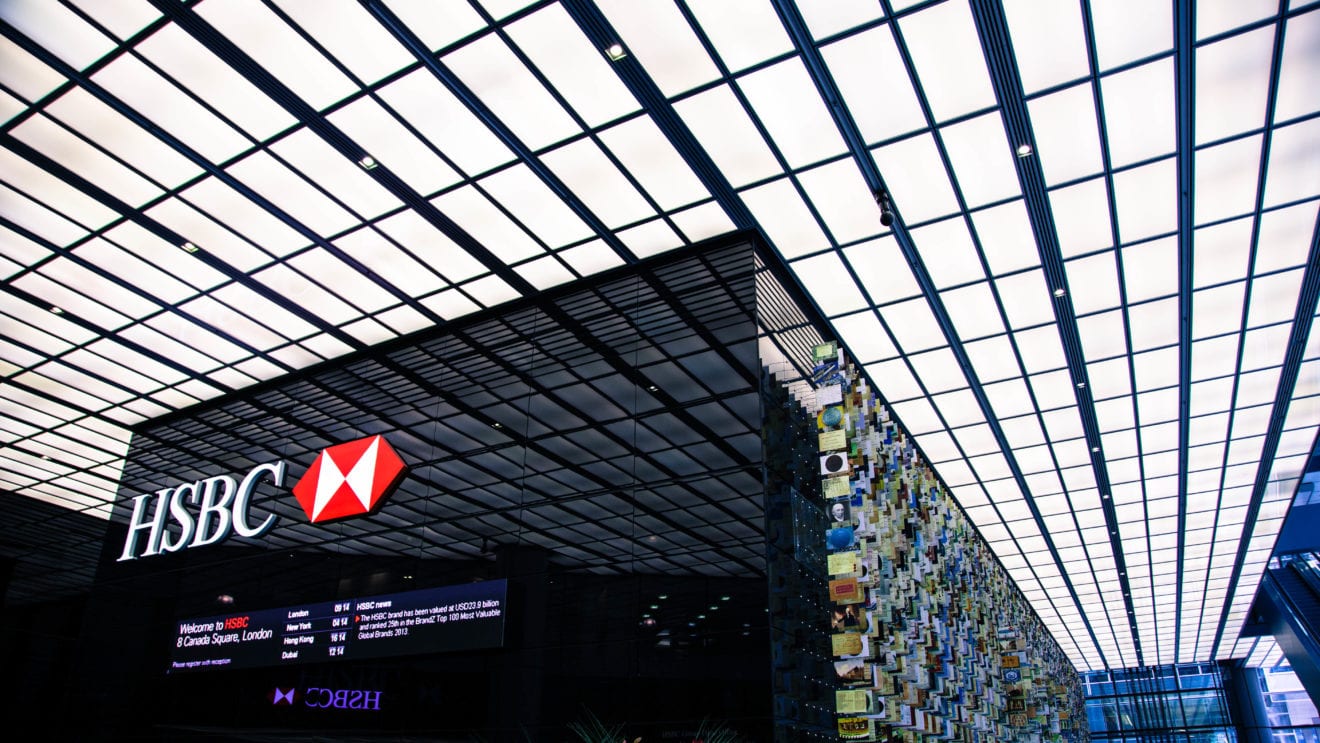
    A change of leadership is underway at Luxembourg-based private bank Quintet after the previous CEO’s surprise exit. Luxembourg-based Quintet Private Bank is appointing Briton Chris Allen as CEO effective July 1, the firm said in a statement released by the firm on Monday. Allen, who most recently headed private banking in Europe, the Middle East, and Africa at HSBC, spanning a 15-year career there, is replacing Jakob Stott.

    Stott, who joined Quintet in 2019 has stepped down as CEO and will leave the company after a short transition period, although no mention was made of any future roles. Stott was appointed by ex-UBS manager Juerg Zeltner, who died in 2020, and relaunched the former KBL Group as Quintet.

    During his tenure, Stott merged Quintets EU-based subsidiaries and strengthened core operations at the firm where he presided over a rise in total client assets from, around €72 million ($75 million) at the end of 2018 to nearly €100 billion by the end of last year.

    The banking group which is controlled by the ruling family of the Emirate of Qatar had entered the Swiss market with the ambition of becoming a major voice in the local wealth management industry. But just 16 months after opening following the acquisition of Bank am Bellevue, it closed shop and referred its clients to a competitor.

    After reaching an agreement with the Ticino-based private bank PKB at the end of last year on the sale of its remaining client assets, Quintet is expected to disappear from the Swiss scene by the fall at the latest.

    The private banks under Quintet’s umbrella include the following:

    • Brown Shipley (UK)
    • InsingerGilissen(Netherlands)
    • Merck Finck (Germany)
    • Puilaetco (Belgium)
    • Quintet Danmark (Denmark)
    • Quintet Luxembourg (Luxembourg)
  • Amazon Australia invites dogs into the workspace

    Amazon Australia invites dogs into the workspace

    Amazon Australia will now permit employees to bring their pooches to work at its Sydney, Melbourne, Perth and Canberra offices. The global Dogs at Work (DAW) program currently has 8000 registered pooches. Having dogs at the workplace is shown to reduce stress levels, increase interaction between employees and boost morale.

    Independent research commissioned by Amazon Australia found that 23% of Australians welcomed a dog into their family during the pandemic while seven out of 10 dog owners want to take their pets to work.

    One in two owners feels anxious to leave their pets at home while more than 57% think their dogs will struggle when they return back to the office.

    Senior human resources business partner Laura Nemaz said the DAW program is already proving a ‘massive hit’ with employees.

    “Dogs add to our dynamic and collaborative workplace and we’ve found they are an unexpected mechanism for connection.”

    The most popular dog breeds among Amazon Australia employees are Labradors and King Charles Cavaliers. Other breeds that have been registered include Samoyeds, Dachshunds, Miniature Schnauzers, Border Collies, French Bulldogs, Vizslas, and Boston Terriers.

    In order to participate in this workplace benefit, dogs must be registered. Employees need to provide the dog’s name and breed, registration form, microchip, and vaccination certificates.

    Once registered, DAW pooches will each receive a ‘Woof Pack’ that includes a branded bag, a doggy mat for them to lie down, a water bowl and a key chain along with treats at each reception.

    Dogs will also have their own designated lift from the loading dock of the facility in order to not impact the other residents/tenants of the building.

  • Zilingo on the brink as loan recalled, financial advisor appointed

    Zilingo on the brink as loan recalled, financial advisor appointed

    Creditors of Zilingo Pte have decided to recall all of their loan, prompting the company’s board to appoint an independent financial adviser for options for the troubled Singapore-based fashion tech startup.

    “Due to Zilingo’s failure to fulfill prior obligations under the loan agreement, the company’s lenders have made the decision to accelerate the repayment of the entire loan,” Zilingo’s board said in a statement on Friday. “Further, the board has appointed an independent financial adviser to explore options for the company.”

    The development underscores a deepening crisis at Zilingo after Chief Executive Officer Ankiti Bose, 30, was suspended from her duties on March 31 while the firm’s board investigates the startup’s accounting practices. Kroll Inc. has been appointed to carry out the probe.

    Bose, who denies any wrongdoing, said in a statement to Bloomberg News that no debt repayments were missed when she was still the CEO.

    “The first event of default notification was after my suspension,” she said, adding that the creditors recalled debt on May 11. “There were several means of curing the event of default. However, it seems that the interim leadership possibly did not act on them.”

    The investigation into allegations against Bose is close to being completed, according to the board’s statement.

  • Fitbit co-founder reveals the future of Fitbit smartwatches

    Fitbit co-founder reveals the future of Fitbit smartwatches

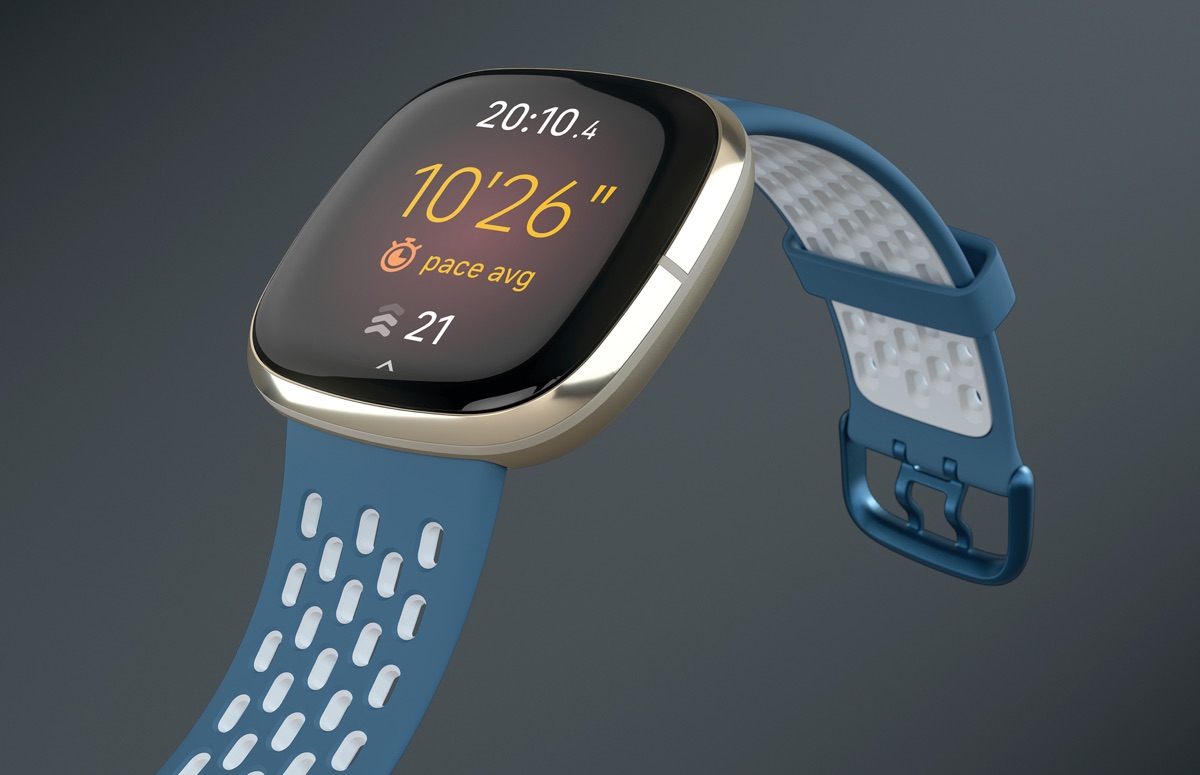
    During Google I/O 2022, Big G announced the Pixel Watch, its long-awaited, first-ever smartwatch. But, although the new wearable bears the Google branding, it has a lot in common with Fitbit smartwatches. The search giant acquired Fitbit in 2019, and we can safely say that the Pixel Watch will be the first Wear OS device with Fitbit integration.

    So, considering that Google is launching its own watch now, we can’t help but wonder what will happen to Fitbit smartwatches. Well, according to Fitbit Co-Founder and the head of Google’s wearables division, James Park, Google releasing a smartwatch doesn’t mean that Fitbit watches are getting the ax.

    Park stated that Google’s Pixel Watch was designed for users who want LTE and, at the same time, all the advanced health and fitness features the tech industry can currently offer. In other words, the Pixel Watch is targeted at users that prefer the Apple Watch or the Samsung Galaxy Watch experience.

    Park further stated that, according to him, there will always be people for whom LTE and the other stuff that watches, such as the Apple Watch Series 7 and the Samsung Galaxy Watch 4, offer are completely unnecessary. According to him, such people will always prefer the tracker with the most advanced health capabilities and reliably long battery life, implying that Fitbit smartwatches will continue to be designed for hardcore fitness enthusiasts.

    In this regard, Park said, “The great thing about combining Pixel and Fitbit is that we’re able to collectively offer these different devices. People can pick and choose what’s best for them.”

    During the interview, James Park also revealed if the Fitbit app will replace Google Fit or vice versa now that Google has its own smartwatch. Park stated that for now, both apps will continue to exist as is, since they are each used by a pretty hefty amount of users, and that both groups like their chosen apps for a variety of reasons. Google doesn’t want to mess with the experience with either one subset of users for the time being.

  • Apple iPhone gets stuck inside Qantas aircraft, earns frequent flyer miles

    Apple iPhone gets stuck inside Qantas aircraft, earns frequent flyer miles

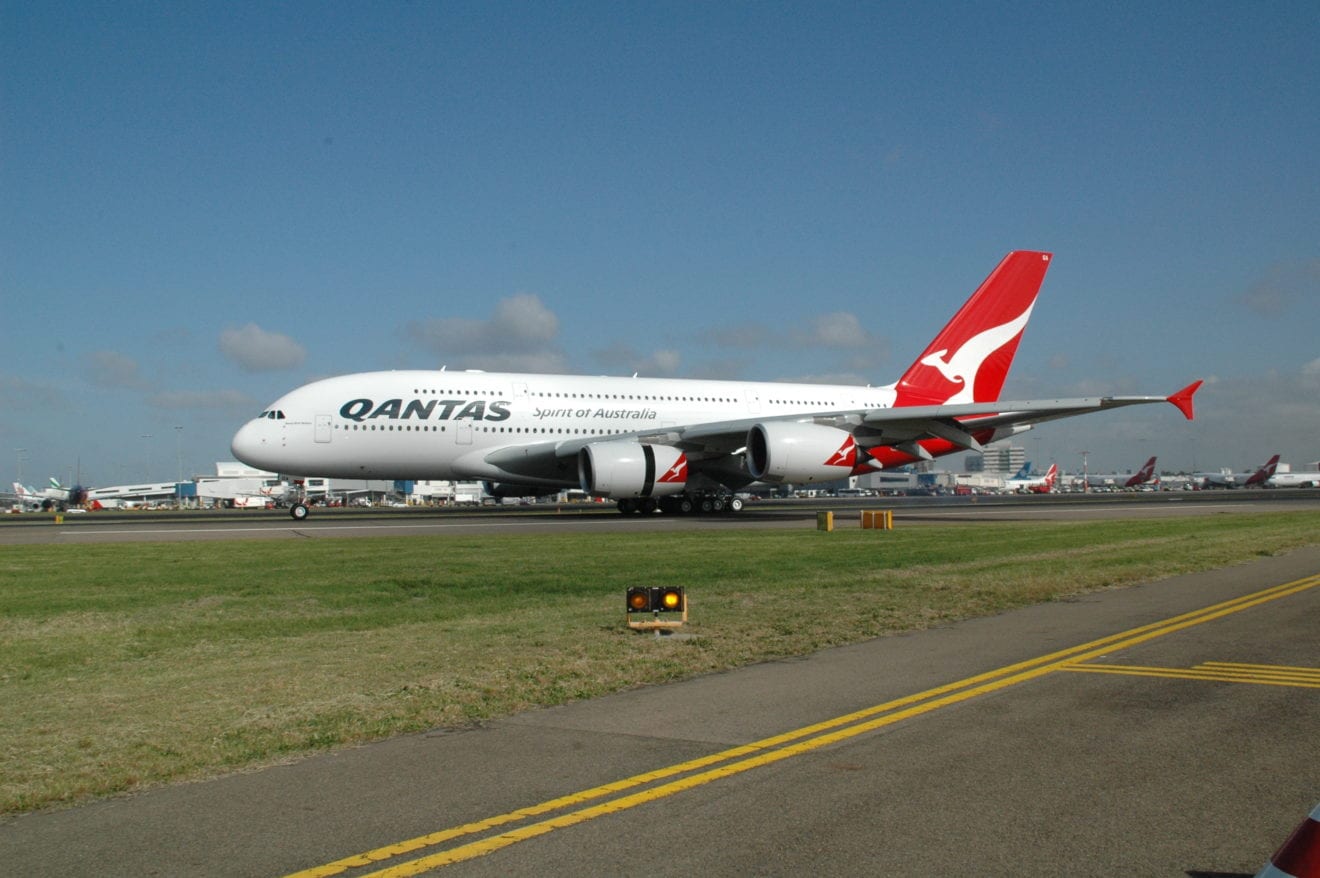
    An iPhone was lost by its owner on a Qantas flight and the handset ended up stuck on the plane during several international flights. The action started on May 6th as detailed in an online forum called the Australian Frequent Flyer Community. That is when a member of the community using the handle “Rugby” asked for a phone number for Qantas’ lounge.
    He needed the number because his wife had apparently left her iPhone on a Qantas plane. Rugby wrote that thanks to the “Find My” app, he knew that the handset had boarded the plane with his wife, flying from Sydney to Auckland. It then flew back to Sydney, went from Sydney to Honolulu to Sydney, and then flew from Sydney to Auckland to Sydney again.
    Meanwhile, the Rugby family was able to follow the phone’s travels and there must have been enough battery life for the phone to continue sending out signals. The device was believed to be stuck in the seat that Mrs. Rugby had been sitting in during the original flight. You would have thought that this would have led Qantas to do whatever was needed to extricate the phone from the chair.
    That’s because the airline always makes announcements warning passengers that a phone stuck in a chair could catch on fire. Indeed, back in 2016 an iPhone stuck in a business class seat on a Qantas flight from L.A. to New York caught fire after the lithium battery inside the phone was crushed. The passenger tried to use the recliner to free the device and it ended up bending the battery and engulfing the phone in flames.
    Luckily, the onboard crew was able to put out the fire using fire extinguishers and Qantas decided to redesign the seats on its planes. You would have thought that the airline would have put forth a more serious effort to find and/or free Mrs. Rugby’s Apple iPhone considering the mid-flight fire that took place only a few years back. One person monitoring the thread suggested that the Rugby’s send an email to Qantas to let them know of the potential threat to the airplane.
    Another member of the community had a good point about how poorly Qantas is cleaning its planes between flights if it couldn’t find the phone. Also, the airline’s security checks between flights are also lacking.
    After the phone made three roundtrips and landed in Sydney for the third time, a member of the forum assisted Qantas with the retrieval of the phone. It wasn’t known whether this person was a passenger who had been following the forum or a Qantas employee who is a member of the forum. Regardless, the Rugby’s received a call from a Qantas employee who said that they had the phone and would be taking it to international baggage services.
    Mr. Rugby was in Auckland when he heard from Qantas that they had his partner’s iPhone. He picked up the well-traveled device the following week when he returned to Sydney. By the way, leaving your phone on a plane is not an isolated situation. A member of a forum called One Mile At A Time who goes by the name of “JD,” wrote, “Flew MEX-FRA first class (747) a couple of years ago. When I woke up I could not find my iPhone anywhere.”
    He continued. “After a perfect in flight, it was like an out of body experience… I couldn’t find it, the flight attendants couldn’t find it and the other poor passengers in first class were like “get over it”. I was so embarrassed but once everyone deplaned, mechanics came on board and finally was (sic) able to find it… we almost missed our connecting flight but was elated to have my iPhone back for our month long vacation in Europe.”
  • Twitter tests “Liked by Author” label for tweeted responses

    Twitter tests “Liked by Author” label for tweeted responses

    Elon Musk might have put his acquisition of Twitter on hold temporarily, but that hasn’t stopped the social media platform from continuing to make changes to spruce up the app. People discovered a new label on the Android Twitter app that surfaces when the author of a tweet “likes” a response to his message. TechCrunch says that it was told by Twitter that the company is testing different labels.
    Once the author of a tweet “likes” a reply sent in response to that tweet, the reply receives a badge that shows a heart followed by the words “the Author.” It indicates that the person responsible for the original tweet liked the reply. The badge can be viewed by the person who posted the response and others viewing the original message and the replies. It isn’t clear whether this will be a global response but so far there have been reports that the “Liked by Author” label has been seen in multiple countries.
    The label is similar to the “Liked by Creator” badge that shows up on TikTok when a subscriber who created a video on the app likes a comment that someone posted about it. The new label would allow Twitter subscribers to brag when their tweet has been “liked” by a celebrity. And if there is one thing that Twitter is full of, it is celebrity users.
    The company has been playing musical chairs with employees in the wake of Musk’s $44 billion bid for the social media site. And now Musk is concerned that he is overpaying for Twitter; with the number of users possibly lower than what the company has previously acknowledged, even the richest man in the world needs to make sure that he isn’t overpaying for his purchase.
  • Macau Competing with Vegas as Global Gaming Capital

    Macau Competing with Vegas as Global Gaming Capital

    In the West, when someone thinks about flashy casinos and an exciting roulette table, their mind likely goes to Las Vegas. Images of the brightly lit Strip fill their mind, along with stills from movies like Rain Man and The Hangover.

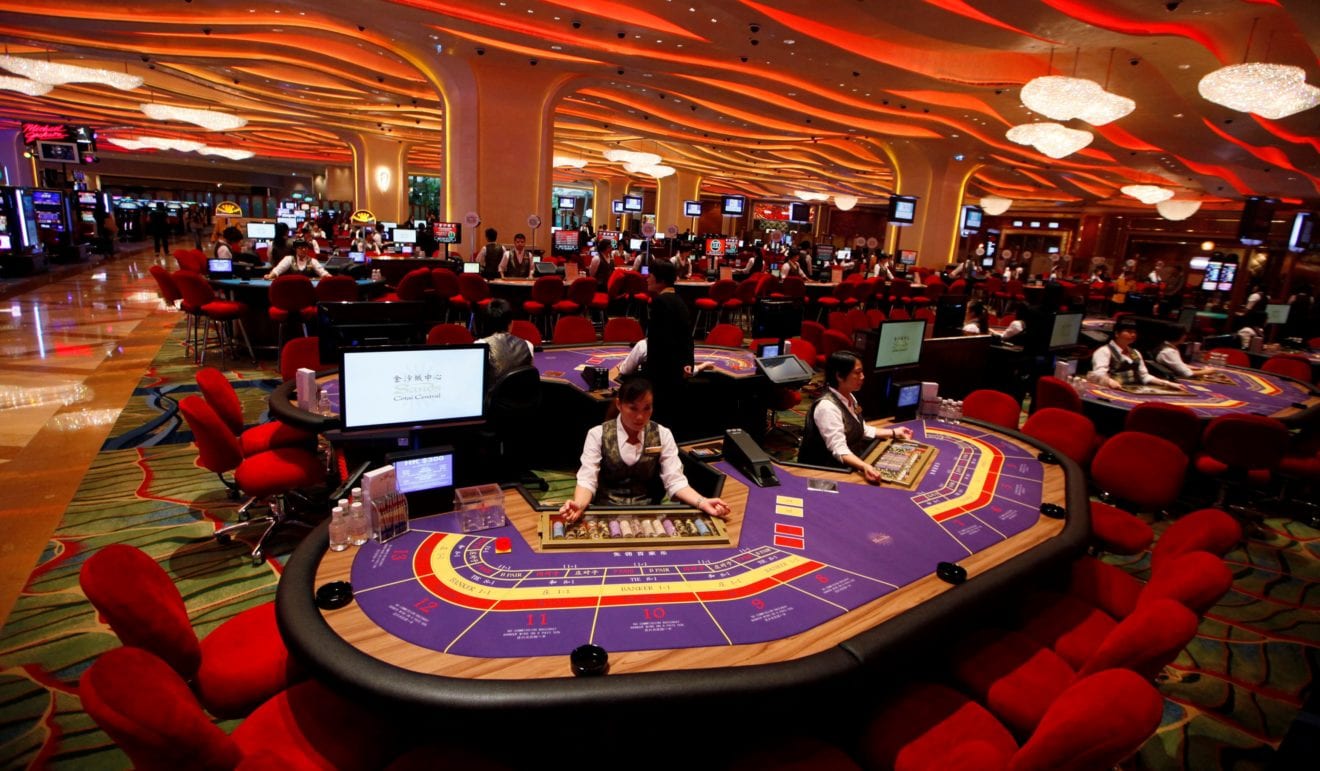
    However, farther East, the average person is more likely to think of Macau when casinos are brought up. The region is the most densely populated area in the world, with well over half a million residents in an area of less than thirteen square miles. And life in Macau focuses on the biggest, most lucrative, and luxurious casino-resorts in the world that line Cotai.

    While Vegas and Macau don’t often directly compete, as they’re located on opposite sides of the world, online gaming worldwide has changed the industry. Today, casino bonuses are available from brands like Caesars, BetMGM and DraftKings. The availability of online deals has greatly shifted the atmosphere in Vegas, though Macau looks a bit more resilient to virtual casinos.

    In fact, in terms of direct comparison, Macau’s gaming industry is the world’s most robust. Before we dive into the statistics, let’s cover a bit about each region’s history and focus.

    Distant Origins, Different Focuses

    Vegas and Macau, though each catering to casino-goers, each deliver a unique experience. Vegas got its start in the 1960s and 70s as a hideout for Los Angeles bigwigs looking to have a little fun; MGM remains a major presence from its early days as Metro Goldwyn Meyer, a film studio that still runs today and which contributed greatly to the area’s wealth.

    Macau, on the other hand, got its start as a trading post allocated to the Portuguese from the Ming Dynasty back in 1557. Since then, it’s become a multicultural hub that retains the early architectural collaborations between locals and Portuguese traders. Back in this time period, Vegas remained the territory of Paiute tribes.

    Today, these distinct origins can still be felt. Vegas remains an all-out entertainment stopover, of which casino gaming is only one facet. There are also big-name musical residencies, spectacles from groups like Cirque de Soleil, and plenty of sports action from the Big Four leagues.

    Meanwhile, Macau has kept its focus on heritage and gaming. The Historic Centre of Macau is a UNESCO World Heritage Site, with countless museums highlighting the area’s history. In other words, it’s not just a gaming stopover, but also a cultural adventure.

    Are the Tides Shifting?

    There’s one huge caveat that makes Macau a heavy hitter in the gaming industry: it’s the only region in China that allows traditional casino gaming. While Vegas is North America’s gaming capital, there are countless other counties and localities that play home to big-name casinos, such as Atlantic City in New Jersey.

    In 2021, 7.7 million visitors flocked to Macau, which included a 30% increase from 2020. However, back in 2019, Macau welcomed closer to 40 million. In 2021, Vegas saw over 32 million visitors back onto the Strip, though this number was closer to 42 million back in 2019. Clearly, in terms of tourists, each region handles a similar number of tourists in an average year.

    However, Macau posted 43.7% growth between 2020 and 2021, raking in close to $30 billion last year. Meanwhile, Vegas posted just over $13 billion in 2021 for gaming revenue statewide, according to Nevada state sources. Keep in mind that Macau’s numbers include revenue from restaurants and hotels; the government tax revenue stood at only $4.22 billion in 2021.

    Historically, Macau has been the global capital for gaming in terms of revenue. Back in 2014, for context, Macau raked in almost $30 billion in revenue, while Vegas posted just over $6 billion. Are the tides shifting—or are expanded Vegas entertainment opportunities, such as bundled casino-resort plans, muddying the revenue waters?

    The World’s Largest Casino-Resort & Most Expensive Hotel

    Though Macau has a much smaller area than Vegas, the region is home to some of the world’s biggest and most impressive casinos. Though Vegas also isn’t short on incredible designs from leading architects and gold-star luxury experiences, Macau’s skyline looks noticeably different.

    The Venetian Macao, for example, is the largest casino-resort in the world. Its casino spans over 550,000 square feet, while its extravagant design and grounds blow its Vegas inspiration out of the water. Nearby sits the City of Dreams, a joint casino-resort-shopping center that was designed by the Zaha Hadid architectural firm.

    The structure is supported by a mesh exoskeleton, which makes it one of Cotai’s most visually striking designs. Meanwhile, the 13 is the most expensive hotel ever built. Each villa includes a private elevator lobby, while guests are treated to complimentary transportation in a Rolls-Royce.


    Jeju & Philippines Expanding Gaming Options

    Clearly, Macau is Asia’s premier gaming destination, with no expense spared when it comes to creating an all-out entertainment experience. Though not quite as varied as the Strip in terms of showbiz, Macau has replaced flash with class—but is it enough to keep the region ahead of Vegas in terms of revenue in the coming years?

    One huge change for Macau has been the growth of Jeju Island, a gaming destination located just offshore from South Korea. In the third quarter of 2021 alone, Jeju Dream Tower raked in $10 million in revenue, hinting that the region is becoming more popular for traveling gamers.

    Meanwhile, the Philippines also has a strong gaming market that regularly attracts visitors from around the world. Last year, the country brought in $2.2 billion in revenue from casinos nationwide. In fact, the Philippine gaming industry has been the subject of top brands from both Macau and Vegas.

    For example, the City of Dreams project mentioned above has since expanded into Manila. The location is now the country’s top-rated casino-resort. So far, Vegas brands have yet to touch down in the island nation, though it seems inevitable. For both of the world’s gaming capitals, expanding into new regions like the Philippines will be integral for expanding their brands. However, with Macau geographically and culturally nearer to the country, it looks like Vegas is one step behind.
     

  • Google introduces Emergency SOS feature for Wear OS

    Google introduces Emergency SOS feature for Wear OS

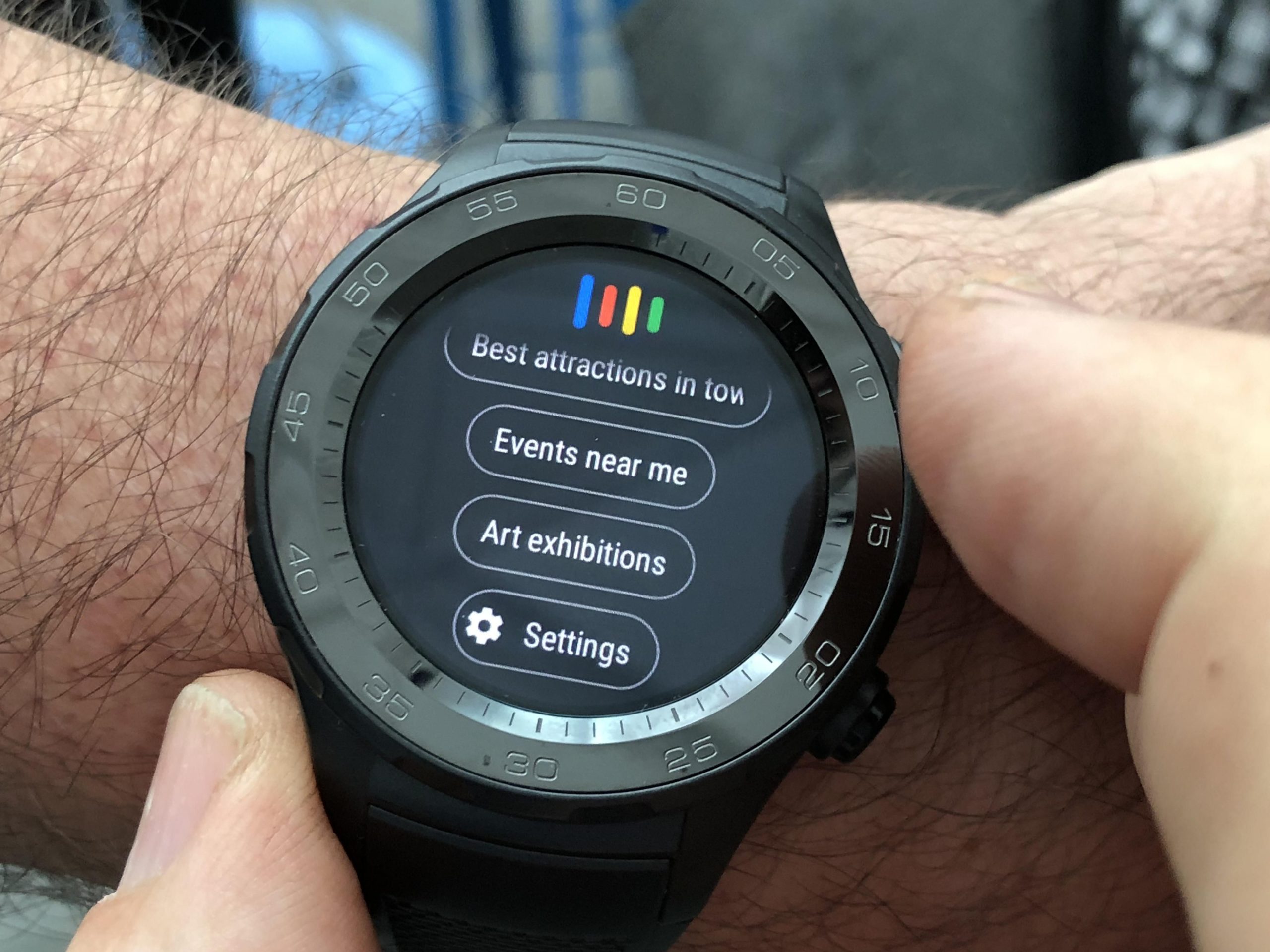
    Google will soon begin rolling out an Emergency SOS feature on Wear OS. It is going to work similarly to the one found on Android smartphones and will enable users to easily contact their relatives or the public authorities directly via their smartwatch in the case of an emergency.

    Amidst the slew of exciting hardware announcements that took place during the I/O 2022 keynote event, it is easy to see how some less flashy software tweaks could stay under the radar. Nevertheless, even if an Emergency SOS feature for Wear OS is not particularly thrilling, it is still no less important than that Pixel everyone is talking about.

    Emergency SOS in Android is by no means a new concept. Virtually every smartphone has their equivalent of such an option. The novelty lies in the fact that this feature will now be available for wearables with Wear OS as well. On Android phones, the user must press the power button 5 consecutive times to activate Emergency SOS. It’s not clear how the feature could be triggered in Wear OS, but a similar shortcut, with a voice command as an alternative method, sounds likely.

    Emergency SOS for Wear OS will function similarly to the one for Android. In order to enable it the user must begin by filling in the necessary contact details. Only once this has been done will they have the option to activate Emergency SOS. It is important to note that, as this is ultimately a smartwatch feature, in order for it to be used, the wearable must be linked with a smartphone with cellular connectivity, if the wearable does not support LTE.

    Turning Emergency SOS on will prompt users to select whom they would like to contact (either a particular contact or the emergency services directly). They will easily be able to cancel the call via a big red button on the main watch screen, and additional options will be provided once the call has ended.

    For the time being, it is unclear when exactly this feature will make its debut. Apple has already implemented a similar option in the Apple Watch. Based on Google’s track record, it could take a while before Emergency SOS makes its way to Wear OS. At the very least, we know it is coming.

  • UBS Data Thief Headed for Prison

    UBS Data Thief Headed for Prison

    An appeal by a former UBS banker who was convicted in absentia of espionage was denied by Switzerland’s highest court.

    The banker, only known as Rene S. was convicted of selling the data of wealth clients to tax authorities in Germany, and sentenced to 40 months in prison and fines and court costs of over 125,000 Swiss francs.

    In 2020, the verdict was upheld by an appeals court, and was again by the Swiss Federal Court, dismissing an argument that the lower appeals court did not correctly conduct the proceedings.

    At the heart of the case was the accusation that Rene S. pocketed 1.1 million euros ($1.14 million) from the sale of the documents and moved to a small town in Germany near the Swiss border.

    Swiss banks have paid billions in settlements related to charges they made it possible to wealthy foreigners to hide their wealth.

    Earlier this week, an attempt to change Swiss banking secrecy laws to exempt whistleblowers and journalists was blocked by lawmakers

  • Apple is no longer the world’s most valuable public company

    Apple is no longer the world’s most valuable public company

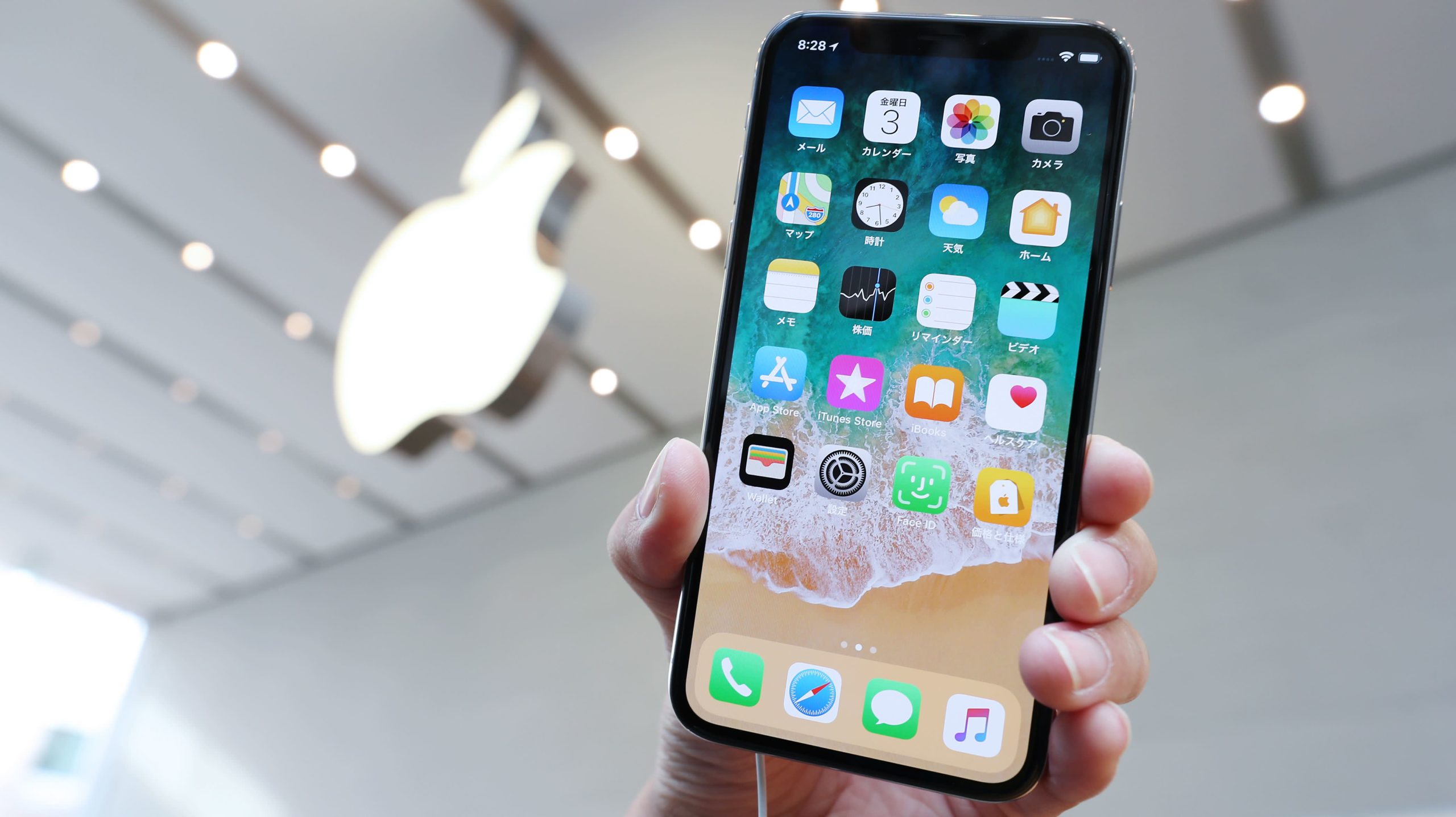
    Sorry Apple fans, your favorite company is no longer the most valuable publicly traded outfit in the world. That honor now belongs to oil firm Saudi Aramco. The latter is now worth just south of $2.43 trillion yesterday after converting its market capitalization to dollars. Apple, on the other hand, took a huge hit in the stock market on Wednesday with the shares declining 5%.
    Over the last five trading days, Apple’s shares have declined by $13.51 or 8.66%. Just after the regular trading session closed on Thursday, Apple’s market cap was down to $2.31 trillion. Since it set a 52-week high at $182.94 on January 4th, Apple has seen its value evaporate by 23%. On the other hand, Aramco’s shares are up 27% since the start of the year. In March, the company reported that its full-year earnings doubled thanks to booming oil prices.
    Over the last few years, Apple has become the first publicly traded U.S. firm to reach various valuation benchmarks at $1 trillion, $2 trillion, and $3 trillion. When we write about Apple’s valuation we are talking about its market capitalization which is computed by multiplying the current price of Apple’s stock ($142.56) by the number of shares outstanding.
    The only other U.S. companies giving Apple a run for the money include Microsoft ($1.91 trillion market cap), and Google parent Alphabet ($1.49 trillion market cap). Apple first went public on December 12th, 1980 at $22 per share. Since then, the company has split its shares several times with the latest taking place in August 2020 (4-1). Taking the stock splits into consideration, Apple’s IPO price was 10 cents per share.
    That means if you were lucky enough to buy 100 shares of Apple at the IPO price of $22, you would now own 22,400 shares of the company valued at $3.2 million.