Tag: asia

  • Julius Baer Outlines its New Targets

    Julius Baer Outlines its New Targets

    Bank Julius Baer announces new targets for 2023 to 2025 and will sharpen its capital distribution policy, and focus on the development of a pure wealth management business model. Swiss Julius Baer is looking to return more capital to its shareholders, targeting an adjusted return on common equity tier 1 capital (CET1) of at least 30 percent during its medium-term time frame running from 2023 through 2025, the private bank announced Thursday.

    It said it updated the capital distribution policy with a clear commitment to return capital exceeding a CET1 capital ratio of 14 percent through annual share repurchases, in addition to the 50 percent dividend payout ratio.

    The bank said it would focus on sustainable profit growth and the development of a pure wealth management business model.

    It will focus on improving earning quality by increasing its ability to improve recurring revenues, including increasing its wealth management mandate by offering a strong value proposition to complement its advisory solutions.

    We are embarking on a new phase of profitable growth, building on the transformation we have successfully pursued since 2020. Our unique client-centric business model with dedicated focus on high net worth and ultra-high net worth clients gives us a strong competitiveness to shape our future. Building on this strength, we will consolidate our position as the leading international wealth manager by the end of the decade. To do so, we will grow business volumes and profitability, improve earnings quality and evolve the way we do business, said CEO Philipp Rickenbacher.

    The strategy will be supported by a binding sustainability strategy and strong risk management, the statement said.

    The bank aims to save 120 million Swiss francs on a gross basis by 2025, by streamlining its geographic footprint and market coverage.

  • JD beats revenue estimates but CEO cautious over Covid outbreaks

    JD beats revenue estimates but CEO cautious over Covid outbreaks

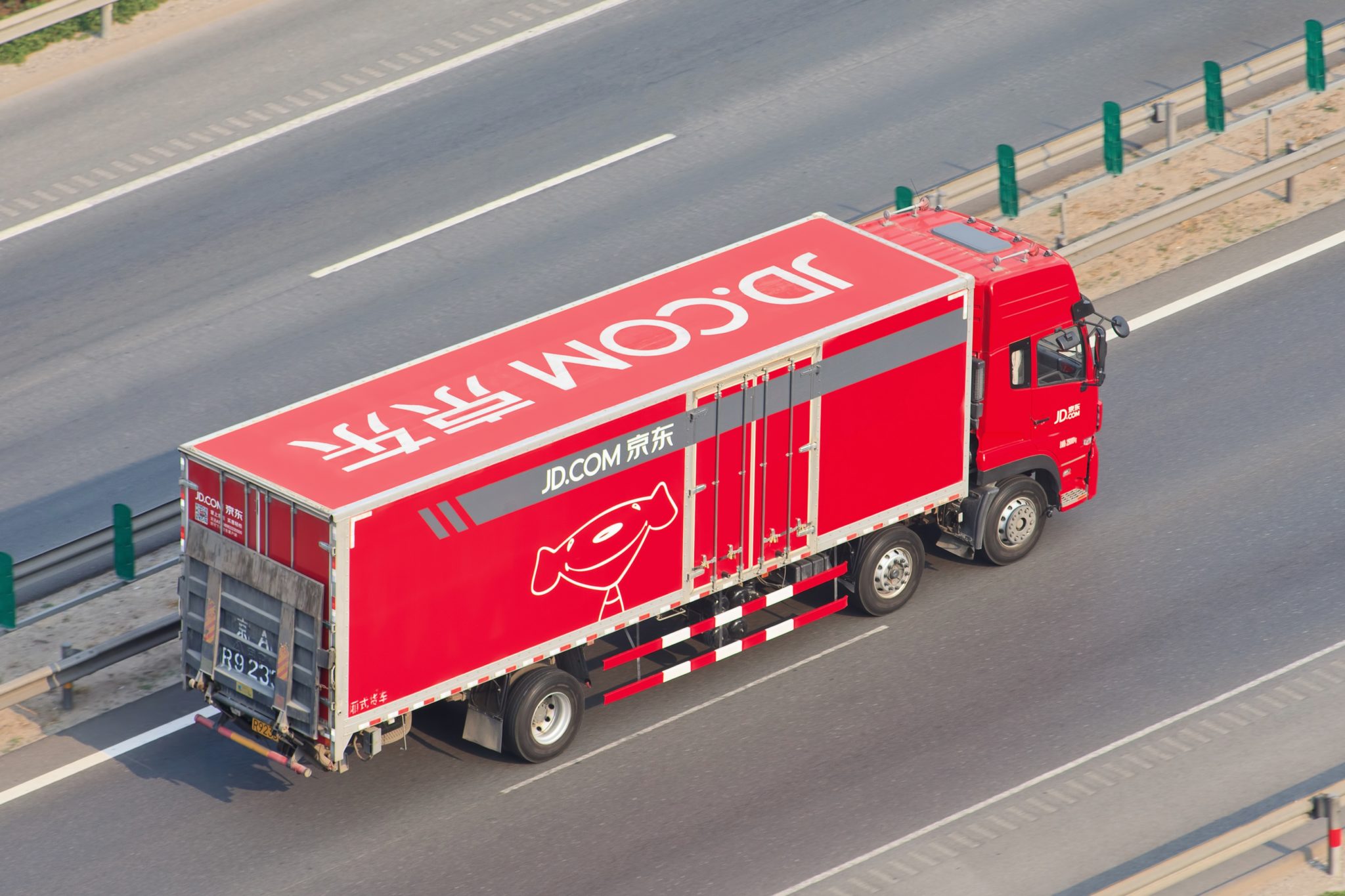
     E-commerce group JD.com, beat estimates for quarterly revenue as more people shopped on its platform following COVID lockdowns in China, but its CEO was cautious on the outlook due to logistical disruptions and sluggish consumption.

    The resurgence of COVID-19 in the world’s second-largest economy in March and the strict lockdowns it has taken since to curb its spread, including in its most populous city Shanghai, have heavily disrupted normal life and business activity.

    JD.com CEO Xu Lei told analysts on a post-earnings call on Tuesday that the situation was far different to what China experienced in the past two years when outbreaks were limited to smaller areas of the country and boosted online shopping.

    This time, the spread of infections to major centres such as Beijing, Shanghai, Guangzhou and Shenzhen, and lockdowns were affecting both online and offline commerce.

    “In April, the order cancellation rate was significantly higher than last year due to logistical disruptions. There was an improvement in May, but it was still higher than a year earlier,” he said.

    “Consumers are facing loss in income and confidence, and overall consumption is sluggish,” Xu added.

    Shares in the Chinese company initially surged as much as 9% higher in pre-market trading but were flat when the market opened and after Xu’s comments.

    Analysts at Nomura estimated in mid-April that 45 cities in China, representing 40% of its GDP, were under full or partial lockdowns.

    Shanghai’s lockdown has been particularly strict with residents unable to shop for much more than daily necessities due to logistics bottlenecks and a shortage of couriers. The capital Beijing has also been tightening restrictions as it tries to stave off an outbreak.

    Underlining the impact of such measures, China’s retail sales fell 11.1% last month in their biggest contraction since March 2020.

    Still, investor sentiment towards JD.com and its peers on Tuesday was helped by comments Chinese Vice Premier Liu He at meeting with tech executives, which fanned hopes that a long-running regulatory crackdown on the sector is easing.

    U.S.-listed shares of Chinese firms rose after Liu said the government supported the development of the sector and public listings for technology companies.

    E-commerce rival Alibaba Group also surged 7% and Pinduoduo climbed more than 8% before the market opened.

    JD.com reported revenue of 239.66 billion yuan ($35.6 billion) for the quarter ended March 31, compared to Wall Street analysts’ estimates of 236.66 billion yuan, according to IBES data from Refinitiv.

    Excluding items, JD.com posted a profit of 2.53 yuan per American depository share (ADS), compared with analysts’ expectations of 1.62 yuan.

    The net loss attributable to ordinary shareholders stood at 2.99 billion yuan, compared with a profit of 3.62 billion yuan a year earlier.

  • Your App Store subscriptions could now charge you more without explicit permission

    Your App Store subscriptions could now charge you more without explicit permission

    Apple’s auto-renewable subscriptions, just like any other automated payment method, can save you a lot of time, especially if you pay for many services. But Cupertino has recently updated its policy, and if you are on a tight budget, you should be even more careful from now on.

    In a blog post, the Cupertino company announced that — starting now —, if the price of a subscription rises and certain criteria are met, the developers could bill you automatically for the next period without requiring you to opt in again for the service. In terms of the specific conditions for this to happen, Apple stated that the price increase must occur only once a year, must not exceed $5 and 50% of the subscription fee, or $50 and 50% for an annual membership price, and must be permissible by local law.

    Apple will, of course, notify you in advance of the price increase via email, push notification, and a message within the app. If you wish, it will also inform you how to view, manage, and cancel your subscriptions.

    It’s important to know that for all subscription price increases above the thresholds, exceeding the annual limit, or occurring within territories where the law requires it, the subscription won’t automatically renew. In this case, you have to manually opt in for the service before the increase takes effect.

    Previously, when there was a price increase, Apple notified you of the change in pricing, and you were automatically opted out of the service. Then you had to manually choose to re-subscribe if you wanted to continue paying for the app in question. But, according to Apple, this method has led to unintentionally interrupted services, as many users just missed or forgot about the opt-in prompt. This is why the Cupertino company decided to introduce the new policy and now, if you are willing to pay the higher price, you don’t have to do anything, because the service will continue to work.

    Of course, it’s very probable that you could miss Apple’s opt-out notifications as well, or forget to cancel your subscription in time before the price change goes into effect. Presumably, this is why the Cupertino company decided to set a threshold. Furthermore, in most cases, you can cancel your subscription at any time, so if you forgot to opt out when it was time, in the worst-case scenario, you lose a few extra bucks.

  • You can now link Fitbit and Google Fit with Google Assistant

    You can now link Fitbit and Google Fit with Google Assistant

    With the recent launch of the Google Pixel Watch and the close partnership with the wellness experts at Fitbit, which Google acquired last year, it’s obvious that the search giant is looking to make a serious push into the fitness tracker market. And it only makes sense that the super-smart Google Assistant would be able to seamlessly integrate with the current and upcoming features in Google Fit and the dedicated Fitbit app, right?

    Well, it seems this time is upon us right now — many users can spot the ability to link to Google Fit and Fitbit in their Assistant Settings, and the feature seems to be rolling out to any and every contemporary Google device that supports the Assistant.

    With the small caveat that, while you can link both Google Fit and Fitbit apps, you have to make the choice of keeping only one of the two active at a time.

    Linking either of the apps and granting the necessary permissions will give Google Assistant access to:

    • Your activity metrics, such as workouts, steps, duration, pace, and burned calories
    • The distance you have covered during your training by tracking your location
    • Your heart rate data

    A “Proactive health & fitness results” toggle suggests that the Assistant may display health/activity cards on your device, letting you know of recent trends, either to congratulate you on the successful journey or remind you to pick up the pace.

    To connect Fitbit and Google Fit to Google Assistant, open your Google Assistant settings, go to the Wellness section, and choose Activity. Then select either Google Fit or Fitbit and proceed with the linking steps. Keep in mind that the feature is not yet widely available, so don’t be worried if you only see the Calm app in the Wellness section.

    Currently, even if you sync them up, voice prompts to the Assistant will call up a blank. It seems that the feature is still inactive, locked behind a server-side toggle, which Google will probably flip once the update has rolled out to more devices. If this is the case, we most likely won’t have to wait too long to ask Google Assistant to tell us how many steps we have taken during the day.

  • Nespresso to reward consumers who return pods for recycling

    Nespresso to reward consumers who return pods for recycling

    Nespresso has launched a new Recycling Rewards scheme, offering consumers incentives to recycle their used aluminum coffee capsules at Nespresso boutiques.

    From 16 to 30 June, anyone who returns a full bag of 100 used aluminum coffee capsules of any kind to a Nespresso Boutique can receive a free gift in return.

    Rewards include a free sleeve of Nespresso coffee, a notebook made with recycled coffee grounds, and a beach towel. To claim their gift, participants must register their recycling via a QR code in-store.

    “Over the last decade, our recycling program has evolved to ensure convenient access to every customer in Australia, with multiple channels for involvement. Now, we are exploring new ways to accelerate participation, starting with [Nespresso] boutiques,” says Jean-Marc Dragoli, General Manager at Nespresso Oceania.

    “The Recycling Rewards trial is part of a broader strategy which seeks to better understand recycling behavior, raise awareness of and engagement with our recycling program, and give more aluminum coffee capsules a second life.”

    The two-month trial is part of Nespresso’s commitment to creating a sustainable, circular coffee economy. It aims to accelerate participation in the company’s coffee capsule recycling program while gathering valuable insights into whether incentives have a role to play in driving recycling behaviour in the future.

    Once returned to Nespresso, used capsules are taken to a dedicated recycling facility in New South Wales where the coffee grounds and aluminium are separated. The recovered coffee grounds are sent to another local facility and used as soil in landscaping applications or compost. The aluminium component of the capsule is compacted and sent for smelting and refining. Aluminum is recyclable and can be used to make a range of products from bicycles to mechanical pencils.

    The Recycling Rewards trial is boutique-based only, however, Nespresso’s broader recycling program currently offers three additional ways for customers to recycle, including dropping capsules off at a participating collection point, posting capsules back to Nespresso using a special Australia Post satchel, and the option to participate in a bulk recycling collection initiative where workplaces or community locations can become a recycling point.

    To find out more about the Recycling Rewards initiative, visit www.nespresso.com/au/en/recycling-rewards.

  • Subaru Is Building A Dedicated EV Plant In Japan

    Subaru Is Building A Dedicated EV Plant In Japan

    Subaru is another Japanese automotive player which is suddenly turning turtle and announcing massive investments in electric powertrains. It has announced plans to build a dedicated EV assembly plant in 2027 as a part of a multi-billion dollar investment toward electrification in the next 5 years. Its CEO Tomomi Nakamura has outlined a plan which was announced on May 12 when it announced its earnings.

    Its 2023 Solterra EV will be made at Toyota’s Motomachi assembly plant in Japan which is the same plant where Toyota is making its first EV the bZ4X. But in the future, the plan for Subaru is to make its EVs in-house.

    Nakamura has said that initially, Subaru will make its EVs in a mixed production scenario with internal combustion engine vehicles in its Yajima plant in Japan in the mid-2020s. But from 2027, the EVs will be made at a dedicated factory on the site of the Oizumi plant which is currently making engines and transmissions.

    “Two or three years ago, U.S. retailers were not asking about EVs at all. But in this last year, it’s suddenly increased,” said Nakamura indicating that this transformation is being driven by the US market.

    Subaru has announced an investment of $2.05 billion. It expects 40 per cent of its global sales to come from EVs and hybrids by 2030. The Solterra EV will be the first model which starts at $44,995 in the US and will also be eligible for the $7,500 tax credit and other state incentives.

  • Securing Digital Assets Gets Physical

    Securing Digital Assets Gets Physical

    As bad as losing money in the current market for cryptocurrencies might be, losing them altogether would be even worse.

    By some estimates, some 20 percent of all bitcoin has been lost for various reasons, including theft, forgotten passwords, or wiping out a hard drive, leading to a loss in value of well over $100 billion. What is there to do?

    One way to try to get back lost, stolen, or misplaced digital assets is to hire a firm that specializes in recovering them, although the price can be quite steep. One such company is the father and son team that founded cryptoassetrecovery.com which charges 20 percent of the value of the recovered assets. The duo estimated that around $4.7 billion is lost assets are recoverable. Still, if you have lost, say $10 million in Bitcoin, that might be a small price to pay.

    Going to the Ballet

    So much is written about the digital world, that it might be surprising that one way to help secure cryptocurrencies is with a physical wallet. These do not have a connection to the internet and are referred to as a cold wallet, while a hot wallet is a form of digital storage accessible via a device or computer.

    Ballet is a U.S.-based company that offers a physical wallet having a two-factor cryptographic private key securely concealed on the physical wallet itself, allowing the wallet to function as a bearer asset similar to cash or gold. A companion app, Ballet Crypto, serves as a digital interface for physical Ballet products and provides all the essential functions of a cryptocurrency wallet while allowing private keys to remain securely offline.

    A cold wallet would make more sense for someone planning to hold onto a cryptocurrency for a longer period. The drawback of losing a cold wallet is that you lose access to your investments, and the investor is in the same boat trying to recover assets.

    From Freeports to Fintech

    While the exact origins of freeports are subject to debate, the idea took hold around the time of the Renaissance as a way of attracting trade. Modern versions are often at airports and outside of customs areas. Malca-Amit is one company that has numerous vaulting facilities at several airports globally, including Zurich, where it offers storage for high-value assets including diamonds, gems, jewelry, gold, and other precious metals.

    In addition, it provides services the for luxury goods industry, high-net-worth individuals, and international banks access to a global team of experts in logistics, security, customs houses, and special operations (i.e. security) professionals.

    It also provides courier services for those goods and transportation of artworks. So that Warhol or Picasso you bought in New York and needs to be shipped to your home, Malca-Amit will handle the door-to-door delivery.

    It is now taking its experience in this traditional business of protecting and storing assets by offering physical vault protection to digital assets, in what they call «deep cold» storage either for individual clients or as a custodial service.

    What this means is the private key required to access the digital assets is secured offline, as part of the customer’s physical wallet, which we protect in state-of-the-art facilities. These are the same facilities used to safeguard the assets of investment-grade banks, luxury brands, and digital asset custodians explains Mark Titmarsh, who is head of digital assets at Malca-Amit.

    Titmarsh stresses that if a private key is lost or it is stolen, the thief has control of the assets in the case of theft. By physically storing wallets, customers remain in control of their private keys. This is because the private key is only generated when both private key elements on the physical Ballet wallet are combined, which are protected under seal. Whilst the wallet is in our care the private key elements will never be revealed. It’s pretty simple, we provide the physical infrastructure to keep the wallet and private key elements safe he says, noting that the firm is backing the assets against loss with full liability coverage.

    Casascius Coins

    While digital bitcoin is online on the blockchain, the Casascius coin can only be accessed by the person in possession of the coin’s private key, which is stored under a tamper-proof hologram that allows the owner of the physical coin to claim the associated Bitcoin.

    Holders of Casascius coins, which were introduced in 2011, can also be storied with Malca-Amit and are also covered by the same liability insurance.

  • Netflix is working on launching a live streaming feature

    Netflix is working on launching a live streaming feature

    Netflix could be working on a new way to keep you as a subscriber. After rapidly losing subscriptions, the streaming giant added a mobile gaming platform, is reportedly planning to introduce an ad-supported tier, and — now — it is looking to broaden its content with live streaming shows.

    Netflix has confirmed to Deadline that it’s in the early stages of launching live streaming for its unscripted shows and stand-up specials. This might allow Netflix to broadcast reunions of some of its series and provide live voting for competitive productions such as Dance 100.

    The new feature could also be used to broadcast live comedy specials. For example, Netflix recently held an in-person comedy festival called Netflix Is a Joke Fest, which featured over 300 stand-up performances. The company will make recordings of around 12 of them available to watch soon. But if it decides to organize the festival again, instead of releasing only a fraction of the event, it could broadcast the whole thing while it is happening, thus letting its subscribers get the full experience.

    Having live shows will allow Netflix to stay in the race with major competitor Disney+, who is already acquiring and broadcasting multiple live shows — like Dancing with the Stars and the Academy Awards. It is highly likely that Netflix is also planning to develop other formats, specifically designed for the live setting.

    At the current moment, we don’t have any information on when exactly the platform plans to launch this new feature.

  • Qualcomm’s next Snapdragon chipset arrives May 20

    Qualcomm’s next Snapdragon chipset arrives May 20

    At the start of the month, speculation arose about a possible delay to Qualcomm’s next set of chipsets. But a more recent leak pointed to an announcement before the end of May and now Qualcomm has confirmed exactly that.

    The company behind Snapdragon chipsets has confirmed that it will be hosting an announcement event in China later this week, on May 20. Qualcomm has yet to confirm which chipsets will be making an appearance, though rumors suggest that both the Snapdragon 7 Gen1 and Snapdragon 8 Gen1+ could be unveiled.

    Qualcomm’s Snapdragon 8 Gen1+ is undoubtedly the most exciting of the two. Building upon the brilliant foundations of the vanilla Gen1, which powers a bunch of flagships, the Gen1+ is set to be built on the 4nm process and offer both a 10% CPU speed boost and battery life improvements.

    In other words, devices powered by the Snapdragon Gen1+ should be faster and last longer than those powered by the regular Gen1. The devices that’ll use Qualcomm’s next high-end processor remain to be confirmed, but Motorola’s Frontier could be one of the first.

    Samsung’s next foldables — the recently leaked Galaxy Z Fold 4 and Flip 4 — should benefit from the upgraded chipset as well. The Gen1+ is likely to be one of the biggest upgrades since Samsung is planning only small design tweaks.

    Moving on to the Snapdragon 7 Gen1, it’s expected to be built upon the 4-nanometer manufacturing process and slot in directly below the Snapdragon 8 series. That means it’ll be used inside slightly cheaper devices, but still offer an impressive level of performance.

    On the smartphone front, the new Reno 8 from Oppo, set to debut later this month, could be the first one powered by Qualcomm’s Snapdrag

  • Hyundai Opening An EV Factory In Georgia

    Hyundai Opening An EV Factory In Georgia

    Hyundai has been outlined as one of the greatest threats to Tesla’s dominance in EVs. Its Ioniq 5 not only won the world car of the year award this year but it also forms the basis for cars like the Kia EV6 and the Genesis GV60. The Kia EV6 is even coming to India as Tesla is shelving its plans on entering the market. Now, doubling down on its focus on electric vehicles, Hyundai is committing to a new EV first factory in the US which the rumour mill points towards being in the state of Georgia.

    Already, the South Korean giant has started production of the GV70 by Genesis in its factory in Alabama. Genesis is its premium luxury brand. Overall, Hyundai has announced an investment of $7.4 billion with a focus on electrification. A new EV factory has been on the cards for a while.

    Hyundai was negotiating incentive packages with the various governments of states. Georgia was already mentioned to be one of these states as Hyundai and Kia both have manufacturing facilities in the state.

    “We are excited to announce a new EV plant plan in the United States soon, but we do not have details to share at this stage,” said a Hyundai spokesperson confirming the new facility.

    Hyundai is said to be in an advanced stage of discussions with officials in Georgia for the dedicated electric car factory. So far in the case of the Ioniq 5, it is only being produced in South Korea and Indonesia. It will also be manufacturing the Ioniq 5 in India. Localizing the car in the US will make it more competitive with Tesla.

    Already the car has received a great response in the US. It is sold out for up to a year in some regions of North America. There are plans for bringing more cars under the Ioniq brand and even the Kia EV6 is doing quite well.

  • Singtel Launches iSHIP to Provide Industry’s First All-in-One Maritime Service

    Singtel Launches iSHIP to Provide Industry’s First All-in-One Maritime Service

    Singtel has unveiled iSHIP, an all-in-one platform providing critical satellite-enabled connectivity and digital services for the maritime industry. iSHIP’s integrated services for crew and fleet management allows ship managers and owners greater flexibility and visibility of their resources and operations, enabling better well-being of the crew, vessel safety, and operational efficiency.

    Presently, nearly 90% of all goods from finished products to food, fuel, and more are shipped over the seas — with maritime trade volume set to triple by 2050. To keep ships running and global seaborne trade flowing during the pandemic, shipping companies had to rapidly digitalize critical operations such as navigation, power supply, engine control, and cargo management which were traditionally manual tasks while ensuring ship crews stay healthy and safe.

    “Our seas are a major mode of global trade and transport. But the pandemic has disrupted global supply chains and shipping operations, driving strained crews — who are more accustomed to traditional or manual processing methods — to navigate fragmented digital resources and applications. iSHIP was specifically designed to address these challenges and provide a versatile solution for shipping companies that are accelerating digital adoption and also have decarbonization and crew welfare high on their agenda. By making it easier for ship owners and operators to procure and steward digital services and resources, they can focus on keeping the world economy running, supporting billions of people who rely on our seas for food, energy and transport,” stated Ooi Seng Keat, vice president, carrier services, over-the-top & satellite, Group Enterprise, Singtel.

    Singtel is the only operator in Southeast Asia to attain the highest certification from the World Teleport Association (WTA) for providing customers with the highest quality of security, infrastructure, and operational standards for their communications needs. With the launch of iSHIP, Singtel continues leading the industry in providing connectivity support and more for the hundreds of customers and thousands of vessels sailing the seas at any given time.

    End-to-end connectivity for smart, secure and sustainable maritime operations

    Currently, ship owners and operators are required to liaise with multiple parties to procure connectivity and digital services or resources. With iSHIP, customers get all their possible maritime digital needs through one point of contact along with access to 24/7 support. Customers can select the combination of digital services they need with the assurance of Singtel’s end-to-end support, from initial provisioning and on boarding; scaling resources on an as-needed basis to resolving any technical; or service issues encountered.

    Via iSHIP, ship owners can tap on Singtel’s access to high-throughput satellites orbiting the earth to provision more bandwidth as and when required — anywhere in the world — to power fast and reliable connectivity.

    By the third quarter, iSHIP will include teleadvisory services to provide seafarers direct access to a trained medical professional, who can render assistance in situations beyond the skills of the medic onboard.

    By leveraging the latest in maritime Internet-of-Things (IoT) and data analytics, iSHIP enables ship owners and operators to improve operational efficiency and increase productivity while reducing costs, especially in fuel and operational maintenance. With data from sensors and other monitoring devices, ship owners and captains are empowered to optimize routes, workloads, and enhance quality control and quality assurance. IoT devices also help shipping companies meet the maritime industry’s ambitious goal — set in June last year — to cut carbon intensity of all ships by at least 40% by 2030.

    In addition, iSHIP provides advanced protection against malicious attempts along with education and assessment courses for ship crew to improve their cyber hygiene, thus alleviating potential human errors.

  • Aeon Mall wants four more Hanoi projects

    Aeon Mall wants four more Hanoi projects

    Japanese retail giant Aeon Mall wants to invest in 3-4 more projects in Hanoi by 2025. At a recent meeting with Hanoi Party secretary Dinh Tien Dung, Nagakawa Tetsuyuki, general director of Aeon Mall Vietnam, said the Aeon Mall Hoang Mai project is now in its last preparation stages for investment. It has enough funds, personnel and equipment to begin construction right after investment procedures are completed, he said.

    Aeon Mall is currently operating six projects in Vietnam, including two malls in Hanoi’s Long Bien and Ha Dong districts. It plans to launch 16 more projects in Vietnam by 2025.

    Tetsuyuki said he hopes Hanoi will continue its support so the Aeon Mall Hoang Mai project can begin construction in the third quarter. The firm has also requested the city to support the establishment of another Aeon Mall project in Bac Tu Liem District.

    Hanoi Party Secretary Dinh Tien Dung said the capital would improve its investment environment and streamline policies to attract investments from both inside and outside Vietnam. He said Hanoi was attentive to supporting the Aeon Mall Hoang Mai project and would request relevant agencies to cooperate with Bac Tu Liem authorities.

    Hanoi deputy chairman of Nguyen Manh Quyen said he would request relevant authorities to complete legal procedures regarding the Aeon Mall Hoang Mai project so construction can begin as planned. Regarding the Bac Tu Liem project, Quyen said the proposed location has been earmarked for a park, so the city will request authorities to propose another location for it.

  • Auto sales extends growth

    Auto sales extends growth

    Vietnam’s auto sales reached 42,359 units in April, with most major brands posting double-digit to triple-digit growth, according to the Vietnam Automobile Manufacturers Association (VAMA).

    This figure marked a 40 percent increase from the same period last year and brought four-month sales to 123,931 units, up 33 percent, said VAMA, which does not incorporate data of VinFast and TC Motor (assembler of Hyundai cars).

    Most top-selling brands posted a double-digit increase in sales compared to March last year.

    Truong Hai auto remained the top seller with 14,569 units, up 41.5 percent year on year.

    It was followed by Toyota with a 55.3 percent growth to 8,694 units.

    Honda and Suzuki saw a tripling in their sales, with the former rising by 216 percent to 6,100 units, and the latter by 173 percent to 1,111.

    Ford’s sales bucked the trend with a 25 percent drop to 1,933 units.

    With data from all brands included, the sedan Honda City was the top-selling model in Vietnam last month at 3,013 units. It was followed by the sedan Toyota Vios and the SUV Toyota Corolla Cross.

  • Pandora plans $100-mln jewelry plant in Vietnam

    Pandora plans $100-mln jewelry plant in Vietnam

    Pandora, the world’s largest jewelry company by sales, will set up a US$100-million production facility in Vietnam.

    To be situated in the Vietnam-Singapore Industrial Park 3 in Binh Duong Province, it will be built to LEED Gold green building standards and powered completely by renewable energy.

    Construction is set to start in early 2023, and production by the end of 2024.

    It will hire more than 6,000 craftspeople and have an annual capacity of 60 million pieces of jewelry.

    This is the company’s third production site and the first outside Thailand.

    “We scouted countries all over the world before deciding on Vietnam and Binh Duong Province,” Jeerasage Puranasamriddhi, the company’s chief supply officer, said.

    Pandora is a Danish jewelry manufacturer and retailer founded in 1982 by Per Enevoldsen.

    It sells its products in over 100 markets, and had revenues of $3.5 billion last year.

  • Innovative logistics models in great demand

    Innovative logistics models in great demand

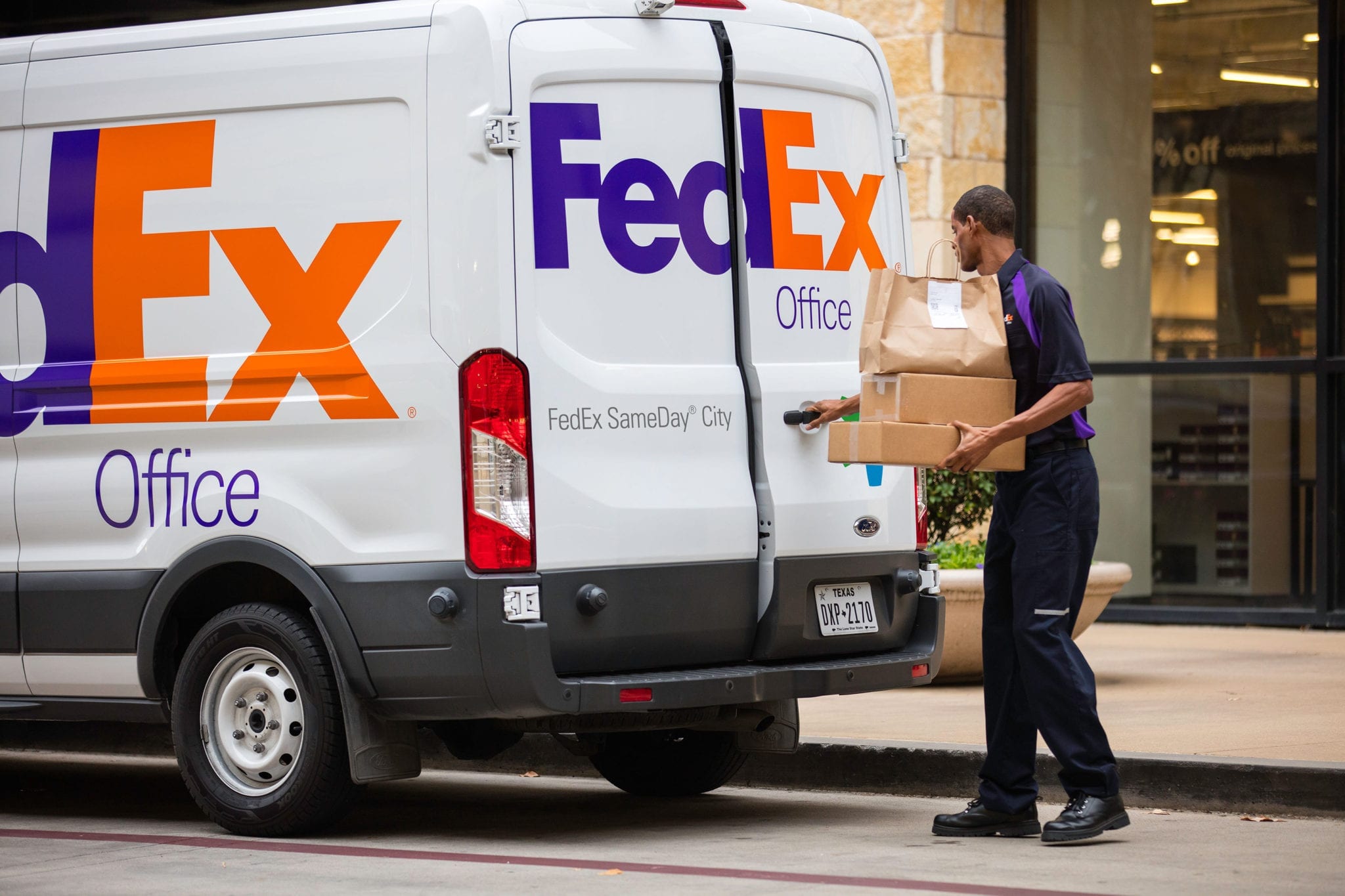
    Hardy Diec, Managing Director of FedEx Express Indochina, predicts greater demand for innovative logistics models to enhance online to offline customer experience and support swift pivot businesses.

    What’s the status quo with the logistics industry?

    Supply chains have never been more important. More than that, reliability and accuracy in these supply chains have now become even more paramount. During this pandemic, the logistics industry has proven to be vital, whether in delivering critical healthcare shipments including vaccines and medicine, or delivering huge volumes of e-commerce shipments to end consumers.

    The pandemic has shifted consumer behavior greatly. The boom in e-commerce will continue to be a powerful engine of the global economy. We’re witnessing how essential supply chains are to business survival, success and growth – they are not just an opportunity to reduce cost.

    Businesses are rethinking their supply chains, moving to a “just in case” approach for inventory management to counter unplanned scenarios. Being able to receive products and critical components either by 10:30 a.m. or noon from overseas suppliers means businesses can now improve their competitiveness in the marketplace. In turn, it is driving demand for early-in-the-day delivery of time-sensitive shipments services like FedEx International Priority Express (IPE).

    Demand for cross-border e-commerce is expected to grow even post-pandemic in Vietnam and the region. Vietnam’s e-commerce market is forecast to grow by a staggering 300 percent, from $13 billion in 2021 to $39 billion in 2025, with more consumers shopping online. There will be greater demand for innovative logistics models for a seamless online to offline customer experience and to support the swift pivots businesses are taking to sell online, in step with customer demand.

    What solutions does FedEx provide, given the above insights?

    Firstly, investing in our air network enables us to move quickly to changes in supply chains. When we saw high demand for express air cargo, we were able to add six new flights, starting in August 2021, to enhance connectivity to Europe and the U.S. for customers in Asia Pacific -including Vietnam businesses – adding nearly 2,700 tons in capacity every week.

    To cater to different e-commerce shipping needs, we’re offering businesses in Vietnam more options using different modes of transport through our air, sea and road networks. This includes connecting regional and domestic cities through our FedEx Asia Road Network (ARN) – spanning more than 7,000 km – delivering to eight major locations: Hanoi, Guangzhou, Bangkok, Da Nang, Ho Chi Minh City, Penang, Kuala Lumpur and Singapore.

    We continue to enhance our regional and global network to enhance connectivity with other competitive markets for our customers to access and we are building solutions that will empower Vietnamese businesses to participate in cross-border trade particularly in the dynamic e-commerce marketplace.

    What advice do you have for business owners in Vietnam? What are the opportunities at the moment?

    Firstly, take advantage of free-trade agreements such as the Comprehensive and Progressive Agreement for Trans-Pacific Partnership (CPTPP), the Vietnam – EU (EVFTA), and the Regional Comprehensive Economic Partnership (RCEP), the world’s largest free trade agreement, which can boost investment access and freer trade with these trading partners. These FTAs enable Vietnam businesses to take advantage of reduced tariffs and at the same time attract companies to relocate or expand manufacturing in Vietnam and export to partners. Improved trading access will offer greater opportunities to grow cross-border trade for Vietnam.

    E-commerce and digitalization are key opportunities for Vietnam businesses particularly for small and medium-sized enterprises (SMEs) to spur growth. Vietnam has more than 870,000 enterprises, with SMEs accounting for more than 98 percent. While SMEs have been some of the hardest hit during the pandemic, by shifting to online business models and digitalization they have also been the community who stand to benefit the most and stay ahead and boost competitiveness.

    A key factor to winning in e-commerce, identified in our FedEx whitepaper “E-commerce Megatrends to watch” is making online shopping a more “connected” experience across platforms. This requires a smooth end-to-end shopping experience from the moment they enter the website or social channels all the way to fulfillment and finally delivery.

    To help Vietnam’s businesses, including SMEs, deliver a seamless e-commerce experience from online to offline, we’ve teamed up with more than 20 e-commerce platforms and marketplaces. Enabling customers and e-tailers to select our range of shipping capabilities and easily generate FedEx shipping labels or use additional specialized FedEx features without leaving those e-commerce platforms has become our priority.

    Moreover, we’re using digital solutions to make shipping smarter and easier. Our goal in digitization is to give greater control and visibility for businesses to manage e-commerce shipments. For instance, FedEx Delivery Manager International allows e-tailers to offer their customers the freedom to customize their delivery preferences. In addition, we improving easy-to-use online tools like FedEx ship manager, manager, online billing (FedEx Billing Online); FedEx electronic trade documents, helping both e-tailers and consumers save time when preparing shipments and stay competitive.

    What is the FedEx vision for the future?

    Trade, while being an important driver of Vietnam’s remarkable economic growth over the past two decades, is carbon-intensive – accounting for one-third of the country’s total greenhouse gas emissions. Addressing climate challenge is a very real need today, and an important and collective effort which will impact the future of the country and the health of our communities.

    That’s why we’re using our expertise in logistics to build more sustainable transportation solutions. In fact, we’re working our way toward delivering a more sustainable future including our goal of carbon neutral operations by 2040, which will outpace the targets set by the Paris Climate Agreement by a decade. To achieve this ambitious goal, we’re investing US$2 billion into three key areas that matter the most – vehicle electrification, sustainable energy, and carbon sequestration.

    At the same time, we’re looking to innovative technologies and Artificial Intelligence, including robotics and unmanned vehicles – to reduce road transportation costs and help tackle traffic congestion in cities. For instance, we’re testing zero-emissions autonomous delivery vehicle in China through collaboration with Neolix and battery powered robotics Roxo™, the SameDay Bot® to explore new ways of delivering to our customers’ door-step more sustainably. We will continue to look at ways to connect the world responsibly and resourcefully.

    As one of the world’s largest transportation providers, what role does FedEx play in terms of social responsibility?

    Using our network to deliver for good is what we do and who we are. Not only are we connecting trade and moving the world forward every day, but one of our most important roles is delivering critical aid. Since the start of the pandemic, we have transported more than 14,000 Covid-19 humanitarian aid shipments throughout the world including moving vaccines and test kits to support Vietnam’s fight against Covid-19. Most recently, we delivered 76 tons of critical medical aid for Ukrainian refugees to Poland via a FedEx humanitarian relief flight in March.

    Fostering future entrepreneurs in Vietnam is important to us because we see small business as a driver to creating new jobs, support their families and contribute to thriving communities. For more than a decade, we’ve been inspiring the next generation of leaders in Vietnam through the FedEx/Junior Achievement International Trade Challenge (FedEx/JA ITC) program. FedEx was founded by an entrepreneur with an innovative business idea, which is why we believe in giving resources to people with great ideas that have the potential to change the world for the better.

    Moreover, we support improving healthcare access for remote areas in Vietnam. Through the FedEx delivery heartbeats outreach clinic program, in collaboration with VinaCapital Foundation (VCF), we are bringing free specialty healthcare and medical treatment for congenital heart disease to children in rural areas of the country. We’re proud that our efforts are improving the lives of more than 200,000 children. To add, in May, we’re teaming up with Orbis to train eye care professionals across Vietnam on ways to prevent the worsening of vision loss due to glaucoma in our new virtual Flying Eye Hospital project. By combining online and practical training, we will enable more skilled eye care professionals to offer access to quality eye care for patients particularly in rural areas.

    Through collective efforts we will continue to deliver positive changes to help local communities, businesses and economies prosper.