Tag: asia

  • Hendrick’s Gin releases new limited-edition Neptunia Gin

    Hendrick’s Gin releases new limited-edition Neptunia Gin

    Internationally celebrated and enjoyed, Hendrick’s Gin’s unique blend of botanicals and exquisite distillation have won them global recognition and a place on the table at most households. Hailing all the way from Scotland, their bright flavour and floral aroma is no stranger to us here as well.

    For fans of this refreshing spirit, today marks an exciting date – fresh out of their artisanal Cabinet of Curiosities is the latest limited release Neptunia Gin.

    Inspired by the beaches of southwest Scotland and the melody they sing as waves hit the shore, the Neptunia Gin is a curious ode to the sea

    Still marked by the distinct rose and cucumber notes of Hendrick’s gin, it presents added depth and flavour with a blend of coastal botanicals that showcase the sensations of being by the open waters, before culminating in a smooth citrus finish.

    Light and refreshing, it’s a perfect thirst-quencher on hot days. Try a Neptunia Fizz – simple mix of Neptunia gin, lime juice, syrup, and soda – with freshly shucked oysters for that full marine experience.

    Owing its magic to the sea, Hendrick’s Neptunia is also working with charity partner Project Seagrass, to raise awareness and funds that go towards saving seagrass meadows and educating the public about the vital role they play in the marine ecosystem.

  • Starbucks sells its Evolution Fresh juice business

    Starbucks sells its Evolution Fresh juice business

    Starbucks is selling its cold-pressed juice brand, as the company focuses on its coffee-drink business and improving its stores and relations with its cafe workers under interim Chief Executive Howard Schultz.

    Fresh-food maker Bolthouse Farms Inc. said it agreed to acquire Starbucks’s Evolution Fresh line of juices, which currently are sold in Starbucks cafes and supermarkets. Terms of the deal, which Bolthouse said is expected to close later this year, weren’t disclosed. Starbucks said the financial impacts of the deal weren’t expected to be material.

    For Starbucks, the deal comes as Mr. Schultz directs more investment toward the coffee giant’s cafes and baristas. Mr. Schultz, the longtime Starbucks leader who returned in April for his third stint leading the chain, said the company needs to better handle increased demand, improve the cafe experience for customers and baristas, and increase communication between workers and executives.

    Starbucks said it believes Bolthouse Farms has the beverage-industry experience to help Evolution Fresh grow, and shares Starbucks’s priorities for developing the brand and its employees.

    The coffee chain in 2011 paid $30 million to acquire Evolution Fresh, when Mr. Schultz was at Starbucks’s helm for the second time. Mr. Schultz said at the time that the deal would give Starbucks a position in the $1.6 billion premium juice category, and products targeting the health and wellness sector.

    Starbucks opened a handful of Evolution Fresh-branded juice bars, but later wound down that effort after Kevin Johnson was named Starbucks’s CEO in 2017. The company continued selling bottles of Evolution Fresh organic, cold-pressed juices in all of Starbucks’s U.S. stores.

    Mr. Schultz told Starbucks investors earlier this month that since returning, he has pushed the company to focus squarely on improving its core U.S. business. In April he canceled billions of dollars in previously planned stock buybacks, saying Starbucks needed to invest more in its stores, including $200 million in additional compensation and training for workers.

    Starbucks on Monday said it would permanently leave the Russia market, closing 130 stores after the country’s invasion of Ukraine.

    The Evolution Fresh deal will add the brand to California-based Bolthouse’s portfolio of juices, which include vegetable, fruit and protein products. Bolthouse’s current brands represented about one-quarter of the U.S. sales of refrigerated beverages as of last month, according to data from market-research firm IRI.

    “This is what we do. We grow stuff and turn it into juice,” said Bolthouse CEO Jeff Dunn. “They got a great supplier and we got a great brand.”

    Bolthouse said it would keep the juice brand’s nearly 300 employees, who currently are employed directly by Starbucks in California. Over the roughly six-month sales process, Starbucks was focused on how Bolthouse would treat its employees and keep up juice supply to its stores, Mr. Dunn said.

    Evolution Fresh, which is sold at Whole Foods Market and some other retailers in addition to Starbucks, had roughly 2% of the U.S. refrigerated-beverage market as of last month, according to IRI figures. Bolthouse intends to increase marketing of Evolution Fresh and get the products onto the shelves of other retailers, said Mr. Dunn, a former executive at Campbell Soup and Coca-Cola.

    “People have awareness of it, but they don’t see it in a lot of other places other than Starbucks, or maybe Whole Foods,” he said. “We’ll expand the brand and really bring it to a lot more people.”

    Bolthouse Farms, backed by private-equity firm Butterfly Equity, bought back its namesake brands from Campbell in 2019. It has looked to acquire other fresh-food brands since, Mr. Dunn said.

  • Porsche To Enter Pre-Owned Car Segment In India

    Porsche To Enter Pre-Owned Car Segment In India

    The pre-owned car segment is a lucrative market, especially for a luxury carmaker like Porsche as it prepares to open it’s first ‘Porsche Approved’ pre-owned car store in Kochi on June 8, 2022. Part of the Volkswagen Group, the Porsche Approved Centres joins VW’s Das WeltAuto, and Audi Approved Plus program as the German carmaker aims to strengthen its one-stop solution to buy, sell or exchange certified pre-owned cars. Porsche says buyers would get an exclusive opportunity to discover and experience Porsche cars in an innovative way. More details would be shared at the time of the launch of the new Porsche Approved centre.

    Also Read: Volkswagen India Launches Das WeltAuto Excellence Centres For Pre-Owned CarsThe Porsche Approved centres will majorly focus on buying, selling, or exchanging pre-owned Porsche cars. Through this platform, the carmaker aims to provide competitively pricing for the used cars along with genuine accessories, insurance, and financial support to its customers. Porsche could also offer service and warranty packages.

    At present, Volkswagen has close to 120 Das WeltAuto centres across India. Since its launch in 2019, VW sold close to 3,000 cars, while that figure crossed 10,000 in 2020. The number doubled in 2021 as the carmaker sold more than 20,000 units through its pre-owned car centres.  On the other hand, Audi India is ramping up its pre-owned car business “Audi Approved Plus” to enable buyers to upgrade without having to spend on a new luxury car. The company aims to start at least 20 such centres by the end of 2022, from its current 14 centres.

  • Netflix announces more free mobile games coming to subscribers in May

    Netflix announces more free mobile games coming to subscribers in May

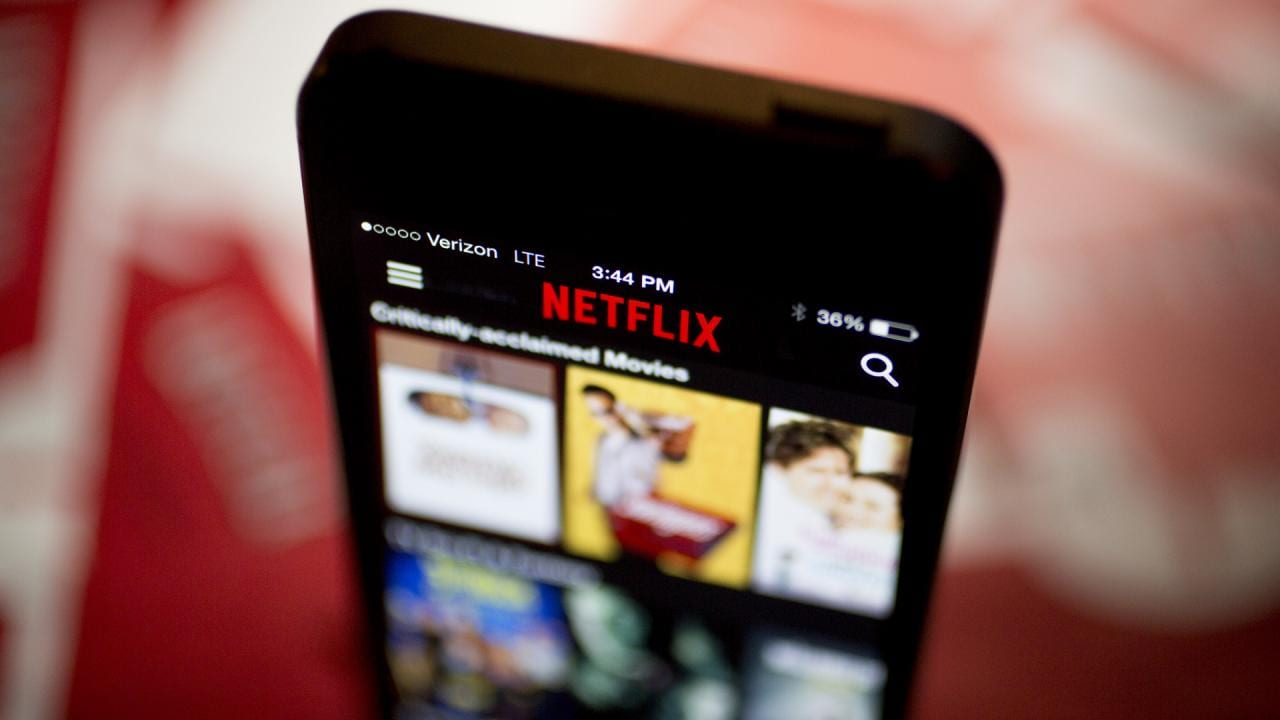
    After adding a couple of mobile games to its free offering since the beginning of the year, Netflix has picked up the pace lately and revealed new partnerships and new games coming to its subscribers soon. After announcing it has teamed up with Exploding Kittens for a mobile game and an animated series, Netflix confirmed that several new mobile games are coming in May.

    Previously without a release date, Exploding Kittens – The Game is now expected to arrive on May 31. Netflix also revealed that future version of the game will have an exclusive expansion pack of cards that will be themed around the Netflix animated series coming in 2023.

    Three other games will be joining Netflix’s mobile games collection on May 24: Dragon Up, Moonlighter, and Townsmen – A Kingdom Rebuilt. All three games are available for free to all Netflix subscribers regardless of what mobile platform they favor.

    To download the new games, Android users must head to the dedicated game tab where they can select which game to download. The same goes for iOS users. According to Netflix, these games should pop up in the Netflix mobile app on the day of release at 10 am PT.

  • Facebook to charge 5 pct tax on Vietnam ads

    Facebook to charge 5 pct tax on Vietnam ads

    Facebook parent Meta will charge a 5 percent value added tax on all Vietnamese advertisements starting June 1 after assuring the government it will fulfill its tax obligations.

    Meta executives last week told Prime Minister Pham Minh Chinh that the company would register and pay tax as a foreign contractor doing business in Vietnam.

    Authorities have been calling for properly taxing tech giants like Meta and Google, pointing out they account for around 70 percent of the online advertisement market but use various means to evade tax.

    They taxed cross-border platforms a total of VND5 trillion ($218.5 million) between 2018 and last year.

  • eBikeGo Completes $5 Million Funding Round, Aims To Raise $25 Million Further

    eBikeGo Completes $5 Million Funding Round, Aims To Raise $25 Million Further

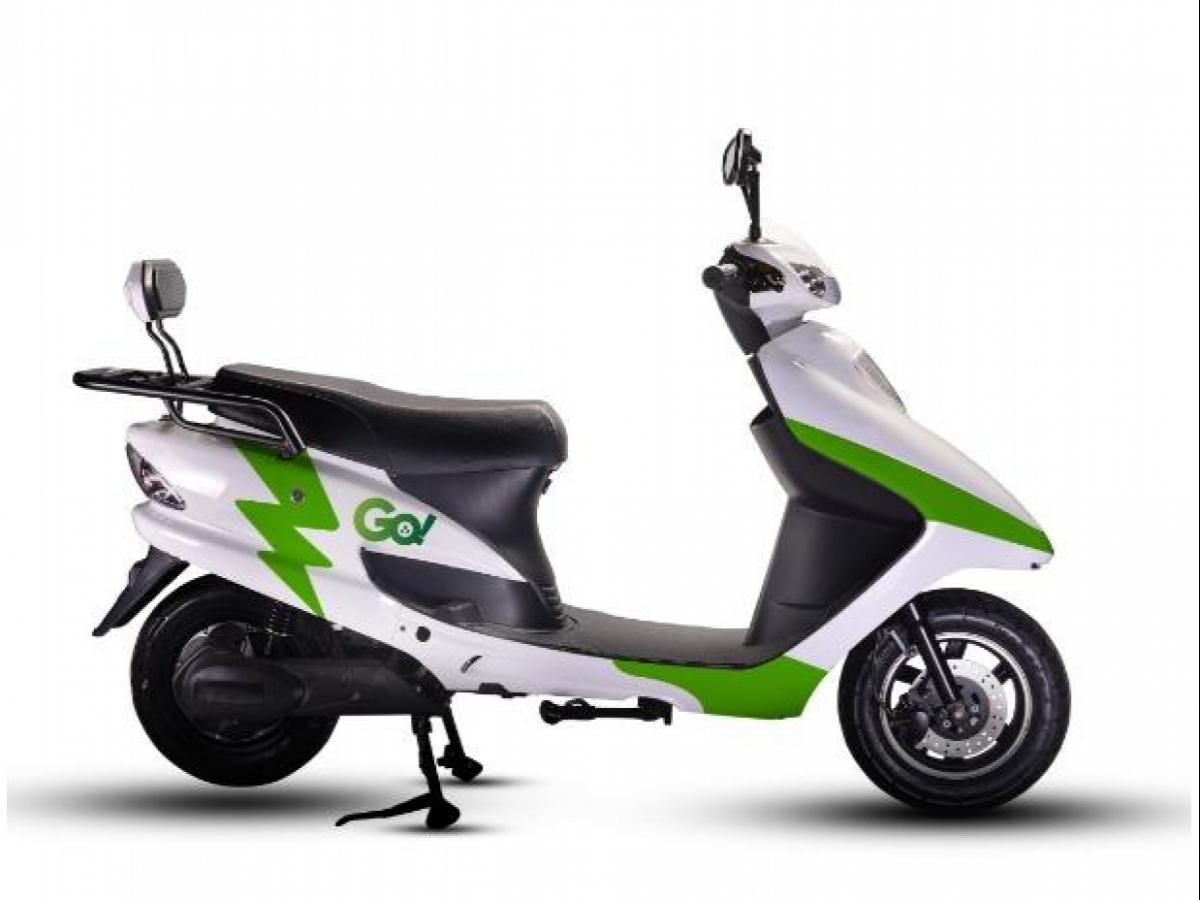
    Electric mobility start-up, eBikeGo, has announced completing a $5 million, or over ₹ 38 crore, funding round. The company recently secured $3.5 million, or over ₹ 27 crore, in a fresh round of funding, which in addition to the $1.5 million, or over ₹ 12 crore, in pre-Series A funding from a combination of overseas and Indian investors, cumulatively standing at $5 million. In fact, the company has announced that it is aiming to raise $25 million, or over ₹ 194 crore, further.

    The latest round of funding comes from Kuwaiti investor Sivaram Juvva and his company Al Tebah for Telecommunications Materials Systems & Devices Company, as well as from Omani investor, Ivor Braganza, and his company Muscat International Project Management & Services LLC. Other investors include some High Net Worth Individuals from the industry.

    Commenting on the latest round of funding, Irfan Khan, Founder & CEO of eBikeGo said, “With this investment, we hope to launch our proven EVs such as Muvi and Velocipedo and have a significant influence on the present status of electric mobility. We as a company are working towards becoming a robust OEM and thus, we aspire to drastically reduce carbon footprint not just in India but on a worldwide scale”.

    Presently active in 7 cities in India, eBikeGo is an electric two-wheeler mobility platform that provides economical and environment-friendly travelling options. To better understand the market, the company says that over the last 3 years it has deployed around 2,000 Electric 2-Wheelers on the B2B platform which were equipped with an AI-based business intelligence unit eBG Matics. With that, the company has gathered 1 Petabyte of data and claims that currently there is no ideal vehicle that caters to the immediate needs of the Indian Market, and the recent fire incidents have led to a setback in the Indian EV space.

    The company claims the solution to this is using LFP batteries, which it claims are more dependable. In fact, eBikeGo is working on a new product line-up for India and has decided to acquire an EV portfolio from Torrot, a Spain-based 70 years old Electric Vehicle Manufacturing company, which owns brands like MUVI and Velocipedo. The company is working on localizing these vehicles as per Indian conditions to produce and market them in India and Europe.

    eBikeGo has meticulously laid out an expansion strategy to set up a massive manufacturing unit, simultaneously beginning production and launching these vehicles and impacting the existing condition of electric mobility, after obtaining funding. The company hopes to launch Velocipedo and MUVI in 2023 with this funding.

  • Apple and Amazon spoke with Electronic Arts about a potential acquisition

    Apple and Amazon spoke with Electronic Arts about a potential acquisition

    Gaming studios are being acquired left, right and center. Microsoft announced in January that it had reached a deal to acquire Activision Blizzard for $68.7 billion and Sony followed a couple of weeks later with a deal to acquire Bungie for $3.6 billion.

    Now, Electronic Arts — the studio behind The Sims, Battlefield, and FIFA — is actively seeking a potential buyer or merger that’ll unlock its full potential.

    NBCUniversal approached Electronic Arts CEO Andrew Wilson shortly after the Microsoft-Activision deal was announced. The idea would be to merge both companies, with Wilson as CEO of the combined entity. It’s claimed that the media and gaming giants negotiated the terms of such a deal over several weeks, and while discussions were advanced, the proposal fell apart within the last month or so.

    This hasn’t dissuaded EA from looking for a merger or buyer, though. In fact, Puck’s report notes that the company has become more determined than ever to reach a deal following Microsoft’s agreement to purchase Activision Blizzard.

    Among the potential suitors Electronic Arts has held talks with are Amazon, Disney, and Apple. It’s unclear how advanced these discussions became, but such a deal could be of significant interest to all three.

    In Apple’s case, acquiring Electronic Arts would grant it access to a huge library of gaming IP that could be used to boost Apple Arcade, position the brand’s upcoming AR/VR headset as a gaming powerhouse, and even give the brand’s Apple TV+ streaming service more IP to play with.

    The situation with Amazon would be quite similar thanks to the Amazon Luna cloud gaming server.

  • Skoda Slavia To Get Smaller Touchscreen In Equipment List Reshuffle

    Skoda Slavia To Get Smaller Touchscreen In Equipment List Reshuffle

    Skoda is set to give the Slavia an update in the coming weeks. As per some dealers we spoke to, Skoda is set to replace the 10-inch touchscreen infotainment system on the higher variants of the Slavia. The 10-inch head unit is set to be replaced by a smaller 8.0-inch unit said to be sourced from Panasonic. While we have not heard back from Skoda officially, the update could be due to the ongoing semi-conductor shortages affecting the automotive industry.

    Additionally, some reports suggest that the top variants are also expected to miss out on wireless charging as well and it remains to be seen if the new unit will support wireless smartphone connectivity. Aside from the equipment update, the Slavia is also set to receive its first price hike next month with the quantum expected to be up to Rs 50,000. The Slavia was launched at introductory prices in India with the hike signifying an end to the introductory pricing period.

    The Slavia has had a strong start in India for Skoda with over 14,000 bookings having been clocked since its launch in late February. The company also reported seeing stronger than anticipated demand for the 1.5 TSI model which has accounted for about 30 percent of overall bookings.

    Skoda’s compact sedan was launched in India in late February 2022 with prices currently ranging from Rs 10.69 lakh to Rs 16.19 lakh (ex-showroom). There are two engine options on offer – a 114 bhp 1.0 TSI unit that is the mainstay of the range and the more powerful 148 bhp 1.5 TSI mill available only in the fully loaded model. Both units come with manual and automatic (DSG for the 1.5 TSI) gearbox options.

    The Slavia goes up against the Honda City, Hyundai Verna and Maruti Ci

  • Snapchat is supposedly developing “Family Center,” its version of parental controls

    Snapchat is supposedly developing “Family Center,” its version of parental controls

    In October 2021, Evan Spiegel, who is Snap’s CEO, teased that Snapchat is planning to introduce parental controls to the platform, which would provide parents with a better understanding of how their children use the app. Now, new screenshots taken by the product intelligence firm Watchful and shared with TechCrunch indicate that Snapchat may indeed be developing such a feature.

    From the pictures, we understand that Snapchat’s parental controls will be called “Family Center” and will enable parents to do several things. First, they will be able to find out who their teen’s friends are by opening their child’s friend list. This is unique because you can’t actually view other people’s contacts on Snapchat.

    Second, it will allow parents to monitor who their teenager has chatted with in the last seven days. However, they will not be able to open and read the chats.

    But in order for all these things mentioned above to happen, teens must first give their consent. Yes, for parents to see what their children are doing on the platform, they will first need to invite them to their “Family Center.” The receiver of the invitation can either accept it or decline it.

    Bear in mind that “Family Center” is currently under development, and the final feature may differ from what’s described here. But even if there are some changes indeed, it’s most likely the feature will look more or less the same. Currently, on Snapchat, minors’ accounts are private and do not appear in search results or as friend suggestions unless they share friends. Also, youngsters must accept each other as friends before they can start chatting.

    According to Snap’s NewFronts presentation to advertisers, the Snapchat app now reaches more than 75% of 13 to 34-year-olds in over 20 countries, and 80 percent of Gen Z (10–25 years) in the United States had watched at least one of Snap’s Original series. Safe to say, parental controls within the app have been long overdue.

  • Microsoft files patent for a phone that folds both ways

    Microsoft files patent for a phone that folds both ways

    When we are talking book-type foldable phones, the market has gone two separate ways. There’s the Samsung Galaxy Z Fold 3 way, where the big display folds in and stays inside the phone’s shell, with a secondary screen on the outside, which you can use for quick operations, a-la “regular smartphone”. Then, there’s the Huawei Mate Xs 2 way, where the display folds on the outward side of the device — so, when folded, you are still using that big screen as your main source for viewing and use.

    Both concepts have their pros and cons, and many find themselves wondering “Do I want an inwards-folding or outwards-folding phone?”. Well, Microsoft would like to ask “Why not both?”.
    A patent was recently filed by the team at Redmond, which outlines a foldable phone with a flap that can go 360 degrees around its hinge — so, it can both fold in and fold out. Yes, the Microsoft Surface Duo 2 can absolutely do this, however, the Duo phones are very obviously 2-screen devices that are bolted together by a hinge in the middle. The patent that was discovered here shows a phone with a seamless screen, from one side to the other.
    That sounds pretty tough — a screen that can fold in and out straight through its middle, and still withstand all that physical strain. Is it even possible?
    Well, as Android Headlines kindly points out, LG recently demonstrated one such display panel. Yes, the same LG that quit the smartphone game is still going strong in other areas, display manufacturing being one of them.
    LG Display was at SID 2022 (Society for Information Display expo) and showed its vision for the future of OLED. A few concept devices were on the show floor — both smartphone- and laptop-shaped ones — with flaps that were able to fold all the way in and out to a 360-degree angle.
    The screens are made with ultra-thin glass technology and have special oleophobic coating that should be at least a bit better at keeping fingerprints away from the glossy screen. So, in theory, this could be the exact tech Microsoft might be planning to use for its outwards-folding phone.
    Will this be the Surface Duo 3? That’s possible. The rumor mill is quite mum on another Surface Duo right now, and it seems Microsoft may be skipping this year in order to refine its foldable concept. So, it’s very possible that we are going to see a high tech Surface Duo 3… a year or two from now.
  • Apple’s VR/AR headset to use standalone design

    Apple’s VR/AR headset to use standalone design

    Apple’s mixed reality headset was recently shown to the company’s board of directors. With mixed reality, the device will support both VR (virtual reality) and AR (augmented reality). The former creates an environment that is all made up while the latter places a layer of data on top of a real-world image. For example, with VR you might find yourself in a room with a large screen television that you can use to play video games.
    The thing is, this room does not exist and neither does the television set. You’ll see it only when you have your mixed reality headset on. Augmented Reality (AR) is currently used on Google Maps. With Live View, the camera on the back of the phone sends images to the display that shows you where you are while arrows are superimposed on the screen showing you which way to turn and pointing out famous landmarks that you’ll be walking past.
    By the time the decision was made to go with the standalone headset, the device’s multiple chips had already been in development for several years. This made it impossible for Apple to start from scratch and go back to the drawing board to produce a single chip to handle all the capabilities of the headset. Other issues have created headaches for hardware and algorithm engineers such as many as 14 cameras on the device.
    The report also delves into former Apple design chief Jony Ive’s continued work on the project which has continued long after Ive left Apple. While Ive prefers a wearable battery for the mixed reality headset (“the best Apple mixed reality headset yet,” as Ive might have said on the new product video), prototypes of the device reportedly have the battery hidden inside the headband of the VR headset.
    Still, it is not known where the battery will be found in the final design of the device. We do expect the headset to use a new operating system called realityOS which was a name we first heard used in conjunction with Apple headgear years ago.
    The mixed reality headsets check off a few flattering and unflattering boxes. Expensive? The price could be above $3,000 and include as many as a dozen cameras to help track hand and head movements. There could be two 4K micro OLED displays and an AMOLED low-resolution display for peripheral vision. Analyst Ming-Chi Kuo says that Apple does not pigeon-hole the device as a gaming platform and that it will sport the best industrial production to date.
    Bloomberg’s Mark Gurman wrote, “Gaming should be a strong focus of the machine, especially given that it will have multiple processors, a fan, extremely high-resolution displays, and its own App Store. Look for Apple to position the device as a dream for game developers. Next, media consumption. I expect Apple to work with media partners to create content that can be watched in VR on the device. Third, communications. Look for Animojis and a VR FaceTime-like experience to be the new-age Zoom.”
    And a few years after the mixed reality device is released, Apple is expected to launch what many have been expecting to be its next big product replacing the iPhone, Apple Glass. With a design that resembles traditional glasses, Apple Glass would allow users to employ AR to see data through their glasses as they go about their average day.
    At Google I/O last week, Google showed off a pair of smart glasses that looked nothing like Google Glass, the device that helped coin the phrase “glass holes.” The glasses displayed at the event allow a user to slip one on and instantly engage in a conversation with someone speaking another language. If Apple and Google can prove the worth of using smart glasses for this type of content (which would also benefit the hard of hearing) instead of recording copies of first-run movies and selling bootlegged copies of them, then AR glasses could very well be the next big thing.


     

  • VN-Index starts off week in red

    VN-Index starts off week in red

    Vietnam’s benchmark VN-Index continued to fall Monday with a 1.77 percent decline to 1,218.81 points, with most blue chips in the red. The index started off in the green but plunged in the afternoon and closed almost 22 points lower after losing nearly one point Friday. Trading on the Ho Chi Minh Stock Exchange (HoSE) increased by 7 percent to VND13.33 trillion ($579.56 million).

    The VN-30 basket, comprising the 30 largest capped stocks, saw 27 tickers dropped. SSI dropped 6.85 percent, continuing to fluctuate around its one-year low level.

    It was followed by five banks, with STB of Ho Chi Minh City-based lender Sacombank losing 5.8 percent TPB of private TPBank falling 4.5 percent. Other losers included MSN of conglomerate Masan Group, VNM of dairy giant Vinamilk and HPG of steelmaker Hoa Phat Group. BVH of insurance company Bao Viet Holdings was the only ticker that bucked the trend by rising 1.2 percent.

    Foreign investors were net sellers for the third straight session to the tune of VND439.11 billion, mainly selling SSI and VIC of biggest private conglomerate Vingroup.

    The HNX-Index at the Hanoi Stock Exchange, where mid and small caps list, was down 2.07 percent while the UPCoM-Index at the Unliste

  • Cryptominers unplug rigs as bottom falls out of market

    Cryptominers unplug rigs as bottom falls out of market

    Cryptominers are powering down operations, even selling equipment, as cryptocurrency prices continue to plummet. Nguyen Binh, a cryptominer in the southern Dong Nai Province, said his rigs can mine almost one Ethereum (around $2,000) a month, but hardly breaks even.

    “Electricity bills have taken away half of what I earned. With depreciation and operation and maintenance costs, I am losing money.

    “If prices of Bitcoin or Ethereum (the two largest cryptocurrencies) cannot recover in the next few months, more miners will have to shut down their machines.”

    He estimated that miners are losing 30-40 percent on selling graphic processing units, a key component in mining.Minh Nghia, administrator of a mining group, said some miners have disassembled their rigs to resell but are unable to find buyers despite falling prices.

    “Some told me they sold all their hardware and tokens but still cannot recoup their losses.

    “Financially independent miners can keep mining and wait until prices increase, but those who borrowed are finding themselves in hot water: They either sell their equipment and suffer losses or keep mining and cannot pay electricity bills and interest.”

    Experienced miner Tan Ha said many have unplugged their rigs.

    “GPUs, like other electronic devices, have a certain lifespan. It is not ideal to keep them running amid a plummeting crypto market, and so some miners choose to power down operations until prices recover.

    He said there is a high chance that prices might not recover for a long time.

    Bitcoin, the largest cryptocurrency by market cap, has fallen to $28,720 on May 18, the lowest in two years and down by half compared to its all-time peak of over $68,000 last November.

    Meanwhile, cryptocurrencies overall have lost nearly $800 billion in market value in the past month, according to data site CoinMarketCap, as investors fret about tightening monetary policy.

  • Vietnam Airlines posts $113 mln Q1 loss

    Vietnam Airlines posts $113 mln Q1 loss

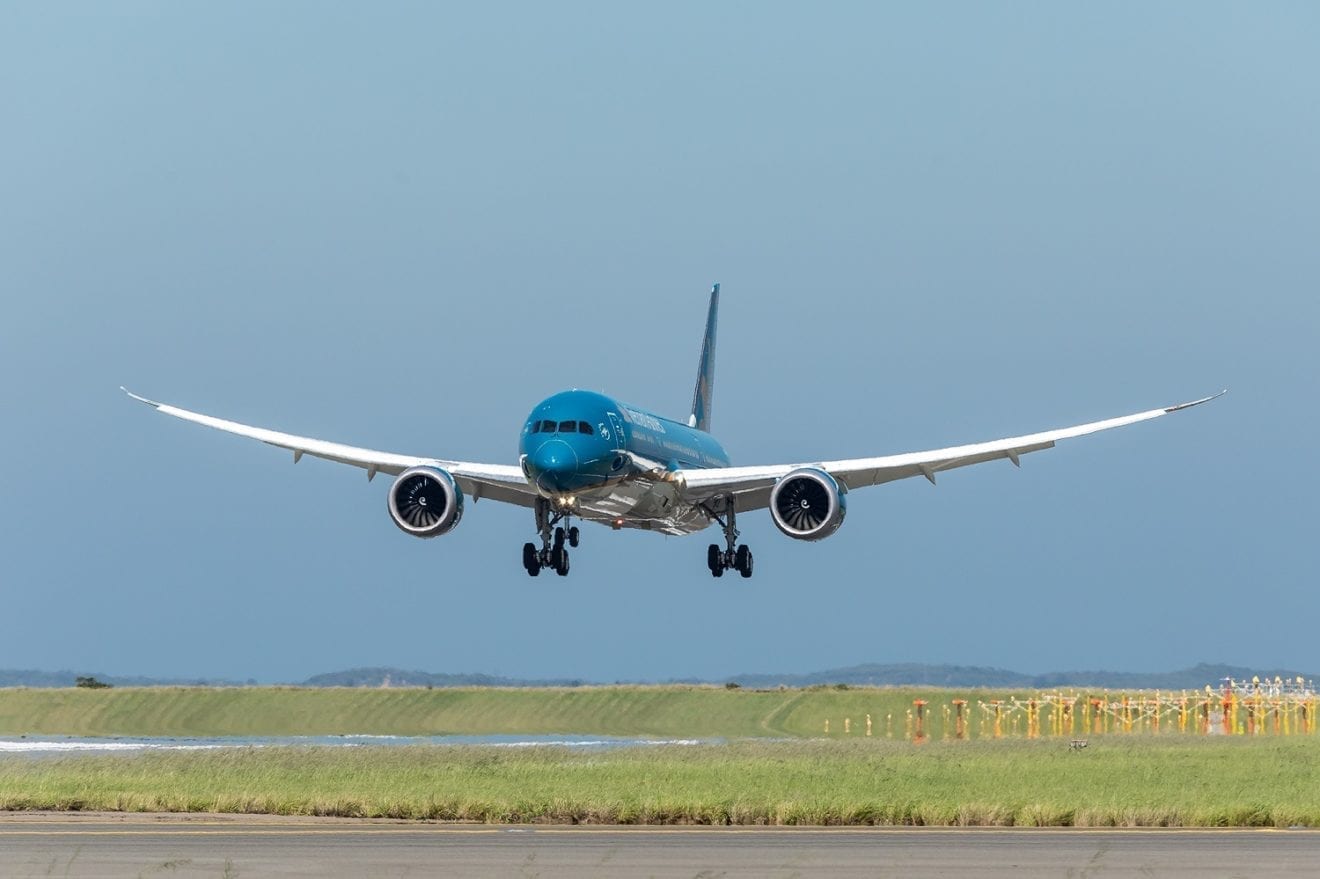
    Vietnam Airlines remained in the red in Q1 despite revenues rising to a two-year high, with net losses of VND2.62 trillion (US$113.1 million). Revenues were up 55 percent year-on-year to VND11.6 trillion, the highest since 2020, when Covid-19 started to cripple the aviation industry.

    But it reported a ninth consecutive quarterly loss, with a total gross loss from the sales of products and services of around VND1.6 trillion due to higher costs. Fuel, for example, cost VND465 billion more than budgeted and accounted for 30 percent of transport costs.

    The carrier said the results clearly reflected the impact of Covid on the aviation industry despite the relatively quick recovery by the domestic market. Meanwhile, international services remain in limbo, and the Russia-Ukraine crisis has driven fuel prices up sharply.

    As of March 31, Vietnam Airlines’ accumulated losses were VND24.5 trillion, some VND2.16 trillion higher than its charter capital. The management said the airline could “basically maintain its liquidity until this year-end” based on the expected recovery by the industry.

    But it also sought the government’s support to ensure liquidity and seeks to accelerate the restructuring of subsidiaries and associates.

  • UBS to Launch Banking App in Singapore

    UBS to Launch Banking App in Singapore

    UBS will soon be launching a new app in Singapore, CEO Ralph Hamers announced. UBS CEO Ralph Hamers announced that the world’s largest wealth manager will launch its Circle One digital product in Singapore on Tuesday. If successful, the new app which is designed to connect investors with ideas in a global ecosystem could be used in other markets.

    The offering is the latest digital effort from UBS, having launched its Key4 initiative last week.

    Hamers also commented on the financial markets during the interview at the World Economic Forum in Davos, noting investors are inclined to stay at the moment, given the market volatility. While clients are not necessarily exiting the market, they’re not exactly investing either, noting they are more or less sidelined and waiting for things to clear up, he said.