Tag: asia

  • Twitter will start testing its long-anticipated downvote feature globally

    Twitter will start testing its long-anticipated downvote feature globally

    Downvoting on Twitter has been in testing since summer last year, and the feature is now finally expanding for testing to more users. The button will be available to a select group of users around the world, as the company seems to have received positive feedback about the feature since the initial testing performed last July.

    Twitter said in a post that the company has learned a lot about the types of replies that users don’t find relevant, based on the feedback from the initial testing period. Now, the test will be expanded to the web, as well as both iOS and Android users.

    The number of downvotes a reply to a tweet gets will not be visible to the public; however, users will be able to see how many downvotes they got on a reply they published. During the first testing period, Twitter had made available several different versions of downvoting. For example, some users had both upvote and downvote buttons, while others had a downvote button next to the heart option.

    A third version of the test had thumbs up and thumbs down to indicate upvoting and downvoting. Twitter has not said whether the global tests will have the same options.

    According to Twitter, the majority of users have downvoted because a reply has been perceived as offensive, not relevant, or both. Additionally, downvoting has also become a convenient way to flag content you don’t want to see, according to the social media giant.

    But Twitter is a bit late to the party. For example, Reddit has used downvotes since it started back in 2015. Facebook, on the other hand, has tested downvotes in 2018, but the feature never made it to an official global release. On the other hand, Instagram has an option for users to hide likes if they wish to.

    Twitter Safety stated that so far, the experiment with downvoting has been a positive experience and that people who had tested it said that it improves the quality of conversations on the platform.

    It’s not only downvoting that Twitter has been recently working on. The social media platform has been busy performing tests on different features bound to improve the experience users have when visiting Twitter and socializing with others on the platform.

    The most recent feature that we reported on is reportedly dubbed Articles, and it could allow users to create blog-like posts on the platform that don’t suffer from the 280-character limit. The feature seems to be in the works and was discovered by reverse engineer Jane Manchun Wong.

    Another interesting feature that Twitter seems to be working on is called Tweet Take, which would allow you to use your camera to add a video or photo reaction to your retweets. When you tap on the retweet button, you would be able to activate your camera to record your reaction, which will then be displayed on the timelines of your followers with the tweet embedded in it.

    Currently, this feature is in its testing period, available to select iOS users.

    On top of that, Twitter is also testing a new composer bar, which will be located above the bottom navigation bar, and its aim is to replace the floating compose button, so that adding photos, videos, and starting a Space conversation can become easier. This feature is again up for testing on iOS (selected users).

    And last but not least, recently we reported on the fact that Twitter will be changing its “Trusted Friends” feature (still in development) into a feature dubbed “Flock”. A Flock can contain up to 150 people.

  • Cebu Pacific says more domestic destinations ease travel requirements

    Cebu Pacific says more domestic destinations ease travel requirements

    Airline Cebu Pacific said a number of local destinations were open to leisure travelers and no longer required COVID tests for fully vaccinated individuals.

    In a statement, Cebu Pacific said the 19 destinations were: Bohol, Boracay, Butuan, Camiguin, Cagayan de Oro, Cebu (Cebu City and Mandaue City), Clark, Maguindanao Province, Davao, Dumaguete, General Santos, Iloilo, Legazpi, Manila, Naga, Ozamiz, San Jose, Tacloban, and Tuguegarao.

    “This is a welcome development, and we appreciate the various local government unit’s efforts to further ease travel for everyJuan, especially for fully vaccinated individuals,” said Xander Lao, chief commercial officer at Cebu Pacific.

    “This will jumpstart the return of tourists and pave the way for the recovery of the local tourism industry, which we are also ready to support with a ramp-up in flight frequencies as needed,” he added.

    According to Cebu Pacific, LGU requirements may include vaccination certificates, vaccination cards, government-issued IDs, travel permits from S-Pass, confirmed accommodations, and registration to specific contact tracing applications.

    It noted that Butuan and Cagayan de Oro require fully vaccinated travelers to simply upload their vaccination status via S-Pass.

    For Legazpi, fully vaccinated travelers must report to their LGUs for symptoms screening and profiling. Traze app must also be downloaded.

    Clark requires travelers to present a valid ID and any travel document required by the LGU while Cebu province, Lapu-Lapu City and Davao do not require arriving fully vaccinated guests to present any travel documents for entry.

    A person is considered fully vaccinated two weeks after the second dose in a two-dose series, or after receiving a single-dose vaccine, Cebu Pacific said.

  • Credit Suisse Securitizes Yachts With Derivatives

    Credit Suisse Securitizes Yachts With Derivatives

    Credit Suisse used complex derivatives to offload the risks of billions in loans to oligarchs and tycoons to hedge funds.

    Credit Suisse securitized a portfolio of loans linked to the yachts and private jets of its wealthiest clients using derivatives, allowing the bank to offload the risks from lending to ultra-wealthy oligarchs and entrepreneurs. The loans amounted to about $2 billion.

    The securitization was handled by a unit in the bank which had been sanctioned previously. Due to the unusual collateral underlying the securitization, it offered an interest rate of more than 11 percent to attract hedge funds to the $80 million transaction, the report said, citing an investor presentation.

    The presentation revealed that a third of the 12 defaults on its yacht and aircraft loans in 2017 and 2018 were related to US sanctions against Russian oligarchs. Earlier press reports said that oligarchs Oleg Deripaska and brothers Arkady and Boris Rotenberg had to cancel their private jet leases with the bank.

    The Swiss bank, which only began lending to yachts in 2014, has expanded the business with outstanding loans topping $1 billion last year.

    In a statement sent to finews.com,  Credit Suisse said:  This synthetic risk-weighted asset transfer, which priced in line with other significant risk transactions, offered competitive investment and hedging terms for our professional investor clients while increasing the capital flexibility of the bank.

  • Meta warns that it’s possible to shut down Facebook and Instagram in Europe

    Meta warns that it’s possible to shut down Facebook and Instagram in Europe

    Meta, formerly known as Facebook, has warned that it may need to shut down its Facebook, Instagram, and other products and services in Europe if it is unable to process user data on both US-based and Europe-based servers. The warning comes after a change in European laws requiring users’ data to be kept and processed on only European servers.

    In a report to the US Securities and Exchange Commission, Meta stated that the data transfer between countries or regions is ‘critical’ to its ‘operation.’ Meta also shared its fear that if it’s unable to transfer data between the US and countries in Europe, it could impact the way it currently provides its services and its ability to target ads.

    Europe has Standard Contractual Clauses (SCCs) for international data transfers. As Meta stated in its report, in August 2020, it received a draft decision from the Irish Data Protection Commission (IDPC), which stated that Meta’s data transfers between the US and Europe are against the General Data Protection Regulation (GDPR) and must be suspended.

    Although the decision by the IDPC was only a draft, Meta suspects that a final decision may be issued in the first half of 2022. According to the company, if it can’t rely anymore on the SCCs and if a new data transfer framework is not introduced, its fear will become a reality, and it won’t be able to offer many of its products in Europe, Facebook and Instagram included. This, like Meta said, ‘would materially and adversely affect’ its business and financial condition.

    At this moment in time, Meta’s warning is only a possible future, and it doesn’t mean it will ever happen. But let us know what you think. Do you think that Meta may indeed shut off its Facebook and Instagram platforms in Europe, or do you think that these are only empty words?

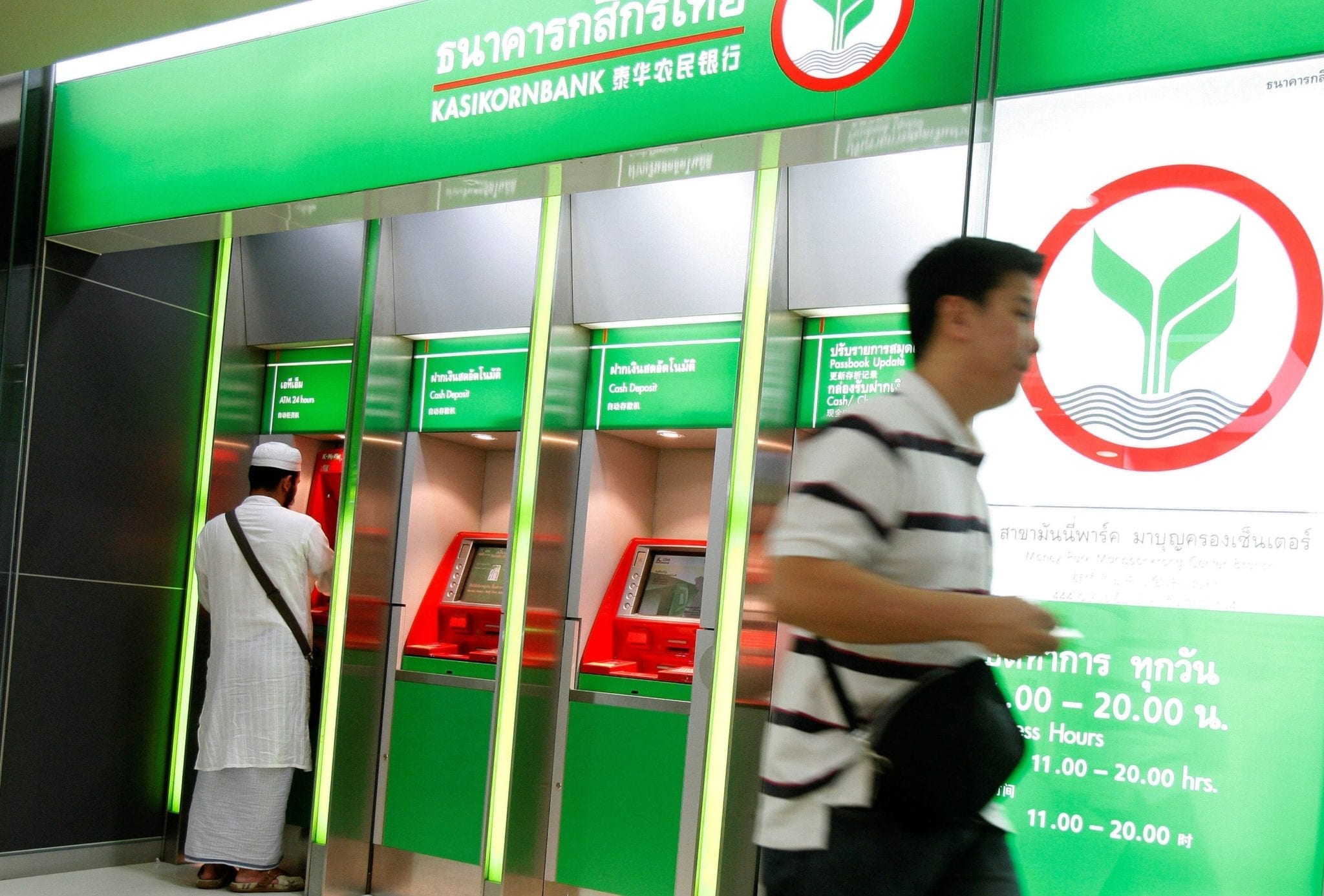
  • KBank earns S&P Global Sustainability Award with Gold Class distinction

    KBank earns S&P Global Sustainability Award with Gold Class distinction

    Kasikornbank (KBank) has risen to the forefront as a world-class Bank of Sustainability after it was awarded the prestigious S&P Global Sustainability Award with Gold Class distinction in recognition of its distinctive performance that has harmoniously integrated environment, social and economic/governance (ESG) aspects into its operations. The Bank has also demonstrated its commitment to developing its work in response to challenges and opportunities balanced across all dimensions.

    Ms. Kattiya Indaravijaya, KBank Chief Executive Officer, said that with our belief in the principles of a Bank of Sustainability under good corporate governance, appropriate risk and effective cost management, KBank has focused on a balance in our business operations across all three dimensions, i.e., the economy, society and environment. We are committed to elevating our standards of sustainable operations, as evidenced by our participation in both national and international assessments.

    KBank is the first and only Thai bank to be selected for inclusion in the Dow Jones Sustainability Indices(DJSIfor the sixth consecutive year. In the latest development, the Bank has won an S&P Global Sustainability Award, earning the prestigious S&P Global ESG Score with Gold Class distinction – the highest level in the global banking industry.S&P Global has assessed 7,554 leading companies worldwide which are members of the Dow Jones Sustainability Indices (DJSI). Of this number, 71 banks have been selected to be included in the Sustainability Yearbook 2022, with 3 banks earning Gold Class distinction; 14 banks, Silver Class; and 9 banks, Bronze Class.

    In considering the award, S&P Global has assessed KBank’s operations in three dimensions, as follows:

    In terms of the economy/corporate governance, S&P Global has assessed KBank’s operations, with the weight given to economic operations at 55 percent. The assessment shows that KBank has sound corporate governance operations, plus the best crisis and risk management, as well as anti-financial crime policies and measures compared to related operations of other banks worldwide. Additionally, KBank has created value from the efficient use of numerous resources, including financial data and technologies, while also collaborating with its business partners in various ecosystems with the aim of developing innovations and services to generate sustainable returns and meet the customers’ lifestyle and business needs during both the COVID-19 crisis and ‘new normal’ period in a sustainable manner.

    In terms of the society, S&P Global has assessed KBank’s operations, with the weight given to social contributions at 32 percent. The assessment shows that KBank has the best human rights operations, plus management of CSR activity, occupational health and safety, financial inclusion, and disclosure of social data compared to related operations of other banks worldwide. Moreover, KBank has promoted sustainable society by developing platforms for the provision of financial literacy and various skills to meet the lifestyle needs of the new era. Notable endeavors include the launch of Klasssi and AFTERKLASS platforms, and other CSR activities that are intended to maintain and foster cordial relations with communities under the ‘Tham Di Tham Dai’ (Employee Volunteer Hours) project.

    In terms of the environment, S&P Global has assessed KBank’s operations, with the weight given to environmental operations at 13 percent. The assessment shows that KBank has the best reporting system for environmental data compared to related operations of other banks globally. Under its environmental operations, KBank has announced its Net Zero Commitment.  

    Along with this, the Bank has developed its climate change strategies by making necessary adjustments to the Bank’s operations in order to reduce greenhouse gas (GHG) emissions and promote awareness of climate change among customers, businesses and the society as a whole. Such strategies should enable shifts in consumer behaviors, improvement of production processes, reduced energy consumption, and creation of real changes in alignment with this urgent agenda of the global community.

    Ms. Kattiya said in closing that with our belief in the principles of a Bank of Sustainability, KBank focuses on elevating our work standards, accounting for the environment, society and governance. This can be achieved through the development of environmentally friendly financial products and services in order to support our customers on their decarbonization journeys, and aid the Thai society in the transition to a net zero economy. Furthermore, the Bank aims to provide retail customers improved access to financial services in order to generate sustainable value for all stakeholders, and pass a sustainable world on to future generations.


  • Cettire leaps into China, partnering with JD

    Cettire leaps into China, partnering with JD

    Online luxury fashion platform Cettire said it has penned a new deal to enter mainland China through a partnership with e-commerce giant JD.com, sending its shares up by more than 21 percent.

    Mainland China is expected to be the world’s largest market for personal luxury goods by 2025, representing around 25 percent of the $600 billion global markets.

    Cettire believes this is a $150 billion potential market opportunity for the group that sells luxury bags, clothing, and shoes for adults and children, and is making a push into the beauty segment.

    On Monday, Cettire shares jumped 21.79 percent to $2.85 each, clawing back nearly all of last week’s major slide lower, and pushing its market capitalization up over $1.1 billion.

    Chief executive and founder Dean Mintz said China represented a “vast” opportunity given the market size for personal luxury goods and the importance of e-commerce.

    Cettire’s brands ranging from Balenciaga to Burberry will be available to mainland Chinese consumers during the second half of the calendar year 2022.

    “Our entry into China is a significant milestone towards our goal of being the world’s largest luxury destination,” Mr Mintz said.

    “China represents a vast market opportunity, and it is core to our strategy to make our world-class proposition available to additional markets. Today’s announcement is another step in our strategic journey to achieve this goal.”

    E-commerce platform JD.com has 550 million active customers and is China’s largest online retail platform, with 745.8 billion yuan ($1.66 billion) in revenue in fiscal 2020. JD.com is a supply chain-based technology and service provider to help brands and partners drive sales.

    Through the Cettire partnership, Chinese consumers will have access to 1700 luxury brands and post-sales support, the company said.

    JD.com will help to drive traffic, brand awareness and accelerate growth for Cettire in China, with scope for Cettire to leverage JD.com’s extensive local logistics capability, which provides one of the largest fulfillment infrastructures globally.

    In late 2021, Cettire hired local Chinese engineers in mainland China to support the development of website features specific to China and Chinese speakers globally – including launching Chinese language websites to all Cettire’s existing markets.

    Cettire holds no inventory of its own, with products ordered via its website, and sent from third-party suppliers. Cettire’s fulfilment is fully automated.

    Unlike larger rival Farfetch, Cettire has only flagged one direct brand relationship with Italy’s Staff International. Brands like Gucci (owned by French-based multinational Kering) have no say on the pricing of its products on Cettire’s marketplace. Cettire has also geoblocked French and Italian IP addresses, making it more difficult for such fashion houses to see where product is coming from.

    Cettire was advised by Highbury Partnership on the deal.

  • Switzerland’s Fastest Growing Neobank

    Switzerland’s Fastest Growing Neobank

    A neobank that doesn’t exist in Switzerland is its fastest-growing and has the most clients.

    Revolut is Switzerland’s fastest growing Neobank among the eight actors in the country, the results of a survey, revealed Friday.

    Moreover, the bank has the most clients in the country which is amazing for a neobank that doesn’t actually exist in Switzerland, the report said.

    While leading in the growth and customer base rankings, Revolut was ranked fourth by MoneyToday readers behind Yuh, Neon and FlowBank.

    Neobanks are fintechs providing mostly digital online banking services without holding a banking license themselves. In order to operate, they need to partner with a bank that has does; in Revolut’s case, this is Credit Suisse.

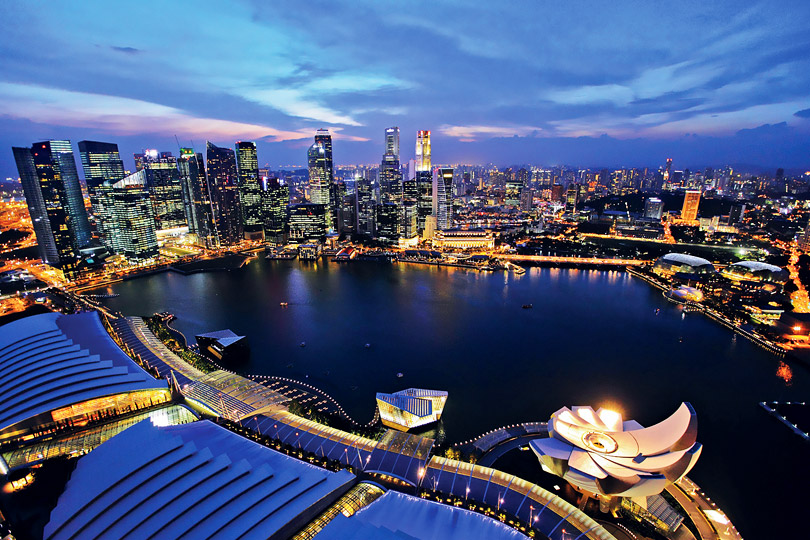
  • Strong end to the year for Singapore retail sales

    Strong end to the year for Singapore retail sales

    Retail sales in Singapore will continue to see modest growth in December as well as in the first quarter of 2022 on the back of increased mobility, according to a report by RHB.

    RHB said retail sales in Singapore have been on an uptrend since July based on the three-month moving average.

    “Retail sales are anticipated to rise in the year ahead as domestic demand continues to recover amid the pick-up in overall business activities. This is also aided by the expected improvement in the labor market in 2022 as the unemployment rate steadily falls, with the latest monthly print of 2.6% for October,” RHB said.

    It said that fluctuations in sequential readings may occur due to year-end demand increase, particularly on spending in the discretionary industries.

    The Department of Statistics Singapore reported that retail sales for November 2021 inched up 1.9% year-on-year (YoY), reaching a value of $3.7b, whilst food and beverage sales climber 0.6% YoY in November 2021 reaching $706m.

    Travel restrictions in Singapore are also expected to occur gradually in 2022 which will increase visitor arrivals and support spending on retail sales especially in the second half of the year, RHB said.

    However, it said that the new strains of the coronavirus may slightly delay the re-opening of borders and easing of restrictions.

  • Breitling unveils Seoul flagship with a cafe and its first restaurant

    Breitling unveils Seoul flagship with a cafe and its first restaurant

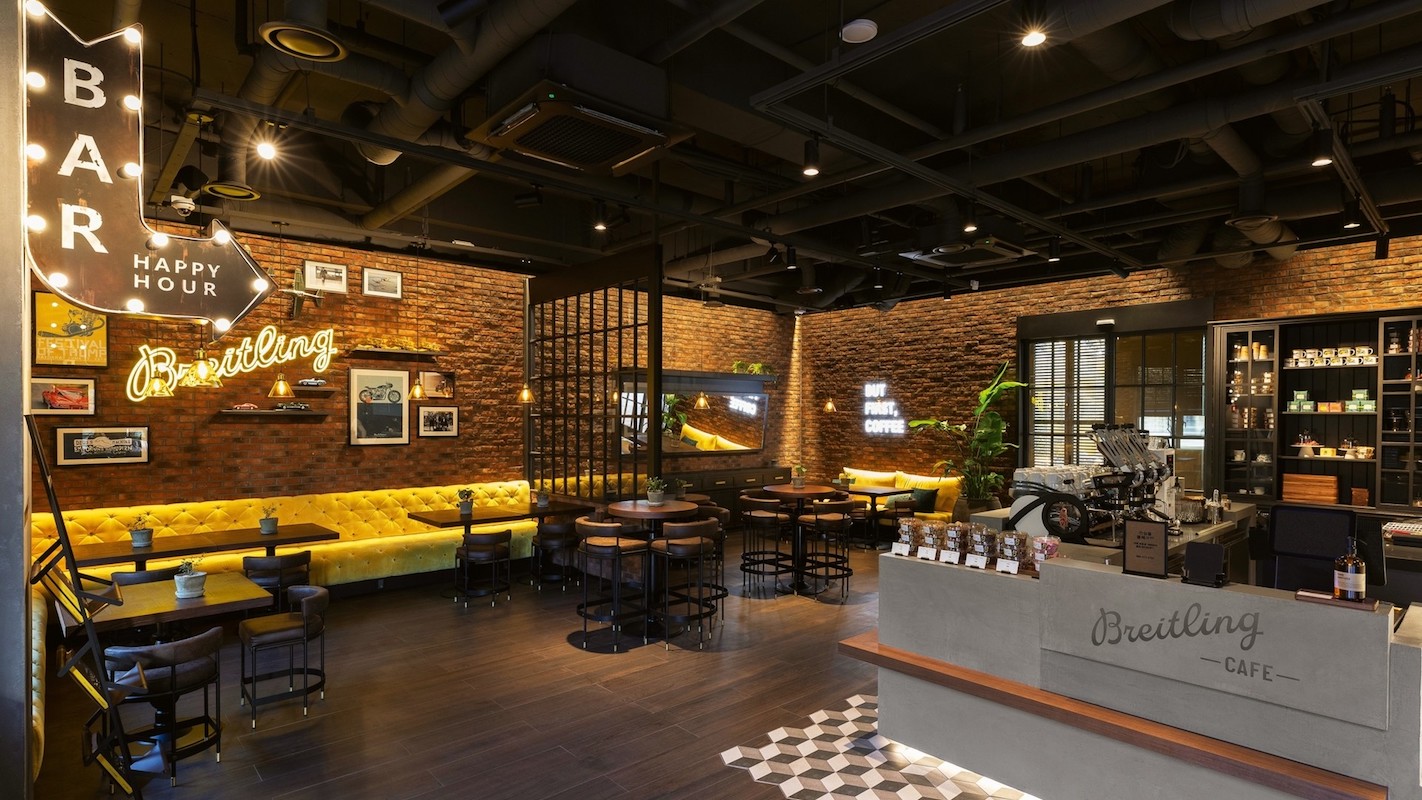
    Breitling opened its largest flagship, the 8,000-square-foot Breitling Townhouse Hannam. Located in the fashionable Hannam district of Seoul, South Korea, known for its international embassies and luxury fashion flagships, the space combines retail with a Breitling Café, terrace, and the first-ever restaurant, Breitling Kitchen. The Breitling Townhouse’s combination of retail with food and beverage will make it a top destination in this vibrant area.

    All Breitling boutiques are designed as chic industrial lofts that combine vintage decor with streamlined contemporary design for a modern-retro feel. A second recurring motif is “air, sea, and land” – the three universes that the Breitling watch families were developed for. In the Breitling Townhouse Hannam, these design themes are very prominent.

    The flagship boutique is a 2,000-square-foot retail space that has Breitling’s latest watch collections on display in an aviation-lounge-inspired atmosphere. The brand’s newest flagship is also home to Breitling Equipment – a shop-in-shop that carries tools and accessories inspired by Breitling’s universes.

    Breitling Kitchen is the brand’s first-ever restaurant led by chef Kim Hyeong-Kyu. Guests can choose from seating zones themed by air, sea, and land or reserve a private dining room in the Breitling universe of their choice. Breitling Café is an inviting street-level coffee shop that serves a well-crafted selection of specialty coffees, freshly baked goods, and fine patisseries.

    Customers and visitors can also enjoy an outdoor seating area that serves as both an extension to the café and private event space. Vintage Corridor is a walk-through heritage experience that tells the Breitling story with interactive displays.

    This opening gives a clue at what to expect from Breitling as a leader in the neo-luxury space.

  • StarHub and Chubb partner to safeguard customers against online risks

    StarHub and Chubb partner to safeguard customers against online risks

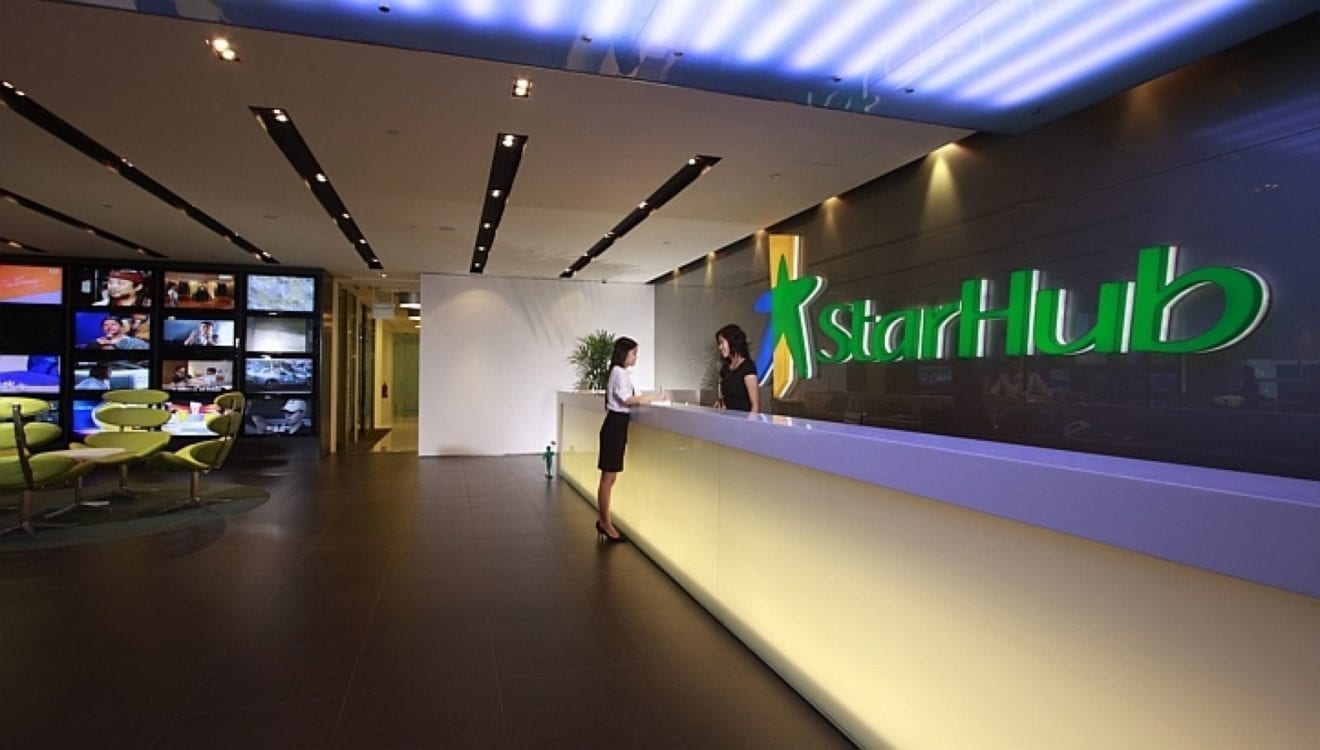
    Digital service provider to help customers mitigate the impact of online risks, StarHub and Chubb Insurance Singapore Limited (Chubb) have introduced CyberCover, a cyber protection policy designed to provide financial support for StarHub mobile and broadband customers affected by cyber-bullying, identity theft, unauthorized transactions, and undelivered or discrepancies in online purchases.

    With CyberCover, cyber protection, traditionally offered to only enterprises, has now become accessible and affordable for all consumers, providing individuals and families with financial support in the event of cyber threats.

    “Boldly embarking on DARE+ to be the digital service provider with the most enriching experiences for our customers, we are taking a leap towards offering much-needed services that complement our mobile and broadband subscriptions as well as our best-in-class network,” said Johan Buse, chief, consumer business group, StarHub. “Cybercrimes are on the rise, and as the cases strike closer to home, we want to give our customers peace of mind, knowing that StarHub will be there to help them get back on their feet during difficult times. Following the recent launch of our CyberSecure Business Solution to safeguard enterprises, we are now pleased to work with Chubb to extend a safety net to our customers, empowering them to do more of what they love without feeling threatened by dangers online.”

    Chubb’s country president for Singapore, Kevin Bogardus said, “The COVID-19 pandemic has prompted an increase in digital consumption – users are spending more time on social media platforms and consumers are engaging more in digital payments. As digital footprint goes up, so does the likelihood of cyber risk exposure. We are very excited about our partnership with StarHub to offer CyberCover. It is through this personal protection solution that we want to provide StarHub’s customers and their family members with practical support in the face of cybercrimes.“

  • Manufacturing continues recovery

    Manufacturing continues recovery

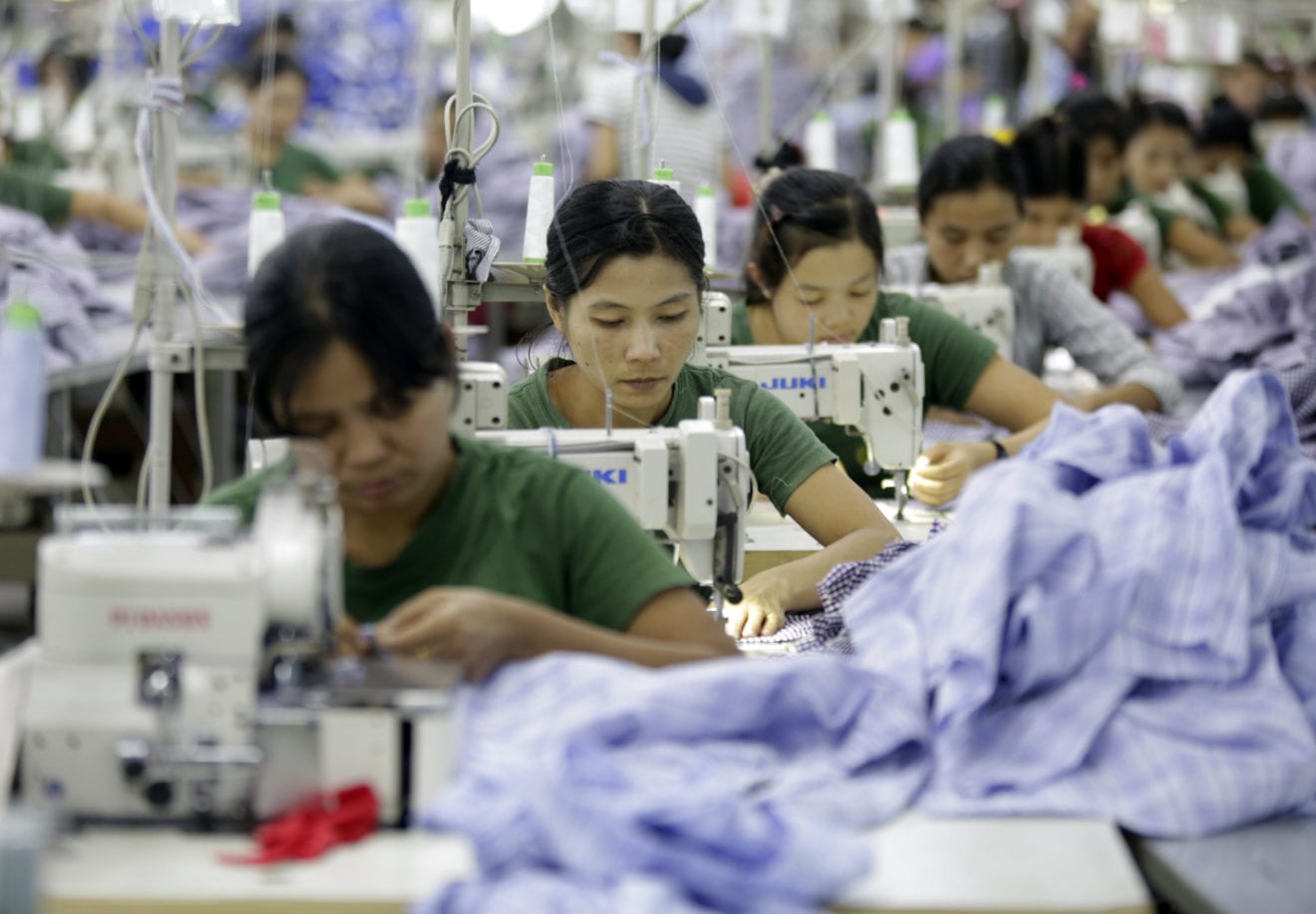
    Vietnam’s purchasing managers’ index rose to 53.7 in January 2022 from 52.5 in December, marking the highest growth since last April. The new index also points to the fourth straight month of growth, according to a report by U.K. research company IHS Markit. IHS Markit Vietnam Manufacturing Purchasing Managers’ Index measures the performance of the manufacturing sector and is derived from a survey of 400 companies.

    The index is based on five individual indexes with the following weights: new orders (30 percent), output (25 percent), employment (20 percent), supplier delivery times (15 percent) and stock of items purchased (10 percent), with the delivery times index inverted so it moves in a comparable direction.

    A reading above 50 indicates an expansion of the manufacturing sector compared to the previous month; below 50 represents a contraction; while 50 indicates no change.

    Both output and new orders increased at sharper rates in the opening month of the year as customer demand continued to improve. In each case the rate of expansion was the sharpest in nine months. Total new orders were supported by a further improvement in new business from abroad, with the rate of growth quickening to the fastest since November 2018, IHS Markit stated in its January report for Vietnam.

    Firms were also increasingly confident in the year-ahead outlook for production, although optimism depends to some extent on the pandemic being brought under control. Around 60 percent of respondents predicted a rise in output, with overall optimism the strongest in over three years.

    There were further signs inflationary pressures have become less pronounced than seen through much of 2021. Input costs increased at the second-slowest pace in seven months, while output price inflation eased to the weakest since last September.

    According to respondents, a key factor behind rising input costs was higher charges for freight and international shipping. Problems with shipping and ongoing disruption caused by the pandemic mean supplier delivery times continued to lengthen at the start of the year.

    A second successive rise in employment was recorded in January as firms continued to rebuild workforce numbers following the Delta wave of the pandemic in 2021. The rate of job creation picked up from that seen in December but remained only modest as some staff were off work with Covid and others had yet to return from their hometowns.

    Commenting on the latest survey results, Andrew Harker, Economics director at IHS Markit, said: “Vietnamese manufacturers made a positive start to 2022, with the absence of any widespread restrictions meaning that the sector was able to grow despite relatively high Covid-19 case numbers. Firms were also increasingly confident about the year-ahead outlook.

    “The pandemic continues to impact the sector, however, most notably through staff absences, while the possibility of sharply rising case numbers due to the Omicron variant could lead to even more disruption,” he said. A further headwind remains issues with shipping, which affected deliveries from suppliers and the ability of firms to deliver to customers, as well as adding to cost burdens.”

  • Vietnam stock market makes bright start after Tet holidays

    Vietnam stock market makes bright start after Tet holidays

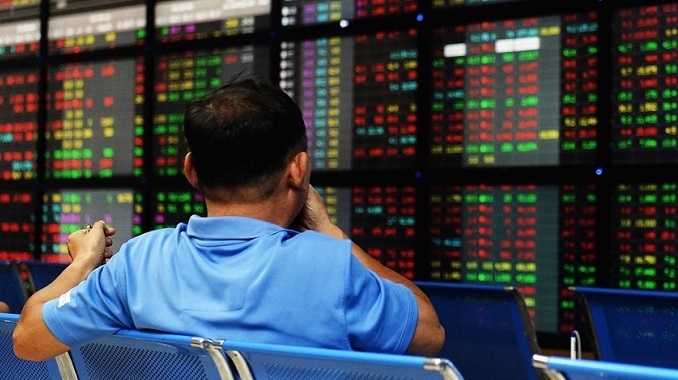
    The VN-Index began the new lunar year with a 1.5-percent jump Monday morning, led by aviation and energy stocks. It gained 22 points to 1,503 points at 11.20 as the market reopened after the nine-day Tet break, reaching a near four-week high. It represents a 4.1-percent recovery from the bottom of 1,439 points reached on January 18 as investors booked profit before the holidays.

    Most brokerages expect the index to rise this week since no negative news came out during the holidays. Analysts at ASEAN Securities and BIDV Securities said the VN-Index is set to stay in the 1,500 levels this week. It closed in the green on an opening day on five of the last six years since 2016, only dipping in 2020 when Covid-19 first hit Vietnam.

    The VN30 basket, comprising the 30 largest capped stocks, saw 24 of them gain Monday, led by VJC of budget airline Vietjet, which rose by 6.6 percent as investors expect a recovery by the aviation industry after the government announced plans to revive international tourism by March-end.

    Vietnam Airlines (HVN) gained 7 percent to the ceiling and its highest in over three months.

    Airports Corporation of Vietnam (ACV) rose by 7.4 percent with volumes reaching 321 percent of the average of the last 10 sessions.

    Energy stocks also rose, with PLX of fuel distributor Petrolimex climbing by 6 percent and GAS of state-owned Petrovietnam Gas gaining 6.2 percent. POW of electricity producer Petrovietnam Power Corporation was up 6.5 percent. Companies expected to benefit from rising consumer demand, such as VRE of real estate retail firm Vincom Retail and MSN of conglomerate Masan Group were the other gainers.

    The HNX-Index on the Hanoi Stock Exchange, home to mid-and small-cap companies, was up 1.2 percent, and the UPCoM-Index on the Unlisted Public Companies Market had gained 1 percent at the time of publishing.

  • See which five new features Instagram is rumored to be working on

    See which five new features Instagram is rumored to be working on

    It looks like Instagram is working on a few new features. Leaker Alessandro Paluzzi, a mobile developer, and a reverse engineer shared on Twitter that Instagram could be working on:

    • An option to share Reels directly on Facebook
    • Improving the Story and Reels editor’s guidelines
    • Enabling you to leave a message if you can’t answer a video or audio call
    • Business users to be able to receive audio calls without a visible phone number
    • The ability to share upcoming live videos as a Story and outside Instagram

    An option to share Reels directly on Facebook

    From the tweet below, we can see that a new “Share to Facebook” option would be available in the Reel’s sharing menu, possibly enabling you to share your Reel directly to Facebook without the need for additional steps.
    Currently, if a user wants to share a Reel on Facebook, they have to enable the “Recommend on Facebook” option, then they have to choose “Turn on for this Reel,” and then the user has to return and try sharing the Reel on Facebook.

    Apparently, Instagram wants to make its platform as easy as possible to use.

    As we can see from the shared Tweet, Instagram has been working on improving its guidelines in the Story and Reels editor. When the user tried to move the written text to the bin icon, a guideline appeared, which told the user how to delete the text.

    As demonstrated in the Tweet, Instagram is working on a “Reply” button that would appear along with the “Accept” and “Decline” call options when a user receives a video or audio call and can’t take the call at that moment. When a user taps the new “Reply” button, a few default responses would appear, along with the option to send a custom reply message.

    Currently, if a business user wants to be reachable through audio calls on Instagram, they must reveal their phone number. From the Tweet, we see that this may become a thing of the past, and everyone may be able to start a call with a business account without the need for a phone number.

    Want to share a live video as a Story? It looks like Instagram is working on a way to make it possible. From the tweet below, we see two new possible options for sharing a live video: “share to Story” and “share externally.”

    The “share externally” feature would possibly enable you to share your live video outside of Instagram, but currently, there is no information on how exactly this feature would work.

    There you have it, not one, not two, but five new features that may come to Instagram. Sadly, there is no information on when we could expect them to be released.

    Something that we do know, however, is that Instagram has begun rolling out the ability to express yourself via your own virtual avatar in direct message chats and in Stories. Currently, this new feature is available only in the US, Canada, and Mexico, but in the coming months, it will be available in more countries as well.

  • Apple quietly and sharply reduces the free-trial period for Apple Music

    Apple quietly and sharply reduces the free-trial period for Apple Music

    For years, Apple has given first-time subscribers to Apple Music a free three-month trial. The free trial period has been reduced to just one month in countries including the U.S., Canada, Australia, Japan, the U.K., and other markets as well. It should be noted that this has no impact on the six free months of Apple Music that are awarded for a limited time to buyers of certain Apple devices like the AirPods, HomePod mini, and Beats products.

    There is no change in the pricing of the service which kicks in following the end of the free trial. Each month will cost you $9.99. For $14.99 a month, you and five other family members can subscribe to the Family Plan. Students pay $4.99 monthly, but this price is available to college students only and this must be verified.

    Apple has added a new tier of service called the Apple Music Voice Plan. For $4.99 per month, you can access and navigate Apple Music using your voice and Siri. This plan doesn’t offer spatial audio, nor is the full catalog available with lossless audio as offered with the other plans.

    Apple’s biggest competitor in the music streaming industry, Spotify, also offers a one-month free trial for its premium tier. However, in the U.S. and other select countries, Spotify is offering two free months for a limited time. And those subscribing to Spotify’s premium service via PayPal are entitled to three free months.

    The tech giant hasn’t promoted the reduction in the trial period as you might imagine. The change takes effect starting this week and for the first time since the service debuted in 2015, those who have never subscribed to Apple Music will get just one month to decide if they want to pay for it.

    Will this lead to stronger growth for Apple Music; trial subscribers will have to whip out their wallets two months earlier if they want to continue streaming the service. Or will more trial subscribers give up after one month and look for some other platforms to stream music over. Knowing Apple, we would imagine that the company did some research before making this move.

    You may not know that Apple Music is behind Apple’s most expensive acquisition. In May 2014, the company purchased Beats Audio for $3 billion. Apple usually makes smaller purchases of companies with products or innovations that can be used with the iPhone or other products in the following year or two. That is the blueprint Apple used to buy SRI International in 2010 which led to the launch of digital assistant Siri on 2011’s iPhone 4s.

    In October 2012, Apple bought biometric security firm Authentec for $356 million. The next year, Apple debuted the Touch ID fingerprint scanner on the iPhone 5s. As the first quarter of 2013 was ending, there were leaks indicating that what some were calling “iRadio” was coming.

    Apple itself had to be a bit nervous as the Beats Audio streamer had just 111,000 paying customers before the acquisition by Apple was announced. The headphones division was taking in $1 billion on an annual basis at the time Apple bought the company.

    All things considered, Apple Music should be considered a success. Last month, MIDia Research released a report estimating that Apple’s streaming music platform had 78 million paid subscribers. This makes the service the second largest music streamer in the world but puts Apple well behind the industry’s top streamer Spotify.

    Spotify’s market share has declined from 34% in 2019 to 33% in 2020 and 31% last year. Apple Music has a 15% slice of the streaming market pie worldwide followed by Amazon’s 13%. Despite the current trends, for Apple to catch up and overtake Spotify it will have to take a long term, patient approach to the business of streaming music.

  • Toshiba To Invest $1 Billion To Double Power Chip Production

    Toshiba To Invest $1 Billion To Double Power Chip Production

    Toshiba Corp said on Friday it will invest about 125 billion yen ($1.09 billion) to more than double the production of power management semiconductors, aiming to catch up with power chip giants such as Infineon Technologies AG.

    The Japanese industrial conglomerate will build a cutting-edge 300-millimeter fabrication plant in central Japan for power management chips, which efficiently control electric power in cars, electronic devices, and industrial equipment.

    Toshiba will invest around 100 billion yen in the new plant, on top of a 25 billion yen investment in a 300-millimeter fabrication line it is building at an existing chip plant, a Toshiba spokesperson said.

    The new plant is set to start operating by March 2025. When the first phase is complete, Toshiba’s power chip output capacity would be 2.5 times its current level. Depending on demand, the new plant could further expand with additional investment, the spokesperson said.