Tag: asia

  • Google is making changes to the Chrome icon for the first time since 2014

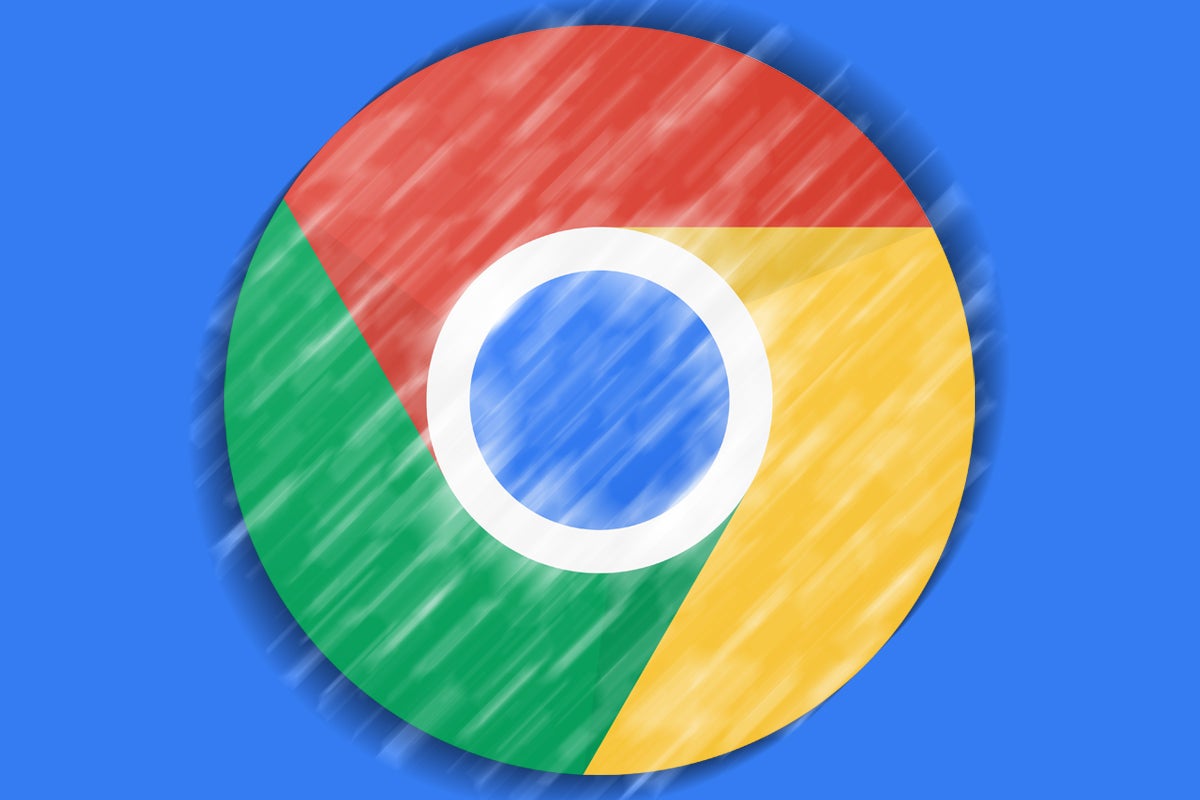
    Google is making changes to the Chrome icon for the first time since 2014

    A tweet from Google Chrome designer Elvin Hu reveals that for the first time in eight years, Google is changing Chrome’s icon. The new look debuted with the update to the Chrome Canary app which is an experimental and unstable version of the browser used by developers and early adopters. Other versions of Chrome that Android users can install are the stable, beta, and Dev versions.

    And not that it has anything to do with the new icon, you still might want to know the difference between each one. As we noted, Chrome Canary offers an untested build of Chrome which might not run at times. Google recommends that only developers and advanced users install it on their handsets since most Canary updates won’t proceed any further.

    Installing the Chrome Dev version of the browser allows you to test out the latest features of the Chrome browser even though, as Google says, they will be “rough around the edges.” Google is hoping that Android users will provide them with early feedback when testing out new features that may never make it to the Beta or stable versions of the app.

    And there is also the Chrome Beta app which is the last step for a new feature before it is added to the stable version. It is not as unstable as the Dev version and features receive their final tweaks on the Chrome Beta app before millions of people use them on the stable version of Chrome.

    Lastly, the stable Chrome app is the safest version of the browser and is the one that you’ll see in the Play Store if you search for Google Chrome. Most of you shouldn’t install Canary or Dev while some of you might have an interest in downloading the Beta version of Chrome on your phone.

    As for the main branding of the Chrome logo, the shadows between the colors (which are easily seen between the red and yellow colors) are being removed. This removes the slight 3D effect that made it appear as though the red area was raised above the yellow. Removing that small shadowy area makes the colors on the newly updated main icon appear flat.

    Chrome’s Hu also noted that “We simplified the main brand icon by removing the shadows, refining the proportions and brightening the colors, to align with Google’s more modern brand expression.” Google found that placing certain shades of Green and Red next to each other created what Hu called “an unpleasant color vibration.” To combat this, Google used a more subtle gradient (so subtle that you might not notice it) in order to prevent the unpleasant vibration from bothering the viewer.

    Interestingly, Google created different variants of the Chrome icon for each operating system. As Elvin said, “We want the icons to feel recognizably Chrome, but also well crafted for each OS. For example, on Windows, the icons take on an obviously gradated look, appearing at home on Windows 10 & 11.”

    On ChromeOS, brighter colors will be used without gradients so that the icon can match the rest of the system icons. On MacOS, a small shadow will soon be employed to give the icon a 3D appearance. On iOS, the Chrome Beta will  show the logo in a blueprint-style background to show that it is a developer-focused app.

    The new Chrome icons are expected to hit your devices soon. Google has been shrinking the size of the Chrome icon going back to 2008 when it had the appearance of a 3D ball. There really is a lot of thought that comes into play even when trying to design a simple app icon.


  • Google Messages update allows users to send Photos links for sharper videos and pictures

    Google Messages update allows users to send Photos links for sharper videos and pictures

    Some changes are rolling out to the Google Messages app and it appears that hamburger is back on the menu. Or perhaps we should say that the hamburger menu is back. The redesign has surfaced for some who are using the beta version of the Messages app and it replaces the three-dot menu in the upper right corner with a hamburger menu on the left side of the display.

    Options currently found in the three-dot menu will be moved to the hamburger menu such as “Messages,” “Starred,” “Archived,” and “Spam & blocked.” Other options such as “Device Pairing” and “Choose Theme” will be listed in a separate section at the bottom of this menu.

    You’ll know when the change has hit your phone because the first time you open the app after the update, you’ll be prompted to enable Google Photos integration for the Messages app. “Share videos as they’re meant to be seen” reads the prompt follow-up with “Preserve sharp video clarity when you sign in and send Google Photos links.” A link at the bottom of the page allows for the use of the Messages app without a Google account.

    You will have a couple of choices that you can toggle on including one that will always send a link to Google Photos when you use Messages to share a video by text (SMS/MMS), and another option that will always send a Google Photos link when you text images via SMS/MMS. By allowing the Google Photos link to be sent with videos and images, you are giving the recipients of such content via Google Messages the ability to view them in a higher quality than if you sent them via MMS.

    While the update is being disseminated to some of those who are members of the app’s beta program, not all beta members are currently receiving it. Certainly, Google will widen the distribution of the update once it hears feedback from users.

    If you’ve received complaints about the quality of the videos and pictures that you’ve shared via Google Messages, this is a clever way to send higher quality content using that app with an assist from Google Photos.

  • Aptiv, Audi Invest $285 Million In Software Company TTTech

    Aptiv, Audi Invest $285 Million In Software Company TTTech

    Auto technology supplier Aptiv PLC and Volkswagen AG’s Audi brand are investing a combined $285 million in vehicle software company TTTech Auto, giving the Austrian firm a valuation of $1 billion, the companies said. TTTech Auto designs software that auto manufacturers can use to manage data flowing from sensors and safety systems used to automate driving. The company’s Motionwise software also helps engineers develop new automated driving and safety software more quickly.

    Aptiv will invest $228 million in TTTech Auto, while Audi is investing $57 million, the companies said in a statement.

    Established auto manufacturers such as Volkswagen are racing to secure more software expertise via acquisitions, hiring drives, and equity investments as they try to catch up with electric vehicle leader Tesla Inc’s ability to rapidly improve vehicles using software upgrades.

    TTTech Auto was formed in 2018 by aerospace firm TTTech Group, South Korean technology company Samsung, Audi, and chipmaker Infineon.

    “We want to provide aerospace safety at automotive cost,” TTTech Auto chief executive Georg Kopetz said in an interview.

    Aptiv, with annual revenue of $15 billion, is working to expand its business by supplying hardware and software for electric vehicles and automated driving systems. Aptiv, Audi, and TTTech Auto collaborated to develop the central driver assistance controller for automated driving used in Audi vehicles.

    With the fresh capital, Kopetz said TTTech Auto plans to expand in Asia, look for potential acquisitions and invest in the development of the Motionwise software, which is currently used in about 2 million vehicles.

  • Tesla Recalls 817,000 Vehicles In U.S. Over Seat Belt Reminder Alert

    Tesla Recalls 817,000 Vehicles In U.S. Over Seat Belt Reminder Alert

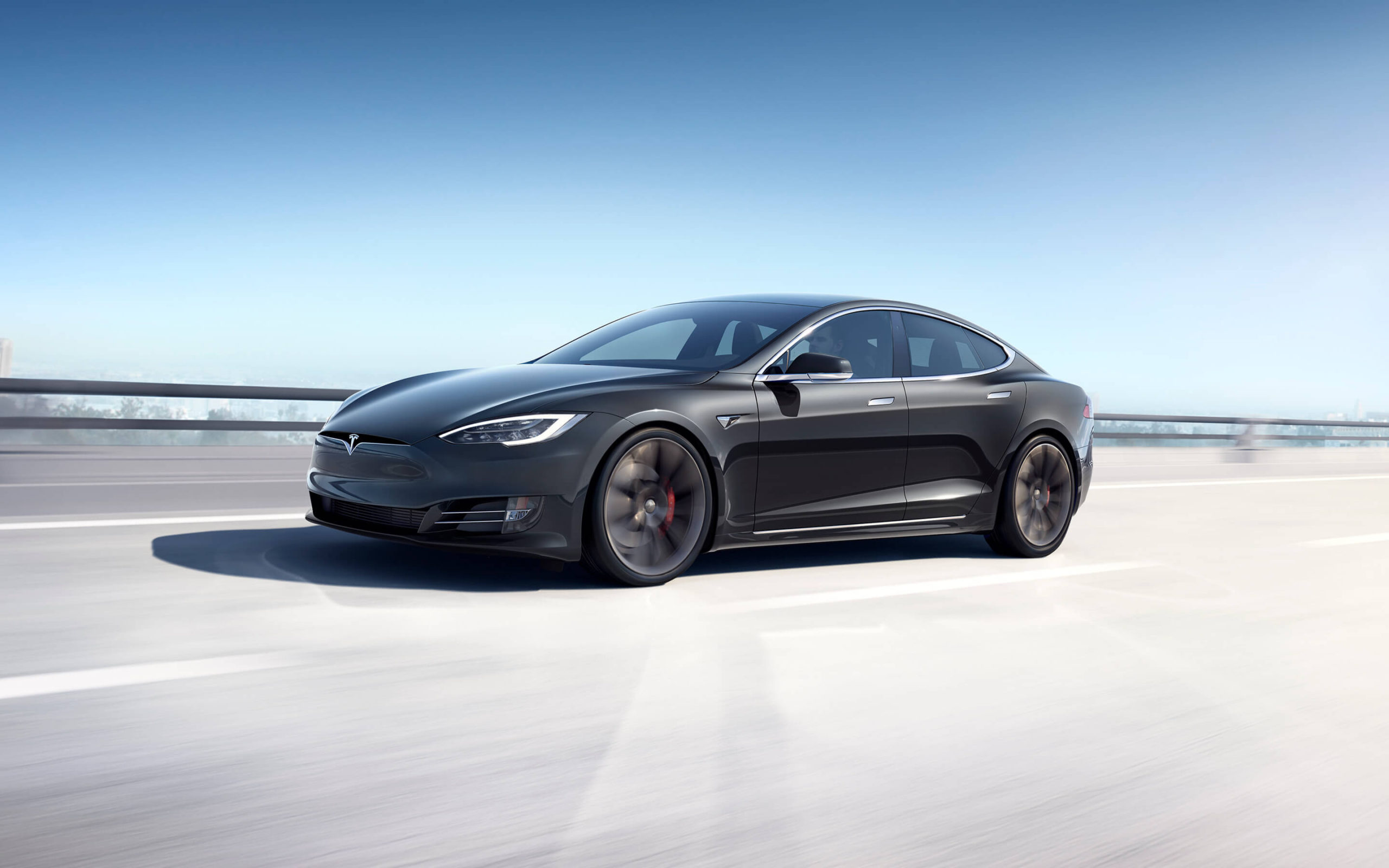
    Tesl is recalling more than 817,000 vehicles in the United States because an audible alert may not activate when a vehicle starts and the driver has not buckled the seat belt, a U.S. auto safety regulator said. The National Highway Traffic Safety Administration (NHTSA) said on Thursday the vehicles, 2021-2022 Model S and Model X, 2017-2022 Model 3, and 2020-2022 Model Y fail to comply with a federal motor vehicle safety standard on “Occupant Crash Protection” because the chime does not activate. Tesla will perform an over-the-air (OTA) software update to address the issue.

    Tesla told NHTSA that as of Jan. 31 it was unaware of any crashes or injuries related to the issue. Tesla said in a document filed with NHTSA, the South Korea Automobile Testing & Research Institute (KATRI) on Jan. 6 brought the condition to Tesla’s attention. Tesla said on the recalled vehicles a software error may prevent the chime from activating upon vehicle start under certain circumstances.

    The automaker said the issue was limited to circumstances where the chime was interrupted in the preceding drive cycle and the seat belt was not buckled after that interruption. Tesla added the issue does not affect the audible seat belt reminder chime from activating when the vehicle exceeds 22 km/h and the driver seat belt is not detected as buckled. The condition does not impact the accuracy of the accompanying visual seat belt reminder. Tesla has come under increasing scrutiny from U.S. regulators and issued several recalls in recent months.

    On Tuesday, Tesla said it was recalling 53,822 U.S. vehicles with the company’s Full Self-Driving (Beta) software that may allow some models to conduct “rolling stops” and not come to a complete stop at intersections posing a safety risk. Tesla will perform an over-the-air software update that disables the “rolling stop” functionality, NHTSA said.

  • KFC Australia pilots drone-delivery service in Queensland

    KFC Australia pilots drone-delivery service in Queensland

    In an Australian-first, KFC has enlisted a drone delivery company to bring Zingers and other fried faves to homes and workplaces in the Logan area between Brisbane and the Gold Coast.

    Wing, owned by Google parent Alphabet, launched in Canberra in 2019 in a world-first, and in Logan the following year.

    Since then, suburbs within a 10km radius have been having burgers, groceries, pharmacy items, hardware products, coffee and other products zoomed in via 5kg styrofoam drones that can carry up to 1.5kg.

    Under a pilot program kicking off on Friday, the world’s most famous fried chicken brand will initially be available to a small number of households in the South East Queensland suburbs of Kingston, Logan Central, Slacks Creek, Underwood, and Woodridge.

    The service will gradually expand to include other nearby locations, Wing says, dubbing Logan “the drone delivery capital of the world”.

    “You know the future truly is here when you can get hot, fresh Kentucky Fried Chicken delivered by a drone from the click of a few buttons,” KFC Australia chief marketing officer Kristi Woolrych said.

    Wing says the number of deliveries rocketed last year as the pandemic raged on and strong demand has continued in 2022.

    Earlier this week, spokesman Jesse Suskin said the company was planning expansion in Australia.

    “We’ll be in more places in southeast Queensland. We’ve submitted for those permissions from our regulators,” Mr. Suskin said.

    “For other states, we’re actively starting to have those conversations right now.”

  • Technical Standards To Simplify Digital Payments

    Technical Standards To Simplify Digital Payments

    The Swiss Bitcoin Association recommends the first technical standards for simplified payment verification (SPV) using digital currencies, eliminating the need to download entire the blockchain for transactions.

    Switzerland’s Bitcoin SV Technical Standards Committee today recommended its first digital currency standard for simplified payment verification (SPV), enabling transactions to occur without having to download the entire blockchain.

    This standardized format is now in use across three prominent ecosystem applications, the Bitcoin SV node software, Merchant API (mAPI), ElectrumSV and ElectrumX.

    The first BSV technical standard progressing to the recommended stage – the final stage for technical standards – represents a significant achievement for the Bitcoin SV Technical Standards Committee, says Technical Committee Chair Steve Shadders.

    The Swiss government today adopted a report on the digitalization of the financial markets, identifying opportunities and risks and laying out action points for the coming years.

  • Sacrebleu! French brewers use algae to make blue beer

    Sacrebleu! French brewers use algae to make blue beer

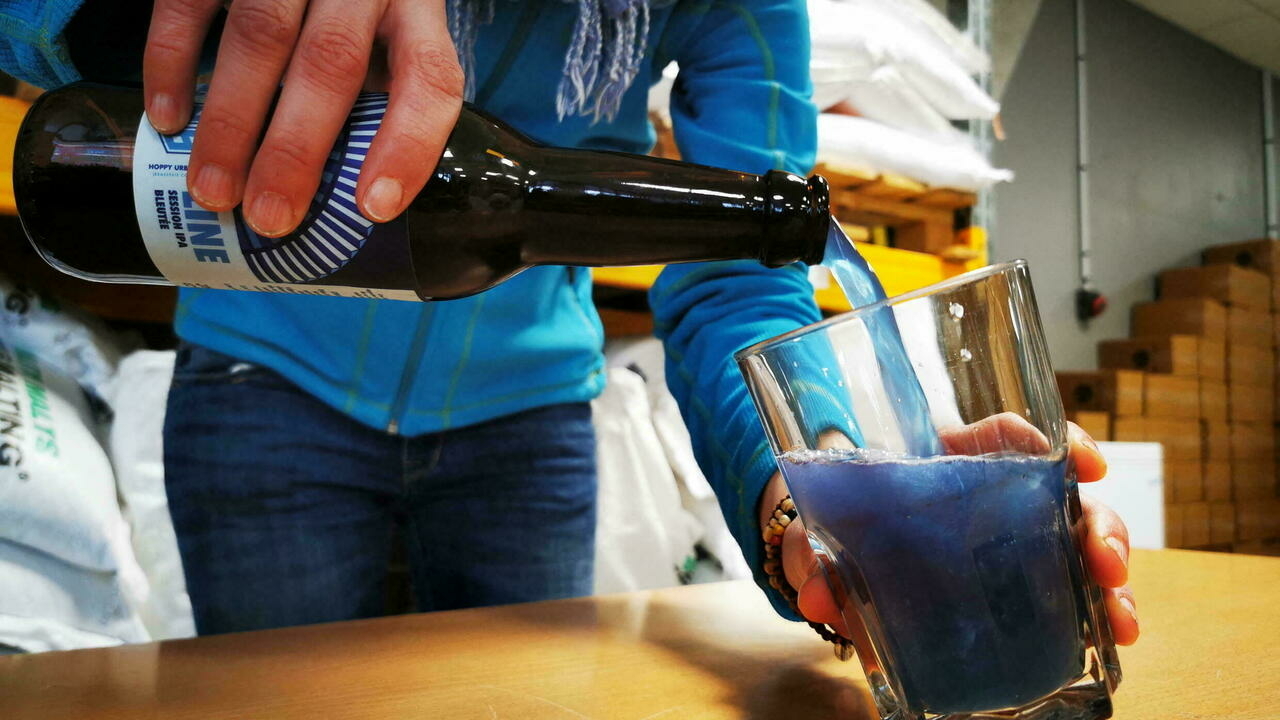
    A French brewer has started using algae with a naturally-occurring pigment to turn their beer blue.

    The beer, with the brand name “Line”, is the result of a tie-up between a firm that wants to popularise the algae as a dietary supplement, and a nearby craft brewery that was looking for a way to make its beverages more distinctive.

    The beer is selling well, said Sebastien Verbeke, an employee of Hoppy Urban Brew, which makes the drink. “It’s getting an enormous amount of interest and curiosity on the part of the public,” he said.

    The blue tint comes from spirulina, an algae that is grown in basins by a company called Etika Spirulina in northern France. The component of the spirulina that gives the blue colour, called phycocyanin, is then added to the beer during the brewing process.

    Tasting a freshly produced bottle of the beer, brewery employee Mathilde Vanmansart described it as hoppy, light, and with fruity notes, while the only evidence of the added algae was the distinctive color.

    Xavier Delannoy, whose farm provides the spirulina, said after several test batches, the brewery had found a blend that appealed to customers.

    He said 1,500 bottles of the blue beer were sold between October and December last year, and the brewery is now preparing to ramp up production to meet demand.

  • Corona Buoys Superyacht Boom

    Corona Buoys Superyacht Boom

    A bridge too far? In Rotterdam a bridge is set to be demolished so that Amazon founder Jeff Bezos’ ship superyacht has free passage.

    What the mountain chalet is to the merely well-to-do, the superyacht is to billionaires. Sales of extra-large luxury yachts have risen by 77 percent in 2021 compared to the previous year, the German Manager Magazin writes.

    Costing hundreds of millions of dollars and whose maintenance consumes millions more each year, 887 of these floating palaces were sold last year.

    Prices for superyachts rose last year by about 5 to 8 percent in line with high demand.

    Oligarchs like Roman Abramovich, sheikhs from the Middle East, and tech founders, including Jeff Bezos, are lovers of such status symbols and compete in terms of size and extravagance.

    The Eclipse, Abramovich’s yacht, has two helipads because you never know how many guests are on approach. Swimming pools and jet skis are standard equipment of a sensible boat anyway, and well, money is no object.

    In Holland, the Rotterdam city council plans to remove a historic bridge so that Bezos’ new yacht can glide unhindered into the sea. Bezos and the shipyard, Oceano, plan to share the cost of removing and then rebuilding the De Hef bridge.

    Compared with the price of the yacht, 430 million euros, the cost of the conversion is likely to fall under the category of “petty cash”. That the free ride for billionaires does not suit everyone, on the other hand, is hardly surprising.

    The Rotterdam Historical Society promptly made its displeasure known about the demolition of the bridge.

    In times of Corona, perhaps this is the best way for billionaires to self-isolate.

  • Nike cries foul over virtual shoes, suing retailer that sells sneaker NFTs

    Nike cries foul over virtual shoes, suing retailer that sells sneaker NFTs

    Sneaker giant Nike sued online reseller StockX in New York federal court on Thursday for selling unauthorized images of Nike shoes, marking the latest lawsuit over digital assets known as non-fungible tokens.

    Nike said StockX’s NFTs infringe its trademarks and are likely to confuse consumers. Its lawsuit asked for unspecified money damages and an order blocking their sales.

    Detroit-based StockX, a platform for reselling sneakers, handbags, and other goods, was valued at more than $3.8 billion last year.

    A representative for the company did not respond to a request for comment, nor did Nike or its attorneys.

    Nike said StockX last month began selling unauthorized NFTs of its sneakers, telling buyers they would be able to redeem the tokens for physical versions of the shoes “in the near future.”

    The complaint said StockX has sold over 500 Nike-branded NFTs.

    The lawsuit said complaints about the NFTs’ “inflated prices and murky terms of purchase and ownership” and buyers’ doubts about the legitimacy of StockX’s model have hurt Nike’s business reputation.

    Nike said it will release “a number of virtual products” later this month in conjunction with the digital art studio RTFKT, which it acquired in December.

    NFTs have recently exploded in popularity, and lawsuits over them have begun to hit U.S. courts. Miramax sued director Quentin Tarantino in November over his plans to auction NFTs related to the 1994 film “Pulp Fiction,” which he directed and the studio distributed.

    Last month, Hermes sued artist Mason Rothschild over his “MetaBirkin” NFTs of the French company’s Birkin bags.

  • Food, beverage businesses remain open through Tet

    Food, beverage businesses remain open through Tet

    Food and beverage establishments are working through Tet or abbreviating their holidays to make up for a year of poor business due to the Covid-19 pandemic.

    Crab restaurant chain Vua Cua is delivering through the holidays, and some of its outlets closed for two days out of the nine.

    “I believe that many people will stay in HCMC during the holiday as they refrain from traveling,” CEO Doan Thi Anh said, adding that last year sales during the holidays were up 300 percent from normal days.

    Tet, the Lunar New Year, is by far Vietnam’s most important festival, and most restaurants and other business establishments close for at least a week.

    But this year many are either not closing or are opening early to cash in on an opportunity to earn some money after a desperate year.

    Japanese chain Mirico reopened three of its six outlets in HCMC on Wednesday.

    “We hope the number of customers during Tet this year (starting January 29) will reach the same as last year so that we can make up for months of closure,” manager Luu Hoang Huy said.

    Two restaurants in the Quan Bui chain in Thu Duc City are also open for seven days of the nine-day holidays.

    “I think many foreigners won’t return to their country this year and we anticipate a lot of customers during the holidays,” a media representative of the chain said.

    For the first time since its establishment in 2018 Lagom Café in District 3 will remain open during most of the Tet holidays.

    The decision was based her workers’ request, owner Do Thi Ly Na explained. They preferred to work saying the months off due to social distancing in the city were enough for them, she added.

    In December revenues from food and accommodation rose by nearly 58 percent from November.

    “Most well-known downtown restaurants have been operating at full capacity and even had to turn away some customers,” Le Nguyen Minh Man, owner of Hong Kong Town restaurant in District 1, said.

    Business seems set to be “vibrant” in the first quarter, he said.

    However, his restaurant would close through the holiday since his workers had been stuck in HCMC for a year and wanted to return home, he said.

    Buying materials is challenging since suppliers are closed, and restaurants need to prepare ahead, he said.

    Paying workers triple or even five times their normal salary is key to ensuring good service during Tet, he added.

  • Snapchat parent Snap reports its first profitible quarter ever

    Snapchat parent Snap reports its first profitible quarter ever

    Yesterday we told you that Facebook parent Meta said that Apple’s App Tracking Transparency (ATT) feature, which allows iOS users to opt-out of being tracked for the purposes of receiving custom online ads, will cost Meta $10 billion in revenue this year. That bit of news, along with Meta announcing that it will fall short of Wall Street’s expectations for first-quarter 2022 revenue, sent the company’s shares down 26.4% on Thursday to $237.76, a loss of $85.24.

    Another company that has been affected by Apple’s ATT is Snap, the parent company of messaging app Snapchat. But the latter had a much better experience last year than Facebook/Meta had and even reported today the first quarterly profit in company history.

    For the fourth quarter of 2021 Snap had revenue of $1.3 billion, up 42% year-over-year. Net income for the three-month period hit $23 million, the first time that the company was in the black during any quarter.

    In 2021, Snap grossed $4.1 billion, up 64% compared to the same quarter a year ago. The company still was in the red for the entire year, but the net loss declined 48% to $488 million on an annual basis. Snap Chief Financial Officer Derek Andersen said that the company’s first quarterly profit and the improvement in the amount of red ink it spilled in 2021 can be attributed to how the company’s advertising business “began to recover from the impact of the iOS platform changes quicker than we anticipated.”

    During regular trading hours on Thursday, Snap shares declined $7.57 or 23.60% to $24.50. Most investors figured that Snap would be making a similar grim announcement about Apple’s ATT as Facebook did. Instead, after the earnings report was released, Snap soared $14.50 or 59.18% to $39. That is still far off the 52 week high above $83.

    Snap says that it has developed tools to help advertisers adjust to the large number of iOS users who do not want to be tracked for custom advertisements. Jeremi Gorman, Snap’s chief business officer, admitted that it will take time to adjust but said “We are pleased with the early progress.”

    Other companies have also reported that the market for digital advertising is strong. Google reported a 33% year-over-year hike in total ad revenue which includes Search (up 36% over last year), and YouTube (up 25.3% on an annual basis). Microsoft foreshadowed its upcoming earnings report when it said that the ad market is strong for LinkedIn ads, and for ads on its Bing search engine.

    While Meta forecasts a shortfall for its first-quarter profits, Snap expects revenue for the quarter to reach $1.08 billion topping analysts’ expectations. In addition, Snapchat’s Daily Active Users (DAU) rose 20% in Q4 to 319 million. DAU numbers improved sequentially and year-over-year in North America, Europe, and the Rest of the word.

    Also, the Daily Active Users number has seen 20% year-over-year growth for five consecutive quarters. That is due to the strong usage of the Snapchat app by teens and young adults.

    Snap also noted that it has been investing in its AR platform and revealed that its 18 New Year’s Eve Lenses generated more than 7 billion impressions. New features have been added to its Lens Studio including “a new Sounds Library, real-world physics, world mesh, and an API library for real-time data.

    Snapchat also released a feature for the Google Pixel 6 and Pixel 6 Pro called “Quick Tap to Snap” allowing users of those two phones to access the Snapchat camera with two simple taps on the lockscreen. And Snap’s first original programming, “The Me and You Show,” starring Snapchatters and their friends, reached more than 50 million viewers.

    And for those Disney fans out there, new Lenses were released featuring characters like Elsa from Frozen and Timon from The Lion King.

    The difference between Meta and Snap is that Snap has been able to work around Apple’s ATT and rolled with the punches. Facebook/Meta yelled “bloody murder” and spent its time picking on Apple instead of finding a solution as Snap did. That’s why Meta shares collapsed by over $85 on Thursday and Snap shares are poised to rise over 50% on Friday morning.

  • World Trade Center replaces its access cards with a virtual employee badge in Apple Wallet

    World Trade Center replaces its access cards with a virtual employee badge in Apple Wallet

    Following the integration of ID cards and driver’s licenses into Apple Wallet, it looks that the next thing to find its way into Apple Wallet will be workplace authorization cards.

    Customers and employees who visit the 7 World Trade Center will now be able to use an employee badge stored in their Apple Wallet app to access the building and all of its amenities. This was announced by Silverstein Properties, the company that owns the trade center.

    With their virtual badges, employees and customers will be able to use office buildings, tenant floors, fitness centers, and amenity spaces only by using their iPhone or Apple Watch.

    According to Silverstein Properties, integrating employee badges in Apple Wallet will bring:

    • Seamless Setup: Employees and tenants won’t wait to receive physical authorization cards. Instead, they can add their employee badge directly to their Apple Wallet after an initial setup through Silverstein’s Inspire app. After that, they will have clearance to the areas inside the building.
    • Unlocking doors more easily: After adding the badge to Apple Wallet, users only need to hold their iPhone or Apple Watch near the door’s lock to unlock the door. If Express Mode is enabled, users won’t even need to unlock their devices to use their badge. Also, the feature can be used in Power Reserve mode, so the tenants may access areas even when their iPhones are low on battery.
    • More security and privacy: Because the employee badge is saved on the tenant’s personal devices rather than a cloud server, the authorization to the building is also safeguarded by the privacy and security features built into Apple’s devices. Also, if a tenant loses their iPhone or Apple Watch, they can use the Find My app to locate and block their device.
    • Easier management of the office space: With the use of virtual badges, Silverstein can control who and at what time has clearance to various parts of the building. In its statement, Silverstein gave an example of how one company could lease an office suite on Monday and Tuesday, and then another company could use the same office suite on Wednesday through Friday.

    The new virtual employee badge will be first implemented at the 7 World Trade Center, and after that, the new technology will be expanded to other Silverstein offices in New York, Philadelphia, and Los Angeles.

  • Apple News is launching its first daily local newsletter

    Apple News is launching its first daily local newsletter

    Apple News has begun sending out its first daily local newsletter, and the first to receive its own Apple News bulletin is the San Francisco Bay Area. Up until now, Apple News offered regional news but didn’t have a dedicated newsletter. The bulletin includes a variety of local news across topics such as sports, politics, and dining. The news comes from various publications like the San Francisco Chronicle, SF Gate, Eater San Francisco, KQED, and the Oaklandside.

    By using actual people to curate articles rather than algorithms, Apple News is making sure that the newsletter will only include relevant news, not clickbait or news without much value.

    The daily newsletter is currently available only in the Bay Area and is published at the end of the day. Apple News is planning to release local newsletters in other regions as well.

    Apple News offers local news in 11 parts of the country. Some of these parts are New York, Houston, Los Angeles, San Diego, Miami, and Washington, DC.

  • Google VPN now available on iPhone

    Google VPN now available on iPhone

    Google’s VPN feature, part of the Google One service, just received three new features on Android. The new features are:

    • Safe Disconnect enables you to use the internet only when the VPN is active.
    • App Bypass allows you to choose specific apps to use a standard connection rather than the VPN.
    • Snooze allows you to disable your VPN temporarily.

    In addition to these new features, Google has also made its VPN service available on iOS, which means that users can now use Google’s VPN on an iPhone as well. But sadly, the new features mentioned above may not be accessible on an iPhone at this time.

    According to Google’s blog post, privacy and security are ‘always core to everything’ Google makes. In this regard, Google’s VPN utilizes ‘advanced’ built-in security, which prevents anybody from linking you to your browsing activity.

    Google also stated that its VPN service has a ‘full certification’ from the Internet of Secure Things Alliance, and because it is an open-source service, it has been audited by an independent party. So, if you have any doubts about whether you can trust Google with your “private” internet browsing, you can even see the report from the audit.

    Google’s VPN service is available only in 18 countries. Some of them are the US, Canada, the UK, Germany, Spain, Italy, France.

    You can use Google’s VPN on your Android phone or your iPhone by subscribing to Google One’s Premium subscription plan, which costs $9.99 per month or $99.99 per year.

  • Longer Instagram Reels could soon be a thing

    Longer Instagram Reels could soon be a thing

    According to a new leak, Instagram could be working on allowing users to create longer Reels than is currently possible. Alessandro Paluzzi, a popular tipster and reverse engineer on Twitter who has released many a juicy preview of upcoming app updates, has discovered that the Meta-owned platform is preparing to introduce a 90-second limit on Instagram Reels, to replace the current 60-second cap on publications.

    While it’s not a guarantee, Paluzzi has been right many times before, and using his skills as a mobile developer to reverse-engineering the Instagram app allows him to see strings of code from upcoming updates that are invisible to the rest of us.

    Instagram Reels, giving users the ability to create short-form video clips, launched back in 2020. It was modeled after TikTok, which was already exponentially growing in popularity just for this reason. After Instagram Reels took off immediately, YouTube decided to copy the platform and create its own version of TikTok, which it called YouTube Shorts.

    Although Shorts are still a beta feature on YouTube, they have already become massively popular with the top creators, who are using them to capture viewers’ attention on upcoming videos, advertise their merch, make announcements, or post quick updates on how their lives are going.

    And now, Instagram seems to be paving the way for another possible change to short-form video style by raising the upper limit to video length, which is still at 60 seconds for YouTube Shorts.

    While some people are getting excited at the prospect of adding even more material to their Reels, other have expressed concern that this won’t help users succeed on the platform, because people’s attention spans are only getting shorter—not longer.

    Remember, from back in the day when YouTube became popular, the algorithms have been favoring increasingly shorter and shorter videos. TikTok’s most popular posts are under a minute long, as are the relatively new YouTube Shorts. Do you think 90-second Reels will take off, or nah? Do let us know in the comments!