Tag: asia

  • Google announces the end of YouTube Originals

    Google announces the end of YouTube Originals

    If we roll back the time to 2016, we will witness one of Google’s many initiatives—to create a new service that would one day stand toe to toe and compete with the likes of Netflix. Well, here we are, in 2022, and it seems this endeavor proved too ambitious even for Google.

    Of course, we are talking about YouTube Originals—a program that was created to provide, as the name suggests, original content in a longer-video format. Alas, YouTube’s Chief Business Officer, Robert Kyncl, shared that the program will be coming to a close. He also announced that Susanne Daniels, YouTube’s global head of original content, will be leaving Google on March 1, 2022.

    YouTube Originals started with a logical first step. It gathered well-known creators that had made a name for themselves on the platform and invited them to take part in said new form factor.

    Later on, however, other content with more budget behind its production started to pop up, such as the now-popular Cobra Kai show. Unfortunately for Google, though, after ending the second season, the show was then taken by none other than Netflix itself, the main competitor of YouTube Originals.

    Thankfully, Kyncl shared that Google will respect the commitments it has already made to certain fund programs, like YouTube Kids Funds and Black Voices. He also mentioned that they will honor already contracted shows that are in progress, as well as the creators associated with them. Kyncl also assured said creators that they will be contacted directly soon.

    Google has a long track record of starting things and then deciding to abandon them out of the blue. With that said, this is not the case with YouTube Originals. The program lasted for about seven years, and the search giant gave it a try. Also, despite rumored new upcoming shows, there were obvious signs that it was all coming to a close.

  • Former SpaceX Engineers Are Making Electric & Self-Driving Railway Vehicles

    Former SpaceX Engineers Are Making Electric & Self-Driving Railway Vehicles

    Tesla is not the only company that’s run by Elon Musk. In fact, Musk used some of the money he made with SpaceX to invest in Tesla to eventually gain control of the electric car maker. And SpaceX has also been categorized by Musk as some of the most important work he is doing in his life. But as it happens some of his former SpaceX engineers have quit and formed a startup that’s looking to reinvent the railway industry.

    Parallel Systems, founded by former SpaceX engineer, Matt Soule who partnered with a bunch of his former SpaceX colleagues, intends to disrupt the railway industry with electric powertrains and autonomous vehicle technology that’s taking over the consumer automotive space. The company has received $50 million in a Series A funding round and only recently came out of stealth

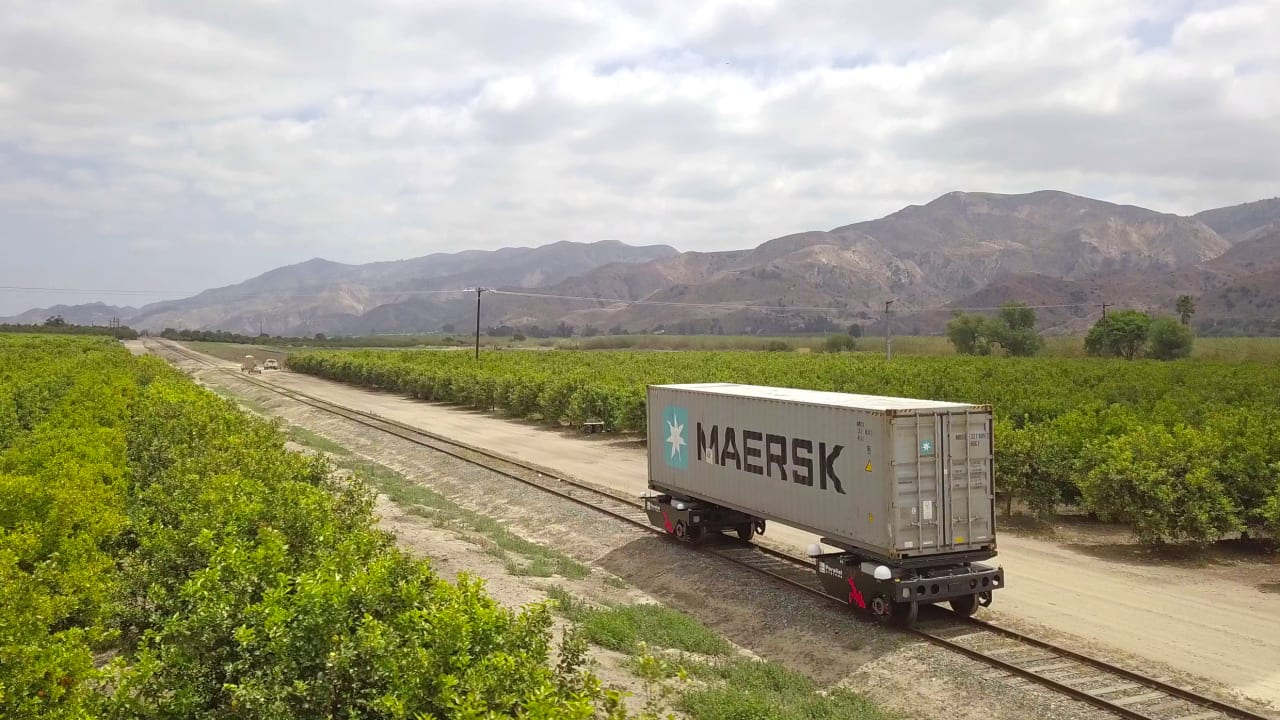
    Their idea is to create a small autonomous electric-powered rail vehicle. The idea is for a cargo vehicle that enables one to drop the cargo on a Parallel Systems vehicle and have it move without the need for the entire train to be unloaded. Each container can do individually move 800 km or band together to be even more efficient.

    This would allow smaller railroads to be reopened and new ones to be built to deliver cargo closer to customers and take some market away from trucks. These vehicles in question can also take in an impressive payload of 128,000 pounds which is twice the capacity of a semi-truck. So far though, their prototype vehicle can only do 80 km.

  • Investing in Space Has Long-Term Potential

    Investing in Space Has Long-Term Potential

    We choose to go to the Moon in this decade and do the other things, not because they are easy, but because they are hard, exclaimed John Fitzgerald Kennedy in 1962.

    Today, despite the hardships and challenges, there are myriad private operators striking out to conquer New Space, Space 2.0. Pioneering companies are emerging in sectors as diverse as communications satellites, Earth observation by satellite imagery, and in-space manufacturing.

    Once the prerogative of national governments, space has indeed tipped into the private sector with the creation of numerous innovative start-ups and an acceleration in IPOs around the world. This radical transformation in the space ecosystem heralds a technological and economic revolution focusing on strategic issues and creating unprecedented investment opportunities.

    This boom is being helped along by reusable space assets and the plummeting cost of access to space. Satellites, once outsized and clunky, are now being replaced by mass-produced nanosatellites whose production costs are as much as one thousand times less than they were.

    The communications satellite industry is expected to grow by an estimated plus 9.2 percent per year between now and 20271. And the in-space garment industry is expected to grow by an estimated plus 7.5 percent per year between now and 20262.

    The other revolution going on is space data, the 21st century’s black gold, with exponential large-scale marketing. Space data is and will continue to be used in all sectors, from communications to precision agriculture, with operators like MAXAR TECHNOLOGIES, whose satellite images are used for mapping ports, airports, and sensitive sites and to aggregate multiple sources to detect changes using artificial intelligence.

    In the long term, this new private space industry seems to have prodigious potential. Currently valued at some $400 billion3, the space market is expected to swell to $2.7 trillion by 20454, creating a growth driver for the global economy.

    We believe that in the long term, exploration and use of the space ecosystem will benefit all of Earth’s inhabitants. It is this conviction of La Financière de l’Echiquier that launched Echiquier Space in 2021, the very first investment fund dedicated to space and its ecosystem.

    This solution invests in innovative and lasting space operators who are looking for ways to minimize the resources used, leverage the properties of hydrogen as a propulsion source, and adopt policies for managing space debris. Such resource optimization will, we believe, meet humanity’s most pressing challenges, from climate change to biodiversity protection to bridging the digital divide.

    Space 2.0 is designing new worlds, and we believe it will help improve living conditions on Earth by constantly pushing the boundaries on our planet.

  • Baidu’s JiDu Teases Level 4 Self Driving Car

    Baidu’s JiDu Teases Level 4 Self Driving Car

    Self-driving cars were invented by Google and the Google of China, Baidu, isn’t behind its American counterpart. It has created a new brand called JiDU which has announced plans for launching a self-driving car by 2023. They are calling it the robocar which will be fully unveiled at the Beijing auto show in April.

    “JiDU has completed the visual and functional design of the Robocar concept car, which will make its debut in April as planned. Let’s set off towards an infinitely possible future together,” said Yiping Xia, CEO of JiDu.

    In the teaser, one can easily see that the car is riddled with sensors that come out of its hood, almost like small turrets and they are retractable and hidden by flaps. The car also seems to have frameless doors that open outward.

    The robocar maker has also revealed that it has specifically designed a new logo called the Pixel J which it claims is the first logo that has been designed specifically for an autonomous vehicle.

    In China, autonomous cars are taking off as are robotaxi services. Already there is the Xpeng P5 which boasts some serious autonomous capabilities as it has become the world’s first production car with a LiDAR and has some advanced autonomous capabilities.

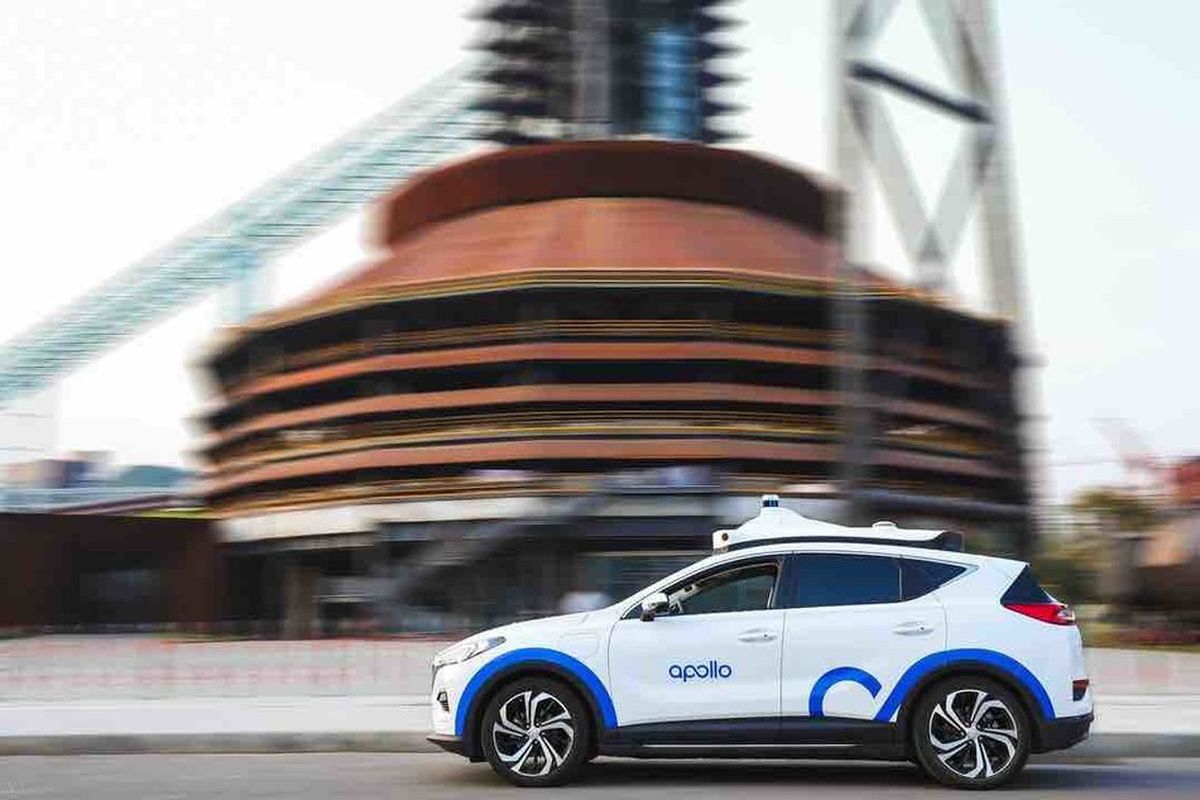
    Apart from JiDu, Baidu also has the Apollo robotaxis which leverages the QNX operating system.

  • Hong Kong fund to sell Japan, South Korea Burger King business

    Hong Kong fund to sell Japan, South Korea Burger King business

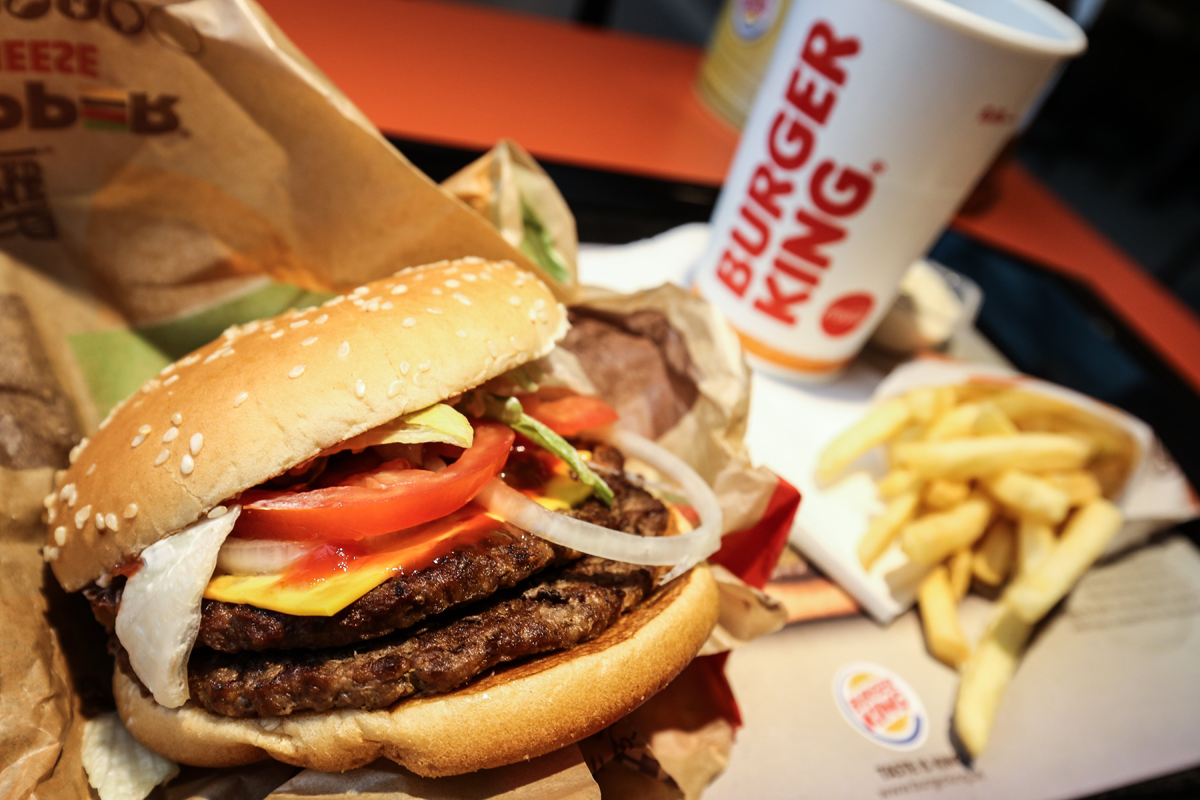
    Private equity firm Affinity Equity Partners is this week launching the sale of its Burger King fast-food businesses in South Korea and Japan, in a deal that could fetch more than US$1 billion, a person with knowledge of the matter told Reuters.

    Hong Kong-based Affinity has appointed Goldman Sachs to run the sale, which is targeting both private equity investors and strategic buyers, said the person, who declined to be identified as the information is confidential.

    The bank declined to comment.

    Affinity bought full control of Burger King South Korea in 2016 for about US$170 million and a year later acquired the American fast-food brand’s Japan franchise.

    The South Korean business reported 680 billion won (US$572 million) in revenue in 2021, with adjusted earnings before interest, taxes, depreciation, and amortisation (EBITDA) at 80 billion won, said the person, adding its adjusted EBITDA in 2022 is expected to reach 100 billion won.

    Burger King Japan’s adjusted EBITDA in 2021 was 700 million yen (US$6 million), the person said.

    Global fast-food chains such as McDonald’s and Yum! Brands are trading at 20 to 30 times their EBITDA, Refinitiv Eikon data showed. Burger King India is trading at about 25 times of its EBITDA.

    Affinity and Burger King Japan did not immediately respond to a request for comment.

    An official at BKR Corporation, the operator of Burger King in South Korea, declined to comment.

    The Nikkei business daily first reported the sale on Monday (Jan 17).

    It comes as the consumer and retail sector faces tremendous challenges and disruption caused by the coronavirus pandemic.

    In South Korea, businesses have adapted by relying more on deliveries, which has prompted exponential growth for its food delivery apps.

    Burger King Korea said on Monday the number of monthly active users on its mobile app in December exceeded 1.4 million, the highest since the app was launched in May 2016.

    Since Affinity’s acquisition, Burger King has been in an expansion mode in South Korea and Japan.

    Burger King runs 440 outlets in South Korea, more than its rival McDonald’s.

    The Japan franchise said on Monday it would open three new outlets in January, bringing the total there to 149, with plans to open more “aggressively” in 2022.

  • Reliance joins calls for India to tighten marketplace rules

    Reliance joins calls for India to tighten marketplace rules

    Vedanta Chairman Anil Agarwal on Tuesday said India is on the path of encouraging ease of doing business and stressed that the government is production-minded and not revenue-minded.

    In a tweet, Agarwal said trust, talent, and technology are the cornerstones of development.

    ”We fully agree with PM Shri Narendra Modi Ji at #DavosAgenda that it’s the best time to invest in India. It is a great opportunity for entrepreneurs to identify partners and investors to collaborate with them, as general consciousness is that they’d like to work with local entrepreneurs,” he tweeted.

    He also tweeted, ”#India is definitely on the path of encouraging ease of doing business. Govt. is production minded and not revenue minded.” Citing India’s commitment to deep economic reforms and the ease of doing business, Modi on Monday asserted that this is the best time to invest in the country as policy-making is focused on the needs for the next 25 years for a ‘clean and green’ as well as ‘sustainable and reliable’ growth period.

    In his special address to the World Economic Forum’s online Davos Agenda 2022 summit, Modi underlined a host of reform measures undertaken by his government to stress that it has worked to reduce the administration’s interference in business by deregulating many sectors and to clear the way for free trade agreements with different countries.

    India was once associated with ‘License Raj’, he had noted highlighting the measures, including the reduction of corporate tax to boost business and doing away with over 25,000 compliance requirements.

    He also mentioned new challenges, including cryptocurrencies, facing the world and said they call for countries to respond together as measures by any one country may be inadequate.

  • YouTube Music, Premium launches annual subscription

    YouTube Music, Premium launches annual subscription

    Google has long been offering YouTube Premium and YouTube Music monthly account memberships, where users can subscribe and pay every month for access to millions of songs and videos for ad-free viewing and downloading.

    As of today, YouTube is officially rolling out a new subscription option to users across the board of both these paid YouTube services. In addition to monthly subscriptions, YouTube Premium and YouTube Music will now also offer subscriptions on a yearly basis, which will end up saving long-term users a good bit of money in the long run.

    So, how much money will the new annual subscription actually save you, compared to a monthly plan? Turns out, as part of the initial launch hype, Google is offering a limited-time discounted price, which will last for 6 days before it expires.

    Only until January 13, new users can benefit from an annual YouTube Premium plan priced at $107.99. Compared to the $11.99-per-month regular price, it offers a savings total of $3 per month, adding up to $36 of savings over 12 months.

    The YouTube Music yearly plan is slightly cheaper, coming in at $89.99 each year, or $2.50 less per month than the monthly subscription (for annual savings of $30).

    After the offer expires on January 13, we expect users can still enjoy decent rates for the yearly plan, but they will more than likely be less cost-effective than the current prices.

    Keep in mind that if you’re already subscribed to a monthly YouTube Premium/Music plan, though, you can’t just switch to the yearly subscription. You’d have to completely cancel your current plan, and then re-sign up to the new one. It’s definitely a slightly more time-consuming process, but still definitely worth considering.

    It should be noted that the yearly subscription plan is currently only available in the United States, Canada, Mexico, Brazil, Russia, Turkey, Germany, Thailand, India, and Japan.

  • After update, Google Maps disappears from Android Auto

    After update, Google Maps disappears from Android Auto

    Google Maps helps users get from point “A” to point “B” using the most environmental-friendly and fastest route. And once you get to “B,” the app helps you find a place to eat, a place to sleep, things to see, and more. In other words, many travelers depend on the app and use it almost every day to help them make their daily commute without running into traffic jams, accidents, and speed traps.

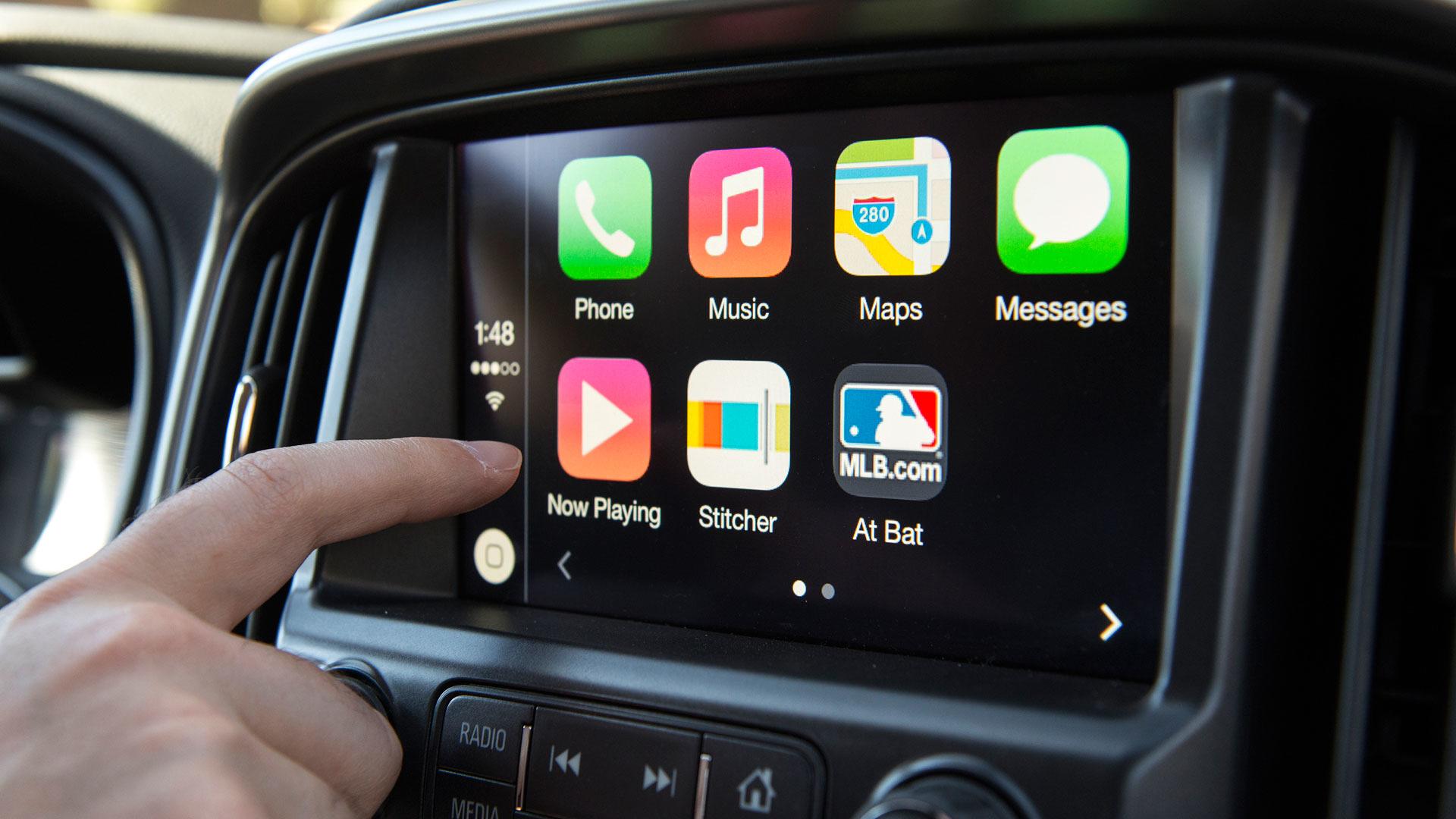
    According to several posts made on Google’s support forums, after the latest update to Android Auto 7.2, Google Maps just upped and disappeared. The app still shows up on the user’s handset and can still be accessed as long as the car is not connected to the phone. Outside of an Android Auto community specialist, Google has yet to acknowledge that this problem exists and with that in mind, the search giant has yet to issue a workaround.

    There is a solution, however, users with this problem can switch to another navigation and mapping app like Waze. Also owned by Google, Waze uses crowdsourced data to help it deliver the fastest and safest routes for users to follow. Unlike Google Maps, Waze concentrates on navigation although it can still lead you to gas stations and restaurants. Or, if using Google Maps is a must, just run the app through your phone instead of using Android Auto.

    One user who posted on Google’s forum said that prior to the latest Android Auto update, everything worked perfectly on his 2018 Audi Q7 and his Samsung S21 Ultra. Once he installed the update, Android Auto no longer appeared as an app on his phone home screen and could not be reinstalled. The Q7 display no longer includes Maps; after using his voice to call for the Google Maps app, he is told that “This application is not available on your device.”

    While he can navigate using Google Maps on his Galaxy S21 Ultra, his car no longer displays maps and the turn-by-turn directions can not be heard from his car’s speaker. After talking with Samsung, the man says that he was told that the issue is not with his Galaxy S handset, but with Android Auto.

    In his post, he notes that he tried uninstalling and reinstalling updates, rebooting the phone, and re-setup Android Auto on his car, all to no avail. A subsequent post was sent in by a person with a similar story who uses a Galaxy S20 Ultra running Android 12. This person also lost Google Maps on Android Auto.

    The aforementioned community specialist with the Android Auto team responded by saying, “Thanks for reporting this issue. We have reached out to you via email to collect more information. Please share the required details.” So at this point, we have to assume that Google is not totally familiar with the issue.

    If you are affected by this bug,, you should simply use Google Maps on your handset, or switch to Waze on Android Auto. Either way, you will need to wait for Google to make the necessary repair through an OTA software update.

    Speaking of updates, Android Auto 7.2, the one that caused Google Maps to disappear, was released at the beginning of this year with no changelist.

    Have any of you found that Google Maps has disappeared from your Android Auto screen after installing the 7.2 update? If so, which one of our suggestions are you using? Did you decide to simply turn to your phone to run Google Maps, or are you continuing to use Android Auto and have switched to Waze. Let us know by dropping your comment in the box below.

  • Vietnam to begin 6G technology research and development

    Vietnam to begin 6G technology research and development

    Vietnam will start researching 6G wireless networks in 2022, says Information and Communications Minister Nguyen Manh Hung. Addressing a 2021 telecom review conference last weekend, Hung said Vietnam’s telecom industry should “be in the top group in terms of deploying 5G and developing 6G networks in the world.”

    He said Vietnam will carry out 6G research this year alongside nationwide deployment of the 5G network. According to the ministry Department of Telecommunications, a steering committee for 6G research development has been formed. Vietnam is one of the world’s first ten countries to set up this committee.

    Hung also set a target of 6G frequencies being licensed by 2028 before moving on to its commercial rollout.

    “Telecom networks must quickly transition to cloud-based and software-based architectures, so that the network becomes intelligent and flexible, and can be software-configured into numerous specialized sub-networks. Open RAN will be used as a technology for 5G, 6G development,” he said.

    Vietnamese companies should target to successfully research and manufacture 5G and 6G equipment, transmission equipment, and terminal equipment, he added.

    A representative of the department said that Vietnam will commercialize 5G this year and aim to have 25 percent of the population using the technology by 2025. He said 4G services currently cover 99.8 percent of the country.

    Three major telecom providers VNPT, MobiFone, and Viettel have been commercially trialing 5G services in 16 provinces and cities.

    6G technology is the next step after 5G that is being researched in a few countries including the U.S. and China.

    In theory, 6G could reach speeds of one terabit per second, it has been reported.

    The 6G network is expected to lay the groundwork for an “intelligent era” in which AI and robots become commonplace. However, no technical standards or frequencies for 6G have been agreed upon as yet.

  • Netflix’s price increase won’t affect T-Mobile customers

    Netflix’s price increase won’t affect T-Mobile customers

    As many of you probably know already, Netflix has raised prices of all plans in the United States and Canada. Starting this month, old and new Netflix subscribers will have to pay up to $2 more each month to benefit from the company’s streaming service.

    There are a few exceptions though, and if you’re a T-Mobile customer, we’re happy to report that the price hike won’t affect you. Assuming you already have Netflix included in your T-Mobile plan, the new pricing structure shouldn’t worry you at all. T-Mobile has just confirmed that “your Netflix is still on us,” which means that the Netflix benefit included in your plan remains on the carrier.

    If you’ve upgraded your Netflix on Us (to Standard or Premium), you will see Netflix’s price change reflected on your T-Mobile bill starting as their changes go into effect. However, if you wish to change your T-Mobile plan to start getting Netflix on Us, you can certainly do that in My T-Mobile.

    We previously reported that prices for all Netflix plans in the United States will increase from $1 to $2 per month. The new monthly price for the standard plan is now $15.50, exactly $1.5 more than last month. Also, the 4K Premium plan is now priced at $20 from $18. Finally, the basic plan will be $1 more expensive, so subscribers will now have to pay $10 per month.

  • Oppo’s first ever Android tablet leaks once again

    Oppo’s first ever Android tablet leaks once again

    Following rumors about OnePlus’ first Android tablet, sister company Oppo seems to have similar plans. Although nothing official has been announced yet, Oppo’s tablet has been recently spotted on Geekbench benchmark database.

    The listing uncovered by MySmartPrice reveals some of the tablet’s features like processor, memory and operating system, but the rest of the specs sheet remains a mystery. Apparently, Oppo has decided to pack a very powerful Qualcomm Snapdragon 870 processor inside its upcoming tablet.

    Tablets typically come in more than one version, so depending on the amount of memory/storage and type of connectivity, we might have more than one Oppo tablets, but we do know that at least one model will come with 6GB RAM.

    Unfortunately, the listing reveals the tablet runs Android 11, a real downside for such a powerful tablet. We’re really hoping Oppo will have a change of heart and ship its first ever tablet with Android 12 instead of an older version.

    The new Geekbench listing adds new information to a previous rumor that claims Oppo’s tablet will feature an LCD display with 120Hz refresh rate. The same report mentions a 13-megapixel main camera and a secondary 8-megapixel selfie snapper. Oppo’s Android tablet is expected to be initially launched in China, followed by a release in India in the first half of the year.

  • Vietnam grocery platform Mio secures US$8 million in Series A funds

    Vietnam grocery platform Mio secures US$8 million in Series A funds

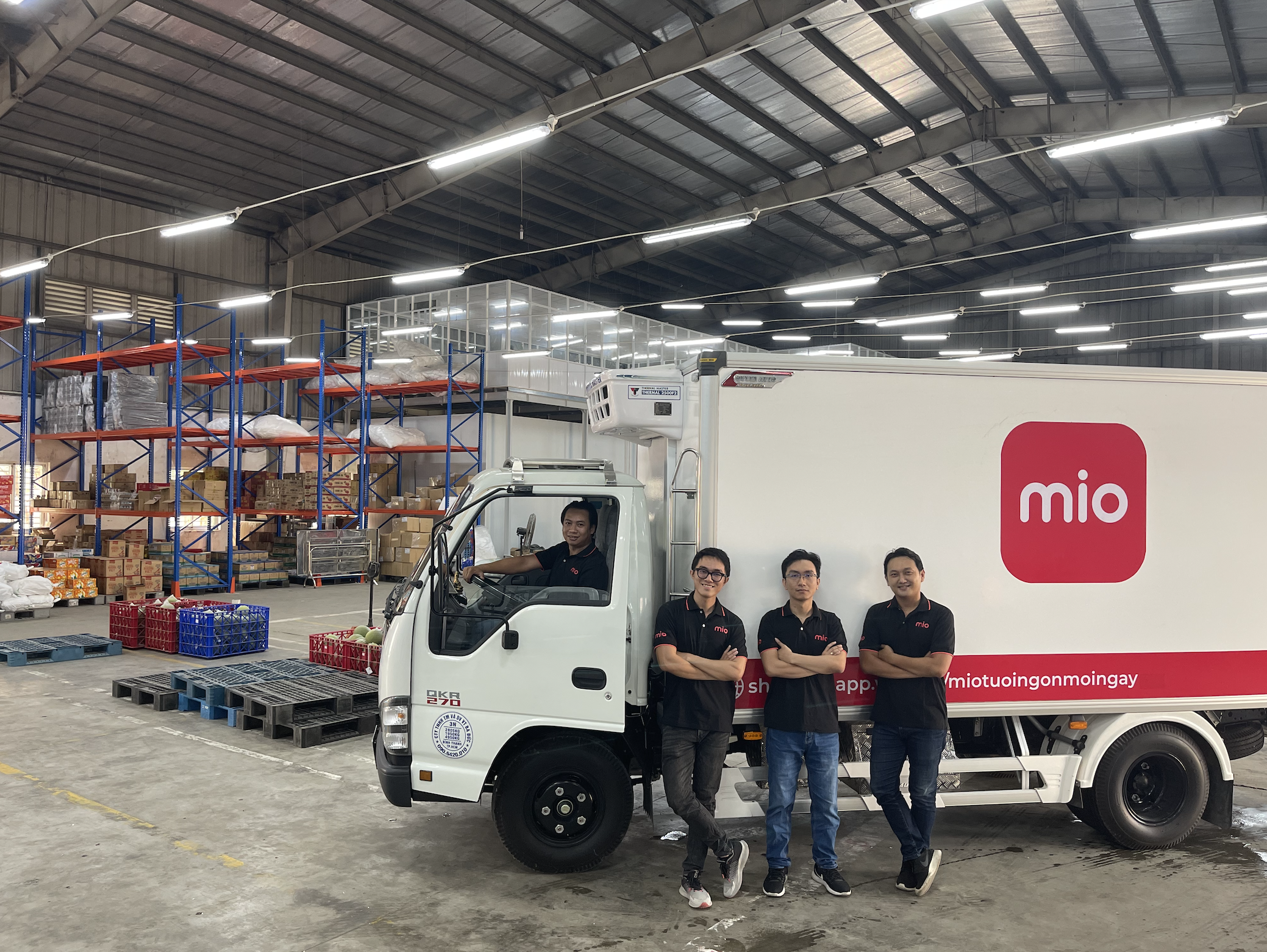
    Mio, a Vietnam-based social commerce startup, has raised US$8 million in a series A funding round led by Jungle Ventures. Patamar Capital, angel investor Oliver Jung, and existing investors such as Golden Gate Ventures, Venturra Discovery, Hustle Fund, iSeed SEA, and DoorDash executive Gokul Rajaram also participated in the round.

    The investment boosts Mio’s total funding raised to US$9.1 million.

    Founded in June 2020, Mio uses a network of resellers to sell fresh produce such as fruit, vegetables, and meat. The company was set up by former IDG Ventures associate Trung Huynh, Scommerce co-founder An Pham, ex-DigiPay executive Tu Le, and former Uber Vietnam operations lead Long Pham.

    Around a year after its inception, when the company raised a US$1 million seed round, it had 150 active resellers. Today, that number has grown by 10x to 1,500. Mio’s gross merchandise value (GMV) has also increased by more than 50x in the last 12 months.

    Huynh credits the company’s growth to its referral programs, which offer a fee to resellers who can onboard other people to the platform. Existing resellers also get additional bonuses if the individual they refer performs well. In a statement, Mio said that each reseller can earn up to US$400 from these referral bonuses as well as from the 10% commission they get for every order they facilitate.

    “We spend very little in marketing. We don’t use digital marketing or billboards – we focus on the referral,” Huynh told Tech in Asia.

    Mio has around 240 employees, an increase of 5x since May last year. Around 50% of its headcount consists of its operational taskforce who work in the company’s warehouses and fulfillment centers.

    Mio plans to use the fresh funding to put up more fulfillment centers and tap into new cities in Vietnam. It currently covers Ho Chi Minh and its satellite cities, such as Binh Duong, Dong Nai, and Long An, which are located in the southern region of the country. This year, it plans to enter the northern region, where the country’s capital city of Hanoi is located.

    “Hanoi has similarities with Ho Chi Minh, and it also has several satellite cities. We aim to be present in 10 cities by the end of 2022,” Huynh noted.

    The company also wants to improve its logistics and supply chain, which Huynh said is important for Mio in the long run. That’s why the company prefers to control fulfillment centers and the delivery process itself. Today, its delivery courier can handle almost 80% of the company’s total transactions.

    “During the time when the order is spiked, or there is a special event, we cooperate with third-party logistics,” Huynh said.

    The company currently sells more than 10,000 products every day, and it targets to fulfill 100,000 orders per day by the end of 2022.

    Huynh revealed that he sees interest from businesses in the hotel, restaurant, and cafe sector that want to source fresh produce from his company in bulk due to the attractive prices. With the pressure to increase GMVs after raising a significant amount of funding, Huynh finds the offers tempting.

    However, he consistently rejects such requests to keep the company focused on using its reseller network and reaching customers nationwide.

    Mio has expanded its offerings to FMCG products due to requests from its customers. However, these offerings only occupy around 10% of Mio’s total stock keeping units. Huynh explained that while FMCG products are easier for fulfillment – as they typically have a longer shelf life than other categories – they bring lower margins.

    “Majority of our GMV still comes from fresh produce, so it will still be our focus,” Huynh added.

  • Starbucks expands delivery services in China with Meituan tie-up

    Starbucks expands delivery services in China with Meituan tie-up

    Starbucks said on Tuesday it has entered into a partnership with China’s Meituan that will allow its Chinese customers to order coffee delivery via the super app’s platform.

    The move will expand the U.S. coffee chain’s delivery footprint in China, which has since 2018 used Alibaba Group’s Ele.me as its exclusive delivery partner.

    The two companies will also launch a service that will allow Meituan users to make private bookings for a tasting of coffees and learn to make them at Starbucks stores, it said.

    Starbucks has 5,360 stores in more than 200 Chinese cities, making it the second-largest market only after the United States, according to the company’s most recent earnings report.

    The company also said it would utilize Meituan’s “superstore” feature under the partnership which will see each of its stores have its own unique page on Meituan’s platforms by the end of this year, from which customers can book food delivery services or check local events.

  • First Adidas Brand Centre launches in Singapore, brand’s largest there yet

    First Adidas Brand Centre launches in Singapore, brand’s largest there yet

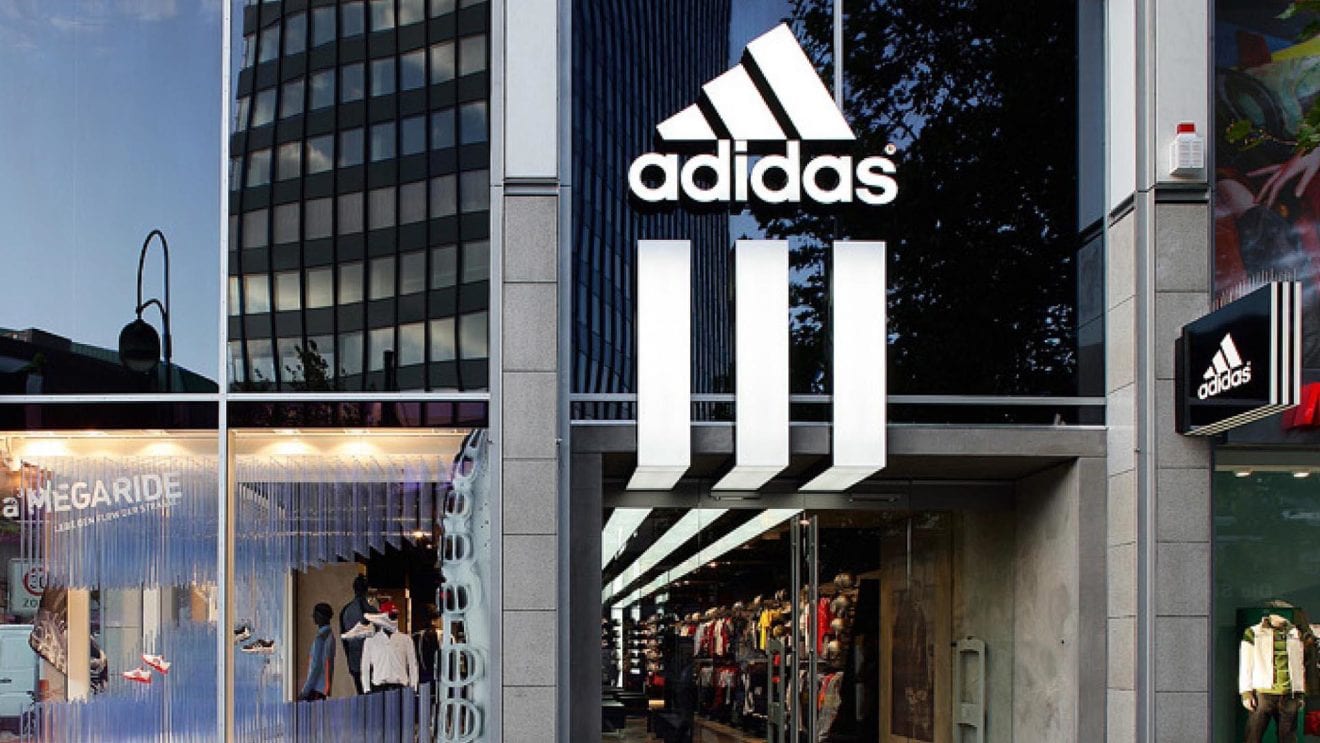
    Sportswear brand Adidas launched its first Singapore brand center, named Homeground, in Knightsbridge along Orchard Road. Occupying three floors, it claims to be the largest mono-brand retail sports destination in the country. It offers the largest array of Adidas performance and Originals apparel, footwear, as well as accessories in Singapore.

    Adidas claims that the design of the brand center is “deeply rooted in Singapore identity” and “celebrates its diversity as a multicultural country”. Created in partnership with numerous local designers, the design takes inspiration from iconic everyday Singapore scenes. For example, a wall-mounted mural that takes the form of an Adidas shoe is actually a collage of locally-inspired elements weaved together in a wall-mounted mural.

    In addition, the brand center’s sustainability wall is inspired by the coastline of the Singapore River and is made with layers of crafted reclaimed wood.

    The “Local Delights” section features vibrant artwork that is inspired by traditional cakes and snacks such as Tutu Kueh, Ang Ku Kueh, Kueh Bahulu, Muruku, and the colorful Kueh Lapis cake.

    There’s also an anamorphic ceiling installation in the MakerLab, where 180 pieces of stainless-steel trefoils come together to form an intricate ceiling artwork that is both a trefoil and the coastline of Singapore at the same time.

    Besides enjoying first-in-region launches and Singapore exclusives at the Homeground store, shoppers can look forward to the Singapore Key City Tee, a local-themed graphic print t-shirt.

    In line with the brand center’s launch, Adidas will be rolling out the “Bring it to Me” service over the next few months, which will be exclusive to the brand centre.

    Shoppers can have the products delivered to them as they continue browsing the other items at the store by scanning the footwear via the Adidas app or QR code to indicate their preferred sizes.

    For more information, you can check out the Adidas Homeground website, Adidas Singapore’s Instagram, and Facebook pages.

  • Cognac sales jump 31 per cent as drinkers go upmarket

    Cognac sales jump 31 per cent as drinkers go upmarket

    Cognac sales surged by nearly a third last year as American and Chinese drinkers guzzled old vintages, in the latest sign premium drinks makers are putting the pandemic behind them.

    Sales of the brandy, produced in the Cognac region of France, rose by almost 31 percent in value to €3.6 billion (US$4.1 billion), industry group BNIC said on Monday.

    Volumes were up 16 percent to 223.2 million bottles.

    “This growth reflects a real recovery of cognac, as well as new consumption habits,” BNIC said in a statement, noting sales had also risen compared with 2019, before the pandemic struck.

    The outlook should remain positive in the coming months for all destinations, BNIC added.

    The news comes after France’s champagne industry said last month it expected record sales in 2021, and follows strong results from several spirits companies.

    Cognac sales to its largest market, the United States, climbed 11 percent, with 115 million bottles shipped in 2021.

    Sales to China, its second-biggest, leapt 56 percent with 34 million bottles shipped, while European sales were up 8 percent to reach 37.1 million bottles.

    In late November, spirits group Remy Cointreau raised its full-year profit forecast after a better-than-expected first half, driven by strong demand for its premium cognac in China, the United States, and Europe.

    Pernod Ricard, which owns Martell cognac, also pointed to a jump in sales in China.

    The 2021 harvest, at 867,312 hectolitres, was within the 10-year average and should support further growth for the sector, BNIC said.