Tag: asia

  • Alibaba looks abroad as China growth slips

    Alibaba looks abroad as China growth slips

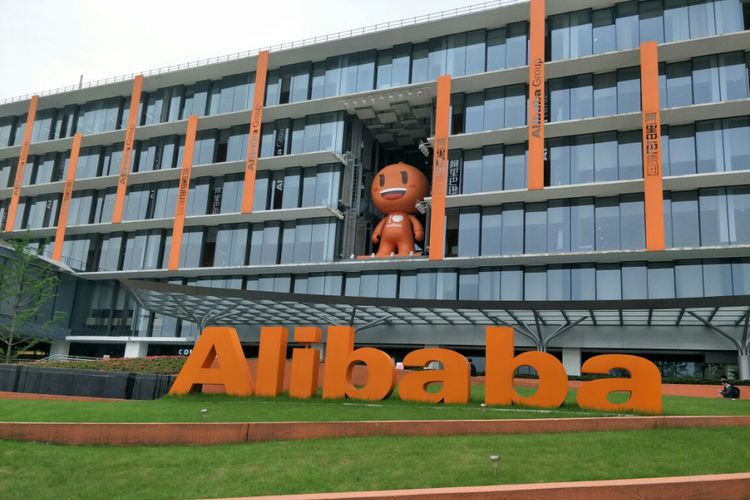
    China’s Alibaba has told its investors that overseas e-commerce would be a key focus as it looks for new sources of growth after a difficult year at home.

    Earlier this month, Alibaba Group Holding restructured its e-commerce business into separate China and international divisions, with the latter to be led by Jiang Fan, head of Alibaba’s flagship Taobao and Tmall marketplaces.

    Alibaba Deputy CFO Toby Xu, making his first major public remarks since being named this month to take over as CFO, said that international e-commerce “will become one of the key growth drivers”, adding that 57 percent of revenue for Cainiao, Alibaba’s logistics unit, comes from overseas.

    Earlier in the two-day investor event which ended Friday, Alibaba said it had set a target of $100 billion in gross merchandise value (GMV) for Lazada, its e-commerce service for Southeast Asia.

    Lazada generated $21 billion in GMV from September 2020 to the same month in 2021, the presentation showed.

    Outgoing CFO Maggie Wu said that In the future, the company will break down the category into four sub-categories – China commerce, which includes its major domestic-facing e-commerce platforms; international commerce, which will include Lazada, AliExpress, and other overseas-facing sites; local-based services, which will include its food-delivery service Ele.me and its mapping service; and Cainiao, its logistics division.

    There was also a nod to social welfare, with four of seven investment categories outlined by Xu related to initiatives such as rural revitalization and China’s aging population.

    CEO Daniel Zhang, meanwhile, pledged to slash emissions from Alibaba’s supply chains and transportation networks by 50 percent by the end of the decade.

    Missing from the presentation was any mention of Ant Group, the financial services firm that is 33-per-cent owned by Alibaba.

    Last year, Beijing intervened at the last minute to abort a planned $37 billion listing of Ant. Alibaba co-founder Jack Ma subsequently slipped from the public spotlight and Chinese authorities began a year-long regulatory clampdown.

    In November, Alibaba slashed its annual revenue forecast for its current fiscal year, from an initial growth target of 29.5 percent to between 20 and 23 percent.

    The company has been facing stiff competition from rivals including Pinduoduo, which has won over consumers in rural China, and ByteDance-owned Douyin, which has grown in China’s booming live-streamed e-commerce sector.

  • Chuk Chuk speeds up expansion plans with Central Retail

    Chuk Chuk speeds up expansion plans with Central Retail

    Kido Group-owned gelato and tea chain, Chuk Chuk, has joined hands with Central Retail to roll out between 300 and 400 stores in Go! malls and Tops Market supermarkets in Vietnam, as well as eyeing international expansion.

    Chuk Chuk said it will open 10 stores across Central Retail’s shopping malls ahead of February. Under the partnership, the chain plans to expand its presence into Thailand and other Southeast Asian countries in the coming years.

    The brand currently operates 10 brick-and-mortar stores across Ho Chi Minh City, with 40 stores scheduled to launch this month. Kido Group is to increase its store number to 1000 in the country by 2025 while expanding into international markets, including Thailand, China, and South Korea.

    The partnership with Central Retail follows Chuk Chuk’s recent agreement with Son Kim Retail, under which its products will be sold across all GS25 locations in the country by the end of next year.

    Founded last June, amid the Delta lockdown, Chuk Chuk marks Kido Group’s foray into the retail industry, directly competing with major local F&B players such as Starbucks, Trung Nguyen Legend and Phuc Long. The brand name was inspired by Thailand’s famous vehicle Tuk Tuk.

  • B2B shopping app taps Vietnam’s e-commerce potential

    B2B shopping app taps Vietnam’s e-commerce potential

    The ranking of businesses in Vietnam’s map of e-commerce changed in the second quarter of 2021, with the volume of Google searches for essential online stores skyrocketing, according to an iPrice Group study.

    The study showed online groceries were the only category to maintain steady and consistent growth since the beginning of the pandemic. Google searches related to online grocery stores in the second quarter of this year increased by 223 percent against the first quarter. The number of searches increased 11 times in July compared to May, and 3.6 times compared to June when the social distancing order under Directive 16 was implemented in some provinces and cities.

    People pay more attention to fresh food, beverages, pre-packaged items, fruits, and veggies as the searches of these items surge by 99 percent, 51 percent, 30 percent, and 11 percent, respectively, compared to the previous quarter. Thus, social distancing could be one of the factors driving the surge in demand for online supermarkets. With the growing necessity of purchasing essentials online, retailers are more likely to adapt to the digital platform.

    Buy2Sell, a B2B platform for imported goods, launched a new application in December to compete in the e-commerce race in Vietnam. Buy2Sell’s application focuses on high-end products, especially imported organic food, genuine cosmetics, and other lifestyle items.

    From 2022, Buy2Sell will expand to allow domestic sellers on its platform instead of only international vendors as previously. It would still enable any buyer matching a seller’s MOQ (order minimum) to purchase goods at wholesale prices.

    Buy2Sell has established a flexible delivery policy between sellers and buyers on its platform and application, where sellers can deliver the goods themselves to buyers instead of waiting for a long period of time. This helps buyers receive the goods quicker.

    All goods displayed on Buy2Sell will be authenticated from their origin. The quality of origin guarantees no imitations, fake goods, low-quality goods to be distributed through this platform. Buy2Sell established a consumer protection policy on selling prices and warranties, under the commitment for all sellers.

    Through its elaborate distribution system (both wholesale and retail) since 2015, and with a completely different market segment from other e-commerce players, Buy2Sell will become a known name. In the coming years, the company intends to strongly contribute to the development of Vietnamese technologies and bring changes to the consumer landscape.

  • Zurich Buys Estonian AI Chat Start-Up

    Zurich Buys Estonian AI Chat Start-Up

    The Swiss insurer is buying an Estonian start-up for conversational artificial intelligence. The move is a bid to improve the digital capabilities of its customer services.

    The Zurich-based insurer it is buying Alphachat, a four-year-old Tallinn-based company with a messaging automation product that understands natural language, authenticates users, and provides personalized responses, it said in a statement on Thursday. Zurich didn’t disclose the financial details of the deal.

    The insurer said it wants to use Alphachat’s conversational artificial intelligence to try and meet increasing demand from customers for personalized products and services, 24/7. Alphachat represents a considerable reinforcement of Zurich’s AI capabilities.

    The start-ups’ CEO, Indrek Vainu, said Zurich will launch a hub for intelligent automation in Estonia in order to create AI-powered messaging automation solutions for its customers.

  • UBS in Talks With China Life

    UBS in Talks With China Life

    UBS is reportedly in talks with insurance giant China Life to form an asset management joint venture.

    UBS is in discussions with China Life to form an asset management joint venture in the mainland, according to a report citing unnamed sources. The two have signed a memorandum of understanding and a formal launch will be subject to approval from the China Banking and Insurance Regulatory Commission (CBIRC).

    Under the agreed deal, if finalized, UBS will hold a majority stake in the business unit which will make it the first foreign majority-owned asset management joint venture with an insurer since such partnerships were allowed in 2019. The scope of operations at the planned joint venture has also not yet been finalized.

    The move to secure a joint venture with China Life follows failed attempts to form a similar asset management joint venture with a wealth management unit of a Chinese state-owned bank, the report said. «UBS has been keen to take an absolute-controlling status in a China unit, but its competitors are quick to snap up the best local partners,» said one of the unnamed sources.

    UBS currently has exposure in an onshore Chinese asset management business via a 49 percent stake in UBS SDIC Fund Management which has 149 billion yuan ($23.4 billion) in retail fund assets as of November 18.

  • Vietnam Airlines scores $1 bln discount on jet lease

    Vietnam Airlines scores $1 bln discount on jet lease

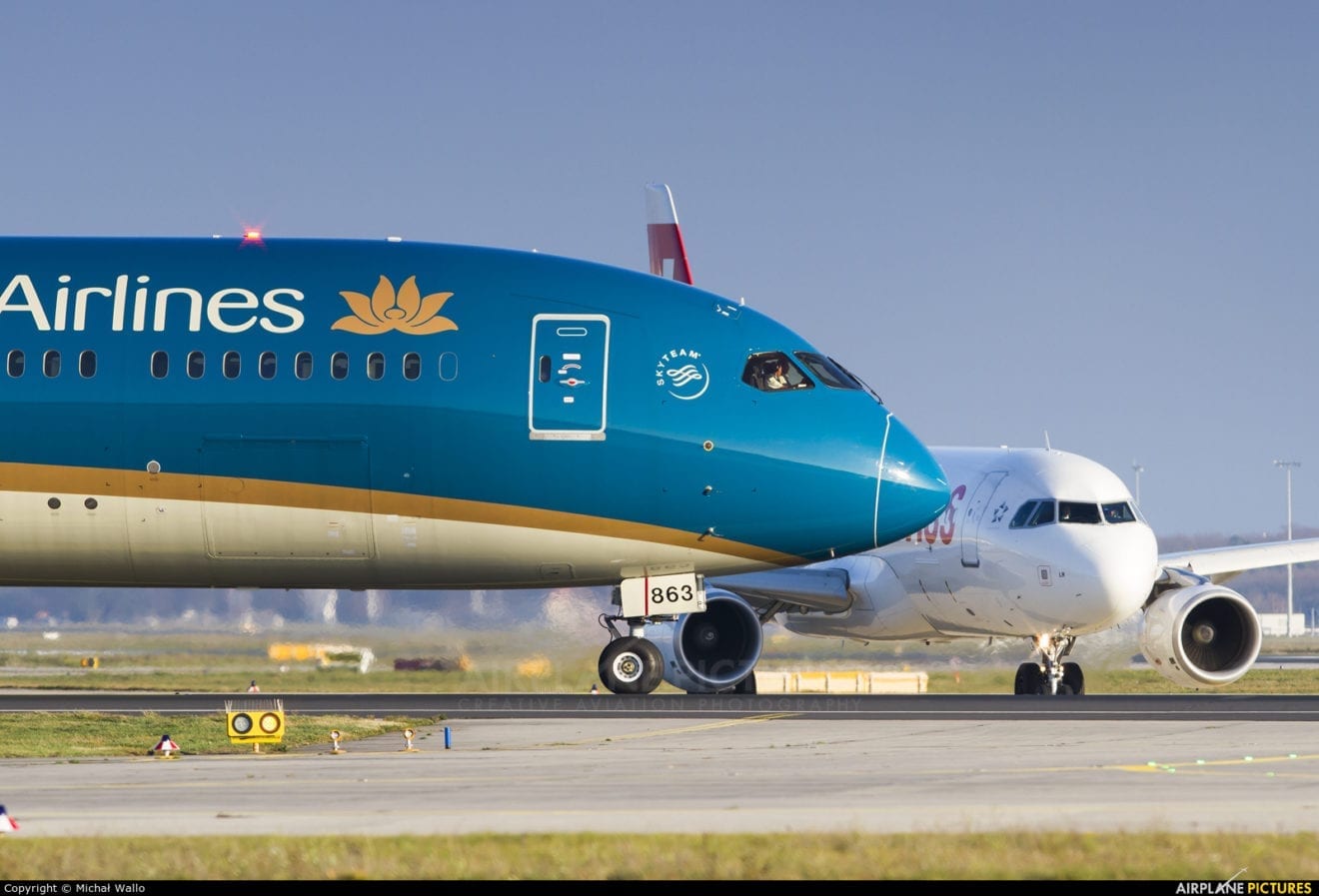
    Vietnam Airlines and Air Lease Corporation have agreed on a leasing discount exceeding $1 billion for 18 aircraft while the former face financial challenges amid the pandemic.

    U.S.-based ALC, one of the biggest aircraft leasers in the world with 450 jets, will reduce leasing charges by $420 million for the rest of the contract duration of existing jets while the remaining $600 million will be discounted on new leases.

    Vietnam Airlines is leasing 16 jets from ALC, comprising 12 narrow-body A321 Neo and four wide-body Boeing B787-10.

    With the biggest fleet in Vietnam of over 100 jets, the national flag carrier is facing financial pressure in retaining its aircraft, with many routes suspended due to Covid-19.

    Restructuring its fleet and cutting costs are its main goals to overcome the Covid-19 crisis, the airline stated.

    CEO of the carrier Le Hong Ha said Tuesday the airline would have an oversupply of jets until 2025, and plans to sell 27 over the next two years.

  • You can now control your Ray-Ban Stories glasses with your voice

    You can now control your Ray-Ban Stories glasses with your voice

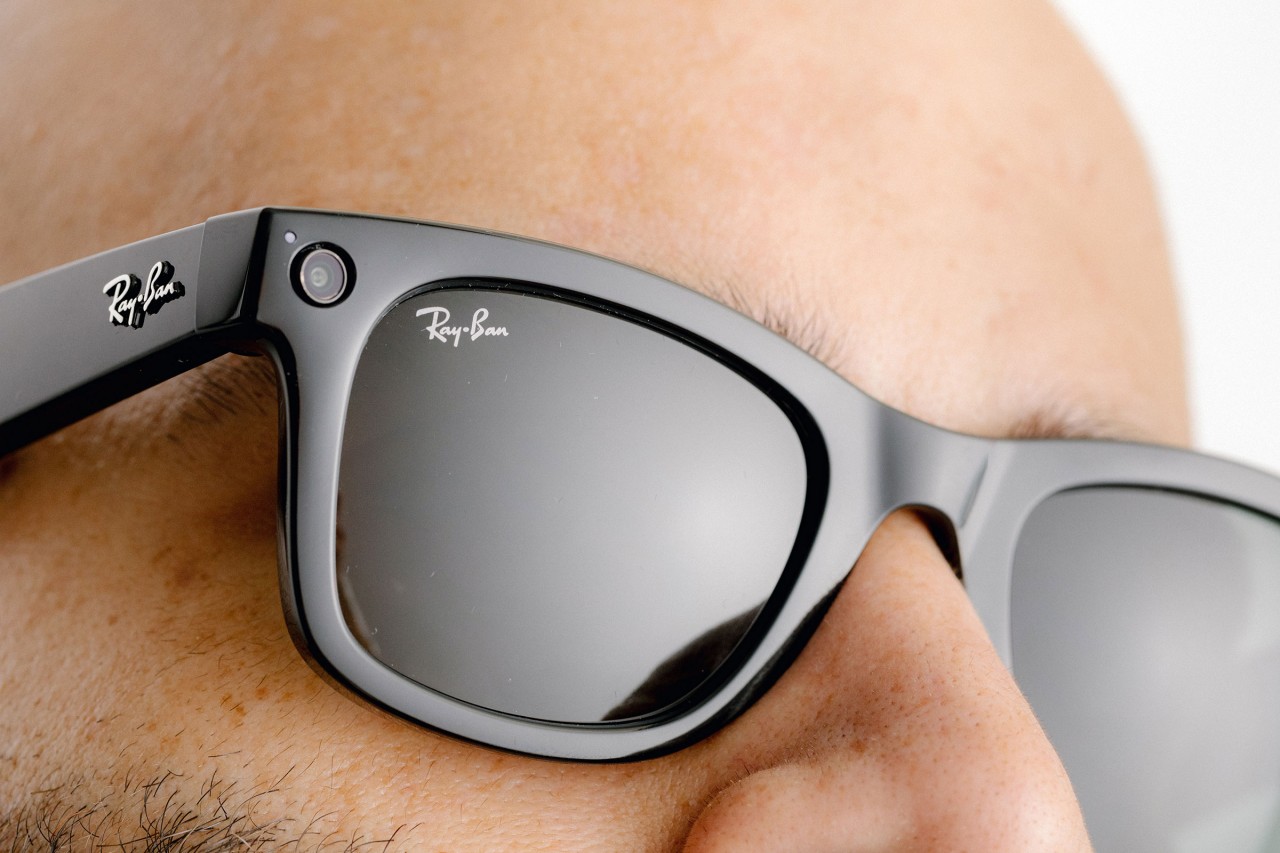
    Meta and Ray-Ban’s Stories glasses just received their latest software update, which broadens up the voice capabilities of their product.

    The newest Stories glasses update enables you to control them with your voice. You can tell the built-in voice assistant to send texts and make calls using Messenger.

    The Ray-Ban Stories assistant can now also read the received messages. Another new feature introduced with the latest update is the ability to use your voice to control the audio playback. You can now pause, play, and control the volume by telling the voice assistant what you want it to do.

    To use the voice control of the Ray-Ban Stories, you will have to say “Hey Facebook” first and then continue with the command.

    Before the latest update, the only way to control the Ray-Ban Stories was to use the built-in control panel. Because the glasses have two built-in cameras, three microphones, and two open-ear micro speakers, you could use them to take videos, photos, make calls, and listen to music.

    More updates to the Ray-Ban Stories are coming in 2022, said Mark Zuckerberg in a post on Facebook when announcing the new update.

  • Delhi To Deregister Diesel Vehicles Completing 10 Years On January 1, 2022

    Delhi To Deregister Diesel Vehicles Completing 10 Years On January 1, 2022

    The Delhi government has announced that it will deregister all diesel vehicles that will complete 10 years on January 1, 2022. Owners of said vehicles will be given a No Objection Certificate (NOC) which will allow them to re-register the vehicle in other places. The Delhi government has taken this decision in compliance with the National Green Tribunal’s (NGT) directions relating to restrictions on registration and plying of 10-year-old diesel and 15-year-old petrol vehicles in the city. While owners of petrol cars that have completed 15 years will get the NOC from the transport department, the same will not be issued for diesel vehicles that have completed 15 years or more on the date of applying for it.

    An order issued by the transport department said, “the department will deregister all such diesel vehicles in Delhi on January 1, 2022, which have completed or would be completing 10 years on that date”. The department has been deregistering vehicles that have completed their lifespan. Owners of diesel vehicles, which are 10 years old, and petrol vehicles, which are 15 years old, can get the NOC for any place in the country. However, it is subject to the condition that NOC will not be issued for the places which are identified by states as restricted areas for re-registration. To facilitate this, the NGT had directed states to identify areas where the dispersion of air is higher and vehicular density is less.

    Interestingly, the transport department has said that owners will also have the option to convert their 10-year-old diesel or 15-year-old petrol vehicles to electric vehicles in case they want to continue using them in Delhi. Of course, this means the vehicles will need to be retrofitted with impaneled electric kits via agencies approved by the department. The empanelment process for electric kits is under process.

    For vehicle owners with diesel vehicles that are older than 10 years and petrol vehicles older than 15 years, scrapping is the only option. Transport department and traffic police teams are impounding such vehicles and sending them for scrapping by authorized vendors.

  • Honor introduces two new 5G phones, the X30 and the Play 30 Plus

    Honor introduces two new 5G phones, the X30 and the Play 30 Plus

    Continuing to celebrate its separation from Huawei, which allows it to install the Google version of Android on its phones, Honor today unveiled the X30 handset. The device sports a 6.81-inch LCD display with a resolution of 1080 x 2388, and thin side bezels that weigh in at 1.05mm. The screen refreshes 120 times each second for buttery smooth scrolling, enhanced animations, and more.

    Under the hood (another area where Honor is no longer restricted thanks to Huawei’s $15 billion sale of its former sub-brand) you’ll find a 5G Snapdragon 695 SoC built on the 6nm process node by TSMC. Compared to the MediaTek Dimensity 900 that powered the X20, the chip powering the new phone will deliver CPU and GPU performances 15% and 30% higher, respectively.

    On the back, the camera array includes a 48MP primary camera, a 2MP macro camera for extreme close-ups, and a 2MP depth sensor. There is a small punch-hole in front for the 16MP selfie snapper.

    Keeping the lights on is a 4800mAh battery that charges at 66W. At that rate, you might be able to juice up your phone to 80% in only 30 minutes. Memory ranges from 6GB to 12GB with storage options of 128GB or 256GB. Honor’s Magic UI 5.0 is found on top of Android 11 and the X30 will be available in silver and black (Las Vegas Raiders’ colors), gold and blue.

    The Honor Magic X30 is priced at CNY1,499 (equivalent to $235) for the base 6GB RAM/128GB model and rises to CNY 2,299 ($361) for the 12GB RAM/256GB variant. The phone goes on sale in China on Christmas Eve and Honor has yet to mention anything about a global version of the device. While the X20 had a limited release, Honor CEO Geroge Zhao has hinted at wider distribution of the X30.

    The executive said, “Through both online and offline channels, we have been able to expand our offerings to even more consumers,” he said. “We are grateful for the trust of our retail and carrier partners around the world and look forward to introducing more products together in 2022.”

    Also introduced today was the Honor Play 30 Plus. A less ambitious phone than the X30 is, the Play 30 Plus carries a 6.7-inch LCD screen that refreshes 90 times each second. It is equipped with MediaTek’s Dimensity 700 chipset and does support 5G. The phone comes with 4GB-8GB of memory and 128GB of storage. On the back is a 13MP camera with a 2MP depth sensor. In the front is a teardrop notch with a selfie camera that weighs in at 5MP.

    A 5000mAh battery is inside the handset although charging is no faster than 22.5W. The color options are the same as the four available for the X30 (silver, black, gold, and blue), and the software (Magic UI 5.0 on top of Android 11). The model with 4GB of memory and 128GB of storage is priced at CNY 1,099 (equivalent to $173). The version with 8GB of memory and 1238GB of storage trim and maxes out at 8GB RAM and 128GB storage which will set you back CNY1,499 ($235).

    Honor is also celebrating its freedom by announcing that it plans on becoming an “iconic global brand.” In a release, the company said, “HONOR spent the past year developing strategic collaborations with its global supply chain partners and established over 30 partnerships with leading suppliers including AMD, Intel, MediaTek, Microsoft and Qualcomm.”

    Honor CEO Zhao said, “Thanks to the support of our friends and partners over the past year, HONOR has been able to deliver on our promise to help consumers go beyond as well as expand our brand to provide both premium and accessible technology to a wider range of users. I am so proud of the industry breakthroughs we have introduced as a result of the dedication and passion of my colleagues and collaborations with our leading global chain partners.

  • T-Mobile introduces a more secure way for authorizing SIM changes

    T-Mobile introduces a more secure way for authorizing SIM changes

    In an internal notice sent to its stores, as reported by the T-Mo Report, T-Mobile informs its employees of a new, more secure method of authorizing SIM changes. The customer will now be required to provide SMS verification when requesting SIM changes, such as transferring a number to a new SIM. The alternative is the change to be verified by two employees using their credentials.

    T-Mobile’s new measure against unauthorized SIM changes may come in response to the new requirement proposed by the Federal Communications Commission (FCC). The FCC proposed that service providers identify the customer before beginning a port-out to another carrier and notify customers immediately when a SIM change or port request occurs.

    The new T-Mobile measure is a step forward in solving the problem of unauthorized SIM changes because T-Mobile defenses against attackers have been breached more than once.

    Over these few years, T-Mobile clients have become victims of constant SIM swap scams and port-out attacks. As attackers utilized the stolen phone numbers from the SIM swaps to receive two-factor authentication SMS codes, many clients lost a lot of money due to these scams, including cryptocurrency.

    In August, T-Mobile became a victim of a data breach. The hack affected over 54 million people. Customer names, driver’s license numbers, Social Security numbers, and device identification numbers were all leaked.

    The new SIM change procedure was implemented on December 14th and is now in effect.

  • Enterprises not exporting rice regularly to lose licenses

    Enterprises not exporting rice regularly to lose licenses

    Rice exporters will have their licenses canceled if they fail to ship for a long time.

    Out of 205 businesses with export licenses, 39 have not exported the grain since December 2019.

    The Ministry of Industry and Trade said: “Many traders have no rice market or capacity to export. This along with the impact of the Covid-19 pandemic means they have not been able to export rice for nearly two years.”

    Under further changes to a decree, the ministry wants local authorities which issue rice export licenses to strengthen inspection of business conditions.

    Vietnam exported 5.7 million tons of rice worth $3 billion in the first 11 months of this year, year-on-year increases of 0.8 percent and 7.3 percent.

    The country is unlikely to achieve the export target of 6.5 million tons this year, the Vietnam Food Association said, predicting that even next year exports would only be around 6.3 million tons.

  • Google threatens to fire employees who refuse to get vaccinated

    Google threatens to fire employees who refuse to get vaccinated

    Almost two years have passed since the beginning of the COVID-19 pandemic, but that does not mean that things have cooled off. That is why companies, including those in the tech industry, are still practicing the work-from-home approach when it comes to their employees.

    It seems, though, that some of the major players in the game, such as Google, are starting to tighten their grip over the rules revolving around the pandemic. A report on an internal Google memo reveals the tech giant telling its employees they could get fired if they don’t follow the company’s COVID-19 vaccination rules.

    Exceptions would be made for those with a granted special exemption based on medical or religious reasons. Each exemption would be approved on a case-by-case basis. Based on what the report says, Googlers (the way Google refers to its employees) had up until the 3rd of December to present their vaccination status.

    In the case of denied exemption and no uploaded proof of their vaccination on the internal systems, Google would then start contacting those employees. January 18th, 2022, would then be the final date until which a Googler would have to comply with the vaccination rules. If not, they would then be put on “paid administrative leave” for the next month.

    Further refusal to comply with the rules would result in “unpaid personal leave,” which could last up to six months. For the initial 92 days, said employees would still have access to their work benefits. However, if the six months passed and their vaccination status remained the same, the result would be them getting dismissed from Google.

    “We expect that almost all roles at Google in the US will fall within the scope of the executive order. Anyone entering a Google building must be fully vaccinated or have an approved accommodation that allows them to work or come onsite. Frequent testing is not a valid alternative to vaccination.”

    As one might guess, not all Googlers agree with this mandate. A few hundred of them have written a manifesto in opposition to the vaccine rules and requirements and signed it. As a reply to this, Google has suggested that the employees look at different roles at the company, which wouldn’t conflict with the executive order.

  • Google Fi users are now eligible for the traditional year-end gift

    Google Fi users are now eligible for the traditional year-end gift

    If you’re a new Google Fi subscriber, you’re probably not aware that the MVNO typically offers gifts to its customers at the end of the year. Although this time around the rewards isn’t as exciting as it was in the previous years, you’ll still get something. Also, it’s always the gesture that counts, not the value of the gift.

    Starting today, Google Fi users with active service as of December 15, 2021, are eligible for a $10 Play Store credit. Of course, your account must be in good standing to qualify for the offer. Also, one thing worth noting is the Fi for Googlers accounts are not eligible for the $10 Play Store credit.

    According to Google Fi, the offer ends January 5, 2022, but customers can redeem it by January 12, 2022. The promotion is aimed at US residents only and requires Google Pay and Google Fi accounts.

    Once you add the $10 Play Store credit to a Google Payments account, you must use it on Google Play by June 30, 2022, otherwise, you’ll lose it.

  • Latest iOS update gives Siri back some accessibility features for the iPhone

    Latest iOS update gives Siri back some accessibility features for the iPhone

    When Apple released iOS and iPadOS 15 three months ago, iPhone and iPad users with vision problems were upset. The update took away several commands that allowed Siri to help those with poor vision play their voicemail, recite their call history list, send an email, and more. This was a slap in the face to iPhone and iPad users who have vision problems and who relied on help from Siri to use their devices.

    Well, the good news is that the other day, with the release of iOS 15.2, Apple returned the following commands to Siri’s vocabulary:

    • Hey Siri, do I have any voicemails?
    • Hey Siri, play my voicemail messages.
    • Hey Siri, check my call history.
    • Hey Siri, who called me?
    • Hey Siri, send an email.
    • Hey Siri, send an email to (name of person).

    Before the release of iOS 15.2, asking Siri any of those questions resulted in this response from Apple’s digital assistant: “Sorry, I can’t help with that.” Talk about adding insult to injury. But now, when you ask Siri to perform one of the above tasks, she will gladly do so.

    Several bug fixes were part of iOS 15.2 including one that prevented Siri from working when using the VoiceOver feature with your iPhone locked. VoiceOver is another feature found in Settings > Accessibility and it allows a person to use his iPhone even if he can’t see the screen through the use of hand gestures. The update also exterminated a bug that made ProRAW images appear over-exposed in third-party editing apps.

    Other bugs that were killed off in iOS 15.2 include one that prevented video streaming apps from loading content on iPhone 13 series models, one that posted calendar events on a wrong day for Microsoft Exchange users, one that didn’t update Now Playing information for certain apps while using CarPlay, and one that again in CarPlay, wouldn’t allow HomeKit scenes that include a garage door to run when your iPhone is locked.

    To update your iPhone to iOS 15.2 and iPad to iPadOS 15.2, go to Settings > General > Software Update.

  • Use “Erase iPhone” to reset a locked iPhone without connecting to a computer

    Use “Erase iPhone” to reset a locked iPhone without connecting to a computer

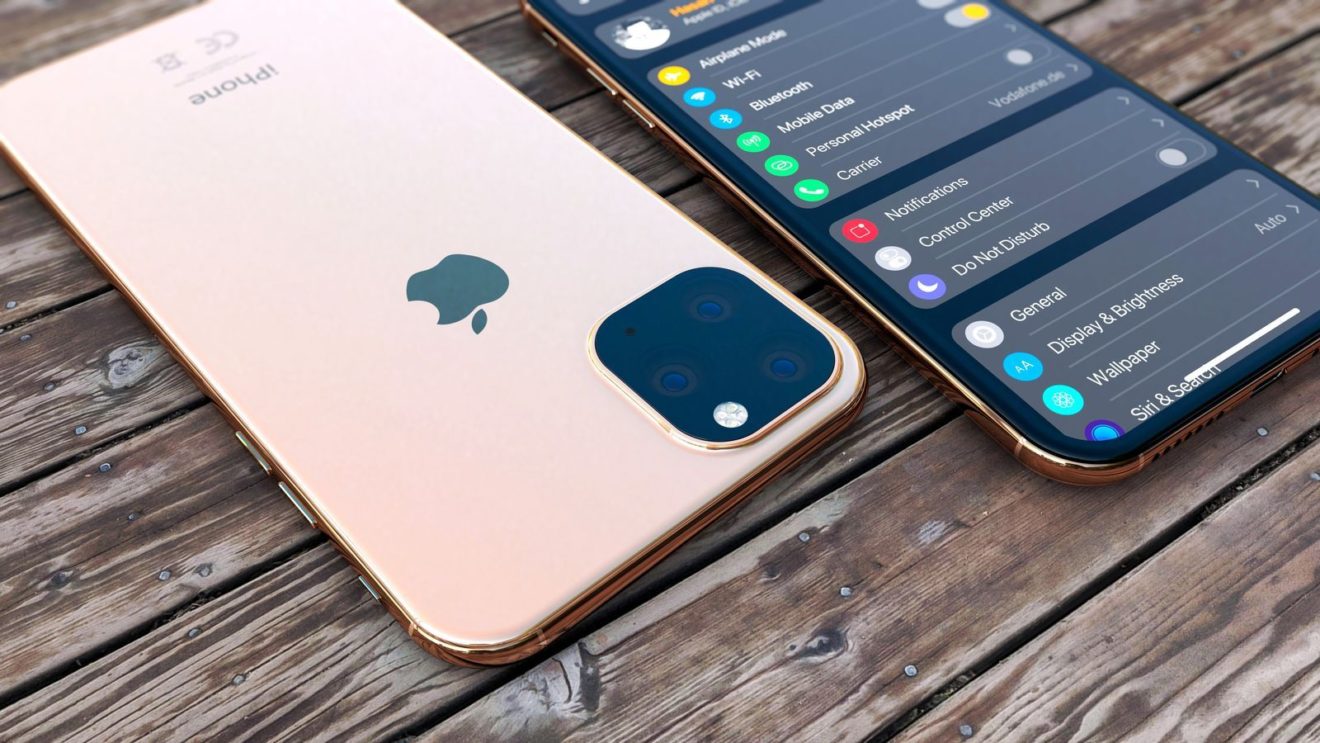
    With the iOS 15.2 update, iOS now has the ability to erase and reset a locked iOS device without connecting it to a computer.

    To reset a locked Apple iPhone or iPad before iOS 15.2, you had to connect it to a Mac or PC first. After you had connected the device, you had to put it into recovery mode. After that, you had to update or reset the locked device using your computer, and then you had to set up your device again.

    With iOS 15.2, Apple simplified the recovery process for a locked iOS device. If the locked Apple device is running iOS 15.2, you will need only an active internet connection to reset it.

    After a few failed attempts to unlock your phone with your password, the new “Erase iPhone” option introduced with iOS 15.2 will appear at the bottom of the screen. Tap on it to confirm that you want to reset your phone. Enter your Apple ID password to sign out of your account. Tab Erase again to erase the phone. After that, the device will reset itself, delete all data, and restart. Follow the on-screen instructions to restore your data from a backup and set up a new passcode.

    With iOS 15.2, Apple made the recovery of a locked device easier. But if the device doesn’t have an internet connection or isn’t running iOS 15.2, you’ll have to use the older method instead.