Tag: asia

  • Latest electronic news

    Latest electronic news

    Smartwatches and fitness trackers, for example, are difficult to deconstruct and recycle. As a result, when a new model is released, most consumers dispose of their old devices in hazardous waste streams. Unfortunately, this goes for many of the electronic sectors. Whether it’s a new iron or the latest online game, it’s all becoming a problem. Researchers have developed a two-metal nanocomposite for circuits that disintegrates when submerged in water, according to a study published in ACS Applied Materials & Interfaces. The circuits were presented in a prototype transitory device, which was a working smartwatch that disintegrated in 40 hours.

    Due to planned obsolescence and the rapid pace of technological advancements, new devices are constantly replacing older models, resulting in millions of tons of electronic waste generated each year. Recycling can help minimize the amount of e-waste produced and is required in many countries. On the other hand, small consumer electronics are generally not worth the effort to recycle because their pieces must be rescued by hand. However, some processing stages, such as open burning and acid leaching, can create health problems and pollution.

    Both of these issues could be solved by dissolvable gadgets that disintegrate on demand. Xian Huang and colleagues had previously developed a zinc-based nanocomposite that dissolved in water and could be used in temporary circuits. Still, it wasn’t conducive enough for consumer devices. As a result, they intended to improve the electrical properties of their dissolvable nanocomposite while also designing circuits that could withstand regular use.

    The researchers added silver nanowires to the zinc-based nanocomposite to solve this problem, which made it highly conductive. The circuits were then hardened through chemical processes driven by water droplets after being screen-printed onto a degradable polymer called polyvinyl alcohol.

    The watch’s components, such as an organic light-emitting diode (OLED) screen and microcontroller, as well as resistors and capacitors embedded into the circuits, were all that remained. According to the researchers, the two-metal nanocomposite may be used to make transitory devices with performance comparable to commercial ones, which could go a long way toward addressing the problem of small electronics waste.

    E-Waste Problem

    Only a portion of the problem is e-waste from discarded electrical and electronic equipment. Toxins released during mining and manufacturing are a substantial contribution to e-waste. Rare earth elements are currently essential components in high-tech electronics, yet their extraction is hazardous. Household appliances such as irons, vacuum cleaners, washing machines, and refrigerators are by far the major contributors to the amount of e-waste produced.

    However, as connectivity becomes integrated into daily products, the quickly developing “Internet of things” – internet-connected electronics – is predicted to generate more e-waste. E-waste handling is governed by rules. When selling a new version of the same product, sellers of electrical and electronic equipment (EEE) in the European Union must provide a mechanism for customers to dispose of their old household gadgets.

    Several well-known electronics businesses have been chastised for lack of spare parts or updates, as well as suspected built-in obsolescence. Apple revealed in 2017 that it had purposefully slowed down some iPhone models as they grew older. Customers felt this was to entice them to upgrade, but Apple claimed it was to extend the life of their devices. Daisy, the company’s robot, was released in 2018 and is designed to disassemble iPhones to recover and recycle minerals. Owners of Sonos speakers chastised the company in November 2019 for no longer providing software upgrades for some of its older devices. 

    What can we do?

    If you’re like most people, you’re probably stumped as to what to do with that drawer full of obsolete equipment. We all produce more electronic garbage than we can handle, which has been a big issue for the past decade. We should strive to limit the quantity of e-waste that ends up in landfills. With the advancement of technology, e-waste disposal will become a more critical issue. Because most consumer electronics, such as phones, computers, and televisions, contain hazardous chemicals and toxic elements like lead, mercury, and other heavy metals, when they are disposed of in local landfills, they endanger our soil, air, and waterways.

    Donate or sell – Selling your working devices is a simple approach to manage e-waste efficiently. You might be able to locate a buyer on eBay or Craigslist. Many of these purchasers will use, resell, or use/sell the components. Otherwise, recycling and comparison websites will give you a price for your old electronics and allow you to ship them off to be successfully repurposed or recycled.

    Think before you buy

    REDUCE is the most crucial of the three R’s (Reduce, Reuse, and Recycle). It’s so simple to get a new laptop, a smart TV, or the latest mobile phone. Most people don’t even consider whether they require them. Before purchasing anything, consider whether you genuinely need it. Why not upgrade the software instead of buying a new device if your old one is still in good working order? Instead of purchasing a new laptop, you can repair your existing one. Being a wise consumer will help you manage your household’s e-waste more effectively. 

    Online Data Storage

    Why utilise a memory stick or device when you can readily save significant amounts of data over the Internet? There are various cloud storage options available online, including Dropbox and Google Drive (free). In addition, some paid services provide a free 30-day trial period so you can see what works best for you.


  • The Reason why Mad Mex is exiting Singapore and Malaysia

    The Reason why Mad Mex is exiting Singapore and Malaysia

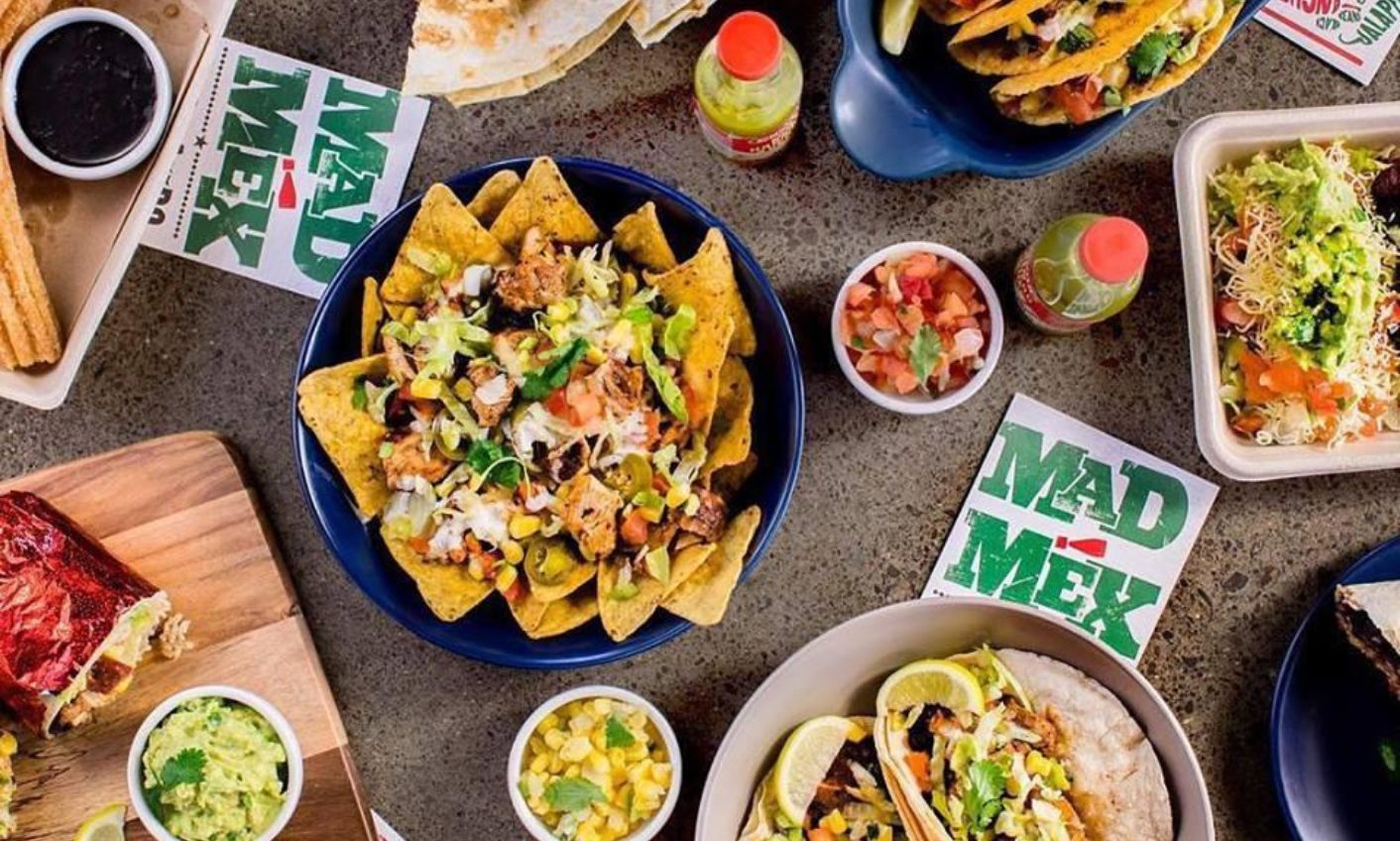
    Australian food chain Mad Mex is taking a taste of Mexico to Singapore and Malaysia with the announcement of its global expansion.

    The group’s plans to go international kick-off in Singapore this week with a brand-new store and will continue when its Malaysian store opens in December this year.

    The Marina Bay financial district in Singapore will be Mad Mex’s first location outside of Australia and New Zealand.

    The launch of the restaurant also heralds in a new partnership for Mad Mex with restaurant group 4Fingers. The partnership will see Mad Mex and 4Fingers leverage each other’s’ local market knowledge in Singapore, Australia, Indonesia, Thailand and Malaysia.

    The push into Singapore and Malaysia follows Mad Mex’s successful expansion into New Zealand in 2013. The company now has 15 restaurants in New Zealand and has plans for three more openings in 2019.

    The expansion comes off the back of considerable growth for the business. Over the last 12 months the company has served over four million burritos across the company’s 70 Australian and New Zealand restaurants.

    The company also revealed that during FY19 the company had strong like for like sales growth of 6.5 percent and 70 consecutive weeks of sales growth in Australia making the year the business’ strongest financial year to date.

    Founder and CEO Clovis Young says the success of Mad Mex in the face of tough retail conditions is to be commended.

    “The results of our team have delivered is truly remarkable and a demonstration of the passion and enthusiasm our restaurant team have for the food and the brand,” says Young.

    “The last 12 months have been very tough for retailers, so this performance really is exceptional.”

    “The expansion into APAC comes at an exciting time for Mad Mex. southeast Asia is in the midst of a food revolution towards healthy eating, and we believe Mad Mex’s healthy and quality positioning will resonate with local customers. We are very excited by the opportunity and we have big plans for the next five years. Watch this space.”

  • Major new features coming to Meta’s Portal smart display

    Major new features coming to Meta’s Portal smart display

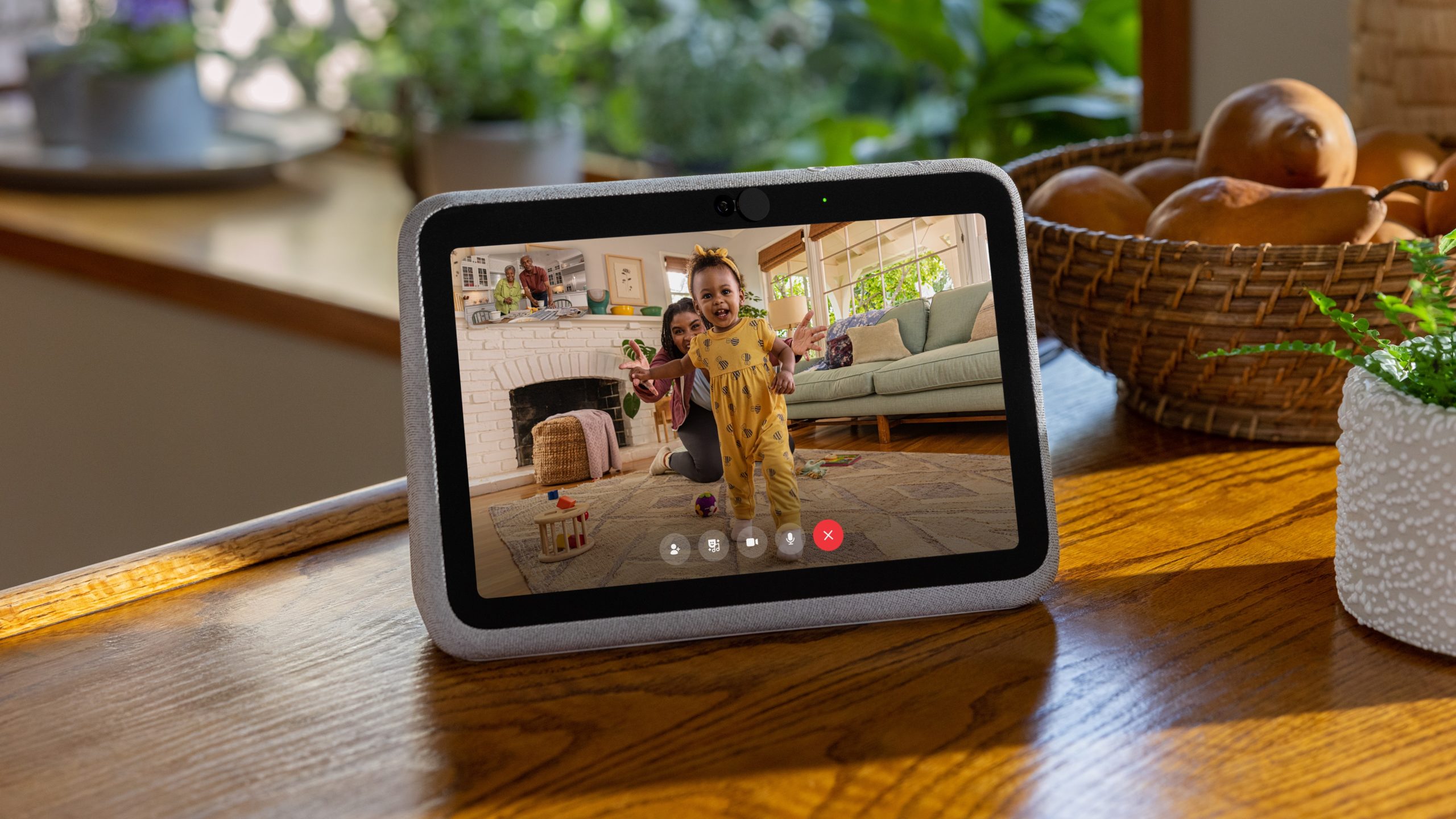
    The Portal smart display has been updated quite a few times with new features. After rebranding itself from Facebook to Meta, the social network has decided to turn its attention to the device once again.

    Earlier today, Meta announced that it has added new ways for Portal owners to use Facebook Assistant on the device. A new ability to let the Portal capture a moment during a Messenger call is now available for users, and the best thing is that it can be used hands-free by saying “Hey Portal, take a photo.”

    The update also adds the Alexa touch interface, which allows users to manage smart home devices, routines, alarms, music, smart doorbells and more by touch or directly from the Alexa app.

    As mentioned earlier, Meta is now rolling out new ways for users to stay connected with their Facebook friends on Portal, hands-free. Facebook Assistant can pull up a friend’s profile or recent posts. Portal owners can now say “Hey Portal, show me Stories” or ask about recent posts, responses and photos.

    Meta is adding group AR Effects that let people on a Messenger call to experience the same effects at the same time. Additionally, three new augmented reality games will be available for Portal owners via Facebook Assistant: Quizbee, Sequencer, and Port-a-Pet.

    Furthermore, Meta announced that starting today support for Microsoft Teams will be available on Portal, Portal+ and Portal Go. Finally, later this month, ESPN will expand from Portal TV to include Portal, Portal+ and Portal Go in the United States.

  • Simple Energy To Build World’s Largest EV Two-Wheeler Factory

    Simple Energy To Build World’s Largest EV Two-Wheeler Factory

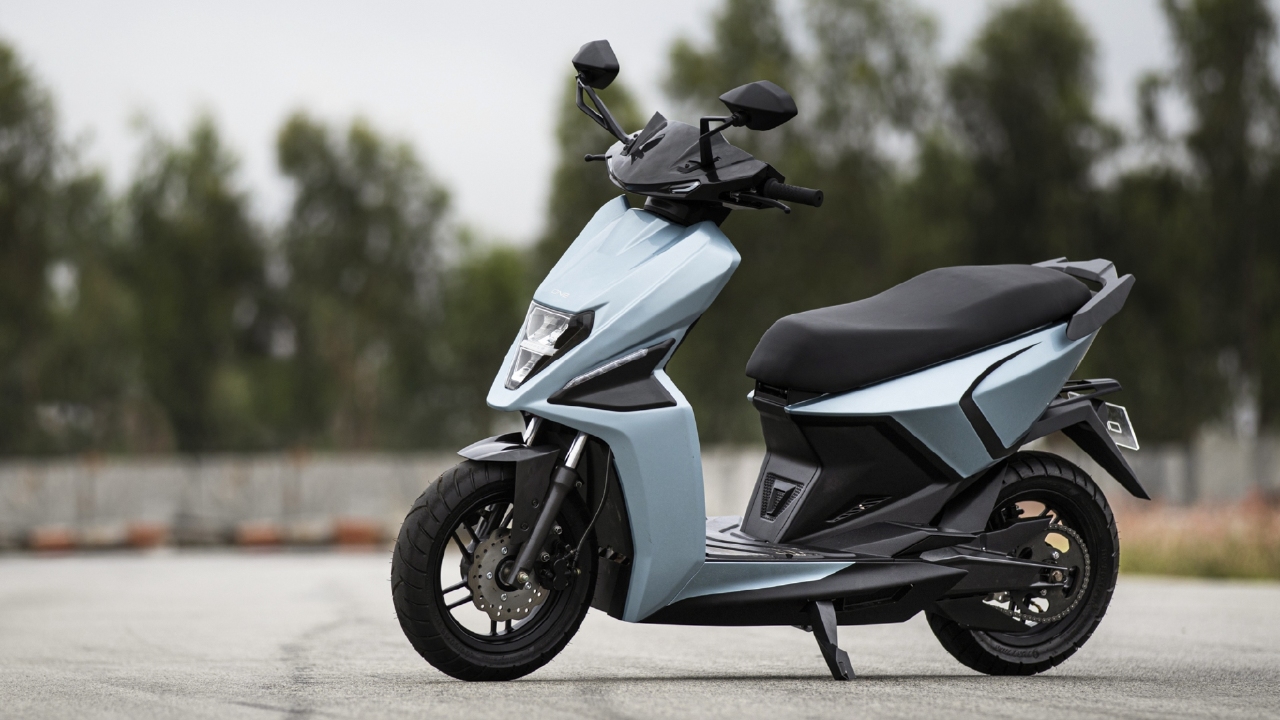
    Simple Energy, an electric vehicle start-up based in Bengaluru, has signed a Memorandum of Understanding (MoU) with the Tamil Nadu government for an investment of ₹ 2,500 crore for constructing the largest electric two-wheeler plant in Dharmapuri. In Phase 1 of the company’s manufacturing operations, the first plant, with an area of 2,00,000 square feet, is being constructed near Shoolagiiri (Hosur) and has an annual production capacity of upto 1 million (10 lakh) units. This first plant will be operational by early 2022, the company said in a statement. This first plant will produce the Simple One electric scooter and begin deliveries.

    Upon successfully completing its signing agreement with The Tamil Nadu Government, Suhas Rajkumar, Founder and CEO of Simple Energy, said “Tamil Nadu gave us the confidence in creating the EV ecosystem which can be sustainable in achieving our long-term goals. With the MoU, we commit to leading the Indian electric two-wheeler market in India by setting up a resourceful ecosystem that will help the country’s vision to lower carbon footprints at a faster pace. Simple Energy will thus redefine electric mobility in India.”

    According to the terms of the Mo signed with the Tamil Nadu state government, the company will make an initial investment of ₹ 1,000 crore to build its second plant (as part of Phase 2) in 600 acres of land. The second factory is slated to be opened by 2023. Simple Energy intends to build an EV ecosystem in the state, and the second factory will also have a future-ready R&D centre, world-class testing facility, as well as a vendor park n accordance with the Build In India initiative.

    The manufacturing facilities will not just be for the Indian market, but also for exports, the company said in a statement. According to the company, Simple Energy aims at reducing dependence on imports, and increasing focus on localization of parts. Once completed, the Simple Energy facility spread out over 600 acres is expected to be bigger than Ola Electric’s Futurefactory, which is spread out in an area of 500 acres.

  • Amazon launches Alexa Together, a subscription-based service for seniors

    Amazon launches Alexa Together, a subscription-based service for seniors

    Alexa Together is the new subscription-based service for elders launched by Amazon. It’s an upgrade to the existing Care Hub service and it costs $19.99 per month or $199 per year. Besides the basic features offered by Alexa Care Hub, the new service provides seniors with additional benefits.

    These additional benefits include access to an emergency helpline, fall detection response features, a remote assist option that allows family members to manage settings on the elderly person’s device and an activity feed for family members that will notify them when the aging customer is active.

    Alexa Together provides a few layers of privacy protection. For example, the elder needs to allow access to the family members to use features like Remote Assist. More importantly, the activity feed has been designed to show that the elder did interact with Alexa but will not show what that interaction specifically was.

    Amazon announced that all Care Hub customers will receive a free year of Alexa Together until December 2, 2022. Customers can also sign up for a free limited-time, six-month trial.

  • Lego to build $1-bln toy plant in Vietnam

    Lego to build $1-bln toy plant in Vietnam

    Danish toy company Lego Group will build a $1-billion plant in the southern province of Binh Duong in the second half of next year.

    It signed a memorandum of understanding Wednesday with the Vietnam-Singapore Industrial Park Joint Venture Company to build the plant, its sixth globally and first carbon-neutral one.

    The project will be its second Asian factory after it opened one in China in 2016. Lego has achieved double-digit growth in the region since 2019.

    Demand is now on track to outstrip supply from its Chinese plant in the mid to long term, Lego’s Chief Operations Officer Carsten Rasmussen said.

    “Growth in China and Asia is fantastic and we can see that over time that we will need more capacity,” he said, pointing to a growing middle class and high number of births in the region compared to more mature European and North American markets.

    The move is the latest in Lego’s decade-old strategy of placing production close to key markets, which has helped rein in costs and shield it from external factors.

    “It gives us shorter delivery time to our customers and make us able to react quickly on demand but it of course also makes us more resilient,” Rasmussen said.

    Lego’s products are sold in over 130 markets.

  • Fintech Rapyd Expands APAC Footprint

    Fintech Rapyd Expands APAC Footprint

    The fintech-as-a-service provider is expanding Greater China coverage and offering company incorporation, business accounts, credit cards, and payments services from a single platform.

    Rapyd has acquired Hong Kong-based Neat, a cross-border trade enabling platform for SMBs and startups, the fintech said a statement on Wednesday.

    Neat’s services, capabilities, and licenses will be integrated into Rapyd’s platform to enable a global trade solution optimized for SMBs, entrepreneurs, and growing young companies, according to a statement, which did not disclose the terms of the deal.

    As SMBs need to go digital and globalize at an even faster rate due to the pandemic, together Neat and Rapyd can help businesses everywhere sell their goods and services in new markets with less complexity, flatten FX fees, to unlock revenue and growth potential that would otherwise be inaccessible to them,» Joel Yarbrough, managing director of Rapyd Ventures and vice president of Asia Pacific, said about the acquisition.

    Rapyd bundles a range of digital payments-related services for businesses, including funds collection, funds payouts, currency transfers, ID verification and card issuing, and brings together over 900 payment methods in over 100 countries. Rapyd’s investors include Stripe, General Catalyst, Oak HC/FT, Coatue, Tiger Global, Durable Capital, Target Global, Fidelity Management and Research Company, Altimeter Capital, BlackRock Funds and Tal Capital.

  • Barclays Sets Sights on Asia

    Barclays Sets Sights on Asia

    The firm has is making strategic hires across investment banking and wealth management teams, as part of plans to rebuild in the region.

    U.K.-headquartered Barclays is targeting expansion in China, India, Singapore, and Australia, and is also hiring in Japan and Hong Kong, Jaideep Khanna, head of Barclays Asia-Pacific and India chief executive officer, said in an interview published Thursday.

    We are profitable in the region and I fully expect it to continue in 2022, Khanna said, adding our focus is going to be consistent – try and stick to the areas where we are strong. There are enough areas for us to drive returns today and that’s what we are focused on.

    His comments are a turnaround from moves the British lender made in 2020 to cut around 100 senior jobs in its investment banking arm, including dozens of roles in Asia. The bank had been scaling back operations in several countries in the region, including in Australia, South Korea, and Malaysia.

    Barclays in 2021-22 is a very different business that existed prior to 2016,” Khanna said. “It is much more focused now, generating better returns with more local knowledge and more self-awareness, Khanna said.

    Khanna also said Barclays plans to build up its private banking business in Singapore, and investment banking in Australia by hiring locally.

    Earlier this year, Barclays called Southeast Asia a strategically important and dynamically high-growth region, while bolstering its ranks, including Evonne Tan as head of Barclays Private Bank, Singapore; APAC head of equity capital markets Kelvin Teo, and Ee-Ching Tay as head of Southeast Asia banking. For Asia, it added a regional head of program trading Girish Mithran and vice chairman of Greater China banking Yehong Ji.

  • Coles launches low-carb bread

    Coles launches low-carb bread

    Coles has launched a new range of low-carb bread after the demand for calorie-conscious bread surged this year. Priced at $4.80 a loaf, Coles 85 percent Lower Carb Loaf contains 21 grams of protein and 8.5 grams of fiber per serve, as well as being vegan-friendly and low in sugar.

    While it only launched in Coles supermarkets a fortnight ago it’s already gone on to become its third best-selling line in the “health bread” category.

    The multigrain loaf has got 85 percent fewer carbs than a traditional multigrain sandwich loaf and was given the tick of approval by Brisbane dietitian Leanne Ward. The bread has proved very popular with customers. Picture: Supplied.

    In a TikTok, which was sponsored by Coles, Leanne said it was “my favorite new high protein bread” and a “great option for those needing/wanting low carb and more protein and fibre”.

    As well as the Coles 85 percent Lower Carb Loaf, the supermarket has also launched a Coles Gluten Free Premiun White Loaf and Herman Brot Complete Protein Loaf exclusive to the supermarket chain.

    Demand for these “health bread” varieties has already grown by 40 percent since they were introduced.

    Coles general manager for bakery Andy Mossop said the new bread was part of the supermarket’s mission to provide new healthy options to customers.

    “At Coles, we want to sustainably feed all Australians to help them lead healthier, happier lives, and our Bakery team is constantly looking at ways we can expand our offering to cater to increasingly health-conscious Australians who are seeking healthier alternatives across the supermarket aisles,” he said.

    Brisbane dietitian Leanne Ward raved about the new bread on TikTok. Picture: TikTok/Leanne Ward.

    “Bread is a household staple and we sell more than 400 million Coles Bakery loaves and rolls from the in-store bakery each year.

    “We’ve worked hard to satisfy the increasing demand for healthier bakery products, offering a great tasting, nutritious and wholesome bread range.

    “Shoppers can feel confident they are not compromising on taste, value or convenience with these new options.”

    Earlier this year Coles announced it had reduced the salt content of its in-store bakery loaves and rolls by up to 25 percent.

    The supermarket also went viral back in July when one shopper spotted Coles was now selling white bread with 50 percent fewer carbs in its bakery section.

    TikTok user Jasmine Templin posted a video revealing how the bread had half the normal carbs and higher protein than a standard loaf of white bread, labeling it an “insane” find for those watching their caloric intake.

  • Nestle trims L’Oreal stake with $10 billion sale

    Nestle trims L’Oreal stake with $10 billion sale

    Nestle SA said on Tuesday it would cut its stake in L’Oreal to about 20% by selling shares worth 8.9 billion euros ($10 billion) back to the French cosmetics brand, moving to reduce the weight of the beauty giant on its books for the first time in 7 years.

    The Nescafe maker’s holding in the beauty giant has been subject of intense scrutiny over the years, and the Swiss company has maintained its interest was both financial and strategic, even when activist investor Third Point urged disposal in mid 2017. Since then, L’Oreal shares have more than doubled.

    Seeking to reduce the weight of its L’Oreal holding while maintaining a level above 20%, allowing it to consolidate the investment on accounts, Nestle approached L’Oreal two months ago, kicking off a flurry of negotiations that involved chairmen of both companies, according to a source with knowledge of negotiations.

    Following the deal, Nestle said it would own 20.1% of L’Oreal, down from 23.3% previously. L’Oreal, meanwhile, would buy back shares representing 4% of its capital and cancel them at the latest on Aug. 29.

    L’Oreal, which is paying 400 euros per share, said the deal will have an accretive effect on the company’s earnings per share of more than 4% in a full year. The beauty company is paying with cash and debt.

    As a result of the transaction, which is expected to close in the coming days, the Bettencourt Meyers family, will see their stake rise to 34.7% from 33.3%, but will not be required to launch a takeover offer, as normally required for passing ownership thresholds above one-third of the capital.

    L’Oréal stock ended Tuesday up 3.96% at 424.8 euros while Nestle gained 0.1% to 121.9 Swiss francs.

    The packaged foods maker also said its board had decided to buy back 20 billion Swiss francs ($21.6 billion) worth of its shares between 2022 and 2024, adding that it would adjust this program should it make sizable acquisitions.

    Nestle said it would terminate its current share repurchase plan by the end of the year, having bought back shares for 12.7 billion Swiss francs or almost two-thirds of the program volume.

    L’Oreal around four years ago underscored https://reut.rs/3GqHqcP its readiness to buy Nestle’s 23% stake if the Swiss shareholder was to sell it.

    Nestle in October 2019 closed the sale of its skin health business for 10.2 billion Swiss francs, as the group moved to ditch underperforming businesses.

  • Microsoft to partner with Samsung over HoloLens 3 development

    Microsoft to partner with Samsung over HoloLens 3 development

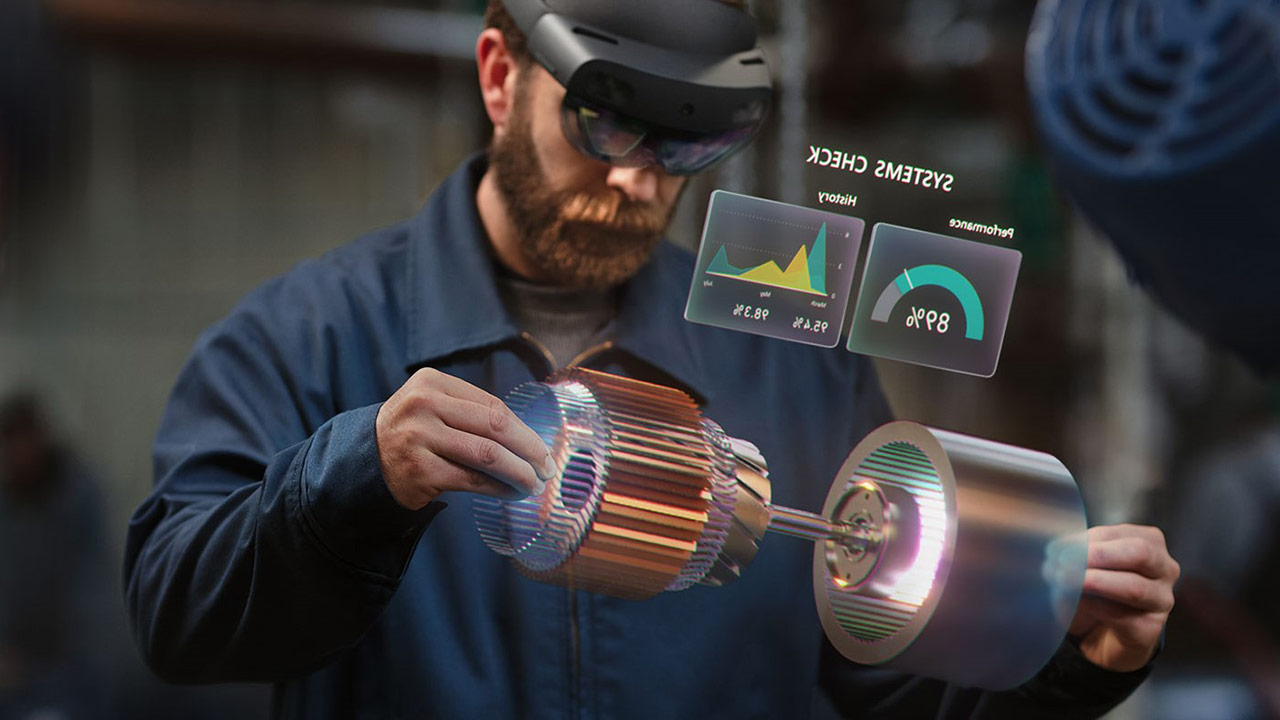
    This summer, Samsung has apparently entered into a partnership with Microsoft over its HoloLens augmented reality project, and the two companies are expected to work on the next generation of the VR headgear for at least two years.

    Microsoft already has a strong partnership with Samsung over preinstalled Office Mobile and other apps on the handsets of the world’s largest phone maker, so taking advantage of its hardware expertise could only be beneficial, too.

    Back in March, Samsung reportedly assembled a task force to probe the viability of the HoloLens partnership, involving multiple departments and has subsequently been given the green light to take on the challenge to be Microsoft’s AT/VR gear maker.

    Commercialization of Microsoft’s HoloLens wearable that takes advantage of Samsung’s engineering prowess will happen after the end of the development contract, in 2024, report the insiders. Samsung’s purchase of AR company DigiLens, along with its display expertise may be what prompted Microsoft to partner with it over the next HoloLens endeavor.

    DigiLens was known for its waveguide technology “used to bend the light from the video playing on a display to the glasses, which is transparent in AR display devices as users need to see the real surrounding around them simultaneously with the virtual items on display.”

    This strongly suggests that the HoloLens 3 may be conceived as a direct answer to the purported Apple Glasses AR/VR headset which is expected to land as soon as next year. Microsoft sold about 200,000 HoloLens 2 devices this year, and it will have to pour a lot of resources to make the third edition stand out as not only Apple, but also Facebook’s Meta, are expected to release their own augmented reality contraptions very soon.

  • Innocn portable monitors: easy second screen, DeX, gaming on the go

    Innocn portable monitors: easy second screen, DeX, gaming on the go

    We live in a time where users demand more and more portability. Smartphones have spoiled us this way — we are so used to having supercomputers in our pockets that, sometimes, it feels jarring that we can’t take our PlayStations with us.

    However, a new type of product is currently on the rise that will enhance a digital nomad’s life even more — portable monitors!

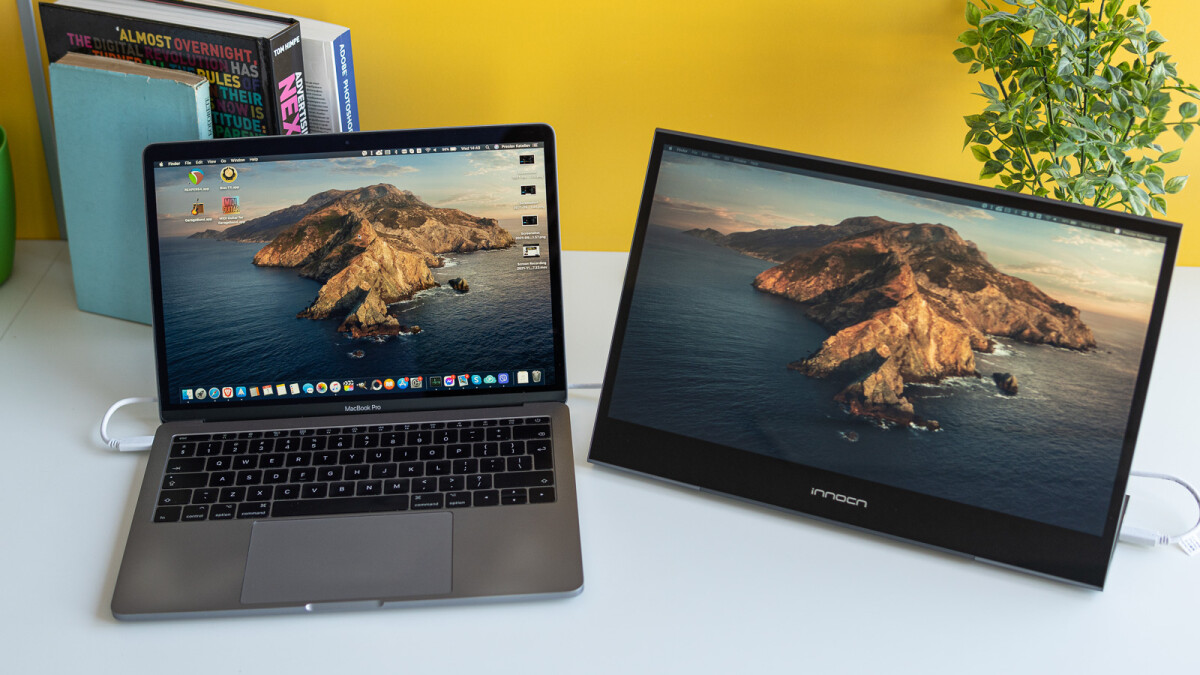
    Here we have the Innocn N1F-Pro — a display that is so thin and light that you might think it’s a prop. But it is, in fact, a very functional, convenient, energy-efficient, and portable device that can make your life much easier — whether you are on the go, or setting up a small work corner at home.

    The N1F-Pro is the value-priced offering from Innocn, but the company also offers portable screens that come with their own batteries and much sharper resolutions! Be sure to check them out below and use the codes Innocn kindly provided for some great discounts!

  • Waze survey: more than 50% of Americans would quit their jobs for a shorter commute

    Waze survey: more than 50% of Americans would quit their jobs for a shorter commute

    Waze’s days of being just a simple navigation app are long gone. Today’s Waze is a fully automated companion for drivers all around the globe that not only provides navigational directions, but also entertainment (in many forms). And since there are so many people using Waze while driving, wouldn’t be interesting to know what they’re using the app for?

    Today, Waze released its first-ever Year in Rear View survey, which puts US driving behaviors from 2021 under the spotlight. Using first- and third-party data, the navigation app is taking a look back at its year in travel to see the places where Waze users drove the most, the books and music that were listened to the most, as well as other interesting habits.

    The full survey includes data from Waze users in the US, Canada, UK, France, Italy, Israel, Brazil, and Mexico, but we’re going to take a look at how US drivers made use of the app throughout the year.

    What behaviors, trends or quirky habits did drivers showcase in 2021?

    • 60% of global respondents are happy drivers, rating themselves 8 or above (out of 10). Drivers in Brazil and Mexico were ranked the happiest drivers, while drivers in the U.S. scored 7. In the US, 35–44-year-olds are the happiest drivers
    • Brits are known for being polite, so it’s no surprise 60% would wait patiently if a car ahead of them wasn’t moving. Meanwhile, 35% of Americans are more likely to honk their horns to get moving!
    • Shopping was the main reason 43% of Americans used their cars in 2021, with visiting family (36%) and commuting to and from work (36%) following behind
    • Older Americans are more confident parallel parkers: while 33% of 18–24-year-olds refused to parallel park, only 8% of those 65 and over said they wouldn’t

    As far as entertainment goes, the results are totally unsurprising, especially when it comes to drivers in the United States.

    What kept drivers entertained this year?

    • Sweets and candy were the top snack of choice for drivers across the globe, except in the U.S. where drivers prefer fast food as their favorite snack
    • U.S. drivers felt that “Easy on Me” by Adele, “Leave the Door Open” by Silk Sonic, and “Peaches” by Justin Bieber featuring Daniel Caesar and Giveon best reflected their year on the road
    • Podcasts are a more popular option for younger American drivers with 45% of 25–34-year-olds choosing this entertainment, compared to 20% of 55-64-year-olds
    • Globally, those listening to podcasts used their time to stay informed with NPR News Now, The Daily, ABC News Briefing, Times News Briefing and Sur Le Fil ranked as the top podcasts drivers listened to on Spotify via Waze
    • 45% of 18–24-year-olds in the U.S. would give up their phones if it meant a year with no traffic; while 38% of 65-year-olds and over wouldn’t give up anything to avoid traffic

    Most Waze drivers would have Elon Musk ride with them

    The survey also reveals that James Bonds’ Aston Martin was the top car of choice for North American drivers with 32% of users choosing the muscle car. Jennifer Lopez and Elon Musk were the top female and male celebs who made headlines this year that drivers across the globe would most like to have in their passenger seat, yet US drivers would rather have Beyonce and Elon Musk or Joe Biden riding with them.

    Here is something very interesting though: more than 50% of US residents would quit or change their jobs just to benefit from a shorter commute. Also, carpooling remains the best option to avoid traffic with Americans (39%) more likely to share their journey with a friend or colleague to avoid traffic than drivers in other countries.

    Finally, Waze’s survey also contains data bout US cities where the app’s users drove the most this summer: New York, Los Angeles, Washington, D.C., Chicago, Houston, Boston, Philadelphia, Atlanta, Dallas, and Nashville.

  • Infiniti Teases Electric Concepts, Commits To Being EV First By 2030

    Infiniti Teases Electric Concepts, Commits To Being EV First By 2030

    Infiniti has joined the pantheon of US-based automakers which have pledged to transition mostly to electric powertrains by 2030. In its video, Infiniti also hinted that it will be also be leveraging hybrid powertrains, “we will not let the size of our battery alone define us, but rather, empower customers to choose the power source that fits their lifestyle,” said the company in its video.

    In the video, Infiniti shows off three unnamed vehicles, one of which is a crossover, though it is not known that these cars have some flow over with Nissan’s out concept vehicles. Of course, Infiniti is owned by Nissan, which has for years pushed electric cars along with Renault.

    The concept cars shown off are low-slung and even have a tachometer which means these are likely hybrid cars. Infiniti now joins the likes of many muscle and sports car brands that have pushed electric and hybrid powertrains. Recently, we have heard from the likes of Dodge which has also hinted that it will be going all-electric and will be retiring its iconic hellcat motors.

  • Arrival Building Battery Plant In North America

    Arrival Building Battery Plant In North America

    EV startup Arrival which has also a partnership with Uber has announced that it is building a high capacity and high voltage battery plant in North Carolina in the US. The battery plant will deliver 350k modules a year and will cost an investment of $11.5 million that will add 150 jobs in the city.

    Arrival has been a specialist for EVs and electric buses and is one of the few EV startups which has designed its own components and software stack alongside assembly techniques. It even has its own automated driving system as well as proprietary battery modules and this latest announcement is part of achieving scale with its own technology.

    Aside from the battery plant, it also has a facility that produces the Arrival Bus. “By bringing the assembly of our proprietary High Voltage Battery Modules in-house, we’re striving to be as vertically integrated as possible. This will enable us to have even greater control over the functionality and cost of our products and pass those cost savings on to the customer while also working toward our goal of zero waste production. We’re excited to add another facility in Charlotte, as we prepare to open our new North American headquarters building just down the road and continue to work in tandem with the city to develop solutions for their electrification and sustainability goals. This is a big milestone for Arrival as we ramp up operations in the region in advance of production starting in Rock Hill in Q2 next year,” said Mike Ableson, its CEO.

    The assembly plant is a follow-up to the news of Arrival outlining an agreement with Li-Cycle which is one of the leading lithium-ion battery recyclers in North America. This partnership will help Arrival create a virtuous cycle of battery supply chain for both Europe and the US.

    The city of Charlotte in North Carolina is also working to ensure all car fleets and facilities are fueled by zero-carbon sources by 2030 which makes it a hotbed for EV startups. Arrival is working with the city for this project.