Tag: asia

  • WhatsApp adds more options for disappearing messages on iOS and Android

    WhatsApp adds more options for disappearing messages on iOS and Android

    WhatsApp introduced disappearing messages last year. The feature was further improved not long ago with the option to make photos and video disappear immediately after being viewed once. Today, WhatsApp announced a new set of control options for those using disappearing messages.

    Starting this week, iOS and Android users will be able to control their messages and how long they will remain visible thanks to two new features: default disappearing messages and multiple durations.

    The latest version of WhatsApp adds the option to turn on disappearing messages by default for all new chats. This means that all individual chats will be set to disappear at your chosen duration. Furthermore, WhatsApp added a new option when creating a group chat that lets users enable default disappearing messages for groups. Obviously, this is an optional feature that’s not enabled by default.

    Also, the update includes two new durations for disappearing messages – 24 hours and 90 days, in addition to the existing option of 7 days. You can set durations for disappearing messages from the Privacy settings and choose “Default Message Timer.”

  • Pork imports nearly triple

    Pork imports nearly triple

    Frozen pork imports nearly tripled in the first 10 months of this year to 332,000 tons, according to the General Department of Vietnam Customs.

    Also imported were 350,000 pigs on the hoof from Thailand, a 50 percent increase year on year.

    Together they cost US$617 million. Its five biggest pork suppliers were Russia, Germany, Brazil, the Netherlands, and Canada.

    Vietnam also imported 50,000 tons of beef worth $220 million, half of it from Australia, the department added.

    Over 800 enterprises from 19 markets have been allowed to export pork to Vietnam, according to the Ministry of Agriculture and Rural Development.

  • Toyota Promises 100% Zero Emissions Sales In Europe By 2035

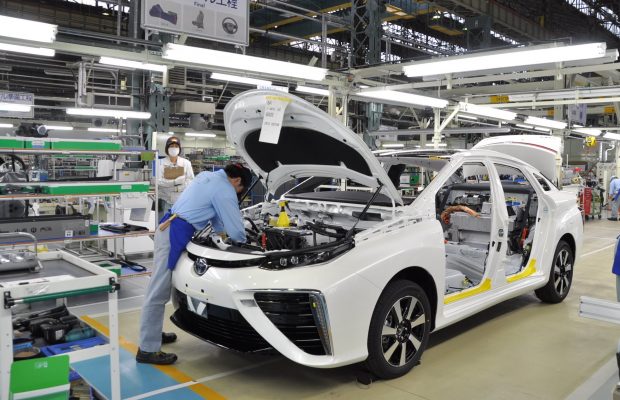
    Toyota Promises 100% Zero Emissions Sales In Europe By 2035

    In an about-face from its anti-EV stance, Toyota has now pledged to have 100 percent zero-emissions sales in Europe by 2035 something which is revealed in a recent media event in Brussels, Belgium. This goal is a follow-up to a commitment of at least 50 percent zero-emissions vehicles sales in Western Europe by 2030. Toyota has still not given up on hydrogen fuel cell-based vehicles as its plan is based on a combination of EVs and fuel cell-based cars. This comes after the company launched its first EV and is preparing to launch another affordable EV in partnership with BYD. This commitment could be bolder should customer demand be higher than what the Japanese giant has envisioned.

    “Moving beyond 2030, we expect to see further ZEV demand acceleration and Toyota will be ready to achieve 100% CO2 reduction in all new vehicles by 2035 in Western Europe, assuming that sufficient electric charging and hydrogen refueling infrastructures are in place by then, together with the renewable energy capacity increases that will be required,” said Matt Harrison, Toyota’s CEO for Europe.

    Toyota is still not committing on its own account but is rather been forced to do so after the new European Green deal which proposes a 55 percent reduction in new car emissions by 2030 and a 100 percent reduction by 2035. A number of nations have already agreed to a 2040 mark following the recent COP26.

    What’s interesting is that unlike some major automakers like Daimler, Volkswagen Group, Stellantis, GM, and Ford, Toyota’s commitment is restricted to only Europe, not globally. Why so? Because Europe is the place where laws are being enacted to ban the internal combustion engine – and hence it has no choice, if it wants to operate in the continent.

  • Revolut to Roll Out Stock Trading Feature in Singapore

    Revolut to Roll Out Stock Trading Feature in Singapore

    The U.K.-headquartered fintech has obtained a Capital Markets Services (CMS) license from the Monetary Authority of Singapore (MAS).

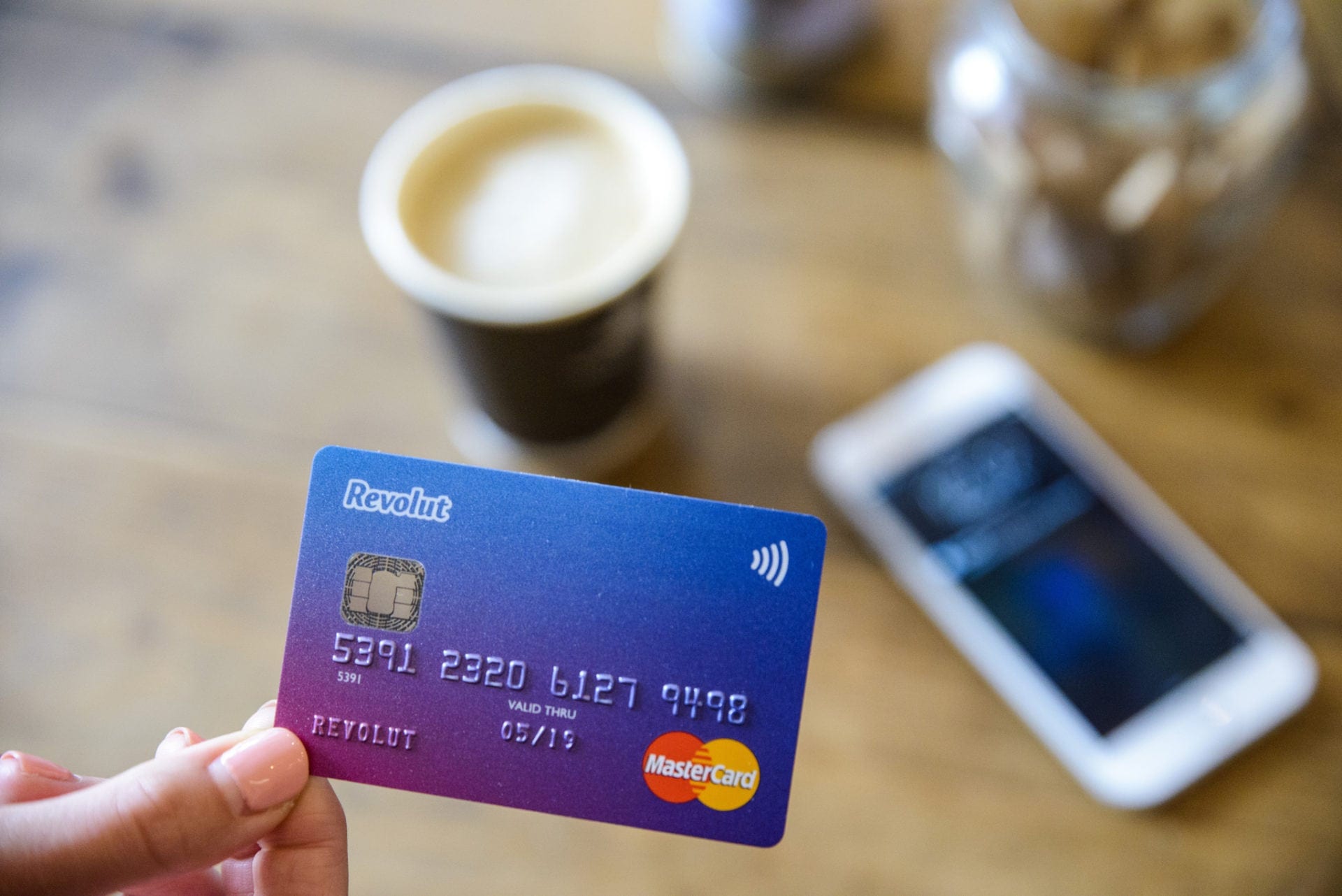
    Revolut is planning to roll out a stock trading feature on its app to Singapore customers, scheduled for the first half of 2022, which allows users to buy fractional shares in U.S. listed companies, the neobank announced in a statement on Monday.

    The trading feature is free to set up with a standard Revolut account, and there is no account minimum required to invest, with the platform offering users several commission-free trades a month, depending on their subscription plan

    Besides Trading, Revolut Singapore said it is also looking to bring Commodities and Cryptocurrencies to customers herem subject to securing the relevant approvals. Revolut currently has around 16 million users worldwide.

  • AirAsia resumes flights to Singapore after two years

    AirAsia resumes flights to Singapore after two years

    AirAsia Philippines resumed its service to Singapore last December 4, ending a two-year hiatus of its flights to the Asian city-state.

    AirAsia Philippines’ first flight to Singapore in two years departed the NAIA Terminal 3 in Pasay City at 8:00 a.m. and successfully landed at Changi International Airport at 11:40 a.m. last December 4. It made a return flight from Singapore at 12:25 p.m. and safely landed in Manila at 4:05 p.m. the same day.

    “Initially we will cater to our Filipino workers and business travelers but soon as we slowly recover from the global pandemic, we hope to open this route for leisure travel also,” AirAsia Philippines spokesperson Steve Dailisan said.

    “This is extra special for us in AirAsia because we know how Filipinos value family traditions during the Christmas season and we take pride in being an instrument to those happy and meaningful reunions,” he added.

    To recognize the heroism of overseas Filipino workers (OFWs), AirAsia gave away 100 free tickets during the inaugural Manila-Singapore-Manila flight after two years.

    One of the winners was Grace Macaraeg was very thankful for the free ticket that she considers a timely Christmas gift for OFWs.

    She says the money she saved for her ticket to Manila will be used as additional funds for her niece’s cancer medication and treatment.

    “While it is true that we are always a video away from each other, especially at times when she is going through chemo. But nothing beats being able to hug and kiss her in person, it is simply priceless,” Macaraeg said.

    Also, as part of the Department of Tourism’s “Balikan Ang Pilipinas” campaign, AirAsia is also offering an early Christmas package with Balikbayan Package. By using the promo code BLKBYN10, guests can avail of the 10-percent off on Manila-Singapore and Manila-Hong Kong flights for bookings made until Dec. 12, 2021.

  • Phillip Futures to Offer Stockbroking in Malaysia

    Phillip Futures to Offer Stockbroking in Malaysia

    PhillipCapital’s derivatives broking arm in Malaysia has entered into a business sale and purchase agreement with Alliance Investment Bank to purchase its stockbroking business.

    The strategic partnership arrangement will allow Phillip Futures to expand its Futures, Options, and Contract for Difference broking services to include Stocks and Exchange Traded Funds to the Malaysian investors, according to an announcement on Monday.

    The bank will leverage PhillipCapital’s global trading platforms and market access to enhance services to its customers, and both parties will explore collaboration opportunities, the announcement said. The deal is expected to conclude in the first half of 2022, subject to approvals.

    «PhillipCapital global network’s strong focus on Asia puts us in good stead to market Asia to the world. With its strategic importance of Asia, Malaysia has many unique investment opportunities to offer,» Andy Lim, group managing director of PhillipCapital Malaysia, said.

  • UBS Joins Hong Kong Covid Quarantine Payers

    UBS Joins Hong Kong Covid Quarantine Payers

    Swiss financial giant UBS is the latest bank to announce reimbursement plans for employees from Hong Kong’s strict 21-day quarantine for travelers.

    For full-time Hong Kong-based employees up to the executive director level, UBS will reimburse up to HK$2,000 ($256) per day to cover quarantine hotel expenses costs to «reunite with immediate family» outside of the city, according to an internal memo.

    The reimbursement can total up to HK$42,000 for a single trip only and is available until November 30 next year, barring an earlier relaxation of restrictions by the Hong Kong government.

    A spokesperson for the bank confirmed the continues of the memo.

    UBS and a number of other global financial institutions have offered financial support to withstand the effects of Hong Kong’s zero-Covid policy.

    At $5,384, UBS has taken a slight lead in single payout for quarantine costs, ahead of Morgan Stanley ($5,128), Goldman Sachs ($5,000), and J.P. Morgan ($5,000).

  • WeLab Acquires Indonesian Commercial Bank

    WeLab Acquires Indonesian Commercial Bank

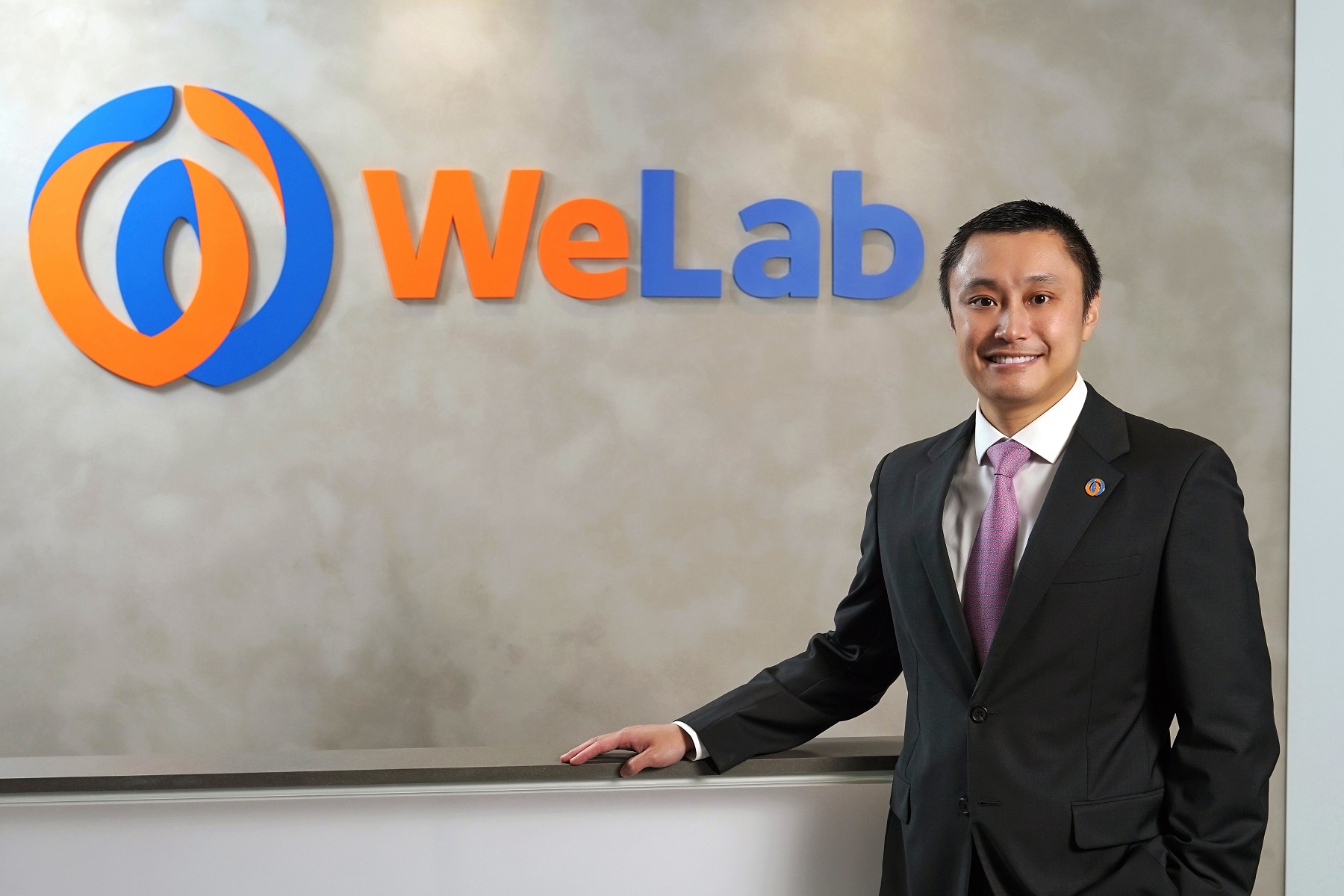
    Hong Kong-headquartered virtual lender WeLab has acquired Indonesia’s PT Bank Jasa Jakarta as part of broader expansion plans across Asia.

    A WeLab-led consortium Welab Sky raised $240 million which will be used to fund the transaction to acquire the Indonesian commercial bank, according to a statement, with J.P. Morgan acting as its financial advisor.

    Welab Sky has entered into a share purchase and subscription agreement with all the shareholders of Bank Jasa Jakarta (BJJ) to acquire the remaining stakes to become the bank’s sole shareholder, pending regulatory approval.

    Welab Sky has already completed a strategic investment for a 24 percent stake in BJJ.

    Since officially launching in 2020 as Hong Kong third licensed virtual bank, Welab has expanded in the region, including in Southeast Asia where it opera rests a licensed online lending app through a joint venture with Astra International.

    We continue the journey that we started in 2018 to build one of the first pan-Asian digital banking platforms, first in Hong Kong and now in Indonesia, said WeLab founder and group chief executive Simon Loong.

    WeLab combines its advanced digital banking technology with the BJJ network to further grow the Bank’s business towards a bright digital future.

  • The case for forcing the tobacco industry to pay for cigarette butts

    The case for forcing the tobacco industry to pay for cigarette butts

    Cigarette butts with filters are the most commonly littered item worldwide, with a staggering 4.5 trillion of them tossed into the environment each year. This is a huge problem; many end up on beaches and in the ocean, and the tar from burnt tobacco in the filter can be toxic to wildlife.

    Fixing the problem has focused on changing the behavior of people who smoke, but a new report shows making the tobacco industry responsible for the litter with a mandatory product stewardship scheme is likely to have a much greater impact.

    In Australia alone, it’s estimated up to 8.9 billion butts are littered each year. Under the proposed scheme, we could potentially reduce this by 4.45 billion a year.

    So how can it be done in practice? And what would the benefits be from a policy like this?

    Cigarette filters are made of a bioplastic called cellulose acetate, and they typically take years to break down. Smoked cigarette filters are infused with the same chemicals and heavy metals in the tar that harms humans when they smoke.

    Research from 2019 found adding cigarette butts to the soil reduces the germination of grass and clover seeds and the length of their shoots. Seaworms exposed to used filters have DNA damage and reduced growth.

    And exposure to cigarette filters (even unsmoked ones) is toxic to fish – research with two fish species found adding two to four smoked cigarette filters per litre of water could kill them.

    Currently, the tobacco industry does not have to pay for the clean-up of cigarette butts polluting the environment. Rather, the community bears the cost. Cigarette litter and its management cost the Australian economy an estimated A$73 million per year.

    Local councils in particular spend large amounts of money cleaning it up. The City of Sydney, for example, has estimated their cleaning crews sweep up 15,000 cigarette butts daily from city streets.

    And volunteers spend countless hours picking up cigarette butts from parks, streets and beaches. In its 2020 Rubbish Report, Clean Up Australia Day found cigarette butts accounted for 16% of all recorded items.

    The tobacco industry’s response to product waste has been to focus responsibility on the consumer. Tobacco companies have created public education campaigns aimed at increasing awareness of the butt litter problem, supplied consumers and cities worldwide with public ashtrays, and funded anti-litter groups.

    But given the number of cigarettes that continue to be littered, it’s clear these strategies on their own have been ineffective. Many around the world are now calling for stronger industry regulation.

    There have also been calls to ban cigarette filters completely. For example, lawmakers in California and New York have attempted to ban the sale of cigarettes with filters, and New Zealand is finalizing their Smokefree Aotearoa Action Plan, which may include a cigarette filter ban.

    Many jurisdictions in Australia and worldwide are starting to ban single-use plastics such as straws and takeaway containers, and have been criticized for not including cigarette filters in these laws.

    If filters were banned, cigarette butt litter would remain, but without the plastic filter. Although, a recent trial of cigarettes without filters found that people smoked fewer of these than when they were given the same cigarettes with filters. More research is needed on the health impact of smoking filterless cigarettes and the environmental impact of filterless cigarette butts.

    The federal government’s National Plastics Plan, released in March this year, committed to initiating a stewardship task force that would reduce cigarette butt litter in Australia, and would consider a potential stewardship scheme. However, they proposed the stewardship task force be industry-led.

    Product stewardship schemes can be voluntary or written into law. For example, waste from product packaging is managed through a voluntary scheme, the Australian Packaging Covenant, which sets targets for reducing packaging waste that isn’t written into law. On the other hand, there is a law in Australia requiring companies who manufacture TVs or computers to pay some of the costs for recycling these products.

    The new research, commissioned by World Wildlife Fund for Nature Australia, considered four regulatory approaches: business as usual, a ban on plastic filters, a voluntary industry product stewardship scheme, and a mandatory product stewardship scheme led by the federal government.

    Each of these options was ranked according to factors such as the regulatory effort required to implement them, their cost, consumer participation and the extent to which they would reduce environmental impacts on land and waterways.

    A ban on plastic cigarette filters and a mandatory product stewardship scheme were assessed as having the greatest potential environmental benefit. While uncertainties remain about a filter ban, there is no such barrier to implementing a mandatory product stewardship scheme on cigarette waste.

    This scheme could involve a tax that would pay for the recovery and processing costs associated with cigarette butt litter. The study suggested introducing a levy of A$0.004 – less than half a cent – on each smoked cigarette to manage the waste. Other studies from overseas, however, show this cost would need to be higher.

    We can look to the UK for an example of where to start. The UK is currently considering implementing an extended producer responsibility scheme to address cigarette litter. In November this year, it released a consultation document on different options.

    They proposed a mandatory scheme where the tobacco industry would pay for the full costs of cleaning up and processing cigarette waste. Other costs they might be made to pay are for gathering and reporting data on tobacco product waste, provision of bins for cigarette butts, and campaigns to promote responsible disposal by consumers.

    It is time for the federal and state governments in Australia to make the tobacco industry pay for the mess they create.


  • Hanoi plans motorbike ban after 2025

    Hanoi plans motorbike ban after 2025

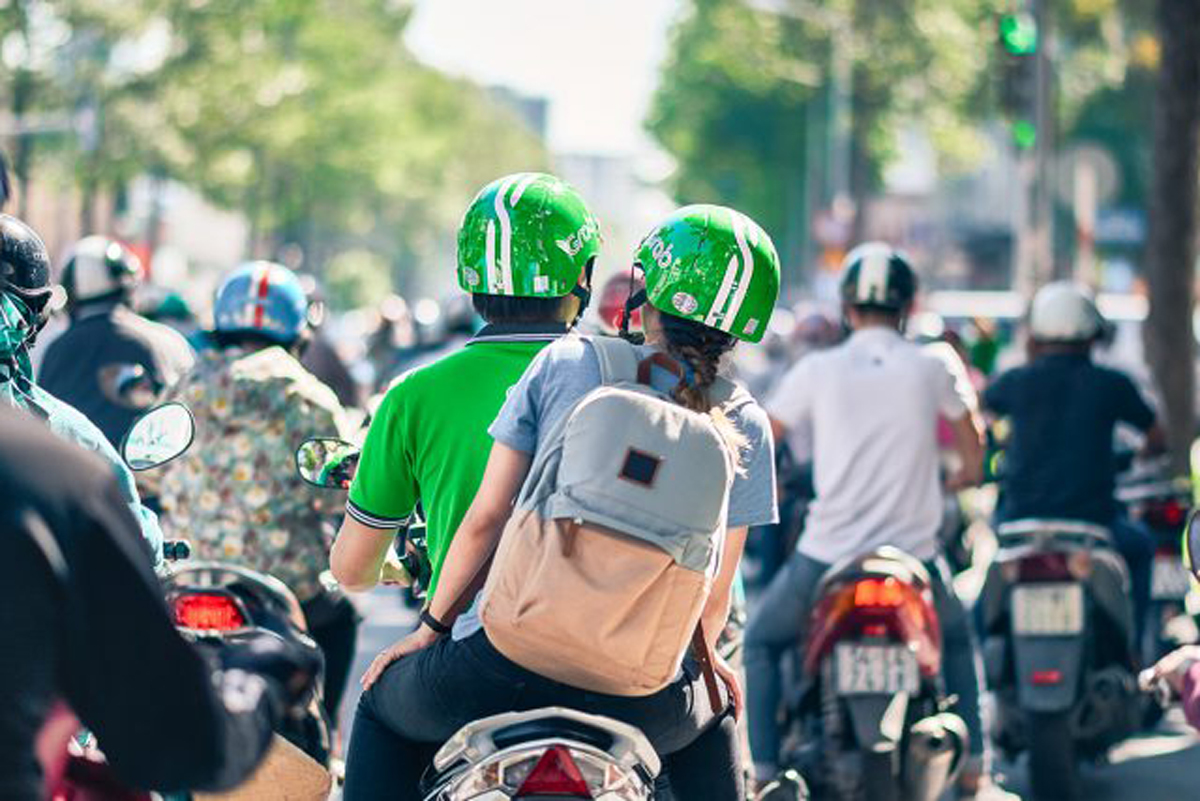
    Hanoi plans to ban motorbikes in core districts after 2025, five years earlier than an earlier plan, in order to reduce traffic congestion and emissions.

    The ban will apply to all districts within the third ring road and on three major roads: Truong Sa, Hoang Sa and National Highway 5, according to a plan being prepared by the city administration.

    After 2030 the ban will expand to all districts within the fourth ring road.

    The plan is set to be voted upon on Tuesday.

    The capital has around 5.6 million motorbikes and 600,000 automobiles.

    Poor public transportation development has driven the use of personal vehicles in Vietnam as a whole and in its major cities, in particular.

    Currently, in Hanoi, the public bus system plies 140 routes, meeting an estimated 31 percent of total demand.

  • Alibaba overhauls e-commerce businesses, appoints new CFO

    Alibaba overhauls e-commerce businesses, appoints new CFO

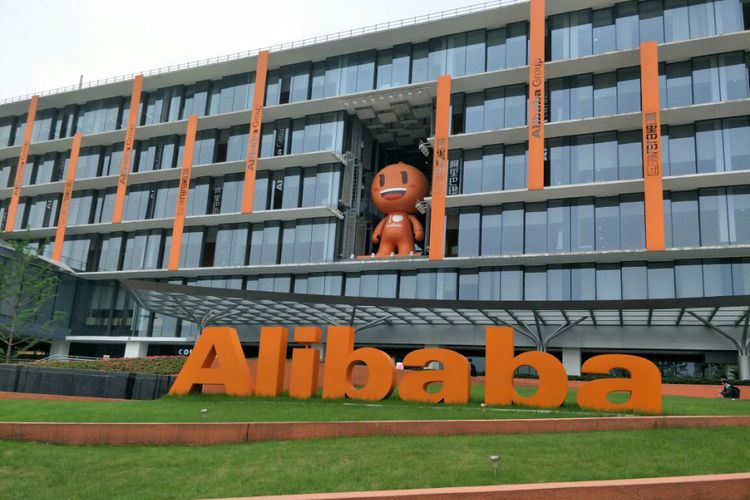
    Alibaba said it would form two new units to house its main e-commerce businesses – international digital commerce and China digital commerce, in a bid to become more agile and accelerate growth.

    The international digital commerce unit will house Alibaba’s overseas consumer-facing and wholesale businesses and include AliExpress, Alibaba.com and Lazada. The unit will be headed by Jiang Fan, who had been president of the Taobao and Tmall marketplaces.

    Alibaba will house its domestic commerce businesses in the China digital commerce unit, which will be led by Trudy Dai, a founding member of Alibaba, it said.

    The company’s deputy chief financial officer, Toby Xu, will succeed Maggie Wu as its chief financial officer from April; his appointment was described as part of the company’s leadership succession plan.

    Xu joined Alibaba from PWC three years ago and was appointed deputy CFO in July 2019.

    Wu, who helped lead three Alibaba-related company public listings as CFO, will continue to serve as an executive director on Alibaba’s board.

    The e-commerce giant’s Hong Kong-listed shares slid 8 percent in early morning trade, tracking Friday declines made in the United States. US-listed shares of Chinese firms tumbled on concerns about stricter regulatory scrutiny at home in the wake of plans by Didi Global Inc to delist from the New York Stock Exchange.

    Last month, Alibaba slashed its forecast for annual revenue growth to its slowest pace since its 2014 stock market debut and saw sales at its banner event, online shopping festival Singles Day, grow at their slowest rate ever despite record sales.

  • Facebook opens its first pop-up store in Hong Kong

    Facebook opens its first pop-up store in Hong Kong

    Facebook has opened doors to its first pop-up store in Hong Kong to educate consumers on how to personalize their Facebook experience and unlock exciting possibilities while maintaining their online privacy and safety. From December 3 to 7, Preface Coffee & Wine in Central, the F&B and lifestyle concept space, will be transformed into a temporary “Facebook home” to showcase the true benefits of technology and demonstrate the different ways users can personalize their Facebook – the way they want it – through digital experience and AR filters.

    Inspired by the way people customize their homes, Facebook last week launched “Your Profile, Your  Home” a digital consumer experience to educate people on Facebook settings that enable personalization, and to reinforce Facebook’s commitment to protecting the privacy and safety of users.

    Along with Preface Coding, Facebook has transformed Preface Coffee & Wine (Central) into a pop-up store that showcases the app’s privacy control and settings. With the tagline “What makes a perfect home?”, the pop-up store is set to be the newest Instagrammable spot in Central. Renowned local celebrity Alfred Hui attended the kick-off event to demonstrate the customizable settings.

    From December 3 to 7, anyone can visit the “Your Profile, Your Home” pop-up store and play with two fun and interactive AR filters developed by Preface Coding, including photo-taking with an avatar of Alfred Hui. Visitors can also immerse themselves in the “Your Profile, Your Home” digital experience, in which they’ll have tools to build and design their very own home as they explore the exciting possibilities of personalization on Facebook. Visitors can test their knowledge of Facebook’s new privacy settings with an on-site quiz; the first 10 winners of each day will receive Alfred Hui’s autographed gift.

    In November, Meta, also formerly known as Facebook said it plans to remove its detailed targeting options from January 2022 onwards. With this move, advertisers will not be able to target users who have interacted with content related to health causes, sexual orientation, religious practices, political beliefs and social issues, among others.

    While this move limits the way Meta’s targeting tools can be abused, VP of product marketing, Graham Mudd said the company is aware that this change may negatively impact some businesses and organizations. “We have heard concerns from experts that targeting options such as these could be used in ways that lead to negative experiences for people in underrepresented groups,” he explained. He added, “It is important to note that the interest targeting options we are removing are not based on people’s physical characteristics or personal attributes, but instead on things like people’s interactions with content on our platform.”

    According to Mudd, this decision was not simple and required a balance of competing interests where there was advocacy in both directions. While some of Meta’s advertising partners have expressed concerns about these targeting options going away because of its ability to help generate positive societal change, others understand the decision to remove them. He added, “Even after we update our targeting options, people may still see ad content they aren’t interested in, which is why we are also working to expand the control that allows people to choose to see fewer ads about certain types of content. Today, people can opt to see fewer ads related to politics, parenting, alcohol, and pets. Early next year, we will be giving people control of more types of ad content, including gambling and weight loss, among others.”

    Meanwhile, Meta said it will maintain its commitment to helping small businesses, non-profits, and advocacy groups reach their audiences. Meta will be working to expand the control that allows users to choose to see fewer ads about certain types of content, said Mudd. Today, users are able to opt to see fewer ads related to topics such as politics, parenting, alcohol and pets. Early next year, Meta aims to give users control on more types ad content which includes gambling and weight-loss, among others.

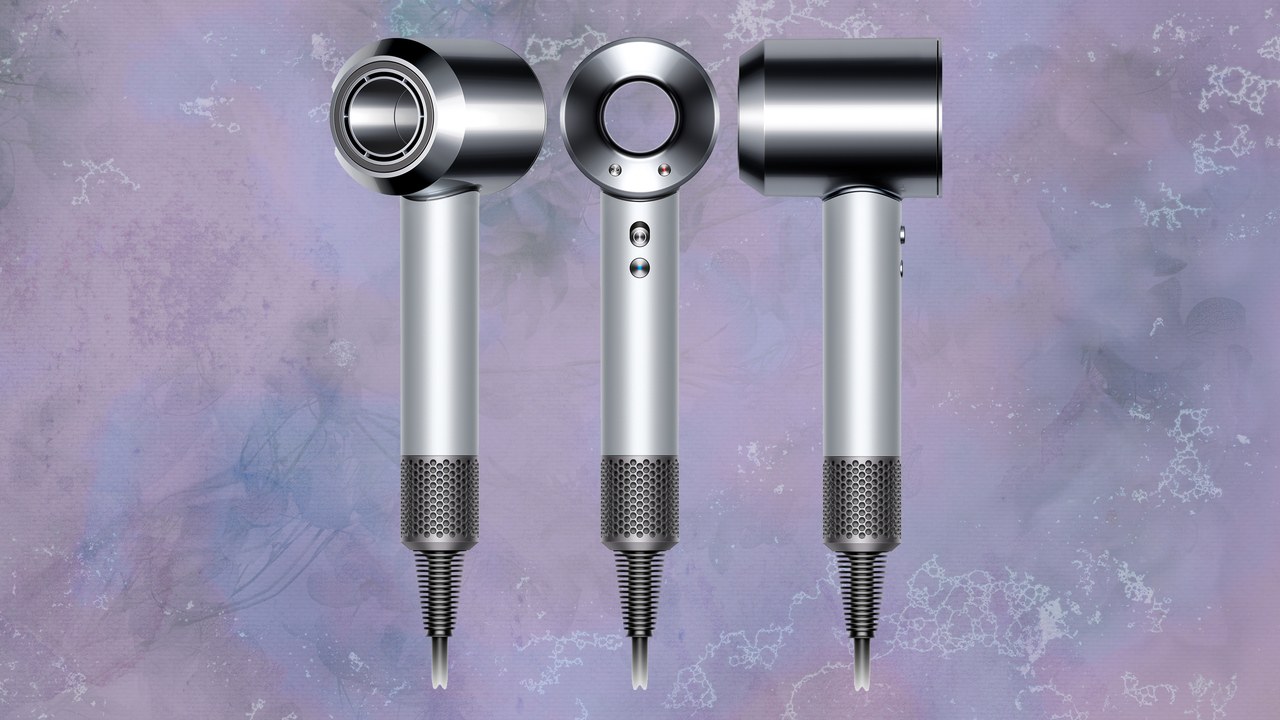
  • Dyson splits with Malaysia supplier, stoking concern over migrant worker treatment

    Dyson splits with Malaysia supplier, stoking concern over migrant worker treatment

    A transient drive right by the border from Dyson’s contemporary headquarters in Singapore is the boomtown constructed round its enterprise: a Malaysian industrial declare dominated by its finest supplier, ATA IMS Bhd (ATAI.KL).

    ATA, one amongst Malaysia’s high electronics manufacturing companies and products suppliers, rode Dyson’s success in excessive-close vacuum cleaners and air purifiers, supplying parts for a firm that got right here to story for 80% of its income.

    Ten contemporary and former workers, and a former ATA govt, tell the expansion got right here at an unseen mark: its mostly migrant workforce worked up to 15 hours a day, had been repeatedly requested to skip relaxation days to support up with set aside a query to, and had been coached to cowl correct working and dwelling prerequisites from labour inspectors and Dyson.

    In interviews over the final two months, the workers furthermore tell ATA, which analysts tell is Dyson’s finest global contract producer, employed hundreds of foreigners without work permits.

    After questions from Reuters on Nov. 18, Dyson final month stated it might perchance perhaps well pull its enterprise from ATA in six months, citing a up to date fair audit on prerequisites for workers and allegations by an unidentified whistleblower.

    ATA stated in a observation it turned into as soon as audited by the To blame Industry Alliance (RBA), a physique broadly engaged by electronics corporations to behavior factory audits. RBA hires third-social gathering auditors for the inspections. It declined to comment.

    On Nov. 29, ATA stated it had viewed the summary of Dyson’s audit, which stumbled on sad dwelling prerequisites, considerations of retaliation and unpaid allowances, among varied components. It described the findings as “non-conclusive” and stated it turned into as soon as reviewing them. Reuters has no longer viewed the audit.

    ATA declined to comment, and referred Reuters to its most recent public statements.

    Dyson stated on Tuesday it wouldn’t comment as a result of accusations associated to ATA.

    Malaysia on Wednesday stated it might perchance perchance perhaps well mark ATA over complaints it had received by the labour department. It did no longer tell what the charges or complaints had been about or whether or not they associated to the workers’ accusations about its Dyson factories.

    The country’s human resources minister, M. Saravanan, stated compelled labour allegations at Malaysian corporations had been hurting international traders’ confidence in merchandise manufactured there. He had earlier stated the federal government turned into as soon as investigating Dyson’s resolution to interrupt up with ATA.

    After Dyson’s hurry, ATA shares dropped 60%. Some analysts accept as true with raised doubts about ATA’s skill to attract contemporary customers, and on Nov. 29 a observation from the firm forecast income declines and mark cuts.

    With Dyson’s departure, six workers and shopkeepers interviewed within the Johor Bahru industrial declare stated they feared they might perchance perhaps lose their livelihoods.

    “There’s now not one of these thing as a screech of a job right here anymore,” stated one off-responsibility ATA employee, carrying his royal-blue factory work shirt on a up to date Sunday. Love others, he requested now to now not be diagnosed for dismay of reprisal.

    ATA officially employs round 8,000 workers, although four ATA workers and the former govt estimated its workers had been as excessive as 17,000 unless lately, including these without permits. Most of 17,000 had been from Bangladesh and Nepal, according to the workers and govt.

    ATA’s factories are concentrated in adjoining industrial parks in suburban Johor Bahru, a 30-minute drive to Singapore, the put Dyson is headquartered.

    ATA posted document income of 4.2 billion ringgit ($991.74 million) for the fiscal 300 and sixty five days that resulted in March. Dyson, owned by British billionaire James Dyson, accounted for nearly $800 million of that.

    Analysts tell the increased scrutiny of Malaysia might perchance perhaps well expand production charges and deter traders. The United States has banned six Malaysian corporations within the final two years over accusations of compelled labour.

    “Cost will definitely hurry up because of loads extra care must be taken into story, no longer fine on recruitment but furthermore employee accommodation. The ramifications are vastly increased charges for labour,” stated Vincent Khoo, head of Malaysia compare at brokerage UOB Kay Hian.

    Malaysia, which makes every little thing from iPhone parts to semiconductors, is reliant on electrical and electronics manufacturing in disclose for exports and economic tell. Between January and October 2021, such merchandise accounted for 36% of total exports.

    Foreigners manufacture up about 10% – 1.48 million – of Malaysia’s workforce, according to government info, although that percentage is increased within the manufacturing sector. The federal government and labour teams estimate hundreds and hundreds extra undocumented migrants.

  • New feature reveals whether your Android phone spots the latest version of the Google Play Store

    New feature reveals whether your Android phone spots the latest version of the Google Play Store

    It could just be that this writer is in the minority, but yours truly always preferred calling the Android app storefront the Android Market instead of the Google Play Store. The change was made in March 2012 as Google sought to unify the Android Market and Google in one brand. Just two years before the name switch, the Android Market contained just 30,000 apps, up from 10,000 in September 2010 and 16,000 in December 2010.

    Perhaps you remember the original Android Market icon which was a white shopping bag with the green Android bug on the front. When Google changed the name to the Play Store it created a new icon that resembles the triangular play icon found on many apps including Google’s own YouTube and YouTube Music.

    19 months later, the Android Market was home to half a million apps and Android was on its way to becoming the most popular mobile operating system on the planet. At last count, there are over 2.5 million apps in the Google Play Store.

    Coming to the Google Play Store via a server-side update is a new quick and easy way to make sure that your Android phone is running the latest version of the Play Store. Simply open the app and tap on the profile picture on the right side of the search bar at the top of the screen. From there, tap on Settings > About and when you scroll down toward the bottom of the display, you’ll see the words “Update Play Store” in green text.

    Tap on that link and if your version of the Play Store is the most recent available, you’ll get a message that says “Google Play Store is up to date.” If you need to update the app, you will be given that opportunity. While not all Android or even Pixel users have received this update, we see it (as you can tell from the image that we’ve included with this article) on our ancient Pixel 2 XL running Android 11.

    Before adding this feature, tapping on the version number from the About screen would check to see if your Android phone was sitting on an update for the Play Store. The problem is that unless you knew about this, there would be no reason for you or anyone to tap on the version number on the About screen. We should point out that the newly added link has been placed right underneath the Play Store version number.

    By July 2013, the Play Store hit one million apps overtaking the 900,000 listed in the App Store for the first time. As of last month, approximately 71% of smartphones used worldwide run Android with 29% powered by iOS. Despite this huge advantage, the revenue of the Play Store always falls well short of the amount spent on iOS.

    One theory is that in developing economies like India, the world’s second-largest smartphone market, lower-priced Android models are in demand. And in regions like India, many Android phone buyers are not financially equipped to spend much money on apps. Or to look at it another way, those able to afford to buy a new iPhone are most likely able to spend money on the purchase of iOS apps from the App Store.

    Because this is a server-side update, Android users don’t have to worry about manually updating the Google Play App. Just keep an eye out for the new link and eventually, you should find it in the Play Store app on your Android phone. In case you were wondering, the version of the Play Store on our Pixel 2 XL, which does include the new feature, is 28.2.10-21.

  • Ola S1 Electric Scooter Deliveries To Begin From December 15

    Ola S1 Electric Scooter Deliveries To Begin From December 15

    Ola Electric will finally commence deliveries for its long-awaited S1 range of electric scooters from December 15, 2021. The company’s Co-Founder and CEO, Bhavish Aggarwal, recently announced the delivery date through his social media account. Aggarwal in his tweet said, “Scooters are getting ready.

    Production ramped up and all geared to begin deliveries from 15th Dec. Thank you for your patience!” Ola was expected to begin deliveries from October this year, however, the company has been postponing the delivery date sighting various challenges. Now, the company finally has an official launch date for the scooter, which should come as a big relief for customers.

    After opening the first purchase window for the electric scooter, Ola had announced selling scooters worth ₹ 1,100 crore. The company was expected to open the second purchase window on November 1, however, due to delays in deliveries, it was pushed to December 16. Recently, the company again pushed the purchase window to sometime in late January 2022. Last month, the company also began to invite based test rides for the electric scooters, in four cities – Delhi, Kolkata, Ahmedabad, and Bengaluru. It was later expanded to over 1000 cities and towns.

    The Ola S1 is priced at ₹ 85,099, going up to ₹ 1.10 lakh (all prices, ex-showroom Delhi after FAME II subsidies). The prices could further go down at the time of delivery, depending on state subsidies on EVs across the country. The base model Ola S1 will come with a top speed of 90 kmph and a range of up to 121 km on a single charge. The S1 Pro, on the other hand, will offer a top speed of around 115 kmph and a range of up to 181 km.

    Ola Electric is building the S1 and S1 Pro electric scooters, with an all-women work crew, at its Futurefactory in Krishnagiri, Tamil Nadu. The factory, which is spread over 500 acres, will have a production capacity of 10 million vehicles per year when fully completed. Ola says that it will be the largest, most advanced two-wheeler factory in the world, and it has already completed phase 1 construction.