Tag: asia

  • Japan eases blanket ban on new incoming flights

    Japan eases blanket ban on new incoming flights

    Japan has softened its suspension of all new incoming flight bookings to make it easier for citizens to return, the government said Thursday, a day after it announced the move prompted by worries about the Omicron coronavirus variant.

    The transport ministry abruptly said Wednesday it was asking airlines to stop taking all new incoming flight reservations for a month, in a surprise move affecting citizens and foreign residents.

    But on Thursday, government spokesman Hirokazu Matsuno said it would be amended.

    “This request caused confusion among those affected and so the prime minister instructed the transport ministry to examine the issue and consider the needs of Japanese citizens hoping to return home,” he told reporters.

    As a result, the ministry “asked airlines to cancel the blanket suspension of new reservations for international flights to accommodate Japanese hoping to return home”, he added.

    Japan has had tight border restrictions throughout the Covid-19 pandemic, barring almost all foreign arrivals.

    It had begun to ease those rules slightly last month to allow some students and business travelers entry, but reversed that decision after the emergence of the Omicron variant.

    It has also barred all non-citizens from entering the country if they are coming from 10 southern African countries.

    All arrivals in Japan must quarantine for 14 days at home, with people coming from dozens of locations required to spend between three and 10 days of that two-week period in designated facilities.

  • MB selects strategic partner for commercial joint venture bank in Cambodia

    MB selects strategic partner for commercial joint venture bank in Cambodia

    MB and Shinsei Bank signed a master agreement on the establishment of a commercial joint venture bank in Cambodia on Dec. 2.

    Both parties agreed that after obtaining the approval of the state agency on the establishment of a commercial bank in Cambodia with a minimum charter capital of $75 million, MB would transfer up to 49 percent of shares to a strategic partner and launch Vietnam’s first joint venture bank abroad.

    Military Commercial Joint Stock Bank (MB) is known for its rich experience in developing digital banking in Vietnam, along with its solid business foundation and market understanding during 10 years of operating in Cambodia as a branch.

    Shinsei Bank, Ltd. (Shinsei Bank) has more than 50 years of banking experience in Japan with outstanding achievements in retail banking and consumer finance.

    The joint venture bank built on the collaboration of these two financial groups is expected to become a leading digital – retail bank in Cambodia.

    Both parties agreed to invest substantially and systematically in resources and nominate high-quality personnel to build outstanding business strategies, models and solutions to enter the dynamic financial and banking market in Cambodia.

    MB and Shinsei Bank have gained experience in implementing a joint venture at MB Shinsei Finance Limited Liability Company (Mcredit). After five years of cooperation, Mcredit is currently a consumer finance company with the top 4 best outstanding loans in Vietnam, with ROE performance of up to about 30 percent.

    The joint venture between MB and Shinsei Bank in Cambodia marks a milestone in the cooperative relationship between the two financial groups of Vietnam and Japan. The joint venture in a third country – Cambodia – also demonstrates the two groups’ willingness for long-term cooperation.

    “This also indicates MB’s strategic vision and great expectations to gradually improve its position and foster business development

  • Netflix brings three new mobile games to its subscribers

    Netflix brings three new mobile games to its subscribers

    Netflix’s games program doesn’t work like traditional games services since it doesn’t require users to pay a monthly subscription. However, you do have to be a Netflix subscriber to have access to several mobile games in its library.

    When it launched early last month, the program offered to Netflix subscribers a pretty short list of mobile games they could play for free: Stranger Things: 1984, Stranger Things 3: The Game, Shooting Hoops, Card Blast, and Teeter Up.

    Less than two weeks ago, Netflix added two new games to the lineup: Gameloft’s Asphalt Xtreme and Bowling Ballers. Today, three new games are added to the roster: Dominoes Café, Knittens, and Wonderputt Forever.

    Although these might not be as appealing as the previous titles, they’re free to play and don’t include ads, additional fees or in-app purchases. If you want to play any of the games offered by Netflix and you’re using an Android device, you can do so via the dedicated games row and games tab.

    On the other hand, members on an iOS device will see a dedicated games row where they can select any game to download.

  • Uniqlo clothes plans to produce from recycled materials by 2030

    Uniqlo clothes plans to produce from recycled materials by 2030

    Uniqlo owner Fast Retailing says its clothes will be made of 50% recycled materials by 2030 as it works toward its goal of carbon neutrality by 2050.

    The goal was announced on Thursday along with other sustainability targets and follows an announcement in February that Fast Retailing is shooting for carbon neutrality by 2050.

    Currently, about 15% of the polyester the apparel maker uses comes from recycled PET bottles. The company says it will start with synthetic fibers such as rayon and nylon as it begins to raise its garments’ recycled materials ratio.

    Fast also articulated its carbon emissions reduction plan toward 2030. In its own operations, the company intends to reduce these emissions by 90% from 2019 levels.

    Improving energy efficiency at its stores will be key as the stores account for the majority of the company’s total emissions. Fast aims to emit 40% less from its roadside stores and 20% less from its stores inside malls.

    It will accelerate its stores’ switch from electricity to renewable energy sources. Currently, 64 Uniqlo stores in nine European countries run on renewable energy. All stores in North America and some in Southeast Asia will follow suit and complete the switch by the end of this fiscal year ending next August, the company said.

    Fast also aims to encourage companies along its supply chain to reduce their emissions. Among its raw material providers and sewing factories, it is shooting for a 20% cut in emissions by 2030, based on 2019 levels.

    It will consider granting financial support to help factories invest in facilities.

    The fashion industry is widely considered the world’s second most polluting industry.

    Fast Retailing Director Koji Yanai told reporters that the company will reduce waste by improving the accuracy of its production volume forecasts and by reforming its logistics operations. It expects these steps to help it sell out of what it makes.

    The casual apparel maker will also collect more used clothes. Yanai said the company hopes to launch a collection service that utilizes the delivery personnel involved in bringing orders to customers’ doors. In Yanai’s vision, when a new jacket is delivered, the customer will be able to hand the driver an old jacket.

    Fast also plans to collaborate more with manufacturers in other industries, including carmakers and building material producers. It and material maker Toray will set up a research facility in 2022 that will specialize in the circulation of apparel and new material development.

    Other apparel brands are moving in the same direction. Patagonia, a U.S.-based maker of outdoor clothing, intends to make its garments with all recycled materials by 2025. Swedish fast-fashion giant Hennes & Mauritz has a 2030 goal for all of its clothing to be made of either recycled or sustainably sourced materials.

    Compared with other brands, Fast’s target is relatively lackluster. “We’re putting our customers first and presenting this as the maximum number our brand can commit to,” Yanai said. “We do not consider our target low.

    “From now on, people will evaluate what kind of responsibility each brand is trying to fulfill after selling clothes.”

  • Nokia to power KDDI’s 5G networks with standalone core and monetization solutions

    Nokia to power KDDI’s 5G networks with standalone core and monetization solutions

    Nokia has announced that Japanese operator KDDI has selected Nokia’s 5G Core and Converged Charging software to support its transition to a fully automated, cloud-native 5G Core architecture.

    Nokia’s cloud-native 5G Core’s near zero-touch automation capabilities help operators drive greater scale and reliability. Following the evolution of KDDI’s networks to 5G standalone core, subscribers will experience lower latency, increased bandwidth and higher capacity.

    Nokia’s open 5G Core architecture gives KDDI the flexibility to be responsive to market demands while controlling costs by streamlining operations and unlocking crucial capabilities, such as network slicing. Developed around DevOps principles, Nokia’s 5G Core will automate the lifecycle management of KDDI’s networks, as well as enable continuous software delivery and integration.

    Nokia will also deploy 5G monetization and data management software solutions including cloud-native Converged Charging, Signaling, Policy Controller, Mediation and Registers to capture new 5G revenue opportunities, enhance business velocity and agility, and streamline the operator’s network operations.

    With Nokia’s monetization solutions, KDDI will be able to monetize new opportunities within the 5G economy. This includes 5G network slicing and network as a service offering, IoT and new business models for B2B2X services through a containerized, microservices-based solution that enables services-based integrations with new 5G network functions meeting standards requirements for 5G convergent charging systems.

    Other products in the deal include Nokia’s Digital Operations software, Cloud Operations Manager, NetAct network management system and Archive Cloud to automate the backup and storage of network data. Solutions will be deployed across Nokia cloud infrastructure, a cloud-native solution that integrates multi-vendor and multi-technology environments.

    Tatsuo Sato, Vice President and Managing Officer, Technology Planning, KDDI, said: “The deployment of Nokia’s solutions marks a key milestone in the evolution of our 5G architecture. The evolution of our 5G architecture will enable us to fully automate and provide better services to our customers. We are pleased to be continuing our strong relationship with Nokia.”

    John Lancaster-Lennox, Head of Market Unit Japan at Nokia, said: “We look forward to expanding our 25-year relationship with KDDI with the deployment of our standalone 5G Core solutions. With crucial monetization and operations functions, such as network slicing, KDDI will unlock key revenue opportunities and benefit from increased operational efficiencies as well.”

  • Germany’s DB Schenker To Order 1,500 Electric Trucks From Sweden’s Volta

    Germany’s DB Schenker To Order 1,500 Electric Trucks From Sweden’s Volta

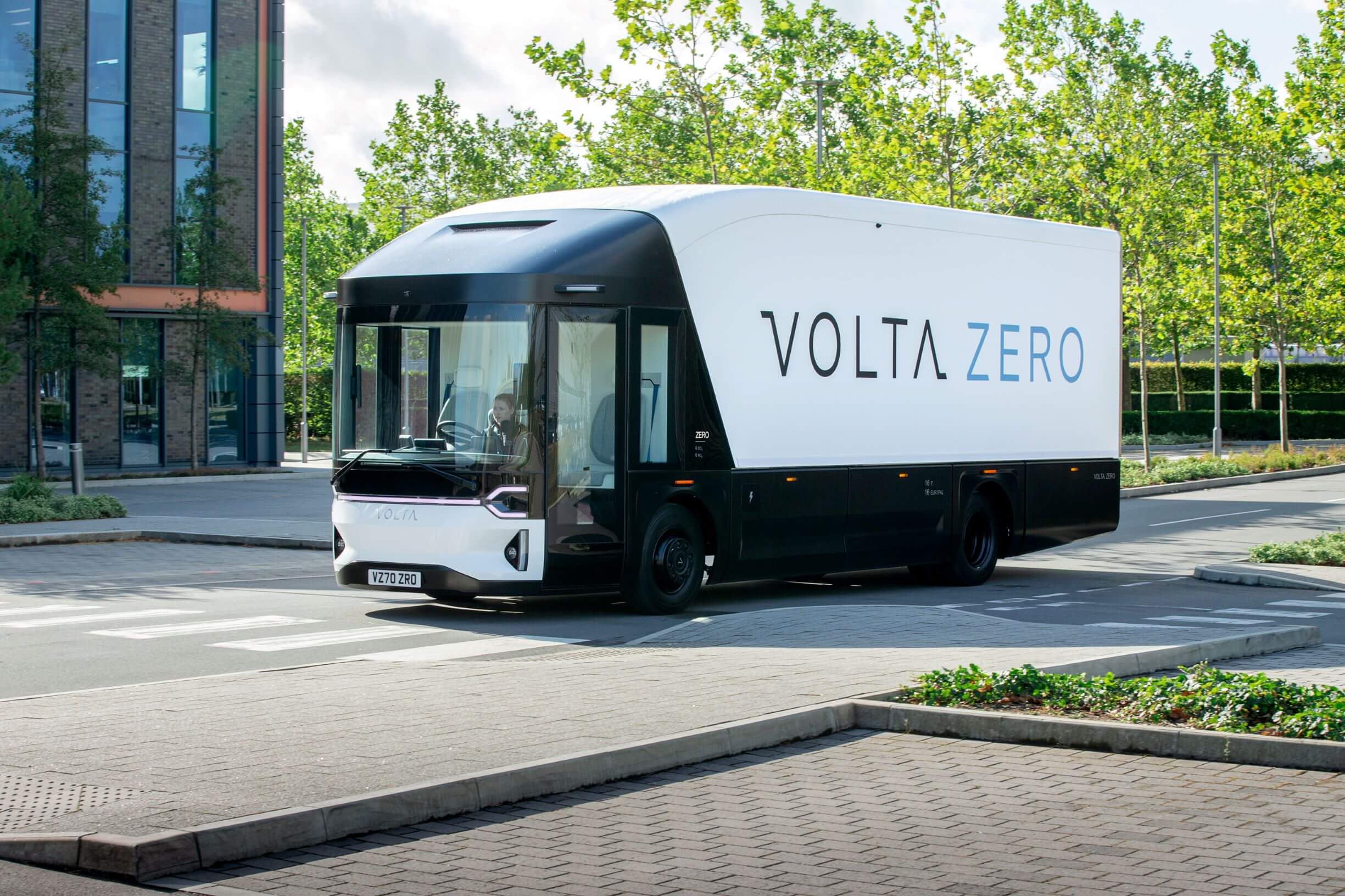
    Deutsche Bahn’s logistics unit Schenker will order almost 1,500 electric trucks from startup Volta Trucks to transport goods from European terminals into city centres and urban areas, the companies said on Tuesday. DB Schenker will use prototype electric trucks in the spring and summer of 2022 in distribution operations, findings from which will be used in the production of 1,470 electric trucks. Those trucks will be made at a former MAN truck plant in Austria that was taken over by Steyr Automotive. The electric trucks will operate at 10 DB Schenker locations in five countries.

    The companies didn’t immediately provide details on the transaction’s value.

    Stockholm-based Volta Trucks, which also operates in the UK, plans to start production of the Volta Zero, a 16-tonne electric truck, in 2022. Bans on fossil-fuel commercial vehicles will take effect in some European cities over the next few years, putting pressure on logistics providers to find zero-emission alternatives.

    “The large-scale partnership with Volta Trucks allows us to significantly increase the pace of electrification of our fleet and invest in greener transport solutions,” Cyrille Bonjean, DB Schenker’s executive vice president for land transport in Europe, said in a statement. DB Schenker has around 74,200 employees in over 130 countries. The latest order brings Volta Trucks’ order book to around 4,500 electric trucks. It previous biggest public order was for 1,000 trucks, from French refrigerated truck firm Petit Forestier.

  • DLA Piper Bolsters Asia Capabilities

    DLA Piper Bolsters Asia Capabilities

    The global law firm is has made a senior energy partner hire in Hong Kong.

    DLA Piper has appointed Russell Wilkinson as a partner in its Finance, Projects, and Restructuring (FP&R) practice, based in Hong Kong, the firm announced on Thursday.

    Wilkinson joins the firm from Baker Botts in Hong Kong, where he has been a senior energy partner since 2006. He focuses his practice on the development, acquisition/divestment, and financing of energy businesses and infrastructure, and the commercialization of energy resources. He has extensive experience in upstream and midstream petroleum projects, power generation, and transmission projects.

    He is widely recognized as an authority in the energy, oil, and gas markets, with rare expertise in liquefied natural gas, making him one of only a handful of specialist energy practitioners in Asia. He regularly advises national oil companies, oil majors, regional energy players companies, and energy traders across the region.

    Wilkinson’s arrival closely follows that of capital markets partner George Wu, announced earlier this week. The firm has been growing its corporate practice in Hong Kong, with Kristi Swartz joining in November as a partner in its Intellectual Property and Technology (IPT) practice, and the addition of capital markets partner Arthur Tso in March 2021.

    Over the past couple of years, DLA Piper has also welcomed partners Philip Lee and David Kuo in Singapore, and Samata Masagee in Bangkok.

  • Thai AirAsia X looking for new investors

    Thai AirAsia X looking for new investors

    Thai AirAsia X needs a major restructuring and new investors to prep the airline to resume international routes next year, after Thai AirAsia (TAA) already secured additional funding for the carrier last week.

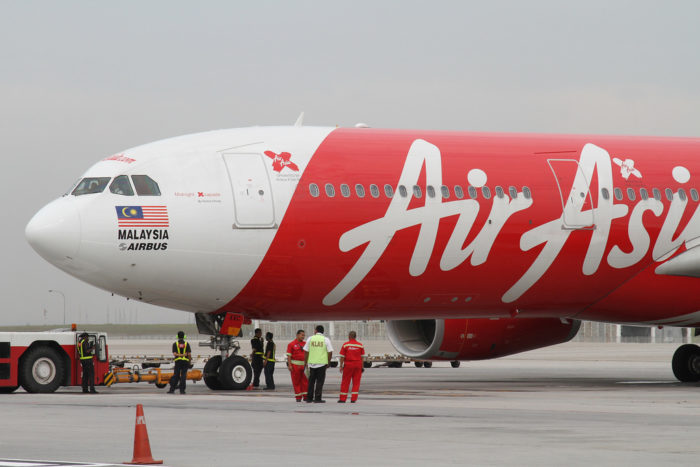
    Thai AirAsia X, a long-haul, low-cost carrier under the AirAsia group, has been grounded for almost two years since the pandemic emerged in 2020. The 11-aircraft fleet was reduced to seven earlier this year, said Tassapon Bijleveld, executive chairman of SET-listed Asia Aviation (AAV), the majority shareholder in TAA.

    Mr Tassapon, also a shareholder in Thai AirAsia X, said the airline had to switch its wide-body Airbus A330 jets to cargo service to stem financial losses. Thai AirAsia X requires additional liquidity to prepare for passenger flights, which are expected to resume next year, he said.

    Tourists have started asking when international flights will resume and the airline responded by launching ticket sales for the Bangkok-Incheon (South Korea) route from April 2022 in the hope that borders will reopen by then, said Mr Tassapon.

    “Border closures should not be an option to prevent the spread of the Omicron variant as the national economy and cash-strapped tourism sector in particular cannot afford to survive another lockdown,” he said.

    Mr Tassapon said it has been over two years since the pandemic broke out and the government should learn to live with it by sourcing sufficient immunity, by using vaccines and medicines, for local communities in order to let economic activities run as usual.

    He said Thai AirAsia X, which is not yet listed on the stock market, is in negotiations with a few potential investors and will enter the restructuring process by next year.

    TAA was given approval by shareholders at a meeting on Nov 26 to commence the restructuring plan, enabling the airline to raise an additional 14 billion baht.

    Under the new structure, Mr Tassapon will hold 18% of the shares, down from 40.52% at present, while AirAsia Aviation, the investing company under AirAsia Group Berhad, will hold 40.7%, followed by commercial banks at 5.3% and new individual Thai investors at 5.2%.

    However, even though TAA is expected to receive the first allotment of fresh capital by mid-December, the cost-cutting measures have to remain until air travel fully recovers.

    On announcing massive layoffs last month, Mr Tassapon said TAA would have to bid farewell to more than 400 employees from its total workforce of 5,000. Some employees decided to join the early retirement program offered by the firm, he said.

  • Honda Sets Up Battery Sharing Subsidiary In India

    Honda Sets Up Battery Sharing Subsidiary In India

    Honda has announced setting up a new subsidiary in India, which will focus on the supply chain side of the electric vehicle industry. Called Honda Power Pack Energy India Private Limited, the new subsidiary for battery sharing service in India will offer service for small mobility players. In a statement, Honda has said that the company plans to start battery sharing service for electric auto-rickshaws from the first half of 2022 in Bengaluru, Karnataka, and expand the operations in other Indian cities in a phased manner.

    Swappable batteries will offer subscribers fully-charged batteries at the stations which can be swapped in a matter of minutes, instead of waiting to charge the vehicle.

    “The company will offer battery sharing service for small mobility, which will accelerate the penetration of electric vehicles by solving three issues of electric vehicles: limited range, long charging time, and high cost of batteries,” Honda said in the statement.

    Honda’s all-new portable and swappable batteries will be called “Honda Mobile Power Pack e,” and the company’s battery sharing service subscribers can avail of the services from the nearest battery swapping station. At the battery swapping station, subscribers can swap the used batteries with fully charged ones, and need not wait for charging and can get back on the road in marginal time.

    The company has invested ₹ 135 crore, and will work closely with original equipment manufacturers (OEMs) who wish to integrate Honda’s battery into their vehicles, by providing necessary technical information for an interface. By expanding vehicle OEMs, applications, and service areas, the company aims to onboard more drivers which will further enhance service convenience.

  • UniTeller Grows Remittance Network Across APAC

    UniTeller Grows Remittance Network Across APAC

    The U.S. based cross-border and remittance payments processor is extending its remittance services to more customers in the Asia Pacific under a partnership with Tranglo.

    UniTeller has announced a partnership with Tranglo to further expand its services in 13 Asia Pacific markets, including Bangladesh, India, Indonesia and Nepal.

    The partnership will add more than 58,000 cash pick-up points, more than 1,100 account deposit banks, and nine e-wallet platforms to its existing paying network of 90,000 paying locations in the region, according to an announcement on Thursday.

    UniTeller CEO Alberto Guerra said the partnership is a great step forward in the company’s expansion plan for the Asia Pacific this year.

    Founded in Malaysia in 2008, Tranglo operates a cross-border payment hub that provides smart services for mobile airtime top-ups, as well as foreign remittance and business payments.

    Earlier this year, Ripple acquired a 40-percent stake in Tranglo, to allow the blockchain payments company to meet growing customer demand in APAC, one of the fastest-growing regions for RippleNet. As such, UniTeller’s partnership with Tranglo also gives it access to RippleNet.

  • Cebu Pacific receives first Airbus A330neo; targets all-neo fleet by 2027

    Cebu Pacific receives first Airbus A330neo; targets all-neo fleet by 2027

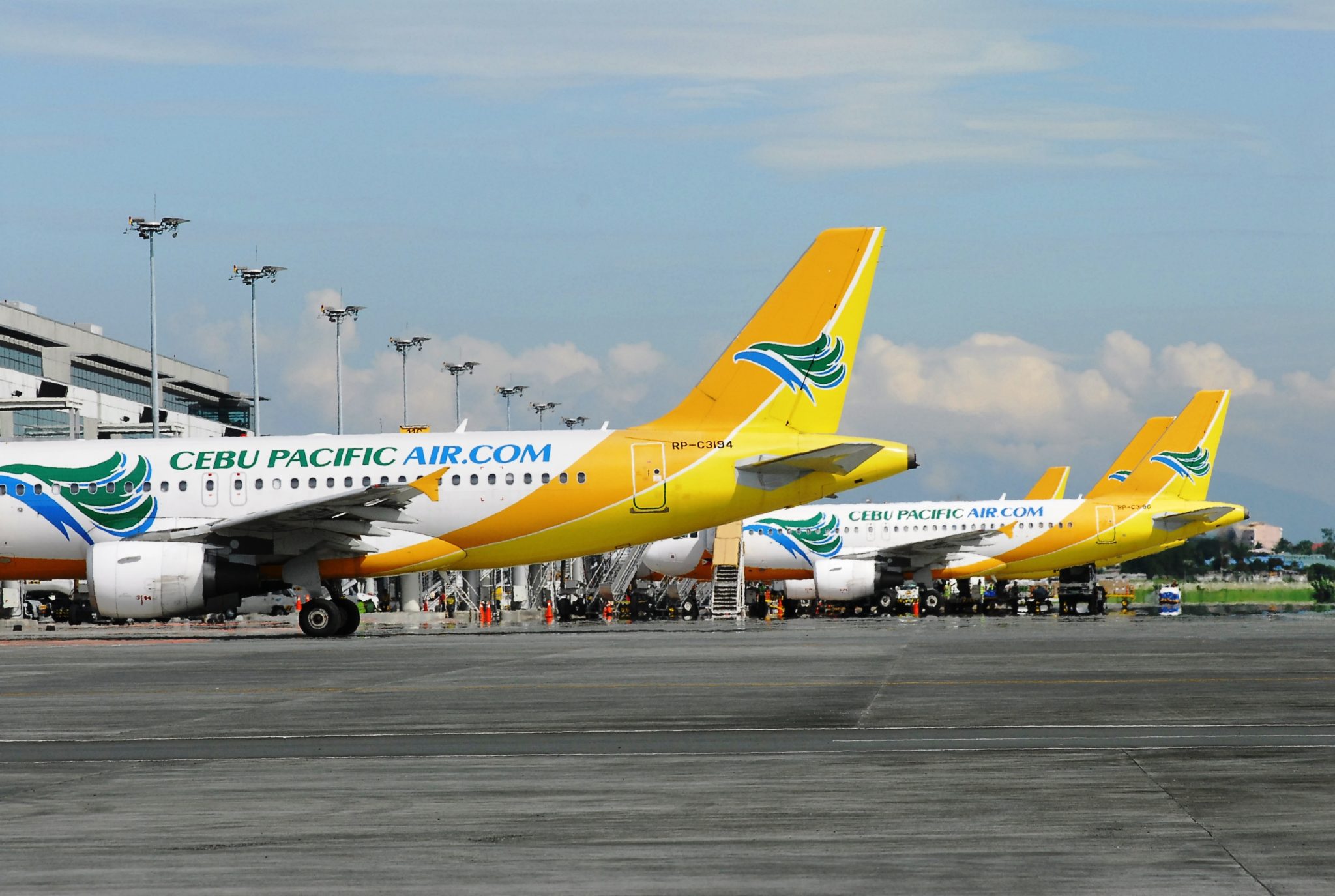
    Philippine low-cost airline Cebu Pacific received its first Airbus A330neo on November 28,2021 as it begins its widebody fleet modernization program.

    The aircraft features 459 lightweight Recaro seats, which have been ergonomically designed, and offer versatility for a wide range of routes from shorter regional services to medium and long-haul operations. The Airbus A330neo will be used to operate trunk routes within the Philippines and the rest of Asia, as well as on longer-range services to Australia and the Middle East.

    The A330neo brings a step-change in efficiency, consuming 25% less fuel than previous generation aircraft and a similar reduction in CO2 emissions. The efficiency of the A330neo also ensures compliance with current and future sustainability requirements in terms of noise and emissions.

    “Cebu Pacific’s first A330neo brings us closer to our target of having an all-Neo fleet by 2027, and shows our commitment to making air travel accessible while ensuring environmental and social sustainability,” Cebu Pacific chief strategy officer Alex Reyes said in a statement.

    Reyes added: “We believe that growth and sustainability are not mutually exclusive and should in fact be inclusive if we want to work towards the greater good. This is why we will always choose the greener options – increased aircraft efficiency, reduced noise, and carbon emissions, to ensure that lower fares will be available for every Juan.”

    In total, Cebu Pacific has ordered 16 A330neo, and also has 16 A320neo and 22 A321neo still to be delivered. The low-cost carrier currently operates 50 Airbus aircraft, comprising 43 A320 families and 7 A330ceo.

    “We thank and applaud Cebu Pacific for selecting our latest-technology A330neo as part of its fleet modernization drive to fly the greenest aircraft for a sustainable future. The A330neo is the first aircraft in the world already certified to comply with ICAO’s CO2 emissions standards beyond 2028. The airline will benefit from the aircraft’s step-change in performance and economics while maintaining passenger comfort and lowest operating costs,” said Airbus Asia-Pacific President Anand Stanley in a press statement.

    The aircraft is powered by Rolls-Royce’s latest-generation Trent 7000 engines and features a new composite wing with increased span for enhanced aerodynamics.

    The A330 remains the most popular widebody family aircraft for Airbus, with an order book of more than 1,800 aircraft at the end of October 2021.

  • AirAsia CEO ‘bullish’ on beating Omicron as airline announces resumption of Phnom Penh flights

    AirAsia CEO ‘bullish’ on beating Omicron as airline announces resumption of Phnom Penh flights

    AirAsia Group chief executive Tony Fernandes has urged governments to stop “overreacting” to the emergence of the new Omicron variant of Covid-19 and focus on reducing the cost of PCR testing instead.

    “It’s a huge overreaction. We don’t know anything about this variant yet. Let’s wait and see before we jump the gun,” Mr. Fernandes said at a virtual address at Bangkok Post’s International Forum 2021 dubbed “Unleashing the Future: A Glimpse into 2022 and Beyond” on Thursday.

    Air Asia has also hinted that Cambodia is one potential market for new ventures. Current group president for airlines Bo Lingam says: “We will continue to review new markets to operate from in the future, like Cambodia for example when we can connect Southeast Asia once again with the best value fares and lifestyle offerings.”

    The chief executive of the low-cost carrier said the world is more equipped and better prepared to deal with Omicron — first detected in South Africa — than previous strains.

    Air Asia is also reportedly looking at resuming Kuala Lumpur-Phnom Penh flights in January 26 to take advantage of Chinese New Year travelers. During its heydays prior to COVID-19, it used to mount three flights a day.

    “There are Merck pills, and Pfizer pills are coming out. We are vaccinated. There are boosters available. I’m feeling much more bullish, and I am not doom and gloom,” he said.

    “Governments need to use common sense and see what is needed. I think travel restrictions and such measures are temporary, and the world is global. No matter how much we close the borders, the viruses will travel.”

    He criticized the pricing and frequency of the PCR tests required by many governments, including Thailand, when travelers enter their borders. He said this risks deterring passengers from taking a vacation despite the pent-up demand to venture overseas.

    “No government has looked at the cost of the PCR test. PCR tests in Southeast Asia are extremely [expensive]. It’s unfair for passengers to pay that kind of cost. Of course, we want to be safe, but make it as simple as possible.”

    He praised Thailand for planning to reduce some of these charges and procedures.

    “Thailand is ahead of the rest of ASEAN, which are still quite draconian,” he said, referring to the Association of Southeast Asian Nations.

    “In Malaysia, we have a seven-day quarantine. It’s a start. At least we are opening up borders, but there’s a long way to go before we get to where we used to be.”

    As for AirAsia’s operations and outlook for 2022, Mr. Fernandes said he had restructured the company and pivoted to more digital businesses.

    So far, the low-cost carrier has launched three logistics businesses — a food delivery super-app, online bank BigPay, and parcel delivery service Teleport. The company has no plans to cut routes yet, it said.

    The group CEO was optimistic about the future of the aviation industry. He said he expects low-cost carriers to bounce back faster than full-service airlines as most passengers prefer to travel short distances. Moreover, business travelers are getting used to attending meetings virtually instead of in person, he said.

  • BSA Motorcycles Returns To Life, Reveals New Gold Star Retro Motorcycle

    BSA Motorcycles Returns To Life, Reveals New Gold Star Retro Motorcycle

    Iconic British bike maker, BSA Motorcycles has come back to life, and the brand was resurrected at a special event in Birmingham in the UK. Classic Legends, part of the Mahindra Group, revived the classic motorcycle brand, and also showcased the first model that will be sold under the BSA name. The BSA Gold Star was originally sold between 1938 and 1963 and was powered by a range of engines between 350 cc and 500 cc. The 2022 BSA Gold Star retains much of the classic lines of the original but power is likely to come from the newly-developed 650 cc single-cylinder DOHC engine.

    More details on the new BSA Gold Star will be revealed during the public debut on December 4, 2021, at the Motorcycle Live Show in the UK. The new BSA motorcycle has been designed and developed in the UK and will also be built there, confirmed Anupam Thareja, co-founder, Classic Legends Pvt. Ltd. Thareja also revealed that special attention was given to every detail right from the lines to the font to the tires.

    “We’d spend hours, in the end, looking at the font, the size, the color, the shape. How it looks in the day and the night. And all I can say is it went into a dizzy. But what came out of this harmonious chaos is this absolutely stunning, beautiful piece of artwork,” said Thareja.

    Classic Legends plans to produce the BSA Gold Star in Birmingham itself, the brand’s original home. Plans for the same were previously disrupted due to the pandemic. The company has already set up a technical center in Coventry to develop motorcycles. The brand is also working on electric offerings at this facility. It was also awarded a 4.6 million pound grant from the UK government for the development of zero-emission motorcycles.

    Birmingham Small Arms Company Ltd or BSA was founded in 1861, for the production of firearms. The brand’s motorcycle division was set up in 1903, and the first motorcycle was introduced in 1910. The brand went on to become the largest supplier of motorcycles to the Allied Forces during the Second World War. By the 1950s, BSA was the world’s largest motorcycle maker, with one in every four motorcycles sold worldwide sporting the BSA badge. BSA ceased operations in the 1970s after going into bankruptcy. It was acquired by Classic Legends in 2016.

  • Darrell Lea cooks up 70 tonnes of Christmas Puddings

    Darrell Lea cooks up 70 tonnes of Christmas Puddings

    Calm down, Australia. It might have been a tough, tough year… but at least Darrell Lea Christmas puddings have returned to supermarket shelves to make things feel joyful again.

    Handcrafted in Australia, these puddings have a light and fluffy nougat center, are smothered in creamy milk chocolate, and topped with edible Christmas holly.

    Darrell Lea made over 70 tonnes of puddings this year, using 25 tonnes of milk chocolate and 10 tonnes of desiccated coconut!

    These legendary nougat treats were first launched by the Aussie confectionery company in the 1940s and have been selling out yearly ever since.

    It goes without saying that the $10 puddings are still Darrell Lea’s best-selling Christmas product.

    The nougat pudding isn’t the only item on our Christmas list this year. Also returning are their (completely addictive) Crunchy Christmas Balls, their famous Rocklea Road, ginger pieces smothered in dark chocolate, and Caramel Snows (featuring caramel fudge drizzled with white fondant and dark chocolate).

    It’s beginning to taste a lot like Christmas.

  • Mondelez falls short in China with Zero-sugar Oreos pitch

    Mondelez falls short in China with Zero-sugar Oreos pitch

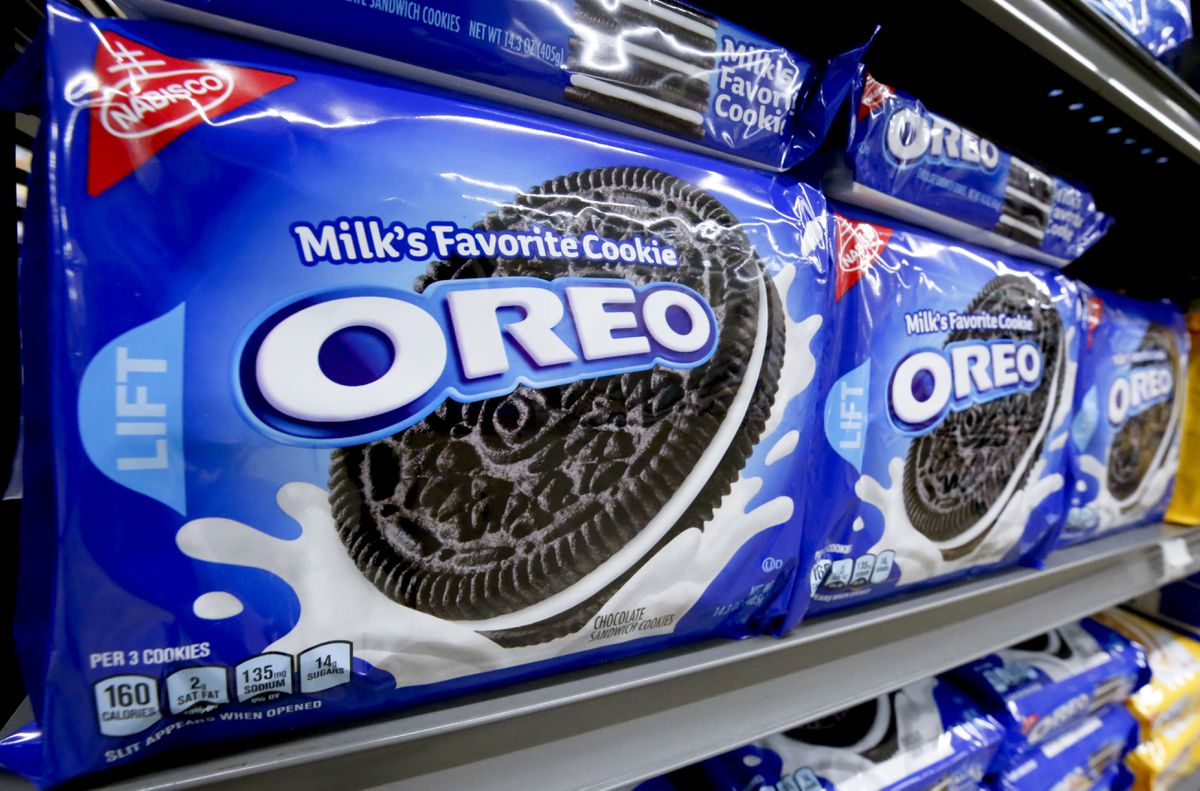
    Initial reaction from the launch of Oreo Zero sugar-free cookies in China has been disappointing, Mondelez International Inc’s CEO said, underscoring some of the challenges facing the global snack giant as it makes a big push in the market.

    Mondelez launched Oreo Zero in China in August, taking a cue from social media trends showing reduced-sugar and sugar-free diets as a key trend, and the limited availability of zero-sugar biscuits in the country.

    “The reaction of the consumer has been a little bit disappointing … for one reason or the other, the consumers feel it is not the real thing,” Chairman and Chief Executive Officer Dirk Van de Put told Reuters.

    “This indicates the dilemma,” he said. “We can offer the products to the consumer, but it’s not given that the consumer will buy and eat them.”

    Mondelez, which also makes Ritz crackers, belVita biscuits, Cadbury chocolates and Trident gum, has set a target to grow Oreo sales by $1 billion by the end of 2023. The brand surpassed $3 billion in global sales in 2019.

    Oreo Zero cookies contain maltitol instead of traditional sugars like sucrose and glucose, and the tweak gives a very slight difference in taste that only heavy consumers of regular Oreos would be able to identify, according to the company.

    The lukewarm consumer response underscores a challenge for global snack firms with a well-known brand and product. Mondelez varies the amount of sugar it includes in Oreos in different markets around the world. In China, Oreos have less sugar than do Oreos in the United States, which could make for an easier transition to no-sugar cookies.

    Chinese consumers, however, remain cautious about packaged foods’ no-sugar claims, said Michael Norris, research and strategy manager at Shanghai-based consultancy AgencyChina.

    For example, sugar-free drinks commanded only 1.25% of China’s soft drinks market in 2019, according to a June Dongxing Securities report, though Genki Forest’s sugar-free fizzy drinks and Suntory’s Oolong tea are gaining popularity.