Tag: asia

  • Carrefour’s Flash 10/10 c-store deploys avatars and AI to speed purchases

    Carrefour’s Flash 10/10 c-store deploys avatars and AI to speed purchases

    Carrefour open Flash 10/10, its next-generation test store, on 24 November in Paris’ eleventh arrondissement. This new convenience store – developed in collaboration and exclusively with Californian start-up AiFi – uses technology that has never been seen before and is designed to provide customers the most accessible and fastest shopping experience ever.

    Carrefour Flash 10/10: 900 products available in a flash

    Carrefour Flash is the first store of this kind in France, and will be located at 11 avenue Parmentier, in the capital’s eleventh arrondissement. With Flash, technology is used to enhance the customer experience, making shopping more straightforward. It has nearly 900 everyday product references on sale.

    With this innovative new format, Flash 10/10 (“10 seconds to shop and 10 seconds to pay”) features a shopping journey that does not involve having to scan any products and payment that is almost instantaneous. Customers don’t even have to take their items out of their bag. This saves time for customers and creates a smoother experience. Customers are free to enter and exit the store without having to pass through a gateway. There is no need to download an app or register beforehand. And there are no surprises – they can view their total spending in real-time.

    Four employees will be on-hand to open the store and oversee its operation. They will maintain it and keep it tidy, manage its new e-commerce services (including Pedestrian click and collect), and provide customers with advice.

    This whole customer experience will be made possible by 60 HD cameras, nearly 2000 sensors built into the connected shelves, an algorithm for interpreting all the data, and a proprietary tablet payment system. Customers are tracked anonymously as a virtual avatar, allocated to them as soon as they enter the store. The products that they pick up are automatically detected and then added to their virtual basket. Once they have finished shopping, customers just get their baskets validated at a kiosk and then pay contactless. They can get an electronic receipt sent to them immediately simply

    by scanning a QR code. An automatic checkout kiosk is also available for any customers wishing to pay with cash.

    Carrefour Flash was tested at Carrefour’s head office in Massy over more than a year, during which the Innovation team was able to refine the technology and adapt the concept based on feedback from the employees using it on a daily basis.

    In March 2021, Carrefour Brazil launched Flash Scan & Go – a store where customers can use their smartphones to shop and pay for the products they want to take home. 6 such stores are currently in operation in Brazil, and the subsidiary is planning on opening another 8 or so before the end of the year.

    And in September, Carrefour launched its “Carrefour City+” concept in Dubai alongside Emirati partner Majid Al Futtaim.

    “The Flash concept checks our customers’ expectations. They want to be able enter the store easily, know what they are buying, pay quickly and then leave. Compared with other existing concepts, with Carrefour Flash, customers get speed and accessibility in a unique way”, said Elodie Perthuisot, the Carrefour Group’s Executive Director of E-Commerce, Data and Digital Transformation.

    “Following our initial testing in Massy, we are proud and delighted to be launching this store with Carrefour. Flash is definitely one of the stores with the most advanced technology in the world”, said Ying Zheng, Co-founder and President of AiFi.

  • Best Mart 360 plans mainland foray

    Best Mart 360 plans mainland foray

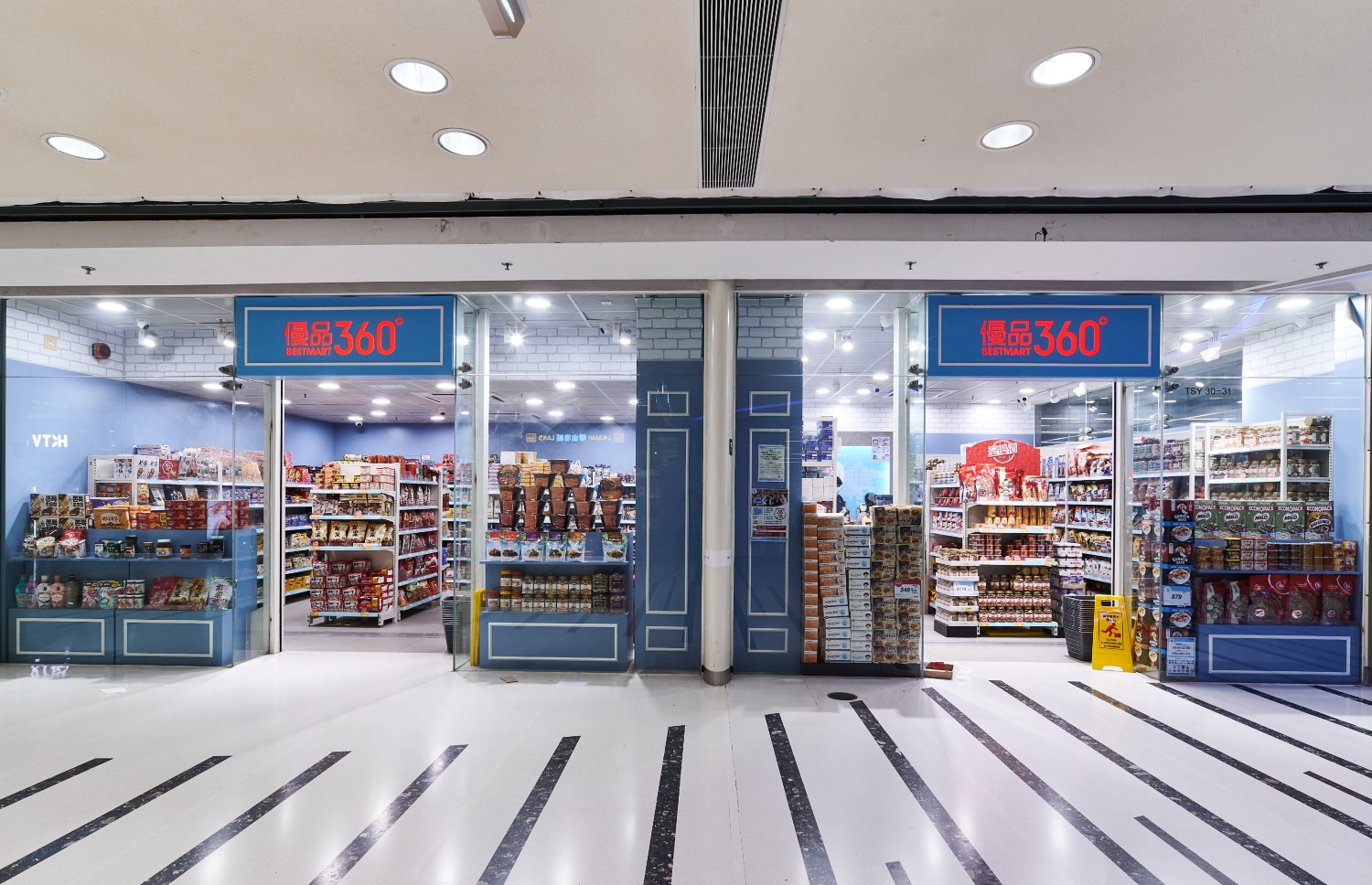
    Hong Kong-headquartered, self-described “leisure food retailer” Best Mart 360 is on track to open its first store in Mainland China this month ahead of a broad expansion across the border.

    The company set up a wholly-owned subsidiary in Shenzhen and relocated Hong Kong staff to open an office in the city’s Futian district earlier this year. In a statement announcing its half-year results, Best Mart 360 said the first store will open in Shenzhen later this month “with the objective of expanding its operating model to other cities in the Greater Bay Area, thereby extending the group’s sales network to the whole nation”.

    The expansion plan follows a 10-per-cent increase in its Hong Kong and Macau store network to 129 stores in the year to September 30 as it sought opportunities to open in shopping centers and local residential communities instead of a previous focus on tourist areas.

    In September, the company also opened the first of a new retail concept called FoodVille in Tseung Kwan O, which it describes as a global gourmet store. Responding to the consumer trend of preparing more meals at home, prompted by Covid-related restrictions on dining out, the store stocks medium-to-high-end quality food products including wines, chocolates, health foods, cheeses, western sauces and ingredients from around the world. An unspecified number of FoodVille stores in Hong Kong are planned, with the company targeting large and medium-to-high-end shopping malls in the city “as well as stores with larger area and locations with high customer traffic and population density”.

    And in another expansion initiative, Best Mart 360 says it is looking to enter the B2B space by wholesaling its private-label products and other imported goods to other Hong Kong retailers, as well as distributors or retailers overseas.

    Sales derived from private-label products in the company’s own stores nearly doubled during the period and now account for about 16 percent of turnover. Best Mart 360 now has 11 private labels covering more than 150 products, including masks, canned Chinese delicacies, cereals, milk, honey, nuts and dried fruits and a wide range of leisure food products.

    While Best Mart 360’s Hong Kong stores have typically had small footprints, the company says it will be looking for larger sites in the future to enable it to expand its range of products and a more comfortable shopping experience for customers (Its smaller stores are renowned for being crowded.)

    The retailer says it sold some 3000 SKUs from 900 brands during the period and that it is continuing to broaden its range while also discontinuing less popular products to make way for new lines. It expanded its range in the frozen and chilled food, sauces and condiments, Chinese delicacies, dairy products, and alcoholic beverage categories to meet market demand and changes for these daily household food products during the pandemic.

    In the six months to September 30, Best Mart 360 recorded revenue of US$110.7 million, representing a 21.7-per-cent improvement over the same period last year, which is attributed to its expansion strategy and the optimization of its product mix. Same-store sales rose by 5.6 percent.

    Profit attributable to shareholders reached $2.9 million, down from $4.58 million, year on year, a decline the company attributed to the absence of subsidy income from the Hong Kong government to support businesses through the Covid crisis. Excluding that from last year’s results, profit attributable to owners was up 56.5 percent.

  • Highlands Coffee locked in rental disputes at major locations

    Highlands Coffee locked in rental disputes at major locations

    Several landlords have cut off utilities to major Highlands Coffee outlets for not paying rent; the coffee chain says it needs rental discounts for unexpected enforced closures.

    Real estate developer Hoa Binh House has lodged a complaint with authorities of Ward 25 in HCMC’s Binh Thanh District, saying the coffee chain owes it five months’ rents at nearly VND500 million ($22,036).

    A Hoa Binh House representative said that the company had blocked the entrance to Highlands Coffee’s location at the Pax Sky building Monday morning.

    “So far Highlands Coffee has not made any moves to pay its debt. They have not contacted us to deal with the complaints we have filed.”

    A Highlands Coffee rep said that the company was trying to resolve conflicts with Hoa Binh House, and that both sides had exchanged many letters on the issue.

    The coffee chain, part of the Philippines’s Jollibee Foods Corporation, said that prolonged social distancing in HCMC in the third quarter had caused major losses to the company with revenues falling to zero.

    Highlands Coffee does not have the ability to pay rent in full for that period. Therefore, the coffee chain requested Hoa Binh House for a 50 percent discount in the first week of July, from Jul. 1 to Jul. 8, and a 100 percent discount on rent from July 9-15. The chain also asked for 50-100 percent discount the entire time that the city imposed social distancing.

    The discount will be deducted in Highlands Coffee’s payments starting August 15 onward, the chain suggested.

    Hoa Binh House, however, did not agree. Its rep said that the building it is operating, Pax Sky, was also affected by HCMC’s social distancing, which exerted major financial pressure.

    Highlands Coffee cannot unilaterally invoke the force majeure clause without a decision from the court to that effect.

    Hoa Binh House agreed to give a 20 percent discount in August, and had Highlands Coffee agreed to it, the real estate developer would have given another 20 percent discount for the next three months.

    Since Highlands Coffee still kept asking for the full discount, Hoa Binh House terminated their contract on November 12 and cut electricity and water to the location.

    Highlands Coffee later set up its own electric generator and water tank and continued to do business. It also told Hoa Binh House it would seek compensation for the damage caused by cutting off electricity and water supply.

    It was reported earlier that the coffee chain also owed six months’ rents for its outlet in Artemis building in Hanoi’s Thanh Xuan District. The amount involved was more than VND1 billion.

    Residents in the neighborhood said that as the conflict played out, many people wearing Highlands Coffee uniformed showed up and had physical contact with securities guards of the Artemis building.

    Highlands Coffee told reporters that the company was in financial difficulties due to social distancing in the capital and was negotiating with Artemis building mangers.

    It said that the building managers unilaterally cut electricity and water and even confiscated Highlands Coffee’s assets.

    It did not comment on the report of people in its uniform showing up and causing disruptions in the neighborhood.

    The rep confirmed that Highlands Coffee, which has 450 outlets nationwide, wants to resolve its conflicts with landlords under existing laws.

  • Ebay secures focus on sneaker market with authenticator acquisition

    Ebay secures focus on sneaker market with authenticator acquisition

    eBay Inc. and Sneaker Con Digital have entered into a definitive agreement under which eBay has acquired Sneaker Con’s authentication business, a sneaker authenticator with operations in the U.S., U.K, Canada, Australia and Germany.

    The company said in a statement that this acquisition is an extension of the ongoing collaboration between eBay and Sneaker Con, which has been critical to powering eBay’s Authenticity Guarantee. The service, which eBay launched in October 2020, offers full vetting and verification of select sneakers bought on the marketplace by a team of Sneaker Con’s industry experts. In just over a year, more than 1.55 million sneakers have been authenticated globally on eBay.

    “We partnered with Sneaker Con to launch sneaker authentication on eBay last year because the team shared our passion for the category. The response to our authentication offering has been overwhelming, and this acquisition allows us to continue to transform eBay and bring a higher level of trust and confidence to every transaction,” said Jordan Sweetnam, SVP and general manager of eBay North America.

    The company added that eBay will continue to build upon its offerings to accommodate resale market trends and ensure a seamless user experience that provides the community with a trusted marketplace.

    “We respect eBay’s commitment to the sneaker culture and are honored that Sneaker Con’s authentication business will be incorporated into their platform,” added Brad Fried, the company’s co-founder.

    Conceived in 2009, Sneaker Con has cultivated a global community of sneaker enthusiasts through its industry-leading events, where people gather to buy, sell and trade sought-after footwear. Sneaker Con launched its authentication business in 2018 to complement the events business and provide authentication services to further support the sneaker community.

  • Photo shows that Google is testing Material You design for Android’s YouTube app

    Photo shows that Google is testing Material You design for Android’s YouTube app

    Some new buttons that Google is testing for the Android version of the YouTube app point toward the release of a Material You update for the popular video streamer. According to Google, Material You is “a radical new way to think about design. Material You will transform design for Android, for Google, and for the entire tech industry.”

    New look for YouTube buttons currently being tested hints at Material You update for YouTube in the near future

    The Google News-Telegram group has posted a photo revealing that Google is testing a new look for the row of buttons found under a YouTube video that appears to have been taken from the Material Design 3 guidelines that Google released in October. The revised Material You look adds pill-shaped buttons under the video. One button shows the combined number of likes and dislikes. Three weeks ago, Google did away with showing the number of dislikes that YouTube videos have garnered in order to protect their creators.

    You might notice that the text revealing the title of each button is now placed next to the icon instead of underneath it which forces the bar to be longer. It isn’t known just yet when Android users can expect to receive the new button design which would be the first sign of an impending Material You update for the app.

  • Alerts on Vietnam rice exports

    Alerts on Vietnam rice exports

    Vietnam’s coffee exports in the first 11 months of this year are expected to show a 4.4 percent drop from a year earlier to 1.36 million tonnes, while rice exports will likely post a 0.8 percent increase, government data released on Monday showed.

    Coffee exports are estimated to have fallen 4.4 percent in the first 11 months of this year from a year earlier to 1.36 million tonnes, equal to 22.67 million 60-kg bags, the General Statistics Office said in a report on Monday.

    Coffee export revenue for Vietnam, the world’s biggest producer of the robusta bean, will likely show a 12.6 percent increase to $2.6 billion in the 11-month period, the report said.

    The country’s coffee shipments in November are estimated at 78,000 tonnes valued at $181 million, it said.

    Rice exports in the first 11 months of this year from Vietnam were forecast to have risen 0.8 percent from a year earlier to 5.7 million tonnes.

    Revenue from rice exports in the period was expected to rise 7.3 percent to $3.04 billion.

    November rice exports from Vietnam, one of the world’s largest shippers of the grain, totaled 563,000 tonnes, worth $297 million.

    Vietnam’s Jan-Nov crude oil exports were seen falling 31.4 percent from the same period last year to an estimated 3.01 million tonnes.

    Crude oil export revenue in January to November is expected to rise 14.9 percent to $1.69 billion.

    Oil product imports in the first 11 months of the year were estimated at around nine million tonnes, down 16.6 percent from the same period last year, and the value of product imports were expected to rise 31.2 percent to $4.6 billion.

  • Car demand up following news of registration fee cut

    Car demand up following news of registration fee cut

    Car dealers have seen the number of customers triple after a 50 percent registration fee discount for locally assembled cars was announced last week.

    Toyota, Honda, Hyundai, Kia and Mazda dealers in Cau Giay District reported 30 and even 50 customers a day last weekend, compared to the average 10-15 .

    The number of signed contracts rose from an average 10 a day to 30.

    A Peugeot dealer locked in seven deals on the weekend even though it was often deserted.

    Customers were still viewing cars at 8 p.m. during the two days, while on normal days the last customers often leave at 6 p.m., a manager of a Toyota dealer in Ho Chi Minh City said.

    “We needed six employees, double from before,” he added.

    The surge in demand for cars came as the government announced a decision to cut car registration fees by half for six months starting Dec. 1.

    This is the second time in the last two years that such a cut is introduced to mitigate difficulties faced by the auto industry due to the Covid-19 pandemic.

    For this reason, accountants and managers had to show up at dealers to finalize contracts when needed.

    Some salespersons said they sold two or three cars last week, while before it often took them several days to sell one.

    Customers can be divided into two main groups: those who want to prepare for the registration process when the fee drops by half starting Wednesday, and those who want to learn more about cars.

    Dealers have ended some prior promotions because of the fee discount, which urge customers to come and make purchases.

    “I am selling my existing car to buy a new one,” said Le Luan, a customer, adding he plans to put down a deposit Tuesday fearing promotions would end Wednesday.

    Registration fees are calculated based on car prices in each locality. The rates are 12 percent in Hanoi and Hai Phong, and 10 percent in HCMC.

    In the first six months last year, 17,600 cars were bought on average each month. In the second half, when the 50 percent cut took effect, sales doubled.

    Last year, car sales had fallen by 8 percent to 296,634 units as the Covid-19 pandemic badly affected the economy, hitting incomes and discretionary spending.

  • Tim Hortons China to open coffee shops in Metro’s China stores

    Tim Hortons China to open coffee shops in Metro’s China stores

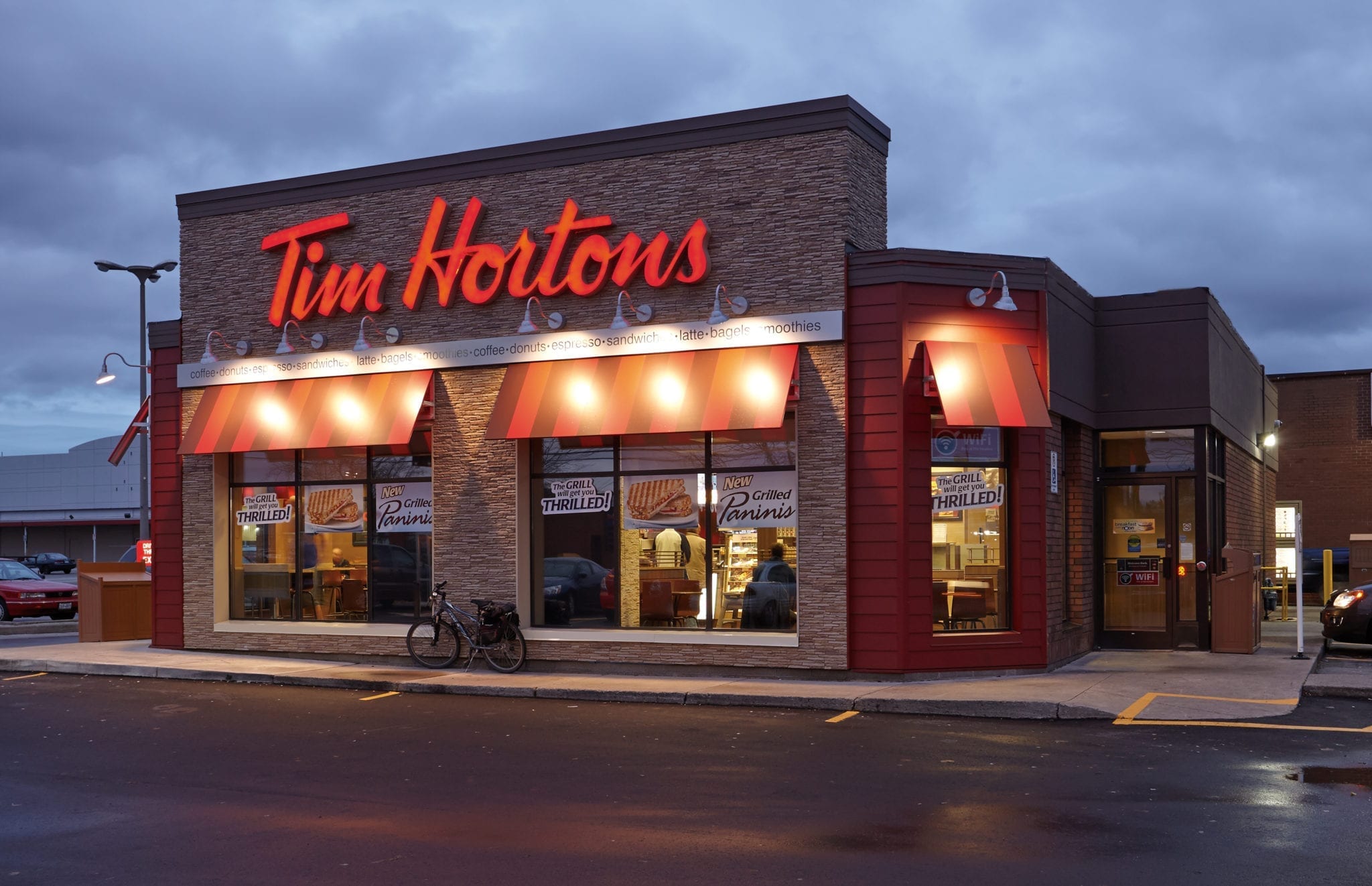
    Tim Hortons China (Tims China) is ready to further expand its presence in the Chinese market by entering a strategic partnership with Metro China, a joint venture of Wumart and Metro.

    Under the terms of the partnership, Tims China will become the exclusive coffee shop brand in Metro stores across the country.

    Tims China CEO Yongchen Lu said: “Through this agreement, we can reach millions of new customers to share our welcoming guest experience and extensive high-quality product offerings.

    “Over the next few years, we plan to strategically open Tims Go coffee shops in Metro China stores across 60 cities, growing our brand, revenue, and margins.”

    To mark the beginning of this partnership, Tims China opened seven Tims Go coffee shops across four cities using Tims China’s compact-store model.

    By next January, the partners intend to open at least nine Tims Go shops across six Chinese cities, namely Shanghai, Chengdu, Qingdao, Nanjing, Langfang, and Dalian.

    Additionally, the partnership will benefit Tims China with preferred site selection, delivery services, and complimentary marketing initiatives.

    With the new openings, Tims China will operate more than 335 stores across the country.

    Metro China deputy CEO Chen Zhiyu said: “We are delighted for Tims China to become one of our anchor tenants as we believe the brand will bring convenience and quality coffee products at great value to our members.

    “Our partnership will also create a strong link between daily shopping and coffee consumption in our stores that will greatly improve the overall shopping experience for our middle-class customers.”

    In March, Tims China secured funds in a financing round that was led by Sequoia Capital China and Tencent Holdings.

  • Vinomofo bets on in-person events with latest acquisition

    Vinomofo bets on in-person events with latest acquisition

    Vinomofo has purchased Melbourne-based events company Revel in an effort to better ingrain itself in the events industry – betting that as life in Australia continues to move toward normality, more Australians will want to get out and attend in-person events.

    Vinomofo chief executive Paul Edginton said the deal will give the online wine firm’s customers ‘special access’ to events and offers.

    “As our customer base grows year-on-year, we are seeing demand for a more extensive offering, with tactile, engaging, fun experiences at the top of the must-have list,” Edginton said.

    “Today’s news to acquire Revel further builds our capabilities to continue meeting the growing needs of our customers who love wine, food and the adventure of experiencing it all.”

    And, Edginton hinted that more projects outside of Vinomofo’s core wine business are well underway and will be launched in 2022.

    “The time was right for us to look at new opportunities to add more diverse offers for our tribe. The Revel acquisition allows us to do this,” Edginton said.

    Revel handles a number of events in the food industry already, namely: Pinot Palooza, Game of Rhones, Mould: A Cheese Festival, and Gauchito Gil’s Malbec Day.

  • PepsiCo names new CEO for Australia/New Zealand

    PepsiCo names new CEO for Australia/New Zealand

    PepsiCo has announced the appointment of Kyle Faulconer as the new CEO of Australia and New Zealand, effective January 2022.

    Faulconer will replace outgoing CEO, Danny Celoni, who was recently appointed to the Asahi Beverages Oceania Executive Leadership Team as the new CEO of Carlton & United Breweries, effective February 2022.

    To take up the new position, Faulconer will relocate to Sydney from the US, where he is currently Vice President and General Manager at PepsiCo’s Frito-Lay snacks business.

    He has had a 14-year tenure at PepsiCo and is a passionate advocate for consumer-centric innovation. Most recently he was responsible for leading the strategic agenda for Walmart, one of PepsiCo’s largest global customers.

    Wern-Yuen Tan, CEO, PepsiCo APAC, says that Faulconer’s strong market experience and people-first approach will be a great asset to the Australia and New Zealand team.

    “We are delighted to welcome Kyle to ANZ and know he will lead the team to new heights,” said Tan.

    In his new role, Faulconer will work to strengthen operations and drive innovation and growth across PepsiCo’s portfolio of drinks and snacks.

    He said: “I’m thrilled to join the world-class team and help the PepsiCo business continue to grow across Australia and New Zealand. I look forward to creating new opportunities to accelerate our positive, purpose-led impact for our partners, customers ad consumers.”

  • Qualcomm unveils Snapdragon 8 Gen 1, the S22 chipset, with 10 Gigabit 5G

    Qualcomm unveils Snapdragon 8 Gen 1, the S22 chipset, with 10 Gigabit 5G

    Qualcomm just took the stage to announce the long-rumored Snapdragon 8 Gen 1 chipset that is going to power a number of Android flagships in the next year or so, including Samsung’s upcoming Galaxy S22 series phones.

    Previously rumored as Snapdragon 898, the processor got a name change, as Qualcomm decided to simplify and streamline how it calls its mobile chipsets. This, and the fact that the team from San Diego is branching out into processors for Microsoft Windows 11 devices, as well as into a gaming platform. We are most interested in mobile applications, however, so here are the most interesting Snapdragon 8 Gen 1 details.

    Here’s a list of the most important new Snapdragon 8 Gen 1 features:

    • Up to 3GHz Kryo CPU with Cortex-X2 cores.
    • 30% faster Adreno GPU with 25% lower power consumption.
    • The world’s first X65 5G modem to reach 10 Gigabit download speeds.
    • First 18-bit image signal processor for mobile.
    • First 8K HDR10+ video capture for mobile.
    • Mega low-light capture snaps 30 images and merges the best parts into one shot.
    • Always-On ISP for fast face unlocking and locking.
    • 7th Gen Qualcomm AI Engine for voice analysis and Leica Leitz Look bokeh filters.
    • Bluetooth Low Energy audio features like broadcasting, stereo recording, and voice back-channel for gaming.
    • First platform with Android Ready Secure Element support, the new standard for digital car keys or drivers’ licenses.
    As for how does the new Snapdragon 8 Gen 1 stacks up against its Snapdragon 888 predecessor and Apple’s A15 monster in the iPhone 13, here’s a quick comparison of their specs and features.
    Snapdragon 8 Gen 1 Snapdragon 888 Exynos 2100 Apple A14
    Production process Samsung 4nm EUV Samsung 5nm EUV Samsung 5nm EUV TSMC 5nm 2nd gen
    Processor cores 1xCortex-X2@3GHz

    [email protected]

    [email protected]

    1x [email protected]

    3x [email protected]

    4x [email protected]

    Exynos [email protected]

    3x [email protected]

    4x [email protected]

    2x [email protected]

    4x [email protected]

    GPU Adreno 730, 30% faster and 20% more frugal Adreno 660 @ 800MHz ARM Mali-G78 Apple custom quad-core (5-core on the iPhone 13 Pro models)
    Modem X65 5G modem (integrated)

    up to 10 Gbps over 5G

    Global iSIM multi-SIM card support

    X60 5G modem (integrated)

    up to 7.5Gbps over 5G, and 3 Gbps download speeds on LTE

    Exynos 5123
    (Category 24)Downloads up to 7.3Gbps (mmWave), 5.1Gbps (sub-6GHz), or 3Gbps (4G LTE), 8xCA

    Uploads: up to 422 Mbps

    Qualcomm X60 5G modem
    AI co-processor 7th Gen Qualcomm AI Engine Hexagon 780 Tri-core NPU, up to 26 TOPS 16-core Neural Engine, up to 15.8 TOPS
    Video encode 8K HDR10+ 8K HDR at 60fps
    4K HDR at 120fps
    8K HDR at 60fps
    4K HDR at 120fps
    4K HDR+ at 120fps
    Features support QHD+ @144Hz or 4K@60Hz display refresh

    Demura and subpixel rendering for OLED uniformity

    First 18-bit ISP, mega low light capture merges 30 images in one shot for brighter, sharper pictures

    Qualcomm FastConnect 6900: Bluetooth 5.2, Wi-fi 6E (up to 3.6GBps)

    QHD+ @144Hz or 4K@60Hz display refresh

    Triple 14-bit Spectra 580 ISP, up to 200MP sensor

    4K computational HDR, low-light capture architecture

    Qualcomm FastConnect 6900: Bluetooth 5.2, Wi-fi 6E (up to 3.6GBps)

    UFS 3.1 storage support for up to 2.9GB/s speeds

    Single-camera up to 200MP

    up to 16 GB DDR5

    Variable 120Hz display refresh rate

    Computational photography

    Cinematic Mode video bokeh

    Machine learning capable of 15.8 trillion operations per second.

    As you can see, Qualcomm isn’t playing around and offers some unique 5G connectivity and other features that Apple will have to catch up with when its next-generation A16 processor hits the iPhone 14 in the fall of 2022. That one is reportedly also being done on the 4nm process, but until then the Snapdragon 8 Gen 1 may stay the undisputed connectivity king for the 5G era..

    We are also very curious to test the new 18-bit ISP and the 8K HDR10+ video capture it brings, not to mention the digital keys and cards or the integrated iSIM multi-SIM functionality. There’s is little doubt that the Galaxy S22 series will be powered by Qualcomm’s new Snapdragon 8 Gen 1, but the chipmaker also lists many other manufacturers lining up for it.
    Black Shark, Honor, iQOO, Motorola, Nubia, OnePlus, OPPO, Realme, Redmi, SHARP, Sony, vivo, Xiaomi, and ZTE are all in the Snapdragon 8 Gen 1 mix, with the first phones powered by the new chipset expected as soon as next month.
  • Flash Coffee opens Outlets in South Korea

    Flash Coffee opens Outlets in South Korea

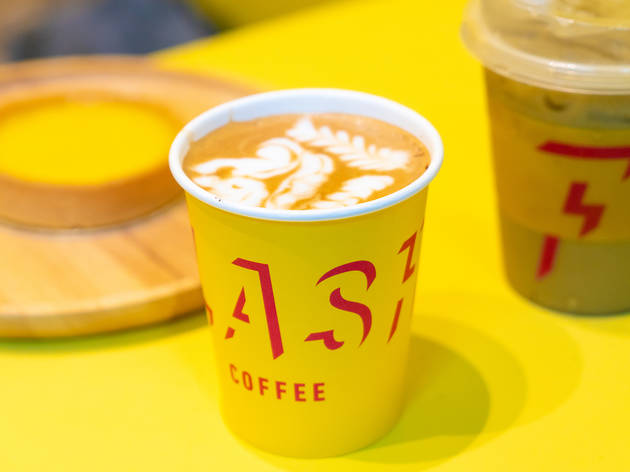
    Flash Coffee has launched its first two South Korea stores in Seoul’s Gangnam district as part of its expansion in Asia, with two more stores scheduled to open before the year ends.

    The launch marks the brand’s sixth market in the region, after Singapore, Indonesia, Thailand, Hong Kong, and Taiwan. Spanning two stories, the new Flash Coffee flagship store is located at Sinsa, while the other store is opened in Yeoksam.

    “South Korea is filled with coffee enthusiasts and our coffee consumption rate ranks within the top 10 in the world,” said Un Koh, MD of Flash Coffee South Korea.

    “We are confident that our high-quality beverages crafted by award-winning baristas at Flash Coffee will appeal to South Korean coffee lovers.

    “Our goal is to make our specialty coffee accessible to all, so for those who’ve not come across Flash Coffee yet, you will find us brewing very soon in a location near you.”

    The two new stores opening later this year will be located in Apgujeong and Yangjae. After South Korea, Flash Coffee aims to set foot into Japan with its first store in Tokyo., having recently appointed Shu Matsuo Post as its MD in Japan.

    Flash Coffee currently operates more than 200 locations across Asia.

  • Deutsche Adds Over a Dozen Private Bankers in India

    Deutsche Adds Over a Dozen Private Bankers in India

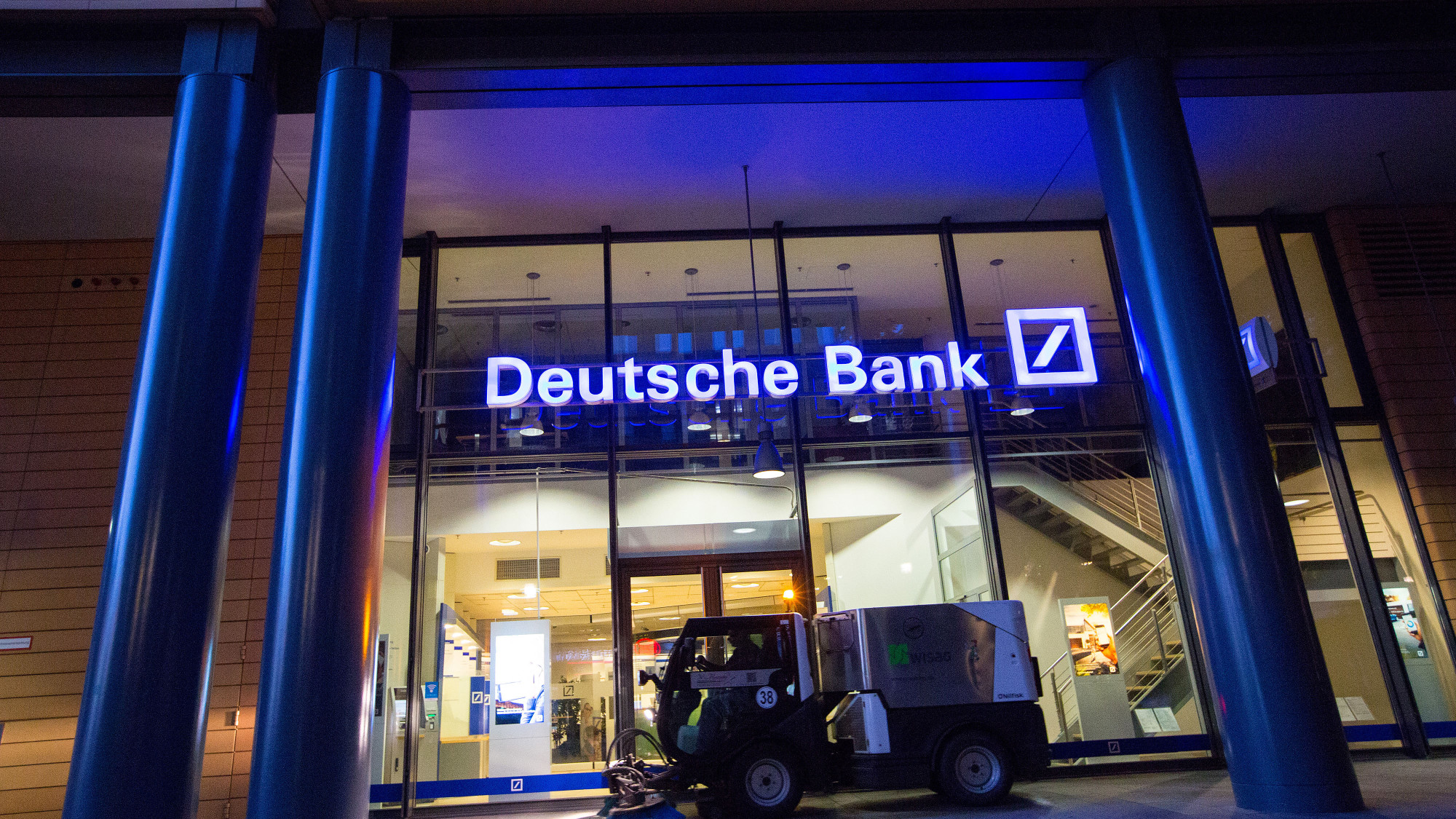
    Deutsche Bank Wealth Management has made a significant expansion in India with the hire of more than a dozen for the front office and product units.

    Deutsche Bank Wealth Management in India has made over 15 hires across relationship management and investment advisory join this year and early 2022, according to a statement.

    The business opportunity in India has become very compelling with the material wealth creation driven by entrepreneurial activity, said Amrit Singh, head of wealth management, global South Asia.

    We are now shifting gears and expanding our long-standing and established team as we seek to support our clients and reach new ones with our full suite of products and solutions.

    For the front office, the German private bank hired Rajasekar Ayyalu to join as a director in Chennai with a focus on expanding and deepening its presence in that region.

    Ayyalu was most recently with Julius Baer where he was an executive director for investments. Previously, he also worked at Merrill Lynch and Royal Bank of Scotland.

    The bank has also hired four vice presidents – Jai Bhatia, Sanyam Sharma, Anjali Vashisth and Manish Lalwani – to join as relationship managers in the Delhi and Mumbai offices.

    Deutsche Bank has also been bolstering its product capabilities in India, including the hire of Mayank Khemka as chief investment officer in December 2019 which subsequently led to the launch of a domestic discretionary portfolio management business.

    Adding to its existing shelf of equity multi-cap and multi-asset customized strategies, the bank introduced a fixed income strategy following the hire of Bhupendra Meel as a fixed income fund manager.

    We are delighted to bring on board some of the most promising talents in the private banking industry, said Atinkumar Saha, head of wealth management, Deutsche Bank, India.

  • Deliveroo Singapore offers hawker food delivery partnering with WhyQ

    Deliveroo Singapore offers hawker food delivery partnering with WhyQ

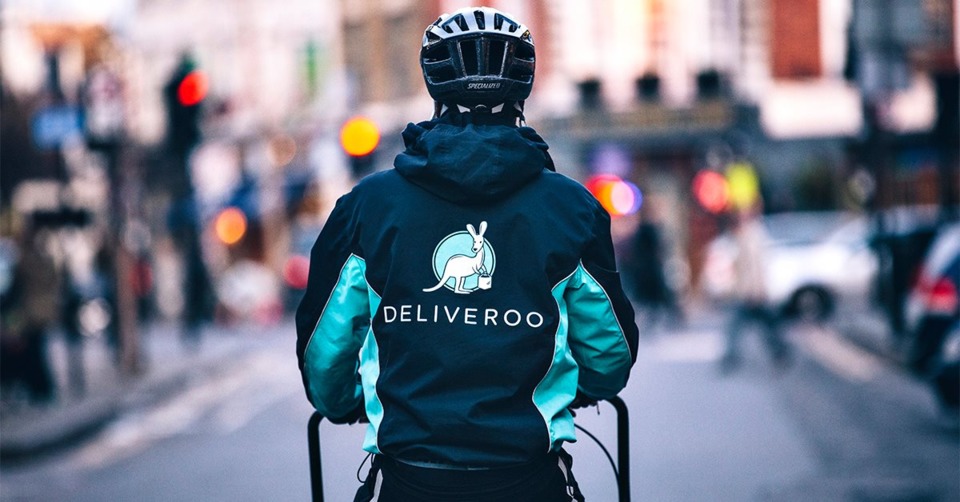
    Deliveroo Singapore is set to onboard more than 50 hawker centres under Mix & Match concept next year in partnership with Singapore’s largest hawker food-delivery service, WhyQ.

    Under the partnership, the companies bring hawkers together under Mix & Match menus, allowing customers to select dishes from multiple hawker stalls in one single order for a single delivery fee.

    “Deliveroo understands the challenges that hawkers face while trying to pivot to online delivery during the pandemic,” said Sarah Tan, GM of Deliveroo Singapore. “We hope this partnership will help to address some of these challenges.

    “This initiative affirms our commitment to keeping Singapore’s hawker culture alive.”

    The two companies will pilot 15 hawker centres from December 13, before rolling out to more than 50 by the end of next year.

    “Our partnership with Deliveroo will not only enable hawkers to expand their income streams but also broaden their customer base more effectively so that they can continue to delight our palettes with Singapore’s favourite hawker dishes,” said Varun Saraf, CEO at WhyQ.

    Deliveroo’s hawker-focused initiatives also include a recent partnership with Food From the Heart for its Project Belanja! program, where Deliveroo customers can support local hawkers during Singapore’s Phase Two last August by feeding themselves and the less fortunate.

  • Singapore and Philippines Step Up Digital Payment Cooperation

    Singapore and Philippines Step Up Digital Payment Cooperation

    The regional neighbors aim to boost cross-border collaborations that will strengthen Asean regional payments and provide financial inclusivity to Overseas Filipino Workers (OFWs) and micro-small-to-medium-sized enterprises (MSMEs).

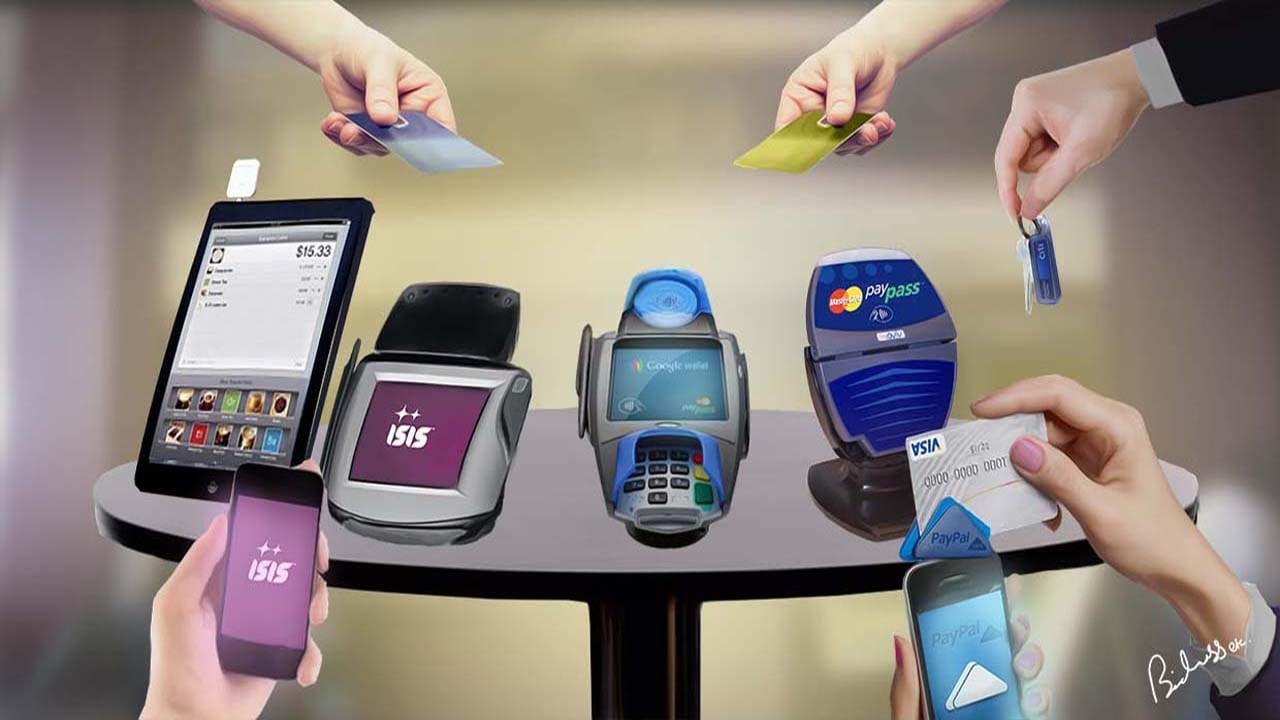
    The central banks of Singapore and the Philippines have signed an agreement at the World Fintech Festival Philippines to boost payments cooperation, which includes the linkage of the two countries’ QR and real-time payment systems.

    The agreement expands on the Fintech Innovation Function Cooperation Agreement, which was signed between the two countries in 2017. According to the announcement, the 2021 agreement will make cross-border payments cheaper, more inclusive, and more transparent and drive financial inclusion, particularly underserved Filipinos.

    MAS managing director Ravi Menon called the agreement a concrete step towards the vision of an ASEAN network of interconnected real-time payment systems.