Tag: asia

  • Union Bank Chosen as Citi’s Preferred Philippines Bidder

    Union Bank Chosen as Citi’s Preferred Philippines Bidder

    Citigroup has reportedly selected the Union Bank of Philippines as its preferred bidder for its consumer banking assets in the country.

    Citi has chosen Union Bank as its preferred bidder for a potential sale valued at an estimated $1 billion, according to a report citing unnamed sources.

    Talks are still ongoing and no conclusive decisions have been made with other bidders still interested.

    Other reportedly interested bidders for the Philippines consumer banking assets include BDO Unibank, Metropolitan Bank & Trust Co. and Bank of the Philippines Island.

    The sale is part of Citi’s broader plan to exit from 13 markets where it lacks scale and focus its wealth efforts around hubs in Hong Kong, London, Singapore and the United Arab Emirates.

  • Binance Resumes Dogecoin Withdrawals

    Binance Resumes Dogecoin Withdrawals

    Binance has fully reopened withdrawals for cryptocurrency Dogecoin after a technical glitch that led to a heated exchange between founder Changpeng Zhao and Tesla’s Elon Musk.

    According to a blog post by the crypto giant, the glitch which prevented Dogecoin withdrawals for more than two weeks was an unlikely and unfortunate coincidence.

    No single entity was at fault, neither Binance nor DOGE Network had prior knowledge of this rare issue. So rest assured, as Zhao said – no one’s getting fired, Binance said in a post linking to a previous update from Zhao where he made the commitment.

    Last week, Musk challenged Binance on social media with a post leveled directly at Zhao that said the glitch sounds shady.

    This subsequently led to exchanges with Zhao who not only defended Binance but also questioned a glitch on the side of Telsa which led to the recall of nearly 12,000 vehicles.

    It was an unlikely and unfortunate coincidence for Binance, the DOGE network, and DOGE holders, Binance said. If we at Dogecoin Core maintainers and Binance had tried to plan this, we simply would not have been able to — not quite the shady circumstances that some had suggested.

  • Samsung To Supply New Advanced Auto Chip To Volkswagen

    Samsung To Supply New Advanced Auto Chip To Volkswagen

    Samsung Electronics on Tuesday revealed new auto chips targeting demand for advanced chips in cars, including one mounted in Volkswagen’s infotainment system developed by LG Electronics. Demand is rising for “high-tech” automotive chips that can handle more entertainment consumption and increased electrical components in cars, Samsung said in a statement, saying that it plans to actively respond to the growing demand.

    The chips, developed by Samsung’s logic chip design business System LSI, includes a chip enabling 5G-based telecommunications for downloading high-definition video content during transit, and a power management chip for stable electricity supply.

    A third chip, an infotainment processor that can control up to four displays and 12 cameras at once, has been mounted in Volkswagen’s high-performance computer called In Car Application Server (ICAS) 3.1, developed by LG Electronics’ vehicle components business, Samsung said.

    Samsung and cross-town rival LG Electronics have both targeted the expansion of the global electric vehicle market and the rapid electrification of cars as opportunities to sell more high-tech chips and sophisticated components, analysts said.

  • AirAsia clarifies high fares

    AirAsia clarifies high fares

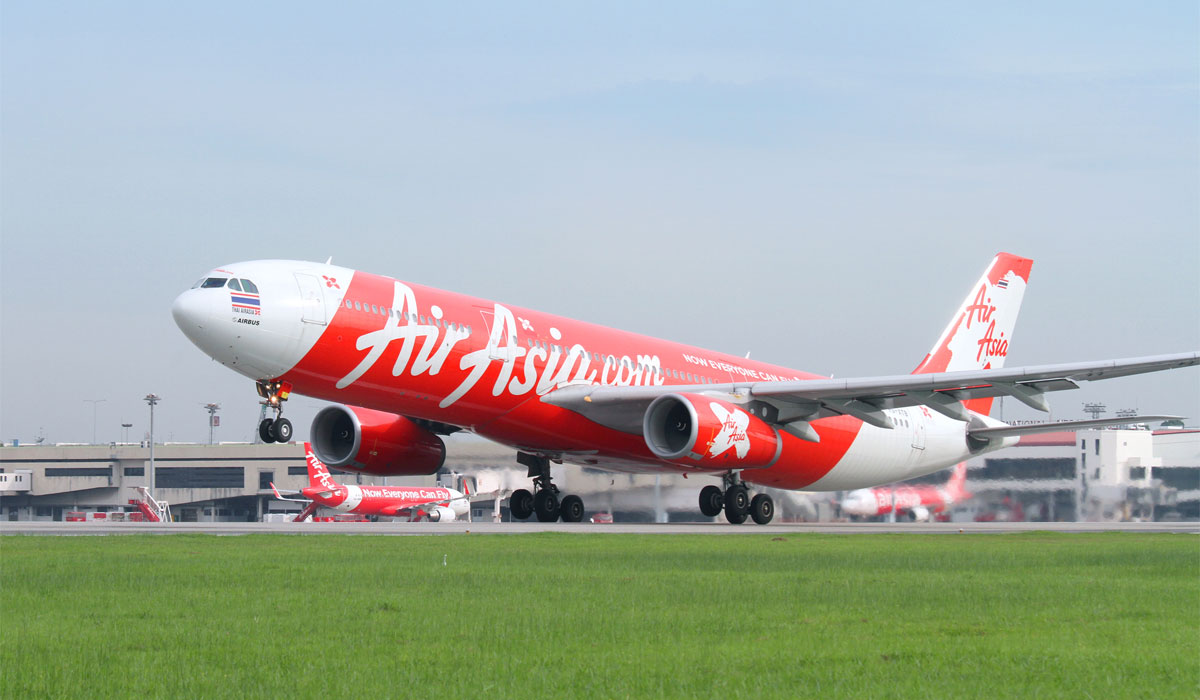
    AirAsia has denied that its airfares between the Peninsula and Sarawak are high as well as its unavailability for the Christmas and state election period.

    The low-cost airline operator said it has engaged continuously with the Ministry of Transport Sarawak (MoTS) and submitted applications to permanently increase its scheduled flight frequencies from Peninsular Malaysia and Sabah into Sarawak on several occasions since early this year, including the latest request submitted last week which included the operation of extra flights for the upcoming holiday season, Christmas and Chinese New Year.

    The airline said it received confirmation from MoTS and the Sarawak State Disaster Management Committee (SDMC) today for an additional 42 weekly flights from Peninsular Malaysia and Sabah into the state for a limited period from Dec 4 to Jan 5, 2022.

    This has brought the fares down from around RM1,000 one way to below RM200 for a Kuala Lumpur to Kuching flight and these were very quickly snapped up, it said.

    “AirAsia wishes to clarify its position with regards to the views and concerns expressed on social media that the airline is charging high fares for flights between Peninsular Malaysia and Sarawak for the upcoming Christmas and holiday season that coincides with the state election scheduled for Dec 18”, it said in a statement.

    Chief Executive Officer of AirAsia Malaysia Riad Asmat said as a low-cost carrier, the airline is in a volume business to pass on the lowest fares to its guests.

    “AirAsia’s operation is all about economies of scale where we need to achieve a high passenger volume so that costs can be spread among a sizable number of passengers, allowing us to offer travelers low fares and giving them great value for money.

    “Historically, our average fare for flights between Sarawak and Peninsular Malaysia has been around RM160 per one-way passenger. This takes into account the highest fares and the lowest, including when we offer zero fare promotional sales,” he said.

    Riad said AirAsia’s pricing model is similar to other airlines around the world and is based on supply and demand.

    “In abiding with the limited flight frequencies imposed by the SDMC resulting in a reduced supply of flight seats, AirAsia’s demand-based dynamic pricing mechanism has inevitably derived prices seen as unfavorable to buyers at this time. It must be remembered that this is also the same mechanism that we used to offer guests promotional fares from as low as RM99 one way earlier in October,” he said.

    He added that as a general rule, fares will be higher, closer to the travel date, and during peak holiday periods when their flights are already near full.

    “Buyers have already taken up to 90 percent of our capacity on most flights. The limitation on the number of flights available in the market is a key factor that has pushed the prices higher across all airlines”.

    Riad said for the record, AirAsia used to fly over 300 weekly flights into Sarawak pre-Covid, connecting Kuching, Sibu, Miri, and Bintulu to Kuala Lumpur, Penang, Johor Baru, Kota Kinabalu, and various other destinations in Malaysia.

    “Just for Kuala Lumpur – Kuching alone, we used to fly between 12 and 15 flights daily on this hugely popular route before Covid, but with the latest approval today, AirAsia will be flying 5 daily flights between Kuala Lumpur and Kuching which is a 67 percent reduction in our capacity due to the restrictions by SDMC.

    “We comprehend that demand is there but at the moment we are unable to meet it until more flight approvals are given,” he said.

    Riad also expressed AirAsia’s sincere appreciation to SDMC and MoTS for the additional flight approval for the Christmas holiday season.

    “However, we would like to appeal to MOTS and SDMC to also approve our request for extra Chinese New Year flights, and to remove frequency restrictions on all the approved flights entirely to enable us to better manage cost efficiency and lower the fares for passengers.”

    AirAsia, Riad said has always pledged its full commitment and support towards the full reopening and resumption of travel and tourism activities in Sarawak.

    They were also looking forward to keep working closely with all relevant regulators, the federal and state governments, civil aviation and health authorities, and tourism bodies to ensure the highest conformity to standard operating procedures for every flight.
  • Apple is now the biggest smartphone brand in China

    Apple is now the biggest smartphone brand in China

    It seems that Apple has finally conquered China (again). According to new research by Counterpoint, the Cupertino brand saw the highest growth of all smartphone brands on the Chinese market, scoring 46% month-over-month growth. Apple surpassed Vivo in October 2021 to become the largest smartphone OEM in the country.

    “Apple could have gained more if it were not for the shortages, especially for the Pro versions,” commented research director Tarun Pathak. “But still, Apple is managing its supply chain better than other OEMs.”

    The iPhone 13 series is the major culprit behind the growth, as iPhone 13 sales grew 46%, while the entire Chinese smartphone market saw only a minor 2% month-to-month increase in October 2021.

    Of course, looking at the graph it’s clear to see that Huawei has lost its dominance in China since the US trade ban, and that’s another reason for Apple’s rise in the country. Apple is retaking the number 1 place in China for the first time since December 2015.

    “Due to supply issues, the normal wait time for the iPhone 13 Pro and iPhone 13 Pro Max ranges between four and five weeks in China. Some Chinese customers choose to pay premiums to get the new phones delivered immediately. Overall, the China market has been slow throughout the year and Apple’s growth is a positive sign. It indicates that Chinese smartphone users are maturing fast and are looking to buy more high-end devices, which can be a good opportunity for brands. The supply chain is also prioritizing higher-end and higher-margin devices amid the shortages,” said Counterpoint analyst Varun Mishra.

  • China Beefs Up Rights Of Workers In Ride-Hailing Industry

    China Beefs Up Rights Of Workers In Ride-Hailing Industry

    China issued guidance on Tuesday to strengthen protection of employee rights and interests in new transport sectors.

    In a statement, the transport ministry said ride-hailing companies should improve income distribution mechanisms and provide social insurance for drivers.

  • Court Finds Mazda Australia Misled Customers On Refunds For Faulty Vehicles

    Court Finds Mazda Australia Misled Customers On Refunds For Faulty Vehicles

    An Australian federal court has found that the local unit of Japanese automaker Mazda Motor Corp misled customers over their rights, the country’s competition regulator said on Tuesday.

    The Australian Competition and Consumer Commission started court proceedings against Mazda in October 2019 in a case involving seven different Mazda vehicles and 10 customers.

    It said the court found that Mazda made 49 separate false or misleading representations to nine consumers, who sought refund or replacement after facing serious and recurring faults with their vehicles within a year or two of purchase.

    Mazda either ignored or rejected the claims of the customers and told them that the only available remedy was another repair, the ACCC said.

    “Mazda’s conduct towards these consumers was not just appalling customer service as noted by the judge, it was a serious breach of the law,” ACCC Chair Rod Sims said in a statement.

    Mazda Australia said it was carefully considering the federal court finding, but declined to comment further.

    The court, however, dismissed the regulator’s allegations that Mazda engaged in “unconscionable conduct” in its dealings with these customers. It will decide on penalties and other orders sought by the ACCC at a later date.

  • DB Schenker celebrates 30th anniversary in Vietnam

    DB Schenker celebrates 30th anniversary in Vietnam

    DB Schenker has opened a new office in Vietnam to mark 30 years of orchestrating the logistics industry in the country.

    A ceremony took place on Nov. 23 to celebrate the 30th anniversary of DB Schenker in Vietnam and the opening of its new corporate office at the Viettel Complex Tower A in Cach Mang Thang 8 Street, District 10, Ho Chi Minh City.

    Commenting on the event, Andy Lim, CEO of DB Schenker in Vietnam, said: “We are proud and grateful to be one of the main logistics providers in the country today and to play such an important role during the pandemic when the market conditions we operate in continue to be disruptive and far from normal. Our logistics experts have been working hard to keep the supply chains moving and helping to deliver essential goods across the country via land, air and ocean, as well as by continuing to provide warehousing activities.”

    Josefine Wallat, Consul General of Germany in Ho Chi Minh City, expressed her delight at seeing a German company operating for a long time and constantly growing in Vietnam. “The pandemic has been a challenge worldwide for everyone, including German companies in Vietnam. But I trust that companies in Vietnam will come out of this challenge faster than others. What we are seeing at the moment is just a setback and Vietnam will be back on track very, very quickly,” she said.

    During the pandemic, provinces and cities went into lockdown, air and ocean carriers were restricted to a few cargo freighters a week due to port control and commercial flights ceased operation. Strict preventive and control measures caused delivery delays and cost of shipping increased to historical heights.

    “At first, we thought the pandemic would have a tremendous impact on our business, but things were actually different. Covid-19 has highlighted the urgency of the need for smooth transportation of goods more than ever. It is a challenge but also an opportunity for DB Schenker to showcase our capability and adaptability during such critical times,” said Lim.

    All key services provided by DB Schenker, including Air, Ocean, Contract Logistics and Land Transport, were in full operation during the pandemic.

    Hundreds of warehouse employees have been away from their families for many months. Customer service representatives worked around the clock, including weekends, regardless of time zone differences. Drivers were required to get tested for Covid-19 every 72 hours and had to wear personal protective equipment (PPE) while making deliveries. Most of DB Schenker employees have been working from home during the pandemic. However, there were also colleagues who had to come to the office, spent time on the road for deliveries, or stayed on site in the warehouses.

    To meet customer demand during this critical period, DB Schenker had to adapt and come up with logistics and supply chain alternatives to keep the business of its customers moving. The company also had to manage escalating fuel costs, price increases for Air and Ocean and invest in health and safety measures for the employees.

    In 1991, DB Schenker was one of the first international logistics companies entering Vietnam. From one representative office in Ho Chi Minh City with only three employees, DB Schenker now has over 1,000 employees, more than 100,000 square meters of warehouse space and 21 offices and warehouses across the country with key ground operations at key ports and terminals.

    The company’s growth is in line with the massive expansion of Vietnam’s logistics industry. “Information technology and innovation are the key drivers of the Vietnamese freight and logistics market. Today’s industrial parks have the highest security, environmental and health standards in place. We continue to develop and introduce new technologies to provide the best supply chain experience to our customers and make DB Schenker their first choice,” said Lim.

    After 30 years, DB Schenker has grown to become one of Vietnam’s leading logistics and forwarding service providers and a strategic partner to many air and ocean carriers. The company not only transports goods via air and ocean but also provides domestic land services and offers an efficient LANDbridge cross-border trucking solution connecting Singapore, Malaysia, Thailand, Cambodia, Laos, Myanmar, and China.

    This year, DB Schenker in Vietnam also started offering rail services between Ho Chi Minh City and Hanoi, in addition to the existing EurAsia LANDbridge Rail service. The EurAsia LANDbridge Rail service is an alternative for the transportation of goods between Europe and Southeast Asia.

  • CEO Jack Dorsey leaves Twitter “effective immediately”

    CEO Jack Dorsey leaves Twitter “effective immediately”

    Jack Dorsey, who co-founded the popular Twitter social media site back in 2006, is stepping down as CEO of the company effective immediately. Replacing Dorsey will be Twitter chief technology officer Parag Agrawal.

    In a statement, Dorsey said, “I’ve decided to leave Twitter because I believe the company is ready to move on from its founders. My trust in Parag as Twitter’s CEO is deep. His work over the past 10 years has been transformational. I’m deeply grateful for his skill, heart, and soul. It’s his time to lead.”

    The 45-year-old Dorsey is also CEO of Square, a mobile payments company he co-founded. Dorsey will remain a member of the Twitter board until his current term expires at the  2022 stockholders meeting. Salesforce President and COO Bret Taylor will take over from Patrick Pichette as Chairman of the Board. Pichette will remain on the board as chair of the Audit Committee.

    The controversial social media site hopes to at least double its annual revenue by the end of 2023 while reporting 315 million monetizable daily active users by the end of that year. But these are goals that now are up to Mr. Agrawal to reach. As of last month, Twitter counted 206 million daily active users or 187 million monetizable daily active users worldwide. In the U.S., Twitter has 37 million monetizable daily active users.

    Dorsey had been removed as CEO of Twitter in 2008 before returning in 2015 when Dick Costolo left. Since Dorsey’s return on October 5th, 2015, Twitter shares have risen 85%. Shares of Dorsey’s other public company, Square, have risen 1,566% since the firm went public on Nov. 19, 2015. Investors initially took Twitter shares 11% higher to 52.27. But the stock has given up all of its gains and is now down more than 1% for the day at $46.49.

    Dorsey, as you might expect, took to his @jack Twitter page to confirm the news and to leave a long message to his followers. In it, Dorsey writes, “I want you all to know that this was my decision and I own it. It was a tough one for me, of course. I love this service and company … and all of you so much. I’m really sad … yet really happy. There aren’t many companies that get to this level. And there aren’t many founders that choose their company over their own ego. I know we’ll prove this was the right move.”

    Twitter became known worldwide as the platform used by former President Donald Trump who used the platform to float policy, attack opponents, and comment on the world as he saw it. Using Twitter in this fashion allowed the public to get an unprecedented and transparent look at the thoughts of a president.

    Twitter executive Vijaya Gadde, two months after Trump was inaugurated in 2017, said, “To me, there’s nothing better than having a political discourse in plain and open view and having access to your elected officials and being able to hold them accountable. In that sense, I think it’s a great thing because this wasn’t always possible before.” But Twitter permanently banned Trump on January 8th of this year, two days after the attack on the U.S. Capitol by Trump supporters who believed his lie about the election being stolen.

    At the time, Twitter announced the ban with a statement that read, “After close review of recent Tweets from the @realDonaldTrump account and the context around them — specifically how they are being received and interpreted on and off Twitter — we have permanently suspended the account due to the risk of further incitement of violence.”

  • Truecaller drops the biggest update in a while

    Truecaller drops the biggest update in a while

    Truecaller, one of the older messaging apps for mobile has just received major update that significantly enhances the calling experience. Although the app is available on both iOS and Android platforms, this specific update is aimed at those who use smartphones running Google’s operating system.

    The highlight of the update is the addition of Video Caller ID, which allows users to set up Truecaller to show a video to their contacts whenever they call them. Additionally, the team behind the app announced that Call Recording is making a comeback. More importantly, the feature is now available for free to everyone using Android devices.

    Since users have been asking for it, Truecaller is bringing back separate Calls and Messages tabs in the latest version of the app. Another interesting new feature is reserved to Premium users: the ability to announce your calls. It will allow Truecaller to automatically check whether a call is from a friend or a scammer.

    Last but not least, Truecaller Ghost Call is another feature for Premium users, which allows them to schedule a time for a call. Simply open the Premium tab and choose the Ghost call setting option. Then, set a name and number you want to appear on the screen along with the time.

    Also, you’ll be able to choose an existing contact in your phonebook using the “pick a contact” option. Finally, tap the “schedule call” and at the set time, your phone will ring and show the usual calling screen on your phone. The feature is meant to get you out from weird situations, or you can use it for fun.

  • Linklogis Opens Singapore Office

    Linklogis Opens Singapore Office

    The move advances the firm’s plans to open a digital bank in Singapore in early 2022. Linklogis, a key provider of supply chain finance technology in China with growing operations in Southeast Asia, has established a branch office in Singapore, the company said on Thursday in a statement.

    The company said it is looking forward to working with Singaporean companies to streamline supply chain finance and intends to leverage innovative technology to address the funding gap for SMEs.

    Singapore is a strategic jurisdiction for international trade and a place where we have already created important joint ventures, Charles Song, founder, chairman, and CEO of Linklogis, said.

    Linklogis was awarded a digital banking license by the Monetary Authority of Singapore (MAS) in December 2020, and is currently in the process of establishing a new Singapore-based entity, Olea, its trade finance joint venture with Standard Chartered.

    In April 2021, the company raised HK$8.967 billion ($1.153 billion) in a Hong Kong initial public offering, from investors including BlackRock, EDBI – the investment arm of Singapore’s Economic Development Board – and Fidelity.

  • PPRO Grows in Indonesia

    PPRO Grows in Indonesia

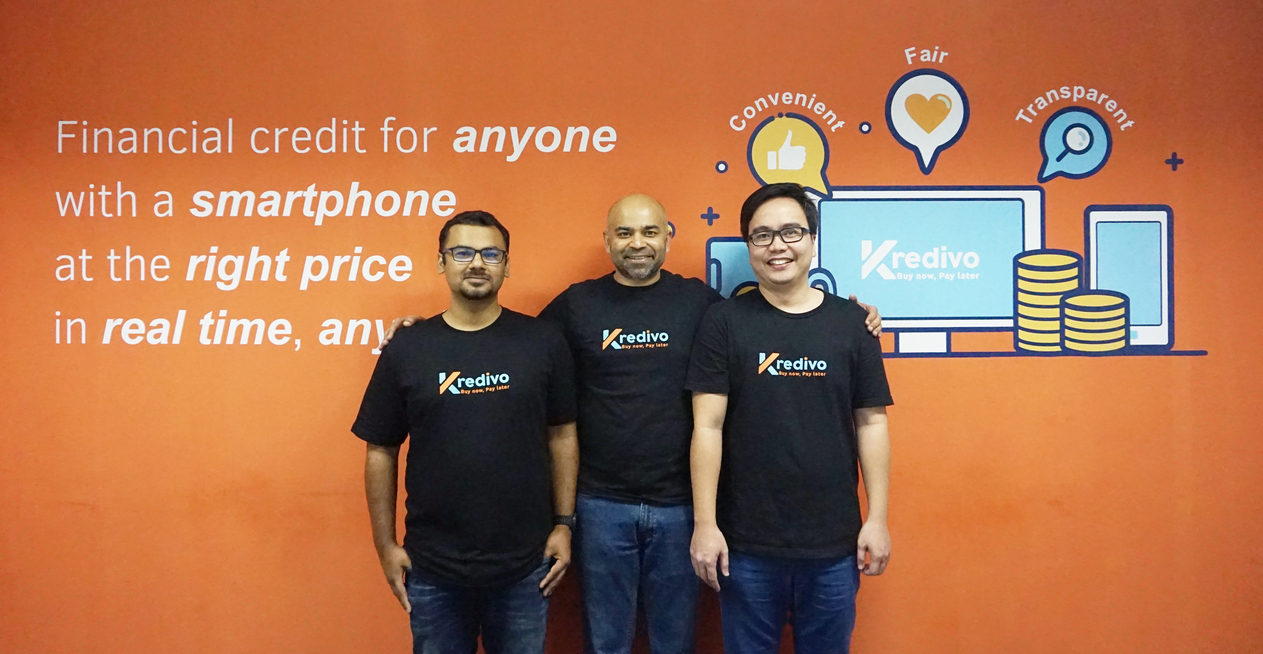
    The payments infrastructure provider has announced the integration of Indonesian «buy now pay later» (BNPL) pioneer Kredivo to its platform.

    PPRO is partnering Kredivo – one of Indonesia’s largest and fastest-growing digital credit platforms – to allow more merchants to reach a large pool of underbanked or unbanked Indonesians.

    The integration is a cooperation between PPRO, Kredivo, and DOKU, a leading payment technology company, and enables PPRO to offer the increasingly popular BNPL payment option, as well as split payment and flexible instant credit offerings via Kredico.

    Indonesia continues to be recognized as the world’s hottest battleground for digital payments. The addition of Kredivo to our platform is a milestone in our Indonesia expansion, Kelvin Phua, PPRO head of global market development, said.

    Kredivo currently has more than 4 million users in Indonesia, representing over 50 percent of the local BNPL market.

    The news follows the recent announcement of the integration of two of the most popular payment methods in Indonesia, Jenius Pay and LinkAja, to the PPRO platform. Other payment methods on PPRO’s wider global network include Alipay, WeChat Pay, GrabPay, Bancontact, iDEAL, BLIK, and Boleto Bancário. PPRO raised $180 million earlier this year, taking the firm’s total value to over $1 billion.

    Kredivo has also been expanding of late – it inked a partnership with Standard Chartered in October to offer BNPL loans to the mass market segment via digital channels. The company also launched in Vietnam in August through a joint venture. FinAccel, Kredivo’s parent company also announced plans to go public via a $2.5 billion SPAC merger. The firm had raised US$90 million in 2019 during a Series C funding round to double down on its Southeast Asian expansion plans.

  • Morgan Stanley Follows Suit with Hong Kong Covid Reimbursement

    Morgan Stanley Follows Suit with Hong Kong Covid Reimbursement

    Morgan Stanley is the latest Wall Street lender to provide reimbursements for Hong Kong staff traveling to visit immediate family, outdoing J.P. Morgan’s recently announced Covid benefits by $100.

    Morgan Stanley will provide a one-time reimbursement to Hong Kong staff of up to HK$40,000 ($5,100) for quarantine stays when returning to the city, according to a report citing an internal memo.

    The reimbursement will apply to those returning from travels to see immediate family between December 1 this year and November 30 next year.

    The reimbursement plans come days after a similar move by Wall Street rival J.P. Morgan announced after a 32-hour visit to Hong Kong by chief executive Jamie Dimon which included a rare exemption from the city’s strict quarantine rules.

    We recognize that the costly quarantine measures in place in Hong Kong associated with Covid-19 have impacted many of you with respect to visiting family and loved ones overseas, according to a memo from J.P. Morgan which offered a one-time reimbursement of up to $4,000 – $100 less than Morgan Stanley.

  • Multi-Currency Wallet YouTrip to Grow B2B Offerings

    Multi-Currency Wallet YouTrip to Grow B2B Offerings

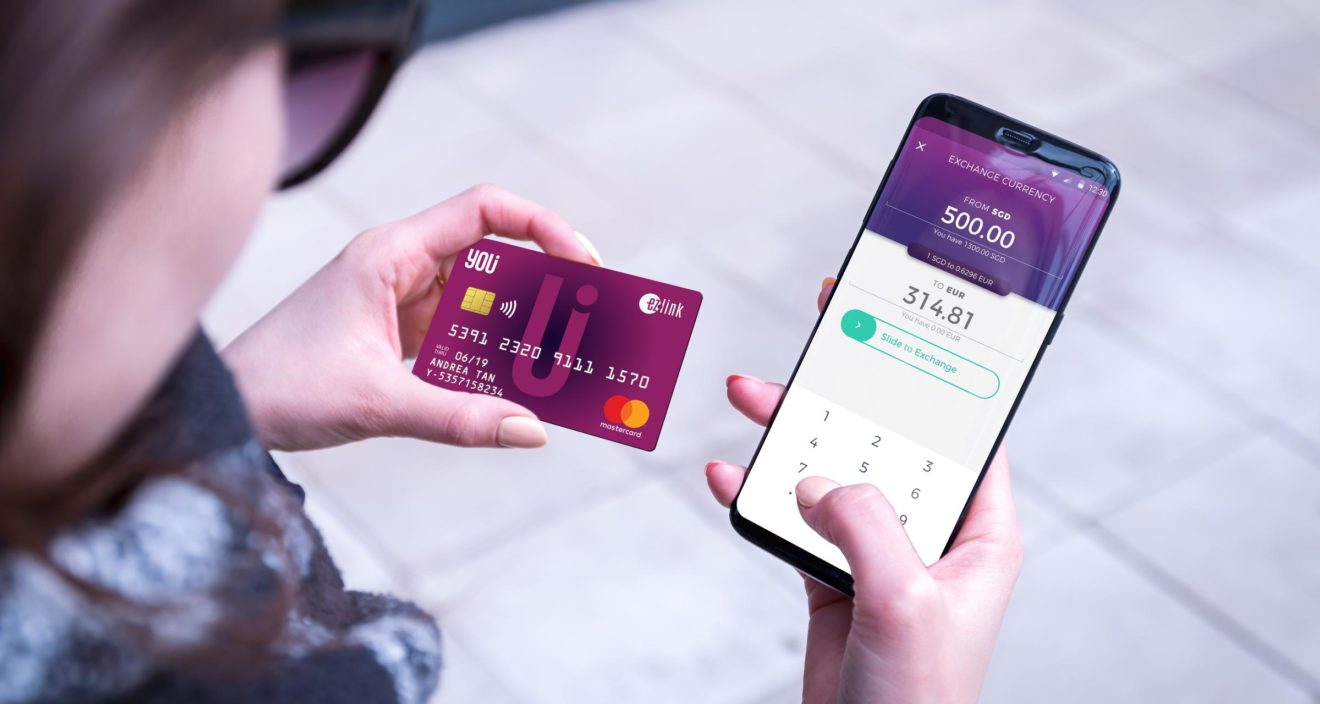
    Singapore-based YouTrip aims to scale its product offerings, including venturing into the B2B payments space, and accelerate its expansion across Southeast Asia.

    YouTrip has raised $30 million in a Series A funding round driven by returning investors from major Asian family offices and prominent financial technology investors, bringing its total funding since launch to $60 million, it said in an announcement on Tuesday.

    The company has set its sights on the growing B2B payments space, as it said SMEs are showing a strong willingness to adopt digital banking services, specifically for cross-border payments. To cater to this segment, it will be rolling out its YouBiz product in Singapore in the first quarter of 2022, and with plans to bring it to five other Southeast Asia countries in the next 12 months. It has already received over 1,000 sign-ups in a beta launch.

    It is a segment with a deep market, as companies increasingly operate in a distributed and borderless manner and we expect their cross-border payment needs to go up, Arthur Mak, co-founder said in the announcement.

    This latest round also gives us the resources to strengthen our multiple growth engines to stay resilient and well-primed for expansion into new vistas, Caecilia Chu, co-founder, said.

    YouTrip said its transaction volume has rebounded to pre-COVID levels, driven by strong traction in cross-border e-commerce transactions and return of travel spending. Exponential growth is expected in the upcoming months following the opening of more Vaccinated Travel Lanes in Singapore and progressive return of regional travel.

    According to YouTrip, it has processed over $800 million in card spending globally, with almost 20 million transactions and over 1.5 million app downloads.

  • AirAsia rebuilds capacity in core Malaysian domestic market

    AirAsia rebuilds capacity in core Malaysian domestic market

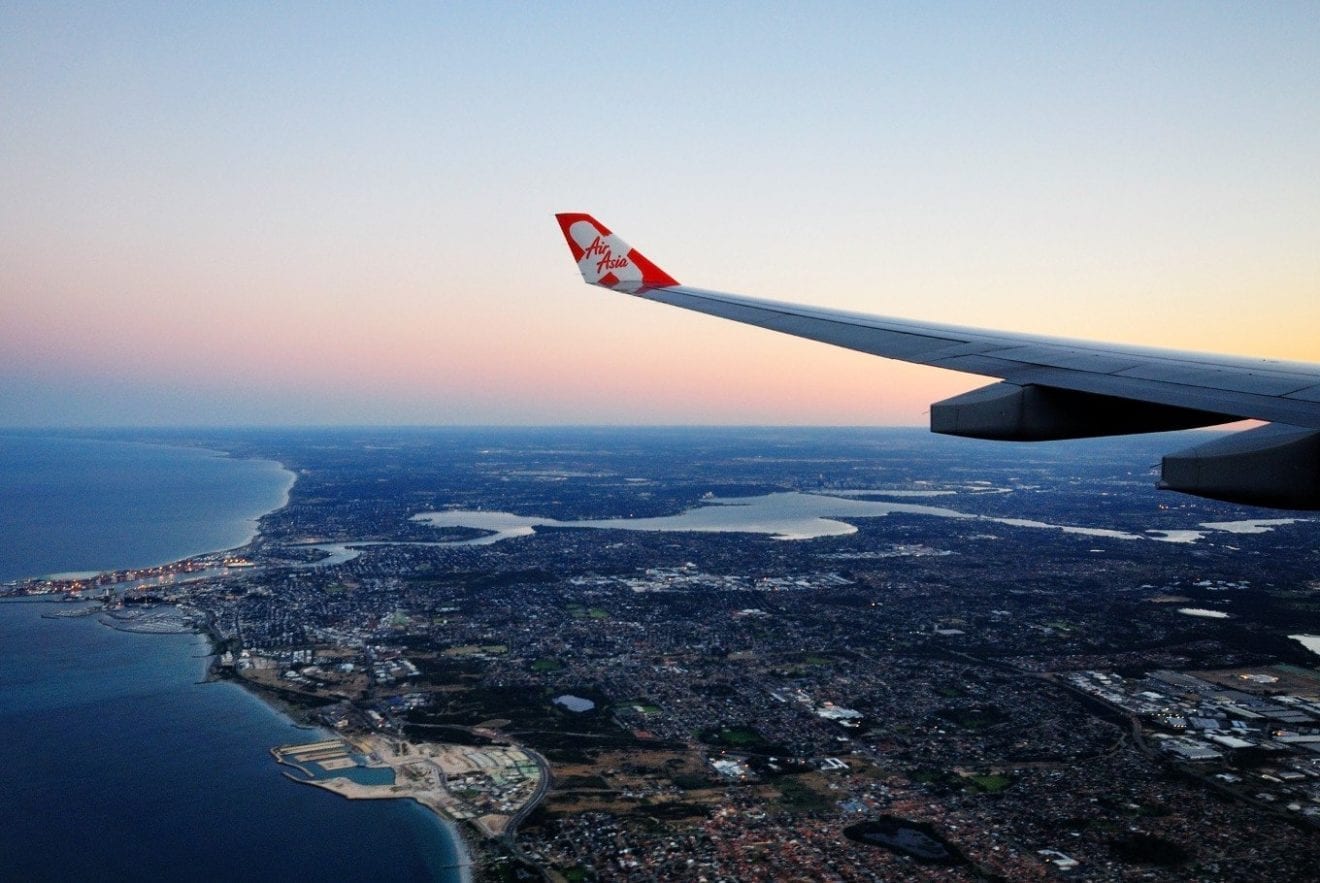
    For AirAsia there has been a welcome recovery in Malaysian domestic demand in the last part of 2021 as internal travel restrictions ease in the group’s most important market.

    Third-quarter operating statistics made a fairly grim reading for AirAsia. The effects of the COVID-19 delta variant caused the governments in the group’s major Southeast Asian markets to impose limitations on domestic travel. This was particularly true in Malaysia and Thailand, where the AirAsia units based in those countries had to suspend most of their remaining operations.

    In Malaysia, the number of new daily cases peaked at more than 600 in late Aug-2021, according to the Our World in Data website. However, the daily case count had fallen again to 173 by 24-Nov-2021.

    At the same time, Malaysia’s vaccination rate continues to climb, with 76.3% of the population fully vaccinated as of 25-Nov-2021. The fully vaccinated rate for eligible adults is above 90%.

    These two factors combined – daily case numbers and vaccination rate – prompted the government to lift many of its interstate travel restrictions in the fourth quarter.

    For AirAsia, this means its Malaysian domestic operation can ramp up, which is important, given that the airline’s international operations remain largely halted.