Tag: asia

  • HSBC Singapore Announces Lending Fund for Tech Firms

    HSBC Singapore Announces Lending Fund for Tech Firms

    The bank will support companies tapping opportunities within Asean’s growing digital economy in sectors such as e-commerce, AI and robotics, fintech, and payments platforms.

    HSBC Singapore has announced a S$200 million ($147.5 million) lending fund to support high-growth technology companies in Singapore that are looking to expand across Southeast Asia and further afield.

    The fund will provide loans to companies that have already received funding from strategic investors, including venture capital or private equity firms, and have surpassed the proof of concept phase, the announcement said. The bank will extend to them bespoke solutions, such as cross-border cash management and foreign exchange to accessing the private and public capital markets, typically available to higher revenue-generating firms.

    Singapore has a vibrant tech culture breeding firms that seek out digital gaps in the consumer and business markets. To succeed, these businesses need to scale quickly, often including customer reach, employees, and data capabilities, Regina Lee, HSBC Singapore head of commercial banking, said.

    Earlier this week, a joint report by Google, Bain, and Temasek noted that 60 million new digital consumers in Asean were added since the pandemic began, with 20 million of them coming in H1 2021.

    It said the region’s internet economy is growing faster than expected, estimating it will reach $360 billion by 2025.

  • Fintech Funding in Asean Reaches Record High

    Fintech Funding in Asean Reaches Record High

    The region’s fintech firms brought in $3.5 billion in funding in the first nine months of 2021 – up more than three times compared to the whole of 2020.

    The rebound in fintech funding was driven by 167 deals including 13 mega-rounds, which accounted for $2 billion of the total funding, said in the FinTech in ASEAN 2021 report, published by UOB, PwC Singapore, and the Singapore FinTech Association (SFA) this week.

    The largest share of funds was channeled into late-stage fintech firms from the payments sector. Predictably, the pandemic was the main catalyst for the resurgence in fintech funding, as accelerating digital adoption across the region prompted a rise in digital payments and a shift towards digital channels within the financial services sector.

    According to the report, the strong interest in late-stage fintech firms signals a shift in the strategy of investors as they take a more cautious and risk-averse approach of backing mature firms that are seen as standing a higher chance of emerging stronger from the pandemic.

    Singapore-based fintech firms continued to attract the strongest funding in Asean, securing 49 percent of the total 167 deals, amounting to $1.6 billion in funding. This includes six mega-rounds worth $972 million in total. Indonesia retained its second position, with $904 million in funding (26 percent), followed by Vietnam at $375 million (11 percent) as a result of two mega-rounds.

    Singapore, in particular, has seen the most robust funding, supported by a growing number of fintech looking to set up their headquarters here due to the strong regulatory support, opportunities for regional collaboration, and a flourishing startup-focused investor ecosystem, Shadab Taiyabi, president at SFA, said in a statement.

  • Huobi Pulls Plug on Services in Singapore

    Huobi Pulls Plug on Services in Singapore

    The cryptocurrency exchange, one of the world’s largest, will be gradually phase out access to its services for Singapore-based users and close their accounts on March 31, 2022, to comply with local regulations.

    To comply with the laws of Singapore, we will have to include Singapore as a restricted jurisdiction. Regrettably, this means Huobi Global can no longer offer services to Singapore-based users, Huobi said in an announcement, advising them to take immediate action to close out all active positions and withdraw all digital assets.

    In a statement, Huobi said this was a planned move ahead of the launch of Huobi Singapore – a new, regulated entity that is expected to launch by the end of the year.

    Huobi Singapore is here to stay for good…and we are excited to launch a new platform…committed to complying with both local and international regulations to provide a regulated and safe trading platform for retail and corporate users, Edward Chen, executive director and CEO of Huobi Singapore, said.

    In September, MAS ordered Binance to halt services for Singapore-based users. The regulator said the exchange provided payment services to and solicited business from Singapore residents without an appropriate license.

    Despite this, Singapore is among the most crypto-friendly jurisdictions globally, with the Monetary Authority of Singapore trying to position the city-state as a global crypto hub.

    Some 70 firms, including the Singapore units of Coinbase, Kraken, and Binance, are seeking permits to provide cryptocurrency services in the city-state, according to a report on Thursday. Bybit and KuCoin have also set up their headquarters in the city.

  • Vietnam supplier resumption to reboot Japan auto industry

    Vietnam supplier resumption to reboot Japan auto industry

    The resumption of auto part factories in Vietnam is set to contribute to the recovery of Japanese automakers struggling with a supply shortage due to Covid-19.

    The three Vietnam factories of Japan’s Furukawa Electric, which make wire harnesses for cars, are expected to soon return to full capacity.

    Factory floors “have returned to a position where they can respond to requests from a client,” Furukawa Electric President Keiichi Kobayashi said.

    The fourth Covid-19 wave has forced most southern companies to operate under restrictions, but since October, utilization rates at all three factories in Ho Chi Minh City and Ben Tre Province have been recovering steadily.

    Vietnam was the source of about 40 percent of Japan’s wire harness imports last year, with pandemic restrictions having forced Toyota Motor and seven other Japanese automakers to cut September production in half compared to a year earlier.

    Yazaki and Sumitomo Electric Industries also restoring production at their Vietnamese plants could further help support a production comeback in Japan’s auto sector.

  • J&T Express Singapore expands its warehouse network to support growing demand

    J&T Express Singapore expands its warehouse network to support growing demand

    As part of its ongoing commitment to provide efficient, secure, and quality express services amid the growing demand for domestic and international delivery, J&T Express Singapore today announced the opening of two new warehouses in Singapore at Changi Airfreight Center and Penjuru.

    A first for J&T Express, the strategic location of the new warehouse at Changi Airfreight Center is part of J&T Express’ expansion plans to offer quality international delivery services to customers locally and regionally. The new warehouse will help to improve the processes and flow of international parcels between the airport and the sorting hubs. It will also allow J&T Express to provide tighter control and a higher service level for the delivery of international parcels.

    The warehouse at Changi Airfreight Center will also serve as a strategic hub for transhipment within the J&T network including Singapore, Indonesia, Vietnam, Malaysia, Thailand, the Philippines, Cambodia, and China. The new warehouse will help optimise the shipping lane planning and lower operational costs through greater collaborations within J&T Express’ global network, in turn ensuring greater efficiency and security in the transit of parcels from these countries.

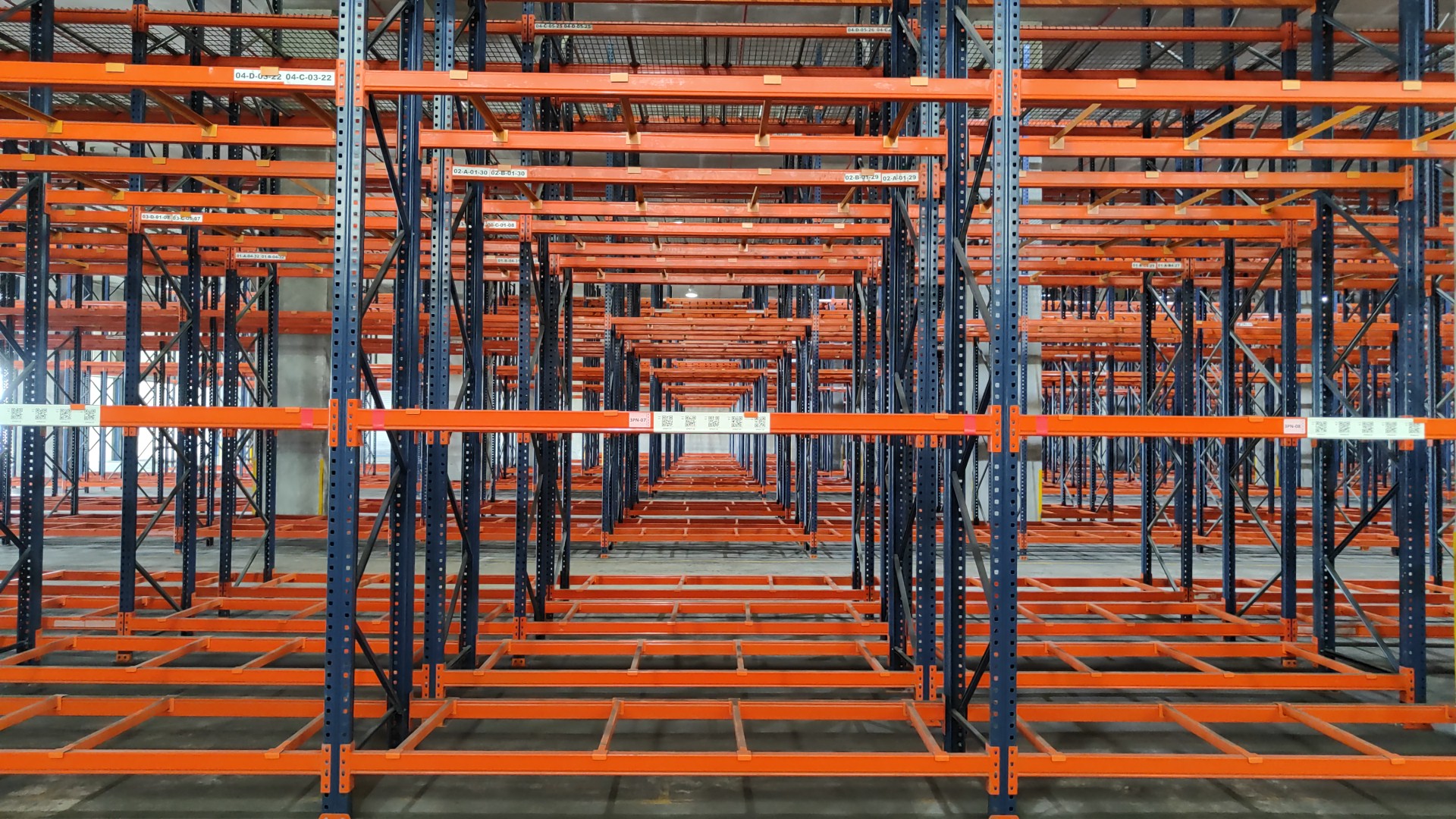
    As part of its strategy to develop a nationwide warehouse network and to strengthen its position as a one-stop e-commerce solutions provider, J&T Express has also unveiled a new fulfilment centre at Penjuru to meet the growing demand for e-commerce warehousing solutions within Singapore. The 82,000 square feet fulfilment centre will enable J&T Express to onboard more fulfilment clients with a seamless e-commerce experience.

    In line with J&T Express’ ongoing digitalisation efforts, the new fulfilment centre will also be equipped with an integrated e-commerce warehouse management system (eWMS) to optimise the fulfilment management from inventory and orders to transport flows and last-mile deliveries. As a one-stop e-commerce specialist, J&T Express also looks to increase employee headcount to support fulfilment operations and data analysis to cater for the growing demand driven by the e-commerce boom.

    Complementing its expansion efforts, J&T Express also announced its first wave of J&T points across Singapore, which is currently available to both its VIP and selected e-commerce platform sellers to support the upcoming Single’s Day shopping festival. The J&T points aim to provide sellers with greater flexibility when making shipping arrangements by enabling them to drop off parcels at their own convenience and receive real-time tracking.

    The island-wide network of service points will also support J&T Express in handling the anticipated year-end delivery spikes with greater efficiency. J&T Express will look to expand access to more users, and gradually establish more service points across the country.

    Commenting on the recent milestones, Andrew Sim, CEO of J&T Express Singapore, said that these developments not only reflect the company’s commitment to drive service excellence in the logistics industry, but also strengthening J&T Express’ position as a one-stop e-Commerce specialist across each and every touchpoint across the value chain.

    Mr Sim added, “Singapore is an exciting growth market for J&T Express, and we are focused on building our business in the country due to its strategic location within Southeast Asia. At J&T Express, we are committed to providing efficient, secure, and quality express services to our customers and the expansion of our network of warehouses in Singapore and the launch of J&T points will help us to build stronger relationships with our customers and enable us to meet the growing demand for domestic and international delivery not only in Singapore but also across the region.”

  • FamilyMart Malaysia launches ‘Food Superstores’ format

    FamilyMart Malaysia launches ‘Food Superstores’ format

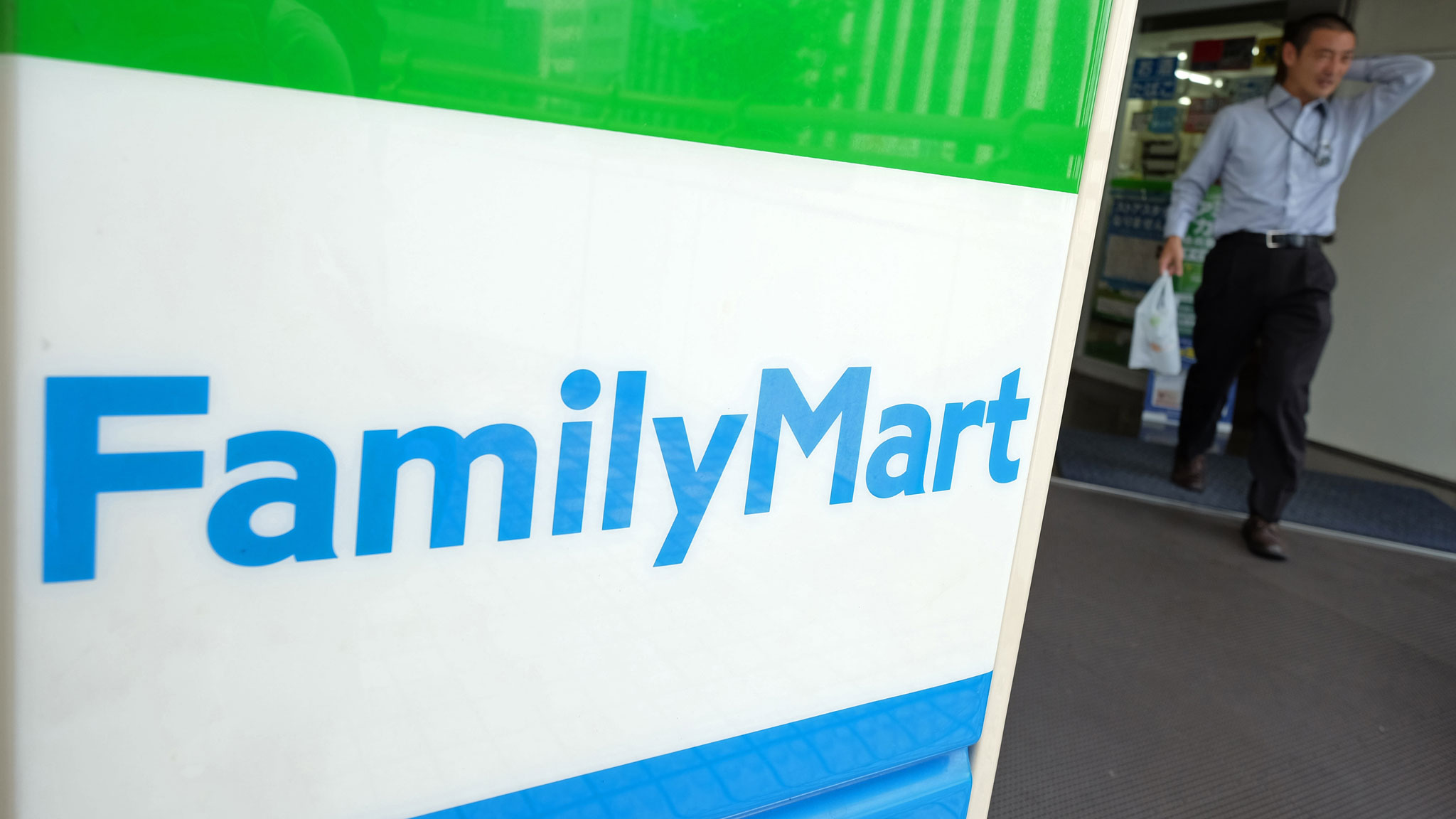
    Japan’s FamilyMart is making strong inroads into Malaysia, offering a new concept in retail with the focus on fresh food, ruffling the convenience store sector which has been largely dominated by 7-Eleven and MyNews.

    The world’s second-largest convenience store chain after 7-Eleven has redefined the concept and has gained more foot traffic to its Japanese-style konbini since it opened its first outlet in Malaysia in 2016.

    QL Resources Bhd — the franchise holder of the FamilyMart chain in Malaysia — has been expanding the footprint of the stores which offer fresh foods, snack bars, meal stations and various products from Japan.

    “FamilyMart has changed the convenience store landscape in Malaysia. It has created a need for fast and fresh food in a convenience store where consumers previously go to these stores for, perhaps, fast-moving consumer goods,” TA Securities Holdings Bhd analyst Jeff Lye Zhen Xiong told The Malaysian Reserve.

    Lye said FamilyMart’s business model has taken off quite well and has enabled the company to record a higher gross margin.

    FamilyMart delivers an authentic Japanese konbini experience by integrating fresh food, services and daily goods in one brightly-lit outlet.

    The Japanese convenience stores offer a wide variety of ready-to-eat (RTE) and microwavable meals from sandwiches, coffee and softserve ice-cream to steamed snacks, oden, onigiri and bento.

    FamilyMart’s central kitchen operator QL Kitchen Sdn Bhd received halal certification from the Department of Islamic Development Malaysia in May.

    In-store services include FamiPay for paying bills; FamiLoad for phone top-ups and gaming needs; FamiCashless and FamiLounge, a sit-in area that is equipped with WiFi, USB charging docks and toilet amenities.

    “In terms of trend, there are more convenience stores in the likes of 7-Eleven and MyNews popping up and going for more fresh food,” Lye said.

    In early October, MyNews Holdings Bhd and partners, Ryoyu Baking Co Ltd and Gourmet Kineya Co Ltd, launched their Japanese-inspired food production centre (FPC) in Kota Damansara, Selangor.

    The RM100 million facility, which operates under its subsidiaries, MyNews Ryoyupan Sdn Bhd and MyNews Kineya Sdn Bhd, will supply MyNews outlets across the Klang Valley with a wide array of RTE food.

    7-Eleven Malaysia Holdings Bhd, which is owned by Berjaya Retail Bhd, has been rolling out the latest generation store format in the past few years. It has expanded its services to defend its leading position in the convenience store space.

    Petronas Dagangan Bhd’s Kedai Mesra has also upped its game with more staple fresh food offerings while having more Tealive outlets in its stores following collaboration with Loob Holding Sdn Bhd.

    7-Eleven remains the largest convenience store chain in Malaysia with more than 2,300 stores nationwide, far ahead of MyNews at over 400 stores and FamilyMart at about 150.

    Last year, 7-Eleven has lowered its target of new store opening to 100 from 200.

    MyNews is expected to open at least 90 new outlets in the financial year 2019, while FamilyMart has targeted to have 300 stores by March 2022.

    Lye said 7-Eleven has embarked on new strategies to boost footfall including weekly or monthly promotional campaigns on cheapest items.

    Overall, he said locations and rental prices are contributing factors to the performance of a convenience store, on top of product offering.

    “FamilyMart stores are located in a very strategic place. The stores are new and consumers can expect a certain standard of quality,” he added.

    The convenience store market is worth billions of ringgit in transactions value and FamilyMart is taking the fight for a bigger slice of the pie.

  • Fashion platform Miinto expands into China

    Fashion platform Miinto expands into China

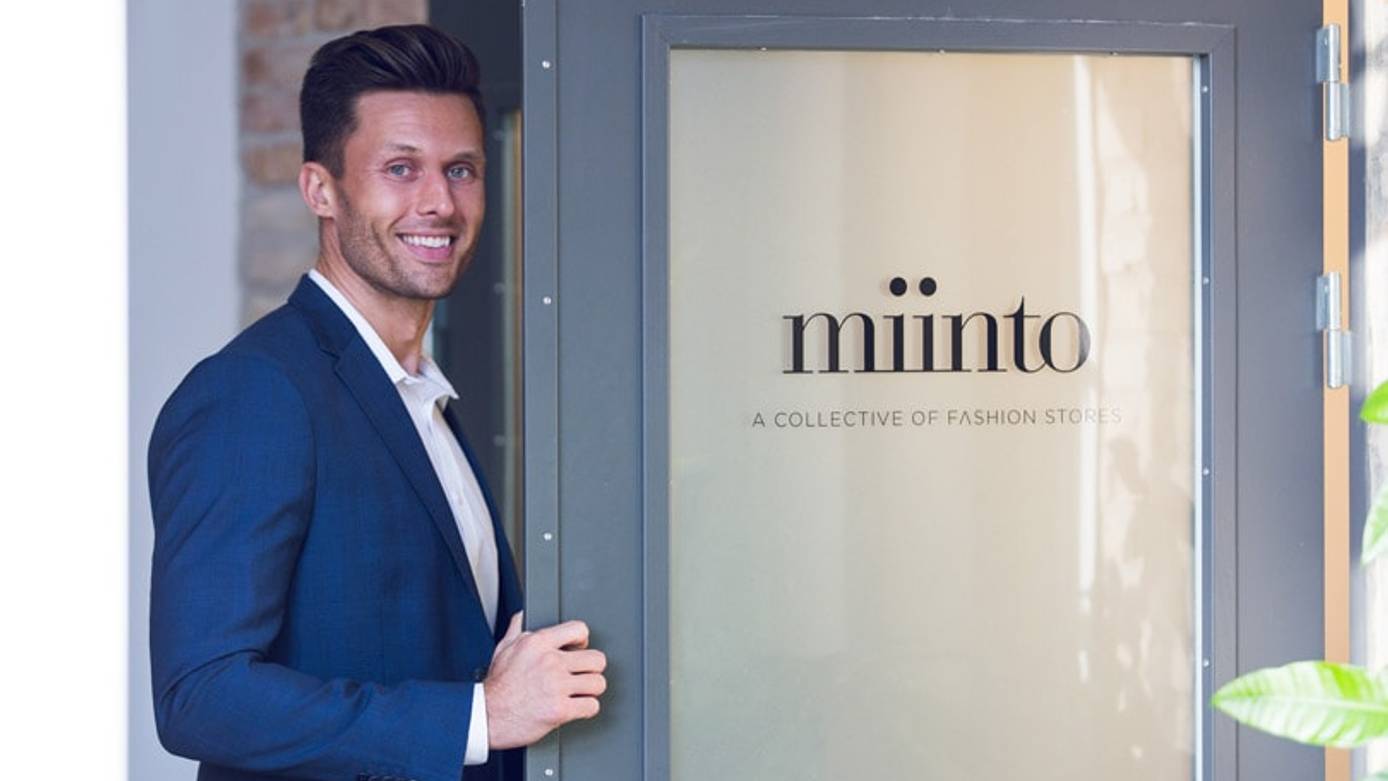
    As one of the largest and most popular fashion e-commerce platforms in Europe, MIINTO officially announced its launch in China on November 1, 2021.

    MIINTO was established in Denmark in 2009, and the online platform was officially launched in 2010. As one of Europe’s largest fashion e-commerce platforms, it has already entered 13 European countries, including Norway, Sweden, the Netherlands, Poland, Belgium, Switzerland, Germany, France, the United Kingdom, Italy, and Spain.

    MIINTO has a strong influence in the European market and continues to develop on the road of internationalization. The decision to enter the Chinese market this time also shows their determination to expand into the international market. Although China’s e-commerce industry is developing rapidly, the market for luxury brands and overseas fashion brands is still a blue ocean. From a global perspective, it has become a major trend for luxury brands and various fashion brands to accelerate their embrace of e-commerce platforms, but the scale of overseas fashion brands on domestic e-commerce platforms cannot be achieved overnight. The reasons behind this are complicated. For example, these brands have not yet considered the Chinese market, such as unable to find suitable cooperation channels and so on. Nowadays, many domestic consumers buy overseas fashion brands or luxury goods online, most of them choose overseas shopping or purchasing agents. The authenticity of the goods and the appropriate price are difficult to guarantee.

    As one of the most promising e-commerce platforms in Europe, MIINTO has redefined the traditional fashion e-commerce model and has become the first choice of many European consumers for online shopping. Based on high-quality services and strong fashion brand and boutique resources accumulated over the years, I believe MIINTO can give Chinese consumers a wonderful shopping experience and open a new chapter in the Chinese market.

  • Cebu Pacific announces P1 seat sale for 11.11

    Cebu Pacific announces P1 seat sale for 11.11

    Cebu Pacific on Wednesday announced an 11.11 seat sale for as low as P1.

    In an advisory, the airline said the promo offer would begin at 12 midnight on November 11, 2021 and end on November 14, 2021, covering the travel period from July 1 to September 30, 2022.

    “Passengers can enjoy Cebu Pacific’s lowest base fare for as low as P1 to over 56 domestic routes and 20 international routes,” the airline said.

    Cebu Pacific vice president for marketing and customer experience Candice Iyog said that the airline welcomes the safe reopening of domestic destinations.

    “We remain cautiously optimistic while we continue to do what we can to support the recovery of the travel and tourism industry,” she said.

  • Adidas, Reebook supplier in HCMC faces worker shortage

    Adidas, Reebook supplier in HCMC faces worker shortage

    Footwear maker PouYuen Vietnam, the largest employer in HCMC, faces a shortage of workers after 6 percent quit due to Covid-19 restrictions and resultant problems.

    The Taiwanese company, a supplier to Adidas and Reebok, has sought the city’s support for finding new workers, according to the HCMC Media Center.

    Its plant, situated in Binh Tan District, was among many required to scale down production during the third quarter as the fourth wave of Covid hit HCMC.

    When the city lifted restrictions on October 1, workers who had left for their hometowns returned to work, with more 47,000, or 87.4 percent of the number that left, back as of Nov. 8, it said.

    Around 77.4 percent of workers are fully vaccinated.

    The American Apparel & Footwear Association, which represents more than 1,000 brands, in July urged the U.S. government to quickly provide vaccines to Vietnam to enable its apparel and footwear industries to resume production.

    Vietnam is the second largest supplier of apparel, footwear and travel goods to the U.S., accounting for a fifth of all imports, it said.

  • Vietnam Internet economy to expand 31 pct

    Vietnam Internet economy to expand 31 pct

    Vietnam’s Internet economy is expected to grow by 31 percent this year to $21 billion this year despite little or no contribution from the online travel market.

    It is set to reach $57 billion by 2025 after growing at 29 percent a year, according to the e-Conomy Southeast Asia 2021 report by Google, Temasek and Bain & Co.

    This means Vietnam will draw level with Malaysia this year and exceed it by 2025.

    It is now only below Indonesia ($70 billion) and Thailand ($30 billion) among the six major economies in Southeast Asia.

    It added eight million new digital consumers between the start of the pandemic and the first half of this year, 55 percent of them from non-metro areas.

    “Stickiness of adoption remains high as digital consumption has become a way of life,” the report said, pointing out that 97 percent of the new consumers are still online.

    The value of the online travel sector is set to plunge by 45 percent this year, but other sectors are headed for double-digit growth, led by e-commerce at 53 percent.

    Digital merchants are becoming tech-savvy and likely to become even more so in the future.

    Thirty percent of them said they would not have survived the pandemic if not for digital platforms.

    Digital financial services are also becoming critical enablers, with 99 percent of digital merchants now accepting digital payments.

    The country saw deal values in the Internet economy quadruple year-on-year in the first half of the year to nearly $1.37 billion from 89 deals.

    “Vietnam remains a very attractive innovation hub with more incubators, accelerators, and innovation labs than most other markets in the region,” the report said.

    The latest deal saw a group of investors led by insurance company AIA invest $258 million in e-commerce company Tiki.

  • Elon Musk Sells $5 Billion In Tesla Shares After Twitter Poll

    Elon Musk Sells $5 Billion In Tesla Shares After Twitter Poll

    Tesla Chief Executive Elon Musk sold about $5 billion in shares, the billionaire reported in filings on Wednesday, just days after he polled Twitter users about selling 10% of his stake. In his first share sale since 2016, Musk’s trust sold nearly 3.6 million shares in Tesla, worth around $4 billion, while he also sold another 934,000 shares for $1.1 billion after exercising options to acquire nearly 2.2 million shares. The 4.5 million shares equate to about 3% of his total holdings in the electric vehicle manufacturer, which makes up the vast part of his estimated $281.6 billion fortune, according to Forbes.

    Musk on Saturday polled Twitter users about selling 10% of his stake, helping to push down Tesla’s share price after a majority on Twitter said they agreed with the sale. The stock sank 12% on Tuesday in a multi-day selloff that endangered the company’s position in the $1 trillion club, but recovered 4.3% on Wednesday.

    The options-related sales were set up in September through a trading plan that allows corporate insiders to establish preplanned transactions on a schedule, the filing said. The sales of the option-related shares paid for associated taxes. It was not clear how or whether the trading plan related to Musk’s Twitter poll. Tesla did not respond to a request for comment.

    The additional share sales were separate and provide Musk with sizeable reserves of cash, given his wealth is largely tied to his stakes in Tesla and SpaceX. Musk has more than 20 million further stock options that are due to expire in August of next year. If Musk carried out the 10% stock sale plan, it would be a slight negative near term, said Mark Arnold, chief investment officer at Hyperion Asset Management in Brisbane where Tesla is the top holding in its global fund. “But the stock is pretty liquid and its not a huge percentage of total issued shares, so it shouldn’t have that much of an impact … we’re quite comfortable with the outlook for the business,” he said.

    While Tesla has lost close to $150 billion in market value this week, retail investors have been net buyers of the stock. Some 58% of Tesla trade orders on Fidelity’s brokerage website on Wednesday were for purchases, rather than sales. Retail investors made net purchases of $157 million on Monday and Tuesday, according to Vanda Research. Tesla is now up more than 51% in 2021, thanks largely to an October rally that was fueled by an agreement to sell 100,000 vehicles to rental car company Hertz.

    “The company itself is on fire, with strong results,” said Tim Ghriskey, a senior portfolio strategist at New York-based investment management firm Ingalls and Snyder. Bullish sentiment returned to Tesla’s options on Wednesday, with about 1.1 calls traded for every put. Calls are typically used for bullish trades, while buying puts shows a bearish bias. The company’s options accounted for about $109 billion in premium changing hands over the last two weeks, or about one in every three dollars traded in the U.S.-listed options market, according to a Reuters analysis of Trade Alert data.

  • Trading Volume Surges on DBS Digital Exchange

    Trading Volume Surges on DBS Digital Exchange

    A shift to round-the-clock trading in August has seen trading volumes in the two months surpassing the total trading volume of the first eight months of the year by 40 percent.

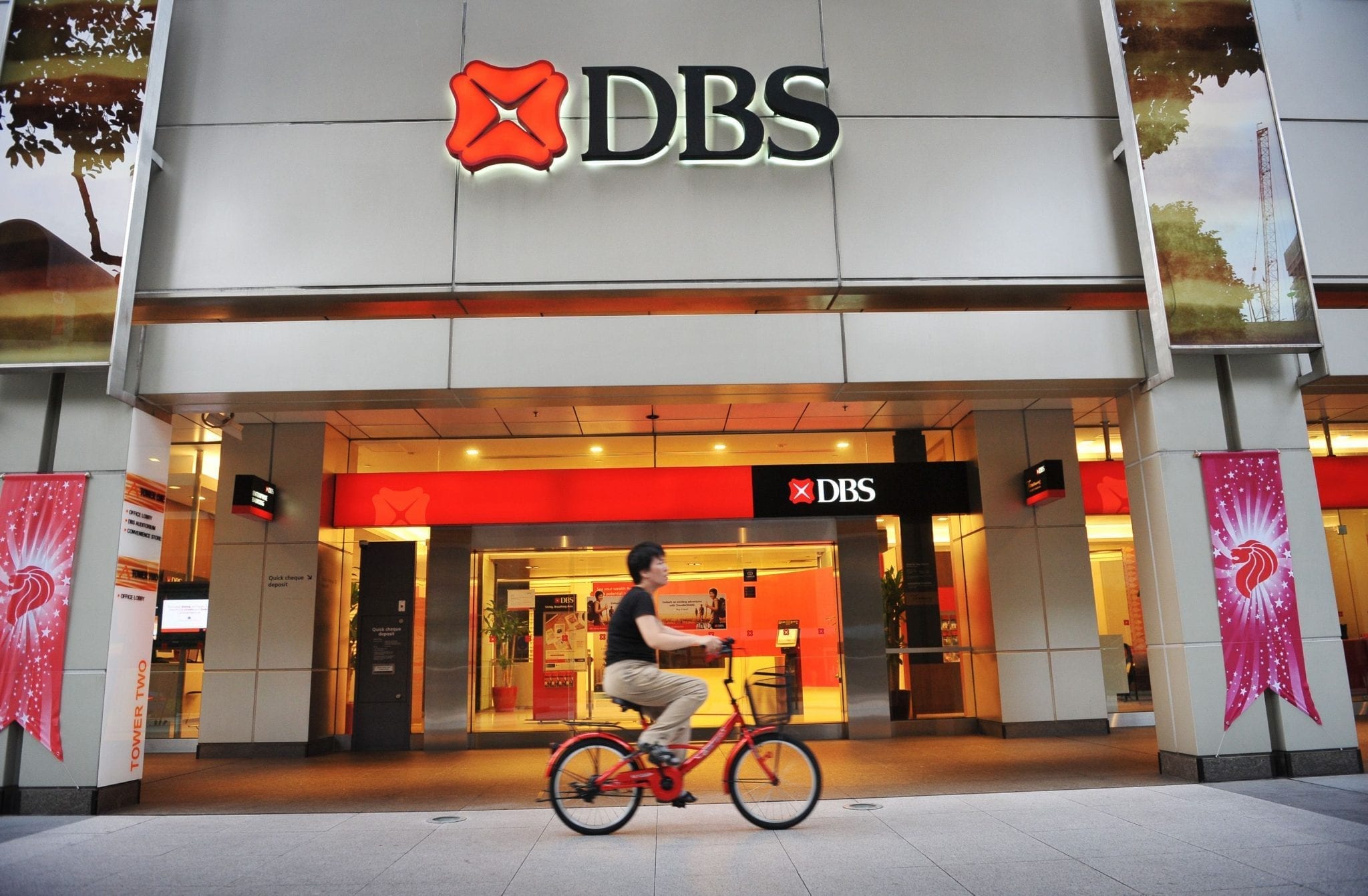
    DBS has reported strong growth in its digital asset ecosystem, anchored by DDEx, or the DBS Digital Exchange, which now has over S$600 million in digital assets under custody as of end-October, triple the amount recorded in the previous month, according to the bank.

    The bank also said it is seeing a growing number of corporate and institutional customers among its participants, with other banks, a central bank and other digital asset exchanges among the 500 participants on the exchange.

    Becoming a participant of DDEx opens many gateways for our customers to access the burgeoning cryptocurrency and digital asset economy, Eng-Kwok Seat Moey, group head of capital markets and DDEx chair, said in a statement on Thursday.

    DDEx was launched in December 2020 with an initial offering that covered cryptocurrency trading. It has since issued a  bond through a security token offering (STO) on the exchange, and plans to list at least half a dozen security tokens by end-2022. The bank also launched a crypto trust offering that combined wealth planning services with emerging digital currencies, and its brokerage arm received formal approval from the Monetary Authority of Singapore (MAS) to provide digital payment token services.

    At the presentation of its third-quarter results last week, the bank’s chief executive Piyush Gupta said it is planning to open the crypto exchange to the broader retail market in 2022.

    DBS previously said it expects to double the number of participants on DDEx to 1,000 and to grow its base by 20-30 percent annually for the next three years, as investments in digital tokens gain greater acceptance.

  • Citi Adds Prime Brokerage Duo in Hong Kong

    Citi Adds Prime Brokerage Duo in Hong Kong

    Citi has hired two new directors from BNP Paribas and Goldman Sachs for its prime brokerage unit in Hong Kong.

    Drew Kuech and Oliver Law join Citi as directors of the prime services sales trading team, according to a statement, reporting to APAC head of prime services sales trading Daniel Millwood.

    Kuech has 13 years of prime finance and delta one experience, most recently with BNP Paribas. Previously, he also worked for Societe Generale and Santa Fe-headquartered hedge fund Thornburg Investment Management.

    Law has 14 years of APAC prime finance and delta one experience and he joins from Goldman Sachs. Previously, he also worked for RBS and Credit Suisse.

    We are pleased to welcome two strong additions to our Prime Services trading team as we continue to focus on building out our hedge fund trading and client servicing areas, Millwood said in the statement.

  • Crypto Platform Zipmex Announces Senior Hires

    Crypto Platform Zipmex Announces Senior Hires

    The Singapore-headquartered exchange will begin scaling up operations with the appointment of a new COO and CFO.

    Zipmex has appointed Uber’s former APAC head of central operations, Scot Cheung, as chief operating officer (COO) and venture capitalist and finance veteran Nicolas Keravec as chief financial officer (CFO), the digital assets exchange announced in a statement on Thursday.

    Cheung brings more than 12 years of experience in helping companies scale and expand worldwide, having worked in Hong Kong, Shanghai, Seoul, Singapore, and London, including over 7 years at Uber.

    Kerevac has over 15 years of cross border experience in driving technology-focused and scalable business models and was most recently managing director and group CFO at Rocket Internet (Asia).The appointments will allow Zipmex to strengthen its presence in Singapore, Australia, Thailand and Indonesia through strategic partnerships, develop its suite of digital assets-related products and offerings, and build its technology infrastructure, the announcement said.

    Cheung will focus on growing the platform in Australia, Zipmex’s newest market, while Kerevac will focus on capital deployment and expansion plans in the platform’s markets.

    Launched in 2019, Zipmex has over $1 billion in transaction volume on its platform. Earlier this year, the company announced that it raised $41 million in a Series B funding round with co-investors such as Krungsri Finnovate, Plan B Media and MACO Thailand.

  • Cebu Pacific Enhances Payment Method Features with CellPoint Digital’s Payment Orchestration Platform

    Cebu Pacific Enhances Payment Method Features with CellPoint Digital’s Payment Orchestration Platform

    CellPoint Digital, a fintech leader in payment orchestration, today announces the next leg of its partnership with Cebu Pacific, the largest airline in the Philippines.

    Cebu Pacific is one of the most successful low-cost airlines in the world, having flown over 22 million passengers to over 60 destinations in 2019, with 70% of these bookings being made directly via the carrier’s digital channels.

    Following the successful implementation of CellPoint Digital’s cutting-edge Payment Orchestration Platform, Velocity, across all of Cebu Pacific’s digital channels last year, the airline has now implemented new alternative payment methods to provide more flexible options to their customer’s payment experience. Thanks to the PSP/acquirer agnostic Velocity platform, Cebu Pacific customers will now have access to the following popular payment methods: GCash, GrabPay and PayMaya.

    The new alternative payment methods boast wide-ranging end-user benefits, including enabling split payments between travel fund vouchers and cash, and converting local currencies in real-time. For the airline itself, providing more payment methods should increase revenues, and by optimizing card payment processing across multiple acquirers, they will be able to do real-time transaction monitoring – by market, and by payment method – all delivered conveniently in one place.

    The intelligent routing module already dynamically optimizes the routing of each transaction made via a bespoke network of acquiring banks, thereby maximizing acceptance rates and lowering transaction costs.

    Candice Iyog, Vice-president for Marketing and Customer Experience at Cebu Pacific added: “Our partnership with CellPoint Digital continues to go from strength to strength. As the world begins to open back up and consumers are more used to using flexible digital payment methods than ever before, we’re proud to be able to offer our customers a frictionless customer experience at the checkout by giving them the payment methods they most want to use.”

    Commenting on the announcement Kristian Gjerding, CEO of CellPoint Digital commented: “We’re delighted to announce this evolution in our partnership with Cebu Pacific. Airlines have, by necessity, some of the most complex payment ecosystems of modern merchants, and an equally diverse customer base to match. By utilising our comprehensive payment orchestration platform and having access to a large payments ecosystem, we have simplified the payment process for Cebu while bolstering its offering with popular alternative payment methods for its customers.”

    The news comes as the APAC airline sector gears up to take off again following the disruption caused by the COVID-19 pandemic, with 77% of APAC airline customers ready to travel as soon as restrictions fully ease. Via its access to CellPoint Digital’s growing ecosystem, Cebu Pacific is ready to maximise the payments journey for APAC travellers with payment methods covering over 40 local and global cards, and over 350 alternative payment methods.

    The future is promising for the partnership as the two companies work towards introducing more new features such as stored cards and other popular APMs, while also empowering Cebu’s B2B offering with more payment capabilities.