Tag: asia

  • Foot Locker promises strong growth for Atmos as takeover completed

    Foot Locker promises strong growth for Atmos as takeover completed

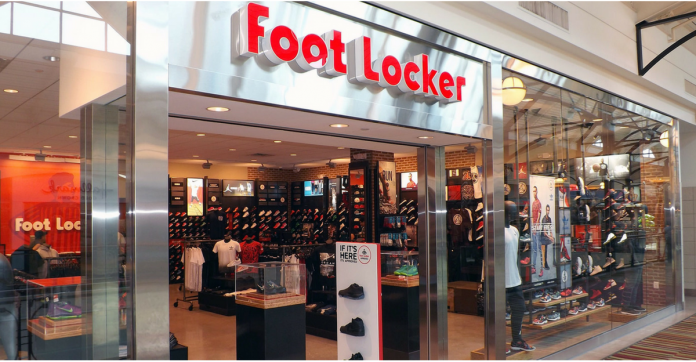
    Foot Locker, the New York-based specialty athletic retailer, today announced that, through certain subsidiaries, it has completed the acquisition of atmos, a digitally-led, premium, global retailer headquartered in Japan, for $360 million, subject to certain customary adjustments.

    Richard Johnson, Chairman and Chief Executive Officer of Foot Locker, said, “We are delighted to officially welcome atmos’s iconic founder, Hidefumi Hommyo, and the entire atmos team to the Foot Locker family. We deeply value atmos’s unique brand, innovative, experiential stores, premium offerings, collaborations, and understanding of sneakerhead culture. atmos expands our global reach in the rapidly growing Asia-Pacific market, establishes a critical entry point in Japan, and allows us to benefit from an immediate scale.

    We are excited about the many opportunities we will collectively be able to capture as a result of this partnership as we continue creating significant long-term value for our shareholders, consumers, vendor partners, and employees.”

    Mr. Hidefumi, CEO, Chief Creative Officer for atmos, said, “Today atmos enters a new era, well-positioned to bring our dynamic and exciting sneakers to more people around the world. atmos was founded with a love of sneakers and a passion for innovation, and with Foot Locker as our partner, we have the opportunity to drive global growth while maintaining what makes us unique.

    We have worked with Foot Locker for years on product collaborations and partnerships, and we are excited about what is ahead as we pursue our shared passion for sneaker culture, streetwear, creativity and self-expression.”

  • StanChart Profits Surge on Lower Credit Impairments

    StanChart Profits Surge on Lower Credit Impairments

    Significantly lower credit impairments coupled with positive business momentum led to a surge in Standard Chartered’s pre-tax profits for the third quarter.

    Standard Chartered posted $1.075 billion in pre-tax profits for the third quarter, according to its latest results, marking a 44 percent year-on-year increase.

    Not unlike its regional peers throughout the year, the reduction of credit impairments – 70 percent to $107 million compared to $353 million in the same period last year – was a significant contributor to the improved bottom line.

    In addition to an improved balance sheet, the broader business experienced positive momentum with net interest income up 7 percent to $1.735 billion and other income also up 7 percent to $2.03 billion.

    We delivered a return to top-line growth in the third quarter and achieved further progress against our strategic priorities, with a strong performance in our Financial Markets and Trade businesses and ongoing positive momentum in Wealth Management, said Standard Chartered chief executive Bill Winters.

  • Rewards Platform ShopBack Acquires BNPL Startup Hoolah

    Rewards Platform ShopBack Acquires BNPL Startup Hoolah

    The acquisition is part of the Singapore-based platform’s efforts to drive $3.5 billion in sales this year.

    Temasek-backed cashback platform ShopBack has acquired buy now pay later (BNPL) brand Hoolah for an undisclosed sum in cash and stock, according to an announcement on Tuesday.

    The acquisition extends ShopBack’s product offering to include transactions with payment options like BNPL and more. Meanwhile, Hoolah will be able to accelerate its growth through ShopBack, which allows the BNPL player to extend its offerings to over 8,000 merchants and 30 million shoppers across several APAC markets, the announcement said.

    ShopBack, which was valued at $539.4 million in its latest funding round, said the acquisition will transform the shopping experience for shoppers, and provide a one-stop solution for demand generation and user engagement for merchants across the APAC region.

    ShopBack is also expanding its team across the APAC region. According to its LinkedIn profile, it is looking for ahead of marketing in Singapore, who will be responsible for demand growth and user development funnels on both existing and new business initiatives within ShopBack Singapore.

    Hoolah’s however, has experienced a rocky past few months, with layoffs reported at the company, as well as the departure of co-founder and CEO Stuart Thornton, who has since been replaced by fellow co-founder Henry Chan.

    The BNPL space is expanding rapidly and companies are vying for market share, with a number of partnerships established in recent months to expand their reach. Recent deals include Standard Chartered’s partnership with BNPL platform Atome to deliver a wide range of financial services to consumers and merchants across key markets in Asia, as well as its partnership with Kredivo – one of Indonesia’s largest and fastest-growing digital credit platforms.

    U.S. fintech giant also acquired Japan BNPL payments platform Paidy in September for ¥300 billion (about $2.7 billion), while Square, run by Twitter CEO Jack Dorsey bought Australian Afterpay for $29 billion in August.

  • Samsung wants to double its foldable phone shipments in 2022

    Samsung wants to double its foldable phone shipments in 2022

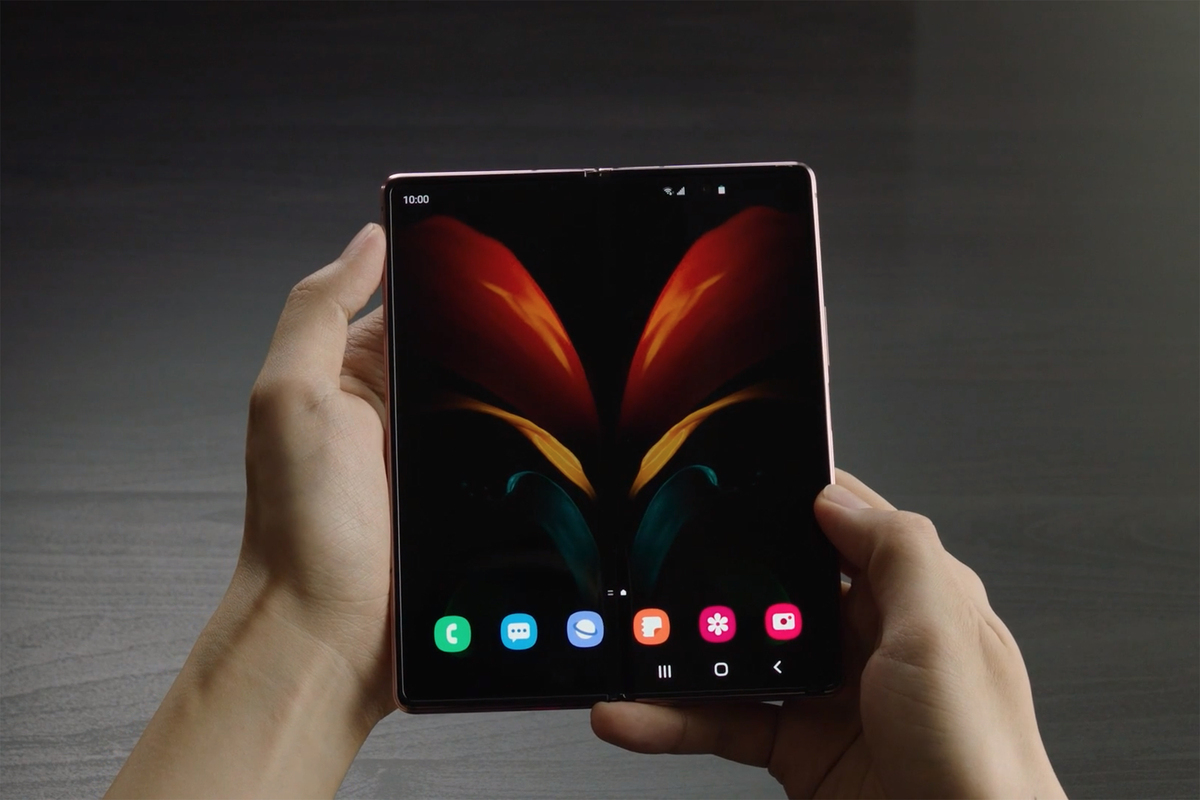
    It looks like Korean manufacturer Samsung is very serious and confident about the future of its foldable smartphone lineup. According to analyst firm UBI Research the giant manufacturer wants to double its foldable OLED panel production next year.

    Currently, Samsung is said to produce 8.1 million panels in 2021. This should translate into about 8 million foldable phones shipped. The yield rate of assembly lines is reported to be about 80 to 90%, which could result in a lower number.

    Doubling foldable OLED displays’ production to 18 million should translate into about 14 to 16 million foldable phones produced next year. A subsidiary of Samsung Display called Dowoo Insys is the company processing the Ultra-Thin Glass cover needed for the Galaxy Z Flip and Z Fold devices which is supplied by SCHOTT Germany. It is reported that Samsung is going to set up more production lines in order to double the manufacturing capacity. UBI Research also says foldable panels shipments could reach 49 million units in 2025.

    The increased production of foldable panels will also allow Samsung Display to sell them to other phone manufacturers. Chinese manufacturers like Xiaomi and Vivo are said to be looking to get the Samsung panels for their own foldable devices. Rumors about Google and Apple looking into adding a foldable phone to their lineups are also circulating, with Samsung being the obvious choice for a display supplier.

    This year the Korean phone manufacturer was very aggressive as far as its foldable strategy is concerned. Instead of releasing a successor to the 2020 Galaxy Note, it opted for a big release of new foldable phones.

    In August Samsung revealed the Galaxy Z Fold 3 and Galaxy Z Flip 3. Both phones offered significant improvements in their foldable display technology and more attractive pricing. The Galaxy Z Fold 3 is praised for its versatility and S Pen support, while the Galaxy Z Flip 3 is liked for its looks and pocketable size.

    It is unclear whether Samsung will expand its foldable phone lineup in 2022. An even more affordable folding phone for the masses might be on the horizon. The company is already the leader in this category of devices and such a move could only expand its lead even further. It is also a leader in manufacturing with 91% of all foldable OLEDs in 2021 being made by Samsung Display.

  • Huawei committed to being preferred partner for digital transformation in APAC

    Huawei committed to being preferred partner for digital transformation in APAC

    Huawei’s first flagship event for Asia-Pacific (APAC) region ICT industry – Huawei Connect 2021 – Asia Pacific launched on Friday, themed “Dive into Digital in Asia-Pacific”, explores how digital technology can better integrate with business scenarios and industry know-how to address critical business challenges, and how stakeholders can work together more effectively to foster an open industry ecosystem and drive shared success.

    This event has featured three keynotes and opening remarks with around 15 CXOs from government and commercial sectors across APAC like Sunseap Group, KBank, University Malaya, Union Bank, Toyota Astra, Bank Central Asia (BCA), UCARS, and government guests to share their vision and experience on digital transformation in APAC.

    In Jeffery Liu, the President of Huawei Asia-Pacific keynote, he spoke that digital transformation is more real and urgent than ever. Huawei will leverage innovative ICT technologies to help customers accelerate digital transformation. In Asia Pacific, Huawei will focus on the 4 areas: Cloud services, Low-carbon development, Innovative digital infrastructure, building partner ecosystem, and training digital talents. Huawei is committed to be the preferred partner for digital transformation in the region”

    Jeffery said, “In Asia Pacific, HUAWEI CLOUD operates in 7 Availability Zones and has local service teams in over 10 countries. Huawei combines digital and electronic technologies to develop innovative digital power services by using energy as efficiently as possible, and minimizing the carbon footprint of ICT infrastructure by leveraging clean power generation, electric transportation, and smart energy storage, supporting our customers to save energy and protect the environment. Every year Huawei invests over 10% of revenue into R&D, delivers value to the industry and society through innovation, and helps our customers go digital with innovative and reliable products and solutions. In the next five years, we will continue to train over 100 thousand ICT professionals in Asia-Pacific to strengthen the talent root for digital transformation.”

    In the sharing session of Digital Leadership, Professor Alex Siow from NUS shared on how emerging digital technologies have changed various industries, and how these technologies will evolve along with the effects of the pandemic. “Digital leadership is the strategic use of a company’s digital assets to achieve business goals and digital leaders shall explore how technology can be used to help their business become much more responsive to the needs of their customers and the ever-changing business requirements. Digital leaders must lead the way in digital transformation and help the customers more digital and more agile for the adoption of rapid acceleration of technological changes,” said Professor Alex Siow.

    The event is honored to invite key companies like PSA Corporation Ltd, Sunway Berhad Malaysia, Integrated Health Information System (IHIS) Singapore, Singapore Press Holdings (SPH) and Prof. Dr. De Crème from NUS to participate in the open panel discussion, shared their thoughts on thriving as a digital enterprise and to help the industry leaders approach business transformation from a different perspective.

    During the panel discussion, Ho Vee Leung, Head of Infocomm Technology & Data from PSA shared the benefits of technology, like how 5G, which is capable of large bandwidth and low latency wireless transmission, enables real-time control of mobile equipment in the open port environment, and how Intelligent IoT technology has enabled energy consumption within the terminals to be better managed and optimized, balancing peak and trough demand and reducing the risk of power-related disruptions.

    Alan Goh, Assistant Chief Executive of IHIS also shared how IHIS utilized technology to create value in the healthcare industry. Alan shared the example of the vaccination program in Singapore and how they integrated technology to enable real-time updates of the vaccination process.

    Kevin Khoo, CIO from Sunway Berhad Malaysia shared his rich experience in managing a large conglomerate in the digital transformation journey and the importance of close partnership with vendor.

    Glen Francis, CTO of SPH mentioned that leadership and stakeholder alignment is important especially when building new technology tool or platforms in the organization and communication is an important part in overcoming the challenges of the digital transformation journey.

    At the discussion, Nicholas Ma, the President Huawei Asia Pacific Enterprise BG pointed out that Digital transformations is not a plug-and play strategy revealing immediate results. Two areas are essentially important for digital transformation, one is the organization and the other is technology. To tackle the skills issue and improve organizational agility, Huawei will continue to invest in digital talents cultivation and work closely with partners to provide more scenario-based solutions in their digital transformation journey.

    “As new technologies like Cloud, and AI continue to be mature, the application of digital technologies is expanding beyond the office and into production systems of the industries, which will change or improve productivity. Together with our partners, we take the time to truly make the best use of our leading technologies and solution, to understand our customers’ businesses, particularly the challenges they are facing, and then develop tailored solutions to support them. To do this, we have built 13 Open Labs around the world to support joint innovation, in Asia Pacific, we have OpenLabs in Singapore and Thailand.” further shared by Nicholas Ma.

    Brandon Wu, CTO of Huawei Asia Pacific Enterprise BG mentioned that Huawei plans to provide enterprises with a consistent experience while using cloud-native applications that are not constrained by geographical, cross-cloud, or traffic limitations. Huawei is also leveraging ICT innovations for energy saving and sustainability, by introducing green sites, improving data center network efficiency, and binging green connectivity by extending more optical connections to home and campus networks, to further reduce power consumption.

    Brandon Wu also elaborated latest innovations that Huawei will bring to the market:

    Huawei OptiXsense Solution and a product model EF3000 which is able to measure the vibration of the laser, to sense the environment changes of the object under monitoring, to significantly reduce the false alarms.

    Digital Offices, powered by intelligent “Office Twins” – Wi-Fi 6e AP and HUAWEI IdeaHub. They will supercharge your meeting room experiences and office productivity with ubiquitous gigabit and seamless collaboration.

    The industry’s first deterministic IP network solution, which supports multi-hop networking of tens of thousands of nodes, so it can deliver deterministic IP network performance, making lights-out digital factories a reality.

    Hybrid Optical transmission network (OTN), by combining both the technology advantages between PON and OTN together, Huawei introduced H-OTN for the first time to the market, the packet loss can now be minimized and the reliability can reach five 9s for mission-critical services.

    OceanStor Pacific, the industry’s first distributed storage for High-Performance Data Analytics (HPDA). This solution breaks the silos of data processing between big data, AI, high-performance computing, and streamlines multiple storage capabilities into one single device, with adaptive data flow for large and small size IOs.

  • Cartier unveils Oceania flagship in Sydney CBD

    Cartier unveils Oceania flagship in Sydney CBD

    French luxury Maison, Cartier, has announced a new Oceania flagship boutique in the heart of Sydney’s CBD. The flagship will be located at the 388 George Street Pavilion Building, on the corner of King Street and George Street, occupying approximately 783m2 on the Ground Floor and Level 1.

    388 George Street sits on one of Sydney’s busiest intersections on what is fast becoming the George Street Boulevard. Opening in Spring 2022, the new Cartier Oceania flagship is set to become a space of luxury reimagined.

    The contemporary landmark, with a modern architectural façade, features a custom-designed curved sandstone and translucent exterior. The Maison’s arrival at this location continues the momentum of the newly pedestrianized George Street becoming a major luxury precinct in the Sydney CBD.

    “After enjoying a longstanding presence in Australia for more than 45 years, the announcement of our new Oceania flagship marks a thrilling new chapter in the relationship between Cartier and Australians. The new Oceania flagship will merge Parisian elegance whilst paying tribute to Australia’s rich culture and natural beauty, featuring the savoir-faire and style Cartier is renowned for around the world. We look forward to welcoming our clients and offering them a unique experience full of discovery,” said Alban du Mesnil, Managing Director of Cartier Oceania.

    To celebrate the impending opening, Cartier has engaged Melbourne 3D artist Paul Milinski to animate the façade with an expression of his singular creativity. Milinski will create a unique art installation, The Australian Dreamscapes, that will evolve quarterly until the boutique opens, enlivening the streets of Sydney with a journey through Australian landscapes.

    Danny Poljak, Executive Vice President & Co-Head of Brookfield Properties, said: “388 George Street continues to set new benchmarks for the Sydney CBD and we are delighted it will now provide an anchor point for the city’s new luxury retail precinct. Cartier is one of the world’s most prestigious luxury brands and realises our vision for the retail space of this development.”

    Nicole Quagliata, Fund Manager, OIPP, said: “Cartier is a fantastic addition for 388 George Street, and we are thrilled to welcome this iconic, luxury brand to their new flagship store. The addition of Cartier to 388 George Street continues to elevate the ground plane and pavilion, bringing outstanding tenant amenity, and solidifying the building as a premium retail destination for the Sydney CBD.

    The ground plane and pavilion building was designed by architects FJMT and provides five levels of commercial and retail space, a rooftop bar and flagship retail stores including Bally and Locali. It was designed to complement the rich history of the site, incorporating a custom-designed curved sandstone and glass façade inspired by the topography of the surrounding CBD landscape.

    The property is owned and was developed by Brookfield Properties and Oxford Investa Property Partners (OIPP) as part of a $200 million transformation of the site that completed in November last year.

  • Siemens Gamesa signs $400 mln wind gear agreement with Vietnam’s BCG Energy

    Siemens Gamesa signs $400 mln wind gear agreement with Vietnam’s BCG Energy

    Siemens Gamesa Renewable Energy has signed a preliminary agreement to supply wind turbine gear worth up to $400 million to Vietnam’s BCG Energy, Vietnam’s government said on Monday.

    The memorandum of understanding is part of the Vietnamese firm’s move to develop wind turbines with a capacity of over 500 megawatts, the Ministry of Industry and Trade said in a statement, adding the deal was signed on the sidelines of the United Nations COP26 summit.

  • ZIM buys 7 ships in move from charters to owning vessels

    ZIM buys 7 ships in move from charters to owning vessels

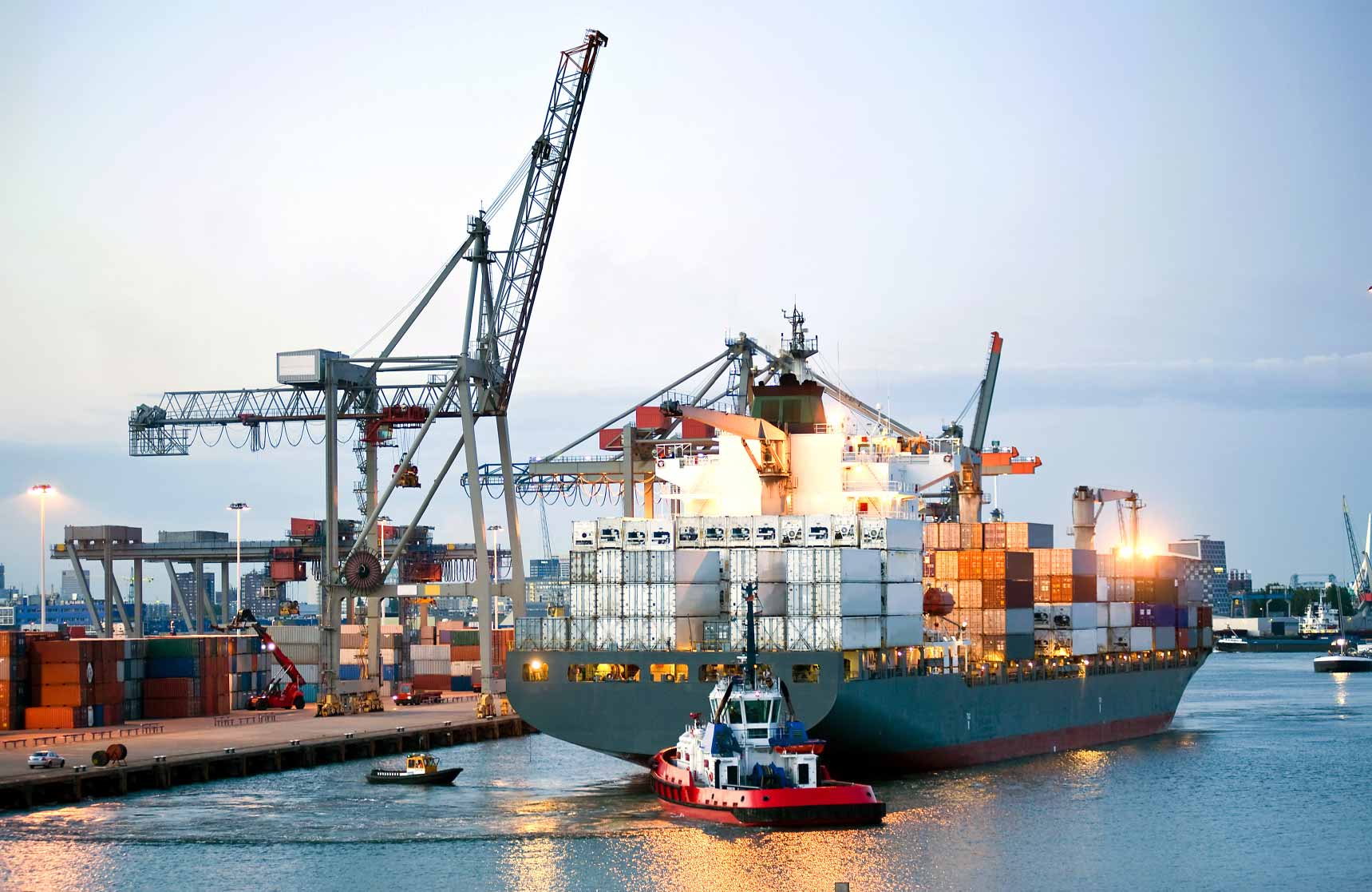
    In a clear move away from chartering to owning ships, Israeli carrier ZIM Integrated Shipping Services announced the acquisition of seven secondhand vessels – five 4,250 TEU vessels and two 1,100 TEU vessels – for a consideration of approximately $320 million.

    “Since going public our focus has been to allocate capital to strengthen our commercial prospects and create long-term shareholder value,” Eli Glickman, ZIM President & CEO, said. “With the opportunistic acquisition of these much-needed vessels, we have drawn on our strong cash position and our agile approach to maintain and expand our operating fleet to meet growing customer demand, while remaining committed to delivering industry superior profitability.”

    Glickman said ZIM will continue to complement the primary strategy of chartering in the vast majority of vessels by selectively acquiring second-hand tonnage.

    ZIM had earlier this month announced the launch of Ship4wd, a digital freight forwarding platform to offer end-to-end shipping solutions.

    NYSE-listed ZIM had reported a revenue of $4.1 billion for the first half of 2021, an increase of over 150 percent from $1.6 billion in the corresponding period of 2020. Net income had zoomed to $1.5 billion from $13 million.

    For the second quarter, ZIM had reported a revenue of $2.4 billion and net income of $888 million. ZIM carried 921,000 TEUs in the second quarter of 2021, a year-over-year increase of 44 percent. Average freight rate ($/TEU) more than doubled in Q2 to $2,341 from $1,071. For the first half of the year, the average freight rate ($/TEU) nearly doubled to $2,145 from 1,081.

    “Our outlook for the remainder of 2021 and into 2022 is very positive and we are excited about our strategy to further enhance our position as an innovative digital leader of seaborne transportation and logistics services,” Glickman had said while announcing the results.

    ZIM is expecting second-half 2021 results to exceed first-half results.

  • Valentino names new CEO for Southeast Asia, Australia

    Valentino names new CEO for Southeast Asia, Australia

    Valentino has named Alessandra Andreani their new CEO for Southeast Asia and Australia. Andreani will be based in Singapore, and will report to Marco Giacometti, Valentino’s chief commercial officer. The news was reported by WWD.

    In her new role, Andreani will working on growing Valentino’s presence throughout Singapore, Malaysia, Australia, and Thailand. She takes over the duties of Mika Bailey, who was general manager of Southeast Asia and Australia.

    Andreani’s resume includes stints at Prada, Marc Jacobs, and Loewe. She is just one of many hires under new Valentino CEO Jacopo Venturini who has also appointed Mitchell Bacha CEO of Greater China and Laurent Bergamo as CEO of Americas.

    While most of Valentino’s growth has been driven by China, the U.S., and the Middle East, Southeast Asia and Australia are considered new target markets for growth. E-commerce is also now pivotal to Valentino’s growth as it is for most luxury brands.

  • Hermes reopens it’s Shanghai flagship

    Hermes reopens it’s Shanghai flagship

    On 29th October 2021, Hermès is delighted to open the doors of its newly renovated store in the prestigious Plaza 66 in Shanghai. Spanning over two floors and 656 m2, the vision for this store evokes the richness of the local culture and Hermès’ connection with the city of Shanghai, creating an engaging backdrop for discovering the 16 métiers of the house.

    The new design is established with the store’s powerful façade, which now features a long window carved into its impressive stone surface to allow more natural light to filter through. The transparency of the storefront below is also improved thanks to the generous addition of windows set in a deep-green tinted glass that mingles invitingly with the mineral hues of the stone tiles.

    Transformed by the Parisian architecture agency RDAI, the interiors feature a fluid, curved layout, drawn in response to the existing volumes of the space. Distinctive architectural gestures, like the sculptural lines carved into the soaring ceilings and the rounded walls, enhance the customer path from one side of the open-plan area to the other. Throughout the store, a richly evocative colour palette of deep blue-green, burgundy, and caramel, alternating between matte and lacquer surfaces with added accents of plush velvet, are employed in an impactful way to create a sense of intimacy for each métier. Three-dimensional custom designed carpets with superimposed geometric forms in vivid, saturated colour give structure and individuality to each universe.

    From the main street side entrance, guests are greeted with an animated display of women’s silk and a generous offer of fashion accessories. On the other side of the mall, there is a wider selection of women’s silk and accessories, perfume and beauty. These two entrances include mirroring features that are hallmarks of the house: the Hermès ex-libris underfoot and the iconic “Grecques” globe lighting overhead. The hand-assembled inlaid stonework reflects the house’s savoir-faire: based on the rue du Faubourg Saint-Honoré motif, the pattern disperses before merging again on the other side of the store. The surrounding terrazzo flooring is flecked with preserved pieces of stone from the existing interior façade. Intimate corner spaces and salons on the ground floor are dedicated to the jewellery and watches, as well as the perfume and beauty métiers – fitted out in saturated blue-green tones that contrast with the hand-painted walls and cherrywood cabinetry.

    A new, sweeping staircase serves as an architectural feature and an eye-catching exploration of form that undulates. Above the stairs floats a commissioned work by Chinese artist Xiaojing Yan. The delicate sculpture, almost 2m in height, is a cloud-like vision of a horse at full gallop, crafted from over 10,000 glass pearls suspended by threads. The ascent from the first to the second floor follows a gradient, hand-painted frescoed wall that carries on through to the men’s universe and home collections on the second floor. Natural light from the new window bathes the space in a lustrous warmth and a communal table encourages guests to linger for a coffee. Arriving from the mall through a third entrance here, the line of sight travels past the home and equestrian

    collections, the leather goods, enveloped in warm and glossy tones of red and deep burgundy, through to the spacious women’s universe. Elegantly clad fitting and VIP rooms, as well as numerous lounge areas furnished with deep leather sofas and armchairs, create an inviting ambience throughout the space.

    In the tradition of establishing a distinct identity for each Hermès locale, a collection of carefully selected artwork, contemporary photography, carré prints, and works from the Émile Hermès collection seamlessly blends the past and present.

    This new Hermès store offers local customers and new visitors an utterly bespoke retail experi- ence, set in an engaging and welcoming environment. It binds the culturally vibrant essence of Shanghai with the Parisian house’s contemporary creative spirit and fine craftsmanship.

    Since 1837, Hermès has remained faithful to its artisan model and its humanist values. The freedom to create, the constant search for beautiful materials, the transmission of savoir-faire of excellence, and the aesthetic of functionality all forge the singularity of Hermès, a house of objects created to last. An independent, family owned company, Hermès is dedicated to keeping the majority of its production in France through its 51 workshops and production sites and to developing its network more than 300 stores in 45 countries. The group employs almost 17,000 people worldwide, including nearly 10,600 in France, among whom more than 5,600 are craftsmen*. Axel Dumas, a sixth-generation family member, has been Hermès CEO since 2013.

    Founded in 2008, the Fondation d’entreprise Hermès supports projects in the areas of artistic creation, training and the transmission of savoir-faire, biodiversity, and the preservation of the environment.

  • Taxi firms eye fare hikes amid rising fuel prices

    Taxi firms eye fare hikes amid rising fuel prices

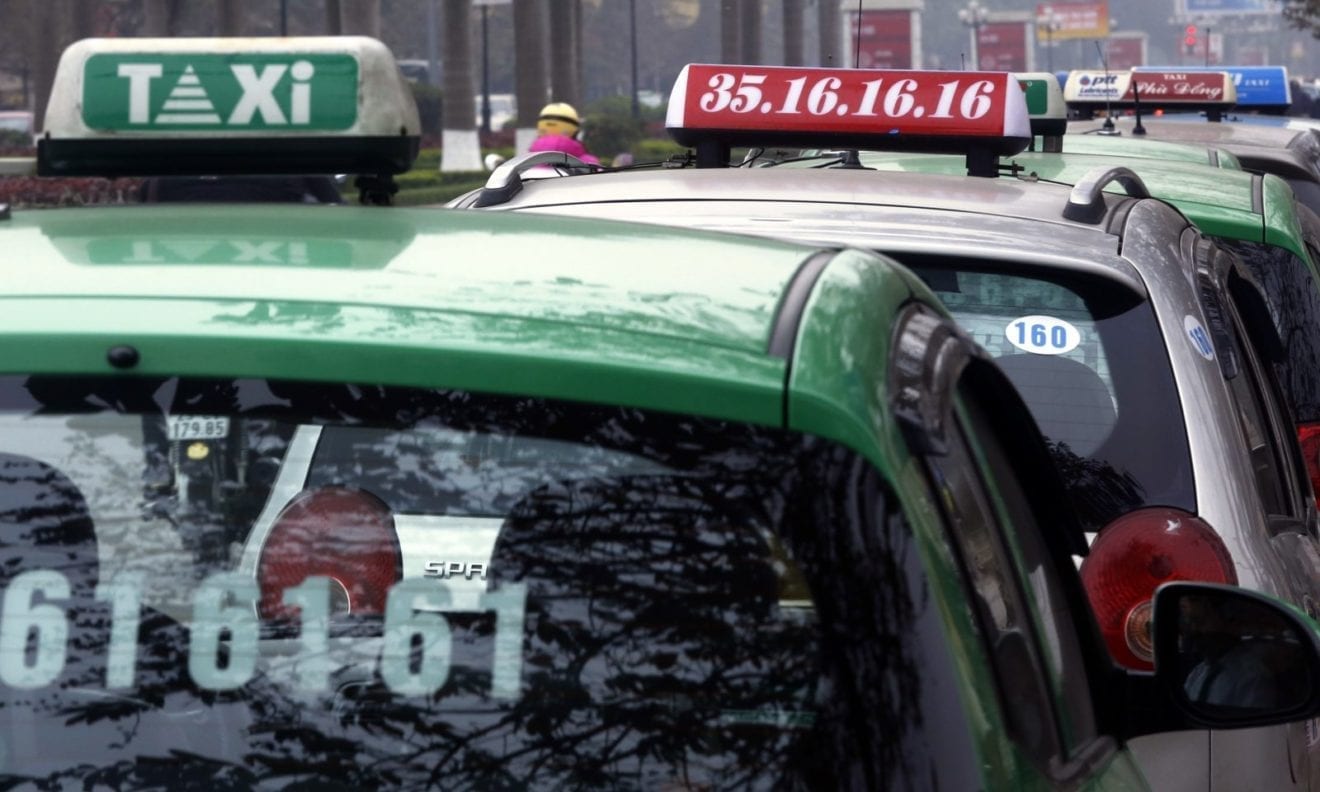
    The opinion is divided among taxi companies about increasing fares after the recent fuel price hikes, with some wanting to do so and others fearing this will lose them, customers.

    After four hikes in recent months, the latest on Oct. 26, the price of E5 RON 92 petrol currently stands at VND23,110 ($1) per liter, VND4,600 higher than in late May.

    The price of RON 95 has reached a seven-year high of VND24,330, nearly VND5,000 up since May.

    According to Ho Quoc Huy, chairman of Mai Linh Group, fuel accounts for 35-40 percent of costs, and so when fuel prices increase by VND5,000 per liter, taxi fares should rise by VND500-600 per kilometer.

    Mai Linh and 70 other taxi firms in Hanoi have been discussing fare-related issues in the last two days, with many warnings they cannot keep fares unchanged, he said.

    If companies do hike fares, they would do so by only VND200-300 to retain customers, many of whom themselves face financial difficulties amid Covid-19, he said.

    Ta Long Hy, President of the HCMC Taxi Association, said: “If taxi fares increase, many people will not use taxi services because their purses are no longer full of money.”

  • Inflation rate lowest in five years

    Inflation rate lowest in five years

    Vietnam’s inflation rate in the first 10 months was 1.81 percent, the lowest since 2016.

    In October alone, inflation fell 0.2 percent from September, as lifted restrictions in localities help boost goods transport and reduce stockpiling demand, General Statistics Office reported.

    Demand for electricity and water also fell as the country transitioned from summer to fall while decreasing rents also contributed to lower inflation, it added.

    Gold prices fell 0.21 percent from September as global rates dropped.

    Vietnam targets to keep inflation rise under 4 percent this year.

  • Vietnamese carrier announces first Vietnam-UK direct flights

    Vietnamese carrier announces first Vietnam-UK direct flights

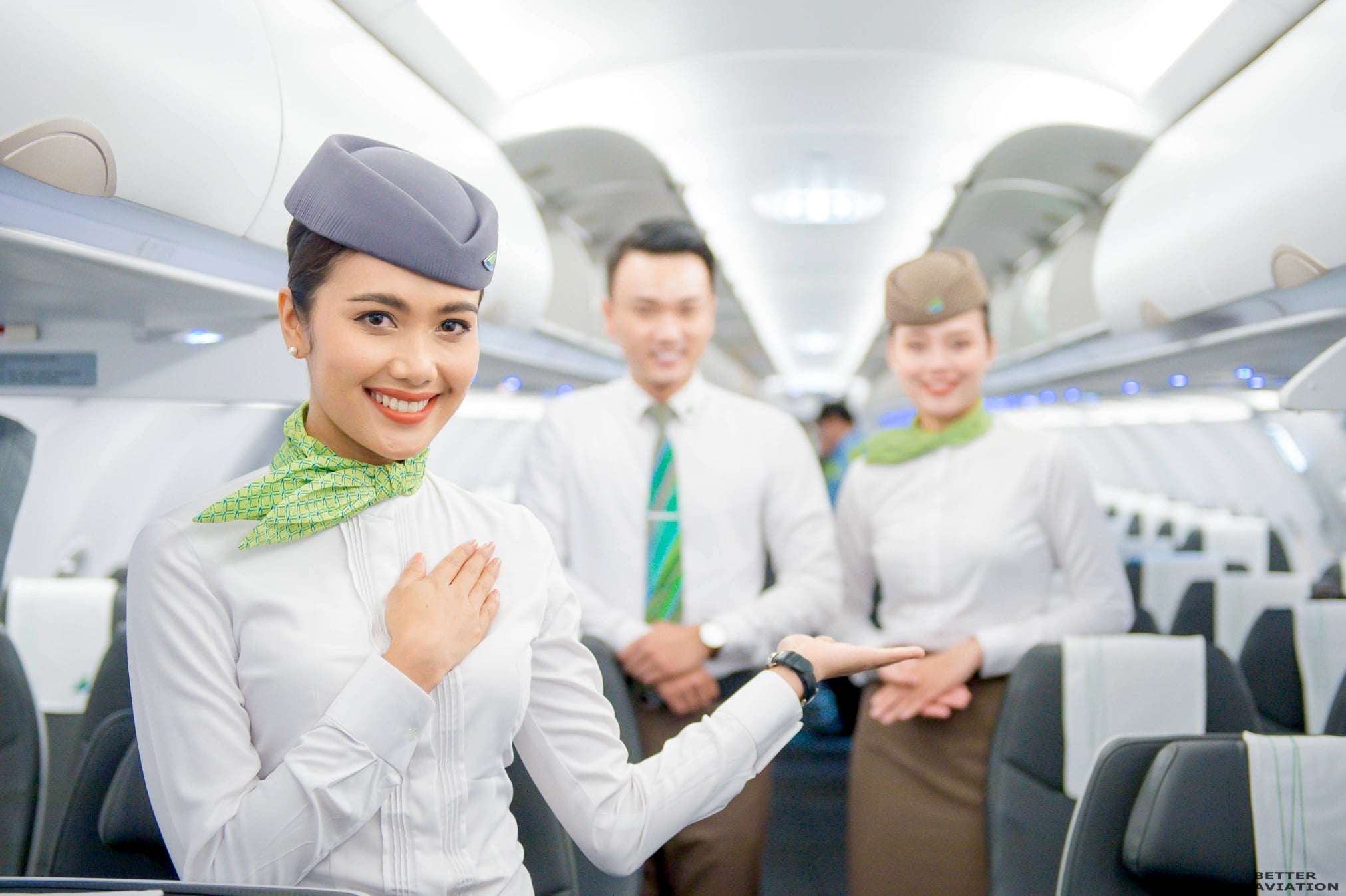
    Bamboo Airways announced the launch of the first Vietnam-U.K. direct flight routes Sunday in the presence of PM Pham Minh Chinh, in the U.K. for the COP26 meet.

    The airline also confirmed that local firm APG UK will be its representative in the U.K.

    Bamboo Airways chairman Trinh Van Quyet said that the direct flights could commence as early as this year when the resumption of commercial flights between the two countries is allowed.

    The airline said it expects to operate six round trips a week between Hanoi, Ho Chi Minh City, and London; and increase frequency based on demand.

    Bamboo Airways’s direct flights would help cut travel time between Vietnam and the U.K. to around 12 hours, seven hours quicker than flights that require transit.

    The flights are expected to drop off and take passengers at Heathrow Airport’s Terminal 2, connecting Vietnam’s Noi Bai and Tan Son Nhat airports with the U.K.’s largest airport. The Boeing 787-9 Dreamliner will be used for flights on the Vietnam-U.K. routes, the airline said.

    Nguyen Hoang Long, Vietnamese ambassador to the U.K., said opening direct flights between the two countries would boost commerce and people-to-people exchanges and would be particularly beneficial for the Vietnamese community in the U.K.

    APG UK, a passenger and cargo representation company, will support the airline with sales, marketing, and customer support as also issues related to aviation policies and procedures.

    There are currently over 100,000 Vietnamese studying and living in the U.K., and around 60 percent of them are in London. In 2019 alone, the number of tourists from the U.K. traveling to Vietnam reached 315,000, a 105 percent increase from the same period in 2018, according to the General Statistics Office. Among European countries, the U.K. has the second-highest number of visitors to Vietnam, the office added.

  • Singaporean logistics unicorn eyes Vietnam as key expansion market

    Singaporean logistics unicorn eyes Vietnam as key expansion market

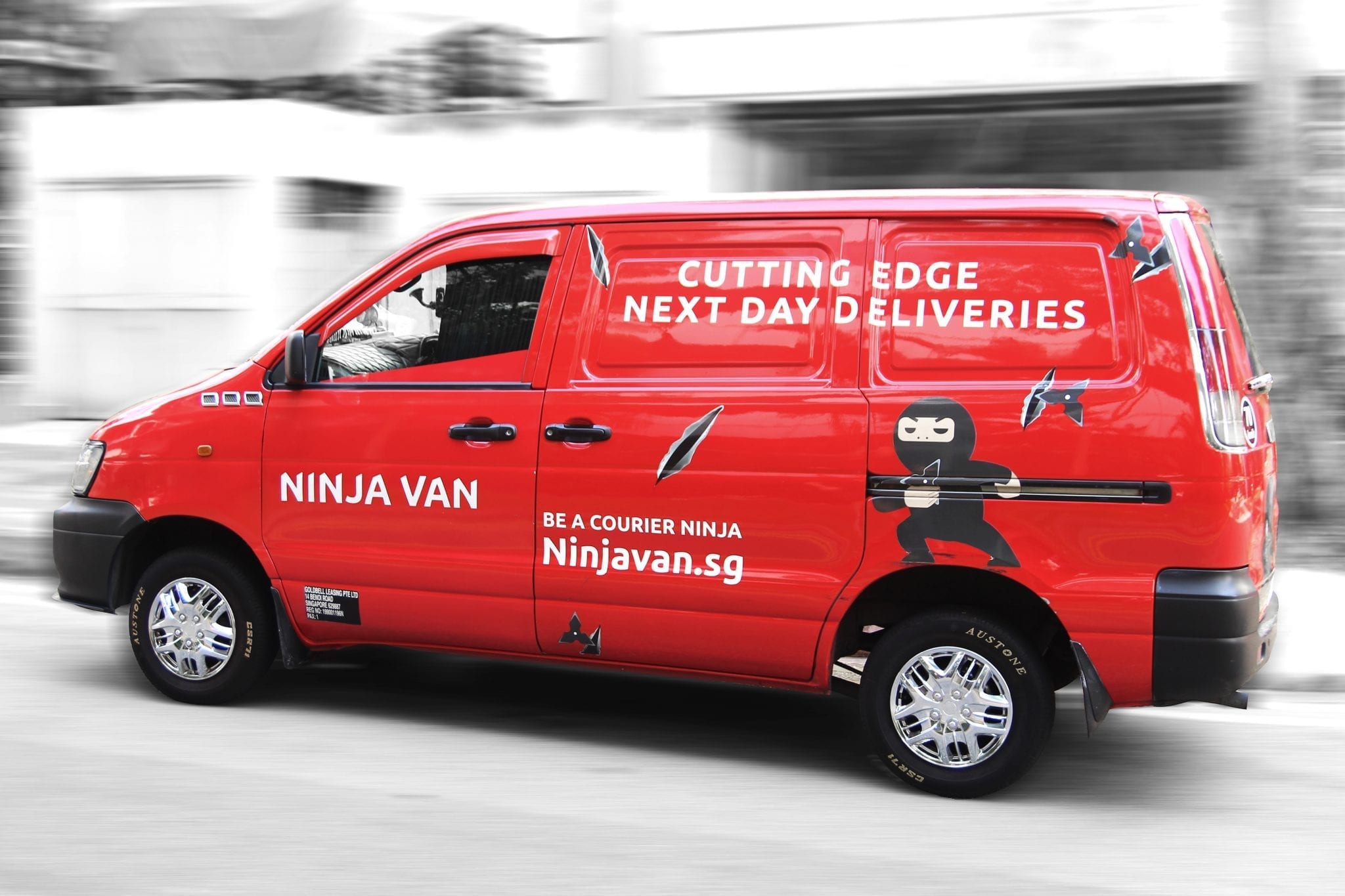
    Ninja Van, a Singaporean logistics startup and new ASEAN unicorn, is set to drive a broad strategy in Vietnam to benefit from the country’s strong e-logistics market growth.

    After successfully raising $578 million in Series E funding, Ninja Van has officially become an ASEAN “unicorn,”.Dzung Phan, president of Ninja Van, said while revealing the startup’s expansion plans for Vietnam and his assessment of its e-logistics market.

    Why did Ninja Van choose Vietnam as a key investment market?

    We believe Vietnam is ready for a new phase of growth in e-logistics. According to Agility, Vietnam ranks 8th among the top world’s fastest-growing logistics markets and 3rd among ASEAN in 2021. Vietnam E-commerce Association (VECOM) also stated the number of postal parcels sent through express delivery services shot up by 47 percent last year.

    Also, e-logistics is strongly driven by the rapid growth of e-commerce. Vietnam’s e-commerce market expanded an average of 30 percent per annum during the period 2016-2019, from $4 billion (2015) to $11.5 billion (2019). According to VECOM, the market will grow at 29 percent annually in 2020-2025, to reach $52 billion (2025).

    The strong potential of Vietnam’s e-logistics market is a good foundation for our ambitious plan. A market with 600,000 sellers and 49.3 million buyers across e-commerce platforms and social networks will generate significant demand for logistics.

    Leading a new unicorn in the e-logistics industry, how do you assess its competitive advantage in Vietnam?

    The domestic e-logistics market is competitive with several “deep pocket” players. The market comprises three main segments: local shipping companies, international shipping companies, and e-commerce platforms with their own in-house shipping ecosystems.

    Domestic enterprises only account for 20 percent of the logistics market share; the remaining 80 percent belongs to international firms with strengths in capital, technology, and experience. Local firms may be backed by international groups, including GHTK by Kerry and AhaMove by Temasek.

    Although the e-logistics market is vibrant, its growth potential is not fully invested in. A survey showed that 60 percent of sellers and 80 percent of buyers are not satisfied with the current quality of express delivery services. Buyers are frustrated by late delivery or the inability to track the flow, while sellers expect more parcels to be delivered.

    Is pricing a major competitive edge in the current e-logistics market?

    Except for the inhouse shipping units of e-commerce platforms, domestic and international players are using price competitiveness to acquire customers quickly. Whenever there is a “newcomer”, delivery costs will drop significantly to maintain the market share and retain customers. Notable discounts were given at the entry of J&T in 2018 and Best in 2020.

    The average shipping price in the Vietnam market fell continuously by 15-20 percent per year from 2017 to 2020. The trend has a negative impact on smaller domestic players, for example, GNN in 2017 suffered a sharp drop in revenue that led to its liquidation. Even international players without strong financial support cannot survive this market, with DHL e-commerce ceasing operations in Vietnam during 2021.

    How does Ninja Van improve the customer experience? Ninja Van focuses on providing a quality and authentic service experience to customers, rather than on pricing alone. Parcel tracking and recovery services for lost or damaged parcels need to be improved.

    Given a tech-enabled personalization of the customer experience, Ninja Van’s nationwide personal delivery service on the Grab app has stepped up during the Covid-19 pandemic. Additionally, we are strengthening our partnership with e-commerce giants including Shopee, Lazada, Tiki, and Sendo.

    With more than 300,000 orders per day, Ninja Van is among the top three partners on all major platforms in Vietnam. These collaborations brought Ninja Van into the top growth 15 companies in the Asia-Pacific region in 2021 as reported by Financial Times.

    To gain trust, we do all possible to help our customers succeed, such as ensuring timely pickup, prompt delivery without loss. In addition, we understand that our partners are working at a large scale, so we do our utmost to optimize our cost structure and provide an attractive rate.

    As a result, we became the most active provider by offering various value-added services, such as return pickup to Lazada, bulky and super bulky delivery for Tiki, or installation services for Shopee.

    With an additional $578 million in Series E, what is the level of ambition in terms of your expansion strategy?

    – Ninja Van is committed to driving a broad strategy in Vietnam in particular and in ASEAN in general. This strategy will cover all three sectors: operations, technical systems, ecosystems for small and retail customers.

    Specifically, Ninja Van will increase its coverage in 63 cities and provinces to reach 100 percent of the Vietnamese population. We will also prepare an automatic sorting system with a capacity of two million packages at five major cities to increase delivery speed.

    We will build and improve web and mobile application platforms to enhance customer experience. We seek to enable both sellers and buyers to track parcels and make inquiries in real-time.

    Notably, we will broaden our cross-border delivery with two new services: Ninja Direct, which helps Vietnamese sellers look for better sourcing with better rates in multiple countries; and Ninja Crossborder, which helps Vietnamese manufacturers reach out to buyers all over the world.

    Moreover, we will complete business activities for the fourth quarter of 2021. For example, based on our big data analytics, we have opened training courses to detect anomalies and outliers to provide timely resolutions for all customers. In 2020, we created 40 different training modules for our shippers and warehouse staff to avoid recalcitrant buyer behavior on COD free delivery services.

    Ninja Van will launch a promotional campaign in Vietnam “Giao thong suot, Nhan ven nguyen” (Smooth delivery, Parcel intact) to support sellers in the fourth quarter. With all staff vaccinated against Covid-19, Ninja Van will maintain its service delivery price during the pandemic to support hard-hit customers.

  • Apple’s Talks With Chinese Battery Makers CATL And BYD

    Apple’s Talks With Chinese Battery Makers CATL And BYD

    Apple Inc’s talks with China’s CATL and BYD over battery supplies for its planned electric vehicle have been mostly stalled after they refused to set up teams and build U.S. plants that would solely cater to the tech giant, three people with knowledge of the discussions said.

    The firms informed Apple sometime in the past two months that they were not able to meet its requirements, the people said. But the U.S. company has not given up hope of resuming talks with either CATL or BYD, according to one source.

    Chinese battery makers are more advanced than rivals in the development of lithium iron phosphate (LFP) batteries which are cheaper to produce and sources have previously said Apple favors this battery technology.

    CATL, the world’s No.1 maker of batteries for EVs, has been reluctant to build a U.S. factory due to political tensions between Washington and Beijing as well as cost concerns, said one of the people with direct knowledge of the talks.

    The Chinese firm has also found it impossible to set up a separate product development team exclusively working with Apple due to difficulties in finding sufficient personnel, the person added.

    BYD, which has an iron-phosphate battery plant in Lancaster, California, declined to build a new factory and team that would solely focus on supplying Apple, said two of the sources.

    The stalled discussions have meant that Apple has been considering Japanese battery makers and it sent a group of people to Japan this month, they added.

    Panasonic Corp is one of the companies that Apple is considering, said one of the people.

    The sources declined to be identified as the talks were confidential. Apple, BYD and Panasonic declined to comment.

    CATL said in a statement to Reuters that it denied “the relevant information”.

    “We are evaluating the opportunity and possibility of manufacture localization in North America,” the statement said, adding that it has a dedicated professional team exclusively for each customer.

    Sources said last year Apple was aiming to launch an electric car by 2024. Apple has not publicly disclosed its plans. The stall in discussions comes at a time when U.S. President Joe Biden is seeking to make the United States a powerhouse in electric cars, setting a goal of having half of all new vehicles sold in 2030 electric.

    Any delays in securing battery supplies could further impede EV development for Apple which last month lost the head of its car project, Doug Field, after he decided to return to Ford Motor Co.

    Tesla Inc, which has been making some of its Model 3 and Model Y cars in China with LFP batteries from CATL, said this week it intended to use that battery chemistry outside China as well.

    CATL and BYD use a type of battery pack technology to improve the performance of LFP batteries. Without that, LFP batteries usually offer much shorter driving ranges and lower energy density than the more expensive lithium batteries that use cobalt and nickel.