Tag: asia

  • Taiwan’s Foxconn Discussing Electric Vehicle Plant In Wisconsin

    Taiwan’s Foxconn Discussing Electric Vehicle Plant In Wisconsin

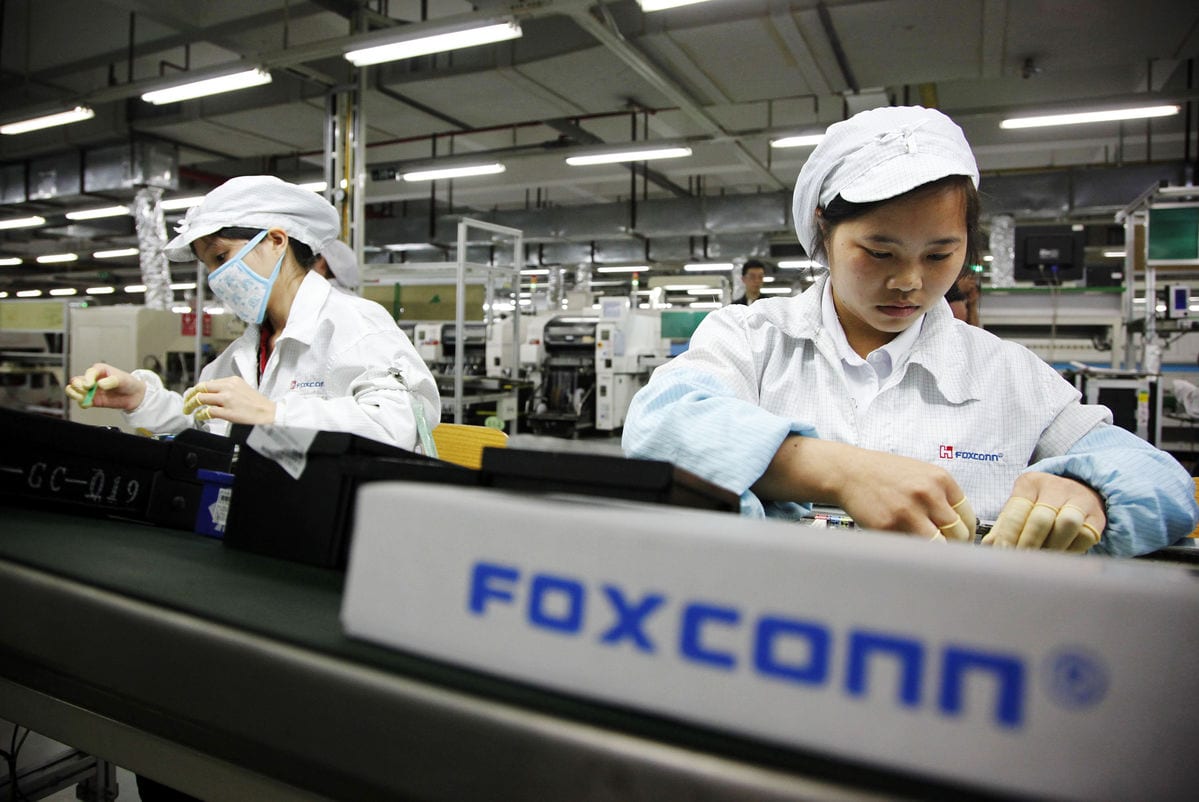
    Taiwan’s Foxconn said on Friday it was in talks with the U.S. state of Wisconsin about building electric vehicles there, part of the major Apple Inc supplier’s push to diversify income streams.

    Foxconn and electric car manufacturer Fisker Inc said in May that they had finalized a vehicle-assembly deal. They did not identify a location, but Fisker’s CEO said Foxconn’s Wisconsin site was a possibility.

    In a statement, Foxconn said it had begun discussions with Wisconsin.

    “Foxconn has engaged the Wisconsin Economic Development Corporation to discuss the company’s plans for electric vehicle manufacturing. Foxconn is optimistic about our partnership with WEDC and looks forward to ongoing discussions,” it added.

    The company formally called Hon Hai Precision Industry, gave no further details.

    A Wisconsin Economic Development Corp spokesman said the agency does not comment on any potential talks until a contract is executed.

    In April, Foxconn drastically scaled back a planned $10 billion factory in Wisconsin, confirming its retreat from a project that former U.S. President Donald Trump once called “the eighth wonder of the world” and was supposed to build cutting-edge flat-panel display screens.

    A month earlier, Foxconn’s chairman said it may make electric vehicles (EVs) at the Wisconsin site, though could decide on Mexico, and would make a decision this year.

    Over the past year or so Foxconn has announced several deals on the production of EVs with automakers including Fisker, China’s Byton and Zhejiang Geely Holding Group, and Stellantis NV’s Fiat Chrysler unit.

    On Friday, Fisker said talks with Wisconsin economic development officials were normal in the process of evaluating potential plant sites. The carmaker said in May it had finalized plans for Foxconn to build vehicles for the electric car startup at a U.S. plant starting in 2023, and Wisconsin was one of four options.

    Foxconn aims to provide components or services to 10% of the world’s EVs by 2025 to 2027, posing a threat to established automakers by allowing technology companies a shortcut to competing in the vehicle market.
  • Ex-Maybank Private Wealth Head Resurfaces

    Ex-Maybank Private Wealth Head Resurfaces

    Maybank’s former head of private wealth has reemerged at a rival Southeast Asian private bank.

    Khoo Lin-Wein was named head of wealth at Vietnam’s Techcombank, sources based in Hanoi said.

    Founded in 1993, Techcombank is one of the largest joint-stock banks in Vietnam today with over 300 branches and more than 5 million customers.

    Khoo is an industry veteran, having first started his career at Mizuho where he was an equity sales trader from 1994 to 1998.

    Since then, he has focused on private banking and has worked with the likes of Coutts, Morgan Stanley, Credit Suisse, Deutsche Bank and, most recently, Maybank where he was head of private wealth for four years.

  • China Warns Against Stablecoins

    China Warns Against Stablecoins

    Beijing continues to express negative sentiments about cryptocurrencies, in the midst of a nationwide crackdown, this time with the central bank calling out stablecoins as a source of instability.

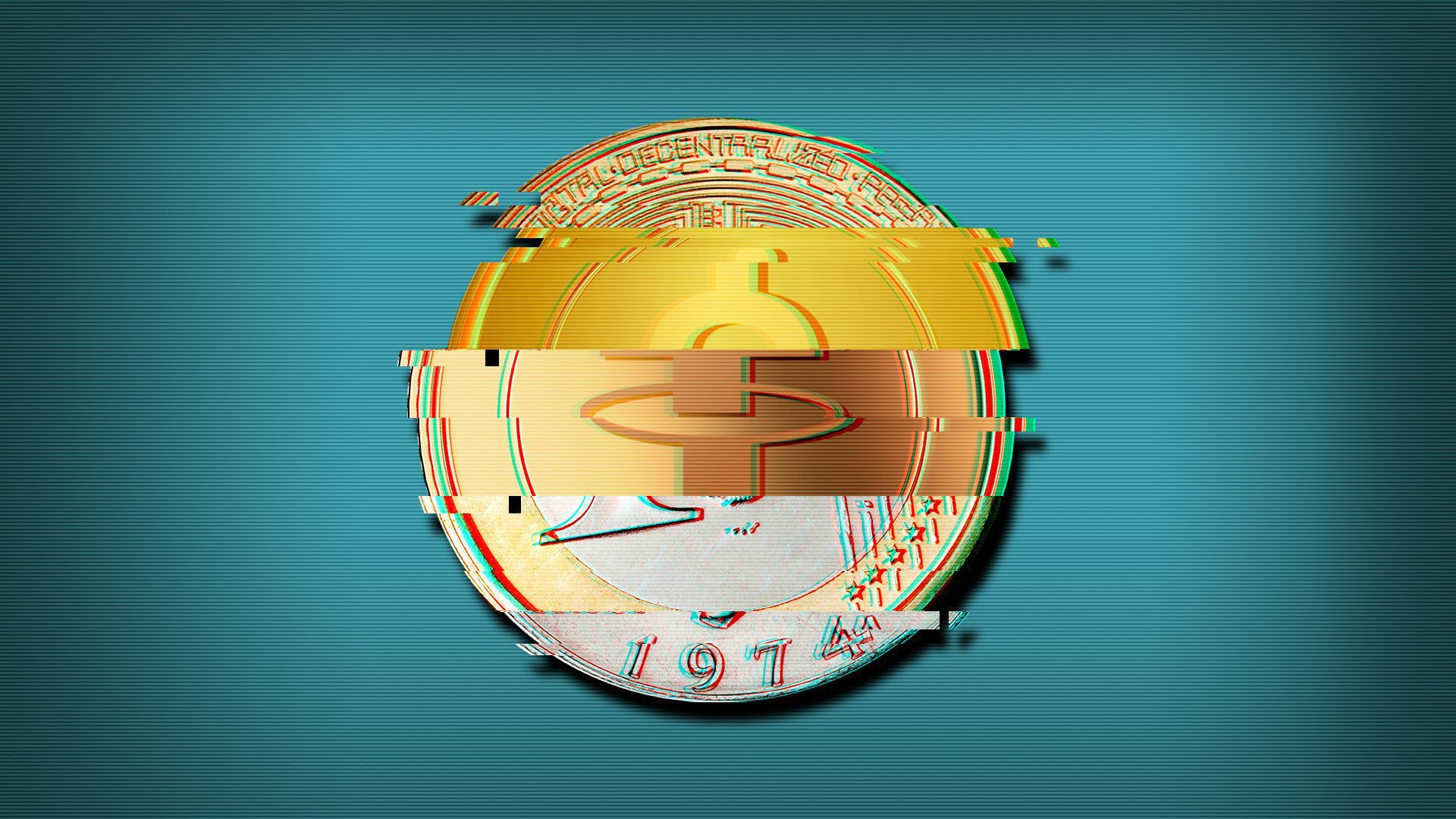
    Fan Yifei, deputy governor of the People Bank of China, said stablecoins – a cryptocurrency usually pegged to a reserve asset like the U.S. dollar or gold – posed serious risks to the global financial system.

    Speculation of stable coins have threatened financial security and social stability while also being used as a payment for illegal activities and money laundering, Fan said at a press briefing yesterday.

    He added that the government had already taken some action to limit stablecoin growth in the country.

    In contrast, Fan underlined that the digital yuan did not have the same problems as stablecoins.

    He also highlighted that those interested can apply to join a «white list» at state-owned banks that distribute the digital currency with 10 million such users on the list.

    We have the confidence to continue increasing the scope of the trials,» said Fan, naming the Beijing Winter Olympics in 2022 as the location for the next key trial.

    While the promise of stablecoins is to act as a replication of fiat currencies, it is currently being largely used as a medium to park money on crypto exchanges for relative ease compared to cash.

    Alongside the broader crypto market, stablecoins have experience tremendous growth with the two largest coins – Tether and USDC – boasting a total market capitalization of over $100 billion, as of the end of May.

  • Foreign shipping lines impose irrational fees

    Foreign shipping lines impose irrational fees

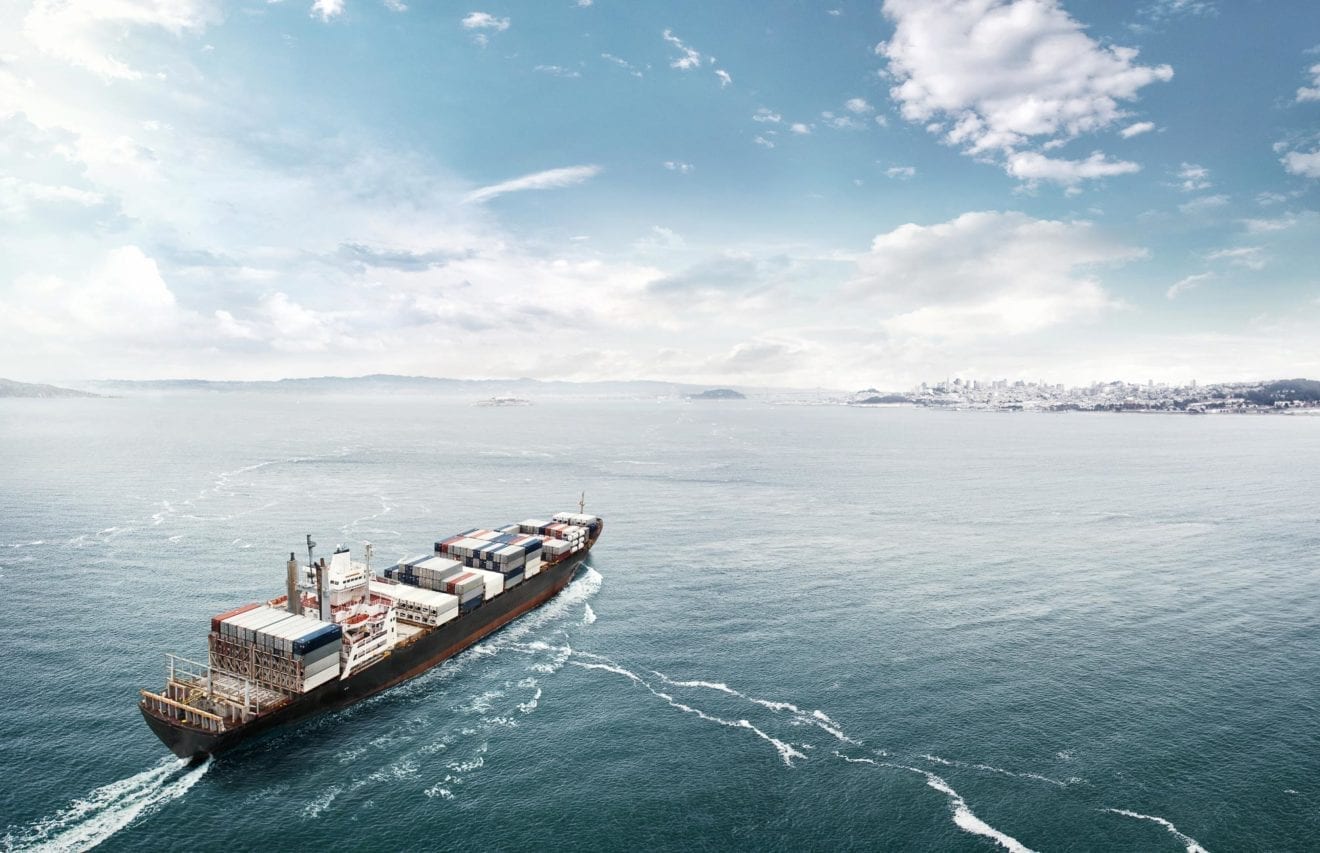
    Foreign shipping lines have irrationally imposed several fees and created headaches for domestic exporters, an inspection team has concluded.

    The Vietnam Marine Administration has reported the findings to the Transport Ministry.

    The inspection team studied the practices of 10 foreign shipping lines – MSC, OOCL, CMA – CGM, Hapag – Lloyd, ONE, Evergreen, HMM, Maersk Lines, and Yangming – between March and May after they rampantly increased freights and surcharges.

    According to the administration, sea freight started to surge in October 2020, especially on routes to Europe and North America. In April 2021, the freight for a 40-foot container from Vietnam to Europe was $6,500-8,000, and for a 20-foot container to America, $6,000-7,000; an increase of 5-7 times over late last year.

    The key reason for the hike was China’s economic recovery after being hard hit by Covid-19. A large number of empty containers were booked by China, resulting in reduced supply and increased demand, and in turn, higher freight.

    The shipping team found that the shipping lines listed freight on their websites but did not display the time of listing, so it was impossible to know when those came into force. The shipping firms even applied floating freights for small customers without long-term contracts.

    In addition to increasing freights, the shipping lines applied 3-5 surcharges for goods loading and unloading, container cleaning, documentation and lead sealing. Up to 9 shipping firms imposed loading and uploading surcharges of $100-170 per container. Some firms applied feels like petrol surcharges infrequently.

    The team said the shipping lines imposed surcharges without agreements with customers, and without explaining the reason or announcing a time frame it.

    The firms also applied a Verified Gross Mass (VGM) fee of $30-50, but they did not have to pay it the inspection time found.

    It is difficult to monitor surcharges because shipping lines do not have to declare these to agencies.

    “Shipping lines decide freights and surcharges themselves. Small and seasonal Vietnamese customers have no plans to sign long-term shipment contracts, so they face many risks amid volatile markets,” the inspection report said.

    Shipping lines do not have to register transport routes, so they are free to add or remove ships from them, which poses a risk to local exporters.

    The administration has proposed the Finance Ministry to consider amending regulations on freights and surcharges of shipping lines imposed at Vietnamese ports. It has also proposed the Transport Ministry to issue new regulations on registering transport routes, schedules and cargo volumes in Vietnam to prevent shipping lines from unilaterally delaying or quitting voyages, or canceling space bookings, and increasing punishments for freight listing violations.

    Some 40 shipping lines frequently operate in Vietnam, securing a lion’s share of 95 percent of the country’s import-export transport. Vietnamese shipping firms have not been able to run routes to Europe and North America.

    Nine shipping lines inspected by the teams currently run routes from Lach Huyen Seaport in the northern city of Hai Phong and from Cai Mep-Thi Vai Seaport in the southern province of Ba Ria Vung Tau to Europe with 2 voyages a week, and 18 voyages to North America.

    Foreign shipping lines typically have representatives in Vietnam in the form of wholly foreign-owned enterprises.

  • Snackinar beef strips offer natural snacking alternative to jerky

    Snackinar beef strips offer natural snacking alternative to jerky

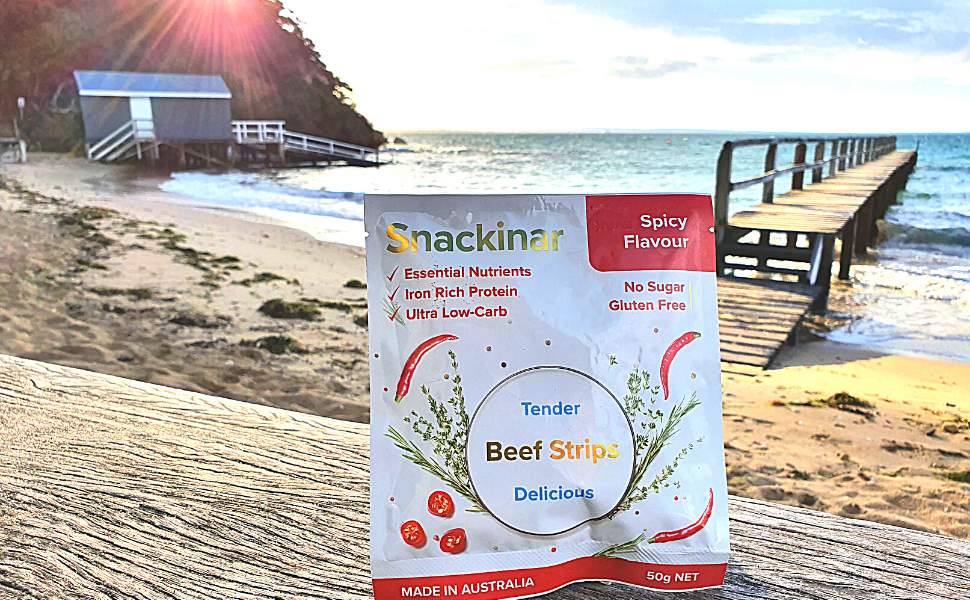
    As more consumers seek healthier options, Snackinar, a new brand in the Australian beef industry, has launched a range of ready-to-eat meat snacks called Beef Strips.

    An alternative to beef jerky, the ready-to-eat meat snacks use only natural seasonings like herbs, spices, salt, garlic, and chemical additives, said Snackinar.

    According to founder Michael Hearne, the Beef Strips were developed in search of great-tasting and convenient protein snacks – sans the sugar.

    “Snacks have typically undermined that, and almost all of the high-protein options available today are laden with carbs, which we know is basically sugar. You might as well eat chocolate,” said Hearne.

    “Snackinar products are high in protein and essential nutrients without the sugar. For me personally, it’s the perfect post-exercise snack, and I’ve heard they’re a nice change from cheese when sipping wine.”

    Snackinar Beef Strips are currently available on Amazon Australia.

  • Gordon’s launches alcohol-free gin option in Australia

    Gordon’s launches alcohol-free gin option in Australia

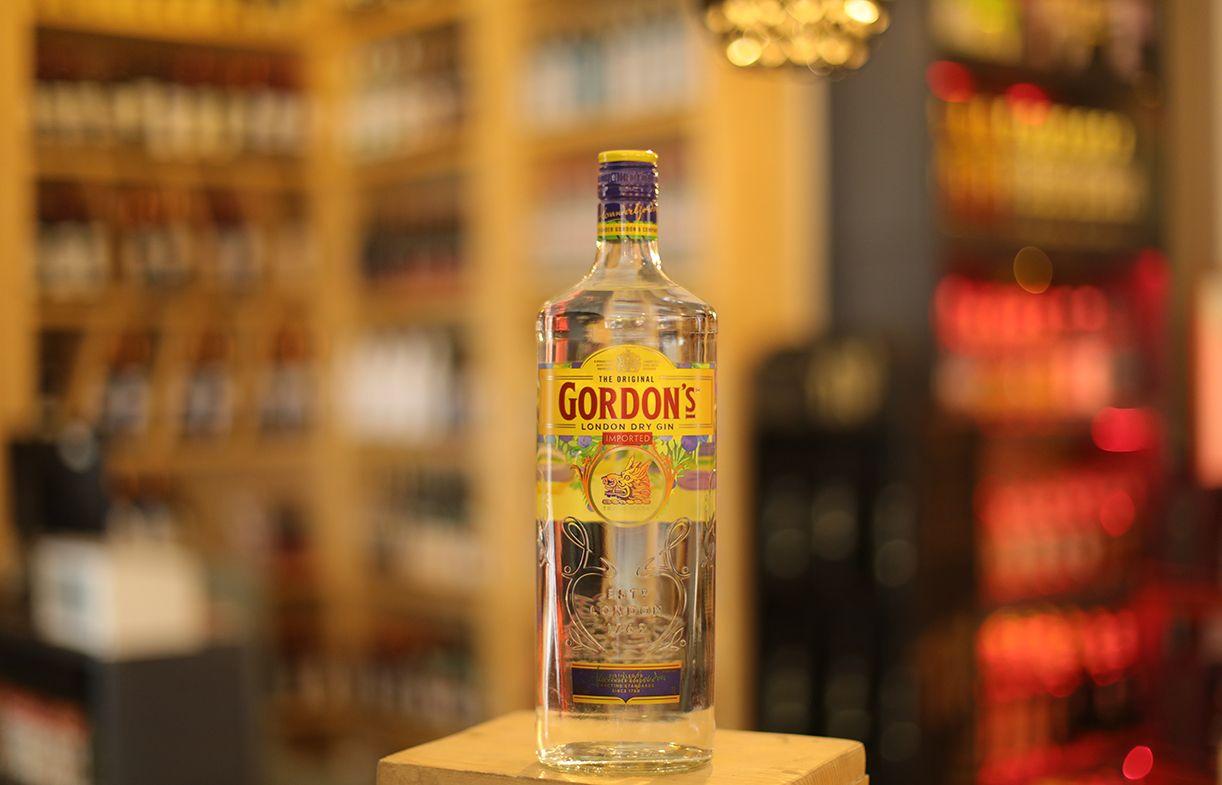
    British gin manufacturer Gordon’s has introduced its first alcohol-free product in Australia, as gin consumption soars across the nation – in tandem with surging interest in non-alcoholic drinks.

    Similar to the brand’s signature London Dry Gin, Gordon’s 0.0% doesn’t compromise on flavor and is created by distilling the same botanicals, the brand says.

    “We believe this alcohol-free option allows Gordon’s to be enjoyed on a bigger breadth of occasions, without having to compromise,” said Madeleine Stockwell, marketing manager at Gordon’s.

    “Our expert innovation team at Gordon’s has combined years of expertise and historic gin distilling knowledge to create a credible alcohol-free experience,” said Chris Moschos, innovation marketing manager at Diageo.

    Gordon’s 0.0% is available nationwide in a 330ml ready-to-drink bottle – premixed with tonic – for $14.50 RRP, along with a 700ml spirit bottle at $34.99 RRP.

  • Indonesia’s Bukalapak kicks off $1.1 billion IPO

    Indonesia’s Bukalapak kicks off $1.1 billion IPO

    Indonesia’s Bukalapak launched an up to $1.13 billion IPO ahead of next month’s listing, marking the country’s biggest issue in over a decade amid rising investor appetite for tech stocks in a region boasting a growing consumer class, according to a term sheet seen by Reuters.

    The e-commerce company, which counts Singapore sovereign investor GIC and Microsoft among its backers, is set to be valued at $5.6 billion at the top end of a price range, doubling the company’s valuation from two years ago.

    Details of the IPO are currently being announced at an investor briefing.

    Reuters reported on Thursday that Bukalapak, the country’s fourth-biggest e-commerce firm, was targeting raising more than $1 billion in its IPO, 25% more than previously planned.

  • Telenor sells Myanmar operations to Lebanon’s M1 Group for $105 million

    Telenor sells Myanmar operations to Lebanon’s M1 Group for $105 million

    Telenor Group has entered into an agreement to sell 100 percent of its mobile operations in Myanmar to M1 Group for a total consideration of US$105 million USD, of which US$55 million is a deferred payment over five years. The transaction corresponds to an implied enterprise value of approximately US$600 million USD. M1 Group will acquire all the shares in Telenor Myanmar and continue the current operation.

    On 4 May, Telenor Group announced an impairment of Telenor Myanmar. Telenor underlined at the time that the operations in Myanmar continued and that the future presence would depend on the developments in the country and the ability to contribute positively to the people of Myanmar. Further deterioration of the situation and recent developments in Myanmar form the basis for the decision to divest the company. In the present situation, it has not been possible for Telenor to conduct an ordinary sales process.

    “The situation in Myanmar has over the past months become increasingly challenging for Telenor for people security, regulatory and compliance reasons. We have evaluated all options and believe a sale of the company is the best possible solution in this situation. The agreement to sell to M1 Group will ensure continued operations. Telenor entered Myanmar because we believed that access to affordable mobile services would support the country’s development and growth. I wish to thank all employees and partners who have taken significant efforts to build a company that has impacted the people of Myanmar and has provided state of the art telco services during Telenor’s years in the country,” says Sigve Brekke President and CEO of Telenor Group.

    Since operations started in 2014, Telenor’s funding to Myanmar has been around 5.3 billion NOK. After turning cash flow positive in 2017, Telenor Myanmar has distributed approximately 3.2 billion NOK in dividends. With effect from the second quarter of 2021, Telenor Myanmar will be treated as an asset held for sale and discontinued operations. The gain/loss calculation arising from the transaction will be impacted, inter alia, by the accumulated translation differences related to the Myanmar operation and will be finally determined at closing. The transaction is subject to regulatory approvals in Myanmar.

  • China Tightens Offshore Listing Rules

    China Tightens Offshore Listing Rules

    Chinese companies are set to face more even more pressures when listing abroad following a statement from the country’s cabinet that signaled tighter supervision.

    China will increase supervision over Chinese firms listed offshore, according to a statement from the State Council underlining a focus on cross-border data flows and security as well as illegal activities in the securities market such as fraudulent issuances, market manipulation and insider trading.

    The rule changes will empower domestic regulators to have influence over Chinese firms seeking to go public on foreign stock exchanges.

    The decision by Chinese authorities to revise listing rules follows ride-hilling giant Didi’s $4.4 billion market debut in New York last week.

    Shortly after Didi’s IPO, the Cyberspace Administration of China (CAC) launched a probe against the firm and banned it from accepting new users during the review.

    Didi’s stock price has fallen by a around quarter to $12.49 from its post-IPO peak of $16.40.

  • Huawei lands 4G licensing deal for Volkswagen cars

    Huawei lands 4G licensing deal for Volkswagen cars

    Huawei announced it has reached a license agreement with a supplier of Volkswagen Group. The agreement includes a license under Huawei’s 4G standard-essential patents (SEPs), which covers Volkswagen vehicles equipped with wireless connectivity. This agreement marks Huawei’s largest licensing deal in the automotive industry.

    Song Liuping, Chief Legal Officer of Huawei, says: “As an innovative company, we own a leading patent portfolio for wireless technologies, which creates great value for the automotive industry. We are pleased that key players from the automotive industry recognize that value. We believe this license will benefit worldwide consumers with our advanced technology.”

    Huawei expects more than 30 million vehicles to be licensed under its patents based on existing license agreements.

    Over the past 20 years, Huawei has entered into more than 100 patent license agreements with major global companies across Europe, the United States, Japan, and South Korea. Huawei will continue to bring digital connectivity to more vehicles globally to establish a fully connected, intelligent world.

  • South Korea’s Samsung SDI Considers Building Battery Cell Plant In U.S.

    South Korea’s Samsung SDI Considers Building Battery Cell Plant In U.S.

    South Korea’s Samsung SDI Co may build a battery cell plant in the United States to support the auto industry’s shift to electrification, a company source with close knowledge of the matter told Reuters on Thursday. Samsung SDI, an affiliate of Samsung Electronics, has been in talks with automakers including Stellantis, Amazon and Ford Motor-backed electric vehicle startup Rivian to supply batteries manufactured at its potential U.S. factory, the source said.

    The South Korean battery maker is considering investing at least 3 trillion won ($2.62 billion) to manufacture batteries for Stellantis and a minimum of 1 trillion won for batteries to Rivian, according to the source.

    The source added that Samsung SDI has not yet decided whether they would launch the U.S. plant as a joint venture with carmakers, or as an independent manufacturing site.

    The source said the decision to build in the U.S. reflects the changes on tariff rules in the United States-Mexico-Canada Agreement (USMCA) that took effect last year, replacing the 1994 North American Free Trade Agreement (NAFTA).

    The South Korean battery maker is considering investing at least 3 trillion won ($2.62 billion) to manufacture batteries for Stellantis

    The USMCA requires that vehicles have 75% North American content compared with a 62.5% threshold under NAFTA in order to avoid tariffs.

    “We have been reviewing our expansion in the United States, but nothing has been decided yet,” a Samsung SDI spokesperson said, adding that the company cannot disclose details of talks with customers.

    Samsung SDI has EV battery plants in South Korea, China and Hungary, which supply customers such as BMW, Ford, Volvo, and Volkswagen.

    Samsung SDI’s domestic rivals LG Energy Solution and SK Innovation Co Ltd have announced separate plans to manufacture EV battery cells in the U.S. Samsung SDI is also considering investing 1 trillion won for batteries to Rivian

    Formed in January by the merger of Italian-American group Fiat Chrysler and France’s PSA, Stellantis has battery plant projects in France and in Germany, both in a joint venture with a subsidiary of TotalEnergies.

    Reuters reported on Wednesday that Stellantis is making progress on finalizing a deal to build a battery plant in Italy.

    The carmaker has said it would take a decision on additional battery factories in Europe and in the U.S. this year.

  • OCBC Creates Dozens of Sustainability-Related Jobs

    OCBC Creates Dozens of Sustainability-Related Jobs

    Singapore’s OCBC has created more than 50 sustainability-related jobs over the last two years as part of a broader plan to internally promote the space.

    The 50 jobs span across sustainable business development, sustainable product development, sustainability research, ESG assessment, ESG reporting, ESG regulatory and compliance, sustainable stewardship, and community development and environmental conservation programs, according to a statement.

    This is part of the «OCBC Future Smart Program» which is now in its second phase with an investment of $30 million over the next three years.

    The program and its first phase were launched in 2018 with an investment commitment of $20 million over three years.

    Since the program kicked off, the bank has developed numerous training modules, sub-programs, certification pathways while further driving learning through desktop and mobile platforms.

    1,900 programs have been launched for OCBC’s 30,000 employees groupwide which have achieved more than 178,000 completions.

    Major change is afoot on the job front and roles that are available today may no longer be needed or will be significantly disrupted tomorrow, said OCBC’s head of group human resources Jason Ho. New threats to the business emerge continuously. We are confident that as long as we continue to learn, un-learn and re-learn as an organization, we will be able to turn threats into opportunities.

  • Tesla Sold 33,155 China-Made Vehicles In June

    Tesla Sold 33,155 China-Made Vehicles In June

    U.S. electric vehicle maker Tesla Inc sold 33,155 China-made vehicles, including those for export, in June, China Passenger Car Association (CPCA) said on Thursday.

    Tesla, which is making Model 3 sedans and Model Y sport-utility vehicles in Shanghai, sold 28,138 China-made cars in China and exported 5,017 cars in June.

    In May, Tesla sold 33,463 China-made cars.

    On Thursday, Tesla launched Model Y cars with a standard driving range in China, lowering the starting price for the vehicle to 276,000 yuan ($42,588) in the world’s biggest auto market.

    BYD sold 40,532 so-called new energy vehicles, which include battery-electric and plug-in hybrid vehicles, last month in China. General Motors Co’s venture with SAIC Motor sold 30,479 such cars.

    CPCA also said China sold 1.6 million passenger cars in June, down 5.3% from a year earlier.

  • Coles boosts baby products range with 150 new products

    Coles boosts baby products range with 150 new products

    Coles is expanding its baby products range by more than 150 new products while reducing retail price of major baby brands during the next four weeks.

    The 150 new products include reusable nappies and baby wipes such as Nat Baby and Cub Bare, bamboo feeding accessories, organic baby food pouches and limited-edition toys and clothing.

    Coles has also rolled out affordable items such as Little Tikes toddler toys, playpens and baby monitors part of the limited edition Coles’ Best Buys range which is available across 340 Coles supermarkets.

    “We know that more than ever, our customers are looking for baby products that are practical and affordable,” said Jonathan Torr, GM for health and home at Coles.

    Besides boosting the baby products range, Coles has also reduced prices for selected products, including Huggies nappies, Ecostore, Aveeno Baby and Johnson & Johnson bath and body products.

    “The new baby range and slashed prices across the baby aisle are another way we can provide more value to our customers when trying to manage the weekly shopping budget for their growing family,” said Torr.

  • Citi Private Bank Hires Global Market Head for China

    Citi Private Bank Hires Global Market Head for China

    Citi Private Bank has named a new global market head for China-based in Singapore.

    Lillian Liao joins Citi Private Bank as a managing director and global market head, China, sources said, reporting to North Asia head of private banking Rudolf Hitsch. A spokesperson for the bank declined to comment.

    Liao joins from Credit Suisse where she spent nearly 13 years last as a managing director and senior client partner.

    Citi Private Bank continues to bolster senior talent in the region following a reorganization that saw it merge retail, wealth management and private banking into a single unit – Citi Global Wealth (CGW). Citi Private Bank’s APAC head Steven Lo was named as co-head of the CGW unit in the region.

    Last month, the American private bank added ex-UBP wealth planner Faye Ong as head of the family office advisory, private capital group.

    And in May, it appointed 30-year Citi banker Lee Lung Nien as South Asia head of private banking.