Tag: asia

  • Vietnam economy to expand 6.7 pct in 2021

    Vietnam economy to expand 6.7 pct in 2021

    Singaporean lender United Overseas Bank (UOB) forecast Vietnam’s GDP would grow by 6.7 percent this year.

    It said Vietnam’s economic growth trajectory remained on track, with exports in the first five months growing 35.5 percent year-on-year, while imports rose 54 percent.

    Foreign direct investment (FDI) inflows remain upbeat so far in 2021, a reflection of investor confidence and Vietnam’s relevance in the global supply chain. Registered capital FDI this year as of May hit $14 billion, rising marginally by 1 percent from last year.

    However, the fourth outbreak of Covid-19 that started on April 27 has resulted in movement restrictions and lockdowns that disrupted a range of business and manufacturing operations, it said in a Friday report.

    UOB said the recent outbreaks of Covid-19 and the discovery of new virus variants certainly pose a downside risk to the economy, as vaccination rates have been low relative to neighboring countries.

    One factor to watch, according to UOB, is Vietnam’s inflation rate, which has risen to 2.9% year-on-year in May. Inflation rates in May increased by 0.16 percentage points compared to April, the highest growth rate since September 2020, driven by the growth in transportation and housing prices.

    The government has a growth target of 6.5 percent this year.

  • China’s Automaker Great Wall Aims To Sell 4 Million Cars In 2025

    China’s Automaker Great Wall Aims To Sell 4 Million Cars In 2025

    Great Wall Motor is targeting an annual sales of 4 million vehicles in 2025, Chairman Wei Jianjun said on Monday, as China’s top pickup truck maker sees an increase in the demand for leisure use.

    Great Wall’s revenue is expected to reach 600 billion yuan ($92.86 billion) in 2025, Wei said in a briefing on the company’s strategy at its headquarters.

    Great Wall, which sold 1.1 million cars last year, aims for 80 percent of its annual sales in 2025 to be new energy vehicles, including battery-electric, plug-in hybrid, and hydrogen fuel cell vehicles.

    It targets to sell 2.8 million cars in 2023 with a product lineup of more than 60 models, Meng Xiangjun, a senior executive at Great Wall said.

    China, the world’s largest auto market, rolled out supportive policies for hydrogen fuel-cell vehicles last year, which require local governments and companies to build a more mature supply chain and business model for the industry.

    Baoding-based Great Wall is building a car plant in China with BMW for electric vehicles. The company plans to be carbon-neutral in 2045, earlier than China’s overall target of 2060.

    Great Wall, which competes with Geely and BYD, is also planning to manufacture cars in Russia and Thailand.

  • Toyota-Backed Self-Driving Startup Pony.ai Considers Going Public

    Toyota-Backed Self-Driving Startup Pony.ai Considers Going Public

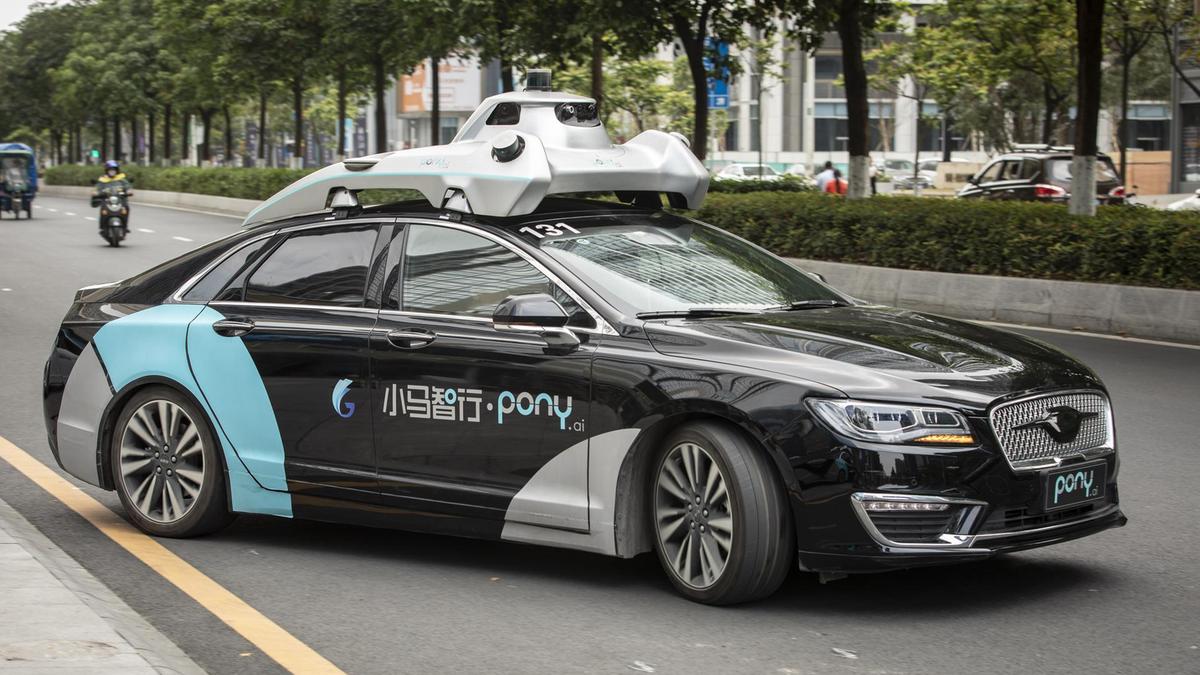
    Self-driving tech company Pony.ai, backed by Toyota Motor, is considering going public in the United States to help fund its goal of commercializing driverless ride-hailing services, its chief executive said. The startup, active in the United States and China, plans to install its technology in hundreds of vehicles next year, rising to tens of thousands in 2024-2025, he said.

    Self-driving startups such as Alphabet Inc’s Waymo and General Motors Co’s Cruise have been racing to raise capital as the industry prepares to scale up operations.

    Still, beyond the time taken to address technological challenges and the massive cost of producing self-driving cars, the industry still has to persuade global regulators as well as the public as to the safety of full automation.

    “For autonomous driving, it’s a big opportunity. But at the same time, it’s a long-term, big opportunity,” CEO James Peng said in an interview with Reuters.

    “So it requires a long lead way for spending. That means all the autonomous driving companies need to raise enough funding to support their operations,” he said.

    The comments come as Pony.ai on Friday said it had tapped Lawrence Steyn, vice chairman of investment banking at JPMorgan Chase & Co, as chief financial officer to help “accelerate its commercial growth and global deployment”.

    “We’re still debating and considering,” said Peng, when asked about the time frame for a public share sale.

    “It’s just a different way of raising funds.”

    Pony.ai, founded by former Google and Baidu Inc engineers Peng and Lou Tiancheng in 2016, has so far raised more than $1 billion, including $462 million from Toyota, valuing the startup at $5.3 billion as of late last year.

    Earlier this month, it said it had begun driverless testing on public roads in California’s Fremont and Milpitas ahead of the planned launch of a robotaxi service next year. It has also been testing driverless vehicles in Guangzhou, China.

    The firm has operated robotaxi services with safety drivers behind the wheel in some parts of China, as well as in Irvine, California. That has yielded diverse data which it could use to train its driver system and tap a talent pool in both countries, Peng said.

    He said the next big challenge is to reduce manufacturing costs for driverless vehicles while expanding into more cities and regions and ensuring safety in different environments.

  • Fonterra sells stakes in two Chinese farms

    Fonterra sells stakes in two Chinese farms

    Fonterra Co-Operative Group said today it will sell its stakes in two joint-venture farms in China’s Shandong province to Singapore-based AustAsia Investment Holdings for NZ$88 million (US$62 million).

    The sale comes amid a retreat by the world’s largest dairy exporter since 2019 from an ill-fated overseas expansion that drew sharp criticism from its 10,000-plus farmer-shareholders.

    Fonterra, which owns 51 percent of the two farms, said the sale is not subject to any regulatory approvals and is unconditional.

    AustAsia, 75 percent owned by Singaporean agri-food company Japfa, will buy the farms outright for US$115.5 million, with the difference being paid to Fonterra’s joint venture partner, the New Zealand co-operative said.

    “Greater China continues to be one of our most important strategic markets. We remain committed to our China business,” CEO Miles Hurrell said in a statement.

    The dairy giant in April sold two fully-owned farms in China to Inner Mongolia Youran Dairy for NZ$552 million.

  • Aldi to tackle slavery in its supply chain

    Aldi to tackle slavery in its supply chain

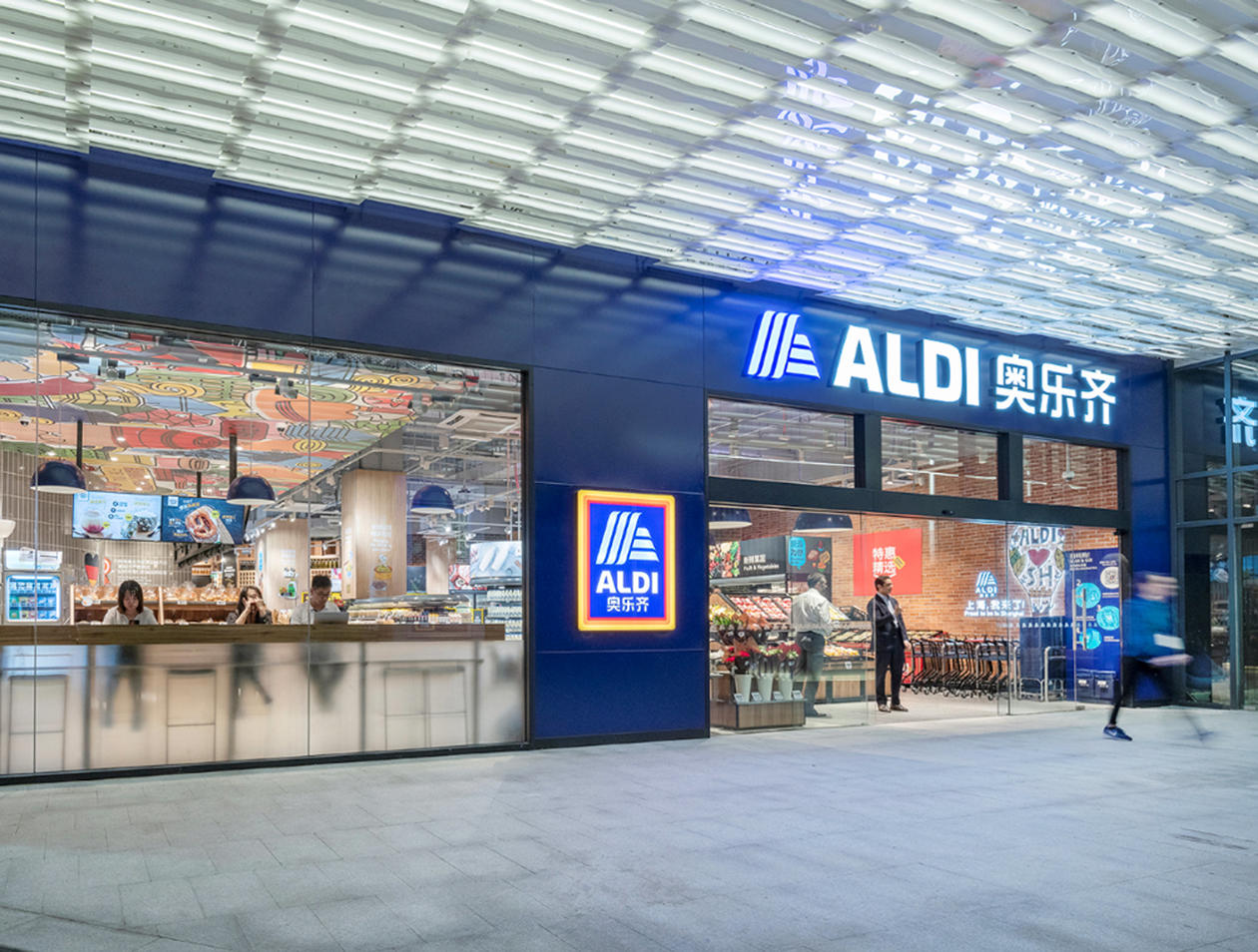
    Aldi has become the first Australian member of UK-based Slave-Free Alliance, a social enterprise that works with and supports businesses to create a supply chain free of slavery.

    The partnership comes almost a year after Aldi identified a number of high-risk areas in its local supply chain.

    Together, the businesses will conduct a ‘Human Rights Risk Assessment’ of Aldi’s local supply chain operations and will roll out ‘Modern Slavery Awareness Training’ for the supermarket’s local employees and business partners.

    The aim is to ensure all of Aldi’s employees with sourcing responsibilities, as well as its merchandise suppliers, are knowledgeable of the risks of modern slavery, and can take actions to address them when identified.

    “Modern slavery is a complex issue requiring thorough and progressive action,” said Aldi Australia corporate responsibility director Daniel Baker.

    “We understand the significant impact we can have on intercepting the exploitation of workers within our supply chain and our partnership with Slave-Free Alliance will help to ensure modern slavery continues to be identified and addressed.”

    Lynette Kay, director of Slave-Free Alliance in Australia, said it is incredibly important for businesses to take a holistic approach when it comes to dealing with supply chain issues, and that working with all parties involved is key to success.

    “We are delighted that Aldi Australia is leading the way in Australia’s fight against modern slavery, and we are looking forward to working together to achieve our shared goal; a slave-free supply chain,” Kay said.

    “We hope that other businesses will follow its example so that we can tackle modern slavery collectively.”

  • Nha Trang hotels up for sale as Covid puts paid to tourism

    Nha Trang hotels up for sale as Covid puts paid to tourism

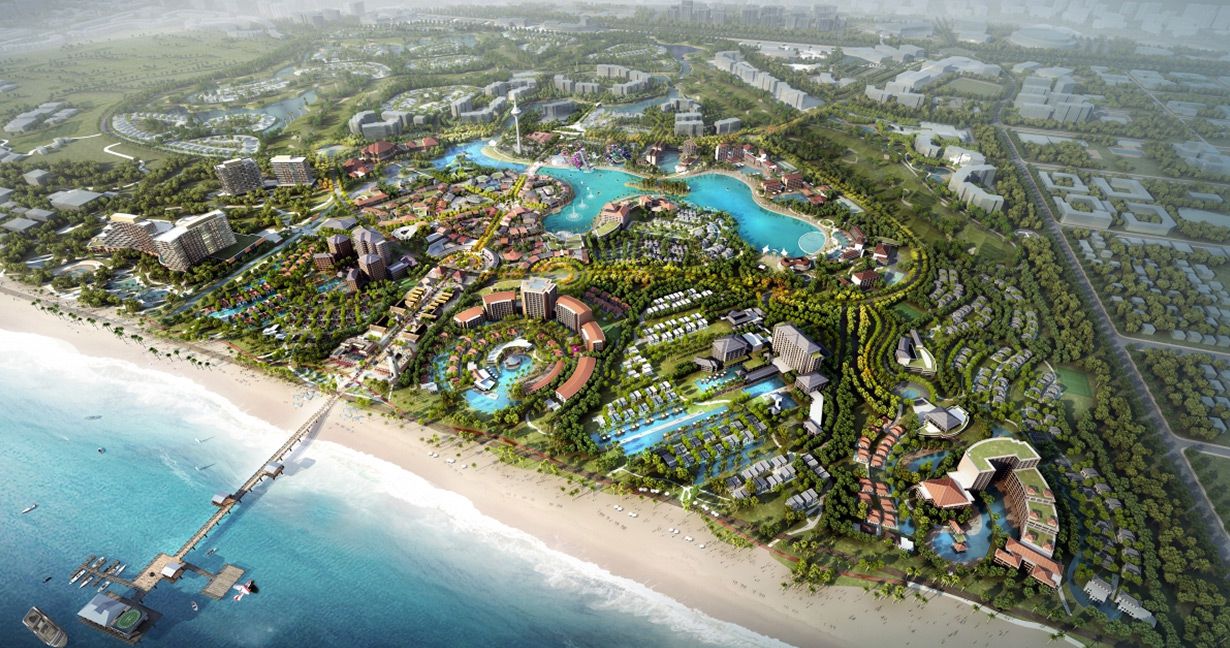
    Hit hard by the successive waves of Covid-19, hotel owners in tourism hotspot Nha Trang are putting up their properties for sale on realty forums.

    They have price tags of VND20-300 billion ($0.9-13 million), but are mostly in the VND30-70 billion range.

    Most are in the downtown area on streets like Tran Phu, Hung Vuong, Tran Quang Khai, Pham Van Dong, and Nguyen Thi Minh Khai.

    A seven-story hotel with 19 rooms on Nguyen Thi Minh Khai Road is now available for sale at VND30 billion. “The hotel is a few dozen meters from the beach, and was built a few years ago,” its owner said on a forum.

    The owner of a newer hotel said: “Our hotel operated for only two months and then stopped due to Covid-19. I want to sell it to repay bank loans and engage in another field of business because I think that the pandemic will prolong.”

    According to insiders, in 2015-19, the heyday of Nha Trang’s tourism and property sectors, many non-tourism businesses and wealthy individuals built or bought hotels in the city and hired people to run them.

    However, since 2020, after tourism has been devastated by Covid with almost no international arrivals and few domestic travelers, many have been forced to sell out to cut losses.

    Some two- and three-star properties with 50 rooms or fewer are on sale partly because they face fierce competition from condotels, Phan Viet Hoang, general secretary of the Khanh Hoa Real Estate Brokerage Association, said, pointing out that few four- and five-star hotels are being sold.

    According to the Khanh Hoa Province Tourism Department, there were only 210,000 visitors in the first quarter of 2021, a year-on-year drop of nearly 67.3 percent. The number of foreigners was down 97.6 percent to 10,000, all people stranded due to Covid.

    Hotels in the province reported an occupancy rate of just 8.6 percent during the quarter.

    As of the end of last year Khanh Hoa had over 1,100 tourist accommodation establishments with nearly 50,000 rooms, including 125 hotels rated between three and five stars with 24,000 rooms.

  • Google adds “Lock screen” settings for the Android version of Assistant

    Google adds “Lock screen” settings for the Android version of Assistant

    in version 12.24 of the Google app,  “Lock screen” settings for the Android version of Google Assistant can be found. It’s part of a group under the heading of Popular Settings and it appears after Voice Match and Languages. With the settings enabled, Google Assistant can be used even when the phone is locked.

    The first time you try this feature out, Google will show you a splash screen that allows you to decide whether to enable your phone to use Google Assistant without unlocking the handset, or you can choose to opt-out. In other words, you can “Get hands-free help from your Assistant when your phone is locked. You can always turn this off in your Assistant settings.”

    When your phone is locked, you will need to employ Voice Match to use Assistant hands-free to obtain personal information and to call or message your contacts. With Voice Match, the phrase “Hey Google” is required to wake up and activate Google Assistant without the use of your hands. If you decide to opt-in, you will be able to obtain “Assistant responses on lock screen” including personal info such as contacts and messages.

    You can also obtain personal information from Google Assistant by activating it through a tap on the screen without saying “Hey Google.” To arrange this, tap on Popular Settings > Lock screen and toggle on the second option.

  • Cebu Pacific increases flights to Boracay, Bohol ‘to support recovery’

    Cebu Pacific increases flights to Boracay, Bohol ‘to support recovery’

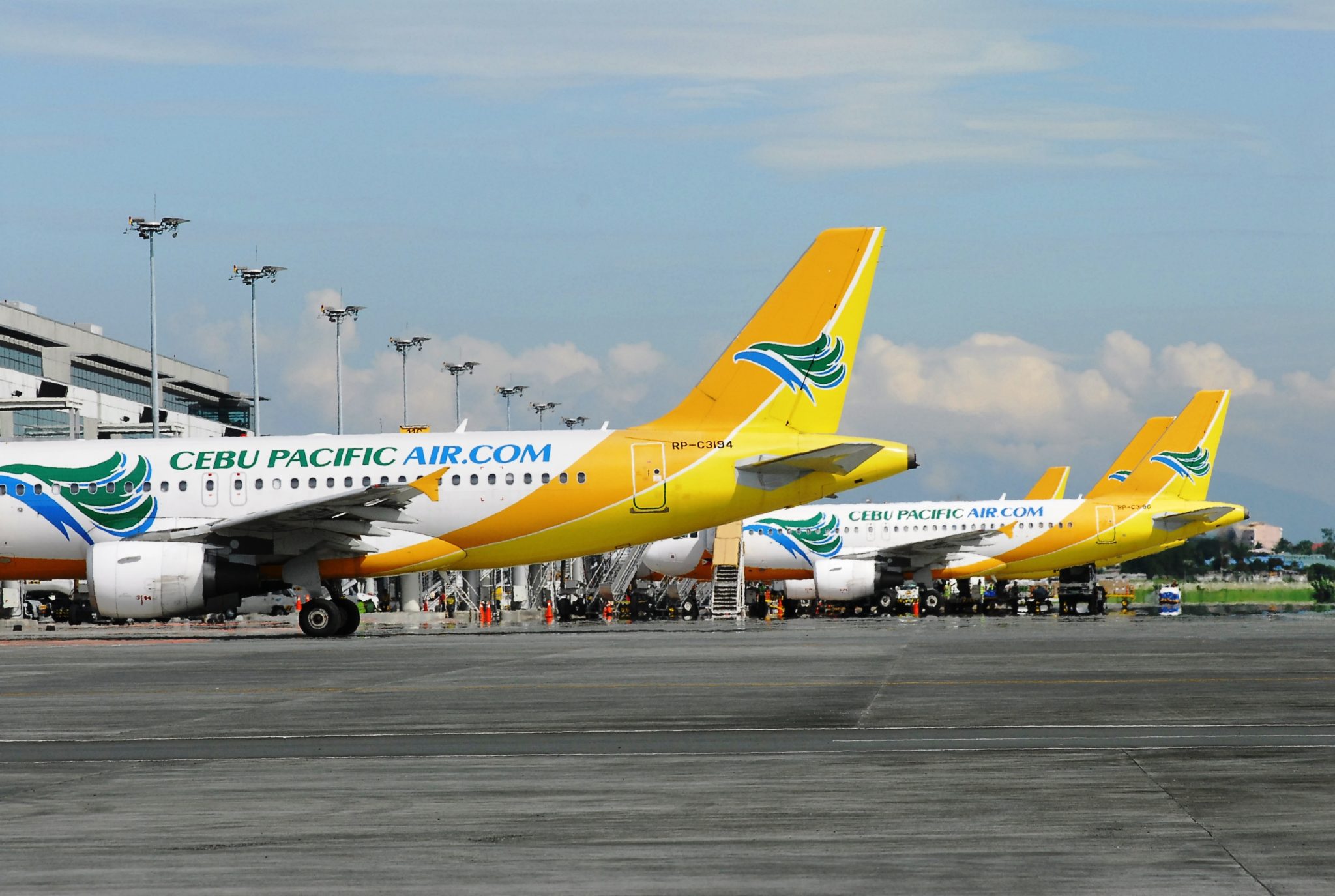
    Budget carrier Cebu Pacific said Monday its flights between Manila and Boracay will now be five times daily, while flights to Bohol will also operate daily.

    The additional flights to Boracay and Bohol, which started on Monday, should “support recovery efforts,” the budget carrier said in an e-mailed statement.

    In a statement on Tuesday, the airline said: “We gradually increased our flights to Boracay weekly — from only two times daily on June 4, three times daily on June 7, four times daily on June 11, and now five times daily beginning yesterday, June 21.”

    “Bohol was at four times weekly in the second week of June and now it’s already one time daily,” it added.

    Cebu Pacific said it currently operates the “widest network” in the country covering 32 destinations, on top of its six international destinations.

    Candice A. Iyog, Cebu Pacific vice-president for marketing and customer service, said: “With the arrival of more vaccines and the pace at which vaccines are being rolled out, we are hopeful that in due time, our networks will recover to pre-pandemic levels.”

    “We remain cautiously optimistic as we prepare for the bounce back and will do everything that is within our control to support and aid that,” she added.

    The International Air Transport Association (IATA) said recently that “over the last months, the recovery of air passenger demand has been mainly driven by domestic markets that have mostly remained unaffected by travel restrictions.”

    “In the meantime, international travel was restricted by most countries and governments are only starting to relax those restrictions as they vaccinate their populations and stabilize the epidemiological situation,” it added.

    Cebu Pacific, operated by Cebu Air, Inc., said it had flown six million coronavirus vaccine doses from China as of June 17, “on top of more than 1.4 million doses carried to 15 Philippine provinces.”

    The number of flights Cebu Pacific had in 2020 was 71% lower at 41,804. The number of passengers it carried last year also dropped 78% to five million.

  • Intel CEO says chip shortage will continue throughout this year

    Intel CEO says chip shortage will continue throughout this year

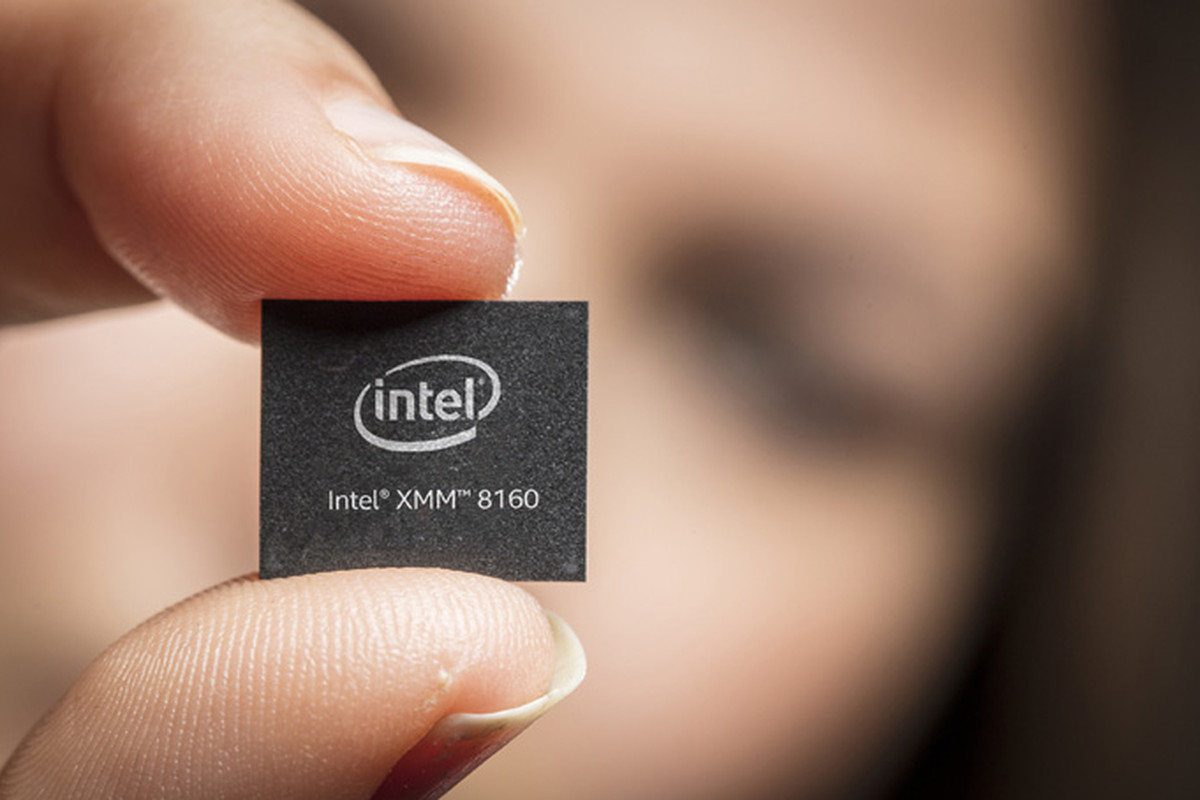
    As many of you know, we are in the middle of a chip shortage that has been impacting automobile and consumer electronic manufacturers. Intel CEO Pat Gelsinger sees the shortage continuing throughout the remainder of this year, bottoming out during the second half of 2021 before things start to improve. In fact, the executive doesn’t expect the supply-demand picture to return to normal until 2023.

    Gelsinger said, “I don’t expect the chip industry is back to a healthy supply-demand situation until ’23. For a variety of industries, I think it’s still getting worse before it gets better.” Last month, we told you that the lead time, the time it takes between placing an order for semiconductors and actually receiving them, hit 17 weeks in April; that was the longest lead time recorded by Susquehanna Financial since 2017 and was a big jump compared to the previous year’s 12.53 figure.

    Unlike fabless manufacturers like Apple, Qualcomm, MediaTek, and others, Intel owns its own factories (aka fabs, short for fabrication plants). A company like Apple designs its own chips, but without the means to manufacture them itself, the company turns to the world’s largest contract foundry, Taiwan Semiconductor Manufacturing Company, Limited (TSMC Ltd.) to produce them.

    Gelsinger says that thanks to Intel’s ownership of its fabs, it is more able to keep up with demand for chips than those who are outsourcing production to another foundry. The executive says that demand for chips will continue to be strong over the next 10 years thanks to expected growth in demand for 5G smartphones, AI, and electric vehicles. Intel’s CEO is on the side of those industry executives who see the current demand for chips continuing into the future.

    Other executives don’t believe that the industry can sustain the growth of more than 5% on an annual basis. Broadcom Inc. CEO Hock Tan is one such executive. Even though his firm reported a 15% revenue hike for its latest quarter, Tan says chip production is a mature industry that will revert back to low growth.

    There is no denying though, how important chips are to the global economy. The U.S. leads the way in the sales and design of chips although production is led by Taiwan’s TSMC and South Korea’s Samsung. TSMC will be opening at least one fab in Arizona no later than 2024.

  • DBS Starts Commodity Trading on LME

    DBS Starts Commodity Trading on LME

    The bank is the first in Asia to hold a London Metal Exchange (LME) trading membership outside of London.

    DBS is one of four Category 4 members on the LME, which allows it to trade and issue client contracts but doesn’t give it clearing abilities.

    The LME membership paves the way for the bank’s corporate clients in Singapore, China, India, Indonesia, Korea, and Hong Kong to have access to a broader suite of hedging and financial solutions to support the diverse needs of metal businesses, DBS said in an announcement this week.

    It will also provide the bank’s clients in the metals and mining space with the option to access sustainably-produced metal, Tan Su Shan, DBS group head of institutional banking, said.

    Metals are an essential enabler to achieve a sustainable future, and as global demand for the commodity continues to grow exponentially, so will expectations on the industry’s sustainability standards, Tan said.

    The 144-year-old bourse is the global hub for metals trading and was acquired by Hong Kong Exchanges and Clearing in 2012.

  • Ant Group in Talks to Form Credit Scoring JV with Beijing

    Ant Group in Talks to Form Credit Scoring JV with Beijing

    Ant Group is reportedly in discussions with state-owned enterprises to create a credit scoring firm that houses data collected from its massive user base.

    The formation of the new entity could see Ant Group cede control over financial data of more than a billion users, according to a report citing unnamed users.

    Ant Group’s data sharing process with Beijing has been ongoing with reports earlier this year that the People’s Bank of China was unhappy with the progress.

    According to the report, considerations are being made to form a joint venture co-owned by Ant and state-owned enterprises (SOEs) – including an unnamed Shanghai-based financial conglomerate.

    The talks also covered the types of data collected, alignment between the credit scoring system and broader state plans as well as whether the joint venture should be controlled by Ant or SOEs.

    The entry could be established as soon as the third quarter this year though discussions are ongoing and no final decisions have been made.

  • Cebu hoteliers ink pact with AirAsia

    Cebu hoteliers ink pact with AirAsia

    Philippines AirAsia inked a partnership with the Hotel, Resort and Restaurant Association of Cebu (HRRAC) to help boost tourism and economic recovery in Cebu at a ceremony hosted last Friday.

    Under the Memorandum of Agreement, the Malaysian carrier will become the official airline partner of HRRAC’s hotel members to revitalize the tourism sector and economy of the island province.

    “Tourism stakeholders including AirAsia are united with stakeholders such as the HRRAC, the Department of Tourism and the local government unit in rebooting the tourism industry in Cebu, a vital industry that contributes to the Philippine economy,” said the airline’s CEO Ricky Isla during the signing ceremony.

    “But to succeed, we must offer travelers not just sights but also added value to their money. It is through partnerships that we provide exciting options and promos for our guests who are excited to be rediscovering Cebu as the global health situation is improving,” Isla told the Philippines News Agency.

    AirAsia will come to the table with partnership opportunities for HRRAC member companies to tap the sales potential of the airline’s a-Access, an incentive card that of holiday experiences and discounts.

    “The Covid-19 pandemic has demonstrated to the tourism industry that trust, partnership, and solidarity are essential for revitalizing travel as we anticipate the reopening of borders,” HRRAC president Alfred Reyes, who is also general manager of bai Hotel Cebu.

    Isla noted the long-term objective was to revive the meetings, incentives, conventions, and exhibitions (MICE) industry in Cebu, especially to encourage regional events to meet in Cebu once the pandemic is under control. Cebu was a top choice for MICE events, many of them Asia-wide conventions and exhibitions.

    “We aim to bring back the strong image of the Philippines as a MICE destination,” Isla concluded.

  • Huawei to reportedly build its own chipsets in Wuhan starting next year

    Huawei to reportedly build its own chipsets in Wuhan starting next year

    In May 2019, the U.S., claiming security issues, placed Chinese phone manufacturer Huawei on the entity list. As a result, Huawei was no longer able to access the U.S. supply chain that it had spent over $18 billion on during the previous year, and was even banned from using software developed by Google. Exactly one year later, the U.S. Commerce Department made a change in export rules preventing foundries using American technology from shipping cutting-edge chips to Huawei without a license.

    Since the U.S. export rule change prevented Huawei’s contract foundry TSMC from shipping to the Chinese manufacturer the powerful 5nm Kirin chips that Huawei had designed itself, there had been talk about Huawei manufacturing its own chipsets. Like most major consumer electronics firms including Apple, Huawei farms out its chip designs to contract foundries like TSMC and the latter builds the actual chips using its fabs.

    Prior to the U.S. ban on chip deliveries to Huawei, the latter was TSMC’s second-largest customer behind Apple. Since being placed on the entity list, Huawei has learned to make its own software and hardware to replace parts of the supply chain it can no longer obtain such as the Google licensed version of Android (replaced by Huawei’s HarmonyOS, and Huawei Mobile Services).

    Industry sources are calling for Huawei to turn on the “start” button for its own wafer fab in Wuhan. Production is expected to start in phases beginning in 2022. Huawei’s HiSilicon unit certainly has the capability to design high-powered chips like the 5nm Kirin 9000. Wafers, made from silicon, go through several processes before getting sliced up and packaged to become individual chipsets.

  • Oil Settles Up Near 3-Year Highs On Signs Of Demand Growth

    Oil Settles Up Near 3-Year Highs On Signs Of Demand Growth

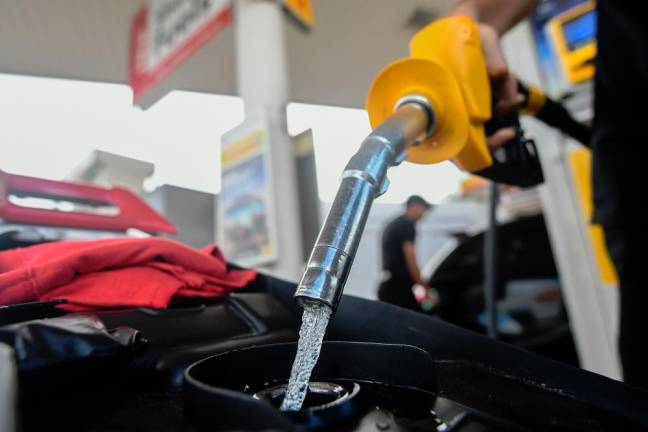
    Oil prices steadied on Thursday, holding close to their highest in almost three years, supported by drawdowns in U.S. inventories and accelerating German economic activity.

    Prices also drew support from doubts about the future of the 2015 Iran nuclear deal that could end U.S. sanctions on Iranian crude exports.

    Brent settled up 37 cents, or 0.5%, to $75.56 a barrel by 12:28 p.m. EDT (1628 GMT), after earlier rising to $75.78. U.S. crude settled up 22 cent to $73.30 a barrel, after hitting a session high of $73.61 earlier.

    On Wednesday, both benchmarks hit their highest since October 2018.

    Data from Germany showed the largest upward leap in retail conditions since German reunification more than three decades ago, stoking expectations European fuel demand will recover.

    Across the Atlantic, U.S. crude inventories dropped to their lowest since March 2020, official data showed. U.S. gasoline stocks also posted a surprise draw.

    The Organization of the Petroleum Exporting Countries and its allies, a group known as OPEC+ that meets on July 1, have been discussing a further unwinding of last year’s record output cuts from August but no decision has been made, two OPEC+ sources said on Tuesday.

    On Wednesday, Iran said the United States had agreed to remove all sanctions on its oil and shipping but Washington said “nothing is agreed until everything is agreed” in talks to revive the 2015 Iran nuclear deal.

    The end of sanctions and a return of Iranian barrels to the global oil market “could still be months and not weeks away,” said Jim Ritterbusch, president of Ritterbusch and Associates in Galena, Illinois.

    Indian Oil Minister Dharmendra Pradhan on Thursday urged OPEC to phase out crude output cuts as high prices are stoking inflation.

    “Given the good sentiment and robust demand, OPEC+ is likely to find it easy next week to announce a further increase in production, at least for August, without jeopardizing the upswing enjoyed by the oil price,” Commerzbank analysts wrote.

    They said “the currently positive general tenor on the oil market” was driving prices up.

    Brent has gained more than 45% this year on the OPEC+ supply cuts and recovering demand. Some industry executives have talked of crude returning to $100 for the first time since 2014.

  • SGX RegCo to Expand Enforcement Powers

    SGX RegCo to Expand Enforcement Powers

    The wholly-owned subsidiary of bourse operator Singapore Exchange (SGX) said on Thursday it will broaden its range of enforcement powers and require issuers to implement a whistleblowing policy.

    The move follows a public consultation, in which market participants had broadly supported the changes to listing rules, Singapore Exchange Regulation (SGX RegCo) said in an announcement.

    This will pave the way for swifter enforcement outcomes and reinforce confidence in Singapore’s capital markets, act as a greater deterrent against malfeasance, and enhance the protection of investors, SGX said.

    From 1 August 2021, SGX will be able to issue a public reprimand and require an issuer to comply with specified conditions, which are non-appealable.

    It will also be able to prohibit an issuer from accessing the facilities of the market for a specified period or until the fulfillment of specified conditions, prohibit any issuer from appointing or reappointing a director or an executive officer for up to 3 years, and require a director or an executive officer to resign.

    More severe sanctions, such as fines, will continue to be reserved for the independent Listings Disciplinary Committee

    SGX RegCo will require all issuers to establish and maintain a whistleblowing policy where the identity of the whistleblower is kept confidential and the individual is protected from reprisal.

    Issuers will be required to state in their annual reports that such a policy is in place for financial years commencing from 1 January 2021, as well as an explanation of how they have complied with key requirements such as independent oversight of the policy and commitment to the protection of the identity of the whistleblower.