Tag: asia

  • Hong Kong Dethroned as Most Expensive City for Expats

    Hong Kong Dethroned as Most Expensive City for Expats

    Hong Kong was dethroned as the costliest city for expatriates, according to a recent survey by Mercer, after holding the top rank for three years in a row.

    Ashgabat, the capital of Turkmenistan, was ranked as the costliest place for expat living, according to «Mercer’s 2021 Cost of Living City Ranking», unseating Hong Kong from the top spot.

    The report is based on the examination of over 400 cities and price evaluation of 200 categories of goods and services across essential needs like housing and utilities to personal spending like footwear and tobacco.

    Despite a shuffle at the top, the broader Asia Pacific region still dominated the ranks as home to the costliest cities.

    In addition to Ashgabat, another five Asian cities were also ranked within top ten including Hong Kong (2), Tokyo (4), Shanghai (6), Singapore (7) and Beijing (9).

    Switzerland was also particularly prominent in the rankings with three cities from the country occupying positions in the top 10.

    They include Zurich (5), Geneva (8) and Bern (10).

    But regardless of the region, all employees and employers were impacted by the coronavirus pandemic especially with regards to international mobility.

    According to Mercer, organizations are already implementing alternatives forms of international assignments and cross-border working arrangements to sustain their overseas operations and workforces.

    Cost of living has always been a factor for international mobility planning, but the pandemic has added a whole new layer of complexity, as well as long-term implications related to health and safety of employees, remote working and flexibility policies, among other considerations, said career president and head of Mercer strategy Ilya Bonic.


  • Costa Group seals $231 million citrus business acquisition

    Costa Group seals $231 million citrus business acquisition

    Listed Australian vegetable grower and marketer Costa Group is to spend $231 million acquiring Queensland citrus-fruit growing business 2PH Farms.

    Costa has distributed and marketed 2PH citrus fruit for a decade on the domestic market and this year expanded into exports.

    “2PH has a long and successful history, having been started by my parents John and Pam Pressler, uncle Geoffrey Pressler and Darryl Hess some 51 years ago,” said Craig Pressler, owner of 2PH Farms. “I know and trust Costa, and I am happy that the business will be owned and run by an Australian company which is not only an industry leader, but also has a genuine commitment to continuing to build on 2PH’s reputation for the growing and export of high-quality citrus.”

    Costa says it is buying the venture to take advantage of 2PH’s established brand presence in Asia, higher citrus category revenue, exclusive rights to proprietary brands, and larger production scale, together with expanded geographical diversity for crops.

    The acquisition will be funded by a $190 million rights issue and existing debt facilities, with a $200 million initial payment to be made upon settlement and a further $31 million in July 2023 relating to the purchase of a property where a new citrus crop is currently being planted by 2PH.

    Costa Group CEO, Sean Hallahan said Costa has been actively engaged in the acquisition of high-quality citrus assets, including its recent acquisition of KW Orchards (Sunraysia) in March.

    “2PH is not only a high-quality asset, but it will also complement and enhance our production footprint, our variety offering and market opportunities, both export and domestic.”

  • Patties relaunches its Ruffie Rustic Foods range entirely meat free

    Patties relaunches its Ruffie Rustic Foods range entirely meat free

    As Australians choose to incorporate more vegetables and meat alternatives into their diets, Ruffie Rustic Foods is relaunching its frozen-ready meal range as an entirely plant-based option to help satisfy this demand.

    Launched in 2019, Ruffie Rustic Foods is an Australian-owned brand of frozen ready-made meals produced by Patties Foods Ltd.

    The new range includes plant-based chicken-less schnitzel with al dente penne Pomodoro, butter chicken-less in rich coconut milk sauce, spaghetti and meat-less balls in Napoli sauce, Thai green chicken-less curry, and portobello mushroom risotto with white beans & broccoli.

    According to the food company, the entire range of products are made with locally sourced ingredients and is high in protein, meat-free, plant-based, and vegan-friendly.

    “With this new plant-based range, we want to treat our customers to the classic flavors they love, in a modern and convenient way,” said Anand Surujpal, GM of Marketing & Innovation, Patties Foods Ltd.

    Ruffie Rustic Food’s frozen range is available in Woolworths and select Independent Grocers and Petrol & Convenience stores nationwide for RRP $7.00

  • Chinese Bitcoin Mining Exodus to U.S. Continues

    Chinese Bitcoin Mining Exodus to U.S. Continues

    More Chinese bitcoin miners are reportedly shifting operations to the U.S. after Beijing ramped up its crackdown against cryptocurrencies.

    Guangzhou-based logistics firm Fenhua International was moving bitcoin mining machines to Maryland, according to social media post, with a total weight of approximately 3,000 kilograms.

    This is estimated to be equal to a small batch of 200 mining units.

    This marks the latest mining exodus after the Chinese government ramped up its crypto crackdown with other firms, such as mining pool BTC.TOP also reportedly planning to shift operations to North America.

    Beijing’s latest move on crypto included a meeting between the central bank and various financial giants which subsequently led to a new announcement and related initiatives launched by industry players.

    Separately, the city of Ya’an had also reportedly committed to rooting out all bitcoin and ether mining operations.

    According to Compass Mining chief business officer Thomas Heller in a CoinDesk report, there are an estimated 526,000 ‘S19 machines’ – a type of crypto mining device – weighing 80,000 metric tons have been switched off in China.

  • Rehiring everyone laid off is my priority, says AirAsia boss

    Rehiring everyone laid off is my priority, says AirAsia boss

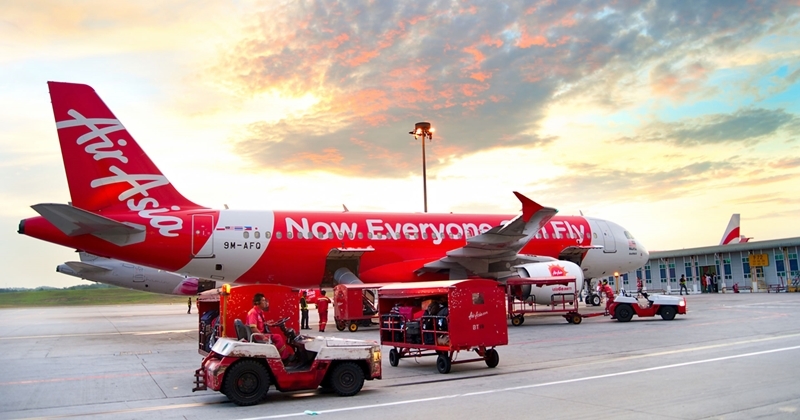
    One of the first things Tony Fernandes wants to do after the company is back in business is to rehire every staff he had to let go during the Covid-19 crisis, even as he remains confident the airline is set to come out much stronger.

    The AirAsia Group’s CEO said having survived the last 15 months without raising capital unlike many foreign airlines was a testament to the company’s strength, and said the injection of about RM2.5 billion from various sources is imminent.

    “We made Malaysia globally recognized, we have changed travel after what I came up with within the shower, ‘Now everyone can fly’, has become a reality. So we got to win and make sure we don’t fail. Nothing is cast in stone but we are looking good,” he told BFM in an interview in its Breakfast Grille segment yesterday.

    In this context, he said, his No. 1 priority is to rehire everyone that the company has had to let go.

    “They did nothing wrong. They are great people and we are an amazing company because of our people.

    “I have a responsibility to regrow, rehire and reskill. We are doing all those things right now. The fact that we are still alive after 15 months is a testament that we have very good staff at AirAsia.”

    He was responding to a question from his host who asked if with 90% of its 200 planes grounded and with a cash balance of about RM500 million, how long the airline could survive.

    Fernandes said with vaccination being rolled out rapidly in many parts of the world and flying beginning to return to normal slowly especially in the US, he expects things to pick up soon, adding that Airbus is manufacturing more aircraft with its orders increasing.

    “And now we have new capital coming in. We got some good investors and we will be announcing them soon. I have been very consistent in saying that we will be raising about RM2.5 billion.

    “Our Thai counterparts have already raised (additional capital), while we are in the process of doing it in the Philippines and Indonesia,” he said, adding that the papers have been submitted to the regulators and announcements are expected to be made next month.

    Fernandes said some airlines had gone to raise capital at the beginning of the pandemic and had spent it all, and were forced to raise capital again.

    “We have been very frugal on how we have managed our funds. We have been spending all this time restructuring our balance sheets with our creditors. Most important thing is our creditors have been massive supporters of our business.”

    He said AirAsia will survive as there is an end in sight with the company talking to officials throughout Asean, adding that the opening of Phuket for tourists next month and the massive vaccination were signs of better times.

    He said AirAsia Group is no more just an airline with 17 digital ventures that had been set up recently.

    “We are now a holding company for digital and aviation assets. You will see the clarity of what we built very soon. We are going to be profitable here in 12 to 24 months.

    “Are we going to be the biggest in revenue? No. I am not here to lose money, but I am here to make a margin. We will grow consistently and profitability, we will be the most profitable digital company in Southeast Asia,” he said.

  • AirAsia to add first dedicated freighter in 3Q21

    AirAsia to add first dedicated freighter in 3Q21

    AirAsia Group has announced it would significantly expand its presence on the cargo market with the planned addition of its first dedicated freighter, a B737-800(F), in the third quarter of 2021.

    The Boeing dedicated freighter will be based out of Bangkok Suvarnabhumi from where it will operate on behalf of Air Asia’s logistics arm, Teleport, to regional destinations in South-East Asia, India, Korea, Japan, Taiwan, China, and Hong Kong Int’l. The group did not disclose the identity or the exact variant of the aircraft. It also did not specify the Air Operator’s Certificate (AOC) on which the aircraft would be placed. ch-aviation has reached out to the group for comment.

    “It was evident at the end of last year that the demand for cargo capacity was not going to be served with passenger belly capacity alone in the long run. So, we evaluated the option to utilize dedicated freighters to transport cargo. This is also part of our strategy to build the capacity and connectivity to offer 24 hours door-to-door delivery across all of Southeast Asia,” Teleport’s Chief Operating Officer Adrian Loretz said.

    Teleport’s spokesperson Jessica Tan told ch-aviation that the aircraft will be operated by a third-party cargo airline on behalf of the logistics arm of AirAsia Group and not by any of AirAsia-branded airlines. She did not, however, disclose the identity of the operator just yet.

    The group will also remove seats from two A320-200s to use them as makeshift freighters on behalf of Teleport. One of the pair of Airbus narrowbodies will be based out of Bangkok Don Mueang and the other out of Kuala Lumpur Int’l.

    The first dedicated freighter and the two makeshift converted aircraft will complement the existing fleet of non-converted passenger aircraft used by AirAsia Group for Teleport’s operations. The holding said that last month, it had operated two A320-200s and six A330-300s for cargo-only flights on behalf of its in-house logistics arm.

  • Singapore Fintech Association Launches Networking Club

    Singapore Fintech Association Launches Networking Club

    The initiative aims to foster deeper social engagements among local fintech professionals and corporates and enhance the vibrancy of the industry ecosystem.

    Members of Singapore’s fintech community can look forward to more industry networking, upskilling opportunities, and lifestyle privileges with the launch of the SG Fintech Club by the Singapore Fintech Association and the Monetary Authority of Singapore (MAS).

    Among its programs are talent matchmaking sessions, industry expert mentorship programs, and masterclasses organized by SFA. The Institute of Banking and Finance (IBF) and J.P. Morgan have also been brought on board to curate skills and career development events, the announcement said.

    The rapid shift towards digital acceleration and increasing competition in the ecosystem has made it more urgent for fintech professionals to stay relevant, connected and competitive, Damien Pang, MAS deputy chief fintech officer, said in the announcement.

    He said he hopes the club will help build a tight-knit community of talents, facilitate more collaboration within the industry and bring more value to the fintech ecosystem.

    The lineup of events for the next month is already packed, and includes fireside chats with fintech founders, strategy sessions, and masterclasses. Find out more at https://club.singaporefintech.org.

  • UBS Issues First Green Bonds

    UBS Issues First Green Bonds

    UBS has issued its first green bonds which it will use to finance mortgages for low-energy buildings.

    Major Swiss bank UBS Tuesday issued its first «green bonds»

    They are in two tranches, one of 500 million euros ($595 million) with a five-year maturity and a seven-year one of 250 million francs ($272 million), the bank said in a press release.

    UBS said the bonds were issued under its Green Funding Framework which is based on international rules. The framework defines green investments in the form of mortgages on Swiss buildings which meet the Minergie standard for low-energy buildings. The bank intends to expand the pool of suitable assets continually.

    The bonds will help UBS kill several birds with one stone. It will be keeping its promise to achieve net-zero greenhouse gas emissions across its entire business by 2050 as well as helping its clients with sustainability.

    The «green bonds» will also bolster its balance sheet by helping refinance its mortgage book on a broader basis.

    Environmental Balance Sheet

    They will also help its environmental balance sheet. A recent study showed 35 percent, or $13.4 billion, of UBS’ loans book’s exposure to what the bank terms climate-sensitive industries was in real estate.

    Reducing high-carbon positions on the balance sheet is more important than simply cutting exposure to climate-sensitive sectors such as real estate. We don’t serve the community better by reducing real estate lending, rather, by making real estate lending greener.

  • Apple protects email users from having their personal data collected

    Apple protects email users from having their personal data collected

    When you open an emailed newsletter, there are images that are not included in the message but are stored on a separate server. When you open the email, this server gets a message to  open the image along with information such as your approximate location, the device you are using, and the time that you opened the email. Bloomberg says that the data is used by publishers and brands as a way to determine how well their marketing strategy is working.

    But in its new role as internet privacy cop, Apple has a feature called “Mail Privacy Protection” that will automatically download the data held on the separate server whether you opened the email or not. But Apple will not give away your personal data such as location and the name of the device you are wielding. Considering that roughly 50% of all email is opened on an Apple app (says analytical firm Litmus Software), Apple is once again using its power to keep user data from getting into the hands of advertisers.

    According to data from marketing firm Warc, from this past March 22nd, ad spending on iOS rose 10%. During the same time period, ad spending on Android rose 21%. But how much is Apple really getting hurt?

    Andy Yen, CEO of encrypted email provider Proton Technologies says about Apple that “They’re making a big focus on privacy, but Apple is interested in the advertising market and already makes a lot of money there.”

    The thing to remember is that Apple can afford to accept fewer ads than Google and Facebook because of how each of the tech firms make the bulk of their profits. Apple sells devices while companies like Google and Facebook sell ads. Not only do ad sales provide those companies with big bottom lines to appease stockholders, they also help subsidize the price of the Google and Facebook devices you buy allowing them to be more affordable.

  • Woolworths unveils final step in NSW DC restructure

    Woolworths unveils final step in NSW DC restructure

    Woolworths is restructuring its NSW distribution centre operations, announcing two new facilities, closing one and repurposing another.

    The company’s supply chain division Primary Connect will invest $400 million in building a 76,000sqm fresh-food DC in Western Sydney’s Wetherill Park, pictured above, which will serve more than 280 Woolworths stores across the state from 2023. It will have capacity to distribute more than 3700 fresh produce and chilled lines.

    The new multistorey complex will replace the temperature-controlled facility at the Minchinbury Distribution Centre, which will close by 2024, with 330 staff being offered roles in other parts of the business.

    A second new DC will be built at Kemps Creek, a 35,000sqm facility managing liquor stocks  in partnership with Endeavour Group to service more than 400 Dan Murphy’s and BWS outlets across the state from next year.

    The existing Erskine Park Liquor DC will be converted into an ambient grocery facility once the Kemps Creek facility is operational.

    Construction of both new DCs is contingent on NSW Department of Planning approval.

    Woolworths Group CEO Brad Banducci said the facilities announced today mark the final step in what has been a major transformation of Primary Connect’s NSW supply chain network, following the Moorebank supply chain hub announced last year of which construction commenced last month.

    “The development of the Wetherill Park facility will help us deliver high-quality fruit, vegetables and chilled goods to our customers fresher, faster, and more efficiently than ever before.

    “Wetherill Park is strategically located in close proximity to a large number of our stores, suppliers and transport providers, making it an ideal base for our fresh food distribution in NSW,” said Banducci.

    “The co-location of fresh and chilled operations across a multi-storey site will also help remove more than 11,000 truck movements off Sydney roads each year – delivering environmental, traffic and road safety benefits to the community.”

    Primary Connect says the existing fresh network in NSW is nearing capacity, with products currently supplied from three sites, including two third-party facilities. Without the new DCs announced today, the company has limited capacity to handle range expansion or volume growth over the medium to long term.

  • FruChocs range expanded with White Choc Raspberry

    FruChocs range expanded with White Choc Raspberry

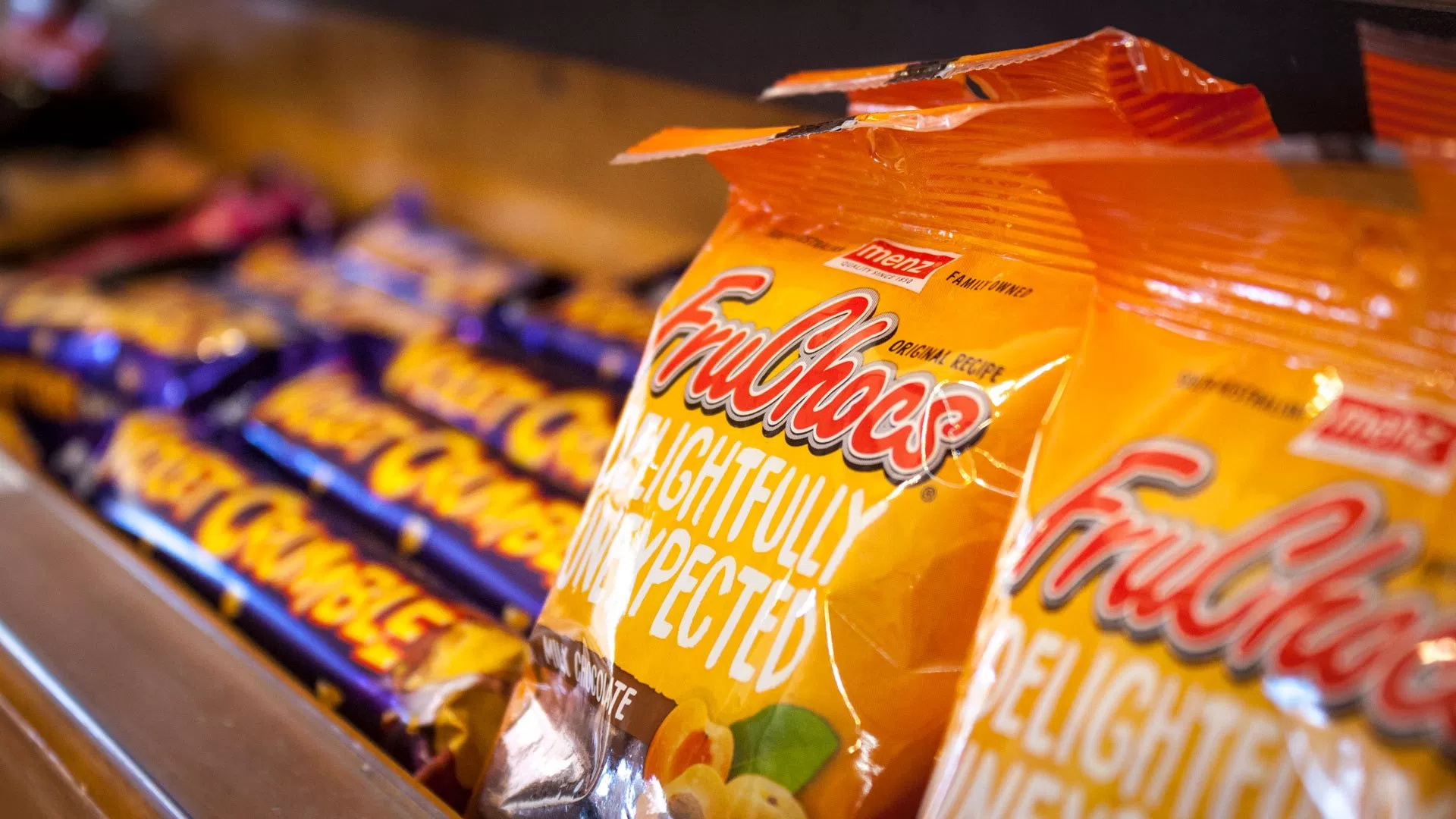
    Confectionery company Robert Menz has added a new variety to its FruChocs range, the White Choc Raspberry.

    Rolling out in supermarkets this month, the new chocolate combines “sumptuous tangy real apricot centres mixed with a sweet, natural raspberry flavor in luscious white chocolate coating”.

    The chocolatier will launch the 135g White Choc Raspberry FruChoc in Coles South Australia and The FruChocs Shop on June 22.

    Robert Menz CEO Phil Sims said that raspberries with white chocolate is a classic combination for a reason, and the company loved the opportunity to give this a FruChocs twist.

    “As we approach the 10th annual FruChocs Appreciation Day, we wanted to make sure it was one to remember,” said Sims.

    Menz White Choc Rasberry FruChocs is available at RRP $4.20 in Coles South Australia, Drakes, Foodland, IGA, On The Run, X-Convenience, Liberty Tip Top, BP AM-PM, and Cheap As Chips.

  • Brownes Dairy appoints new CEO

    Brownes Dairy appoints new CEO

    Australian dairy company Brownes Dairy has appointed Natalie Sarich-Dayton as its new CEO.

    Sarich-Dayton succeeds Tony Girgis who served as CEO of Brownes Dairy for seven years.

    “I have greatly enjoyed working alongside Natalie, and believe she is an inspired choice as the company’s new CEO who will continue to bring success to WA’s favorite dairy,” said Girgis.

    Prior to the appointment, she worked at the company as director of sales and marketing.

    According to the company, Sarich-Dayton was a driving force behind Brownes Dairy’s return of ‘Milkos’ home delivery service, which became a lifeline to the WA community during the Covid-19 lockdowns.

    Sarich-Dayton has more than 20 years of experience in working in the FMCG sector at major businesses in Australia and overseas, including Coca-Cola Amatil, HJ Heinz, Danone, and Unilever.

    She is Brownes Dairy’s first female CEO in its 135-year history.

  • Digital mutant orchids go on sale at cryptocurrency marketplace

    Digital mutant orchids go on sale at cryptocurrency marketplace

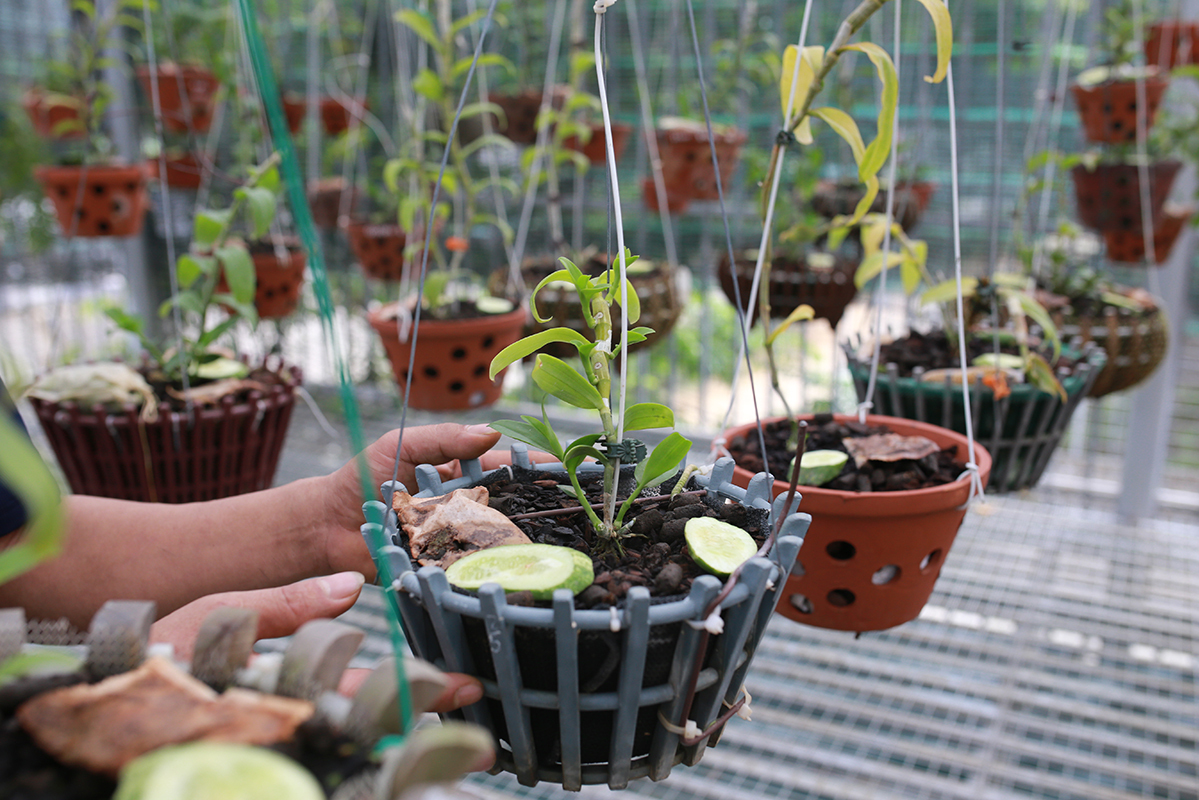
    Vietnam’s so-called mutant orchids are being turned into unique digital assets and being sold for up to thousands of dollars online.

    On the digital goods marketplace OpenSea.io, hundreds of items are displayed when a user types the keyword “Orchidaceae.”

    These items are non-fungible tokens (NFTs) which are units of data stored on a digital ledger called a blockchain that certifies a digital asset to be unique.

    In other words, NFTs transform digital works of art and other collectibles into one-of-a-kind, verifiable assets that are easy to trade on the blockchain, and a person can now buy a digital orchid plant using cryptocurrency like Ethereum.

    “The Hong My Nhan has glossy wings, harmonious pink color. Usually, the sepals are a bit darker than the wings,” says the description of a piece of the orchid that costs $428.

    These products are not real orchids. Instead, the buyer will own a digital version of the plant which is guaranteed to be sold in a limited number.

    “Although the buyer won’t own the physical plant, he or she can still show off the orchid without having to take care of it,” said digital currency expert Phan Duc Nhat.

    A Phu Tho orchid with an asking price of around $100 will have a maximum of 2,000 NFTs, while the more luxurious Co Do orchid with the asking price of $12,500 will only have 100 NFTs.

    But so far the highest bid for such an NFT is only 0.2 Etherum, or more than $400.

    The rush for the so-called mutant orchids has flooded social media in Vietnam in recent months, with investors spending hundreds of million dong (VND100 million = $4,340) to own a physical plant, hoping to sell it for a profit later.

  • Fintech startup Mfast raises $1.5 mln

    Fintech startup Mfast raises $1.5 mln

    Fintech startup Mfast has raised $1.5 million in its Pre-Series A funding from a group of investors led by Do Ventures.

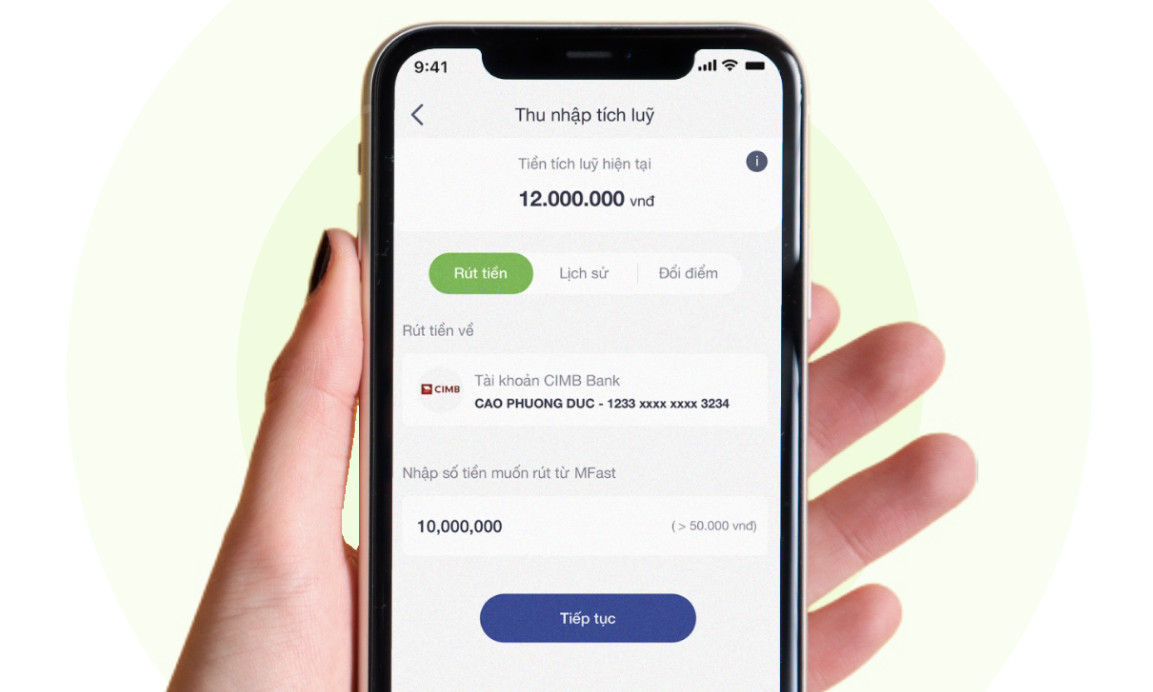
    Mfast is a fintech platform that enables Vietnamese to access, use and introduce financial and insurance service packages as well as other product segments.

    After three years of operations in Vietnam, it has served nearly 600,000 users, with 75-80 percent of its end-users coming from remote provinces and rural areas.

    The amount disbursed to its financial partners has climbed to more than VND5 trillion ($217 million).

    Mfast’s mobile app claims to connect the underserved populations with financial and insurance institutions to give them access to basic financial services.

    Amy Do, investment manager of JAFCO Asia, a co-investor in the round, said that the fund had made the decision because of the great potential of the consumer credit and insurance market in Vietnam, as shown in the solid traction of the company despite the ongoing pandemic.

    Do Ventures is a $50 million early-stage venture capital fund that serves as a strategic partner for startups.

  • Struggling Vietnam Airlines to receive $174 mln loan

    Struggling Vietnam Airlines to receive $174 mln loan

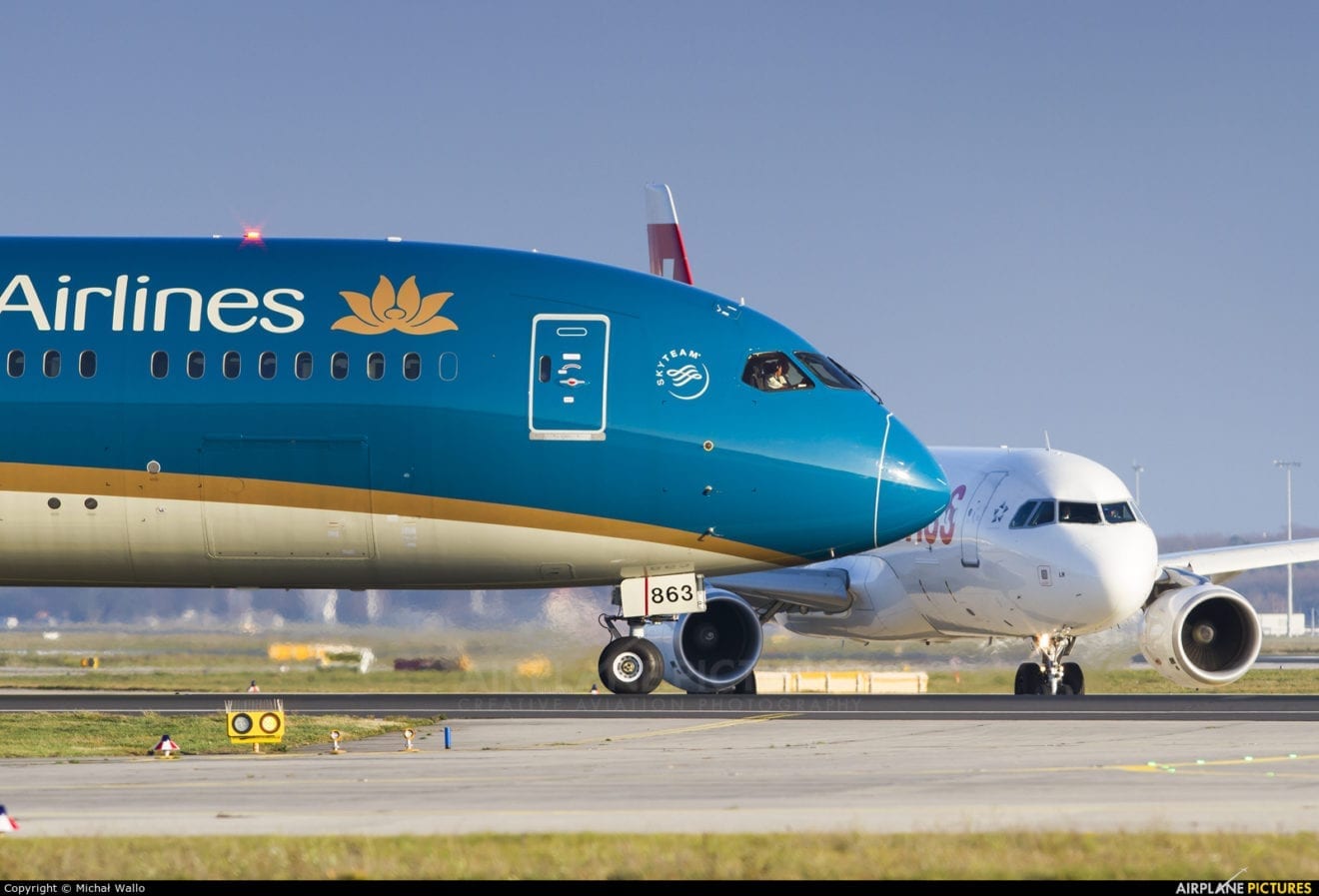
    An interest-free loan of VND4 trillion ($173.9 million) will be soon disbursed to national flag carrier Vietnam Airlines, which is on the brink of bankruptcy over Covid-19 impacts.

    The legal procedures for an aid package designated for the local aviation sector have been completed, and the VND4 trillion loan, part of the package, is “scheduled to be disbursed to Vietnam Airlines late June or early July,” Dang Anh Tuan, head of the carrier’s Communications Department, told VnExpress Monday.

    Earlier, late last year, the National Assembly had approved an aid package of VND12 trillion for the troubled carrier.

    At a press briefing held Monday by the State Bank of Vietnam, the country’s central bank, Nguyen Tuan Anh, head of the central bank’s Credit Department, said three local banks, SeABank, MSB and SHB, have pledged to offer Vietnam Airlines loans totaling VND4 trillion sourced from the central bank’s refinancing operations.

    Vietnam Airlines’ overdue debts have surged to VND6.24 trillion. According to a report recently drafted by the Ministry of Planning and Investment, the carrier, which racked up losses of nearly VND5 trillion in the first quarter of 2021, is likely to make losses of VND10 trillion in the first half of this year.

    As of March 31, Vietnam Airlines posted negative undistributed after-tax profits of more than VND14,218 billion, compared with its registered capital of VND14.19 trillion. If this problem is not solved, Vietnam Airlines shares coded HVN on the local stock market will be delisted.

    On April 15, the Ho Chi Minh Stock Exchange put HVN shares on the warning list because the carrier was posting big losses.

    At its extraordinary general meeting in late 2020, Vietnam Airlines said it would use VND8 trillion from its share issuance to pay all overdue debts, compensate for shortages of capital for production and business, and repay short-term and long-term loans from banks.