Tag: asia

  • Google Meet improves Hand Raising features

    Google Meet improves Hand Raising features

    Earlier this year, Google announced a revamp of Google Meet, promising a smoother and easier conference call experience than ever. At the annual Google I/O event, we discovered that Meet is being integrated directly into Google Docs, Sheets, and Slides, and is also receiving some significant video and audio improvements.

    But Google wasn’t done, as we find out from a recent support note that was published on Google Workspace Updates. Google has just announced that over the course of the next few weeks, one particular Google Meet element is about to become even better: the Hand Raise feature.

    The ability to raise a virtual hand during online Google Meet calls was introduced in November 2020 and has drastically improved the call experience. The small bottom-left notification and hand symbol that pops up once anyone raises their hand gives every single participant in the meeting a voice, without causing any disruptions.

    But in a meeting with many people, the main speaker could easily miss a raised hand, or in the event of many people raising their hands, there was no way of knowing who should be addressed first.

    In order to make sure that anyone raising a hand is noticed, Google will now shift the hand-raising video tile forward, to make it more visible among the other faces in the grid.

    There will also now be an audio notification sounding every time there is a hand raised. If multiple hands are being raised at the same time, don’t worry: the meeting won’t be a complete cacophony. The primary goal of hand-raising is to avoid rude interruption, after all. Instead, only the first hand will trigger the sound, and those following will only see the visual pop-up appear on their tiles.

    And in order to keep track of the order of raised hands, there will be a clickable notification that the main speaker can open to view the queue of people waiting to speak.

    While previously, anyone who raises their hand had to wait for the host to manually “lower” their hand, this will no longer be necessary. Once the participant raising their hand speaks, the visual pop-up will now be automatically lowered.

    Along with these updates, the actual hand-raising animation and visual icon appearing on video tiles will be seeing an improvement as well.

    Once the Google Meet update reaches you, you won’t have to do anything to gain access to these features; they will be automatically available.

  • Taiwanese footwear maker suspends 18,000 workers over Covid-19 linkage

    Taiwanese footwear maker suspends 18,000 workers over Covid-19 linkage

    Over 18,000 workers of Pou Sung Vietnam were temporarily suspended due to a worker having close contact with a suspected Covid-19 case.

    Health authority found the wife of a suspected Covid-19 case working at the Dong Nai-based firm with 27,000 employees. The worker, who came in close contact with the suspected Covid-19 case, had her sample taken and is awaiting results.

    The company has suspended 18,403 workers starting Saturday morning to disinfect the entire factory, according to Le Nhat Truong, chairman of the labor union of Pou Sung Vietnam.

    It is also tracing those who traveled in the same vehicle carrying the Covid-19 linkage worker. The firm employs 300 vehicles to pick up over 10,000 staff in remote areas across the southern provinces of Dong Nai and Binh Thuan.

    Dong Nai Province has 31 industrial zones and one high-tech zone, with 1,400 enterprises employing more than 620,000 workers.

    The province found two Covid-19 cases Saturday, ending its 45-day streak without new Covid-19 cases.

    Dong Nai has so far recorded three confirmed Covid-19 case since the fourth coronavirus wave hit on April 27.

  • YouTube users running iOS will soon be able to use PiP to multitask

    YouTube users running iOS will soon be able to use PiP to multitask

    YouTube said today that its Premium subscribers using iOS are currently receiving support for the iOS 14 picture-in-picture mode. All U.S YouTube users running iOS will eventually get this mode regardless if they have a Premium subscription or not. Explaining what picture-in-picture does, YouTube said in a statement that, “Picture-in-Picture (PiP) allows users to watch YouTube videos in a small mini player while simultaneously browsing outside of the YouTube app on their mobile device.”

    YouTube reiterated what we said in the first paragraph. “We’re starting to roll out PiP (picture-in-picture) for YouTube Premium members on iOS and plan to launch PiP for all U.S. iOS users as well.” With this feature, YouTube users will be able to shut the YouTube app and continue viewing the video that they were watching from a small pop-up window.

    There had been certain workarounds that YouTube users with an iPhone could use on mobile Safari to get PiP to run. That would include asking the mobile browser to run the desktop version of YouTube. That workaround has been blocked and frankly, based on what the Google unit is saying today, there really is no reason to put together a workaround for YouTube PiP on iOS.

    Android users viewing YouTube for free already have had the ability to view YouTube video using PiP for multitasking. For years, YouTube had constantly tried to get iPhone users to sign up for the Premium service by promoting PiP multitasking. But soon, even YouTube non-subscribers will be able to use PiP to multitask in the U.S.

  • Vietnam’s credit growth doubles

    Vietnam’s credit growth doubles

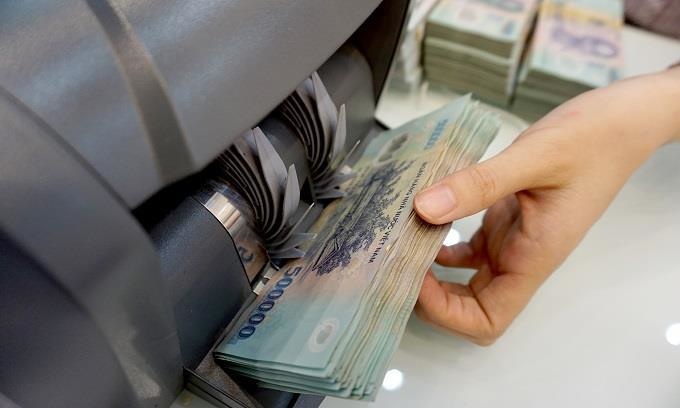
    Bank credit growth from January 1 to June 15 was 5.1 percent, double the rate recorded in the same period last year.

    The jump came despite the fourth wave of Covid-19 because the State Bank of Vietnam made monetary policy more flexible and directed banks to focus on funding manufacturing and reduce lending to sectors with high risks, its deputy governor, Dao Minh Tu, said Monday.

    Average loan interests in April fell by 0.3 percentage points from December, he added.

    The central bank has also directed banks to delay debt payment or lower or scrap interests on customers affected by the Covid-19 pandemic to help their business recovery.

    Nearly 676,700 customers have seen the interests of their debts removed or reduced with a total outstanding loan of nearly VND1,278 trillion.

    The bank will continue to pursue a flexible monetary policy until the end of the year keep inflation under control and support an economic recovery.

    The pandemic has boosted demand for online payment. In the first four months, internet payment value surged 31 percent year-on-year.

  • Singapore Reconsiders Economic Reopening

    Singapore Reconsiders Economic Reopening

    A growing cluster of infections threatens to derail Singapore’s economic reopening, while expats in the country are growing restless from being cooped up on the island with no end in sight.

    Singapore’s Multi-Ministry Task Force is closely monitoring the growing number of community cases, particularly the expanding cluster of cases that now number 56, which originated from a neighborhood market.

    Day by day, we are seeing the number of unlinked cases – the cryptic cases in the community – is likely to be rising too. Given these developments, we are evaluating the timing and scope of the next stage of reopening, Finance Minister Lawrence Wong said in a video recording posted on Facebook and Instagram on Wednesday.

    The country is set for further relaxation of heightened alert restrictions from Monday, following a month of heightened Covid-19 related restrictions, during which community cases fell sharply, and a week-long first stage of reopening.

    Singapore’s borders have been effectively shut for more than a year now, and many expats are getting restless, particularly as the U.S. and Europe return to normalcy.

    According to a report on Thursday, many feel the country is too slow in reopening its borders and may depart in the next six months if vaccinations and travel re-opening do not go as planned. Currently, returning residents face three weeks of quarantine – if they are allowed back into the country.

    Singapore said any ease in travel curbs will depend on the pace of vaccinations, which it has targeted for half of its population by the end of August and 75 percent by October. Currently, about 35 percent of the population is vaccinated, according to «Bloomberg» estimates.

  • Cathay Pacific said to adopt new biz model likened to AirAsia

    Cathay Pacific said to adopt new biz model likened to AirAsia

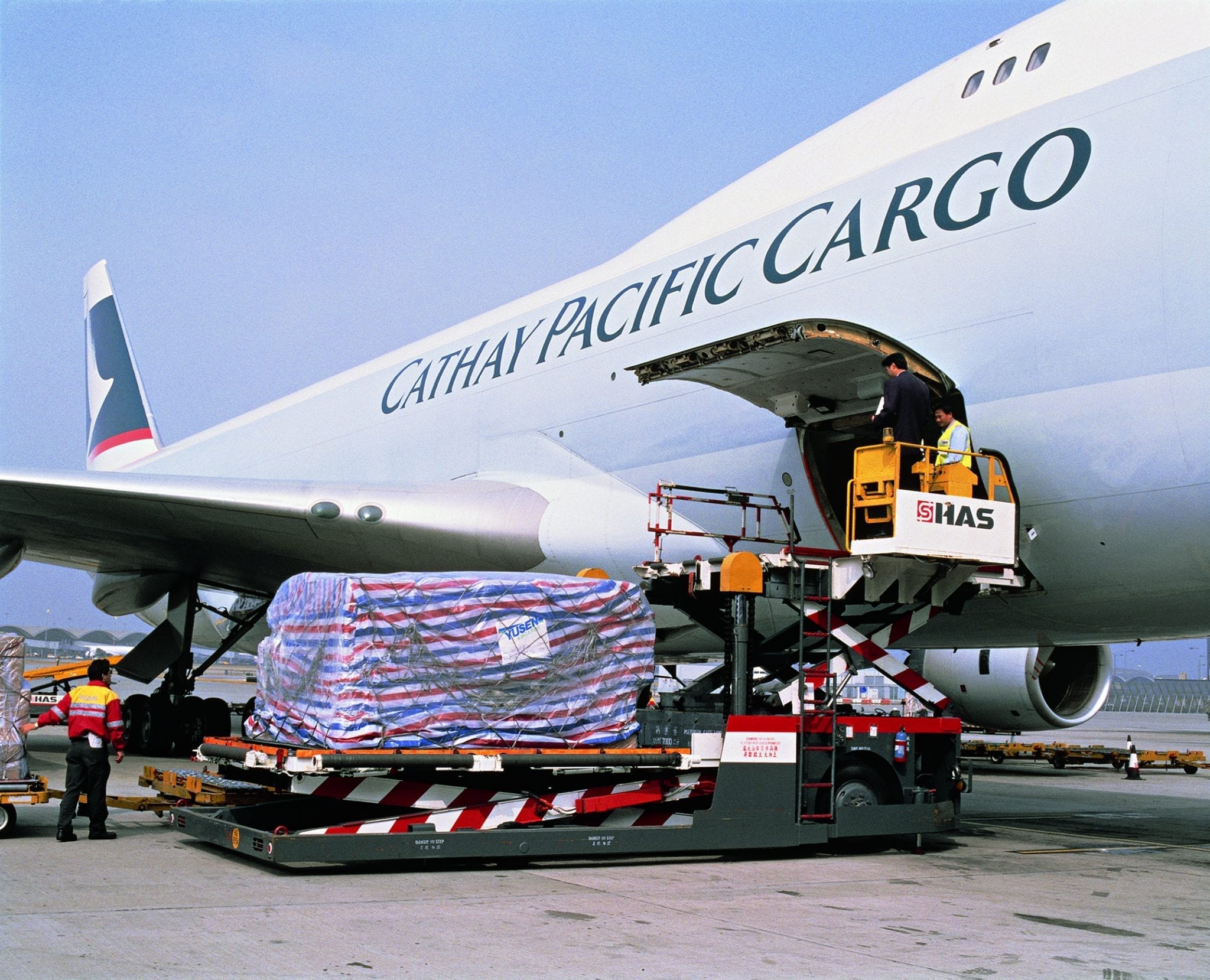
    Cathay Pacific is planning to rebrand into a new business model that offers a wide range of products apart from just selling air tickets, according to a report. Hong Kong’s flag carrier is planning to reposition itself and adopt an “Amazon concept” that includes many businesses under the brand. Under the new plan, Cathay Pacific will become just one of the brands within the Cathay ecosystem.

    It’s reported that the senior management of the company has likened the plan to that of AirAsia, which offers a wide variety of businesses including food delivery, online groceries as well as health and insurance segments. Previously, the company rolled out an ad that shows multiple lifestyle items via email to its customers. In that email, the company said that it is “always searching for new ways to help you move forward in style – to connect you with people, places and experiences that matter.”

    It concluded with a statement: We’re going to elevate the Cathay experience you know and love into a lifestyle experience that will add to your pleasure and enjoyment. The ad ends with the name “Cathay” with “Pacific”, sparking speculation over an imminent rebrand. 

    The report cited a source familiar with this matter, saying that its executive director Ronald Lam will spearhead the effort. He once said Cathay Pacific is a retail service rather than an airline. The aviation industry has been heavily hit by the pandemic and as Hong Kong is a city with no domestic routes, Cathay’s income dropped drastically by 84% last year, resulting in a HK$21.6 billion loss (US$2.78 billion). It avoided collapse thanks to a government-led bailout worth HK$39 billion and cut thousands of jobs worldwide, including the shut down of its sister airline Cathay Dragon.

    Meanwhile, amidst the pandemic in 2020, AirAsia decided to pivot its business and realize its ASEAN super app ambition under three main pillars – travel, eCommerce, and fintech. Among the list of categories including flights, hotels, SNAP, activities, insurance, Big Rewards, unlimited deals, and wifi. The app also had a “Get it fresh” section offering groceries via its B2C platform AirAsia fresh and “Get Holla”, which allowed consumers to pay to get shout-outs from artists under RedRecords including Jannine Weigel.

    Taking its ambitions across the region, earlier this month AirAsia decided to expand its eCommerce offerings to Singapore, asking for interesting fresh produce and groceries merchants throughout the island to join its growing eCommerce delivery platform.  Merchants were invited to list their fresh produce, groceries, and sundry daily necessities on the AirAsia super app, and will be contacted by the AirAsia team within 48 hours for the next course of action.  Merchants on the AirAsia super app’s eCommerce delivery platforms can also leverage AirAsia’s marketing efforts and periodic campaigns to drive more traffic to their online stores and increase sales.

  • HSBC Agrees to French Retail Bank Sale

    HSBC Agrees to French Retail Bank Sale

    HSBC has agreed to sell its French retail bank to Cerberus-backed My Money Group, furthering the British lender’s non-Asia retreat.

    HSBC has agreed to sell its French retail bank to the Paris-based banking group in a deal that includes 244 branches, 3,900 staff alongside 21.5 billion euros ($25.5 billion) in customer loans and 18.9 billion euros in deposits, according to a statement.

    If agreed by employees of both firms, as per French law, the deal could be signed off by the second half of this year and completed by 2023.

    According to HSBC, the sale prices will be a nominal 1 euro which will result in a loss of around $2.3 billion. At the time of deal completion, the bank expects net asset value to total $2 billion and it agrees to make up any shortfall should that valuation decline.

    The signing of an [memorandum of understanding] for the potential sale of our French retail banking business represents a significant step in progressing the actions we announced during our strategic update earlier this year, said HSBC group chief executive Noel Quinn.

    It will enable us to dramatically simplify our business in Continental Europe and allow us to accelerate the transformation of our European wholesale banking franchise.

    According to My Money CEO Eric Shehadeh, the firm aims for the newly acquired bank to return to profitability three years after taking control with commitments not to cut jobs until 2024 or 2025.

    The acquisition, if successful, will further add to U.S. private equity firm Cerberus’ portfolio of European banking stakes which includes ownership at Deutsche Bank and Commerzbank.

  • New Harley-Davidson Electric Motorcycle To Be Called LiveWire One

    New Harley-Davidson Electric Motorcycle To Be Called LiveWire One

    It was a few months ago that ‘LiveWire’ was turned into a standalone electric vehicle sub-brand of Harley-Davidson. Now, VIN filings with the National Highway Traffic Safety Administration (NHTSA) have revealed that the next electric motorcycle from Harley-Davidson will be called LiveWire One. It is likely to be revealed on July 8, 2021. The documents also reveal that the LiveWire One will have a power output which is equivalent of 101 bhp. The LiveWire One will have an internal code name, which is ‘XB’ while the model code will be LW1. Another fascinating fact is that the first-ever Harley-Davidson motorcycle was called the Model One. So, the reference to ‘One’ could be a throwback to Harley’s century-old legacy.

    While Harley-Davidson did not update the LiveWire for 2021 in USA, it did so for the model sold in Australia and the power output dropped from 103.5 bhp to 101 bhp, which is similar to the data found in the NHTSA VIN filings. So, in all probability, we will see a slightly updated/restyled version of the original LiveWire electric motorcycle, which was launched in 2019. The documents also reveal that the new Livewire One will be considered a 2021 model, despite being introduced in the middle of 2021.

    The original LiveWire gets Harley-Davidson’s full-electric Revelation powertrain which used to put out 103.5 bhp of power and 116 Nm of instant torque. The LiveWire had claimed acceleration from 0 to 100 kmph in just 3 seconds and roll-on acceleration from 100 kmph to 129 kmph in 1.9 seconds. The LiveWire is loaded with electronics, which includes cornering ABS, cornering enhanced traction control, rear-wheel lift mitigation, as well as a drag-torque slip control system that manages rear wheel slip and prevents rear-wheel lock due to the regenerative braking.

    A 4.3-inch full-color TFT touchscreen panel offers the rider controls to seven riding modes, including four pre-programmed modes – Road, Rain, Sport and Range. Additionally, there are three more fully customizable modes, where the power (maximum rate of acceleration), regeneration (braking effect when off-throttle), throttle response, and traction control settings can be fully customized.

    While we would love to see the new LiveWire One being launched in India, Harley is likely to consider the same next year.

  • OCBC Appoints Group COO

    OCBC Appoints Group COO

    OCBC has appointed a new group chief operating officer in an effort to drive and accelerate transformation at the Singapore-based bank.

    Lim Khiang Tong has been named group COO – a newly created role – according to a statement, effective June 21 this year. Lim will report to recently appointed group chief executive Helen Wong.

    Lim has 30 years of management experience in strategic tech development, information technology, process reengineering, project management, and banking operations. He joined OCBC’s IT management team in 2000 before being appointed to lead the unit in 2002. In 2007, he was named head of group IT and in 2010, he assumed the role of head of group operations and technology.

    Lim will take on the expanded role in an effort to «optimize and intensify» investments across tech, product processes, and people.

    Lim has been instrumental in building our operational and technology capabilities and in driving our digital transformation efforts, Wong said. He is highly regarded by colleagues, business partners and industry peers. It is only fitting that he assumes this new role.

    Lim has already made various efforts to bolster the bank’s tech capabilities including the development of the first technology command center monitoring and managing both cybersecurity and daily operations – the OCBC Regional Data Center.

  • Android version of the Google Assistant app has been installed over 500 million times

    Android version of the Google Assistant app has been installed over 500 million times

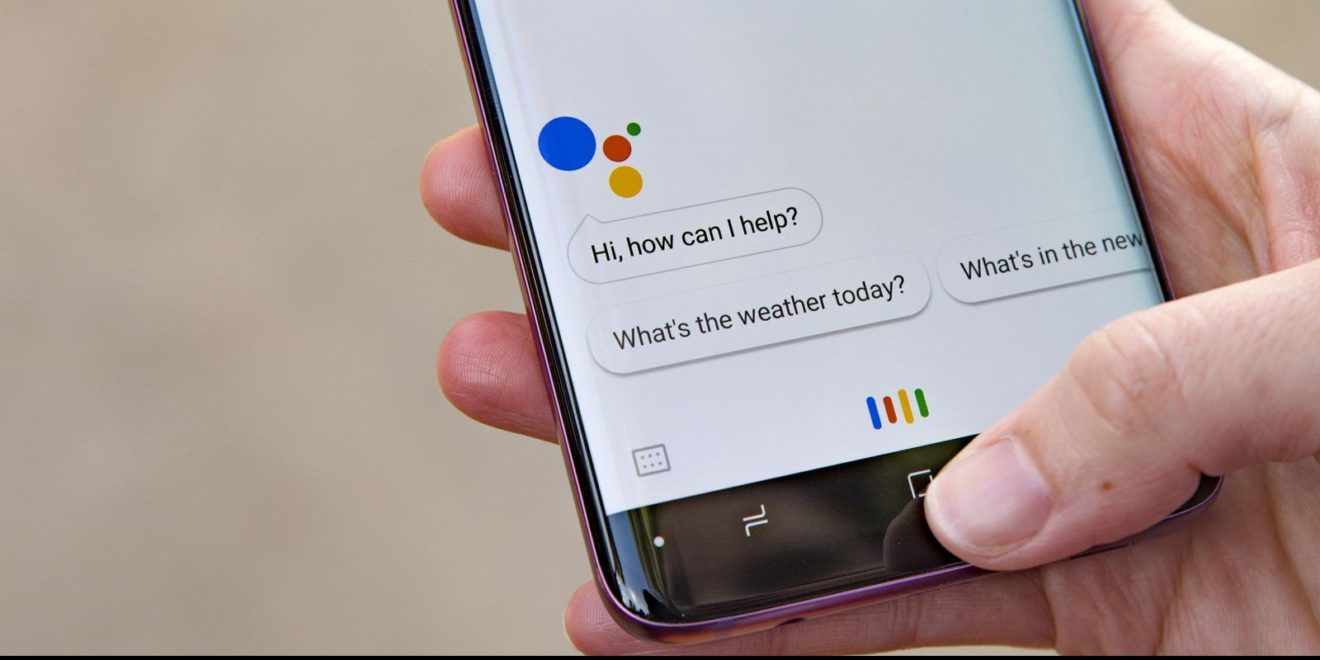
    If you look up the listing in the Google Play Store for Google Assistant, you’ll see a note near the bottom of the page that says, “You do not need this app to use the Google Assistant if you already have the Google Assistant on your device.” Since the Assistant is found on just about every Android phone that uses Google Mobile Services, the app really doesn’t need to be downloaded by the vast majority of Android users.

    The dedicated Google Assistant app has reached the 500 million installs milestone. And you can’t give credit to all of those iOS users who recognize Siri as being the absolute mess that it is and have installed the iOS Assistant app to use instead; those installations are done through Apple’s App Store and are not part of the half a billion credited to the Play Store.

    Over 500 million installs of Google Assistant have taken place via the Google Play Store

    Downloading the app will allow Android users to add it to their App drawer or home screen. There are other ways for Android users to activate Google without tapping on an app icon. The Pixel Active Edge feature allowed users to squeeze the sides of their phone to activate the Assistant although this was removed on the Pixel 4a, Pixel 4a 5G and the Pixel 5.

    Saying the hot phrase “Hey Google” will also get the assistant open without having to tap the icon or squeeze the phone. With 500 million Google Assistant installs from the Google Play Store, the app is halfway to a billion and could get there sooner than you might think.

  • California Pizza Kitchen expanding in Hong Kong

    California Pizza Kitchen expanding in Hong Kong

    California Pizza Kitchen (CPK) – creator of California-style pizza – today announced the grand opening of its new restaurant in Hong Kong in partnership with Chun Fat Enterprise Limited. With over 27 years of serving guests in the Hong Kong market, the new restaurant, located within the Tuen Mun Town Plaza, the largest mall in Hong Kong’s Northwest New Territories, allows CPK to bring its diverse and innovative California-style menu to new diners within the popular mall location.

    The Tuen Mun Town Plaza location captures CPK’s warm California brand-style throughout the space with sunny tones, wood decor accents, and large windows that pour in plenty of natural light. CPK’s signature hearth pizza oven and open kitchen layout give a welcoming feeling and invites guests to sit, enjoy and watch their meals being prepped for a more engaging dining experience.

    “We are thrilled to expand our CPK Hong Kong presence with CS Lee and the Chun Fat team,” said Giorgio Minardi, Executive Vice President of Global Development & Franchise Operations at CPK. “We have strong momentum in our business and Hong Kong is a critical priority for our long term growth plans. We look forward to bringing ‘California Creativity’ and our diverse menu to local guests in this beautiful new restaurant in the Tuen Mun Town Plaza.”

    CPK continues to aggressively expand its presence in Asia with a focus on Hong Kong, South Korea, Singapore, Japan, and Malaysia. Through its partnership with Chun Fat Enterprise Limited, CPK projects to have four locations in the Hong Kong market by the end of 2022.

    “We’re excited to expand our relationship with CPK to bring its creative California-inspired cuisine to the local community,” said CS Lee, Managing Director of Chun Fat Enterprise Limited. “The new Tuen Mun Town Plaza location is the ideal place to bring CPK’s food and beverage innovations and globally inspired ingredients to the thousands of hungry guests that visit the mall every day.”

    The new location will feature several of the brand’s classic American menu offerings including the iconic BBQ Chicken Pizza, Cali Club Pizza, BBQ Chicken Salad, and Cedar Plank Salmon, among others.

    CPK’s global presence includes more than 200 locations in 8 countries and U.S. territories, which includes 40 international franchise locations in addition to 16 domestic franchise locations in airports, casinos and stadiums across the United States. While Hong Kong is no longer under COVID-19 lockdown restrictions, all CPK locations remain committed to providing a safe and secure dining experience with rigorous cleaning and safety protocols.

  • Amazon, Alibaba race to recruit Vietnamese merchants

    Amazon, Alibaba race to recruit Vietnamese merchants

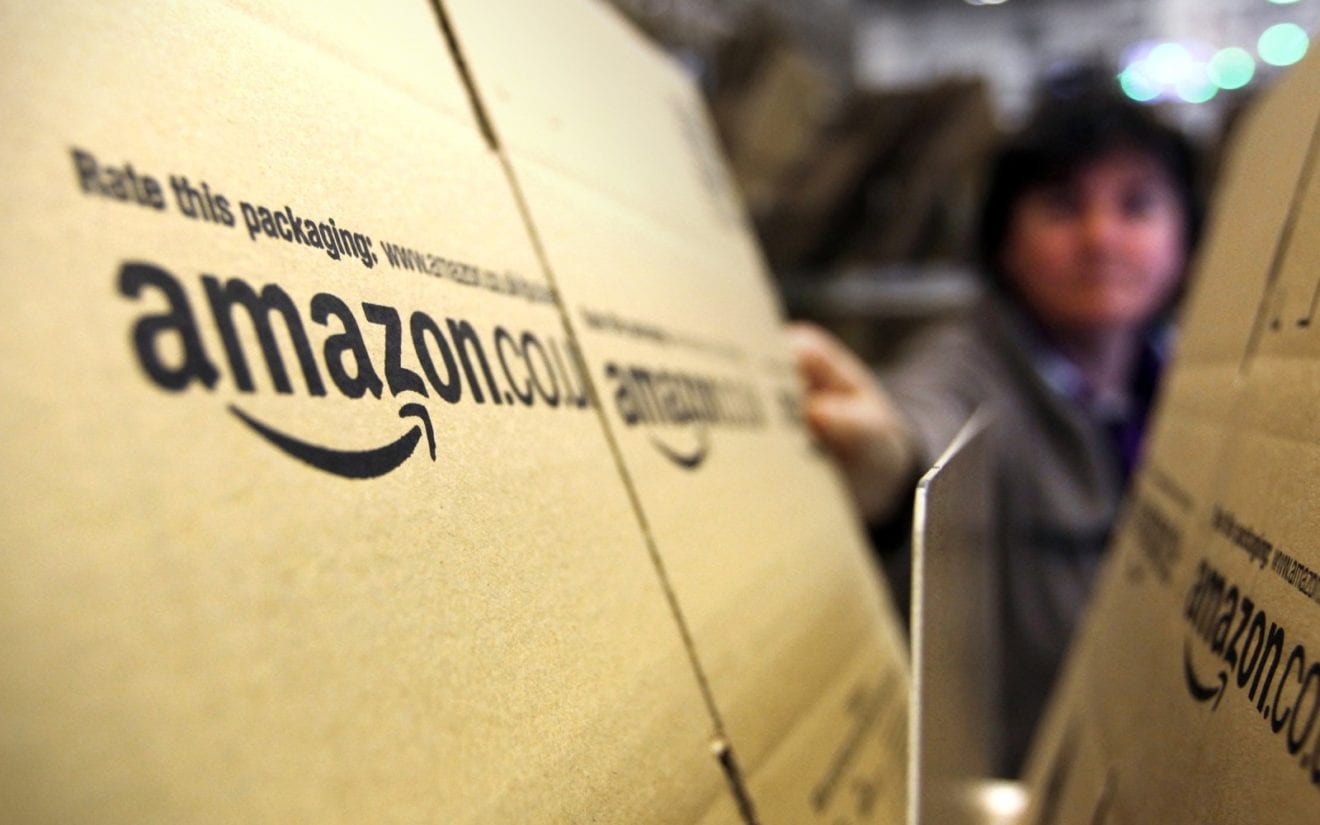
    Global giants Amazon and Alibaba are racing to recruit more Vietnamese vendors on their platforms seeking to boost their share of a booming e-commerce market.

    Amazon saw the number of Vietnamese merchants exporting at least $1 million worth of goods from Vietnam triple last year. The surge was driven by demand for tools, kitchenware, handicrafts, home goods, and apparel.

    “Vietnamese sellers have enriched our global product selection,” Gijae Seong, head of Amazon Global Selling in Vietnam, told Nikkei Asia.

    Amazon Global Selling is a business set up to recruit more Vietnamese merchants on Amazon, seeking to boot e-commerce trade between Vietnam and its largest export market the U.S.

    The company opened a Hanoi office in March to train new sellers, adding to its Ho Chi Minh City branch.

    Seong said companies “have competitive advantages in manufacturing” in Vietnam, where a wave of factories have relocated from China to sidestep the trade war with the U.S. and to reduce other costs and risks.

    China’s Alibaba has also been making moves to have more Vietnamese sellers.

    In March, a company representative said that it planned to have over 10,000 Vietnamese small and medium-sized enterprises selling on its platform by 2025.

    It has been working with government authorities since last year to run training programs for Vietnamese vendors.

    As of March, over 300 companies have been provided consultancy in online cross-border sales.

    The competition between the two giants is heating up as e-commerce booms in Vietnam with rising demand for online shopping amid the Covid-19 pandemic.

    It’s e-commerce market expanded by 18 percent last year to $11.8 billion, the only country in Southeast Asia to record double-digit growth amid the Covid-19 pandemic, according to the Vietnam e-Commerce and Digital Economy Agency.

  • Bamboo Airways to trial digital health pass

    Bamboo Airways to trial digital health pass

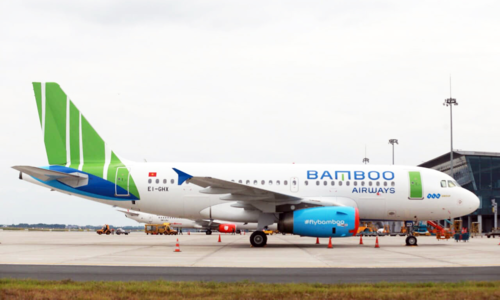
    Bamboo Airways officially entered into cooperation with the International Air Transport Association (IATA) to trial the IATA Travel Pass, laying a solid foundation for the airline’s reopening of international routes.

    In coordination with IATA, Bamboo Airways will begin preparations to trial the IATA Travel Pass on international flights in the coming months. With this move, Bamboo Airways demonstrates its commitment to relaunching international routes, opening borders safely as well as reviving the battered tourism industry.

    IATA Travel Pass is a digital health wallet where passengers can upload and share their Covid-19 tests and vaccination certificates for travel. Health information is an essential factor for both governments and carriers to conduct safe flights during and after the pandemic.

    The IATA Travel Pass is considered a safer and more effective solution compared to current paper-based procedures, especially when it comes to a multitude of test and vaccination data that needs securing.

    The app has been developed with the highest levels of data privacy and security, so passengers always remain in control of their Covid-19 health information. Besides, governments can be confident that passengers who are OK to Travel are in full compliance of Covid-19 travel requirements, said Nick Careen, IATA senior vice president for Airports, Passenger, Cargo and Security.To create the digital health wallet, passengers download the IATA Travel Pass app, and register a digital identity using their passports. Once passengers have been tested and/or vaccinated, labs will securely send data to the individual’s app. It then verifies this information and checks that passengers meet the travel requirements for their destination. If they do, they will receive an “OK to Travel.” Passengers can also choose to share this with airlines and authorities.

    By ensuring passengers meet Covid-19 health requirements for their destination, Travel Pass will facilitate more seamless transportation, playing a crucial role in the reopening of international routes in the near future.

    As of June, more than 60 airlines in the world have announced the pilot of IATA Travel Pass, including Singapore Airlines, Qatar Airlines, Air New Zealand, Air Serbia, Emirates, Etihad, Ethiopian Airlines, Iberia, Korean Air, Malaysia Airlines, Qantas, et

    As a member of IATA, Bamboo Airways is closely collaborating with the body, authorities and related units to pilot the Travel Pass app in line with government regulations on “digital health passports” or “vaccine passports”. With this trial, Bamboo Airways aims to establish an area to check the compliance of passengers at the airport and provide the government with valid information to ensure safe flights and repel the pandemic.

    Bamboo Airways is promoting the digital transformation process and effectively fulfilling the market demand and practical requirements of a “new normal” phase.

    “Alongside the valuable partnership with IATA, it’s our conviction that Bamboo Airways will substantially contribute to the revival and sustainable development of aviation in the future,” said Dang Tat Thang, CEO of Bamboo Airways.

    Thang believes the tech solution would be the cornerstone of international routes reopening, especially Bamboo Airways’ non-stop flights connecting Vietnam and the U.S.

    Bamboo Airways has successfully conducted many repatriation charter flights from South Korea, Japan, Taiwan, Australia, the Philippines, Poland, Norway, etc. The airline is also completing procedures to launch non-stop flights to many countries in Asia-Pacific, including Australia, exploit the European market, and gather pace in the operation of non-stop flights connecting Vietnam and the U.S. as soon as the government allows. Complying with the Civil Aviation Authority of Vietnam on the three-phase plan for restarting international routes, Bamboo Airways has prepared a corresponding scheme and suitable strategy based on close observation of the market and pandemic.

    At the same time, Bamboo Airways is implementing Covid-19 vaccinations for all employees and related affiliates.

    Bamboo Airways strictly complies with disease prevention measures as guided by the National Steering Committee for the Prevention of Covid-19, the Ministry of Health, the Steering Committee of the Ministry of Transport, and the Civil Aviation Authority of Vietnam, including temperature screenings at the airport, providing hand sanitizers and masks at check-in areas, departure gates and on planes, spraying disinfectant after flights, regularly maintaining HEPA filters on aircraft, etc.

    As of now, Bamboo Airways’ Covid-19 prevention process is considered the most comprehensive and effective, achieving an absolute level of 7/7 by Airlines Ratings.

    Bamboo Airways currently operates over 60 domestic and international routes, transporting 7.5 million passengers on safe flights. The airline has also maintained the highest on-time flight rate in Vietnam’s aviation market in three years up to 2021.

    The airline’s international 5-star standard-oriented service has been recognized by domestic and international passengers and media with a customer satisfaction rate of 4.5/5. Bamboo Airways was honored as Vietnam’s Best Airline, Asia’s Leading Regional Airline, and the favorite airline voted for by golfers.


  • Apple may use AirPods to track health data

    Apple may use AirPods to track health data

    Apple’s Vice President of Technology, Kevin Lynch, recently held a lengthy interview regarding the company’s advancements and aspirations within the health sphere.

    In 2014, Apple came out with the Apple Health app to allow users to track and record their heart rate, which was first collected with the original Apple Watch. However, Apple quickly realized the potential in fusing this software with its constantly improving hardware, to bring a whole slew of personal health data to people’s fingertips—and it’s been expanding ever since.

    One of the new sensor-equipped gadgets to bring health-relevant data to users may be none other than Apple’s AirPods, as Lynch slipped to the TechCrunch reporter near the end of yesterday’s interview.

    The latest model of the AirPod earbuds, the AirPods Pro, already feature a pair of dual optical sensors, a motion-detecting accelerometer, a speech-detecting accelerometer, and a force sensor, all inside the tiny chasse fitted inside the ear.

    While we don’t know of any new sensors coming to AirPods Pro in the near future, these existing ones could well be leveraged to monitor a variety of things related to one’s overall health, just like the iPhone and Apple Watch already do.

    Supporting this new information is a Bloomberg report from last month, which promises that next year’s second-generation AirPods Pro are going to have their motion sensors updated with particular attention to fitness tracking. Once they do, this data is sure to be integrated into the Health App—which would be another growth spurt for Apple’s evolving health system.

    Reliable Apple analyst Ming-Chi Kuo has also reported similar information in a separate statement in the past. Kevin Lynch hinted that Apple sees lots of potential for leveraging as many devices as possible to monitor health data—and is likely going to be adding AirPods to the mix.

    Apple’s entire health-monitoring ecosystem all started with a heart rate monitor integrated into the Apple Watch, and a consequent iPhone app developed to easily deliver users that information.

    At first, we were showing people their heart rate, and you could look at it — we were using it for calorimetry. But some users actually were looking at their heart rate when they weren’t working out, and noticed it was high. They would go talk to their doctor, and the doctor would find a heart issue, and we would start getting letters about this. We still get letters today about our work in the space, which is amazing. But some of those early letters were clueing us into ‘Wait, we could actually look for that ourselves in the background’.

    Since then, the existing fusion of Apple’s technologies has come a long, long way. It now not only simply tracks your heart rate, but matches it to your currently assessed level of activity, and comparing that to known health data, can notify you if you have a dangerously low or high heart rate.

    >Of course, that’s only the beginning. Leveraging Apple’s devices, the Health app can also keep track of your activity intensity, calorie burn, metabolic rate—it can even take your sleep metrics. This means that you can monitor your blood oxygen levels during sleep, track how much time you spend asleep, as well as your sleeping respiratory rate.

    We’ll also be seeing mobility metrics being taken later this year, tracked in terms of “walking steadiness,” which assesses your balance, strength, step symmetry, and gait. It will let you know if it detects a lack of balance or symmetry in your walk, or other abnormalities, and let you know if you are at an increased risk of falling.

    With iOS 15 this year, the Health app will also be able to track your food and calorie intake for you. It will also allow you to share your health data both privately (with loved ones worried about your health, for example), or publicly, such as with your doctor.

    There is even talk of a blood sugar monitor coming to the Apple Watch, although it has been confirmed that we’ll have to wait until after the Apple Watch 7 to see it. A temperature sensor may also be coming with the Apple Watch Explorer/Adventure Edition in 2022.

    All of this has become possible in the span of only a few years, but Apple is clearly already looking towards the future for more possibilities and ways to expand its health monitoring services.

  • Laos to supply Vietnam power from Mitsubishi-built wind farm

    Laos to supply Vietnam power from Mitsubishi-built wind farm

    Japan’s Mitsubishi Corporation will develop Southeast Asia’s largest wind farm in Laos to supply electricity to Vietnam, where demand is expected to grow continuously.

    The 600-megawatt onshore project, the first wind farm in Laos, will be located in the southern provinces of Sekong and Attapeu, the company said in a statement.

    By installing a dedicated transmission line to Vietnam, power from the wind farm, which is set to begin commercial operations by 2023, will be sold to national utility Vietnam Electricity for 25 years.

    It is expected that Vietnam’s growing economy will have high demand for power, especially during the dry season, when hydropower generation is limited.

    The onshore wind farm is being developed as part of a memorandum of understanding on power interchange signed between the Vietnamese and Lao governments in October 2016.

    It is expected to be the first cross-border electricity interchange from wind power generation in Southeast Asia.