Tag: asia

  • DHL adds Sustainable Marine Fuel option for full-container load shipment

    DHL adds Sustainable Marine Fuel option for full-container load shipment

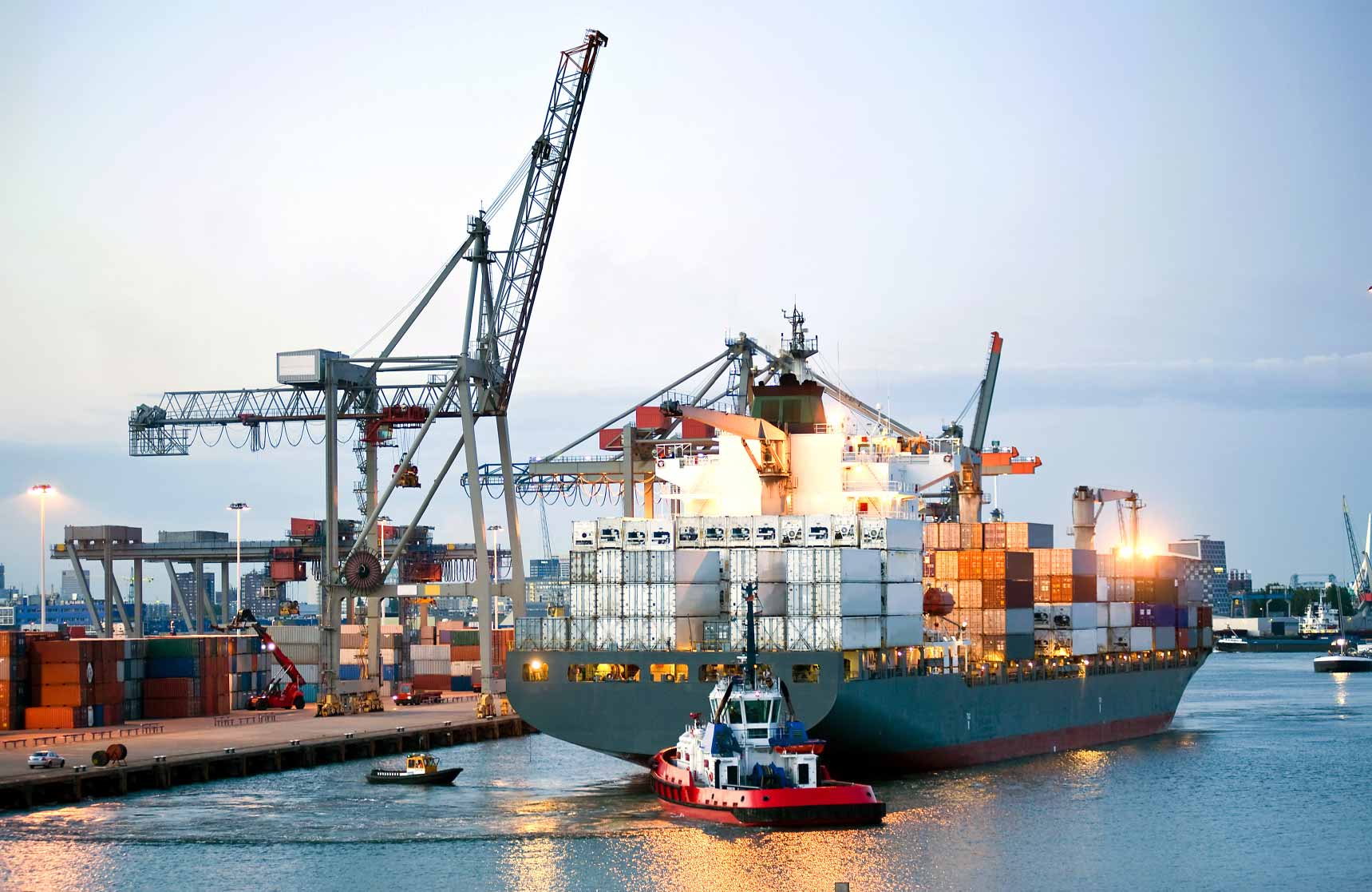
    DHL Global Forwarding is introducing another Sustainable Marine Fuel (SMF) service for ocean freight as part of its sustainability strategy.

    In a statement, the air and ocean freight arm of Deutsche Post DHL Group, said they are now extending the carbon reduction option to Full-Container Load (FCL) shipments following the success of the launch of a similar service for Less-than-Container Load (LCL) shipments.

    It said offering the option of using SMF is another step towards cleaner and greener ocean freight, in line with Deutsche Post DHL Group’s Mission 2050 of net-zero emissions logistics.

    “As one of the leading ocean freight forwarders globally, we take a serious commitment in our fight against climate change. With the strong demand for ocean freight in the Asia Pacific, we are in a prime position to offer our customers a new and easier way to reduce their carbon footprint, by choosing sustainable biofuels and decarbonizing their entire ocean freight trade lanes,” said Kelvin Leung, CEO DHL Global Forwarding Asia Pacific.

    He added that the launch of this new service “reinforces” DHL’s push toward a more sustainable supply chain.

    The SMF service is now available for all ocean freight shipments. DHL said the carbon reduction is achieved by DHL Global Forwarding purchasing SMF through partners and matching it with the amount consumed in the FCL shipment.

    It added that through the “book & claim” mechanism, there is no requirement for physical traceability of the fuel through a supply chain, as the environmental attributes of the SMF are separated from and can be purchased independently of physical fuel.

    “With the goal of ‘burn less, burn clean,’ the logistics provider aims to optimize carbon consumption across its network, fleet, and real estate. As part of this, DHL has a GoGreen carrier rating program that allows the freight forwarder to give preference to carriers with strong environmental performance,” DHL said in its statement.

    It said offering a sustainable alternative fuel for ocean freight is also another step within the Group’s sustainability efforts. By 2030, DHL said it wants to invest EUR 7 billion in climate-neutral logistics solutions and cover at least 30% of its fuel requirements with sustainable fuels.

    DHL noted that its customers can easily choose the use of sustainable biofuels via the myDHLi Quote + Book function, which also includes a carbon calculator.

  • Spotify acquires another company to further improve podcasts discovery

    Spotify acquires another company to further improve podcasts discovery

    Spotify bought a few small companies in the last couple of months to further improve the podcast experience. Over the weekend, the music streaming company announced another acquisition that’s meant to contribute to building the best podcast discovery experience: Podz.

    Podz is a small company that owns a technology that Spotify thinks it can successfully complement its own to accelerate the efforts to drive discovery and deliver listeners the right content when they need it.

    Podz technology, just like Spotify’s, is powered by machine learning and generates high-quality clips that offer users the chance to preview important moments from podcast episodes. To sum it up, thanks to the new acquisition, Spotify should be able to make it easier for its listeners to find the content they want to listen to, and for creators to be discovered and build a fan base.

    According to Spotify, Podz technology will be integrated into the music streaming service beginning this year, so users should start seeing the first improvements before the end of 2021.

  • DBS Launches Digital Bond Marketplace

    DBS Launches Digital Bond Marketplace

    The bank is launching a marketplace that for issuers to directly issue their own bonds connect with investors.

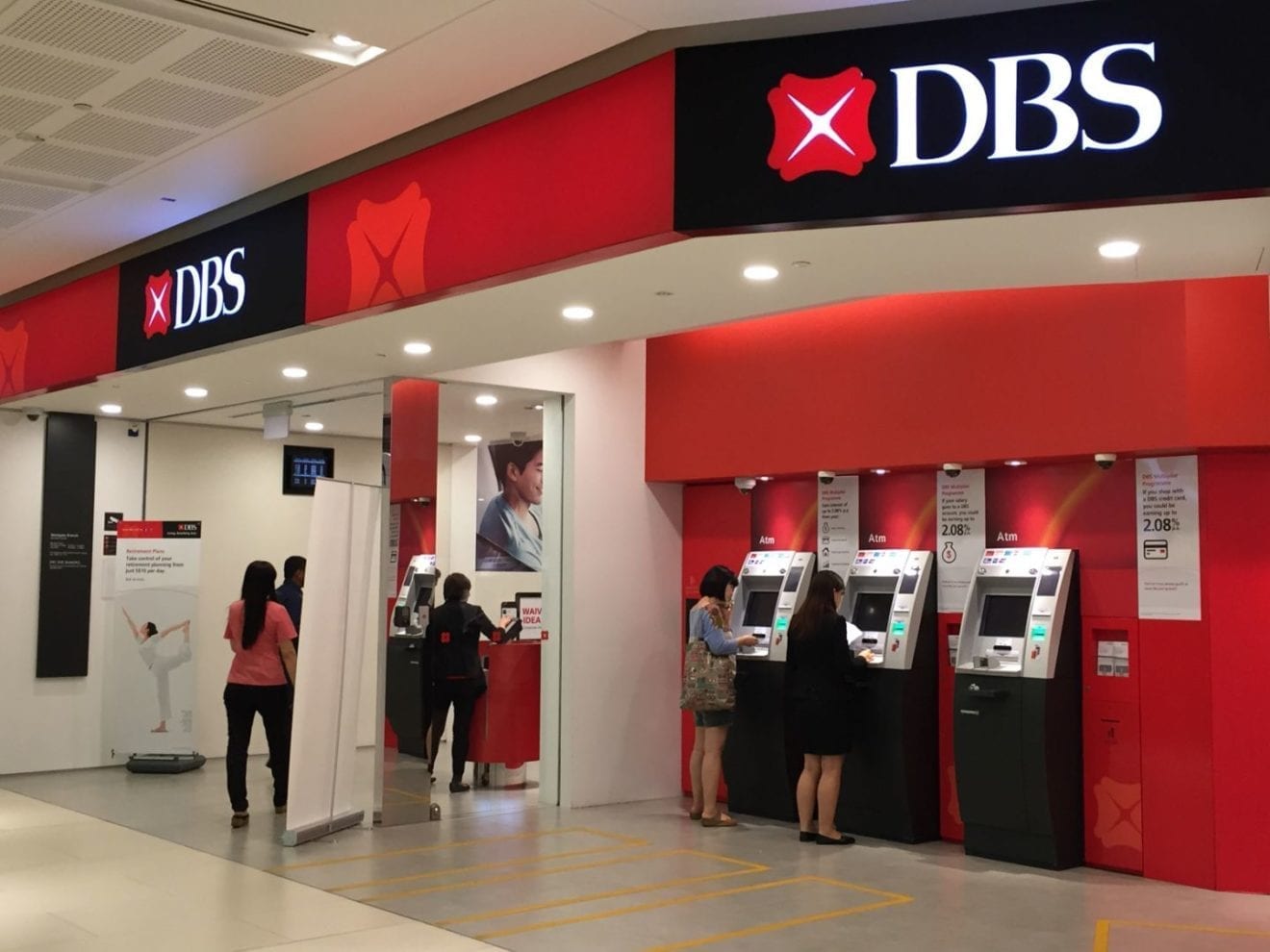
    DBS is launching the Fixed Income Exchange (FIX) to digitalize and make the bond issuance process more efficient, the bank announced on Tuesday in a statement.

    FIX allows issuers to directly issue bonds to the marketplace, and fully digitalizes and automates issuance-related documentation. It also supports issuers in generating digital bond-ready transactions, which can be listed and traded on the DBS Digital Exchange (DDEx).

    Keppel Corporation is the first corporate issuer on the platform, with a $1 billion Euro-Commercial Paper Programme.

    With FIX, DBS said it hopes to make capital markets access more time and cost-efficient, while also developing the breadth and depth of Asian bond markets at a faster pace.

    The time is ripe for traditional ways of bond origination to make way for a more digital approach, to do what has been aspired for so long – by taking the first step towards the creation of an independent platform that allows bond issuers efficient and effective direct access to the market place and bond investors, Clifford Lee, global head of fixed income at DBS, said in the announcement.

    Just last week, domestic rival UOB piloted the digital issuance of its latest bond offering on exchange-operated digital asset issuance platform Marketnode, a joint venture between Singapore Exchange and Temasek.

  • Singapore Loses Top Spot in Competitiveness Rankings

    Singapore Loses Top Spot in Competitiveness Rankings

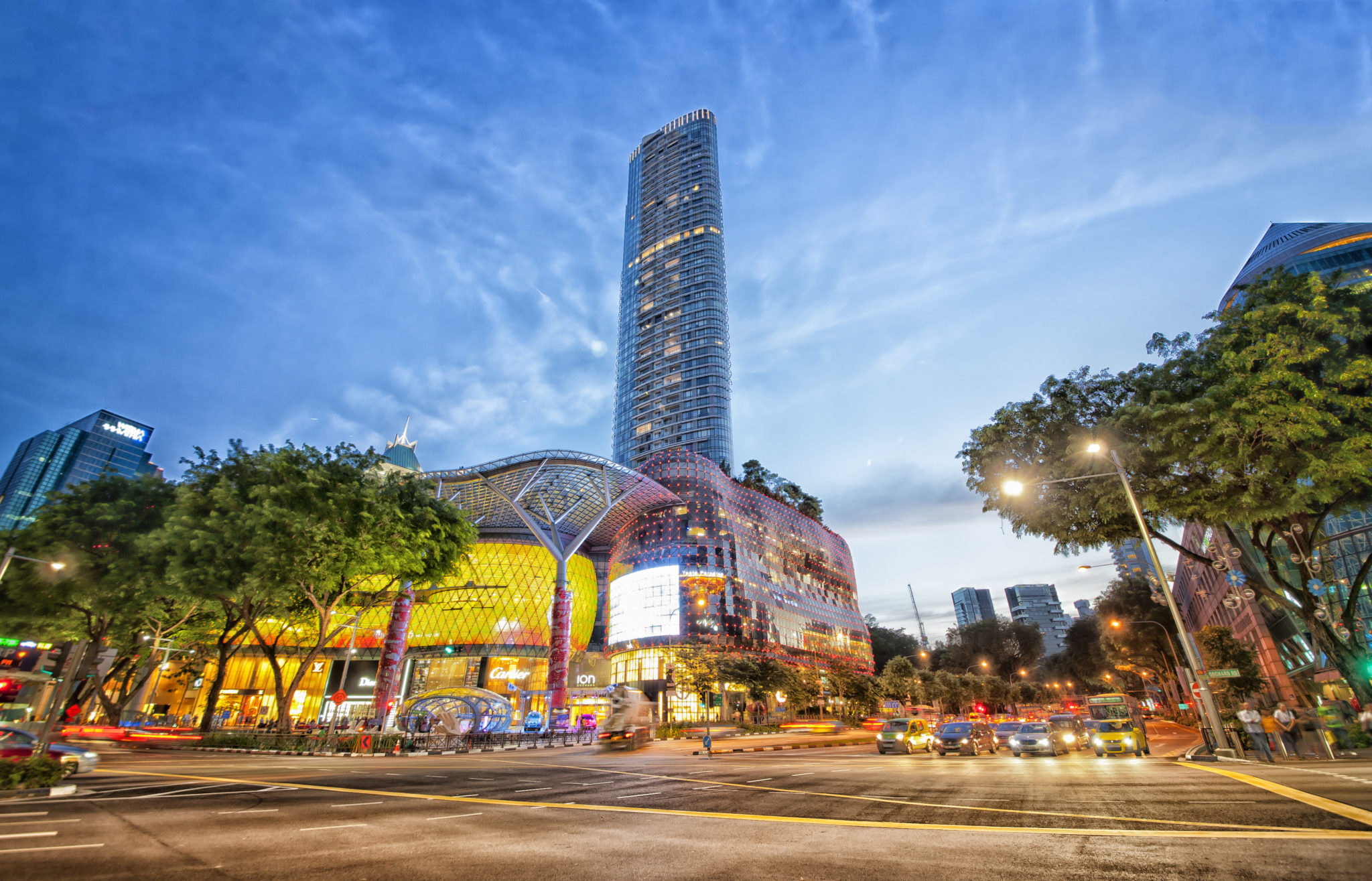
    The republic lost its crown to rival financial hub Switzerland in IMD’s latest «World Competitiveness Rankings,» as it slipped to fifth place overall.

    Singapore fell behind Switzerland, Sweden, Denmark, and the Netherlands in competitiveness as the city-state suffered significantly on an economic level during the pandemic, as it depends on the export and import of services and on people’s mobility, according to experts at IMD’s World Competitiveness Center.

    Governments that has focused in innovation, diversifying their economies, and implementing good policies pre-pandemic triumphed, IMD said in the report. The top-performing economies were characterized by varying degrees of investment in innovation, diversified economic activities, and supportive public policy.

    Singapore and Switzerland ranked highly in innovation, which takes into account education and other factors driving both a productive workforce and research, and also took top spots in health infrastructure. Singapore was also top among the 64 countries in terms of digital advancement.

    Commenting on Switzerland’s strengths, IMD said both independence and access to Europe during a period when global supply chains faced major risk was important. The country is not in the European Union (EU), but part of the bloc’s single market for goods, people and services.

    The health crisis – while devastating – is only temporary, while competitiveness measures longer-term impact, IMD said.

    Published since 1989, The ranking analyzes and ranks countries according to how they manage their competencies to achieve long-term value creation.

  • Car imports from China up 6.5-fold

    Car imports from China up 6.5-fold

    Vietnam imported 9,400 vehicles from China in the first five months of the year, 6.5 times higher than in the same period last year, according to the customs department.

    Of them, nearly 5,600 were special purpose vehicles and 2,840 were trucks, with passenger cars accounting for the rest.

    China remained the third-largest source of vehicles for Vietnam behind Thailand and Indonesia.

    Thailand dominated with 33,140 vehicles, double the figure from the same period last year, and Indonesia accounted for 18,340 units, up 16.2 percent, with the two accounting for 80 percent of imports.

    Under the ASEAN Trade in Goods Agreement that took effect in 2018, import tariffs on vehicles within the bloc are zero.

    Vietnam’s imports jumped by 78 percent to over 65,700 units.

    Auto sales rose 53 percent to 126,894 units, according to the Vietnam Automobile Manufacturers Association.

  • AirAsia India Operates 9 Flights With Fully Vaccinated Crew

    AirAsia India Operates 9 Flights With Fully Vaccinated Crew

    According to the airline, the flights were operated on Friday.

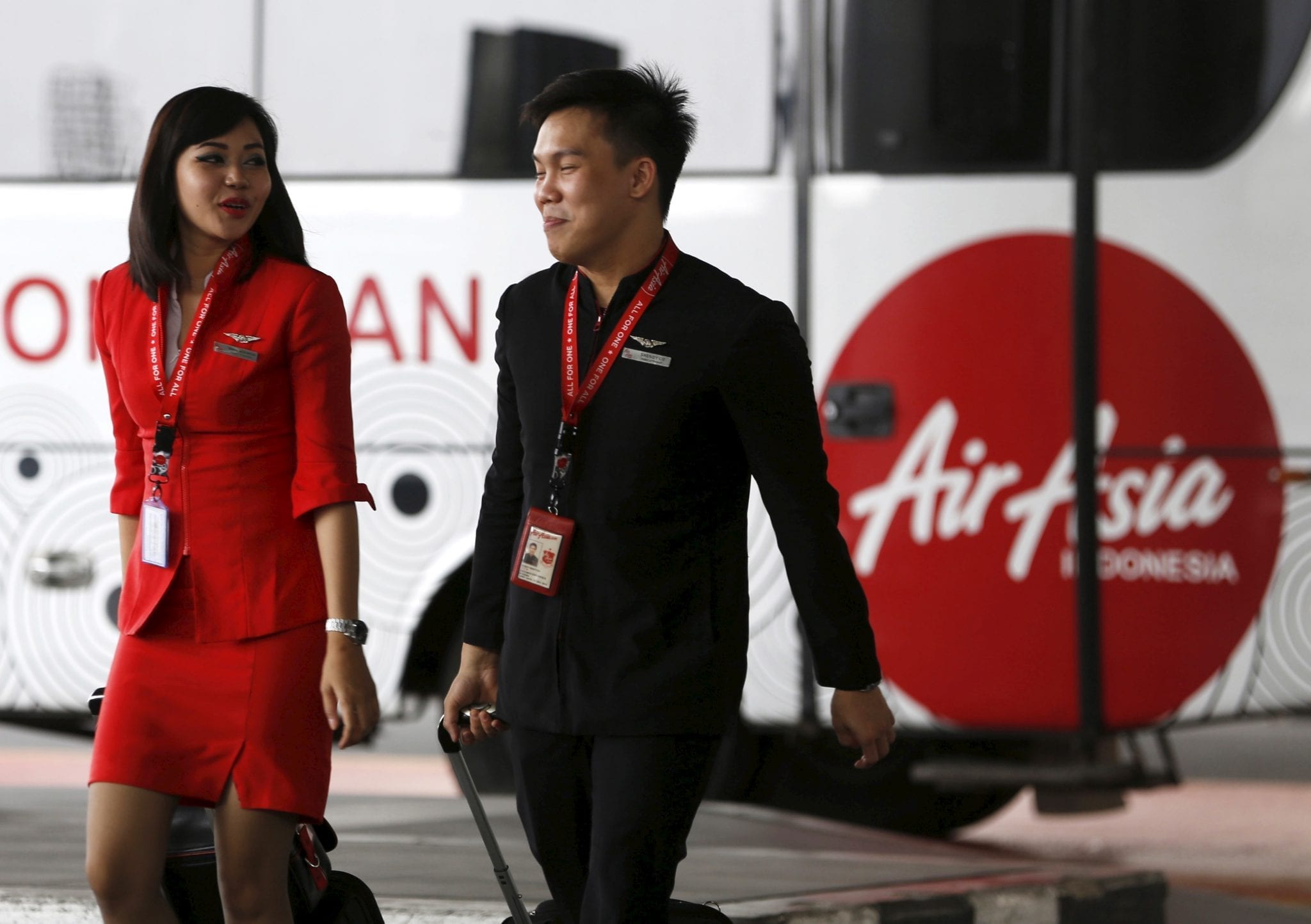
    “The sectors flown by fully vaccinated crew included Bengaluru-Kolkata, Kolkata-Bengaluru, Bengaluru-Chennai, Chennai-Guwahati, Guwahati-Bengaluru, Bengaluru-Pune, Pune-Jaipur, Jaipur-Pune and Pune-Bengaluru,” the airline said in a statement.

    “The operating crew members on these sectors are fully vaccinated, having received both doses in line with guidelines from health authorities and after going through all the mandatory tests and certified by the Chief Medical Officer, Dr Sangeeta Kujur.”

    AirAsia India is a venture between Tata Sons and AirAsia Investment.

  • Hairdressers, manicurists make house calls to survive Covid

    Hairdressers, manicurists make house calls to survive Covid

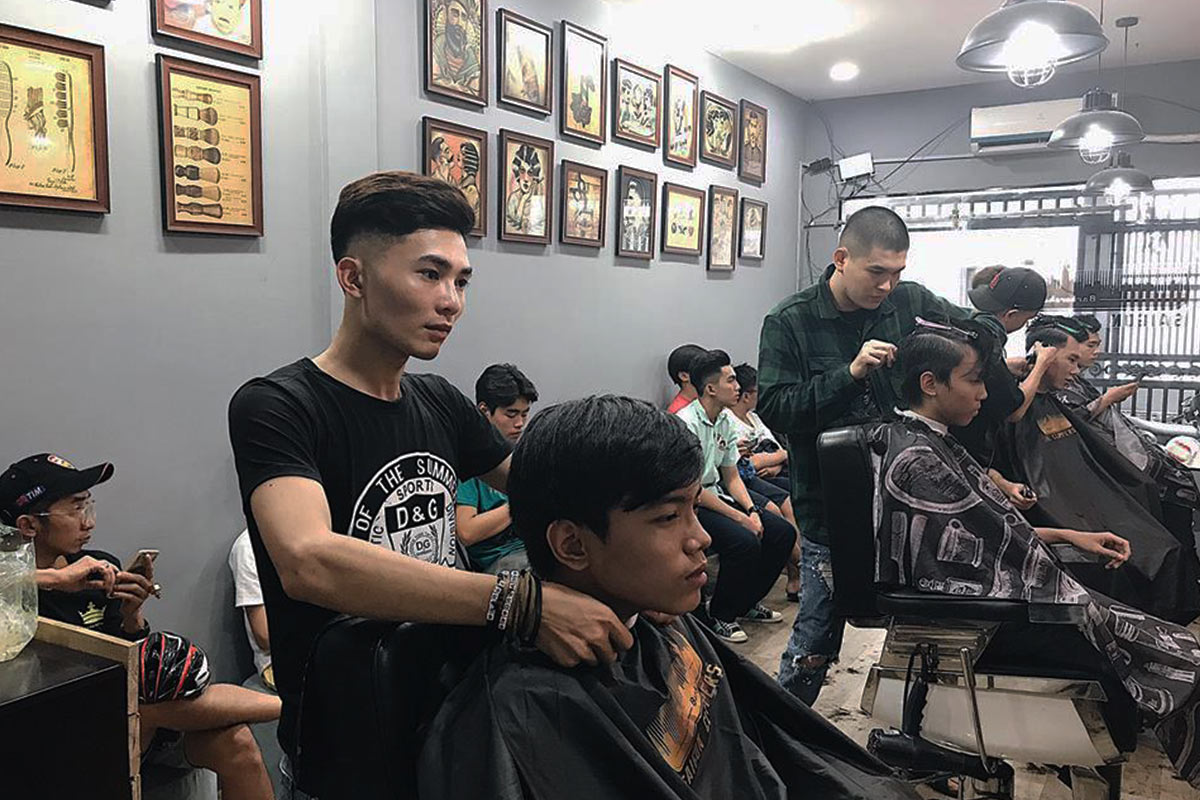
    Barbers in Hanoi and HCMC are going to customers’ homes to make a living as their shops remain closed due to the Covid-19 pandemic. For a month now Nguyen Thai Hoang, 27, a hairdresser in Hanoi’s Long Bien District, has had his business disrupted, and he has begun to visit his customers instead.

    He said: “Since the city ordered salons to close we have no choice but to provide services at our customers’ homes. It’s the only way we earn a living amid the pandemic.” His monthly income of around VND10 million ($435) has fallen by 90 percent after the fourth wave of Covid hit Vietnam two months ago.

    On a Facebook group with 1,400 members in Hanoi, there are around 20 posts every day by barbers offering to visit customers’ houses for VND50,000-100,000 plus transportation.

    “We’ll bring mirrors, masks, protective shields, and rubber gloves to ensure your safety,” one post by a salon in Thanh Xuan District with 20 barbers said.

    “Our job is the same but we have to travel a lot more so it is more challenging,” a barber in Hanoi’s Ha Dong District who asked not be identified said.

    “We still have to pay rents so this is the best we can do while we wait for everything to reopen.”

    Many people have not had a proper haircut since the end of April when everything closed.

    “No salon near my building is open, so I get a barber to come and trim my hair in the hallway of my apartment,” Le Manh Hung, who lives in Hoang Mai District, said.

    “It was uncomfortable to have neighbors walk by and stare, but I got what I needed.”

    On social media there are also many offers for nail, spa, and skin care services.

    In HCMC’s Tan Binh District, last month Mai had to shut her hair and nail salon, which is the main source of income for her family.

    “I had to ask for time to pay rent,” the 40-year-old woman said. She has been providing customers with hairdressing and nail services at home to earn some money.

    However, authorities have expressed concern about this. Nguyen Hong Tam, deputy director of the HCMC Center for Disease Control, said people cannot maintain a minimum distance of two meters when doing hair and nails, and therefore this is a violation of Covid-19 regulations.

    “Going to customers’ homes means shops are still operating, and this is also a violation,” he said.

    But hairdressers are concerned about putting food on the table for their family. Hoang, who has to take care of his mother and grandmother, has three customers booked for tomorrow and he has no intention of canceling them.

  • AirAsia boss says industry could return to normal next year

    AirAsia boss says industry could return to normal next year

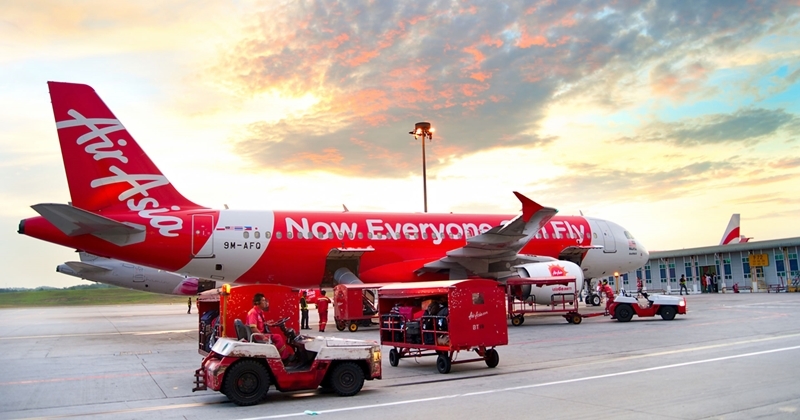
    AirAsia Group Bhd’s chief executive officer said the aviation industry could return to normal next year as international borders gradually reopened, state news agency Bernama reported on Saturday.

    Tony Fernandes also called for better government policies to avoid disruptions when travel resumed, and decisions on what would be required to open up borders, including documents needed to travel.

    “I think that will be sorted out by September or October when we allow interstate travel and some international flying,” he was quoted saying in a webinar.

  • Garment production may slow down over Covid-19

    Garment production may slow down over Covid-19

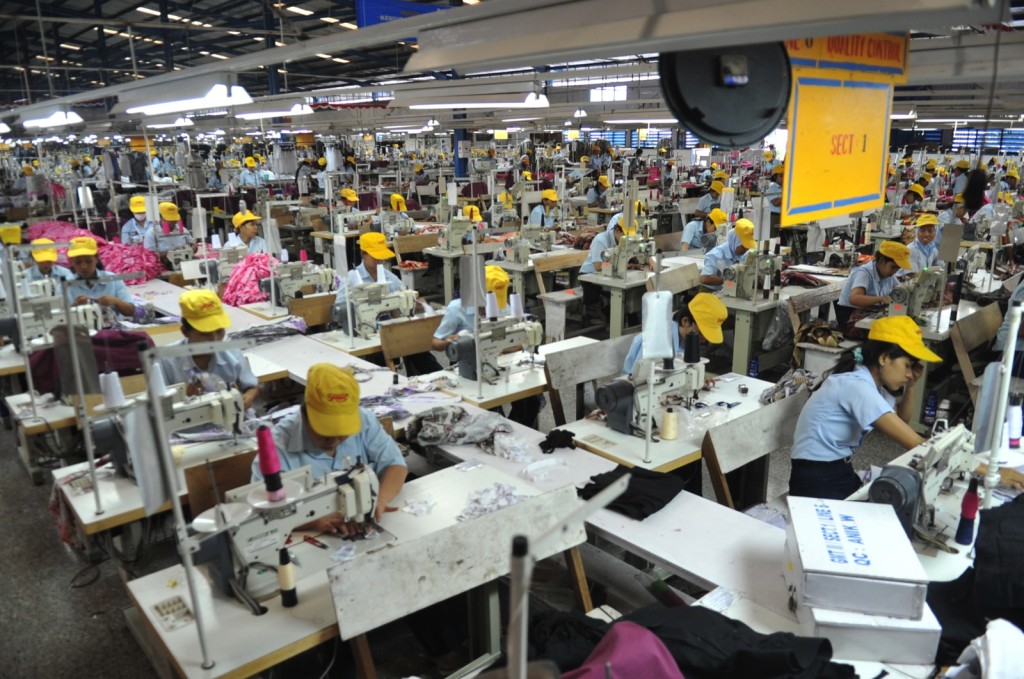
    The textiles and garment sector is likely to be impacted by the Covid-19 situation getting more complicated across Vietnam. Industry insiders say the pandemic situation in HCMC, in particular, will drag the sector down in the remaining months of the year.

    The pandemic has already penetrated some industrial parks in HCMC, so if the staff of garment and textile firms get infected, work would stop and fulfillment of orders would slow down, said Pham Xuan Hong, head of HCMC Association of Garment, Textile, Embroidery, and Knitting (AGTEK).

    Garment and textile firms are labor-intensive affairs with many workers concentrating in certain places, so the risk of Covid-19 breaking out in factories is very high, said Le Tien Truong, chairman of Vietnam National Textile and Garment Group (Vinatex), adding that the production chain is likely to be broken amid the outbreak.

    Vinatex has 150,000 workers nationwide, with most of its affiliates having an average workforce of 2,000 each.

    In the first three waves of Covid-19, no Vinatex affiliates reported any Covid-19 infection. In the ongoing fourth wave, some enterprises in the northern province of Bac Ninh and the central city of Da Nang have reported infected workers.

    “This is the first time in 18 months of Covid outbreaks that workers in Vinatex affiliates have been infected with the disease, forcing them to stop production and face considerable losses,” the Vinatex chairman said.

    If production comes to a halt due to Covid-19, goods delivery will be delayed, causing losses for producers and exporters, he said.

    Affected enterprises will have to shift to transporting goods by air, instead of by sea to ensure timely shipment. This would make the shipment prohibitively expensive, Truong noted.

    Vinatex and AGTEK have proposed the government prioritizes vaccination against Covid-19 for garment and textile workers. Most garment and textile firms have said they are willing to cover all vaccination costs.

    Vietnam’s textiles and garment export turnover reached $5.8 billion in the first five months, a year-on-year rise of 4.8 percent.

  • Google is still being unclear on support for the new Wear OS

    Google is still being unclear on support for the new Wear OS

    It became clear how uncertain the future of current smartwatches is with the new Wear OS by Google and Samsung. We initially thought that the wearables we have now are not equipped with the horsepower to support the update.

    In a recent report from Qualcomm, however, we found out that is not the case. The chipset manufacturer confirmed the Snapdragon Wear 3100 and Snapdragon Wear 4100/4100+ have what it takes to run Wear OS 3.0.

    This then begs the question, why so many of the devices out now are not confirmed to receive it? One example is the Fossil Gen 5. The company recently opened up and stated that none of their intelligent timepieces will be getting the upgrade to the next version of Wear OS. Unfortunately, no further reasoning was given after that announcement which only arose further suspicion.

    On the other hand, wearables like the TicWatch Pro 3 have a decent chance to make the transition, as we got a leaked conversation with a representative from their customer support earlier this month. Although, given the source, the information does not carry much weight and leaves us with little reassurance.

    “User experience is a top priority for us. We have not confirmed eligibility or timeline on whether any Wear OS smartwatch will update to the new unified platform. There are many technical requirements in order to run the unified platform that ensures all components of the user experience are optimized.”

    If we translate this message, it seems Google has very politely disagreed with Qualcomm’s statement. The big G is basically saying there is no guarantee current Wear OS devices can comfortably handle it. Despite that, the tone and wording do leave room for possibility and dare I say… hope.

    Nevertheless, it seems Googe is being very tight with their plans and details on the topic. Your best course of action would probably be to wait a little while for the air to clear up if you are in the market for a new wrist buddy.

  • Porsche Setting Up Battery JV With Customcells For An EV Future

    Porsche Setting Up Battery JV With Customcells For An EV Future

    Porsche has made waves around the world with its Taycan and Taycan Cross Turismo EVs which have been dubbed as the most driver-centric EVs in the world, more so than even Tesla’s groundbreaking vehicles. To further an electrified future, like all things Volkswagen group, it is forming a joint venture with Customcells that will create high-performance batteries that will significantly reduce charge times.

    Like Porsche, Customcells is also a German company hailing from the Southern German region specializing in lithium-ion batteries aiming to create packs that have higher energy density than what Porsche is already using in cars like the Taycan.

    More importantly, it is part of a broadened push towards enhancing the battery supply chain in Europe which is currently dominated by Asia. The Volkswagen group has been making huge investments in this space as the EU has stricter emissions norms which means European manufacturers have to go green faster than automakers around the world.

    One of the keys to achieving better battery efficacy is enhancing the energy density which in turn results in less raw material being used. It will also cut battery production costs and help make electric cars more affordable.

    As a part of the JV, Porsche doesn’t disclose its investment but does say it is a number upwards of 10 million Euros and it holds an 80 percent stake in the venture. The production facility in the equation will have an aim to deliver 100 kWh of capacity which could service about 1000 cars per year. This is a tie-in from what Porsche chief executive officer Oliver Blume said in April which was indicative of the legendary German sports cars marquee ramping up its e-mobility plans for a German factory in Tuebingen for battery production. It so happens this JV with Customcells is based in Tuebingen.

    Porsche parent, Volkswagen has even broader plans of building 6 battery cell plants across Europe and expand its infrastructure for the charging of electric vehicles.

  • Coworking space companies respond to Covid with new solutions

    Coworking space companies respond to Covid with new solutions

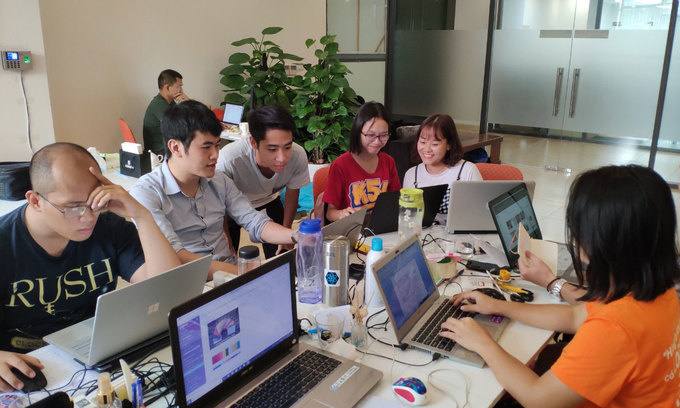
    Coworking space operators in Vietnam have launched a number of Covid response services and even prepared for expansion after the pandemic is controlled.

    This month Dreamplex, which has five coworking spaces in Hanoi and HCMC, unveiled a service called the temporary office for companies with a payroll of at least four. With three facilities in HCMC, cirCo recently provided an online meeting solution for firms that lack equipment and technicians.

    A few days before HCMC mandated social distancing in early June, Toong inaugurated a new 1,250sq.m coworking space in District 3 after an earlier one in March in District 1.

    Its CEO, Duong Do, said 75 percent of the new office in District 3 was booked even before it opened.

    “The pandemic has helped us become sharper and more flexible in designing our services,” he said.

    Early last year, Toong’s occupancy rate was 80 percent in HCMC and 70 percent in Hanoi, but since mid-2020 they have risen sharply.

    The number of clients in the capital has tripled during the pandemic, with revenues rising by some 15 percent in 2020, Do said.

    Balder Tol, WeWork’s general manager for Australia and Southeast Asia, told VnExpress that demand for coworking space has been on the rise.

    The first Covid wave in Vietnam last year only slightly affected demand as many enterprises allowed their staff to work from home.

    However, when the pandemic prolonged, they began to pay attention to coworking spaces, and small companies now tend to seek flexible working spaces instead of traditional ones, he said.

    Some coworking space operators are ready to expand. Toong is about to open a new facility in HCMC and planning more in Hanoi and Da Lat and to cooperate with Wink Hotels for three projects in Da Nang and Can Tho.

    Dreamplex has announced plans to open a new facility each in HCMC’s Thu Duc City in October and District 4 in November.

    But the firms face challenges in achieving sustainable growth since serviced offices are more suitable for startups or enterprises with a workforce of 30 or fewer, according to property experts.

  • Cartier unveils complex, wooden-fronted Osaka store

    Cartier unveils complex, wooden-fronted Osaka store

    Cartier has reopened its flagship in Ginza, Tokyo following extensive renovations. The flagship store covers a surface of 10,764-square-feet.

    The Ginza boutique houses the luxury jewelry company’s men’s and women’s watch collections on the first floor, diamonds, including engagement rings, contemporary designs, and special orders, on the second floor, and fashion accessories and leather goods on the lower level. Interior designer Bruno Moinard created unique spaces for each floor, with the first floor featuring brown tones and soft hues of beige, gold, and champagne, and the second floor featuring feminine contrasting hues of ivory and champagne.

    The façade, which was designed by Sylvain Dubuisson, was constructed in two sections with the lower part being a dark brown, orange-toned granite stone façade inspired by the company’s boutique in Paris on Rue de la Paix, and the second section featuring Japanese screens, or Shoji, made from traditional paper and wood cuts arranged to resemble a Japanese cedar, or Sugi, which is Japan’s national tree.

    Cartier first entered the Asia market in 1970 in Hong Kong and later opened in Singapore in 1973. The jewelry company opened a boutique in Ginza in 1991 and opened the flagship in 2003, which introduced Cartier’s interior design concept by Moinard. The boutique was renovated and reopened in 2007, and it reopens again after being renovated for two years.

  • British Tequila brand Vivir launches in Australia

    British Tequila brand Vivir launches in Australia

    British Tequila brand, Vivir, has launched in Australia as part of its global expansion, making its debut in Coles stores.

    The brand will distribute all three of its version: Blanco, Reposado, and Añejo Tequilas.

    According to its founders, Paul Hayes and Navindh Grewal, Vivr aims to change mainstream perceptions of Tequila through a “distinctive spirit” produced according to long-standing traditions at the Casa Maestri distillery in Jalisco, Mexico.

    Vivir’s is made using 100-per-cent Weber Blue Agave and natural volcanic spring water. Its aged tequilas – Añejo and Reposado – are finished in American Oak ex-bourbon barrels, resulting in a smooth, fresh, and robust drink.

    Australia becomes the ninth country the liquor brand is distributed into with a rollout into the Middle East, Africa, and the US planned later this year.

    Vivir’s Tequila is now available at Coles and its subsidiaries – Vintage Cellars, First Choice Liquor, and Liquorland.

  • Zara joint venture records loss in India

    Zara joint venture records loss in India

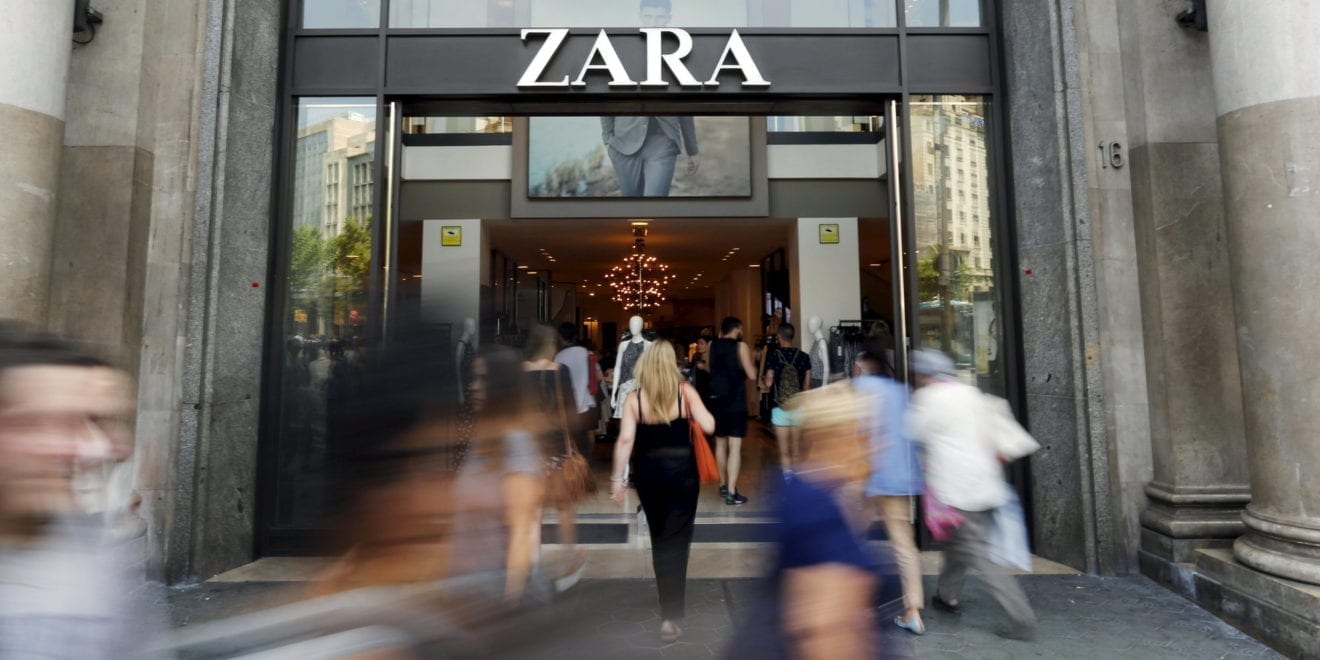
    Inditex, the Spanish owner of fashion brand Zara posted its first-ever loss in India as sales dipped by 28% due to Covid lockdowns and related staggered reopening during the financial year 2021 (FY21). The fashion house consistently posted profits in India since entering the country in 2010.

    Zara’s joint venture partner with Tata, Inditex Trent, which runs 21 stores in India saw its revenue decline to Rs 1,126 crore in FY21. The company posted a net loss of Rs 41 crore as per Trent’s annual report released Thursday. It posted a profit of Rs 104 crore in the previous year. It is one of the most profitable apparel retailers in the country.

    Trent’s annual report said FY21 started with significant uncertainty due to the pandemic. It added that operating profit was hit by a drop in sales and restaurants profits due to Covid-related lockdowns and trade restrictions.

    According to an Economic Times report, Trent has yet another association with Inditex group to operate Massimo Dutti stores in India. It saw revenues drop by 50% to Rs 34 crore in FY21 with a net loss of Rs 8 crore.