Tag: asia

  • THAICOM-9A Secures 50.5°E Slot

    THAICOM-9A Secures 50.5°E Slot

    The satellite arrived at its designated slot on November 22, 2024, just days before Thailand’s rights to the orbital slot were set to expire on November 27.

    The relocation forms a crucial part of Thaicom’s mission to safeguard Thailand’s claim to the orbital position. TC Space Connect Company Limited (TCSC), a Thaicom subsidiary, secured a 20-year license for the slot through the National Broadcasting and Telecommunications Commission’s (NBTC) selection process. The move underscores efforts to preserve Thailand’s orbital rights while enabling long-term satellite operations.

    Faced with time constraints that make building a new satellite unfeasible—an average process of over three years—Thaicom has collaborated with an international partner to reposition an existing in-orbit communication satellite to the 50.5 degrees east orbital slot.

    Patompob (Nile) Suwansiri, Chief Executive Officer of Thaicom, noted that this achievement would enhance Thailand’s competitive standing, open new market opportunities for Thaicom, and support the growth of the country’s space industry.

    The satellite, now named THAICOM-9A, is set to begin operations in the first quarter of 2025.

    The satellite’s service coverage spans Europe and Asia, including Thailand. Thaicom’s initial focus will be on providing satellite services to Thailand and select Asian markets, with plans to explore business opportunities in Europe, Africa, and the Middle East in the near future.


  • Indonesia says Apple’s $100M investment proposal inadequate

    Indonesia says Apple’s $100M investment proposal inadequate

    Indonesia said a $100 million investment proposal from Apple to build an accessory and component plant was not enough for the country to allow the tech giant to sell its latest iPhone model, its industry ministry said on Monday.

    Indonesia in November banned sales of Apple’s iPhone 16 after it failed to meet requirements that smartphones sold domestically should comprise at least 40% locally-made parts.

    Indonesia has also banned the sale of Alphabet’s Google Pixel phones over a similar lack of use of local components.

    Indonesian authorities last week said Apple had put forward the investment proposal to lift the sales ban.

    Apple did not immediately respond to a request for comment.

    “We have done an assessment and this (proposal) has not met principles of fairness,” Industry Minister Agus Gumiwang Kartasasmita told a press conference, comparing the proposal to Apple’s bigger investments in neighboring Vietnam and Thailand.

    Apple has no manufacturing facilities in Indonesia, but has since 2018 set up application-developer academies, which Jakarta considers a way for the company to meet local content requirement for the sale of older iPhone models.

    Companies usually increase the use of domestic components to meet such rules through partnerships with local suppliers or by sourcing parts domestically.

    Agus said Apple had an outstanding investment commitment of $10 million it should have carried out before 2023. He also wanted Apple to commit to new investment until 2026.

    The ministry would invite Apple to visit Indonesia to negotiate further, Agus said.

  • FedEx launches first Mercedes-Benz eVito vans in Asia Pacific

    FedEx launches first Mercedes-Benz eVito vans in Asia Pacific

    FedEx Express Corporation, one of the world’s largest express transportation companies, is introducing 31 electric vehicles (EVs) into its existing fleet in Singapore. Singapore is the first market within the FedEx Asia Pacific network to deploy the custom-built Mercedes-Benz eVito 112 panel vans to support its parcel pickup and delivery operations across the country. The EVs offer a 923 kg load capacity and an estimated range of up to 321 kilometers on a full charge. Collectively, the vehicles are estimated to avoid around 148 metric tons of tailpipe emissions per year when compared to diesel-powered vans.

    FedEx Singapore is already replacing all its end-of-life vehicles used for parcel pickup and delivery with EVs, contributing to the company’s global goal to make 100% of new purchases of these vehicles electric by 2030. The addition of these new vehicles to its fleet marks a significant step towards the company’s commitment to sustainability in Singapore and its ongoing efforts to achieve zero-tailpipe emissions for last-mile parcel delivery operations across its global operations.

    FedEx continues to explore innovative solutions and collaborations to enhance the sustainability of its operations, including the company’s vision of integrating renewable energy and enhancing facility efficiency. The South Pacific Regional Hub in Singapore will soon be able to use solar energy to meet more than half of the facility’s total electricity demands, helping to charge the EV fleet in Singapore via clean energy beginning in January 2025. Overall, these projects support the Singapore Green Plan 2030, which aims to lower national carbon emissions and promote sustainability.

    FedEx’s transition to EVs in Singapore is part of its ongoing expansion across Asia Pacific markets including in China, Thailand, Japan, Malaysia and New Zealand. To further improve the efficiency of the Singapore fleet, including these new EVs, FedEx is using its AI-powered Stops Sequencing tool, which is designed to optimise delivery routes in real-time based on package volume and customer requests. By intelligently planning delivery stops, the tool helps reduce total mileage travelled each day, contributing to greater reductions in fuel and energy consumption and, as a result, carbon emissions.

    “FedEx is committed to connecting people and opportunities in smarter ways,” stated Kawal Preet, president of FedEx Asia Pacific. “With the introduction of these electric vehicles, we are taking meaningful steps to lower greenhouse gas emissions while improving our efficiency, directly supporting Singapore’s bold sustainability initiatives. This is an important milestone on our path to achieving carbon-neutral operations by 2040, as we work to build a cleaner and more efficient logistics network that promotes sustainable growth throughout the Asia Pacific region.”

    Earlier this year, FedEx completed the first cross-border delivery between Malaysia and Singapore with an EV, which was recognised by the Malaysian Book of Records. This initiative is part of the company’s broader efforts to reduce emissions for long-distance deliveries. In other Asia Pacific markets, electric tricycles were introduced for last-mile deliveries in congested urban areas in Taiwan, while electric trucks and vans have been introduced in Japan and Thailand, further advancing the company’s sustainability goals.

    In addition to vehicle electrification, the company has also launched a cloud-based carbon emissions reporting tool, FedEx® Sustainability Insights, giving customers access to historical emissions information on eligible shipments within the FedEx network. FedEx customers can use the data to h

  • Etihad Cargo extends Ministry of Industry and Advanced Technology partnership to boost national ICV programme

    Etihad Cargo extends Ministry of Industry and Advanced Technology partnership to boost national ICV programme

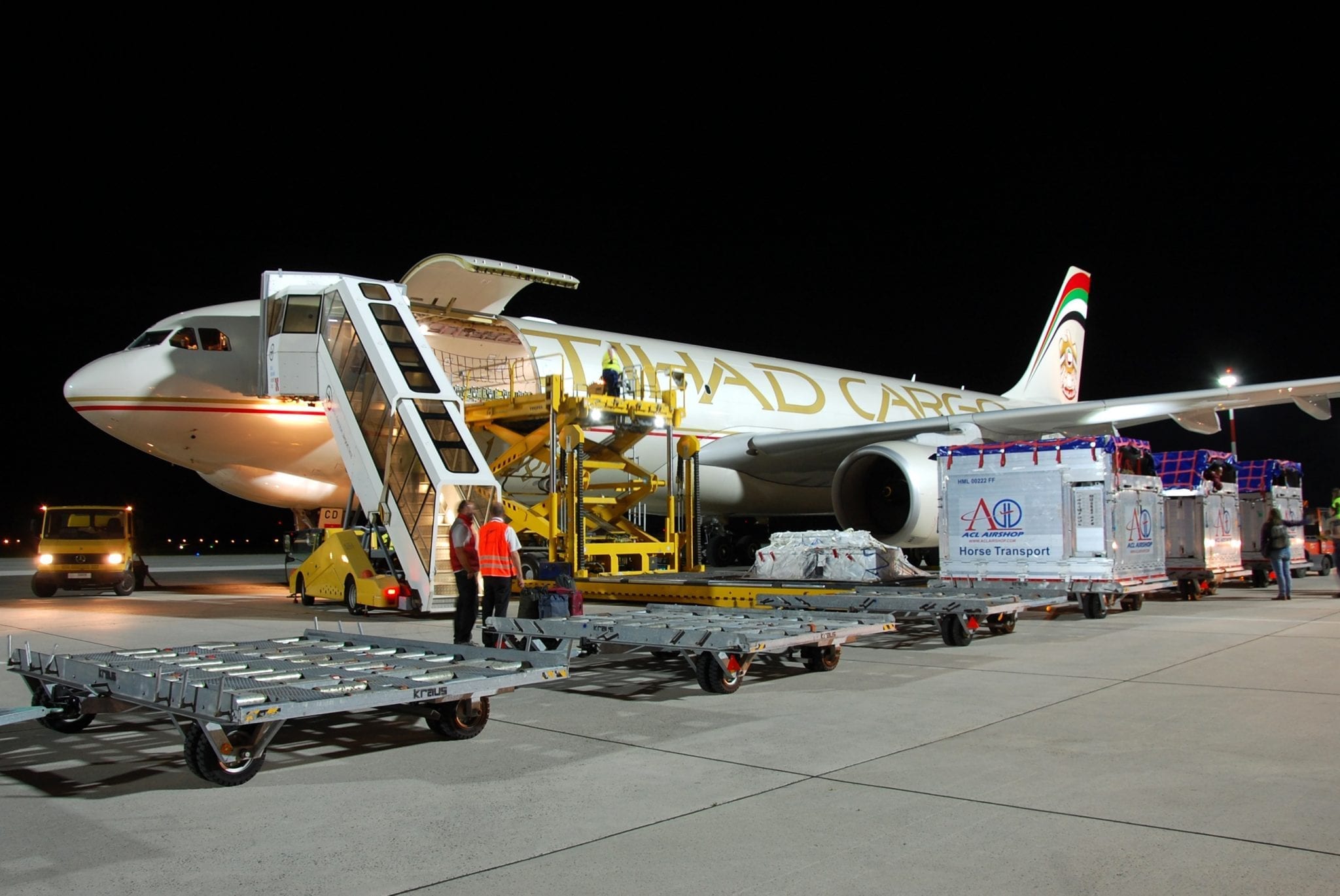
    Etihad Cargo, the cargo and logistics arm of Etihad Airways, has extended its Memorandum of Understanding (MoU) with the Ministry of Industry and Advanced Technology (MoIAT), offering preferential air cargo rates to In-Country Value (ICV)-certified companies. This initiative comes as part of Etihad Cargo’s commitment to promoting local products, strengthening the UAE’s industrial sector and enhancing its competitiveness in international markets.

    Providing discounted air cargo rates across Etihad Cargo’s fleet, the extended MoU was signed by Stanislas Brun, Vice President Cargo at Etihad Cargo, and Salama Al Awadi, Director of National In-Country Value Programme (ICV) at MoIAT, in the presence of His Excellency Omar Al Suwaidi, Undersecretary of MoIAT. The signing ceremony took place on the sidelines of the Abu Dhabi International Petroleum Exhibition and Conference (ADIPEC), held at the Abu Dhabi National Exhibition Centre (ADNEC).

    Under the extended MoU, Etihad Cargo will continue to offer a 25 per cent discount on air cargo tariffs to ICV-certified companies. As a result, more UAE-based companies will be able to scale their operations across the UAE and access more international markets. Building on the original agreement signed in 2021, the partnership highlights Etihad Cargo’s significant role in driving the UAE’s ambitious efforts to boost in-country value and empower local manufacturers.

    HE Al Suwaidi said: “The extended MoU is aligned with the Ministry’s National Strategy for Industry and Advanced Technology (Operation 300bn), aimed at diversifying the national economy and enhancing the UAE’s industrial sector competitiveness. The National ICV Programme serves as a key pillar in empowering this sector and boosting the resilience and sustainability of supply chains. Moreover, extending the agreement will enhance the export capabilities of local companies.

    “Leading national companies, such as Etihad Airways, always strive to support the UAE’s drive towards sustainable industrial and economic development. Etihad Airways is a strategic partner of MoIAT and was one of the first companies to join the National ICV Program in 2021. It also prioritises local suppliers and industrial companies in its procurement business.

    “The UAE has set a clear vision to elevate the national business environment and foster a competitive economy. Therefore, the MoU underscores the important role of national entities in supporting local products and steering larger demand towards local procurement,” HE Al Suwaidi added.

    Brun said: “Etihad Cargo remains committed to fostering a supportive environment for local manufacturers and companies. It delivers bespoke logistics solutions that align with the UAE’s In-Country Value goals. This collaboration offers the UAE’s industrial and service companies the opportunity to expand into more international markets. Therefore, it aligns with Etihad Cargo’s commitment to advancing the targets of Operation 300bn along with Abu Dhabi’s vision of economic diversification and long-term sustainability.”

    Extending the MoU between Etihad Cargo and MoIAT reaffirms their shared strategic vision to leverage logistics operations as a catalyst for sustainable industrial growth in the UAE. It also embodies Etihad Cargo’s ongoing commitment to developing the local industry and enabling ICV-certified companies to expand glob

  • Honda Vietnam recalls nearly 2,700 CR-V Hybrid

    Honda Vietnam recalls nearly 2,700 CR-V Hybrid

    Honda Vietnam announced that it will recall 2,695 CR-V e:HEV RS hybrid SUVs (CR-V Hybrid) from Nov. 25 to examine and replace defective high-pressure fuel pumps.

    The affected vehicles were manufactured in Thailand between August 24, 2023, and September 11, 2024. Honda Vietnam imported and distributed those vehicles in Vietnam.

    Honda Vietnam has urged car owners to bring their vehicles to authorised dealerships for inspection and repairs. The replacement process expected to take approximately 30 minutes per vehicle.

    Although there have been no recorded cases of safety issues due to high-pressure fuel pump defects occurring in the Vietnamese market, Honda Vietnam recommends that for the benefit and safety of customers and passengers, customers should quickly bring their vehicles to Honda Automobile Distributors for inspection. The cost of inspection or replacement of affected parts will be paid by Honda Vietnam.

    The Honda CR-V e:HEV RS is a popular hybrid SUV in Vietnam. It was first available in Vietnam on October 25, 2023 and sold at VND1.26 billion (US$49,557). In the first ten months of 2024, Honda Vietnam sold 1,359 CR-V Hybrid.

  • Gasoline, diesel prices drop

    Gasoline, diesel prices drop

    Vietnam gasoline and diesel price both declined Thursday afternoon.

    The popular fuel RON95 fell 0.39% to VND20,520 (US$0.81) per liter Thursday morning.

    Biofuel E5 RON92 went down by 0.57% to VND19,340 per liter.

    Diesel dropped 0.38% to VND18,500.

    Regulators said that fuel prices in the last seven days were affected by China’s economic stimulus plans failing to meet investors’ expectations, and ongoing tensions in the Middle East and between Russia and Ukraine.

    Gasolines fell by 0.6-0.9% in the period and oils went down 0.5%. RON92 is now at $83.6 per barrel and diesel $88.2.

  • Shrimp exports surge 13% in 10 months

    Shrimp exports surge 13% in 10 months

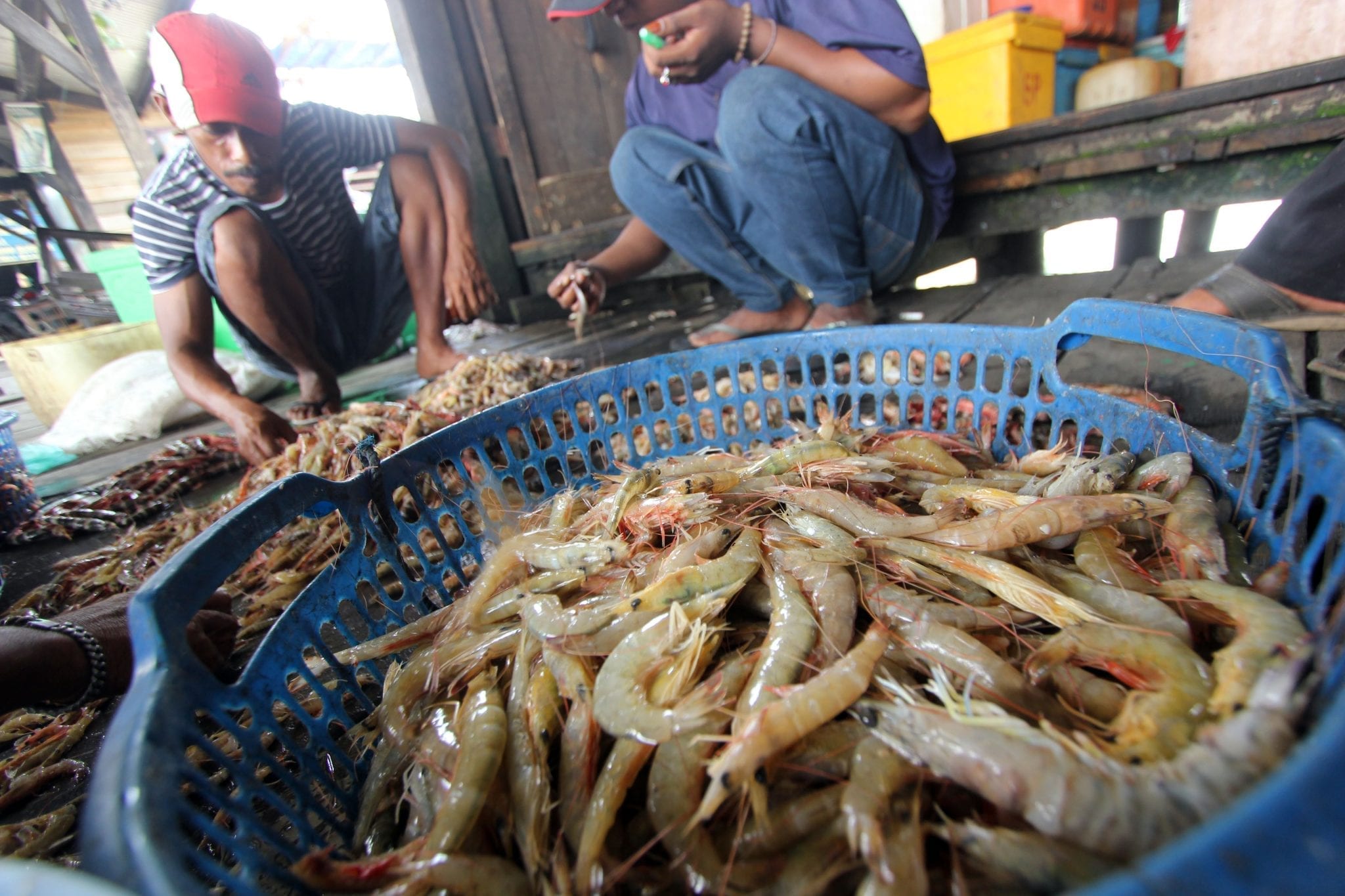
    Vietnam’s shrimp exports soared by 13% year-on-year to US$3.2 billion in the first 10 months of 2024.

    They reached $394 million in October alone, a 24% increase from a year earlier, according to the Vietnam Association of Seafood Exporters and Producers.

    Shipments to major markets saw double-digit growth in the first 10 months, signaling a strong recovery in demand.

    Notably, shrimp exports to mainland China and Hong Kong totaled $676 million during the period, a year-on-year growth of 31%.

    Lobster exports surged by an extraordinary 157% to $298 million in the same period as China’s consumer stimulus policies have increased its imports of this product.

    Shrimp exports to the EU rose by 32% to $408 million, a 17% year-on-year increase. Demand from this market has experienced consistent growth since April.

    The U.S. imported $646 million worth of shrimp from Vietnam in the first 10 months, up 10% from a year ago.

    A decline in supply from the three largest producing nations, improved market sentiment and reduced inventories have boosted the U.S.’ shrimp imports.

    Prices are expected to rise with U.S. President-elect Donald Trump’s proposed import tax increases, so businesses there are in a rush to increase imports before the new tariffs take effect.

    Shrimp exports to Japan and the Republic of Korea also showed significant recovery in October, growing by 18% and 28% year-on-year, respectively, after a period of instability.

    Export shrimp prices, especially for white-leg shrimp, are on an upward trend, significantly improving profit margins for businesses.

    Additionally, processed shrimp products are experiencing robust growth, highlighting Vietnamese enterprises’ focus on high-value products.

    With this growth trajectory, shrimp exports are likely to reach $4 billion this year.

  • Fruit, vegetable exports soar 27%

    Fruit, vegetable exports soar 27%

    Exports of fruits and vegetables were worth an estimated US$6.6 billion in the first 11 months of 2024, a 27% increase from a year earlier.

    The Vietnam Fruit and Vegetable Association came up with the estimate based on customs data, which shows exports to major markets growing at double-digit rates.

    In the first 10 months, for which official data is available, shipments to China rose by 30% year-on-year to $4.1 billion, while exports to the U.S., South Korea and Thailand jumped by 35%, 41% and 70%.

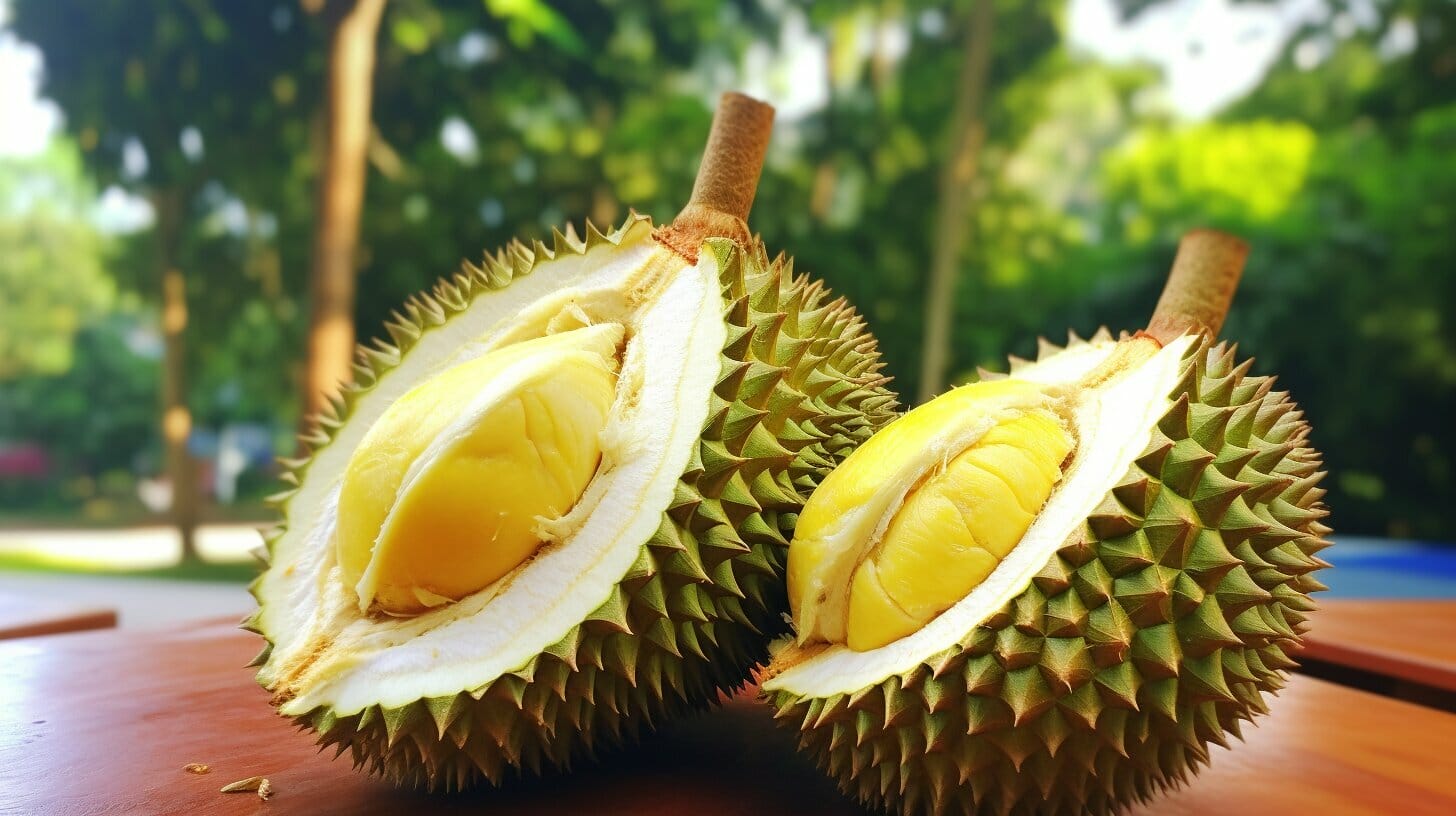
    Durian was the best-selling item, making up more than $3 billion worth of fruit and vegetable exports in the period, with China accounting for $3 billion.

    Vietnam has been the second largest supplier with a 39% market share, trailing Thailand’s 60.2%.

    Dang Phuc Nguyen, general secretary of the association, said China has very high demand for fruits and vegetables, especially Vietnamese durian.

    If exports to the country continue to grow at current rates, Vietnam could surpass Thailand as China’s top durian supplier in the next year or two, he said.

    He expected fruit and vegetable exports to touch a record $7 billion this year.

    Vietnam gained approval to export frozen durian and fresh coconut to China in August,and many exporters have since reported signing large contracts to supply them. One company said it has a deal to ship up to 1,500 containers of coconut.

    Coconut, passion fruit and some other agricultural products are growing in popularity in the U.S, while Thailand has increased imports of fruits from Vietnam this year as its own production has been hit by unfavorable weather.

  • Indonesia’s Enterprise ICT Revenue to Grow by 16.3% through 2028

    Indonesia’s Enterprise ICT Revenue to Grow by 16.3% through 2028

    According to research by GlobalData, this growth is attributed to significant revenue contributions from cloud computing, the Internet of Things (IoT), and artificial intelligence (AI), alongside robust demand from the manufacturing, retail, banking, financial services, and insurance (BFSI) sectors.

    The company’s recent ICT Customer Insight Survey highlights a robust spending trend, with 92.1% of enterprises reporting increased ICT budgets for 2024 compared to the previous year.

    Driving this growth is the IT services segment, which is anticipated to play a pivotal role in Indonesia’s enterprise ICT market. The segment is forecast to grow at a CAGR of 15.3%, reaching USD 48.1 billion by 2028. Notably, 53.2% of surveyed enterprises plan to allocate higher budgets to IT services in 2024 than in 2023, underscoring the segment’s critical role in the country’s digital transformation.

    The manufacturing industry is poised to remain the largest revenue-generating, end-use vertical for Indonesia’s ICT market throughout the forecast period. GlobalData projects that manufacturing will account for 12.5% of the cumulative revenue from 2023 to 2028.

    The IoT will dominate IT solution revenues, driven by increasing demand for sensor technologies and connected systems across manufacturing, defense, and agriculture. These technologies enable real-time monitoring, improving operational efficiency and security.

    Meanwhile, artificial intelligence (AI) is set to be the fastest-growing IT solution segment, with revenues projected to expand at a remarkable CAGR of 49.2% from 2023 to 2028. Rising demand for AI-powered applications in logistics, HR, education, cybersecurity, and customer service is fueling this rapid growth.

  • Google Maps for iOS has a new customizable design change

    Google Maps for iOS has a new customizable design change

    The Google Maps app has always been a useful and important tool. Over the years Google has made it better by adding new features that not only help you get from point “A” to point “B” quickly and safely but also tell you where to dine when you arrive at “B,”or where to spend the night. You’ll also learn which landmarks to visit and see, where you can find entertainment, and a whole lot more. The beauty is that all of this is available from one app.

    Google lately has been making some design changes to Google Maps even going as far as to change some of the color themes from blue to teal for buttons and tabs near the bottom of the display. The company has also offered Google Maps users a chance to switch from the iconic blue arrow representing your ride to a red car, a yellow SUV, and a green pickup truck. But after four years, users probably wanted more customization.

    Google will now allow Maps users to choose an SUV, a sedan, an off-road truck, a sports car, and a compact hatchback. Each one has eight color options:

    • Glacier white
    • Night black
    • Ash gray
    • Poppy red
    • Sky blue
    • Sunny yellow
    • Aqua green
    • Sunset magenta

    To customize your vehicle, tap the current icon used to represent your vehicle and you can select which car or truck you want to use on Google Maps by scrolling to the left with the vehicle you want to select ending up in the circle/spotlight. The color options are underneath the vehicles. After you’ve customized the vehicle on Google Maps, tap on the blue “Done” button to save your design. While the three older vehicle icons are still available, they don’t offer the color customizations that the new ones do.

    We should also point out that this new feature is only available on the iOS version of Google Maps for now. Since Google has tried to keep features on both the iOS and Android versions of the app the same, you can pretty much bet that the Android version of Google Maps will eventually offer the same customizable option. The feature is already available on my iPhone 15 Pro Max running iOS 18.2 beta 3.

  • Viettel Cyber Security’s Free Service Uncovers Risks for Philippine Businesses

    Viettel Cyber Security’s Free Service Uncovers Risks for Philippine Businesses

    In response to the growing need for enhanced cybersecurity, Viettel Cyber Security (VCS) has launched a free, innovative cyber threat check service specifically designed for businesses in the Philippines.

    The service provides real-time alerts on threats such as data breaches and compromised company accounts, along with personalized recommendations. Customers can access the service by simply entering their domain, allowing the system to conduct an automated scan.

    The VCS free cyber threat check quickly evaluates a company’s cybersecurity status. Within minutes, businesses receive a detailed report outlining vulnerabilities and risks, complete with metrics, severity scores based on asset value and threat intensity, and actionable recommendations from VCS. This real-time, no-cost service offers expert insights, helping companies of all sizes proactively protect their digital assets, prioritize critical risks, and strengthen their defenses—without the need for complex setup.

    The VCS free cyber threat check report offers essential insights into cybersecurity risks, helping businesses identify and address potential vulnerabilities. The report detects:

    • Compromised Accounts: Provides details on any compromised accounts associated with the organization.
    • Data Leaks: Supplies information on data breaches that may have exposed sensitive information.
    • Brand Phishing: Identifies fraudulent websites and phishing attempts that imitate the organization’s brand.
    • Impersonation Threats: Detects unauthorized entities attempting to impersonate the brand or business.
    • Unusual Open Ports: Highlights any open ports that could pose security risks.
    • Malware Infections: Identifies systems within the organization that may be infected with malicious software.
    • Web Security and Protocol Configuration: Assesses the security settings of the company’s web assets.

    After completing the scan, VCS compiles the findings and offers customized recommendations, including actionable solutions for each identified vulnerability. This detailed report helps businesses proactively enhance their cybersecurity measures and effectively manage risks.

  • Vietnam durian exports to China surpass Thailand’s

    Vietnam durian exports to China surpass Thailand’s

    Vietnam exported 177,000 tons of durians worth US$640.72 million to China in September, surpassing Thailand as the top supplier of the fruit to that market.

    China spent $894.58 million in all to import 228,000 tons of durian in September, with Vietnam accounting for 77.6% of it, Thanh Nien newspaper reported last Thursday, citing data from China’s General Administration of Customs.

    But Thailand remained the leader in the first nine months, exporting nearly 755,000 tons of the fruit worth $3.73 billion, accounting for 54.7%, according to Dan tri online newspaper. But the figures represented year-on-year declines of 14.1% in volume and 13.3% in value.

    During the period Vietnam shipped 618,000 tons worth $2.45 billion, up 72.2% in volume and 57.3% in value.

    According to Dang Phuc Nguyen, general secretary of the Vietnam Fruit and Vegetable Association, Vietnam typically has an edge over Thailand around year-end when it has off-season durian to export to China unlike Thailand, whose harvest ends well before that.

    He said Chinese demand also rises at that time as consumers ramp up purchases for the year-end holidays and the Lunar New Year.

    Vietnam enjoys transport advantages such as road and rail links with China, which helps its exporters save time and costs, he added.

    In a bid to boost its competitiveness, Thailand’s Digital Economy Promotion Agency recently rolled out a project called One Tambon, One Digital that aims enhance durian farmers’ productivity, strengthen consumer trust in Thai durians, and promote high-value products on a global scale, particularly amid competition from China and nearby nations, the Bangkok Post reported.

    The initiative will help over 6,100 farming households adopt digital platforms to record cultivation data and train 12,200 farmers in 23 provinces in e-commerce and Good Agricultural Practices, which is required to export durian.

    The country has 163,200 hectares under durian, and grows 1.53 million tons of the fruit annually.

    Durian accounted for 69% of its fruit exports in 2023, with China being the primary export market.

    Vietnam shipped 500,000 tons of durian worth $2.3 billion that year, with 90% going to China. It has 154,000 ha under the fruit and an output of 1.2 million tons.

    It previously surpassed Thailand in durian exports to China earlier this year, shipping 32,750 tons in the first two months of 2024. Thailand’s exports in the same period plunged by half to 19,000 tons.

  • Vietnam’s 100 best places to work in 2024

    Vietnam’s 100 best places to work in 2024

    The Vietnam 100 Best Places to Work list for 2024 features familiar names such as Unilever and Vingroup, while Danish toy maker Lego and property developer Capitaland make their debuts.

    Unilever Vietnam maintained its top position in the large business section in the 11th annual list released by recruitment consultancy Anphabe and market researcher Intage.

    The British company’s open workplace environment and emphasis on lifelong learning programs align with its sustainable development goals, Anphabe said.

    Others in the top 10 include Vingroup, U.S. healthcare solutions provider Abbott, Japanese food manufacturer Acecook Vietnam, U.S. beverage maker Coca-cola, and tech giant FPT.

    In the medium-sized business section, U.S. beverage maker PepsiCo Food Vietnam ranked first for a second straight year.

    The company is hailed as having a dynamic and innovative work environment, with robust training programs and attractive benefit policies.

    Lego, pharmaceutical firm Imexpharm and Singapore’s Capitaland Development Vietnam are some new names in the list.

    The list is based on evaluations of 700 businesses in 18 sectors by polling 65,000 employees.

    The researchers also conducted in-depth interviews with 253 company CEOs and human resource directors to evaluate their talent recruitment and retention strategies.

  • Apple says it will invest $100 million in Indonesia if the country ends iPhone 16 sales ban

    Apple says it will invest $100 million in Indonesia if the country ends iPhone 16 sales ban

    Back in October 2024 word got out that Apple was facing an iPhone 16 sales ban in Indonesia. Ministers in the country demanded that Apple renew a certificate that is issued when at least 40% of the components used in a device sold in Indonesia are sourced from the country. The last certificate Apple received for the iPhone has expired and needs to be renewed. To renew the certificate Apple will need to work out deals with local manufacturers, develop an app in the country, or work out an innovation development scheme.

    Apple is also a little shy of the investment in the country it previously promised which was supposed to add up to 1.71 trillion rupiah ($109.6 million). Thus far, Apple has invested 1.48 trillion rupiah ($94.53 million) in Indonesia which is slightly short of the amount the tech giant said it would invest. As a result, Apple has been unable to sell any of the four new iPhone 16 models in Indonesia and that will continue to be the case until Apple agrees to increase its investment in the country and receive a new certificate.

    Apple has started to work out an innovation development scheme by creating Apple Academies in the area. So far three of these have been built with a fourth one announced last April. The Academies are for aspiring app developers.

    With the sales ban, those Indonesians wanting to buy an iPhone 16 model will have to pick up the device overseas and at the same time, add on an import fee. The base iPhone 16 model, priced at S$1,299 ($994) will require an additional import fee of $155 to bring the phone from Singapore to Indonesia.

    According to a new report, Apple has increased its offer to invest $100 million in Indonesia, Southeast Asia’s largest economy, over the next two years. That is a huge increase of 10 times Apple’s previous proposal to invest $10 million in a factory in Bandung, located southeast of Jakarta, that would make accessories and components. While Indonesia has yet to give an answer to Apple’s latest proposal, the Ministry of Industry wants Apple to focus more on research and development for the iPhones released in the country.

    Indonesia has also blocked the sale of Google’s Pixel 9 handsets in the country for a similar lack of investment in the country on Google’s part. There is plenty of potential for both Apple and Google to make thins right in Indonesia. More than half of the country’s population of 278 million consumers is under 44 years old and is considered tech savvy.

  • Vietnam gold price’s rally continues as global rates jump

    Vietnam gold price’s rally continues as global rates jump

    Gold prices in Vietnam continued to rise Tuesday as global rates surged to a one-week high.

    Saigon Jewelry Company gold bar price went up 1.19% to VND85 million (US$3,345.80) per tael.

    Gold ring gained 1.08% to VND84 million per tael. A tael equals 37.5 grams or 1.2 ounces.

    Globally gold prices climbed to a one-week high on Tuesday, buoyed by a softer U.S. dollar, while the market awaited comments from Federal Reserve officials for cues on the U.S. interest rate outlook, Reuters reported.

    Spot gold rose 0.4% to $2,623.54 per ounce, the highest since Nov. 12. Prices rose 2% on Monday.

    U.S. gold futures gained 0.5% to $2,627.60.