Tag: asia

  • Singapore Airlines’ profit plunges 59%

    Singapore Airlines’ profit plunges 59%

    Singapore Airlines saw net profit in the July-to-September quarter plunging 59% year-on-year to SGD290 million (US$) amid intense competition and surging costs.

    Revenue rose 2% to SGD4.8 billion in the second quarter of its financial year which began April, the company said in a financial report. It saw costs rising by 14.7 percent over the period.

    “The operating landscape will continue to be competitive,” the airline said. “The group will remain nimble and agile, adjusting its passenger network and capacity to match evolving demand patterns.”

    Singapore Airlines operates a fleet of 205 aircraft, with four Boeing 787-10 aircraft added in the July-September quarter.

    It has been increasing number of flights to popular destinations such as Hanoi, HCMC, Johannesburg, Melbourne, Phuket and Seoul.

    The airline is also investing SGD1.1 billion to upgrade its premium travel experience by installing long-haul cabins in 41 Airbus wide-body aircraft.

  • Singtel Advances Quantum-Safe Cybersecurity with Key Partnerships

    Singtel Advances Quantum-Safe Cybersecurity with Key Partnerships

    The enhancement integrates Post-Quantum Cryptography (PQC) technologies—designed to withstand the advanced computational capabilities of quantum computers—from cybersecurity leaders, Palo Alto Networks and Fortinet, into Singtel’s nationwide Quantum Safe Network (QSN).

    Through its collaboration with Palo Alto Networks, Singtel will implement a PQC-powered IPSec VPN, utilizing the latest encryption standards from the U.S. National Institute of Standards and Technology to secure data transmission and authentication.

    Fortinet’s role includes integrating Quantum Key Distribution (QKD) and PQC solutions to foster a secure, scalable, and commercially viable QSN. This partnership will leverage Fortinet’s quantum-resistant PQC software, encryption hardware, and advanced security platforms to build robust quantum-safe architectures tailored for enterprise needs.

    These joint efforts will ensure the security of encryption keys across key applications like identity, mobility, and authentication, providing enterprises with stronger resilience against potential quantum-enabled cyber threats.

    Keith Leong, Managing Director, Enterprise, Singtel Singapore, stated, “Quantum computing presents a significant threat to traditional encryption methods, and has the potential to disrupt our digital economy by potentially decrypting sensitive data, exposing businesses to significant risks. The addition of Palo Alto Network and Fortinet’s enhanced software solutions to our QSN ensures our enterprise customers get more industry-leading choices to secure their business against both current and future quantum threats, regardless of their hardware requirements. We encourage enterprises to take the  necessary steps to secure their critical assets sooner rather than later.”

    Steven Scheurmann, Regional Vice President of Palo Alto Networks in ASEAN, highlighted Palo Alto Networks’ commitment to helping enterprises prepare for the future by integrating their quantum-resistant VPN solutions with Singtel’s Quantum-Safe Network. This collaboration aims to protect critical data from both current threats and the potential risks posed by future quantum computers.

    Jess Ng, Country Head for Singapore and Brunei at Fortinet, noted that, as quantum computing progresses, the approach to cybersecurity must evolve accordingly. She expressed Fortinet’s pride in partnering with Singtel to enhance the nation’s defenses against emerging threats, emphasizing that, “By integrating Post-Quantum Cryptography (PQC) and Quantum Key Distribution (QKD) into Singtel’s Quantum-Safe Network, building hybrid architecture, and leveraging quantum-safe solutions, we are helping enterprises stay ahead of future risks. Through the development of industrial and government use cases, we are committed to building a foundation for a more resilient and secure digital future.”

  • Grab posts strong profit, raises revenue forecast as food demand rebounds

    Grab posts strong profit, raises revenue forecast as food demand rebounds

    Singapore’s Grab Holdings raised its forecast for fiscal 2024 revenue on Monday, as the Southeast Asian tech firm anticipates robust growth in its food delivery and ride-hailing businesses during the busy holiday season.

    US-listed shares of the company jumped more than 10 percent in extended trading.

    Grab’s mainstay food delivery business has been recovering from a post-pandemic slump in demand as consumers increase their discretionary spending budgets in a sign of economic easing.

    “We remain bullish on the long-term growth outlook of Southeast Asia, and are firing on all cylinders to capture the strong user demand trends,” Grab CEO Anthony Tan said.

    The company expects revenue in the range of US$2.76 billion to $2.78 billion, compared with its prior projection of between $2.70 billion and $2.75 billion.

    Grab has been attempting to introduce cheaper options for its ride-hailing services to woo price-wary customers. On the other hand, the firm has been trying to promote its premium offerings as well to boost its earnings.

    The margins for the more premium rides are 1.2 times higher than the standard rides offered by the company, CFO Peter Oey told Reuters.

    Grab reported third-quarter revenue of $716 million, exceeding Visible Alpha estimates of $700.8 million.

    Oey said transactions made by customers were up 22 per cent in the third quarter and subscribers of the company’s services spend four times that of non-subscribers.

    The firm also raised its annual core profit forecast to between $308 million and $313 million, from $250 million and $270 million.

    Revenue in the deliveries segment increased 16 per cent to $380 million, surpassing estimates of $374.2 million.

    The company left its annual adjusted free cash flow forecast unchanged and beat estimates in its financial segment.

    On an adjusted basis, the company earned 1 cent per share, compared with estimates of a break-even quarter, as per data compiled by LSEG.

  • LVMH buys into Swedish label Our Legacy

    LVMH buys into Swedish label Our Legacy

    LVMH has acquired an undisclosed minority stake in Swedish fashion brand Our Legacy, The Business of Fashion reported.

    The transaction comes following Our Legacy posting sales of €40 million (US$42.9 million) in the year ended June 30.

    Our Legacy will use the proceeds of the transaction to strengthen operations and open flagship stores in key cities such as Paris, New York, Los Angeles, Tokyo, Shanghai, and Hong Kong.

    Currently, Our Legacy has two stores in Stockholm, one in London and one in Berlin. It also has three stores in South Korea, in partnership with local distributor Handsome Corp.

    The brand is set to open a new store in Paris in late next year.

    “It’s not like we needed the investment from a cash-flow perspective – our revenue figures doubled three years in a row and we achieved really healthy profitability,” Jockum Hallin, Our Legacy co-founder, told the BOF.

    “It’s more to look to the future as we build the next era.”

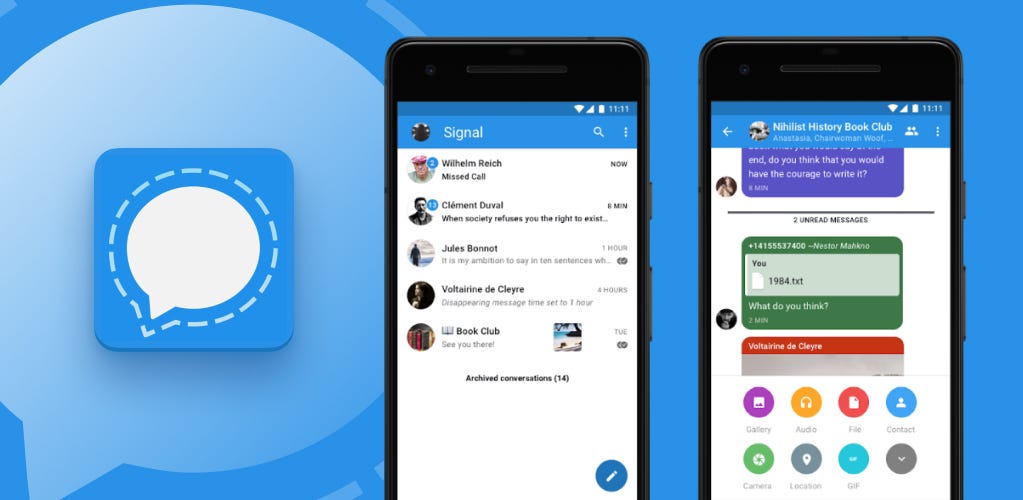
  • Signal launches shearable Call Links for easy group call setup

    Signal launches shearable Call Links for easy group call setup

    Signal now allows users to create shareable links for group calls without the need to create a group chat. The new update also introduces an option to raise your hand and react with emojis during group calls, making video conversations more interactive.

    The secure chat app Signal rose in popularity a few years ago. Although now most major messaging apps offer encrypted and secure messages, Signal is still considered to most secure of them all. Signal has quite a lot of cool features like self-destructing messages, message editing, chat backups, group chats, username identification instead of phone numbers, and more.

    The app is also open source. Its latest update focuses on bringing more functionality to its group call features. Now, the platform is introducing shareable meeting links, called Call Links. It works similarly to the solutions offered by WhatsApp and FaceTime.

    Basically, you are able to create a meeting link that can be shared on Signal with whomever you want. They can then join your call by clicking on the link.

    Before the update, if you wanted to have a group call on Signal, you needed to create a new group, add the participants to it, and then start the call. Now, Call Links make it easier to have a group call. The links can be shared outside of Signal as well; however, to join a call you would need an active Signal account.

    Call Links can be created from the Calls section in the bottom panel, where the new option “Create a Call Link” is situated. You can then give the call a title and toggle admin approval on or off. The feature is now available for iOS, Android, and desktop.

    On top of that, Call Links are reusable, which is awesome news if you would have a weekly check-in call. Call hosts can remove participants from a meeting, as well as block users to prevent them from joining again.

    Signal’s maximum capacity for group calls is currently at 50 people. Call Links was previously available in beta last month, and now it’s made it to a public release.

    Additionally, you can now use a raise hand button similar to Google Meet, which will help you attract the attention of the speaker. Emoji reactions are also coming to Signal calls, which add a touch of fun or interactivity without you having to type or speak during the call.

    I really like these updates to the Signal app. Ever since it rose to popularity for its secure messaging, I’ve been a fan of the app. Now, it’s beco

  • YouTube testing a TikTok-like swipe-up gesture to get to the next video

    YouTube testing a TikTok-like swipe-up gesture to get to the next video

    Recently YouTube redesigned its playback speed controls and added a couple of nice features to its app. It’s been testing different things in recent months, and some tests sound pretty exciting while others have people raising their eyebrows. In YouTube’s latest test, we have a new gesture being tested for longer videos.

    TikTok’s “Swipe up” gesture moves you to a new video. Since the gesture got popularized by TikTok, it was copied into YouTube Shorts and Instagram Reels, among other short-video sharing solutions. Now, YouTube is testing the gesture for regular-length videos, not Shorts.

    The swipe-up gesture is a quick and easy way to move through a series of short vertical videos, but it’s generally primarily suitable for vertical videos. However, YouTube seems to think the gesture may be useful for horizontal videos as well, and this change is quite a dramatic one.

    Right now, when you’re enjoying a video on YouTube on full screen (landscape orientation), the swipe-up gesture is used to exit full screen, rather conveniently. Digital Trends contributor Tushar Mehta spotted the test. The tested fullscreen video player swipe-up gesture leads to a new video being played.

    The change has been spotted only on Android phones at the moment. You can also swipe from either side on Android phones to leave fullscreen mode, and you can also do that from the arrow button in the top left corner.

    At the moment, it’s not clear when this change will roll out globally. Given the fact this is still in its testing phase, user feedback may play a role in whether or not this update gets released at all. Some people have mixed feelings about it, which I agree with simply because when you are already used to what a gesture does in an app, changing that would be rather annoying.

  • Pattern Helps Australian Brand Recover Over $200k Amazon Revenue

    Pattern Helps Australian Brand Recover Over $200k Amazon Revenue

    Pattern, global ecommerce and marketplace accelerator, has announced the launch of Pattern Recovery, a new service designed to help Australian brands optimise their Amazon marketplace presence and safeguard past and future profitability.

    As Australia’s most popular marketplace, Amazon, offers unparalleled opportunities for brands to reach millions of customers. However, the scale and complexity of the platform can often result in Australian brands becoming overwhelmed and not making the most of the marketplace opportunity. Pattern Recovery supports brands operating as first-party (1P) or third-party (3P) vendors on Amazon to optimise their marketplace presence and recover on average up to 6% of any revenue they may have missed from a five-year look back window.

    “Most Australian brands currently struggle to navigate all the moving parts that come with selling on Amazon. This leads to errors resulting in repeated missed opportunities for revenue relating to overcharges, misapplied fees and inventory recovery,” explained Merline McGregor, Managing Director at Pattern. “Working on behalf of Australian brands, Pattern Recovery can identify and recover up to 70% of these missed revenue opportunities and back-date them as far as five years. This ensures brands can gain back profits that would otherwise have been a loss and optimise processes to safeguard profitability into the future.

    “Optimisation and recovery efforts have led to some impressive revenue gains. One first-party Amazon vendor in Australia had 19,300 disputes made on its behalf for both new and old fees dating back five years. This achieved a $216,000 recovery.”

    Pattern Recovery offers a comprehensive review of all Amazon transactions, pinpointing areas where brands have missed opportunities and efficiently addressing these on the brand’s behalf. This meticulous oversight not only enhances current profitability but also provides valuable insights to help brands refine and optimise their operations to increase future revenue. It does this through in-depth root cause analysis and supply chain coaching, aimed at minimising any future errors before they occur.

    What makes Pattern Recovery stand out is its ability to complement the strengths of Amazon’s platform, turning potential missed opportunities into improvements and profit gains. The service provides continuous support to brands, offering strategic insights and operational advice that align with Amazon’s best practices. This proactive approach ensures vendors can maximise their profitability without any disruption to their selling.

    “In today’s ecommerce environment, it is more crucial than ever for brands to optimise every aspect of their operations to drive profitability – they cannot afford unnecessary losses or inefficiencies. By ensuring that all areas of the business, including Amazon marketplace operations, are operating at peak efficiency, brands can not only safeguard their bottom line but also position themselves for sustainable growth. It’s about being proactive, tightening the ship, and making every dollar count to build future strength,” added McGregor.

    ###

    About Pattern Inc

    Pattern is the category leader in global ecommerce and marketplace acceleration. Since 2013, Pattern has profitably grown to more than 1,400 employees operating from 24 global locations – including Melbourne, Sydney and the Gold Coast – to help leading brands achieve accelerated growth on D2C websites and global ecommerce marketplaces. As well as being one of the largest Amazon sellers in the world, we are also present on Tmall, JD.com, eBay and other ecommerce marketplaces. We act as the authorised Amazon seller to more than 200 brands globally, buying their stock to sell on the marketplace and taking care of every aspect of their Amazon presence. For more information, visit https://au.pattern.com/


  • Chinese tea chain To Teapresso to expand overseas

    Chinese tea chain To Teapresso to expand overseas

    Chinese tea chain To Teapresso has opened its first store in Tsim Sha Tsui, Hong Kong. This launch is part of the company’s efforts to strengthen its global presence and expand into international markets.

    The brand is known for combining Chinese tea with extraction techniques, creating a “Chinese Tea Latte” by blending the extracted tea with fresh milk. It currently operates 20 stores on the Mainland.

    Teo Lv, founder and CEO of To Teapresso, said overseas expansion has always been part of the company’s plan since its launch.

    “Hong Kong is an international trade hub, offering advantages and more opportunities for our business operations,” said Lv.

    “The city’s unique blend of Eastern and Western cultures aligns well with To Teapresso’s brand essence, making Hong Kong our top choice for launching our overseas business.”

    He added that the company plans to open more stores in Southeast Asia, Japan, Korea, and Australia within the next 18 months.

    “The Hong Kong office currently focuses on international business in the Asia-Pacific region, including our expansion and operation in Hong Kong and Macau,” Lv concluded.

  • Watsons opens 8000th Asia store in Manila

    Watsons opens 8000th Asia store in Manila

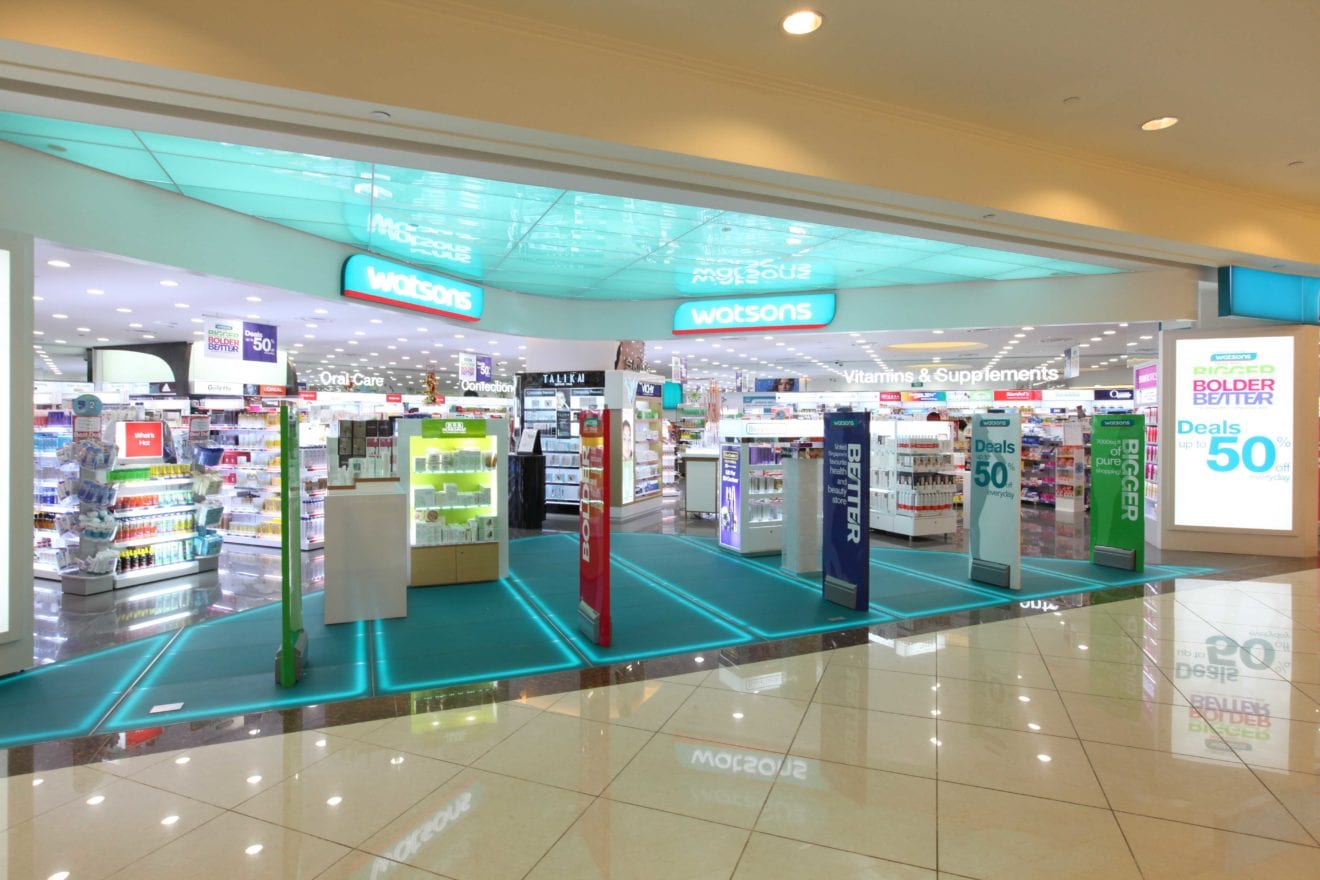
    Health and personal care retailer Watsons has opened its 8000th Asia store at SM Mall of Asia in Manila.

    “The Philippines has been selected for this momentous occasion because it’s one of the fastest-rising economies in Asia and a strategic market for AS Watson,” said Malina Ngai, CEO of AS Watson Group.

    “This vibrant and highly potential market has a young demographic that increasingly focuses on health and beauty, aligning perfectly with Watsons’ expertise.”

    The new store forms part of the company’s commitment to enhancing its offline plus online customer experience.

    Watsons currently operates 8000 stores and more than 1500 pharmacies in Asia, Europe, and Middle East.

  • Cafe de Coral warns of declining profit

    Cafe de Coral warns of declining profit

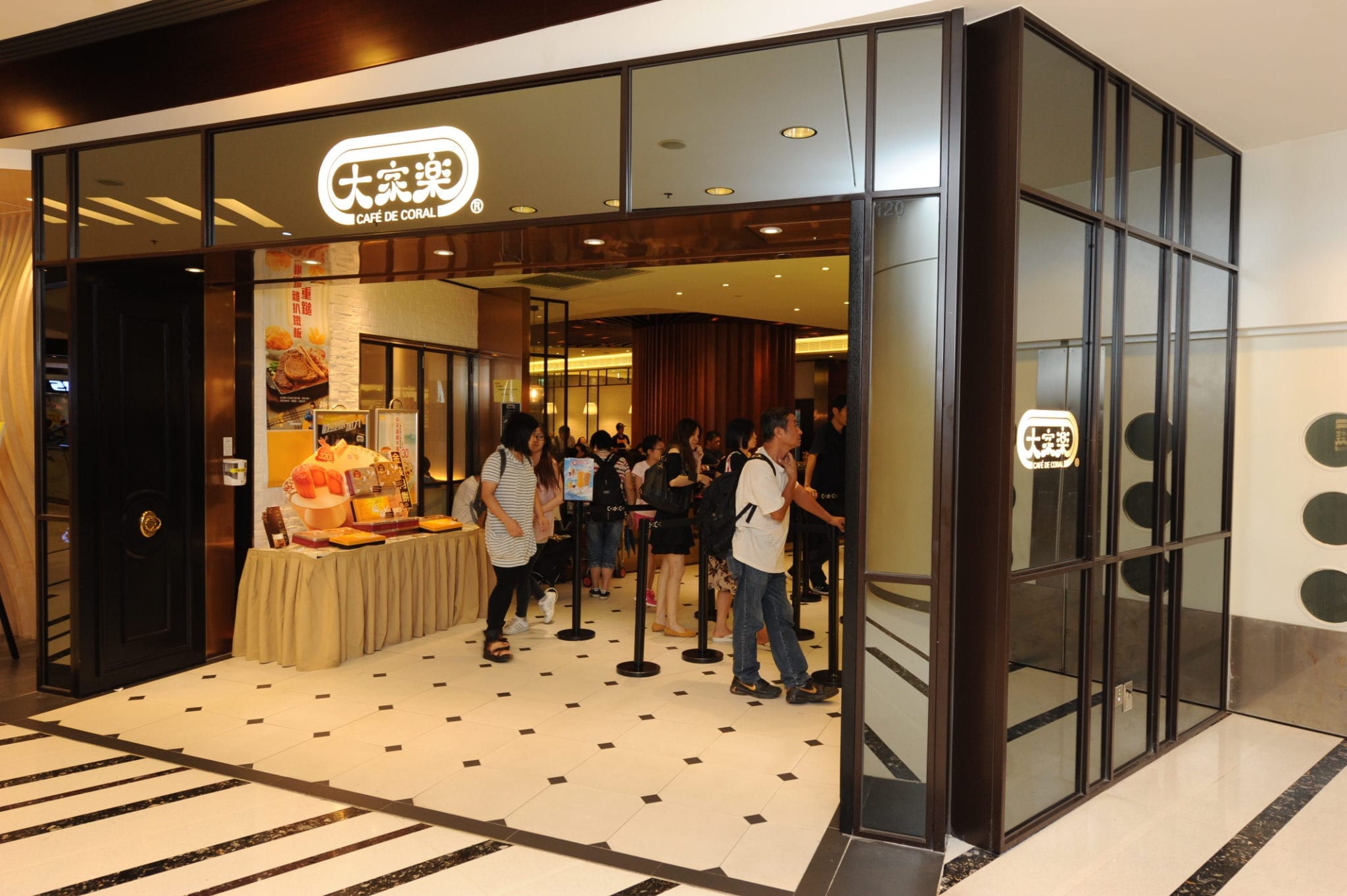
    Cafe de Coral expects to report lower net profit for the six months ended September 30 due to a “severe and expected downturn” amid a weakened economy.

    The restaurant chain forecasts net profit to decline not higher by 30 per cent from HK$200.6 million (US$25.8 million) in the year-ago period, due to the plunge in the restaurant business and a high-base effect following strong sales recovery when the pandemic-related restrictions were lifted.

    In Hong Kong, the company focused on value offers, menu mix, hero product promotions, and membership loyalty strategies to create demand and help offset decline.

    In Mainland China, the company implemented quick menu investments, promotional offers, and brand campaigns to keep a stable performance and profit margins.

    “With the central government’s determined efforts to promote recovery of the economy, as well as our strong underlying business fundamentals and steady focus on constant internal improvement, the group is well positioned to return to growth as the market recovers,” said the company.

  • Google Meet adds ability to view in-meeting chat messages in live streams

    Google Meet adds ability to view in-meeting chat messages in live streams

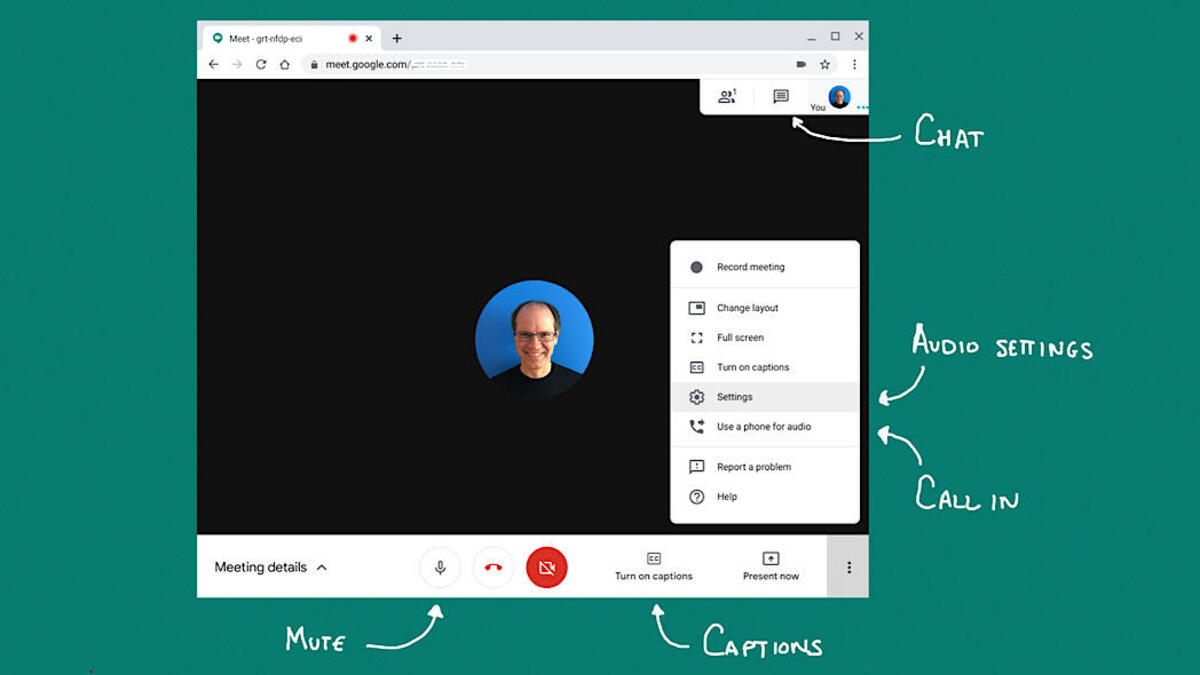
    Google Meet users rejoice! A new update that adds the ability to see chat messages that are sent by participants who have joined via the meeting link is now making its way to Google Meet users.

    The new feature will make it possible for information shared through Meet chat messages, including links, time-keeping messages and more, to be visible to those attending a live stream.

    Up until now, in-call chat messages were only visible to hosts, co-hosts, participants and viewers who were in the main meeting. After installing the update, a notification will pop up the next time chat messages are sent during a live stream. Once you click on the notification, a chat panel will open.

    Obviously, this feature will not be available to all Google Meet users. The Mountain View company revealed that only the following Google Workspace editions will be able to initiate a live stream and enable this feature: Enterprise Starter, Enterprise Standard, Enterprise Plus, Enterprise Essentials Plus, Education Plus, and the Teaching & Learning upgrade.

    The bad news is this feature will roll out at a much slower pace than usual, according to Google. That’s because we’re nearing the end of the year and there will be a lot of holidays and such.

    Even so, all those enrolled in the Rapid Release domains should receive this update sometime during the week of December 5, 2024. The rollout should start on November 18, so don’t even search for the update until then.

    On the other hand, customers enrolled in the Scheduled Release domains will have to wait until the end of Q1 2025 to get the update. Google announced that the extended rollout of this Meet update won’t start until January 6, 2025, so there’s quite a lot of waiting involved.

  • Starbucks to open store near North Korea border

    Starbucks to open store near North Korea border

    Starbucks Korea plans to open a new location near the border between South Korea and North Korea, with a view into the latter country.

    The outlet will open on Nov. 27 on the second floor of the Jogang Observatory in Gimpo, Gyeonggi Province, South Korea, about 1.4 kilometers from the border with North Korea.

    The 136-square-meter store, with around 10 seats, will provide patrons a view into Kaepung County in North Korea’s North Hwanghae Province. It will also reportedly sell exclusive drinks and merchandise, including a cup featuring the Aegibong peak, where the observatory is situated.

    The Aegibong Peace Eco Park, which surrounds the observatory, is recognized for its environmental preservation and serves as a breeding ground for endangered species due to strict limits on civilian access. The military must screen all visitors before entering the park.

    The Gimpo government plans to add more buses running from the Marine Corps checkpoint to the park.

    South Korea has 1,893 Starbucks stores as of 2023, the fourth-highest number globally.

    Starbucks Korea reported sales of 2.93 trillion won (US$2.1 billion and an operating profit of 139.8 billion won last year.

  • Italian jewellery brand Vhernier enters Vietnam

    Italian jewellery brand Vhernier enters Vietnam

    Italian luxury jeweller Vhernier will make its physical debut in Vietnam in collaboration with local distributor Runway Vietnam.

    The brand’s collection, which includes Abbraccio, Calla, and Eclisse, will be available at the Runway Rex Hotel in Ho Chi Minh City.

    Vhernier, founded in Milan in 1984, specialises in hand-sculpted, design-driven jewellery. Richemont acquired the brand entirely in a private transaction in May.

    Vhernier currently has physical operations in Dubai, New York, and Paris. The brand’s products are also available via authorised dealers worldwide.

  • Jollibee Foods takes full ownership of Tim Ho Wan

    Jollibee Foods takes full ownership of Tim Ho Wan

    Jollibee Foods Corporation has fully acquired Tim Ho Wan, taking over the remaining 8 percent of the Hong Kong restaurant business for SG$20.2 million (US$15.1 million).

    Since January this year, Jollibee has held a 92 percent stake at Titan Fund, the owner and manager of Tim Ho Wan.

    In a stock exchange filing, JFC said its subsidiary Jollibee Worldwide signed an agreement with Titan Fund to acquire the remaining minority stake.

    Founded in 2009, Tim Ho Wan now has 80 stores across 11 countries. It will be Jollibee’s flagship brand for its Chinese cuisine segment.

    Aside from its dimsum, Tim Ho Wan is also known for barbecue pork buns, steamed rice roll stuffed with barbecue pork, pan fried turnip cake, and steamed egg cake.

  • Google wins US court case over gift card fraud

    Google wins US court case over gift card fraud

    A federal judge dismissed a proposed class action lawsuit accusing Google of illegally profiting from Google Play gift card scams by refusing to refund millions of dollars stolen from victims.

    In a late Monday decision, US District Judge Beth Labson Freeman said the plaintiff Judy May lost money because scammers induced her to buy gift cards, and failed to show that Google caused her losses or knew it was receiving stolen funds.

    The San Jose, California-based judge also said Google was not liable for keeping 15 percent to 30 percent commissions on purchases that scammers made with the gift cards because Google’s conduct was unrelated to the original fraud.

    May said she lost $1,000 in April 2021 when a scammer posing as a relative instructed her to contact a supposed government agent, who told her she was eligible for federal grant money if she bought Google Play gift cards.

    The Brownsville, Indiana resident said she provided the codes on the back to cover supposed upfront costs, but the scammers used the codes to make purchases.

    May said she would not have bought the cards had Google warned on the packaging about scams, and that anyone demanding payment with the cards was a scammer.

    Lawyers for May did not immediately respond on Tuesday to requests for comment. Google, a unit of Alphabet, did not immediately respond to similar requests.

    Freeman said May could try to refile her lawsuit, but dismissed a claim seeking triple damages for good. Alphabet is based in Mountain View, California.

    In 2023, Americans lost $217 million in gift card or reload card fraud, according to the Federal Trade Commission.

    The actual amount is likely much higher because the data cover only reported cases. Citing FTC data from 2021, May said Google Play cards account for about 20 percent of gift card scams.