Tag: asia

  • Vietnam stocks gain little as global markets steady

    Vietnam stocks gain little as global markets steady

    Vietnam’s benchmark VN-Index rose 0.08% to 1,245.76 points while global markets showed stability as investors waited for the result of the U.S. election. The index closed 1.05 points higher after dropping 10.18 points in the previous session.

    Trading on the Ho Chi Minh Stock Exchange decreased by 31% to VND10.982 trillion.

    The VN-30 basket, comprising the 30 largest capped stocks, saw 11 tickers gained.

    GVR of Vietnam Rubber Group led with a 1.7% rise, followed by SHB of Saigon Hanoi Commercial Bank, up 1%.

    POW of electricity producer Petrovietnam Power Corporation went up 0.9% and HPG of steelmaker Hoa Phat Group closed 0.8% higher.

    Nine blue chips fell. CTG of state-owned lender VietinBank dropped 1.8% and BID of state-owned lender BIDV declined by 0.6%.

    Foreign investors were net sellers to the tune of VND854 billion. They have been net selling non-stop for the last eight weeks.

    They mainly net sold MSN of conglomerate Masan Group and VHM of property giant Vinhomes.

    The HNX-Index for stocks on the Hanoi Stock Exchange, home to mid and small caps, rose 0.18%, while the UPCoM-Index for the Unlisted Public Companies Market went up 0.30%.

    Globally stocks were steady on Tuesday but implied volatility ratcheted up in currency markets in an early indication of the market frenzy to come, as the world awaits the outcome of a knife-edge U.S. election, Reuters reported.

    Europe’s benchmark STOXX index edged down 0.2% while MSCI’s broadest index of Asia-Pacific shares outside Japan inched 0.7% higher, as stock markets held their breath ahead of Wednesday’s open.

    China’s blue chip CSI300 jumped 2.5% and Hong Kong’s Hang Seng rose 1.4%.

  • Gold rises as markets gird for US election outcome

    Gold rises as markets gird for US election outcome

    Gold prices edged up on Tuesday as investors braced for political tensions after opinion polls showed Donald Trump and Kamala Harris are neck and neck in the U.S. presidential election.

    Spot gold gained 0.2% to $2,740.96 an ounce by 01:54 p.m. U.S. gold futures settled 0.1% higher at $2,749.70.

    Gold is supported by “the uncertainty of the elections. Part of it is what happens if things don’t go so smooth, part of it is the possibility of tariffs, some kind of economic changes,” said Daniel Pavilonis, senior market strategist at RJO Futures.

    With a dead heat between Republican former President Trump and Democratic Vice President Harris and control of the U.S. Congress also at stake, investors are particularly nervy about an unclear or contested result, especially if it fuels unrest.

    “Should the election result be uncertain for days or even weeks, gold would benefit from the resulting uncertainty,” Commerzbank said in a note.

    Trump has repeatedly said any defeat could only stem from widespread fraud, echoing his false claims from 2020. The winner may not be known for days if the margins in key states are as slim as expected.

    Gold should ultimately reach $2,800 “once the dust settles” after the election, Exinity Group Chief Market Analyst Han Tan said.

    Elsewhere, markets widely anticipate a quarter-point cut from the Federal Reserve on Thursday, a further reduction to U.S. interest rates this year after a big cut in September.

    Bullion is traditionally seen as a hedge against economic and political uncertainty, and tends to thrive when interest rates are low. This has helped the metal rise nearly 33% so far this year.

    Spot silver rose 0.4% to $32.59 an ounce, platinum added 1.5% to $998.35 and palladium was down 0.2% at $1,072.50.

    A private sector survey in top metals consumer China showed services activity expanded at its fastest pace in three months in October.

  • Luckin Coffee may launch in the US as early as next year

    Luckin Coffee may launch in the US as early as next year

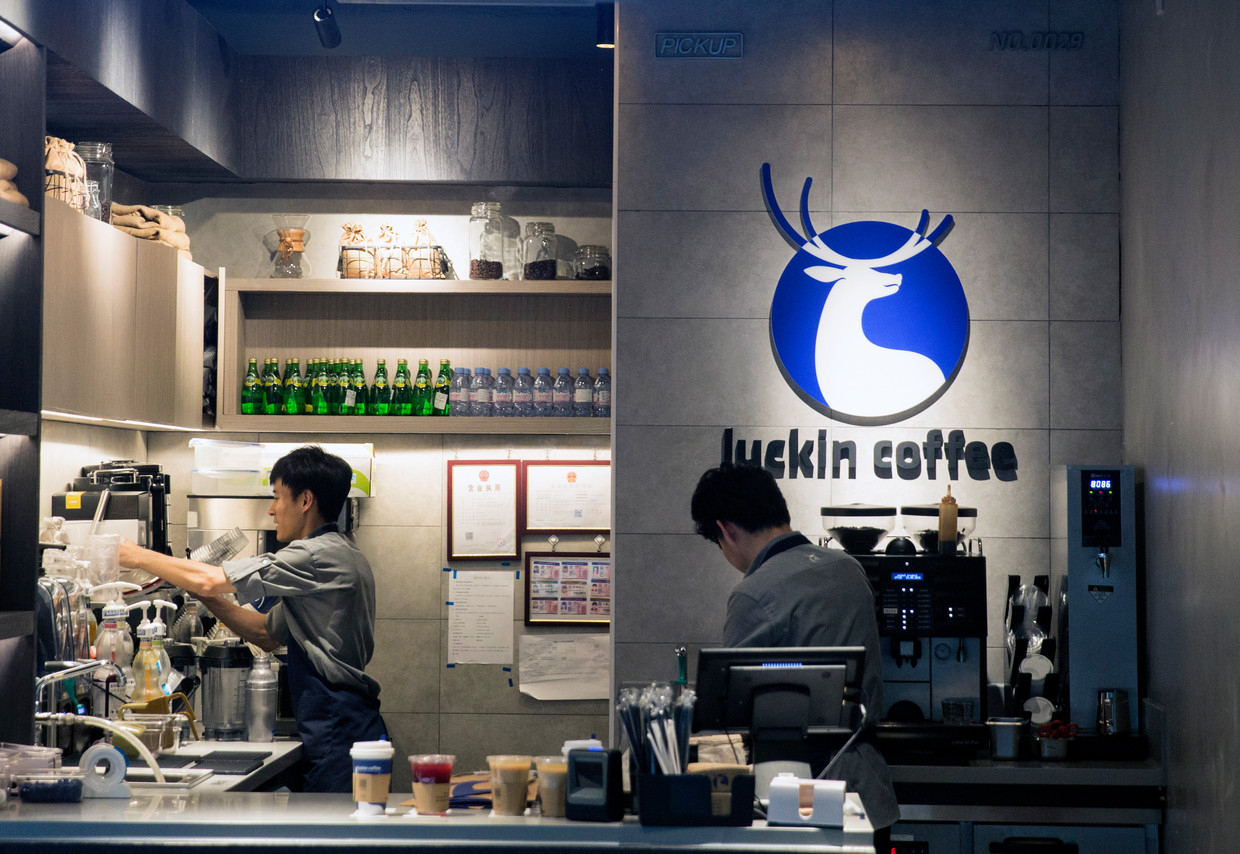
    Chinese coffee chain Luckin Coffee is exploring potential expansion into the US, with a launch possibly as early as next year.

    During an earnings call, Luckin Chairman and CEO Guo Jinyi emphasised both the promise and challenges of overseas growth.

    “The international market is filled with opportunities, but also presents significant challenges that require patience, time, and continuous investment,” Guo said.

    “We remain both patient and confident in our ability to succeed. We are actively evaluating opportunities in the US and other markets.”

    A report from the Financial Times suggests that Luckin may target cities in the US with sizeable Chinese student populations and tourist presence, such as New York.

    The company also aims to undercut major US coffee brands by offering drinks priced around US$2 to $3, potentially attracting budget-conscious consumers.

    Luckin has already begun overseas expansion in Singapore, opening eight new stores last quarter, taking its total in that market to 45. It also has stores in Malaysia.

    Although initial operations in the country incurred financial losses, Guo said these experiences provided valuable insights into the complexities of managing international ventures.

    The company plans to expand abroad, focusing on store network growth, supply chain management, and brand building.

    “Considering the maturity and competitiveness of the US coffee market, Luckin intends to approach its expansion strategy there with careful consideration and a disciplined execution plan,” Guo added.

    However, the potential US expansion may face reputational challenges.

    Jason Yu, GM at consumer research firm Kantar Worldpanel China, pointed out that Luckin’s past scandal, involving inflated sales data, could impact its brand image in the US.

    In 2020, Luckin admitted to fabricating approximately $310 million in sales in 2019, leading to multiple short-selling attacks and ultimately its delisting from NASDAQ.

    “With fierce competition in the Chinese coffee sector, overseas expansion and the possibility to regain trust from the capital market might be strategic options for Luckin,” Yu said.

  • US pizza chain Little Caesars makes Cambodian debut

    US pizza chain Little Caesars makes Cambodian debut

    US pizza chain Little Caesars will open its first Cambodian restaurant on Koh Pich this November 10, marking the 29th market the company has entered and part of a planned expansion into Southeast Asia.

    Located on Koh Pich, the new restaurant will create local jobs and provide additional dining options in the country.

    “Cambodia presents a dynamic and rapidly growing market,” said Paula Vissing, president of global retail at Little Caesars.

    The chain, known for its Hot-N-Ready pizzas, is expected to open a second restaurant in Phnom Penh in early 2025.

  • Puma opens its first flagship in Vietnam

    Puma opens its first flagship in Vietnam

    Sportwear retailer Puma has launched its first flagship in Vietnam, following the opening of its largest Southeast Asian store in Malaysia.

    The store is located in the centre of Ho Chi Minh City, in the Vincom Dong Khoi shopping mall, and offers a broad selection of Puma items for men and women.

    The launch is part of Puma’s Southeast Asian development strategy.

    Puma debuted in Vietnam in the 2000s and is distributed exclusively by Maison through around 14 physical stores in Vietnam.

    In June, Puma named K-pop girl band member, Blackpink’s Rose, as its global brand ambassador, joining Rihanna, A$AP Rocky, Dua Lipa, and Skepta.

  • Thailand eyes sending more workers to Singapore

    Thailand eyes sending more workers to Singapore

    Thailand’s Ministry of Labor is planning to export more workers, particularly those in the shipyard sector, to Singapore.

    Singapore is looking for welders in the shipbuilding sector, skilled workers in electronic parts, and experienced construction workers, and the huge demand for these jobs presents a good opportunity for Thailand to send more workers there, quoted Thai Labor Minister Phiphat Ratchakitprakarn as saying on Sunday.

    The minister said he and the ministry’s permanent secretary, Boonsong Thapchaiyuth, met with officials from from the Labor Office in Singapore, Singaporean businesspeople, and Ureerat Chareontoh, the Ambassador of Thailand to Singapore, over the weekend at the Thai embassy in Singapore.

    The discussion is expected to make way for broader employment opportunities and facilitate the labor market in Singapore, he noted.

    “Thais can come to work in Singapore as the jobs will help develop their skills, and make money to support their families.”

    Thai workers can secure roles as general laborers, welders, painters, and ship platers, and start working without having to pass tests, he added.

    Boosting labor exports aligns with the ministry’s key strategy of promoting Thai workers’ skills through international exposure and generating income for their families back home.

    Some 4,000 Thai workers are currently employed in Singapore, holding various roles in construction, manufacturing, welding, flight attendant, electronic parts production, pipe assembly, and other general labor positions, as reported by Thai news website Thaiger.

  • Instagram launches new DMs filtering options for creators

    Instagram launches new DMs filtering options for creators

    New changes are coming to Instagram creators these days. The social network announced over the weekend that a new set of tools that makes filtering direct messages much easier will be making its way to Instagram creators.

    Thanks to the new tools, messages will arrive in a user’s inbox based on the controls they have previously set. Specifically designed for Instagram creators, the new tools will add the ability to sort and filter message requests by follower count, verified accounts, brands, creators, and more.

    Besides the new filtering tools, Instagram also added a new “Story Replies” folder that makes it easier to access story replies by putting them into a single place. This is one of the changes requested by creators over the years, and it looks like Instagram has finally decided to listen to the feedback and deliver.

    Adam Mosseri, Instagram’s head, recently explained the new changes in a post: “Now when you go to the Requests inbox, sometimes it can be really overwhelming. So, what we’ve done is added ways to filter down those requests to just see the ones that you’re looking for. There’s a lot more to do to improve the inbox for creators and requests. But hopefully, this is one step in the right direction.

    Creators will find “Sort & Filter” options at the top of the inbox, where they will be able to choose to sort requests by date or number of followers the sender has. A few other options can be enabled/disabled to fit different scenarios that creators might have in mind, such as where or not the account is Verified or if it belongs to a creator/business.

    These are just some of the first major changes coming to the DMs portion of the app, but Instagram promised to continue to provide new features and improvements to this very important aspect of its app.

  • Zara opens first tech-forward concept store in Thailand

    Zara opens first tech-forward concept store in Thailand

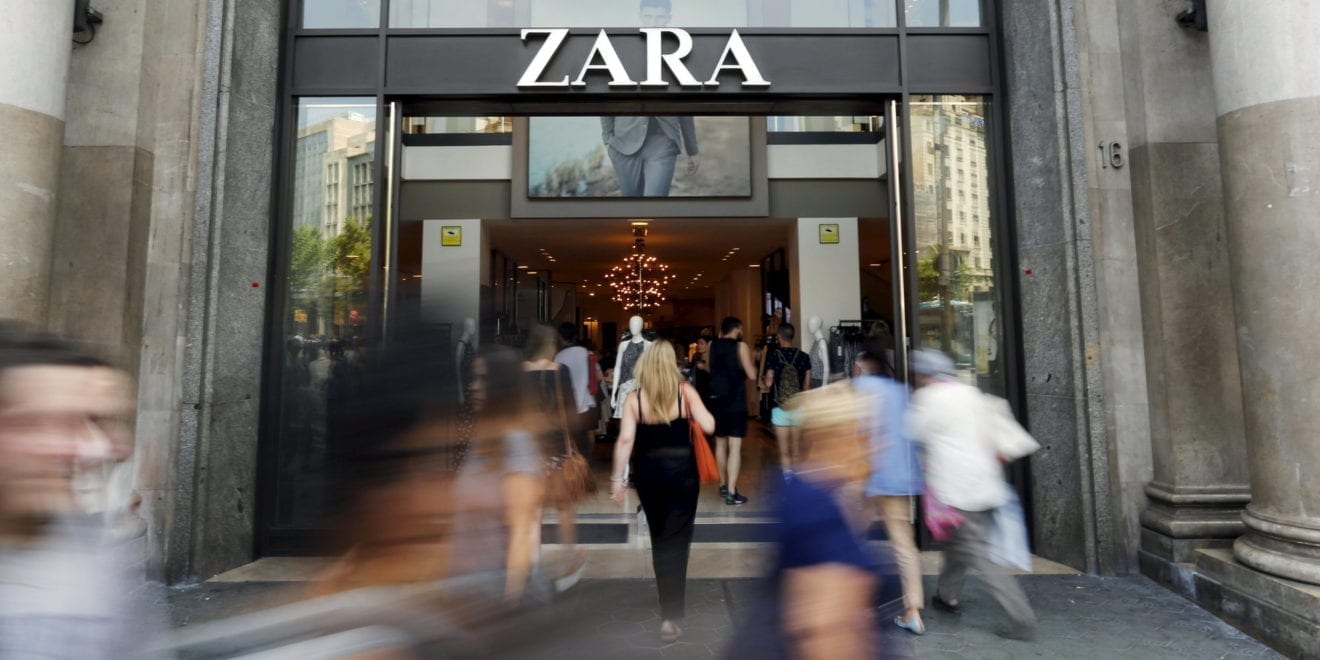
    Zara has renovated its store in Central Phuket, making it the brand’s first tech-forward concept store in Thailand.

    The store, which first opened in 2011, features a white minimalist interior design and has more than doubled in size, from 840sqm to more than 1700sqm. It features technology tools that allow customers to integrate online and physical store platforms.

    This is part of the brand’s global rollout of its new concept, which aims to provide customers with a more spacious, innovative, and sustainable shopping experience.

    The Inditex-owned company unveiled its first tech-forward concept store in Madrid, Spain, which it characterised as the “most advanced” store in 2022. The store concept focuses primarily on technology tools that allow consumers to browse the store of their choice online, check available stock, shop online, and pick up their products in just two hours.

    It also promotes sustainability in store, where it uses eco-friendly products and “some of the most advanced environmental eco-efficient systems”

    Zara has also launched this model with stores in the US, India, and Portugal.

  • Indonesia’s Tomoro Coffee accelerates Southeast Asia expansion

    Indonesia’s Tomoro Coffee accelerates Southeast Asia expansion

    Indonesian coffee brand Tomoro Coffee is planning to expand its retail operations in Southeast Asia with plans to open stores in Malaysia, Cambodia, Vietnam and Thailand.

    The business plans to open 3000 locations across the region next year, with 1000 in Indonesia.

    “Southeast Asia was chosen because the coffee culture in this region has been rooted for more than 200 years and the coffee consumption per capita is quite high,” said Tomoro Coffee’s MD Wang Chao at a press conference.

    Tomoro Coffee, which opened in 2022, has 600 stores in Indonesia and sold 40 million cups last year.

    The brand debuted in China last November with its first store in Shanghai, followed by six locations in Singapore in March and 12 in the Philippines since June of this year.

    Tomoro Coffee is backed by venture capital firm ATM Capital.

  • Temu faces EU probe over the sale of illegal products

    Temu faces EU probe over the sale of illegal products

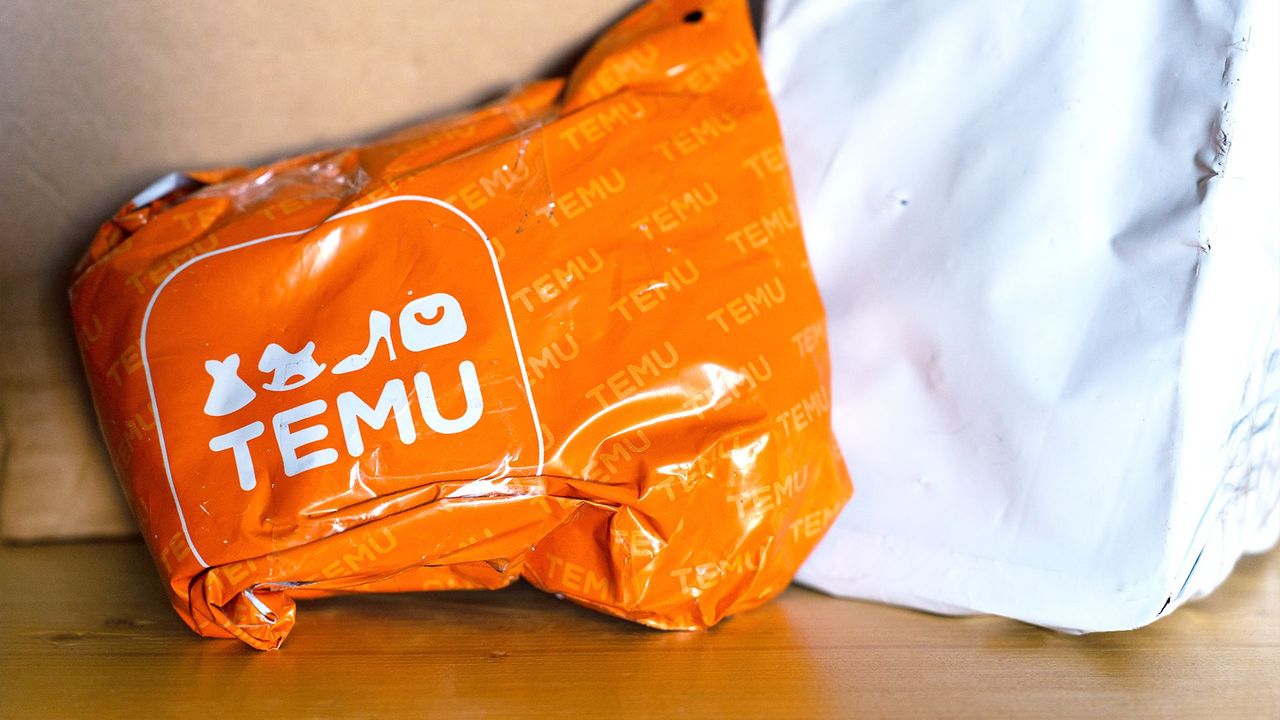
    Chinese online retailer Temu will be investigated over whether it may have breached rules aimed at preventing the sale of illegal products, EU tech regulators said on Tuesday, in a move that could lead to hefty fines for the company.

    The EU investigation will also focus on the potentially addictive design of Temu’s service, including its game-like reward programmes, and its systems to recommend purchases to users.

    The European Commission launched its probe under the Digital Services Act (DSA), which requires very large online platforms such as Temu to do more to tackle illegal and harmful content on their platforms, following complaints by pan-European consumers organisation BEUC and 17 of its national members.

    “There is a real kind of, you know, suspicion, that not enough is done, in an effective way, to really prevent the dissemination of illegal products. Rogue traders are reappearing with different identities,” an EU official told reporters.

    Temu, which has 92 million users in the 27-country European Union and is a unit of Chinese ecommerce giant PDD Holdings, said it will cooperate with regulators.

    “Temu takes its obligations under the DSA seriously, continuously investing to strengthen our compliance system and safeguard consumer interests on our platform,” the company said in a statement.

    The company also said it was in talks to join a voluntary EU initiative to counter the sale of counterfeit products.

    The EU tech enforcer will also investigate whether Temu is complying with the DSA obligation to provide researchers access to its publicly accessible data.

    “We want to ensure that Temu is complying with the Digital Services Act. Particularly in ensuring that products sold on their platform meet EU standards and do not harm consumers,” EU antitrust and tech chief Margrethe Vestager said in a statement.

    Temu could face a fine of as much as 6 percent of its global turnover if found guilty of breaching the DSA.

  • Hong Kong’s long run of retail sales decline continued in September

    Hong Kong’s long run of retail sales decline continued in September

    Hong Kong’s September retail sales fell 6.9 percent year on year, reflecting the continued impact of a change in consumption patterns, government data showed.

    Sales fell to HK$29.57 billion ($3.8 billion) in a seventh consecutive month of decline after a revised 10 percent decline in August, an 11.7 percent fall in July, a 9.7 percent fall in June, an 11.5 percent drop in May, a 14.7 percent drop in April and a 7 percent decline in March.

    A government spokesman said the near-term performance of the retail sector would continue to be affected by the change in consumption patterns of residents and visitors.

    “Nevertheless, an improved outlook for the Mainland economy following the recent introduction of a wide range of stimulus measures, and a possible easing of the Hong Kong dollar alongside the US dollar with the commencement of the US interest rate cut, would be conducive to boosting sentiment and supporting spending.”

    The largest rate of decline in Hong Kong retail sales in September was in the jewellery, watches, and valuable gifts category, where turnover fell by 17.9 percent.

    In volume terms, retail sales fell 8.7 percent year-on-year in September, compared with a revised 11.7 percent in August.

  • Jacob & Co opens first Macau boutique

    Jacob & Co opens first Macau boutique

    Jacob & Co, in partnership with Cortina Watch, has opened its first Macau boutique.

    “As curators of exceptional timepieces, we are thrilled to introduce Jacob & Co to North Asia and offer our discerning clients an unparalleled horological experience,” said Benny Chong, Cortina Holdings regional GM.

    “This partnership exemplifies our commitment to present our clients with the most extraordinary pieces, where artistry meets innovation, and where each timepiece tells a story of pushing boundaries.”

    The luxury retailer’s new store at The Venetian Macao features monochrome tones, refined leather textures, and diamond-inspired lighting elements.

    The shop features include the newly launched Bugatti Tourbillon, the Casino Tourbillon

  • Nokia to Equip Viettel with Optical Transport Solution

    Nokia to Equip Viettel with Optical Transport Solution

    This initiative aims to meet the increasing demand for 5G, Data Center Interconnect (DCI), and cross-border connectivity. The collaboration follows a successful trial during which Nokia’s PSE-6s achieved a record transmission speed of 1.2 Tbps per wavelength in real-world conditions. The deployment, expected to be completed by 2025, will enhance connectivity between Viettel’s data centers in major cities, including Hanoi, Ho Chi Minh City, and Da Nang, improving capacity and energy efficiency.

    Nokia’s new optical solution, utilizing the PSE-6s technology, will enable Viettel to scale its network while maintaining high performance efficiently. The solution supports three 800GE or six 400GE services on a single line card, allowing Viettel to increase its total network capacity to 38.4 Tbps over the C-band. Additionally, this technology is expected to help Viettel reduce network power consumption by as much as 60%.

    Nguyen Van Yen, Head of Viettel Regional Transmission, said, “The smooth execution of the record-breaking trial convinced us that Nokia was the right partner for this crucial initiative. Now, we are delighted with the seamless deployment of Nokia’s innovative PSE-6 super-coherent optical engine, which will provide the required capacity for our existing and growing needs while making us ready for 5G and cloud-based use cases.”

    Vito Di Maria, Head of Optical Networks at Nokia Asia Pacific, emphasized the challenges service providers face due to rising data traffic, highlighting the importance of scalable optical networks. He noted that Nokia’s PSE-6s technology will enable Viettel to effectively meet increasing data demands while improving network reliability and energy efficiency.

  • Indosat Posts Double-Digit Growth, Boosts AI Investment to Drive Indonesia’s Digital Future

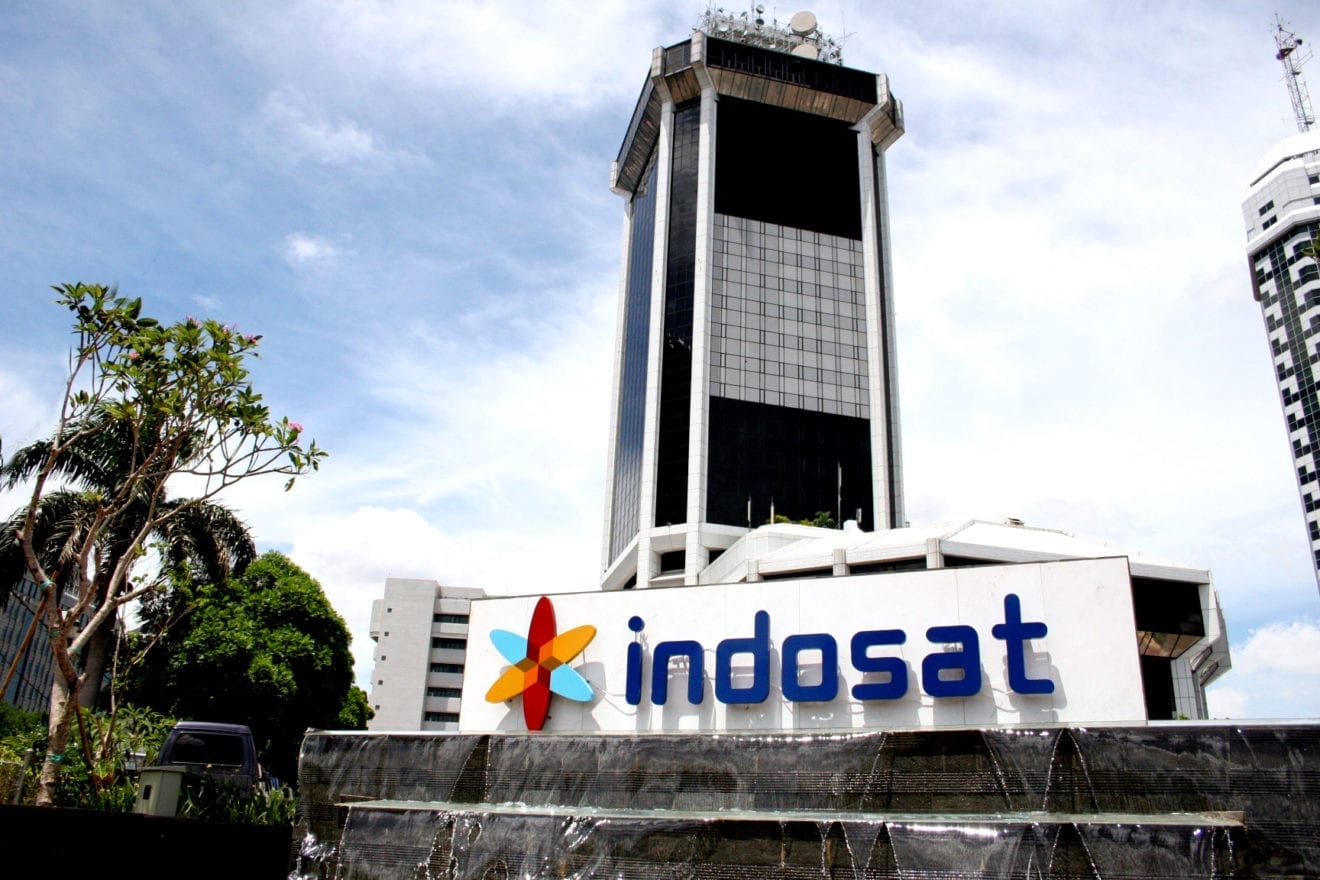
    Indosat Posts Double-Digit Growth, Boosts AI Investment to Drive Indonesia’s Digital Future

    The company reported double-digit revenue growth and continued to outperform the industry with substantial improvements, as evidenced by key financial indicators.

    During the first nine months of 2024 (9M24), Indosat generated total revenues of IDR 41,812 billion, marking an 11.6% Year-on-Year (YoY) increase. EBITDA also showed strong growth, rising by 15% YoY to IDR 20,000 billion, resulting in an EBITDA margin of 47.8% in 9M24.

    Profit for the Period Attributable to Owners of the Parent reached IDR 3,878 billion, indicating a 39.1% YoY increase, reflecting Indosat’s continued profitable quarters. The company’s cellular, MIDI, and fixed telecommunications businesses contributed 84.3%, 14.1%, and 1.6%, respectively, to overall revenue. While cellular services continued to dominate, growing 9.5% YoY due to increased data usage, the MIDI segment saw a significant 30.2% increase, driven by growth in fixed internet, fixed connectivity, and IT services. This shift towards AI and digital solutions positions MIDI as an increasingly important contributor to Indosat’s overall business.

    Vikram Sinha, President Director & CEO of Indosat Ooredoo Hutchison, stated, “These results reflect our ongoing efforts in operational excellence, strategic capital allocation, and leveraging AI-driven transformation. Our focus remains on delivering a great experience to all stakeholders and ensuring strong financial performance while adapting to the ever-changing telecommunications landscape.”

    These results demonstrate Indosat’s strategic focus on enhancing customer value and optimizing costs, leading to strong overall performance. The company’s strategic capital expenditure (CapEx) has been crucial to this success, with investments aimed at improving network infrastructure, especially in rural and eastern parts of Indonesia, and driving business expansion. Indosat increased its 4G BTS by 12.5% YoY to 193,562 sites, meeting the growing data demand while providing a great experience for its customers, positioning the company favorably for sustained long-term growth. This expansion led to a significant increase in data traffic, rising by 12.5% YoY to 12,050 Petabytes (PB) in the first nine months of 2024.

    Furthermore, Indosat’s focus on attracting high-quality customers has significantly contributed to an increase in Average Revenue Per User (ARPU) of IDR 37.7 thousand in the first nine months of 2024, marking an 8.7% rise compared to the same period in the previous year. Additionally, Indosat aims to enhance its infrastructure to ensure robust, reliable coverage nationwide. Central to this transformation is the integration of AI, which Indosat uses to optimize operations, drive innovation, and enhance customer experiences. This approach has helped improve operational efficiency and strengthen the company’s competitive position in the market.

    Indosat is forming strategic partnerships with global leaders like NVIDIA, Microsoft, Google, Mastercard, and Huawei to support these initiatives. Notable achievements include the launch of its AI Experience Center and the introduction of GPU Merdeka by Lintasarta, a subsidiary of Indosat, which offers an AI cloud service. These efforts contribute to aligning with the nation’s 2045 Golden Indonesia Vision.

    In line with its commitment to digital empowerment, Indosat continues to bridge the digital divide and promote digital inclusion. Through initiatives such as IDCamp and SheHacks, the company is actively expanding digital literacy and promoting gender equality. To date, IDCamp has trained over 270,000 students, equipping them with essential skills to thrive within Indonesia’s digital economy. Indosat is also advancing its Environmental, Social, and Governance (ESG) agenda by adopting sustainable practices, including renewable energy solutions; improving cybersecurity; and enhancing data privacy measures.

    These initiatives align with Indosat’s commitment to building a brighter, more inclusive digital future for Indonesia. “With a collaborative approach inspired by the spirit of Gotong Royong, we remain committed to our larger purpose of empowering Indonesia and ensuring that the country remains at the forefront of the regional digital economy,” Sinha concluded.


  • Google Wallet will soon be available for kids with Family Link-managed Android devices

    Google Wallet will soon be available for kids with Family Link-managed Android devices

    According to a new report, Google Wallet will be expanding to Android devices managed by Family Link, allowing kids to make tap-to-pay transactions in stores. This move comes after the positive response to tap-to-pay on Fitbit Ace LTE devices. Google emphasizes that the new experience is built with safety in mind.

    This feature will reportedly be available next year for some Google Wallet users in several countries, including the US, before a wider expansion over time. Google built a lot of this infrastructure for its Wear OS-powered kids smartwatch earlier this year, noting the positive response of tap-to-pay on Fitbit Ace LTE. Here’s how it works:

    Parents will need to approve every credit or debit card added to their child’s phone, similar to how it works with the Fitbit Ace LTE watch. They can also view recent transaction history and remotely remove a card or block passes through their Family Link app. Additionally, any existing payment card can be added to a kid’s Wallet. This could be very helpful in situations when a child will need to purchase something but the card to be used needs to be swapped.

    To authenticate NFC payments, a device PIN, password, fingerprint, or facial recognition is required. Google Wallet for kids will also support gift cards and event tickets, but private passes like IDs and health cards will not be supported at launch. Kids will not be able to use cards saved in Google Wallet for online payments, only tap to pay.

    Google emphasizes how this new experience is built with safety in mind and is taking a cautious approach to rolling out this feature, starting with a limited release before expanding to more users over time. This is a good approach, as it will allow Google to gather feedback and make any necessary adjustments before making the feature widely available.

    I am curious to see how this feature will evolve over time and what other features will be added. I believe that this is a great way to introduce kids to the world of digital payments while also giving parents peace of mind. It will be interesting to see how this feature is received by parents and kids alike. I am also curious to see how this will impact the future of digital payments for kids.