Tag: asia

  • First Lotteria store in Singapore to launch next year

    First Lotteria store in Singapore to launch next year

    The first store of South Korea’s famous fast food chain Lotteria in Singapore is set to be opened in the second quarter next year.

    Food and beverage company Katrina Group has inked a non-binding term sheet with a restaurant business of Lotte Group to bring the chain to the city-state, it said in a news release Wednesday.

    Established in 1979, Lotteria specializes in hamburgers, fried chicken, and fries, and currently operates 1,600 outlets across seven countries, including Vietnam, Cambodia, and Myanmar.

    “Given the brand’s massive popularity in South Korea and its emphasis on quality, innovation and customer satisfaction, we are confident that Lotteria will resonate with Singaporeans and further enhance our F&B portfolio,” said Alan Goh, CEO and founder of Katrina Group.

    Katrina Group operates seven food and beverage brands in Singapore, including Bali Thai, Daily Chicken, and Vietnamese-style noodles chain So Pho.

    Earlier this month U.S. chicken sandwich chain Chick-fil-A announced plans to launch its first Singapore restaurant late next year as part of its US$75 million investment to enter Asia.

  • Instagram unveils spooky suite of features for Halloween

    Instagram unveils spooky suite of features for Halloween

    In anticipation of Halloween, Instagram has launched a collection of interactive features and creative tools designed to elevate user engagement and celebrate the spooky season. These features, available until November 3rd, offer users a fun and festive way to connect with friends and express their creativity.

    One of the most notable additions is the integration of Meta AI’s Imagine feature, which allows users to transform themselves into Halloween creatures, such as vampires, through AI-generated costumes. These costumes can be shared in Stories, inviting friends to join the fun and showcase their own spooky transformations.

    Adding a playful touch to conversations, Instagram has incorporated interactive elements within DMs and Notes. By using keywords like “Happy Halloween” or “Trick-or-treat,” or emojis like a Jack-O’-Lantern, a ghost, or a spider web, users can trigger special effects and animations, making their interactions more engaging.

    For those who enjoy staying on top of trends, Instagram has introduced five custom Halloween Add Yours templates. These templates, accessible in the ‘Happy Halloween’ section of the new Add Yours Templates Discovery Surface in Stories, provide a platform for users to connect with others and participate in Halloween-themed trends.

    To further enhance creative expression, Instagram has also introduced a new Halloween-themed font called “Halloween” and a text effect called “Haunted.” These stylistic elements can be applied to Stories, Feed posts, and Reels, allowing users to personalize their content and capture the spirit of the holiday.

    Finally, a Halloween-themed chat theme is available for DMs and IG broadcast channels, adding a festive ambiance to conversations and enhancing the overall Halloween experience on the platform.

    This isn’t the first time Instagram has integrated fun and interactive features into its platform. In the past, they’ve introduced augmented reality filters for trying on makeup and accessories, interactive polls and quizzes in Stories, and even the ability to add music to Stories. These features not only enhance the user experience but also encourage creativity and connection among users.

    These new features demonstrate Instagram’s willingness to provide its users with creative and engaging ways to connect and celebrate. The integration of AI, interactive elements, and creative tools showcases the platform’s openness to evolve with the trends and providing users with a dynamic and enjoyable experience.

  • How Seamless Shopping Journeys Are Reviving Physical Retail Stores

    How Seamless Shopping Journeys Are Reviving Physical Retail Stores

    With ecommerce projected to capture 41% of global retail sales by 2027, it might seem counterintuitive for retailers to continue investing in new and existing physical stores. Yet, retailers like Fujifilm, Sketchers, and North Face are not only maintaining their brick-and-mortar presence but actively innovating with new store concepts to better serve modern shoppers and stand out in a competitive market.

    Rather than signalling the decline of physical stores, the rise of ecommerce is actually fuelling the revival of retail spaces, where fresh, exciting store concepts are drawing in consumers. This trend highlights the evolving behaviours and preferences of today’s shoppers. Retailers recognise that modern consumers engage with multiple sales channels during their buying journey, and in fact, 73% of shoppers prefer to combine online and in-store experiences. This omnichannel approach underscores the enduring importance of physical stores in a digitally driven retail landscape.

    Flexible Payments

    In today’s omnichannel digital age, offering flexible payment solutions is essential. According to Manhattan’s Unified Commerce Benchmark Singapore, 31% of ecommerce consumers will not retry if they must re-enter their payment details at checkout. Modern shoppers expect to pay using their preferred method, whether it’s a credit card, digital wallet, contactless payment, cash, or pay-by-link—regardless of the shopping channel they choose.

    By providing a range of payment options, physical stores can better meet the flexibility and convenience expectations of modern shoppers. Offering popular alternative payment methods not only increases the likelihood of attracting new customers but also encourages repeat visits from those who find their preferred payment options available. Satisfying these preferences is key to fostering customer loyalty.

    Omnichannel Promotions

    Retailers plan and execute promotions to boost sales, attract new customers, and enhance brand awareness. However, without the right technology in place, promotions can negatively impact already narrow margins. It’s essential for retailers to focus on promotional effectiveness, ensuring these initiatives deliver the desired financial results and customer satisfaction.

    Seamless integration across all sales channels is critical, as promotions should be defined once and shared consistently with unified targeting, qualification, and calculation logic. If a customer is eligible for a promotion online, that same offer should be available in stores and at the contact centre, unless it is an exclusive online deal. Yet, executing promotions consistently in-store remains a significant challenge due to the fast-paced environment.

    An omnichannel promotions engine can address this challenge by providing a single source of truth for promotion logic, ensuring consistency across all sales channels. Effective omnichannel promotions are well-planned, targeted to the right customers, and executed consistently, playing a crucial role in the modern retail brand experience.

    Clienteling

    Modern shoppers highly value personalised shopping experiences, especially in retail segments like high-end luxury goods, where personalisation is expected. According to McKinsey, companies that excel in personalisation can potentially generate 40% more revenue, highlighting its significant impact.

    For brick-and-mortar retailers, personalised one-on-one shopping experiences provide a unique advantage over digital-only competitors. By incorporating clienteling capabilities, such as Mobile Clienteling, stores can seamlessly connect all sales and service functions, empowering store associates with rich customer data to enhance interactions throughout the store.

    Virtual clienteling is also emerging as a powerful tool, allowing store associates to maintain customer engagement beyond the store. Whether it’s responding to product inquiries via phone, text, or email, or providing additional information to assist with purchase decisions, virtual clienteling extends the personalised shopping experience beyond the store’s physical boundaries.

    In 2024, the key to effective clienteling lies in enabling store associates to quickly access and utilise customer purchase history, engagement history, and preferences. This allows for personalised interactions and tailored recommendations that resonate with customers, whether in-store or through virtual channels.

    Store Order Fulfilment

    Modern shoppers appreciate the convenience, immediacy, and cost savings of buying online and picking up in-store (BOPIS), driving increased demand for this fulfilment service. Simultaneously, retailers are increasingly leveraging their stores to ship orders, reducing shipping costs and speeding up delivery times.

    To meet customer expectations while maintaining profitability, modern stores must excel in fulfilment efficiency, scalability, and accuracy. BOPIS not only caters to shoppers’ desire for convenience but also drives additional foot traffic and sales in stores. According to a survey by the International Council of Shopping Centres, 67% of BOPIS users buy additional items when picking up their orders.

    Physical stores have evolved into multifunctional hubs within the omnichannel retail ecosystem, offering retailers a strategic way to meet growing shopper demands for speed and convenience. When optimised to handle increasing volumes and rising customer expectations, store fulfilment can significantly boost sales and enhance customer satisfaction.

    Unified Returns and Exchanges

    In 2022, returns cost retailers a staggering $817 billion, with 78% of shoppers finding the returns and exchanges process inconvenient, and 41% considering it time-consuming. Beyond the financial impact, returns significantly contribute to CO2 emissions and landfill waste. A March 2023 report by the British Fashion Council’s Institute of Positive Fashion, Solving Fashion’s Product Returns, revealed that in the UK, 3% of returned items are not resold—50% of which end up in landfills, 25% are incinerated, and only 25% are recycled, underscoring the environmental toll.

    Unified returns and exchanges enable modern shoppers to return or exchange any item at a store, regardless of the original sales channel, including online purchases. This approach offers customers the convenience of a straightforward return or exchange process, with the immediate satisfaction of an instant refund or a new item.

    By implementing unified returns and exchanges, retailers not only meet the needs of today’s shoppers in this crucial area of customer service but also reduce both business and environmental costs by minimising the need to ship returns.

    By Richard Wright, Managing Director, SEA, Manhattan Associates


  • Rakuten Mobile Secures NICT Funding for Global Standardization of Advanced Edge Cloud

    Rakuten Mobile Secures NICT Funding for Global Standardization of Advanced Edge Cloud

    The project, partially funded by the NICT, aims to address the limitations of current international standards for network specifications that were established before the advent of cloud-native networks. These existing standards are inadequate for the increasing user numbers and communication volumes anticipated in the era beyond 5G. Rakuten Mobile seeks to incorporate flexible, efficient and scalable cloud-native networks into these specifications.

    Rakuten Mobile has already built a large-scale, fully-virtualized, cloud-native mobile network in Japan. Leveraging this expertise, the company will closely collaborate with organizations responsible for international standardization to drive the creation and adoption of unified international standards for cloud management, including edge cloud technologies essential to the era beyond 5G, thereby contributing to the widespread adoption of cloud-native networks.

    Furthermore, through its subsidiary, Rakuten Symphony, Rakuten Mobile aims to ensure that global cloud solutions such as Rakuten Cloud comply with international standards, as part of the company’s goal to deploy flexible and secure cloud services worldwide.

  • Airtel Brings 5G to Mumbai’s New Metro Line

    Airtel Brings 5G to Mumbai’s New Metro Line

    This underground infrastructure aims to enhance connectivity in the financial capital, linking the Bandra Kurla Complex (BKC) to Aarey and covering the vital Jogeshwari-Vikhroli Link Road (JVLR) section.

    Mumbai’s highly anticipated Aqua Line—the city’s first underground metro system—is set to transform urban transportation and mark a new era of efficient, high-tech travel in the bustling metropolis.

    Aditya Kankaria, CEO of Bharti Airtel in Mumbai, emphasized that the company’s strategic investments in enhancing and strengthening network infrastructure along the Aqua Line reflect their dedication to ensuring customers enjoy seamless, high-speed mobile connectivity while using the city’s public transit system.

    “This commitment is further underscored by our eagerness to support Mumbai’s first-ever underground metro line, ensuring that customers can enjoy reliable, blazing-fast internet connectivity as an integral part of their daily commute. As Mumbai embraces this new era of efficient, technologically-advanced public transportation, Airtel stands ready to elevate the commuting experience with high-speed 5G connectivity,”  Kankaria added.

    Stretching 33.5 kilometers, this advanced metro line will connect major transit points, including the renowned Terminal 2 (T2) airport and the lively Santacruz neighborhood.

    Throughout the entire route, Airtel has significantly upgraded its 5G infrastructure, allowing passengers to access high-speed mobile internet, clear voice calls, and seamless data transmission during their travels.

    Each of the ten underground stations is equipped with dedicated in-building solutions to ensure reliable, high-quality connectivity, enhancing the overall commuting experience.

  • South Korean doctors eye move to Vietnam

    South Korean doctors eye move to Vietnam

    Many South Korean doctors in various specializations, unhappy with working conditions back home, have been applying for jobs in Vietnam this year.

    More than 30 of them took a health test late last month and are now preparing for an English exam to be held at the HCMC University of Medicine & Pharmacy within two months. Foreign doctors from nations with advanced healthcare systems are not required to pass local qualification exams to work in Vietnam, but need to furnish the professional licenses issued in their home countries and undergo a health check and an English test.

    A representative of a company that helps translate and notarize documents for foreign doctors said many South Korean cosmetic surgeons, dermatologists, dentists, and emergency medicine specialists are interested in working in Vietnam.

    Many are looking for career opportunities in Vietnam this year, unhappy with the working conditions at private clinics in their country and enticed by those available in the latter nation.

    A private medical facility in Hanoi offers a 44-hour work week, a monthly salary of 30 million won (US$22,000) and $800 in housing assistance to South Korean doctors.

    In South Korea, doctors have been at odds with the government over a plan to boost medical school admissions by 2,000 per year.

    Some 12,000 trainee doctors walked out in February to protest the change, resulting in widespread cancellations of surgeries and other essential treatments.

    The government has since made several attempts to alleviate the pressures on the country’s medical system. The strike is ongoing.

    The number of emergency room doctors has declined by 42% at hospitals across the nation, with seven of them contemplating partial closure of emergency rooms, Yonhap News Agency reported last month, citing a medical professors association.

  • Lobster exports to China surge 33 times

    Lobster exports to China surge 33 times

    Vietnam’s lobster exports to China rose 33-fold year-on-year to US$205.87 million in January-September on the back of lower prices and stronger trade ties between the two nations. This marks a 3,285% surge from the same time last year, citing statistics from the General Administration of Customs of China.

    In September alone, lobster imports from Vietnam rose by 133.9% from August and 2,336% year-on-year.

    China’s overall lobster imports increased by 40.86% year-on-year to $558.24 million in the same period, while import prices decreased by 23%.

    Analysts said the spike means Chinese consumers still have a craving for high-end foods despite hesitancy in overall spending, adding import costs from Vietnam are significantly lower than from other countries due to differentials in labor and shipping.

    According to Phung Thi Kim Thu, an expert from the Vietnam Association of Seafood Exporters and Producers, China’s easing of seafood import regulations, together with the signed bilateral agreements and the trade liberalization rules under the Regional Comprehensive Economic Partnership (RCEP), has facilitated the growth in Vietnam’s lobster exports.

    China is also set to restart the import of Australian lobsters. During the recent ASEAN Summits in Laos, Beijing and Canberra agreed to lift a nearly four-year moratorium on lobster shipments by the end of the year.

    In 2019, the last full year with data recorded, over half of China’s lobster imports came from Australia.

  • Spotify rolls out custom playlist cover art feature

    Spotify rolls out custom playlist cover art feature

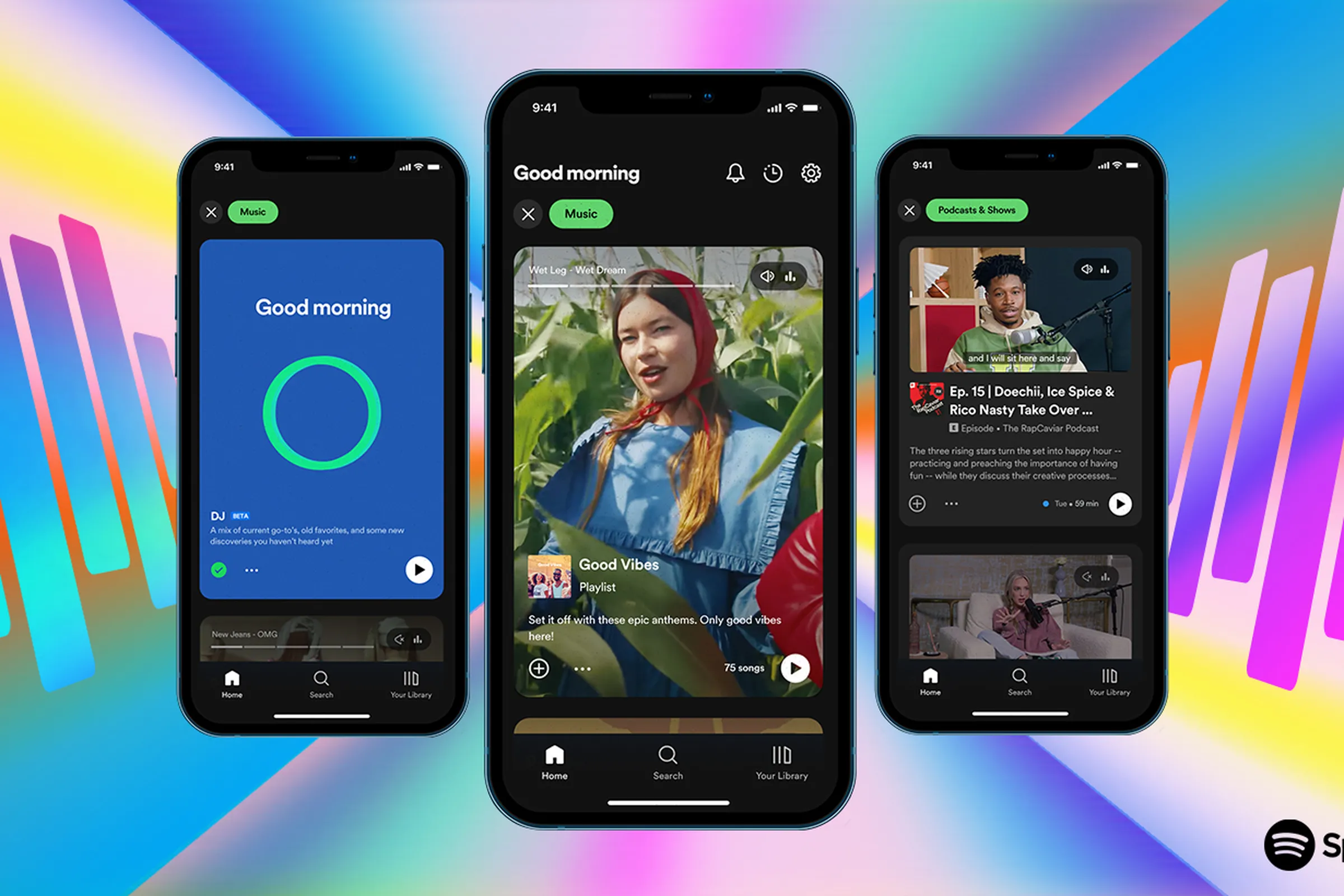
    Spotify has launched a new beta feature that allows users to personalize their playlists with custom cover art. Available on both iOS and Android devices, the feature gives users the ability to design unique covers using their own images, colors, text effects, and graphic elements. This new addition aims to provide users with more creative control over their playlists, making them visually distinctive.

    To access this feature, users need to have the latest version of the Spotify mobile app. Once updated, they can select an existing playlist or create a new one. By tapping the three-dot menu on the playlist page and selecting “Create cover art,” users can then upload an image and customize it with various elements. These include text styles and effects from Spotify’s custom typeface, Spotify Mix, as well as background colors, gradients, image masking, visual effects, and exclusive stickers from artists like Jun Ioneda, Sam Lyon, James Marshall, and Shivani Parasnis. After creating their cover art, users can share it with friends or on social media platforms.

    It’s worth noting that each playlist can only have one custom cover art saved at a time. Any new cover created for a playlist will replace the previous one. For users who want to design multiple covers for the same playlist, creating a copy of the playlist is recommended. This can be done by opening the playlist, tapping the three-dot menu, selecting “Add to other playlist,” and then tapping “New playlist.”

    Currently, this feature is available in beta to English-speaking users in 65 markets. Spotify has collaborated with various music artists, visual creators, and album art designers for the launch. Among them are creators that have collaborated on famous works by Bad Bunny, The Notorious B.I.G., Beastie Boys, and JAY-Z, among others. These artists have used the new feature to create unique cover art for their own personal Spotify playlists.
    I find that this feature offers a fun and creative way to personalize playlists and express users’ musical taste. I appreciate the flexibility it provides in terms of design elements and the ability to use one’s own images. Furthermore, I believe this feature will enhance the overall user experience on Spotify, making it more engaging and visually appealing. Let’s see how Spotify further develops and expands this tool in the future.
  • Bega Cheese reveals new look for Dairylea

    Bega Cheese reveals new look for Dairylea

    Bega Group has introduced a new appearance to its Dairylea-branded products, including the original slices and burger slices.

    Following the change, all Dairylea-branded product lines will have Bega-branded packaging.

    “Our same great tasting slices continue to be an everyday essential item, just with a new look,” said Anna Martin, brand manager of culinary at Bega Group.

    “Suitable and affordable for Australian families, we are excited to see our new packaging on supermarket shelves, helping shoppers to stretch their household budget a little further without compromising on taste and quality.”

    The refreshed packaging is now available in local supermarkets and will be accessible in Coles later this month.

  • Government seeks monopoly over nuclear power

    Government seeks monopoly over nuclear power

    The government wants to retain its monopoly over nuclear power, proposed amendments to the Electricity Law show.

    The government wants to exclusively build nuclear power plants as these are considered critical to national security, Minister of Industry and Trade Nguyen Hong Dien said as he presented the amendments to the National Assembly Monday.

    The construction, operation and decommissioning of the plants and ensuring their safety must comply with the Atomic Energy Law and other relevant regulations.

    The plans for nuclear power generation must be integrated into the national power development plan to ensure energy security.

    Nuclear plants are required to use proven technologies.

    The government will create mechanisms for the investment, construction and operation of the nuclear plants.

    PM Pham Minh Chinh recently instructed government agencies to study the development of nuclear power and make amendments to the National Power Development Plan to include it.

    In 2009 the government had announced plans to build two nuclear power plants in the south-central province of Ninh Thuan at a cost of several billion dollars, but the National Assembly shot down the proposal in 2016 saying they were unaffordable.

  • Foursquare is sunsetting its City Guide app and focusing on its check-ins app Swarm

    Foursquare is sunsetting its City Guide app and focusing on its check-ins app Swarm

    Remember when we used to check in to places online to brag that we had places to go and people to meet? Well, according to Foursquare, the company behind the popular social location app, it wants to bring it back. In an announcement on its site today, the company revealed that it is shutting down its City Guide app on December 15, 2024 in order to focus on Swarm, its other app that allows users to share their location with friends.

    A little refresher: Foursquare’s City Guide app was launched in 2009 and allowed users to check in to locations, rate them, and leave tips for other users. The app was a pioneer in the location-based social networking space and helped to popularize the concept of checking in. However, in 2014, Foursquare split its app into two separate apps: Swarm and Foursquare City Guide. Swarm focused on location sharing and check-ins, while Foursquare City Guide became a more general city guide app with user-generated reviews and recommendations.

    Foursquare says that it is shutting down the City Guide app to focus on Swarm. The company says that Swarm has a larger user base and is more aligned with its long-term vision. Foursquare also says that it will be introducing new features to Swarm that will make it even more useful for users. The web version of City Guide will continue to be accessible until early 2025 with no specific date given. Those that have businesses listed on City Guide will continue to be listed on Swarm.

    The shutdown of the Foursquare City Guide app marks the end of an era for the company. The app was one of the first successful location-based social networking apps and helped to pave the way for other apps like Swarm. Other social networking apps, followed in those footsteps and built-in check-in features into their existing apps — some of which still exist to this date.

    The company has not said what will happen to the data that users have stored in the Foursquare City Guide app, but in accordance to their privacy policy, it will only disclose data with appropriate protections in place. Users can control what information is visible to others in their settings. Additionally, it has provided instructions on how users can export their data and/or delete their account before the app shuts down.

    Whether this strategy pays off for Foursquare remains to be seen. It does make sense, though, that the company would want to focus on the app that has the larger user base and is more aligned with its long-term vision, which is the case with Swarm. I am interested in seeing how the company will evolve and adapt to the changing landscape, and what new features the company will introduce to Swam in the future.

  • Imports of Chinese vegetables, fruits soar in 2024

    Imports of Chinese vegetables, fruits soar in 2024

    Vietnam imported US$697 million worth fruits and vegetables from China in the first nine months of 2024, up 24% year-on-year.

    Imported Chinese farm products used to be sold only in traditional markets, but now they can also be found at most major retail chains such as MM Mega and Co.opmart.

    The major imports include apple, grape, garlic, onion, and potato, and are often 10-30% cheaper than products from other countries.

    Vo Thanh Loc, co-founder of retailer Farmer’s Market, said the company used to source its products from Australia, Japan, South Korea, and the U.S., but has recently added Chinese products to the list since they look nice and come in many varieties.

    HCMC’s Thu Duc Agriculture Market has received 88,400 tons of vegetables and fruits imported from China so far this year.

    Dang Phuc Nguyen, general secretary of the Vietnam Fruits & Vegetables Association, said China has been able to improve its fruits quality through farming region control and packaging.

    Thanks to reduced transportation costs and zero import tax agreements between China and ASEAN countries, Chinese produce have an advantage in Vietnam, he added.

  • China’s Temu, Shein flood Vietnam with cheap goods

    China’s Temu, Shein flood Vietnam with cheap goods

    Chinese e-commerce platforms Temu and Shein, known for their steep discount strategies, are seeking to entice Vietnamese consumers by offering lavish promotions.

    Le Hung of Hanoi recently got a dash camera three days after ordering on Temu, all for VND71,000 (US$2.8).

    He had learned about Temu from a social media ad. After downloading the app he was told to create an account to get large discounts and shop immediately.

    “Normally, dash cameras cost several times more, so I gave it a try,” he says.

    If the total order is VND120,000 or more, shipping is free.

    Bich Phuong in HCMC recently received a 94% discount voucher from Temu for her first order.

    She bought two incense burner towers for VND50,000 each, half the price on Shopee. Temu owned by Chinese e-commerce giant PDD Holdings, launched in the U.S. in 2022 and has been expanding globally in recent years.

    It now sells directly to consumers in 82 countries and territories, with the latest markets being Vietnam, Brunei, Malaysia, and the Philippines.

    Chinse fashion brand Shein has also been active in Vietnam.

    Nhu Mai of HCMC was introduced to the platform by a colleague who used it to buy phone cases and clothes.

    “Purchases over VND200,000 qualify for free shipping,” she says.

    Other Chinese platforms like Taobao, 1688, Pinduoduo, and JD are facilitating direct purchases by Vietnamese consumers.

    Vietnam’s promising retail market and open policies are causing these large e-commerce players to flock to the country.

    A report by Singapore research firm Momentum Works said Vietnam was the fastest growing market last year with gross merchandise volume rising by nearly 53% from 2022.

    According to e-commerce data firm ECDB Vietnam ranks 21st globally and third in Southeast Asia after Indonesia and Thailand in terms of e-commerce market size with an estimated value of $23.8 billion this year.

    Over the next four years it is projected to grow by 12.6% annually to top $38.2 billion by 2028, it added.

    “Vietnam is becoming a lucrative market for investors, especially in cross-border e-commerce,” an official from department of e-commerce and digital economy, who asks not to be identified.

    Vietnam’s e-commerce market has grown by 25% annually, with over 61 million people shopping online and spending $336 a year on average, according to the department.

    Regulations require cross-border e-commerce platforms that use Vietnamese domains, display content in Vietnamese or process over 100,000 transactions annually from Vietnam must register with the Ministry of Industry and Trade.

    But the ministry acknowledges that not all platforms are following the rule.

    “The Ministry of Industry and Trade is increasing oversight and working with them to ensure platforms comply with the law and consumer rights are protected,” the official adds.

    Pressure on local retailers

    Platforms like Temu offer Vietnamese consumers direct access to cheap “made-in-China” goods, which is hurting domestic retailers, according to Tran Lam, an expert in online sales training.

    Temu, along with Shopee, Lazada and TikTok, is flooding Vietnam with low-priced Chinese goods, and local sellers are suffering, unable to compete on price.

    Some countries have are trying to prevent this influx of Chinese goods.

    Temu was banned in Indonesia earlier this month, and is facing increasing scrutiny in the E.U. and the U.S.

    The European Commission is considering imposing import duties on goods valued under EUR150 ($163).

    Last month Washington announced measures to close a loophole that allowed tax-free import of items valued at under $800.

    Frederic Neumann, co-head of Asia economics research at HSBC, says banning platforms like Temu and Shein in Vietnam might not be a good idea.

    These platforms benefit consumers by offering low prices, the competition they bring causes domestic producers to improve product quality, and the entry of foreign giants encourages investment in logistics, benefiting consumers overall, he points out.

    “Some countries take a hardline approach, but finding a way to integrate them into the ecosystem without causing too much disruption is the best outcome.”

    He says authorities must introduce detailed regulations to allow Vietnamese producers to participate on platforms like Temu, and ensure there are no tax discrepancies between local and foreign goods.

    For instance, Thailand previously did not impose import duties and VAT on goods costing under THB1,500, but since May this year all shipments are subject to a 7% VAT, thus protecting local production from cheap online imports, he says.

    “The key is creating a level playing field.”

    The Ministry of Industry and Trade official notes that managing cross-border e-commerce is a challenge for Vietnam and many other countries amid globalization.

    Ministries have called for tweaking customs operations to separate ordinary goods flows from online purchases and increase control over foreign sellers.

    They also want amendments to the VAT Law to ensure that products sold on digital platforms do not get any exemption.

  • Airtel Collaborates with Kia India to Boost Kia Connect 2.0

    Airtel Collaborates with Kia India to Boost Kia Connect 2.0

    As part of the collaboration, Kia will leverage Airtel Business’ IoT Hub, which provides tailored IoT solutions across multiple networks, including 5G, 4G, NB-IoT, 2G, and satellite.

    The IoT Hub is equipped with advanced analytics capabilities and real-time data insights sourced from connected devices.

    The Kia Connect 2.0 platform aims to equip Kia vehicles with advanced connected features, including vehicle management, AI-powered voice commands, and remote control capabilities. It also boasts safety, security, and navigation functions.

    Hardeep Singh Brar, Senior Vice President and Head of Sales and Marketing at Kia India, indicated that the automaker plans to introduce over-the-air (OTA) diagnostics as part of the transition to the Kia Connect 2.0 platform.

    He mentioned that this initiative is expected to unlock new possibilities for software-defined vehicles, with IoT technology becoming a fundamental aspect of Kia’s offerings.

    Airtel Business highlighted that its IoT platform offers comprehensive support for connected vehicle features, including connectivity, telematics, and infotainment. It also enables functionalities such as eSIMs, real-time remote monitoring, over-the-air (OTA) firmware updates, and safety features like SOS emergency calling and real-time connectivity during accidents or emergencies.

  • National Policies and Projects Driving Fiber Expansion in APAC

    National Policies and Projects Driving Fiber Expansion in APAC

    With optical fiber networks now reaching the majority of households in many markets, the region’s fiber broadband subscriptions surpassed the 500-million mark at the end of 2022. This figure represents an impressive 85.1% share of the entire residential fixed-line broadband subscriber base, showcasing the scale of fiber adoption across the region.

    However, despite this extensive network reach, fiber broadband service take-up rates in most markets remain below 50%, indicating that there is still considerable potential for growth and increased utilization.

    Mainland China leads the way in fiber deployment, and boasted 59.6 million kilometers of installed fiber lines at the end of 2022. This extensive network has positioned China as a global leader in fiber infrastructure, and the country’s commitment to expanding broadband access is set to continue.

    Kagan estimates that by 2027, fiber broadband subscribers will account for at least 90% of all broadband users in China. The push for fiber expansion has been spearheaded by China Mobile Ltd., which alone deployed around 19.4 million kilometers of fiber cables. These efforts form part of the government’s broader strategy to ensure ubiquitous broadband access, which will be critical for supporting China’s digital economy and future technologies like 5G and IoT.

    China’s fiber deployment strategy is supported by multiple national policies and initiatives. The Broadband China Strategy (2013) set the foundation for expanding fiber-optic networks, focusing on increasing broadband coverage in rural and underserved areas. China’s 5G and fiber network integration aims to provide 1,000 Mbps speeds to all counties and township seats by 2025, enhancing connectivity across the country. The East-to-West Computing Resource Transfer Project is strengthening data transmission between regions by expanding fiber networks. The China Optical Fiber and Cable Development Plan, part of the “13th Five-Year Plan,” is enhaning the manufacturing and deployment of fiber-optic cables.

    In India, the Fiber-to-the-Home (FTTH) market is experiencing rapid growth, led by companies such as Reliance Jio Infocomm Ltd. and Bharti Airtel Ltd. Within two years of its launch, Reliance Jio became the market leader, connecting over 7.6 million residences to its FTTH network by the end of 2022. Bharti Airtel, the second-largest player in the market, expanded its FTTH services to over 500 new towns during the same period.

    This surge in fiber expansion aligns with India’s Digital India initiative, which aims to transform the country into a digitally empowered society and knowledge economy. Government support and favorable policies have been instrumental in accelerating the deployment of fiber infrastructure in urban and semi-urban areas, though rural penetration remains a challenge.

    The BharatNet project, spearheaded by Bharat Broadband Network Limited (BBNL), aims to connect 250,000 gram panchayats with high-speed internet through fiber optic cables, supporting governance, e-services, and digital inclusion across rural areas. Furthermore, the National Digital Communications Policy (NDCP) 2018 emphasizes fiberization to boost 5G readiness and the overall telecommunications framework. Make in India supports the domestic manufacturing of fiber optic equipment, while the Smart Cities Mission ensures fiber-based infrastructure is utilized in urban areas for smart city services.

    Japan and South Korea, which were among the first countries to adopt nationwide fiber broadband services in the early 2000s, continue to lead in terms of advanced fiber technologies. The focus in these mature markets has shifted to improving network speeds and power efficiency in long-distance signal transmission.

    Despite the sophistication of its fiber infrastructure, Japan faces challenges in expanding coverage to remote areas due to geographical barriers and natural disasters. To address these issues, companies like NTT and KDDI have partnered with SpaceX to explore wireless space broadband solutions for hard-to-reach regions.

    In Japan, the Infrastructure Development Plan for a Digital Garden City Nation (revised in 2023) aims to reach 99.90% fiber-optic coverage by 2027, focusing on bridging regional disparities in broadband access. The Society 5.0 initiative, a core element of Japan’s vision for future digital society, emphasizes integrating advanced technologies like AI, IoT, and quantum computing with fiber infrastructure, aiming to solve societal problems while fostering economic growth. The Integrated Innovation Strategy 2022 supports the expansion of fiber networks to facilitate the creation of smart cities, enhance communication systems, and further digitalization efforts across industries. The 6th Science, Technology, and Innovation Basic Plan underscores the importance of infrastructure improvements, particularly for a highly digital and data-driven economy.

    South Korea has long been a global leader in fiber deployment, driven by comprehensive policies and initiatives to ensure universal high-speed broadband access. Key policies include the Korean Information Infrastructure (KII), launched in the late 1990s, which laid the groundwork for widespread fiber networks. This was followed by the IT839 Strategy, which focused on broadband convergence, establishing an environment conducive to the development of high-speed networks, fiber expansion, and 5G readiness. More recently, the Giga-KOREA Project aims to deliver gigabit-speed internet that is 40 times faster across the country. South Korea’s Broadband Convergence Network (BcN) policy is another significant initiative, enabling ultra-high-speed broadband connections nationwide and promoting infrastructure sharing between telecom operators, reducing costs and ensuring competitiveness in fiber deployment.

    Southeast Asian countries are also actively pursuing fiber expansion, with national policies playing a crucial role in accelerating deployment.

    In Indonesia, for instance, Perusahaan Perseroan (Persero) PT Telekomunikasi Indonesia Tbk (Telkom Indonesia) upgraded copper-based connections to fiber in 459 cities and districts by the end of 2022. However, broadband penetration remains low in rural and remote areas, where Fixed Wireless Access (FWA) and satellite solutions are often used to extend coverage. The collaboration between Kacific Broadband Satellites Ltd., PT Bis Data Indonesia (BIGNET), and PT Primacom Interbuana (Primacom) to build 2,500 satellite internet sites illustrates efforts to overcome these connectivity challenges.

    Indonesia’s fiber deployment efforts are anchored by several significant policies and initiatives. The Palapa Ring Project is a key government-led initiative that aims to establish a nationwide fiber optic backbone, connecting remote regions and providing reliable broadband services. Another initiative is the National Medium-Term Development Plan (RPJMN) 2020-2025, which promotes broadband expansion, particularly targeting public facilities like schools and healthcare centers to boost e-education, e-health, and e-government.

    The Philippines has made significant strides in fiber expansion, with PLDT Inc. and Converge ICT Solutions Inc. leading the charge. PLDT reached 17.2 million homes by early 2023, while Converge ICT passed 15.1 million.

    In the Philippines, the National Broadband Plan (NBP), spearheaded by the Department of Information and Communications Technology (DICT), aims to establish a nationwide government-owned broadband network. The plan is supported by the National Fiber Backbone (NFB) project, which was launched in 2024. Phase 1 of the NFB spans 1,245 kilometers and connects various provinces, Metro Manila, and eco-zones, enhancing government operations and expanding internet access. The entire NBP, set for completion by 2026, will increase internet penetration from 33% to 65% and lower connectivity costs. To further accelerate deployment, the DPWH Policy on

    In Malaysia, the Jalinan Digital Negara (JENDELA) initiative, launched by the government, aims to enhance digital infrastructure across the country. By the end of 2022, the project had connected 7.7 million premises to fiber, improving the broadband landscape. Moreover, Malaysia’s National Fiberization and Connectivity Plan (NFCP), launched in September 2019, aims to provide robust and affordable digital connectivity nationwide with a budget of MYR 21.6 billion (approximately USD 5.16 billion).

    Similarly, Singapore’s Nationwide Broadband Network, supported by NetLink NBN Trust, has reached over 1.5 million households, offering fiber plans with speeds up to 2.5 Gbps. Singapore’s Digital Connectivity Blueprint (DCB) aims to maintain world-class digital infrastructure and includes objectives like doubling submarine cable landings in the next decade and achieving seamless 10 Gbps domestic connectivity within five years. The Next Generation Nationwide Broadband Network (Next Gen NBN) advocated for high-speed fiber connectivity, and required the network to cover 95% of homes and businesses by 2012, which it achieved ahead of schedule. Furthermore, the SMEs Go Digital Program encourages small and medium enterprises to adopt digital solutions, including fiber-based services.

    Thailand’s Digital Thailand policy has also facilitated significant fiber expansion, with ISPs like True Corp. and Advanced Info Service PCL connecting more than 23 million households in 2022. Thailand’s National Broadband Network (NBN) is a significant initiative aimed at delivering high-speed internet access nationwide, particularly targeting affordability and coverage for all citizens. Additionally, the 8-Step Strategy unveiled by the National Digital Economy and Society Commission (ONDE) in 2023 seeks to accelerate digital transformation by integrating various sectors, including fiber expansion and deployment.

    In Vietnam, the three major ISPs—VNPT, Viettel., and FPT Telecom—collectively reached 18 million fiber subscribers by year-end in 2022. The country’s fiber infrastructure uses advanced technologies such as Synchronous Digital Hierarchy (SDH) and Dense Wavelength Division Multiplexing (DWDM) to handle high data volumes, supporting the growth of digital services.

    Vietnam has implemented several national policies and initiatives aimed at enhancing fiber deployment across the country. The Decision No. 977/QĐ-BTTTT, initiated in June 2024, outlines the Strategy for Developing Vietnam’s International Fiber Optic Cable System with ambitious goals, including the activation of new submarine cable routes by 2027 and a total designed capacity of at least 350 Tbps by 2030. Additionally, Vietnam’s Smart City project in Hanoi aims to leverage fiber technology to enhance urban infrastructure, improve services, and promote digital governance, ultimately fostering a more connected society.

    Challenges and the Road Ahead

    While APAC has made remarkable progress in fiber expansion, challenges remain. Rural and geographically isolated areas continue to pose difficulties for fiber deployment due to high costs and logistical issues. To bridge these gaps, countries are exploring hybrid solutions, including Fixed Wireless Access (FWA), satellite, and even space-based broadband technologies. As governments continue to prioritize broadband infrastructure development, the region is well-positioned to achieve higher fiber adoption rates and drive digital transformation.

    As evident in the above, national policies have been pivotal in shaping the fiber landscape in APAC, and sustained efforts will be crucial in a