Tag: asia

  • BYD’s luxury EV brand Denza launches in Singapore

    BYD’s luxury EV brand Denza launches in Singapore

    Chinese auto giant BYD’s premium electric vehicle brand Denza has made its official debut in Singapore with two variants, both costing over US$200,000.

    According to Singapore-based car selling platform Motorist, the brand launched its first model in the city-state, the D9 large multi-purpose vehicle, on Thursday.

    It comes in two variants: the D9 Elite, which has a price tag of S$296,888 (US$227,500), and the D9 Grandeur priced at S$341,888 (US$262,000). Both prices include Certificate of Entitlement, a permit required to own and use a vehicle in Singapore.

    Some 300 orders have been placed for the D9, according to a BYD representative cited.

    Another Denza model, the Z9 GT sedan, is planned to debut in the city-state by mid-2025.

    BYD will directly distribute Denza vehicles and has named two existing partners, Vantage Automotive and Harmony Auto, as its dealers.

    The Singapore launch came as the brand is looking to expand to large markets in the Asia-Pacific region.

    Liu Xueliang, BYD’s Asia-Pacific sales general manager, said at the Thursday launch event that Denza will launch in Thailand later this year and in Australia, New Zealand, Indonesia and Malaysia in 2025.

    Apart from Denza, Singapore recently saw the launch of Zeekr, another luxury EV brand, in August and is expected to welcome EV maker Neta by the end of 2024. Both brands are from China.

    While more Chinese automakers are seeking to enter Singapore, BYD has been dominating the country’s car market, The Straits Times reported.

    In the first half of 2024, it registered 2,587 new vehicles, accounting for 13.9% of the market, and is the best-selling brand when considering only authorised dealer registrations.

  • Telegram adds the ability to verify phone numbers for businesses

    Telegram adds the ability to verify phone numbers for businesses

    Telegram continues to make concessions in order to comply with various rules imposed by regulators. After being pressured to provide customers’ phone numbers and IP addresses to authorities, Telegram announced this week that it will allow businesses to verify the phone numbers of their customers.

    The latest update also introduces the ability to send gifts for Telegram Stars, as well as a brand-new redesigned video chat UI on iOS. In addition, Telegram is adding support for livestreaming with RTMP on Android and an improved reporting interface.

    Going back to the new verification platform launched by Telegram, the company announced that starting this week, any business, app or website can send verification codes via Telegram and pay for them on Fragment.

    According to the messaging app, these verification codes are faster, cheaper, more secure and convenient than SMS or other alternatives. If you’re using Telegram and interact with a business, you might receive a message with a code in a special chat inside the app.

    Besides the verification platform for businesses, Telegram is adding the ability for users to send each other gifts for Telegram Stars. Once you receive a gift, you can immediately display it on the new Gifts tab of your profile. You can even discard the gift and get some of its Stars to spend elsewhere, including on more gifts.

    If you want to send a gift to someone, simply open the user’s profile and tap Send a Gift. You can also add any message or emoji to the gift before sending it. Even though you can choose to hide your name, the recipient will still know who sent it, but no one else will be able to see your name if the gift is displayed on their profile.

    Moving on to the new video chat UI, Telegram confirmed it has redesigned video chats on iOS to increase performance and improve battery life. According to Telegram, longer calls will not overheat your iPhone anymore, even with multiple video feeds from dozens of participants.

    Last but not least, Telegram now features an improved reporting interface. For example, the reporting menu has been expanded with more detailed options for each category. Also, the list of reporting reasons is being dynamically updated from the server, which means that it will allow Telegram to suggest the most relevant reporting reasons in real-time.
  • Maximising Retail Competitiveness: Automation to Drive Customer Service Levels, Reduce Costs and Increase Flexibility

    Maximising Retail Competitiveness: Automation to Drive Customer Service Levels, Reduce Costs and Increase Flexibility

    In today’s retail environment across the Southeast Asia region where customer expectations are constantly evolving, a key differentiator has become the ability to handle diverse products and deliver orders rapidly, accurately and at the lowest cost to various channels including brick and mortar stores and online customers, where they want it and when they want it.

    The growth in e-commerce has further heightened the need for optimised and efficient order fulfilment processes. Customers demand products to be affordable, readily available, delivered quickly, without errors and expect a seamless returns process. To remain competitive, businesses must navigate complexities such as increased product ranges, seasonal fluctuations, and disruptions caused by environmental and geopolitical factors.

    This makes supply chain performance and efficiency paramount for retailers seeking to gain a competitive edge in Southeast Asia. However, supply chains face numerous challenges: labour shortages and reliability, increasing costs, and land & real-estate constraints to combat transportation challenges and be close to customers who expect speedy delivery. With all these fluctuating market dynamics, supply chains can become a competitive differentiator.

    Supply Chain Automation

    Many Southeast Asia and global retailers, including leading online retailers, recognise that supply chain automation technologies are an imperative for addressing these challenges. These companies – large and small – have been investing in logistics automation systems as a key strategic enabler and differentiator for optimising customer service levels while minimising costs, and enhancing supply chain resilience and agility.

    Four automated order fulfilment solutions — Dematic Multishuttle®, AutoStore™, Autonomous Mobile Robot (AMR) Bin-to-Picker and Shelf-to-Person — have emerged in Asia and globally as the leading solutions for supply chain optimisation.

    Working on the Goods-to-Person (GTP) principle, where automated storage engines deliver product for orders automatically to pickers at ergonomic workstations, each of these solutions provides significant benefits in terms of productivity (from 250% up to 600% increase versus manual systems, with the corresponding decrease in labour required), increased capacity, speed, accuracy, flexibility and scalability. These systems can be tailored to fulfil different types of orders in the one system, whether to retail stores and/or online purchases. Advanced software oversees and manages the system, ensuring seamless integration into host systems, optimal performance and comprehensive management, reporting and decision-enabling capabilities.

    AS Colour: Multishuttle GTP

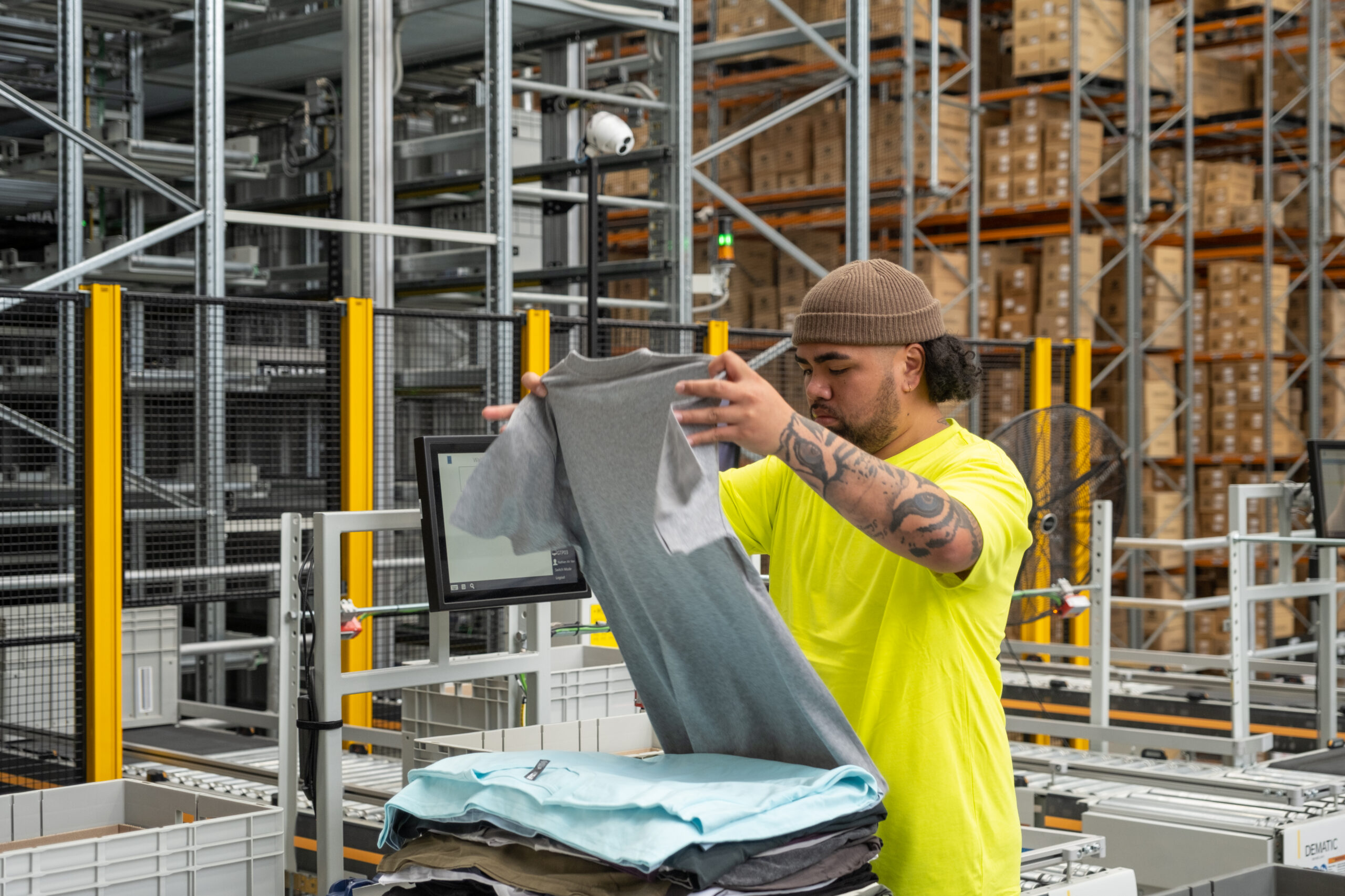
    Premium apparel company, AS Colour, embarked on a strategy to support its expected growth over the next decade by building a new 7,500 square metre distribution centre in Auckland, New Zealand. A key automation feature of the new DC was the deployment of the Dematic Multishuttle GTP system to help increase throughput by 344% per worker, drive accuracy, fulfilment speeds, operational efficiencies and reduce the overall size and power requirements of its warehouse.

    “The Multishuttle GTP system has been a game changer for our business, and we’ve actually seen a big increase in sales in New Zealand as a result of having it in place because our customers see how fast and accurately we get their orders to them,” says Lawrence Railton, Managing Director, AS Colour

    Radial: Bin-to-Picker AMR

    Radial Europe is a leading global e-commerce third-party fulfilment provider whose fashion, health and beauty customers include doTERRA, Calvin Klein, Cole Haan, Express, Gymshark, Lucky Brand, TaylorMade and Tommy Hilfiger.

    With a commitment to customer and operational excellence, and facing challenges of high-volume volatility, a sprawling storage area, and a diverse array of 20,000 constantly changing products, Radial deployed an innovative Dematic Bin-to-Picker AMR system at a new facility in the Netherlands.

    The system comprises 300 robots delivering products automatically to pickers. The system provides a significant improvement in operational performance, with picking speeds quadrupling and accuracy significantly increased, all in a reduced footprint.

    “We are now in a stronger position where we can fulfil every requirement a customer has. They simply tell us what they want to have happen and we can do it. Automation has proven to be a tremendous help in achieving the goals we had from the start,” says Ron Kleinsmit, Warehouse Manager at Radial Europe.

    Benetton Group: Autostore

    Benetton Group, one of the best-known fashion companies in the world , implemented a Dematic AutoStore system at its logistics facilities in Italy to boost the company’s e-commerce channel by optimising storage capacity and order processing.

    Mobile robots, traverse the top of high-density storage units to retrieve items in bins and deliver them to pickers, significantly enhancing picking efficiency while reducing travel previously undertaken by Benetton staff.

    “We chose Dematic because we were interested in a partner with significant experience in the e-commerce sector and a solid international background,” says Valentino Soldan, Head of Logistic at Benetton Group. “The AutoStore-based solution will meet our business needs perfectly, and we are confident in facing an increasingly challenging market with a structured and technologically advanced solution, capable of accompanying our development for many years to come.”

    Comparative Analysis

    Each automation solution offers unique advantages and considerations, making it essential for businesses to carefully evaluate their options before making a decision. Bin-to-Picker AMR systems prioritise speed and flexibility, making them ideal for dynamic environments with fluctuating order volumes. AMR Shelf-to-Person systems are typically applicable in small order fulfilment systems or where headroom utilisation, storage capacity, pick rates, and ergonomics are less of a consideration. AutoStore excels in maximising storage density and space optimisation, making it suitable for businesses with space constraints. Multishuttle systems prioritise throughput and scalability, making them ideal for high-volume fulfilment centres where productivity is of utmost importance, and with the capability to go high, they potentially provide the highest storage capacity in tall warehouses.

    Automation a Necessity to Stay Ahead of Your Competition

    Automated order fulfilment solutions offer tremendous potential for enhancing supply chain efficiency and agility. In an era defined by rapid change and intense competition, automation is not just a luxury but a necessity for businesses seeking to thrive in the Southeast Asia retail landscape.

    To help companies determine which automation solution is the best fit for their operations, Dematic has released an Optimising Store and Online Order Fulfilment eBook, deep diving on the challenges facing retailers, opportunities for optimisation and competitive differentiation, and evaluating the features and benefits of these leading automation technologies. Download the eBook.

    By: Garret Lu,Senior Sales Manager for Dematic Asia.


  • Dior opens reinvented Galaxy Macau boutique

    Dior opens reinvented Galaxy Macau boutique

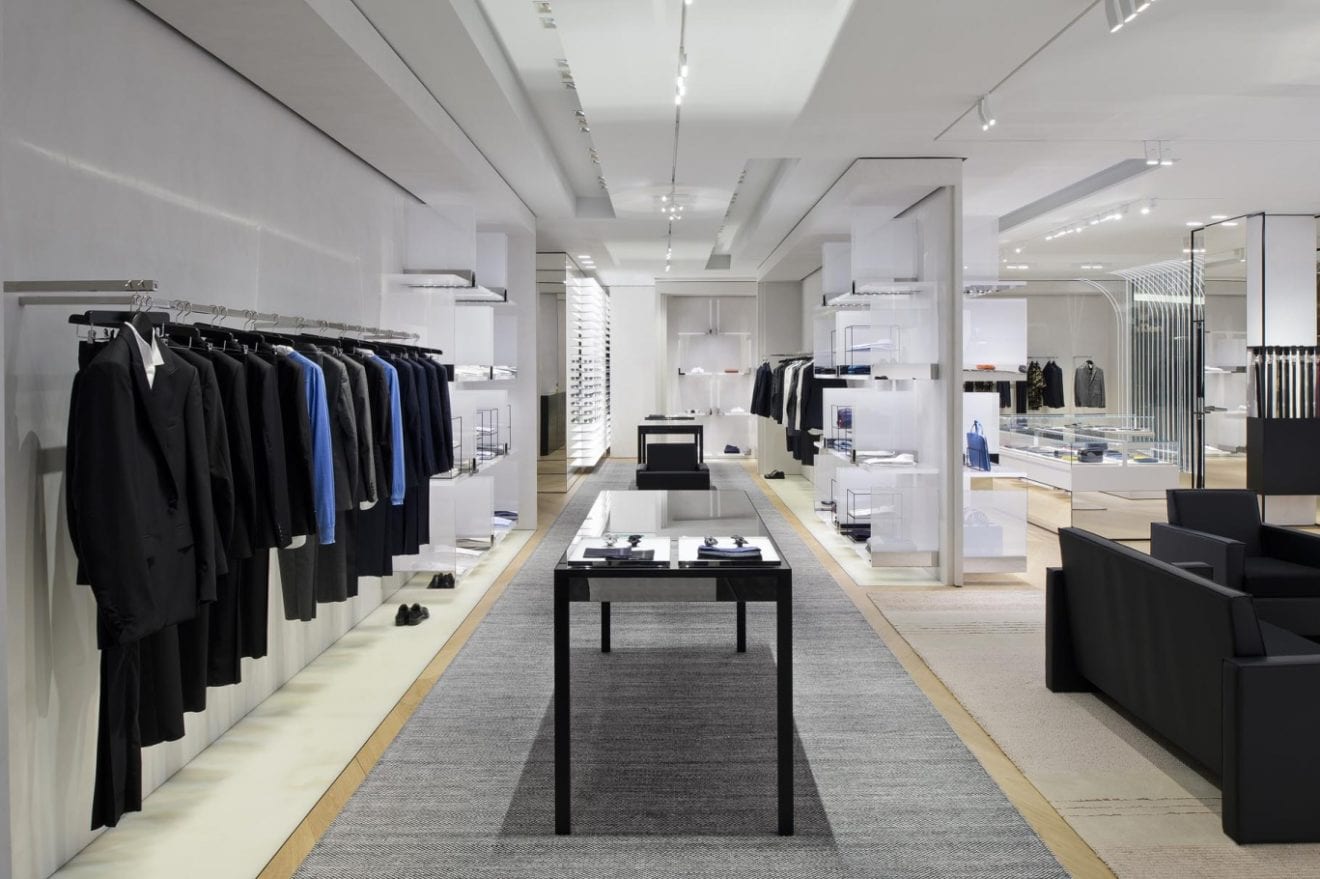
    Luxury fashion house Dior has launched its revamped Galaxy Macau boutique, offering more exclusive shopping experiences.

    The store, located at one of the finest shopping locations, Galaxy Promenade, has two floors and offers a varied range of items such as ready-to-wear and accessories designed by Maria Grazia Chiuri and Kim Jones, as well as watches and jewellery.

    The venue also features the My Dior fine jewellery line, the Dior autumn-winter 2024-2025 ready-to-wear collection with 30 Montaigne models, and Victoire de Castellane’s Rose des Vents and My Dior designs.

    The second store features men’s clothes from the Dior Winter 2024-2025 collection, as well as the Lifestyle Capsule, which focuses on board sports.

    In addition, the boutique offers VIP private shopping spaces.

  • Li & Fung to launch Sanctuary denim under licensing partnership

    Li & Fung to launch Sanctuary denim under licensing partnership

    Li & Fung – a global brand distribution company based in Hong Kong – has teamed up with US apparel brand Sanctuary to create and distribute a new line of women’s denim under a licensing agreement.

    Sanctuary said the partnership will help the brand expand its denim category, reach more customers, and diversify its distribution channels.

    The collection will feature a various denim in different cuts and washes, as well as shorts, skirts, and jackets. The washes will include white, light, medium, dark, and black colour options.

    Additionally, the denim line will be made from responsibly sourced cotton and recycled materials, using innovative, eco-friendly washes to minimise water usage and chemical waste.

    Deb Polanco, co-founder and chief creative officer of Sanctuary, said the collaboration aims to leverage Li & Fung’s expertise to meet the growing demand for their products.

    “We are dedicated to providing perfectly fitting pants, building on our reputation as master pant makers and creators of the original 90s cult cargo,” Polanco added.

    “We are excited for our customers to explore the new denim collection this spring and find their new favourite jeans, shorts, or jacket.”

    The Li & Fung x Sanctuary denim collection is set to launch in February next year at department stores, specialty retailers, and online, and will also be available for wholesale.

    Sanctuary was founded in Los Angeles in 1997 by Polanco and her husband Ken. The company says on its website that its designs reflect “the laid-back aesthetic of California, the effortless attitude of New York, and the adventurous spirit of the world to inspire and guide women through their 24/7 style”.

  • Vietnam fetches $227M from crab exports

    Vietnam fetches $227M from crab exports

    Crab exports in the first nine months surged 66% year-on-year to $227 million, the strongest growth recorded among major fishery products.

    The rise in sales came as major markets, especially China, pumped up demand for Vietnamese crabs, the Vietnam Association of Seafood Exporters and Producers (VASEP) said in a report.

    Japan was also a major market as Vietnamese high-quality crabs are priced competitively there.

    Crab exports are expected to hit $300 million for the whole year.

    Fishery exports in total rose 8.5% to $7.16 billion in the first nine months. Shrimps led the gain with a 10.5% growth.

    VASEP forecasts that Vietnam’s seafood exports in 2024 can grow 7% to $9.5 billion, with shrimp, pangasius, tuna, squid and octopus making up the bulk of delivery.

  • WhatsApp testing new privacy feature to manage the contact syncing option on Android

    WhatsApp testing new privacy feature to manage the contact syncing option on Android

    WhatsApp is rolling out a new privacy feature to manage the contact syncing option for some beta testers. This feature, available in the latest WhatsApp beta for Android 2.24.21.26 update, gives users more control over their contact syncing experience.

    With this new privacy feature, users can manage contacts across their linked devices. This means that contacts can be added, edited, or deleted from any device linked to a user’s WhatsApp account, without relying on their mobile phones. For example, people who use WhatsApp on a tablet or desktop can still modify their contact list, and those changes will automatically sync across all their linked devices, providing a more integrated experience. If users disable contact syncing for a particular account, WhatsApp will stop pulling and displaying contacts from that account. This can help maintain privacy, preventing certain contacts from appearing in their WhatsApp contact list on a secondary account.

    WhatsApp uses cryptographic hashes to support another layer of privacy protection. These hashes allow WhatsApp to secure the phone numbers of contacts who don’t have WhatsApp accounts while still ensuring that they can monitor for unusual behavior, such as attempts to misuse the contact upload feature.

    Despite disabling contact syncing, users can still interact with their existing contacts on WhatsApp. In addition, WhatsApp will automatically restore contacts linked to a user’s account if they switch to a new phone or reinstall the app. This allows for a smooth transition without the need to re-add or recover contacts manually.

    Users have full control over their privacy preferences. If they choose to opt out of the new contact experience entirely, they can disable WhatsApp contacts in their privacy settings at any time. This makes it easier for users to maintain their privacy according to their own preferences.

    This new privacy feature is available to some beta testers who install the latest updates of WhatsApp beta for Android from the Google Play Store, and it is rolling out to even more people over the coming weeks.

    As an avid WhatsApp user who communicates with other users overseas, I think it’s important for users to have more control over their data, and I’m glad to see WhatsApp taking steps to improve user privacy.
  • Singapore’s Dyson disappoints union with 1-day notice layoff

    Singapore’s Dyson disappoints union with 1-day notice layoff

    A workers’ union in Singapore has expressed disappointment in household appliance maker Dyson for informing it of a layoff only one day in advance.

    The United Workers of Electronics and Electrical Industries (UWEEI) said in a Facebook post Wednesday that the company only gave it a one-day notice about the layoff on Tuesday, which was “unacceptable.”

    The move did not give sufficient time for the union, Dyson and the affected workers to discuss the matter to ensure employees’ interest and welfare are supported, it added.

    It has brought the matter to the attention of the Ministry of Manpower.

    Dyson, which did not disclose the number of workers it had let go, said that the company had “respectfully informed UWEEI in advance.”

    The company was following all prevailing guidelines from the Ministry of Manpower and providing employees with the support they need, including outplacement services and employment assistance programs, it added.

    The layoff came three months after it announced a global restructuring that involved about 1,000 job cuts in the U.K.

    The company said at the time that Singapore employees were “not directly impacted” by the plan.

    Some employees told Channel News Asia that the retrenchment exercise was done “very discreetly” and came as a surprise.

    “People are shocked and have low morale, as they are not sure when their turn might come,” a laid-off employee spoke on condition of anonymity.

    Dyson is known as a manufacturer of high-end vacuum cleaners, air purifiers and bladeless fans. It opened the first Singapore office in 2007 and chose the country as its global head office in 2019.

  • Philippines imposes 12% VAT on digital services by tech giants

    Philippines imposes 12% VAT on digital services by tech giants

    The Philippines will impose a 12% value-added tax on digital services offered by tech giants such as Amazon, Netflix, Disney, and Alphabet, in a move that aims to level the playing field with domestic players, the country’s Bureau of Internal Revenue (BIR) announced on Wednesday.

    Previously, on Tuesday, President of the Philippines Ferdinand Marcos Jr signed into law the imposition of VAT on non-resident providers of digital services such as streaming services and online search engines.

    Only domestic digital service providers are currently subject to the 12% VAT, BIR said.

    BIR Commissioner Romeo Lumagui said in a statement that the taxation will promote fair competition amongst businesses that are profiting from consumers in the Philippines. A level playing field produces better products and services.

    Tech companies like Netflix, Disney, Google and Amazon have not made any comments.

    The Philippines aims to collect 105 billion PHP (US$1.9 billion) from the VAT between 2025 and 2029. It plans to allocate 5% of this revenue to fund projects for creative industries, the presidential communications office noted.

    According to BIR, digital services provided by foreign firms are considered rendered in the Philippines if the services are consumed in the Southeast Asian nation.

    Since the Covid-19 pandemic, tech giants have experienced higher usage in Southeast Asia, but they also face increasingly stringent fiscal tax regimes.

  • Etihad Cargo reaches 10-year milestone in Vietnam

    Etihad Cargo reaches 10-year milestone in Vietnam

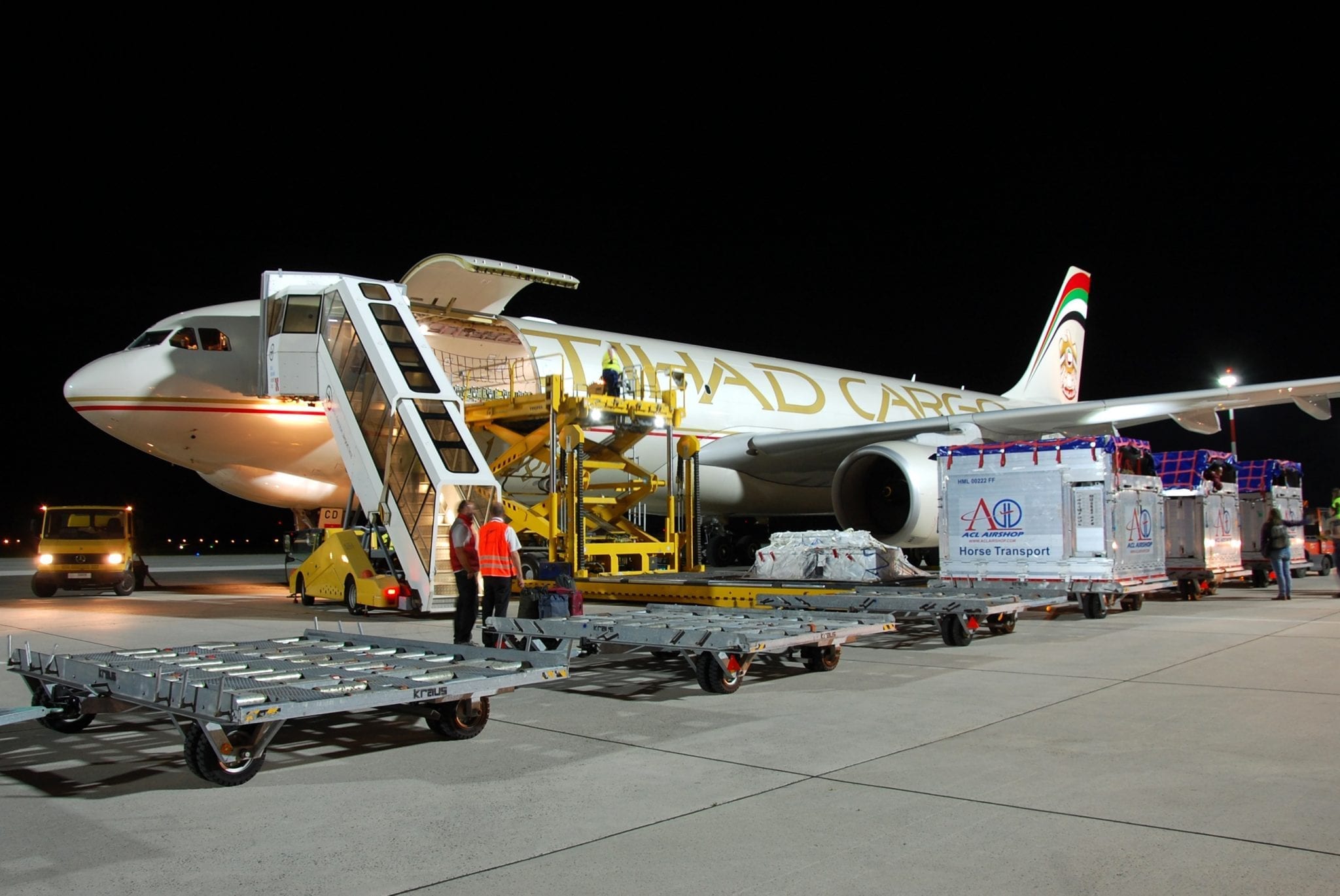
    Etihad Cargo, the cargo and logistics arm of Etihad Airways, is celebrating a decade of successful operations in Vietnam. This milestone highlights the carrier’s commitment to supporting Vietnam’s booming trade and economic growth, particularly in the high-tech and manufacturing sectors.

    Since the launch of freighter services in July 2014, Etihad Cargo has continuously expanded its operations in Vietnam. The airline began with two A330 freighter flights to Hanoi per week, offering 120 tonnes of cargo capacity. Today, Etihad Cargo operates four weekly Boeing 777F freighter flights, providing 400 tonnes of capacity to support the growing market demand. Etihad Cargo has played a crucial role in transporting high-tech goods for major global brands such as Samsung, Apple, Dell, and LG, alongside garments, textiles, footwear, and other products from Vietnam to Europe, the US, the Middle East, and Africa.

    In addition to its Hanoi operations, Etihad Cargo also serves Ho Chi Minh City, Vietnam’s second-largest air cargo market. The carrier offers two weekly charter flights between Ho Chi Minh City and Kuala Lumpur, effectively creating an online station to provide customers with a reliable solution for transporting cargo globally via Kuala Lumpur. Furthermore, Etihad Cargo leverages its interline partners to offer customers access to other key Asian hubs, including Denpasar, Singapore, Phuket, Bangkok, and Manila.

    Etihad Cargo’s SecureTech product, introduced to support the growing demand for electronics shipments, has seen significant growth in Vietnam. In 2024, SecureTech shipments from Hanoi saw a 43 per cent year-on-year increase, rising to 5,174 tonnes from 3,618 tonnes during the same period in 2023. This growth reflects Vietnam’s critical role in the global electronics supply chain and Etihad Cargo’s ability to provide reliable logistics solutions for sensitive high-tech goods.

    Vietnam, recognised as one of the fastest-growing economies in the world, remains a strategic market for Etihad Cargo. The carrier remains committed to increasing its frequencies and capacity in both Hanoi and Ho Chi Minh City to meet the ever-growing demand for airfreight services. This expansion aligns with Etihad Cargo’s goal of maintaining its position as the Air Cargo Partner of Choice for customers in Vietnam and beyond.

    Reflecting on the 10-year milestone, Stanislas Brun, Vice President Cargo, said: “Etihad Cargo’s decade of successful operations in Hanoi and across Vietnam demonstrates the carrier’s long-term commitment to this dynamic market. By continually enhancing its products and services, expanding capacity, and investing in digitalisation, Etihad Cargo ensures that customers receive the high-quality air cargo solutions they expect. Etihad Cargo looks forward to further strengthening its presence and meeting the evolving logistics needs of Vietnam.”

    Etihad Cargo has also made significant strides in digitalisation, with the majority of Vietnamese customers utilising the carrier’s online booking platform and track-and-trace capabilities. This has streamlined the shipping process, enabling greater efficiency and customer satisfaction. In 2021 and 2022, the Hanoi station achieved the highest revenue contribution across Etihad Cargo’s network, further cementing its importance in the airline’s global operations.

    As Etihad Cargo continues to support Vietnam’s economic growth, the airline is committed to providing reliable and innovative air cargo solutions that help drive the country’s expanding trade footprint.

  • Thailand: Crafting a Secure and Inclusive Future in the Global Digital Arena

    Thailand: Crafting a Secure and Inclusive Future in the Global Digital Arena

    The Thai government has taken significant strides towards fostering an inclusive digital environment. Recent initiatives aim to bridge the digital divide, ensuring that individuals with disabilities have access to technology that enhances their quality of life. Notably, the establishment of digital applications tailored for various disabilities underscores the government’s commitment to this cause. This focus was evident in a seminar led by Mr. Teerawut Thongphak, Deputy Secretary General of the National Digital Economy and Society Committee. The seminar focused on the use of digital applications for people with disabilities and attracted over 200 participants, showcasing a collective effort towards greater inclusivity.

    Thongphak articulated the government’s vision for leveraging technology to support national development. He emphasized the need for robust digital infrastructure that not only reduces social inequalities but also creates equal opportunities for all citizens, particularly those with disabilities. The emphasis on accessibility is pivotal in ensuring that every Thai citizen can utilize digital advancements to improve their lives and contribute to society.

    Thailand 4.0 is a national strategy designed to transform the country into an innovation-driven economy. Inclusivity is a key pillar, and aims to reduce social inequality, promote equal economic opportunities, and ensure that marginalized communities, such as rural populations, benefit from digital advancements.

    Thailand’s National e-Payment initiative aims to promote financial inclusion by providing access to financial services through digital channels. The plan includes the development of digital payment systems to reduce cash dependence and make transactions more accessible for all, including rural and low-income populations.

    The Village Fund is a microfinance initiative that provides small loans to rural communities to foster local development and entrepreneurship. The initiative is designed to promote inclusivity by giving low-income and rural citizens access to capital.

    The Net Pracharat Project has been a cornerstone in expanding broadband access to underserved areas, with over 24,700 rural villages receiving free public Wi-Fi, thus enhancing digital access for rural communities. Complementing this, the Digital Community Center Initiative has established centers in rural areas to provide free internet, digital literacy training, and access to e-commerce and government services, ensuring that even remote communities benefit from digital opportunities.

    In addition to expanding access, Thailand has prioritized digital literacy and workforce development. Programs like the Thailand Digital Workforce Development Program and the Coding Thailand Initiative aim to equip citizens, particularly in rural areas, with digital skills necessary for the modern economy. These initiatives provide free courses on coding, digital marketing, and entrepreneurship, targeting students and small businesses in underserved communities.

    Thailand’s e-government services and smart city initiatives also play a crucial role in bridging the digital divide. By digitalizing public services and integrating digital infrastructure in smart cities like Phuket and Chiang Mai, the government is ensuring that citizens can access essential services online, regardless of their location. These efforts, supported by the Universal Service Obligation Fund, which finances telecom expansion in remote areas, are helping to reduce the digital gap, promoting inclusivity, and empowering marginalized communities to participate in the country’s growing digital economy.

    With Thailand experiencing rapid advancements in mobile connectivity, telcos have become key partners in ensuring that digital services reach all corners of society, including underserved and marginalized populations.

    However, as Thailand undergoes a major digital transformation, senior citizens are at risk of being left behind due to a lack of digital literacy. With around 13 million people aged 60 years or older in a population of 66.05 million, the country is already grappling with the challenges of an aging society. According to the e-Conomy SEA Report 2022, Thailand’s digital economy is expected to reach USD 53 billion by 2025, with a 15% compounded annual growth rate (CAGR), and is projected to double from approximately USD 100 billion to USD 165 billion by 2030.

    Despite these advancements, less than 15% of people aged 75 years or older have internet access in Thailand, as reported by the International Telecommunication Union (ITU). In contrast, the internet access rate among seniors in more developed regions like Hong Kong and Japan is significantly higher. The National Statistical Office’s survey indicated that while 62.1% of the elderly aged 60 years or above have internet access, 37.9% still do not.

    Additionally, 84.3% of Thai seniors have access to smartphones, but those living in rural areas face greater challenges; 44.2% lack internet access, and 18% do not have access to smartphones. This digital divide underscores the need for targeted efforts to improve digital literacy among older adults, ensuring they can engage with the increasingly digital economy.

    Thai telecom companies are actively bridging the digital divide by expanding network infrastructure to rural areas, ensuring underserved communities have access to digital services. AIS, Thailand’s largest mobile operator, has led efforts in rural network expansion by installing mobile towers in remote areas and providing affordable data plans. These initiatives ensure that rural populations can benefit from high-speed internet, supporting online education, healthcare, and economic opportunities.

    True Corporation’s (True) initiatives focus on delivering affordable, high-quality internet to underprivileged schools and communities. True has donated high-speed internet to schools in remote regions, provided low-cost internet packages, and collaborated with the government to distribute digital devices.

    State-owned NT and dtac have also played a key role in fostering inclusivity. NT has expanded internet access through its involvement in smart city and village connectivity projects, ensuring that even remote villages can access government digital services. Meanwhile, dtac’s “Safe Internet” initiative focuses on educating young people in rural communities about responsible internet use, equipping them with essential digital skills. Together, these efforts have significantly contributed to reducing Thailand’s digital divide.

    At the core of Thailand’s inclusivity efforts are several innovative applications developed specifically for individuals with disabilities. These applications cater to a wide range of needs, addressing visual, hearing, mobility, learning, mental, intellectual, and autism-related challenges.

    Among these, the D4D APP PORTAL serves as a comprehensive application center that includes tools like InfoPage for All, which provides essential information on support centers; and My Mood for All, a mental health assessment system.

    Thai developers have created apps that use AI to translate sign language into text and speech in real-time. These tools help bridge the communication gap between hearing-impaired individuals and the wider population.

    Developed by the Department of Land Transport, the “Taxi OK” app includes accessibility features for passengers with disabilities. It allows users to book wheelchair-accessible taxis and provides drivers with instructions to assist passengers.

    Such initiatives highlight how technology can be harnessed to foster a more inclusive society, enabling individuals with disabilities to thrive in a digital-first world.

    The implications of Thailand’s inclusivity initiatives extend beyond individual empowerment; they have the potential to enhance the country’s overall sustainability. By ensuring equal access to digital resources, Thailand is tapping into the capabilities of all its citizens, fostering an environment where diverse talents can contribute to economic growth. This proactive approach not only improves the quality of life for people with disabilities but also enriches society as a whole.

    The economic empowerment of individuals with disabilities is another key benefit of these initiatives. As digital services become more accessible, people with disabilities can explore new avenues for income generation and employment. This shift is critical in reducing economic disparities and enhancing overall economic development in Thailand.

    Thailand’s commitment to creating an inclusive digital environment serves as a model for other nations. By demonstrating that tangible actions can lead to inclusivity, Thailand sets a precedent for global efforts aimed at creating a more equitable society. The country’s experience offers valuable lessons on how to integrate technology and inclusivity, proving that when everyone has the opportunity to contribute, the entire society benefits.

  • Gmail revamps summary cards to streamline email organization

    Gmail revamps summary cards to streamline email organization

    Google is making significant changes to its Gmail summary cards, aiming to make it easier for users to manage the constant flow of information that arrives in their inboxes. These updates are designed to provide a more streamlined and efficient way to access crucial details from emails related to purchases, events, bills, and travel.

    For many years, Gmail has used summary cards to display essential information at the top of emails. These cards have provided a quick snapshot of the content, but with the evolving nature of how people use email, Google recognized the need for a more dynamic and interactive system.

    The redesigned summary cards will feature a fresh look and offer more actionable functionalities. Users can now add events to their Google Calendar directly from the card, invite others, or set reminders for bill payments. The cards will also become more intelligent, organizing key information from related emails and providing real-time updates. This means users can track packages, see the latest status of their orders, and know precisely when to expect deliveries.

    In addition to the updated summary cards within individual emails, Gmail is introducing a new “Happening soon” section at the top of the inbox. This section will initially display purchase summary cards, particularly when a delivery is imminent. For instance, if an estimated delivery date is two days away, the “Happening soon” section will prominently show the purchase summary card, allowing users to see when their package is expected to arrive quickly. If multiple deliveries are scheduled around the same timeframe, the cards will be stacked, and users can expand, dismiss, or click on them to go directly to the corresponding email.

    The updated summary cards will be rolled out in phases. Initially, users will see the new purchase summary cards in individual emails on both Android and iOS devices. In the following months, event, bill, and travel summary cards, along with the “Happening soon” section, will be gradually introduced. Eventually, all four card categories will be available across individual emails, the “Happening soon” section, and Gmail search, ensuring that users can easily find the information they need regardless of how they use Gmail.

    As someone who relies heavily on email for both personal and professional communication, I find these updates to be quite promising. The ability to quickly access crucial information without having to sift through multiple emails is a welcome improvement. I’m particularly interested in the “Happening soon” section, as it seems like a convenient way to stay on top of upcoming deliveries and events. I believe these changes will make Gmail an even more valuable tool for managing my daily tasks and staying organized.

  • BYD recalls 97,000 EVs over fire risk error

    BYD recalls 97,000 EVs over fire risk error

    China’s largest electric vehicle manufacturer BYD is recalling 97,000 units due to a technical error that poses fire risks.

    The Chinese automaker is recalling Dolphin and Yuan Plus EVs produced in China between November 2022 and December 2023 for containing a faulty steering control unit, according to a statement from the State Administration for Market Regulation as reported by Reuters.

    BYD dealers will address the issue at no cost to customers.

    According to the China Association of Automobile Manufacturers, the recalled models were its best-selling in 2023 and accounted for a quarter of the 3 million cars it sold.

    BYD, backed by American investor Warren Buffett, has been rapidly expanding overseas since last year, with distribution outlets set up in Southeast Asia, the Middle East and Africa.

  • Pepper exports hit $1B in 2024, prices surge to 8-year high

    Pepper exports hit $1B in 2024, prices surge to 8-year high

    Pepper exports topped 203,000 tons, fetching US$1 billion, in the first nine months of 2024, with prices rising to their highest levels in eight years.

    This meant value was up 46.9% year-on-year despite a 1.5% drop in volumes, according to customs data. The average export price was $6,239 per ton in September, a 67.5% jump from a year ago.

    Businesses said prices have increased due to a decline in supply caused by weather conditions and farmers’ crop switching.

    Experts said domestic pepper prices are likely to rise further this year, especially with Tet (Lunar New Year) coming around in a few months.

    The Ministry of Industry and Trade’s import and export department forecast global prices to remain high as the country’s pepper production is expected to decrease next year due to drought.

    The Vietnam Pepper Association does not expect global production to meet demand in the next three to five years.

    Pepper is an important agricultural product for Vietnam, which is also the world’s largest exporter of the spice with a 60% market share. Its exports last year were worth $912 million.

  • Vietnam’s high-speed rail fares set at 75% of flight tickets

    Vietnam’s high-speed rail fares set at 75% of flight tickets

    High-speed rail tickets are expected to cost 75% of airfares or VND1.7-6.9 million (US$69-280), according to a pre-feasibility study the government has submitted to the National Assembly.

    The project, one of the most ambitious transport projects in this decade, is set to begin construction in 2026-2027 to link Hanoi and Ho Chi Minh City with a 350-kilometer-per-hour rail.

    First class fares will be VND6.9 million, and two lower tiers will cost VND2.9 million and VND1.7 million, according to the report.

    These are equivalent to 75% of Vietnam Airlines and Vietjet’s fares, and similar to those in other countries, it said, citing fares in Shanghai, Jakarta and Tohoku in Japan.

    The 1,500-kilometer high-speed railroad between Hanoi and HCMC is estimated to cost VND1.7 quadrillion (US$69 billion).

    At $43.7 million per kilometer, the cost would be in the medium range compared to other high-speed rail projects globally, the report said.

    The project comprises four sub-projects that will be developed simultaneously. It is expected to help add 0.97% to GDP annually.

    The 350-kph-maximum rail will pass through 20 provinces and have 23 passenger stations and five cargo stations.

    But it will mostly serve passengers with the current railroad network switching mainly to cargo transport.