Tag: asia

  • Telkomsel Teams Up with Circles to Drive Digital Transformation in Southeast Asia

    Telkomsel Teams Up with Circles to Drive Digital Transformation in Southeast Asia

    By using Circles’ Software-as-a-Service (SaaS) platform and products, Telkomsel aims to offer advanced digital services and adopt new technologies quickly. These tools will improve the customer experience by providing better digital interactions and creating opportunities for growth and innovation. With Circles’ technology, Telkomsel can stay ahead of market trends, meet customer needs, and explore new possibilities in the digital world.

    Deepak Gulati, Senior Advisor and Chief Revenue Officer of Circles, is excited about partnering with Telkomsel, a major digital telecommunications company in Southeast Asia. This collaboration demonstrates the value of Circles’ SaaS offerings and migration capabilities on a global scale. It also shows the increasing interest from telecommunications companies worldwide in using Circles for digital transformation and innovation.

    Circles is dedicated to providing great value to Telkomsel, building strong references in the industry, and forming global partnerships that drive digital transformation. Derrick Heng, Director of Marketing at Telkomsel, emphasized the company’s commitment to innovation and meeting customer needs through the latest technologies.

    The partnership with Circles reflects Telkomsel’s dedication to offering cutting-edge solutions in today’s digital world. It aligns with Telkomsel’s vision to empower Indonesians and help individuals, households, and businesses achieve more. With Telkomsel now part of its client base through local partner, Phintraco Consulting, Circles continues to expand its list of major telecommunications partners globally, including KDDI and e&.

  • Thailand’s rice export prices dip to 14-month low

    Thailand’s rice export prices dip to 14-month low

    Thai rice export prices fell to a 14-month low this week due to weak demand and competition from other rice exporting countries.

    Thai 5% broken rice was priced at US$560 per ton, the lowest level since July 20, 2023 and down from $565 last week.

    A Bangkok-based trader said on Thursday that prices could fall further if the Thai baht depreciates. Another trader said the market was waiting to see changes in Indian rice policy in the coming months and that supply was in the harvesting stages.

    Meanwhile, Vietnamese 5% broken rice was exported at $565 per ton on Thursday, according to the Vietnam Food Association, also down from around $580 last week.

    “Prices fell on competition from other suppliers such as Thailand, Cambodia and Myanmar,” a trader based in Ho Chi Minh City said.

  • New Starbucks CEO shakes up China arm’s top management

    New Starbucks CEO shakes up China arm’s top management

    Brian Niccol, who became Starbucks’ CEO earlier this month, has named Molly Liu the sole chief of the coffee chain’s China operations after her one-year tenure as co-CEO.

    Bloomberg reported, citing a post on Starbucks’ WeChat channel, that the management shift aims to hand leadership to “a new generation of successors. ”

    Liu was named China co-CEO last year and had been working alongside Belinda Wong, the company said.

    Wong, who had been overseeing Starbucks’ business in China since 2011, will remain the chairwoman of that market, taking charge of innovation and China’s development strategy and boosting the brand’s social influence.

    The move came as the U.S. coffee chain is struggling with declining sales and growing local competition in China, its second-biggest market globally with over 7,300 locations, according to the trade magazine Restaurant Business.

    Revenues from Starbucks’ China stores dropped 11% year-on-year to US$734 million in the second quarter this year while comparable store sales declined by 14%, according to the South China Morning Post.

    Chinese coffee chains, meanwhile, have been offering customers drinks at much lower prices to compete with the U.S. giant, which has been in China since 1999.

    As CEO, Liu will have to stabilize the business while working toward the goal of opening about 1,700 more stores in that market.

    Her appointment is the second shift in executive management at Starbucks since the new CEO took the helm just over two weeks ago.

    The firm’s CEO for North America, Michael Conway, announced his retirement last week.

    Instead of filling his position, the company plans to hire a global chief brand officer to lead areas such as product and marketing.

  • Thailand approves budget for EV subsidy, offering buyers up to $3,000 per vehicle

    Thailand approves budget for EV subsidy, offering buyers up to $3,000 per vehicle

    The Thai cabinet has approved a budget allocation to fund a subsidy program’s second phase, which offers electric vehicle buyers up to 100,000 baht (US$3,070) per vehicle.

    Under the second phase of the subsidy program called EV 3.5, running from 2024 to 2027, EVs priced less than 2 million baht with batteries of 50 kWh or larger will receive a subsidy of 50,000-100,000 baht per vehicle, and those with smaller batteries will receive 20,000-50,000 baht per vehicle.

    Jirayu Huangsab, an advisor to the Prime Minister, said the budget allocation, amounting to 7.12 billion baht, will be used to subsidize buyers of electric vehicles and motorcycles who have already purchased their vehicles but not yet applied for the government EV subsidy under the EV promotion measures.

    Since the implementation of the EV promotion measures, subsidies have been disbursed for 55,000 EVs, totaling 6.87 billion baht. A budget of more than 5 billion baht is awaiting disbursement.

    In the previous first phase of the program, called EV 3.0, the Excise Department provided subsidies of up to 150,000 baht for EVs priced less than 2 million baht, and up to 18,000 baht for electric motorcycles priced less than 150,000 baht.

    The government provides these subsidies directly to car manufacturers. Once EV buyers register their vehicles, they can submit a request to the manufacturer to claim the subsidy.

    Based on these incentives, various manufacturers have invested to establish

  • DHL Global Forwarding China introduces cross-border e-commerce solution ahead of peak season

    DHL Global Forwarding China introduces cross-border e-commerce solution ahead of peak season

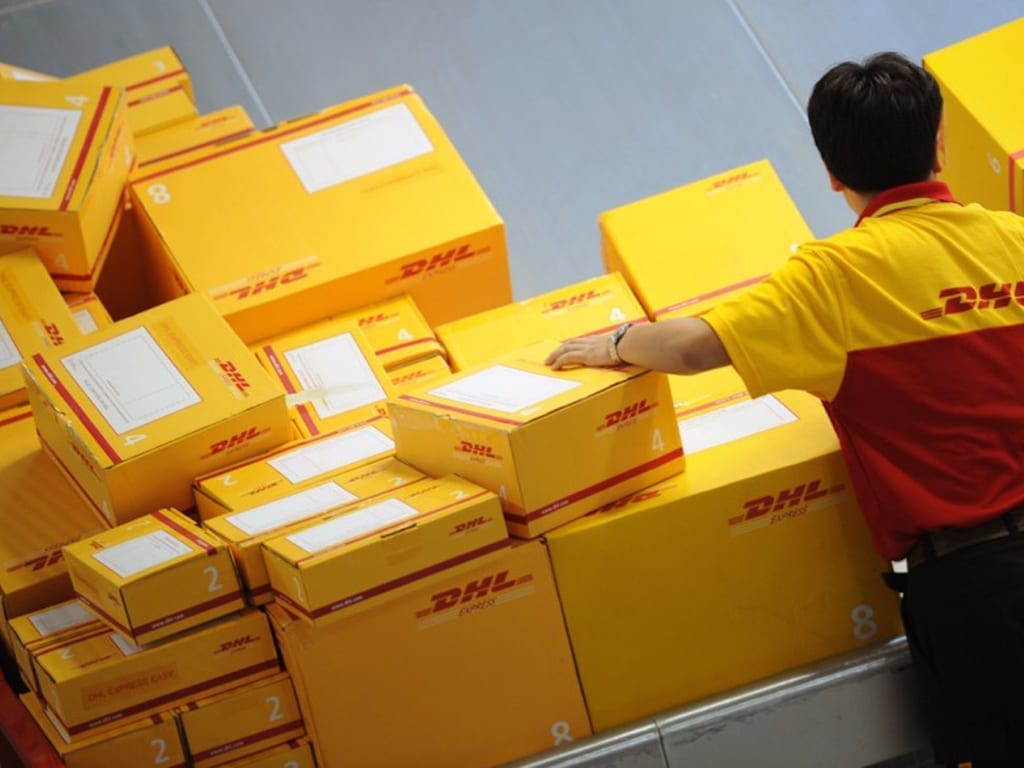
    DHL Global Forwarding, the freight specialist of DHL Group, is introducing a variety of cross-border e-commerce solutions ahead of the year-end holiday shopping season globally. The solutions will offer cross-border shipping from China to the world with different service levels and features, as well as an integrated tracking platform for end-to-end visibility.

    China’s e-commerce sector has continued to grow despite a mixed global economic sentiment. In the first half of 2024, China’s cross-border e-commerce trade totaled 1.22 trillion yuan (EUR155 billion), a 10.5% growth year-on-year.

    “Chinese companies like Shein, Temu, AliExpress and Tik Tok Shop are gaining popularity globally. While the U.S. remains the primary export market, Europe is fast catching up as a critical region for these e-commerce platforms.  In DHL’s recent Global Shopper Trends Report, 53% of European online shoppers purchase goods from China,” said Aditi Rasquinha, CEO of Greater China, DHL Global Forwarding.

    “Cross-border e-commerce business can face many hidden obstacles, especially for small- and middle-sized customers who are not yet familiar with customs and logistics regulations at destination markets. DGF can be a strong and reliable partner for them. Our solution provides Chinese e-commerce companies with a simple and affordable cross-border shipment solution with returns, with full and semi-tracking options,” said Robin Li, Vice President, Global E-commerce Development, DHL Global Forwarding.

    The e-commerce solutions from DHL Global Forwarding China will offer:

    • End-2-End ONE DHL solution in all key markets
    • Fast and Reliable transit time with full track and trace functionality
    • Access to over ten thousand certified e-commerce specialists across the globe with local market expertise
    • Simple IT integration options including APIs, web portals, major marketplaces and e-commerce platforms
    • Different options to cater to the needs of large e-commerce platforms right down to local sellers/Direct-To-Consumer (DTC)

    One of the major advantages of the solution is the direct market access into Europe through the DHL network. The solution will feature:

    • End-to-end fast delivery within 4-5 days from China to Germany
    • Fully managed customs clearance
    • Fast & reliable transit time and doorstep delivery with delivery confirmation
    • End-to-end shipment visibility for senders and recipients via a 24/7 DHL customer portal

    The e-commerce solution will also offer expedited service to other markets such as the rest of Europe, the United Kingdom and the U.S.

    “We are making it easier for our customers to focus on what they do best: bringing their products to a global audience. This solution is designed to help them maximize their reach while minimizing their effort.

    It is particularly timely with the year-end holiday season fast approaching and we are ready to serve the peak season demand,” added Aditi.

  • Saxo Bank Aims for the Crown in Switzerland

    Saxo Bank Aims for the Crown in Switzerland

    Saxo Bank Switzerland is launching a new platform, introducing new products, and enticing customers with special offers during the U.S. elections, all in a bid to dethrone Swissquote. This move adds fresh competition to an already highly contested market.

    Since the collapse of Flowbank, it has become clear that competing in the Swiss digital banking market is no easy feat.

    Founded in 2020, Flowbank was closed by the Swiss Financial Market Supervisory Authority (FINMA) this past June due to insufficient capital and the management’s inability to meet minimum capital requirements. By the end of last year, FINMA noted significant and serious violations of these requirements.

    To succeed in Switzerland, financial institutions need resilience and significant capital. While incomes in Switzerland are high compared to neighboring countries, the market is small, especially in wealth management. Providers are relying on low fees and sophisticated software to attract clients, enhancing user experience, which demands substantial investment. In simple terms: size equals success.

    Saxo Bank Switzerland, led by CEO Stanislav Kostyukhin and Deputy CEO/COO Oliver Buomberger, is now turning up the heat in this battle. Saxo’s client base has grown by 43 percent, though the bank has not disclosed exact numbers. The firm also introduced a product initiative and showcased its new platform, described by Kostyukhin as a «robust Volvo» rather than the «Lamborghini» of its predecessor. The platform offers a simplified interface aimed at investors making informed decisions without the advanced tools often requested by traders. Additionally, Saxo has launched AutoInvest, enabling clients to set up automated ETF investment plans without fees for ETF purchases, monthly charges, or minimum deposits.

    New clients can also trade the 100 most popular U.S. stocks without fees until the end of the year as part of the U.S. Election Campaign, targeting the heightened market sensitivity around the U.S. elections. «Nothing is truly free,» said Kostyukhin, which is why this offer is time-limited. Nonetheless, Saxo expects this campaign to drive additional client growth.

    Kostyukhin acknowledges that Saxo is not yet Switzerland’s number one, but that’s the goal — specifically, to challenge Swissquote, the long-time leader in Swiss online banking.

  • Spotify expands AI Playlist feature to more countries

    Spotify expands AI Playlist feature to more countries

    Spotify, just like many other companies that provide services to bigger audiences, jumped on the AI bandwagon ever since Microsoft and Google made a big deal out of it.

    The company has been testing a new AI Playlist feature since April, but only Premium subscribers in the United Kingdom and Australia had access to this tool that allow them to discover music that perfectly match their needs.

    Today, Spotify announced that it’s expanding the availability of the AI Playlist feature to even more countries. As of right now, AI Playlist in English is rolling out in beta to Premium users on Android and iOS devices in the United States, Canada, Ireland, and New Zealand.

    The Playlist AI feature combines Spotify’s personalization technology with generative AI. It offers users an easy way to create and curate the perfect musical mix. According to Spotify, since it launched in the UK and Australia back in April, Premium subscribers made use of AI Playlist to create millions of playlists.

    Since it’s powered by AI, Spotify users can create a playlist with the help of this feature by simply using unique prompts in the chat, such as “upbeat pop music for my European summer vacation” or “a romantic playlist for date night at home.”

    Spotify also says that the best playlists are generated with prompts that contain a mix of genres, moods, artists, or decades. The music streaming service mentions that users can also reference places, animals, activities, movie characters, colors, and even emojis when creating playlist using this AI-powered feature

    If you live in one of the countries mentioned above and you’re subscribed to Spotify, here is how you can access the AI Playlist feature:

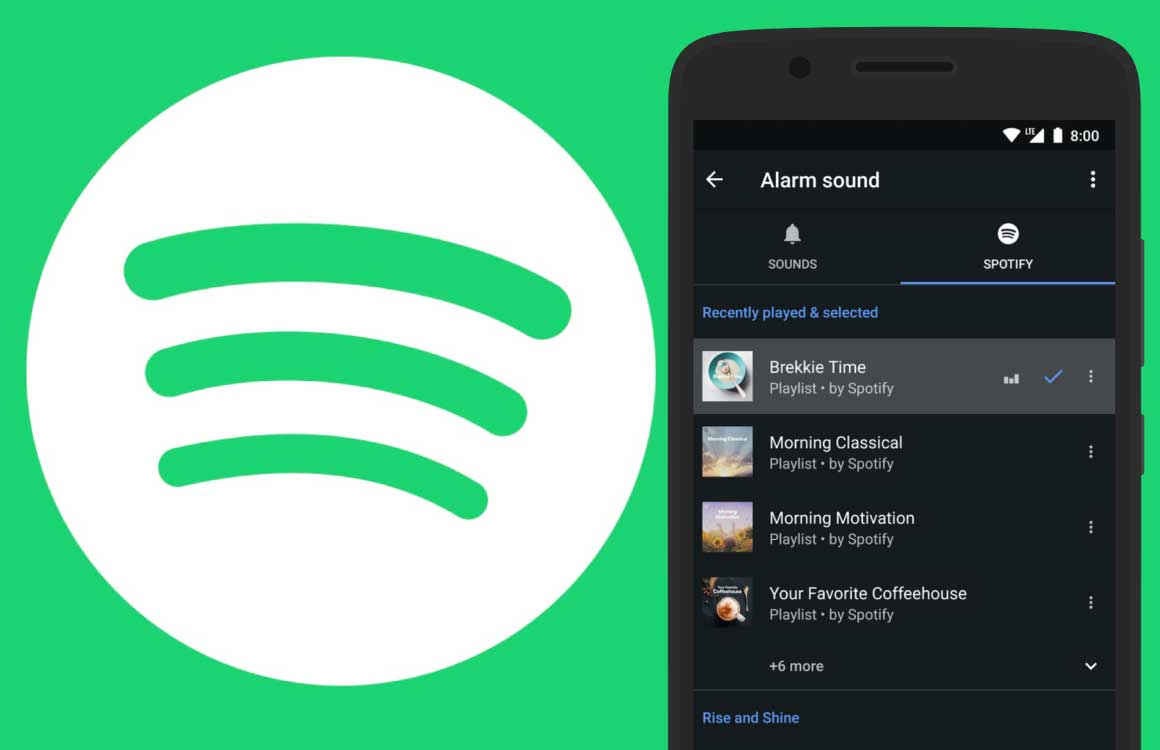
    • From Your Library, tap the “+” button at the top-right corner of the app and select “AI Playlist.”
    • Select one of the suggested prompts or type your own.
    • Spotify will curate a personalized playlist featuring the tracks, artists, and genres we think you’ll like.
    • From there, you can easily manage the selection of songs by previewing and deleting tracks, or ask Spotify to refine the playlist with additional prompts.
    • Tap “Create,” and your new playlist will be saved automatically in Your Library.

    Keep in mind that AI Playlist is still in beta, so it might not provide the results you want all the time, especially for non-music-related prompts (i.e. current events, specific brands).

  • Google Wallet adds support for dozens of US banks and credit institutions

    Google Wallet adds support for dozens of US banks and credit institutions

    One of the biggest mobile payment services in the United States, Google Wallet, has just added support for more than three dozen banks and credit unions. Ever since its initial release back in 2011, Google Wallet was aiming to become more than just a simple mobile payment service.

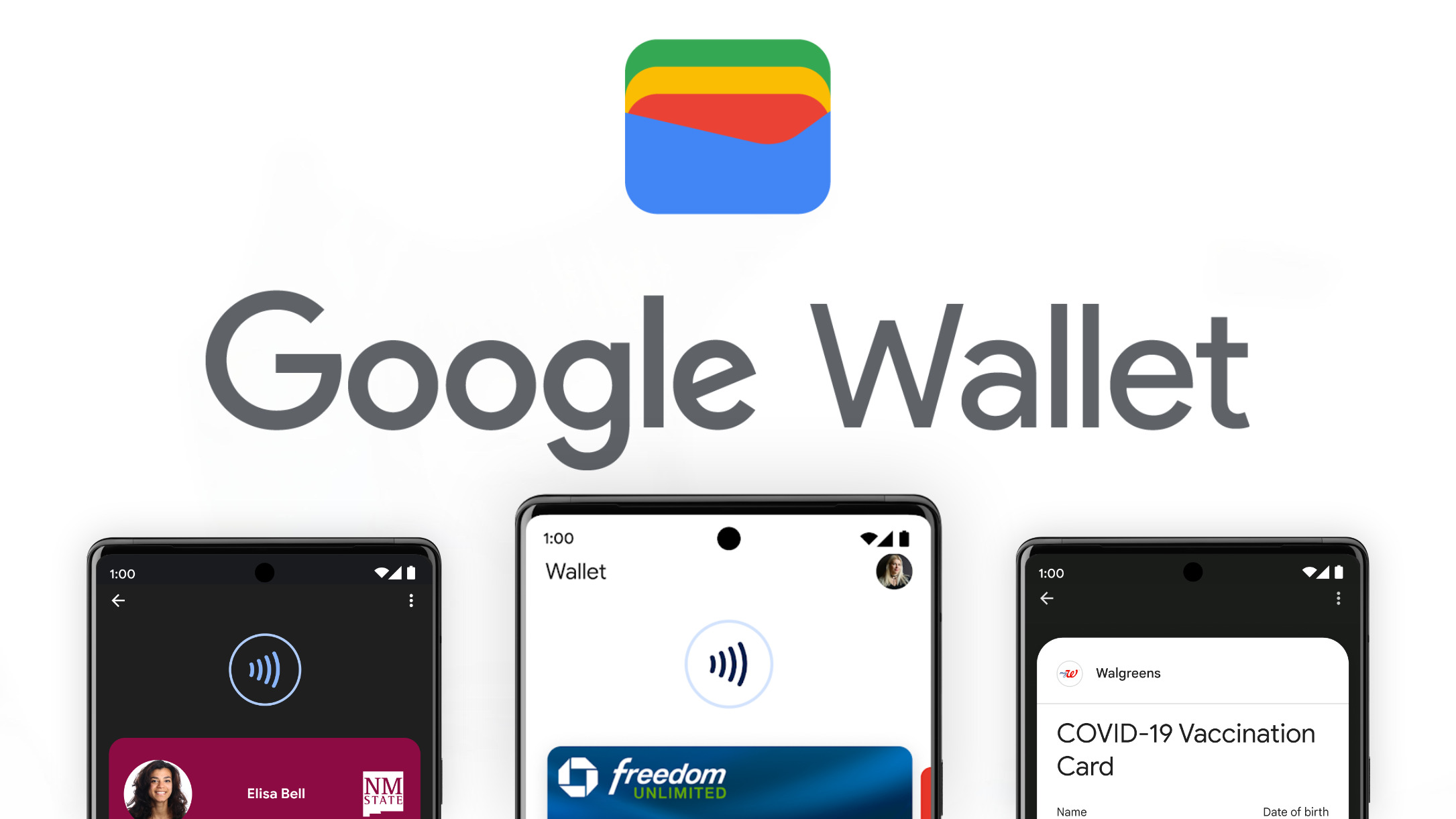
    Today, Google Wallet not only enables Android users to make payments using their phones, tablets and watches, but it also helps them safely store their payments cards, loyalty cards, concert tickets, IDs, transit cards, and much more.

    However, the service’s main use remains the possibility to make payments using just your phone, so it’s important that Google Wallet supports as many banks as possible.

    Well, that doesn’t seem to be an issue, as Google Wallet offers support for hundreds of US banks and credit unions. This week, 47 names have been added to the list of Google Wallet-supported banks:

    • ABD Federal Credit Union (MI)
    • Adelphi Bank (OH)
    • Alibaba Business Edge Credit Card
    • Apollo Trust Company (PA)
    • Bank of Maple Plain (MN)
    • Bouy
    • Chelsea State Bank (MI)
    • Compass Financial Federal Credit Union (FL)
    • Cliq Expense Prepaid Mastercard
    • Community First Bank (WI)
    • DN Community Federal Credit Union (OH)
    • Fall River Five Cents Savings Bank (MA)
    • First National Bank of Huntsville (TX)
    • Foothill Federal Credit Union (CA)
    • Hometown Bank of Pennsylvania
    • Industrial Bank
    • Intermex (NY)
    • Jackson County Teachers Credit Union (FL)
    • Jonestown Bank & Trust Company (PA)
    • Nebraska Energy Federal Credit Union (NE)
    • Oak Valley Community Bank (CA)
    • Pacific West Bank
    • Pleo Financial Services
    • Prescott State Bank (KS)
    • Proponent Federal Credit Union (NJ)
    • Putnam County State Bank (MO)
    • Radian B2B
    • Railroad Employees Credit Union (NM)
    • Security Federal Savings Bank (TN)
    • Southwest Heritage Credit Union
    • Southern Star Credit Union (TX)
    • SRI Federal Credit Union
    • State Bank of Toulon (IL)
    • TC Wallet
    • Tern Commerce Inc. (NY)
    • The First Citizens National Bank of Upper Sandusky (OH)
    • Tri-County Credit Union (MI)
    • United Farmers State Bank (MN)
    • US Metro Bank (CA)
    • Uwharrie Bank (NC)
    • WCF Financial Bank (IA)
    • Western New York Federal Credit Union
    • WEX
    • WNB Financial, N.A. (MN)
    • Whitefish Credit Union Association (MT)
    • Xsolla
    • Zable

    Besides that, Google Wallet has added HealthEquity to the list of supported institutions, which means you’ll be able to store its “FSA cards and Commuter cards” in the service’s digital locker.

  • Thailand mulls extending welfare benefits to freelancers

    Thailand mulls extending welfare benefits to freelancers

    The Thai Government is considering granting freelance workers the same welfare benefits as those registered with the Social Security Fund (SSF), given that they pay income taxes.

    According to Minister of Tourism and Sports Sorawong Thienthong, the Government is in discussion with several agencies to set up a welfare system to protect freelancers, such as tour guides, ride-hailing service drivers, and online content creators.

    Under the new system, freelancers could claim medical and other welfare benefits, just like other workers who are registered with the Social Security Office. However, they must declare their income and pay the required taxes, he said.

    Sorawong said the move followed a discussion with representatives from various civil and labor advocacy groups, during which they outlined the potential challenges in setting up such a system.

    The inputs from these groups will serve as the basis for a bill on welfare coverage for freelance workers that the government plans to present in the next parliamentary session, he said.

  • Thai currency rises to highest level in 19 months

    Thai currency rises to highest level in 19 months

    Thai businesses are pressing the central bank to take measures to stabilise the domestic currency (baht), which has rapidly gained strength and could impact fourth-quarter growth.

    Speaking at a press conference on September 23, Deputy Chairman of the Thai Chamber of Commerce (TCC) Phot Aramwattananon said the baht has strengthened faster than anticipated and was affecting exports and tourism.

    He expressed concerns over the impact of the rising baht on export competitiveness, particularly in agriculture and food products. TCC has urged the Bank of Thailand (BoT) to manage the baht’s stability in line with domestic and global economic conditions.

    As of September 23, the baht hovered around 32.8 to the U.S. dollar, trading at its strongest level in more than 19 months. It has gained 13% against the dollar since a low in April of 37.17.

    An appropriate level was 34 baht to the greenback, said TCC Chairman Sanan Angubolkul, adding it was seeking a meeting with the central bank and finance ministry to discuss economic stimulus, interest rate reduction, and debt resolution.

    Thailand’s household debt is projected to reach THB16 trillion in 2024, or 90.8% of GDP, among the highest ratios in Asia.

    In contrast, BoT Governor Sethaput Suthiwartnarueput downplayed the baht’s strength, asserting it has minimal impact on exports.

    The TCC also adjusted its 2024 growth forecast upwards from 2.5% seen previously to a range of 2.6% to 2.8% due to policies of the new government to revive the economy.

  • YouTube and Shopee plan Southeast Asian e-commerce collaboration

    YouTube and Shopee plan Southeast Asian e-commerce collaboration

    Alphabet Inc’s YouTube and e-commerce platform Shopee said on Wednesday they were launching an online shopping service in Indonesia and planned to expand it in Southeast Asia as competition picks up with a rival operator owned by TikTok.

    Under the YouTube Shopping tie-up, people will be able to purchase goods viewed on YouTube through links to Shopee, which is owned by Southeast Asian technology conglomerate Sea Ltd.

    Company executives told reporters they plan to expand the service to Thailand and in Vietnam in a few weeks. YouTube Shopping is already active in South Korea and the United States.

    Indonesia’s “energy and velocity around online shopping” is what prompted the launch, YouTube Asia-Pacific director Ajay Vidyasagar said in Jakarta.

    With YouTube Shopping, Alphabet Inc and Shopee will be competing against TikTok, the Bytedance-owned video app, which has increased its ambitions for the region after taking control of Indonesia’s biggest e-commerce platform Tokopedia.

    Asked about the size of the partnership with Shopee, Vidyasagar said it was very significant, but declined to give numbers. He said YouTube Shopping would be opened to partners other than Shopee “in a phased, sequenced manner.”

    Reuters reported last year, citing sources, that YouTube was planning to apply for a licence to operate e-commerce services in Indonesia, Southeast Asia’s largest economy.

    TikTok’s shopping service, TikTok Shop, accounted for $16.3 billion in 2023 in gross merchandise value in Southeast Asia, in a nearly fourfold jump from the previous year, consultancy Momentum Works said in a report.

    This has made the platform the region’s second largest e-commerce platform after Shopee.

    The region of nearly 700 million is one of the world’s fastest growing e-commerce markets. The Momentum Works report said Southeast Asia’s eight largest e-commerce platforms racked up $114.6 billion in gross merchandise value in 2023, up 15% from 2022.

  • Miniso to acquire 29.4 percent of Yonghui Superstores

    Miniso to acquire 29.4 percent of Yonghui Superstores

    Miniso Group Holding will acquire 29.4 percent of Yonghui Superstores from various shareholders for RMB6.3 billion (US$893.3 million).

    Miniso, through its PRC subsidiary Guangdong Juncai International Trading, entered into share purchase agreements with DFI Retail Group subsidiary The Dairy Farm Company and JD.com subsidiaries Beijing Jingdong Century Trade and Suqian Hanbang Investment Management.

    The transaction will result in Miniso becoming the largest single shareholder of the supermarket chain.

    Under the agreements, Guangdong Juncai will pay each seller RMB2.35 per share, representing a 3.1 percent premium to the closing price of Yonghui’s shares on the Shanghai Stock Exchange on September 20.

    Shares of Miniso Group Holding plunged as much as 39.2 percent to HK$20 ($2.57) on Tuesday after the deal was announced.

    The lifestyle products retailer’s shares dived to the lowest since December 2022, on track for the biggest one-day percentage drop since its debut in July 2022, and was the top percentage loser on the Hong Kong bourse. Reuters reported that compared to a 2.1 per cent rise in the benchmark Hang Seng Index.

    Yonghui has logged three years of net losses, reflecting the mounting costs of closing unprofitable stores.

    Guofu Ye, the Miniso chairman and CEO, said that acquiring the shares would allow his company to expand its access to the essential goods sector.

    “With our support and leveraging our expertise in design-led products, Yonghui will be poised to develop higher-quality self-branded products to cater to evolving consumer needs,” said Ye.

    “Furthermore, I believe that our collaboration with Yonghui in retail channel upgrade and supply chain will enable us to share resources to further enhance economies of scale, optimise the cost structure and create value for consumers.”

    Miniso’s newest flagship store – which opened early this month in downtown Jakarta – is among the first to include a range of snackfoods, all sourced from local suppliers, as the novelty retailer looks to expand into other categories, with blind boxes being another.

    DFI Retail Group will receive US$637 million for its stake, funds CEO Scott Price said would support the company’s plans to expand its other businesses in Mainland China, which remains a significant market for the company.

    “We are proud to serve millions of customers through Mannings China and 7-Eleven, and we have ambitious plans to increase the number of 7-Eleven stores in Guangdong Province in the coming years,” said Price.

    The deal is subject to Miniso shareholder approval and applicable regulatory conditions, including antitrust approval.

  • WhatsApp might finally allow users to protect themselves from spam

    WhatsApp might finally allow users to protect themselves from spam

    WhatsApp has been working on a new feature allowing users to prevent unknown accounts from sending them messages. This has been in development for quite some time, but WhatsApp seems to be confident in the end result and is now making the feature available to beta testers.

    The fine folks at WABetaInfo report that WhatsApp is now rolling out a new update on Android devices that introduces the ability to block messages from unknown accounts.

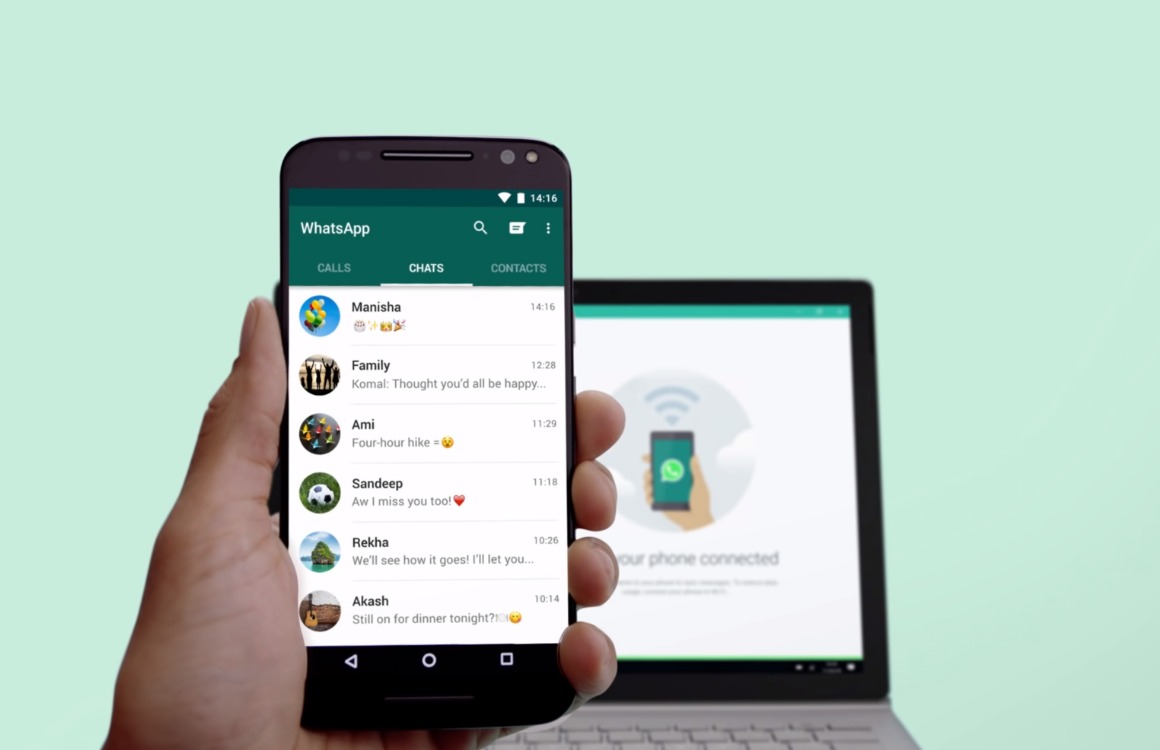
    The new security feature is hidden in the Advanced tab under the Privacy Settings menu and comes in the form of a simple toggle, which allows users to turn it off and on whenever they wish. While having the option to block messages coming from unknown accounts certainly keeps spam to a minimum, the way WhatsApp is implementing it isn’t as we would’ve expected.

    Apparently, WhatsApp will only block messages from unknown accounts if they exceed a certain volume. It was implemented that way in order to allow business accounts or other accounts that you haven’t interacted with to still be able to send you messages that might prove to be important. Not only that, but WhatsApp will lift the block once the messaging volume returns to normal, which seems like a rather bad decision. In any case, the security feature is still being tested, so the final version might work slightly differently than it is now.

    If you’re enrolled in the beta program, you should be looking for WhatsApp beta for Android 2.24.20.16. Keep in mind though that the feature seems to be available only to a select number of users, although WhatsApp is expected to expand its availability to even more users in the coming weeks.

    Those who want to check out the new security feature but aren’t yet enrolled in the beta can do so via the Google Play Beta Program link.

  • Google TV gets major upgrade: smart home controls, AI art, sports hub, more

    Google TV gets major upgrade: smart home controls, AI art, sports hub, more

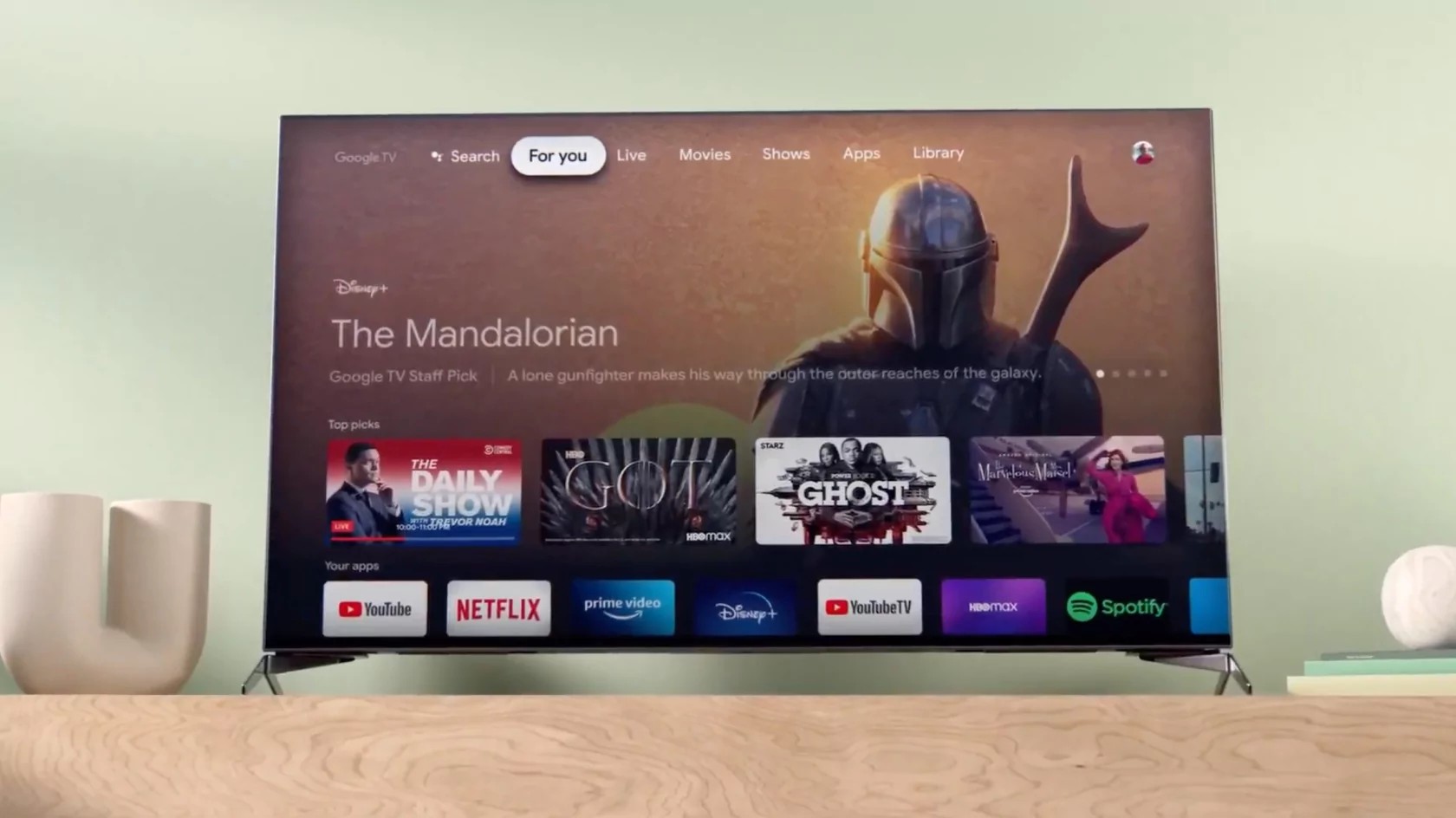
    Google is rolling out a significant update to its Google TV platform, bringing a host of new features to enhance your viewing and smart home experience. These updates will be available on all Google TV devices, including the upcoming Google TV Streamer set to launch on September 24th.

    One of the most notable additions is the new home panel on Google TV. This feature transforms your TV into a central hub for controlling all of your compatible smart home devices. From adjusting your thermostat to checking your security cameras, you can manage your entire smart home without ever leaving the couch. The new doorbell notifications also bring added convenience, allowing you to see who’s at the door without interrupting your viewing experience. If you can’t find the remote, Google Assistant voice commands have you covered, providing hands-free control over your smart home devices.

    When you’re not actively watching TV, Google TV now offers an improved Ambient screensaver that turns your idle screen into a personalized canvas. You can either create AI-generated designs based on your own descriptions or prompts, or relive your cherished memories by showcasing your favorite Google Photos. This feature leverages generative AI to craft unique images for your display, adding a touch of artistic flair to your living space.

    For sports fans, the new sports page within the For You tab consolidates all your sports content in one convenient location. You can quickly find live and upcoming games, catch sports commentary, browse YouTube highlights, and receive personalized recommendations to stay up-to-date on your favorite teams and leagues.

    Choosing what to watch can be overwhelming with the vast array of channels and subscription services available. To help you make informed decisions, Google is introducing enhanced overviews of top movies and shows powered by Gemini technology. These overviews provide comprehensive summaries, audience reviews, and season-by-season breakdowns, giving you valuable insights to guide your viewing choices.

    Last year, Google introduced free built-in channels on Google TV, offering a selection of live TV without the need for additional downloads or subscriptions. This service, known as Google TV Freeplay, now boasts an expanded channel guide with over 150 channels, making it easier to browse by genre and topic. New additions to the lineup include Heartland, The FBI Files, and ION Plus.

    The update also extends to Google TV’s hardware ecosystem. In addition to the upcoming Google TV Streamer, you can now find Google TV on a wider range of devices, including new art TVs from Hisense and TCL, as well as smart projectors from Vankyo, Epson, and XGIMI. Google is also expanding its reach by bringing Google TV to more countries, including Thailand, Indonesia, Vietnam, and the Philippines.

    I’m excited about these updates to Google TV. The integration of smart home controls directly into the TV interface is a game-changer, and I can see it definitely changing the way I interact with my connected TV. The AI-generated art for Ambient screensaver and the enhanced overviews for movies and shows are also great additions that personalize my viewing experience. Finally, as a baseball fan, I appreciate the dedicated sports page, which will make it easier to find and follow my favorite team.


  • Viettel to gift 4G phones to 700,000 2G subscribers

    Viettel to gift 4G phones to 700,000 2G subscribers

    State-owned telecom giant Viettel will spend VND300 billion (US$12.2 million) to gift 4G phones to 700,000 of its subscribers who still use 2G devices.

    The military-owned company announced Friday that the program, which aims to support a rapid switch to 4G networks, is meant for customers still using 2G phones who lack access to 4G devices due to their remote location or financial status.

    It plans to gift feature phones but with added cloud phone features that allow the use of some OTT apps.

    The program will run from now until the 2G network is shut down on Oct. 15, with eligible users getting a message instructing them to go to the nearest Viettel store or contact its local employees for support.

    Viettel said it would prioritize subscribers in mountainous regions affected by recent storms, like Lao Cai, Yen Bai, Tuyen Quang, Hoa Binh, Bac Kan, Son La, Dien Bien, Lai Chau, Cao Bang, and Ha Giang provinces.

    The Ministry of Information and Communications and telecom firms have been taking a number of measures to promote the shift from 2G. The number of 2G users declined from 11 million in July to three million now.

    Viettel has the most 2G subscribers of any network operator, but has seen over eight million switch to 4G devices this year.

    It recently installed over 6,000 new base stations nationwide to expand its 4G network coverage to 96% of the population, including four million new users in remote and rural areas.

    Pulling the plug on 2G will promote the adoption of 4G, which can help familiarize people with digital and online public services, and free up resources for network providers to focus on developing 5G and 6G technologies.