Tag: asia

  • DHL Express to triple its shipping capacity at Porto Airport with EUR 25M investment

    DHL Express to triple its shipping capacity at Porto Airport with EUR 25M investment

    DHL Express Portugal has inaugurated a new facility at Francisco Sá Carneiro Airport in Porto, Portugal. With an investment of more than €25 million, this significant expansion underlines DHL’s commitment to the Portuguese market and strengthens its support for the growing export industry in the North and Central regions of the country.

    With a total footprint of over 18,000 square meters, the new facility triples DHL’s operational capacity at the international airport, allowing it to process up to 6,500 pieces per hour for imports, an increase of 150%, and 5,000 pieces per hour for exports, a rise of 300%. The terminal is equipped with advanced automation systems, such as X-rays and automatic weighing and measuring equipment, enabling fast, efficient, and secure handling of shipments. The capacity expansion will allow DHL to support annual volume growth in the double-digit range, which will further consolidate its leading position in the logistics sector in Portugal.

    In parallel with the capacity expansions, DHL is also reaffirming its commitment to sustainability. The new facility will feature 130 loading bays for DHL vans, 119 of which are prepared for electric vehicles. The building is equipped with solar panels, advanced lighting and ventilation systems, further reinforcing the company’s efforts to increase the carbon efficiency of its transportation and warehousing operations.

    “Portugal has been one of the strongest performers in Europe in terms of economic growth in recent years, supported by healthy demand for Portuguese exports, and DHL Express is fully committed to enabling the country’s further trade development over the long-term,” said Mike Parra, CEO of DHL Express Europe. “As usual, we are combining our investments in capacity with the addition of new technology that improves efficiency and reliability and supports increased sustainability, which we expect to significantly enhance the competitiveness of our customers in Portugal in their export and import activities.”

    “The inauguration of this new terminal at Francisco Sá Carneiro Airport in Porto marks an important milestone for DHL in Portugal. It is a renewed commitment to innovation, sustainability and economic growth in the North of Portugal,” said José Reis, CEO of DHL Express Portugal. “We are proud to contribute to the development of this region, supporting the small and medium-sized enterprises that are the foundation of our economy. With this investment, we are prepared to continue connecting people and improving lives, while raising the standards of efficiency and sustainability in the logistics industry.”

    The DHL Express executives were joined at an inauguration ceremony for the facility by António Tiago, Mayor of Maia, and Julia Monar, German Ambassador to Portugal.

  • Vietnam rubber exports hit $1.7B in 8 months

    Vietnam rubber exports hit $1.7B in 8 months

    Vietnam exported 1.12 million tons of rubber worth US$1.76 billion in the first eight months of 2024, customs data show.

    This marked a 7.2% year-on-year decline in volume but a 8.4% growth in value from the same period last year, according to the General Department of Customs.

    Vietnam shipped out 209,726 tons of rubber worth nearly $345 million in August alone, up 12.7% in volume and 12% in value from the previous month.

    The average export price was $1,637 per ton, a 1.1% month-on-month decrease but up 26.8% from a year ago.

    Rubber exports are forecast to reach $3-3.5 billion this year, a $200-400 million increase from 2023.

    The country currently has a latex output of 1.3 million tons per year from 910,000 hectares of rubber plantations, according to the Vietnam Rubber Association.

    Every year, more than 300,000 tons of rubber are used in processing and manufacturing, leaving a large amount of raw material for export. This has opened up considerable export potential for the local industry, especially in the context of potential global supply shortages in the 2024 – 2025 period.

  • Factories reduce work hours with eye to employees’ well-being

    Factories reduce work hours with eye to employees’ well-being

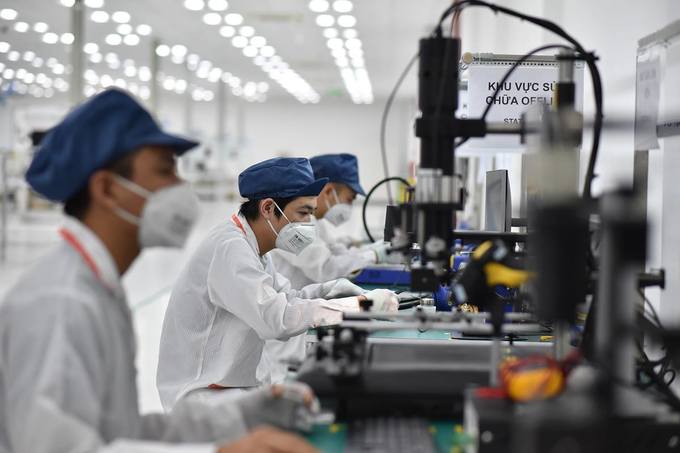
    Many factories in Ho Chi Minh City have been reducing workers’ weekly hours below the legal maximum of 48 to give them more time for themselves without compromising their income.

    When the end-of-shift bell rings at 4 p.m. at a factory belonging to industrial sewing machine producer Juki Vietnam in District 7’s Tan Thuan Export Processing Zone workers have five minutes to clean and organize their work area before leaving.

    Nguyen Thi My Linh, who has worked at Juki for 28 years, said until a few years ago her shift used to be the standard 7:30 a.m. to 4:30 p.m. every day except Sunday with 70 minutes for lunch and two other breaks.

    But after workers expressed difficulty in picking up their children, the management agreed to shorten their shift by 25 minutes.

    “Getting off early helps me avoid traffic and gives me enough time to pick up my child in Nha Be District, take them home and then to District 5 for tutoring,” Linh says.

    Nguyen Phuoc Dai, chairman of the company’s labor union, says employees also get two Saturdays off per month after they said they did not have enough weekend time with their families, which has reduced their week to less than 44 hours.

    The maximum allowed by law is 48 hours, not including overtime.

    Dai noted that the company did not reduce wages or income when it cut the work hours, and instead invested in technology and optimized production processes to ensure productivity.

    An Thien Pharmaceutical Corporation in Nha Be’s Hiep Phuoc Industrial Park similarly used to have a 48-hour week before switching to 44 hours in the past decade.

    Its director of human resources, Le Dinh Chi, says the change came after the labor union forwarded workers’ wishes for shorter hours.

    “Reducing working hours is a way for management to show concern for the well-being and families of employees.”

    The company’s 450 workers earn an average of VND13 million (US$530) per month.

    According to the city Trade Union of Industrial and Export Processing Zones, Juki and An Thien are among more than 20 manufacturing businesses in the city’s industrial parks and EPZs that have moved away from 48-hour weeks.

    Some have even reduced it to 40 or give employees three Saturdays off every month, it says.

    Vu The Van, its president, says these firms’ decision to shorten the work week is commendable since it is recommended but not mandated by current regulations.

    Reducing work hours is also a strategy for businesses to retain employees amid a growing labor shortage in the manufacturing sector, as workers with more time for themselves and their families tend to feel happier and more motivated to remain loyal to the company, she says.

    Concurring, Thanh Nguyen, CEO of human resources consulting firm Anphabe, says a survey by her company found that time-related benefits and work arrangements are the biggest concern for 63% of workers while only 24% of them reported being satisfied with their working hours.

    The 2020 Labor Force Survey by the General Statistics Office found that nearly 41% of workers nationwide clock in 40-48 hours per week, 30.9% log 49-59 hours and 7.5% work 60 hours or more.

  • Samsung to invest $1.8B more in northern Vietnam

    Samsung to invest $1.8B more in northern Vietnam

    A subsidiary of South Korean electronics giant Samsung that has operations in the northern province of Bac Ninh is set to invest another US$1.8 billion there.

    The memorandum of understanding for investment by Samsung Display Vietnam, which was signed Sunday and witnessed by Prime Minister Pham Minh Chinh, is meant for expansion.

    Samsung Display Vietnam reported profits of $283.6 million on revenues of $6.8 billion in the first half of this year.

    Samsung, the biggest foreign investor in Vietnam, has $22 billion in the country, half of it in Bac Ninh province.

    Four factories in Vietnam contributed around 30% of Samsung’s global revenue in the period.

    Bac Ninh authorities on Sunday announced approvals for $5.5 billion worth of foreign investments in various projects, including by Apple suppliers Foxconn and GoerTek.

    The government seeks to make the province a dynamic economic and cultural hub of the north linked with Hanoi.

    By 2050 Bac Ninh hopes to become among the economic leaders of Vietnam. It also aspires to become one of the top global centers for high-tech industries, research and development and smart manufacturing.

  • Innovations in Green Cloud Computing and Sustainable Solutions

    Innovations in Green Cloud Computing and Sustainable Solutions

    Green cloud computing integrates advanced cloud technologies with sustainable practices to achieve energy efficiency and reduce environmental impact. A key strategy includes server virtualization, which significantly reduces the number of physical servers needed, thus, lowering energy consumption and utility bills. Additionally, the use of renewable energy sources, such as solar and wind power, helps to further diminish the carbon footprint associated with cloud services.

    One of the most significant benefits of green cloud computing is its role in promoting sustainable architecture. Data centers designed with minimal environmental impact in mind can operate more efficiently, using less power and generating less waste. This approach also supports remote work, which reduces the carbon emissions linked to commuting. Furthermore, green cloud computing encourages paperless operations, leading to decreased paper use and deforestation, and minimizing electronic waste by reducing the reliance on extensive hardware.

    Transitioning to green cloud computing involves several strategic steps. Organizations should start with a comprehensive assessment of their current IT infrastructure to evaluate their energy consumption and carbon footprint. Setting clear, measurable goals for reducing energy use and increasing the adoption of renewable energy is essential for successful implementation.

    For example, Globe Telecom partnered with Red Hat to modernize its IT infrastructure, leveraging open-source technologies to enhance scalability, agility, and efficiency. This move comes as the Asia-Pacific cloud infrastructure market is set to soar, projected to reach USD 593.7 billion by 2032.

    Selecting cloud service providers committed to sustainability is a crucial practice. Leveraging server virtualization and adopting energy-efficient computing practices can optimize resource usage. Enhancing data center efficiency and continuously monitoring performance are also vital to ensure that environmental goals are met. Engaging stakeholders and educating them about the importance of green cloud computing can drive effective implementation and foster a culture of sustainability.

    Notably, Alibaba Cloud has launched its “Green Data Center” initiative, using renewable energy sources and advanced cooling technology to reduce carbon emissions. Tencent is also focused on building green data centers with AI-driven energy efficiency, particularly through its Tianjin data center, which operates utilizing natural cooling and renewable energy.

    Green computing techniques are diverse and leverage energy-efficient hardware designs, renewable energy sources, and methods like data deduplication and network virtualization. These techniques are integral to enhancing sustainability and operational efficiency. For instance, energy-efficient hardware designs reduce power consumption and extend the lifecycle of equipment, while data deduplication minimizes data redundancy and storage needs.

    For example, Intel’s Sapphire Rapids processors focus on delivering high performance with lower power consumption, incorporating energy-saving features like dynamic power management. Additionally, AMD’s EPYC processors are designed to maximize performance per watt, making them ideal for cloud and enterprise environments, significantly lowering energy costs.

    Innovations in green cloud computing also focus on advanced cooling techniques, which are crucial for maintaining data center efficiency. Strategies such as hot-and-cold aisle containment and liquid cooling systems can significantly reduce the energy required for cooling data centers. Huawei’s FusionServer Pro series optimizes power usage through AI-driven energy management and smart cooling systems, reducing energy consumption in data centers.

    Major cloud providers are making substantial commitments to carbon neutrality. Google aims to achieve net-zero emissions across its entire operations and value chain by 2030, targeting a 50% reduction in its Scope 1, 2, and 3 emissions from a 2019 baseline. The company plans to operate its facilities on 24/7 carbon-free energy and invest in both nature-based and technology-based carbon removal solutions. Google’s approach to climate action involves a science-based strategy and ongoing transparency outlining its progress.

    AWS is also dedicated to sustainability and has, thus far, achieved 100% renewable electricity usage seven years ahead of its 2030 goal. The company focuses on maximizing energy efficiency through advanced data center design, cooling innovations, and power management technologies. AWS’s infrastructure is reported to be up to 4.1 times more efficient than traditional data centers, with their Graviton4 and Inferentia2 chips contributing to enhanced performance and energy efficiency.

    Microsoft has set a bold goal to become carbon negative by 2030 and remove all historical emissions by 2050. Their strategy includes reducing emissions, investing in new carbon removal technologies, and supporting global carbon reduction efforts. Microsoft plans to fund carbon removal technologies, help suppliers cut their carbon footprints, and enhance transparency through annual environmental reports. The company also advocates for supportive public policies and engages employees to drive innovation in carbon reduction.

    The future of green cloud computing promises further advancements, with emerging technologies like AI-driven energy management and edge computing. AI can optimize energy use by predicting and adjusting power consumption in real-time, while edge computing reduces the need for data transmission to central servers, thus, lowering energy consumption and latency.

    Green cloud computing represents a shift towards balancing technological innovation with environmental responsibility. Given that data centers are major consumers of global electricity and contributors to carbon emissions, adopting sustainable cloud solutions is essential. The integration of energy-efficient practices, renewable energy sources, and advanced cooling techniques can significantly reduce the environmental impact of cloud services.

    As organizations and individuals increasingly prioritize environmental responsibility, green cloud computing will be at the forefront of efforts


  • Telekom Malaysia Launches AI-Driven Singing Platform

    Telekom Malaysia Launches AI-Driven Singing Platform

    Launched as part of the “Sejuta Suara, Satu Ritma, Jiwa Merdeka” campaign for Hari Kebangsaan and Hari Malaysia 2024, this groundbreaking platform leverages advanced AI technology to celebrate and highlight the country’s rich linguistic diversity.

    By leveraging AI for automated lip-syncing and voice cloning, TM has created an immersive experience that lets Malaysians sing in their preferred languages or dialects with remarkable realism and ease.

    The platform is driven by a collaboration of seven advanced AI and API systems, all of which are integrated to provide a seamless and intuitive user experience. Powered by Credence, TM’s cloud and digital solutions division, this innovative technology highlights TM’s dedication to advancing digital capabilities and pushing the limits of what technology can achieve.

    Amar Huzaimi Md Deris, TM’s Group Chief Executive Officer, said, “This initiative highlights how AI can be harnessed to celebrate and preserve Malaysia’s rich linguistic diversity.  It gives Malaysians a new way to connect with each other and transform the iconic patriotic anthem into a unifying force for the nation. By leveraging advanced AI technology to promote our unique linguistic heritage, we contribute to national integration, digital inclusion, cultural preservation while fostering stronger unity and a digitally savvy society.”

    Amar highlighted TM’s dedication to making advanced technologies accessible to all Malaysians as it works towards its goal of becoming a Digital Powerhouse by 2030.

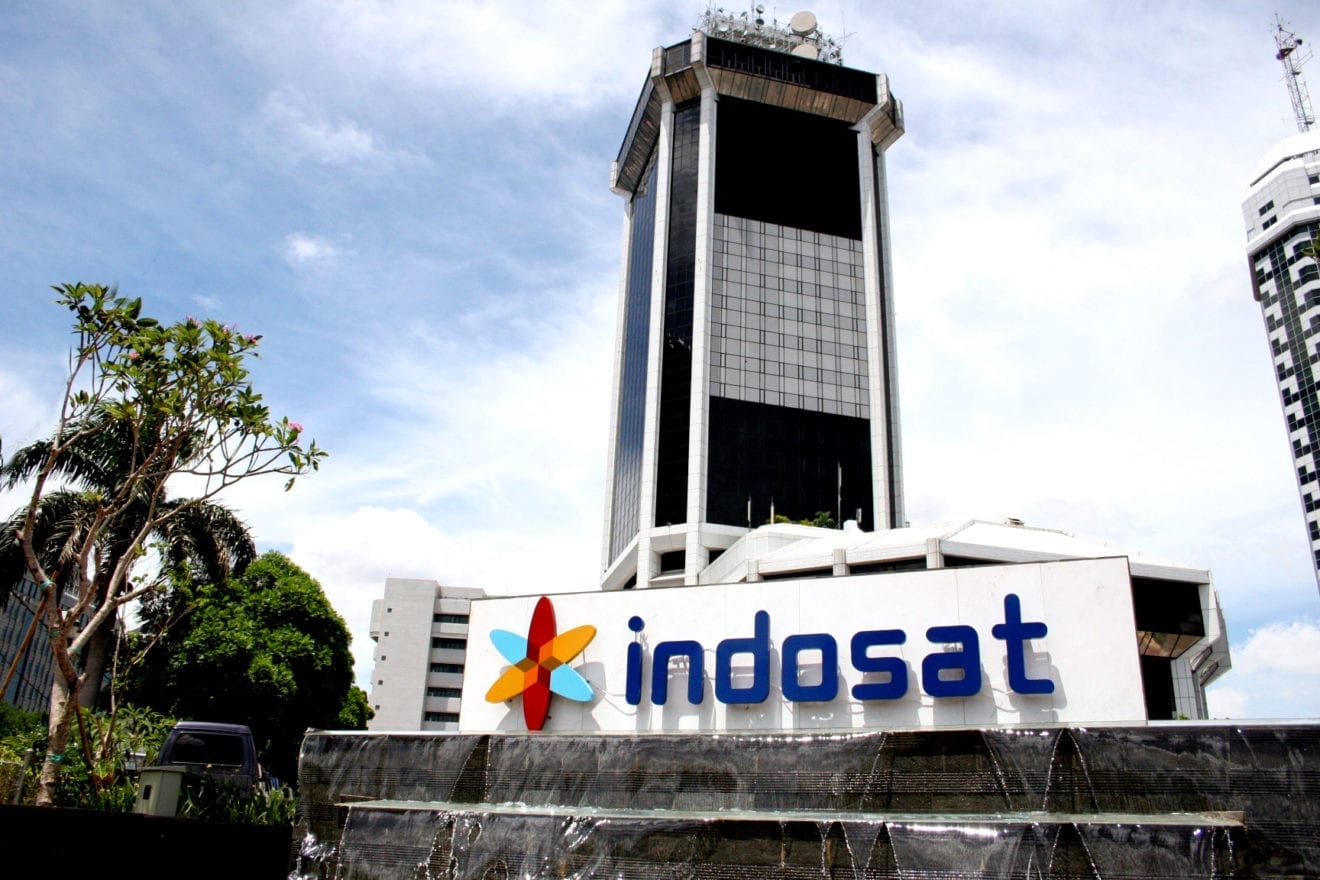
  • Indosat Launches IMSecure to Safeguard Personal Data in a Digitally Connected Indonesia

    Indosat Launches IMSecure to Safeguard Personal Data in a Digitally Connected Indonesia

    Vikram Sinha, President Director and CEO of Indosat, emphasized the importance of personal data security in building customer trust. He stated that while their mission is to connect and empower every Indonesian through digital technology, they are also committed to maintaining high standards in data protection.

    As part of this commitment, Indosat has introduced IMSecure—a data security solution under the IM3 brand—to safeguard customers from digital threats like identity theft and cyberattacks. This technology was developed in collaboration with a global digital security company to ensure top-notch protection standards.

    IMSecure not only protects customers but also supports Indosat’s goal of empowering society through safe digitalization. As more Indonesians go online, the need for personal data protection increases. IMSecure allows customers to benefit from digitalization without compromising their data security.

    Indosat has also launched initiatives to enhance personal data protection in line with PDP regulations. This includes a data privacy awareness program for employees, data type mapping, PDP compliance assessments, and the development of technical policies to manage personal data securely.

    To prevent data breaches, Indosat has implemented advanced data protection systems and tools that comply with PDP regulations and safeguard personal data from security threats, even when using third-party services.

    In addition to these efforts, Indosat is focusing on building trust in the digital ecosystem through initiatives like IMSecure and digital literacy programs. These programs educate the public on recognizing and avoiding digital threats, maintaining online privacy, and emphasizing the importance of personal data protection.

    Sinha concluded by stating that security is crucial for sustainability and trust in the digital ecosystem. Indosat is committed to innovating in personal data protection to ensure that everyone connected through their network can do so safely and confidently.

  • Yamaha Motor president sustains injury from alleged knife attack by daughter

    Yamaha Motor president sustains injury from alleged knife attack by daughter

    Yoshihiro Hidaka, president of Japanese motorcycle manufacturer Yamaha Motor, suffered an arm injury after being allegedly slashed with a knife by his daughter, Hana Hidaka, at their home in Japan.

    The police arrested Hana on suspicion of attempting to murder her 61-year-old father, Yoshihiro, by attacking him with with a kitchen knife around 3 a.m. on Monday at their home in Iwata, Shizuoka Prefecture, according to The Japan Times.

    The police arrived at the scene in response to an emergency call from Hana, who claimed she had been beaten by her father, according to Kyodo News.

    They said she had made another call at 5:30 p.m. the previous day, prompting them to visit the house afterward.

    The police said that Yoshihiro sustained a minor injury to his left arm, as reported by Japanese news website TokyoReporter.

    Yamaha Motor said it would not comment on the case, citing its private nature and the ongoing investigation.

    Established in 1955, the Iwata-based firm manufactures a wide variety of motorized products, including motorcycles, personal watercraft and boats, according to the company’s website.

  • Globe Expands Network with New Cell Sites in Central Luzon

    Globe Expands Network with New Cell Sites in Central Luzon

    Globe Telecom has constructed six new towers in Bulacan, including two in Marilao and one each in Angat, Doña Remedios Trinidad, Hagonoy, and San Jose Del Monte, while expanding a total of 22 additional sites across the province.

    In Nueva Ecija, the company has built six new towers, located in Aliaga, Gapan City, General Tinio, San Isidro, Santa Rosa, and Talavera, and expanded 11 existing sites to provide enhanced digital services to both urban and rural areas.

    Globe Telecom has added five new cell towers in Apalit, Floridablanca, Mexico, San Luis, and Sasmuan in Pampanga to improve network coverage.

    In Tarlac, three new sites were added in Bamban, Concepcion, and Tarlac City, with additional site upgrades further improving the province’s overall network coverage. Approximately 15 existing sites were upgraded to boost network capacity and coverage.

    Joel Agustin, Globe’s SVP of Service Planning and Engineering, emphasized that the company’s network expansion across Central Luzon highlights its dedication to delivering world-class connectivity to all Filipinos.

    Agustin noted that the addition of the new towers and expansion sites aims to improve connectivity and empower communities to prosper in the digital age.

    Globe’s ongoing network expansion aligns with its mission to close the digital divide in the Philippines. The company aims to offer all Filipinos access to digital benefits, promoting inclusive growth nationwide through continuous infrastructure upgrades and network expansion.

  • India Becomes World’s Second-Largest 5G Handset Market in H1 2024

    India Becomes World’s Second-Largest 5G Handset Market in H1 2024

    Senior Research Analyst at Counterpoint Research, Prachir Singh, remarked on the overall market dynamics, noting that 5G handset shipments have been consistently increasing. He highlighted that the rise in availability of budget-friendly 5G handsets has led to significant growth in emerging markets.

    According to Singh, India has become the second-largest 5G handset market, surpassing the US during the first half of the year. “The strong shipments from Xiaomi, vivo, Samsung and other brands in the budget segment were the main reason for this trend. Other emerging markets also witnessed high growth in 5G handsets. Consumers in emerging markets are looking at 5G handsets as an upgrade to their devices, even in the lower price segments,” explained Singh.

    “The Caribbean and Latin America (CALA) region was the fastest-growing region, registering 63% YoY growth, driven by high growth in key countries like Mexico and Brazil. The CALA region accounted for 14% of global net adds despite having a 6% 5G shipment share in H1 2024. Asia Pacific accounted for 63% of the overall global net adds and commanded a 58% 5G shipment share. In Europe and the Middle East and Africa (MEA) regions also, 5G handset shipments witnessed double-digit growth,” he added.

    Apple led global 5G handset shipments, capturing over 25% of the market share, due to strong sales of the iPhone 15 and 14 series. Samsung was the second-largest player with more than 21% of the market, driven by its Galaxy A and S24 series. Both Apple and Samsung secured five positions each in the top-10 list of 5G models for the first half of 2024, with Apple dominating the top four spots.

    Xiaomi ranked third, primarily due to significant growth in India, where it saw triple-digit increases, and double-digit growth in the Middle East, Europe, and China. vivo also experienced notable growth, driven by strong performances in India, China, and other emerging Asian markets. Among the top 10 brands, Motorola achieved the fastest growth, with notable advances in the CALA region, India, MEA, and North America.

    Commenting on the near-term outlook for 5G shipments, Research Director, Tarun Pathak, indicated that, “5G handset contribution to the overall handset market was over 54% in H1 2024, crossing 50% for the first time. As the democratization of 5G handsets increases with increasing 5G penetration in lower price segments as well as increasing expansion of 5G networks, this trend will further grow. The ongoing global premiumization trend will further fuel this growth. According to our market outlook, [the] 5G share will cross 57% in 2024 and 65% in 2025.”

  • SoftBank Corp., Intelsat Forge Partnership to Enhance Connectivity

    SoftBank Corp., Intelsat Forge Partnership to Enhance Connectivity

    SoftBank Corp. and Intelsat have announced a pioneering partnership to develop a unified ubiquitous network designed to provide constant connectivity for users regardless of their location.
    The collaboration will see the two companies working together on research and development (R&D) initiatives to achieve seamless 5G integration between terrestrial mobile networks and satellite communications.

    Under their new partnership, SoftBank and Intelsat aim to create a hybrid communication solution that will keep users connected globally, whether it be via terrestrial or satellite networks or using a single device and account.

    This solution will utilize standard architectures, interfaces, and processes similar to those that currently facilitate device roaming between cellular networks. It is expected to accelerate the commercial deployment of mobility solutions based on the latest 3GPP 5G standards for non-terrestrial networks.

    A primary objective of the SoftBank-Intelsat collaboration is to create a universal device that remains connected in different regions and scenarios.

    For instance, a connected vehicle equipped with this device would automatically switch to satellite communication when out of range of terrestrial networks. This innovative solution is anticipated to have broad commercial applications, including in land transportation, maritime operations, and disaster response and recovery.

    The project will proceed through several phases including design, development, field testing, and commercialization. These efforts will synchronize with the evolution of new 3GPP 5G non-terrestrial network standards. The hybrid solutions developed will support both existing satellite terminals and future 5G-based terminals as they become available.

    “Intelsat and SoftBank share a pioneering vision of ubiquitous networking and seamless interoperability between satellite and terrestrial networks,” said Bruno Fromont, Intelsat Chief Technology Officer. “Until now, the challenge was aligning standards that allowed the two different networks to connect. With recent progress on 5G-based standardization of non-terrestrial networks led by Intelsat at 3GPP and this strategic collaboration with SoftBank, we are ideally positioned to accelerate the design and practical implementation of commercial hybrid services that will allow devices to freely roam between satellite and terrestrial networks.”

    Hideyuki Tsukuda, Executive Vice President and CTO of SoftBank, emphasized that integrating terrestrial mobile networks with satellite communication through advanced roaming technology could merge these previously separate networks.

  • Levi’s to fuel growth ambitions with Suria KLCC Malaysia store reopening

    Levi’s to fuel growth ambitions with Suria KLCC Malaysia store reopening

    Levi’s has reopened its expanded store at Suria KLCC, Malaysia. Spanning 393sqm, this is the brand’s largest flagship in Southeast Asia and part of its direct-to-consumer expansion strategy in the region.

    The new store features the brand’s signature NextGen Indigo format, designed to deliver an immersive shopping experience, with modern touches like LED portal entry and elevated style lounges.

    It will offer various collections including Levi’s Vintage Clothing, the Made in Japan line, and climate-adaptive offerings such as the Performance Cool range.

    Levi’s also partnered with local artists to offer unique, Malaysia-inspired personalisation options. For the reopening, the brand worked with street artist Cloakwork to design exclusive heat press patches that celebrate local heritage.

    In addition, the Suria KLCC outlet has its very own Tailor Shop, offering consumers the option to personalise and customise their apparel.

    Nuholt Huisamen, MD of East Asia Pacific, Levi Strauss and Co, said strengthening its presence in Southeast Asia is crucial for the brand’s growth ambitions.

    “Our ambition is to become a $10 billion company and a world-class retailer, and our international business will play an integral role in helping us to achieve this,” said Huisamen.

    “Southeast Asia – and the broader East Asia Pacific region – holds immense potential for us, with many markets leading the way in creating fashion trends that are quickly picked up globally.”

  • Singapore private home sales plummet to 16-year low in August

    Singapore private home sales plummet to 16-year low in August

    Singapore’s private home sales dropped to a 16-year low in August, reflecting weak buyer sentiment, although new launches and anticipated interest rate cuts are expected to drive demand in the coming months.

    Developers sold 208 units, down 47% year-on-year, according to Urban Redevelopment Authority data released Monday as cited by The Straits Times.

    “This is a record low for the month of August since 325 units were sold in August 2008,” Tricia Song, property consultancy CBRE’s head of research for Southeast Asia, was quoted as saying.

    The year 2024 is on track to be the weakest for annual new home sales since 2008, when 4,264 units were sold. Market sentiment has remained cautious since late 2023, Song added.

    In the first eight months sales reached 2,668 units, down 49% year-on-year.

    Most developers are waiting for home-buyers’ enthusiasm and more risk appetite to return, said Nicholas Mak, the chief research officer at property portal Mogul.sg, as reported by Bloomberg.

    Demand is set to be tested in the coming months, as 56.2% of developers anticipate a moderately or significantly higher number of units to be launched in the second half of the year, according to a June quarterly survey of senior executives in Singapore’s real estate and development industry.

    Analysts say that sales volumes are likely to recover in September, driven by several upcoming launches, potential improvements in the economy, and possible interest rate cuts.

  • Vietravel Airlines appoints new CEO

    Vietravel Airlines appoints new CEO

    Vietravel Airlines has appointed Dao Duc Vu, who has 35 years of experience in the aviation industry, as its new CEO.

    Vu took office on Sept. 4 after his predecessor Nguyen Minh Hai resigned for personal reasons, according to a company statement Tuesday.

    Vu has held various senior leadership positions at Cambodia Angkor Air, Vietjet, and Bamboo Airways.

    From 2020 to 2022 he served as deputy CEO and was primarily responsible for managing, supervising flight operations, and training flight crews at Vietravel Airlines.

    The airline’s chairman Nguyen Quoc Ky said that that Vu’s appointment is crucial as the company embarks on new stages of development, with ambitious targets set by the board of directors.

    Vu is expected to play a key role in expanding the airline’s route network.

    Vietravel Airlines began flying in January 2021 with a focus on offering passengers a complete aviation and tourism experience by taking advantage of tourism giant Vietravel’s long-established ecosystem.

    The airline, which operates three aircraft, posted its first quarterly profit of VND10 billion in the January-March period.

  • McDonald’s to shut down 10-year-old HCMC store

    McDonald’s to shut down 10-year-old HCMC store

    American fast food chain McDonald’s is set to close one of its oldest stores in Ho Chi Minh City.

    The Ben Thanh location in District 1, which opened in 2014, would stop operations at 2 a.m. Thursday, the chain said in a Facebook post without revealing the reason for it.

    It was the chain’s second restaurant in the city.

    After its closure, McDonald’s will have 35 stores in Vietnam, including 17 in HCMC.

    Another major American F&B chain, Starbucks, shut down a store at a prime location in District 1 last month after seven years.

    Rents for high-end retail property in HCMC surged to a record US$280 per square meter on average in the first half of the year due to limited supply.

    It represented increases of 18% increase year-on-year and 60-70% from five years ago, according to property consultancy CBRE Vietnam.