Tag: asia

  • Citi Eyes More China Licenses

    Citi Eyes More China Licenses

    After its consumer banking exit in China, Citi will accelerate the growth of its mainland institutional business with the reported pursuit of new licenses.

    Citi plans to submit an application for a securities and futures brokerage license, according to a report citing unnamed sources, with a focus on underwriting yuan-denominated shares and client trading.

    The American bank plans to submit the application within the next two months with the aim of launching for business in 12 to 18 months.

    A chief executive for the business will soon be named and 50 staff will be initially hired before doubling in the longer term, the report added. Most hires will be external but staff from other mainland businesses will also be transferred.

    Citi is a relative latecomer in terms of expansion in China compared to its rivals which have announced ambitious goals to double or even triple headcount in the historic opening of the mainland’s $54 trillion financial market.

    The bank also recently announced its planned retail banking exit in China as part of a broader pullback across markets in Asia and EMEA.

    Currently, Citi has a bond underwriting and settlement license as well as a domestic custody license received last year.
  • HSBC Adds Coinbase to Crypto Ban List

    HSBC Adds Coinbase to Crypto Ban List

    Despite the growing embrace of cryptocurrencies among institutions and retail investors, HSBC is sticking to its policy of avoiding virtual currencies and stocks correlated to them.

    Europe’s largest bank in Europe, with total assets of $2.715 trillion, is likely to avoid Coinbase’s newly listed COIN stock because of lingering worries about crypto’s role in money laundering and criminal activity.

    HSBC has no appetite for direct exposure to virtual currencies and limited appetite to facilitate products or securities that derive their value from virtual currencies. This is not a new policy, Ankit Patel, HSBC corporate media relations manager, told crypto news platform Coindesk.

    Last week, the bank confirmed that it stopped customers of its online trading platform InvestDirect from adding MicroStrategy stock to their portfolios, calling them a «virtual currency product.» The company holds about $5.5 billion in bitcoin, or about 80 percent of its $6.8 billion market capitalization.

    Coinbase debuted on Nasdaq last Wednesday in a direct listing, in what was seen as another key step towards cryptocurrencies becoming a mainstream medium of exchange.

    The listing of Coinbase’s means that even if average investors don’t want to buy or sell cryptocurrencies on their own, they can still can invest in the cryptocurrency economy by taking a stake in one of its biggest players. After a day of trading, the U.S.’ largest cryptocurrency exchange had a market capitalization of $86 billion.

    To stay competitive amid client demand for digital assets, financial sector giants have ramped out their offerings. These include BNY Mellon, which announced the introduction of crypto custodial services and Morgan Stanley, which will roll out a bitcoin offering to wealth management clients and is reportedly mulling exposure in Bitcoin through its investment arm, Counterpoint Global. Goldman Sachs has also said it would offer investments in bitcoin and other digital assets to its wealth clients.

    Outside of the U.S., notable global banks that have also launched crypto offerings include Standard Chartered and DBS.

  • Global Banks Vie for Citi’s Asia Consumer Business

    Global Banks Vie for Citi’s Asia Consumer Business

    Two of Singapore’s «big three» lenders are said to be interested in acquiring parts of Citi’s consumer business, which is downsizing worldwide.

    DBS Group, OCBC, Mitsubishi UFJ Financial Group (MUFG) and Standard Chartered intend to bid parts of the bank’s consumer banking portfolios and brances in Asia, citing sources with direct knowledge of the matter.

    The sale process will start within a couple of weeks, the sources said. The businesses Citi is exiting had $82 billion in total assets and were allocated $7 billion in tangible common equity last year, Citi said.

    Last week, Citi announced its intention to exit its consumer banking business in 13 markets, 10 of which are in Asia: Australia, China, India, Indonesia, Korea, Malaysia, the Philippines, Taiwan, Thailand, and Vietnam.

    The bank said it intends to «double down on wealth» as it focuses its consumer banking franchise in Asia and EMEA solely through its four wealth centers: Singapore, Hong Kong, UAE, and London.

    DBS, which operates a fully owned subsidiary in India, is said to be interested in Citi’s business there, which includes retail deposits, mortgages and credit cards. Standard Chartered and local lenders Kotak Mahindra Bank and Axis Bank are also said to be interested, which SBI Cards and Payment Services is eyeing Citi’s credit card portfolio there.

    DBS has always been open to exploring sensible bolt-on opportunities in markets where we have a consumer banking franchise (China, India, Indonesia and Taiwan), a bank spokesperson said.

  • Tesla To Launch Self Inspection Over Services In China

    Tesla To Launch Self Inspection Over Services In China

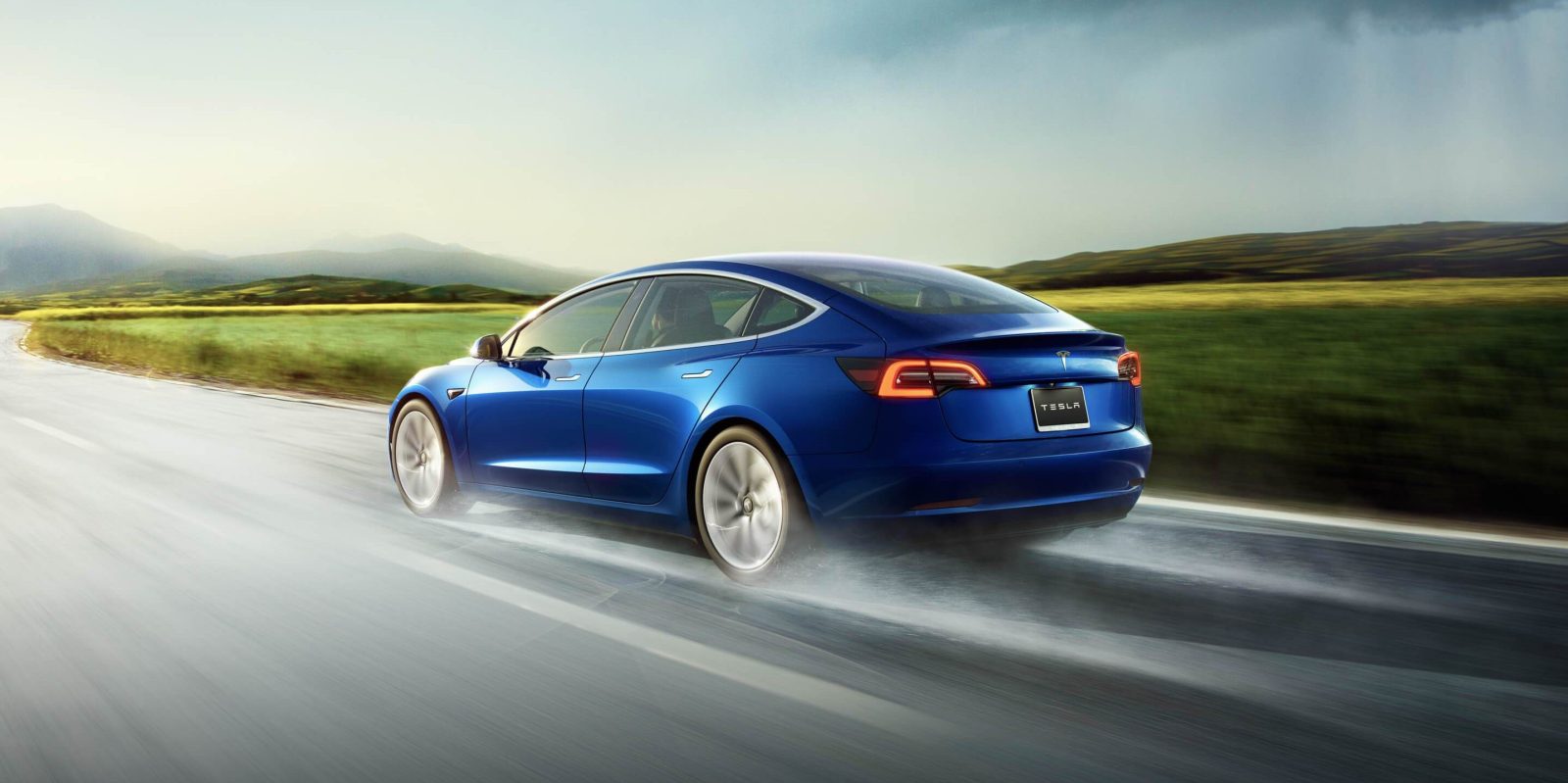
    U.S. electric vehicle maker Tesla Inc will launch self-inspection and address customer service issues in China, it said on Weibo late on Tuesday.

    The statement comes after an unhappy customer clambered onto a Tesla car at the Shanghai Auto Show on Monday over a dispute with the company, creating a social media stir and criticism of Tesla from state media.

  • Barry Callebaut names new MD for Australia and New Zealand

    Barry Callebaut names new MD for Australia and New Zealand

    Chocolate and cocoa products manufacturer Barry Callebaut Group has named Denis Convert as its new MD for ANZ.

    Convert will start his new role on August 1 and will be based in the GKC Foods office in Melbourne. As MD, he will oversee operations and sales teams in growing sales volume and expanding Barry Callebaut’s footprint in the region.

    “The appointment will steer Barry Callebaut’s further growth in Australia and New Zealand,” the company said in a statement.

    Barry Callebaut bought GKC Foods last year.

    Having joined the group in 2014 as VP of gourmet for Asia Pacific, Convert led sales and marketing teams in the region. Prior to Barry Callebaut, he held senior roles at Mars in Europe for 14 years.

  • Estée Lauder names Kōki as new Global Brand Ambassador

    Estée Lauder names Kōki as new Global Brand Ambassador

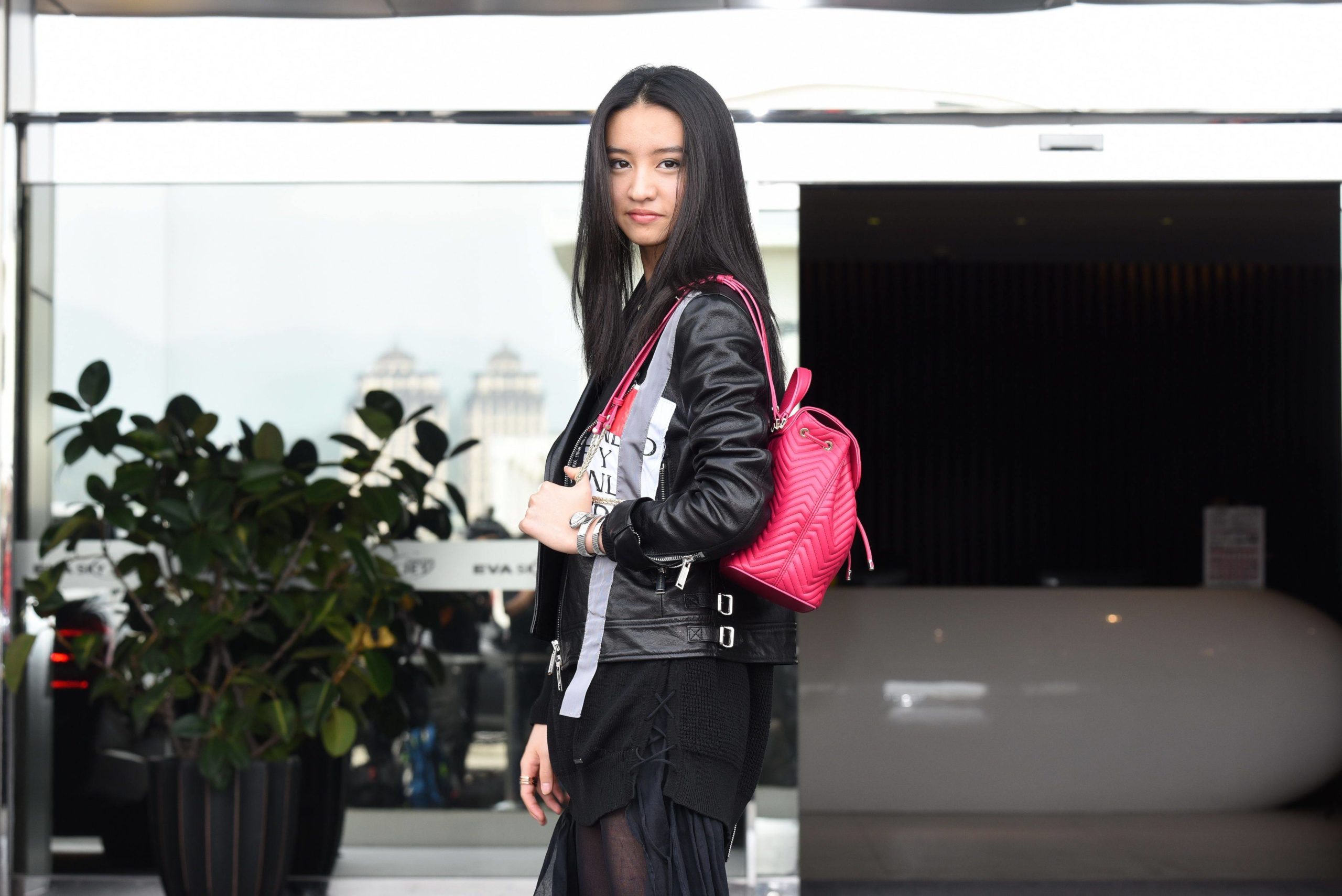
    The Estée Lauder Companies has named Japanese model Kōki as the newest global brand ambassador for its flagship Estée Lauder brand.

    She will feature across the brand’s digital, television, in-store, and print media, in domestic and travel retail markets, beginning with a makeup campaign in April. Kōki will also appear in all of Estée Lauder’s digital campaigns beginning in the Autumn.

    Kōki — real name Mitsuki Kimura — was born and raised in Tokyo. She began her modeling career in 2018 and appeared on the covers of several high-profile fashion magazines in Japan and in the wider Asia Pacific region. This includes Harper’s Bazaar Hong Kong, ELLE Japan, ELLE Hong Kong, Marie Claire Japan and InStyle China among others.

    In 2018, Kōki won the Elle Cinema Rising Star Award. The following year, she made her runway debut at the Chanel Cruise Collection fashion show. She is also currently serving as a brand ambassador for other leading luxury brands such as Bvlgari, Coach, and Louis Vuitton.

    Kōki joins a stellar roster of Estée Lauder brand ambassadors which include South Sudanese Model Anok Yai, Italian model/actress/socialite Bianca Brandolini D’Adda, American model Carolyn Murphy, Indian model Diana Penty, American models Grace Elizabeth and Karlie Kloss, Chinese Actress Yang Mi and recently-appointed Cuban actress Ana de Armas.

    “Kōki brings a fresh energy to the Estée Lauder brand,” commented The Estée Lauder Companies Group President and Estée Lauder and AERIN Global Brand President Stéphane de La Faverie. “We are excited to amplify her rising star power to connect our brand with a new generation of consumers in Japan and around the world while continuing the brand’s legacy of celebrating women across all backgrounds, ages, and ethnicities.”

    Commenting on her role, Kōki said: “It is a dream come true to join the Estée Lauder brand. It is such an iconic brand that is loved by so many women around the world. I am honored and grateful to be a part of it.”

  • Naiise founder confirms company’s liquidation

    Naiise founder confirms company’s liquidation

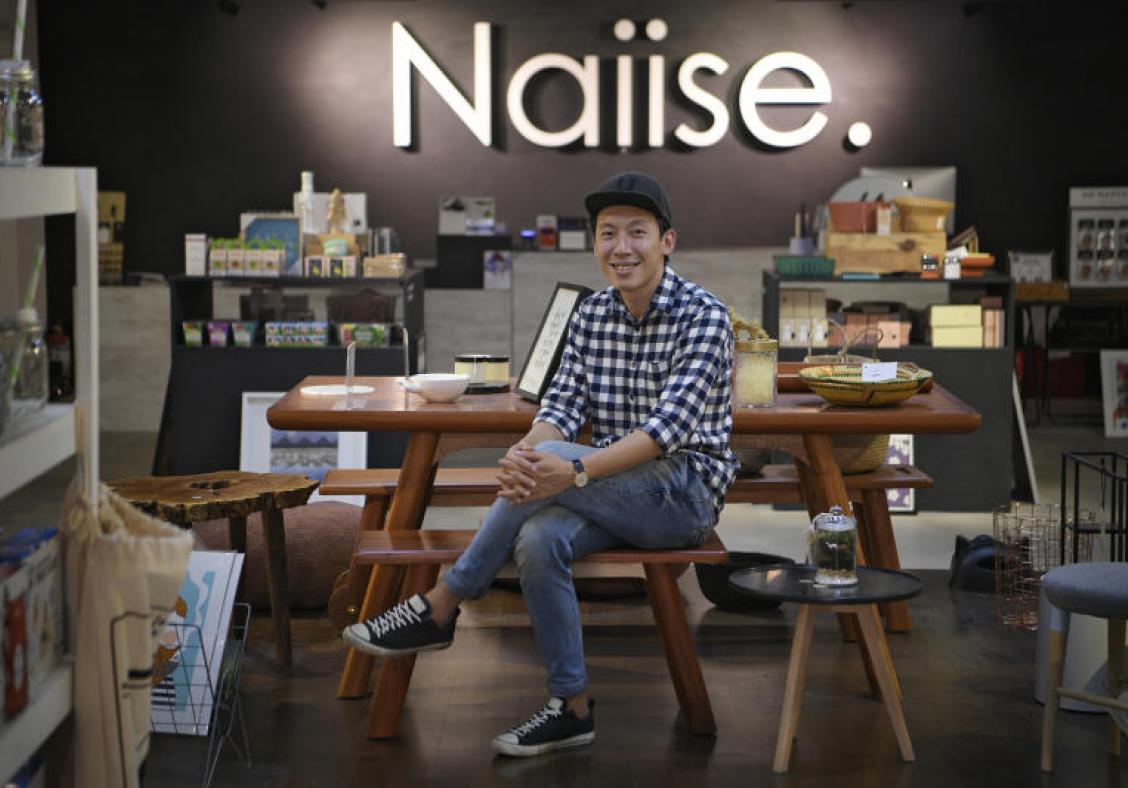
    Troubled home-grown retailer Naiise has gone into liquidation, after closing its last store last weekend following years of late payments to its vendors. The company’s founder, Dennis Tay, will also be filing for personal bankruptcy. In a Facebook post on Thursday, Mr. Tay said he had “exhausted (his) savings and borrowed heavily from banks” to keep the business afloat and repay Naiise’s vendors.

    He also signed personal guarantees for the loans, “because as long as Naiise was still a going concern, there was a chance that Naiise would be able to repay, however slowly”.

    “Unfortunately, I am now out of time and options,” Mr. Tay wrote, adding that it has been “an extremely difficult two years” and that the last few weeks were “the darkest of his life”.

    Last Sunday, Naiise closed its Jewel Changi Airport store – its last and largest in Singapore, amid an ongoing struggle to pay its vendors.

    It owes vendors sums ranging from hundreds of dollars to five-digit figures for selling their stocks on a consignment basis and has reportedly defaulted on payments since as early as 2016.

    Naiise was also fined S$8,000 last year for late payments of CPF contributions for employees. Currently, it has been charged with another offence under the Central Provident Fund Act, with the case slated for hearing next week.

    Mr. Tay, who started Naiise in 2013, wrote in his Facebook post: “As a business owner, the blame for Naiise’s demise is mine alone.

    “I’m sorry to the employees I let go. They helped build Naiise and I consider many of them friends. To those who are owed money, I am sorry I failed you all, and for all the inconvenience and distress this has caused. Apologies also to our marketplace sellers for shuttering operations so abruptly.”

  • Subway Australia launches 24-seven trading

    Subway Australia launches 24-seven trading

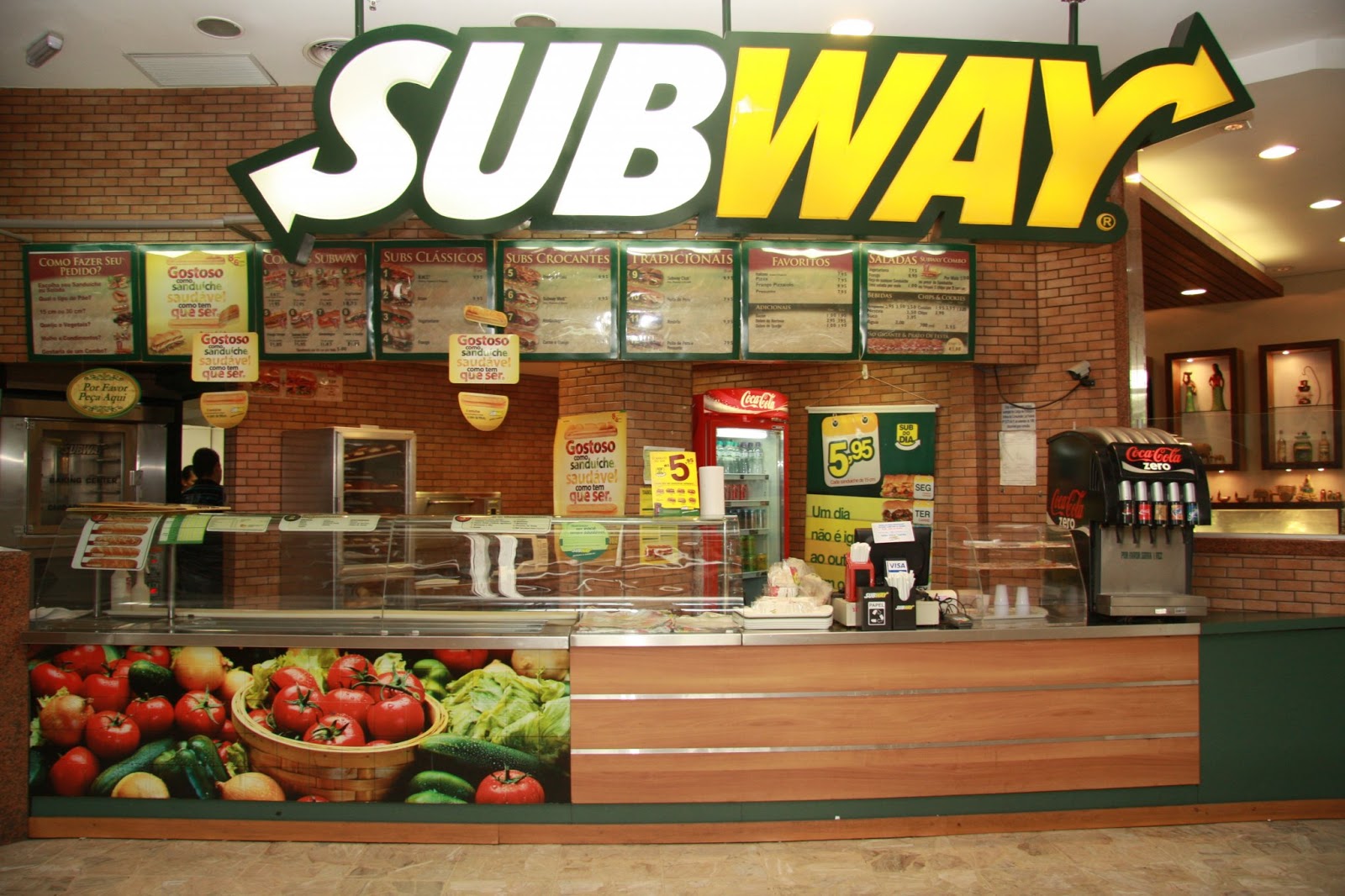
    Fast-food chain Subway Australia has unveiled a 24 hours express pick-up service in Bald Hills, Brisbane, ahead of a broader national rollout.

    Customers can order their foods via the app or using a third-party provider and collect their purchases at an express pick-up window.

    “Over the past year, through Covid we have seen a change in the way people are eating Subway,” said Subway country director Geoff Cockerill.

    “More people are ordering through third-party delivery providers than ever before – and more people are choosing to place express-pick-up orders. With shift workers, more remote working, and added delivery options, Subway is proving a popular choice for late night and early morning orders.”

    After testing it at the Bald Hills store, Subway will roll out more 24-hour pick-up windows across Australia.

  • Online supermarket concept Supie to launch in Auckland

    Online supermarket concept Supie to launch in Auckland

    Online supermarket Supie is set to open its virtual doors in Auckland next month, aiming to change the way Kiwis shop for groceries.

    The membership-based supermarket will house more than 2500 products sourced from local growers and food producers. Supie also offers sustainable delivery where all packaging is recyclable or reusable. The brand implements zero-waste ordering methods which ensure its customers receive the freshest produce.

    “The majority of the time, when you order your product is still in the ground,” the company says on its website.

    Founded by Sarah Balle, Supie is expected to compete directly with traditional supermarkets, providing a smart and more accessible solution for Kiwis during the post-Covid era.

    “We’re a small team of passionate Kiwis with big ambitions to make a true impact,” said Saral Balle. “We believe food is the most powerful force for change.”

  • James Reyne sings praises of new Coopers Australian IPA

    James Reyne sings praises of new Coopers Australian IPA

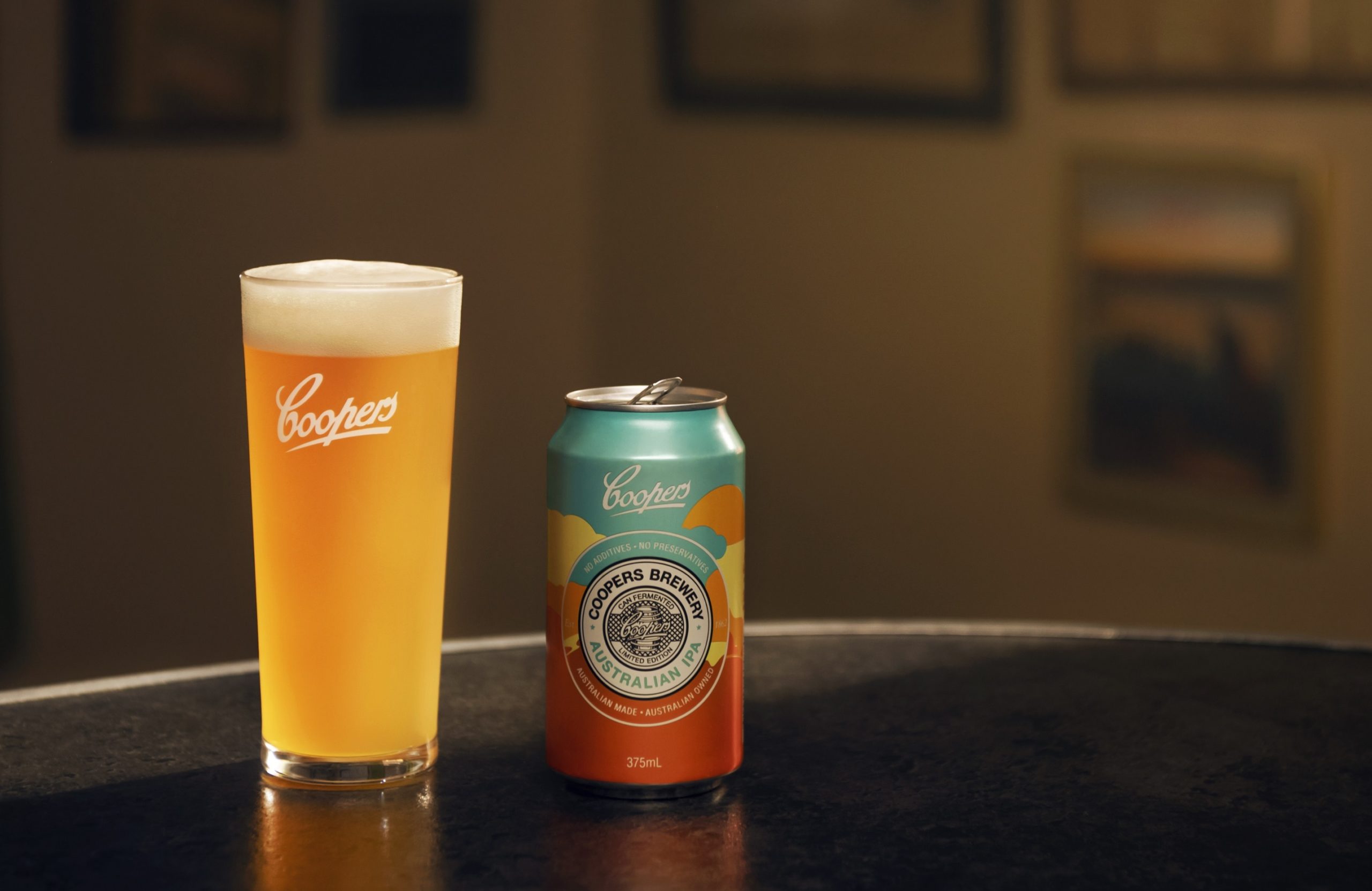
    Brewer Coopers has rolled out a limited release Australian IPA in kegs and 375ml can format, backed by a marketing campaign fronted by legendary Australian singer James Reyne.

    Coopers Australian IPA is made with local hops with citrus notes such as mandarin and orange as well as piney and passionfruit characteristics, according to the brewer. It has an ABV of 6.5 percent and a bitterness level of 40 IBU.

    “We’ve come up with a great-tasting Australian IPA that will suit any occasion,” said Coopers MD and chief brewer, Dr Tim Cooper. “We’re very mindful about when to bring out a new beer and an enormous amount of time goes into getting it right.”

    The campaign featuring Reyne was filmed at the Silverton Hotel in Broken Hill. The singer will also perform at several trade events in April.

    Reyne previously participated in the Coopers Live, Loud and Local series which was launched last year to support pubs and musicians recovering from the Covid-19 shutdowns.

    Coopers Australian IPA will be sold at bottle shops from late April.

  • Coca-Cola Amatil shareholders approve European takeover

    Coca-Cola Amatil shareholders approve European takeover

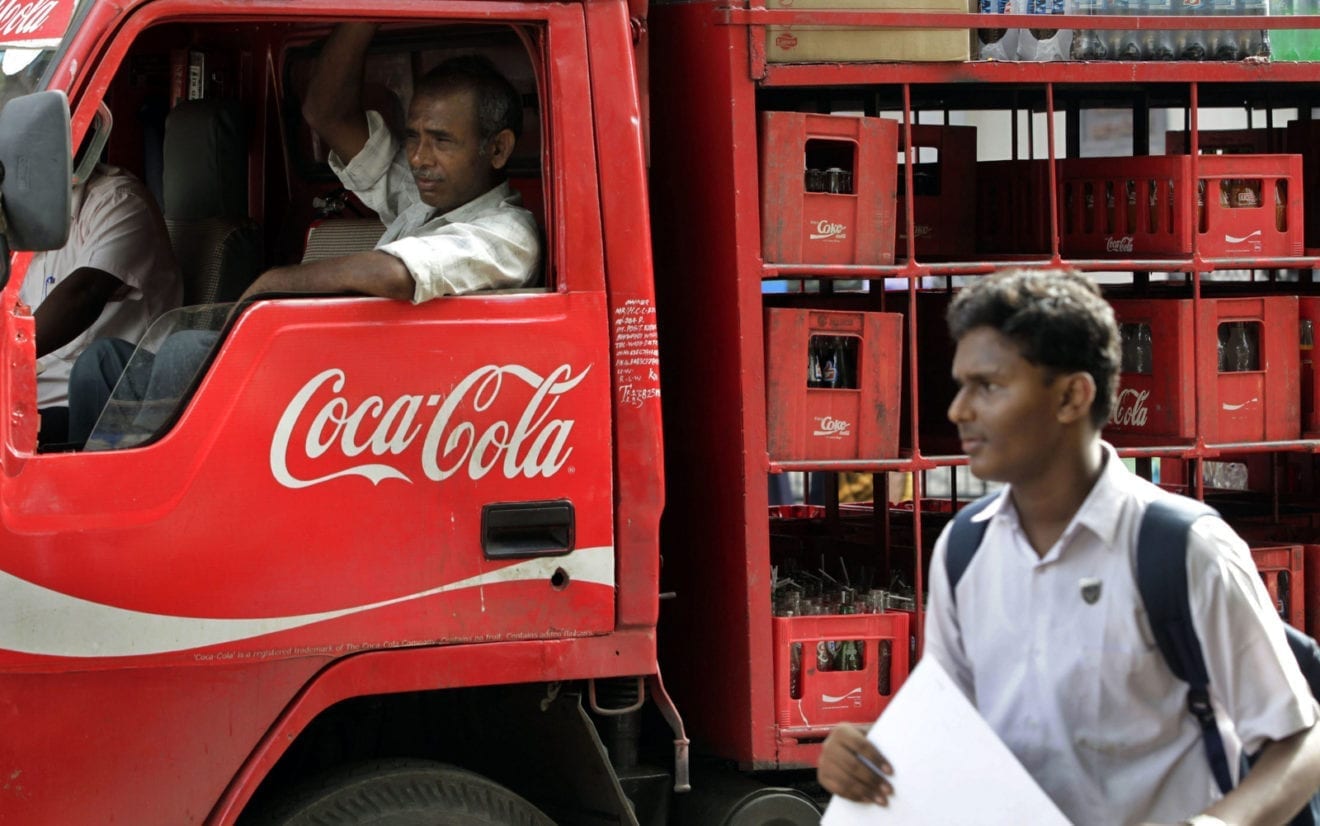
    Shareholders at Coca-Cola Amatil have voted “overwhelmingly” to approve Coca-Cola European Partner’s $13.50 per share takeover offer. The vote was held at 10 am on Friday, April 16, and saw 97.6 percent of shares proxy vote in support of the takeover – representing about 62 percent of total shareholders in CCA.

    Only 0.9 percent of votes were against the takeover.

    “Today is a significant day in the 117-year history of Coca-Cola Amatil,” said chairman Ilana Atlas.

    “I am excited by the possibilities that lie ahead for Coca-Cola Amatil’s future, and know I speak on behalf of the board when I say that it has been a privilege to be part of the Coca-Cola Amatil journey.”

    The takeover means CCA’s brands, which include Coca-Cola, Mount Franklin, Pump, Goulburn Valley, Monster Energy, Barista Bros, Blue Moon and Rekorderlig will now be owned and operated out of Europe.

    The takeover also means the Atlanta-based Coca-Cola Company will see its financial interest in CCA vanish.

    Shares in CCA fell after the vote, as it became clear shareholders would be receiving the “best and final” offer from CCEP.

  • Covid-led baking craze inspires new flours from McKenzie’s Foods

    Covid-led baking craze inspires new flours from McKenzie’s Foods

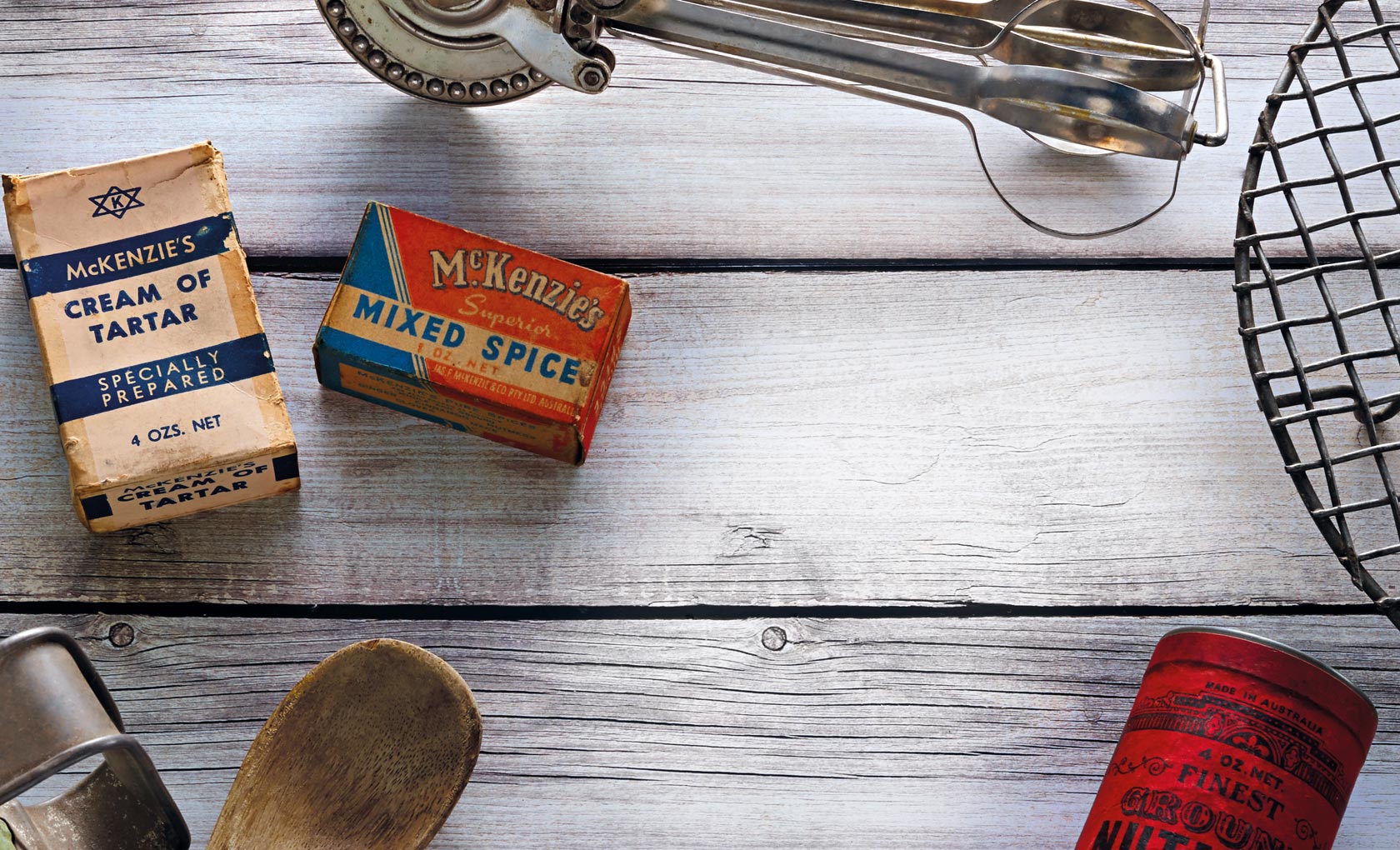
    Australian food maker McKenzie’s has met the demand of consumers after seeing more Aussies baking and cooking at home since the Covid-19 pandemic arrived. The company has expanded its single alternative flour range and unveiled a new special purpose flour range.

    “We’re proud to be able to offer such a large variety of flours to our consumers and inspire them to experiment in the kitchen and unlock the power of alternative flours,” said McKenzie’s marketing manager, Bianca Piscopo.

    The alternative blended flour range includes Bread & Pizza Flour, Cake Flour, Cookie Flour, and Pancake Flour. The Bread & Pizza Flour has plain, oat and wholemeal spelt flour for bread and pizzas. The Cake Flour blend is made with low-protein plain flour and cornflour for cakes, cupcakes, and biscuits. The Cookie Flour contains chickpea, plain and oat flour for cookies. Pancake Flour is made with plain, oat, and rice flour.

    While McKenzie’s single-source alternative flour range now has Almond Flour, Brown Rice Flour, and Yellow Pea Flour. The Yellow Pea and Almond versions are a good source of fiber and protein while the Brown Rice Flour contains whole grains.

    The Almond Flour and Brown Rice Flour are gluten-free which can be used for cakes, biscuits, and bread. The Yellow Pea Flour has an earthy flavor and is ideal for baking. They are made from Australian ingredients.

    McKenzie’s alternative and special purpose flours are sold at Woolworths.

  • McDonald’s implements global inclusive workplace initiative

    McDonald’s implements global inclusive workplace initiative

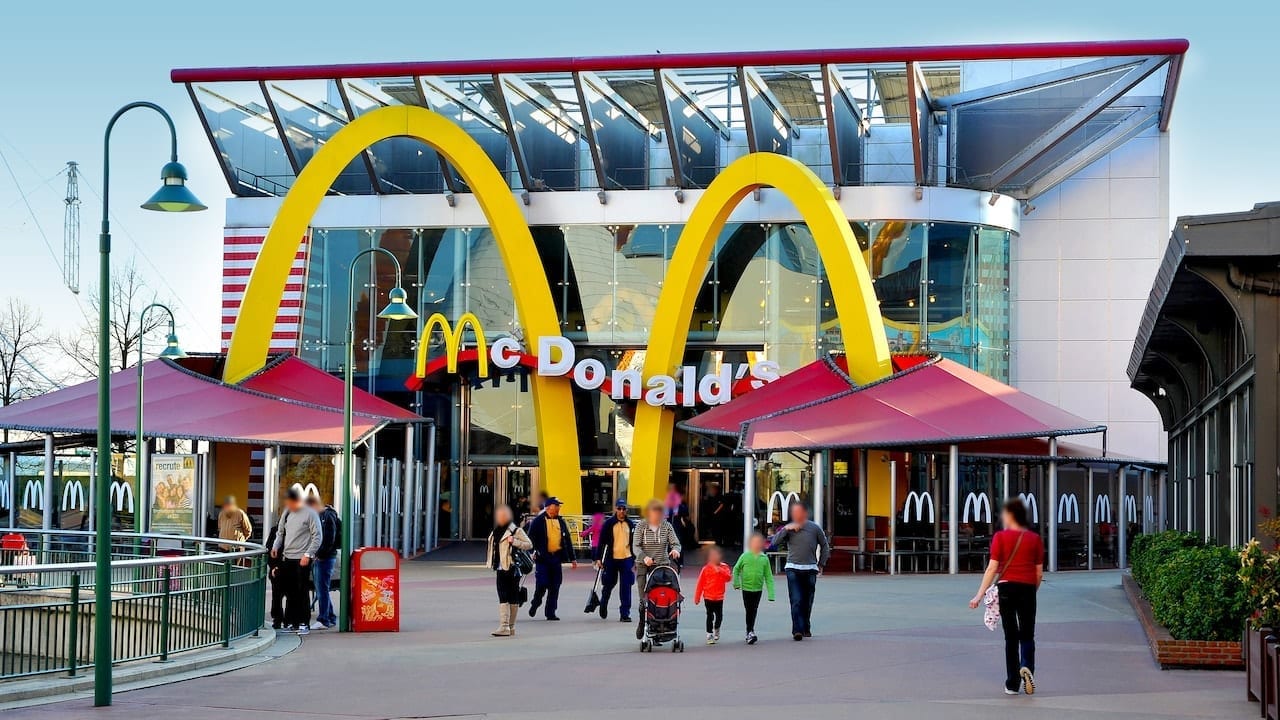
    McDonald’s has unveiled an initiative to foster a safe and inclusive workplace it calls Global Brand Standards.

    The policy will focus on four main areas: harassment, discrimination, and retaliation prevention; workplace violence prevention; restaurant employee feedback; and health and safety. The company says the standards have been set to further ensure physical and psychological safety for its employees and customers.

    “There are no shortcuts to ensuring that people feel safe, respected, and included at a McDonald’s restaurant,” said Chris Kempczinski, president and CEO of McDonald’s. “Our new Global Brand Standards reinforce our commitment to living our values such that at every interaction, everyone is welcome, comfortable, and safe.”

    These standards will be implemented across 39,000 McDonald’s restaurants in more than 100 countries. From January, restaurants will be assessed and held accountable in accordance with the applicable McDonald’s market’s business evaluation processes. Training and reporting mechanisms will be established.

    McDonald’s said it will work closely with independent and third-party experts to support the implementation of the standards for franchisees.

    “McDonald’s has a responsibility and an opportunity to use our tremendous scale to drive change globally,” said Reto Egger, speaker group chair of the European Franchisee Leadership Group (EFLG) and franchise owner.

    “These refreshed standards and heightened measures of accountability are central to our culture, our business goals and the need in our society to foster more respect, safety, and inclusion.”

  • Walmart leads US$2.75bn investment in self-driving car startup Cruise

    Walmart leads US$2.75bn investment in self-driving car startup Cruise

    Walmart has led a US$2.75 billion investment into self-driving carmaker Cruise, valuing the company at $30 billion.

    The investment marks increasing faith in the concept by the international retail giant which has already partnered with Cruise in a trial delivery service in Scottsdale, Arizona, announced last November.

    “Over the years we’ve been doing a lot to learn more about the role autonomous vehicles can play in retail, and we’ve seen enough to know it’s no longer a question of if they’ll be scaled, but when,” said John Furner, president, and CEO at Walmart US, explaining the investment.

    He said the new funds would help San Francisco-based Cruise work with Walmart to achieve its goal of developing a last-mile delivery ecosystem “that’s fast, low-cost and scalable”.

    Cruise’s all-electric fleet of self-driving cars – based on the Chevrolet Bolt EV – has already attracted substantial investment from Microsoft, General Motors and Honda.

    Furner said Walmart has been impressed by Cruise’s “differentiated business model” since the two companies began their pilot project last year, its unique technology, and unmatched driverless testing. “We also value our shared commitment to a zero-emissions future.

    “As delivery has become a staple in our customers’ lives, we’re focused on growing our last-mile ecosystem in a way that’s beneficial for everyone – customers, business, and the planet. With their all-electric fleet powered by 100-per-cent renewable energy, Cruise is a natural partner as we work to take collective action on climate change,” Furner said.

    “We’re doing this not only in our own operations where we are targeting zero emissions by 2040 and have set a goal to be powered by 100-per-cent renewable energy by 2035, but also throughout the supply chain and our environmental initiative, Project Gigaton, one of the largest private-sector consortiums for climate action.”

    Meanwhile, Cruise says it plans to begin deploying a limited number of its Origin vehicles for ride-hailing services in Dubai from 2023, its first overseas commercial service.

    “We are focused on our path to commercialization right now but the IPOs happening in the space right now are a great indication of the strength of the industry and the opportunity self-driving presents,” a Cruise spokeswoman told Reuters in a statement.

  • Scandal-plagued Luckin Coffee secures US$250 million lifeline

    Scandal-plagued Luckin Coffee secures US$250 million lifeline

    Luckin Coffee, the scandal-plagued Chinese coffee shop chain, secured a $260 million investment from existing shareholders Centurium Capital and Joy Capital. It also replaced its independent auditor.

    This will help Luckin satisfy a $180 million settlement struck last year with the SEC, which had accused Luckin of faking retail sales figures. The company went public on the Nasdaq less than two years ago at a $4.3 billion valuation but was later delisted because of the accounting fraud.

    The investment is structured as convertible preferred stock, with an option for Centurium and Joy to invest an additional $150 million.

    The bottom line, Luckin was supposed to be China’s answer to Starbucks, but so far has been closer to China’s answer to Enron.