Tag: asia

  • AirAsia announces free rescheduling on all flight bookings till May 15

    AirAsia announces free rescheduling on all flight bookings till May 15

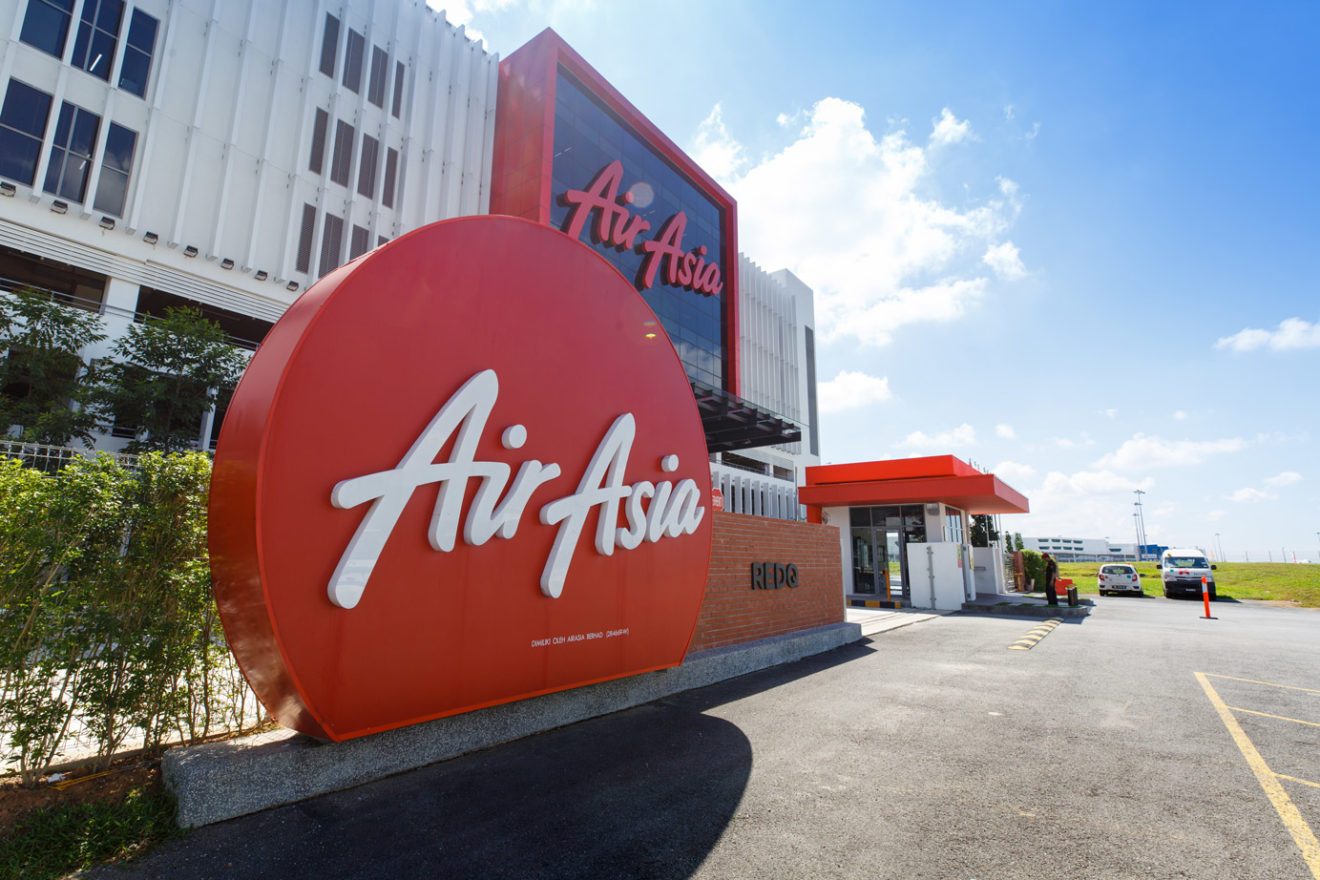
    AirAsia India has announced free rescheduling on all flights for bookings till May 15, 2021.

    In a statement, the airline said that guests can now make unlimited changes for all bookings and changes made till May 15, irrespective of the travel dates, without incurring any flight change fees.

    “To ensure that its customers continue to have the greatest flexibility if their travel plans change with increased uncertainty and travel restrictions, the airline has extended this offer on its new website www.airasia.co.in as well as other major booking channels,” it said.

    The airline said that it left no stone unturned in adopting a multi-layered approach to offering safe and seamless travel for guests from booking to check-in and arrival.

    All aircraft undergo deep cleaning and sanitation, while cabin disinfection takes place before each flight, it said.

  • Lotte Vietnam denies reports it will close Lotteria fast-food chain

    Lotte Vietnam denies reports it will close Lotteria fast-food chain

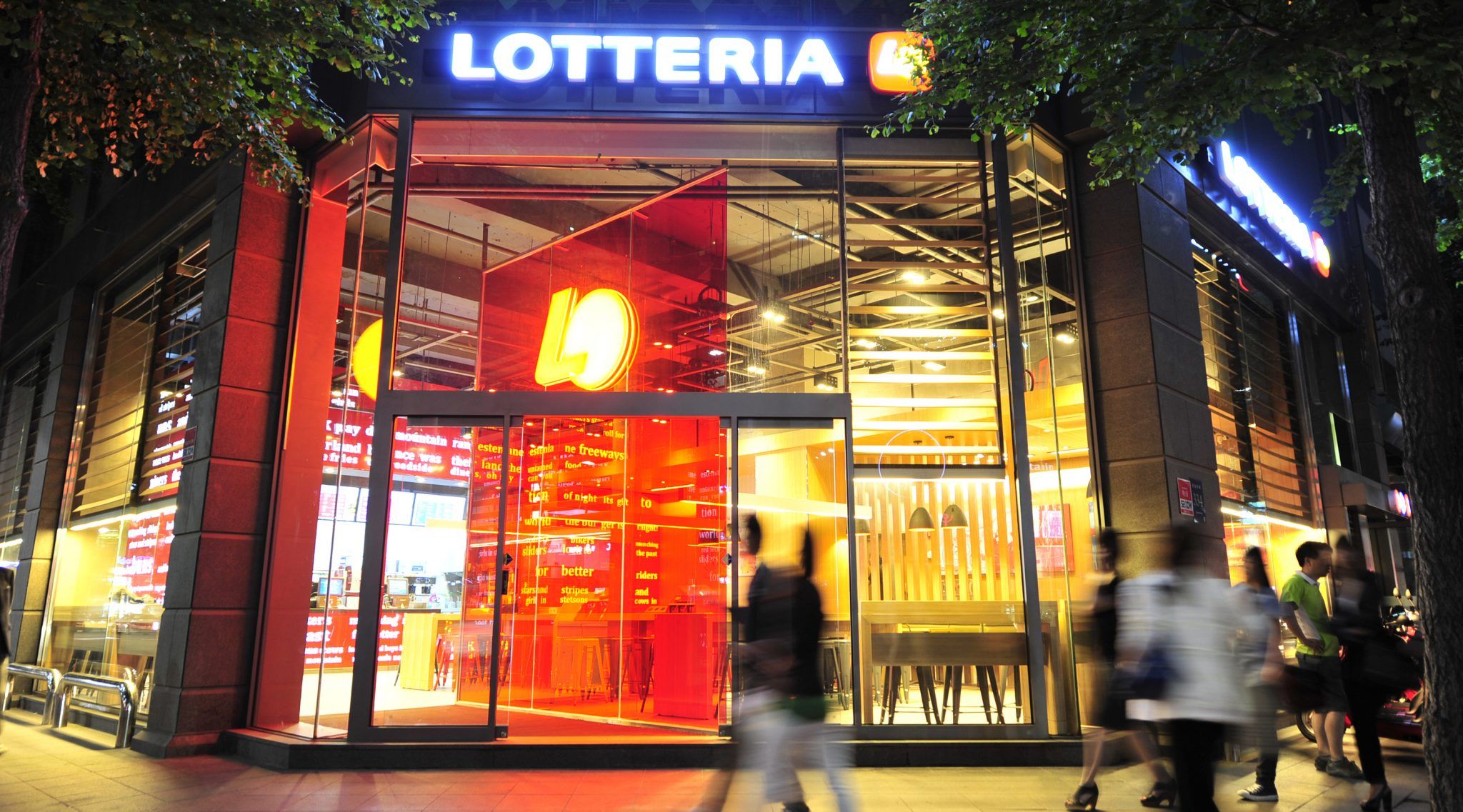
    Lotteria Vietnam has said that it will continue its business expansion in Vietnam amid Korean media reports of its closedown over a net loss of nearly US$9 million.

    The company, which is operated by Lotte GRS under South Korea’s Lotte Group, dismissed a media report that it would cease operations in Vietnam, a spokesperson told Tuoi Tre (Youth) newspaper on Saturday.

    There is an inaccurate understanding of the Korean media report, the Lotteria Vietnam spokesperson added.

    Lotteria Vietnam is proceeding with its normal business while an expansion is underway.

    The firm is expected to invest in a new plant at Long Hau Industrial Park in Long An Province, just outside Ho Chi Minh City, and open ten Lotteria stores in 2021.

    “We are working with our parent company in South Korea to clarify its new strategy,” the spokesperson told Tuoi Tre.

    The spokesperson further explained that Lotteria Vietnam is still operating its franchise business and has reached almost 100 franchised restaurants.

    Entering the Vietnamese market in 1998, Lotteria Vietnam is running over 260 outlets and is among the top fast-food chains in the Southeast Asian country.

    The Korea Times reported on Sunday that Lotteria Vietnam is not closing down.

    “It is true that Lotte GRS is leaving the Indonesian market but we are continuing with our franchise and food retail businesses in Vietnam,” the newspaper quoted a Lotte GRS official as saying.

    The paper seemed to correct its report on Friday that had cited “a Lotte GRS official” as saying “Lotteria Vietnam and others have met the requirements for closure starting this year.”

    Friday’s article said that Lotte GRS was in the process of closing down “Lotte Group’s food material supplier in Vietnam, which was established in early 2020 to expand Lotte GRS’ business in neighboring Southeast Asian countries.”

    “Lotteria franchises in Vietnam have all stopped operations and its headquarters in Seoul is reviewing the possibility of closing down the business within this year,” The Korea Times reported.

    The report went on to elaborate that Lotteria Vietnam did not make any profit for Lotte GRS in 2020.

    “Lotteria Vietnam’s book value stood at 26.8 billion won [$24 million] as of early last year, but declined to 15.6 billion won [$14 million] after recognizing 11.2 billion [$10 million] won in valuation losses,” the article said.

    “Its net loss surpassed 10 billion won [$8.9 million] in one year.”
  • CBD spending recovery underway, says CommBank

    CBD spending recovery underway, says CommBank

    Consumer spending across Australia’s central business districts has grown 22.4 percent in the last six months, with workers slowly returning to workplaces following the easing of Covid-19 restrictions.

    According to data from Commonwealth Bank, Gen X and older millennials aged between 35-49 led this spending increase across most CBDs, though Sydney and Melbourne saw spending growth mainly from younger millennials.

    This spending, recorded between September 2020 and February 2021, is compared to March to August 2020 – a period when most CBDs were effectively ghost towns due to the stay-at-home orders issued across the country.

    “We’re encouraged to see spending in our CBDs on the up, and we hope to see this trend continue as more people start coming back into city centers more regularly,” said Commonwealth Bank executive general manager of small business Claire Roberts.

    “Small businesses in CBD areas have had it really tough over the past year but we’re seeing encouraging signs of recovery.”

    The growth wasn’t even across the country’s cities, however. Perth led the way, with spending up 33.7 percent, while Sydney sat in the middle of the pack at 21.5 percent. Melbourne, still yet to recover from the longest lockdown period across the country, recorded just 2.36 percent growth.

    And while this growth is likely to welcome, the fact it is rising off an effective nil base means CBD retailers are not exactly out of the woods.

    “Our CBDs are not the thriving places they once were pre-Covid, and we need innovative ways to get people back supporting these hard-hit businesses,” said ARA chief executive Paul Zahra last month, when welcoming the City of Sydney’s hotel voucher scheme.

    “The office occupancy rate in the Sydney CBD is less than 50 percent. It means there aren’t as many people doing the things they would be normally, like grabbing a coffee from a nearby cafe, shopping during their lunch break, or having dinner and drinks in the city after work.”

  • Vietnam among WeWork’s top markets in Southeast Asia

    Vietnam among WeWork’s top markets in Southeast Asia

    Vietnam is among the top countries in Southeast Asia for coworking space provider WeWork, growing by 8 percent since early last year.

    Most of its customers in the country are in technology, pharmaceuticals, and manufacturing, while financial organizations are among the new ones, Elizabeth Laws Fuller, WeWork’s head of growth in Southeast Asia said.

    It entered Vietnam in 2018 and now has two locations in Ho Chi Minh City out of its 30 in Southeast Asia.

    Vietnam is seeing rising demand for coworking space.

    A recent survey by WeWork and market research firm International Data Corporation found that 80 percent of companies plan to use coworking space in the next three years.

    Another reason for the improving figures in Vietnam is its success in containing the Covid-19 pandemic and sustaining economic growth, Fuller said.

    Many global corporations have been investing or expanding in Vietnam in recent years, and they have a demand for flexible workspace, she said.

    The pandemic has changed companies’ perception of coworking space, and in the long term customers would not be only small and medium-sized players but also large companies, she added.

  • Facebook set to announce new audio products – Recode

    Facebook set to announce new audio products – Recode

    Facebook will announce a series of products under the umbrella of “social audio” on Monday, including its take on audio-chat app Clubhouse and a push into podcast discovery and distribution, Recode reported on Sunday.

    These plans include an audio version of Rooms, a video-conferencing product Facebook launched a year ago. The Clubhouse-like product will let groups of people listen to and interact with speakers on a virtual “stage”.

    Facebook will also launch a product allowing its users to record brief voice messages and post them in their newsfeeds, and a podcast discovery product that will be connected with Spotify, according to the report, which cited sources.

    The announcement will be made on Monday but some products will not show up for a while, the report added.

    A Facebook spokeswoman declined to comment. Spotify did not immediately respond to a request for comment on

    Facebook started public testing of a new application dubbed Hotline earlier this month, where creators can speak and take live questions from an audience.

    This Q&A product combines audio with text and video elements and comes as social media platforms experiment with a rush of new live audio features.

    The success of the invite-only, year-old app Clubhouse, which has reported 10 million weekly active users, has demonstrated the potential of audio chat services, particularly during the COVID-19 pandemic.

    Twitter has been testing its audio feature Spaces and Facebook is also dabbling with a live audio room offering within its Messenger Rooms.

  • AirAsia to invest heavily in digital business

    AirAsia to invest heavily in digital business

    AirAsia Group plans to raise USD300 million to expand its digital business arm, AirAsia Digital, as it intensifies the diversification of its business to offset the COVID-19 crippling effect on aviation.

    Bloomberg, quoting “people with knowledge on the matter”, reported the low-cost carrier was negotiating with prospective investors for a fundraising deal that would involve the issuance of new shares in the digital unit.

    In March 2021, founder and Chief Executive Officer, Tony Fernandes, said the airline’s so-called “super app”, launched in October 2020, would turn over USD250 million this year. The app can be used for shopping, booking flights, and ordering food. Services are predominantly in Malaysia at the moment with “airasia Shop” having expanded to the Philippines and Indonesia, while “airasia Food” has launched in Singapore. In 4Q2020, order amounts with “airasia Food” grew more than five times quarter-on-quarter, the company said in its Fourth Quarter and Full Year 2020 financial results.

    As part of the group’s diversification push, AirASia also aims to launch an air taxi service and drone delivery service, state news agency Bernama reported earlier this month.

    Facing a record net loss of MYR2.7 billion ringgit (USD653 million) in the October-December 4Q2020, Fernandes recently told the South China Morning Post the carrier would be returning 22 aircraft to lessors in 2021 and 2022.

    The airline’s revenue decreased by 92% year-on-year (YoY) due to partial lockdown in Malaysia in October and November 2020, while non-airline revenue declined by 46% in the same period. The company said the weaker YoY performance was due to the shortfall in revenue and several one-off costs, including a fuel hedging loss of MYR391 million (USD77.2 million), impairment of right-of-use assets, receivables, finance lease receivables of MYR1.5 billion (USD363 million), and bankruptcy costs for AirAsia Japan (DJ, Nagoya Chubu) of MYR20 million (USD4.8 million).

    Meanwhile, AirAsia Digital’s performance for the quarter grew by 13% YoY in terms of EBITDA (Earnings Before Interest, Taxes, Depreciation, and Amortisation). Launched in October 2020, the AirAsia “super app” increased revenue by 15% YoY to MYR12 million (USD2.9 million), while the “BigPay” mobile payment app narrowed EBITDA loss by 41%. The company’s cargo and logistics arm, “Teleport”, reported a positive EBITDA of MYR17 million (USD4.1 million) despite a decline in revenue from impacted cargo capacity due to closed borders. Its loyalty programme, “BIG Rewards”, also reported positive EBITDA for the quarter.

  • Restaurant chain operator Golden Gate’s profit plummets

    Restaurant chain operator Golden Gate’s profit plummets

    Restaurant chain operator Golden Gate saw its post-tax profit plunge 79.8 percent year-on-year to VND65 billion ($2.8 million) in 2020.

    It posted VND4.5 trillion in revenue, down 5 percent year-on-year, according to its financial statement.

    Golden Gate attributed the plunge in profits to the Covid-19 pandemic, which forced the company to temporarily close all of its restaurants in March and April last year as the country underwent social distancing.

    It had to cut expenses and implement food delivery services. A total of 18 of its restaurants were shut down last year.

    By the end of 2020, its total assets and liabilities were valued at VND2.3 trillion and VND1.1 trillion, respectively.

    Golden Gate was founded in 2005 with its first restaurant in Hanoi, the Ashima mushroom hotpot restaurant. It currently runs over 400 restaurants under 21 brands nationwide, with over 4,000 employees.

  • Citigroup to exit consumer banking in Vietnam

    Citigroup to exit consumer banking in Vietnam

    America’s Citigroup will exit 13 international consumer banking markets, including Vietnam, to shift its focus to four wealth centers.

    The move is part of the bank’s strategic decision to direct investments and resources to businesses with the greatest scale and growth potential, it stated, adding its main markets will include Singapore, Hong Kong, the United Arab Emirates and London.

    Apart from Vietnam, 12 other markets to be affected are Australia, Bahrain, China, India, Indonesia, South Korea, Malaysia, the Philippines, Poland, Russia, Taiwan and Thailand.

    “While the other 13 markets have excellent businesses, we don’t have the scale we need to compete. We believe our capital, investment dollars and other resources are better deployed against higher returning opportunities in wealth management and our institutional businesses in Asia.”

    The bank has not specified when it would leave Vietnam.

    Citigroup in 1994 became the first U.S. financial institution licensed to open a branch in Hanoi. It opened its second branch in Ho Chi Minh City in 1998.

  • Used automobile import quotas fail to attract interest

    Used automobile import quotas fail to attract interest

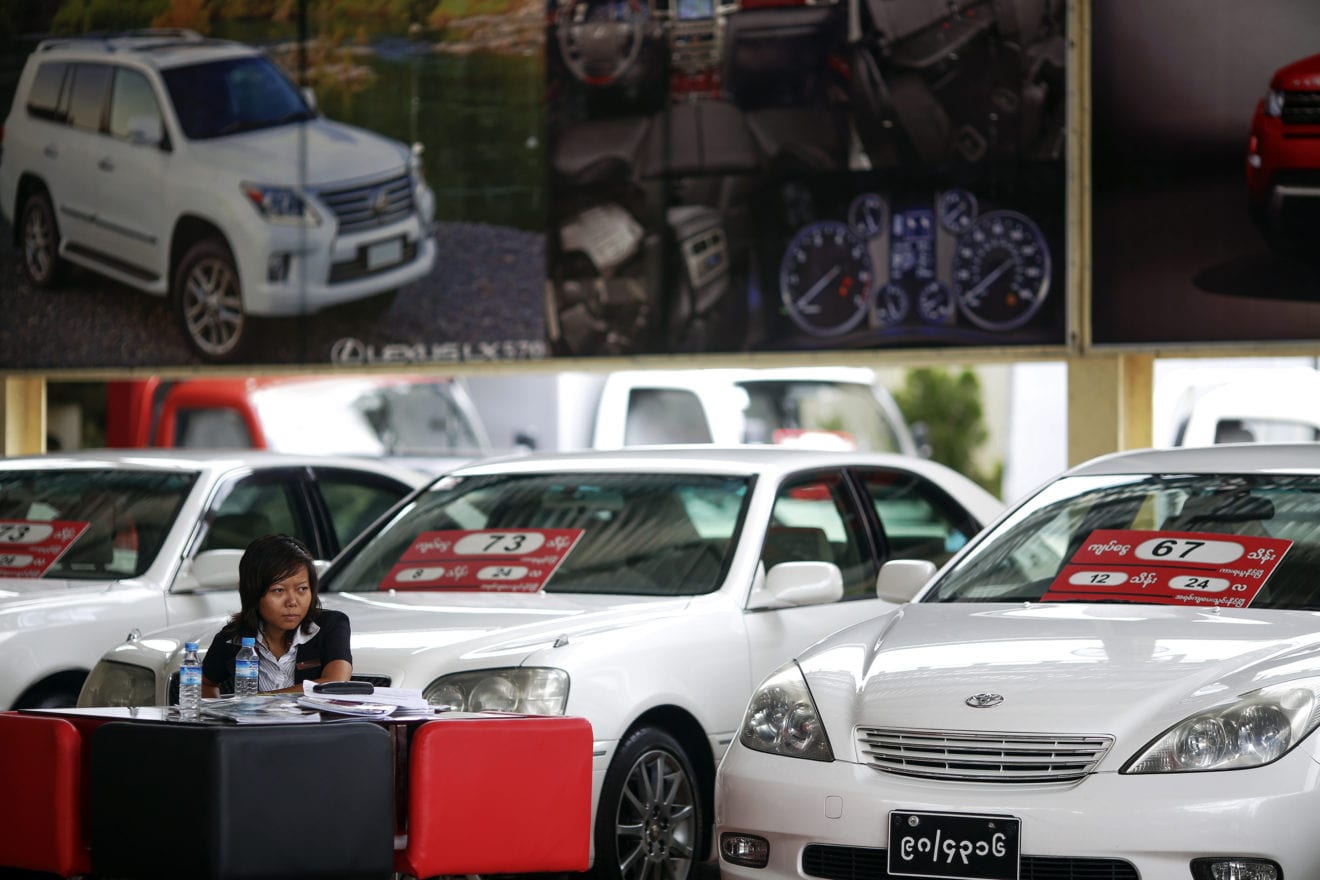
    The auction of import quotas for used cars at low tariffs under a free trade deal has been canceled after it failed to attract interest.

    Under the Comprehensive and Progressive Agreement for Trans-Pacific Partnership, a certain number of used cars can be imported annually, and the Ministry of Industry and Trade auctions the right to import them.

    This year, the quota was for 72 vehicles, and the deadline for bidding was March 31, but no bids were received for them.

    The auction was first held last year, and two importers won the quota for 66 cars.

    According to a car dealership, enterprises are not interested in bidding since they have to comply with stringent import regulations.
    “Car dealerships prefer buying cars that are manufactured locally since the procedures are a lot less complicated.”

    The annual quota will increase to 150 by 2034. The ministry said the auction would continue to be held next year.

  • US removes Vietnam from currency manipulator list

    US removes Vietnam from currency manipulator list

    The U.S. has removed Vietnam from the list of economies it considers currency manipulators, reversing a decision made by the Trump administration in December.

    Its Treasury Department said Friday that no economy currently meets the U.S.’s criteria to be labeled manipulators, but warned that Vietnam, Switzerland, and Taiwan would be under enhanced monitoring.

    There is insufficient evidence to conclude they are manipulating their exchange rates.

    A country is labeled a currency manipulator if it sells its currency and buys U.S. dollars to depreciate the former to benefit its exports.

    “For calendar year 2020, we have not made a finding regarding the manipulation designation,” a department official told reporters.

    Vietnam had last December rejected the U.S.’s currency manipulator allegations, reiterating that its monetary policies do not target unfair trade advantages and that it would continue to work with the U.S. to ensure a “harmonious and fair” trade relationship.

    The State Bank of Vietnam (SBV) said Saturday that Vietnam’s monetary policies in recent years have only sought to control inflation and ensure economic stability, and not derive unfair trade advantages.

    It said it has been working to increase exchange rate flexibility, resulting in improvements in the foreign currency market, and these efforts have been acknowledged by the U.S. Treasury Department.

    Vietnam would continue to work with the U.S. to ensure a harmonious and fair trade relationship, it said.

    Truong Van Phuoc, former chairman of the National Financial Supervisory Commission, said that the U.S. Treasury’s lifting of the label could make Vietnam more confident in its trade and monetary policies.

  • Vietnam’s largest wind power plant enters operation

    Vietnam’s largest wind power plant enters operation

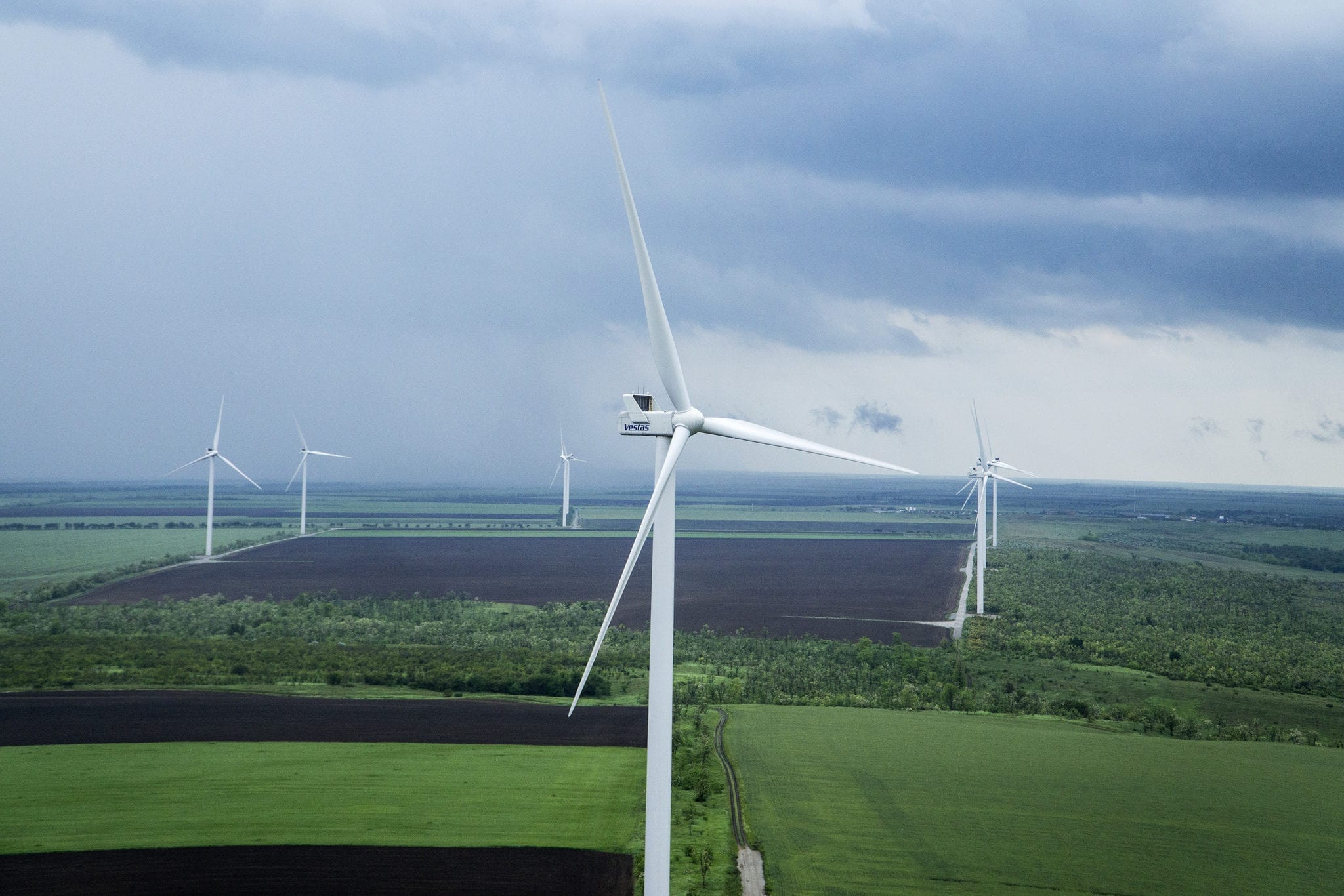
    HCMC-based energy firm Trungnam Group Friday has put its wind power plant in central Ninh Thuan Province into operation, considered the country’s largest to date.

    The plant, which spreads over an area of 900 hectares in Thuan Bac District, has 45 turbines with a total capacity of 151.95 megawatts that costs VND4 trillion ($173.4 million), the Government portal reported.

    The wind power plant is combined with a 204 MW solar power plant to form the solar-wind farm complex considered the largest in Southeast Asia. The complex will supply a total 950 million kWh per year for the country’s grid.

    The private energy company has added a total 1,064 MW to the national grid comprising hydropower, solar and wind power. It plans to have a renewable output of nearly 10,000 MW by 2027.

    Tran Quoc Nam, chairman of Ninh Thuan, said the province is now taking the lead with 32 solar power projects with a total capacity of 2,257 MW, and three wind power projects with an accumulative capacity of 329 MW.

    Vietnam has great potential for renewable energy with its long coastline and 2,700 hours of sunshine a year on average.

    Solar power currently accounts for just 0.01 percent of the country’s total power output, but the government plans to increase the ratio to 3.3 percent by 2030 and 20 percent by 2050.

    Vietnam aims to produce 10.7 percent of its electricity from renewable energy sources by 2030, mainly through solar and wind power projects.

  • Images of the Fitbit Luxe fitness tracker leak

    Images of the Fitbit Luxe fitness tracker leak

    This past January, Google closed on its $2.1 billion acquisition of Fitbit. Today, Germany’s WinFuture published some photos of the next Fitbit fitness tracker, the Fitbit Luxe. The wearable is supposed to deliver “balanced health in an elegant design,” and with the use of a polished stainless steel casing, the device does look to be as advertised.

    The Fitbit Luxe is equipped with an OLED display and features interchangeable straps that use a classic watch buckle to close. Thanks to Google’s acquisition of Fitbit, the Luxe will work with Assistant and will monitor your sleep and your heart rate. Speaking about your heart rate, if there is a certain range that you’re trying to hit and activity gets you there, the device will vibrate.

    The color options will be black, soft gold/white, and platinum/orchid. Pricing is unknown at the moment although the use of expensive and pricey materials could make the Fitbit Luxe pricier than you might have expected. And the device is water-resistant allowing you to take it swimming.

    Pricing is unknown, and so are the potential unveiling and release dates. We also are not clear about certain specs including the size of the device’s battery capacity, and the amount of storage and memory that comes with the fitness tracker.

  • Google Assistant driving mode now rolling out to more countries

    Google Assistant driving mode now rolling out to more countries

    If you live in the United States and use an Android smartphone, chances are that you’ve already seen Google’s new Android Auto-like experience for mobile devices. Although not a full-fledged experience yet, the new Assistant driving mode meant to replace Android Auto was limited to just one market: United States.

    After several months in development, it looks like Google is confident that the Assistant driving mode is ready to be shared with more audiences. Beginning this week, Android users in more countries will start seeing the new Android Auto-like experience.

    Google’s support page mentions that this preview of Google Assistant driving mode will now be available to Android users in the following countries: Australia, Great Britain, Ireland, India, and Singapore.

    Just like Android Auto, Google Assistant driving mode should let you use voice to send and receive calls and texts, as well as alert you to an incoming call to allow you to answer or decline it with voice. Naturally, you can also use the driving mode to play your favorite music from whatever streaming service you’re subscribed to (i.e. Spotify, YouTube Music).

    Keep in mind that if you live in one of the countries where Google is now rolling out the Assistant driving mode, you’ll need a smartphone running Android 9.0 or higher with at least 4GB RAM.

  • Bing Search for Android receives big update

    Bing Search for Android receives big update

    Microsoft has released a redesigned version of its Bing Search app for Android and the updated app is available now from the Google Play Store. Bing is the second most popular mobile search engine in the world after Google and ahead of number three Yahoo. Those iOS users who depend on the search engine last received an update for Bing last month.

    The Android update delivers a new homepage to Bing that includes the top stories of the day including updates on topics that you’ve been following. From the homepage, you can quickly open up some of Microsoft’s other tools. You can also search from the home screen and feel confident about the responses you get from the app.

    With Bing you can check the current weather at a glance as soon as you open the app. Tap on the current temperature and conditions for an expanded forecast for the day and the upcoming week. You can also translate more than 70 languages directly from Bing.

    Other features include a large selection of wallpaper that you can use to give your phone a brand new look, and Sports fans can track their favorite teams on the scoreboard and in the standings. Tap the microphone icon to conduct a voice search and use it to convert unit measurements (“Bing, convert 324.57 inches into feet”). Tap on the Math button and you can snap a picture of a math problem that the app will solve.

    You can conduct a visual search through Bing by taking a photo or by uploading a picture. And with the COVID tracker, the latest numbers pertaining to the pandemic are right in front of your eyes. Bing will also browse and search for visual media throughout the web.

    The more you search with Bing, the more points you can earn with Microsoft Rewards. These points can be redeemed for gift cards and other rewards. The bottom line is that as long as Microsoft is bribing you to use Bing instead of Google, you might as well give Bing a shot.

  • Former Apple executive “rips” the App Store

    Former Apple executive “rips” the App Store

    Over the last few days, we’ve passed along some interesting horror stories about the Apple App Store and certain iOS apps. These were discovered by FlickType creator Kosta Keleftheriou who is having problems of his own with Apple. In fact, the company that Kleleftheriou runs with his business partner is suing Apple after the latter promoted FlickType copycat apps and scams.

    Just this past week, Kosta tweeted about a children’s app that doubled in certain countries as an online casino where gamblers had real money at risk. He also posted about XGate VPN, an app that did nothing it promised while ripping off iOS users at a rate of $5 million a year. How do these apps jive with Apple’s proclamation that “the App Store has proved to be a safe and trusted place to discover and download apps.”

    On Friday, Apple’s former Senior Director of Worldwide Product Marketing, Michael Gartenberg, tweeted some comments about the App Store. Gartenberg, who worked as a tech analyst for Gartner at one time, said yesterday about the App Store that “The ecosystem that is often praised is breaking at the seams IMHO.” He also stated that he hopes that “Apple gets its act together soon.”

    Both the App Store and the Google Play Store appear to have issues keeping malware out of their respective app storefronts and protecting their users from paying ridiculously high prices for apps that offer features available for free on other apps. Apple and Google should be doing their best to make sure that their valued customers aren’t getting ripped off by bad actors.

    The App Store in particular has been called a monopoly with users blaming Apple’s walled garden for keeping app prices higher than they should be. That’s because Apple’s 30% cut of in-app payments has lead some developers to hike their prices. And while Google also takes a 30% cut from in-app payments, Android allows users to sideload apps from a third-party app store while Apple doesn’t.

    Apple’s App Store is also the center of another legal issue involving Epic Games, the developer behind the popular Fortnite game. Players purchasing special in-app currency for the game were prompted by Epic to pay less for the currency over its own payment platform. This happened to violate Apple’s own rules that prevent apps listed on the App Store from offering its own in-app payment system.

    As a result of Epic’s actions, Apple removed the game from the App Store leading Epic to take legal action against Apple. Speaking of apps, what are the weirdest ones that you can install on your phone?