Tag: asia

  • Singapore Minister Warns Public on Crypto Trading

    Singapore Minister Warns Public on Crypto Trading

    Investors should exercise extreme caution when trading cryptocurrencies, senior minister Tharman Shanmugaratnam said in parliament on Monday.

    Cryptocurrencies can be highly volatile, as their value is typically not related to any economic fundamentals. They are hence highly risky as investment products, and certainly not suitable for retail investors,» Shanmugaratnam, who is also the minister in charge of the Monetary Authority of Singapore (MAS).

    His comments come as cryptocurrency-related scams are on the rise in the republic, as investor interest in the space grows with soaring crypto prices.

    However, according to MAS, the size of Singapore’s cryptocurrency market remains small. The combined peak daily trading volumes of bitcoin, ethereum, and XRP was 2 percent of the average daily trading volume of securities on the Singapore Exchange (SGX) in 2020.

    Cryptocurrency derivatives traded through financial institutions likewise amounted to less than 1 percent of the derivatives trading activity on SGX. Cryptocurrencies comprise less than 0.01 percent of the assets in funds managed by MAS-regulated fund managers, Shanmugaratnam said.

    The parliamentary discussion comes as more than 100 people have filed police reports against crypto trading platform Torque, run by Singapore businessman Bernard Ong. The platform suspended more than 14,000 accounts across 120 countries in January, with investor claims are estimated at $325 million.

    Ong alleges of his employees had violated the company’s rules and that his unauthorized trading activities had led to significant losses. Some 2,000 Singaporeans are estimated to have invested in crypto on the platform, which is registered in the British Virgin Islands.

  • Grab to List in New York Via Blockbuster SPAC

    Grab to List in New York Via Blockbuster SPAC

    The deal – the largest merger between a company and a blank cheque company – will value the SoftBank-backed firm at about $35 billion.

    The Singapore-based technology group could finalize an agreement to list with one of Altimeter Capital’s special purpose acquisition companies (SPACs) as soon as this week. Grab will raise about $2.5 billion through private investment in public equity (Pipe), which typically involves selling shares in a private arrangement with investors. Of that, close to $1.2 billion will be funded by Altimeter, which will also backstop the sale of any shares in the SPAC by public shareholders when the deal is announced, the report said.

    Grab founder Anthony Tan will own 2 percent of the listed entity, the pink paper’s sources said. Softbank, one of the company’s biggest investors, will also be looking at a major payday.

    Founded in 2012, Grab, which started out as a ride-hailing service, now provides food delivery, payments and insurance, among other services on its app, and holds a digital banking license in Singapore. It serves a regional consumer market of 655 million people in countries like Indonesia, Thailand and Vietnam.

    Gojek, Grab’s main regional rival, is in advanced merger talks with local e-commerce marketplace Tokopedia, ahead of a planned initial public offering of the combined entity.

  • Finder Acquires Financial Comparison Platform GoBear

    Finder Acquires Financial Comparison Platform GoBear

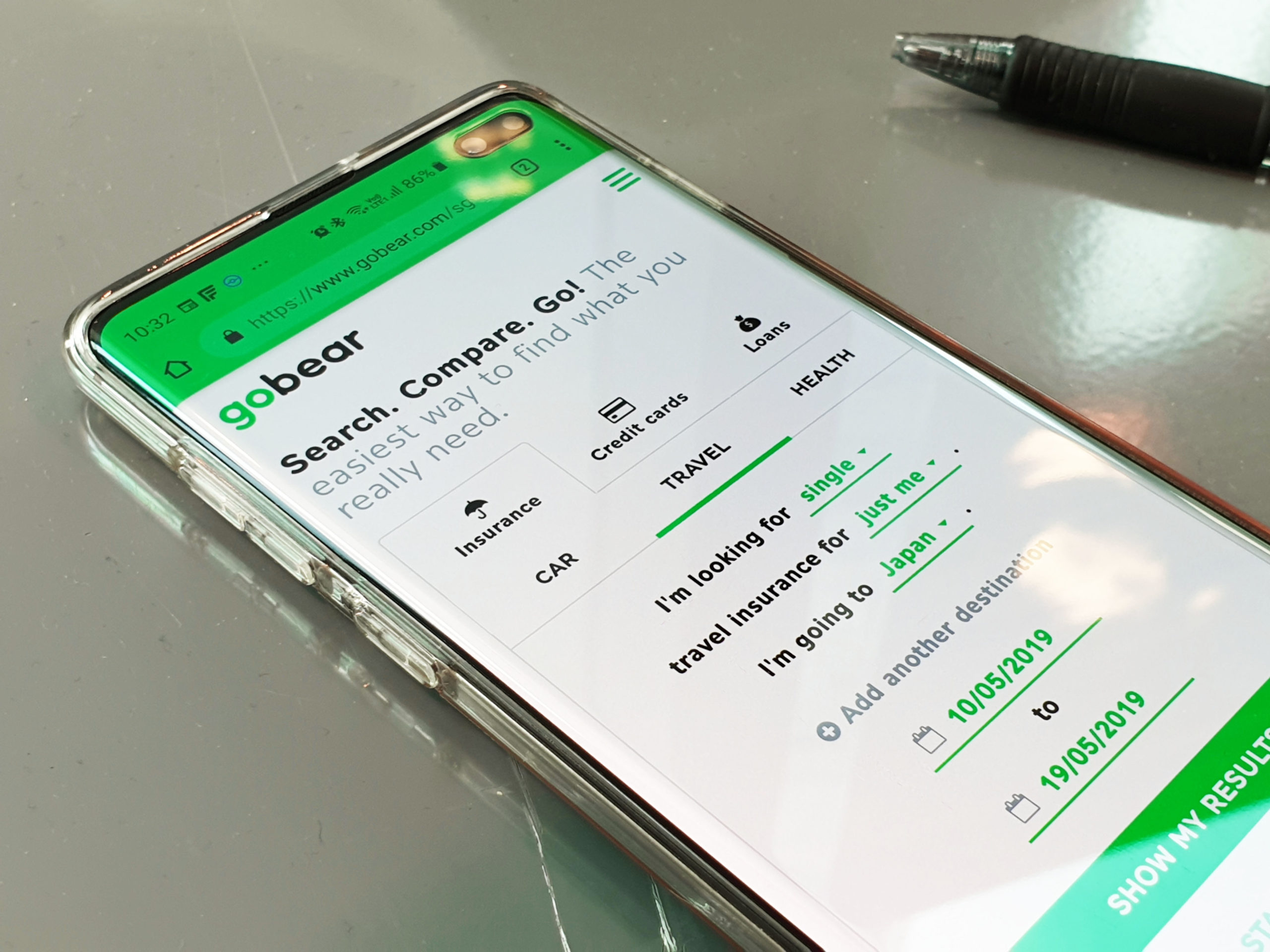
    Finder, a global comparison platform founded in 2006 in Sydney, Australia, has acquired the GoBear brand as it accelerates its global expansion.

    Finder aims to grow its presence as a key financial comparison platform in Southeast Asia with the acquisition of the GoBear brand, it said in an announcement on Thursday.

    Singapore-based GoBear, which was founded in 2015, operated a platform for insurance, banking, and lending products in seven markets in Southeast Asia, but shut down at the start of 2021, citing a challenging operating environment and its inability to raise new funds from existing or new investors.

    We felt there was a great alignment between the two brands and, after three years with a light presence in the region, we couldn’t pass up the opportunity to step in and purchase the like-minded brand, the announcement said.

    Finder noted the region’s large unbanked market, which includes some 438 million consumers, and said there is a significant opportunity for growth, as digital financial services are set to grow to a $60 billion business by 2025.

    As part of the deal, GoBear’s website content will be integrated into local Finder sites across the seven markets: Singapore, Hong Kong, Vietnam, Thailand, Philippines, Malaysia, and Indonesia. The GoBear brand will continue to operate via social media and email channels

  • Vietnam plans more solar, wind power cuts

    Vietnam plans more solar, wind power cuts

    Vietnam is set to cut up to 1.74 billion kilowatt-hours of renewable energy in the second half this year to deal with national grid overload.

    A plan proposed by the National Load Dispatch Center (NLDC), under the national utility Vietnam Electricity (EVN) intends to cut 180 million kilowatt-hours per month in the third quarter and 350-400 million kilowatt-hours per month in the last quarter.

    This time frame corresponds with the expected third and further quarter annual flooding in the northern, and central-southern regions, respectively, when hydropower power supply would increase.

    The proposed amount of 1.74 billion kilowatt-hours is 34 percent higher than EVN’s previous plan to cut 1.3 billion kilowatt-hours of renewable energy this year.Cutting solar and wind power has been the go-to solution for EVN since last year, after a surge in the number of such plants strained the national grid.

    As solar power plants depend on the number of sunshine hours during the day, authorities still have to rely on traditional sources such as coal, gas and hydropower to ensure grid stability.

    This is why solar power, whose output could fluctuate by up to thousands of megawatts in seconds depending on the intensity of sunlight, is the first to be cut when there is an overload.

    Another reason for the output cut is slower growth in consumption. Last year, due to Covid-19 impacts, demand grew by less than 2.5 percent compared to 10 percent in previous years.

    The cuts have hurt renewable energy developers. A leader of a solar power company in the central province of Ninh Thuan, who asked not be identified, said his plant has seen output cut since the end of last year.

    The company has to bear losses of hundreds of million Vietnamese dong (VND100 million = $4,300) each month, not to mention suffer interest payment to banks, he added.

    The Phu Lac Wind Power Plant in the central province of Binh Thuan is also suffering output cuts.

    The plant’s CEO, Bui Van Thinh, said both developers and EVN were victims in this situation as the number of new plants exceed the government’s original plan, while there is a lack of synchronization in source and transmission investment.

    The transmission line has reached its max capacity as dozens of plants come online, he said, adding: “Our revenues have plunged and the situation is tense.”

    Although energy authorities had earlier warned of power shortages this year, the boom in renewable power development has in reality created an oversupply, creating problems for EVN.

    Solar capacity surged to 19,400 megawatts-peak at the end of last year, accounting for 25 percent of total power capacity. This capacity came from over 100 farms and 101,000 rooftop constructions.

    Last year, authorities cut solar power by a total of 365 million kilowatt-hours after the Ninh Thuan and Binh Thuan grids were overloaded.

  • Twitter was in talks to buy Clubhouse for as much as $4 billion

    Twitter was in talks to buy Clubhouse for as much as $4 billion

    Clubhouse recently held conversations with Twitter over a possible acquisition of the popular audio-only social media app. Citing “people familiar with the matter,” today’s report said that the price tag of a possible purchase of Clubhouse went as high as $4 billion. Talks are no longer taking place although the reason why is not clear.

    Once the talks with Twitter broke down, Clubhouse reportedly decided that it would be better to raise money via a new round of funding from investors that valued the firm at about $4 billion. Clubhouse allows members to host audio chats similar to talk radio with guest interviews and panel discussions. While only a year old, Clubhouse has already hosted some big names as guests including Bill Gates who admitted his preference for Android over iOS on the platform back in February.

    Twitter has already started beta testing its own version of Clubhouse which it calls Spaces. The latter launched late last year and while Twitter CEO Jack Dorsey is said to be high on the concept of audio chats on Twitter, Spaces has yet to fully roll out to all Twitter users. Bruce Falck, the head of revenue product at Twitter, said at a press event today that the company is looking at ways to monetize Spaces.

    Other big names in the tech sector are hopping aboard this train as firms like LinkedIn, Facebook, and Slack are supposedly looking to add Clubhouse-like capabilities to their apps. Right now, subscribers can become a member of Clubhouse by invitation only, and the app is available only in the Apple App Store. Last month Clubhouse founder Paul Davison said that it might take “a couple of months” for an Android version of the app to appear.

    Clubhouse’s growth is throttled at the moment by its invite-only rule. Still, the growth potential is immense at current rates. In December, the app was believed to have 600,000 weekly active users and that number hit ten million weekly active users in February according to Davison.

  • Flash Coffee to open 300 outlets after fresh funding round

    Flash Coffee to open 300 outlets after fresh funding round

    Tech-enabled coffee chain Flash Coffee has raised US$15 million in its Series A funding led by White Star Capital, aiming to launch 300 stores this year.

    The Series A round sets the total capital raised by Flash Coffee to US$20 million. Investors include Delivery Hero-backed DX Ventures, Global Founders Capital, and Conny & Co.

    The raised funds will be used for accelerating Flash Coffee’s expansion plan in Asia. According to David Brunier, CEO of Flash Coffee, the company will enter into seven new markets this year: Hong Kong, Taiwan, South Korea, Japan, Malaysia, the Philippines, and Vietnam.

    “Our dream is to have a Flash Coffee every 500 meters in all major Asian cities,” said Brunier.

    “We will also build a regional HQ in Singapore and expand our regional tech hub in Jakarta to 50 people to support our vision of fully leveraging technology to improve customer experience, proactively drive growth and significantly increase operational efficiency.”

    Launched in January last year, Flash Coffee business model focuses on grab-and-go physical storefronts that rely on technology, allowing significant cost savings. The company now operates 50 outlets across Singapore, Thailand, and Indonesia.

  • IMF sees Vietnam economy growing

    IMF sees Vietnam economy growing

    Vietnam’s economy is set to grow at 6.5 percent this year, well above the ASEAN average of 4.9 percent, as it shrugs off the impacts of Covid-19.

    It is the second-highest rate forecast by the International Monetary Fund for ASEAN-5 countries. The Philippines tops with 6.9 percent, Malaysia ties Vietnam at 6.5 percent, Indonesia is expected to grow at 4.3 percent, and Thailand at 2.6 percent.

    Vietnam’s growth could rise to 7.2 percent in 2022, the IMF said.

    Its unemployment rate of 3.3 percent last year is set to drop to 2.7 percent this year, the second-lowest among the ASEAN-5 and only higher than Thailand’s 1.5 percent. In the first quarter of this year GDP growth was 4.48 percent, 0.8 percentage points higher year-on-year.

    Market research company Fitch Solutions has forecast Vietnam will grow at an average of 6.5 percent through the next decade.

    The government targets 6.5–7 percent growth target for 2021-25.

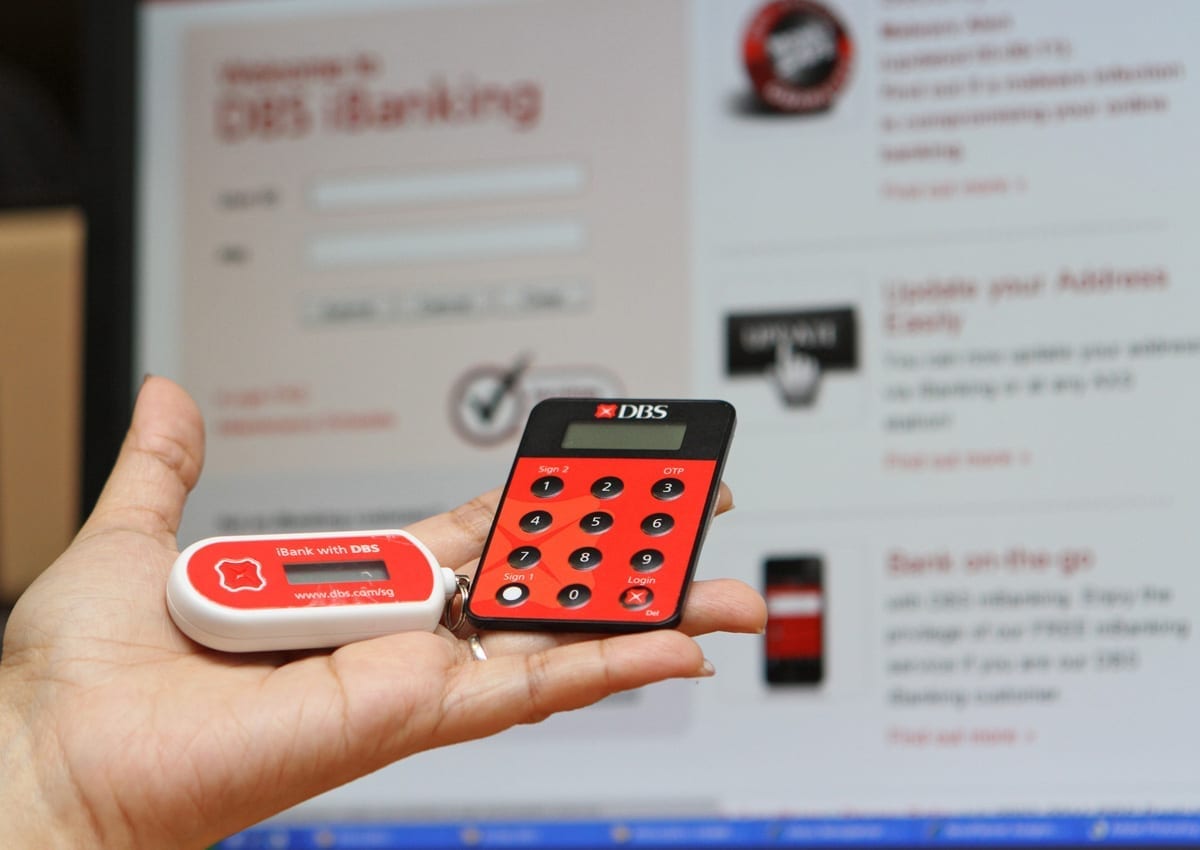
  • DBS Adds Personalized Digital Advisory to Financial Planner

    DBS Adds Personalized Digital Advisory to Financial Planner

    The new tool in its NAV Planner is part of DBS’ plans to get 1 million customers insured and invested by 2023. DBS is rolling out an enhanced version of its «Make-Your-Money-Work-Harder» digital investment advisor to help retail customers make better investment decisions.

    The feature, available via NAV Planner on DBS digibank online and its mobile banking app, aims to remove guesswork and bias from investing by providing specific investment recommendations based on customer risk profile and provide a real-time hyper-personalized experience for customers.

    According to the bank, the majority of its customers are underinvested and for some, remain uninvested, with only two in 10 retail customers investing over the past 12 months.

    For new investors, many need guidance to overcome inertia, DBS said. Even with personalized recommendations and nudges provided on NAV Planner, the bank found that only one in 10 customers could complete their investing journey.

    DBS said that as customers are increasingly taking a self-directed approach to investing digitally, this approach helps investors determine their investment profiles to ensure they meet regulatory requirements before investing amid market volatility.

    This approach mirrors the offline consultation a customer would have with its wealth planning managers, which safeguards the interests of investors. «As more look to self-directed investing, it is important we equip them with the right information and intelligence digitally to construct their portfolios,» Evy Wee, DBS’ head of financial planning and personal investing, said.

    DBS said it would be more involved in helping younger customers grow by investing and with their home planning journey, which is the most common and largest-sized liability on a customer’s balance sheet.

    The bank will also focus on helping older customers monetize their assets and convert to cash for more liquidity to invest and prepare for retirement.

  • Citi Appoints Senior China Corporate Banker

    Citi Appoints Senior China Corporate Banker

    Citi appoints a senior corporate banker for China, amid growing expansion in the mainland market.

    Luke Lu has been named head of corporates coverage for China, reporting to Citibank China CEO Christine Lam and APAC head of corporate banking Kaleem Rizvi.

    A spokesperson for the bank confirmed the new appointment.

    Lu has 20 years of banking experience and was most recently head of Citi Commercial Bank in China after rejoining the American lender in 2019. Previously, he was with MUFG Bank China where he was the head of its global corporate bank for two years.

    Lu’s appointment occurs in the midst of increasing growth at Citi’s corporate banking unit in China.

    According to the note, Citi is serving an increasing number of companies in the mainland market and last year alone, it raised over $30 billion for Chinese clients in global capital markets across debt and equity.

  • Malabar to open 56 stores most sit in Asia

    Malabar to open 56 stores most sit in Asia

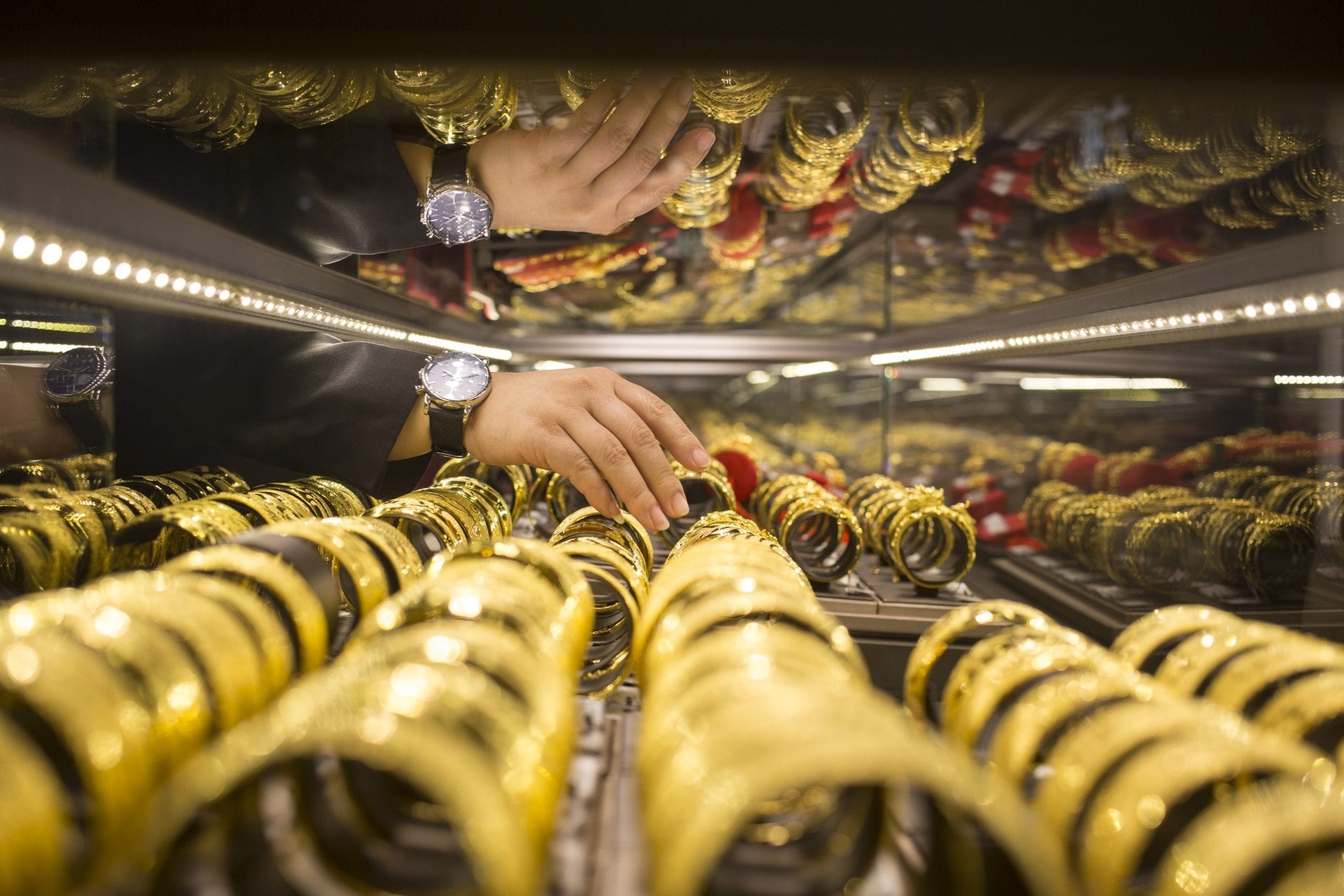
    In India, the expansion will span Tamil Nadu, Telangana, Andhra Pradesh, Karnataka, Maharashtra, Delhi, West Bengal, Uttar Pradesh, Odisha, and Kerala, and globally, new outlets will open in Singapore, Malaysia, Oman, Qatar, Bahrain, and the UAE.

    In India 12 new stores are slated to open in Q1 of the fiscal in Chennai, Lucknow, Hyderabad, Mumbai, Pune, and Bengaluru, and in small towns like Eluru, Mancherial, Solapur, and Ahmednagar. Globally, new shops will open in Little India in Singapore, Kuala Lumpur and Penang in Malaysia, Ruwi, Baushar and Al Khoudh in Oman, Jeryan Jenaihat and Rawdat in Qatar, Bab al Bahrain in Bahrain, and in the UAE in Al Zahia and Muweilah in Sharjah, and Silicon Oasis and Dubai Gold Souk Dubai.

    Malabar Group Chairman, MP Ahammed, said: “In over 25 years, we have transformed from a small retail jewelry business to a global player across the verticals of gold and diamond jewelry retail, manufacturing, and multi-retail business. Transparency and customer trust have been our growth pillars and the new expansion will take us to the next level.”

    He said the new stores will offer an unparalleled customer experience in line with the Malabar Promise of incomparable quality and service assurance. The group’s goal is to be the number one jewelry retail brand in the world in terms of showroom numbers and turnover.

    Abdul Salam KP, Group Executive Director of Malabar Group, said: “In line with our social commitment, the expansion will create 1,750 new jobs. We follow industry best practices, ethical sourcing, and professional fund management.”

    “The expansion will strengthen the group’s retail footprints in territories where it has a strong presence,” said Shamlal Ahamed, Managing Director, International Operations of Malabar Gold and Diamonds.

  • Cafe de Coral Group appoints new managing director

    Cafe de Coral Group appoints new managing director

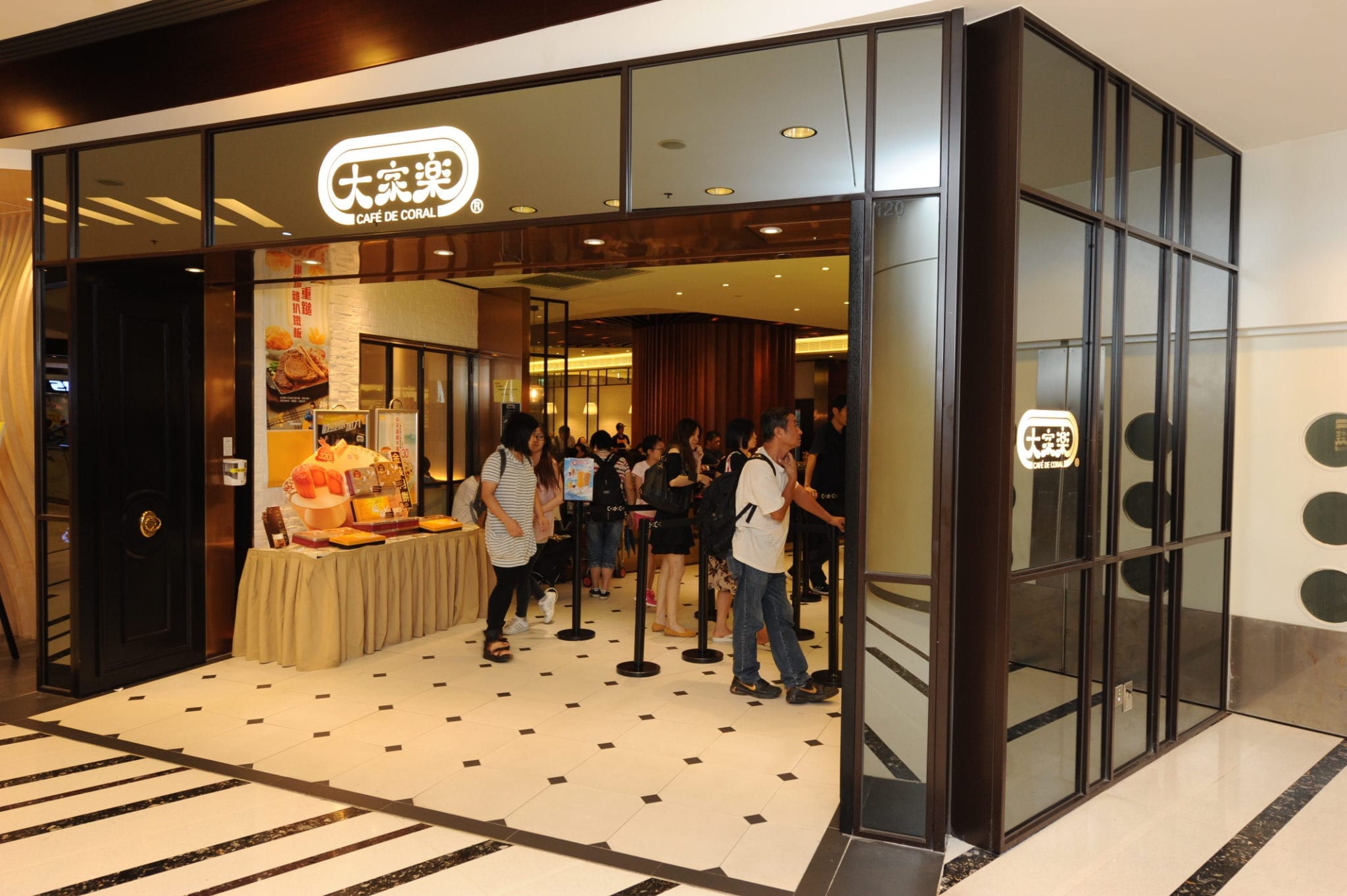
    Café de Coral has promoted Piony Leung to managing director (Hong Kong) with immediate effect.  In her new position, Leung reports to group CEO Peter Lo and manages business operations and provides strategic leadership across Café de Coral Group’s business in the city, including quick-service restaurants, casual dining, and institutional catering. She will also play a pivotal role in meeting the company’s growth goals in the Hong Kong F&B sector.

    Piony was previously managing director (quick-service restaurants) of Café de Coral Group, and boasts more than 25 years of experience in the retail and fast-moving consumer goods industries. Under her leadership in 2020, the group’s quick-service restaurants business took a number of actions to address weak market conditions, shifted marketing focus to promote take-away and delivery services, redesigned menus to meet changing demand, and introduced an e-commerce platform for selling popular seasonal products such as poon choi and party sets.

    “In the face of unprecedented challenges, I am deeply impressed by our frontline staff who have gone above and beyond to service our customers while doing their best to meet our business goals. Although the economic outlook remains uncertain, I am committed to working side by side with my team members to explore future business opportunities and retain the Group’s leadership position in this rapidly changing market,” she commented.

    Speaking of Leung’s appointment, Lo said her leadership skills had led the team through major market shocks and adapted to the challenging business landscape.

    “In the post-pandemic era, it is essential that the group is able to capture opportunities bought by the fast-changing market and consumer behaviours. I have every confidence that she will be able to maximize business synergies and build a stronger brand portfolio by integrating the quick service restaurants, casual dining and institutional catering business as a whole, offering a wide range of food options that cater to the diverse tastes of the greater community,” Lo explained.

  • Tourism recovery can take off alongside flights resumption

    Tourism recovery can take off alongside flights resumption

    Tourism companies see a proposed plan to gradually resume international flights as a necessary first step for their sector to recover from the pandemic-inflicted slump. Nguyen Minh Man, head of marketing at the HCMC-based TST Tourist Co., said that a slow and careful reopening of Vietnam’s borders can form a strong foundation to resume tourism activities.

    “This is a golden time for the tourism industry to prepare their human resources and products to recover and achieve a breakthrough next year,” he added.

    Nguyen Cong Hoan, deputy director of Hanoi Redtours, said that although the flight resumption won’t be able to “save” Vietnamese tourism this year, it will be a necessary first step for recovery.

    International flights will first help resume trade and business activities, which will boost demand for niche tourism segments such as golf and luxury tourism, and after that, other popular segments will start to recover, he said.

    “If vaccinated passengers can enter the country in September, that would be an ideal time to travel to Vietnam’s warm beaches or visit terraced fields during the harvest.”

    The Civil Aviation Authority of Vietnam (CAAV) is considering the resumption of international flights starting July, with Japan, South Korea and Taiwan the first destinations, each side operating four flights a week.

    All passengers will be quarantined upon arrival as per the Health Ministry protocol. It is expected that around 6,000 to 7,000 passengers would enter the country each week from the three Asian destinations.

    The CAAV has proposed that starting September, vaccinated foreign passengers into the country are allowed into the country without requiring centralized quarantine.

    Vietnamese carriers are eagerly awaiting the government’s green light to take to the skies again.

    Budget airline Vietjet resumes regular flights to Thailand, Japan, South Korea, and Taiwan this month, serving Vietnamese citizens wishing to study and work abroad, as well as stranded foreigners wanting to return home.

    On return trips, the carrier will only carry Vietnamese citizens being repatriated or foreign experts with permission to enter the country as per government regulations.

    Meanwhile, national flag carrier Vietnam Airlines has said it will reopen international commercial flights connecting Hanoi and HCMC with several Asian destinations including South Korea, Japan, and Australia this month.

    However, tourism companies are not too optimistic about a quick recovery. Hoan of Hanoi Redtours said that for this year and the next, domestic travel will be the main revenue source for his company, and prospects for international travel will only look up in 2023 as the earliest.

    “We are seeing rising numbers of individual and company trips bookings domestically, and this will be our main focus for the time being. Until the Covid-19 situation is well under control globally, we should not pin our hopes on international travel.”

    Vietnam closed its national borders and canceled all international flights in March 2020. Since then, only Vietnamese repatriates, foreign experts, and highly-skilled workers are being allowed in under strict conditions.

    The number of foreign visitors to Vietnam in the first quarter fell 98.7 percent year-on-year to 48,000 with travel restrictions in place to mitigate the impacts of Covid-19.

  • Container shortage compounds Vietnamese exporters’ shipping woes

    Container shortage compounds Vietnamese exporters’ shipping woes

    Vietnamese businesses are once again struggling to get containers to export their goods amid a global imbalance in the logistics sector. Bui Thi Ngoc Tuyen, deputy director of Bich Chi Food Company in the southern province of Dong Thap, said as empty containers have become scarcer, prices have tripled.

    “We struggle to get enough containers for our goods, and even if we do, there is no ship to transport them.”

    Duy Tan Plastics, which gets one-fifth of its revenues from exports, is also caught in a similar struggle, with logistics costs on some main routes rising 95–231 percent year-on-year. The company has seen the number of orders declined by around 10 percent due to higher shipping costs, its deputy director Le Anh said.

    Tran Thanh Hai, deputy director of the Agency of Foreign Trade under the Ministry of Industry and Trade, said sea shipment costs have risen because container costs have surged seven or eight times.

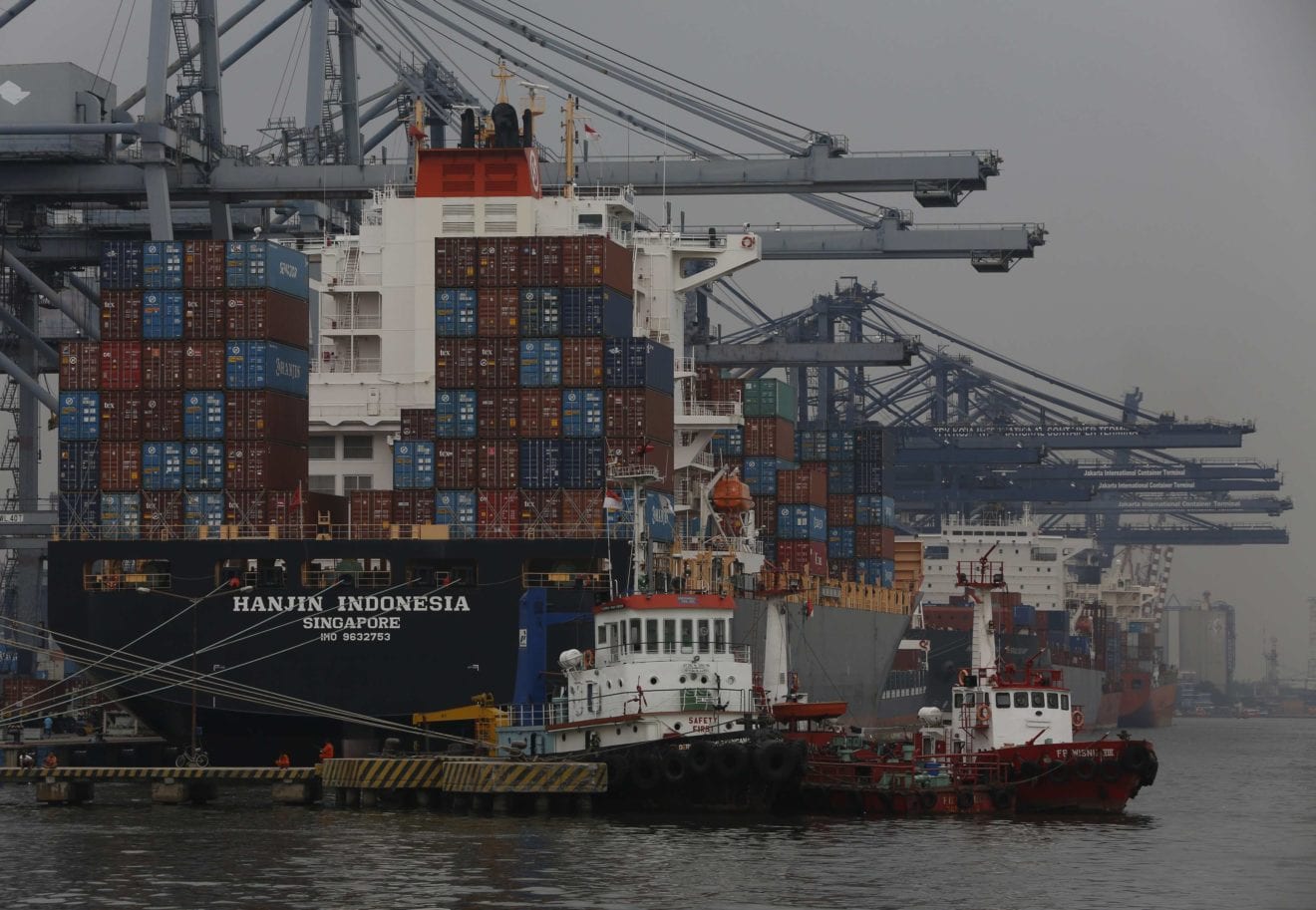
    Vietnamese companies had already faced a container shortage towards the end of last year and earlier this year as global trade rebooted after months of limited activities caused by the Covid-19 pandemic, but the recent Suez Canal blockage has once again triggered shortages that could severely hurt exporters.

    Although the mega-ship Ever Given has been freed from the canal, some ships had been forced to reroute on a longer journey, and a two- or three-week delay of shipments is expected.

    This means Vietnamese exporters will have to wait a couple of weeks or even a month to receive empty containers for the next shipment, and they will have to bear higher costs due to shortage of the metal boxes, said Ho Van Hiet, CEO of Prime Logistics Vietnam, which transports around 200 containers a month.

    Container rents in December and January had surged 5-10 times from earlier due to a global shortage of containers. Although prices dropped by 10-20 percent last month, they could return to the previous peak in this and the next month due to the Suez blockage, Hiet told VnExpress International.

    His company has been urging customers to make quick deliveries now, before prices climbed again.

    Lam Thi Thanh Bong, CEO of Karl Gross Logistics Vietnam, said that after a period of limited trade activities last year caused by the Covid-19 pandemic, many Western countries are having an oversupply of empty containers while some Asian ones are seeing shortages.

    “This imbalance in supply and demand will have major impacts on Vietnamese exporters,” she said.

    For now, exporters need to book their shipment between two and four weeks prior to ensure they have slots on the vessels and they should negotiate sharing higher logistics costs with their partners, she added.

  • Chinese ‘limited edition’ sneaker sales soar after Xinjiang backlash

    Chinese ‘limited edition’ sneaker sales soar after Xinjiang backlash

    Prices of some Chinese limited edition sneakers soared among collectors and speculators following calls for local consumers to boycott global brands that have said they don’t source products or yarn from China’s western Xinjiang region. Nike and Adidas came under attack on Chinese social media last month over past comments.

    Some researchers and foreign lawmakers say Xinjiang authorities use coercive labor programs to meet seasonal cotton-picking needs, which China strongly denies.

    The listed price of the “All Star” version of Li-Ning Way of Wade 4 on the Dewu App – the country’s largest sneaker resale platform also known as “Poizon” – reached 48,889 yuan ($7,463) per pair, 31 times higher than the official price of 1,499 yuan, the state-owned Global Times reported on Monday.

    Anta’s Doraemon-themed casual shoes on the platform were also eight times higher than the original price of 499 yuan.

    Both offerings disappeared from Dewu, which deleted listings for numerous local shoe models after state media criticized speculation on sneaker prices and taking advantage of people’s patriotic feelings.

    “A large number of internet users choose to support domestic brands, which is normal,” said a Tuesday opinion piece on People.cn, the website of the People’s Daily, the official newspaper of China’s ruling Communist Party.

    “But some scalpers though they have caught on to a business opportunity as if they smelled blood.”

    Dewu on Tuesday said that it deleted listings of 20 kinds of sneakers made by Chinese sportswear brands including Li Ning and Anta Sports after noticing abnormal price fluctuation.

    Michael John, research and strategy manager at Shanghai-based consultancy AgencyChina, said he believes the frenzy for domestic sneaker brands will pass.

    “First, the platform Dewu continues to facilitate the exchange of limited edition Nike and Adidas sneakers,” he told Reuters on Tuesday.

  • Nokia demonstrates record Optus’ 5G mmWave capabilities

    Nokia demonstrates record Optus’ 5G mmWave capabilities

    Nokia and Optus announced that they achieved a record-breaking aggregate site throughput of 10 Gbps during a downlink speed demonstration using 800 MHz of millimeter Wave (mmWave) spectrum at a live 5G site in Brisbane. Powered by Nokia AirScale Radio, the site demonstrates the huge potential of 5G as it is introduced across future spectrum bands. Once deployed, the speed and a capacity boost from the 5G mmWave layer will unleash lightning-fast speeds for consumers and enterprises alike to support a range of new low-latency, high-bandwidth services.

    The recent demonstration showcased the capabilities of Nokia’s 5G mmWave technology and the benefits of adding it on top of an existing 5G/4G site. The demonstration showed how Nokia’s 5G mmWave technology delivers on the promise of super-fast data rates by boosting the site capacity to 10 Gbps and beyond.

    Nokia’s 5G mmWave technology will allow Optus to focus on scalability, automation, and performance by supporting services that utilize the full capability of 5G. Leveraging Nokia’s solutions, Optus can also harness 5G mmWave to serve the enterprise market and explore new use cases in healthcare, mining, port operations, and smart manufacturing, among other industries.

    The decision to select this mixed commercial and industrial area of Brisbane was made keeping these new use cases in mind as they sought to showcase the many real-world benefits of mmWave to the enterprise; thereby gaining early insights into this new exciting technology before wider rollout in the future.

    This achievement further strengthens the long-standing and collaborative partnership between Nokia and Optus. In early 2019, Optus became the first operator globally to deploy Nokia’s FastMile 5G indoor gateway in a live 5G network. Recently, the two companies also successfully launched 5G services at the Optus Stadium in Perth, Australia.

    Lambo Kanagaratnam, Managing Director of Networks at Optus, said: “We’re committed to keeping Australia connected and at the forefront of 5G. By partnering with global technology leaders like Nokia, we’ve taken an exciting step towards unlocking the massive potential that 5G mmWave will bring to the consumers, enterprises and industries in Australia. Reaching 10 Gbps per site is a crucial step in our 5G development and validates the progress we’ve made with the technology together with Nokia.”

    Anna Wills, Head of Oceania at Nokia, said: “This is another milestone in the development of 5G services and demonstrates the confidence operators have in our 5G solutions. Today’s achievement with Optus shows the potential of mmWave deployments, particularly at a time when connectivity and capacity are so crucial. We’re proud of our long-standing relationship with Optus and the great strides we continue to make together in this new era of connectivity.”