Tag: asia

  • Business Groups Disappointed by Hong Kong’s Covid Plans

    Business Groups Disappointed by Hong Kong’s Covid Plans

    In response to the business community’s call for looser quarantine measures and a roadmap for reopening, the Hong Kong government remained insistent that the current status quo will remain until local vaccination rates rise significantly.

    The Hong Kong government met virtually with representatives of the business community last week, according to a report citing unnamed sources, and reiterated its own objectives with regards to the pandemic.

    Policymakers led by chief secretary of administration Matthew Cheung once again underlined the target of vaccinating 50 percent of Hong Kong’s population before any major loosening. As of Monday, the figure sits at just 5 percent.

    At the meeting, the Hong Kong government appears to have made no concessions as it reportedly downplayed the prospect of travel bubbles, border reopening with China and didn’t provide a clear roadmap for general reopening despite similar moves being made by rival financial hubs like Singapore.

    The virtual meeting follows the recent gym-linked outbreak which exposed many expatriates to Hong Kong’s quarantine measures and sparked calls within various business groups, such as regional capital markets industry body Asia Securities Industry & Financial Markets Association (ASIFMA), to push for changes.

  • Rice price surges 18 pct

    Rice price surges 18 pct

    Vietnam’s rice price in the first two months surged 18.2 percent year-on-year to $547.9 per ton, but with lower volume in most markets.

    Total volume fell 29.4 percent to over 656,000 tons, according to Vietnam Customs.

    The Philippines remained the largest importer but with volume down 28 percent year-on-year to 256,000 tons.

    Other markets that saw volumes drop by double-digits include Malaysia (–75 percent), the United Arab Emirates (–56 percent) and E.U. (–23 percent).

    China claimed second place with a 140-percent increase to 159,200 tons.

    Strong rises in volume were seen in Taiwan, up 80 percent, and France, up 47 percent.

    Vietnam’s rice exports grew by 9.3 percent last year to $3.07 billion, according to the Ministry of Industry and Trade.

  • Aviation industry to suffer $649 mln loss

    Aviation industry to suffer $649 mln loss

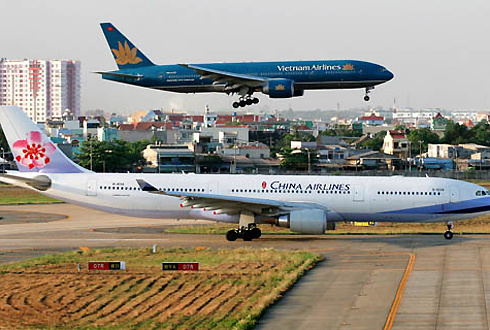
    Vietnamese carriers could suffer a loss of more than VND15 trillion ($649 million) this year with the suspension of commercial international flights still in effect.

    The Vietnam Aviation Business Association says in a report sent to the Ministry of Planning and Investment that domestic airlines had already posted a loss of over VND18 trillion last year, with revenues plunging by VND100 trillion year-on-year.

    In the first two months of this year, domestic carriers transported just 66,600 international passengers, down 98.8 percent year-on-year.

    The association has repeated its request for credit assistance from the government.

    Budget airline Vietjet Air has asked for a credit package of VND4-5 trillion for the 2021-2023 period, with an interest rate of 4 percent.

    The association has also proposed reducing the environmental tax on fuel to VND900 – 1,000 per liter and extending deadlines for paying taxes, including corporate income tax, value-added tax, and personal income tax.

    Bamboo Airways has called for a refinanced, zero interest long-term loan of VND5 trillion from commercial banks.

    Earlier, the government approved a bailout package for national flag carrier Vietnam Airlines, with the State Bank of Vietnam (SBV) allowed to provide a refinanced loan of up to VND4 trillion at zero interest.

    Aviation was among the worst hit sectors in 2020. The number of air passengers declined by 43 percent to 66 million, while cargo transport was down 15 percent to 1.3 million tons.

    Insiders have said that it will take at least until 2023 for the aviation industry to recover to pre-pandemic levels.

  • DBS Offloads Hong Kong Office Space

    DBS Offloads Hong Kong Office Space

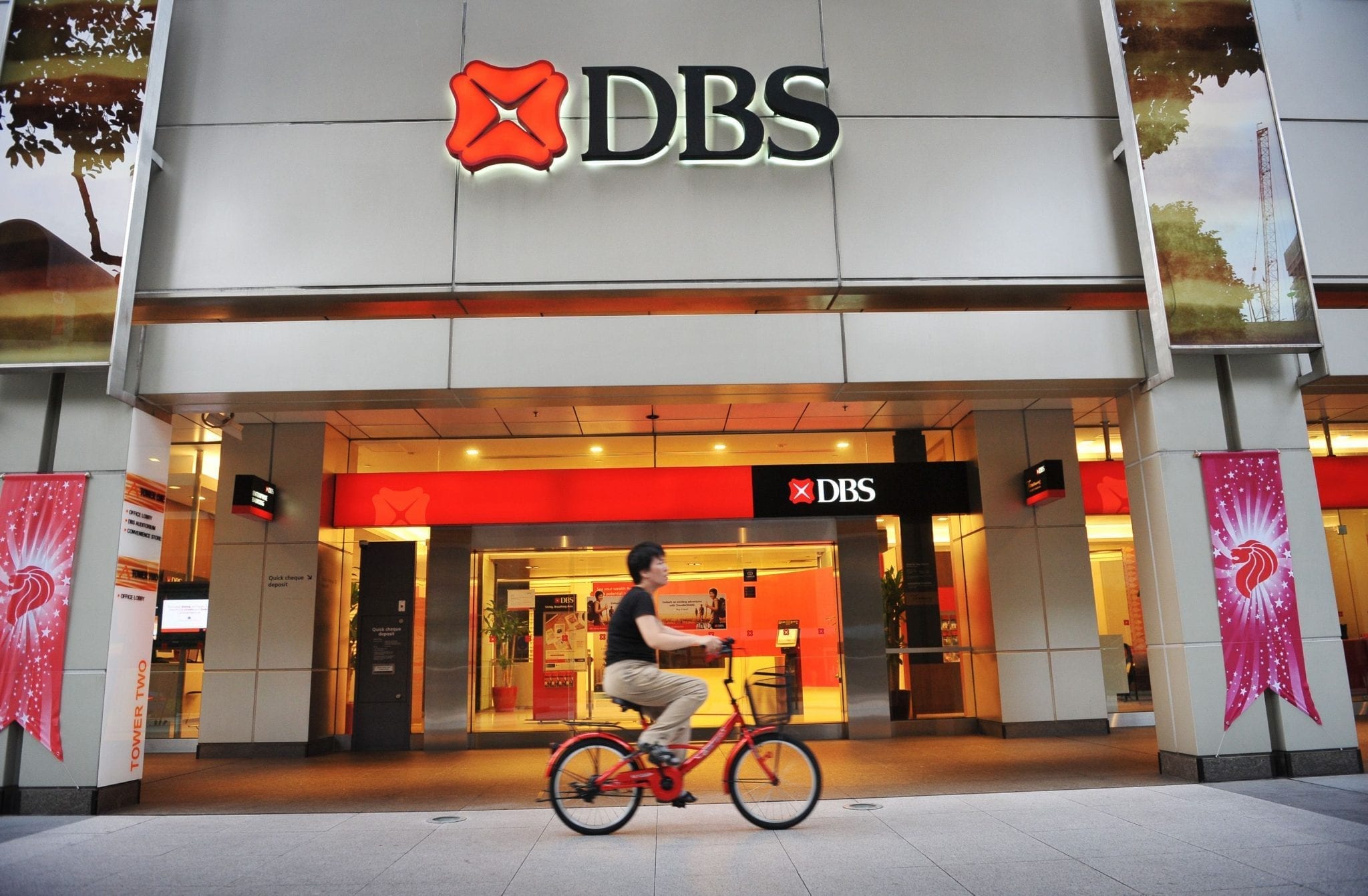
    DBS is reportedly the latest to join the wave of global banks and multinationals that are cutting down office occupancy in Hong Kong.

    DBS will surrender a quarter of the eight floors it occupies in one of its Hoang Kong offices – One Island East Tower – according to a report citing unnamed sources.

    The office is located outside of Hong Kong’s central business district in Quarry Bay.

    DBS joins other global banks, like Standard Chartered and BNP Paribas, in shedding Hong Kong office stock.

    In fact, multinationals accounted for 75 percent of surrendered office space in the city last year, according to Cushman & Wakefield, amid the growing adoption of flexible work arrangements.

    In November last year, DBS said it would allow its employees to work remotely for as much as 40 percent of the time due to the pandemic.

  • Learning to Manage MacBook Storage Efficiently

    Learning to Manage MacBook Storage Efficiently

    The problem of MacBook storage is quite common, especially if you make a switch from Windows to macOS. It takes a while to learn how to manage the drive’s storage efficiently. 

    When less than 15 percent of total disk storage is free, the computer is bound to have performance problems. 

    A good Mac storage management strategy revolves around knowing certain methods to free up the laptop’s drive space. And the more information you know about cleaning up your Mac, the better off you will be.

    Let’s take a look at some of the most effective ways to keep enough free space on the MacBooks hard drive.

    Use Cleanup Software for Temporary Junk

    Starting with temporary junk files like app extensions, plugins, and caches is a good approach. The system creates temporary data constantly, and files accumulate quite fast.

    For example, the purpose of cache is to speed up certain processes by storing data in the computer memory. The files are useful for the most part. However, when there are too many, they put a strain on the overall MacBook performance. 

    Therefore, removing unnecessary junk data will free up HDD space and leave fewer files to process for the system.

    Since getting rid of temporary data manually is too much of a hassle, we recommend getting a cleanup utility tool. Such software simplifies the process since you can select the files you want to delete from the MacBook and let the cleanup tool do its work. 

    Change Default Download Location

    Changing the default location for the downloads could come in handy as well. Some people tend to forget the downloads folder and not bother checking it. Meanwhile, the number of downloads continues to grow and takes precious computer drive space.

    By making the MacBook’s desktop the default downloaded file location, you would notice these files right away and delete them when they become useless. Even a new MacBook will start to underperform if its desktop is cluttered, so you will not want to keep files on the desktop. If anything, you will want to keep the desktop clutter-free.

    Get Rid of Useless Apps

    Old applications are another item on the list. There is no point in keeping apps you no longer use. Besides, some applications come with extra files that may take more space on the computer than you expect. For instance, language support for 50 or even more languages. 

    Check the list of Mac applications and figure out which of them you can remove from the computer. And in case you ever need an app you remove again, there is an option to download and install it later.

    Remove Files From Mac Permanently

    Be it applications, downloads, media, or other files, it is important to remember that you need to remove them from the MacBook permanently. Otherwise, the total free storage of the hard drive will not change.

    If you use the Trash Bin and drag files in it to remove them permanently, remember to click the “Empty the Trash” button. 

    You could also stick to a keyboard shortcut that removes files from the MacBook permanently. Select file(s) and press Option + Command + Delete. A pop-up will ask you to confirm if you want to delete files permanently. Click the confirmation button, and the files will disappear from the laptop.

    Use Streaming Platforms

    For some MacBook users, media files are the biggest issue. They hoard movies and TV shows with the intent to watch them later but never find the time. A similar thing can be said about music. Hundreds if not thousands of tracks might be nice to have on a computer, but there are better, more efficient methods to listen to music. And these methods do not involve cluttering the MacBook’s drive.

    You should use services like Spotify and YouTube to listen to music. As for movies and TV shows, streaming platforms are the go-to option. Netflix, Disney+, and Hulu are some of the most popular streaming services currently. 

    The services cost money, but paying a few dollars to have a convenient way to consume media is worth it. Not to mention how much it can help with the MacBook’s storage.

    Stick to Cloud Storage

    iCloud offers five gigabytes of free storage. Mac owners can transfer files there and access them not just from the MacBook but also from their iPhone or iPad by syncing these devices with the iCloud account. 

    In case five gigabytes are not enough, upgrade the plan for additional storage. 50GB cost a dollar, 200GB – three dollars, and 2TB – ten dollars per month.

    Invest in an External HDD

    Similar to cloud storage, an external hard drive provides an alternative location to keep your Mac’s files. An HDD costs about 30 dollars, meaning that it should not be that much of an expensive investment.

    Besides having a different place to keep computer files, you can also combine an external hard drive with Time Machine and create data backups.


     

  • Japan’s malls and restaurants brace for Olympics without foreigners

    Japan’s malls and restaurants brace for Olympics without foreigners

    Shopping malls and restaurants in Japan will miss out on a business boom, as Tokyo expects to hold the Olympics without overseas spectators, dealing another blow to industries already on the ropes from the coronavirus.

    In the years leading up to the Games, developers have poured tens of billions of yen into shopping and dining complexes to serve an influx of foreigners, with major investments made in Tokyo’s central Shibuya district, iconic for its scramble crossing.

    But the number of foreign visitors has dropped from nearly 32 million in 2019 to almost zero, causing the government to halt a spending survey that showed their consumption that year was worth 4.5 trillion yen.

    Now Tokyo 2020’s expected decision to block foreigners from attending the Games means a boost the service sector was counting on to recover lockdown-related losses will not materialize.

    “There was so much development, with new buildings being constructed, but people aren’t coming at all,” said Ryota Himeno, an analyst at JP Morgan Securities Japan.

    Up to eight million tourists visited Shibuya’s bustling clubs and cafes in 2019, and ward chief Ken Hasebe expected 10 million in 2020 before the coronavirus scuppered those plans.

    Himeno says that projected growth prompted developers to spend more than 300 billion yen in the district, which is also home to some venues from the 1964 Olympics.

    The most imposing of the new developments is Shibuya Scramble Square, a 230-meter glass tower that has come to dominate the skyline since opening in 2019.

    Its developer, Tokyu Corp, spent 110 billion yen on projects in Shibuya in the three years through 2020.

    “Our financial results are unfortunately expected to fall into the red in the current period,” said Tokyu’s Ryosuke Toura, with hotel businesses taking the biggest hit, followed by railways and retail.

    Across the Shibuya station, at Masaka, a vegan restaurant inside Parco department store, which reopened after years of renovation in time for the Olympics, foreign tourists used to make up as much as half of the clientele.

    Manager Yuta Namekawa is now pinning his hopes on growing awareness of vegan food among locals, thanks in part to people watching documentaries about the meat industry on Netflix.

    “Part of the reason why the restaurant was opened was because of the Olympics, so it’s quite worrisome if that isn’t happening,” he said. “It can’t be helped.”

  • Nike sales crimped by pandemic and shipping issues

    Nike sales crimped by pandemic and shipping issues

    Nike’s quarterly sales missed estimates due to shipping issues and a pandemic-related slump at brick-and-mortar stores, and investors were disappointed by the world’s biggest athletic shoe maker’s full-year revenue forecast.

    Nike forecast “low-to-mid-teens” full-year revenue growth, falling just short of the 15.9% increase in sales that analysts were expecting, according to IBES data from Refinitiv.

    Nike shares were down about 3% in post-market trade.

    “I think the expectations for Nike into the call were very high with many analysts upping revenue and earnings expectations into the quarter,” said Ivan Feinseth, head of investment at Nike shareholder Tigress Financial Partners.

    Revenue rose to $10.36 billion from $10.1 billion, while analysts on average had expected $11.02 billion. The company said revenue from North America fell 11% on a currency-neutral basis because container shortages and U.S. port congestion held up inventory by more than three weeks.

    “We expect to capture this delayed revenue in the fourth quarter,” Nike Chief Financial Officer Matthew Friend said.

    U.S. container-freight traffic has slowed significantly in recent months due to COVID-19 outbreaks among dockworkers and safety restrictions aimed at stemming the spread of the virus. At the same time, ports are dealing with a cargo surge due to pandemic-led demand for bulk products.

    Nike’s net income nonetheless climbed to $1.45 billion, or 90 cents per share, in the third quarter ended Feb. 28, from $847 million, or 53 cents per share, a year earlier. Analysts were expecting earnings per share of 76 cents.

    In Europe, the Middle East and the Africa region, 45% of Nike-owned stores were closed for the last two months of the quarter. Currently, 65 percent of stores in EMEA are open or operating on reduced hours, Nike said.

    Rival Adidas ADSGn.DE said last week that it had reopened 95% of its stores after coronavirus lockdowns.

  • Tiffany & Co designer Elsa Peretti dies at 80

    Tiffany & Co designer Elsa Peretti dies at 80

    Elsa Peretti, the famed jewelry designer for Tiffany & Co., has died, according to a statement from the company. She was 80 years old.
    Peretti died in Spain on Thursday, March 18, according to a statement from her foundation.
    “Elsa was not only a designer but a way of life,” the statement from Tiffany & Co. said, describing her as a “larger-than-life” person who “touched everyone at Tiffany & Co.”
    “A masterful artisan, Elsa was responsible for a revolution in the world of jewelry design. Her collections of organic, sensual forms have inspired generations,” the statement said. “Elsa’s relationship with style and the natural world was profoundly personal and strongly reflected in her creations. Over the past nearly 50 years Elsa has created some of the most innovative jewelry and object designs in the world.”
    Peretti was born in Florence, Italy. By 1964 she’d begun modeling in Spain and later moved to New York and met the fashion designer Halston, whom she collaborated with and who introduced her to Tiffany & Co. leadership. She joined the company in 1974. Vogue reported that Peretti’s designs eventually accounted for about 10% of Tiffany & Co.’s sales.
    Peretti was also the president and founder of the Nando and Elsa Peretti Foundation, the company said, which supported projects related to human rights, environmental conservation, and arts and cultural preservation. She believed, Tiffany & Co. said, that protecting the planet was “a duty of all of humanity.”
    “We could do so much better,” she said. “I’m trying to do something good.”
  • Thai Airways disputes $7.4bn of aircraft lessor claims

    Thai Airways disputes $7.4bn of aircraft lessor claims

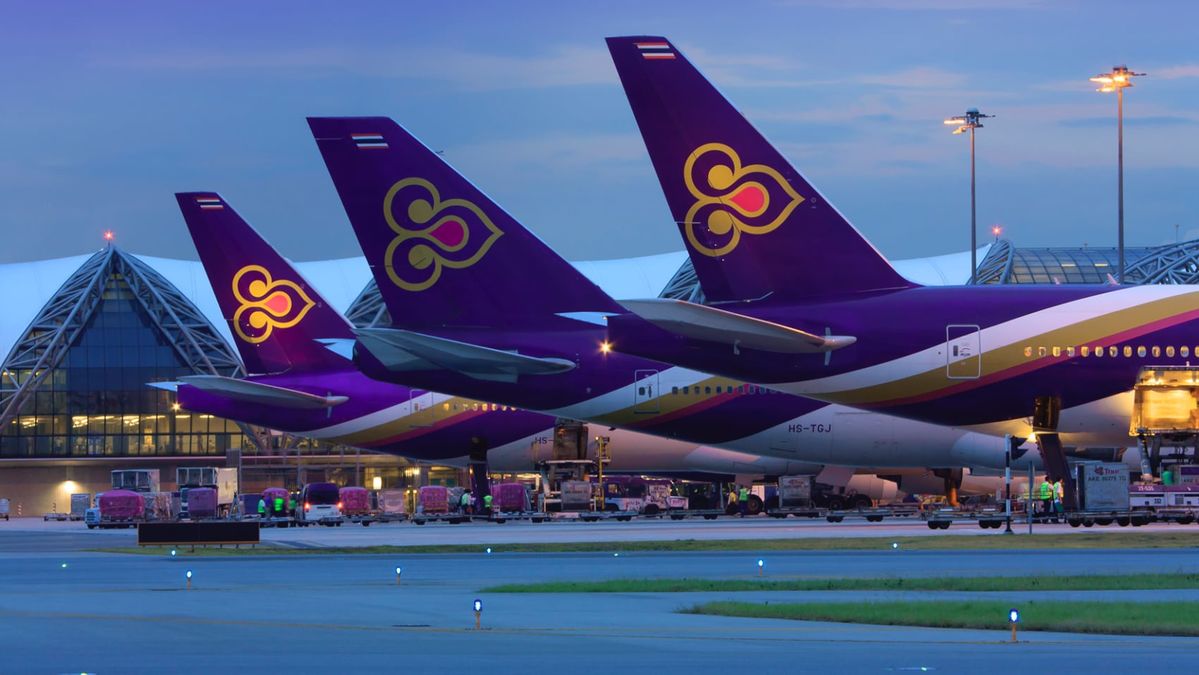
    Thai Airways International Plc is challenging some US$7.4 billion in claims from dozens of aircraft lessors and engine service provider Rolls-Royce Holdings Plc, saying it is not liable for the monies because they concern future expenses and were incurred after the airline received bankruptcy protection from a Bangkok court.

    Thailand’s flag carrier, which is undergoing a court-supervised restructuring to trim debt and return to profit by raising fresh capital, is disputing around 192 billion baht ($6.3 billion) claimed by 48 lessors including BOC Aviation Ltd and SMBC Aviation Capital Ltd, and another 33 billion baht that Rolls-Royce says it is owed for maintenance services, according to a copy of the debt rehabilitation plan seen by Bloomberg.

    A spokesperson for Thai Airways declined to comment. Representatives from BOC Aviation, and Rolls-Royce and SMBC Aviation in Europe also declined to comment.

    The disputed amount is more than half of Thai Airways’ total liabilities of 410 billion baht. Yet an amicable settlement with creditors is key for the airline to stave off bankruptcy.

  • Nokia deploys first 5G standalone RAN in Southeast Asia to M1-Starhub JV in Singapore

    Nokia deploys first 5G standalone RAN in Southeast Asia to M1-Starhub JV in Singapore

    Nokia announced the first 5G standalone (“SA”) Radio Access Network (“RAN”) Sharing network in South East Asia. The company has been selected by Antina Pte. Ltd. (“Antina”), a joint venture formed by mobile network operators M1 and StarHub, following a competitive tender process, to deploy 5G SA networks across Singapore. The commercial deployment of a 5G SA network will introduce compelling new use cases and cater for the growing data demand in the country, putting Singapore at the forefront of 5G standalone technology in the region.

    The partnership will enable Antina’s customers – M1, StarHub and other mobile service providers on wholesale arrangements – to benefit from a game-changing ultra-high speed, low-latency and highly secure 5G SA network that will reduce complexity and increase cost efficiencies. It will also enable new use cases across entertainment, cloud gaming, transportation, education and healthcare.

    Nokia will provide equipment from its comprehensive AirScale portfolio and CloudRAN solution to build the Radio Access Network (RAN) for the 5G SA infrastructure, utilizing the 3.5GHz spectrum band. Nokia will supply 5G base stations and its small cells solution for indoor coverage, as well as other radio access products. Nokia’s 5G SA technology will provide Singaporean enterprises with the opportunity to explore multiple new use cases due to the network’s higher bandwidth, higher uplink speeds and lower-latency.

    Nokia CloudRAN solution is designed to enable Antina to build a more agile business, meet new traffic demands, make better use of spectrum as well as optimize performance and mitigate costs. Nokia’s CloudRAN technology is expected to provide Antina with the flexibility to meet customer demands in the evolving 5G era. Nokia’s NetAct network management, CloudBand Application Manager and CloudBand Infrastructure Software will streamline operations and securely manage Antina’s networks.

    The commercial launch of this 5G SA network in Singapore will underpin the infrastructure for a vibrant 5G ecosystem.

    Tommi Uitto, President of Mobile Networks, Nokia, said: “This is an important win for Nokia that demonstrates our leadership in commercial-grade Cloud RAN as well as mobile operators’ trust in our capabilities for rapidly transitioning to 5G standalone networks. We look forward to supporting Antina in the deployment of a successful rollout of the 5G SA network in Singapore which aligns with the country’s vision of creating a world-class 5G infrastructure. We hope other global markets considering making the move to 5G SA will take note of Antina’s success.”

  • Don Don Donki opens first Jonetz concept store in Malaysia

    Don Don Donki opens first Jonetz concept store in Malaysia

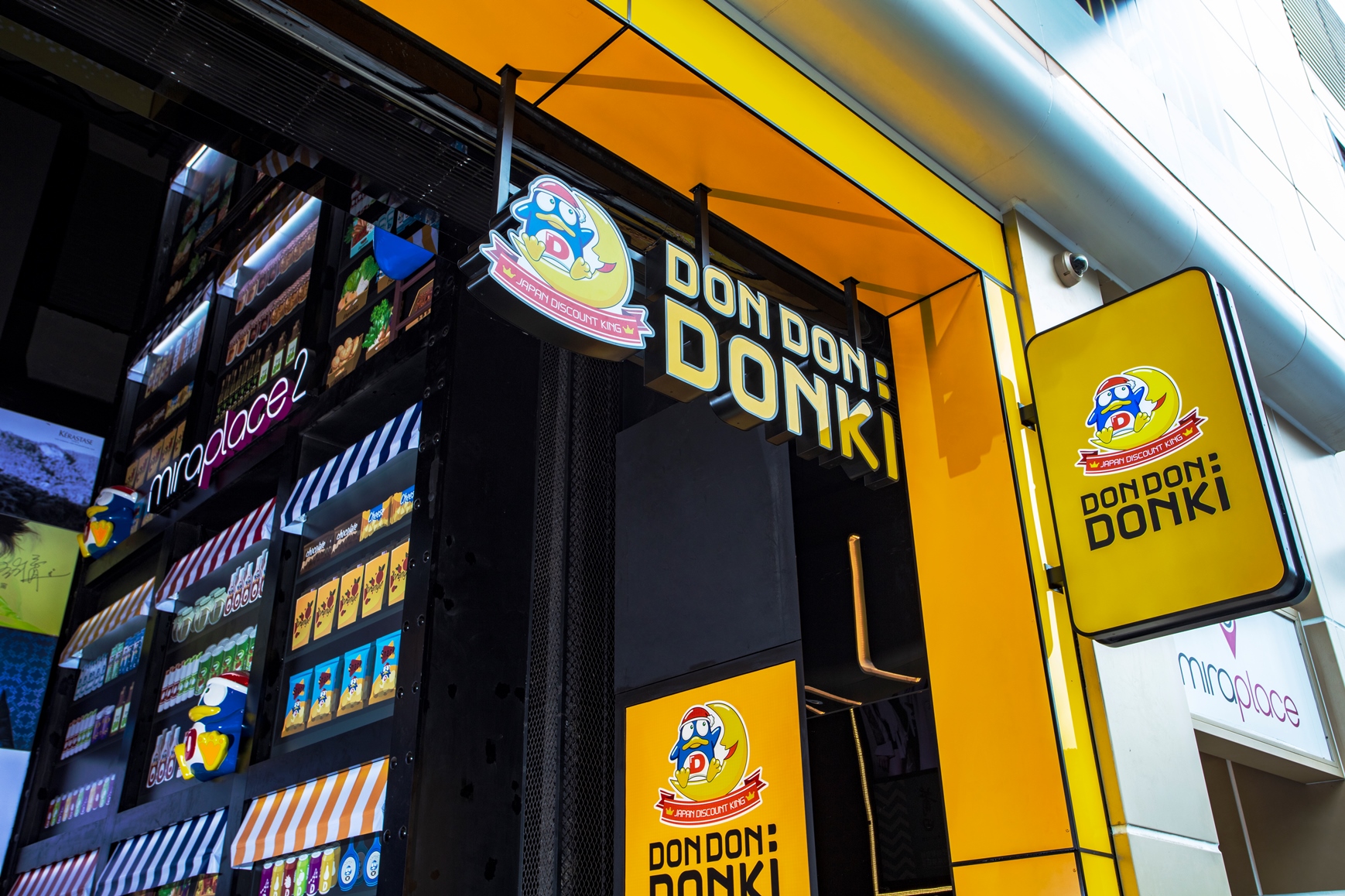
    The government is keen to work with Japanese retailer Don Don Donki, which has vast international network, to promote Malaysian Made products internationally particularly in Japan.

    Domestic Trade and Consumer Affairs Minister Datuk Seri Alexander Nanta Linggi said Tokyo 2020 Olympic Games hosted by Japan this year would be a good opportunity to promote and showcase quality Malaysian-made products, especially halal products.

    “Hopefully, this collaboration between Don Don Donki and the ministry can materialise very soon,” he said in his speech at the launch of Jonetz by Don Don Donki here last week.

    The first Jonetz by Don Don Donki outlet in Malaysia opened its doors to the public on March 19.

    Don Don Donki, a Japanese discount chain store,  is commonly found in the Asia Pacific region.

    It has over 160 locations throughout Japan as well as Singapore, Hong Kong, Hawaii, Bangkok, Taiwan and Malaysia.

    The Malaysian store occupies 23,476 sq m of space in Lot 10, across three floors in Bukit Bintang.

    Alexander said the brand new retail outlet by Don Don Donki was evidently a sign of continuous confidence by foreign investors in the Malaysian economy during these challenging times, especially in the retail sector.

    He said as many other developed nations, retail sector in was fast becoming one of the main contributors to the nation’s gross domestic product.

    “In 2019, Malaysia received RM60.46 billion worth of foreign investment in distributive trade sectors mainly from retail. This amount of foreign investment created 392,634 new job opportunities for Malaysians.

    “In 2020, despite the Covid-19 pandemic and implementation of the Movement Control Order (MCO), the retail sales contributed RM511 billion to national GDP,” he said.

    Pan Pacific International Holdings Corp (PPIH), the parent company Don Don Donki, is expanding its business to Asia Pacific region with the introduction of the specialty store concept, selling Japan-made or made for Japan merchandise.

    Pan Pacific Malaysia president Satoshi Machida said the group planned to open up 11 stores in the region in five years between 2021 and 2024.

    The store in Lot 10 sells Japanese snacks and groceries, including a variety of halal-certified Wagyu beef platters and barbecued meat.

    It also offers ready-to-eat meals and desserts, such as sushi platters along with Japanese cakes and treats, and cooking equipment and other electronics items as well as skincare, beauty products and other lifestyle items.

  • Rakuten to boost mobile activities with $2.2 billion capital injection

    Rakuten to boost mobile activities with $2.2 billion capital injection

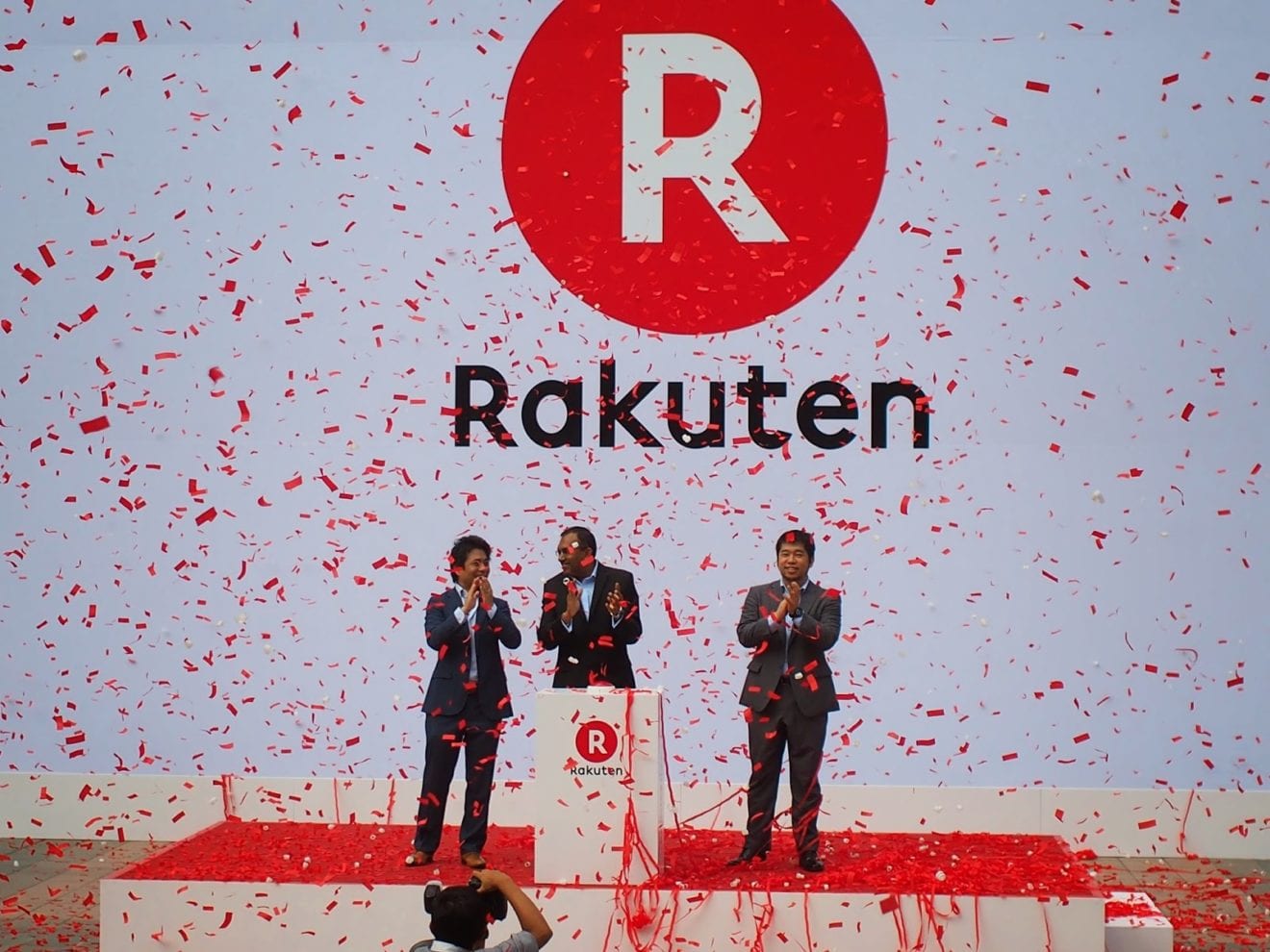
    Japanese e-commerce and tech company Rakuten has sold a 13% share amounting to $2.2 billion to Japan Post, Tencent and Walmart. Japan Post will invest $1.4 billion into Rakuten, thereby owning 8.3% of the company’s total share to become its fourth-largest investor. Tencent will invest $0.6 billion to own 3.6% of the company’s total share, while Walmart will invest $0.15 billion to own a 0.9% share.

    Japan Post’s investment in Rakuten is aimed at strengthening ties between the two Groups and maximizing synergies by leveraging the resources and expertise of both Groups. The alliance will branch into mobile, logistics and digital transformation, with consideration to enter into financial services and e-commerce together.

    There are plans to create shared logistics centers, seeking new collaborations and initiatives between the pair to expand usage of Rakuten Fulfillment Centers and Japan Post’s “Yu-Pack” parcels.

    For the mobile sector, Rakuten will tap onto Japan Post’s nationwide chain of post offices to create customer counters to accept new signup applications for Rakuten Mobile’s marketing campaigns. Meanwhile, Rakuten Group will dispatch specialists to Japan Post to bolster its digital transformation plans.

    Last week, Rakuten Mobile announced that the total number of applications for its UN-LIMIT service plan launched on 8 April 2020 has surpassed 3 million. This week, Rakuten Mobile announced the signing of a Memorandum of Understanding with Airspan Networks for the latter to offer its complete vRAN hardware and software platform OpenRANGE on the Rakuten Communications Platform (RCP).

  • Malaysian online grocery player Jocom lists in Singapore

    Malaysian online grocery player Jocom lists in Singapore

    Singapore’s first regulated private securities exchange and a member of leading integrated private market ecosystem CapBridge Financial, today announced the direct listing of Jocom International Holdings, operator of leading Malaysia-based M-commerce platform JOCOM. The JOCOM mobile app connects over 500 vendors providing over 15,000 products with about 3 million customers across the whole of Malaysia.

    About 26.7% of JOCOM total shares outstanding were listed on 1X at an aggregate value of S$5.6m. The 1X listing process was conducted entirely online and facilitated by the CapBridge platform.

    Mr Joshua Sew, CEO of JOCOM, said, “In the past year, the demand for our integrated M-commerce solution has grown exponentially across both consumers as well as merchants and vendors.

    JOCOM has enabled traditional businesses to tap on the power of digital technology to engage existing and new customers, connecting many rural farmers and traders with affluent consumers seeking quality products in a convenient way. With this listing on Singapore’s 1Exchange, we look forward to going further to serve our shareholders, customers, and partners with even more innovative mobile commerce solutions.

    Mr Choo Haiping, CEO of 1X, said, “We are pleased to welcome JOCOM, Malaysia’s fastest-growing mobile commerce platform. For many customers, JOCOM’s specialist mobile app has been a reliable, convenient, and efficient one-stop-shop for their groceries and lifestyle needs. JOCOM has also contributed greatly to the digital transformation of many traditional businesses in Malaysia, through its accessible mobile commerce solutions. JOCOM can count on the 1X platform as it continues on its growth journey.”

    Based in the global financial hub of Singapore, 1X is the first regulated private securities exchange with a Recognised Market Operator license granted by the Monetary Authority of Singapore (“MAS”). 1X is part of CapBridge Financial, backed by Singapore Exchange (“SGX”), SGInnovate, South Korea’s Hanwha Investment and Securities Co, Hong Kong’s Cyberport Macro Fund, and AMTD Digital.

    Mr Mohamed Nasser Ismail, Senior Vice President and Global Head Equity Capital Markets, SGX, witnessed the listing and added, “As a strategic partner and shareholder of 1X, SGX is pleased to witness the continued interest by many growth companies to seek a listing on the private exchange. I am heartened at the listing of JOCOM, which adds to the vibrancy of the broader capital markets and provides shareholders and other interested investors a market for tradeable private equities. We look forward to supporting JOCOM and other such companies to prepare for an eventual public listing when they are ready.

    The direct listing on 1X was marked by a virtual gong-striking ceremony this morning, attended by representatives from JOCOM, placement agent CapBridge Pte Ltd, trust administrator Equiom Singapore, as well as a strategic partner and shareholder SGX.

    On 1X, private companies and funds have the flexibility to list a portion of their shares in the form of tradeable private equities. A direct listing on 1X enables companies to simply convert their existing shares to tradeable shares, in a cost-effective and efficient manner. This regulated asset class traded on 1X provides investors additional portfolio diversification with higher-than-market returns potential while giving shareholders options for exits.

  • Pomelo expands its online presence with localised Philippines store

    Pomelo expands its online presence with localised Philippines store

    The omnichannel fashion platform has launched a localized online store in the Philippines as part of its digital expansion across Southeast Asia.

    According to Pomelo, monthly orders from the Philippines currently account for around 10 percent of Pomelo’s total orders. Coinciding with the brand’s eight-year anniversary, the launch will help the brand strengthen their presence in Southeast Asia and increase its market share in the Philippines. Currently, the brand’s listing on Zalora Philippines has amassed more than 100,000 unique orders from locals.

    The Philippines’ online store will house Pomelo’s exclusive collaborations and fashion-forward apparel, including the brand’s new Spring/Summer 2021 Collection. The store will also feature the brand’s cashback reward and loyalty program, ‘Pomelo Perks.’

    This year in particular has seen the brand’s efforts to expand across the region increase with new stores launched in Singapore and Indonesia. The brand will also launch a flagship store in Malaysia this May.

  • Vietnam pilots Mobile Money project for cashless payments

    Vietnam pilots Mobile Money project for cashless payments

    Vietnam’s Prime Minister Nguyen Xuan Phuc has given the green light for the Mobile Money pilot project, thereby allowing mobile phone subscribers to use their telecommunications accounts to make money transfers and payments up to a limited value for products and services strictly in Vietnam.

    This pilot project came into effect on 9 March 2021 and will be conducted over two years. It will be implemented nationwide, particularly in rural areas to improve access to financial services and encourage cashless payment via mobile devices.

    Businesses require licenses to provide intermediary mobile money services, as well as licenses for public mobile terrestrial telecommunications networks to tap on telecommunications network and data. Customers are required to register their mobile accounts with an identity card, citizen identification or passport and use mobile services for at least three consecutive months.

    This pilot project was first submitted to the Prime Minister for approval in May 2020, prompting Vietnam’s major telecommunications services providers like Viettel, VNPT and MobiFone to add payment as a line of business.

    Vietnam has a population of 129.5 million mobile subscribers, of which 43.7 million owns smartphones. This pilot will serve as a basis for the relevant authorities to develop legal regulations around the service in the country.