Tag: asia

  • Harley-Davidson Decides To Discontinue India Operations

    Harley-Davidson Decides To Discontinue India Operations

    Harley-Davidson has decided to discontinue its sales and manufacturing operations in India, as part of restructuring actions that the company refers to as ‘The Rewire’ strategy. On Thursday, Harley-Davidson informed its employees of additional restructuring costs amounting to $75 million in 2020, which includes discontinuing the iconic American brand’s operations in India. Total costs associated with ‘The Rewire’ strategy outlined by Jochen Zeitz, President, Chairman and CEO of Harley-Davidson amount to $169 million this year. The motorcycle brand expects to complete the restructuring actions from August to be completed within the next 12 months, which will include optimizing its global dealer network, exiting certain international markets and discontinuing its sales and manufacturing operations in India. In India, Harley-Davidson will reduce the workforce by approximately 70 employees.

    In a statement to the United States Securities and Exchange Commission, Harley-Davidson outlined the development, adding some details about the restructuring costs.

    “As a result of the actions approved from August 6, 2020 through September 23, 2020, the Company expects to incur restructuring expenses of approximately $75 million in 2020, of which approximately 80% are expected to be cash expenditures, including one-time termination benefits of approximately $3 million, non-current asset adjustments of approximately $5 million, and contract termination and other costs of approximately $67 million. Full implementation of these Rewire actions may require the Company to commit additional funds for additional contract termination and other costs. Including previously disclosed restructuring charges, the Company expects total restructuring expenses associated with Rewire restructuring actions approved through September 23, 2020 of approximately $169 million in 2020. The Company expects to complete the restructuring activities approved through September 23, 2020 within the next 12 months. Announcements associated with additional actions under The Rewire are expected to occur, some of which will likely result in additional restructuring charges,” Harley-Davidson said.

    Harley-Davidson India has responded with a press statement saying that the company is “evaluating options” to continue to serve its customers. While H-D India has said that the manufacturing facility in Bawal will be closed down, and the sales office in Gurugram will be significantly reduced in size, there is still no concrete announcement on how the brand will support its existing customer base in India. All Harley-Davidson India has said is that the dealer network will continue to serve customers through the contract term. Harley-Davidson has 33 dealerships across India, and each dealership will have a different contract term, but how existing customers will be served in terms of spares and service in the future is still not clear. In fact, with the closure of the manufacturing facility in India, the Harley-Davidson Street 750 range will likely be discontinued, as will be assembly operations. But there’s still some hope that the brand will continue to have some presence, importing models from its facility in Thailand, and with India’s Free Trade Agreement, that may work out to be cost-effective as well.

    Harley-Davidson has been under pressure in recent years, with sales of the American motorcycle brand slowing down in several markets around the world. And India seems to be one such market, where Harley-Davidson has been present since 2009, and where the first Harley dealership came up in July 2010. Harley-Davidson still led premium motorcycle sales in India over the last few years, led by the made-in-India Street 750 models. Harley-Davidson also had assembly operations in India at its plant in Haryana, assembling several models from completely knocked down (CKD) kits. In the last financial year, Harley-Davidson sold fewer than 2,500 units in India, and between April-June 2020, only about 100 Harleys were sold in India, making it one of the worst-performing international markets. And just about 10 years since the iconic brand set up shop in the world’s largest motorcycle market, it’s now time to wind up manufacturing and sales.

    Earlier this year, Jochen Zeitz replaced former CEO Matt Levatich as President, Chairman and CEO of Harley-Davidson. Levatich was in Harley-Davidson for 26 years, and with increasingly slowing sales in recent years, his exit was seen as a move to give new strategic vision to revive the brand internationally. ‘The Rewire’ plan outlined by Zeitz intends to re-look Harley-Davidson’s product strategy, as well as focus on about 50 markets, mainly in North America, Europe and parts of Asia Pacific, that represent the “majority of the company’s volume and growth potential.” And India, the world’s largest motorcycle market, seems to have been given the miss from those important markets where Harley-Davidson sees potential growth.


  • Harley-Davidson Street 750 To Be Discontinued

    Harley-Davidson Street 750 To Be Discontinued

    Harley-Davidson has announced the brand’s decision to discontinue sales and manufacturing operations in India, as part of the brand’s ‘Rewire’ strategy. Harley-Davidson India has released a press statement saying that the company will shut down its manufacturing facility in Bawal, and the sales office in Gurugram will be significantly reduced in size. The made-in-India Harley-Davidson models, the Harley-Davidson Street 750 and the Harley-Davidson Street Rod will now be discontinued. According to a source, a decision to discontinue the Street range was taken months ago, and that is why Harley-Davidson India was offering massive discounts on these models.

    Only last month, Harley-Davidson announced massive price cuts on the Street range of motorcycles. The Street 750, India’s highest-selling Harley-Davidson motorcycle, is also the most affordable, and the company announced a price cut of ₹ 65,000, lowering the price to ₹ 4.69 lakh (Ex-showroom). The Harley-Davidson Street Rod, on the other hand, was offered with price cuts of ₹ 77,000 with prices starting at ₹ 5.99 lakh (Ex-showroom). In fact, Harley-Davidson Street 750 used to Harley-Davidson India’s highest-selling model, accounting for over 80 percent of Harley-Davidson’s sales in India for several years in a row.

    According to one source familiar with the developments, the price cuts for the Street range were announced to liquidate existing stock of motorcycles. With Harley-Davidson planning to shut down manufacturing operations in India, both the Street 750 and Street Rod would have been discontinued anyway. Now, Harley-Davidson has said that the dealership network in India, totaling 33 across the country, will continue to support existing customers through the contract term. But each dealership will have a different contract term and there’s still no concrete announcement on how existing customers will be served in the future, in terms of service and spares.

  • Apple releases final versions of latest iPhone, iPad, and Apple Watch updates

    Apple releases final versions of latest iPhone, iPad, and Apple Watch updates

    Apple today released an update to iOS 14.0.1 that exterminates some bugs and more. This isn’t the first public update released by Apple over the last week. On September 16th, the final public build of iOS 14 was introduced bringing changes to the home screen, Android-style widgets, picture-in-picture capabilities, App Clips, and more. The latter allows a user to take advantage of an app’s feature set to take care of tasks without having to completely install the app.

    So what are the issues that iOS 14.0.1 fixes? One causes the default browser or Mail app you’ve selected to reset to Safari or Mail when your iPhone or iPad is rebooted. With today’s update, this problem is erased which means that once you’ve selected your default browser or mail app, you won’t have to select it again. The update also corrects a problem with the Apple News widget that prevents images from showing up on the screen. Other bug fixes are related to Wi-Fi connectivity, and the sending of email through certain mail providers. And there is even an issue specific to the iPhone 7 and iPhone 7 Plus related to camera previews that Apple repairs with iOS 14.0.1. Also being pushed out today update to iPadOS 14.0.1, and watchOS 7.0.1. The latter “fixes an issue where some payment cards in Wallet were disabled for some users.”

    To update your devices, on your iPhone and iPad go to Settings > General > Software Update. To update your Apple Watch, on the device itself go to General > Software Update. If an update is ready, tap on Install and follow the directions on the device. The Apple Watch must be within the range of your iPhone’s signal and must have a Wi-Fi connection. The installation will begin once the timepiece is charged to 50% or higher. Keep the watch connected to the charger until the update is completed.

    The update to iOS 14.0.1 weighs in at approximately 171.MB and the watchOS update to version 7.0.1 weigh in at 1GB. Updates to macOS Catalina 10.15.7, and tvOS 14.0.1 have also been made available by Apple today.

  • Steel exports to China multiplies 19 times

    Steel exports to China multiplies 19 times

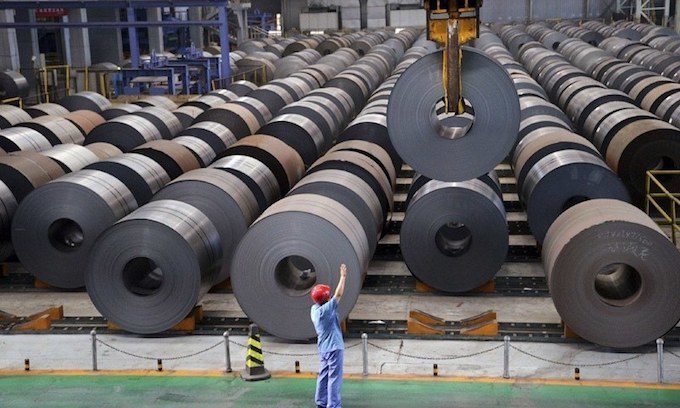
    Vietnam’s steel exports to China surged 19 times to 2.07 million tonnes between January and August on the strength of rising demand in a recovering economy.

    This was nearly 35 percent of Vietnam’s total steel exports in the period, and its value rose 15 times to $844.5 million, according to Vietnam Customs.

    China’s customs data shows that steel imports in the first eight months rose 11 percent year-on-year to 759.9 million tonnes.

    The country, the largest steel producer in the world, became a net steel importer in June for the first time since the last global recession in 2009 as demand overshot supply in the rapidly recovering economy.

    The surge in domestic demand for steel has been driven by infrastructure projects and the property market, the report said, citing China’s commodity price reporting agency.

    Vietnam’s steel exports in the first eight months to all markets rose nearly 37 percent year-on-year to 5.96 million tonnes, with increases of 195 percent to Brazil and 143 percent to Germany.

  • Mochi Shoes completes 20 years

    Mochi Shoes completes 20 years

    Awesomeness trends once again as Mochi, the stylish youthful Indian footwear and accessories brand, turns 20 this year. Since its debut in the year 2000, the brand has expanded its presence in 74 cities with 144 stores. The Big Birthday Bash of Mochi as it turns 20 begins with a pre-celebration of 14 days starting 26th Sept to 9th Oct, with 10th and 11th Oct being the two BIG BIRTHDAY DAYS! The brand is celebrating this milestone with special offers, lucky draw prizes, special surprises on the big days, lots of excitement via various gifts, engagement with its followers on its digital platforms.

    What began as the first store in the year 2000 on Commercial Street of Bangalore has now expanded rapidly over the years into a brand that is synonymous with vibrant, fresh designs, creativity, and spunk for young Indians. In the past two decades, Mochi has gained experience providing bright, vibrant stylish footwear trends to the youth and has guaranteed a unique strong identity in style. This brand provides a wide assortment of fashion footwear along with trendy handbags, belts, socks, wallets, and more

    Speaking on this special occasion, Alisha Malik, VP Marketing and Ecommerce, Metro Brands LTD, said, “Mochi, the young, vibrant, fun brand is turning 20 and that’s a milestone all of us are very excited about. It is a brand that is very special to all of us. This 16 day of birthday celebration will also bring a positive vibe to our customers in this current pandemic. It’s the Mochi spirit, after all ‘Awesome Never Stops’! We would like to thank all our customers, employees, partners, Karigars, who have been through this exciting journey with us and have helped us achieve this milestone.”.

    Leveraging its heritage, most of the products from Mochi Shoes are ‘Made in India’ with the skill and expertise of over 4000 local Karigars. The philosophy of durability, quality, and innovation has continued, and the brand now offers footwear styles for men, women, and children.

    Mochi is celebrating its 20 glorious years with a series of activities at the store as well as on e-commerce platforms such as – Spin a Wheel, wherein customers can win their offer, free shopping and much more and redeem. This is assured for anyone who spins. There is a Lucky draw at the end of the duration, wherein over 1000 prizes will be given out. Customers stand a chance to win Apple I-pads, Prime subscriptions, Echo, fire sticks, free shopping, and lots more. Customers can choose to shop either at the store or from their e-commerce site

  • Cebu Pacific now halfway through refund claims

    Cebu Pacific now halfway through refund claims

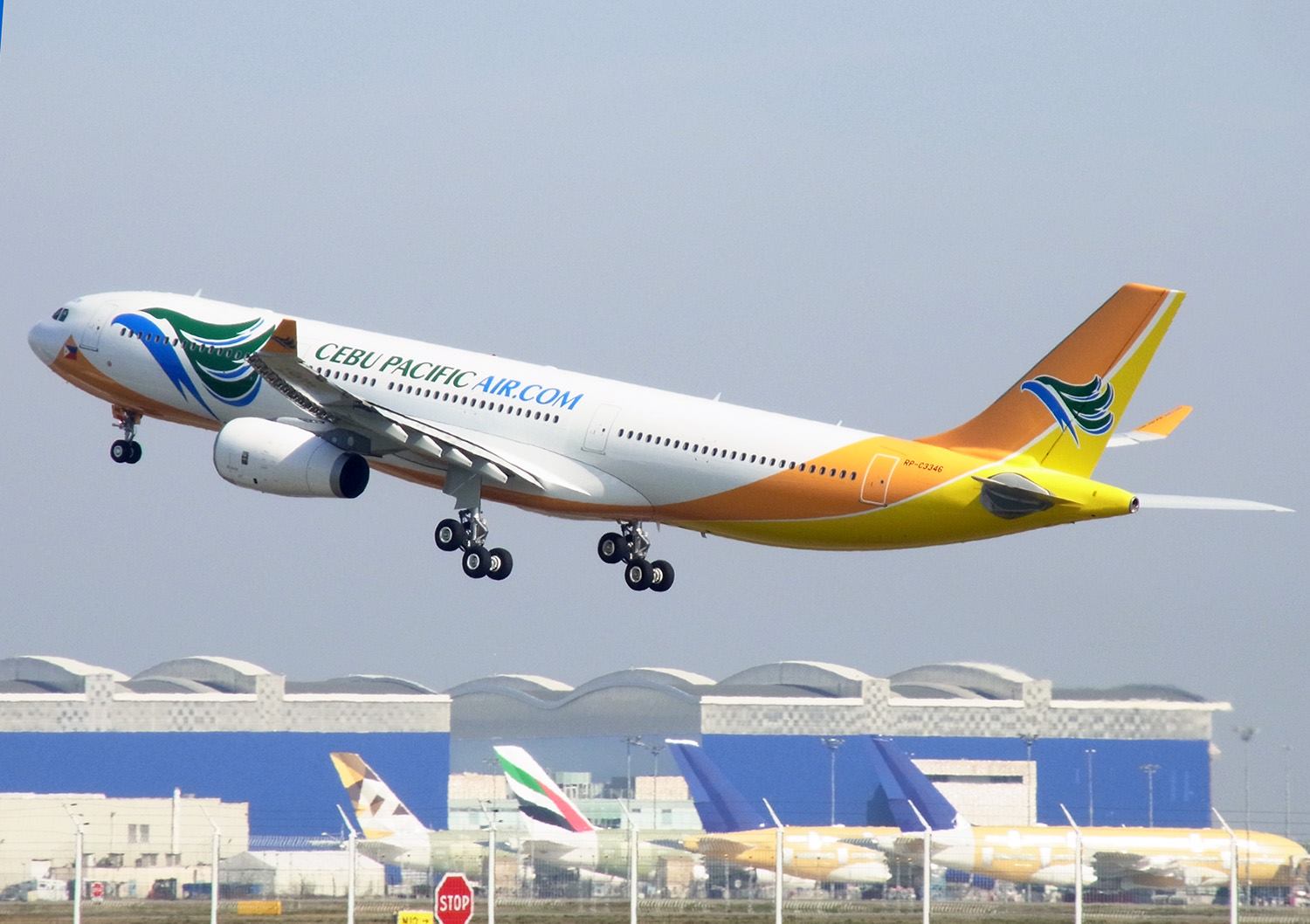
    Budget carrier Cebu Pacific is asking passengers for patience as it works through a pile of refunds that reached almost P5 billion. Like other airlines, Cebu Pacific has been hit hard by the COVID-19 pandemic, which forced the mass cancellation of flights and prospective trips.

    “We understand how challenging this whole situation is, and we sincerely apologize for the delay,” Cebu Pacific said in an advisory to passengers.

    Cebu Pacific said it had already refunded over P2.4 billion to customers but this was just about half of the requests received.

    “Since the start of this pandemic, we have received an unprecedented number of refund requests due to flight cancellations brought about by the lockdown,” Cebu Pacific said.

    “Our refund process than was originally not designed to handle this volume of requests, and this resulted in a backlog. We have since then revamped our procedures in order to address this,” it added.

    Cebu Pacific said processing of refund requests would take about six months.

    “We remain committed to our customers to complete pending refunds and will update them once these have been processed. We are currently halfway through refund requests filed last April,” Cebu Pacific said.

    At present, Cebu Pacific has restored just 10 percent of its pre-COVID network.

    Cebu Air Inc, which operates Cebu Pacific, announced a P9.1-billion loss in the first half of 2020, which included the almost three-month lockdown of major cites across the Philippines.

    The loss reverses a P7.14-billion profit in the January to June 2019. With the recent signing of the Bayanihan to Recover as One Act, airlines will have the option to stop issuing refunds for new requests while the law is in effect.

    Under the law, they will be allowed to issue travel vouchers instead.

  • Google Assistant becomes even smarter after recent update

    Google Assistant becomes even smarter after recent update

    Google is trying to make Assistant a useful tool that we can’t live without. Using Google’s learning algorithms, the digital assistant can execute various tasks without having to interact with it every time.

    This time around, Google thought it would be a great idea “to find a way for Google Assistant to help you stay productive.” To make users’ lives easier, Google added new Assistant functionalities that let users get multiple things done with a single command.

    These are called routines and can be enabled in the Assistant settings on your Android or iOS devices. The latest update introduces a new workday routine specifically designed for those who work from home.

    The new workday routine will automatically remind users of all the things they need to do throughout their workdays. When the new routine is enabled, Google Assistant will regularly share the time with you throughout the day. The new workday routine feature is available in English only, while the individual Assistant actions and time block can all be customized to fit one’s schedule.

    Last but not least, Google Assistant is getting a new Gentle Sleep and Wake feature that’s now rolling out to all smart lights. The new feature allows you to set a reminder to get to bed at a certain hour by saying “Hey Google, sleep my lights at 11:00 p.m.” You can even set a reminder for the lights to start brightening 30 minutes before your alarm goes off.

  • Fosun finally completes acquiring fashion label Tom Tailor

    Fosun finally completes acquiring fashion label Tom Tailor

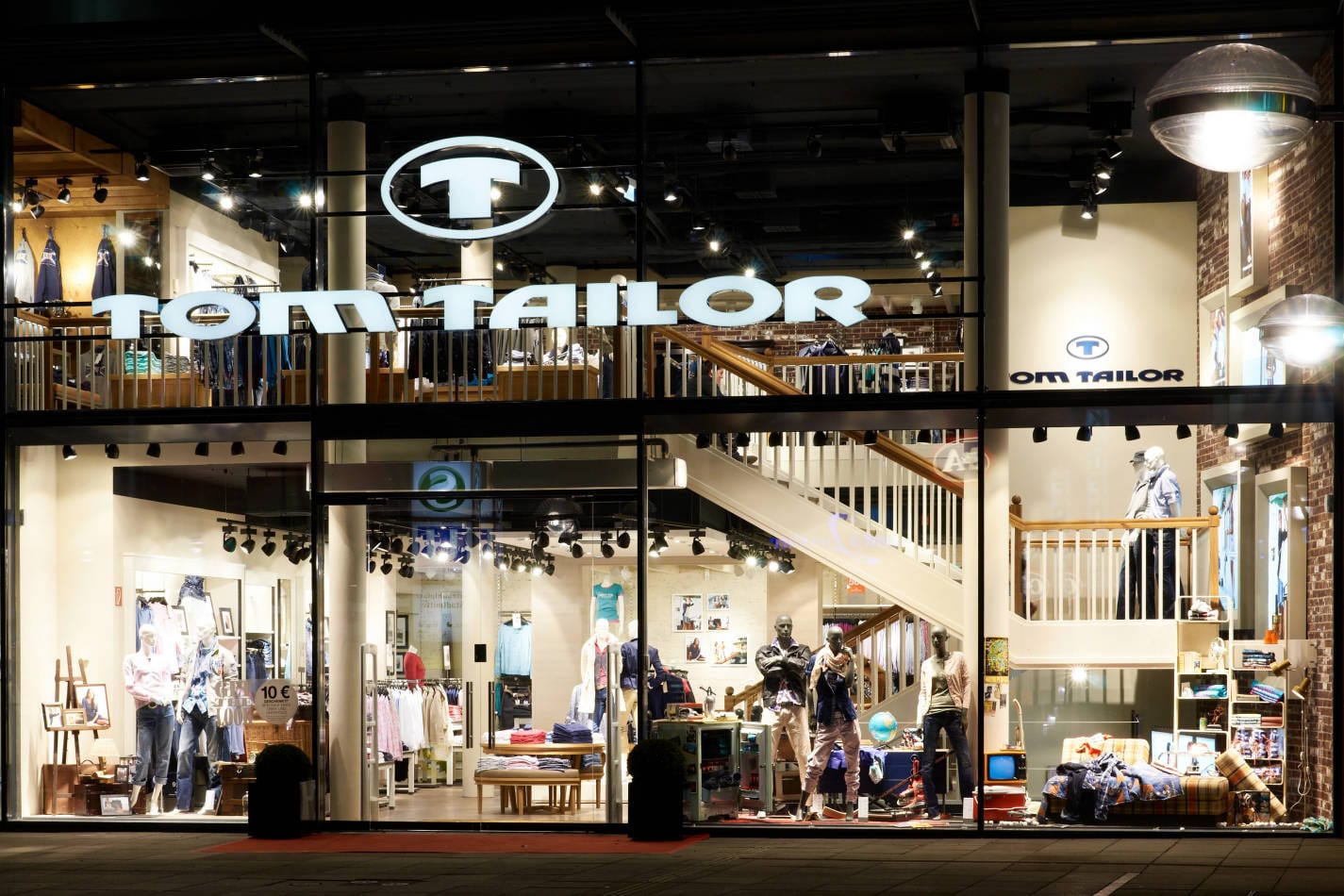
    Fosun International Limited (Stock Code: 00656.HK) today announces to acquire 100 percent of the shares in Tom Tailor GmbH, together with its subsidiary companies. This enables the fashion brand, with around 3,400 employees, to achieve long-term business development and sustainable growth through Fosun’s strategic empowerment and ecosystem.

    Fosun has always believed in the brand value of Tom Tailor since the beginning and has purchased the minority of brand shares of its listing company TOM TAILOR Holding SE as early as 2014. After years of investment and funding, Fosun finally acquired its controlling stake in 2019.

    “Since first becoming a shareholder in 2014, Fosun has been deeply committed to Tom Tailor – and has always believed in the brand and continued to invest in it, even in particularly challenging times for the entire Tom Tailor Group,” said Gernot Lenz, CEO of Tom Tailor GmbH. “The knowledge and experience we have gained together over the years make Fosun the ideal partner to take Tom Tailor GmbH to the next level once again, both during and after the coronavirus outbreak.”

    From now on, Tom Tailor GmbH is hoping for a stronger come back in the fashion market, being able to stay ahead in the competition with Fosun’s steady empowerment. Fosun Fashion Group (FFG), as an important industry sector within the Fosun ecosystem, is continually providing support through investments and aligning with management to ensure that capital and strategy are in place. Thanks to the continued financial support from Fosun, as well as new strategic measures with a clear focus, Tom Tailor GmbH is confident about its future in the industry, at the same time capable of contributing to the fashion ecosystem of Fosun.

    “Fosun is committed to making long-term strategic investments in companies that offer high-quality products and services to families around the world,” explained Xu Xiaoliang, Co-CEO of Fosun International. “As one of the largest fast-fashion brands in Germany, Tom Tailor GmbH has developed a firm market base and an extremely high level of brand recognition among consumers, as well as a fully developed supply chain and logistics system in German-speaking countries. We remain confident about this. We would like Tom Tailor GmbH to become an even more resilient and more fruitful partner for us.”

    Tom Tailor GmbH aims to overcome its current and future challenges and will be able to build on the growth recorded in 2019. With financing secured for all areas of the Tom Tailor GmbH business until September 2024, the company can implement the numerous operational and strategic measures as planned. These measures will primarily address the following five aspects:

    • Improve products: Tom Tailor GmbH will invest in effectively improving the quality and appeal of its products.
    • Increase customer loyalty: Tom Tailor GmbH will introduce a variety of individual initiatives to significantly improve and maintain the loyalty of its customers in the long term.
    • Continue with targeted internationalization: Tom Tailor GmbH aims to continue its successful growth trajectory in several countries outside of its existing core markets, particularly in South-Eastern Europe.
    • Strengthen online business: Tom Tailor GmbH will selectively expand its digital sales channels and online presence for a significant growth online revenue.
    • Improve efficiency: Tom Tailor GmbH will cope with the effects of the COVID-19 pandemic by implementing a bold program to streamline processes along the company’s entire value chain.

    Despite all the challenges, Tom Tailor GmbH’s clear ownership structure and financing arrangements make it one of the few players in the fashion industry, resting on a very concrete foundation for further development. This stability does not only ensure a solid ground for upcoming improvements. It is also going to provide all of the company’s stakeholders – particularly its trading partners, suppliers, financing partners and, of course, its employees – with the reliability required to successfully develop the business going forward.

  • DBS and Keppel to Collaborate Under MOU

    DBS and Keppel to Collaborate Under MOU

    Under the memorandum of understanding (MOU), the two sides will collaborate on a range of initiatives that harness digital technologies to better serve customers and suppliers.

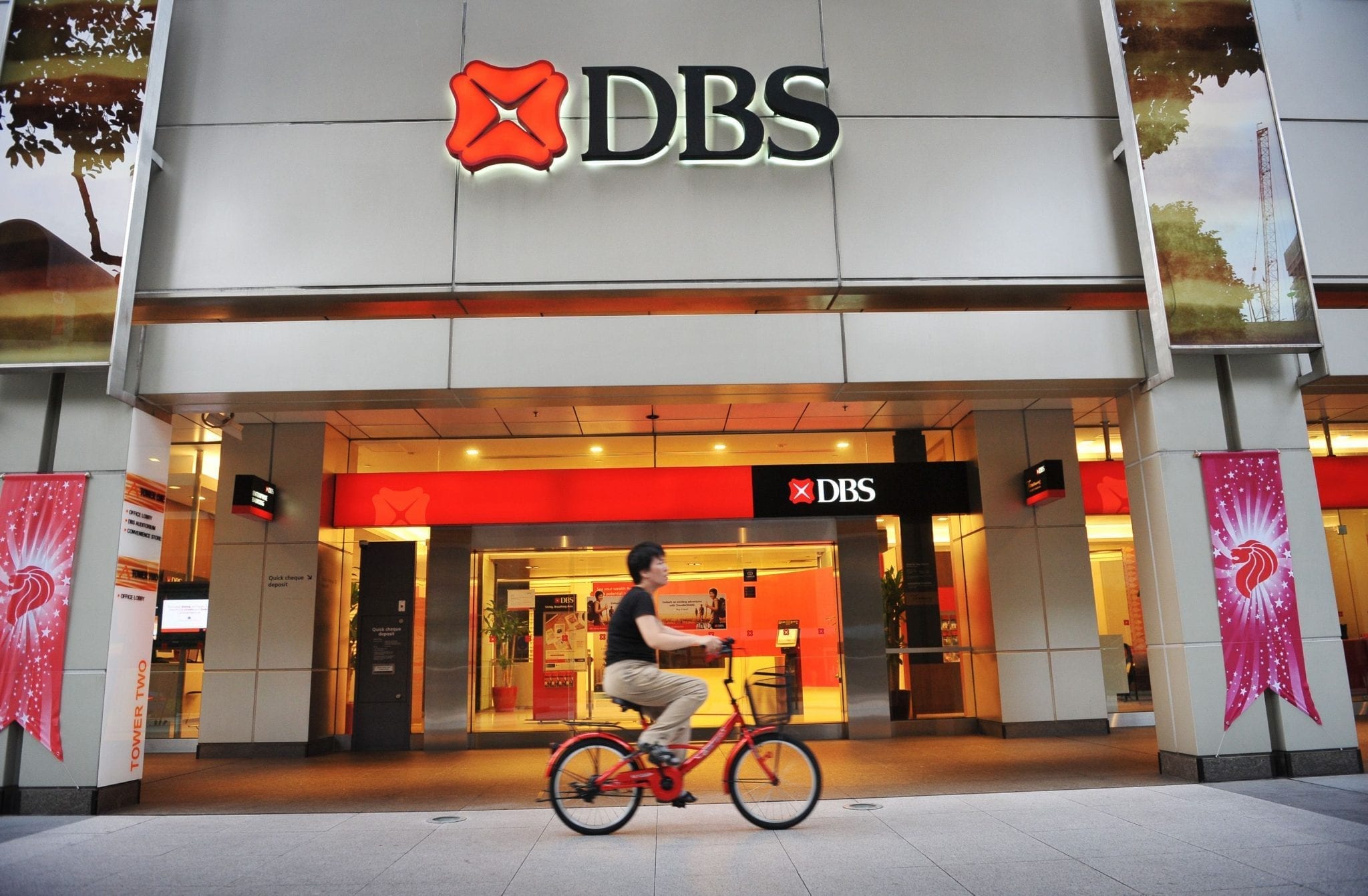
    DBS Bank and Keppel Technology & Innovation have agreed to work together on digital technologies to create more opportunities and efficiencies for both companies, according to an announcement on Tuesday.

    Three areas are covered under the MOU: exploring synergies between Keppel Group’s consumer businesses like M1, Keppel Electric and City Gas, and DBS’ consumer marketplace platforms; developing 5G-enabled digital banking solutions, and developing digital tools and platforms to provide bundled services from both M1 and DBS to large corporates and small-to-medium enterprises (SMEs); and providing digital supply chain financing solutions to Keppel Group’s supplier ecosystem.

    The initiatives will be rolled out over the rest of the year, the announcement said.

    The value of knowledge grows when it is shared. Our collaboration with Keppel’s ecosystem of businesses exemplifies this by demonstrating how the cross-pollination of expertise and networks from different industries can help Singapore seize new opportunities here and in the global marketplace, Tan Su Shan, DBS group head of institutional banking, said about the partnership.

  • Domestic aviation on the road to recovery

    Domestic aviation on the road to recovery

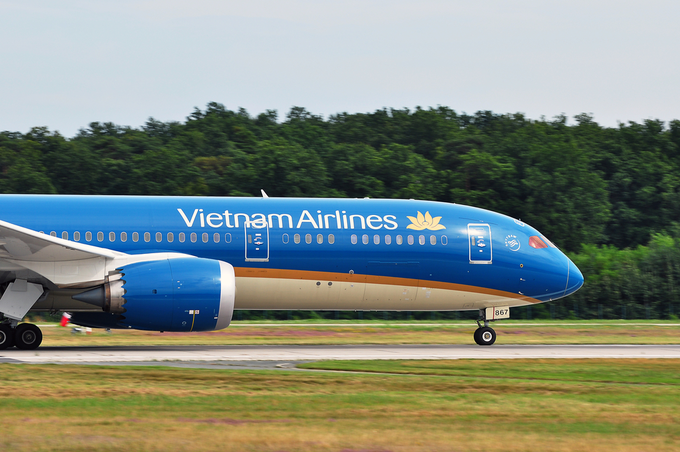
    Vietnam’s aviation industry is gradually recovering with passenger numbers heading toward pre-pandemic levels after a months-long slump. Noi Bai International Airport in Hanoi handled 29,000 passengers daily during the weekend, nearly triple the daily average of August when there was a Covid-19 resurgence.

    To Tu Ha, deputy director of the airport, said there has been a weekly increase of 15 percent since the beginning of September. “As Vietnam is doing well in controlling the pandemic, we expect domestic travel growth to be maintained for the rest of the year as traveling abroad is mostly limited.”

    International flights have been halted since March. Vietnam Airlines currently operates 200 flights a day, with the number of passengers rising from 17,500 in August to nearly 40,000 now.

    It resumed services on six domestic routes this month and increased the frequency of eight others. It plans to resume flying on six more routes next month, including popular travel destinations Da Lat in the Central Highlands and Nha Trang and Da Nang in the central region.

    “The growth in a number of passengers will help us pare trillions of dong in losses from our earlier forecast,” a spokesperson said. The airline had forecast a loss of VND13 trillion ($560 million). Bamboo Airways is also recovering with the number of passengers doubling this month to 12,000-15,000.

    “We expect strong growth in the routes between Hanoi and Ho Chi Minh City and Con Dao Island,” a spokesperson said. Budget airline Vietjet said passenger numbers have risen by 30 percent since last month though still less than in September last year.

    A spokesperson for Vietjet said: “As the aviation market recovers, losses are being reduced. But airlines continue to face difficulties and we still need government support with taxes and fees.”

    Vietnamese carriers are also expecting a revenue boost from the resumption of flights to seven destinations including Japan, South Korea, China, and Thailand, a proposal the government has approved.

    But Dinh Viet Thang, head of the Civil Aviation Authority of Vietnam, said Tuesday that flights to these destinations have not resumed due to the need for Vietnam and these countries to first reach agreement over-testing, immigration, and quarantine protocols.

    Another challenge is that both Vietnamese and foreign carriers are having trouble identifying businesspeople and “experts,” the only categories of non-diplomatic passengers allowed to enter Vietnam, he added.

    The CAAV wants the Ministry of Public Security and Ministry of Foreign Affairs to take this into consideration when issuing visas so that airlines could sell tickets to the right passengers.

    Vietnamese airlines carried 24.2 million passengers in the first eight months, down 35.1 percent year-on-year, according to the General Statistics Office.

  • Maruti Suzuki Launches Its Car Subscription Programme In Delhi, NCR And Bengaluru

    Maruti Suzuki Launches Its Car Subscription Programme In Delhi, NCR And Bengaluru

    Expanding its vehicle subscription program – Marti Suzuki Subscribe, to newer cities, the carmaker today launched it in Delhi, NCR (Noida, Ghaziabad, Faridabad, Gurugram) and Bengaluru. Earlier in August, the company had launched a pilot program for its vehicle subscription model, in partnership with Myles Automotive Technologies, in Pune and Hyderabad. However, this time around, the company has partnered with Orix Auto Infrastructure Services India to offer its car subscription program to individual buyers in Delhi, NCR and Bengaluru. The carmaker says that with this subscription model, it aims to offer easy, and flexible car ownership options to its customers.

    The subscription plan will include a duration ranging from 12 to 48 months, depending on customer preference, and will involve an all-inclusive monthly subscription fee. There will be no down payment, and the monthly charge will cover expenses like maintenance, zero dep insurance, and 24×7 roadside assistance. And all this will be handled by Orix India, through Maruti Suzuki’s dealer channel. To give you an example, the subscription fee for a Swift Lxi in Delhi, for a tenure of 48 months, starts at ₹ 14,463 (including taxes). In July too the company had launched a subscription program with Orix in Bengaluru and Gurugram, but now the prices have come down.

    After the completion of the subscription tenure, the customer can either opt to upgrade to a new vehicle, extend the tenure, or buy the car at market price. Under the new program, customers can select their desired Maruti Suzuki car – Swift, Dzire, Vitara Brezza or Ertiga from Maruti Suzuki Arena, and the Baleno, Ciaz or XL6 from the Nexa line up.

    Commenting on the new ownership program, Shashank Srivastava, Executive Director (Marketing and Sales) Maruti Suzuki India said, “The vehicle subscription market is new to India and as such offers huge untapped potential. Globally, the penetration of such a leasing program varies between 5% and 30%. The comprehensive Maruti Suzuki Subscribe initiative offers customers multiple advantages and peace of mind from the botheration of maintenance costs and insurance renewal. The program is especially focussed to bring convenience to the individual customers.” He further added, “Progressively we aim to offer Maruti Suzuki Subscribe in 40-60 cities in the next 2-3 years.”

    At the time of getting the new car, customers will have the option to register the vehicle in either white plate, that is under the name of the customer itself, or black plate with all India permit, in which case it will be registered in the name of Orix.

  • Google Pay Launches Refreshed App in Singapore

    Google Pay Launches Refreshed App in Singapore

    The refreshed app, which builds on Singapore’s payments infrastructure, now allows real-time money transfers via PayNow for DBS PayLah!, OCBC Bank and Standard Chartered customers.

    Google has launched a new version of its payments app Google Pay, which streamlines money transfers from different banks on one platform and allows customers to make peer-to-peer transfers via PayNow and to merchants via UEN or PayNow QR, which is available on Android and iOS.

    Instead of taking a digital wallet approach, Google focused on everyday relationships its users had between friends and businesses in designing the app, Patrick Teo, director of engineering, Google Pay, said at a media launch on Thursday. The result is an app that makes it quick and easy to transact with people and businesses, which is as simple as sending a chat message.

    Google Pay also includes features like split bill payments, restaurant menus for take-out and delivery, which can be ordered within the app, movie ticket booking, as well as cash-back rewards for payments made using the app.

    SMEs and corporates are leveraging digital to change the way that they buy, sell, and operate. They have to do so if they want to thrive in the post-Covid-19 new normal and e-payments are an important part of that, Melvyn Low, OCBC Bank head of global transaction banking, said.

    Singapore is the first country in Southeast Asia and the second globally after India to offer the new version of Google Pay. The number of PayNow users in Singapore stands at 4 million, with nearly three-quarters of all organizations on PayNow Corporate.

    We believe that we are at a tipping point on digital adoption and building more client-centered solutions and services will provide a further boost to adoption. Building a strong digital ecosystem through industry collaboration will give clients a seamless digital payment experience, Dwaipayan Sadhu, head of retail banking for Singapore at Standard Chartered Bank, said.

  • TikTok asks judge to block a ban against U.S. downloads of the app

    TikTok asks judge to block a ban against U.S. downloads of the app

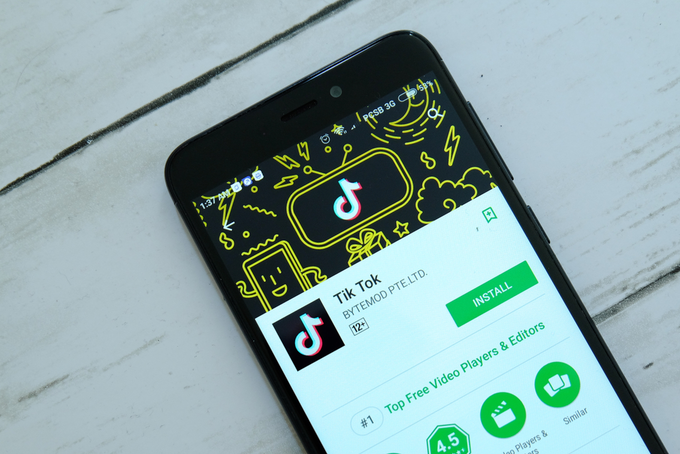
    Starting this Sunday, TikTok will be removed from the Apple App Store and the Google Play Store based on an order from the Trump Administration. On Wednesday, TikTok asked a U.S. judge to block the administration’s order similar to the way a federal judge on Saturday issued a preliminary injunction that prevents the U.S. government from banning downloads of WeChat in the states.

    TikTok is a short-form video app with over 50 million daily active users in the U.S. Extremely popular with teens, subscribers can create 15-second and 60-second videos. Much of the content includes lip-synchs, dances, comedy bits, and pranks. During the pandemic, TikTok became even more popular as it gave those stuck at home something to do. TikTok owner ByteDance is a Chinese company and the U.S. government fears that it is able to steal the personal data belonging to 100 million American subscribers and send it to Beijing. Thus, the Trump administration has called TikTok a threat to national security.

    Downloads of TikTok were supposed to be banned in the U.S. starting this past Monday. But talks between Oracle, Walmart, and Byte Dance over a plan that would give Oracle 12.5% and Walmart 7.5% of a new company called TikTok Global was considered a step in the right direction. Thus, the Commerce Department decided to give TikTok an additional week to get the deal done. TikTok Global would be an American company 80% owned by ByteDance, and President Donald Trump has already given his blessing to this arrangement.

    In the papers that were filed in court on Wednesday, TikTok said that it is not a national security threat. In fact, TikTok said that the restrictions that the Trump administration want to be placed against it “were not motivated by a genuine national security concern, but rather by political considerations relating to the upcoming general election.” If the order against it isn’t blocked by the court, TikTok says, “hundreds of millions of Americans who have not yet downloaded TikTok will be shut out of this large and diverse online community – six weeks before a national election.”

    Chinese State media is not happy about the deal between Oracle, Walmart, and Byte Dance. China Daily and the Global Times said yesterday that there was no reason for a deal to be signed. The papers said that the transaction being discussed is based on bullying and extortion by the U.S. Chinese state news agency Xinhua said on Wednesday that the national security concerns that the U.S. consistently brings up are bogus. The papers wrote, “It is time that other countries saw through the outrageous farce of the TikTok drama, knew what is really at stake, and joined hands to oppose such blatant robberies and maintain a fair global business environment.”

    ByteDance has also applied for a tech export license. The application was made through Beijing’s municipal commerce bureau and ByteDance is awaiting a decision. Last month, for the first time in 12 years, the Chinese government updated the list of technologies that it can ban from export. On that list is the algorithm used by TikTok that determines which videos users get to see. Developed in China, the algorithm cannot be exported out of China which gives the Communist Chinese government some control over the deal that is being worked out between ByteDance, Oracle, and Walmart. There have been some conflicting statements between the companies over the terms of the deal they each reached with the White House which means that we could remain extremely far away from a deal being announced. But again, there is the deadline to think about and once again those in the states who want to download TikTok on their mobile devices might have only a few days to do so. In November, U.S. subscribers might be forced to give up the app forever.

  • South Korean department stores refurbished to attract cashed-up MZ shoppers

    South Korean department stores refurbished to attract cashed-up MZ shoppers

    Department stores are undergoing renovations to attract the so-called MZ generation – encompassing the Millennials and Generation Z.

    After its first renovation in 11 years, Hyundai Department Store’s Jungdong branch reopened the ‘U-Plex’ Fashion House on Wednesday in Bucheon, west of Seoul.

    The storehouses 130 domestic and international fashion brands popular among the MZ generation, including the Street Fashion Zone, where the top 10 most-popular fashion brands online are located.

    The largest shopping mall dedicated to sportswear in the greater Seoul area opened on the department store’s fourth and fifth floors, featuring boutiques from Nike, Adidas, New Balance, and 34 other sports brands.

    Lotte Department Store Yeongdeungpo Branch also redesigned its floor space by filling the first and second floors with brands popular among the MZ generation. Cosmetics brands, originally located on the first floor, have been moved to the third floor.

    Shinsegae Department Store Yeongdeungpo Branch also completed renovations to attract younger customers.

  • Vietnam opens anti-dumping probe into sugar imports from Thailand

    Vietnam opens anti-dumping probe into sugar imports from Thailand

    The Ministry of Industry and Trade has initiated an anti-dumping investigation into sugar imports from Thailand, which have increased six-fold this year.

    The probe follows complaints by Vietnamese sugar producers that Thai exporters, with a subsidy from their government, are dumping their products in Vietnam and causing damage to the local sugar industry, the Trade Remedies Authority of Vietnam said in a statement.

    The import of sugar from Thailand increased six times year-on-year in the first eight months of this year to nearly 950,000 tonnes, it said.

    Vietnamese producers, represented by six major companies, said the surging imports hit their production, causing it to fall by 33 percent to 800,000 tonnes in the 2019-2020 crop.

    They have sought an anti-dumping duty of 37.9 percent. Vietnam removed import duties on sugar imported from ASEAN countries this year in accordance with the commitments of the ASEAN Trade in Goods Agreement (ATIGA).