Tag: asia

  • ‘Starbucks Now’ starting with four Alibaba apps

    ‘Starbucks Now’ starting with four Alibaba apps

    Starbucks Coffee is introducing its own mobile order and payment system in the Mainland Chinese market as a feature on Alibaba platforms Taobao, Amap, Koubei, and Alipay.

    The Starbucks Now (“Fei Kuai”) service can be used by Starbucks customers to pre-order and pay for their beverages and food online before in-person pick-up at local stores, providing a measure of convenience whether at home or traveling.

    The feature was previously only available in Starbucks China’s own mobile app. The extension of service into the Alibaba digital economy via its cross-functional Alibaba Business Operation System (ABOS) gives Starbucks a channel into the online giant’s user base of close to a billion customers.

    “The Covid-19 pandemic highlights the importance of digitalization, which is the cornerstone for any successful brand in China,” said Alibaba Group VP Toby Xu. “Alibaba is committed to bolstering businesses’ digital firepower through ABOS

    “Through this partnership, we will continue to support Starbucks in expanding its digital service offerings across China to meet ever-evolving customer preferences and create long-term value.”

    Starbucks has collaborated with Alibaba since 2018, leveraging the firm’s Ele.me service to deliver Starbucks beverages to users’ homes.

  • Don Don Donki kicking off in Malaysia

    Don Don Donki kicking off in Malaysia

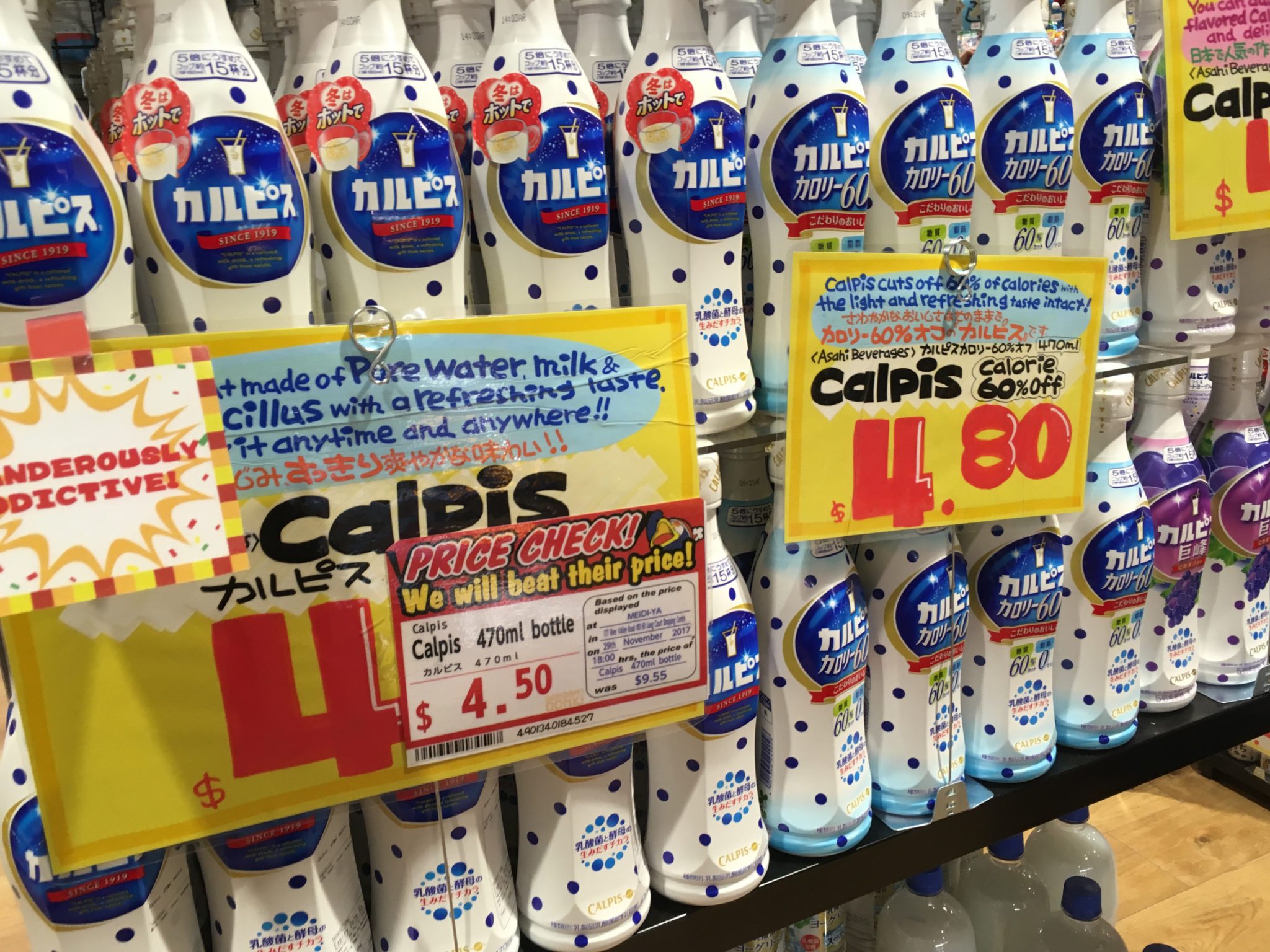
    Japanese discount retailer Don Don Donki is to launch its first store in Malaysia next year.

    Located in Lot 10 shopping center, the Don Don Donki Malaysia store spans three floors, offering a wide range of Japanese goods and globally-sourced products.

    “Pan Pacific Retail Management is strategic in choosing our mall for its location to attract not just the locals but also to capture the heavy tourist traffic from the dense cluster of hotels in and around Bukit Bintang,” said Joseph Yeoh, vice president of YTL Land, which operates Lot 10.

    The store will anchor the new entrance of Lot 10, which will be directly connected to the Bukit Bintang MRT station.

    The Don Don Donki Malaysia Lot 10 store is expected to be completed in the last quarter of this year and open its door to the public in early next year.

    “Its dynamic concept is an excellent addition to our tenant mix which reinforces our mall’s youthful vibes of Meet, Play, #LoveLot10,” he said.

    Since its launch in Southeast Asia in 2017, Don Don Donki has progressively expanded across the region with seven outlets in Singapore and two stores in Bangkok. The Japanese chain has also opened three stores in Hong Kong in just one year.

  • India’s Cafe Coffee Day shuts 280 stores

    India’s Cafe Coffee Day shuts 280 stores

    Indian coffee chain Cafe Coffee Day shuttered 280 outlets between April and June due to low profitability and potentially rising costs.

    The firm, which now operates 1480 outlets, has also reported a decline in average daily sales from 15,739 cups to 15,445 cups during the period. This was counterbalanced by an uptick in Coffee Day’s vending machine count from 49,397 to 59,115 units year on year.

    “Export operations have been temporarily stopped due to lower margins and higher working capital requirement and around 280 outlets are closed during the quarter based on various factors including the profitability, future increase in major expenses,” said a spokesperson for the firm.

    The firm has struggled since the apparent suicide of founder VG Siddhartha a year ago. Siddhartha founded Coffee Day Enterprises in the late 1990s, years before Starbucks made its Indian debut, building a network of 1700 outlets – 10 times the size of Starbucks.

  • Japanese cheap eatery operator Ootoya set for ownership fight

    Japanese cheap eatery operator Ootoya set for ownership fight

    A long-running feud for control of a Japanese provider of home-cooked meals Ootoya has spilled out of the boardroom and into the kitchen.

    Colowide, which owns multiple restaurant chains in Japan, is seeking to take control of Ootoya Holdings, a well-known operator of cheap and convenient eateries that serve what it describes as “mom’s food.” Having failed in an earlier bid to install its preferred slate of directors, Colowide earlier this month launched a tender offer aimed at boosting its share in Ootoya to a majority and give it control of the company.

    Ootoya on Monday formalized its opposition to the offer, setting up a proxy fight for the future of the franchise at a time when the restaurant business in Japan, as in much of the world, is struggling to stay afloat due to the coronavirus pandemic. Restaurants have had to cut back on hours, staffing, and capacity to comply with social-distancing measures, eroding their profitability.

    At its heart of the struggle in Japan is a dispute over the place of kitchens: Ootoya makes its traditional Japanese meals on-site in each restaurant and argues this is crucial to its business. Colowide wants to modernize the chain and integrate into its network of central kitchens, hubs that can serve multiple restaurants at once.

    The struggle also highlights how hostile takeovers, once frowned upon in Japan, are increasingly becoming an option for management feeling ever-greater pressure from shareholders to boost long-term sluggish performance.

    The battle has its roots in the sudden death in 2015 of Hisami Mitsumori, the man who built the Ootoya brand. Following a reported clash with CEO Kenichi Kubota, Mitsumori’s son Tomohito left the company, and he and his mother eventually sold their sizable stakes in Ootoya to Colowide in 2019. Kubota himself is also a cousin of Mitsumori.

    Colowide first tried to install its preferred slate of directors, which included Tomohito Mitsumori, only for shareholders to roundly reject the proposal last month. Colowide is now offering 3081 yen (US$28.74) per share to take its stake above 51 percent. That’s a 46-per-cent premium to the closing price before the offer, with shares closing at 2934 yen on Monday.

    Ootoya’s management has hit back, accusing Colowide of bungling past takeovers, including that of Kappa Sushi, acquired in 2014 and which Ootoya says has trailed rival sushi outlets. In its statement of opposition to the tender offer, it warned shareholders that a successful Colowide bid would put Ootoya’s business in jeopardy. A group of more than 400 restaurant employees on Friday said they opposed the deal.

    “We do not view Colowide as being in good shape to drive a turnaround of Ootoya,” Mio Kato, an analyst at LightStream Research who publishes on Smartkarma, wrote in a note on July 9. “This looks to be a potential acquisition of a struggling company by a financially weak and in our view, also struggling company, during a crisis period for their industry.”

    “I have no intention of ever changing our style of cooking in-store,” Kubota told Nikkei Business magazine in an interview in May, before the bid had been finalised. “A tender offer is not illegal, but would be in extremely bad faith.”

    One intriguing complication is Ootoya’s retail-heavy shareholder base. Most of Ootoya’s shares are in the hands of individual investors, with many holding the stock long term in order to claim “yutai” shareholder gifts, which include free meals an

  • Crazy Sports to open lottery franchises inside JD convenience stores

    Crazy Sports to open lottery franchises inside JD convenience stores

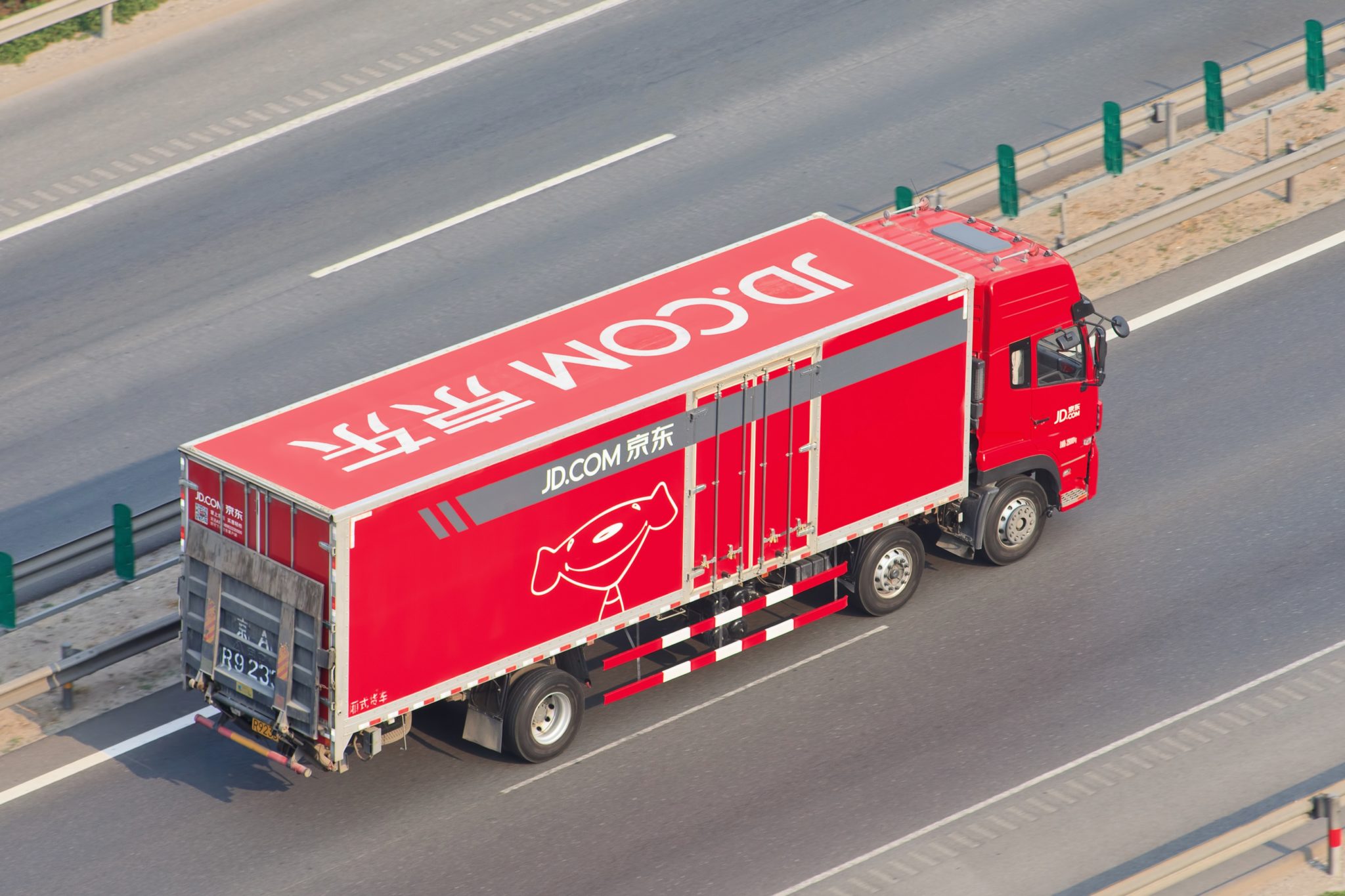
    Chinese internet firm V1 Group has partnered with Suqian Jingdong to introduce sports-lottery retailing into JD Convenience Stores within the territory via its subsidiary Crazy Sports.

    The convenience-store chain has been established by JD New Markets by upgrading and rebranding traditional outlets across China and installing a uniform store image, store management, facilities configuration, service standards, product planning, and logistical delivery.

    The new partnership will see sports-lottery terminals installed in JD convenience stores throughout the mainland. The brand is targeting expansion into rural villages, towns, and counties, expanding the sports-lottery business to third- and fourth-tier cities and towns.

    Crazy Sports has additionally signed agreements with other convenience-store chains, including Shenzhen China Resources Vanguard , Dalian Lianhua Quik, and Shanghai 007. It already partners with 12 chain enterprise lottery sales channels, including Guangdong 7-Eleven, Bianlifeng, Haolinju, and Jiajiayue.

    “Crazy Sports is very honored to be in this cooperation with JD to bring lottery new retail services into JD Convenience Stores,” said V1 Group joint COO Peng Xitao, “which will not only facilitate sports lottery users to purchase sports lottery tickets easily but also strengthen the development of Crazy Sports’ offline physical sports lottery sales network, thus expanding our user base.

    “Looking forward, Crazy Sports will continue to form partnerships with different parties and establish more chain enterprise sales channels and ‘365 Smart Stores’ to attract more offline traffic, which could then convert into online users to propel the development of our sports lottery new retail business, and seize the huge potential of the upcoming major sports events.”

    Crazy Sports intends to provide lottery sales and related services for sports enthusiasts and act as an entry point for the brand’s lottery recommendation services “Crazy Red Insights” to form a closed-loop commercial system.

  • Ikea expands famous meatball range to include plant-based option

    Ikea expands famous meatball range to include plant-based option

    The Swedish retailer Ikea’s famous meatballs have gone vegetarian with a new plant-based option going on sale in Europe, and headed for Asia Pacific soon.

    Meanwhile, in Hong Kong, the current packaged Ikea frozen meatballs and other foods have gone on sale in Market Place supermarkets operated by Dairy Farm Group, which is also the Hong Kong and Macau operator of Ikea stores.

    The ‘plantballs’ from Ikea are made with fresh ingredients such as yellow pea protein, oats, onion, apples and potatoes to recreate the classic dish for the health-conscious market. Ikea said in a statement that the new plant ball only has 4 percent of the carbon footprint of the original food.

    The new range will launch in the EU next month before becoming available in Ikea stores in North America, the Middle East and the Asia Pacific after a few months.

    “At Ikea, we sell more than 1 billion meatballs every year. Imagine if we could get some of our many meatball lovers to choose the plant ball instead. If we were to convert about 20 percent of our meatball sales to plant balls that would mean around the 8-per-cent reduction of our climate footprint for the food business at Ikea,” said Sharla Halvorson, health & sustainability manager for Ikea international.

    Ikea said it targets to inspire more consumers to have more sustainable eating and lifestyle habits that can create a positive impact to others and the environment.

    “In order to reduce the climate footprint of the Ikea food business, we need to reduce the number of traditional meatballs that we sell. With the new plant ball we can now offer meat lovers a more sustainable alternative – without compromising on the Ikea meatball experience that is loved by so many,” explained Sharla.

    It will be available at the Ikea restaurants which will be served with mashed potatoes, lingonberries and cream sauce. Shoppers can also purchase a bag of frozen plant balls from the Swedish Food Market to cook at home.

    “In the development phase of the plant ball our key objective has been to recreate the meat-like taste and texture, only using plant-based ingredients. We have tried and tested different ingredients and methods and we are very pleased with the final results,” said Alexander Magnusson, chef and project leader at Ikea food.

  • AirAsia Philippines reports 30% jump in sales

    AirAsia Philippines reports 30% jump in sales

    AirAsia Philippines said ticket sales were increasing as it gradually ramped up operations and offered flexible rebooking options amid the new coronavirus pandemic.

    The budget carrier, part of Malaysia’s AirAsia Group, said June ticket sales rose by 30 percent versus May, when major cites around the Philippines were still under lockdown rules.

    “AirAsia’s road to recovery has started and this has kept us in good spirits knowing that we are in the midst of the aviation industry’s upturn,” AirAsia Philippines CEO Ricky Isla said.

    “We are committed to gradually restoring our network. This month, we are glad to resume international flights, starting with Kuala Lumpur, where AirAsia’s headquarters is located,” he added.

    The company said it contributed to AirAsia Group’s recent record-breaking 41,000 single-day seats sold last June 24.

    For local flights, popular routes were Manila to Puerto Princesa and Davao. Flights to and from Davao similarly showed consistently high load factors throughout the month.

  • Here’s how you can win over 83 years of free Netflix service

    Here’s how you can win over 83 years of free Netflix service

    This year, thanks to the global pandemic, Netflix has proven to be a much-needed distraction for those stuck inside. During the second quarter, the company added more than 10 million new subscribers worldwide. And now one lucky person could end up winning 1,000 free months of Netflix service. That works out to more than 83 years of service. You read that right. Who knows? COVID-19  might be eradicated by then. Netflix calls it the “immortal account.”

    To win the contest, you need to play a Netflix original game based on its new action film “The Old Guard.” This is the motion picture version of a graphic novel written by Greg Rucka. Starring Charlize Theron, the film is about a team of “noble mercenaries” who just cannot die. And this immortality is the reason why Netflix is giving away 83 years of service. As the streamer asks, “But how long is immortality, really? Netflix can’t promise a truly eternal subscription to its service, but it can offer the closest alternative: 1,000 months of service, which comes out to a bit over 83 years.”

    The grand prize winner must ring up the highest score while playing Netflix’s “The Old Guard” video game. You must be at least 18 years of age and reside in one of the 50 U.S. states or the District of Columbia. The contest ends at 8 am PT on July 20th which means that time is a-wastin’. You can play the game as often as you’d like until the contest ends, and the top 10 scores will be posted on a leaderboard.

    The grand prize winner will receive a special code good for 1,000 months of free Netflix service covering two screens. The person who achieves the second-highest score wins the second prize consisting of a code good for one year of free Netflix service for two screens. And the entrant who manages to get the third-highest score playing the game wins a code that can be used to obtain six free months of Netflix for a pair of screens. The codes must be redeemed within one month of their activation which is expected to take place on July 20th. The ARV (Approximate Retail Value) of all of the prizes adds up to $10,169.82.

    “The Old Guard” video game mirrors the events of the movie and in the game, you play the lead character looking to fight off your enemies using a one-handed Labrys. The latter is a giant, double-bladed ax. Netflix hints that getting killed in the game slows you down, so to ring up a high score, you need to defeat enemies quickly, without getting hit.

    While Netflix is the most popular subscription streamer in the world, the company’s estimate for new subscribers during the current quarter was 2.5 million. That is less than half the 5.27 million expected on Wall Street and the company is blaming the shortfall on short-form video app TikTok. Netflix told stockholders that “TikTok’s growth is astounding, showing the fluidity of internet entertainment. Instead of worrying about all these competitors, we continue to stick to our strategy of trying to improve our service and content every quarter faster than our peers. Our continued strong growth is a testament to this approach and the size of the entertainment market.”

    If the U.S. government gets its way, TikTok will be banned in the states because it is owned by Chinese firm ByteDancer. The U.S. is concerned, as it is with all apps and products owned by a Chinese company, that ByteDancer is secretly collecting information that it sends to a server in Beijing. The company has denied this and no evidence to support the allegations has ever surfaced.

    Besides TikTok, a number of new streamers could prove to be competition for Netflix. Disney+, launched last November, is off to a strong start. HBOMax and NBCUniversal’s Peacock are also available to iOS and Android users.

  • The world’s second largest smartphone market sees shipments drop in half during Q2

    The world’s second largest smartphone market sees shipments drop in half during Q2

    A double whammy negatively impacted the second-largest smartphone market in the world during the second quarter of the year. The global outbreak of coronavirus led to the shutdown of smartphone production in the country. And the demand for handsets dropped sharply as retailers both online and offline were not allowed to sell them. This was the case in India until the middle of May; that means that COVID-19 affected smartphone supply and demand in India for half of Q2.

    Xiaomi, with its value for money approach that is tailor-made for a developing country like India, remained the top smartphone manufacturer in the market during the second quarter. Even though shipments, at 5.3 million units, declined 48% year-over-year (the company shipped 10.3 million phones during the same quarter last year), Xiaomi’s market share barely declined from 31.3% during Q2 2019 to 30.9% during this year’s second quarter.

    Vivo was second during Q2 after delivering 3.7 million phones during the three months. Even with a 36% decline in the number of phones shipped, the manufacturer’s market share rose from 17.5% to 21.3% from April through June of this year. Samsung saw phone shipments in India declined by 60% on an annual basis as the number of phones it delivered dropped from 7.3 million to 2.9 million. Even the popular Galaxy A series couldn’t stop the bleeding as Sammy saw its slice of the Indian smartphone market decline from 22.1% to 16.8%.

    Oppo finished fourth for the quarter with a 27% decline in shipments from 3 million to 2.2 million, allowing the company to expand its market share from 9.2% to 12.9%. And in fifth place during the quarter was Realme. The latter shipped 1.7 million phones during the three months, one million or 35% fewer than during the same quarter last year. Realme owned 10% of the Indian smartphone market in Q2, which was up from the 8.1% share it had during Q2 of 2019.

    Canalys Analyst Madhumita Chaudhary said, “While vendors witnessed a crest in sales as soon as markets opened, production facilities struggled with staffing shortages on top of new regulations around manufacturing, resulting in lower production output. The fluidity of the lockdown situation across India has had a deep-rooted effect on vendors’ go-to-market strategies. Xiaomi and Vivo have undertaken an O2O (offline-to-online) strategy to support their massive offline network. Online channels, too, while seeing a positive effect of the pandemic on market share, have seen sales decline considerably.”

    What might negatively impact Chinese phone manufacturers like Xiaomi, Vivo, Oppo, and Realme in India during the current quarter is a border skirmish between the two countries. 20 Indian soldiers were killed by the Chinese and India started holding up shipments from China into the country. Canalys says that 96% of all smartphones sold in India last year were made locally. Despite this, Canalys analyst Adwait Mardikar notes that the lure of lower pricing on phones from Chinese companies like Xiaomi will help those manufacturers sell their wares in India. He says, “Vendors are driving the message of ‘Made in India’ to consumers and are eager to position their brand as ‘India-first.’ Despite the sentiment, the effect on Xiaomi, Oppo, Vivo, and Realme is likely to be minimal, as alternatives by Samsung, Nokia, or even Apple are hardly price-competitive.” Canalys analyst Chaudhary says that manufacturers are hoping that new 5G handsets lead to increased sales. He noted that “The transition to 5G is the next big opportunity, and Jio’s announcement of readiness to deploy 5G, as soon as spectrum is made available, has provided a ray of hope to most vendors who have been beaten by the current pandemic.”

    Speaking of Apple, the company turned in the best performance out of India’s top 10 smartphone manufacturers with a 20% year-over-year decline in shipments. The number of iPhones delivered in India was slightly over 250,000 units. Even though pricing makes iPhones luxury items in China, another iPhone assembler is working on building a new plant in India joining Foxconn and Wistron. Bloomberg reports that Pegatron, the second-largest iPhone assembler in China after Foxconn, will eventually start producing iPhone models in India. Apple is looking to move up to 20% of iPhone production out of China to avoid the possibility of tariffs in the future as the tense relationship between the U.S. and China continues.

    Overall for the quarter, 17.3 million handsets were shipped in India down 48% from the 33 million that were delivered during the same quarter last year.

  • 7-Eleven marks it’s milestone with the 71,100th store in Seoul

    7-Eleven marks it’s milestone with the 71,100th store in Seoul

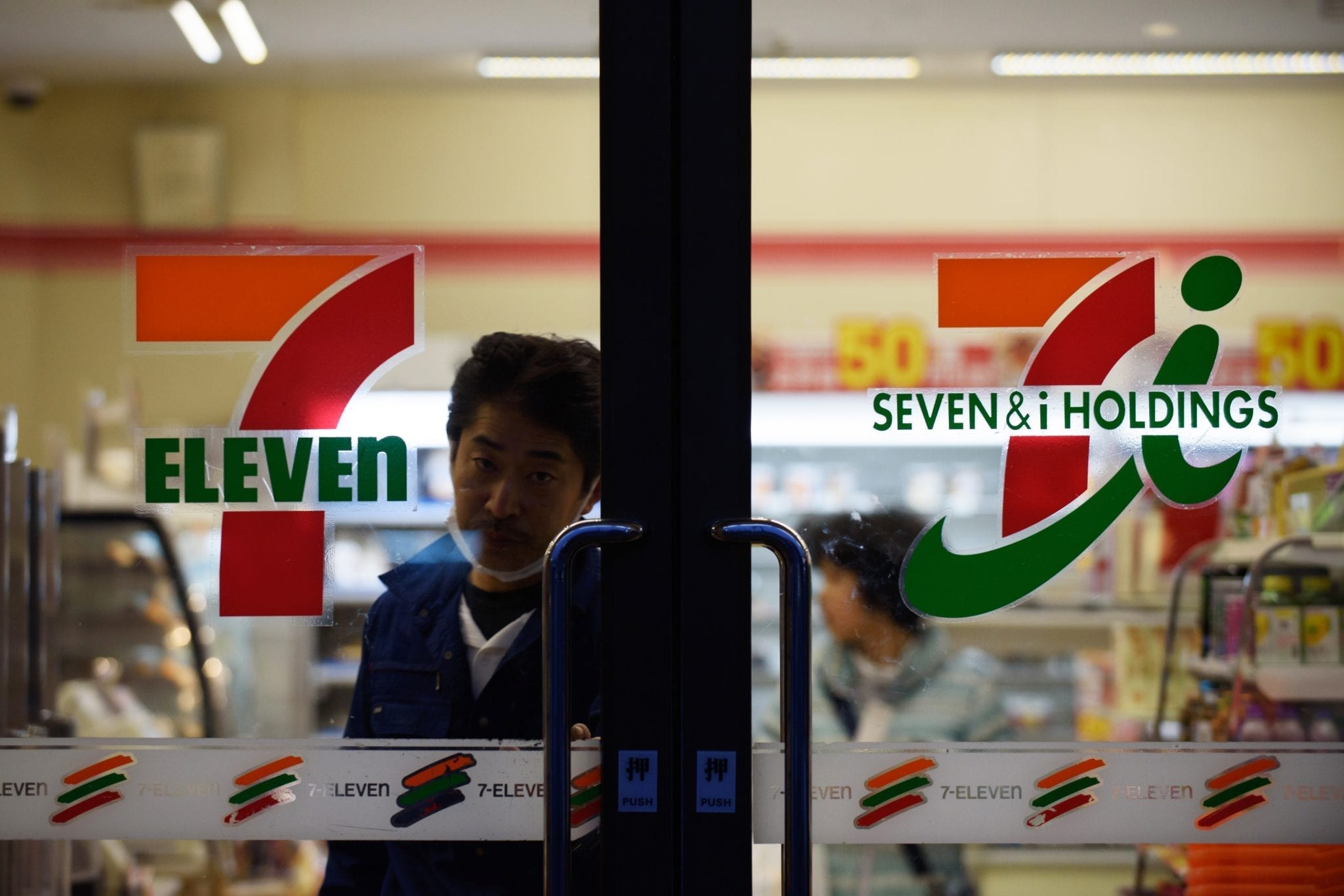
    7-Eleven has hit a new milestone with the opening of its 71,100th store, located in Seoul, the capital of South Korea.

    “7-Eleven’s iconic orange, green and red stripes are easily recognized in 17 countries around the world,” said 7-Eleven President and CEO Joe DePinto.

    “The company got its start because an entrepreneurial ice-dock employee saw his customers had a need and came up with a creative way to serve them. A lot has changed in how, when, and where 7-Eleven does business. But one thing that hasn’t changed is our commitment to putting customers at the forefront of all we do.”

    The brand opens a new store somewhere in the world roughly every 3.5 hours. Early last month, the first 7-Eleven in Hunan, China broke the international opening-day sales record for the company brand, reporting US$70,310 of turnover.

    With the new 7-Eleven milestone passing, the growth shows no signs of slowing. Master franchisees for India and Cambodia are expected to be taken up soon. In Asia, 7-Eleven already has networks in China, Hong Kong, Singapore, Thailand, Malaysia, Japan, South Korea, and Vietnam.

  • Estee Lauder Singapore unveils new Ion Orchard store

    Estee Lauder Singapore unveils new Ion Orchard store

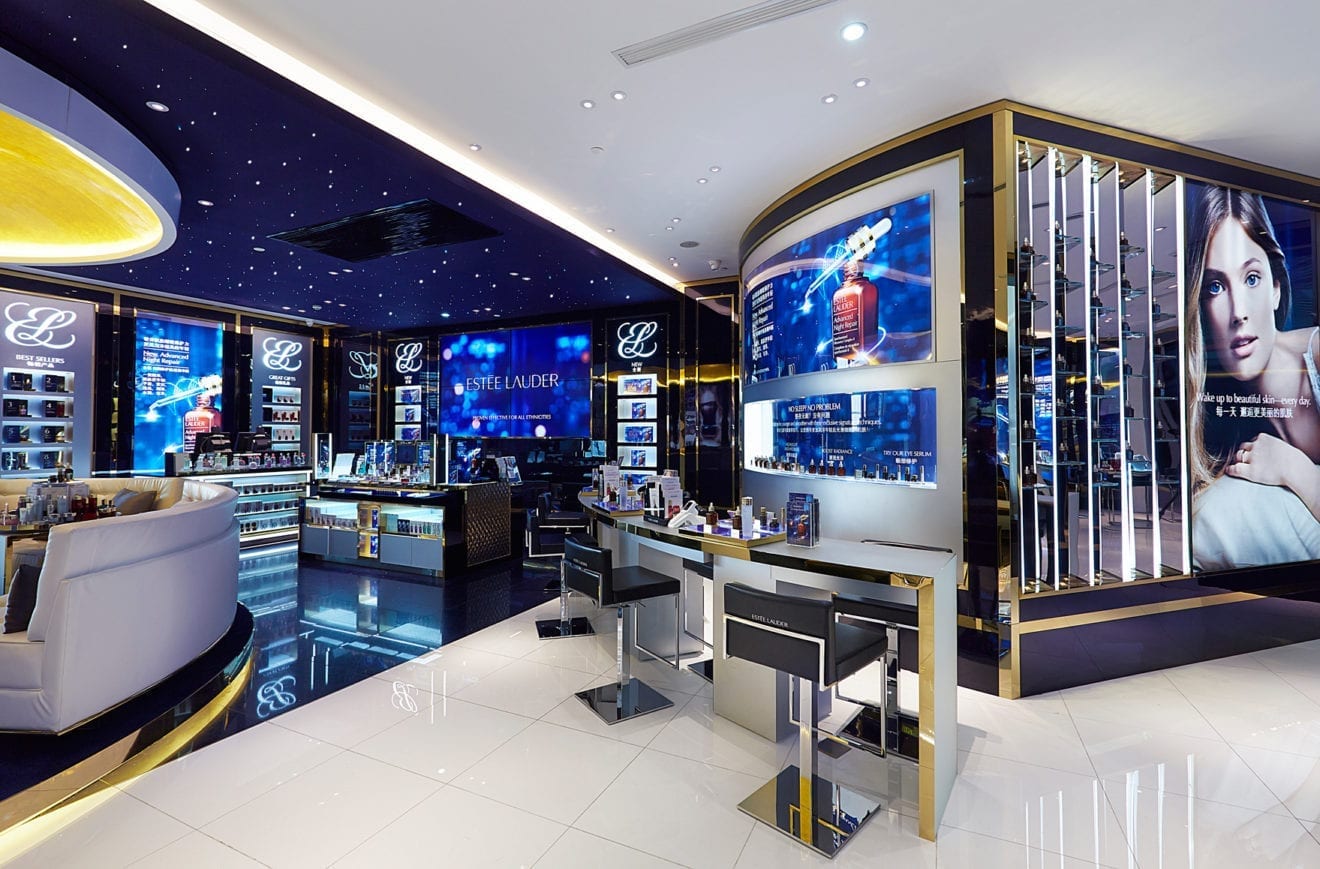
    Estee Lauder Singapore has reopened its store in the Ion Orchard shopping center with a completely new design. Located in the mall’s Basement Level 1, the Estee Lauder Ion Orchard store features a contemporary look, with blue navy wall and platinum elements.

    A digital screen is installed in front of the store, featuring images of the brand’s bestsellers, such as Advanced Night Repair or Pure Color Envy and Double Wear.

    “This new home offers a unique and elevated high-touch approach that has been paired with the latest innovations to meet our customers’ changing needs, to deliver the ultimate Estee Lauder experience,” said Christine Goh, brand GM of Estee Lauder Singapore.

    Storehouse’s interactive makeup ‘play tables’ for customers to engage while shopping.

    Customers can learn about Estee Lauder’s products by scanning QR codes or having exclusive one-on-one consultations. Personalized and gifting services are also available at the store.

  • HSBC Job Cuts Reach Asia

    HSBC Job Cuts Reach Asia

    HSBC’s cost-saving drive is reportedly set to accelerate even in its most profitable markets in Asia following the departure of its global head of equities. Hossein Zaimi is leaving HSBC, according to a report citing two unnamed sources, after joining the bank more than 16 years ago. Zaimi also took on the additional role of co-head of securities financing in March shortly after HSBC revealed plans for its investment bank overhaul.

    Adrian Lewis, EMEA head of equity capital markets (ECM), has also left to pursue opportunities outside of the industry, the report added. Lewis will be succeeded by Andrew Robinson, head of EMEA equity syndicate, reporting to Ed Sankey who was named global head of ECM in June 2019.

    While the lion’s share of cost cuts reside in Europe, the report noted that Asia – the most profitable region for HSBC – will not be immune to restructuring. Following Zaimi’s departure, more exits are expected in the region in the coming weeks.

    The bank originally planned to cut 35,000 jobs, $4.5 billion in costs, and $100 billion in risk-weighted assets before postponing the overhaul in March due to the coronavirus pandemic. In June, HSBC reportedly resumed such activities in June and was considering deeper cuts including more job losses or the possible sale of some businesses.

    Simultaneously, the bank is also expanding its newly created wealth and personal banking unit – a combination of the whole private client business from retail to ultra-high net worth (UHNW) individuals – with around half of its $4 trillion in assets from Asia.

    Since 2017, the bank has hired 800 employees for its affluent and emerging high net worth client businesses – Premier and Jade, respectively – across Hong Kong, Singapore, and mainland China including relationship managers, investment counselors, UHNW solution specialists, and product specialists.

  • Scary Android malware targets hundreds of popular apps

    Scary Android malware targets hundreds of popular apps

    Another day, another major Android threat discovered by security researchers as it lurks in the shadows in anticipation of its time in the mischievous limelight. In a way, this BlackRock malware detected and rigorously documented by the folks over at ThreatFabric can be considered even scarier and more dangerous than the Joker virus that made headlines recently or other similar security vulnerabilities found to stem from largely shady apps in the past.

    That’s because BlackRock was exposed as targeting a long list of reputable and crazy popular Android apps, including everything from PayPal to Gmail, Yahoo Mail, Uber, Netflix, eBay, Amazon, Telegram, WhatsApp, Twitter, Snapchat, Skype, Instagram, Facebook, YouTube, Reddit, TikTok, Tumblr, Pinterest, Tinder, Grindr, and even Google’s own Play Store. In total, we’re talking no less than 337 potential victims.

    For many people, that might be pretty much everything they use on their mobile devices on a regular basis, so obviously, the solution to this problem is not to delete all these apps and seek less popular alternatives. Instead, you should merely be careful about what you install and especially where you install your apps and updates from.

    As you can imagine, the aforementioned apps, social networking, communication, and dating services are not dangerous by themselves, rather being targeted precisely due to their worldwide success and mass appeal by a banking Trojan that hasn’t managed to slip through Google’s Play Store filters yet.

    In other words, you have nothing to worry about, at least as far as this particular virus is concerned, if you download everything from an official source. The danger surfaces when you’re prompted to install “Google updates” from third-party sources, which is a massive red flag.

    Unfortunately, it’s not entirely clear what you can do to clean your phone of the BlackRock malware if you fall prey to such a vicious and insidious attack that will quickly spread across your system without leaving a trace. That’s because the Trojan will prevent most antivirus programs from starting in addition to phishing everything from your financial information to social media usernames and passwords.

    Naturally, the main goal is to steal credit card details, but various app credentials will also do for the bad actors behind BlackRock, and you can expect your text messages to be hijacked as well.

    While far from new or innovative at its core, this chilling banking Trojan does a few things differently from its forerunners, dubbed LokiBot, MysteryBot, Parasite, and Xerxes. Instead of adding new features and increasing its complexity, which is usually the case in this dark and malevolent world, BlackRock is actually keeping things simpler than ever, with a focus on the most “useful” functions in terms of stealing personal information.

    What is expanded compared to previous banking malware is the target list, with an unusually high number of “trending” social and dating apps joining the typical group of financial services from institutions located in the US, as well as Australia, Canada, and various European countries.

    Basically, BlackRock is casting a wider net than any of its predecessors, making sure pretty much no one that uses an Android phone nowadays is safe, no matter where you live, what device you use, how you like to connect with friends and make new ones, or what online banking channel you prefer.

    Still, the simplest, safest, and most foolproof way to stay protected from this type of threat remains to never rely on a third-party app store, as well as install a reliable antivirus solution before suspecting a cyberattack, and periodically check your app permissions, as well as your credit card statements for any unauthorized or shady transactions.

  • Zoom sets a new App Store record during the second quarter

    Zoom sets a new App Store record during the second quarter

    If there ever was an app tailor-made for the coronavirus it is Zoom. The video conferencing app can host video chats consisting of up to 100 participants. During the three months from April through June, when COVID-19 was keeping most Americans inside, Zoom generated a new App Store record 94 million installs on iOS. During the first quarter, just before the pandemic became a major issue in the states, short-form video app TikTok had the previous record with 67 million App Store installations.

    How amazing are those achievements made by Zoom and TikTok? Before this year, no non-game iOS app ever had more than 50 million downloads in a single quarter. And when you throw in the number of downloads sourced from the Google Play Store during the second quarter, Zoom was installed over 300 million times during the three months from April through June. Also topping 300 million installs during the quarter was TikTok; the latter was downloaded 71 million times from the Apple App Store during Q2; that is a 154% gain year-over-year.

    During the second quarter, total downloads in the U.S. App Store (2.2 billion) beat out downloads in the Chinese App Store (2.1 billion) for the first time in years. On an annual basis, the number of iOS app downloads in the U.S. was up 27% compared to Q2 compared to just 2% in China. Globally, App Store downloads rose by 22.6% in the second quarter to 9.1 billion. Second-quarter downloads in the Google Play Store worldwide hit 38.7 billion, up 34.9%.

    With many Americans communicating through Zoom as the pandemic continues to wreak havoc in the states, the app should continue to show strong growth during the current quarter. TikTok also should continue to show growth in the U.S. as Americans create TikTok videos to distract themselves from all of the stress caused by COVID-19.

  • FairPrice Finest launches in-store radio network with SPH

    FairPrice Finest launches in-store radio network with SPH

    Singapore supermarket chain FairPrice Finest has launched an in-store radio network in partnership with SPH Radio.

    The new channel, live in all 26 stores, will offer FMCG companies another channel in which to advertise to shoppers in-store, as well as music and content from SPH radio stations.

    The station will reach an estimated 2.5 million shoppers every month.

    “Partnering with SPH Radio will not only help us improve our shopper experience via aural ambiance but also provide a wider range of touchpoints for our retail partners to engage with our shoppers in an integrated manner,” said Kelvin Tan, head of customer & marketing (retail business), at FairPrice Group.

    “As Singaporeans are making more frequent trips for their groceries, this will be a viable platform for our retail partners to reach shoppers in their shopping journey.”

    The new channel marks SPH Radio’s first foray into in-store entertainment programming.