Tag: asia

  • Marie France Van Damme launches online platform to support artisans

    Marie France Van Damme launches online platform to support artisans

    Hong Kong designer Marie France Van Damme has launched a new online lifestyle and e-commerce platform Curated by MF.

    The site is designed to support the designer’s personal network of boutique designers, businesses and craftspeople, listing globally sourced curated products and exclusive private label pieces.

    “In a time of health crisis and economic uncertainty, as small business owners, we have to support one another to weather the current downturn,” said Van Damme

    “I have been traveling the world for the past 40 years. On my journey, I have developed relationships with craftspeople from the Souks of Marrakesh, with traders in the bustling streets of Hong Kong and Bangkok, and with small business owners from around the globe. Let me introduce you to my very talented friends who share my passions. They work with the finest artisans, their creations are limited, beautiful, and are ethically sourced.”

    Curated by MF features pieces from L’Objet to Jay Ahr’s limited-edition collection of vintage hand-embroidered Vuitton and Hermes Birkin, Kelly and Constance handbags, among many other boutique items. Van Damme introduces a new designer, featuring a curated selection of their artisanal items, on a fortnightly basis. The snake at the top of this story is a US$10,000 necklace from Lotus Arts de Vivre.

    The designer is known for her globally influenced line of luxury resort, ready-to-wear, and swim garments.

  • Tigers appoints Jana Schebera as new managing director for its China operations

    Tigers appoints Jana Schebera as new managing director for its China operations

    Tigers has appointed Jana Schebera as its new Managing Director, China, adding a further layer of freight forwarding expertise as the logistics provider continues to find growth in Asia.

    Prior to moving to Tigers, Jana spent more than a decade in the industry holding positions that included Managing Director for Hong Kong and South China at Rhenus Logistics, and business development roles at M+R Spedag Group.

    “What attracted me to join Tigers was the strong focus on IT solutions and the emphasis on adding value for our customers through technology which is quite different from traditional freight forwarding and logistics,” said Jana.

    “Furthermore, Tigers has a strong global footprint in B2C logistics, which I definitely see as the future of the industry.”

    Based in Tigers’ Tsing Yi e-commerce fulfillment facility in Hong Kong, Jana holds a Master’s degree from Humboldt University of Berlin, Germany, in Economics and Chinese Studies, and is currently working towards a second Master’s degree in Carbon Management from the University of Edinburgh, UK.

    “Jana brings a sound forwarding knowledge to the China team and having spent a few years in Shanghai not only understands the region well, but is fluent in Mandarin too,” said Andrew Jillings, Chief Executive Officer at Tigers.

  • Mastercard and WeLab Bank Announce the Launch of  Numberless WeLab Debit Card

    Mastercard and WeLab Bank Announce the Launch of Numberless WeLab Debit Card

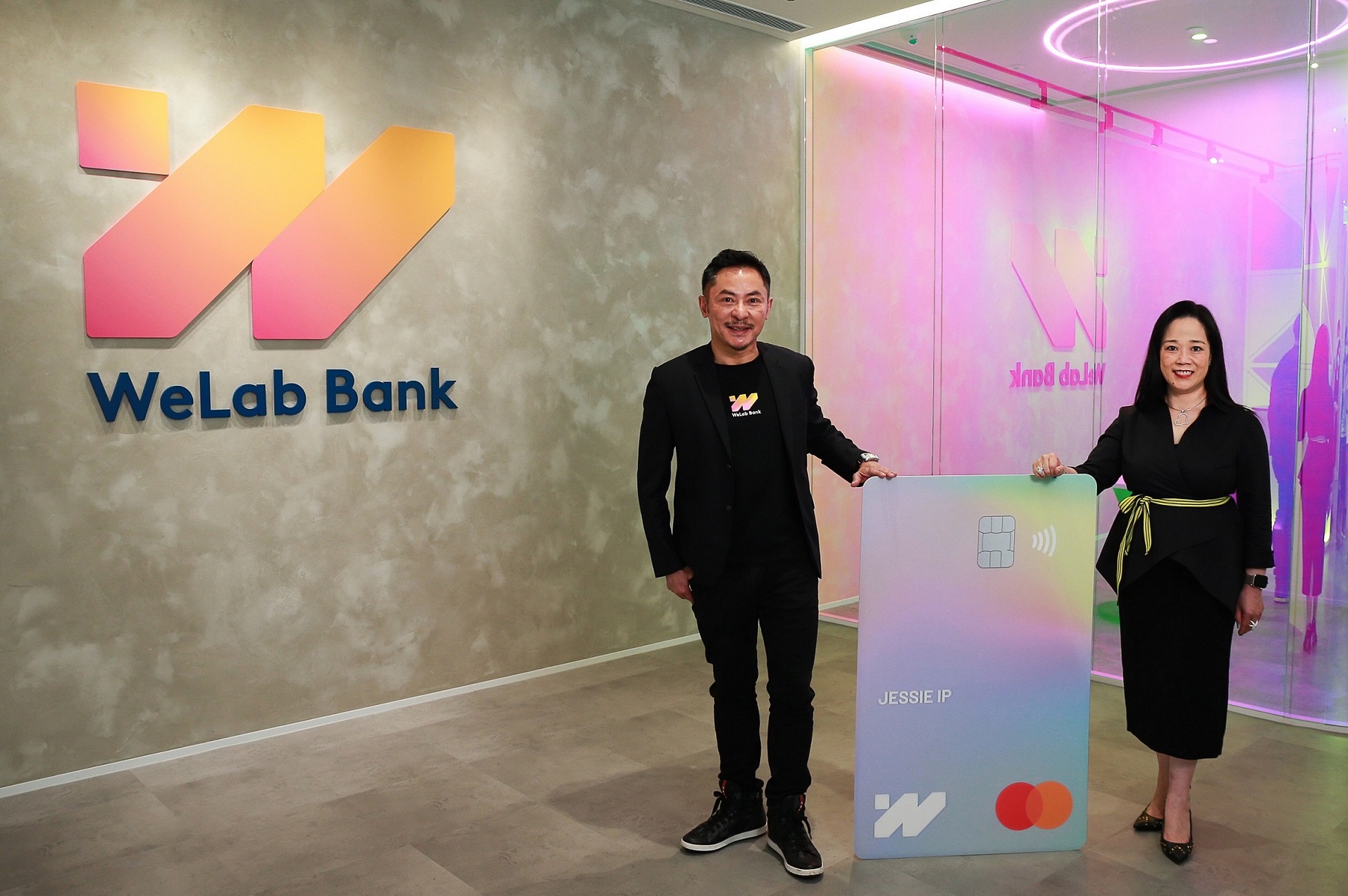
    Mastercard and WeLab Bank Limited (“WeLab Bank”), a homegrown virtual bank licensed by the Hong Kong Monetary Authority (“HKMA”), today announced a partnership to launch a numberless bank card that is part of a simple, intuitive and fully digital banking service that specifically caters to the tech-savvy needs and lifestyles of people all over Hong Kong.

    While WeLab Bank services are purposely designed to be 100 percent operated from the mobile phone, a physical card may have wider acceptance and provide added convenience to consumers’ daily lives, such as when making payments at certain merchants or withdrawing cash. Unlike traditional bank cards, the WeLab Debit Card is available for use immediately after opening a WeLab Bank account in the form of a virtual card from the WeLab Bank app, followed by the delivery of a physical card.

    The physical card is also good-looking and sleek, adopting a minimalist design with only the embedded multi-function chip and cardholders’ name to compliment the Mastercard and WeLab Bank logos, with all other information accessed safely from the mobile app. This is made possible by Mastercard’s fast, secure and reliable global network, providing WeLab Bank cardholders with robust, multi-layered protection when making purchases.  Some highlights are:

    • Private and secure – No card number, no card validation code (CVC2), no expiry date displayed on the physical card. Everything can be accessed privately and securely from within the WeLab Bank app.
    • Hassle-free lost card reporting – Simply open the WeLab Bank app and tap on “report lost card” to deactivate the card immediately. New card credentials will be issued to customers shortly thereafter, allowing them to continue making transactions straight away.
    • No hidden fees – No annual card fee, no reissuance fees for lost card, and no hidden transaction fees.
    • Accepted everywhere – offline or online 24/7 – Purchase items offline with a simple tap of the card, or online by copying the debit card number located in WeLab Bank’s app and your order can be completed swiftly, even from 10,000 miles away!
    • Easy access to cash withdrawals – Withdraw cash from any JETCO ATM in Hong Kong and CIRRUS ATMs that accept Mastercard cards worldwide.

    Looking at the transactions processed over the last few months, over 51 percent of physical card transactions were for Food & Beverages, followed by 31 percent for Groceries. Unsurprisingly, the daily average usage on weekends was about 1.5 times more than the volume on weekdays, consistent with the boost seen in restaurants since the most recent relaxation of social-distancing rules. Online transactions were much more diverse,  with the top two categories – Food & Beverage (leading at 31 percent) and Entertainment (13 percent) – accounting for just 44 percent compared to offline transactions where they totaled 82 percent. Both top categories are closely tied to the increased propensity to stay at home.

    Beyond local spending, over 30 percent of online transactions were processed by merchants outside of Hong Kong, powered by the worldwide acceptance and processing capabilities of Mastercard’s global network. Such data insights from customers’ behavior can further bolster WeLab Bank’s partnership with Mastercard, as well as the bank’s relationship with merchants, enabling them to deliver more relevant offers to customers.

    Ensuring further reliability for local consumers, WeLab Bank takes pride in being a homegrown virtual bank licensed by the HKMA and a member of the Deposit Protection Scheme, which means that customers’ eligible savings at WeLab Bank are protected up to a limit of HKD500,000 per depositor.

    “We want to empower the Hong Kong people by bringing them a more digital, secure and seamless banking experience, and it all starts with the card. We understand that people don’t want a traditional bank card, but a card that can bring excitement and fit with their daily lives. While Mastercard is a global leader in digital payments and WeLab Bank is a fintech pioneer entrenched in Hong Kong, we trust that our partnership combines the best of both worlds, allowing us to continue designing innovative tools for the future. We hope our customers enjoy using their gorgeous cards just as much as we have enjoyed building it.” said Adrian Tse, Chief Executive of WeLab Bank.

    “More and more Hong Kong people are adjusting their lifestyles to become technologically savvier. Understanding their evolving needs, Mastercard has partnered with WeLab Bank, a homegrown virtual bank that shares the Mastercard vision of providing a new digital banking experience where technology and innovation are the backbone. This collaboration also showcases Mastercard’s progressiveness as a leader in the payments industry, especially in safety and security, as well as its dedication in pushing forward the development of Hong Kong as a smart city,” said Helena Chen, Managing Director, Hong Kong and Macau, Mastercard.

    As a result of this collaboration between WeLab Bank and Mastercard, Hong Kong people will be able to embrace a digital lifestyle, enjoying a safe, secure and convenient banking experience.

  • Dean & Deluca owner bids to buy back business it bankrupted

    Dean & Deluca owner bids to buy back business it bankrupted

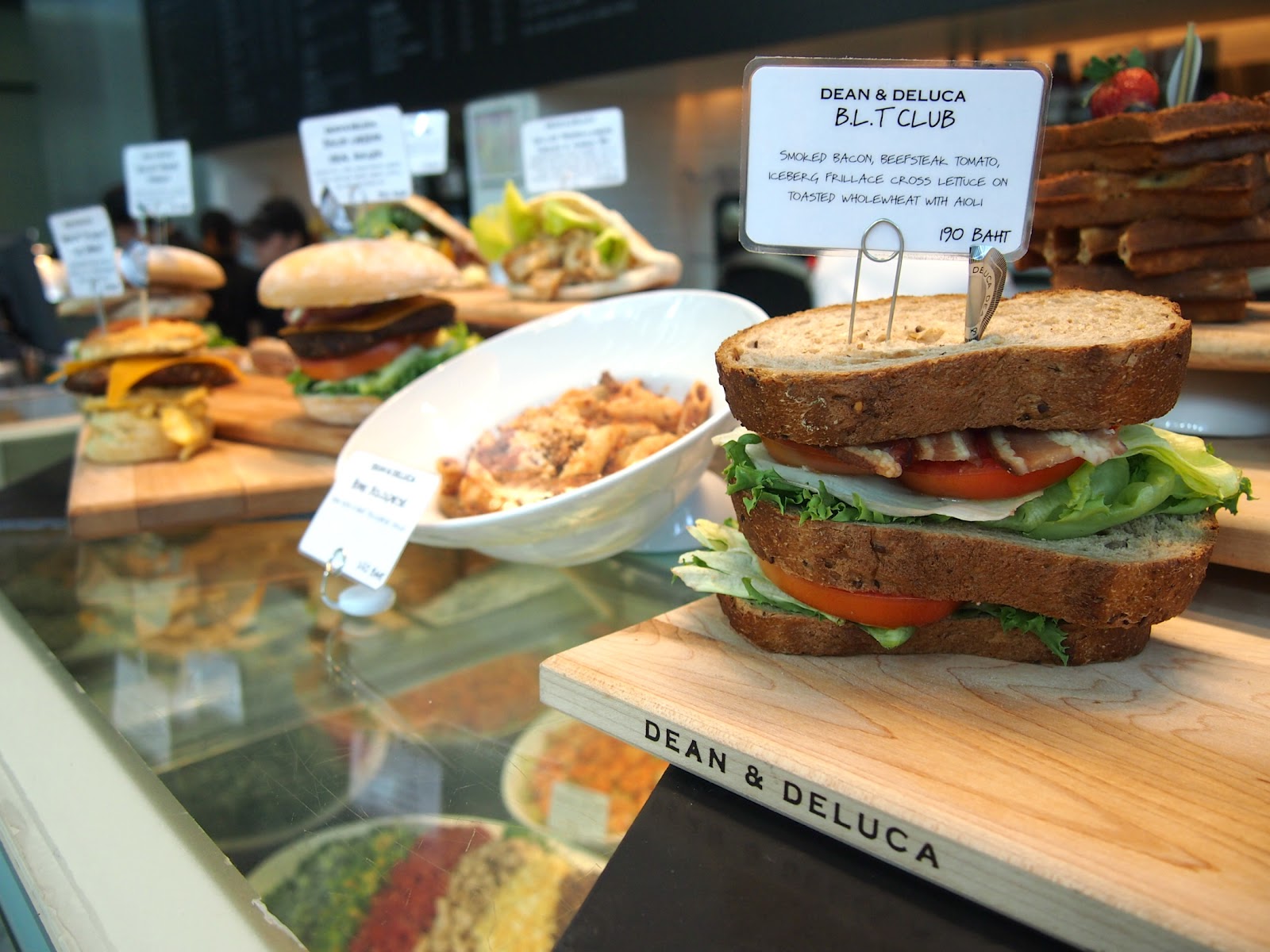
    Thailand’s Pace Corporation, the firm responsible for bankrupting its gourmet grocery business Dean & Deluca earlier this year, has bid US$10 million to buy back the firm.

    The firm has offered to use half of the investment as a gesture towards creditors, owed $26.5 million by the failed business, which would represent a payout of less than 20 cents in the dollar.

    “Dean & Deluca overexpanded and lost what made them special,” debt expert Adam Stein Sapir said. “But if they can bring it back to its former glory with a smaller footprint, it has a lot of potentials.”

    The firm’s financial distress dates back well before the advent of the Covid-19 pandemic, with a history of legal filings against Dean & Deluca for nonpayment of bills going back to 2018 after Pace had spent $240 million on expansion. Its self-owned US retail stores and online shopping portal have been closed since the middle of last year.

    The original Dean & Deluca US store opened in Soho in 1977, earning the nickname “museum of fine food”. It claimed to be the first retailer in the US to sell radicchio, balsamic vinegar and sun-dried tomatoes. But over time its exclusivity waned – as one food writer observed: “You can buy extra virgin olive oil on Amazon now”.

    The brand’s value has shrunk from $55 million to $12 million since the closures of the majority of its outlets.

    Meanwhile, Dean & Deluca continues to expand across Asia via its separate Asian entity and partnerships with franchisees and JV partners, although a recent foray into airport stores has been hit by the Covid-19 pandemic.

  • NBA joins branded-mask trend, selling across Asia

    NBA joins branded-mask trend, selling across Asia

    North America’s National Basketball Association (NBA) has launched a face-mask collection online, supporting communities impacted by Covid-19.

    The NBA face masks, produced by NBA licensee Foco and e-commerce partner Fanatics, will feature designs of all 30 NBA teams.

    According to the company, proceeds from the sales of the masks will be contributed to Direct Relief, a humanitarian organization committed to improving the health and lives of people affected by poverty or emergencies.

    The NBA face mask line will be introduced at the league’s e-commerce sites in Europe and 10 countries across Asia-Pacific, including Australia, New Zealand, Japan and Vietnam.

    Face masks are no longer just a medical product. In some countries, wearing a mask was a cultural norm long before the Covid-19 pandemic arrived. Face masks have gone mainstream in the fashion industry as many labels are introducing their own face mask line, including New Balance and Pendleton.

  • Tesco, Tata invest US$9 million in Indian JV

    Tesco, Tata invest US$9 million in Indian JV

    British grocery retailer Tesco and Indian conglomerate Tata have invested another US$8.9 million into their joint venture Trent Hypermarket.

    The move marks the first major capital investment in the business by the partners in two years, and comes on the heels of the appointment of new CEO Martin Bailie.

    While revenues expanded 22.5 percent to $164 million in the previous financial year, the business’s losses have also grown. According to IGD Retail Analysis head of insight – Asia Pacific Nick Miles, Tata has been in talks with Walmart for renewed investment, following concerns over Trent’s relatively modest expansion in the territory.

    “The renewed investment from both parties should put talks on any new investors on hold for a while,” said Miles.

    “Having exited – or in the process of selling its operations in – China, Thailand, Malaysia and Poland in the past 12 months, perhaps Tata was nervous of Tesco’s commitment to the market. However, the investment signals that it remains committed to the JV.”

  • Next likely to become Victoria’s Secret UK partner

    Next likely to become Victoria’s Secret UK partner

    British multinational clothing retailer Next has been selected as the intended UK franchise partner for Victoria’s Secret by the brand’s administrators.

    A Next partnership would give Victoria’s Secret UK access to a sophisticated digital and delivery capacity and the chance to partner with Next’s property team to bolster expansion within the territory.

    The deal is currently awaiting confirmation pending the brand’s store landlords agreeing to key lease restructures, taking into account the impact of the coronavirus pandemic on sales. The firm has, however, secured an exclusivity agreement to take the brand that is guaranteed until the end of September. Some of the brand’s 25 stores in the UK could be permanently shuttered.

    Next currently holds apparel brands Abercrombie & Fitch, Boss and Under Armour within its portfolio. According to media reports in the UK, Next pipped department-store chain M&S to become the preferred franchise partner.

    Victoria’s Secret UK collapsed into administration last month. The US parent L Brands has launched a strategic review of the brand’s presence in China, which has already resulted in the closure of the Hong Kong flagship store. In the US, L Brands plans to close about 250 stores to right-size the business.

    Victoria’s Secret made operating losses of US$214 million in the year to 20 February.

  • Microsoft announces new features coming to Outlook mobile

    Microsoft announces new features coming to Outlook mobile

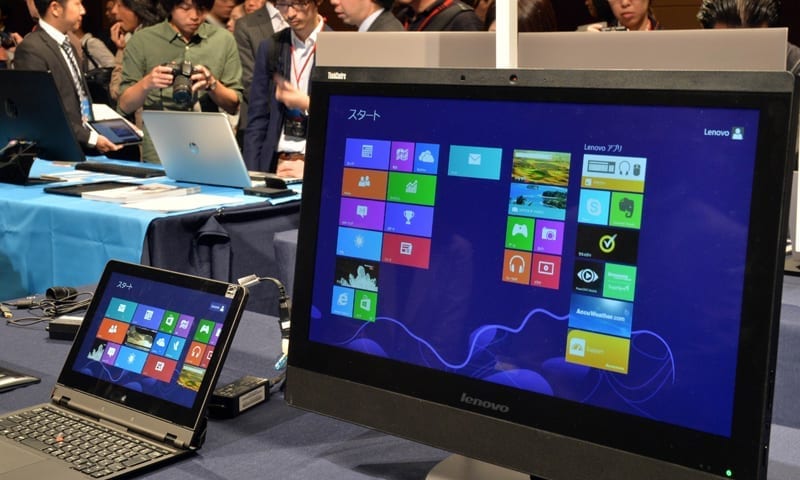
    Microsoft revealed a bucketload of new features that will be coming to Outlook mobile. Many of these improvements have already been released, while others will be added very soon. It’s also important to mention that most of them focus on two aspects: online meetings and video calls.

    First off, we have a brand new feature called Meeting Insights, which offers Outlook for Android users a first glance at email messages and files that could be relevant for their meetings. All the information is shown in the event details on the calendar, which makes it easier and faster to find what you need.

    Another nifty improvement added is the option to join a meeting online by default, so you won’t forget to add the Teams link. You’ll find the new option in the Settings menu in Outlook mobile; just make sure to select all your meetings to be created online by default.

    Furthermore, Microsoft confirmed that Outlook mobile users will start getting suggestions to Send Availability or Schedule Meeting when someone wants to meet them. They don’t show up at the moment, but these suggested replies should pop up in Outlook mobile very soon.

    Next, we’ll be talking about the option to snooze an email message for later. In Outlook mobile, you can now swipe on a message to snooze it, which means that it will show up at the top of your inbox until you reply to it.

    The latest Outlook for iOS update adds the ability to create a task from an email message received on a phone. All new tasks are synced across Microsoft 365 and will use the same email subject. Also, they will include the original email and ling to the conversation in Outlook.

    Last but not least, Microsoft has added another Cortana-related feature called Play My Emails. As the name suggests, the new functionality lets Cortana read out new email messages.

  • Volkswagen Sees Mild Growth In China’s Premium Car Segment This Year

    Volkswagen Sees Mild Growth In China’s Premium Car Segment This Year

    German automaker Volkswagen AG expects slight growth in China’s premium car segment this year despite a slide in broader market sales, a senior executive said.

    Volkswagen Group’s China chief, Stephan Woellenstein, made the remarks to reporters in Beijing on Friday.

    Volkswagen replaced Herbert Diess as chief executive of the VW brand on Monday and installed Chief Operating Officer Ralf Brandstaetter to lead cost-cutting efforts.

    In China, the world’s biggest auto market, Volkswagen has joint ventures with local partners including SAIC Motor, FAW Group, and JAC.

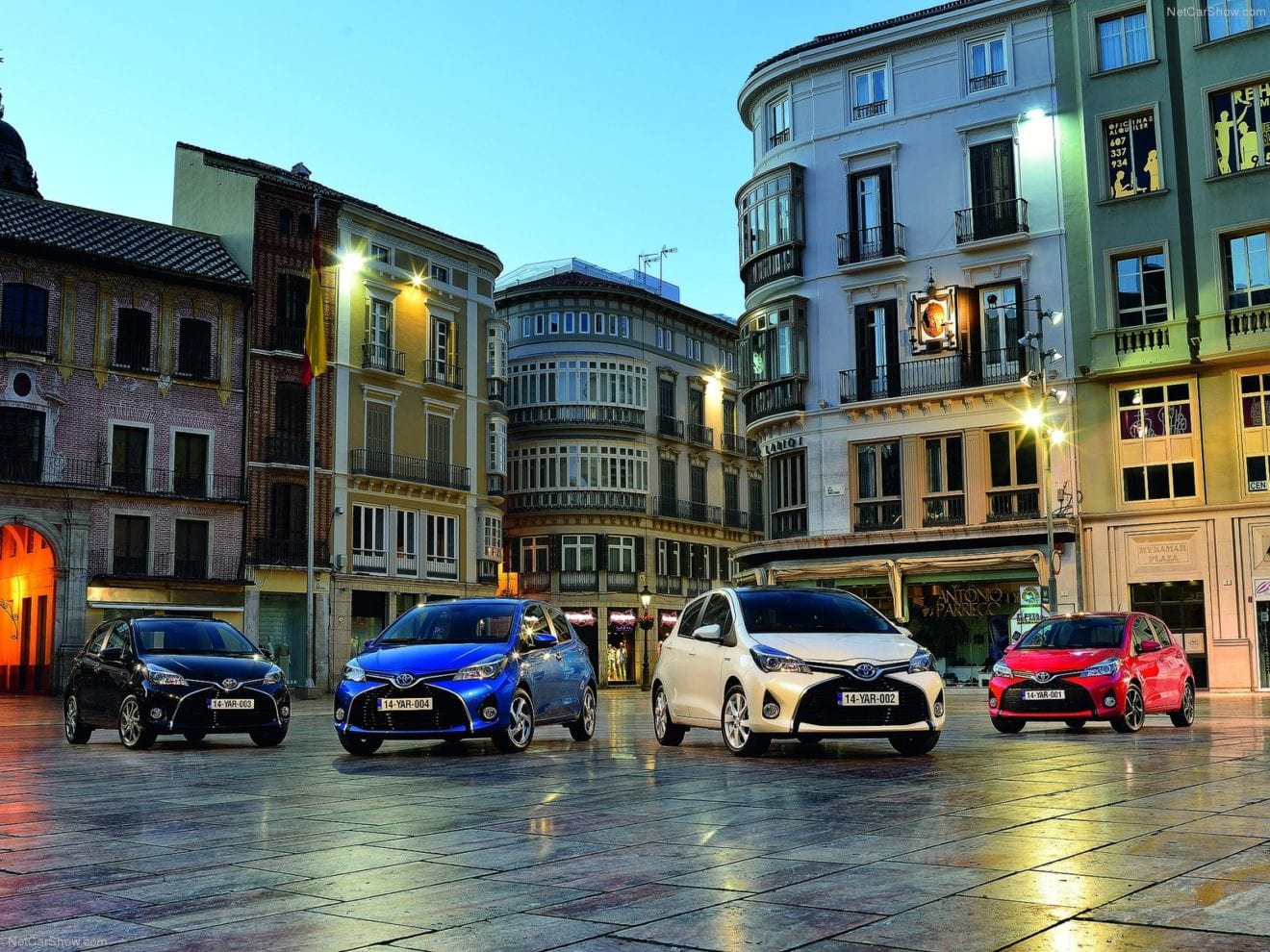
  • Toyota To Resume Production At Its Bidadi Plant From July 20

    Toyota To Resume Production At Its Bidadi Plant From July 20

    Toyota Kirloskar Motor (TKM) has announced that it will resume vehicle production at its Bidadi plant, in Karnataka, from July 20. Following a directive issued by the Government of Karnataka, earlier this month, the company had announced that it will stop production at its plant from July 14 (second shift) to July 22nd (first shift). The directive was issued as part of the State Government’s efforts to fight the spread of the coronavirus, and the rising Covid-19 positive cases in Karnataka.

    However, under a revised directive from the Karnataka Government, Toyota can now officially resume production earlier, on July 20 itself. While many employees had left for their hometowns following the announcement of lockdown, Toyota says that at any given point, only 40 to 45 percent of the production workforce has been attending work to maintain all forms of social distancing.

    Additionally, Toyota has undertaken several measures to maintain safety and hygiene at the workplace, and it has already announced guidelines for both its factory employees and its dealer partners. All employees must also self-declare their health condition on a daily basis. If there is a situation where an employee tests Covid-19 positive, the company also takes adequate measures to quarantine those employees who might have come in contact with the infected employee through appropriate contact tracing.

    Toyota was one of the first carmakers to halt production in March, even before the Government of India issues the lockdown. The company officially resumed production around mid of May after a hiatus of over 6-weeks. In April, the company for the first time, like most OEMs, saw zero sales in India. In May, after the lockdown was relaxed, the company sold 1639 units in India, which more than doubled in June 2020, with the company selling 3866 units vehicles in India.

  • Apple could be fined up to $26 billion as EU investigates Siri

    Apple could be fined up to $26 billion as EU investigates Siri

    Children are told often that when they fall off their bikes, the best thing to do is to get right back on them and ride again. And the same advice is apparently taught to adults.  Take   European Union Competition Commissioner Margrethe Vestager. Just yesterday Vestager had a ruling go against her as a lower European Union court in Luxembourg found in favor of Apple in a case involving $14.9 billion in back taxes that the EU claimed that Apple owed Ireland. From 1991-to 2005, Apple paid little to no taxes on profits it made doing business in the country.

    But Vestager has climbed back on the horse and is looking for information from 400 companies to see if there are any issues with voice assistants such as Apple’s Siri, Google’s Assistant, and Amazon’s Alexa that could result in the filing of antitrust charges. Such inquiries have to lead to cases and hefty fines imposed against other industries including energy, financial, and pharmaceutical firms.

    Vestager told a news conference that by seeking information from 400 companies, it gives Apple, Amazon, and Google the message that the EU is watching them closely to make sure that they toe the line. The commissioner said that the UK became interested in investigating the voice assistants because of the large amount of consumer data used in “Internet of Things” devices. the EU wants to make sure that the leading players in the voice assistants game don’t use their control of this data to break rules, prevent competition, and harm rivals. Vestager said, “Interoperability is of the essence if we want to make this market accessible.”

    If the EU finds that one of the companies’ voice assistants broke rules regarding competition, it can be fined up to 10% of its global revenue. For example, Apple had revenue of approximately $260 billion for its latest fiscal year. That means that it could be fined as much as $26 billion if found to have broken EU rules.

    There is no guarantee that Vestager and her team will find any issues that require the EU courts to get involved. And it will probably take some time to complete the investigation. So with this in mind, all we can add at this juncture is “stay tuned.”

  • Covid-19 has trapped US$111 billion of luxury spending in China

    Covid-19 has trapped US$111 billion of luxury spending in China

    Jeff Meng, a 25-year-old watch lover from a well-heeled Guangdong family, had US$22,800 burning a hole in his pocket. He could not find the Rolex Daytona watch he wanted, dubbed “panda” for its black-and-white face, anywhere in China.

    Thanks to the coronavirus pandemic that’s halted travel and disrupted networks of parallel importers, Chinese high-end shoppers like Meng – who collectively spend $111 billion a year on luxury goods, powering over a third of the global industry – are finding it hard to spend their cash.

    That’s forcing global luxury houses from Balenciaga to Montblanc to rethink how to reach Chinese consumers on the mainland, despite long-standing concerns that range from counterfeiters to powerful e-commerce platforms that set the rules. The halt to travel is also fuelling the rise of a second-hand luxury market in China as consumers seek certain styles or models they can’t find in local stores.

    Prior to the pandemic, two-thirds of Chinese luxury purchases were made overseas, according to consultancy Bain & Co. The spending took place either on shopping spree vacations or through resellers called “daigou”. Meaning to “buy on behalf,” these were platforms or individuals who used Chinese people living, studying or traveling abroad to purchase sought-after goods from boutiques in Europe or the US and bring them back home.

    “Now, travel is impossible, and daigou sellers are either back on the mainland or stranded in Europe,” said Meng. “The pandemic made me realize you can’t easily get what you fancy in China.”

    From Savile Row to Swiss watches, luxury rules have changed

    Cognisant of the potential of Chinese consumers who don’t travel overseas, luxury houses had already been rolling out plans to expand on the mainland. The pandemic has now hastened that shift and imbued it with urgency.

    With other factors like perceived anti-Chinese racism in western countries exacerbated by the coronavirus, and the Chinese government’s desire to bring spending home to boost its ailing economy, it’s likely that Chinese luxury buyers won’t revert to previous patterns even after the crisis passes.

    More than half of Chinese purchases for luxury goods will happen domestically by 2025, Bain & Co estimated in May, compared to a third in 2019.

    “Chinese feel unsafe in foreign countries, which is why they consume at home,” said Amrita Banta, MD at luxury consultancy Agility Research. “Brands should increase importing from foreign countries into China and offer a wider and well-priced range. They can now expand their reach to more cities — even smaller towns which have a propensity to spend.”

    E-commerce, live-streaming

    With China having largely contained its epidemic, including a new outbreak in Beijing last month, shoppers are spending again. This is set to boost the luxury market on the mainland as much as 10 percent this year, compared to a 45-per-cent plunge in the global industry, according to estimates by Boston Consulting Group.

    “Things are normal again internally, and we are seeing the results throughout our stores,” Richemont Chairman Johann Rupert said of China, where it has around 460 boutiques. “But they’re not traveling. Nobody is traveling. And until people feel sufficiently safe, I doubt that we will return to a pre-Covid stage.”

    The loss of Chinese travel spending has been cited as a blow to earnings by companies from LVMH to Moncler SpA in recent months. While luxury companies mostly do not break out Mainland China numbers, sales to Chinese tourists are likely to far outstrip revenue from local boutiques, analysts say.

    The trend of more spending within China “will push us to reconsider our store network,” said Jean-Marc Duplaix, CFO of Gucci-owner Kering SA during an April 21 earnings call. “It will lead to a clear re-shuffling of the distribution.”

    A wave of luxury brands like Prada, Miu Miu, Balenciaga, Piaget and Montblanc have opened virtual storefronts on Alibaba Group Holding’s Tmall luxury platform this year, some setting aside long-standing objections to working with third-party online channels.

    Brands like Louis Vuitton, Givenchy and Chloe have started using live-streaming to push products in China, a popular style of social commerce where an influencer speaks live to audiences for hours at a time, promoting and trying out items.

    In the past, luxury houses were worried about diluting brand prestige and losing control of customer data by working with Chinese internet giants like Alibaba, but the urgency of reaching Chinese shoppers has now eclipsed those concerns.

    “Most luxury brands were too reliant on their offline experience and they lacked presence outside major cities where there is no decent shopping mall,” said Jason Yu, MD at Kantar Worldpanel Greater China. “Counterfeits and resellers were also prevalent on e-commerce platforms in the past. But that is fast changing now.”

    Demand for some items has surged past supply in China. In May, Swiss watch exports to China fell 55 percent from a year ago, according to industry data, largely due to supply bottlenecks.

    “Due to the travel curbs during the pandemic, all the consumption power is locked inside China, so our sales there are growing,” said Alain Lam, the finance director of Oriental Watch Holdings. The high-end watch seller has 46 stores in mainland China. “But the supply is very tight, as Swiss factories are not yet fully returned to work.”

    Prior to the pandemic, luxury brands largely avoided stockpiling in China and kept local manufacturing to a minimum. Brands will now need to rethink how to avoid delayed stock and lost sales, said Agility’s Banta.

    Chinese shoppers desperate for certain items are turning to second-hand luxury platforms to procure them, fueling a surge of investment in such startups. Jeff Meng finally found his “panda” Rolex watch on one such platform called Ponhu (Beijing) Technology.

    Boosted by the pandemic, Ponhu’s gross sales will triple this year compared to last year, said founder Ma Cheng.

    JD’s used-goods platform Paipai saw sales in second-hand luxury goods jump 138 percent during the 18 days of its annual summer sale period in June compared to a year ago, including a record 300 Rolex timepieces changing hands. The demand for luxury watches, in particular, is due to the delay of new stock supply to Chinese retail stores, said Paipai’s luxury business manager Tony Yao.

    Rise of Hainan

    Facing its worst economic contraction since at least 1992, when official data was first released, China wants to keep spending within its borders.

    On July 1, China increased the tax-free shopping quota for travelers to its southern Hainan province, which has been designated a free trade zone, to 100,000 yuan annually per person from the previous 30,000 yuan. Sales on the first day of the new policy at four malls amounted to nearly 60 million yuan, reported state media.

    Some Chinese consumers say that the pandemic has unexpectedly shifted their perspectives: shopping at home can be convenient and pleasant in contrast to infrequent vacations or daigou platforms with no-returns policies.

    “I realize it’s so nice that I can try on the clothes in the malls, and salespeople treat me as a long-term client instead of just a tourist,” said Michelle Zhang, a finance executive from Fuzhou, Fujian province. “Even after global travel resumes, I will continue to shop more at home.”
  • Richemont suffers slump in online sales

    Richemont suffers slump in online sales

    After dismal updates from luxury goods groups this week, the company behind Cartier could be forgiven for a 47-per-cent slump in sales in its first financial quarter, writes Bloomberg’s Andrea Felsted.

    More disappointing is that Richemont’s powerful digital platform did a little better.

    Sales at the company’s online distributors, led by Yoox Net-a-Porter, fell 42 percent in the three months to June 30, a much worse performance than analysts had expected.

    That raises questions about Richemont’s strategy to expand its online platform. Now that the Swiss luxury group owns 100 percent of YNAP, it has the option to sell it, if it so desired, and their would-be suitors. But it should stay the course.

    Across the market, the demand for shopping via the click of a mouse or tap of a smartphone is rising strongly. Just look at the performance of mid-market online retailer Zalando SE, which on Wednesday upped its sales and profit forecasts.

    Richemont should clearly learn lessons from how it managed the impact of the pandemic. YNAP was hurt by warehouse closures. The decision not to use heavy discounting to clear unsold stock was risky. Zalando was able to keep all its warehouses operational.

    This doesn’t invalidate the current strategy. When it comes to pricing, Richemont chose to preserve its relationships with the fashion brands that supply YNAP by not slashing the prices of their goods. As luxury houses cut back on distribution via third-party sellers, this could prove wise in the longer term.

    There is also evidence YNAP’s e-commerce know-how is supporting Richemont’s other businesses. Online sales fell by a less-startling 22 percent if the digital arms of Richemont’s brands such as Cartier are included.

    YNAP’s joint venture with digital retailer Alibaba Group and the opening of a dedicated Cartier boutique on its luxury Tmall platform helped sales when stores in China were closed.

    Demand for online shopping is likely to remain strong even when stores reopen. And that is going to apply to the top end as much as mid-market clothes and accessories. Digital’s share of luxury sales could more than double to 30 percent by 2025, according to Bain & Co

    There will always be detractors who question the profitability of online luxury. Logistics expenses, particularly when it comes to product returns, offset the savings of having no rental bill. New warehouses and technology consume ever more investment to meet the demands of impatient, big-spending customers like YNAP’s.

    Even so, Richemont is on the right side of the trend with its online push. Indeed, the lesson from the last few months could be that the group should pare back its collection of fashion houses, such as Dunhill, Chloe and Peter Millar. That would allow it to devote the extra time and capital that the online and core watches businesses seem to need.

  • Wedgwood opens tea-room experience in China

    Wedgwood opens tea-room experience in China

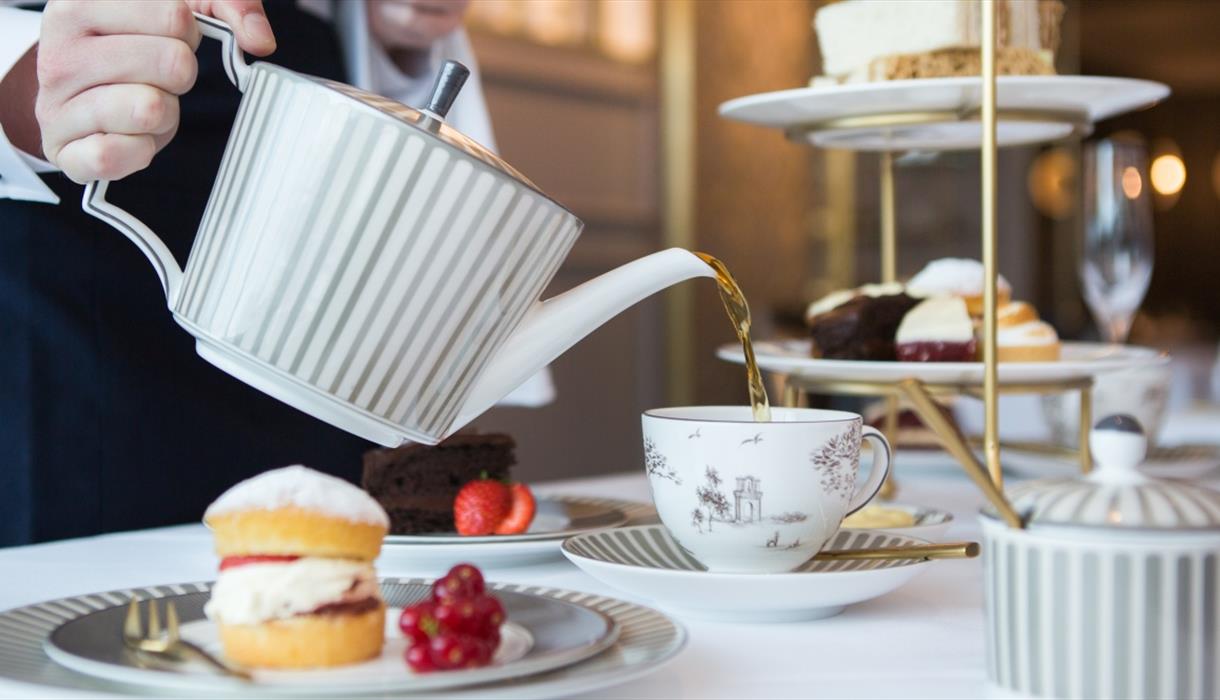
    Vintage ceramics firm Wedgwood has opened a new pilot store at The MixC Luohu mall in Chinese Shenzhen. The Tea Room Experience, which invites customers to try out products according to their own style, represents the first move in Wedgwood’s reimagined brand aesthetic, with the new designs expected to be rolled out globally following the Shenzhen launch. Shoppers in the luxury mall will experience a modern interpretation of a fundamentally British mode in the 2nd-floor tea room.

    “China is our key growth market and we are aiming for double-digit growth over the next three years, so we will be looking closely at the new stores to learn along the way,” said Wedgwood VP Paivi Svens. “We hope that our new stores and tea rooms will encourage conversations and inspire people to focus more on their own homes and become confident in expressing their own personal style.”

    The experience was created in partnership with British design firm Checkland Kindleysides based on the brand’s new proposition “celebrating eclectic originals”. The store presents three zones – a Garden Room, a Pantry and a Tea Emporium – that “balance minimalism with maximalism with strong visual articulations of Wedgwood’s horticultural connections”, according to the firm.

    Customers are invited to immerse themselves in the brand history and collections via interactive displays, while more than half of the available floor space is given over to service and experience over shopping – an unusual balance in a small format store. “In-store stylists” remain on hand to encourage shoppers to recombine product groups from the various zones to discover their own style.

    Further executions of this concept store will be built across China later this year, with flagships in key global cities following next year

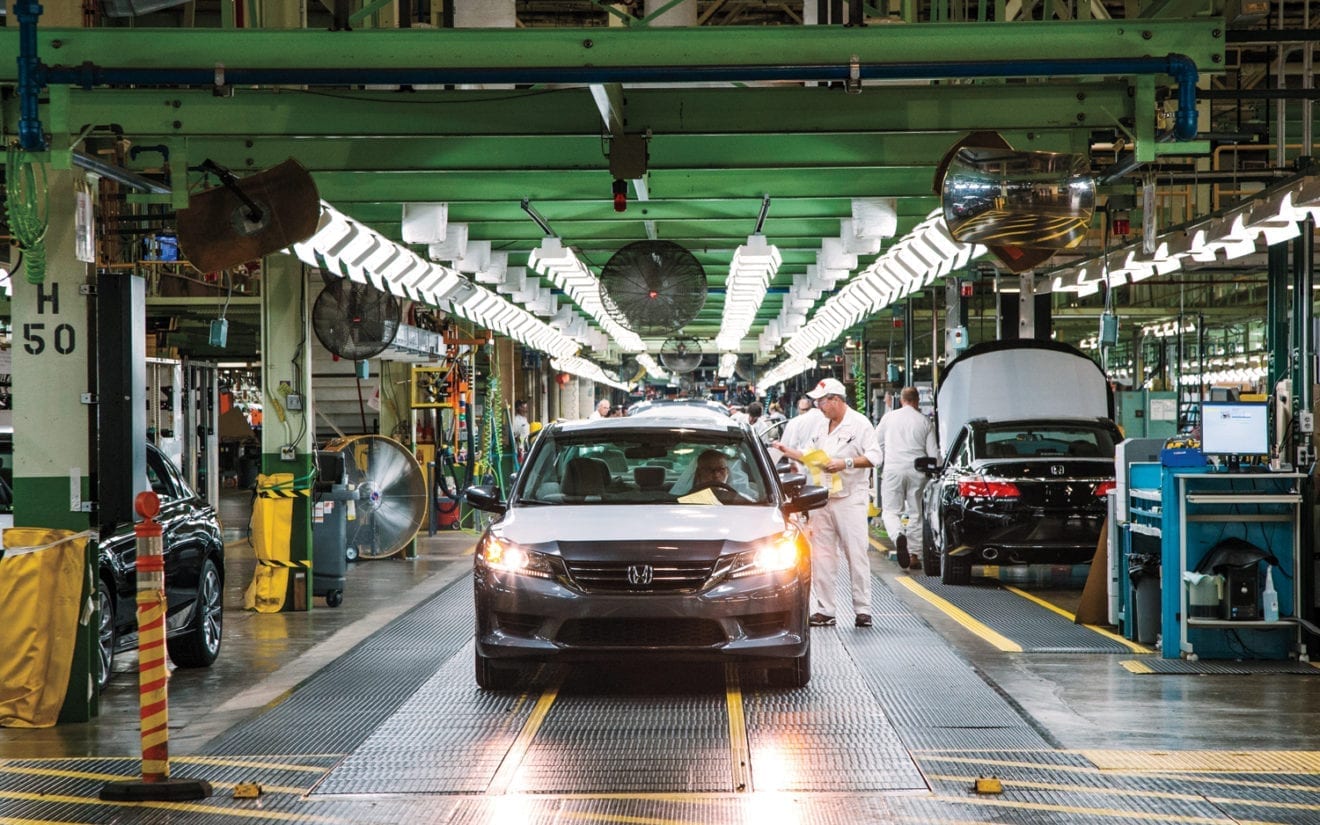
  • Honda most searched vehicle brand in Vietnam

    Honda most searched vehicle brand in Vietnam

    Honda, Toyota, BMW, Mitsubishi, and Suzuki are the five most googled car brands in Vietnam, market research firm iPrice said.

    The Malaysia-based meta-search website, which operates in Vietnam and six other countries across Southeast Asia, said it considered 22 car brands googled between March 1 and May 31 this year to find the most searched brands.

    Honda topped the list since it produces both motorbikes and cars, and has an 80 percent share of the motorbike market.

    It was also the most googled brand in Thailand and Indonesia. In the Philippines, it was Toyota.

    In Singapore and Hong Kong, which prioritize green transportation, American electric vehicle brand Tesla was in first place.

    Across the seven markets, Honda was the most googled brand with 550,000 searches, followed by Toyota (368,000) and BMW (301,000). Tesla and Mitsubishi tied with 246,000 to round off the top five.

    The study also found that SUVs were the most searched cars in all seven markets, followed by sedans, MPV/WGNs, hatchbacks, and coupes.

    According to data from Vietnamese manufacturer Thanh Cong Motor and the Vietnam Automobile Manufacturers Association (VAMA), Toyota Vios was the most sold model in the first half of this year with 11,244 units.

    Sales of VAMA members, who account for more than 95 percent of the market, were down 30 percent year-on-year to 102,720 vehicles.