Tag: asia

  • Vietnam yet to optimize renewable energy utilization as shortages loom

    Vietnam yet to optimize renewable energy utilization as shortages loom

    Vietnam is struggling to fully utilize the potential of renewable energy because of policy roadblocks even though power shortages are expected in upcoming years.

    In the central province of Ninh Thuan, one of the solar power hotspots in the country, nine of 15 operating solar projects are running at just 30-60 percent of their maximum capacity, according to the province’s Department of Industry and Trade.

    The reason for this is that Vietnam’s transmission lines are not capable of loading a surge in output from renewable plants. As many as 91 solar farms began operating in the country last year after the government offered an attractive incentive tariff rate, causing some transmission lines to operate at up to 360 percent of their safe capacity limit.

    A transmission infrastructure upgrade is needed, but the government’s monopoly in power distribution has created challenges for private companies in installing transmission lines, Minister of Industry and Trade Tran Tuan Anh had conceded earlier.

    Experts have proposed changes in regulations to allow private investment in this area. Energy expert Nguyen Duy Khiem said that the administrative procedures involved in installing a new transmission line could take national utility Vietnam Electricity (EVN) five to six years to complete.

    The government should allow a build-operate-transfer (BOT) model in transmission lines so the national grid can load the surging output from renewable plants, he said.

    At the same time, national power security can be ensured because companies will hand over control of the line to the government upon completion, he added.

    Another roadblock for renewable energy is administrative hindrance to project implementation, some experts say.

    Currently, only 11 wind power projects are operating in Vietnam with a total capacity of 377 MW; while over 100 projects with a total capacity of over 6,500 MW have been approved, according to the industry ministry.

    Furthermore, 250 projects with a combined capacity of 45,000 MW are still pending approval. The country has a coastline 3,000 kilometers long with strong wind speeds.

    Prime Minister Nguyen Xuan Phuc last month asked the industry ministry to speed up the process of resolving ongoing issues with renewable projects. He also encouraged private investment, including from foreign companies, in this sector.

    The government targets to have an addition of 12,500 MW in solar power capacity and 7,200 MW of wind power by 2025.

    The industry ministry has warned of power shortages between 2021 and 2025, with the most severe shortage of 5 billion kWh in 2023, as construction of new thermal and gas-fired plants fall behind schedule.

    The country needs 21,650 MW of power capacity in the 2016-2020 period, but last year, the actual figure was just two-thirds of this target, the ministry said.


  • Burberry realigns business units, names new ready-to-wear head

    Burberry realigns business units, names new ready-to-wear head

    Burberry is reorganizing its creative team as the luxury label welcomes back Adrian Ward-Rees to lead its ready-to-wear business.

    The British-based luxury retailer will set up three new business units – ready-to-wear, accessories, and shoes and says it plans to “pool expertise within them” to improve its focus on products and improve quality.

    “The changes we intend to make will ensure we have the right structures in place as we enter the next phase of our strategy,” said CEO Marco Gobbetti.

    Ward-Rees held the role of senior VP and MD of Dior Homme with Christian Dior for the last four years and previously worked at Hong Kong-headquartered Lane Crawford, along with a merchandising role with Burberry.

    He takes up the new role as senior VP ready-to-wear on July 20, based in London and reporting to Gobbetti.

    “I am delighted to welcome back Adrian to Burberry to lead our newly created Ready-to-Wear business unit,” said Gobbetti.

    “Embedding product specialization will enable us to elevate quality and increase our agility, further supporting the momentum we have built across our brand and product and setting us up for future success as markets begin to recover.”

  • Staycation theme for luggage label Lojel’s new K11 Musea pop up

    Staycation theme for luggage label Lojel’s new K11 Musea pop up

    Boutique luggage brand Lojel has launched an immersive pop-up store in Hong Kong’s K11 Musea, opening today, focusing on the concept of staycations.

    Dubbed “The Art of Staycation”, the event is a first for the brand, featuring the opportunity for visitors to customize a limited-edition Voja suitcase as well as an augmented reality experience exploring the future of how travel could evolve in the wake of the coronavirus pandemic.

    The pop up is intended to provide a travel solution for a staycation in Hong Kong, selling hand-carried luggage as well as backpacks and travel accessories.

    Visitors will be able to create their case from any pair of colors using the in-store tablet before seeing it assembled in person. A personalized tag will be laser-engraved for each customer and stored in a leather tag holder.

    Customers’ final purchases at the pop-up will be delivered to their doorsteps at no charge.

    The Art of the Staycation pop-up will be open through to December 31.

  • New useful feature being tested for Android version of Google Maps

    New useful feature being tested for Android version of Google Maps

    Over the years we’ve watched as the Google Maps app has grown. Instead of just giving you turn-by-turn directions getting you from point “A” to point “B” safely and on-time, Google Maps now helps you decide what places you’ll visit and where you’ll dine when you arrive at “B.” And Google Maps has added several features related to driving. For example, the speed limit in the current area you are driving through now appears on the map, and accidents, speed traps, and other incidents can be reported so that other Google Maps users can benefit from your experience.

    Google is now testing the addition of traffic lights to the app. The icons for the traffic lights are small but appear larger while navigating. We should point out that Apple has added stop signs and traffic lights in Apple Maps. On iOS, Siri will point out both when you make a turn by one of them.

    The traffic lights were found by an Android user running Google Maps build 10.44.3. Frankly, we wouldn’t be surprised to see Apple and Google battle each other with their navigation apps. Apple has been working hard at removing the stench that spilled all over its Maps app when it was first launched in 2012. If you aren’t old enough to remember this fiasco, countries, and cities were mislabeled-when they were labeled at all. Police in Australia called Apple Maps “potentially life-threatening” when it navigated unsuspecting motorists to an area of the Outback with poisonous snakes, very little water, triple-digit temperatures, and spotty phone reception.

    Many iOS users still prefer to use Google Maps although we must let you know that the traffic lights are being tested on the Android version of the app only.

  • Takashimaya plunges into the red as Covid-19 eats into sales

    Takashimaya plunges into the red as Covid-19 eats into sales

    Takashimaya, the Japanese department store operator, has reported a loss of US$190 million in the May quarter as it faced extraordinary payments related to the Covid-19 pandemic and falling sales.

    The company was forced to effectively close 22 stores in Japan from April 8 after Prime Minister Shinzo Abe declared a state of emergency. Only the food departments were allowed to continue to trade as the government ensured social-distancing measures.

    Sales in May plunged by more than 60 percent as a result, but last month’s decline was a much less dramatic 16 percent as cities began to reopen and consumers ventured out shopping again. For the full quarter, sales were down by 48 percent to $1.08 billion.

    As well as reduced domestic spending, Takashimaya sales were impacted by the absence of tourists as borders were closed as a Covid-19 prevention strategy.

    For the May quarter, Takashimaya recorded a one-off loss of $79.8 million relating to pandemic costs, including paid leave for staff unable to work due to the shutdown.

    The company did not release any figures on the performance of its overseas stores in Vietnam, Singapore, Thailand and Mainland China and it declined to proffer earnings guidance for the full year.

  • 7-Eleven and Coca Cola launch Hong Kong concept store

    7-Eleven and Coca Cola launch Hong Kong concept store

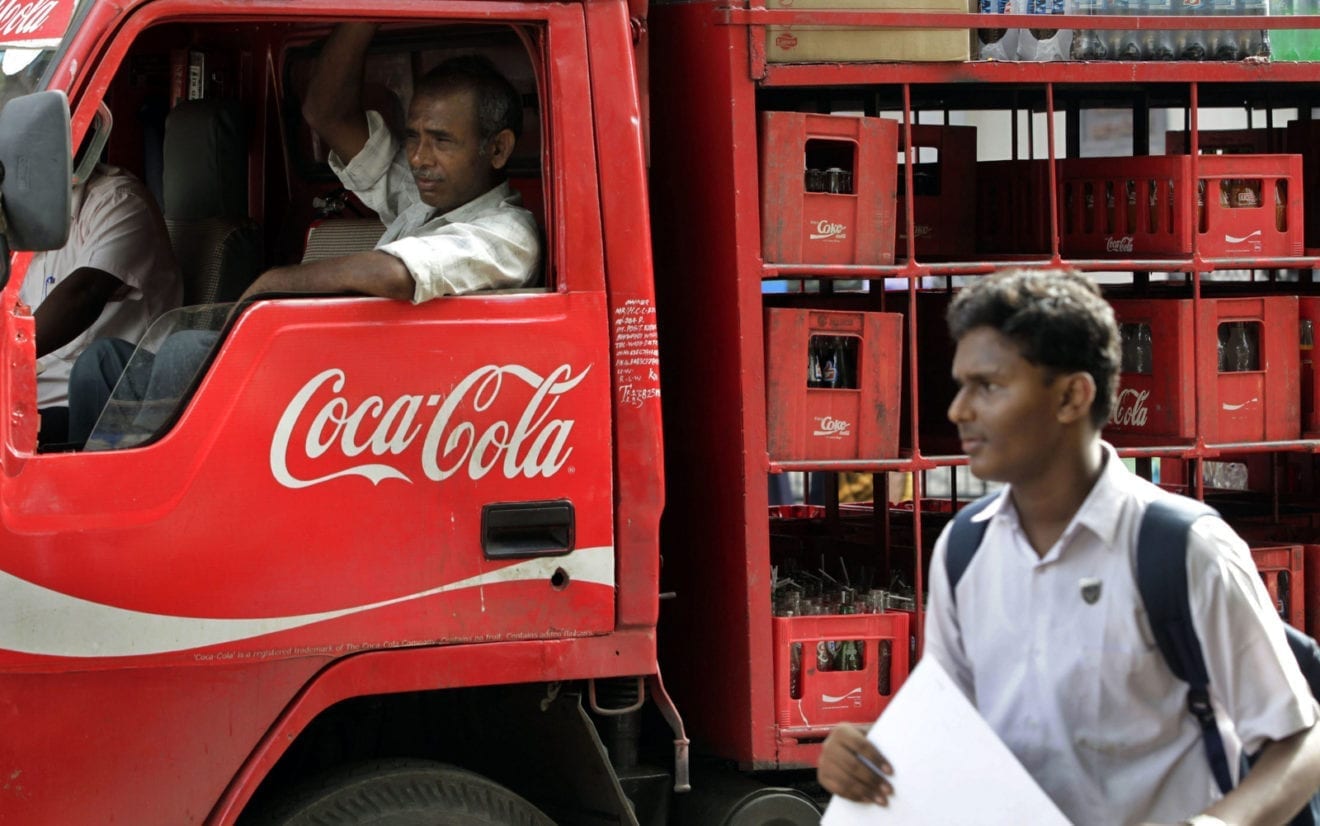
    7-Eleven has teamed with carbonated beverage brand Coca Cola to open a new themed store in Hong Kong. Located at in Tsim Sha Tsui, the 7-Eleven x Coca Cola concept store is dressed in the distinctive Coke red. As well as the modern Coke livery, the counter features a banner with nostalgic advertising.

    The store features two fridges with Coca Cola’s glass-bottle-shaped doors, displaying a selection of the brand’s items and collectibles.

    “7-Eleven x Coca Cola themed store is a close collaboration with our suppliers leveraging on the brand strength and features to create a themed convenience store with impactful in-store decoration, interesting display, exclusive products, innovative food idea, good value offer to bring customers fun and convenience,” a spokesperson for 7-Eleven Hong Kong’s parent company Dairy Farm Group said.

    The store also features a ‘Hot Shot counter’ where customers can pause and eat snacks (and a Coke).

  • U.S. is considering a ban on popular short-form video app TikTok

    U.S. is considering a ban on popular short-form video app TikTok

    Tick tock, tick-tock. That’s the sound of a clock ticking off the time that popular short-form video app TikTok might have left in the U.S. On Monday Secretary of State Mike Pompeo said that the U.S. government was looking at banning the Chinese-owned app along with Chinese-based tech firms. Rising tension between the United States and China is the reason why the current administration is looking to kick TikTok out of the U.S. as it did with Huawei. The latter is currently the largest smartphone manufacturer in the world and also is the global leader in supplying networking equipment to carriers.

    Speaking with Fox News, Secretary Pompeo said about the ban, “We are taking this very seriously. We are certainly looking at it. We have worked on this very issue for a long time.” He added, “Whether it was the problems of having Huawei technology in your infrastructure we’ve gone all over the world and we’re making real progress getting that out. We declared ZTE a danger to American national security. With respect to Chinese apps on peoples’ cellphones, the United States will get this one right too.”

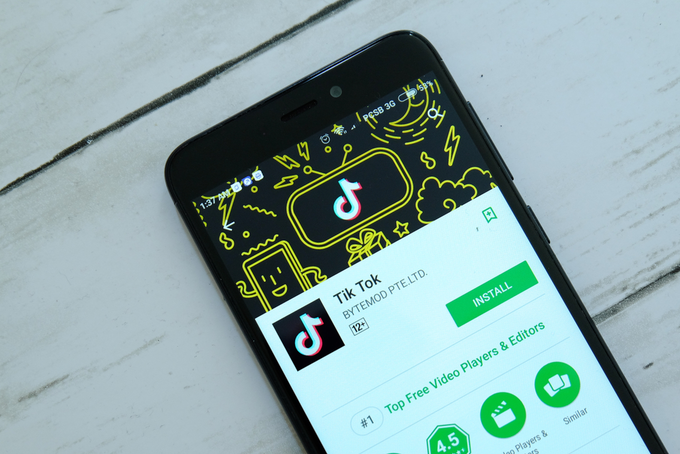
    TikTok has been one of the most popular apps in the U.S. always among the most installed apps on iOS and Android every month. The app has more than 2 billion installations globally. The pandemic has caused it to become even more popular as kids stuck at home looking for things to do create short videos using the app. If TikTok does get banned from the U.S., Wall Street has already selected the domestic social-media app that it believes will replace TikTok in popularity.

    Shares of Snap, parent company of Snapchat, rose 8% on Tuesday after word spread about Pompeo’s comments. On Tuesday morning, the sales team belonging to securities house Morgan Stanley said that if TikTok is forced to shut down, both Snapchat and Facebook will benefit.

    TikTok has been trying to stay distant from its Chinese parent ByteDance. Like Huawei and ZTE before it, TikTok has caught the attention of U.S. agencies concerned that it is spying on Americans and sending personal data to Beijing. Earlier this year TikTok hired former Disney executive Kevin Mayer to be CEO in an attempt to cover itself with the American flag.

  • Lush Hong Kong flagship closes

    Lush Hong Kong flagship closes

    Beauty products retailer Lush Hong Kong has closed its five-story flagship store several months before its lease was due for renewal.

    The high-profile store was opened in late 2015, at Soho Square in Central. At the time billed as the brand’s largest store in Asia, it featured the first Lush spa globally.

    Located adjacent to the Mid-levels escalator on Lyndhurst Tce, it featured 6909sqft (642 sqm) of trading space.

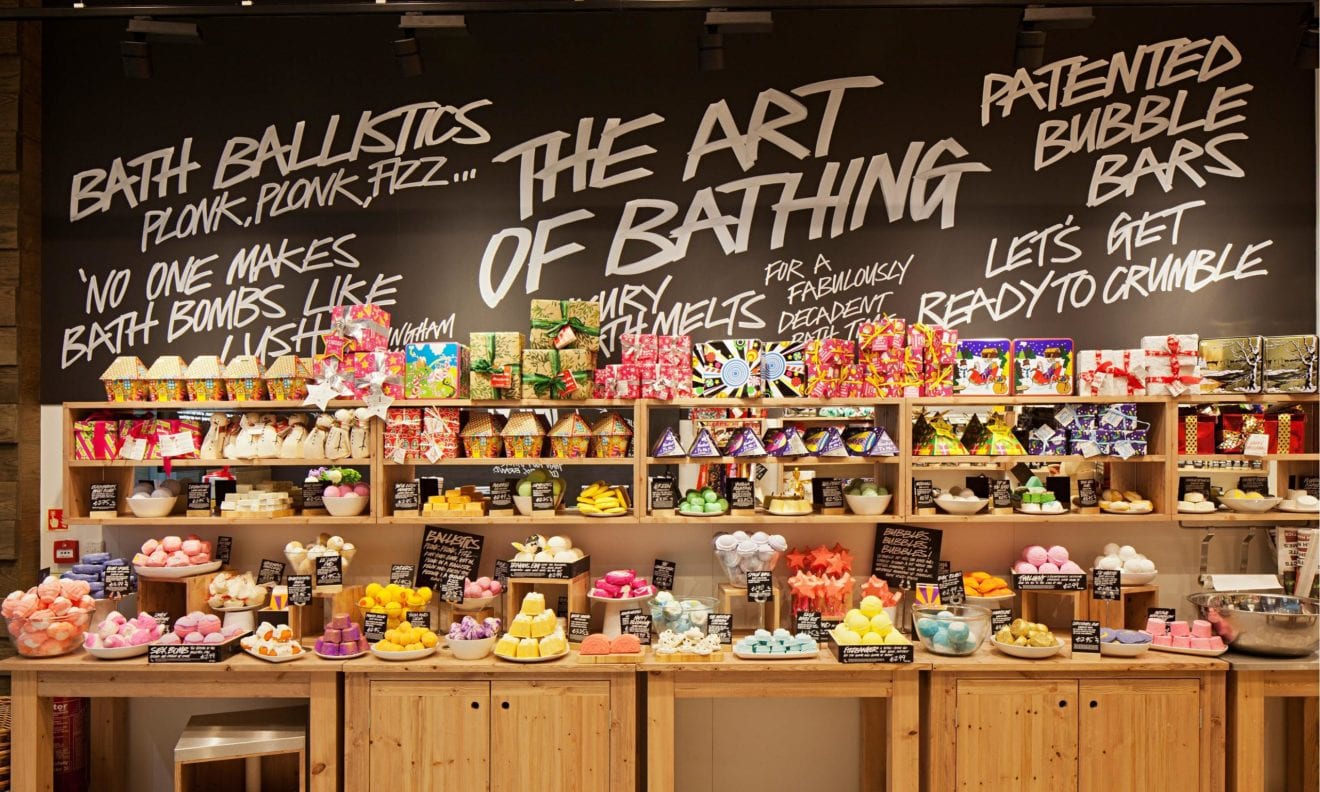
    The ground floor featured the brand’s signature range of handmade soaps, scrubs, shampoos, and cosmetics, while the floor above housed a cafe, with the spa located on upper floors, offering customers scrubs, baths, massages, and facials.

    According to Land Registry records, Lush paid US$196,000 in rent for the latest year.

    Inside Retail Asia reached out to Lush for comment on the closure, but the company did not respond.

    Lush’s closure extends the recent trend of mid-market brands closing stores across the territory in the wake of falling footfall due to borders being closed to tourists during the Covid-19 pandemic. Other retailers including Gap, SaSa, and Swatch have been reducing their store count in the city, along with luxury brands such as Tiffany, MCM, and Prada.

  • Bottega Veneta opens ‘invisible outlet’ in Shanghai

    Bottega Veneta opens ‘invisible outlet’ in Shanghai

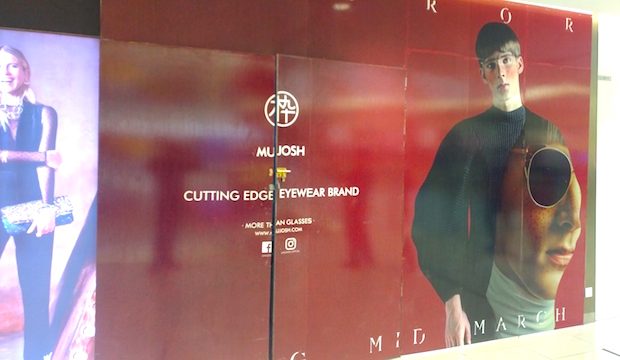
    Kering label Bottega Veneta has just opened its first pop-up store post-Covid-19 at Shanghai’s Plaza 66 Mall, dubbed the ‘invisible store’.

    Running until July 19, the pop up is doubles as an art installation with a mirrored exterior camouflaging the space, which seems to melt into the luxury mall’s atrium.

    Standing three meters high and taking up 100sqm of floor space, the pop up forgoes branding, save for a subtle and almost indistinguishable logo raised on the surface. Instead, it reflects the logos and stores of its neighboring permanent store rivals, essentially providing them with free exposure.

    Inside the Bottega Veneta invisible store, a reflective interior highlights the pre-autumn 2020 collection, covering men and women’s ready-to-wear lines, along with leather goods and accessories. Bottega Veneta currently operates 44 stores in China.

  • Tesla Shares Surge 13% As Strong Deliveries Drive Profit Optimism

    Tesla Shares Surge 13% As Strong Deliveries Drive Profit Optimism

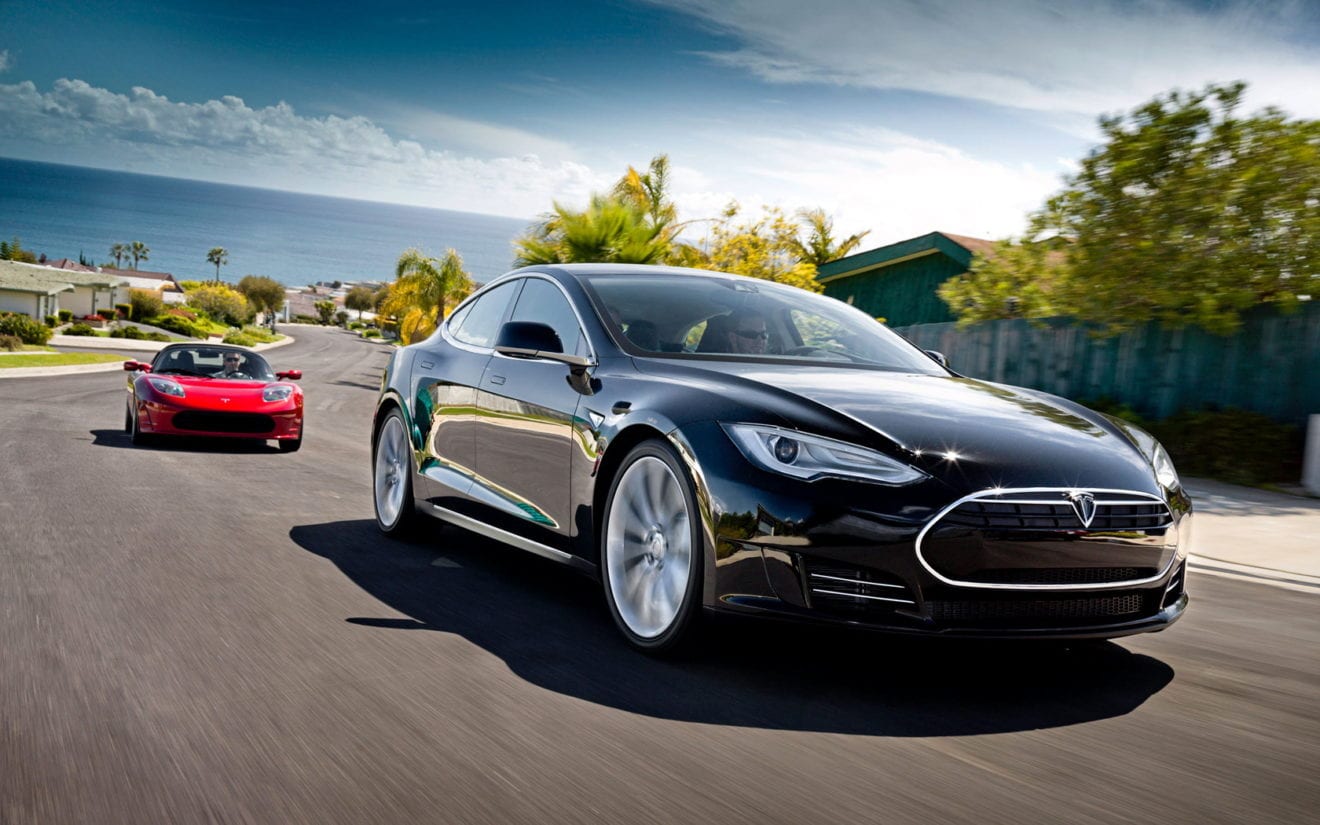
    Shares of Tesla Inc surged 13% to a record high on Monday, extending their rally to over 40% in five sessions after analysts raised their price targets on the electric car maker following its strong quarterly deliveries.

    The day’s jump increased Tesla’s stock market value by $30 billion (24 billion pounds), eclipsing the entire value of Ford Motor, currently at $25 billion.

    JMP Securities increased its price target to $1,500 from $1,050 after Tesla on Thursday reported higher-than-expected second-quarter vehicle deliveries, defying plummeting sales in the wider auto industry as the coronavirus pandemic slammed the global economy. With Tesla’s stock up nearly 500% over the past year, many investors believe the rally is unsustainable

    “We believe that the question to be considered is not whether the stock is expensive on current valuation measures, but what the company’s growth and competitive position signal about the stock’s potential for the next several years,” JMP Securities analyst Joseph Osha wrote in a client note. Tesla’s annual sales could hit $100 billion by 2025, he predicted.

    JPMorgan, which rates Tesla “underweight,” raised its price target to $295 from $275, while Deutsche Bank upped its target to $1,000 from $900. The median analyst price target for Tesla is $675, compared with its current price of $1,372, according to Refiniti. Alex Barrat from Stake takes us through the overnight moves – Tesla in focus, up over 40% in the last week.

    Tesla’s solid delivery numbers heightened expectations of a profitable second quarter, which would mark the first time in Tesla’s history that it would report four consecutive quarters of profit.

    However, with Tesla’s stock up nearly 500% over the past year, many investors believe the rally is unsustainable. The stock is trading at 158 times expected earnings, according to Refinitiv, an exceptionally high valuation.

    Following Monday’s surge, Tesla’s market capitalization stood at $245 billion, growing its lead as the world’s most valuable automaker.

  • Moc Chau Milk wants to allow 100 percent foreign ownership

    Moc Chau Milk wants to allow 100 percent foreign ownership

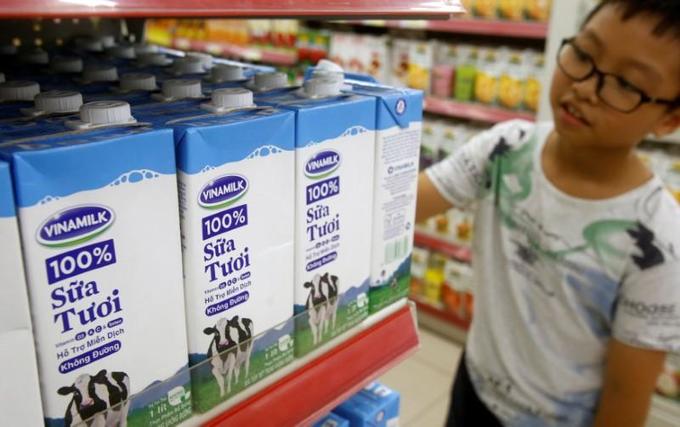
    Moc Chau Milk, a subsidiary of Vietnam’s biggest dairy company Vinamilk, wants to increase its foreign ownership cap to 100 percent in order to raise funds.

    It seeks to do this by removing some business registries in which the government restricts 100 percent foreign ownership, such as wholesale trade of fertilizer and pesticides.

    A company statement said it is seeking shareholders’ approval for plans to raise funds for expansion. It plans to issue more shares to existing shareholders this year to raise 1.2 trillion ($52 million), which will be used to invest in a farm with a capacity of 4,000 cows, upgrade the existing farm and build a new factory.

    It is also eying a listing on Vietnam’s main bourse, the Ho Chi Minh City Stock Exchange, within nine months after it receives shareholders’ approval.

    Moc Chau Milk became a subsidiary of dairy giant Vinamilk in December last year. At that time, Vinamilk had more than half the nation’s dairy market share, and Moc Chau Milk had 9 percent.

    Mai Kieu Lieu, CEO of Vinamilk and chairwoman of Moc Chau Milk, had said earlier that Vinamilk has a strong distribution network in the south that will help Moc Chau Milk, which is based in the northern province of Son La, to expand nationwide.

    Vietnam’s dairy market value rose 8.9 percent to VND121 trillion ($5.2 billion) last year, according to market research firm Euromonitor.

  • Havaianas invests $US50 million in Asian expansion plan

    Havaianas invests $US50 million in Asian expansion plan

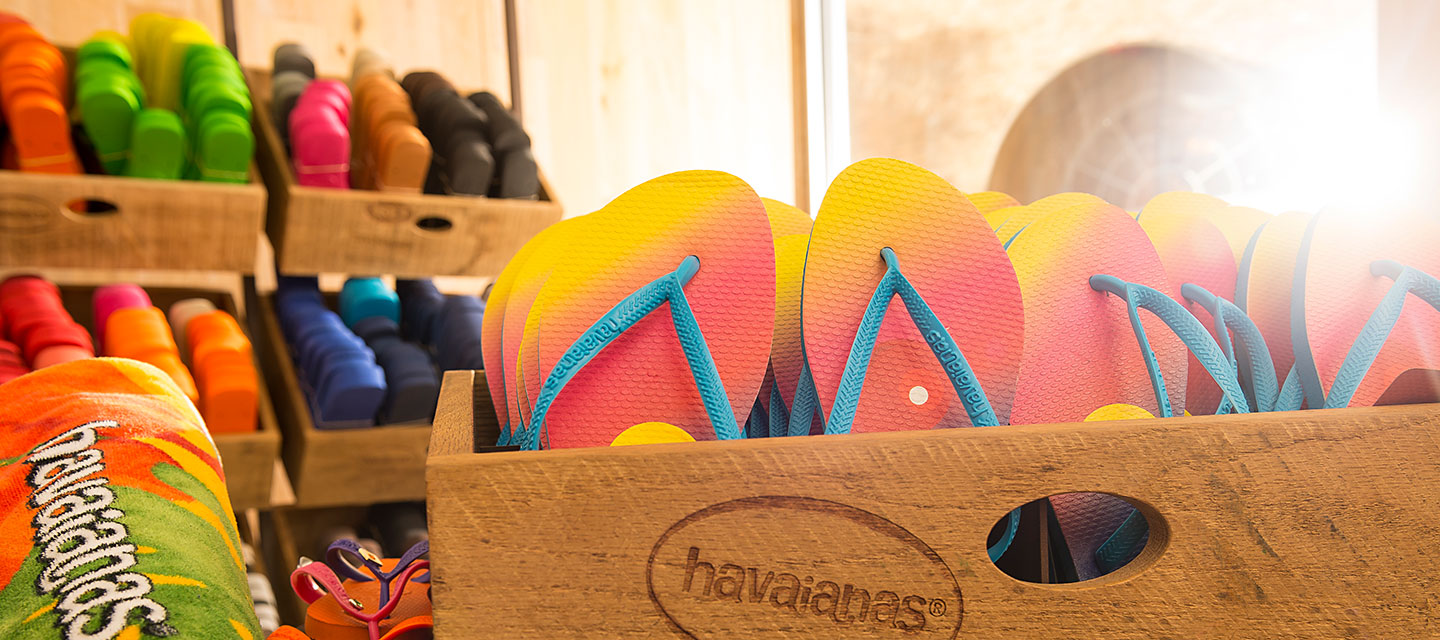
    Undeterred by the advent of Covid-19, Brazilian flip-flop brand Havaianas is investing US$50 million into the expansion of its retail footprint across Asia-Pacific between now and 2024.

    Havaianas – which sells about 1 million pairs of footwear a day worldwide – was until 2017 represented by a small group of licensed distributors in Asia, overseen by an export manager in Brazil who also had responsibility for Africa, South America, and the Middle East. However, in 2018 the company opened a regional office in Hong Kong and appointed an Asia regional president, experienced retailer Robert Esser, to build a team managing expansion from Greater China down to Australia and New Zealand.

    Esser has since built a team of around 30 staff and opened a sub-office in Mainland China to accelerate the push there.

    New distributors have been appointed in multiple markets and the network has since grown from 35 to about 135 stores, augmented by another 25 or so short-term pop-up stores in regional areas where cold winter weather is not conducive to wearing flip flops all year round. Flagships have opened in Manila in the Philippines, and at Sydney’s iconic Bondi Beach in Australia, and the brand has established virtual stores on Chinese marketplaces including JD and Tmall.

    “In Asia Pacific today, our biggest potential markets are China, Indonesia, Thailand, and Malaysia,” explains Esser. “We now plan to reach more local consumers and deliver a change in the way they perceive and wear flip-flops. Havaianas wants to enchant Asian consumers and build a strong emotional connection and affective memory, occupying a unique space where attributes like functionality, style, and accessibility meet.”

    Esser believes the expansion reflects a great opportunity to introduce consumers to “a whole new concept in flip-flops”: not just functional footwear, but a combination of comfort and style and “a true fashion accessory”.

    “Apac is diverse but consumers are looking for authenticity, high quality, and fashionable products so Havaianas can be perfect for them,” said Esser.

    With Covid-19 leading to the closure of many of Havaianas and its partners’ stores across Asia for varying amounts of time, the company invested “disproportionately” into online channels, he says, setting out to achieve “find-ability and visibility”.

    “We set up stronger social-commerce platforms and built a relevant influencer strategy with local brand ambassadors, like Luna Maya in Indonesia and Nelydia Nik Sen in Malaysia. This has already delivered promising results with online business growing three-fold during the first quarter and six-fold during April.”

  • Vingroup produces first 5G smartphones

    Vingroup produces first 5G smartphones

    VinSmart, a subsidiary of Vietnam’s largest listed company Vingroup, has produced its first 5G smartphones in cooperation with the U.S.’s Qualcomm.

    The Vsmart Aris 5G model is equipped with a Snapdragon 765G 5G module platform and a quantum security chip, the company stated, adding it also features a Super Amoled 6.39″ display, 8GB RAM and a 4,000 mAh battery.

    Nguyen Phi Tuyen, director of the measurement center of the Department of Telecommunications under the Ministry of Information and Communications, said the unit has repeatedly tested Vsmart’s Aris 5G, showing the network speed was eight times higher than 4G.

    VinSmart has not yet announced the official price of the Aris 5G, nor when it would hit the market, or how many units it intended to produce.

    No 5G smartphone has been manufactured or officially distributed in Vietnam so far, instead, they are hand-carried on overseas flights.

    VinSmart’s move came as local telecom firms compete in the 5G race. Telecom giant Viettel for the first time broadcast from its network of 5G base transceiver stations in Ho Chi Minh City last September while competitor VNPT has announced similar plans.

    VinSmart, which launched its first products at the end of 2018, is currently focusing on the low-end segment of the market, with 12 Vsmart phones all priced at below VND5 million ($212).

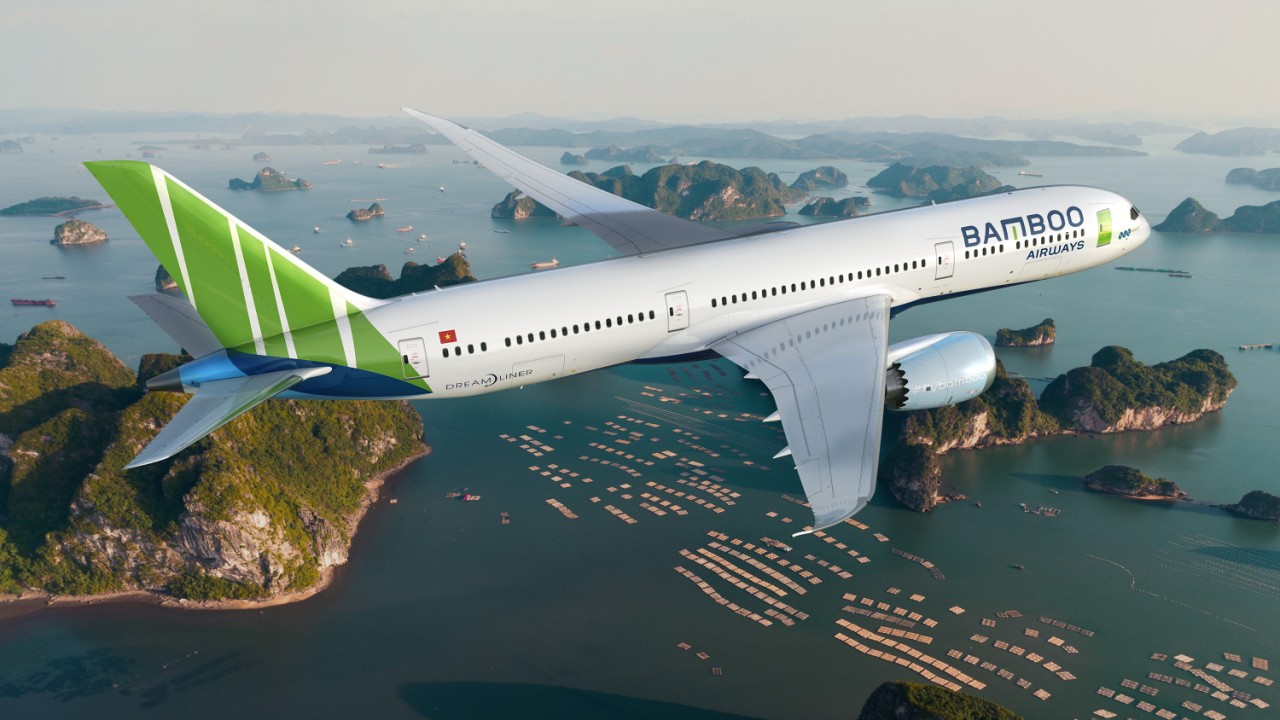
  • Bamboo Airways banks on Con Dao Island flights

    Bamboo Airways banks on Con Dao Island flights

    Bamboo Airways plans to launch regular flights to Con Dao Island, a tourism hotspot in southern Ba Ria-Vung Tau Province, starting August 1.

    The airline is waiting for Civil Aviation Authority of Vietnam (CAAV) approval to fly to the 16-island archipelago, according to a company spokesperson.

    It plans to operate flights from the northern and central region using four twin-engine Embraer jets holding up to 120 seats.

    Currently, Vietnam Air Services Company (VASCO), a subsidiary of Vietnam Airlines, is the only airline operating regular flights to the islands from Ho Chi Minh City and the southern city of Can Tho using the ATR 72 short-haul aircraft that could carry up to 78 passengers.

    Con Dao Airport has a 3C classification, meaning it can only receive ATR 72 aircraft or equivalent. It functions for 12 hours a day and closes at night since it has no runway lighting system.

    Property developer FLC, the parent company of Bamboo Airways, earlier proposed to invest in a lighting system so the airport could operate at night.

    A 4C upgrade is planned for the airport by 2030 so that it could receive Airbus A319 jets carrying up to 156 passengers.

    Budget airline Vietjet had made a similar request in 2018 to operate flights to Con Dao with the same aircraft model but is still awaiting approval.

    Ba Ria-Vung Tau Province received 15.5 million tourists in 2019, up 15.2 percent year-on-year. A total of 500,000 were foreigners.

  • Google makes Gmail work with iPad multitasking

    Google makes Gmail work with iPad multitasking

    Gmail is working great on either iPhones or iPads, but there was just one useful feature that was missing from the iPad version of the app – the ability to multitask with Gmail and other iOS applications.

    You can indeed make use of Apple’s so-called Split View feature and switch between Gmail and other apps, but the functionality doesn’t work flawlessly all the time. Although it took Google several years to implement multitasking within Gmail, the option is finally here.

    Google announced today that all Gmail accounts – G Suite and personal, can now make use of the multitasking feature with Gmail and other iOS applications. It works the same way as Split View, but it’s better to implement and specifically designed for Gmail.

    You’ll have to turn on Multitasking on your iPad before you’ll be able to use the new feature by heading to Settings app / Home Screen & Dock / Multitasking. From there, make sure to enable the “Allow Multiple Apps” option to be able to switch between apps.

    After you’ve enabled Multitasking, you can enter split view when in Gmail by swiping up from the bottom of the screen to open the dock. Then, touch and hold the app you wish to open and drag it to the left of the right edge of the screen.