Tag: asia

  • Japanese entrepreneur revisits nation’s golden apparel era with Factelier

    Japanese entrepreneur revisits nation’s golden apparel era with Factelier

    Toshio Yamada, the founder of Factelier, is a young Japanese entrepreneur who wants to preserve the craftsmanship of his country’s apparel industry.

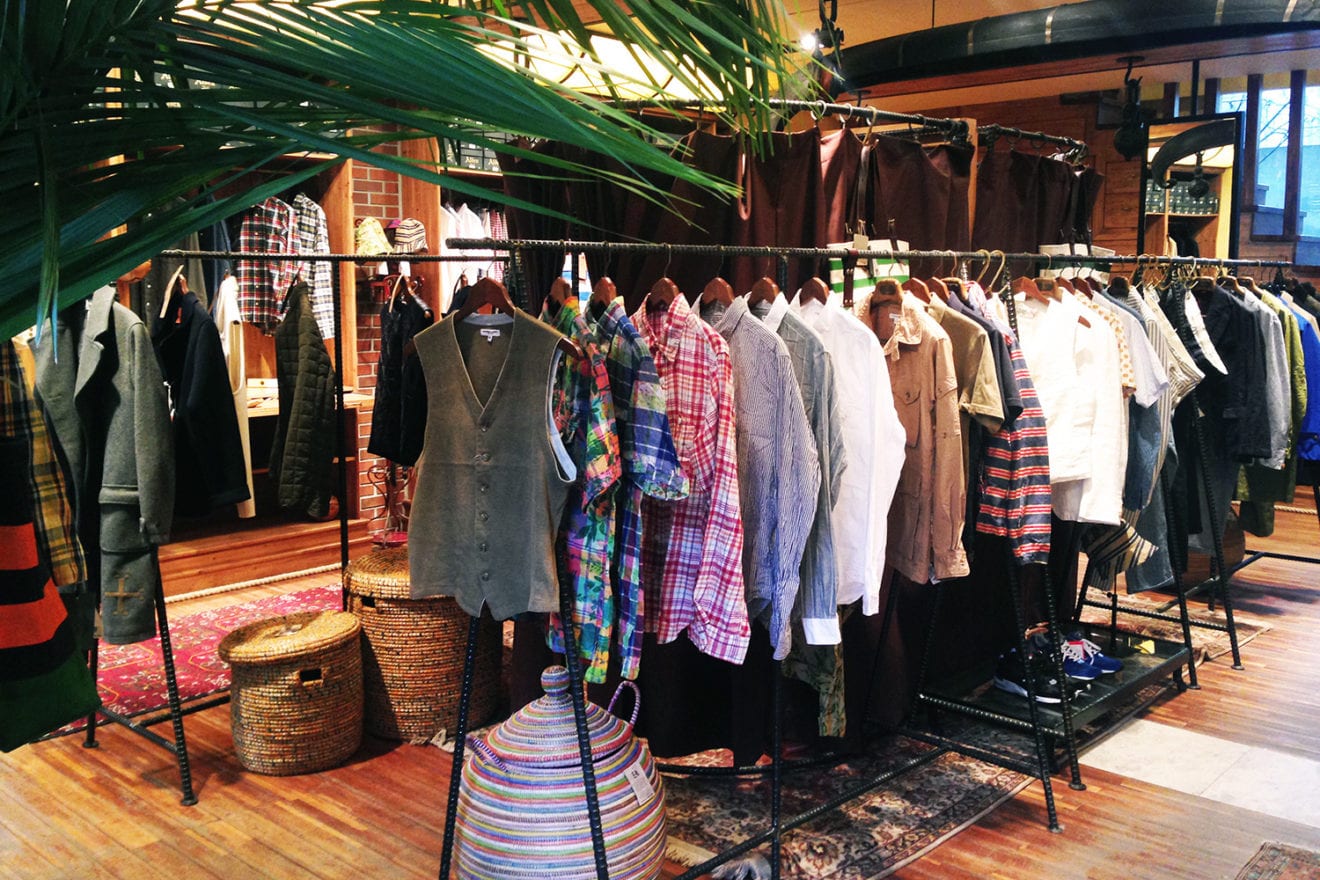
    Yamada has created his own uniquely Japanese brand Factelier which designs and sources clothing and accessories for men, women and babies from experienced, typically family-owned, clothing factories spread all over the nation. They are sold online and shipped to 100 countries, through a small network of boutiques in Japan and Taiwan, and in selected department stores.

    Yamada’s vision is to preserve the rich heritage of apparel manufacturing and let the suppliers he works with emerge from the unavoidable anonymity that comes with supplying global brands.

    Thirty years ago, Japan, one of the world’s largest apparel markets, used to produce 50.1 percent of its domestic sales. Today, thanks to the rise of fast fashion and the outsourcing of manufacturing to countries like China, Bangladesh and Vietnam, that share has slumped to just 3 percent. More than three-quarters of the companies manufacturing clothing in Japan in 1990 are no longer trading today.

    Yamada was born into a family that ran a women’s clothing store for 100 years in Kumamoto, on the island of Kyushu. Living upstairs, he helped out on the shop floor from early childhood, surrounded by quality locally made clothes in an era when ‘made in Japan’ was familiar.

    Later, as a student, Yamada interned with luxury label Gucci in Paris. There the realization dawned on him that labels like Gucci, Hermes, and Louis Vuitton were all born in factories. “So they respect craftsmanship. Now I’m hoping to revive the local craftsmanship in Japan.

    “Our dream is to create world-class brands made in Japan, and build a sustainable and profitable link between these local artisans and consumers around the world, by selling clothes from Japanese factories directly to consumers, cutting out the middleman,” he told Inside Retail Asia.

    Factelier was created via an astonishing commitment to researching the industry. Yamada personally visited some 600 factories the length and breadth of Japan before selecting 55 of them as suppliers, all of them with experience in supplying top international brands.

    “A lot of these companies did not have a homepage, right, and Google did not know about them. So I would take a train and get off at a station and go to a telephone box and use the telephone book to find them.” He would then phone the factories he found listed and ask if he could stop by.

    Somewhat surprised, they invariably welcomed him. “It was a very old style approach,” he recalls.

    Having built the network he not only maintains constant personal contact with his suppliers, but their company names appear beneath Factelier on the clothing labels. The connection between craftsmanship and consumer runs even deeper: Yamada’s company runs regular factory tours for customers so they can see the art and commitment that goes into the clothing they buy.

    “We know the stories behind the factories, how they make the products, and it’s very interesting – when our customers go to the factories and they see the craftwork behind the clothes they become loyal customers.”

    It took Yamada three years to build the base of the business, living off a part-time job as he traveled from factory to factory and developed designs and products. Eight years since his mission began, Factelier has grown to a 50-strong team with four stores and a warehouse in Japan, two stores in Taipei – and even a cafe. Sales are currently doubling twice a year with 80 percent of orders from Japan. The largest overseas markets are the US, Mainland China, Taiwan and Hong Kong.

    “Fashion manufacturing used to be a declining industry in Japan, but I think if we have the passion and the vision, I think we can revive it. And more importantly, [our customers] will spend more for better products.”

    Factelier’s garments are of similar quality (but not design) to those being supplied to the likes of Gucci or Hermes – but sell for about half the price. It helps, of course, that Factelier is not paying for massive international advertising budgets and other overheads associated with luxury brands. Typically the factory gets a higher price for the clothing it produces for Factelier because the two parties jointly decide on the retail price, rather than the label dictating pricing and how much the factory gets for making it.

    “It’s a very, very different business model from traditional brands,” says Yamada.

    That said, the factories could not survive on Factelier alone – the Japanese label typically only accounts for between 5 and 10 percent of a partner factory’s production. But they are getting a better deal and Yamada says many are finding themselves able to employ more graduates to expand their business.

    The closer relationship between brand, manufacturer, and the customer has produced an unexpected spinoff: consumers are starting to influence the range and style of clothing being produced, especially in the field of functional clothing.

    “One day a customer asked us to manufacture clothes that would repel mosquitos. That’s a very, very difficult request.” Diligently working with factories and textile suppliers Yamada’s team succeeded, by incorporating a herb in the fabric that sends the mozzies packing.

    During our conversation, Yamada wore a stylish blue wrinkle-free jacket. “If I pack it in a trunk, it does not crease.” Another product uses baseball-uniform techniques to create 3D pattern effects.

    And Factelier sells stain-proof white jeans. Spill soy sauce, wine, coffee or ketchup over the denim and it comes off immediately without leaving a stain. This was another product designed to fulfill a customer’s request.

    Besides his interest in functional clothing, Yamada is committed to sustainability. The company uses natural fibers and biodegradable fabrics and it recently planted an organic cotton farm near Mount Fuji. Japan imports 99 percent of its cotton and he wants to change that reliance on other countries.

    Yamada is optimistic there is a strong future for direct-to-consumer brands. “The size of the B2C market in Japan expanded to US$180 billion in 2018. It grew by $160 million, or 9 percent, in that year.

    “Yes, craftsmanship is very big. I want to spread the idea of craftsmanship all over the world.”

  • NASA-linked perfume recreates the ‘smell of space’

    NASA-linked perfume recreates the ‘smell of space’

    A new perfume backed by a kickstarter campaign is inspired by NASA astronauts’ descriptions of the smell of space.

    According to a Designboom feature, Eau de Space – developed by chemist and Omega Ingredients founder Steve Pearce – is a perfume based on the scent developed decades ago for astronauts in training to prepare them for extraterrestrial experiences beyond the atmosphere.

    The original formula is based on reports from returned astronauts, who described the smell of space as “seared steak, raspberries and rum” and “a bitter kind of smell in addition to being smokey and burned … like a smell from a gun, right after you fire the shot”.

    The formula for the scent has been a closely-guarded secret for years.

    The scent developers partnered with leading perfumers to create “a fragrance that sparks curiosity while leading to an increased interest in Stem (science, technology, engineer, mathematics) students grades K-12”, according to the feature.

    Pearce has hinted that the team’s next project will be to release a scent inspired by the smell of the moon…

    Here’s a cool video release to promote the new fragrance…

  • Hugo Boss expands online reach into Asia, Australia

    Hugo Boss expands online reach into Asia, Australia

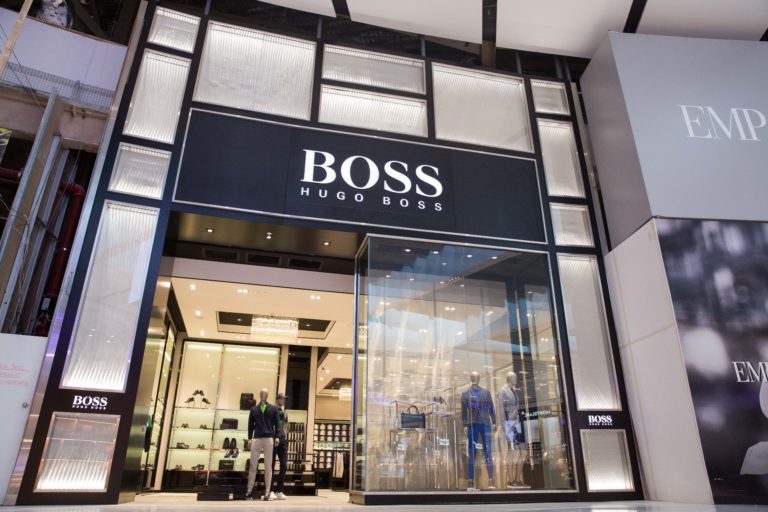
    Fashion label Hugo Boss is expanding its online reach to the Asia Pacific market.

    The German brand has added 22 more countries to its e-commerce portfolio, including Australia, New Zealand, Japan, and Singapore, along with markets in Europe. Customers from those countries can now access Hugo Boss’ latest collections from their home and have products shipped directly.

    “The importance of digital distribution channels for the global apparel industry is growing rapidly,” said Mark Langer, chairman of the company’s managing board.

    “The coronavirus crisis has further accelerated this trend. We are therefore rolling out our online store in additional countries as quickly as possible and … systematically pushing ahead with the digitization of our business model.

    The fashion label plans to add three more countries – India, Mexico, and Canada – later this year.

    Meanwhile, Hugo Boss says it plans to focus on the European and Asia-Pacific markets for growth, via concession stores, during the coming years.

  • AS Watson vows to reduce plastic waste, use only sustainable palm oil

    AS Watson vows to reduce plastic waste, use only sustainable palm oil

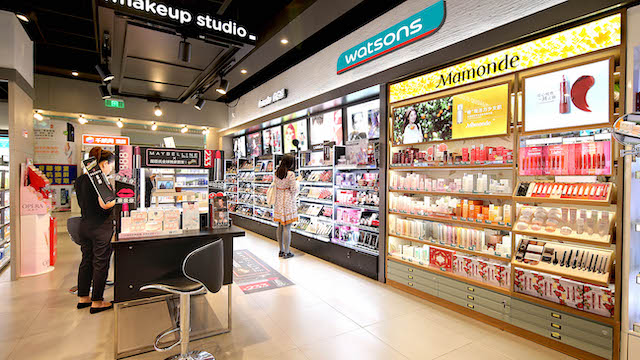
    AS Watson Group is the first signee to the New Plastics Economy global commitment to reduce plastics waste.

    The firm has also taken up group membership with the Roundtable on Sustainable Palm Oil to help address the environmental impact of the industry.

    Both moves are part of the company’s strategy to achieve its 2030 Group Sustainability Roadmap – better waste management and more responsible Own Brand products.

    “We know our customers are increasingly aware of sustainability issues and therefore expect their chosen brands to share the same values as they do,” said AS Watson COO Malina Ngai, who is also CEO of AS Watson (Asia & Europe). “As the world’s largest international health and beauty retailer, we feel it is our responsibility to do more, so we are making a commitment to create a more sustainable environment and offer more sustainable product choices to our customers.”

    By participating in the initiative to reduce plastics waste, AS Watson will join forces with its business units to eliminate unnecessary plastic and to help reduce plastic pollution at the source. The firm has banned the use of microplastics in its rinse-off Own Brand cosmetics/personal care scrub products since 2014, and has been using 100-per-cent recycled PET in its bottled water business since 2015. It launched Hong Kong’s first reverse vending machine to collect used plastic bottles.

    “AS Watson is proud to enhance public awareness on sustainability issues by supporting two new important environmental initiatives,” said Ngai. “We hope that more retail groups can also make these meaningful pledges so that together we can make our planet more sustainable.”

  • Capri prospects ‘ugly’ as Michael Kors, Jimmy Choo underperform

    Capri prospects ‘ugly’ as Michael Kors, Jimmy Choo underperform

    US luxury group Capri has ended its fiscal year on an unsurprisingly gloomy note, largely due to the negative impact of the coronavirus.

    While the slip of 11.3 percent in total revenue does not look too bad compared to some other retailers, this is mostly because Capri’s quarter ends on March 28 and, therefore, does not include the massive disruption of April and May when the US and many other countries went into lockdown.

    These numbers are something of a prelude to a significantly uglier set of first-quarter results – indeed, Capri expects revenue for that period to be down by around 70 percent.

    On a brand basis, Jimmy Choo posted the worst performance with revenue down by 23 percent. On the bottom line, the division made an operating loss of US$23 million. While performance has been improving over the past couple of quarters, mainly thanks to enhanced collections of active footwear and accessories, the disruption of the pandemic badly affected the sale of more formal and fashionable footwear styles as consumers started to work from home and restricted socializing.

    Unfortunately, this is a trend that will continue for at least the next two quarters and it is hard to see Jimmy Choo regaining much momentum. That said, the year-old decision to transform Jimmy Choo into a more balanced luxury brand that sells high-end footwear for leisure, some fashionable sneakers for active occasions, and a wider range of accessories, now seems extremely prescient.

    This will not completely offset the challenges in other parts of the market but does give Jimmy Choo a lifeline that will stop it from completely sinking.

    Versace bucked the general trend with a 55.5-per-cent increase in sales. Some of this is due to softer comparatives from the prior year, when Capri had only just taken control of the business.

    However, the company also deserves credit for the various improvements it has made to the brand, particularly in terms of collections. A renewed focus on accessories, driven by a new Virtus range supported by strong marketing, has helped to boost sales. As GlobalData noted prior to the acquisition, the Versace brand was, admittedly by design, rather gaudy and off-putting for many consumers. Working with Donatella, Capri has begun to change this by creating a more understated, but still flamboyant, selection which has successfully improved both customer engagement and brought new shoppers to the brand.

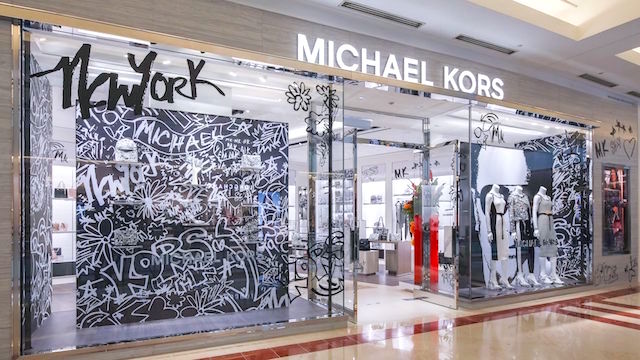
    While there is no doubt that Versace will be disrupted by the pandemic in the near term, the brand appears to have a renewed sense of purpose which will help it to deliver next year and beyond. While Versace thrived, the Michael Kors division remains in distress. Revenue was down by 18.4 percent off the back of a very modest decline in the prior year. This caps a year when sales have fallen in every single quarter.

    Although some parts of the assortment, such as sneakers and accessories, have performed well, the rest of the business is lackluster. Michael Kors still suffers from an identity crisis: the brand spans far too many different styles, products, and price tiers. As a result, it lacks integrity and is unable to build a business or aesthetic around a clear, core customer. In a highly competitive marketplace of luxury brands, this position simply isn’t good enough to drive sustainable growth.

    Unfortunately, these trends are not new and have been in play for at least two years. Now that Versace and Jimmy Choo appear to have more sound underlying strategies our hope is that management will turn its attention to untangling the Gordian knot of Michael Kors’ brand image.

    Overall, like other retailers, Capri is in for a rough ride over the next six months. It has the liquidity to survive the storm. But it must work on making its core brand seaworthy for the calmer waters ahead.

  • Struggling Esprit axes more stores, 1200 staff

    Struggling Esprit axes more stores, 1200 staff

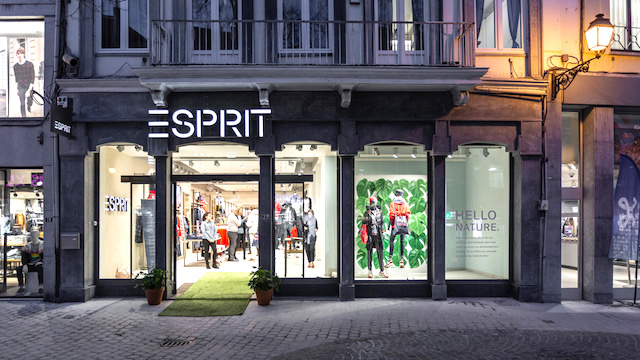
    Apparel chain Esprit will axe 1200 employees globally, including 100 in its Hong Kong office and 800 store employees in Germany as part of its ongoing restructuring program.

    A permanent reduction in salaries and benefits will be imposed on all remaining staff, except for those working in stores.

    Esprit has received court approval to open insolvency proceedings for its German subsidiaries allowing it to continue with the self-administration process under which it will streamline its business in Europe.

    In a filing with the Hong Kong stock exchange, Esprit said Dusseldorf District Court-appointed custodian Dr Biner Baahr, who has worked with Esprit executives since March to complete a restructuring plan, will continue in his role overseeing the plan’s implementation in a process similar to the US’ Chapter 11 restructuring process, called Protective Shield Proceedings.

    A creditors’ meeting will be held on August 19 to assess claims made before and during the Protective Shield Proceedings before a vote is held on the percentage of the creditors’ claims which will be paid out.

    The job cuts announced this week following the closure of all 56 Esprit stores across Asia, outside Mainland China, this week. Another 50 will now be axed in Germany – stores which accounted for 17.2 percent of the group’s total revenue in the year to June 30.

    Another part of the restructuring plan will see contracts with service providers renegotiated to obtain more favorable terms.

    Esprit calculates the combined savings from these initiatives will amount to US$116 million, but one-off costs of the restructuring will add up to about $64.5 million in the June 2021 year.

    Meanwhile, Esprit says its management team is currently working to strengthen the brand’s purpose, create a “consistent customer experience across all touchpoints,” improving production quality and sustainability credentials and focusing on “full-price sales”.

    A further update will be released along with the company’s annual results by the end of September.

    Esprit shares are currently trading in Hong Kong at around US 11 cents each.

  • Vietnam’s rapid retail recovery melts Covid virus gloom

    Vietnam’s rapid retail recovery melts Covid virus gloom

    Vietnam retail and service revenues surged by 5.3 percent in June over the same month last year – and by 6.2 percent over May.

    The figures are extraordinary given the advent of the Covid-19 pandemic on retailers and services during the first half of this year, with the country’s stores effectively shut down from late March to late April, and tourists banned from mid-March.

    Year to date, Vietnam retail and service revenues have dropped by just 0.8 percent compared to last year, generating US$103 billion despite the month-long shutdown.

    The figures were released by the General Statistics Office, and show retail revenue reached $18.67 billion last month. Vietnam traditionally releases figures for retail and service revenue within a couple of days of the end of the month covered, faster than most other countries, which tend to take a month or more to calculate the data.

    Sales of consumer goods accounted for 79.6 percent of retail revenue, increasing 3.4 percent year on year. Growth sectors include fresh-food products and home appliances. Sales of apparel and educational products fell by 1.2 percent and 6 percent respectively.

    Vietnam’s retail industry has seen a significant recovery since Covid-19 restrictions were eased in May. Most businesses in the country, except tourism, have resumed and some of them even expanded. Since April’s reopening, Uniqlo has opened three new stores in the country, and fellow Japanese retailer Muji is set to open its first store within weeks.

    One source said that a factor in June’s growth in the absence of tourists is that unlike countries like Thailand, Malaysia and Singapore, tourists to Vietnam don’t purchase a lot of higher-end luxury goods.

    “So the hit to retail from the decline in tourism would be a lot softer.”

  • DBS Launches Income Fund for Retiree Investors

    DBS Launches Income Fund for Retiree Investors

    The multi-asset Schroder Asia More+ fund includes a unique decumulation share class targeted at retiree investors.

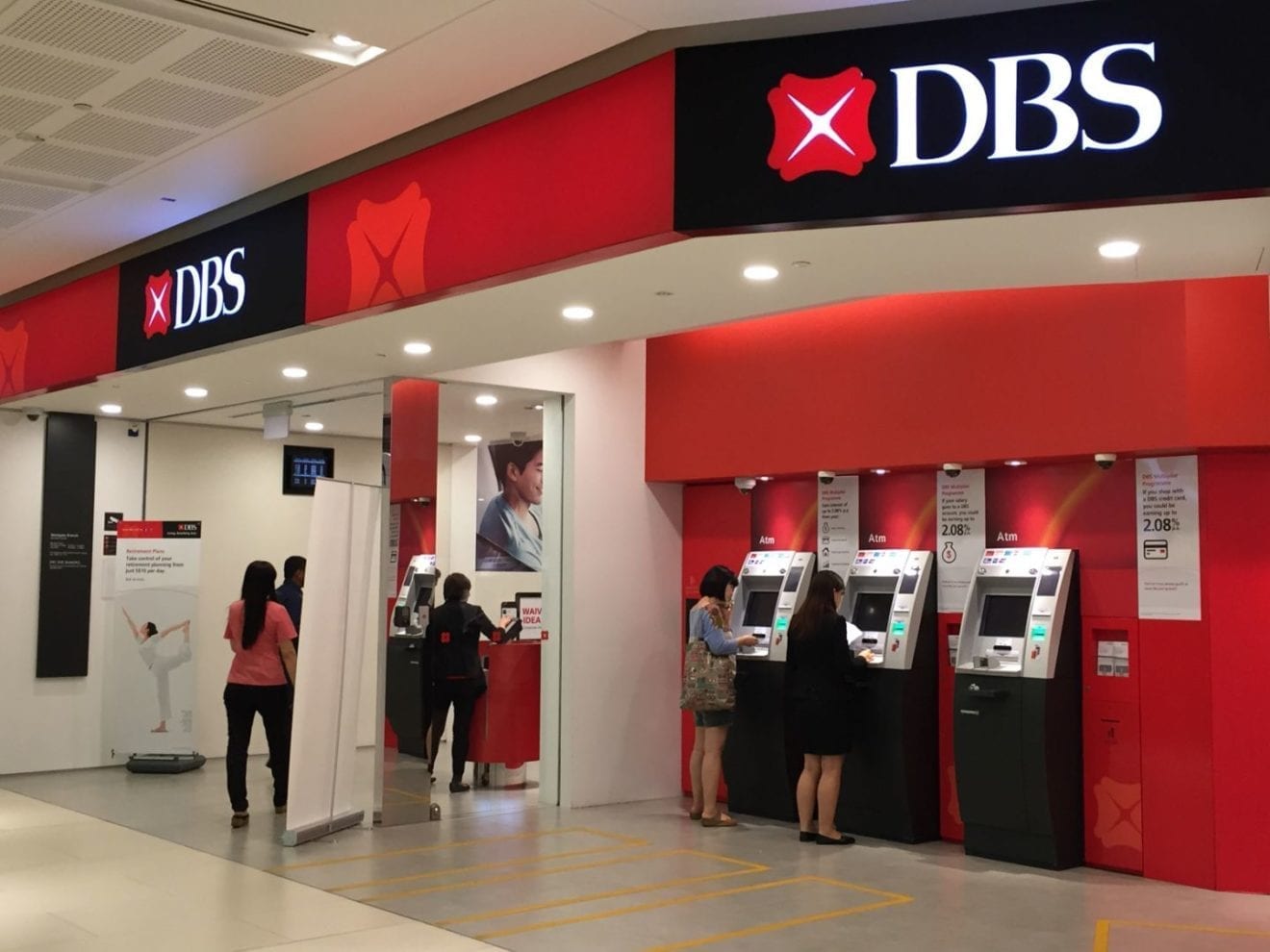
    DBS Bank on Friday announced the launch of a new fund with Schroders that offers investors an income-generating solution with exposure to a range of investment growth themes across Asia, including technology, consumption, logistics and financial services.

    The fund is available in three share classes – accumulation, distribution, and decumulation – to cater for different investment objectives. The decumulation share class is designed for retirees and investors whose goals have shifted from accumulating wealth to drawing down from assets, and has an intended payout of 6.88 percent per annum, while drawing down from their capital over the long term.

    The concept of decumulation is still relatively new in Singapore, and we hope that this product will get more Singaporeans to think about managing retirement savings in their twilight years, Lim Soon Chong, regional head of investment products and advisory, DBS Consumer Banking and Wealth Management, said about the new fund.

    According to the announcement, the fund was developed using insights gained from the Schroders Global Investor Study, which revealed that Singapore investors have rising income expectations from their investment portfolios and that many are overly optimistic about how long their retirement savings will last.

    The embedded resilience features in this product will help it navigate through the current climate of uncertainty while generating income, through a combination of investing in new emerging growth drivers and income-generating assets, Lily Choh, deputy CEO, Singapore, and head of distribution, Southeast Asia, Schroders, said.

    Customers will be able to invest in Schroder Asia More+ from S$1,000 ($717). The dynamically managed fund has no lock-in period and low management costs, and is approved for investment using funds from the Central Provident Fund (CPF) Supplementary Retirement Scheme. Although primarily invested in Asia, it is weighted towards Singapore-based assets. Investors may choose to invest in  SGD, AUD, or USD.

  • Apple iPhone production in India shuts down due to dispute with China

    Apple iPhone production in India shuts down due to dispute with China

    Battles along the India-China border last month left 20 Indians dead, and as we told you at the time, negatively impacted iPhone production in and shipments to India. Indian authorities were blocking shipments from China into India. This left Apple iPhone components held up at Indian ports and a lobby group representing U.S. companies in India wrote the country’s commerce minister to state that holding up shipments from China could dissuade U.S. firms from doing business in the country.

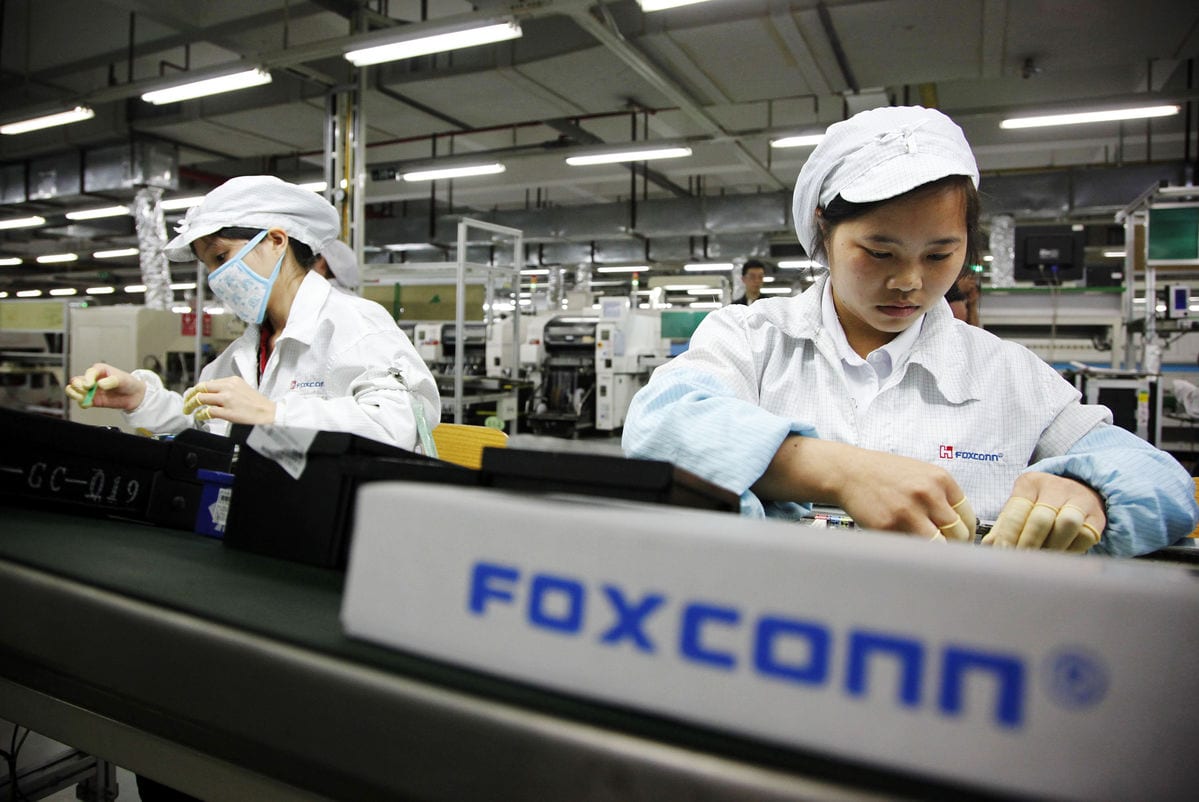
    India continues to make things difficult and is still blocking exports from China. Three sources inside India told Reuters that because Apple contract manufacturer Foxconn cannot receive supplies to its two factories in South India, hundreds of Foxconn employees had no work to do this week. Apple started manufacturing certain iPhone models in India starting with the OG iPhone SE. It now makes newer phones like the iPhone XR in India; by producing handsets in India, Apple is able to keep the country from imposing an import tax on them. Keeping the price of these phones down is important to the average Indian consumer; while it is the second-largest smartphone market in the world, India remains a developing country and for the most part, consumers there need to limit their phone purchases to low and mid-range models. Saving $100 to $200 by avoiding an import tax is a big deal to consumers in the market

    More than 150 shipments to Foxconn’s Indian facilities from its factories in China said to contain smartphones and other electronic parts, have been stuck at the port of Chennai and some are being cleared now. The manufacturer’s two plants in India are located in Tamil Nadu and Andhra Pradesh state. Besides assembling certain  Apple iPhone models in the country, the factories assemble some Xiaomi handsets; the latter’s value for money pricing plays very well in India. The plants have thousands of Indians on the payroll and many of them live in accommodations provided to them by Foxconn.

    One source discussing the matter with Reuters said, “Foxconn was in a very bad state … lots of workers stayed at the dormitory because there was no work.” Meanwhile, the Indian foreign ministry did not respond to a request by Reuters for comment. Two ministry officials did say that the extra scrutiny given all shipments imported into India are only temporary and will soon come to an end. One official in India said, “We cannot keep checking 100% of shipments forever … Shipments of non-Chinese companies being impacted will be cleared on priority.” Interestingly, customs has held back these shipments without a formal order.

    The delays to imports from China are hitting India at a time when the supply chain is still impacted by the coronavirus. U.S.-India lobby groups are asking the government to intervene. Today, China’s commerce ministry said that it hoped that India would stop its discriminatory action against Chinese companies ASAP. The country recently banned 59 Chinese apps including wildly popular short-form video app TikTok.

    As the planet’s second-largest smartphone market, the border battle between the two countries might have a negative impact on some of the top Chinese smartphone brands in India. Xiaomi’s 30% slice of the Indian smartphone phone might not be hurt that much because the brand delivers handsets at a good price and with good specs. Samsung could be the biggest beneficiary of this squabble since it is not a Chinese brand and the Galaxy A models feature viable cameras and long battery lives at a very reasonable price. The Samsung Galaxy A10 with 2GB of memory and 32GB of storage is priced at the equivalent of $109 USD.

    For now, production of iPhone models in India are held up by this dispute as Foxconn employees get an extended vacation.

  • Gap closing retail stores in Hong Kong

    Gap closing retail stores in Hong Kong

    Gap has become the latest retail victim of Covid-19 in Hong Kong, shutting its flagship store in Tsim Sha Tsui and at least one other store.

    The US apparel chain follows in the footsteps of fellow American retailer Victoria’s Secret, which abruptly closed its giant Causeway Bay flagship store last week.

    Gap has launched a clearance sale in Tsim Sha Tsui and its Hysan Place store in Causeway Bay, ahead of their closure sometime during the next few weeks. A notice outside the Tsim Sha Tsui store advises customers they will be able to shop at other stores or on the brand’s website.

    A staff member working at the Gap store reportedly leaked to local media that Gap Hong Kong will shut three more of its eight branches next month, including the recently-opened K11 Musea store. The three shops set to continue trading are at Queen’s Avenue in Central, V City in Tuen Mun and Citygate in Tung Chung.

    The US fashion brand was already struggling before the advent of the Covid-19 pandemic. Last year, Gap said it would close 230 stores worldwide within two years. Global sales recently recorded a 43-per-cent drop in the first quarter, worse than rival apparel retailers, in the wake of the pandemic crisis.

  • DBS Offers Framework for Sustainable Development

    DBS Offers Framework for Sustainable Development

    The bank said its new framework will help clients on their journeys to more sustainable business models while providing timely transition finance and increasing transparency for transactions and projects.

    DBS has launched the world’s first sustainable and transition finance framework and taxonomy and will offer transition financing as part of the bank’s efforts to help clients from key industries to transition to a low-carbon economy, the bank announced on Tuesday.

    The bank said the framework will form the bedrock for DBS to engage with clients who are furthering their sustainability agenda and serve as a reference to guide clients to adapt and build resilience in the face of climate change, resource scarcity, and address critical global issues such as social inequality.

    At the same time, the taxonomy outlines the way DBS manages transactions that are classified as Green, Transition and/or contributing to the United Nations Sustainable Development Goals (UN SDGs), and summarises eligible economic activities.

    DBS said it will take a prudent, scientific approach to evaluate the transitional qualities of the economic activities and whether clients have a strategy to adapt their businesses to meet the threat of climate change and to limit the global temperature increase to 1.5 degrees Celsius above pre-industrial levels.

    There are many interpretations of what constitutes transition finance. The bottom line is we cannot afford to dismiss clients who carry out activities which are less than dark-green but are nonetheless part of the mainstream economy instrumental to getting us below 1.5-degree temperature increase, Yulanda Chung, head of sustainability, institutional banking, said.

    Every transitional step towards reducing carbon footprint will make a significant, cumulative difference over time, Chung added.

  • Mastercard to Support Scottish Fintech’s APAC Expansion

    Mastercard to Support Scottish Fintech’s APAC Expansion

    Mastercard has announced an expanded strategic partnership with Eedenbull to cover the Asia Pacific as the Scottish fintech eyes a slice of the region’s business-to-business payments market.

    Building on its partnership in Europe, Eedenbull will leverage Mastercard’s advisory experience, commercial solutions, and network of customers and partners as it rolls out its new commercial cards platform to banks in the region, the announcement on Tuesday said.

    Based in Norway, Scotland, and Singapore, EedenBull is a technology-agnostic innovation company built by banking, payment, and technology professionals. It operates a spend management platform to digitize the slow and costly processing of checks and cash.

    «While payment products and services are now more user-friendly, product management is growing more complex and requires access to specialists in marketing, revenue management, IT, legal, regulatory, and many other areas,» Nicki Bull Bisgaard, CEO EedenBull, said in the statement.

  • HSBC Nets Southeast Asia Equities Duo from Deutsche Bank

    HSBC Nets Southeast Asia Equities Duo from Deutsche Bank

    HSBC bolsters its Southeast Asian equities unit in Singapore with two new hires from Deutsche Bank, furthering its Asia expansion amid a major overhaul. HSBC hires Edward Lee as regional head of equity capital markets and Joy Wang as the head of Southeast Asia equities research, according to a report.

    Lee had over 20 years of industry experience and was most recently with Deutsche Bank as its co-head of investment banking coverage and head of equity capital markets, Southeast Asia.

    Wang was also most recently with Deutsche Bank where she was last its co-head of APAC property equity research in addition to other roles.

    Lee and Wang become the third joiners in less than a year from Deutsche Bank to HSBC in Singapore. In September last year, HSBC named ex-Deutsche Bank regional vice chairman Philip Lee as its new Southeast Asia vice-chairman.

    Restructuring at both HSBC and Deutsche Bank has led to a flurry of talent movement between the two lenders across business divisions. Just last month, Deutsche Bank hired former HSBC private banker Chow Shang-Wei to become the Southeast Asia head of its wealth arm.

    And outside of Asia, HSBC reportedly hired Deutsche Bank’s former co-head of corporate finance for Europe, the Middle East, and Africa Adam Bagshaw as its global co-head of advisory and investment banking coverage.

  • YouTube TV outrageously raises monthly subscription prices

    YouTube TV outrageously raises monthly subscription prices

    It’s not the first time that Google decides to raise YouTube TV subscription prices whenever it felt that the portfolio was large enough to justify the price hikes. Unfortunately, this time it raised the monthly subscription costs by quite a lot and we’re quite sure that many customers will refuse to renew their subscriptions.

    The search giant announced earlier this week that YouTube TV monthly fees will increase from $50 to $65, so customers would have to pay about 30% more. The new price takes effect on June 30 for new subscribers, while existing subscribers will see the changes reflected in their next billing cycle on or after July 30.

    To justify the new price, Google reiterates that it added eight of ViacomCBS’s family channels – BET, CMT, Comedy Central, MTV, Nickelodeon, Paramount Network, TV Land and VH1, which will be available starting today. Six other channels will be added to YouTube TV at a later date, including BET Her, MTV2, MTV Classic, Nick Jr., Nick Toon, and TeenNick.

    According to Google, the price increase was necessary because most networks require that YouTube TV include not just some of their channels, but all of them. Perhaps adding one or more flexible plans to its portfolio might allow customers to choose what they want to watch and how much they want to pay.

    Customers who wish to pause or cancel their YouTube TV membership can do it anytime here. Otherwise, you’ll be forced to pay a lot more starting July 30.

  • Foxconn eyes development of $319 million workers housing

    Foxconn eyes development of $319 million workers housing

    Taiwan’s Foxconn wants to build housing for workers in northern Vietnam and has made a proposal to the government. The world’s largest contract manufacturer, a contractor for Apple and other global giants seeks to develop three housing projects at a cost of about VND7.4 trillion (nearly $319 million), and has apprised the Ministries of Construction and Planning and Investment of its interest.

    Foxconn wants to build them near industrial parks where it has its plants so that its own workers can also be housed in them.

    If approved by authorities, a project in Viet Yen District in Bac Giang Province will be the largest at 16.7 hectares and have the highest investment of VND3.42 trillion (about $147.4 million).

    Up to VND2.93 trillion ($126.3 million) will be invested in a 6.3-hectare project in Bac Ninh Province’s Que Vo District and the rest of the total investment will be poured into a 9.9-hectare project in Vinh Phuc Province.

    The company said besides apartments they would also have healthcare facilities, schools and shops.

    Since current policies pose certain hurdles, it plans to sell the houses to companies in the industrial zones for them to lease or sell to their employees.

    Foxconn came to Vietnam in 2007, and has been operating mainly in the northern provinces of Bac Ninh, Bac Giang and Vinh Phuc, manufacturing computers and other electronic products and car parts. Last year it expanded to the northern province of Quang Ninh.

    Last week it said for the first time that Vietnam is its largest manufacturing hub in Southeast Asia.

    This year Foxconn expects its exports from Vietnam to double to $6 billion.