Tag: asia

  • AirAsia Unlimited pass extended until June

    AirAsia Unlimited pass extended until June

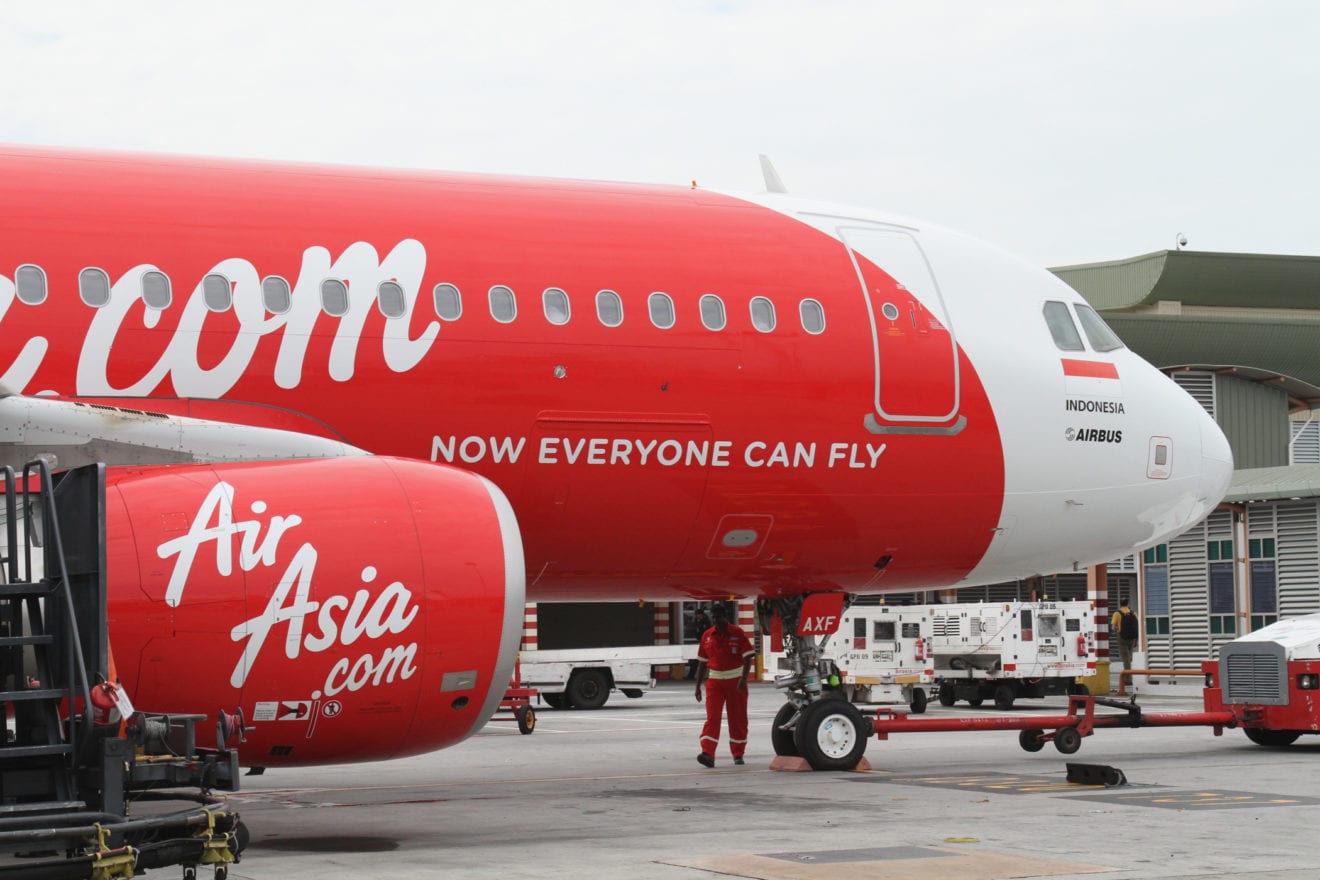
    If you’ve bought AirAsia’s Unlimited Pass a couple of months ago, the low-cost carrier has announced that they are extending the travel period validity until 30th June 2021. The extension is expected since international travel is still not permitted in Malaysia due to the COVID-19 outbreak.

    According to AirAsia’s Facebook post, the new validity date should be reflected under the AirAsia Deals page under the ‘My Purchases’ tab. The updated FAQ states that the booking must be made at least 14 days in advance and the last available booking date is 16 June 2021.

    For those who have booked their flights on or before 17th of April with a departure date between 23rd March and 30th June are allowed to make unlimited flight change to any date before 31st October 2020 on the same route for unlimited times without any additional costs subject to seat availability. Alternatively, they can request to retain the value of the booking as a credit which can be redeemed within 2 years (730 days) from the issuance date.

    The AirAsia Unlimited Pass was introduced on 29 February and it was seen as a move to cushion the economic impact of COVID-19 on the travel industry. The pass costs RM499 and it allows you to take unlimited AirAsia X flights to destinations in Australia, Japan, China, Korea, India and also Honolulu via Osaka.

    The pass only covers the base fare of the flight and it doesn’t include taxes, airport charges, regulatory fees as well as add-ons such as seat reservation, meals and check-in luggage allowance. Initially, the pass covers a travel period from 2nd March 2020 to 2nd March 2021 and it is now extended by approximately 4 months.

  • Singapore coffee chain Kimly boosts profit, despite Covid-19

    Singapore coffee chain Kimly boosts profit, despite Covid-19

    Singaporean traditional coffee shop operator Kimly has recorded a 5.3-per-cent year-on-year boost in half-year profit to SG$10.5 million (US$7.4 million).

    The result was achieved on a more modest 1-per-cent increase in sales to $107.4 million ($75.74 million) in the half-year ended March 31.

    The improved revenue was largely due to the brand’s five new coffee shops and eight food stalls opened since November.

    While the Covid-19 pandemic seriously and adversely impacted economic growth prospects in Singapore, Kimly’s coffee shops, canteens and food courts remain open for takeaway and delivery services throughout. Since the nation’s circuit breaker was introduced on April 7 footfall has fallen at these locations, the company said.

    “In line with the further tightening of circuit breaker measures recently, the group has suspended operations at its six Rive Gauche outlets and Cake Central Kitchen facility but the group does not expect the suspension to have any material impact on the group’s revenue.”

    The Kimly board said that besides placing focus on enhancing food offerings and operational efficiency in the upcoming year, “we remain committed to secure more long-term direct ownership of food outlets and food stalls in matured estates which is in line with our asset ownership strategy”.

    “We believe that there are still acquisition opportunities in the local market where we can tap on to further expand our presence in Singapore as well as enhance our profitability.”

  • DBS Joins Blockchain Trade Finance Network

    DBS Joins Blockchain Trade Finance Network

    DBS joins blockchain network Countour to tap into the platform’s digitalized trade finance capabilities.

    DBS becomes Singapore’s first lender to join blockchain firm R3’s Corda to provide end-to-end letter of credit (LC) settlement to clients. Via the Corda network, the bank expects shortened settlement time, reduced paperwork and simplified processes.

    In addition, the platform also enables digitalized real-time negotiations, post-endorsement sharing with banks and real-time tracking of transactions with a full audit trail.

    Joining Contour’s growing ecosystem of banks and partners aligns with DBS’s ongoing efforts to drive greater efficiencies in trade and unlock strategic value for its corporate customers, DBS said in a statement.

    In the midst of an ongoing coronavirus pandemic, numerous banking sub-segments have been capitalizing on the opportunity for greater openness to digital solutions and an accelerated rate of adoption. Trade finance is no exception and any solution that can speed up cash flow collection in a secure fashion is likely all the more welcome in the current environment.

    This is more than simply digitizing a historically paper-based service, said John Laurens, DBS’s group head of global transaction services. It’s about transforming the way industries work by providing greater transparency, security and speed to build sustainable trade ecosystems that are able to weather the peaks and troughs of economic cycles and are resilient in times of crisis.

    DBS joins BNP Paribas, Bangkok Bank, ING, HSBC, Standard Chartered and Citi Ventures as other members of Singapore-based Countour’s blockchain trade finance network.

  • Revolut Singapore Strengthens Leadership Team

    Revolut Singapore Strengthens Leadership Team

    The fast-growing digital bank has added a CEO, chief compliance officer and head of growth in Singapore, where it now employs over 30 people, it announced on Tuesday.

    U.K.-based fintech Revolut has appointed James Shanahan as its Singapore chief executive officer, who brings more than 25 years’ experience with large banks, insurers and third-parties, particularly in Asia.

    Shanahan, who joined Revolut in March, was previously Railsbank’s Southeast Asia chief of staff. Prior to that, he was chief operating officer for insurer Singapore Life, and held a variety of roles at Ataca, Avaloq, Axa, ANZ, and Standard Chartered. In his new role, he will be responsible for growing Revolut’s local business and expanding into wider Asian markets, a statement said.

    His appointment follows the appointment of Martin Gilbert, the former Standard Life Aberdeen co-chief executive who sat on the MAS International Advisory Panel until early 2020, as chairman of Revolut’s board.

    Compliance Risk Specialist Joins

    Revolut also appointed Rayson Tan as chief compliance officer, chief risk officer and head of legal. He brings more than two decades’ experience in the field, and was most recently a managing director in the Compliance & Regulatory Affairs department of Credit Suisse.

    Tan has also held various country, regional and global AML and sanction roles at Deutsche Bank and UBS.

    Business Development Hire

    Pam Chuang, the former vice president of sales and partnerships at GoBear, was appointed head of growth. She was part of the pioneer team at the Singapore-based financial supermarket, and was instrumental in scaling its reach across Southeast Asia and Hong Kong.

    Before that, Chuang held leadership roles for companies including AIA Group, ReMark International, Saxo Bank and Aon.

    Rapid Growth

    Founded in 2015, Revolut launched in Singapore in 2019, where it operates a multi-currency wallet. 

    In February, it announced a $500 million series D raise led by Silicon Valley venture capital firm TCV, which it said will be used to improve existing products and services as well as expand its outreach outside of its U.K. base.

    Earlier this month, Revolut announced that it had officially launched a bank in Lithuania, and will use the European banking license that it received for the operations there to start awarding loans, issue credit cards and open savings accounts.

  • Luxury labels head to Line during Thai coronavirus lockdown

    Luxury labels head to Line during Thai coronavirus lockdown

    High-end brands have taken to online social-networking platform Line to sell luxury products during the Thai coronavirus lockdown.

    Off-the-runway fashion items, currently unavailable at temporarily shuttered department stores in Bangkok, are now being sold on Thailand’s dominant messaging service, previously the domain of local brands engaging in e-commerce.

    International names in luxury retail such as Bao Bao Issey Miyake, Club 21, Chanel and Louis Vuitton are now using Line accounts to set up online storefronts dedicated to moving products during the restrictions on movement.

    The brands are using various strategies – from video clips and advertising via messaging to live chats serving product information – in an attempt to capture attention in the online marketplace.

    While the Thai coronavirus lockdown may be relaxed later this month, allowing malls and department stores to reopen in the Thai capital, the new luxury e-commerce channels may well become an enduring feature of the nation’s fashion retail sector.

  • WhatsApp and JioMart commence e-commerce rollout

    WhatsApp and JioMart commence e-commerce rollout

    Indian conglomerate Reliance Industries has partnered with Facebook’s WhatsApp messaging service to pilot its new online food and grocery channel JioMart in an attempt to redesign Indian retail.

    Last month, Facebook invested US$5.7 billion in Jiomart, to take a 9.99 percent interest in the digital platform and set a foundation for a joint venture with Reliance.

    JioMart, which has its own dedicated user base, will use WhatsApp’s extensive social reach to allow consumers to access the store’s e-commerce channel via web links shared on the platform. The service assigns any orders made to a nearby store, connecting small offline retailers and enabling them to expand digitally – a critical sales function during the coronavirus pandemic.

    JioMart plans to onboard 30 million offline retailers to Indian consumers’ smartphones.

    Data and analytics firm GlobalData has estimated the service to achieve ₹678 billion (US$8.9 billion) within three years.

    “Recently, JioMart tested its grocery ordering system through WhatsApp in the suburban areas of Mumbai, India,” said GlobalData retail analyst Hrishabh Kashyap. “That gave a glimpse of one of the many services Jio and Facebook can offer. The two popular communication platforms will work together to enable their consumers to interact with nearby stores online to place an order, allowing the retailer to retain its customers through digital association.

    “The pandemic might just have given the necessary push to the massive physical retailer network in India by forcing the retailers to go digital in order to sustain their businesses and thereby insulating them from the even more rapid shift online.”

  • Alumak to provide working capital loans to Lazada’s online sellers

    Alumak to provide working capital loans to Lazada’s online sellers

    Lazada has partnered with Southeast Asian fintech startup Alumak to provide online merchants with working capital during the Covid-19 pandemic.

    Business owners selling through Lazada for at least six months can apply online using their Lazada account in place of the need to submit formal paperwork, in a process that takes less than 10 minutes.

    Alumak says it can provide working capital of up to 75 million IDR (US$5000) within three hours, sourcing funds from its credit partners. That’s a vastly shorter time frame from the industry standard of one-to-two weeks processing time.

    Once approved, the funds can be downloaded in full or in part with interest charged only on drawn funds.

    Stefan Hadjidetschev, co-founder and GM of Alumak, says the program, which has no end date at this time, is intended to help businesses operate in the “new normal” of Covid-19 and during Ramadan.

    Haikal Bekti Anggoro, senior VP, traffic operations at Lazada, said the company wants to support the economy through its sellers.

    “Lazada aims to ensure that our sellers will be able to have a sustainable business and our Service Market Place offerings are geared towards that goal, providing services that sellers need to build, boost and strengthen their business. The cooperation with fintech companies like Alumak, enables our sellers to get access to funding and keep their business going.”

    Alumak describes itself as an SME-focused fintech company serving digital-savvy businesses with a mobile-first digital business account across four countries: Singapore, Indonesia, Thailand and Vietnam).

  • Facebook shuts down Instagram Lite app

    Facebook shuts down Instagram Lite app

    Instagram Lite, the app launched by Facebook two years ago in several countries to help users with less powerful smartphones has been given the ax. AndroidPolice recently noticed that the Instagram Lite app has been removed from the Google Play Store, while those who already have installed are now met with a message informing them that the app is no longer supported.

    TechCrunch was able to confirm with Facebook that Instagram Lite has been shut down and that people in those countries where it was available are now redirected to the full-fledged Instagram app:

    We are rolling back the test of the Instagram Lite app. You can start using the latest version of Instagram instead to connect with the people and things you love.

    The Instagram Lite app was available for download in countries like Kenya, Mexico, Peru, and the Philippines, but instead of expanding its availability, Facebook has decided to shut it down completely.

    However, it looks like this isn’t the last time we see a “lite” version of Instagram, as Facebook plans to process all the feedback it received and build a new version of Instagram Lite. Unfortunately, there’s no telling when the app will be launched, but at least we know it’s coming.

  • Popeyes China to open its first store, in Shanghai

    Popeyes China to open its first store, in Shanghai

    Popeyes China will open its first store next week, in Shanghai, as it aims to build a network of 1500 outlets nationwide within 10 years.

    Located on Huaihai Road, one of the city’s most popular shopping precincts, the 470sqm debut Popeyes China store features a Louisiana-inspired design with a twist of Chinese aesthetics.

    Raphael Coelho, CEO of Popeyes China, says the company will look to expand in other parts of the country including Hangzhou and Suzhou after the brand’s debut. He is confident about the growth prospects for the brand as the country is quickly recovering from the Covid-19 pandemic.

    “We hope to set our roots in the China market and grow in the long run and be loved by consumers and clients,” said Coelho.

    The company announced last year that it would launch in Mainland China, becoming the last of Restaurant Brands International’s three major chains to enter the Chinese market. Burger King has operated in the territory since 2005, and it now has more than 1000 locations in China.

    Popeyes operates more than 3100 locations in more than 26 countries worldwide, including the US and Canada.

  • The R Collective teams with Levi’s in upcycled Denim Reimagined range

    The R Collective teams with Levi’s in upcycled Denim Reimagined range

    Upcycled fashion label The R Collective has launched its Denim Reimagined capsule collection at K11 Musea’s Levi’s store in Hong Kong.

    The Denim Reimagined collection, created by local designer Jesse Lee, uses surplus denim from Levi’s jeans and is being launched to coincide with the brand’s global #WearAndCare sustainable consumer care campaign. A virtual workshop conducted in English and Chinese is scheduled to be held on Wednesday next week to engage with locked-down, socially-distanced consumers on how to reduce the climate impact of the fashion industry via sustainable consumer care behavior.

    “I was inspired by how the ocean’s natural beauty plays a huge role in regulating the Earth’s climate,” said Lee at the Levi’s in-store launch. “Fashion inspires and designers must engage with customers, particularly during this uncertain time of socially-distancing, when we’re forced to reimagine the world we want to live in. Denim’s biggest climate impact is caused during consumer care and fabric production, and so Denim Reimagined tackles both upcycling and consumer care, so we can all have caring closets.”

    “Upcycling excess materials and extending the life of garments are two of the most sustainable things we can do with our clothing, as anyone who has owned a pair of vintage Levi’s knows,” said Levi Strauss & Co director of sustainability Liz Lipton-McCombie. “As such, we’re proud to support creative upcycling projects, like The R Collective’s Denim Reimagined, and are encouraged to see the progress they are making.”

    The collection features digital clothing care labels, which consumers can scan to learn more about the clothing item and receive one of four different sustainability messages: how the garment was made; how to care for clothes to reduce clothing’s climate impact; solutions for keeping fashion in use and out of landfills; and the collection’s story.

    “In a post-Covid-19 world,” said The R Collective founder/CEO Christina Dean, “consumers expect greater transparency and sustainability and so the value of having technology, like Denim Reimagined’s unique digital identities, allows us to interact with and, most importantly, educate consumers on how to care for their garments in a sustainable, climate-friendly way.”

  • Retail landlords and tenants should prepare for a ‘new era’

    Retail landlords and tenants should prepare for a ‘new era’

    The relationship between retail landlords and tenants is set to change forever after the Covid-19 pandemic, according to Thai real estate executive Jariya Thumtrongkitkul.

    “Retail landlords and tenants’ co-operation will become more crucial than ever before,” says Thumtrongkitkul, who is head of advisory and transaction services – retail at CBRE Thailand.

    “Both sides will now consider more realistic rents and flexible leasing terms and conditions depending on retail business and sizes. Partnership rents and percentage revenue sharing are preferred options of this co-operation rather than fixed rent.

    “Even though this will make the retail market more sophisticated, it is the most realistic approach going forward in the new normal era,” she says.

    The sudden arrival of Covid-19 has highlighted the drawbacks of fixed-rent lease agreements, where tenants do not disclose their transactional data to landlords: while the latter could always predict their income from one month to the next, tenants were exposed to uncertainties of income due to uncontrollable circumstances, which could include anything from social unrest, pandemics or factors seriously impacting either tourist or local consumption patterns.

    Thumtrongkitkul says developers face a new challenge in restoring customer confidence in safety, engagement and appetite when visiting shopping centres. This may force changes in the way retail space is used, she argues.

    “As social distancing becomes the new normal, shopping centers will likely to provide more semi indoor-outdoor areas where customers can enjoy fresh air, various temporary spaces for pop-up stores or unique retail formats and additional recreation areas like green space, outdoor seating, pet-friendly areas, auditorium space, rooftop space and jogging lanes.

    “These new landmark and other signature areas of the shopping malls will flourish as additional points to boost customers’ engagement and confidence in safety, and create positive and unique shopping experiences in those malls. CBRE believes hygiene and cleanliness will also be one of the retail design principles and touchless technologies that reduce direct surface contact such as automatic toilets, entrance door sensors, and automated parking will be heavily introduced as a result of social distancing.”

    Among retailers, some brands might be forced to permanently shut down their unprofitable branches, and others will become more selective in choosing a suitable location and rental price, says Thumtrongkitkul.

    “Shorter lease terms and less security deposit are expected for more liquidity. More importantly, businesses are strategically adjusting their operating space as less service area is required on the storefront.

    “We are seeing retailers, especially F&B, fashion, cosmetics and personal-care businesses shifting their focus heavily towards the e-commerce territory. The fastest adapters like the fast-food chains will downsize their seating areas to have bigger operating kitchen and delivery pick-up areas. A big casual dining restaurant, for example, will now scale down their space. “Retailers’ rental space requirement may be reduced by 20 to 40 per cent from its original size pre-Covid-19.”

    Thumtrongkitkul says that as health-and-wellness concerns drive more consumers to seek indulgences online during time of social distancing, retailers will redeploy resources. They will pour the money saved from operating expenses – such as lower rents or network or store-size reduction – into expanding an always-on presence to equip their business in “the cut-throat competition of digital platforms”.

    “Enhancing online users’ positive experiences will become their main digital strategy.

    “Consumers should now brace themselves for a new breed of retail businesses that are already thriving off the ‘lazy economy’ consumer pattern occurring in major cities around the world,“ she adds.

    “With online shopping, at-home-fitness classes, and home cinema apps like Netflix to ready-to-eat food deliveries, people will fill their households with comfort products and wellness-maintenance upgrades such as lounging furniture, gym equipment and electronics for remote working which is becoming the most widespread working trend nowadays. Therefore, both retail landlords and tenants must strive to create ‘positive shopping experience’ for these health-conscious and convenience-centric consumers.

    “CBRE Thailand believes that long term, in the ‘new-normal’ era, the Thai retail market will inevitably undergo major readjustment of retail space for wellness purposes and relationships among all the market’s stakeholders as well,” Thumtrongkitkul concludes.
  • Indosat Ooredoo Reports Revenue Growth of 8% for Q1 2020 Year-on-Year

    Indosat Ooredoo Reports Revenue Growth of 8% for Q1 2020 Year-on-Year

    President Director and CEO Indosat Ooredoo, Ahmad Al-Neama, said, “Building on the growth momentum from 2019, Indosat Ooredoo has delivered a strong performance in Q1’20. We are on track with our 3 years’ turnaround plan and see positive momentum continuing in the coming quarters. We all are facing unprecedented challenges and Indosat Ooredoo has been taking proactive & progressive steps to ensure that we support our employees, customers, and community in this challenging situation. We were amongst the first to implement virtual ways of working for our employees to ensure their health and safety. We have accelerated our network rollout plan to make sure that people can stay connected during these times. Steps have been taken to support business continuity for enterprise customer and Indosat Ooredoo continues to support government initiatives in these tough times. Indosat Ooredoo remains committed to accelerating Indonesia’ digital economy agenda and will continue to support to navigate our country through this pandemic.”

    Revenues of IDR6,523.1 billion were recorded for 1Q 2020, an increase of IDR476.9 billion or 7.9% higher compared to 1Q 2019. Indosat Ooredoo’s Cellular, MIDI, and Fixed Telecommunication business each contributed 82%, 15%, and 3% respectively to the consolidated operating revenues for the period ended 31 March 2020. Indosat Ooredoo recorded net loss of IDR605.6 billion, increased by IDR313.1 billion over net loss recorded in 1Q 2019 primarily driven by one-off impact of organization rightsizing and loss on foreign exchange.

    The Company operated 133,186 BTSs as of 31 March 2020, adding 51,680 BTSs compared to last year. To date, the Company has operated 52,174 4G BTS.


  • Deliveroo Singapore partners WeCare@MarineParade to deliver iftar meals

    Deliveroo Singapore partners WeCare@MarineParade to deliver iftar meals

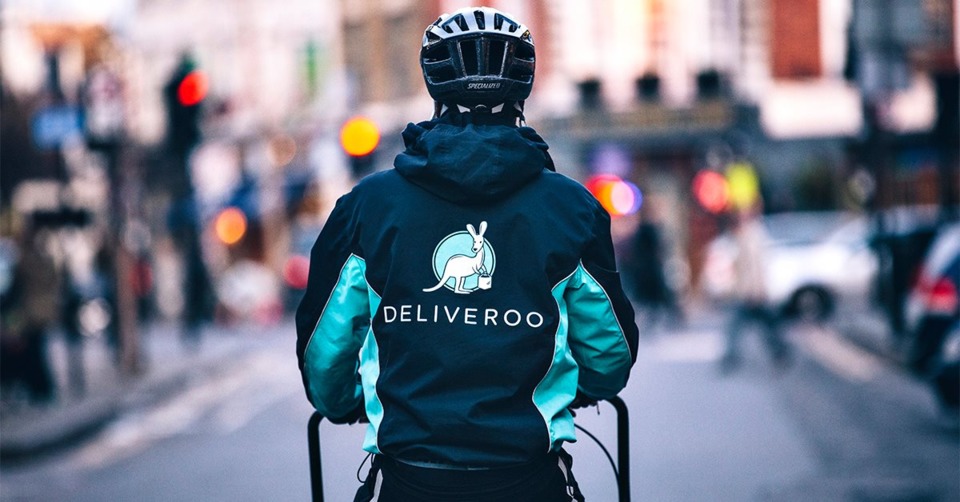
    Deliveroo Singapore is partnering with WeCare@MarineParade to deliver iftar meals to vulnerable Muslim families to enjoy during Ramadan. As part of a joint partnership between WeCare@MarineParade, Islamic Restaurant Singapore and Deliveroo, Deliveroo riders will deliver 1,200 meals to 115 households and 428 beneficiaries nominated by WeCare@MarineParade between 4 May to 22 May. Generously donated by Mr Yusoff Rahman, the meals will be prepared by Islamic Restaurant Singapore, with delivery fulfilled by Deliveroo.

    WeCare@MarineParade is a community-based network that aims to help vulnerable residents in Marine Parade through community action and meaningful partnerships. Founded in 1921 by Mr Abdul Rahiman, Islamic Restaurant Singapore has been in the food business for nearly 100 years. Serving up halal dishes which utilise traditional cooking methods with modern twists, Islamic’s mission has always been to serve up quality comfort food including roti maryam, murtabak, curries and other mamak favourites.

    “Deliveroo Singapore is always seeking opportunities to give back to the communities we operate in,” said Sarah Tan, Director of Growth and Marketing and Interim General Manager, Deliveroo Singapore. “As a company which delivers great-tasting food to thousands of consumers’ doorsteps each day, banding together withWeCare@MarineParade and Islamic Restaurant to give back to those in need was an obvious partnership this Ramadan. As Singapore continues to do its part to stop the spread of COVID-19 together, we hope the food deliveries raise a smile for our Muslim friends at home.”

    “Amidst the Circuit Breaker, gathering volunteers to distribute food has been challenging. Thus, we are delighted to work with Deliveroo during this special time. Between 4 May to 22 May, Deliveroo riders will deliver local food to over 400 of our beneficiaries in Marine Parade. This would not have been possible without their kind sponsorship and move to bring favourite takeaways, delivered to people’s doorstep.” said Chan Jianhong, Head of WeCare@MarineParade.

    “I’m very grateful to receive this delicious iftar meal for me and my family to enjoy together during the holy month of fasting,” said Marine Parade resident, Mdm Sharifah Binte Hussein. “It’s difficult this year not getting to spend time with our extended family and friends during Ramadan, but little acts of kindness like this go a long way.”

    “I’m happy for the opportunity to do my part to help the less fortunate in our community and lift their spirits, especially during these challenging times. It means even more as we get to volunteer during our free time during fasting month. This is a truly meaningful initiative that I’m glad to be a part of. It’s really rewarding to see the smiles on their faces when we drop off the meals and I hope I can continue to participate in such initiatives like these,” said Nurul Astika, a Deliveroo rider who participated in this initiative.

    Deliveroo Singapore’s partnership with WeCare@MarineParade and Islamic Restaurant Singapore is the latest in a series of community focused tie-ups. Previous partnerships include TOUCH Community Services, where Deliveroo rallied customers, restaurants and riders to get behind the Meals-On-Wheels initiative, and social enterprise Glyph, which saw Deliveroo hosting quarterly Food & Cultural Exchanges and offering discounted Glyph membership fees for riders’ children.

  • Mastercard study shows consumers moving to contactless payments for everyday purchases as they seek cleaner

    Mastercard study shows consumers moving to contactless payments for everyday purchases as they seek cleaner

    During February and March, as many countries imposed or strengthened social distancing measures due to COVID-19, a significant majority of consumers turned to contactless card payments for necessary purchases. Citing safety and cleanliness, 79 percent of people worldwide and 91 percent in Asia Pacific say they are now using tap-and-go payments.

    Consumer polling by Mastercard, studying changing consumer behaviors in 19 countries around the world, paints a picture of accelerated and sustained contactless adoption.

    The act of going to the store for eggs, toilet paper, medicine and other necessities has changed dramatically this year. Shoppers have had to adjust to new challenges when buying everyday supplies – a shift in behavior that is particularly clear at checkout as people express a desire for contactless cards and voice concerns over cleanliness and safety at the point of sale.

    The new Mastercard survey shows:

    • Contactless cards move to top of wallet – Perceptions of safety and convenience have spurred a preference for contactless cards and reminded consumers of the ease of tapping. Globally, 46  percent of respondents have swapped their top-of-wallet card for one that offers contactless. In Asia Pacific, 51 percent of people have made the swap.
    • Confidence in contactless – COVID-19 has increased concerns about cash usage and led to positive perceptions about contactless due to the safety and peace of mind it provides. The majority of respondents (82 percent) globally view contactless as the cleaner way to pay, with 80 percent in Asia Pacific saying the same. Contactless payments are up to 10 times faster than other in-person payment methods, enabling customers to get in and out of stores faster.  
    • Contactless is here to stay – We are in a sustained period where consumers are making purchases in a very focused way. That’s reinforcing contactless use in markets where adoption is more mature and it’s stimulating use in newer markets. This trend appears to be here to stay as 74 percent of people globally and 75 percent in Asia Pacific state they will continue to use contactless after the pandemic is over.

    “Mastercard’s survey shows a clear shift to contactless – especially in Asia Pacific – as COVID-19 changes the payments landscape and the way people shop now and in the future,” said Sandeep Malhotra, Executive Vice President, Products & Innovation, Asia Pacific, Mastercard. “The fact that 3 in 4 people intend to keep using tap-and-go after the pandemic is a strong sign that consumers see the long-term benefits of having a safer, cleaner way to pay, checking out faster and being more socially responsible.”

    Contactless Tipping Point

    Mastercard has been spearheading the worldwide shift to contactless for years, championing the simple, safe and fast way to pay. Now, as consumers increasingly seek ways to get in and out of stores quickly without touching payment terminals, Mastercard data reveals more than 40 percent growth in contactless transactions globally in the first quarter of 20201. More than 80 percent of contactless transactions are under US$25, a range typically dominated by cash.

    While countries worldwide are at different stages of contactless card deployment and usage for daily shopping, Mastercard’s insights on trends at grocery stores and pharmacies – where many day-to-day essentials are being purchased – showed nearly all regions experienced significant spikes in February and March.

    Reinforcing changing behaviors and consumer checkout preferences, Mastercard saw the number of tap-and-go card payments at grocery stores and pharmacies grow twice as fast as non-contactless transactions globally and 2.5 times faster in Asia Pacific2.

    Just last month, Mastercard announced commitments to increase contactless payment limits in more than 50 countries worldwide in Europe, the Middle East, Africa, Asia Pacific, Canada, Latin America and the Caribbean. Limit increases were part of Mastercard’s global effort to make sure consumers, merchants and small businesses have the resources to pay safely, receive payment and maintain operations during the COVID-19 crisis.

  • Start-ups in APAC brace for coronavirus bruising

    Start-ups in APAC brace for coronavirus bruising

    In 2013, Simon Loong launched Hong Kong fintech WeLab using a small loan — just four years later the business was profitable. As one of the leaders of the second FT Asia-Pacific High Growth Companies ranking, WeLab’s story is testament to the favorable business conditions that start-ups in Asia can enjoy. WeLab, an online platform that offers users a range of services including loans, already had a presence in Hong Kong and mainland China. In 2018 it entered Indonesia via a joint venture with a local conglomerate.

    The resultant Maucash platform acquired more than 600,000 registered users in its first year of operations — a faster user growth rate than when it entered mainland China in 2014. Its momentum to this point reflects how the Apac region’s youthful population — which in places like India and Indonesia is chronically “underbanked” or lacks access to financial services entirely — is moving online, boosting companies like WeLab that are eager to meet their needs. Little wonder, then, that once again technology businesses along with fintech and eCommerce overwhelmingly dominate this year’s list, together accounting for more than 30 percent of the 500.

    Indonesia, meanwhile, contributed just two companies to the list, yet both of them — Fabelio, an online furniture retailer, and Bukalapak, a digital marketplace — rank in the top 20. In terms of cities, Singapore overtook Tokyo this year for having the largest number of high-growth companies (74), followed by the Japanese capital (69) and Sydney (34). Singapore’s “good ingredients” have made it a favored destination for both domestic entrepreneurs and those from the wider region, says Patrick Yeo, a partner at PwC who advises businesses locating in the city-state. “Singapore is the headquarters for these companies but the operations from which they derive their revenue are not necessarily all from there,” he adds.

    Many start-ups have not experienced what it is to have forward estimates go up in smoke Michael Joseph, Ion Pacific One such example is ride-hailing company Grab, which moved its headquarters from Malaysia to Singapore in 2014. The city now acts as a base from which it serves other markets in south-east Asia. Grab ranks 20th, with a 2015-18 CAGR of 233 percent. The business, which is backed by SoftBank and was valued at $14bn before the pandemic, is also a company that its western counterparts are looking to for ideas. The company launched its original ride-hailing app in 2012, with the aim of becoming the Uber of south-east Asia. It has since widened its offering beyond simply getting people “from A to B”, says Ming Maa, Grab president.

    It now offers loans, and grocery and laundry delivery. “The more services a customer uses, the more revenues we are able to generate.” Now, it seems, US rival Uber is imitating the “super app” strategies of Grab and Indonesia-based Gojek. Uber chief executive Dara Khosrowshahi last year declared he wanted “Uber to be the operating system for your everyday life”. Gojek, as with some other Asian companies valued above $1bn such as Indonesian e-commerce player Tokopedia, declined to be featured on the list. Some companies did not want to make their figures public or chose not participate for other reasons.

    Pandemic fallout Even before this crisis, growth had begun to show signs of slowing for some companies since 2018. Bukalapak’s app download figures on Apple and Android devices halved between January and December 2019, from about 1.4m to 692,000, according to data from Sensor Tower. Asia has historically been effective at building online marketplaces such as Grab’s “superapp” model and such ventures will face less pressure than smaller start-ups during the coronavirus-led downturn, says Jonathan Woetzel, Asia-based director of the McKinsey Global Institute.

    “There will be volatility. Does that translate into massive bankruptcies? I do not see that, certainly not for larger ones at this stage,” he says. Editor’s note The Financial Times is making key coronavirus coverage free to read to help everyone stay informed. Find the latest here. WeLab’s online lending platform in Hong Kong, WeLend, has seen an increase of about 36 percent in application volumes in March compared with the same month in 2019. Yet Mr Loong cautions that WeLab is bracing for a hit to China and Hong Kong’s economies, which could affect customers’ ability to repay those loans.

    WeLab said it was being “prudent” with the increase in applications, which were coming from a wide range of age groups and industries. Many entrepreneurs in India and south-east Asia are facing their first real recession and test of their business models, notes Michael Joseph, managing partner of Asia-based asset manager Ion Pacific, which invests in the venture capital secondary market. “Many of the start-ups in south-east Asia are run by teams that . . . have not experienced, first-hand, what it is to have your forward estimates go up in smoke in the way that the dotcom bubble bursting and the global financial crisis caused pain for start-ups earlier in the millennium,” he says.